

Chapters:

Need help with your trip?
Our support team is available 24/7. Request a callback or call us directly at (833) 619-0908
Belgrade does not unfold from one neat historic center. Its appeal comes from the way the fortress, rivers, old streets, socialist-era blocks, cafés, markets, and nightlife districts all pull the trip in different directions.
A good visit needs more than a quick stop at Kalemegdan Fortress and dinner in Skadarlija. Distances, traffic, and scattered sights can stretch the day if you move back and forth without a plan. This guide shows how to organize Belgrade by area, from the old center and Vračar to the riverfront, with time for food, transit, museums, and one slower day by the water.
Useful things to know

Main language(s): Serbian
Zdravo (ZDRAH-voh) – Hello
Molim (MOH-leem) – Please
Hvala (HVAH-lah) – Thank you
Govorite li engleski? (GOH-voh-ree-teh lee EN-glehs-kee) – Do you speak English?
Koliko košta? (KOH-lee-koh KOH-shta) – How much does it cost?

Currency: Serbian dinar (RSD, din.)

Cash and cards: Cards and contactless payments are widely accepted, but keep RSD 2,000 to RSD 3,000 ($18 to $27) for taxis, markets, and small shops.

Tipping: Round up or leave 10% at restaurants when service is good; small tips for taxis are common.

Traditional food: Ćevapi, pljeskavica, sarma, burek, kajmak, ajvar, and karađorđeva šnicla are among Belgrade’s most common local dishes.

Water and coffee costs: Bottled water usually costs RSD 150 to RSD 250 ($1.50 to $2.50), while espresso often costs RSD 180 to RSD 300 ($1.75 to $3).

Taxis and ride apps: CarGo and Yandex Go operate in Belgrade; Uber does not. Use licensed taxis or apps, especially late at night or after nightlife.

Plug and voltage: Type C and Type F sockets, 230V

Dining and shop opening hours: Breakfast usually falls between 7:00 am and 10:00 am, lunch between 12:00 pm and 3:00 pm, and dinner between 7:00 pm and 10:00 pm.

Emergency number: Dial 112 for general emergencies, 192 for police, 193 for the fire department, and 194 for ambulance.
Where to stay in Belgrade
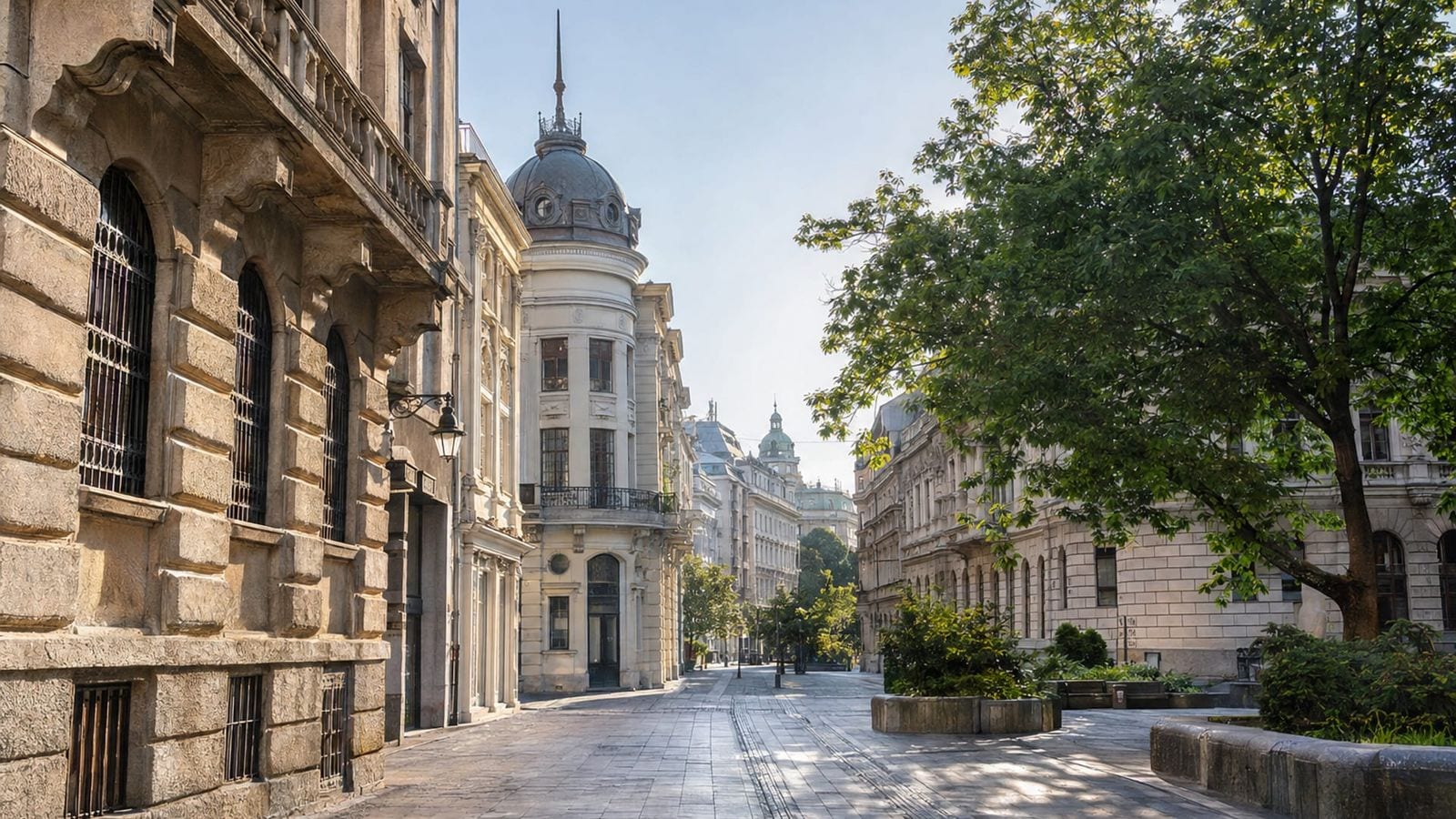
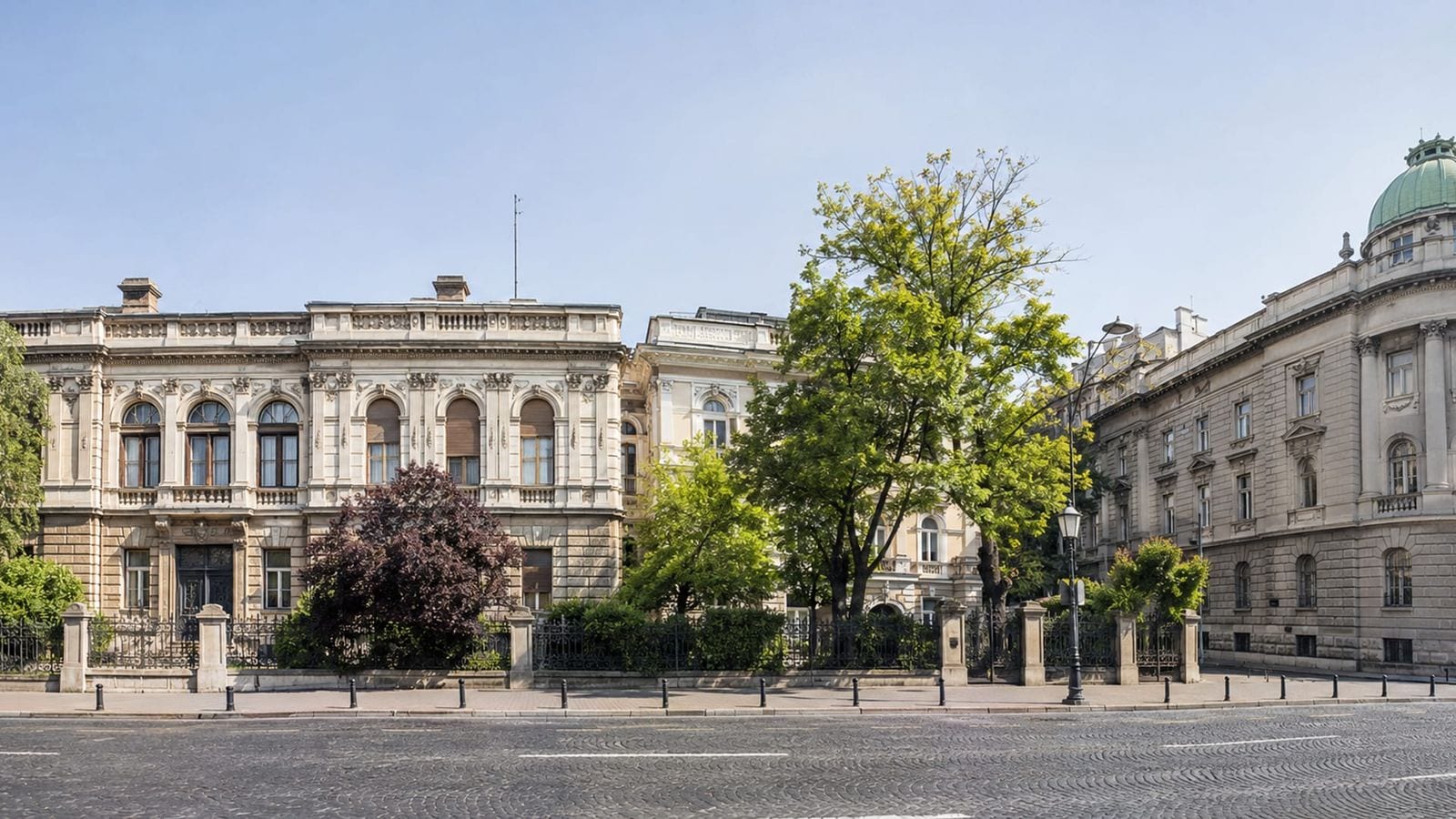
Stari Grad places you near Republic Square, Knez Mihailova, museums, cafés, and the route toward Kalemegdan. It suits first-time visitors who want major sights, restaurants, evening walks, and tram links close together without crossing the city several times a day or planning long transfers.
Best for: First-time visits, sightseeing, museums, restaurants, and central evening walks
What to expect: Busy sidewalks, cafés, and late movement, especially on the main pedestrian streets and around the square.
Hotel prices: Usually about $90 to $180 per night for well-rated stays
Distance to major sights: 5 to 15 minutes on foot to Republic Square; about 20 minutes on foot to Kalemegdan Park
Quietness: Active by day and evening, with more noise on central streets and quieter side lanes one block away.
Main trade-off: The most central streets bring higher room rates and more foot traffic, especially on weekends.
Good to know: Book a room away from Knez Mihailova or Republic Square if you are sensitive to noise.
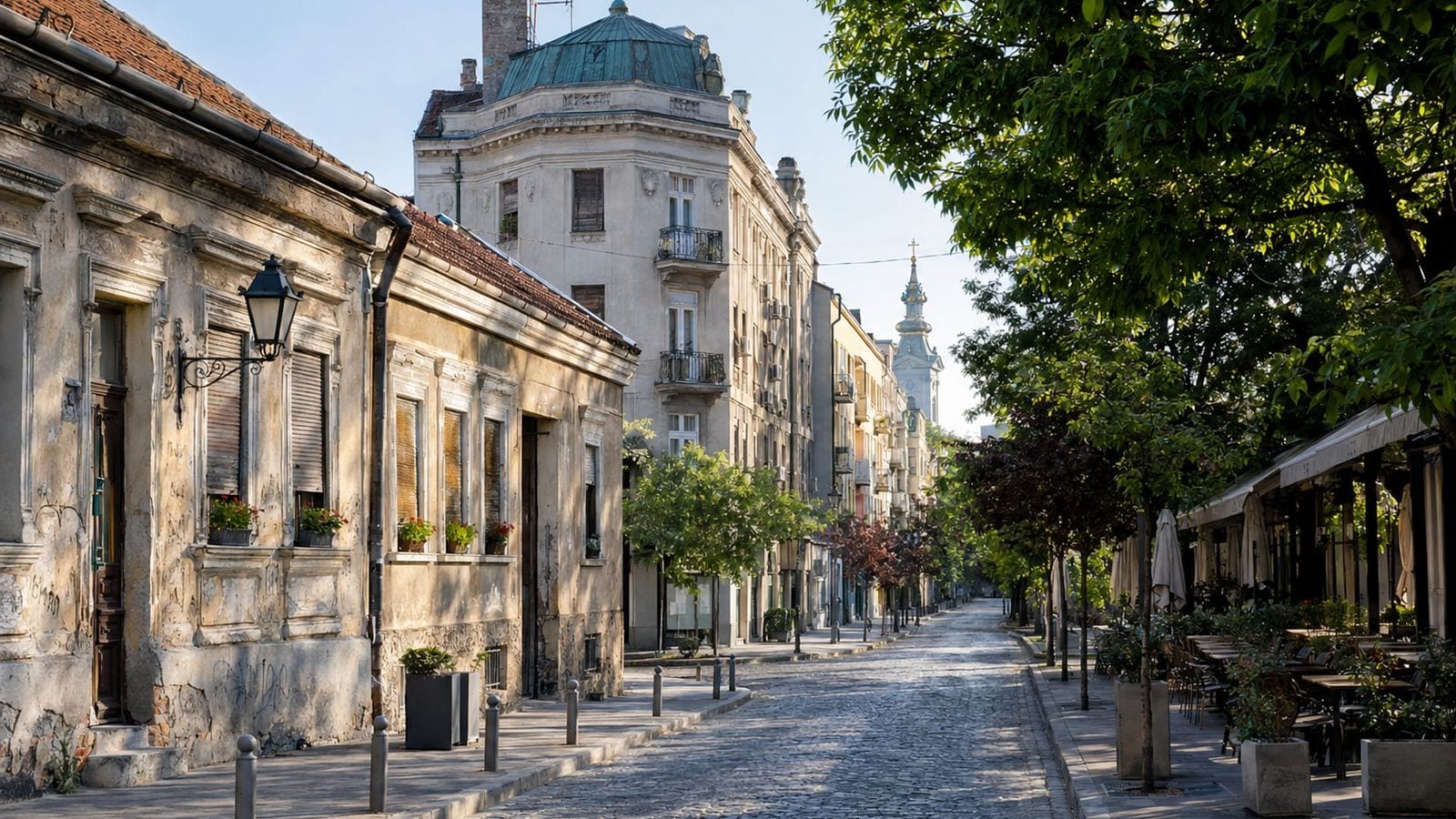
Dorćol stretches north of the old center toward the rivers, mixing historic streets, small galleries, bars, cafés, and creative spaces. Stay here if you want central access with more neighborhood character and quick walks to Kalemegdan, museums, dining streets, and the riverfront.
Best for: Food, nightlife, and travelers who want a central base with character
What to expect: Lively streets, café terraces, and a younger evening crowd, with quieter pockets away from the main bar strips.
Hotel prices: Usually about $80 to $160 per night for well-rated stays
Distance to major sights: 10 to 15 minutes on foot to Kalemegdan; about 15 to 20 minutes on foot to Republic Square
Quietness: Calm in the morning, then noticeably busier in the evening near bar streets.
Main trade-off: You get easy access to central sights, but some blocks can be noisy late into the night.
Good to know: Check the exact street before booking; two nearby addresses can feel very different at night.
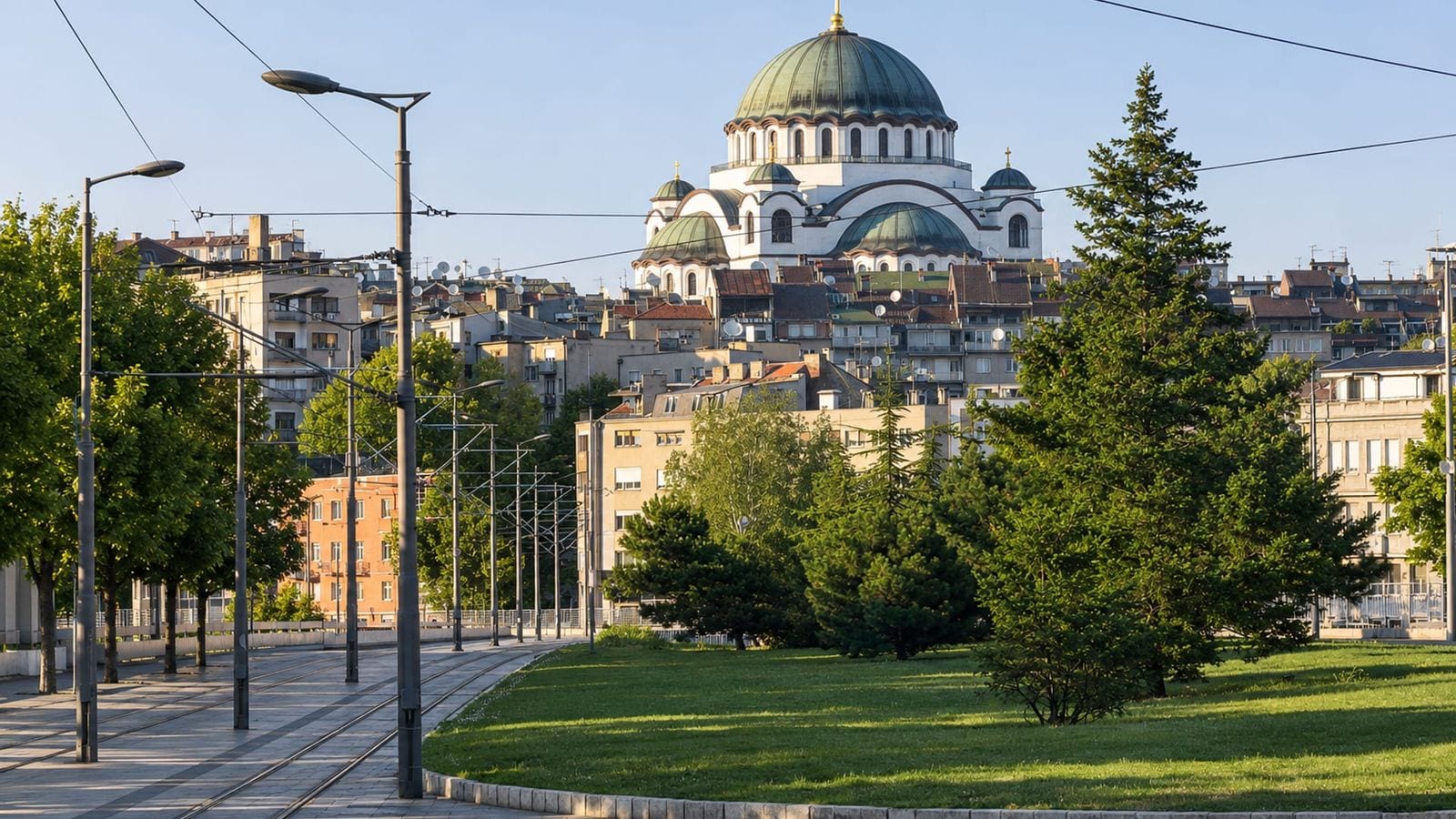
Vračar is a residential district south of the center, anchored by the Temple of Saint Sava and a grid of cafés, bakeries, and local shops. It suits travelers who prefer calmer nights, a morning routine, and a lived-in setting, while keeping the old center a short tram or taxi ride away.
Best for: Longer stays, quieter evenings, and easy access to the Temple of Saint Sava
What to expect: Local street life, neighborhood bakeries, and a less tourist-heavy pace than the core city center.
Hotel prices: Usually about $70 to $140 per night for well-rated stays
Distance to major sights: About 15 to 20 minutes by transit to Republic Square; about 10 minutes on foot to the Temple of Saint Sava
Quietness: Generally quieter at night than Stari Grad, though main avenues stay active with traffic and tram noise.
Main trade-off: You give up some walk-to-everything convenience, so central sightseeing usually starts with a short ride.
Good to know: Choose Vračar if you want local routines and quieter evenings more than doorstep sightseeing.
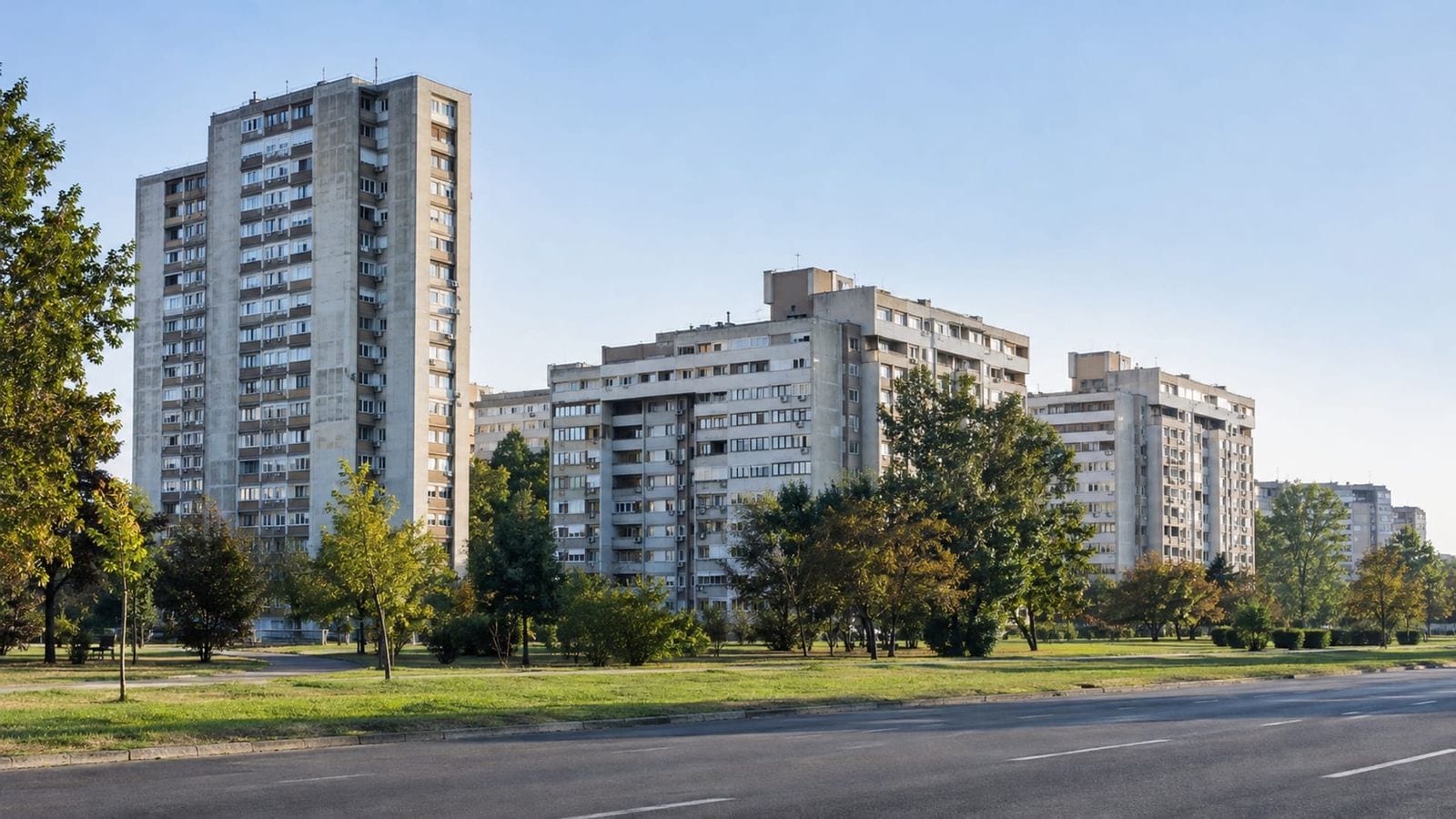
Novi Beograd spreads across the west bank of the Sava, with modern hotels, offices, malls, business venues, and wider streets than the old center. It suits business stays and travelers who prefer larger rooms, easier parking, airport access, practical transport links, and fewer late-night crowds.
Best for: Airport access, business travel, and visitors who prefer larger modern hotels
What to expect: Broad avenues, office traffic, and a more functional street pattern than the historic center, with fewer tourist cafés.
Hotel prices: Usually about $65 to $150 per night for well-rated stays
Distance to major sights: About 10 to 20 minutes by taxi to Republic Square; about 15 minutes by taxi to Belgrade Nikola Tesla Airport (BEG)
Quietness: Quieter at night than central Belgrade in most blocks, though major roads stay active with traffic.
Main trade-off: You save time on airport runs and often pay less for more space, but evenings are less walkable and less atmospheric.
Good to know: Stay near a tram or bus line if you plan to cross the river often.
Choose Stari Grad or Dorćol for sightseeing, dining, and evening walks, or Vračar for calmer nights near Saint Sava. Avoid Surčin, Zemun Polje, Borča, and airport-area hotels unless you only need a quick overnight before a flight.
Hotel deals
How to get around Belgrade efficiently
Belgrade has no metro, so visitors usually combine walking, free city transport, BG Voz rail, taxis, and ride apps.

Bus, tram, and airport bus
for most daytime transfers
Buses, trams, and trolleybuses cover Stari Grad, Dorćol, Vračar, Novi Beograd, Zemun, and most visitor areas. Regular city services are currently free. Bus 72 links Belgrade Nikola Tesla Airport (BEG) with the city, while the A1 minibus to Slavija Square costs about RSD 400 ($4).

BG Voz
for longer cross-city rail trips
BG Voz is Belgrade’s urban rail service, linking central stations with Novi Beograd, Zemun, Batajnica, and other outer areas. Regular rides are currently free, so you do not need to buy or validate a ticket; check schedules before late-evening travel.

Taxi
for late hours, luggage, and cross-river trips
Use licensed taxis, CarGo, or Yandex Go for late nights, airport transfers, and rides between distant districts. Airport-to-center taxi fares often cost RSD 1,800 to RSD 2,500 ($17 to $24), depending on traffic.
*Prices are based on rates updated as of July 2026 and may change at the time of travel.
Walk in the old center; use buses and trams for daytime transfers; BG Voz for longer trips; and taxis or apps when luggage, distance, or late hours make transit less convenient.
Iconic landmarks
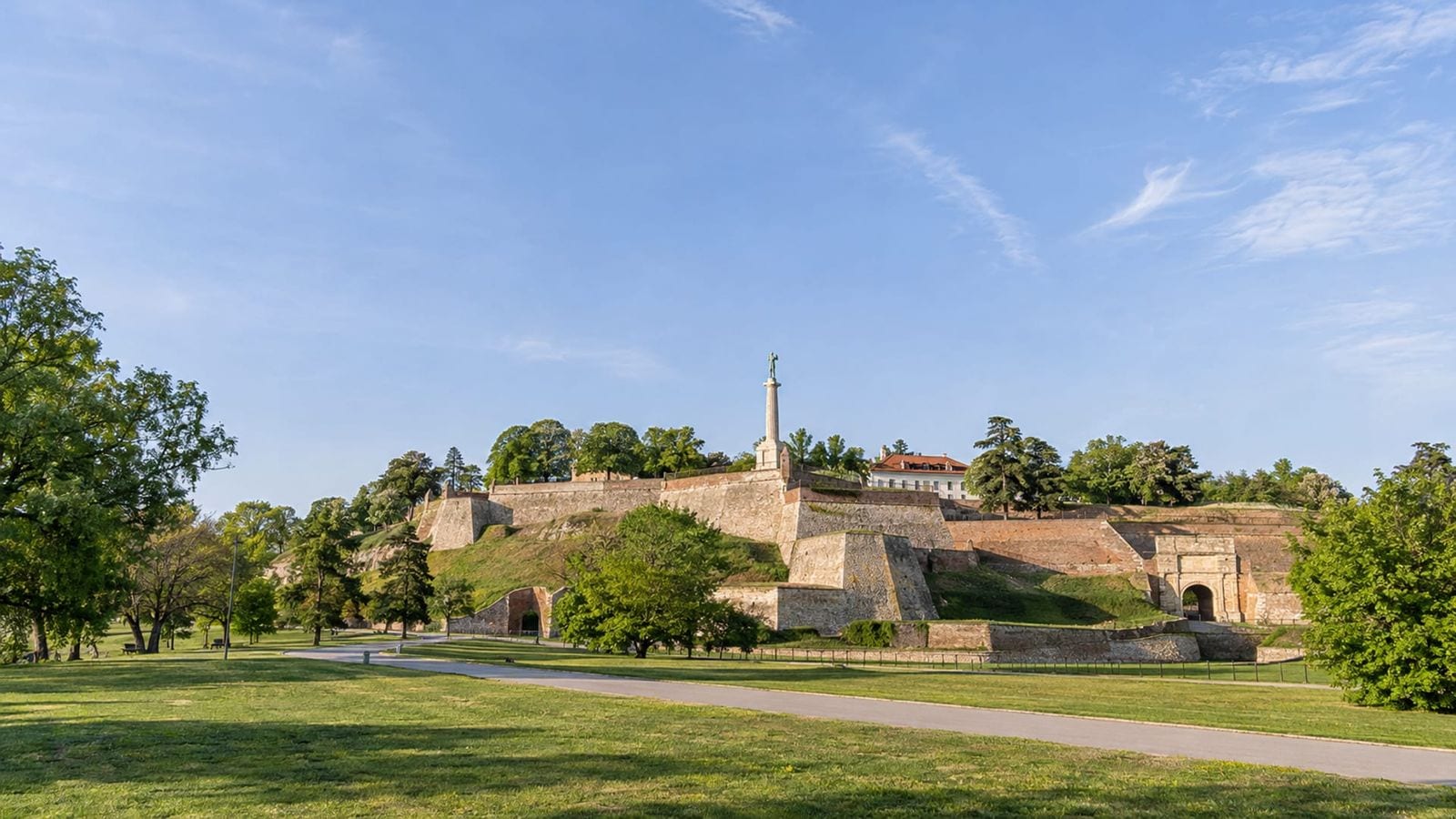
Belgrade Fortress
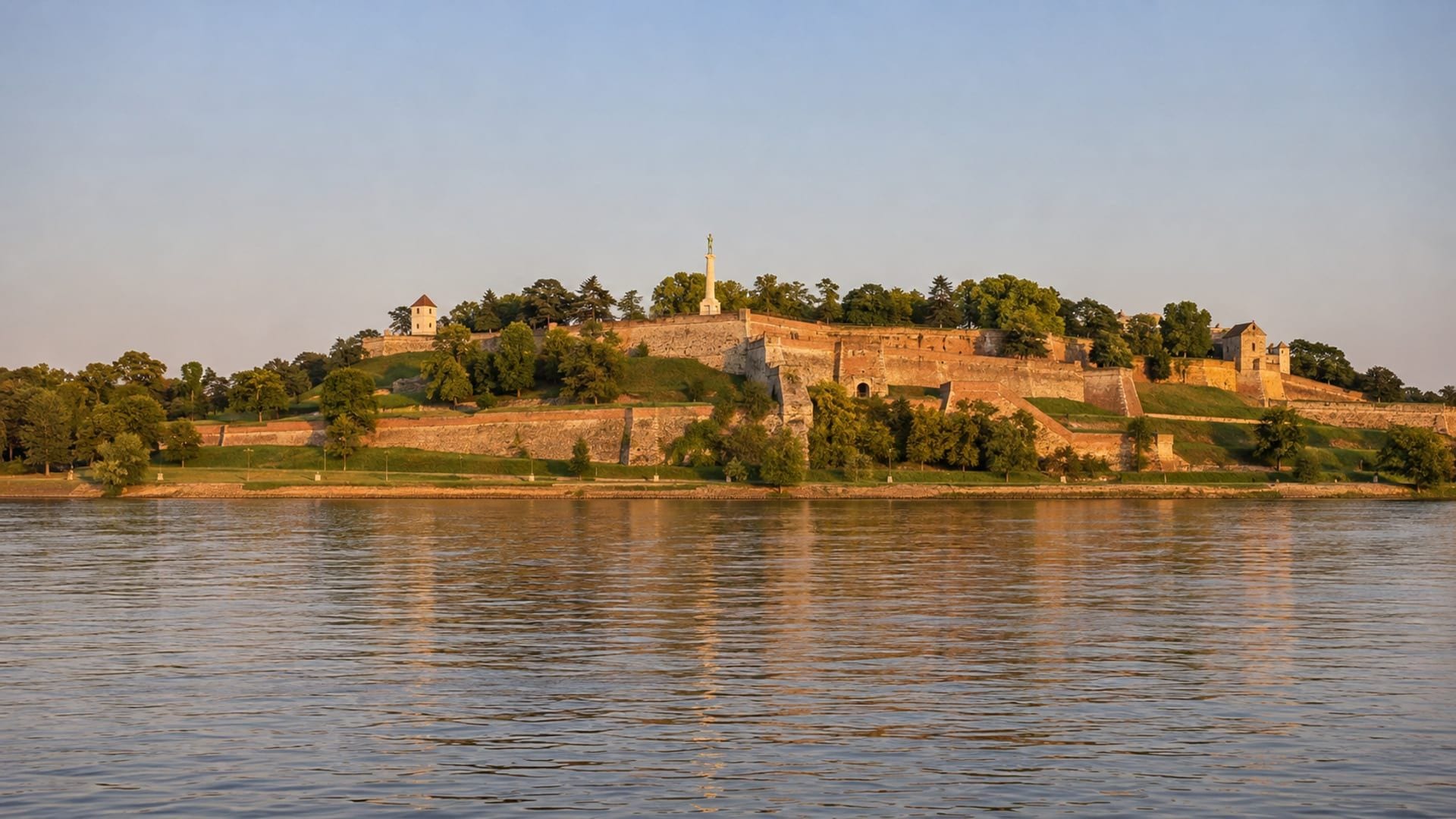
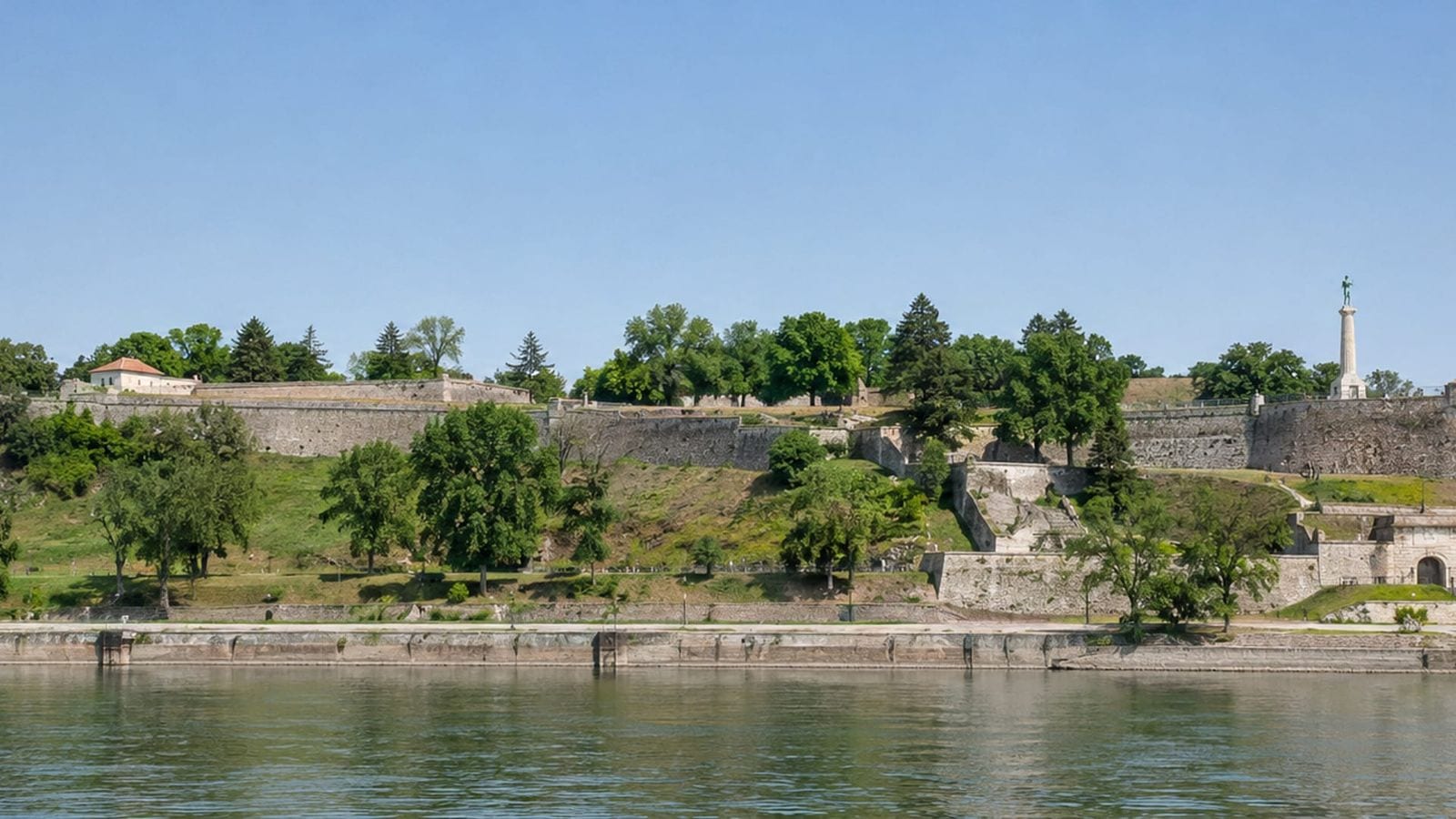
Belgrade Fortress rises above the meeting point of the Danube and Sava, layering Roman, Byzantine, Ottoman, and Habsburg history. Kalemegdan Park, the Victor Monument, old gates, ramparts, and river views make it Belgrade’s strongest first stop.
Time needed: 2 to 3 hours
Entry: Fortress grounds are free; paid sites inside list prices on the official site.
Tip: Go near sunset for river views, then stay for the lit walls and bridges.
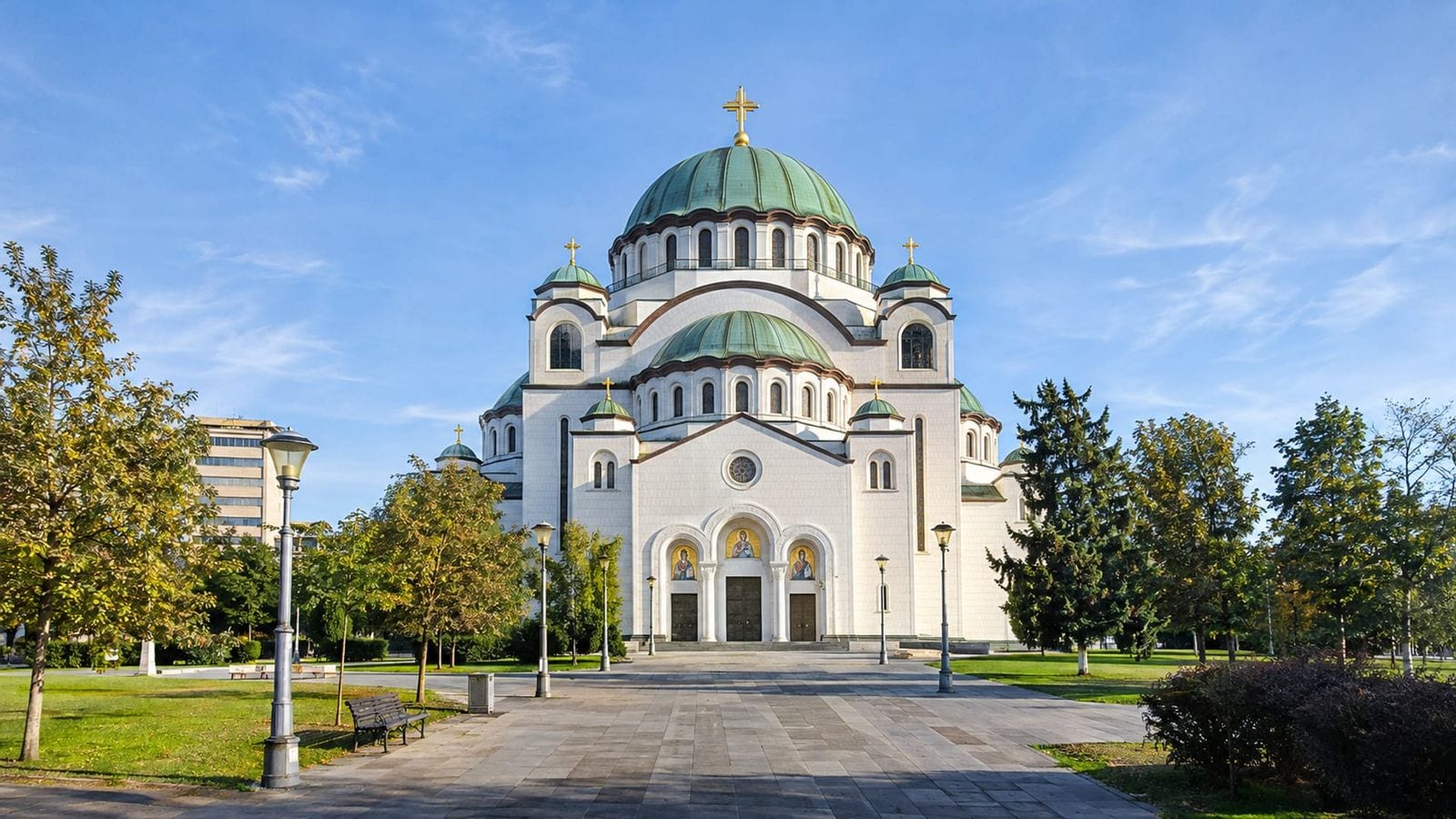
Saint Sava Temple
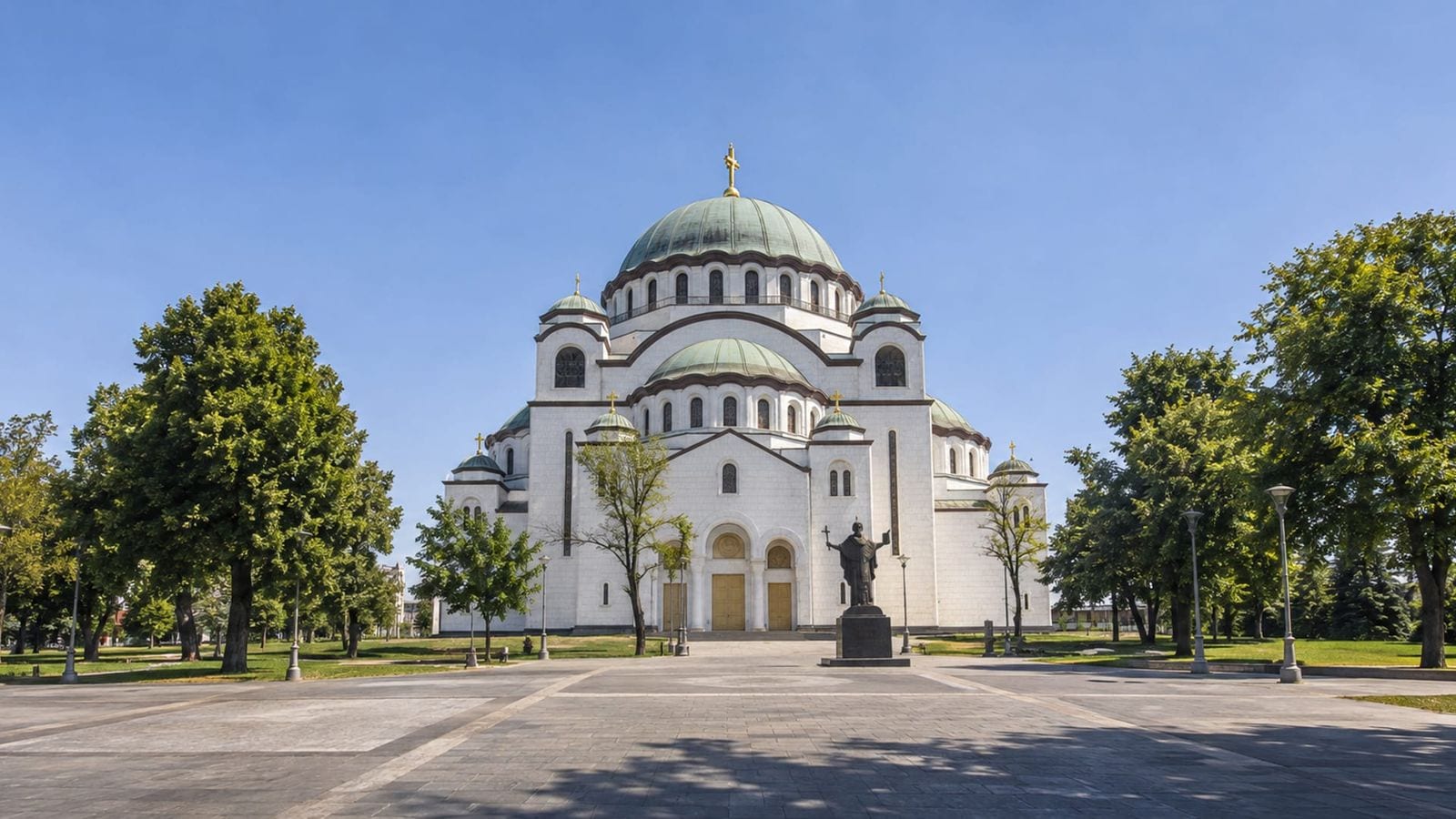
Saint Sava Temple anchors Vračar with its white stone facade, green dome, vast interior, and gold-toned mosaics. Its scale, crypt, and hilltop setting make it one of Belgrade’s most recognizable landmarks and a major symbol of the city’s Orthodox heritage.
Time needed: 1 to 2 hours
Entry: Individual entry is usually free; visit the official site for current hours.
Tip: Visit in the morning or late afternoon for softer light and fewer groups.
Skadarlija
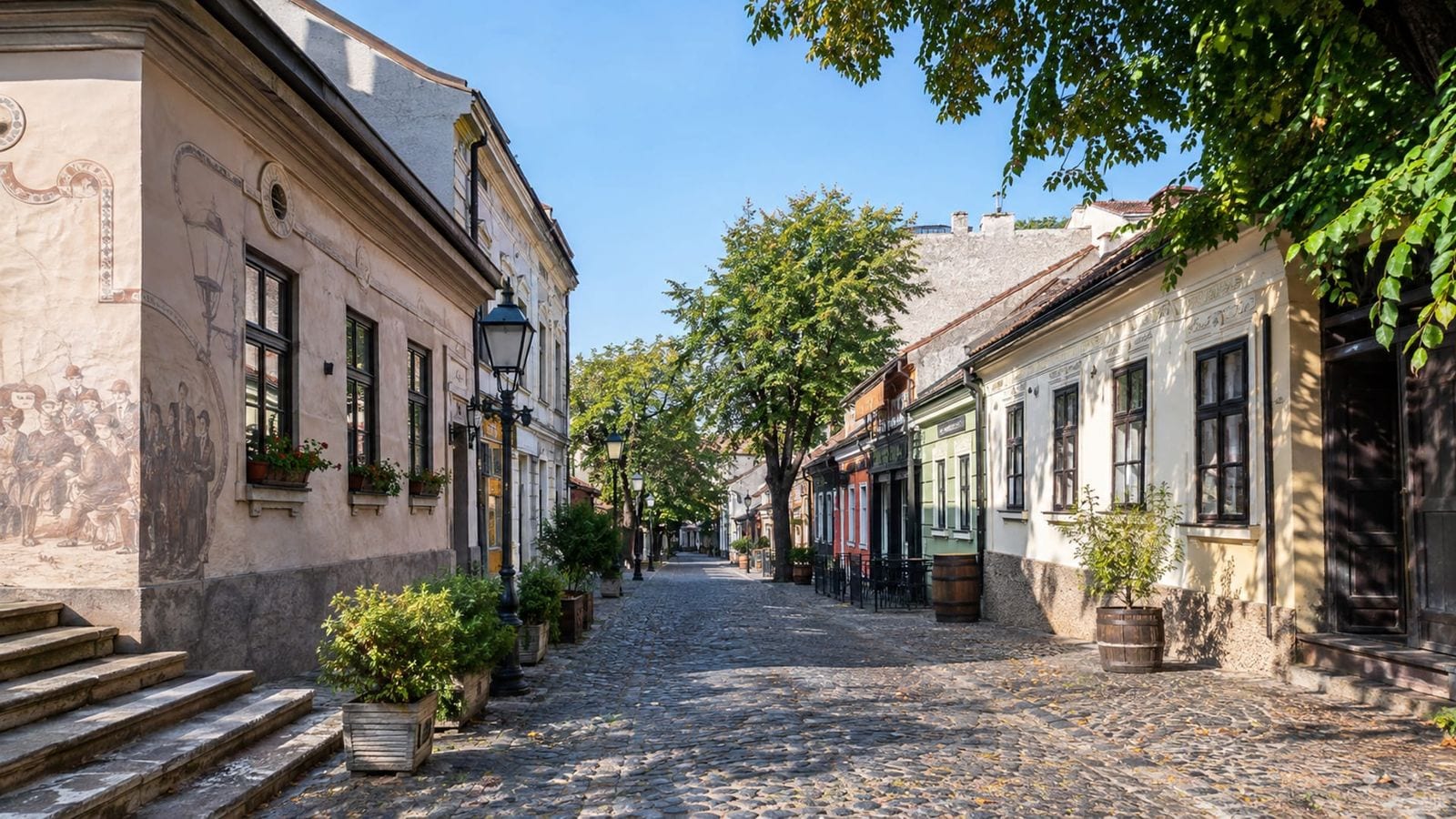
Skadarlija gives Belgrade its old bohemian street scene, with cobblestones, traditional taverns, galleries, murals, and music-filled evenings. Once associated with writers and artists, the street now draws visitors for Serbian food, live music, painted facades, and long dinners in historic kafanas.
Time needed: 1 to 2 hours
Entry: Free to walk; tavern meals usually cost RSD 1,400 to RSD 4,100 ($12 to $35).
Tip: Arrive before 7:00 pm for quieter streets and easier photos.
Overlooked sites worth visiting

Ada Ciganlija
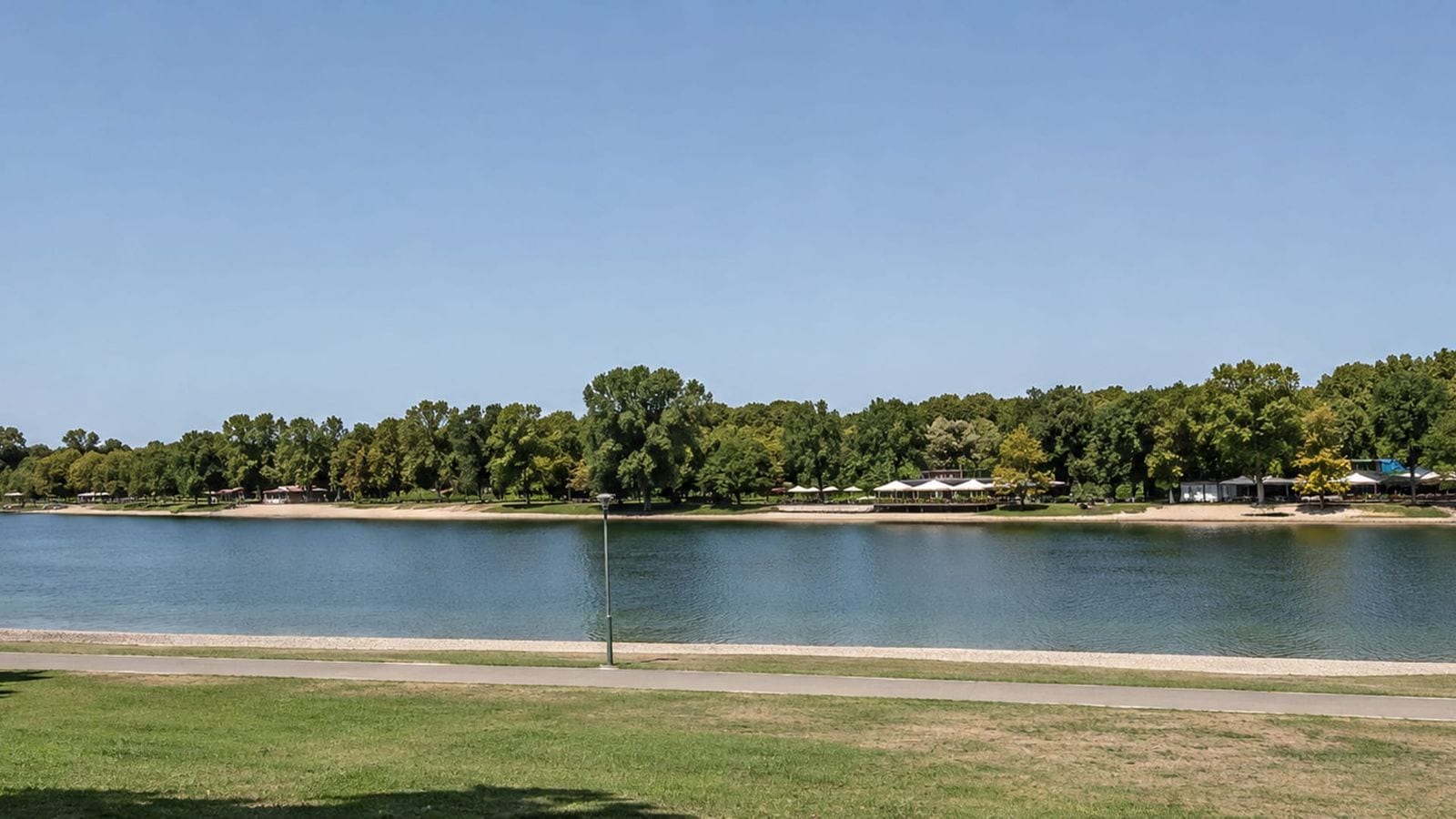
Ada Ciganlija is a Sava River island park with wooded paths, bike lanes, beaches, cafés, and a long lakeshore. Locals come for swimming, cycling, kayaking, and slower walks by the water.
Time needed: 2 to 4 hours
Entry: Free to access; rentals, beach clubs, parking, and water sports charge separately.
Tip: Go early on summer weekends for quieter paths and more café tables.

Zepter Museum
Zepter Museum focuses on modern and contemporary Serbian art in a compact downtown setting near Knez Mihailova. Its smaller scale suits travelers who want a focused art stop without a long museum day.
Time needed: 1 hour
Entry: Tickets cost RSD 200 ($2). Check hours before visiting. Visit the official site for details.
Tip: Pair it with Knez Mihailova, Republic Square, or a short café stop nearby.
Traditional food
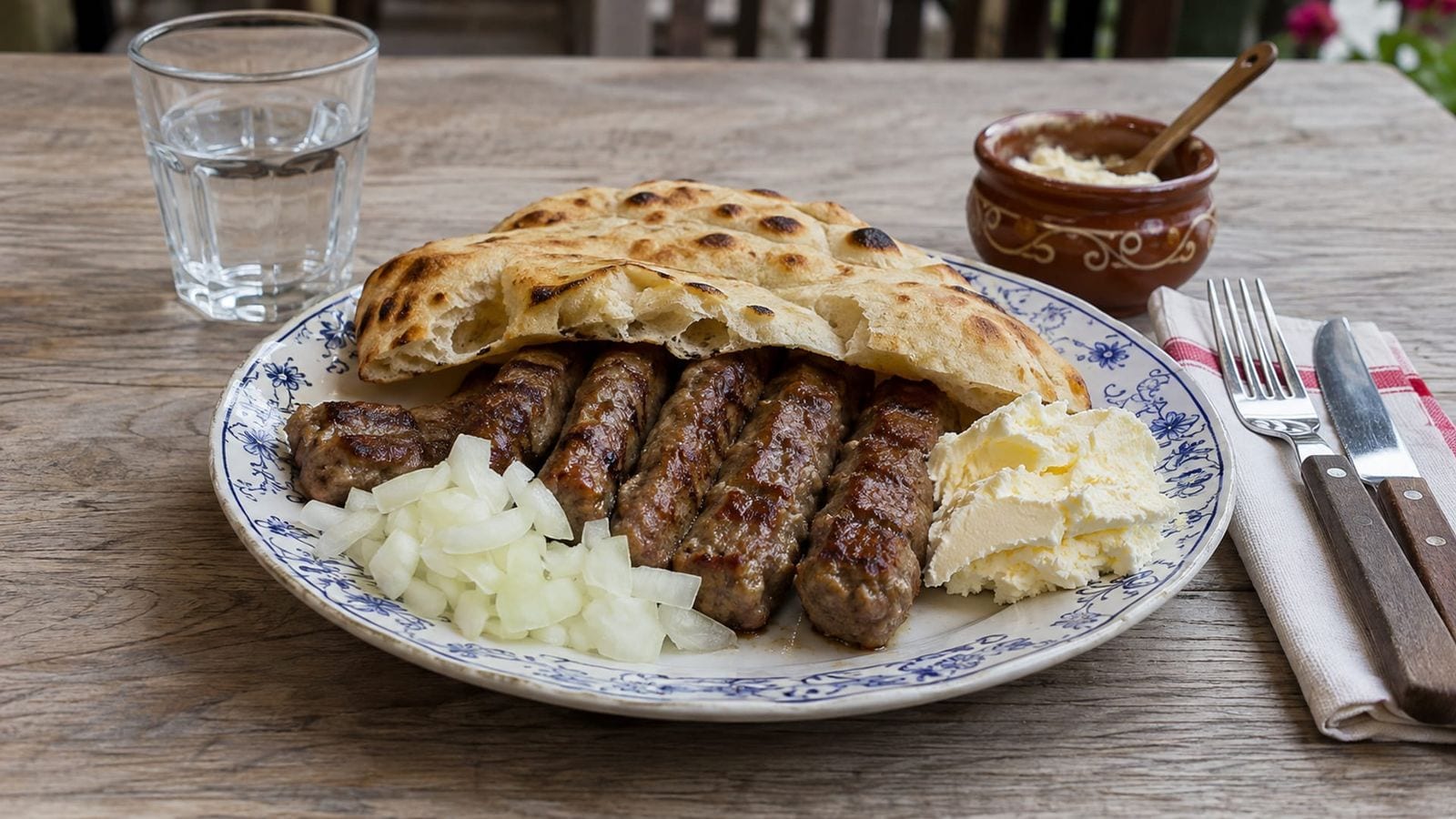
Belgrade food centers on grilled meat, pastry, cabbage, peppers, kajmak, ajvar, and generous plates shaped by Serbian tavern culture and late meals.
Ćevapi
Ćevapi are small grilled meat sausages served with flatbread, onions, and often kajmak or ajvar. Walter serves the dish across several Belgrade locations and makes an easy first local meal.
Pljeskavica
Pljeskavica is a large Balkan grilled patty, often served with flatbread, onions, ajvar, kajmak, or cheese. Iva New Balkan Cuisine offers a polished modern setting for Serbian and Balkan flavors.
Sarma
Sarma wraps minced meat and rice in cabbage leaves, then cooks them slowly until the filling turns rich and tender. Dva Jelena serves traditional Serbian food in Skadarlija’s old tavern setting.
Burek
Burek is a flaky pastry filled with meat, cheese, spinach, or potato, often eaten for breakfast or as a late snack. Pekara Trpković is a long-running Belgrade bakery known for hot pastries.
Best time to visit Belgrade
Belgrade is easiest in spring and fall, when river walks, café terraces, and outdoor sightseeing need fewer weather compromises.
Best for: Fortress walks, café terraces, markets, and long outdoor sightseeing days
What you get: Days warm from 48°F to 72°F (9°C to 22°C), with flowering parks, open terraces, and moderate crowds before summer.
Trade-offs: Rain can interrupt outdoor plans, especially in April and May.
Best for: Ada Ciganlija, riverfront evenings, nightlife, and outdoor dining
What you get: Temperatures often range from 66°F to 88°F (19°C to 31°C), with long days, busy parks, and lively riverfront venues.
Trade-offs: Midday heat can make fortress walks and city sightseeing tiring.
Best for: Food walks, museums, river views, and calmer sightseeing days
What you get: Days cool from 72°F to 45°F (22°C to 7°C), with clearer air, lighter crowds, and comfortable walks in September and October.
Trade-offs: November brings shorter days, cooler evenings, and more indoor planning.
Best for: Cafés, galleries, taverns, museums, and slower central days
What you get: Temperatures usually range from 28°F to 43°F (-2°C to 6°C), with fewer visitors, quiet streets, and occasional snow.
Trade-offs: Cold winds and icy sidewalks can limit riverfront walks.
A realistic 5-day plan in Belgrade
A stay in Belgrade is most pleasant when you give each part of the city its own rhythm. Start with the old center, then move through the fortress, Vračar, Ada Ciganlija, and one lighter final day that keeps airport timing realistic.
Land at Belgrade Nikola Tesla Airport (BEG), then take a taxi or app-based ride to Stari Grad or Dorćol in 20 to 30 minutes for roughly RSD 1,800 to RSD 2,500 ($17 to $24). Check into a quieter room facing a courtyard or side street if possible, then start with a short walk along Knez Mihailova and dinner near Republic Square or Dorćol. Keep the evening simple so the old center feels manageable after the flight.
Start at Belgrade Fortress in the morning, when Kalemegdan Park feels calmer and the river views are easier to enjoy. Give yourself 2 to 3 hours for the ramparts, the Victor Monument, the old gates, and the Military Museum grounds, then pause for lunch near the center. In the afternoon, walk toward Skadarlija through Stari Grad, leaving time for its cobblestones, galleries, murals, and old taverns before dinner turns the street livelier.
Begin your day at Saint Sava Temple, where the scale, mosaics, crypt, and hilltop setting deserve more than a quick photo stop. From Stari Grad or Dorćol, a taxi usually takes 10 to 15 minutes, while buses or trams often take 20 minutes. After coffee or lunch in Vračar, head back toward the center for the Zepter Museum, Republic Square, and Knez Mihailova, so the day moves from Belgrade’s Orthodox landmark to its main cultural streets.
Head west to Ada Ciganlija for a slower day away from the densest streets. A taxi from the old center usually takes 20 to 25 minutes, while a bus plus a walk often takes 35 to 45 minutes. Spend 2 to 4 hours on lakeside paths, bike lanes, cafés, or swimming areas in warm weather, then return before evening traffic peaks. Finish in Novi Beograd for a quieter dinner or Dorćol if you want one more central café night.
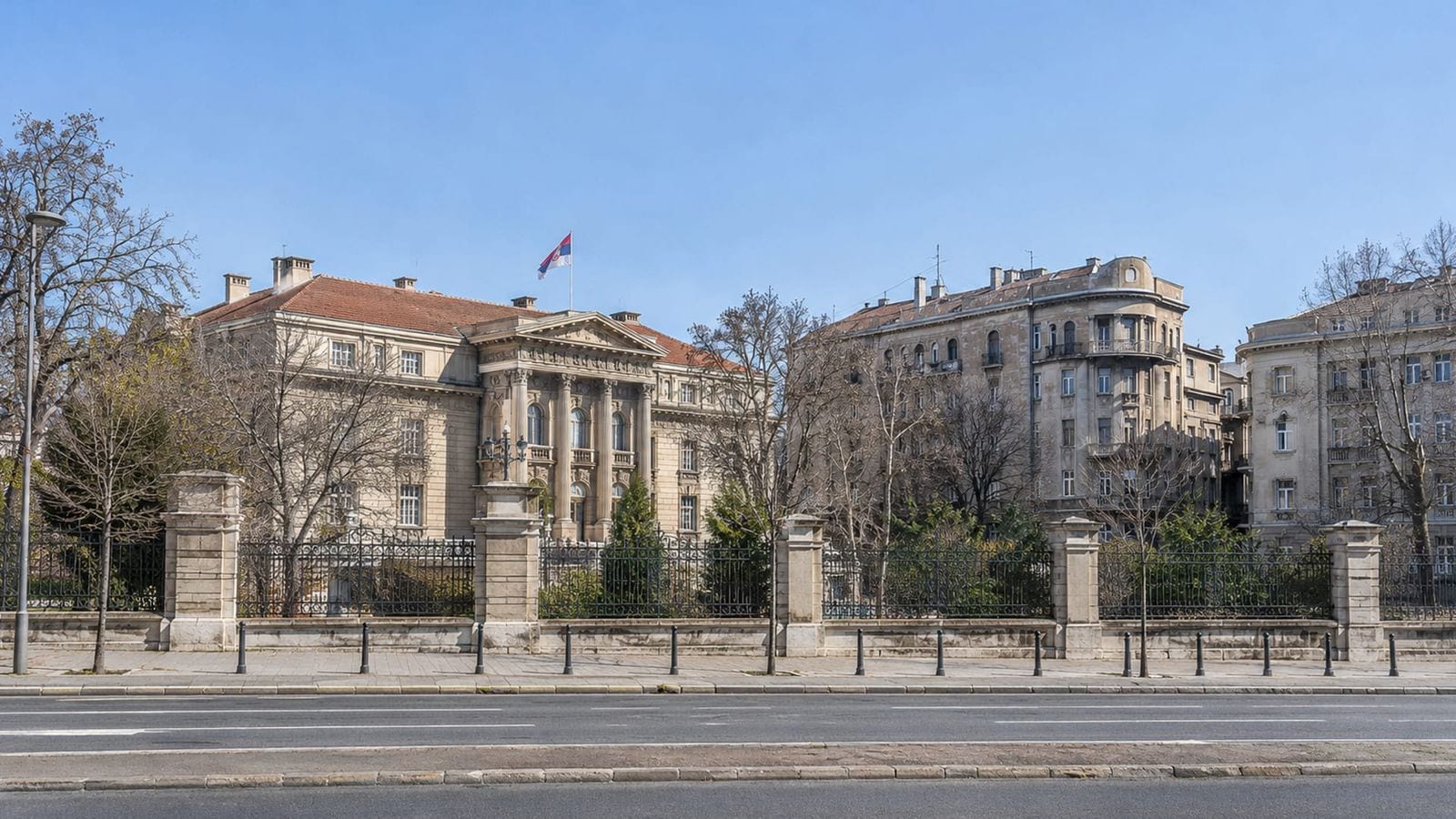
Keep the last day light and close to your hotel. Use the morning for one final museum stop, a slower walk along Knez Mihailova, or coffee in Dorćol instead of adding another cross-city transfer. If you fly later, leave time for lunch before collecting your bags. The airport ride usually takes 20 to 30 minutes from Novi Beograd or the old center, but traffic can stretch that, especially near evening departures.
Business-class flights from the US to Belgrade
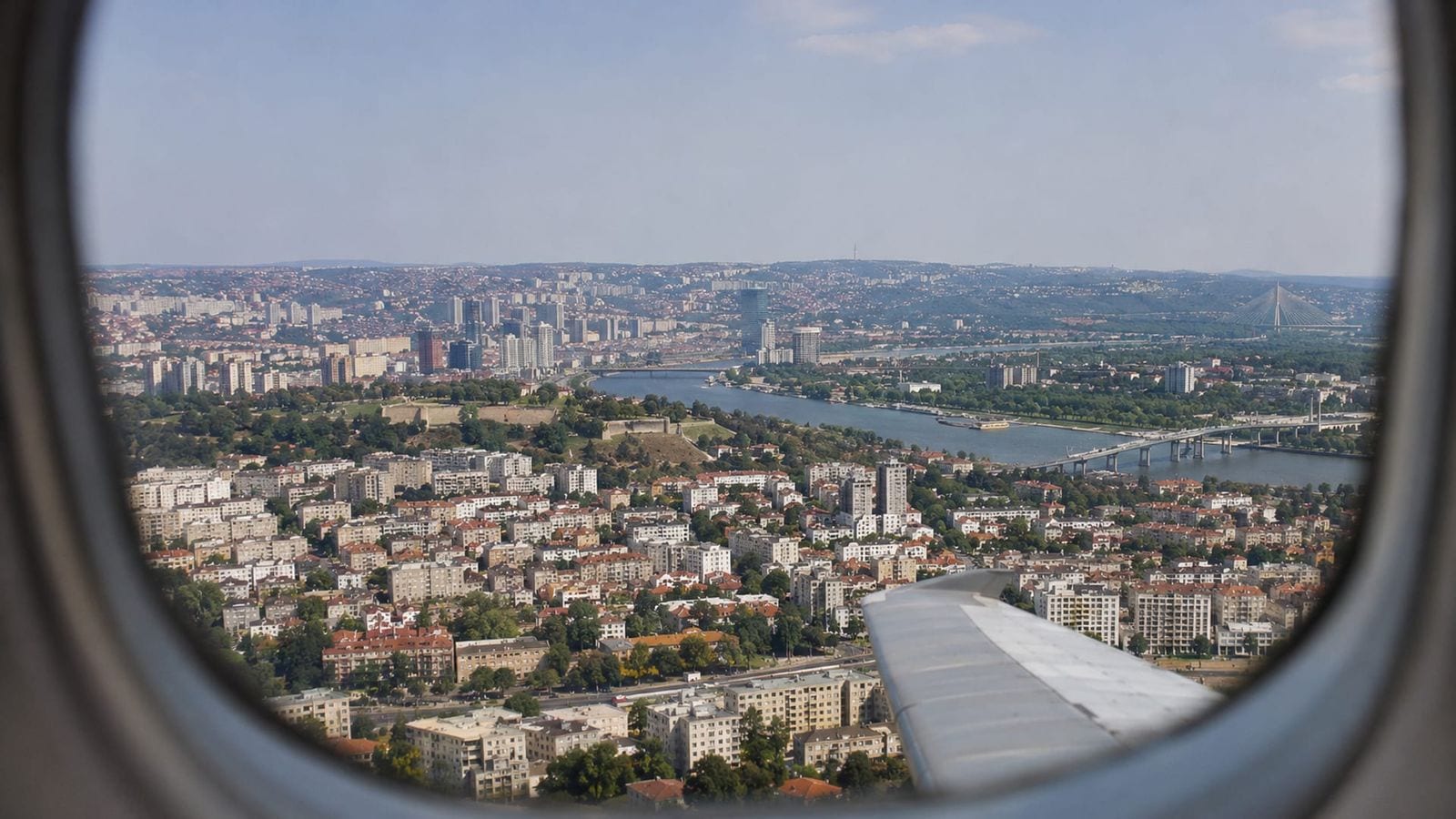
Belgrade has a nonstop option from New York, while West Coast routes usually connect through Europe, Turkey, or the Gulf. Compare total travel time, layover length, and cabin quality.
New York (JFK) to Belgrade (BEG)
Air Serbia operates nonstop flights from New York (JFK) to Belgrade (BEG), with a flight time of about 9 hours. One-stop options include Turkish Airlines via Istanbul (IST), Lufthansa via Frankfurt (FRA) or Munich (MUC), Austrian Airlines via Vienna (VIE), Swiss via Zurich (ZRH), and Air France via Paris (CDG). Round-trip business-class tickets usually cost $2,400 to $5,500.
Los Angeles (LAX) to Belgrade (BEG)
Los Angeles travelers usually connect once through Europe, Turkey, or the Gulf. Turkish Airlines flies via Istanbul (IST), Lufthansa via Frankfurt (FRA) or Munich (MUC), Swiss via Zurich (ZRH), Austrian Airlines via Vienna (VIE), Air France via Paris (CDG), and Qatar Airways via Doha (DOH). Total travel time often falls between 14 and 22 hours, with round-trip business-class fares from $2,900 to $6,200.
Belgrade feels different when you slow down
Belgrade is easier to enjoy when you give each area enough time. Start with the old center and fortress, use Vračar for a slower cultural day, and save Ada Ciganlija for a break by the water. With a clear structure, the city feels less scattered and more rewarding. If you want to compare business-class flights to Belgrade or hotel options for your dates, AranGrant can help you find choices that fit your plans.







