

Chapters:

Need help with your trip?
Our support team is available 24/7. Request a callback or call us directly at (833) 619-0908
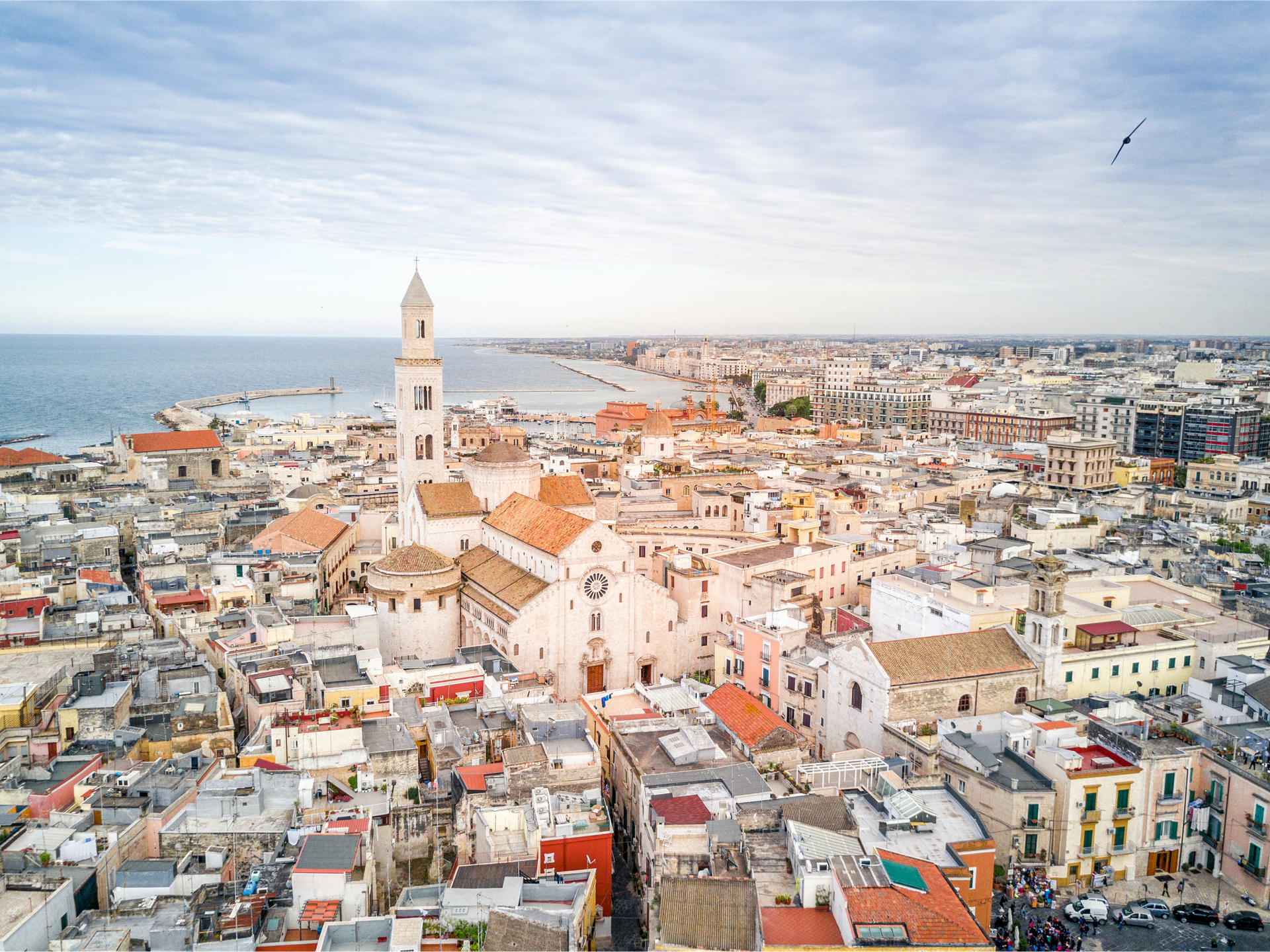
Bari is the capital of Puglia and one of southern Italy’s main port cities. Its history reaches back more than 2,000 years, with Roman, Byzantine, and Norman influences still visible across the city. The old town, modern center, seafront, and residential neighborhoods each show a different part of Bari.
Experiencing a city with so many layers is much easier with a plan. This guide covers Bari’s main areas, sights, food, transport, and other practical details, so you can make the most of your time there.
Useful things to know

Main language(s): Italian
Ciao (chow) – Hello
Per favore (pehr fah-VOH-reh) – Please
Grazie (GRAHT-see-eh) – Thank you
Parla inglese? (PAHR-lah een-GLEH-zeh) – Do you speak English?
Quanto costa? (KWAHN-toh KOH-stah) – How much does it cost?

Currency: Euro (EUR, €)

Cash and cards: Most hotels, restaurants, and stores accept cards and contactless payments. Keep €20 to €40 ($23 to $46) in cash for small purchases and businesses that take only cash.

Tipping: Tipping is optional. Round up the bill at cafés and casual restaurants, or leave 5% to 10% when the service was especially attentive.

Traditional food: Orecchiette con cime di rapa, tiella barese, sgagliozze, panzerotti

Water and coffee costs: A small bottle of water often costs €1.50 ($1.70), while an espresso at the bar usually starts at €1.20 ($1.40).

Taxis and ride apps: Official taxis operate throughout Bari, and Uber is available with limited vehicle categories. App coverage and wait times can vary by area and time of day.

Plug and voltage: Italy uses Type C, F, and L plugs with a 230V, 50Hz electrical supply.

Dining and shop opening hours: Breakfast is commonly from 7:00 am to 10:00 am, lunch from 12:30 pm to 2:30 pm, and dinner from 8:00 pm to 10:30 pm. Many restaurant kitchens close during the afternoon, and Sunday hours vary by venue.

Emergency number: 112 for police, fire, and medical emergencies
Where to stay in Bari
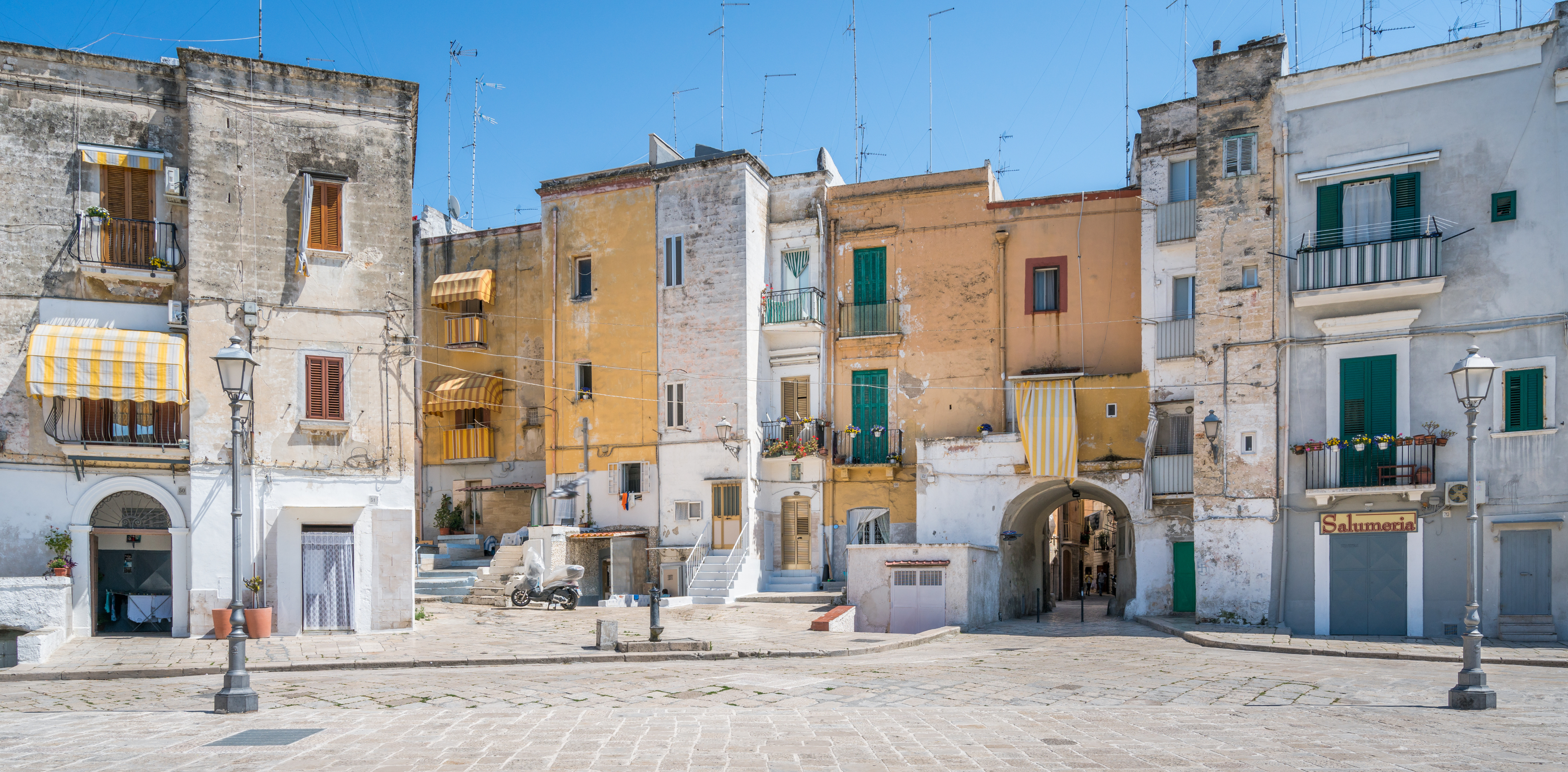
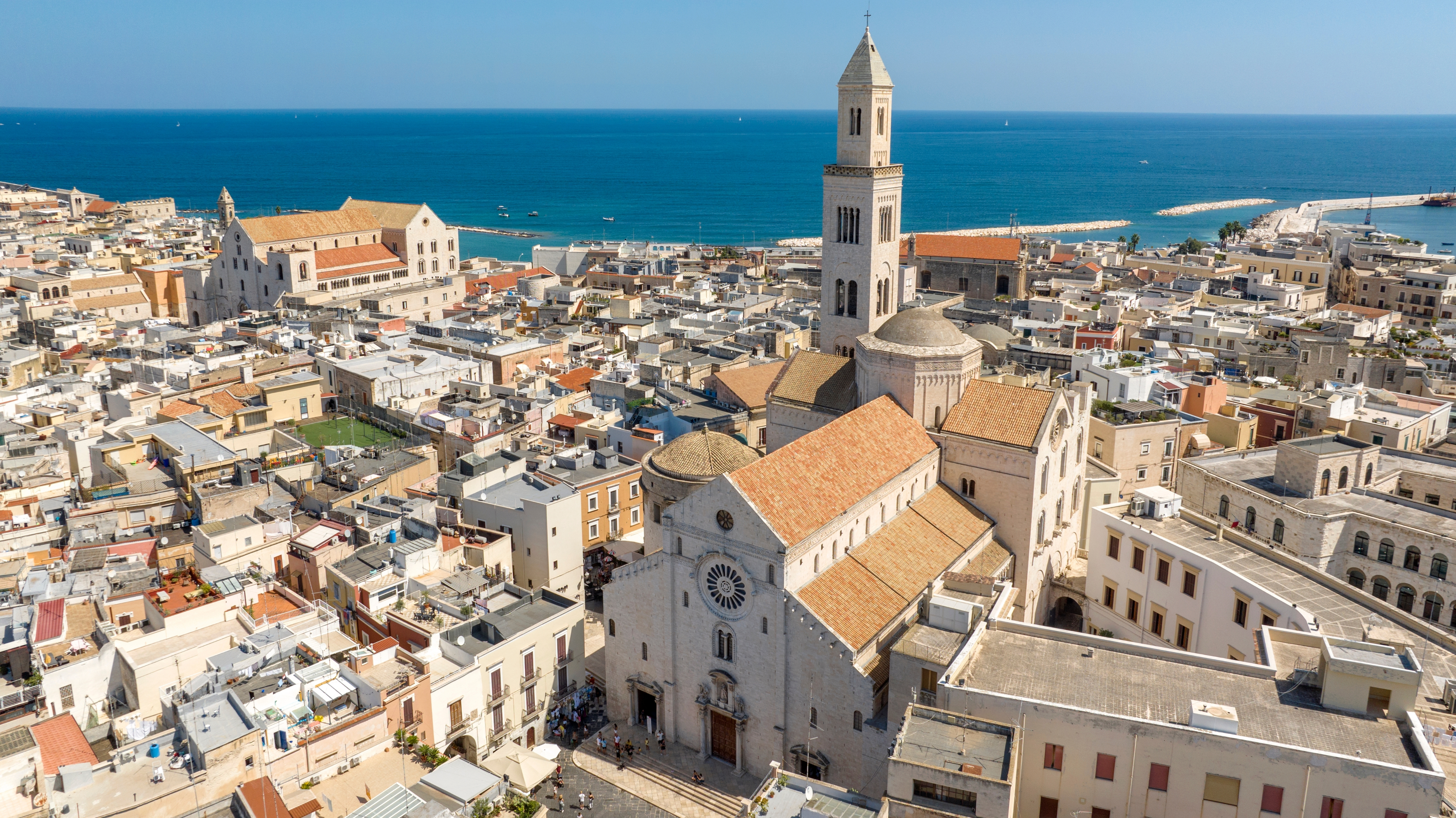
Bari Vecchia is the historic center of Bari, located on a small peninsula beside the old harbor. The area has stone streets, medieval churches, small squares, traditional homes, the Basilica of Saint Nicholas, Bari Cathedral, and the Swabian Castle.
Best for: First-time visitors who want to reach Bari’s main historic sites on foot
What to expect: Residential streets, bakeries, restaurants, churches, and public squares occupy a compact area.
Hotel prices: Well-rated stays commonly cost €100 to €220 ($114 to $251) per night. Prices can increase during summer and major religious events.
Distance to major sights: Most accommodations are within a 2- to 10-minute walk of the Basilica of Saint Nicholas.
Quietness: Smaller residential streets are often quiet. Hotels near restaurants, squares, and bars may receive street noise in the evening.
Main trade-off: Many historic buildings have compact rooms, steep stairs, or no elevator. Street-facing rooms may also receive late-night noise.
Good to know: Much of Bari Vecchia is inside a restricted-traffic zone.
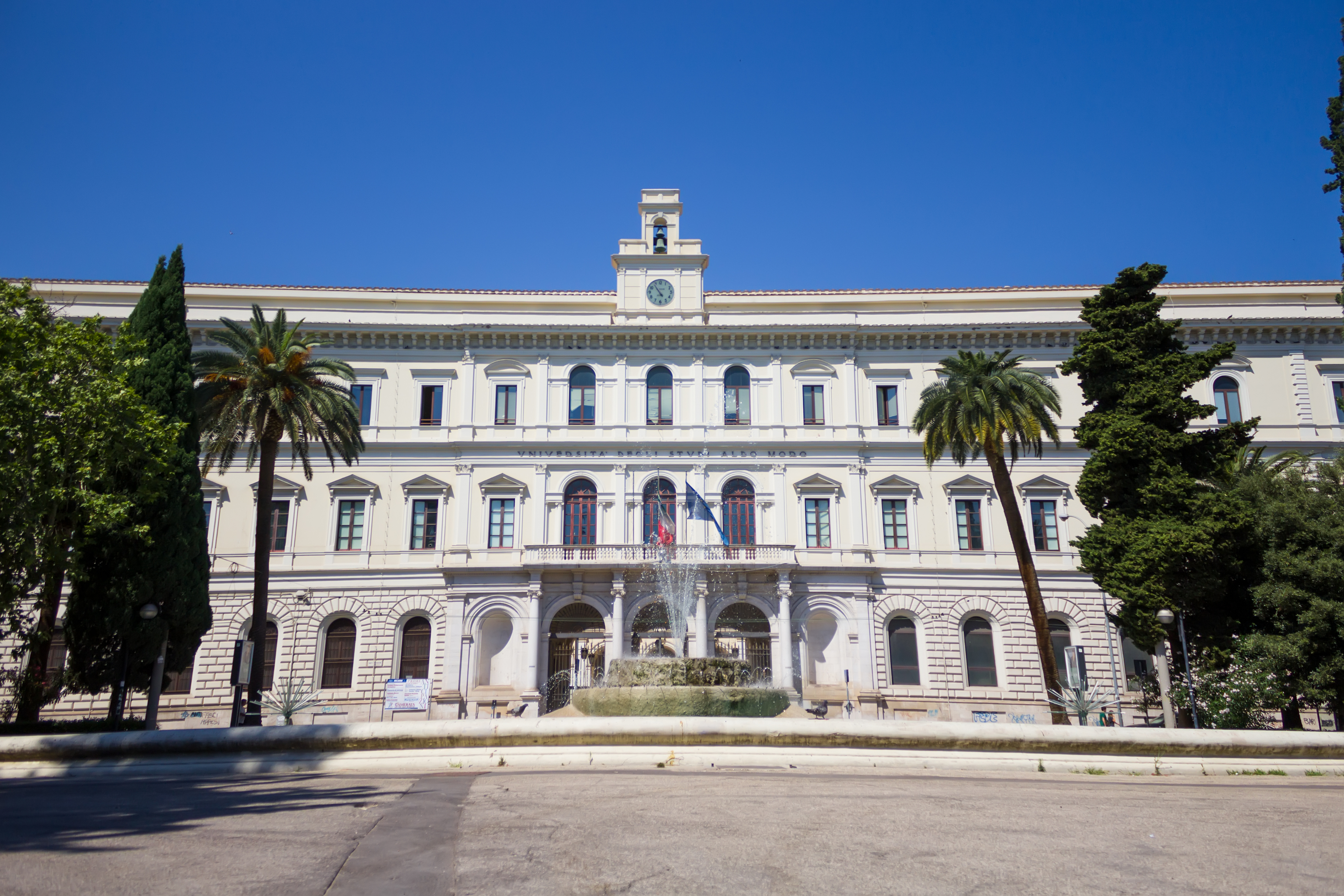
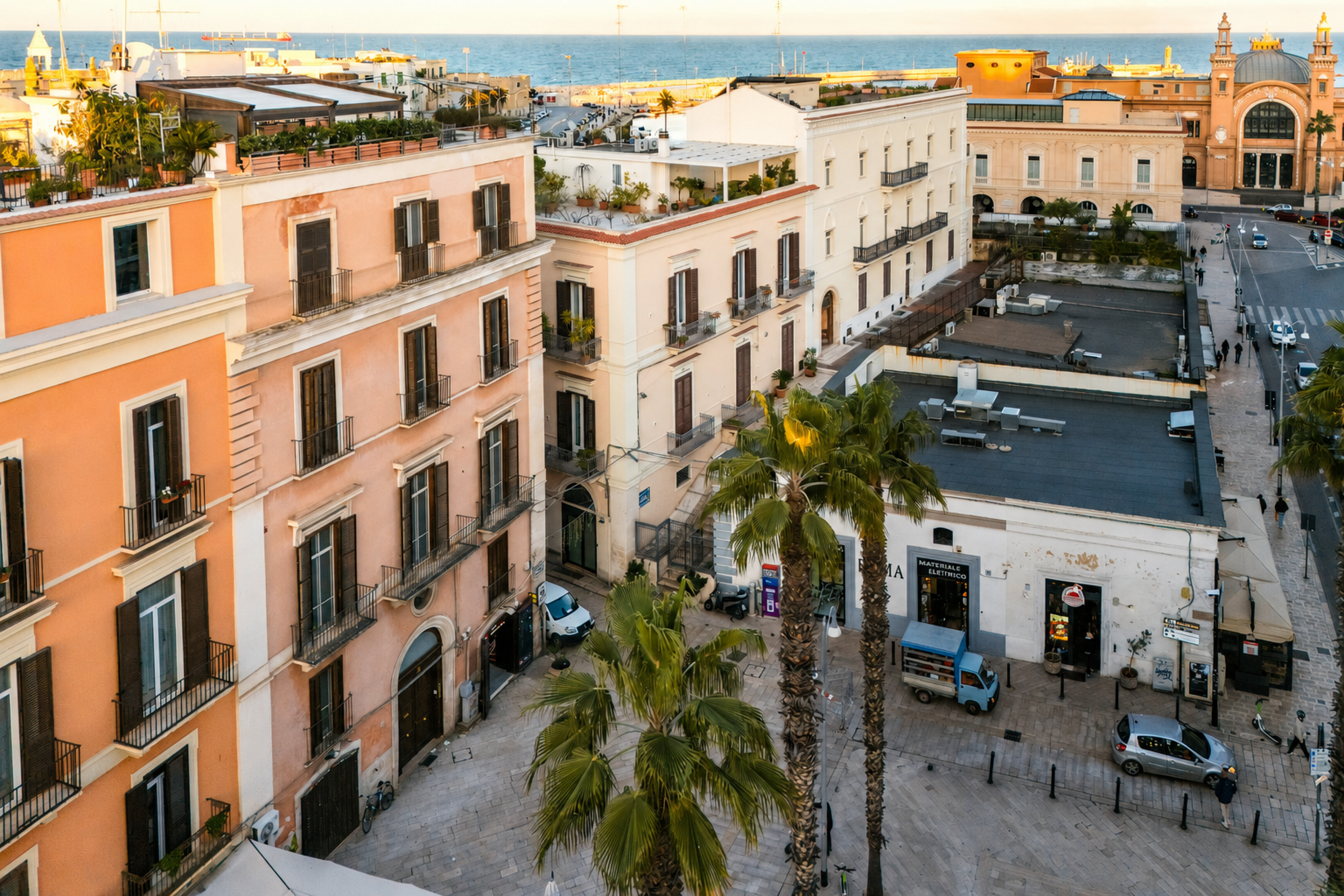
Murat developed in the 19th century as Bari expanded beyond the old town. The district has broad streets, Liberty-era buildings, Via Sparano, Teatro Petruzzelli, shops, offices, cafés, and Bari Centrale on its southern edge.
Best for: Train travelers, shopping, and restaurants
What to expect: Via Sparano, Corso Cavour, and the streets near Bari Centrale receive the heaviest daytime foot traffic. Restaurants, theaters, and bars keep the district active after dark.
Hotel prices: Expect to pay €90 to €180 ($103 to $206) per night.
Distance to major sights: Northern Murat borders Bari Vecchia directly, just a couple of minutes on foot. From Bari Centrale, it’s 20 minutes to reach the Basilica of Saint Nicola.
Quietness: Streets near the station, shopping areas, theaters, and restaurants can be noisy in the evening.
Main trade-off: Rooms here mostly look out on office buildings and shopfronts instead of the old town’s stone streets.
Good to know: Via Sparano, Murat’s main shopping street, is closed to cars.
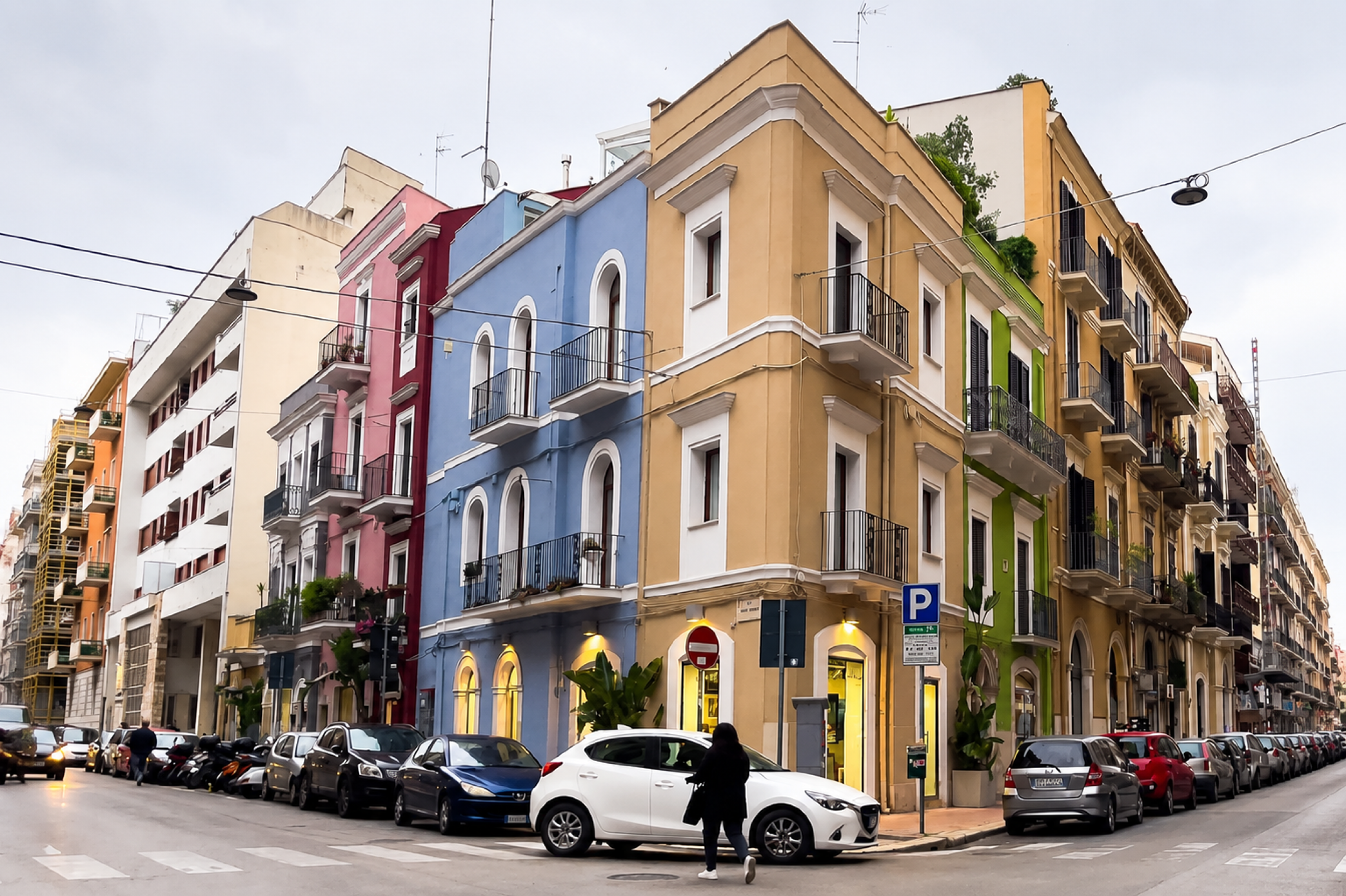
Early-20th-century apartment buildings, local shops, churches, cafés, and residential streets define Madonnella. The neighborhood extends southeast of Murat to Lungomare Nazario Sauro and the Adriatic waterfront.
Best for: Longer stays and daily seafront walks
What to expect: Residential area with grocery stores, bakeries, cafés, and small restaurants. Tourist groups are less common than in Bari Vecchia.
Hotel prices: Well-rated apartments, guesthouses, and hotels commonly cost about €80 to €160 ($92 to $183) per night. Summer rates can be higher.
Distance to major sights: The seafront is less than 5 minutes away. Getting to Bari Vecchia takes 10 to 30 minutes on foot.
Quietness: Residential side streets are mostly quiet. Rooms facing Lungomare Nazario Sauro or major roads receive more traffic noise, especially in the evening
Main trade-off: The main historic sites require a longer walk from southern Madonnella.
Good to know: If you want swimming and sand, head to Pane e Pomodoro beach. The rest of Madonnella’s coastline is rocky.
Avoid staying in San Girolamo, Ceglie del Campo, Carbonara, or Santo Spirito. They have limited visitor services and require extra time to reach Bari’s historic center, main restaurants, and evening attractions.
Hotel deals
How to get around Bari efficiently
Bari has no metro. Getting around Bari means walking, taking an AMTAB bus, riding the regional train, or catching a taxi.

Train
for the airport and nearby towns
Ferrotramviaria runs the rail line connecting Bari Centrale to the airport, a trip of about 15 to 20 minutes. A one-way ticket costs €5.30 ($6). Trenitalia trains from the same station reach towns further along the coast and inland.

Bus
for getting around the city
AMTAB runs the city bus network, and its Line 16 also connects the airport to Bari Centrale, for €1 ($1.10) paid in advance or €1.50 ($1.65) on board, taking 40 to 60 minutes with stops along the way. A regular city ticket costs the same and is valid for 90 minutes, with a day pass at €2.50 ($2.75). A separate company, Tempesta, runs a private shuttle on the same airport route for €4 to €5 ($4.50 to $5.50), quicker than the AMTAB bus but at a higher price.

Taxi
for convenience or late hours
Taxis in Bari run on the meter for rides within the city, with a starting fare of €4 ($4.40) and €1.20 to €1.50 ($1.30 to $1.65) per kilometer. From the airport, taxis charge a fixed fare of €23 to €25 ($25 to $28) to the city center, set by the municipality, regardless of what the meter would show. Taxi ranks are at Bari Centrale, the port, and the airport. Payment from the airport is cash only; in the city, some drivers also take cards.
*Prices are based on rates updated as of July 2026 and may change at the time of travel.
Walk Bari Vecchia and the waterfront, take a bus for cross-town hops, the train to the airport or nearby towns, and a taxi when you want to get somewhere fast or are carrying luggage.
Iconic landmarks
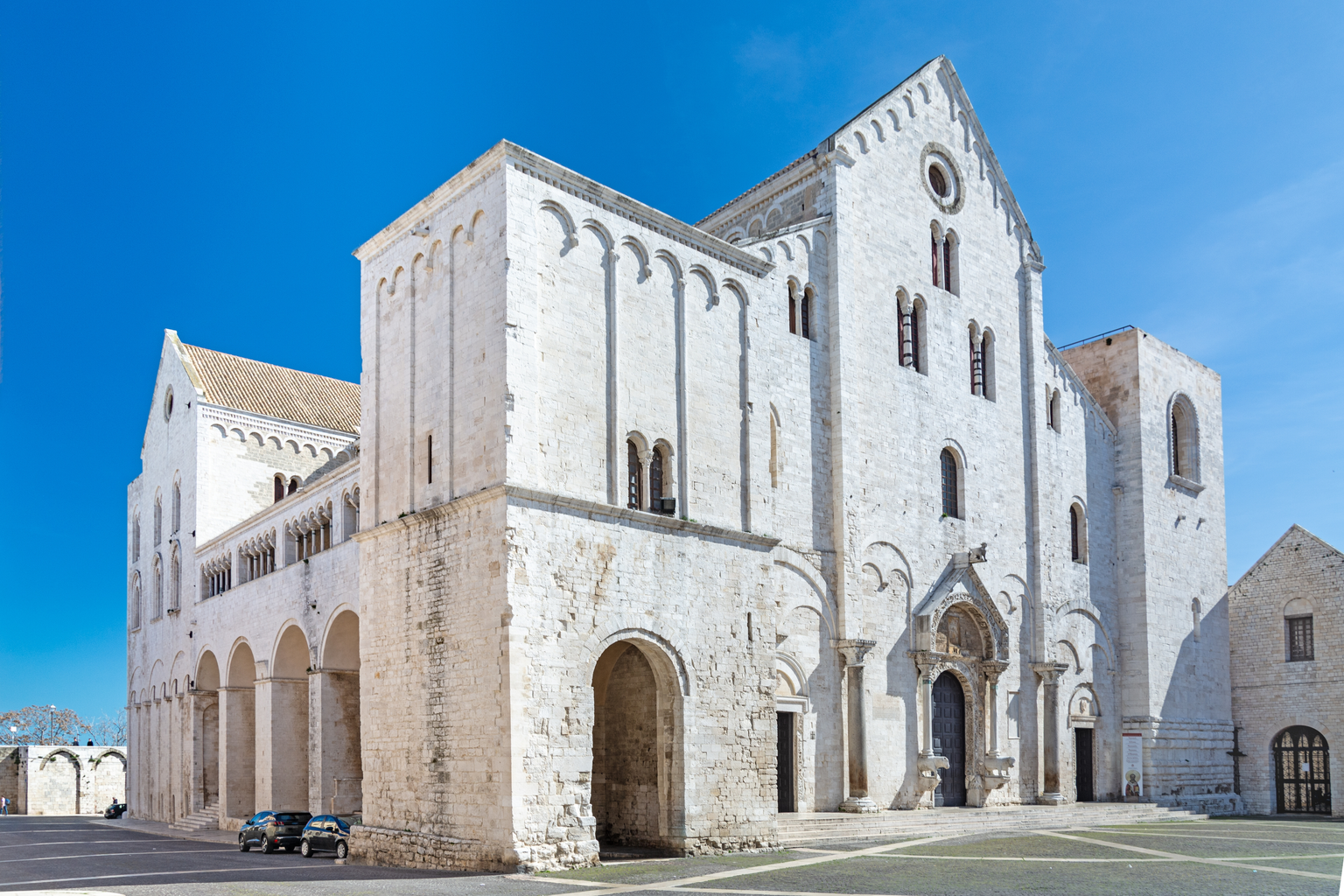
Basilica di San Nicola
Sailors stole Saint Nicholas’s bones from Myra in 1087 and brought them here by ship. Pope Urban II placed the relics under the crypt’s altar two years later, and Catholic and Orthodox pilgrims both still come to visit the tomb.
Time needed: 1 to 2 hours
Entry: Free. Donations are welcome. Visit the official site for details.
Tip: Orthodox liturgy takes place in the crypt itself on set days, so check the schedule.
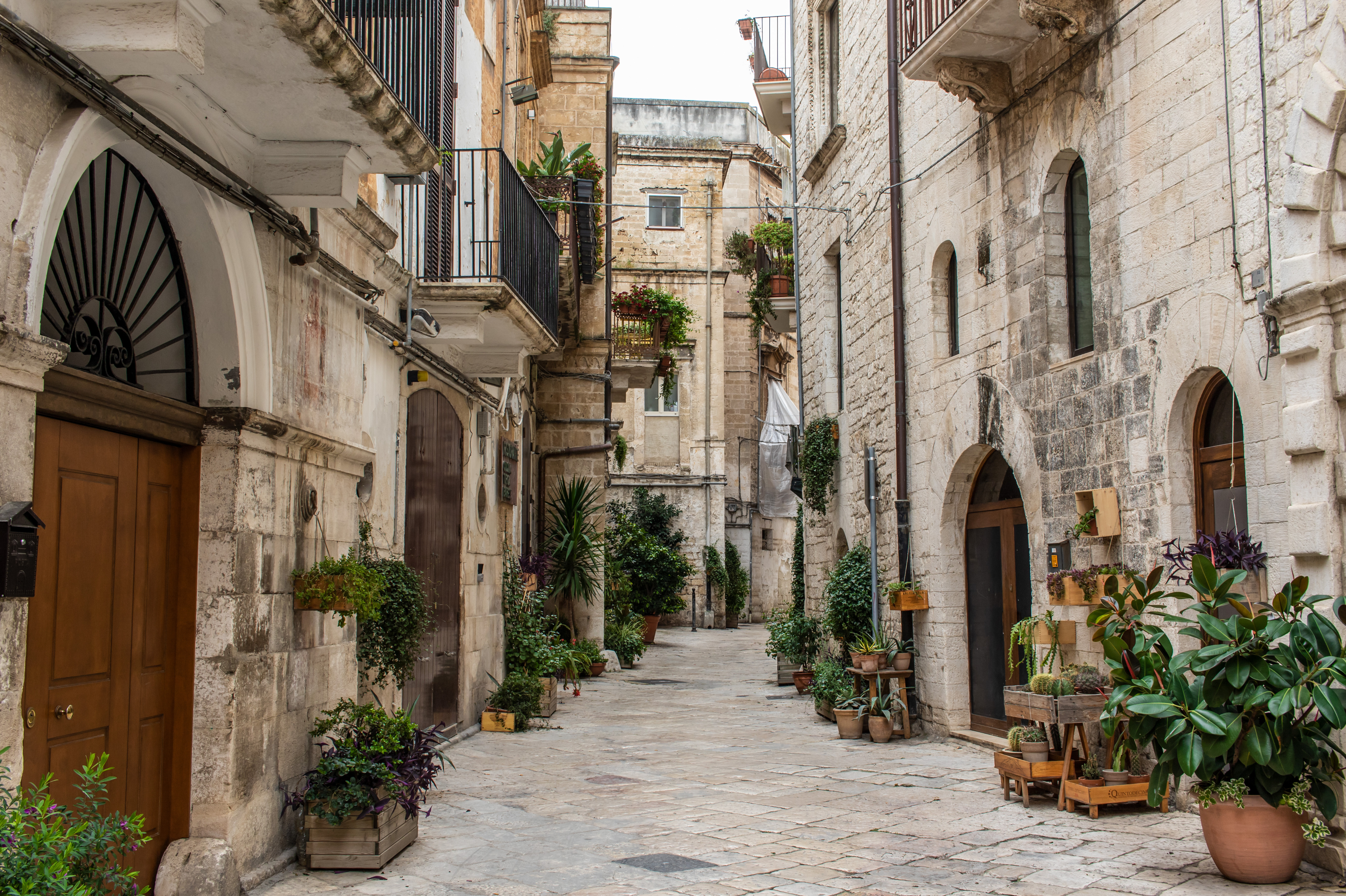
Bari Vecchia
Limestone buildings press close together along Bari Vecchia’s lanes, opening now and then into small piazzas. The cathedral, the basilica, and the seafront all stand within its narrow street grid.
Time needed: 2 to 3 hours.
Entry: Free to walk the streets and squares. Individual churches and museums inside may charge separately.
Tip: Head to Via Arco Basso in the late morning, where locals set up folding tables outside their doors and hand-shape orecchiette in full view of the street.
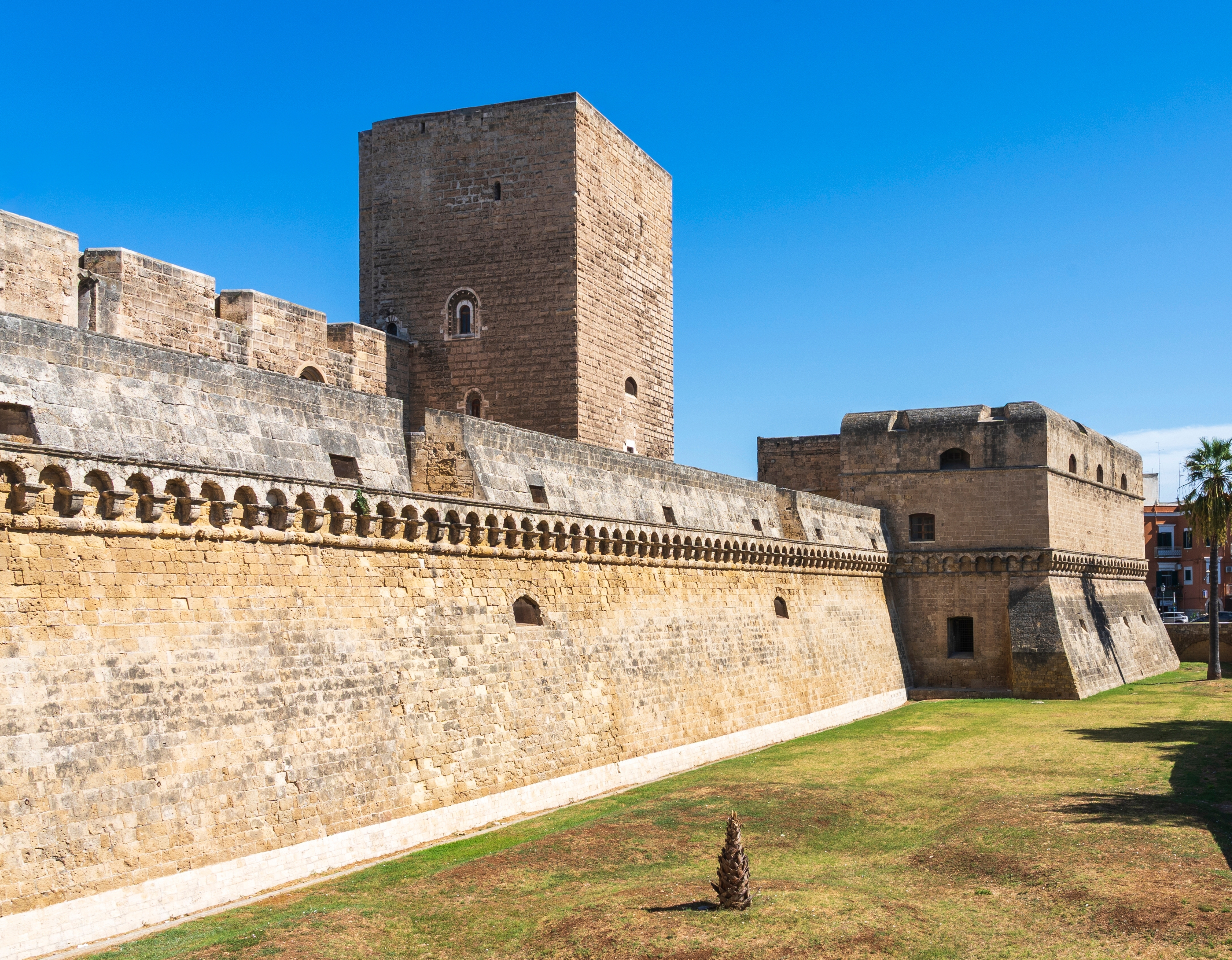
Castello Svevo di Bari
Norman king Roger II built this fortress in 1131 over an old Byzantine structure. Frederick II rebuilt it a century later, and the Aragonese added the moat and corner towers still standing today.
Time needed: 1 to 2 hours.
Entry: Regular admission is €10 ($11.50). Visit the official site for details.
Tip: Climb to the upper walkway on the northern side, the one stretch that once dropped straight into the sea before landfill pushed the shoreline back.
Overlooked sites worth visiting
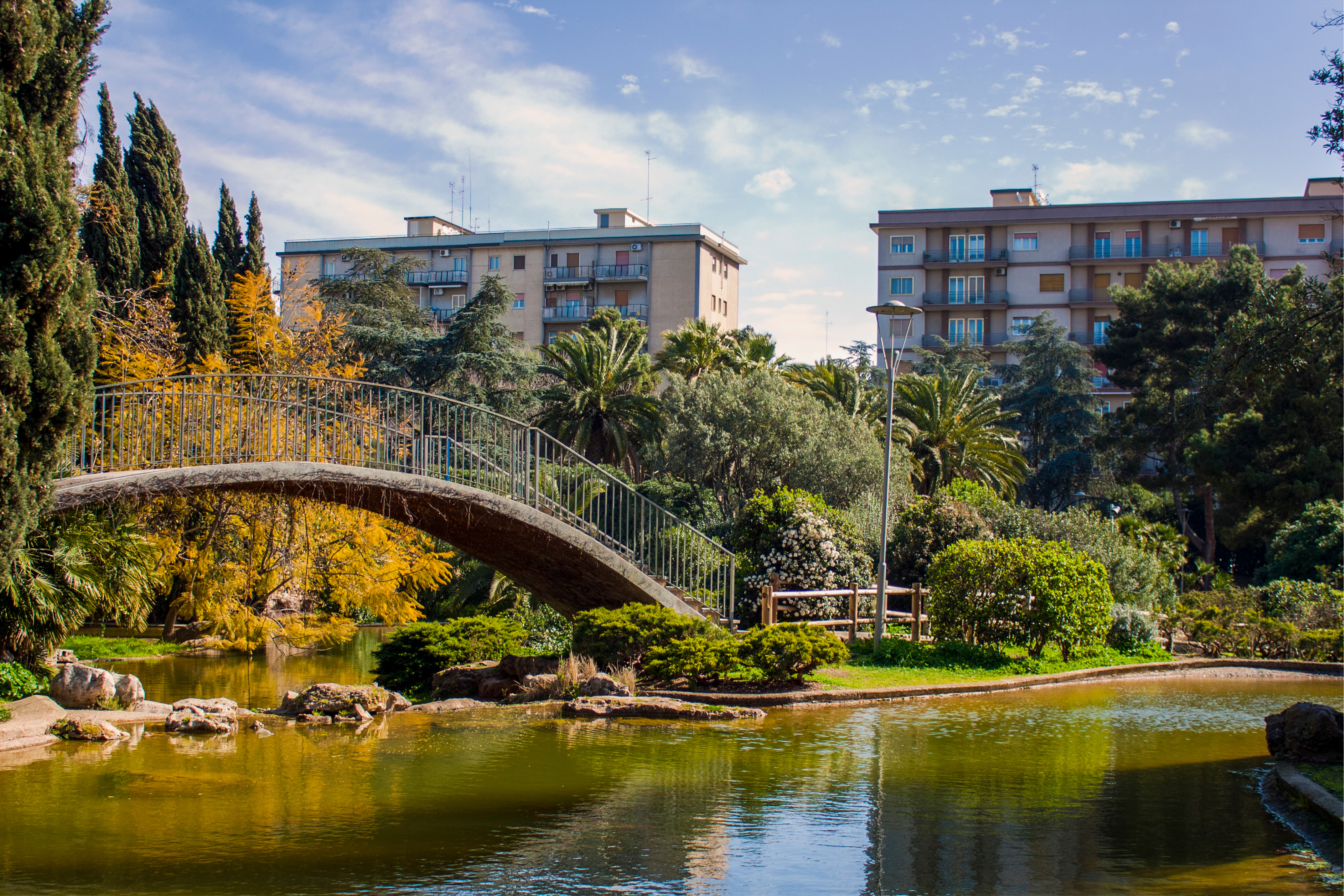
Parco 2 Giugno
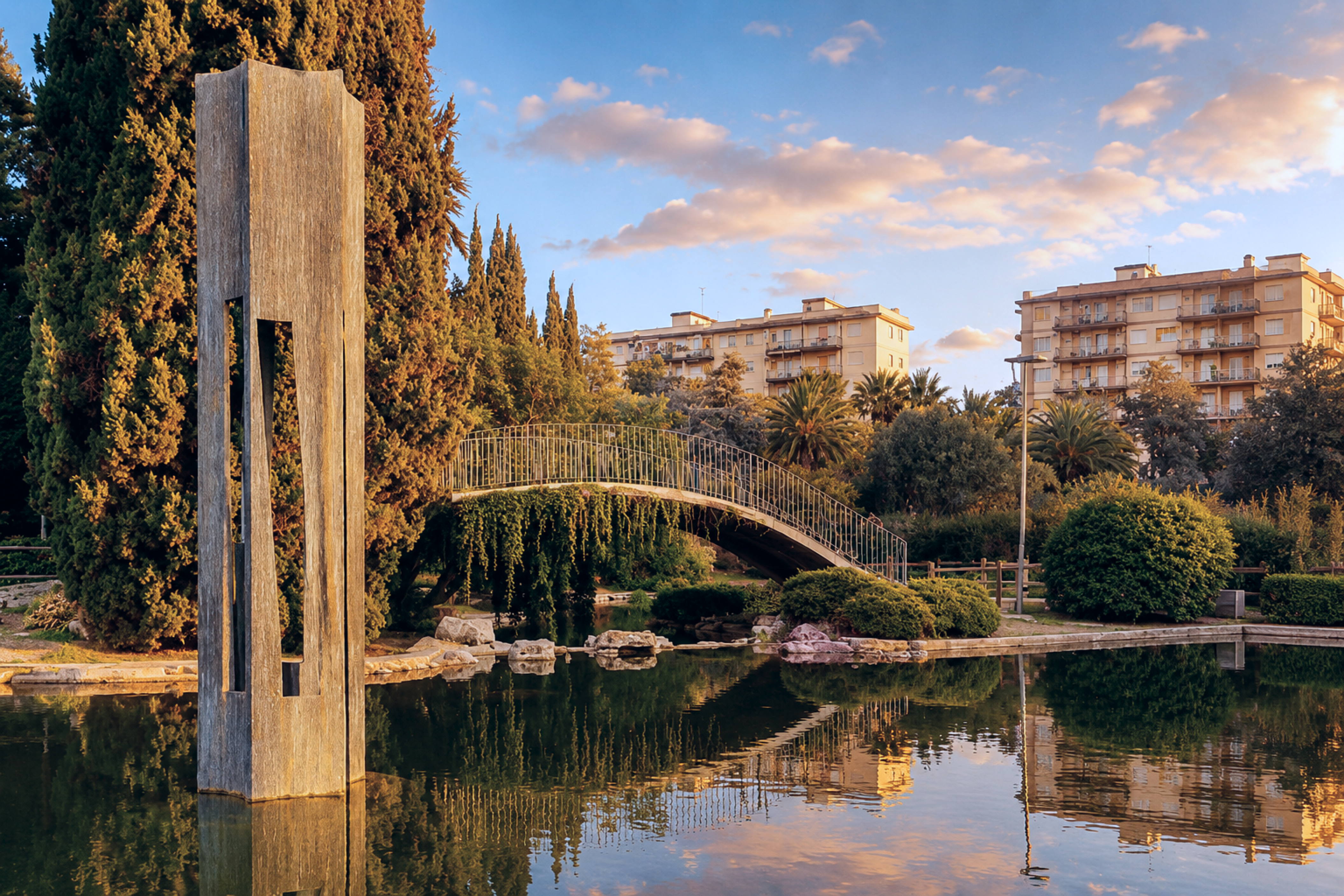
Bari’s largest park spans over 74 acres (30 hectares) south of the center, built around a small lake, home to turtles and ducks. Paths loop through it for running, cycling, and walking.
Time needed: 1 to 2 hours
Entry: Free.
Tip: There are bike rental stands inside the park, so you can rent a bike if you want to cover more ground.
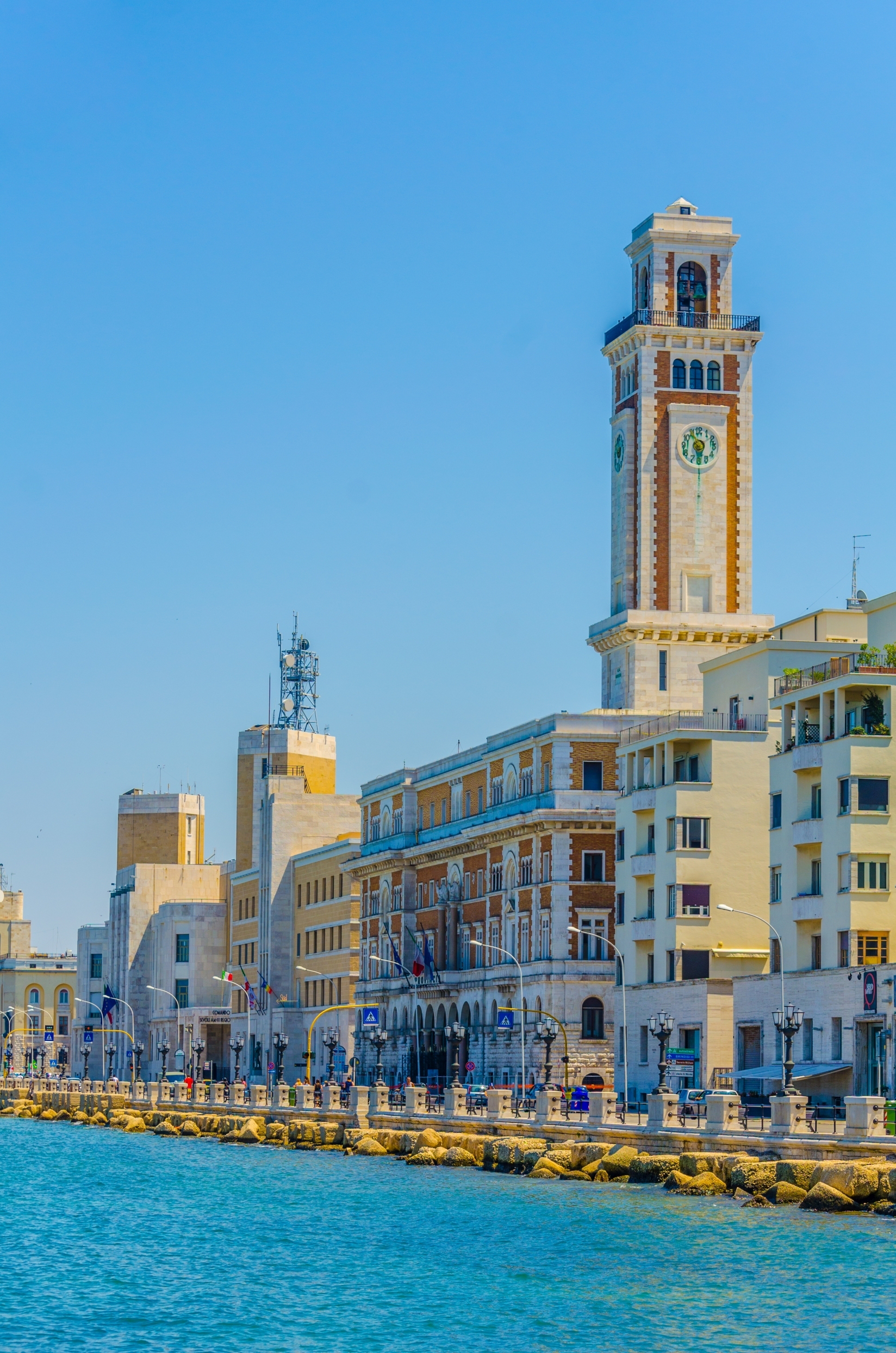
Pinacoteca Corrado Giaquinto
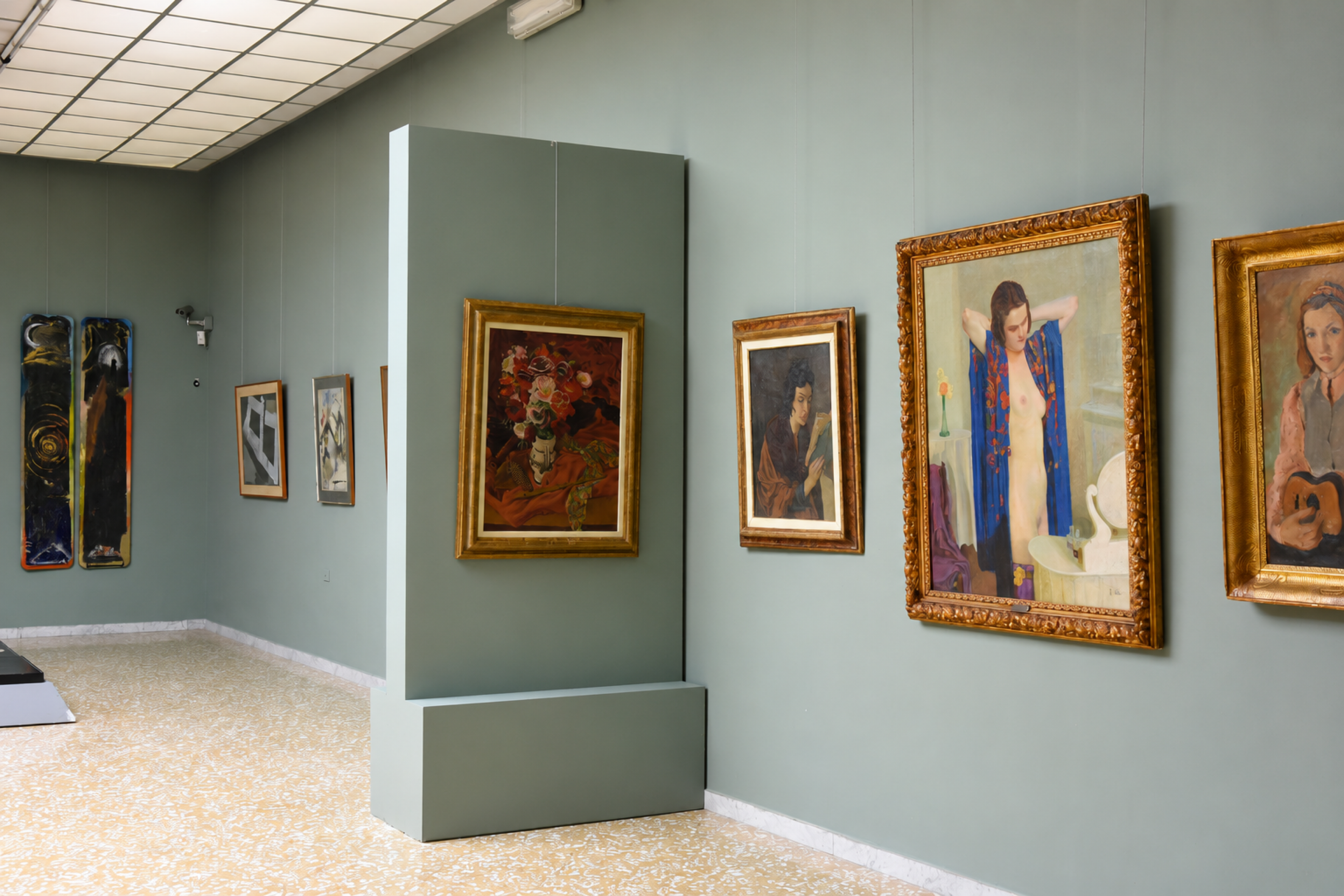
This gallery occupies the 4th floor of the seafront Palazzo della Provincia. It holds Apulian and Venetian paintings from the Middle Ages to the 20th century, including works by Tintoretto and Vivarini.
Time needed: About 1 hour
Entry: Entry costs €5 ($5.50). Visit the official site for details.
Tip: A combined ticket also covers the Santa Scolastica Archaeological Museum and is valid for 24 hours, so the two can be split between one morning and one afternoon.
Traditional food
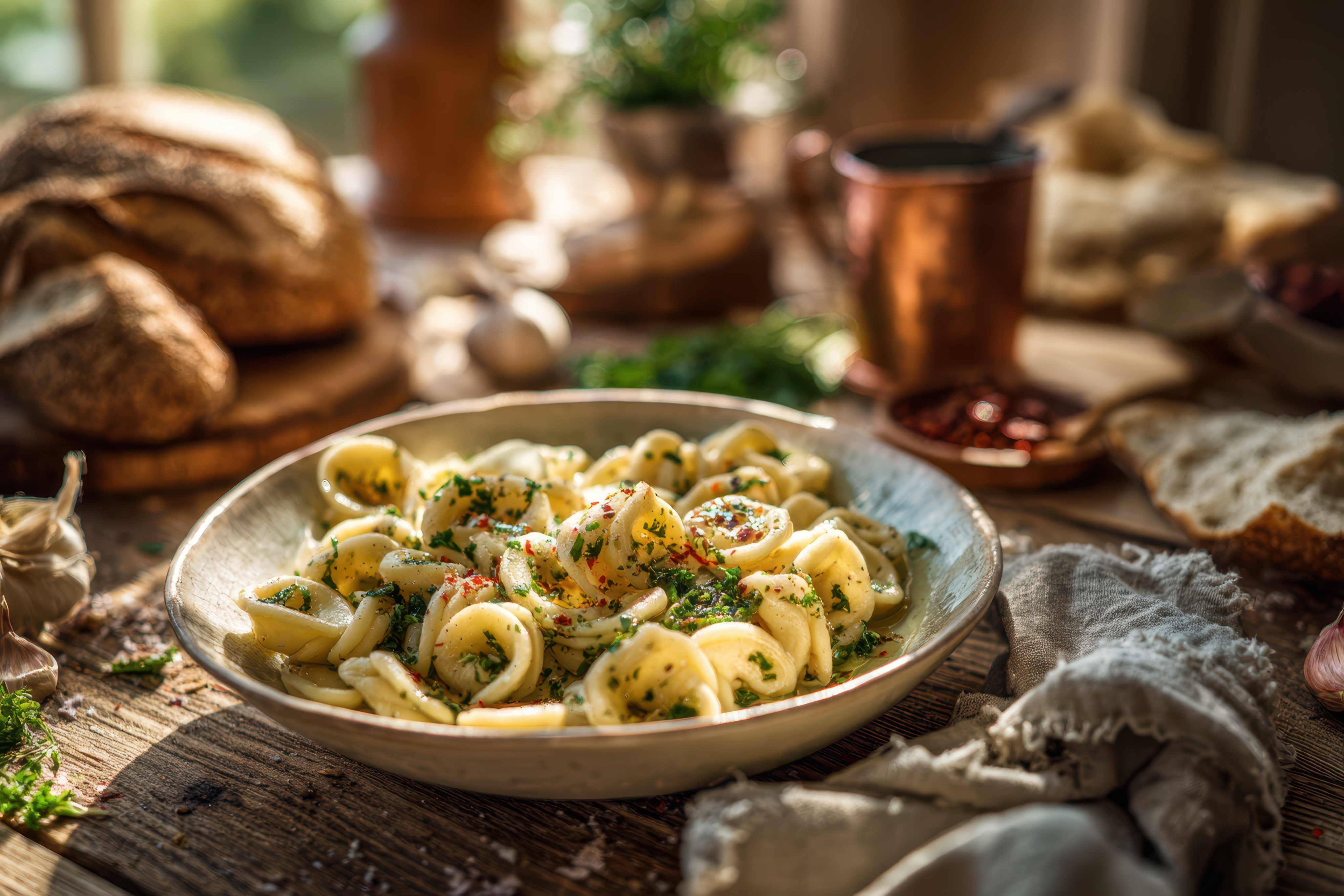
Bari’s food relies on durum wheat, seasonal vegetables, seafood, tomatoes, and olive oil. Recipes are usually simple, with a few local ingredients and little decoration.
Orecchiette con cime di rapa
This ear-shaped pasta is cooked with turnip greens, garlic, olive oil, chili, and often anchovies. Terranima is a good central restaurant to try this traditional dish.
Tiella barese
Rice, potatoes, mussels, tomatoes, and herbs are layered in a baking dish and cooked until the rice absorbs the seafood juices. Tiella, near Teatro Petruzzelli, serves a version of this dish worth a visit.
Sgagliozze
Squares of polenta are fried until crisp outside and soft inside. Street vendors in Bari Vecchia often sell them hot in paper cones.
Panzerotti
These fried dough pockets usually contain tomato and mozzarella, though many other fillings are available. Panzeropoli serves handmade panzerotti in Piazza Mercantile in Bari Vecchia.
Best time to visit Bari
Bari has hot, dry summers and mild winters with more rain. Spring and fall bring comfortable temperatures for walking, dining outside, and spending time along the waterfront.
Best for: Walking through Bari Vecchia, visiting the Basilica of Saint Nicholas, and eating outdoors in Murat.
What you get: Temperatures rise from 46°F to 73°F (8°C to 23°C). March and April bring occasional rain, while May is warmer and drier.
Trade-offs: Early spring evenings can feel cool, and wet days are still possible.
Best for: Swimming at Pane e Pomodoro, evening walks on the lungomare, and late dinners outdoors
What you get: Temperatures range from 68°F to 86°F (20°C to 30°C), with hotter days during heat waves. Beaches, restaurants, and central streets receive the most visitors.
Trade-offs: Afternoon heat can make long walks uncomfortable, especially in July and August.
Best for: Seafront walks, market visits, day trips by train, and meals focused on seasonal seafood and vegetables
What you get: September is often warm enough for swimming, while October and November bring cooler weather. Temperatures range from 50°F to 80°F (10°C to 27°C).
Trade-offs: Rain becomes more common later in the season, and swimming conditions usually end by November.
Best for: Church visits, museums, long lunches, and exploring Bari Vecchia without summer crowds
What you get: Temperatures usually range from 42°F to 57°F (6°C to 14°C). Visitor numbers are lower, and restaurants are easier to book outside the holiday period.
Trade-offs: Short daylight hours, rain, and wind can reduce time along the waterfront.
A realistic 5-day plan in Bari
Five days allow enough time for Bari Vecchia, the waterfront, Murat, and a few quieter parts of the city. Each day focuses on a different part of Bari, with time for churches, local food, art, and the seafront.
After check-in, begin with a short walk along the lungomare. The section near Teatro Margherita gives a first view of the old harbor, fishing boats, and Bari Vecchia from the water. Continue into Murat for dinner at a traditional trattoria, then stop for an espresso or gelato near Corso Vittorio Emanuele II.
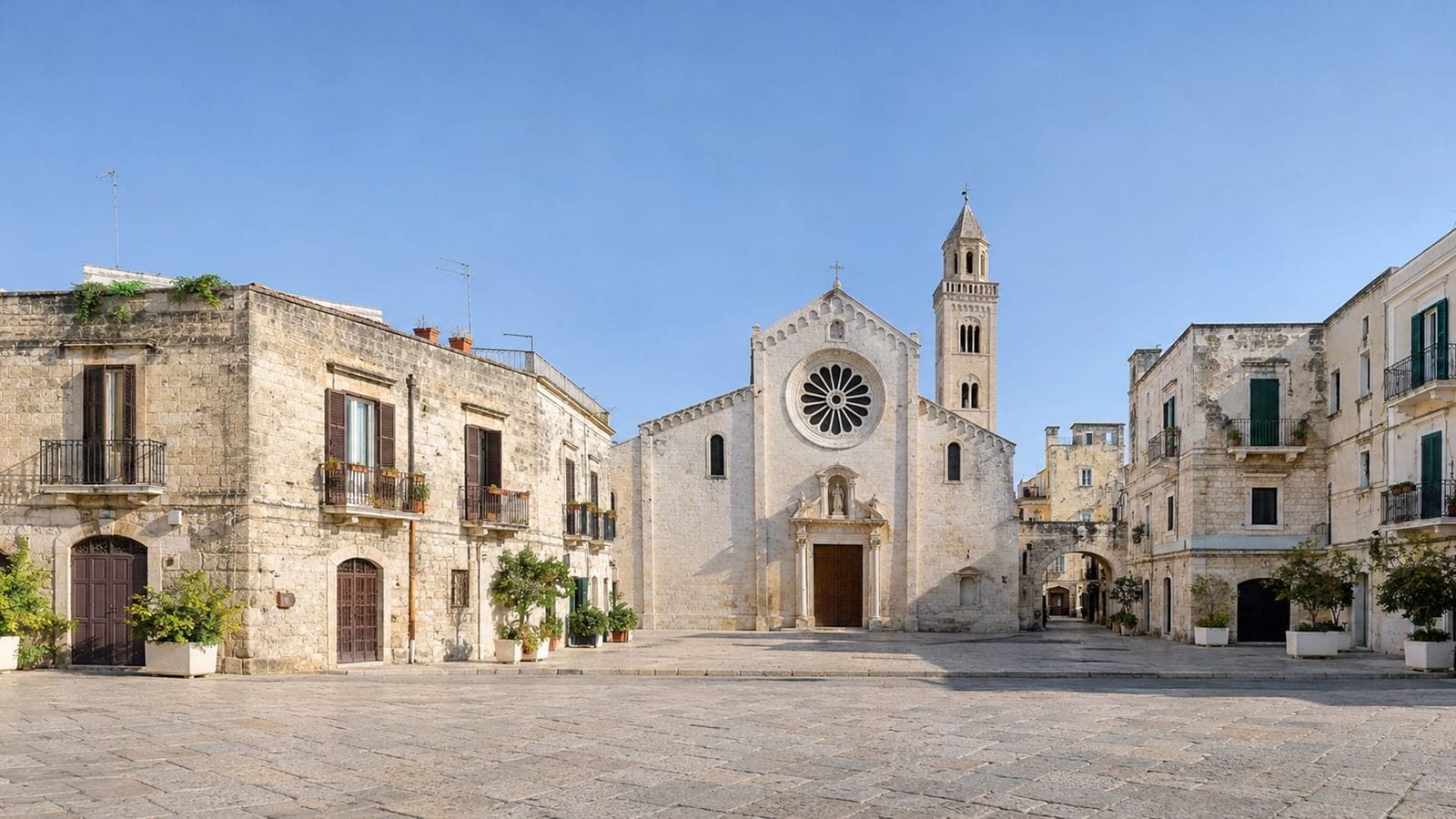
Visit the Basilica of Saint Nicholas and descend into the crypt to see the saint’s relics. Continue to Bari Cathedral to see its Romanesque interior and archaeological remains below the church. Walk through the residential streets of Bari Vecchia, where locals still make orecchiette by hand, then visit the Swabian Castle and its exhibitions on the city’s history. End the day in Piazza Mercantile or Piazza del Ferrarese.
Start at the Pinacoteca Corrado Giaquinto inside the Palazzo della Provincia. The collection covers medieval religious art, Venetian painting, and works by Apulian artists. After the museum, follow Lungomare Nazario Sauro through Madonnella and stop at the old fish market area or one of the neighborhood cafés. Continue through the residential streets behind the seafront, then have dinner at a local restaurant away from the busiest old-town squares.
Spend the morning in Murat. Walk along Via Sparano, visit Teatro Petruzzelli if tours are available, and look at the Liberty-era buildings near Corso Cavour. Continue to Parco 2 Giugno for an hour or two among the lawns, ponds, and walking paths. Return to the center for lunch, then use the afternoon for shopping, a café stop, or a second walk through the old harbor.
Begin at Mercato di Santa Scolastica or another local food market to get fresh seafood, vegetables, cheese, and regional products for breakfast. Return to Bari Vecchia for any church, square, or street missed earlier, or visit the archaeological museum at Santa Scolastica if it is open. Finish with lunch near the old port and a final walk through Murat before leaving for the airport or station.
Business-class flights from the US to Bari

Business-class flights from the US to Bari are available from both the East Coast and the West Coast, usually with one layover. All flights arrive at Bari Karol Wojtyła Airport (BRI).
New York (JFK) to Bari (BRI)
ITA Airways flies from New York to Bari through Rome Fiumicino Airport (FCO). The trip takes roughly 11 hours. Round-trip business-class fares usually start at $4,300 and can reach $6,300 during peak season. Turkish Airlines serves the same route with a stop at Istanbul Airport (IST). Total travel time is about 13 hours, with peak-season fares ranging from $4,100 to $6,700.
Los Angeles (LAX) to Bari (BRI)
ITA Airways also flies from Los Angeles to Bari through Rome. The journey usually takes about 14 hours, depending on the layover. Round-trip business-class fares range from $4,500 to $9,000. Lufthansa provides another option from Los Angeles to Bari through Munich Airport (MUC). The journey takes approximately 15 hours, while fares generally fall between $4,000 and $10,000, depending on how close your departure date is.
There is more to discover in Bari
Bari has much more to discover beyond its best-known churches and waterfront. The city’s food, historic streets, seafront neighborhoods, and easy access to the rest of Puglia can turn a short visit into a much larger trip. And if you need help reaching Bari, AranGrant can help you find the right business-class flight that matches your preferences and needs.