

Chapters:

Need help with your trip?
Our support team is available 24/7. Request a callback or call us directly at (833) 619-0908
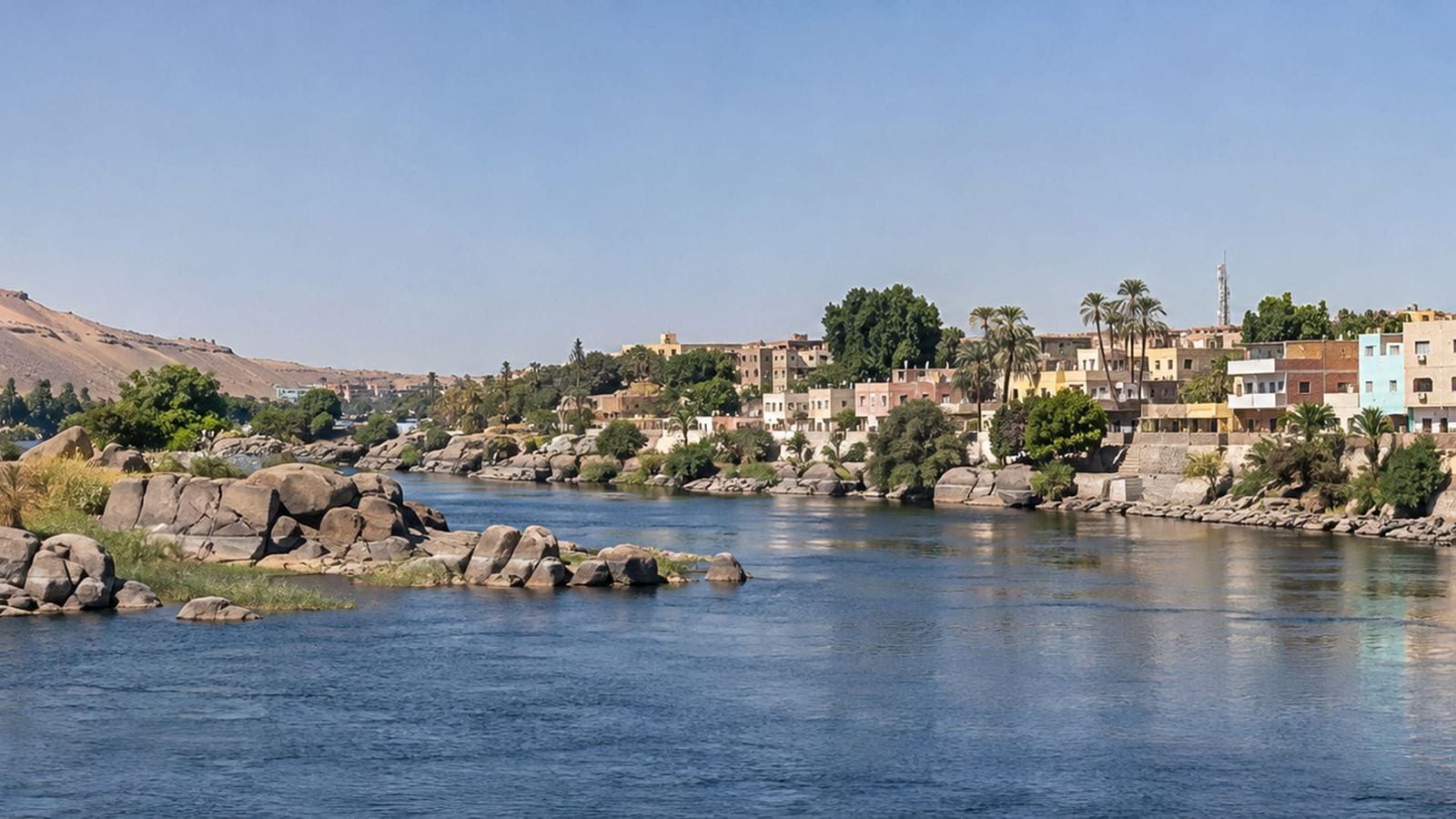
The Nile divides Aswan into an east-bank city, inhabited islands, and west-bank villages, with granite outcrops breaking the water between them. Boats connect these parts of daily life, carrying residents and travelers between river landings and homes on Elephantine Island.
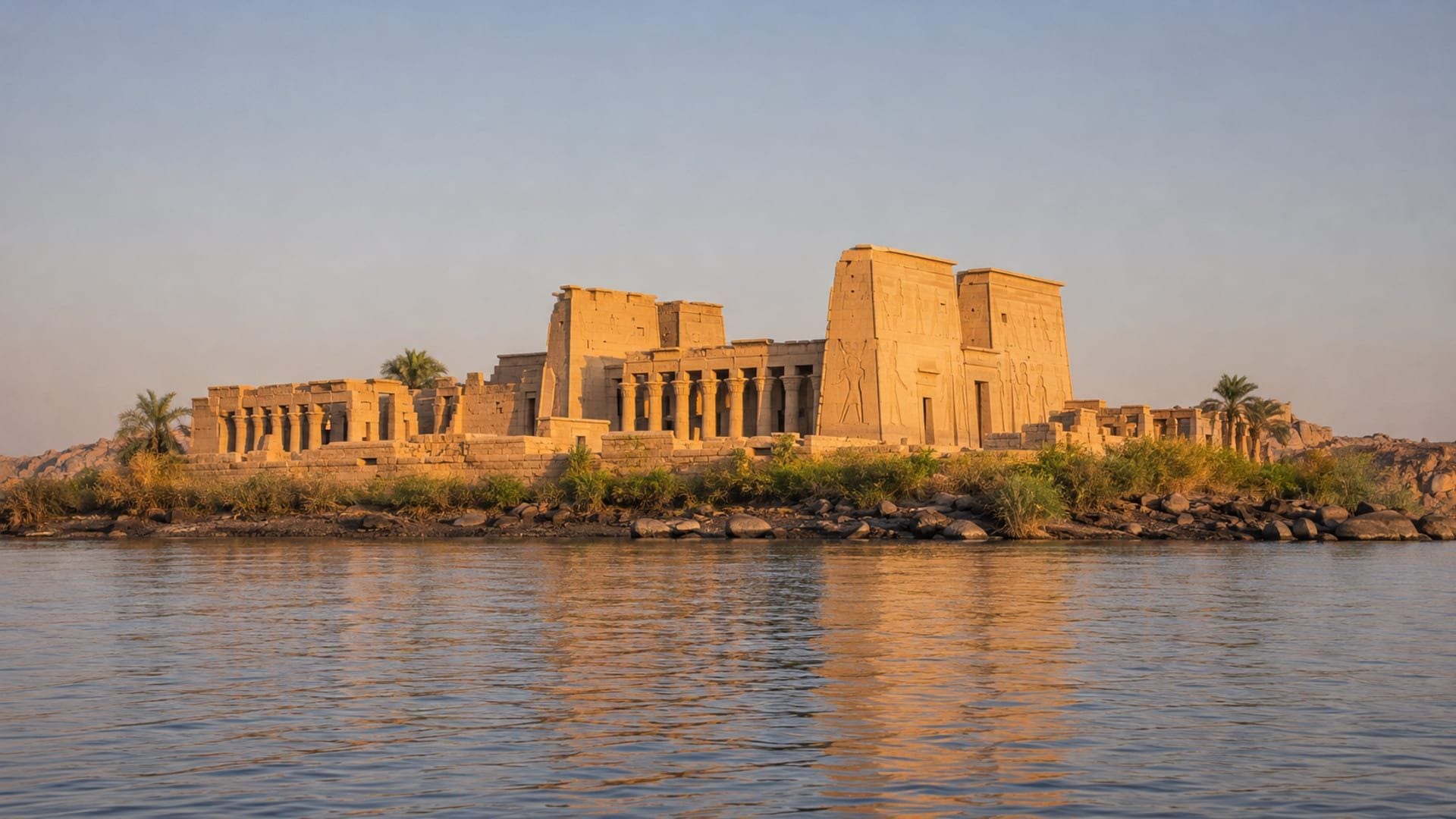
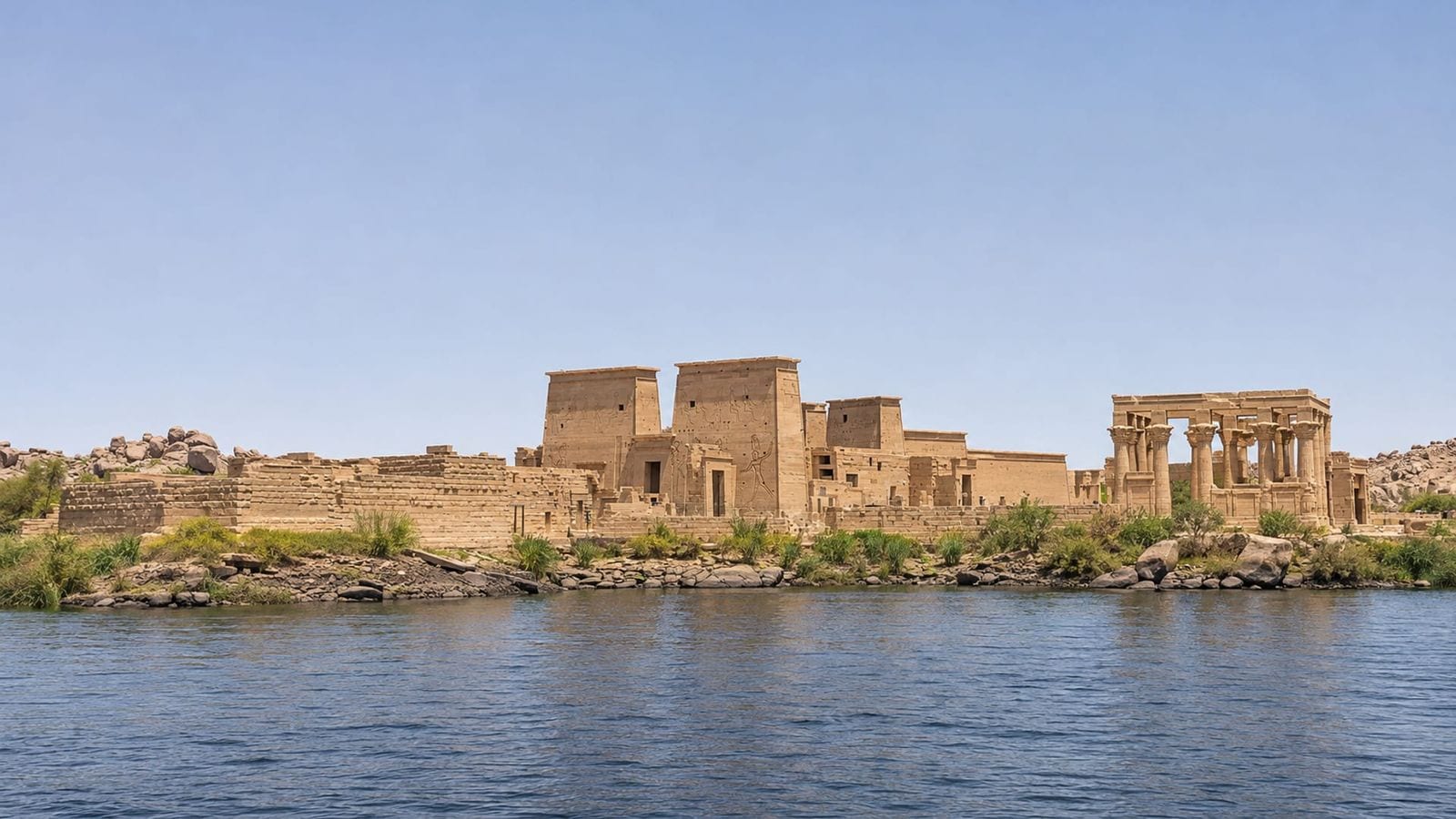
At Philae Temple, a boat approach reveals colonnades above the water. The Nubian Museum explains how the Aswan High Dam changed communities upstream, while Ferial Garden offers views across the river toward its granite islands.
Five days allow time for these crossings alongside museums and village walks. Downtown Aswan puts taxis and restaurants within walking distance; Elephantine Island adds a ferry journey to mainland outings. Winter brings cooler days for exploring the exposed quarries.
Useful things to know

Main language(s): Arabic
أهلاً (ah-lan) – Hello
من فضلك (min fad-lak) – Please
شكراً (shok-ran) – Thank you
بتتكلم إنجليزي؟ (bit-it-kal-lim in-glee-zee?) – Do you speak English?
بكام؟ (bi-kaam?) – How much does it cost?

Currency: Egyptian pound (EGP, E£)

Cash and cards: Cards are accepted at larger hotels; carry roughly EGP 500 to EGP 1,000 ($10 to $20) for cash purchases.

Tipping: Leave 10% for good restaurant service; a service charge does not usually replace the tip.

Traditional food: Ful medames, taameya, molokhia, and grilled Nile tilapia are among the classic dishes of Aswan.

Water and coffee costs: Water EGP 10 to EGP 20 ($0.20 to $0.40); espresso EGP 60 to EGP 100 ($1.20 to $2).

Taxis and ride apps: Ask your hotel for a licensed taxi; confirm the fare before departure.

Plug and voltage: Type C/F socket, 220V

Dining and shop opening hours: Breakfast is usually 7 am to 10 am, lunch 1 pm to 4 pm, and dinner 8 pm to 11 pm. Shops often open 9 am to 10 pm, with some closing during the afternoon heat.

Emergency number: Police 122, ambulance 123, fire 180.
Where to stay in Aswan
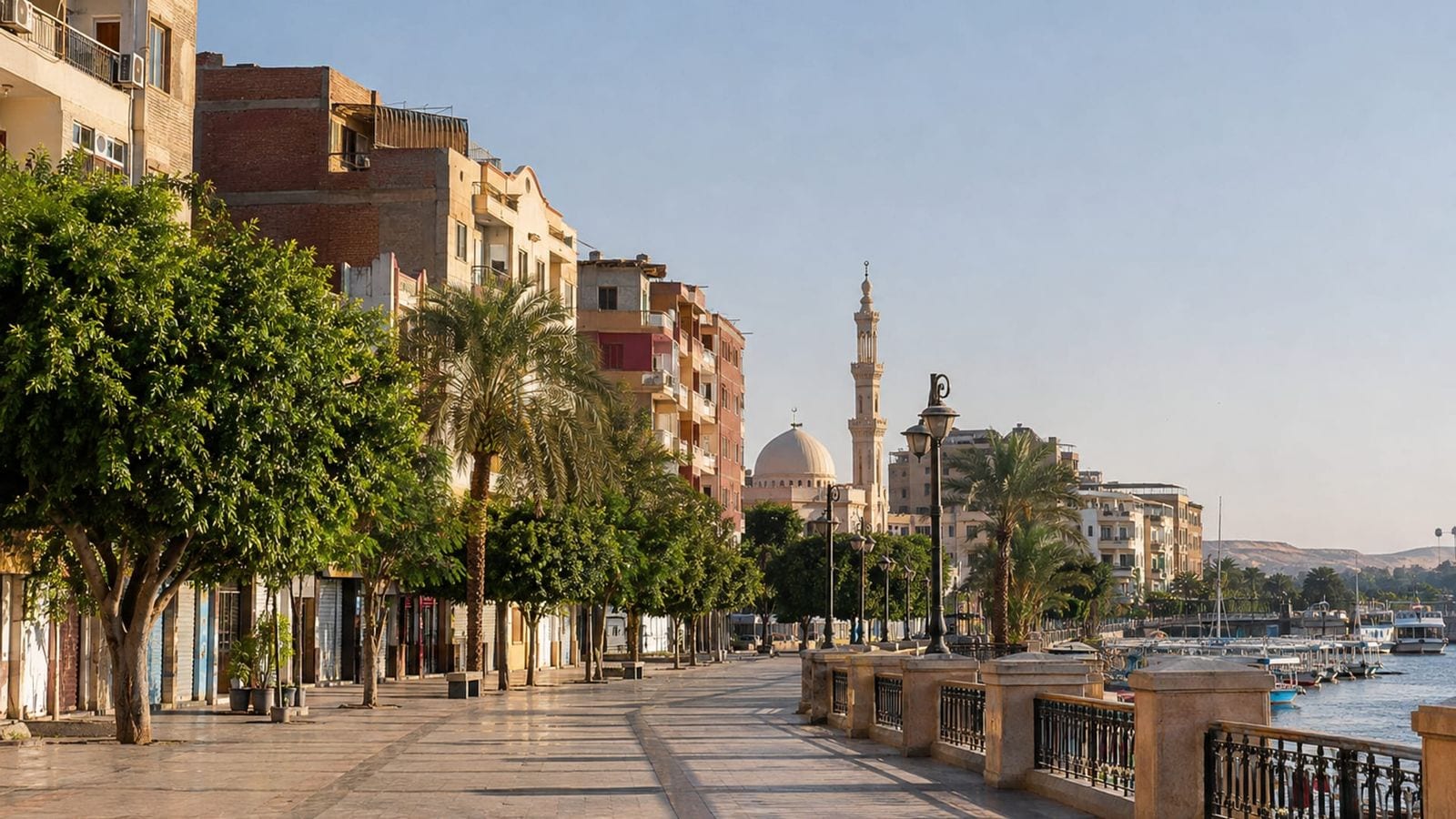
Downtown Aswan is the city’s busy east-bank center, with hotels near the river, shops, and places to eat. Stay here for easy access to taxis and the waterfront, plus a broad choice of accommodation, if you prefer to reach meals and everyday shopping on foot without arranging a boat.
Best for: Sightseeing, riverfront walks, and reaching restaurants without boat crossings
What to expect: Traffic, shopping, and restaurant activity bring crowds to the main roads.
Hotel prices: Well-rated hotels cost EGP 2,000 to EGP 5,000 ($40 to $100) a night.
Distance to major sights: The Nubian Museum is a 5 to 15 minute taxi ride from most downtown hotels.
Quietness: Shopping and traffic fill the daytime streets; riverfront roads can stay lively after dinner.
Main trade-off: Convenient transport comes with traffic noise and fewer secluded outdoor spaces.
Good to know: Request a room away from the road, and confirm whether a river-view room overlooks traffic.
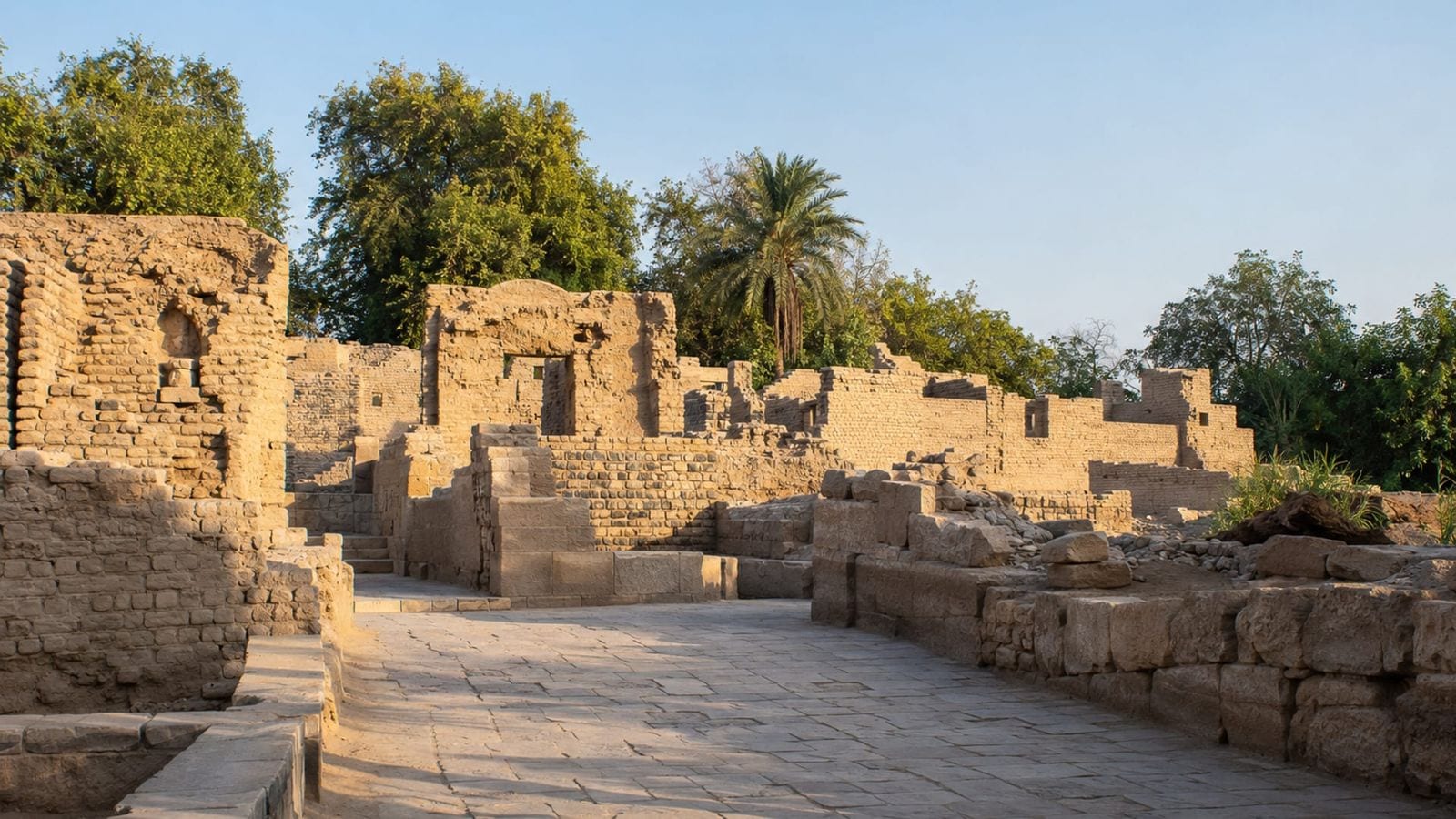
Elephantine Island is a residential Nile island where Nubian villages share the waterfront with guesthouses and larger hotels. Travelers stay for river views and village walks, accepting ferry crossings to the east bank and footpaths that can make moving luggage more demanding than a taxi arrival.
Best for: Village walks, Nile views, and stays away from city traffic
What to expect: Pedestrian lanes connect homes and guesthouses, while boats bring activity to the landing points.
Hotel prices: Allow EGP 1,500 to EGP 4,500 ($30 to $90) nightly for a well-rated guesthouse or hotel.
Distance to major sights: Allow 25 to 40 minutes to reach the Nubian Museum by ferry and on foot, including a wait for the boat.
Quietness: Boat engines and village activity carry through the day; evenings usually bring less activity than the east bank.
Main trade-off: Every trip to the mainland requires a boat, and some properties involve uneven paths or steps.
Good to know: Ask your accommodation which landing to use and whether its transfer operates after dinner.
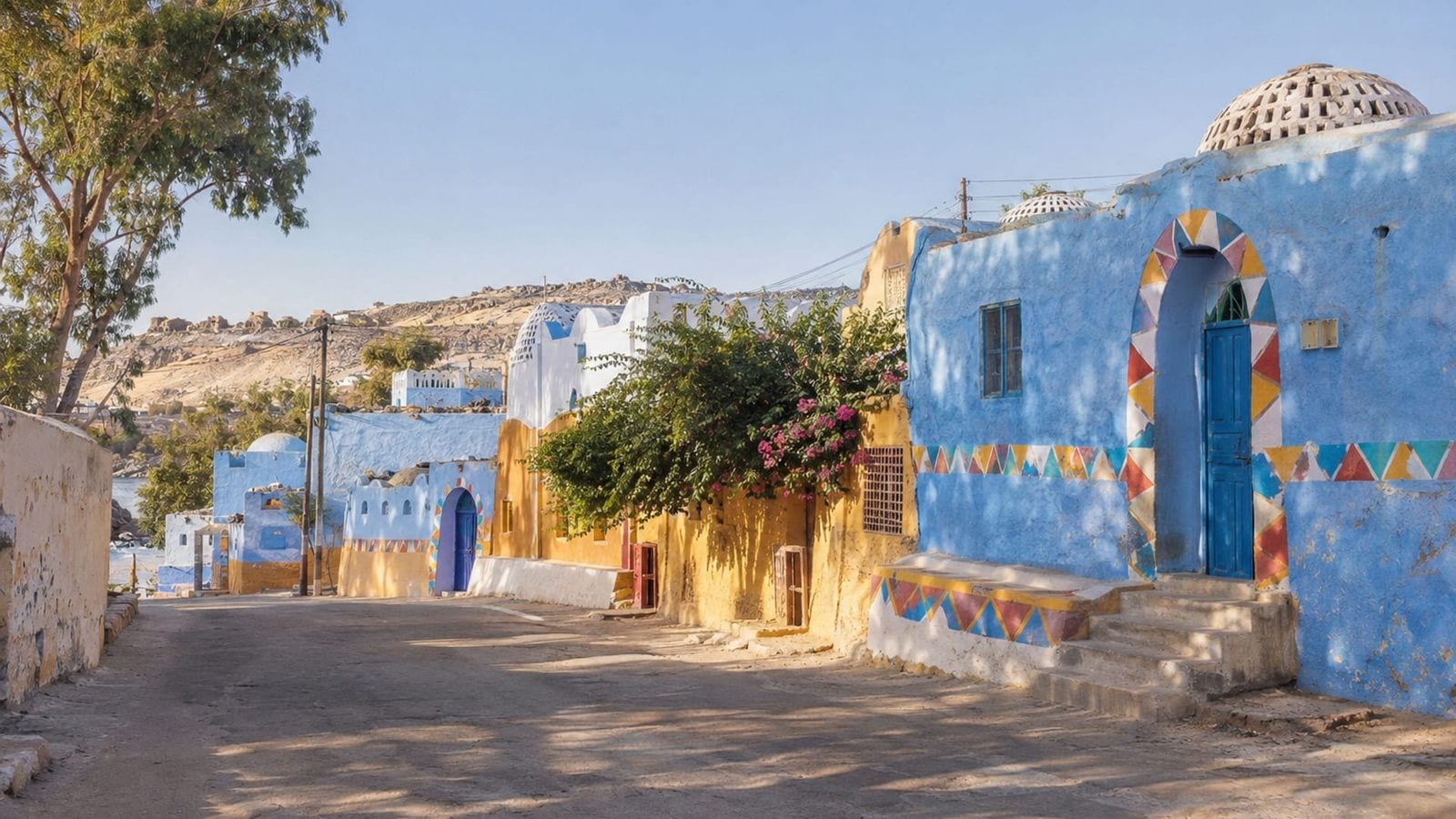
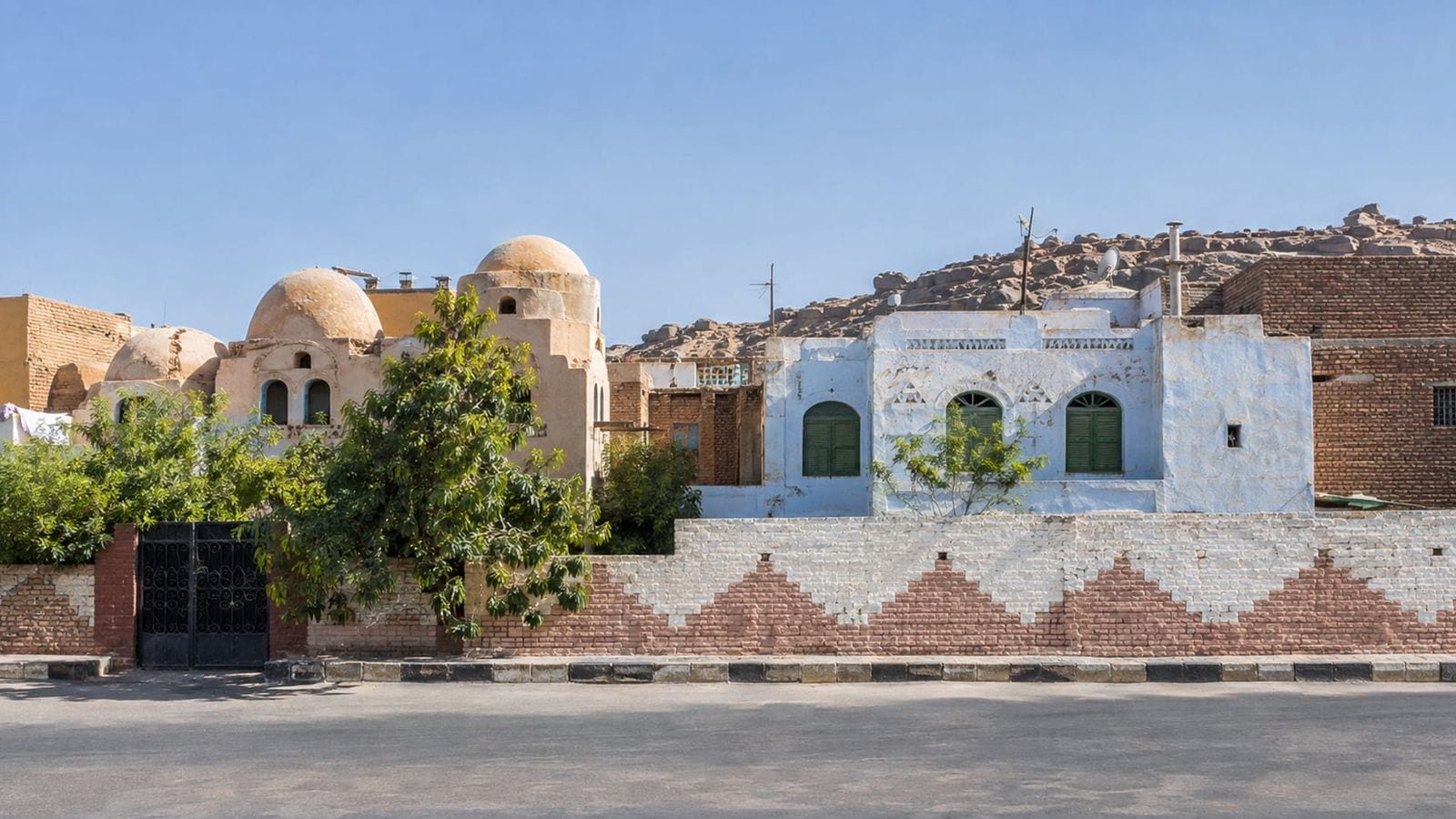
Gharb Soheil is a Nubian village on the west bank of the Nile, south of central Aswan, with colorful houses and small riverside hotels. A stay here puts village lanes and boat trips close by, while the distance from the city center favors travelers happy to arrange transport for museum visits.
Best for: Nubian village stays, riverside meals, and boat excursions
What to expect: Souvenir shops and visiting tour groups animate the main lanes during the day.
Hotel prices: A well-rated small hotel typically costs EGP 2,000 to EGP 6,000 ($40 to $120) per night.
Distance to major sights: The Nubian Museum is roughly 35 to 50 minutes away by taxi, depending on the hotel’s location.
Quietness: Daytime tour groups enliven the waterfront; evenings generally grow quieter after excursion boats depart.
Main trade-off: Central sightseeing requires longer transfers, and the busiest lanes attract sales approaches.
Good to know: Confirm whether your hotel has road access or requires a final boat transfer before choosing an airport pickup.
Kima and El Shallal are less convenient for stays focused on central Aswan, with longer trips to downtown sights and restaurants. Gharb Aswan adds a river crossing to outings in the center.
Hotel deals
How to get around Aswan efficiently
Public ferries connect Elephantine Island to Aswan’s east bank, where waterfront walks and negotiated-fare taxis link the central sights.

Taxi
for convenience or late hours
Taxis along Aswan’s Corniche use negotiated fares; agree on EGP 100 to EGP 200 ($2 to $4) for a short central trip before departure. Central journeys usually take 5 to 15 minutes. Choose taxis for luggage, late returns, or trips beyond the waterfront.

Walking
for short central distances
From Aswan’s railway station, you can walk to the northern Corniche in about 10 minutes, then follow the Nile waterfront south. Walking costs nothing and suits short central trips; allow 15 to 25 minutes between the station and central market streets.
Ferry
for island or coastal routes
For Elephantine Island, public ferries cross from Aswan’s east bank in about 5 to 10 minutes. Budget EGP 10 to EGP 30 ($0.20 to $0.60) per crossing and confirm the fare before boarding. Use these shared boats for island visits; private boats cost more.
*Prices are based on rates updated as of November 2026 and may change at the time of travel.
Walk between downtown shops and the Corniche, take public ferries to Elephantine Island, and choose taxis for the quarry, airport, or luggage transfers.
Iconic landmarks
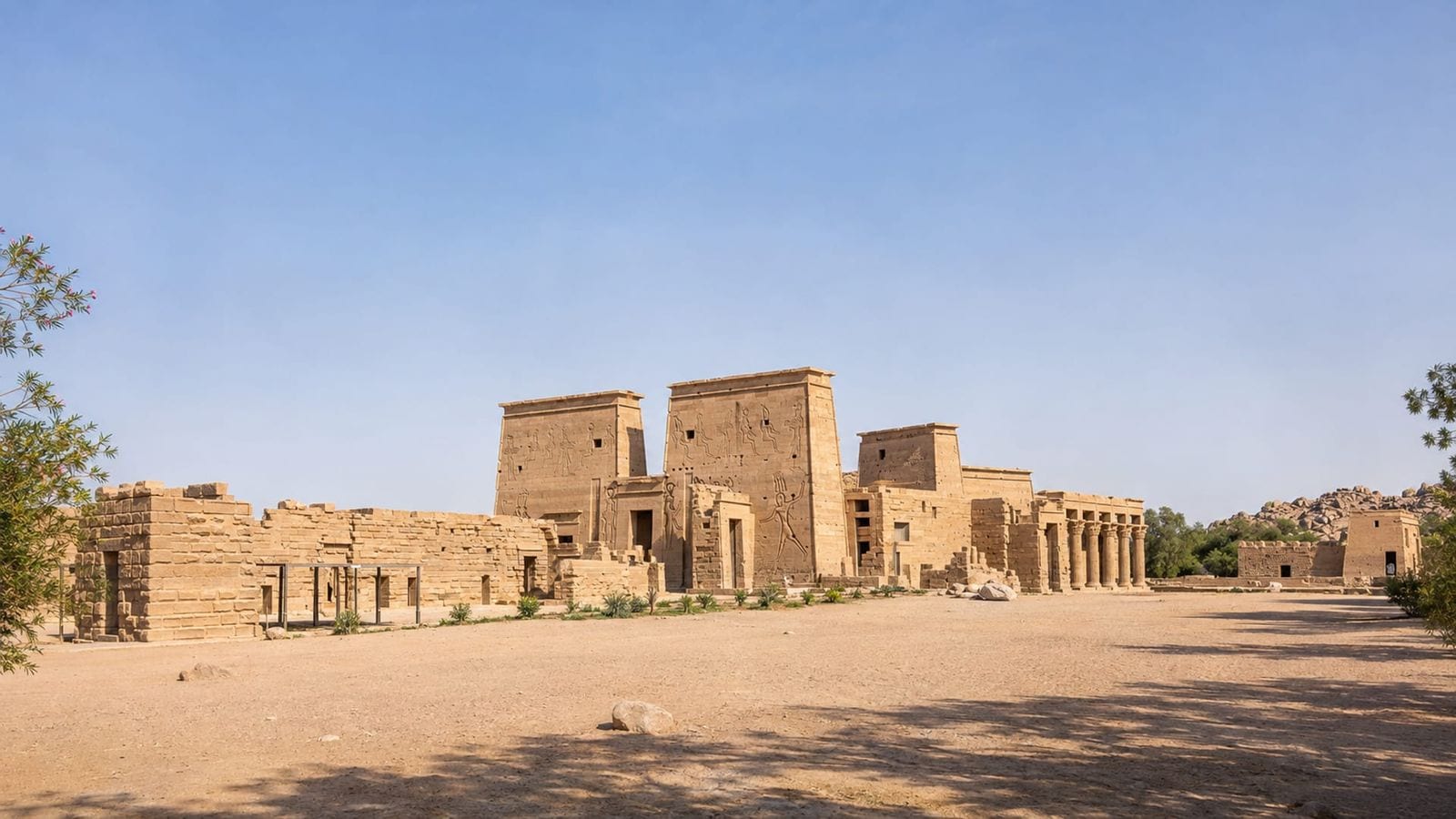
Philae Temple
Reached by boat, Philae Temple fills Agilkia Island with colonnades, carved gateways, and sanctuaries dedicated to Isis. Its monuments were moved from nearby Philae Island to protect them from rising water after construction of the Aswan High Dam.
Time needed: About 2 to 3 hours
Entry: Moderately priced: temple admission; boat transfer costs extra
Tip: Agree on the round-trip boat fare at the marina before leaving for Agilkia.
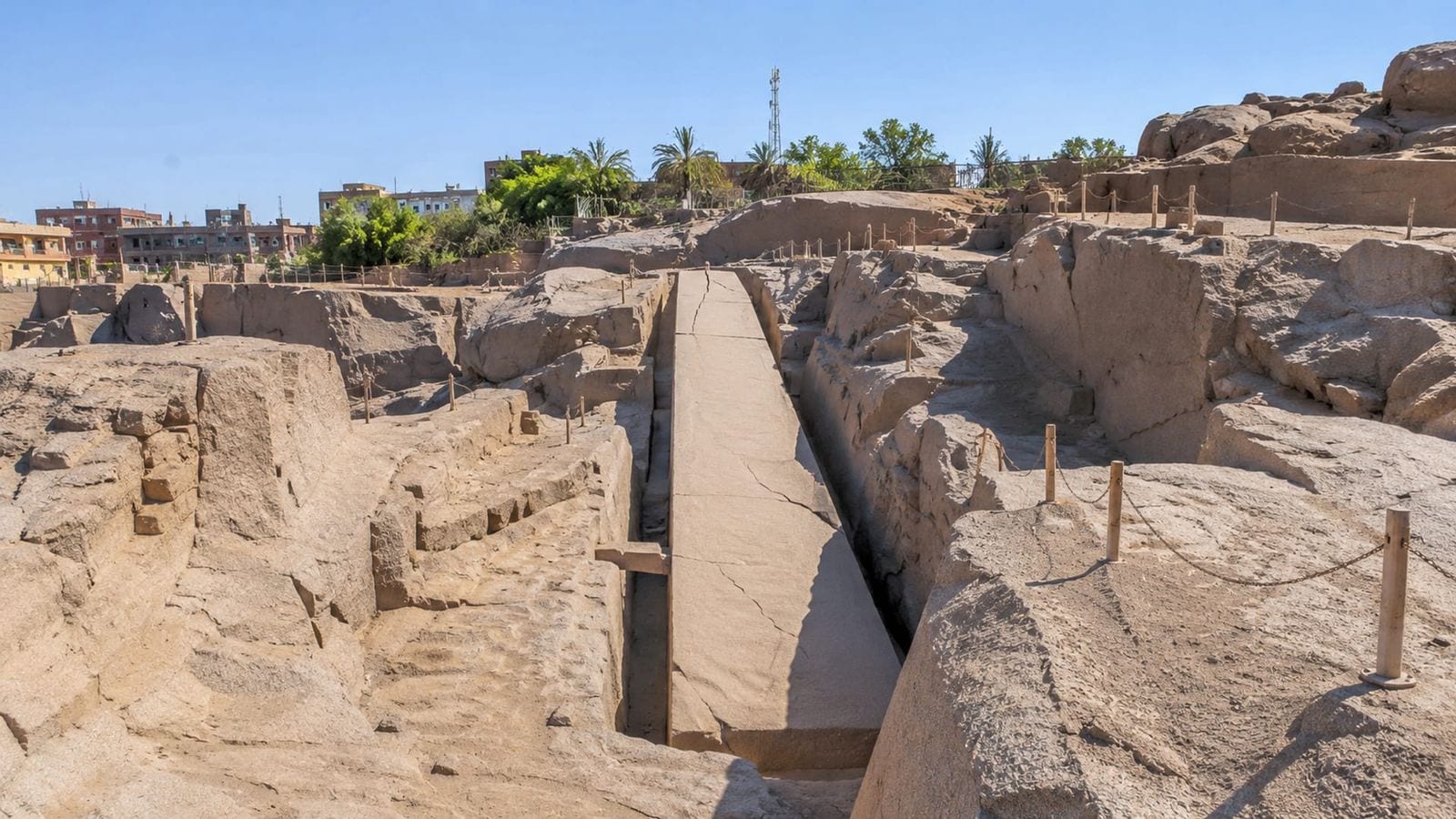
Unfinished Obelisk
An enormous abandoned obelisk lies attached to the granite bedrock in Aswan’s ancient quarries. Cracks halted its construction, leaving a rare chance to trace the channels and tool marks that reveal how ancient Egyptians extracted these monuments.
Time needed: About 1 to 2 hours
Entry: Low-cost: admission to the quarry and obelisk
Tip: Choose an early morning visit, as the exposed granite quarry has little shade.
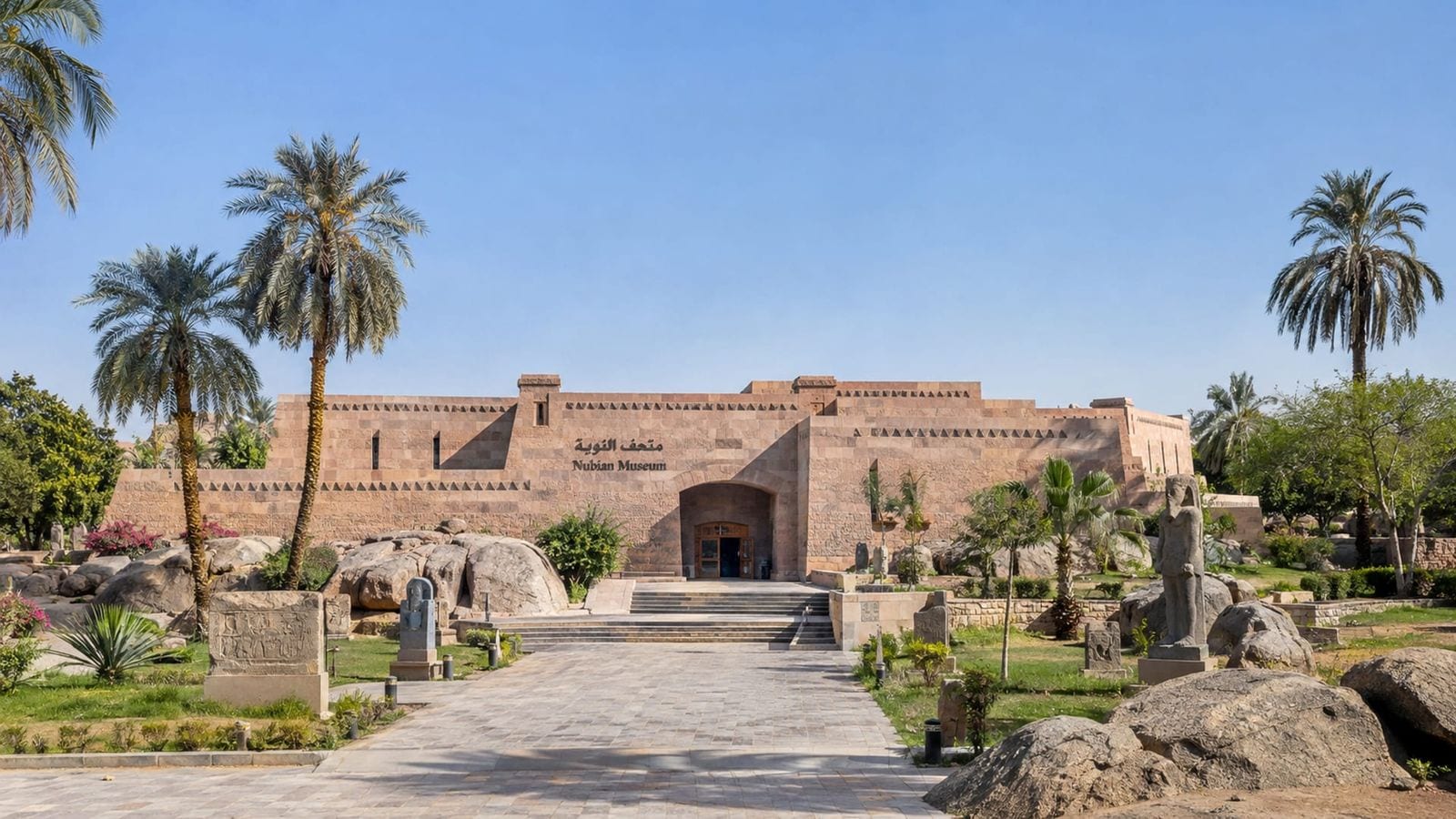
Nubian Museum
The Nubian Museum follows Nubia’s history through archaeological finds, sculpture, jewelry, and displays of daily life. Exhibits explain the communities and monuments affected by the Aswan High Dam, giving context to the landscape beyond its galleries.
Time needed: About 2 to 3 hours
Entry: Low-cost: admission to the museum
Tip: Allow time for the displays on Nubian life before exploring the museum garden.
Overlooked sites worth visiting

Ferial Garden
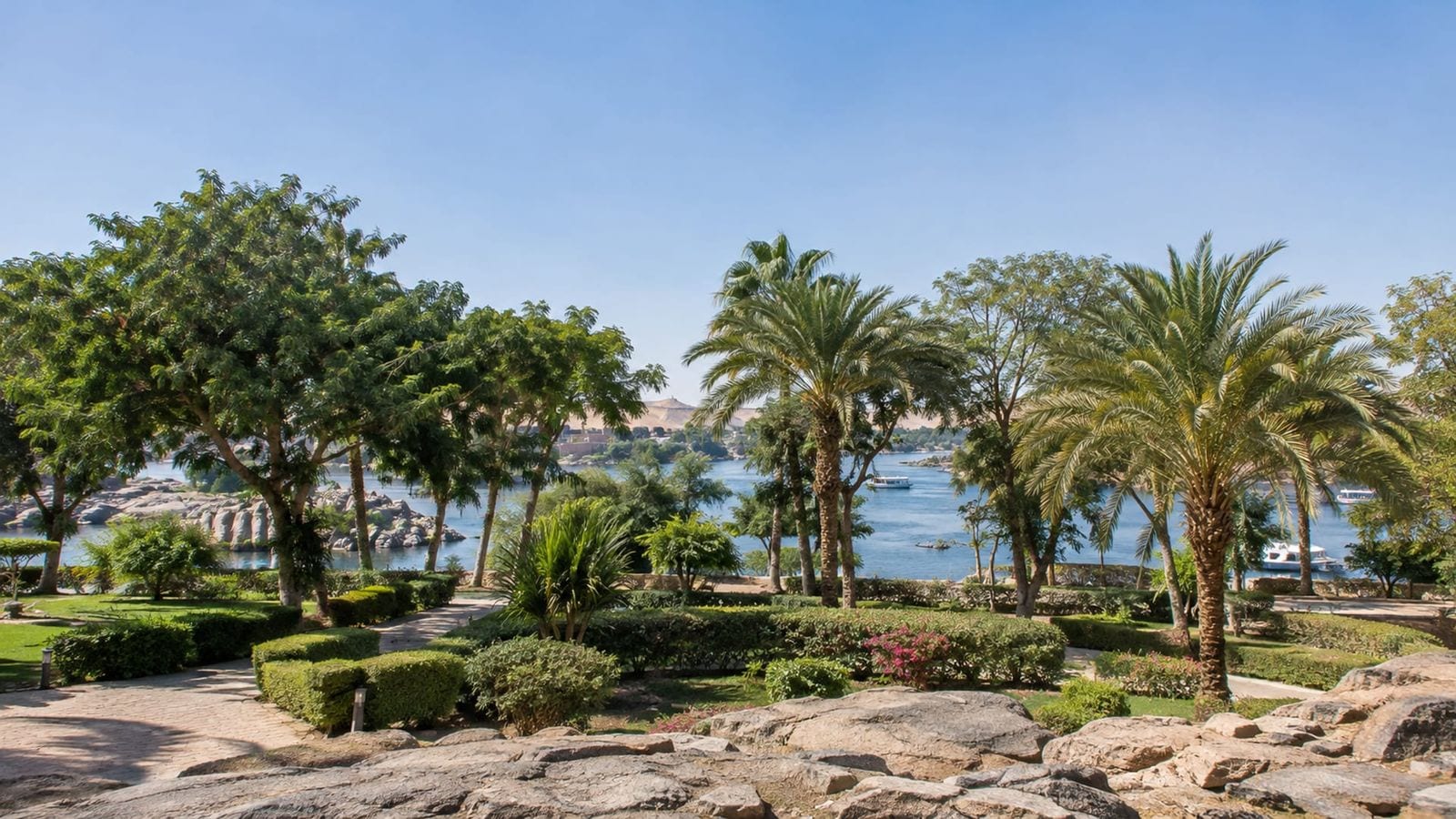
Ferial Garden overlooks the Nile from landscaped grounds near the southern end of central Aswan. Paths between palms lead to river views, with granite islands breaking up the water below.
Time needed: About 30 to 45 minutes
Entry: Low-cost
Tip: Come late in the afternoon for softer light on the Nile’s granite islands.

Archangel Michael Coptic Orthodox Cathedral
Archangel Michael Coptic Orthodox Cathedral has twin bell towers and a broad nave filled with religious paintings. The church interior offers a look at Aswan’s living Christian community.
Time needed: About 20 to 30 minutes
Entry: Free to access
Tip: Ask cathedral staff before photographing the nave or religious paintings.
Traditional food
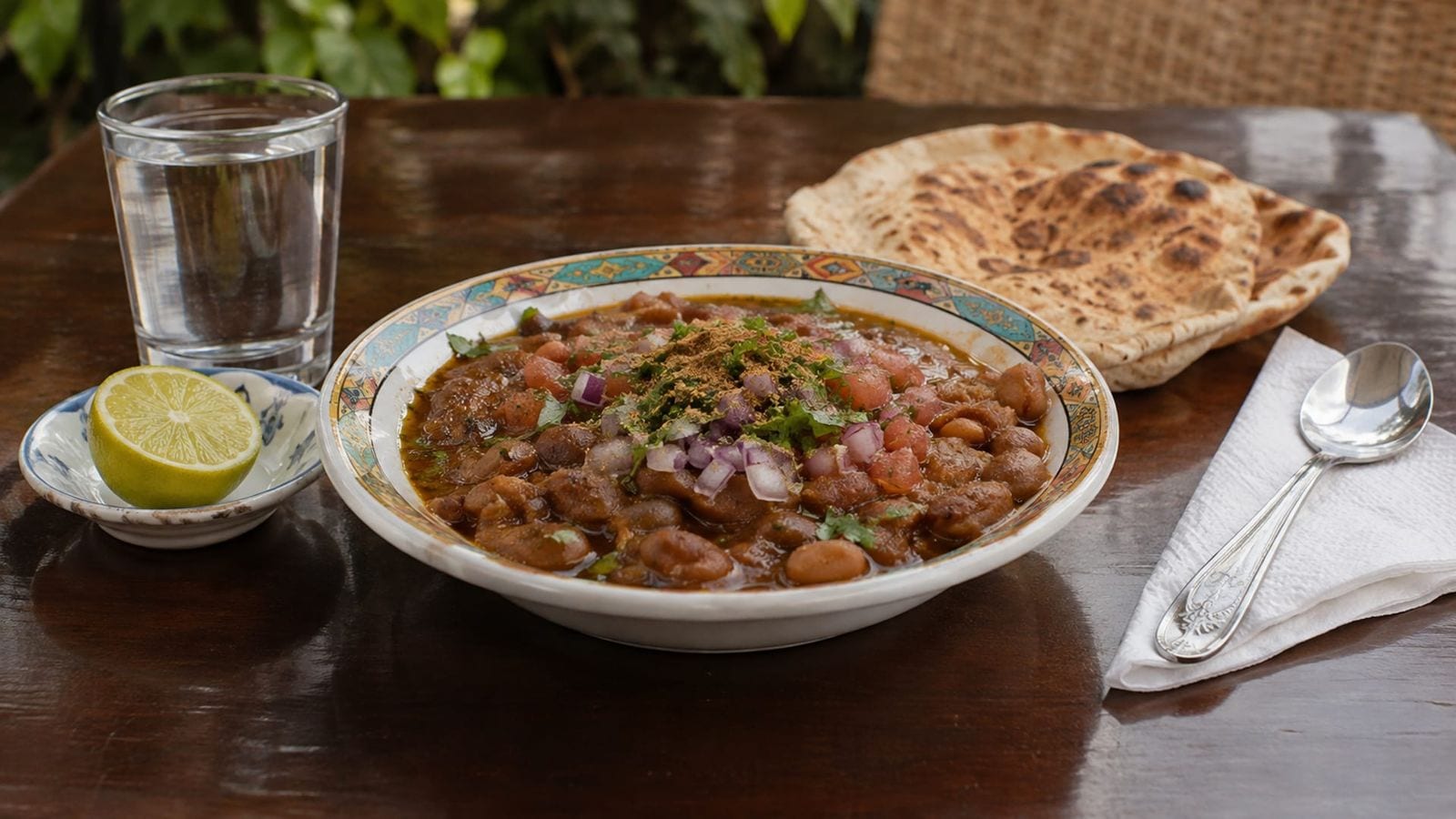
Aswan’s tables bring together fava beans, leafy molokhia, and Nile fish. Ful medames and taameya anchor breakfast, while grilled tilapia and rice suit a longer meal beside the river after sightseeing.
Ful medames
Slow-cooked fava beans become ful medames, a hearty breakfast seasoned with oil, lemon, and cumin and eaten with bread. Try it at Nubian Dreams Restaurant Cafe, where an Elephantine Island breakfast can precede the ferry crossing.
Taameya
Taameya combines ground fava beans with herbs and spices, fried into patties with a crisp exterior and green center. Order it at Bob Marley Moonlight for an Egyptian breakfast with bread before exploring Elephantine Island.
Molokhia
Finely chopped jute leaves give molokhia its distinctive texture, while garlic and coriander season the broth. Try it at El Masry, pairing the green soup with rice for a traditional Egyptian lunch in central Aswan.
Grilled Nile tilapia
Nile tilapia has mild white flesh that takes readily to garlic, lemon, and spices before grilling. Choose grilled fish at King Jamaica Restaurant on Elephantine Island, with salad alongside and views across the river.
Best time to visit Aswan
Aswan’s dry climate makes heat the main seasonal distinction, with cooler winter days favoring quarries, village walks, and temple crossings.
Best for: Early temple crossings and village walks before the strongest midday heat
What you get: Temperatures span 59°F to 102°F (15°C to 39°C), with warmer afternoons as spring advances; March draws more sightseeing groups than May.
Trade-offs: Hot May afternoons shorten comfortable visits to the exposed Unfinished Obelisk quarry.
Best for: Museum galleries and early river crossings with fewer sightseeing groups
What you get: Expect 79°F to 108°F (26°C to 42°C), intense sunshine, and fewer international visitors; outdoor sightseeing concentrates in early mornings.
Trade-offs: Extreme afternoon heat limits village walks and time among Philae Temple’s open courtyards.
Best for: November waterfront walks and longer afternoons exploring Nubian villages
What you get: Readings range from 61°F to 104°F (16°C to 40°C) across the season; visitor numbers build as November brings cooler afternoons to Aswan.
Trade-offs: September can still bring summer-level heat to the quarry and downtown shopping streets.
Best for: Extended quarry visits, temple exploration, and daytime waterfront walks
What you get: Days and nights range from 48°F to 79°F (9°C to 26°C), bringing comfortable sightseeing weather; popular temples attract more tour groups.
Trade-offs: Early boat crossings feel cool, and the Christmas and New Year period brings stronger hotel demand.
A realistic 5-day plan in Aswan
An Elephantine Island stay gives this five-day plan its shape: ferry crossings frame quarry and museum visits, a Philae Temple excursion, and an afternoon among Gharb Soheil’s village lanes.
From Aswan (ASW), take a taxi to the east-bank ferry landing, allowing 30 to 40 minutes and EGP 400 to EGP 700 ($8 to $14); confirm the fare first. Cross to Elephantine Island in 5 to 10 minutes and check into your guesthouse. For a light dinner, order salad and grilled fish at King Jamaica Restaurant.
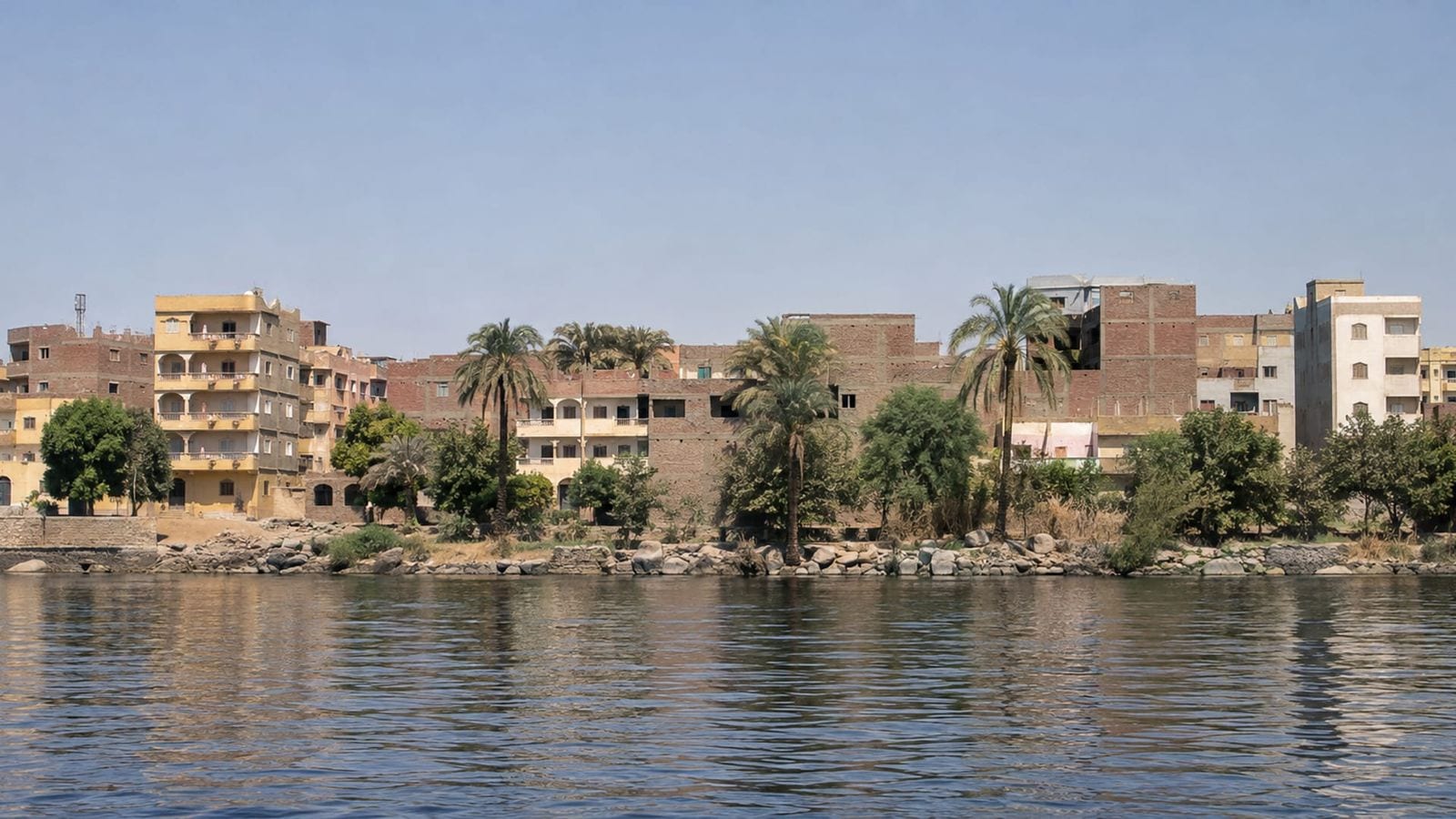
Ancient stonecutting starts the morning at the Unfinished Obelisk: allow 1 to 2 hours before the exposed quarry grows hotter. A 5 to 10 minute taxi ride takes you to the Nubian Museum for 2 to 3 hours exploring Nubian jewelry, sculpture, and daily life, followed by its garden.
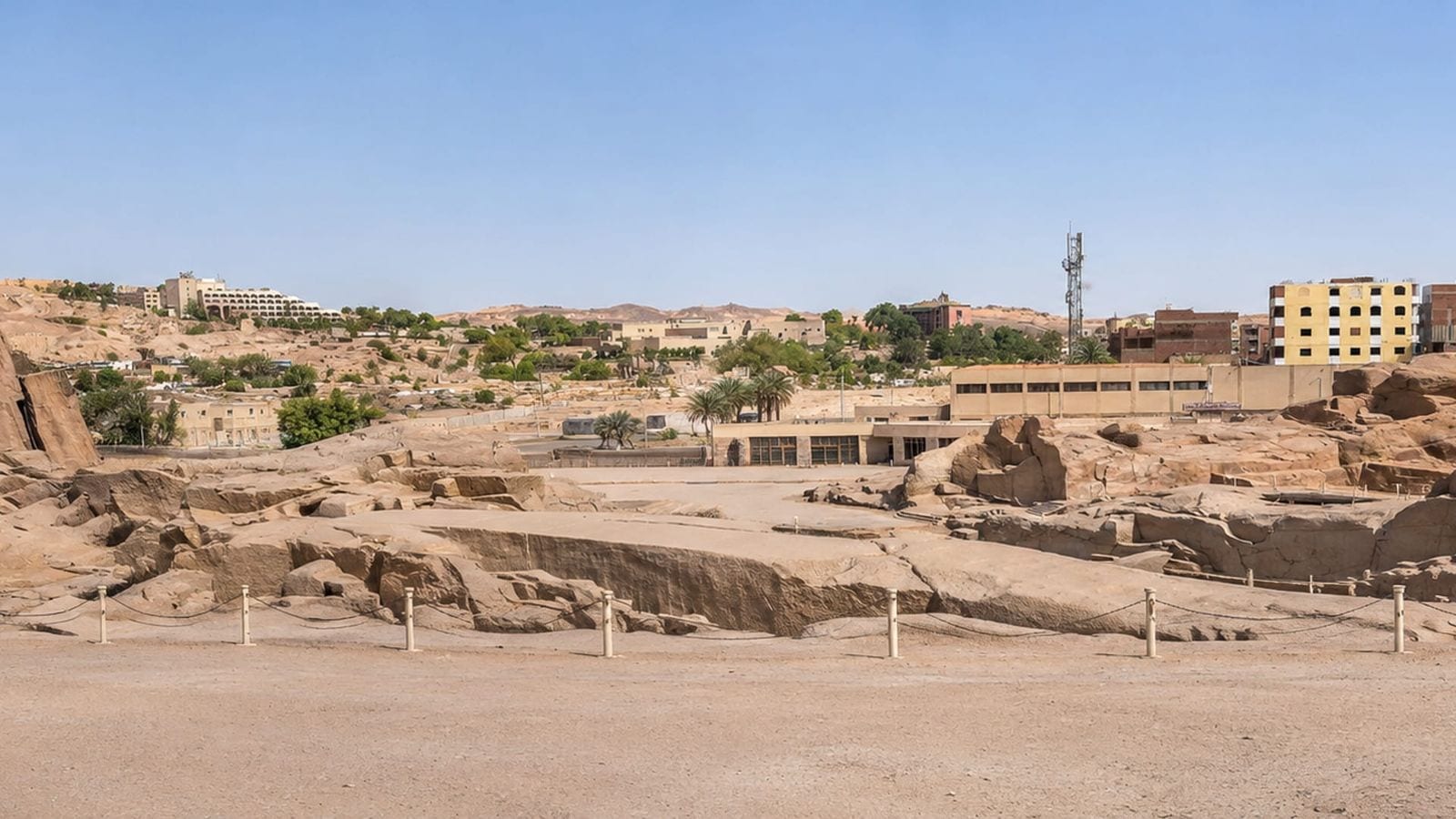
A boat crossing introduces Philae Temple, where carved gateways and the sanctuary of Isis warrant 2 to 3 hours. Agree on the round-trip boat fare before departure. Return to the marina, then allow 40 to 60 minutes by taxi to Gharb Soheil for lunch and an afternoon exploring its colorful village lanes.
Downtown Aswan’s shops fill the morning with browsing for spices and textiles. Continue south along the waterfront, allowing 20 to 30 minutes on foot to Archangel Michael Coptic Orthodox Cathedral. Spend 20 to 30 minutes inside, with staff permission, then walk 5 to 10 minutes to Ferial Garden for late-afternoon Nile views.
Breakfast and a final café stop on Elephantine Island keep departure morning close to your guesthouse. Arrange luggage help for the island paths, then take the ferry to the east bank. Allow 30 to 40 minutes for the taxi to Aswan (ASW), plus the ferry wait, and confirm the taxi fare before boarding.
Business-class flights from the US to Aswan
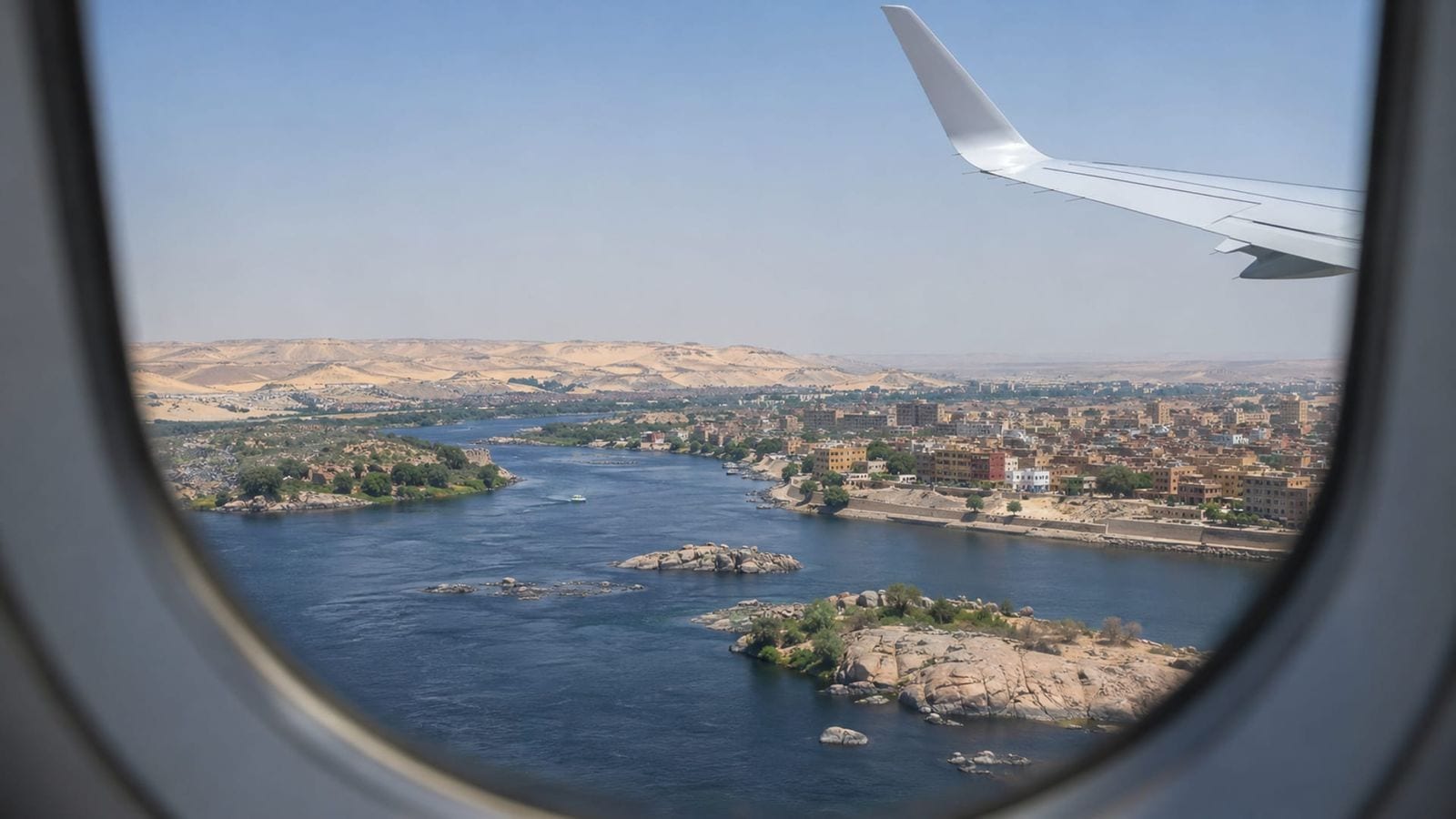
Flights to Aswan (ASW) from New York and Los Angeles connect through Cairo (CAI); these two examples compare journey times and round-trip fares.
From New York, the one-stop journey to Aswan (ASW) connects through Cairo (CAI) with EgyptAir. Round-trip fares range from $3,500 to $6,500, with a total journey time of 14 to 20 hours including the connection.
Reaching Aswan (ASW) from Los Angeles takes 23 to 32 hours with a connection in Cairo (CAI). EgyptAir is the listed airline for this one-stop option, with round-trip fares ranging from $4,500 to $8,000.
Aswan feels different when you slow down
A few days in Aswan can connect the granite channels of the Unfinished Obelisk with the Nubian Museum’s account of communities transformed by the dam. An Elephantine Island guesthouse adds daily ferry crossings, while a morning at Philae Temple and an afternoon in Gharb Soheil extend the journey beyond downtown. Leave time for grilled fish beside the water. Ask AranGrant experts to arrange flights for a winter stay with time for Aswan’s island crossings and Nubian history