

Chapters:

Need help with your trip?
Our support team is available 24/7. Request a callback or call us directly at (833) 619-0908
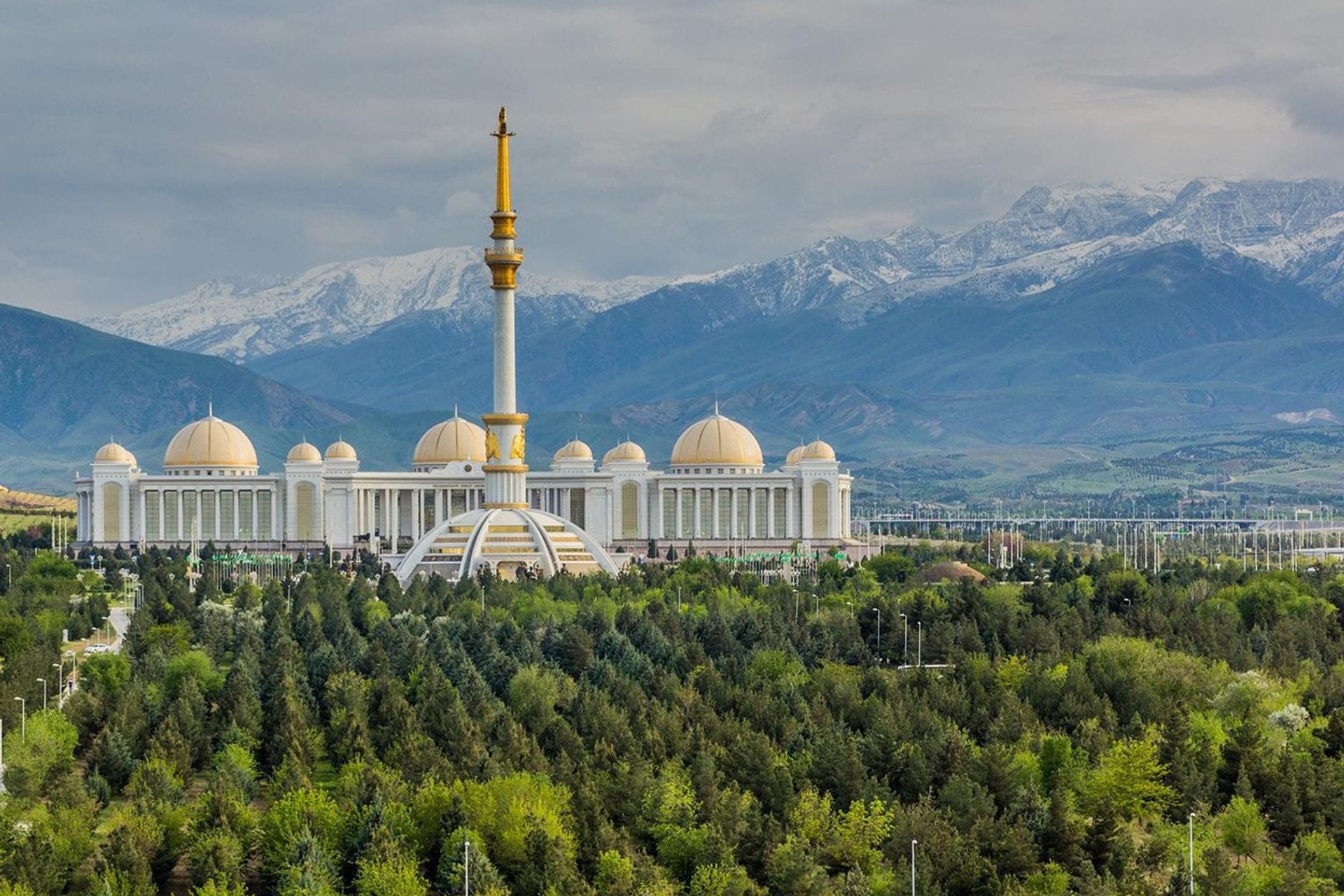
Ashgabat is known for its extraordinary white-marble architecture, monumental avenues, and grand public spaces at the foot of the Kopet Dag Mountains. The Independence Monument rises above landscaped gardens, while the Monument of Neutrality reflects the country’s modern history. Beyond these imposing structures, the Turkmen Carpet Museum preserves centuries of craftsmanship through its intricate woven collections. West of the capital, the ancient Parthian fortresses of Nisa reveal another chapter of Turkmenistan’s past.
This guide helps you plan five days in Ashgabat, including where to stay, how to get around, what to eat, and which sights to visit.
Useful things to know

Main language(s): Turkmen
Salam (sah-lahm) – Hello / good morning
Höwürt edin (hoh-vurt eh-deen) – Please
Sag boluň (sahg boh-loon) – Thank you
Siz inglisçe gepleýärsiňizmi? (seez ing-lees-cheh gep-leh-yah-reh-see-ees-mee) – Do you speak English?
Bu näçe bolýar? (boo nah-cheh bohlyahr) – How much does it cost?

Currency: Turkmen manat (TMT, m)

Cash and cards: Cash is essential for many purchases, while larger hotels may accept cards. Carry TMT 200–TMT 300 ($60–$90) for smaller expenses.

Tipping: Tipping is not generally expected, although rounding up bills or leaving 5% in restaurants is appreciated.

Traditional food: Plov, manty, shashlik, and ichlekli are among the traditional Turkmen dishes commonly prepared in Ashgabat.

Water and coffee costs: Bottled water generally costs TMT 5 ($1.40), while an espresso in a café typically costs TMT 20 ($5.70).

Taxis and ride apps: You can book licensed taxis through hotels or by phone. Agree on fares before departure and avoid unregulated taxis, particularly after dark.

Plug and voltage: Type C and Type F sockets, 220 V

Dining and shop opening hours: Cafés serve breakfast from 7 am, while lunch is common between 1 pm and 3 pm. Dinner service generally begins at 7 pm.

Emergency number: Call 01 for fire rescue, 02 for police, and 03 for an ambulance.
Where to stay in Ashgabat
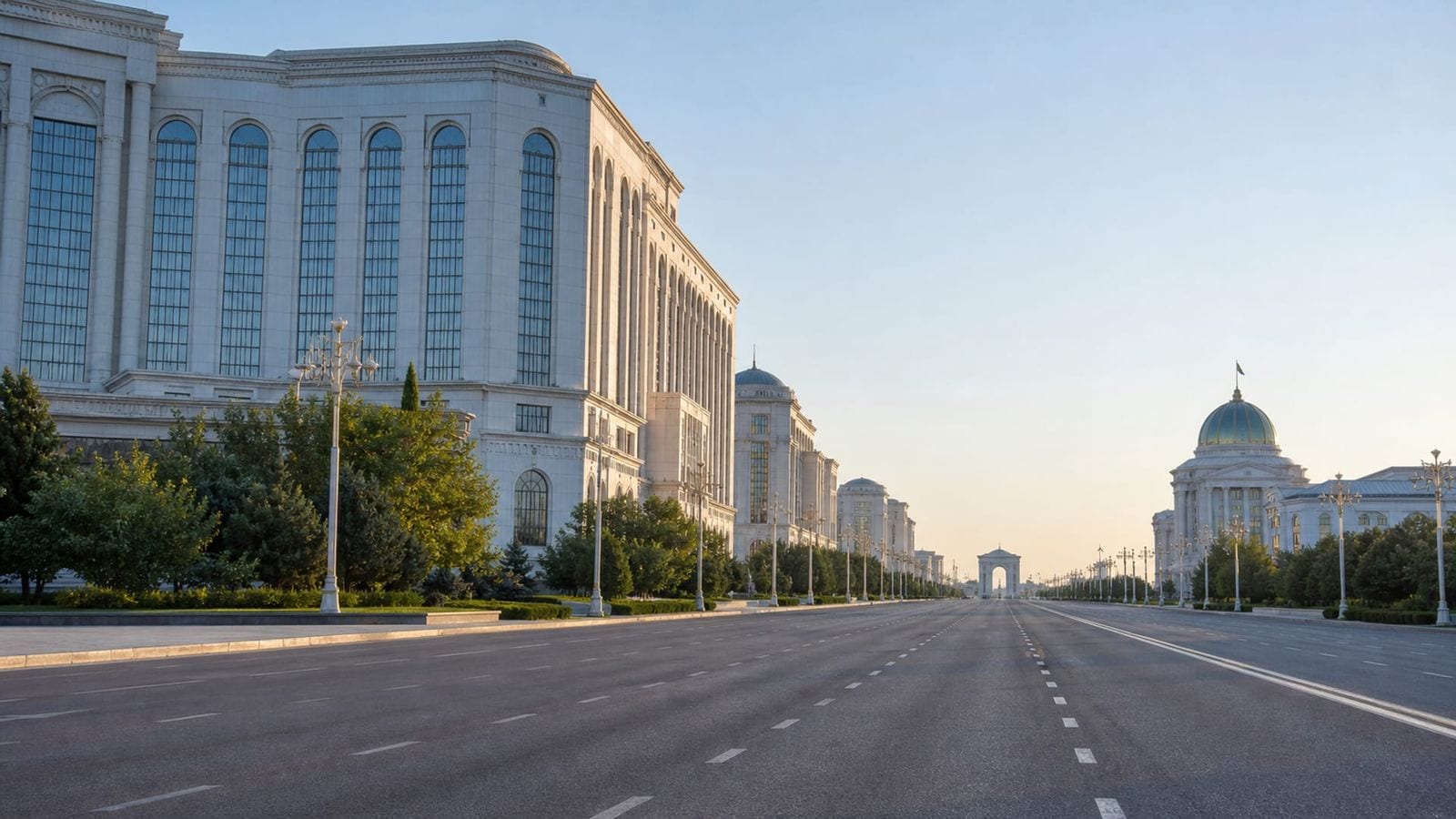
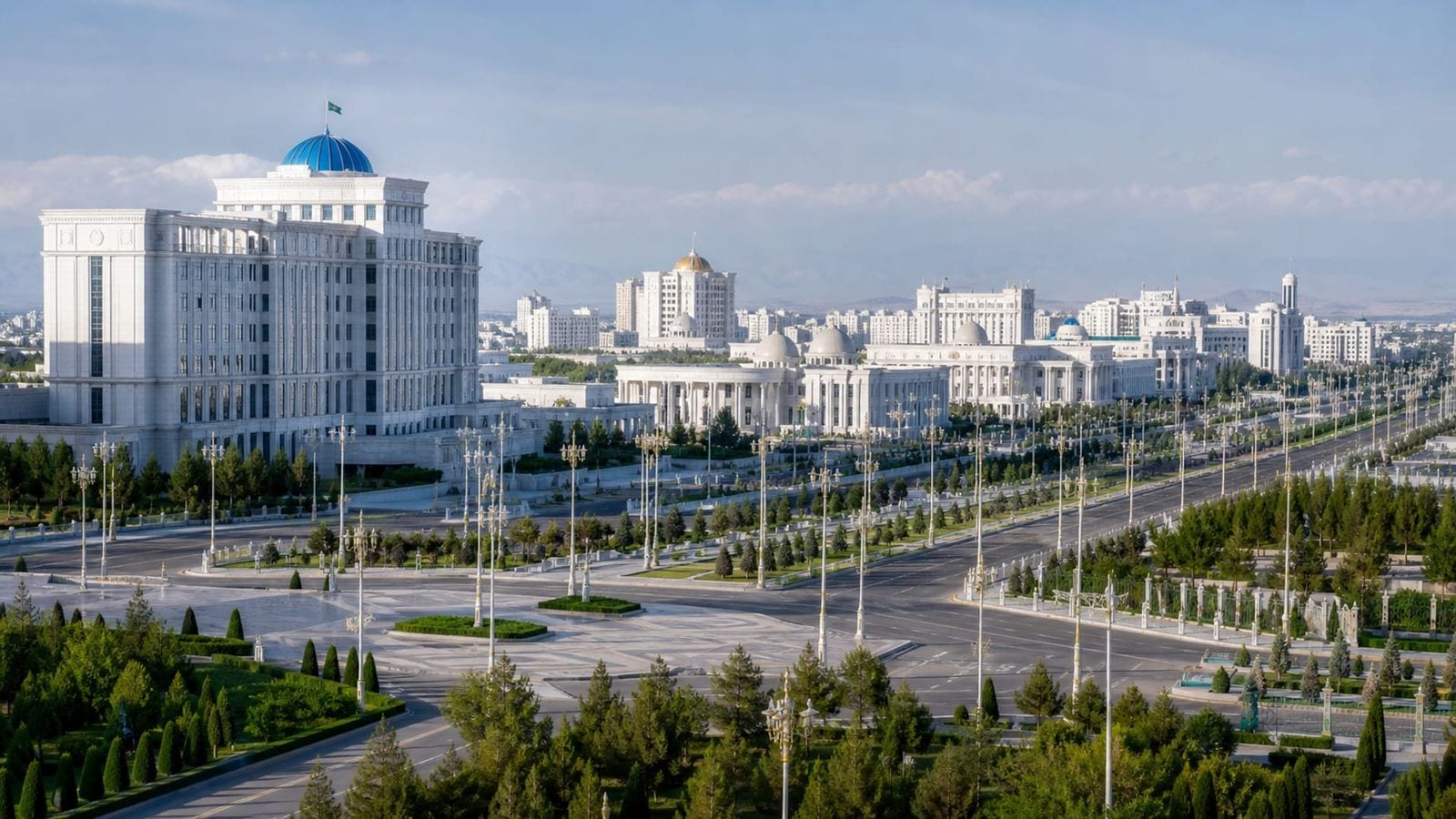
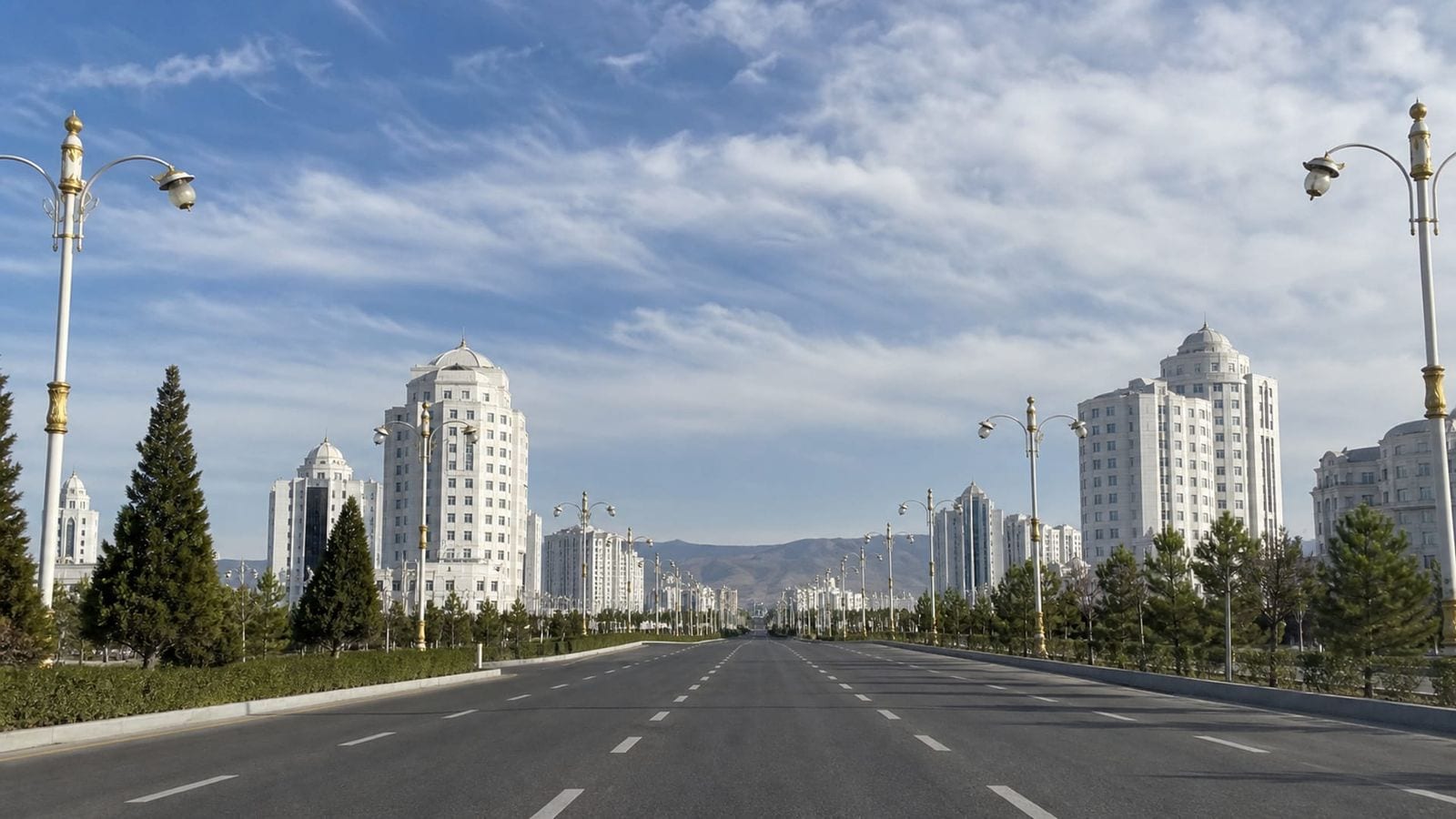
Central Ashgabat is known for its imposing white-marble buildings, government institutions, museums, and broad ceremonial avenues. Hotels in this part of the capital provide convenient access to several major landmarks, landscaped parks, and established restaurants along the principal roads.
Best for: First-time visits, museums, major monuments, and business trips
What to expect: Wide boulevards, formal streetscapes, light evening foot traffic, and more cars than pedestrians outside peak hours.
Hotel prices: Usually about $80 to $200 per night for well-rated stays
Distance to major sights: 10 to 20 minutes by taxi to Independence Park; about 15 minutes to the National Museum of Turkmenistan
Quietness: Busy by day with traffic and official activity, then much quieter after dark on side streets.
Main trade-off: Rates are usually higher than in outlying districts, and many blocks are spread out enough that you will still rely on taxis.
Good to know: Choose a hotel that can arrange licensed transportation and assist with local requirements.
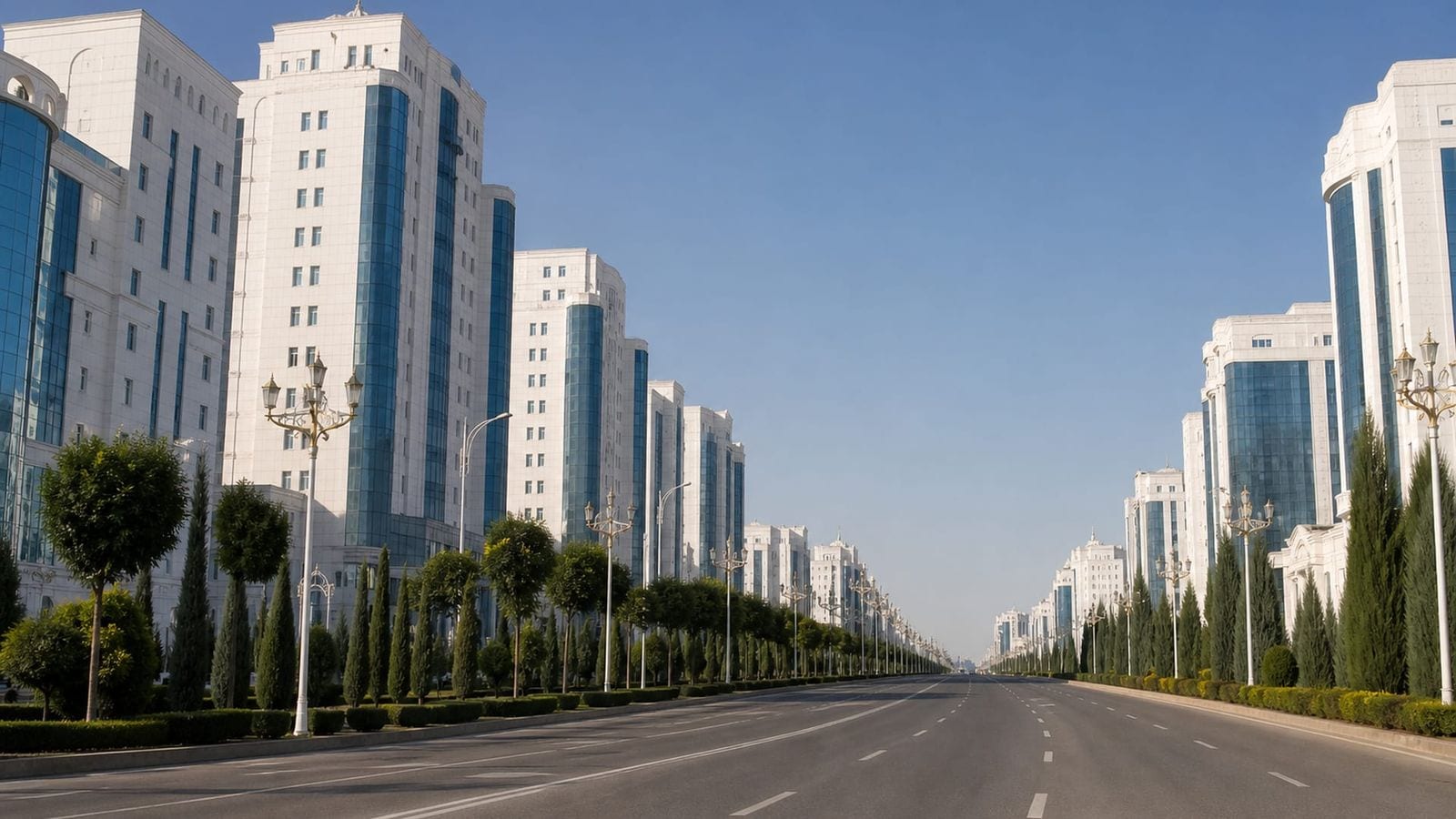
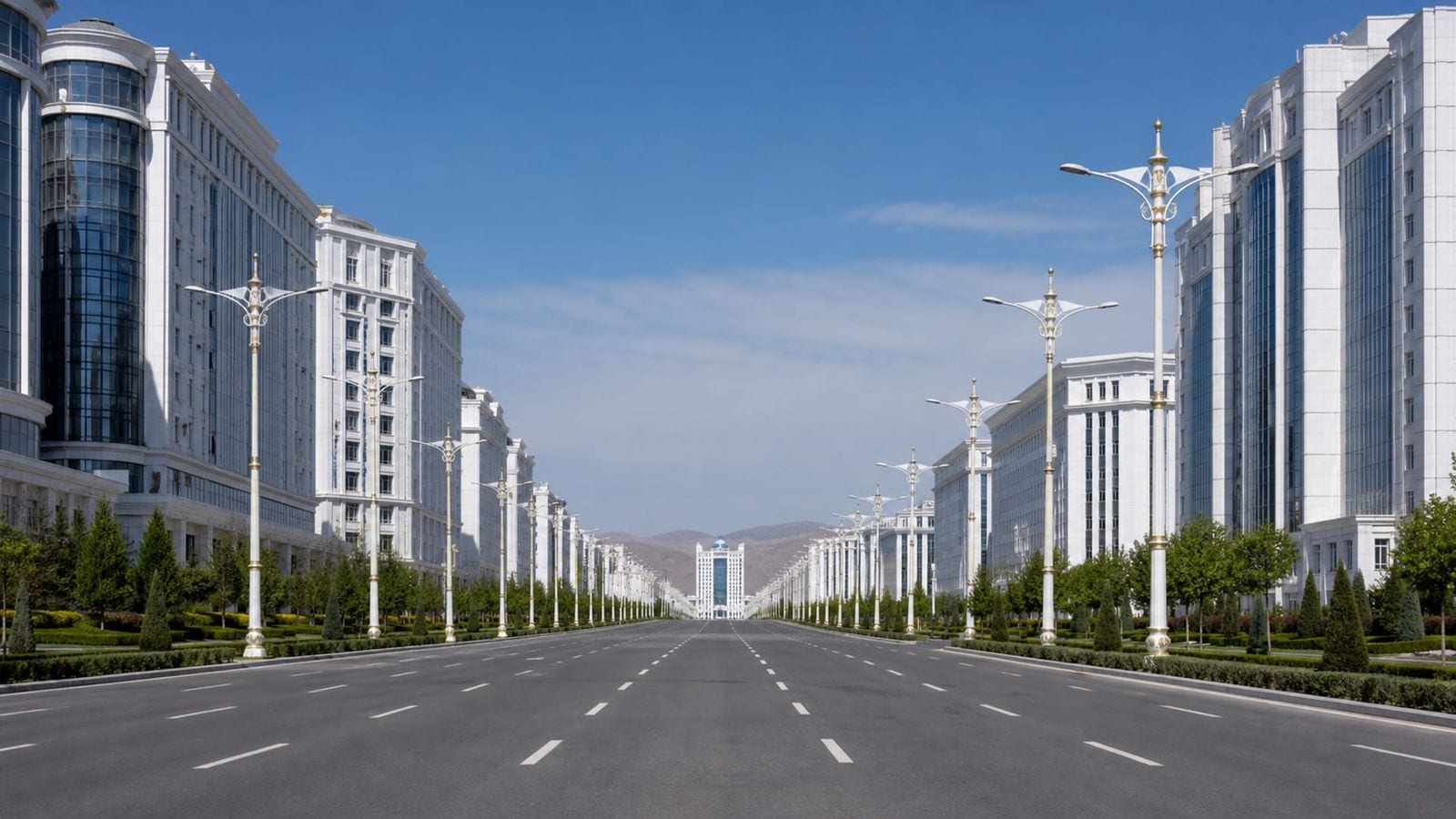
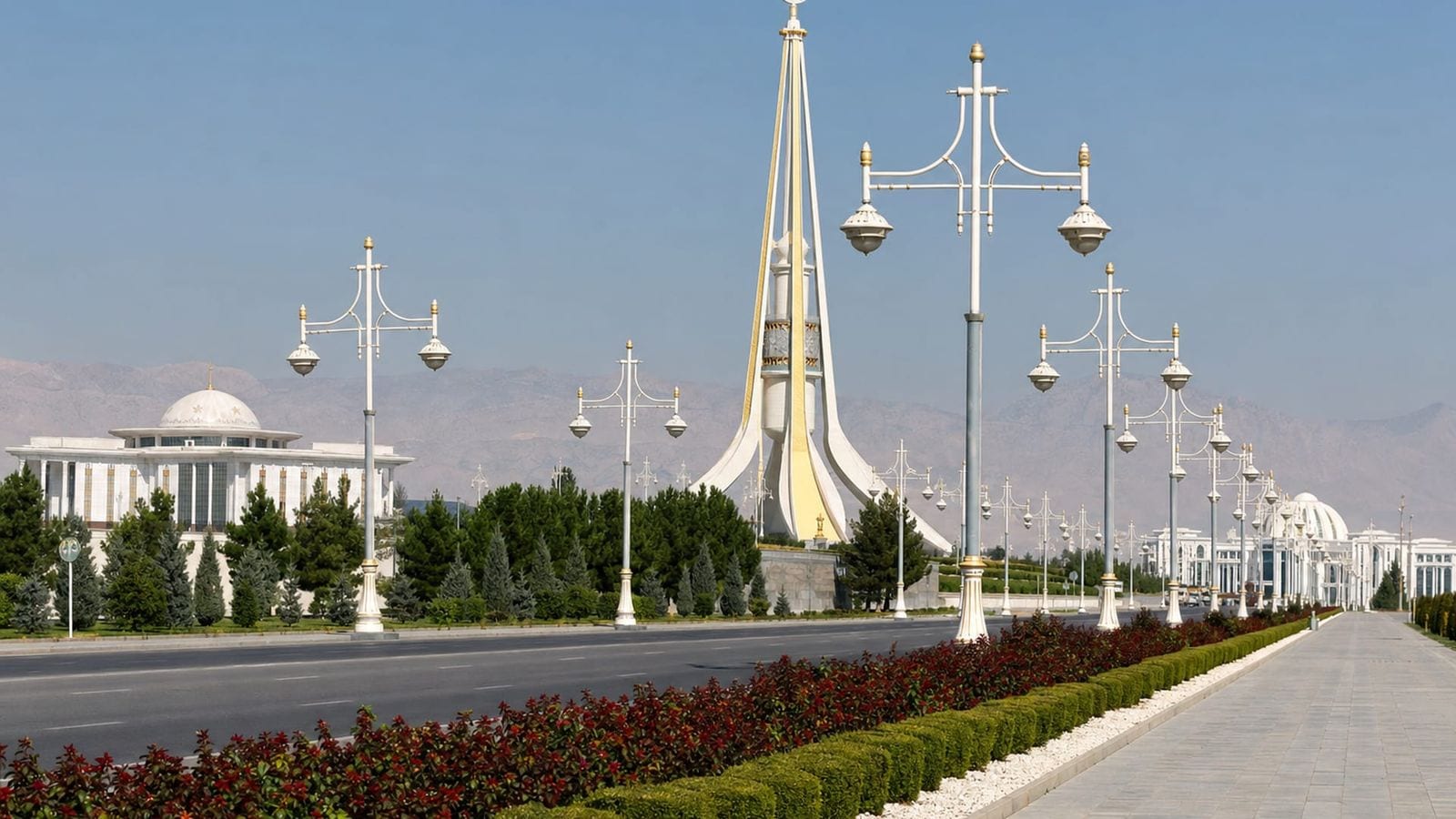
Bitarap Turkmenistan Avenue is a major road through Ashgabat, known for its monumental architecture, landscaped public spaces, and government buildings. Its southern section leads toward the Monument of Neutrality, while nearby districts contain hotels, restaurants, and cultural institutions.
Best for: Monument visits, business travel, and access to major roads
What to expect: Long, orderly roads, limited street-level activity, and a steady flow of cars rather than nightlife.
Hotel prices: Usually about $70 to $180 per night for well-rated stays
Distance to major sights: 5 to 15 minutes by taxi to the Arch of Neutrality; about 20 minutes to Independence Park
Quietness: Active in the daytime with official traffic, then notably calm in the evening once offices close.
Main trade-off: You gain strong central positioning, but dining and casual walking options are thinner than in denser city districts.
Good to know: Confirm your exact hotel location, since the avenue extends across a large area.
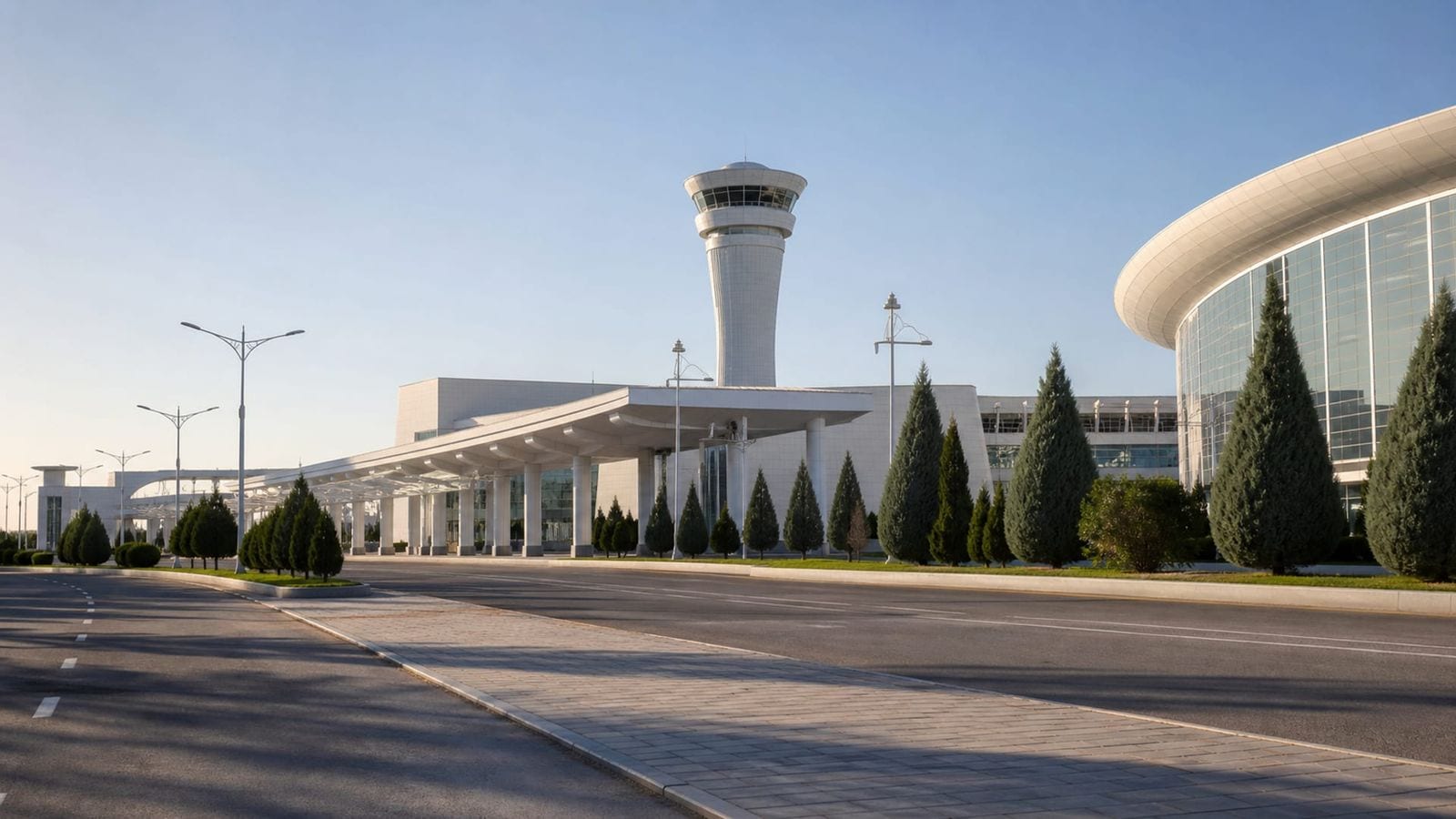
The area surrounding Ashgabat International Airport is northwest of the main monumental districts, with broad roads, residential neighborhoods, and limited tourist attractions. Accommodation near the airport can be convenient for early departures, late arrivals, or short business visits.
Best for: Airport access, overnight stays, and travelers with early flights
What to expect: Low pedestrian activity, hotel-focused streets, and little to do on foot beyond your property and transport links.
Hotel prices: Usually about $60 to $150 per night for well-rated stays
Distance to major sights: 5 to 10 minutes by taxi from Ashgabat International Airport (ASB); about 25 minutes to the city center
Quietness: Very quiet at night, with more activity only around flight times and hotel arrivals.
Main trade-off: You save time on airport transfers, but you will spend more on taxis to reach the main monuments and museums.
Good to know: Confirm that the accommodation actually provides convenient airport transfers.
Choose a centrally located hotel with reliable transportation, on-site dining, and assistance with visitor registration. Confirm that the property accepts your preferred payment method and can support any arrangements required for your stay.
Hotel deals
Getting around Ashgabat
Ashgabat’s broad avenues and widely spaced attractions make buses and taxis useful for journeys between museums, monuments, and residential districts.

Metro
for longer distances
Shared minibuses serve selected routes across Ashgabat and surrounding districts. Reported fares are TMT 2–TMT 2.50 ($0.60–$0.70) per ride. Minibuses can get crowded during peak hours. Departures and stopping arrangements vary by route.

Bus and tram
for convenience
Ashgabat has an extensive public bus network connecting central districts, markets, and residential areas. Fares start at TMT 0.50 ($0.15). Buses generally operate from early morning until late evening, although schedules vary.

Taxi
for convenience or late hours
Licensed taxis provide direct transportation between hotels, attractions, and Ashgabat International Airport. Reported city fares range from TMT 18 to TMT 70 ($5–$20), depending on distance. Arrange a trusted driver through your hotel.
*Prices are based on rates updated as of November 2026 and may change at the time of travel.
Use buses for inexpensive trips and hotel-arranged taxis for direct trips, airport transfers, and visits to attractions outside central Ashgabat.
Iconic places in Ashgabat
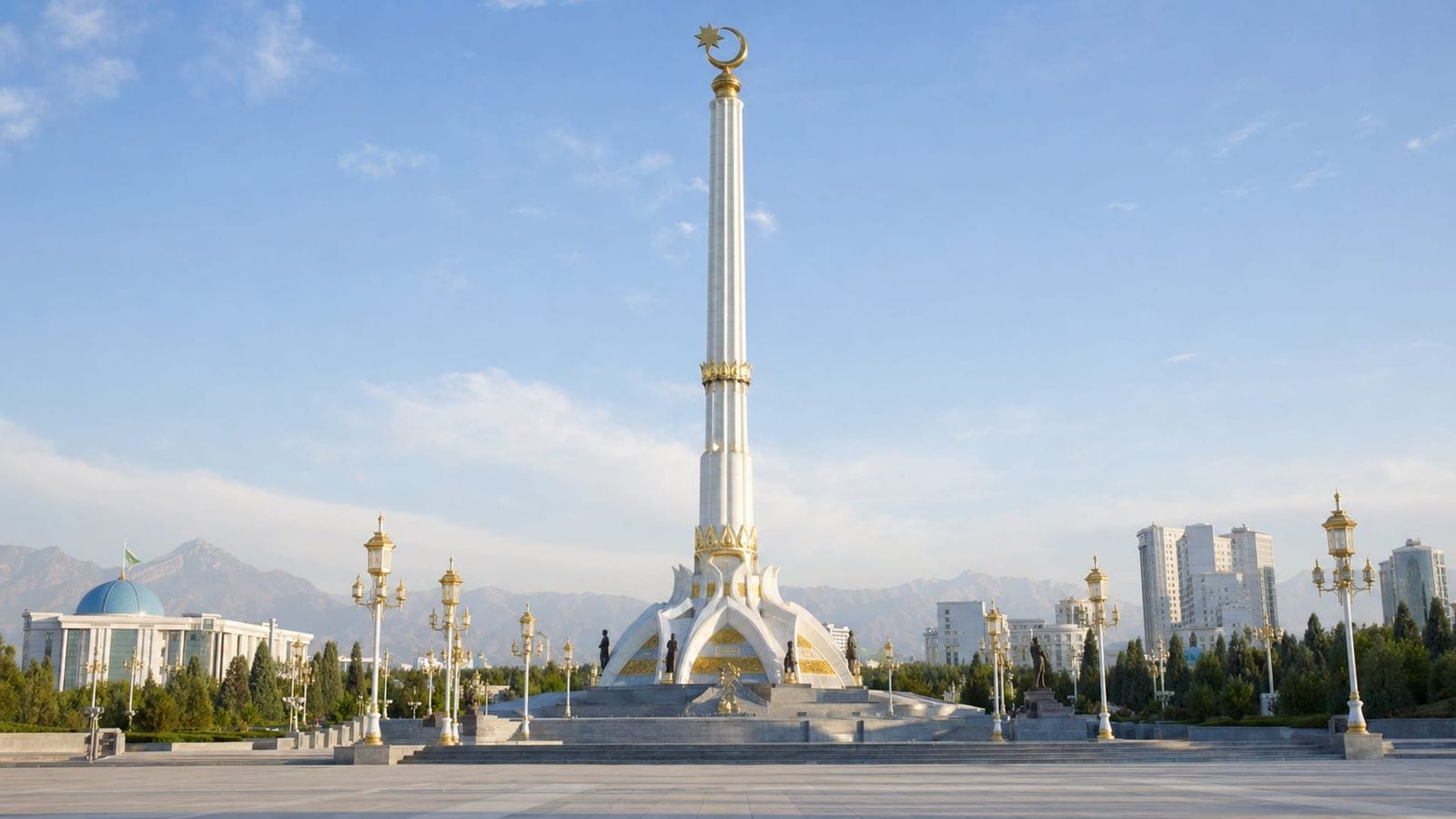
Independence Monument
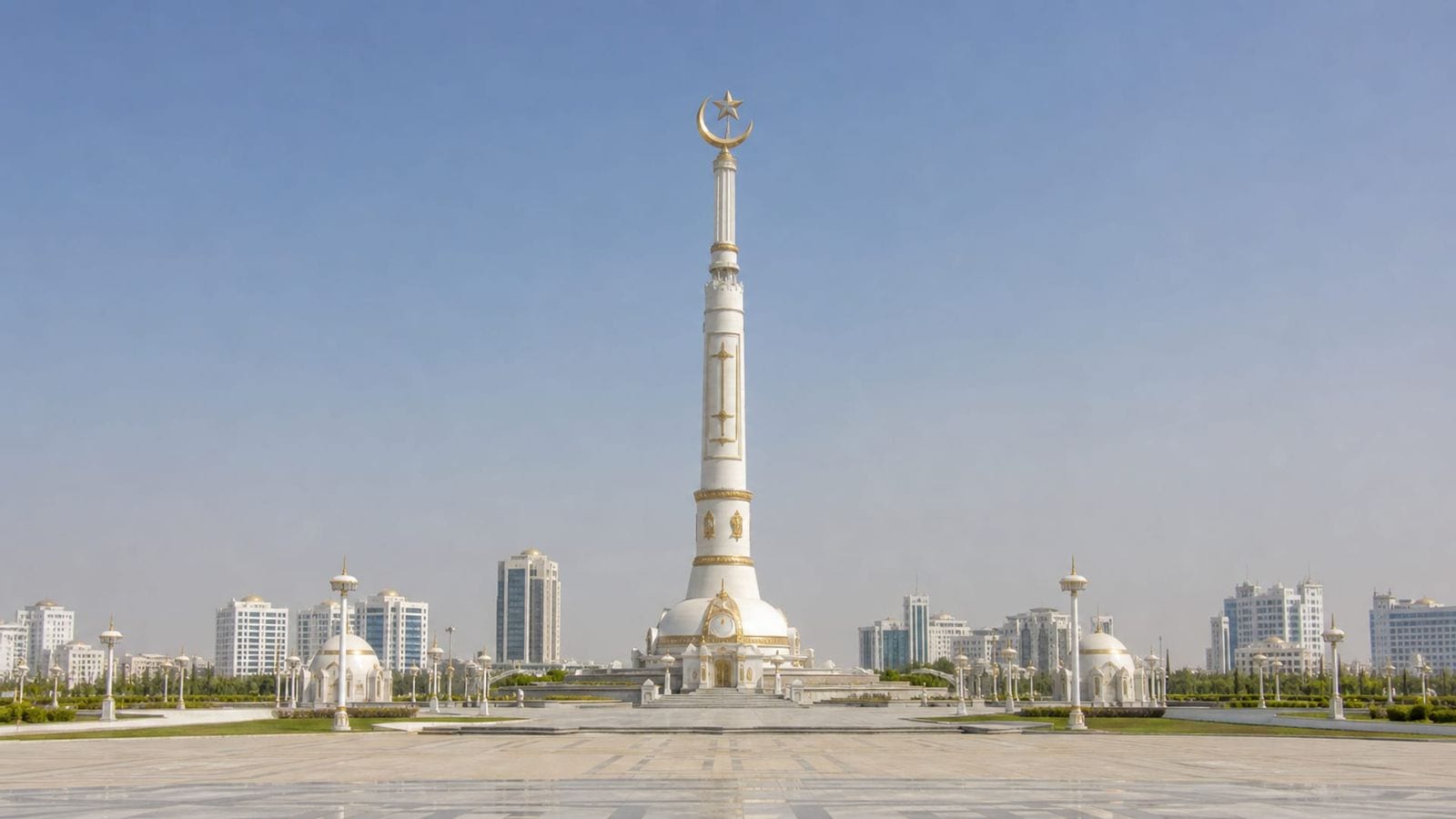
Rising 118 meters above Independence Park, the Independence Monument commemorates Turkmenistan’s independence in 1991. Its white-marble column, golden crescent, five stars, and surrounding statues create one of Ashgabat’s most recognizable ceremonial landmarks.
Time needed: Allow 45 minutes to 1 hour.
Entry: Free to access; museum and tower areas nearby may charge separate admission where offered.
Tip: Visit in the late afternoon to admire the monument’s marble and golden details.
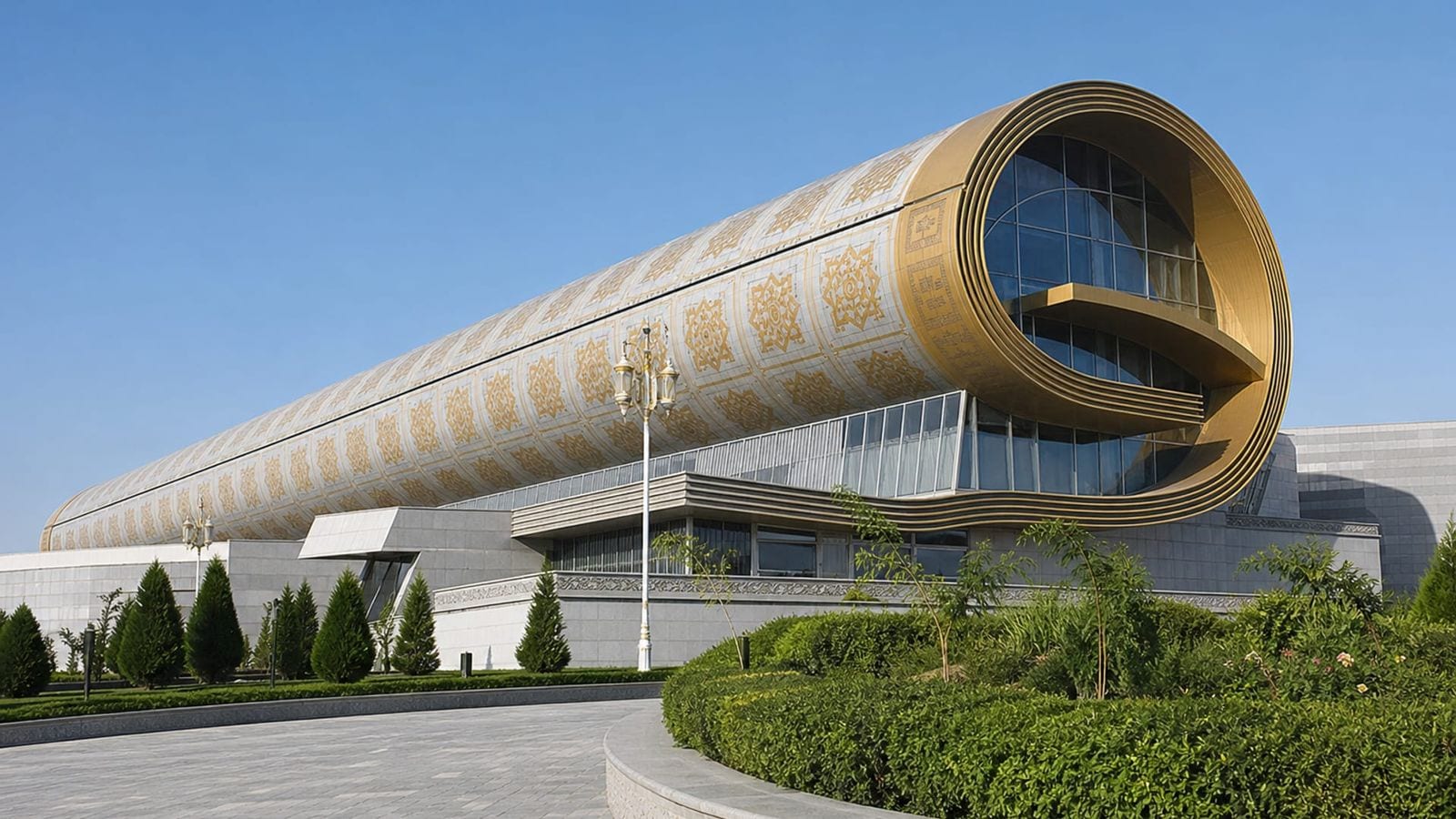
Turkmen Carpet Museum
The Turkmen Carpet Museum celebrates one of the country’s most important artistic traditions. Its galleries display intricate tribal patterns, historic weaving techniques, and exceptionally large carpets that demonstrate the skill of Turkmen artisans.
Time needed: Allow 1–2 hours for the collections.
Entry: Admission is about $5 to $10 (18 to 36 manat), depending on exhibits and visitor category.
Tip: Look for the large ceremonial carpets and displays explaining traditional woven patterns.
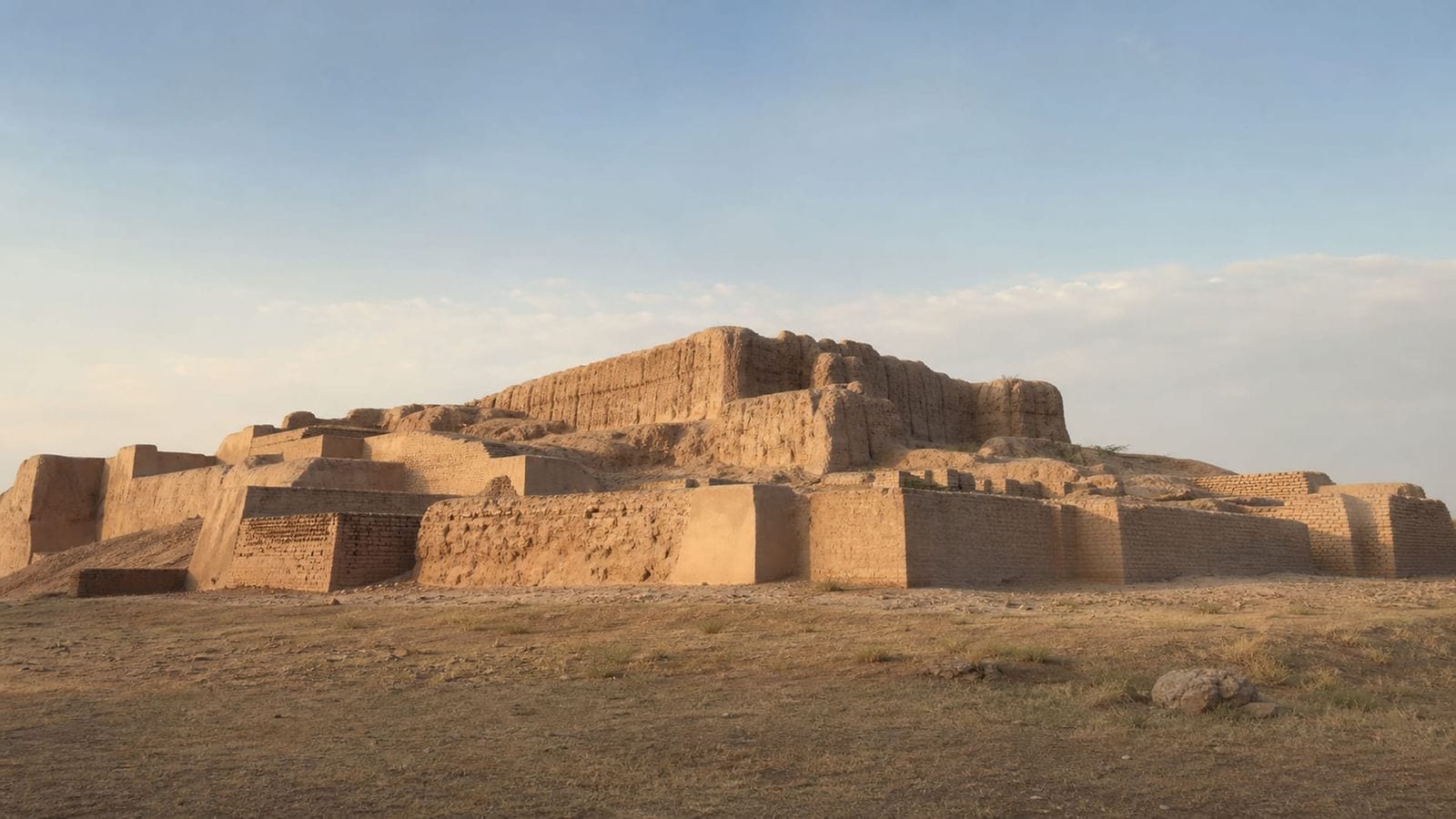
Nisa
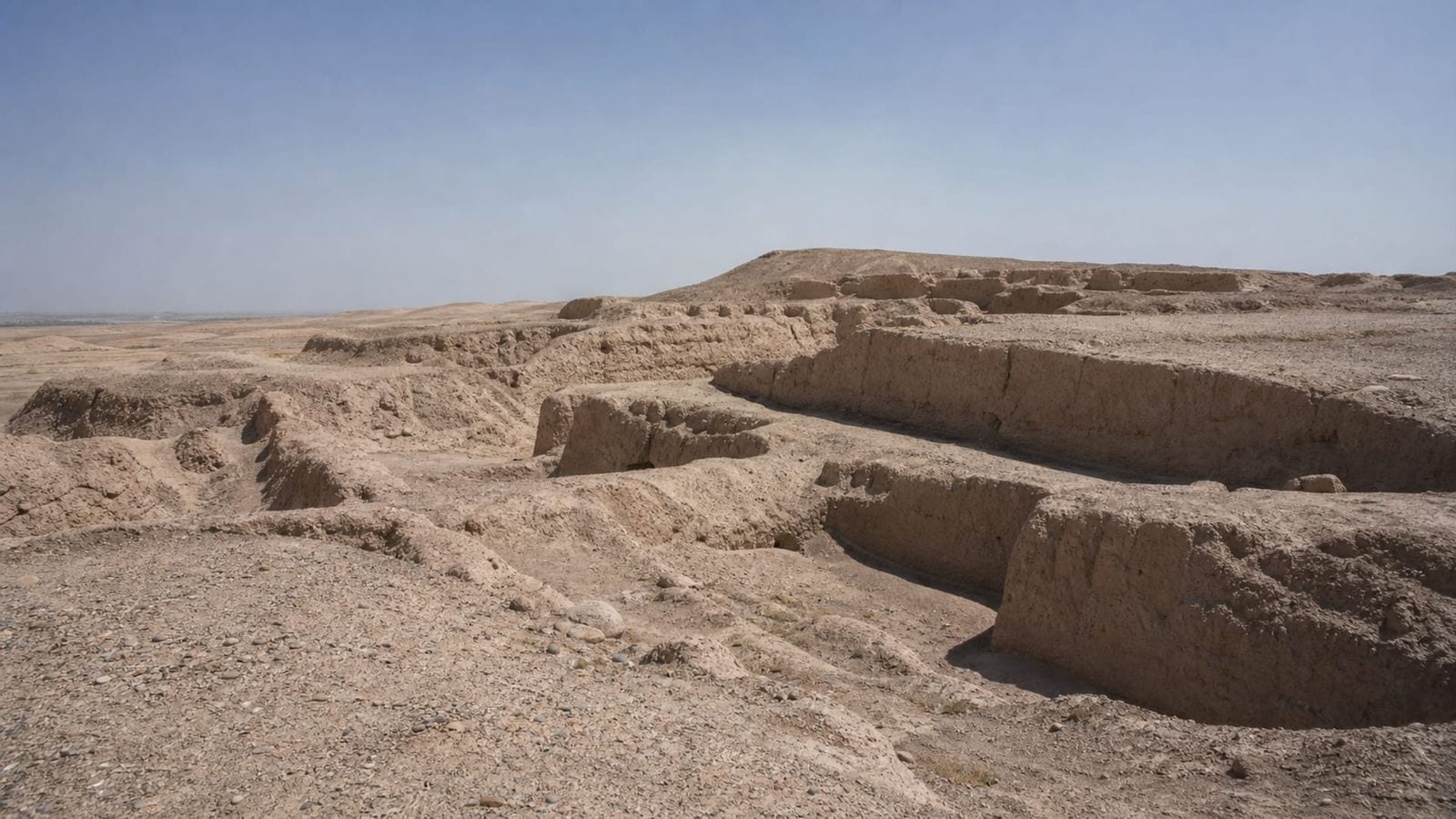
Located 11 miles (18 km) west of Ashgabat, the Parthian Fortresses of Ancient Nisa preserve the ruins of an important center of the Parthian Empire. Excavated walls, ceremonial buildings, and archaeological remains reveal the city’s ancient political and cultural significance.
Time needed: Allow 1.5–2 hours, excluding travel.
Entry: Admission is about $4 to $8 (15 to 29 manat), and transport from Ashgabat adds separate cost.
Tip: Wear sturdy shoes for the uneven archaeological paths and exposed terrain.
Overlooked places in Ashgabat

State Museum of Turkmenistan
The State Museum of Turkmenistan presents the country’s history through archaeological finds, traditional clothing, historical artifacts, and cultural exhibitions.
Time needed: Allow 1–2 hours for the galleries.
Entry: Admission is about $3 to $5 (10 to 18 manat) for adults, with lower rates for students and children. Temporary exhibits and special photography permissions may carry separate fees, so check at the desk before paying.
Tip: Plan your visit before 1 pm or after 2 pm, as the museum closes for lunch.

Ertugrul Gazi Mosque
Opened in 1998, Ertugrul Gazi Mosque is known for its four white minarets, grand dome, and Ottoman-inspired architecture. Its design recalls the historic mosques of Istanbul.
Time needed: Allow 30–45 minutes.
Entry: Free to access as a public park. Costs only apply if you use paid amusement rides, seasonal concessions, or parking, which are priced separately on site and can vary by time of day and event.
Tip: Dress modestly and avoid visiting during congregational prayers.
What to eat in Ashgabat
Main ingredients in Turkmen cuisine include rice, lamb, and vegetables. Traditional meals include grilled meat, stuffed dumplings, seasoned rice dishes, and savory pastries.
Plov
Turkmen plov combines rice with lamb, carrots, onions, and oil, cooked together until the grains absorb the rich flavors. Joshgun Palow House specializes in traditional rice dishes, including several varieties of plov.
Manty
Manty are steamed dumplings filled with minced meat and onions, often served with yogurt, sour cream, or a light sauce. Han Tagam serves several varieties, including meat-filled and pumpkin manty.
Shashlik
Shashlik consists of marinated lamb or other meat grilled on skewers over charcoal and served with onions and vegetables. Şa Ýyldyz offers lamb shashlik and assorted grilled meats.
Ichlekli
Ichlekli is a traditional Turkmen meat pie filled with lamb or beef and onions, then baked inside a thin pastry crust. TÖR serves a version prepared with sliced meat.
Best time to visit Ashgabat
Spring and fall offer the most comfortable temperatures for outdoor monuments and archaeological sites, while summer brings intense heat.
Best for: Monument visits, archaeological excursions, gardens, and longer walks
What you get: Temperatures generally range from 54°F to 82°F (12°C–28°C), with mild spring afternoons, increasingly sunny weather, and flowering gardens.
Trade-offs: Strong winds and occasional dust storms can affect visibility and outdoor visits.
Best for: Indoor museums, early sightseeing, and visits to shaded attractions
What you get: Temperatures typically rise from 73°F to 100°F (23°C–38°C), with hot, dry afternoons and long daylight hours for morning visits.
Trade-offs: Extreme heat can make outdoor monuments and archaeological sites uncomfortable.
Best for: Ancient Nisa, cultural museums, city monuments, and outdoor photography
What you get: The season brings temperatures of 50°F to 84°F (10°C–29°C), with warm September days and increasingly mild conditions later in fall.
Trade-offs: November brings shorter daylight hours and cooler evenings.
Best for: Museum visits, cultural attractions, and short walks around monuments
What you get: Temperatures usually range from 30°F to 52°F (-1°C–11°C), with cold mornings, occasional frost, and generally dry conditions.
Trade-offs: Chilly winds and occasional snowfall can make extended outdoor visits less appealing.
A 5-day plan in Ashgabat
Five days allow you to explore Ashgabat’s monumental architecture, museums, traditional craftsmanship, and ancient Nisa. The itinerary groups attractions by location and reserves a separate excursion for the archaeological site.
Land at Ashgabat International Airport (ASB), then take a prearranged transfer to your hotel. The journey into central Ashgabat generally takes 20–30 minutes, depending on your destination. After checking in, spend some time exploring your hotel’s surroundings or enjoy a short walk through a nearby public garden, where access is permitted. Have dinner at the hotel or an established local restaurant, and confirm transportation arrangements for the following morning.
Begin at the Turkmen Carpet Museum, where historic textiles, intricate tribal patterns, and enormous ceremonial carpets introduce one of Turkmenistan’s most celebrated crafts. After exploring the galleries, travel to Independence Park to admire the 387-foot (118-meter) Independence Monument, its golden decorations, and surrounding statues. Spend the afternoon walking through accessible sections of the landscaped grounds, then return to central Ashgabat for dinner at a traditional restaurant.
Travel west of Ashgabat to the ancient Parthian fortresses of Nisa, where excavated walls and ceremonial foundations preserve traces of a powerful empire. Allow 1.5–2 hours to explore the archaeological remains and admire the landscape near the Kopet Dag foothills. Return to the capital for lunch, then visit Ertugrul Gazi Mosque, known for its Ottoman-inspired dome and four white minarets. Spend the late afternoon viewing the mosque’s architecture, subject to visitor access.
Start at the Monument of Neutrality in southern Ashgabat, where a golden statue crowns the distinctive white-marble structure. Continue along Bitarap Turkmenistan Avenue, passing landscaped public spaces and monumental government buildings. Later, visit the State Museum of Turkmenistan on Archabil Avenue, whose collections trace the country’s history through archaeological discoveries and traditional artifacts. Return to your hotel after exploring the exhibitions.
Keep your final morning for a short visit to one of central Ashgabat’s parks or a traditional restaurant, depending on your departure time. If you want to buy souvenirs, ask your hotel about shops selling Turkmen textiles or locally made crafts. Check export requirements before purchasing carpets or antiques. After lunch or coffee, return to your accommodation to collect your luggage, then take a prearranged transfer to the airport. Allow enough time for departure procedures.
Business-class flights from the US to Ashgabat
Business-class routes to Ashgabat usually connect through a hub, so the useful comparison is often not nonstop time but which city you change planes in and how long you sit on the second leg. East Coast and West Coast departures both funnel through a short list of major gateways.
From New York, airlines such as Turkish Airlines, Emirates, Qatar Airways, Lufthansa, and Air France usually route travelers through IST, DOH, DXB, FRA, or CDG, with total elapsed time about 14 to 20 hours. Round-trip fares from New York to Ashgabat usually start at $4,000 and can reach $7,500.
Los Angeles departures also commonly use Turkish Airlines, Emirates, Qatar Airways, Lufthansa, and Air France, and the trip typically runs about 16 to 22 hours with a connection in IST, DOH, DXB, FRA, or CDG. Expect round-trip fares from Los Angeles to Ashgabat to land in the $4,200 to $7,800 range.
Discover Ashgabat beyond its white-marble monuments
Ashgabat is distinguished by its grand white-marble avenues, elaborate monuments, and traditional Turkmen craftsmanship. The Carpet Museum preserves centuries of artistic heritage, while ancient Nisa reveals the region’s Parthian past. If you are planning a visit to Ashgabat, our AranGrant experts can help you book business-class flights that suit your dates and budget.