

Chapters:

Need help with your trip?
Our support team is available 24/7. Request a callback or call us directly at (833) 619-0908
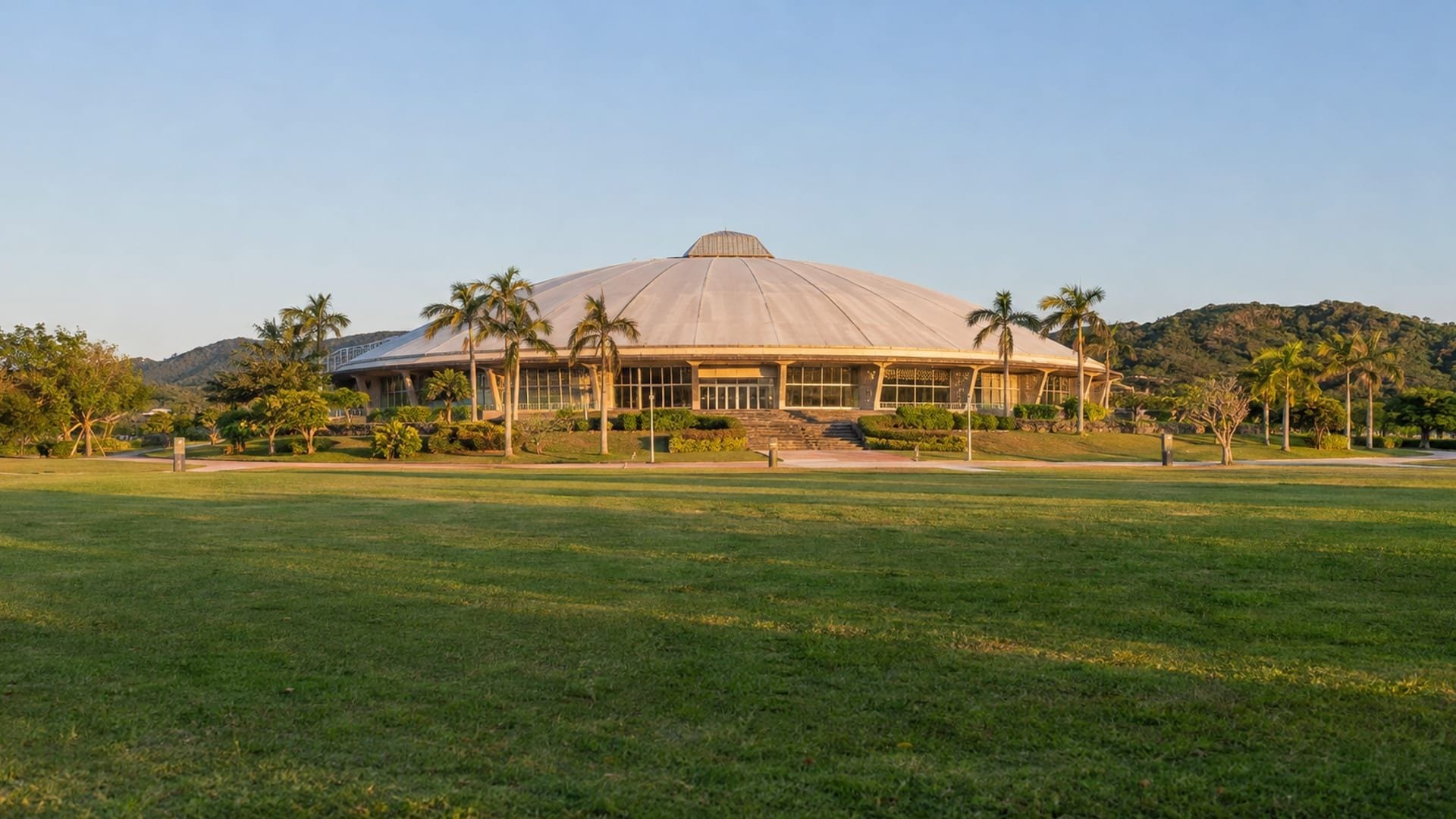
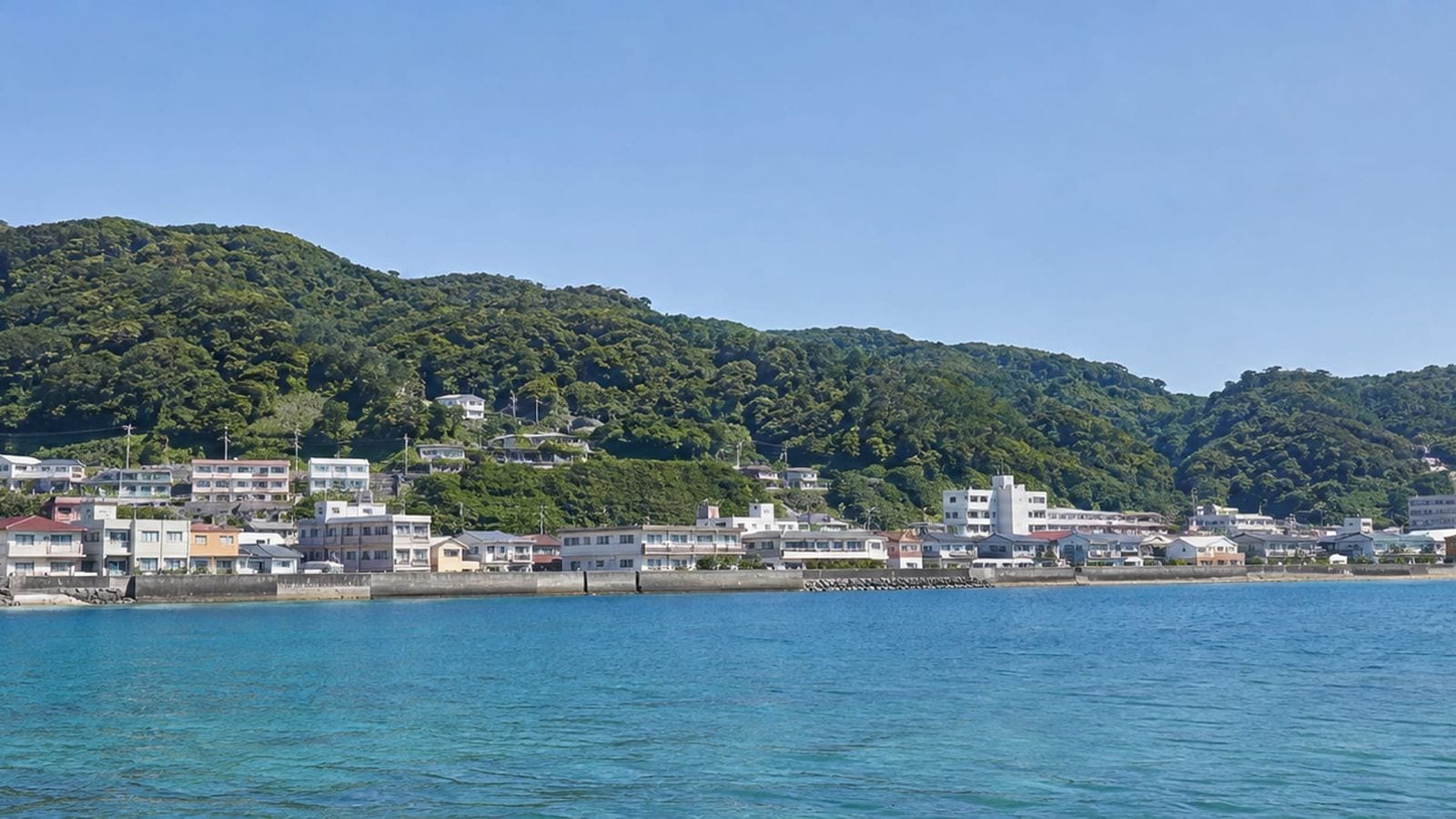
Amami’s coast links the harbor streets of Naze with west-facing beaches and the tidal forest of Sumiyo. Water shapes the city’s geography: restaurants cluster near the urban harbor, while roads lead out toward sandy shores and mangrove channels.
At Ohama Seaside Park, the afternoon ends with views across the East China Sea. Kuroshio no Mori Mangrove Park offers canoe trips among exposed roots, while Amami Park brings the island’s plants and birds indoors through Tanaka Isson’s paintings.
Five days allow time for these separate landscapes. Stay in Irifunecho for dinners on foot, then use road transport for coastal outings. The transfer from Amami Airport (ASJ) to central Naze takes 60 to 75 minutes by bus.
Useful things to know

Main language(s): Japanese
こんにちは (kon-nee-chee-wah) – Hello
お願いします (oh-neh-guy shee-mahs) – Please
ありがとうございます (ah-ree-gah-toh goh-zah-ee-mahs) – Thank you
英語を話せますか? (eh-go oh hah-nah-seh-mahs kah) – Do you speak English?
いくらですか? (ee-koo-rah dess kah) – How much does it cost?

Currency: Japanese yen (JPY, ¥)

Cash and cards: Cards are accepted at larger hotels and shops; carry about ¥5,000 to ¥10,000 ($33 to $67) for smaller businesses.

Tipping: Do not tip in restaurants, hotels, or taxis; pay the stated bill.

Traditional food: Keihan, abura somen, naman, and tonkotsu are among the classic dishes of Amami.

Water and coffee costs: Bottled water ¥100 to ¥200 ($0.70 to $1.40); espresso ¥300 to ¥600 ($2 to $4).

Taxis and ride apps: Find licensed taxis at Amami Airport; fares are metered, so check that the meter is running before departure.

Plug and voltage: Type A socket, 100V

Dining and shop opening hours: Breakfast: 7 am to 9 am; lunch: noon to 2 pm; dinner: 6 pm to 9 pm. Shops typically open 10 am to 7 pm; individual closing days vary.

Emergency number: Police 110, ambulance and fire 119.
Where to stay in Amami
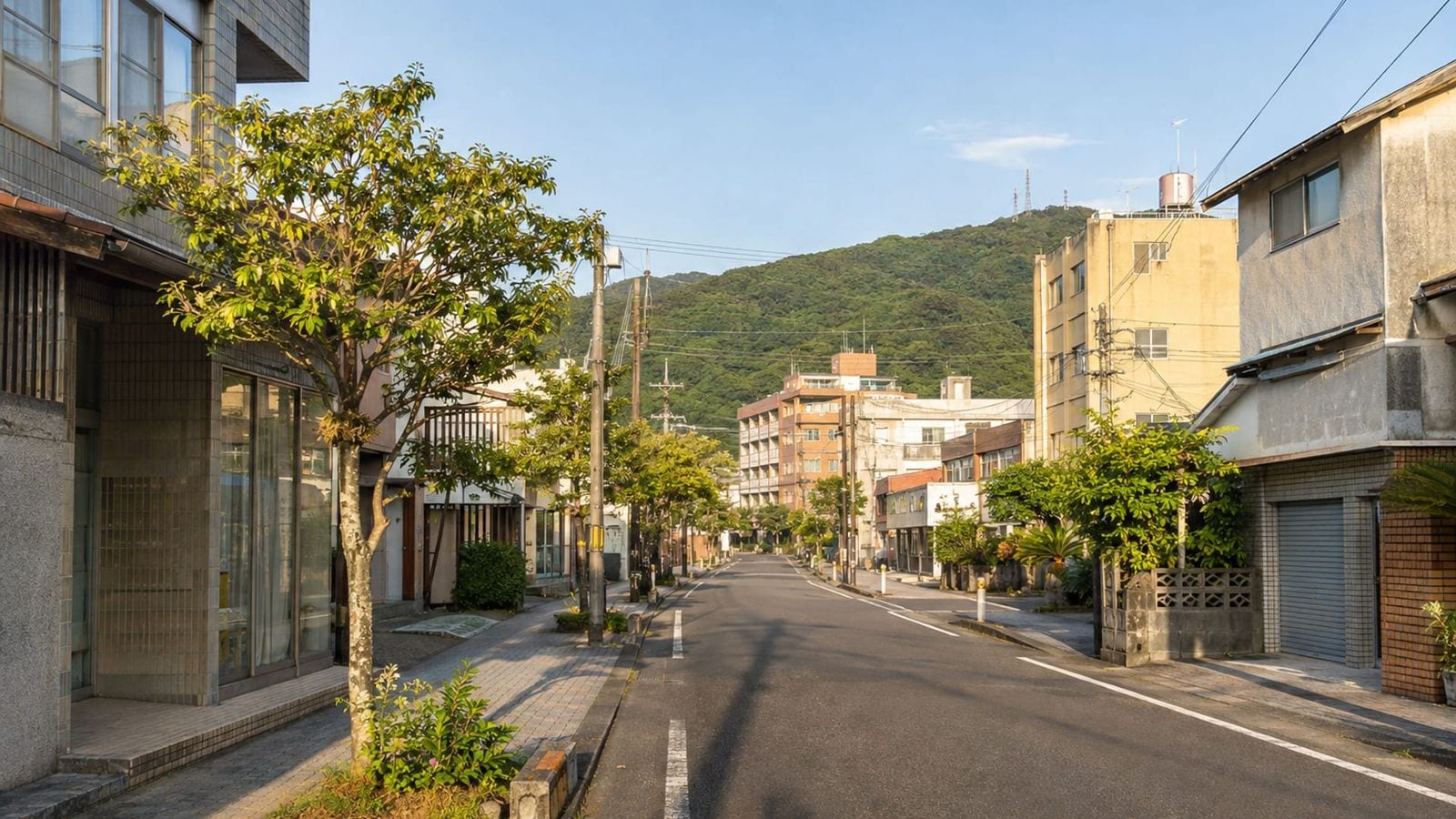
Irifunecho is a compact district in Naze, Amami’s main urban center, with several hotels close to restaurants and evening entertainment. Stay here for dinners within walking distance and a central location for taxi trips to the coast, accepting some nighttime noise near the bars.
Best for: Restaurant hopping, evening entertainment, and staying in central Naze
What to expect: Small hotels, restaurants, and bars bring more activity after dark.
Hotel prices: Well-rated hotels cost ¥8,000 to ¥16,000 ($55 to $110) a night.
Distance to major sights: Ohama Seaside Park is a 20 to 25-minute taxi ride away.
Quietness: Daytime streets are relatively calm; evenings bring restaurant traffic and voices near bars.
Main trade-off: Rooms near late-opening venues can receive street noise.
Good to know: Request a room away from the street if you expect to sleep before nearby bars close.
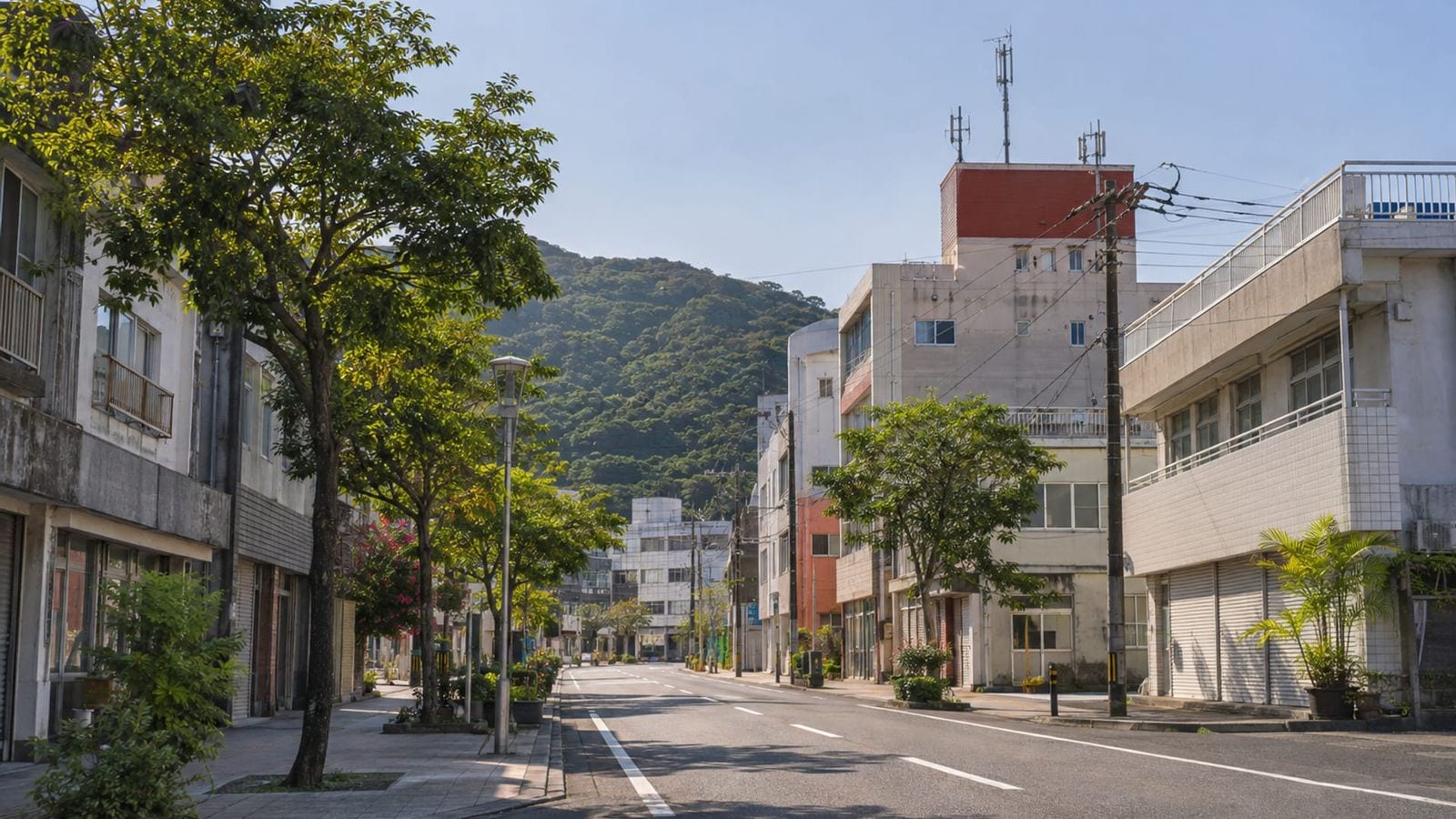
Minatomachi occupies the waterfront edge of central Naze, with hotels among offices, shops, and roads leading toward the harbor. Visitors stay here for access to the town’s restaurants and waterfront walks, with a little separation from the densest cluster of evening venues nearby.
Best for: Waterfront walks and access to central Naze restaurants
What to expect: Hotel entrances, offices, and passing traffic give the streets a busy daytime character.
Hotel prices: Budget ¥9,000 to ¥18,000 ($60 to $120) nightly for a well-rated hotel.
Distance to major sights: Allow 20 to 25 minutes by taxi to Ohama Seaside Park.
Quietness: Business activity fills the day; evenings are quieter, though traffic continues on larger roads.
Main trade-off: The urban waterfront offers harbor scenery, with a drive required for sandy beaches.
Good to know: Choose this district for a town stay; reaching Amami’s swimming beaches requires transport.
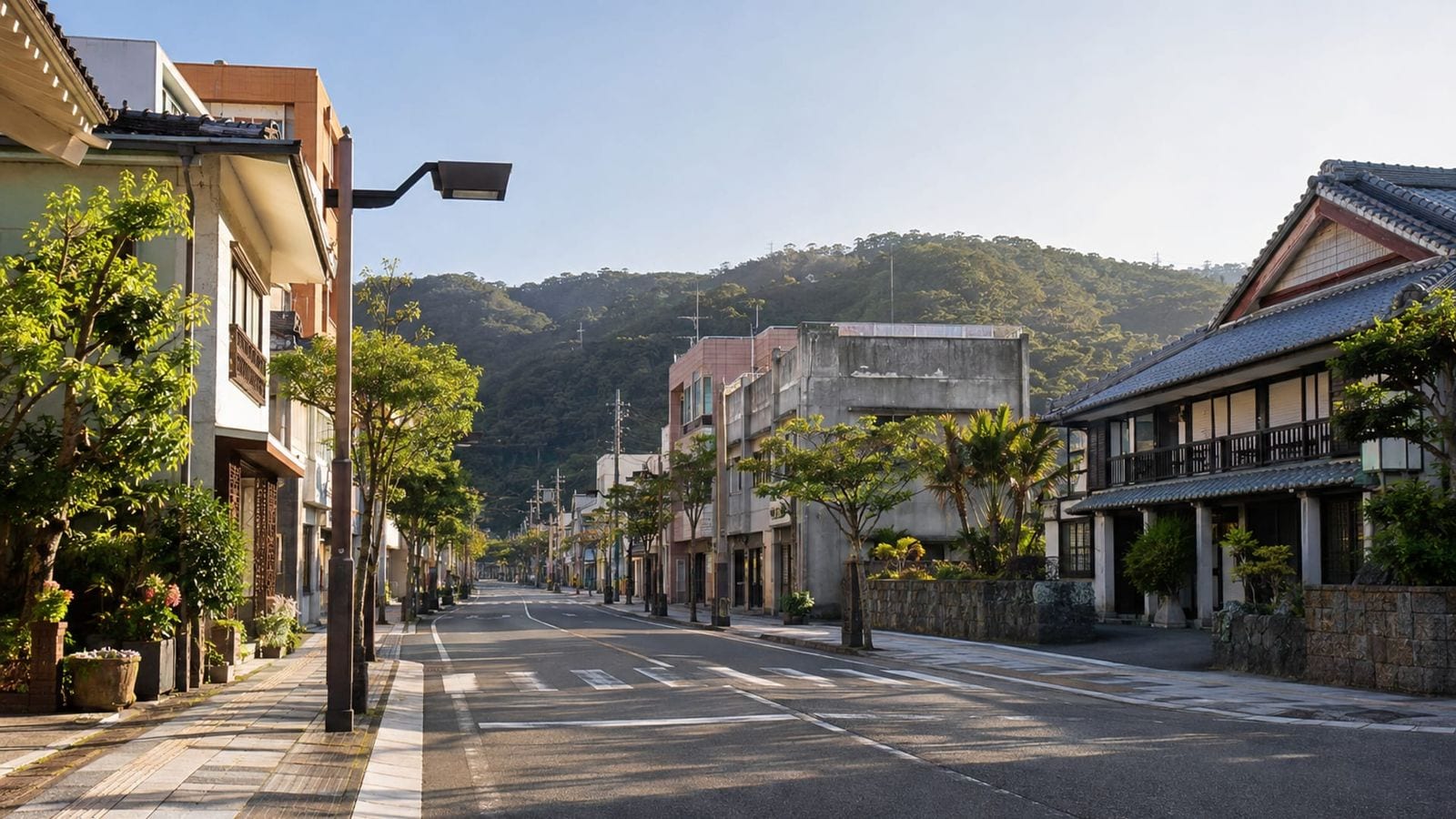
Yoan is a coastal district in northern Amami, where small accommodations and resort hotels offer access to beaches beside the airport side of the island. Choose it for seaside time and shorter airport transfers, allowing extra driving time for dinners or sightseeing in central Naze.
Best for: Beach stays and proximity to Amami Airport (ASJ)
What to expect: Scattered accommodations and coastal roads create a quieter setting than central Naze.
Hotel prices: A well-rated coastal hotel typically charges ¥12,000 to ¥30,000 ($80 to $200) per night.
Distance to major sights: Amami Park is approximately 10 to 15 minutes away by taxi.
Quietness: Beach activity brings visitors during the day; evenings have little street activity.
Main trade-off: Central Naze takes approximately 45 to 55 minutes to reach by car.
Good to know: Choose accommodation with dinner available if you will stay here without a rental car.
Sani, Yo, and Ichi are less convenient for travelers focused on Naze: these outlying villages have fewer restaurants, and evening trips to downtown dining require longer drives.
Hotel deals
How to get around Amami efficiently
Airport buses connect Amami Airport (ASJ) with Naze, where walking covers central streets and taxis reach destinations beyond town.

Taxi
for convenience or late hours
In Naze, metered taxis suit short central trips and evenings after buses finish. Allow roughly ¥800 to ¥2,000 ($5 to $13) for a 5 to 10 minute ride within the center; confirm the meter before departure and ask your hotel to call a car.

Bus and tram
for convenience
From Amami Airport (ASJ), buses reach central Naze in roughly 50 to 60 minutes, with fares of ¥1,000 to ¥1,500 ($7 to $10). Use them for airport transfers during operating hours; departures are limited, so check the return timetable before leaving Naze.

Walking
for short central distances
Central Naze’s shops, restaurants, and waterfront are close enough for short walks, with many trips taking 10 to 20 minutes. Walking is free and suits exploring downtown; journeys to Amami Airport (ASJ) require motorized transport.
*Prices are based on rates updated as of November 2026 and may change at the time of travel.
Walk between restaurants in central Naze, take the bus for airport transfers that match its timetable, and choose taxis for coastal trips or late dinners.
Iconic landmarks
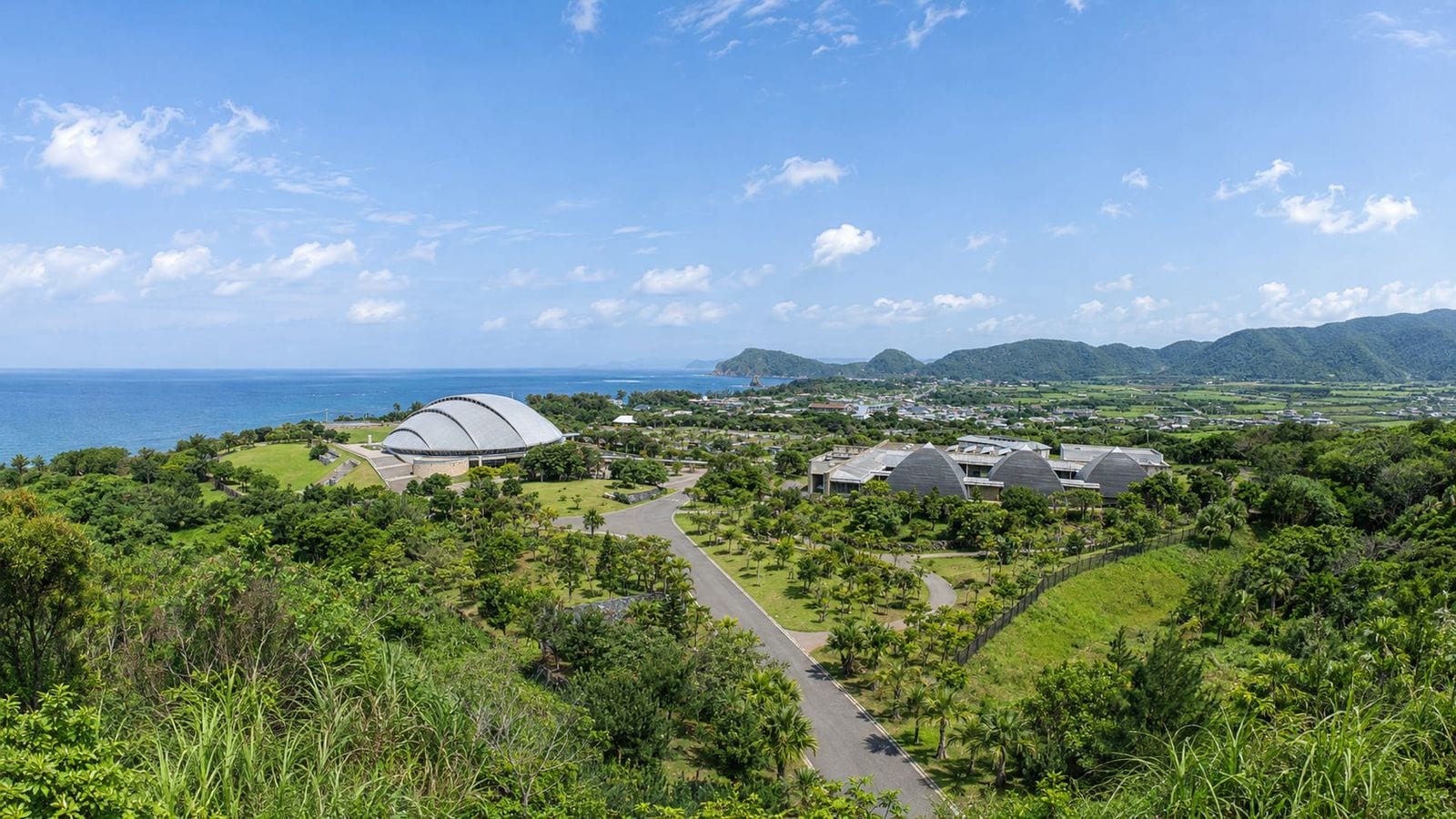
Amami Park
Amami Park brings the islands’ culture and landscapes into focus through exhibits and paintings. Its Tanaka Isson Memorial Museum displays the artist’s richly colored depictions of subtropical plants and birds, a distinctive introduction to Amami.
Time needed: About 2 to 3 hours
Entry: Low-cost: admission to the cultural exhibits and art museum
Tip: Pair the museums with your airport transfer: both are in northern Kasari.
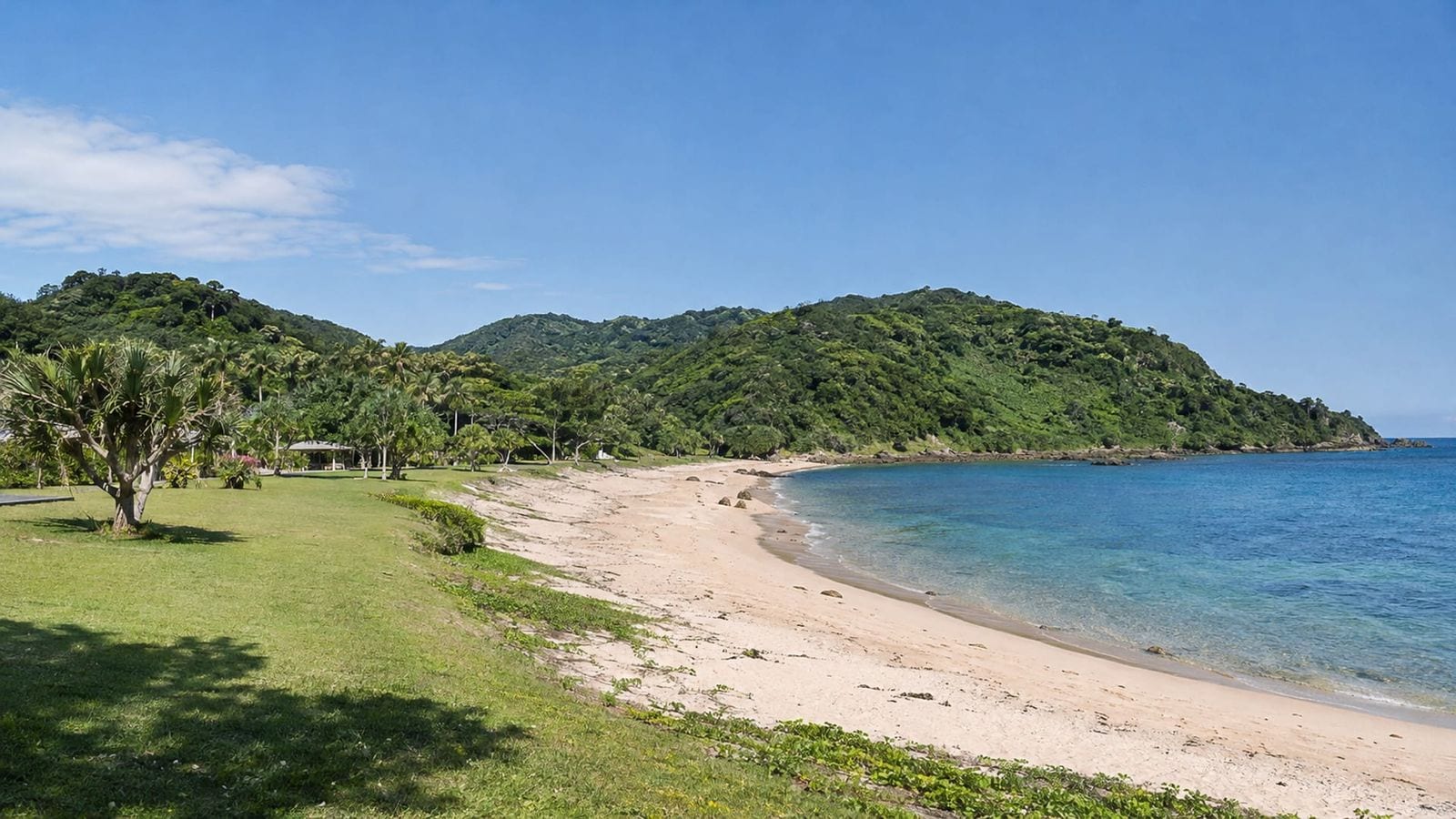
Ohama Seaside Park
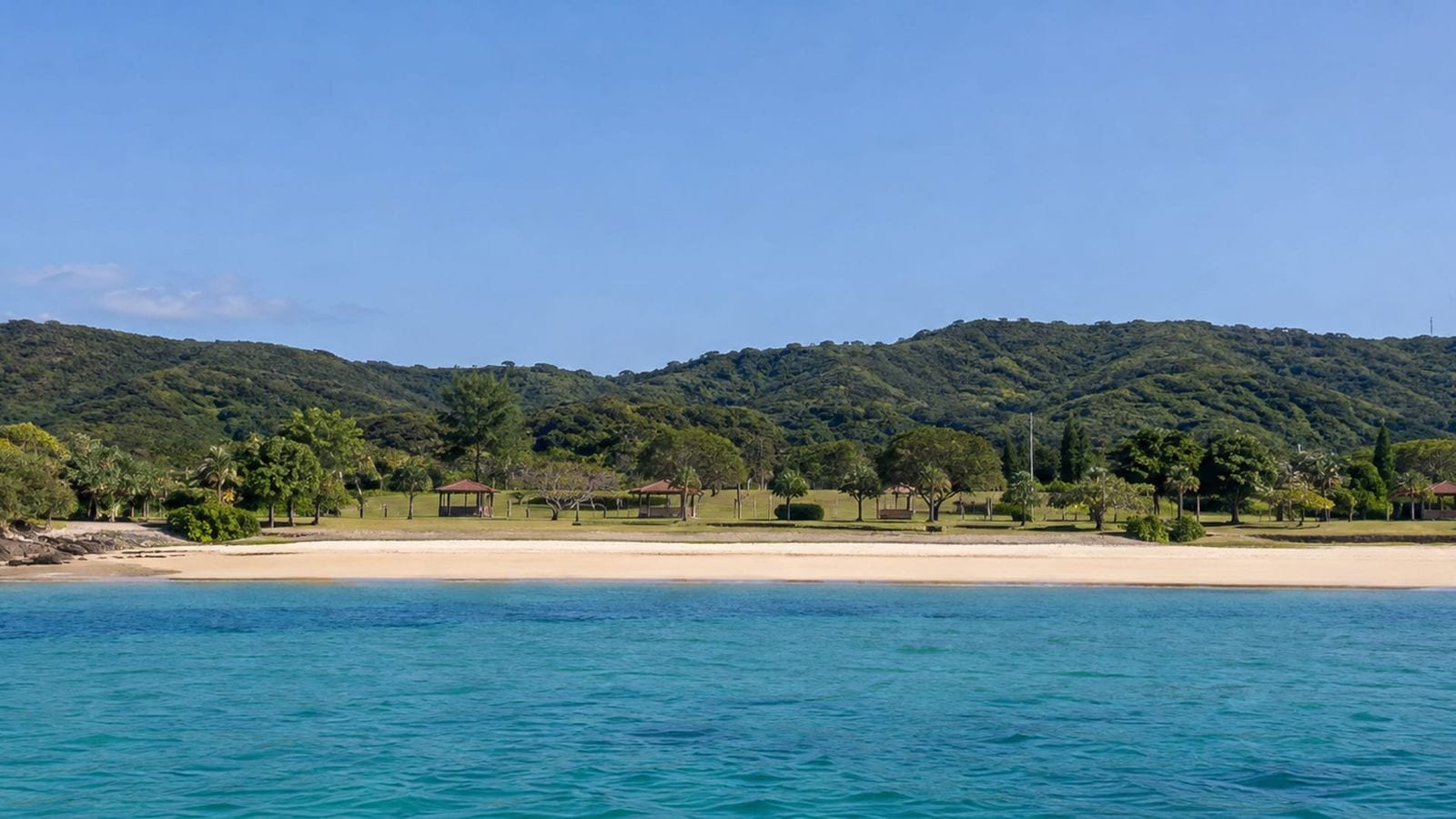
Facing the East China Sea near Naze, Ohama Seaside Park combines a sandy beach with coral-rich coastal scenery. Its west-facing shore makes sunset the signature attraction, with grassy areas above the sand offering room to linger.
Time needed: About 1 to 2 hours
Entry: Free: access to the beach and park grounds
Tip: Arrive before sunset for west-facing sea views from the beach near Naze.
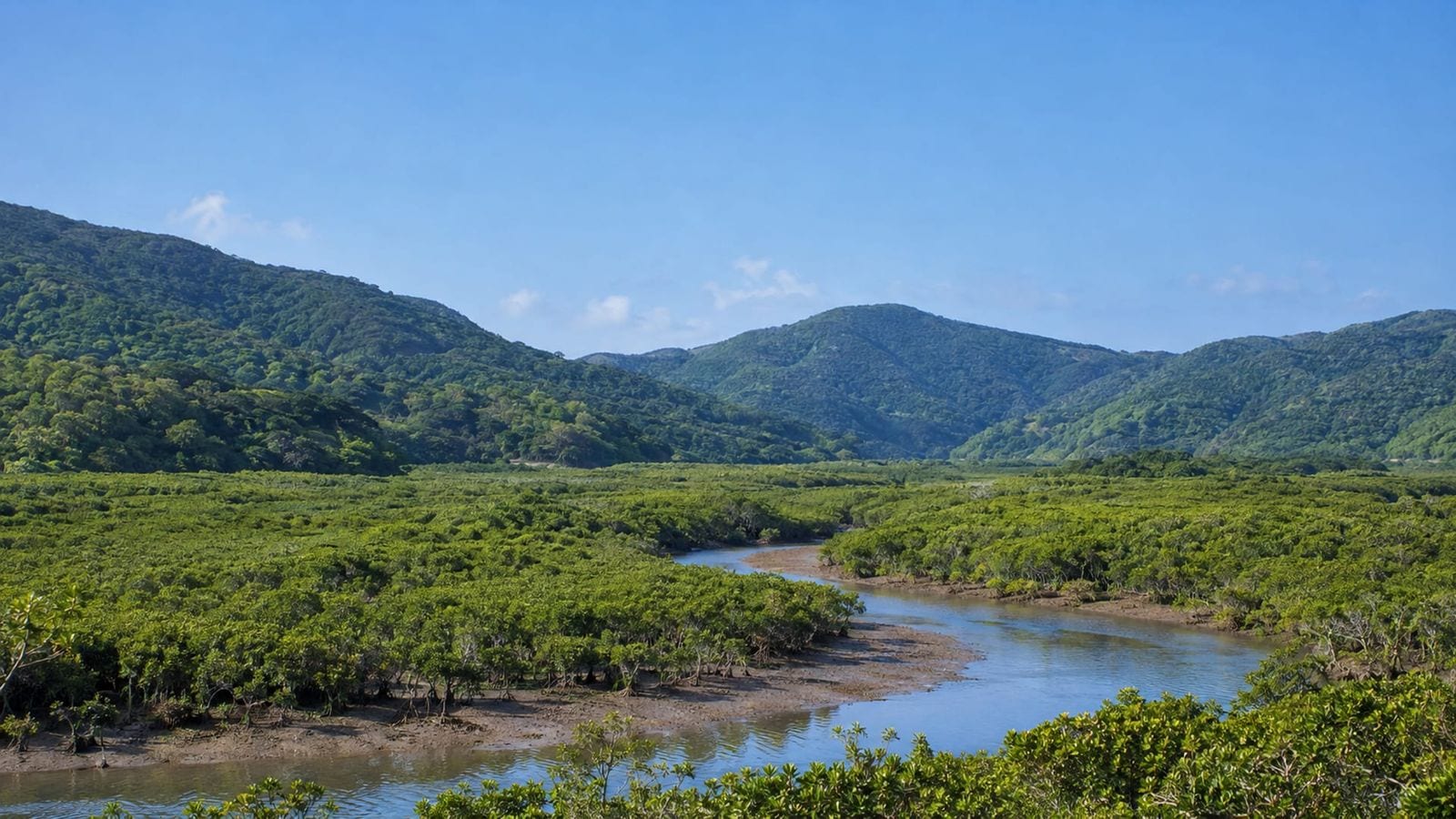
Kuroshio no Mori Mangrove Park
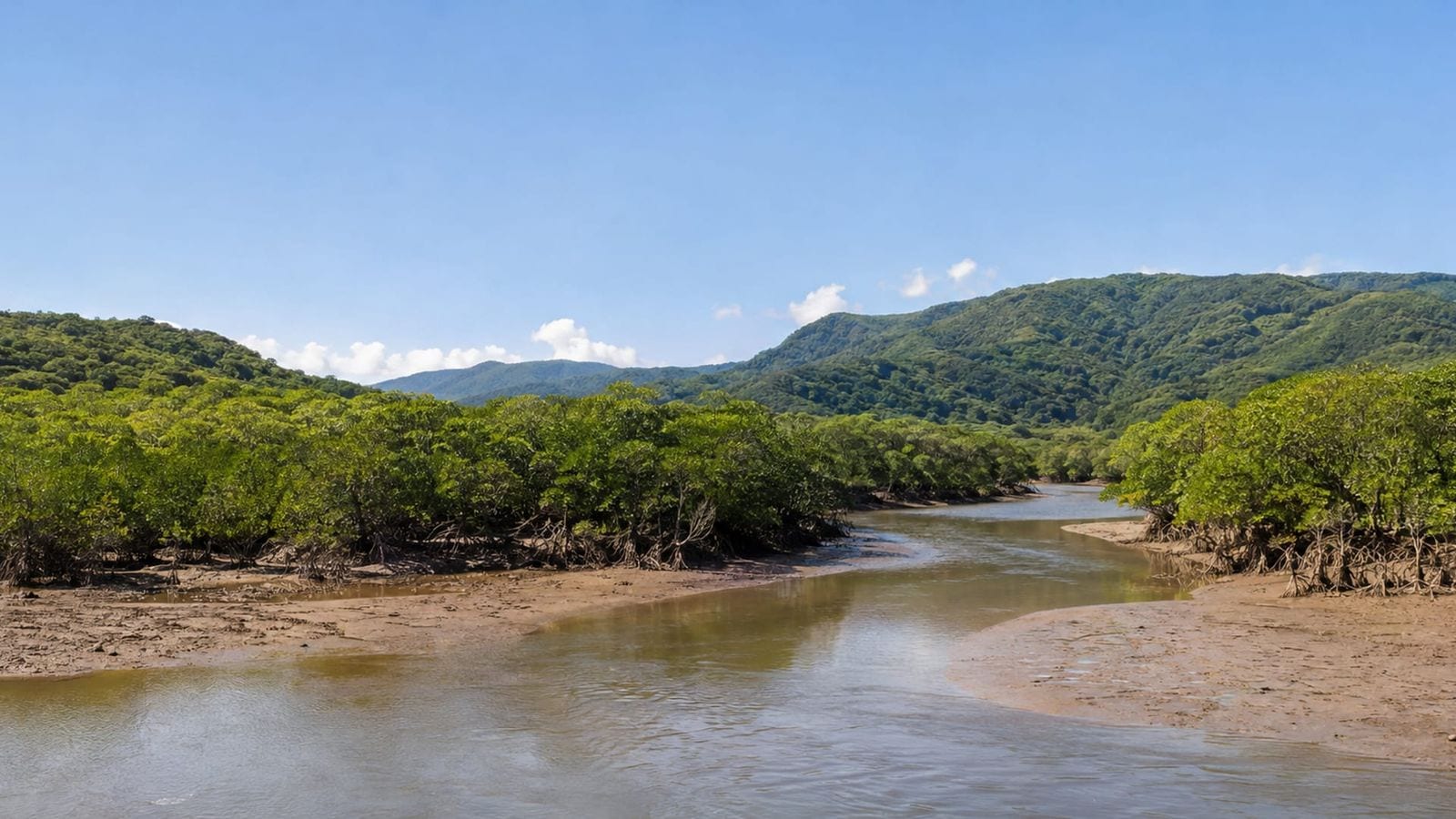
In Amami’s Sumiyo district, Kuroshio no Mori Mangrove Park introduces one of Japan’s largest mangrove forests. Canoe excursions follow tidal waterways between tangled roots, while the observation area reveals the forest’s wider sweep.
Time needed: About 1 to 2 hours
Entry: Free: access to the park grounds; canoe excursions cost extra
Tip: Ask which canoe departure matches high tide for access to narrower channels.
Overlooked sites worth visiting

Ogamiyama Park
Wooded paths and stairways climb above the city at Ogamiyama Park, where elevated viewpoints overlook the harbor. The hillside offers a quiet walking break close to the downtown streets.
Time needed: About 45 minutes to 1 hour
Entry: Free to access
Tip: Choose daylight for the hillside stairs and views across the harbor.

Naze Sacred Heart Church
Naze Sacred Heart Church offers a glimpse of Catholic life in Amami, beyond the island’s better-known nature attractions. This active place of worship adds a cultural stop to a city walk.
Time needed: About 15 to 30 minutes
Entry: Free
Tip: Keep sightseeing outside when a religious gathering is underway.
Traditional food
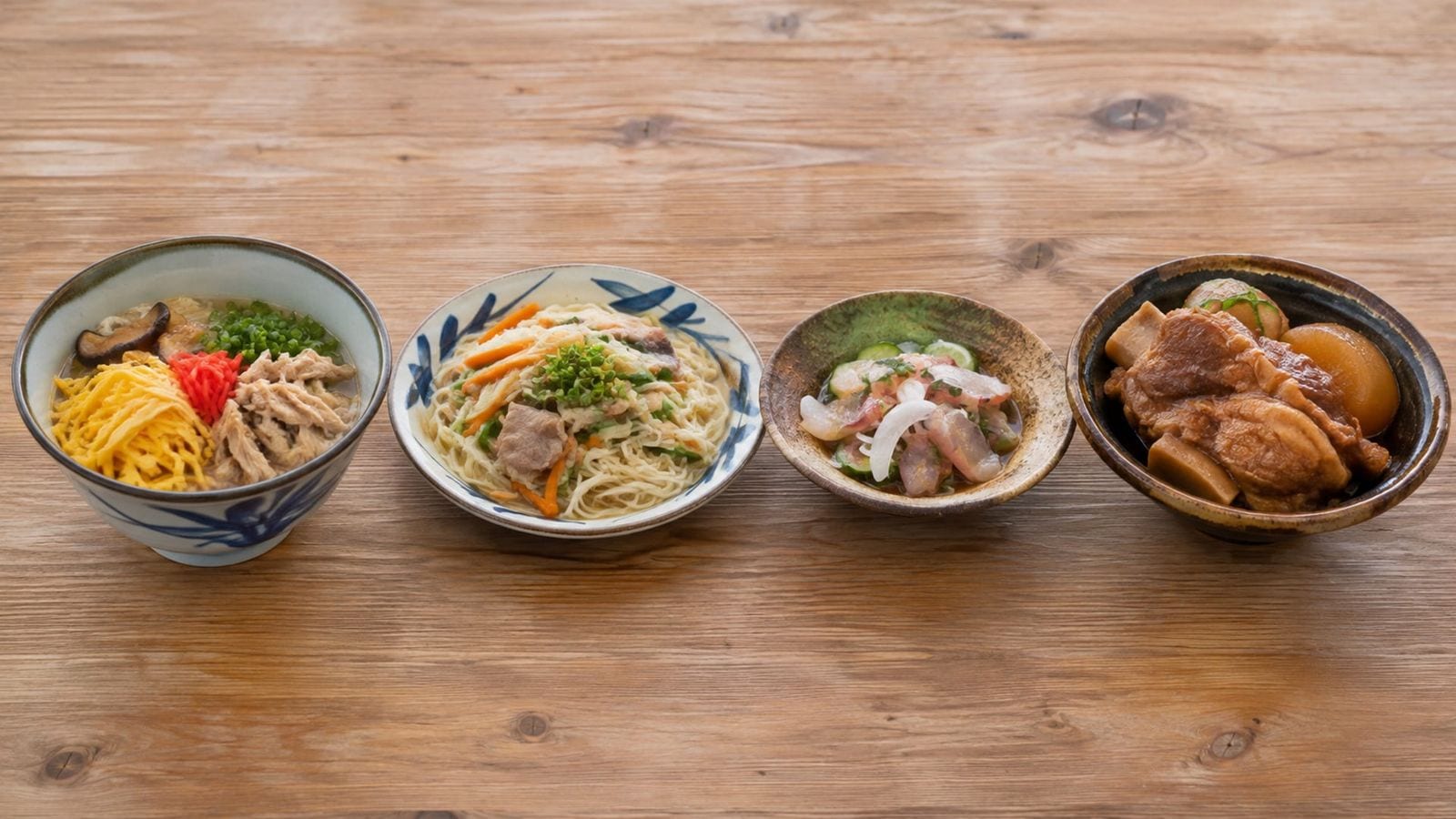
Chicken broth, pork, rice, and fish shape Amami’s cooking. Keihan layers toppings over rice, abura somen brings savory noodles, and naman adds a bright vinegar dressing to fish and vegetables.
Keihan
Shredded chicken, egg, mushrooms, and other toppings cover rice before hot chicken broth brings everything together. Try keihan at Torishin, where this island specialty makes a fitting introduction to Amami’s cooking.
Abura somen
Fine wheat noodles combine with pork, vegetables, and savory broth in a dish whose preparation varies between kitchens. Kitahachi includes abura somen in its approach to Amami’s home cooking and seasonal island meals.
Naman
Raw fish meets thinly cut vegetables in a vinegar dressing, giving naman its balance of seafood richness and acidity. Try this traditional Amami preparation at Kazumi alongside other dishes from the island’s kitchen.
Tonkotsu
Pork on the bone simmers slowly with miso and brown sugar until tender, producing a rich dish distinct from similarly named noodle broth. Order tonkotsu at Gin-tei as part of an evening exploring Amami’s local cooking.
Best time to visit Amami
Amami’s subtropical climate brings a rainy late spring, hot summers, autumn typhoon risk, and mild winters for city walks.
Best for: Coastal walks and museum days before the strongest summer heat reaches Amami
What you get: Expect 59°F to 79°F (15°C to 26°C), with rising humidity and a busier holiday period in late April and early May across Amami’s main sights.
Trade-offs: The rainy season can begin in May, reducing the appeal of extended beach afternoons.
Best for: Beach afternoons and mangrove canoe trips during Amami’s hottest months
What you get: Temperatures reach 75°F to 90°F (24°C to 32°C); summer vacations bring more beach visitors, while June can bring prolonged spells of rain.
Trade-offs: Heat, humidity, and typhoons can interrupt canoe trips and flights to Amami Airport (ASJ).
Best for: Combining Ohama Seaside Park with Naze walks as summer temperatures ease
What you get: Days span 64°F to 88°F (18°C to 31°C), cooling through the season; beach crowds thin after summer, with holiday dates drawing more visitors.
Trade-offs: September still carries typhoon risk, which can disrupt flights and coastal activities.
Best for: Exploring Amami Park and Naze’s restaurants during the island’s cooler months
What you get: Winter brings 54°F to 68°F (12°C to 20°C), generally fewer beach visitors, and quieter coastal stops outside the New Year holiday period.
Trade-offs: Wind and cloudy weather can make beach afternoons chilly despite the mild temperatures.
A realistic 5-day plan in Amami
The five days move from Naze’s restaurants and harbor hills to Ohama Seaside Park, Sumiyo’s mangroves, and the cultural exhibits in northern Kasari, with airport transfers on the first and last days.
From Amami Airport (ASJ), take a bus to central Naze, allowing 60 to 75 minutes and ¥1,000 to ¥1,600 ($7 to $11). Stay in Irifunecho for restaurants within walking distance. For a modest first dinner, order chicken rice at Torishin, then return to your hotel.
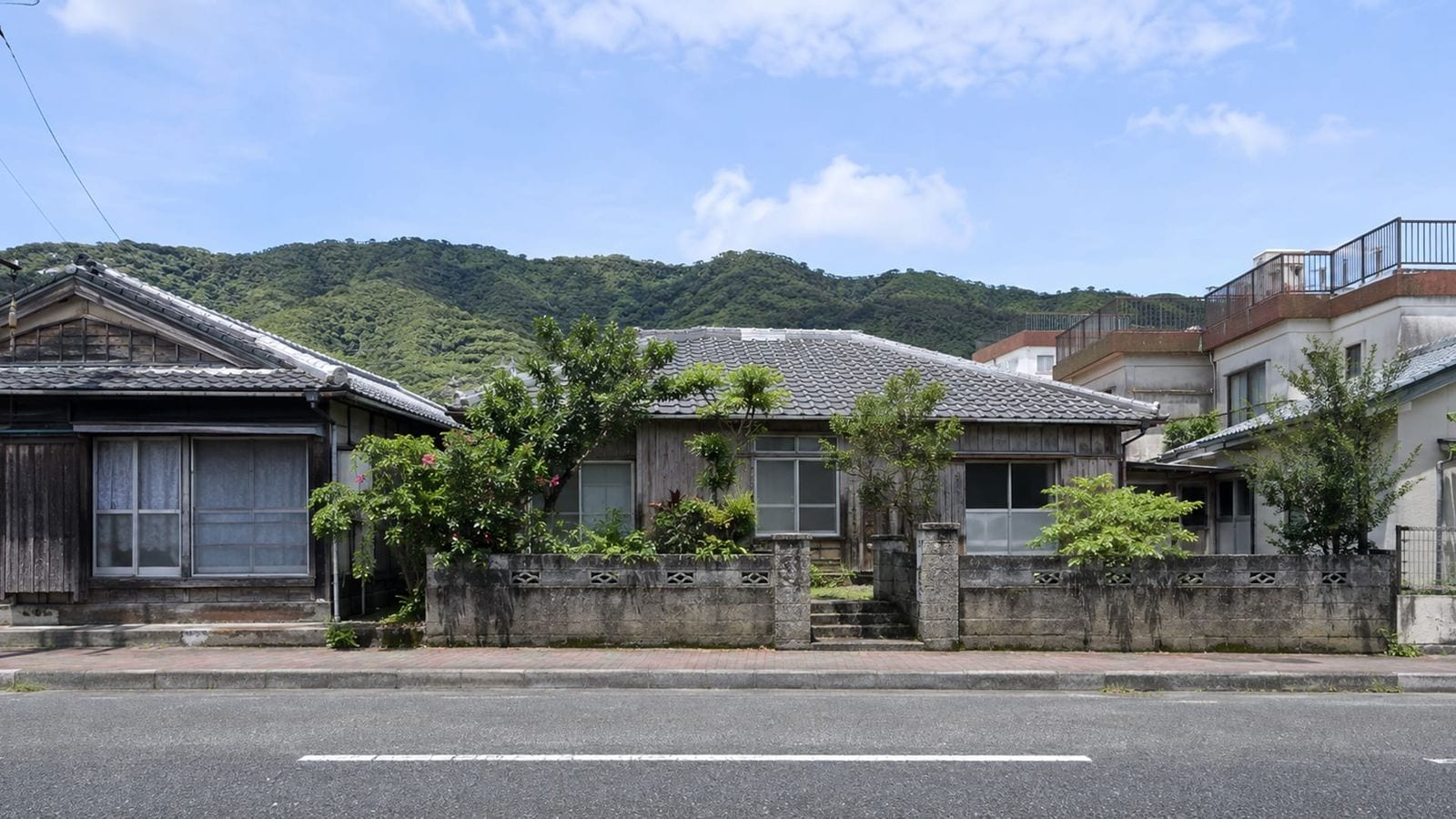
Begin at Naze Sacred Heart Church, keeping sightseeing outside during religious gatherings. Allow 15 to 20 minutes on foot to Ogamiyama Park for its hillside stairs and harbor views. Continue by taxi to Ohama Seaside Park, a 20 to 25-minute journey, and spend the late afternoon beside its west-facing beach.
Sumiyo’s tidal forest fills the day at Kuroshio no Mori Mangrove Park, roughly 45 to 60 minutes by car from central Naze. Start with the observation area, then allow 10 to 15 minutes to reach the canoe reception and prepare. Choose a guided departure near high tide for access to narrower channels among the mangrove roots.
At Amami Park in northern Kasari, devote the morning to exhibits introducing the islands’ culture. Walk within the grounds to the Tanaka Isson Memorial Museum, allowing 5 to 10 minutes between buildings, and spend the afternoon studying its paintings of subtropical plants and birds. Return directly to your hotel afterward.
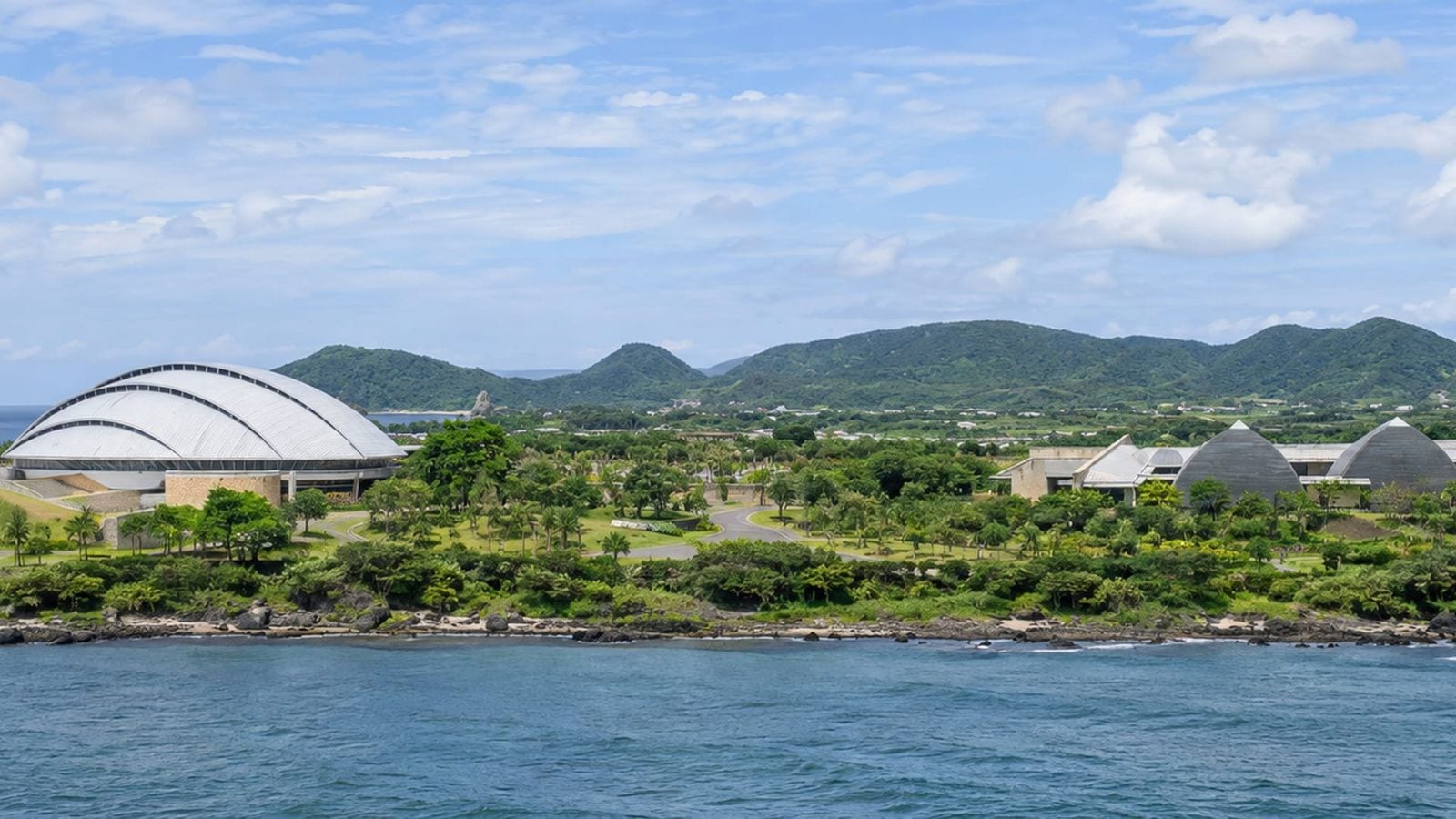
Before leaving Irifunecho, have breakfast near your hotel, then take the airport bus from central Naze to Amami Airport (ASJ), allowing 60 to 75 minutes. Browse the airport shops for island-made gifts after arrival; keeping shopping at the terminal avoids an extra stop between your hotel and your flight.
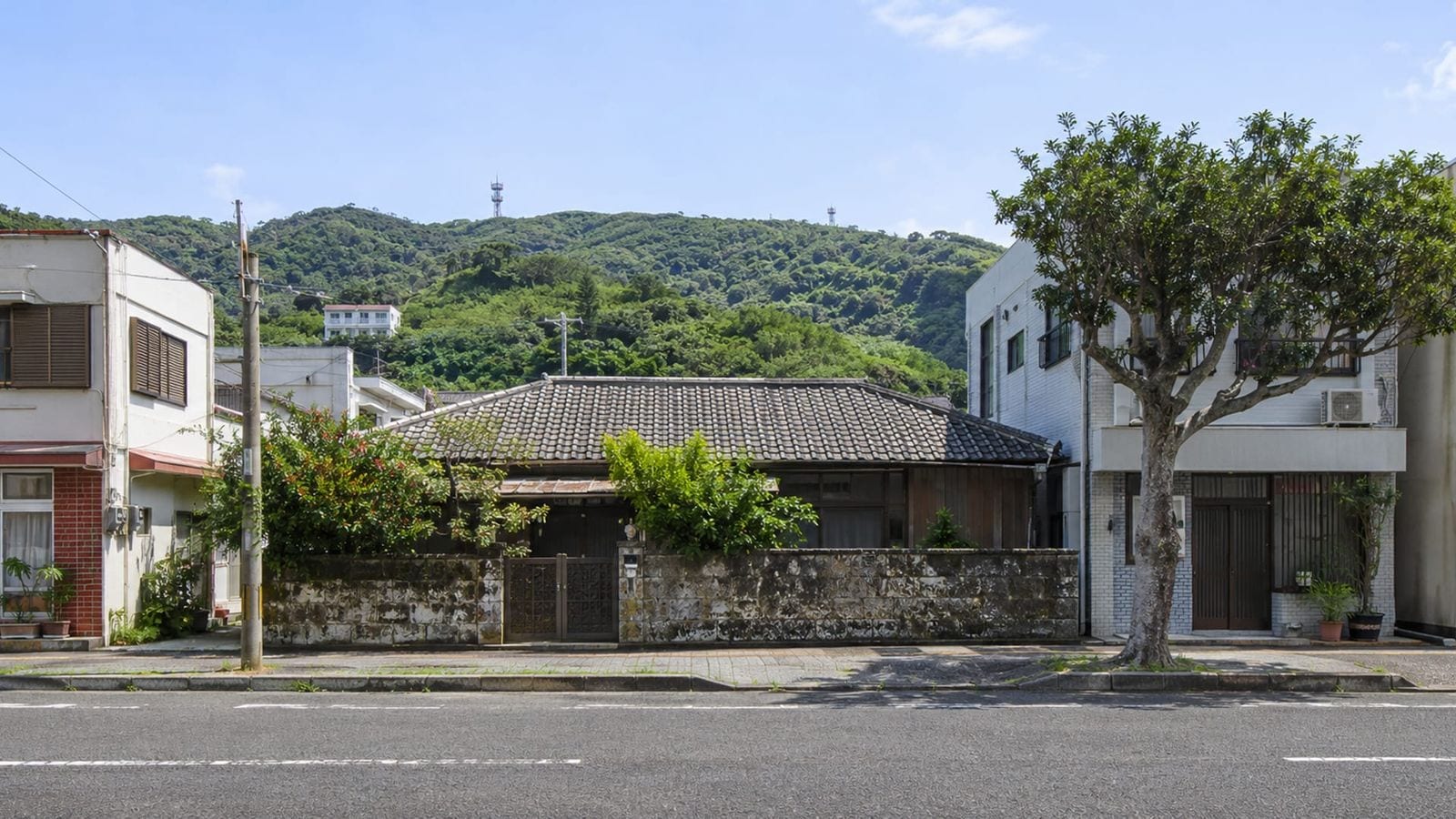
Business-class flights from the US to Amami
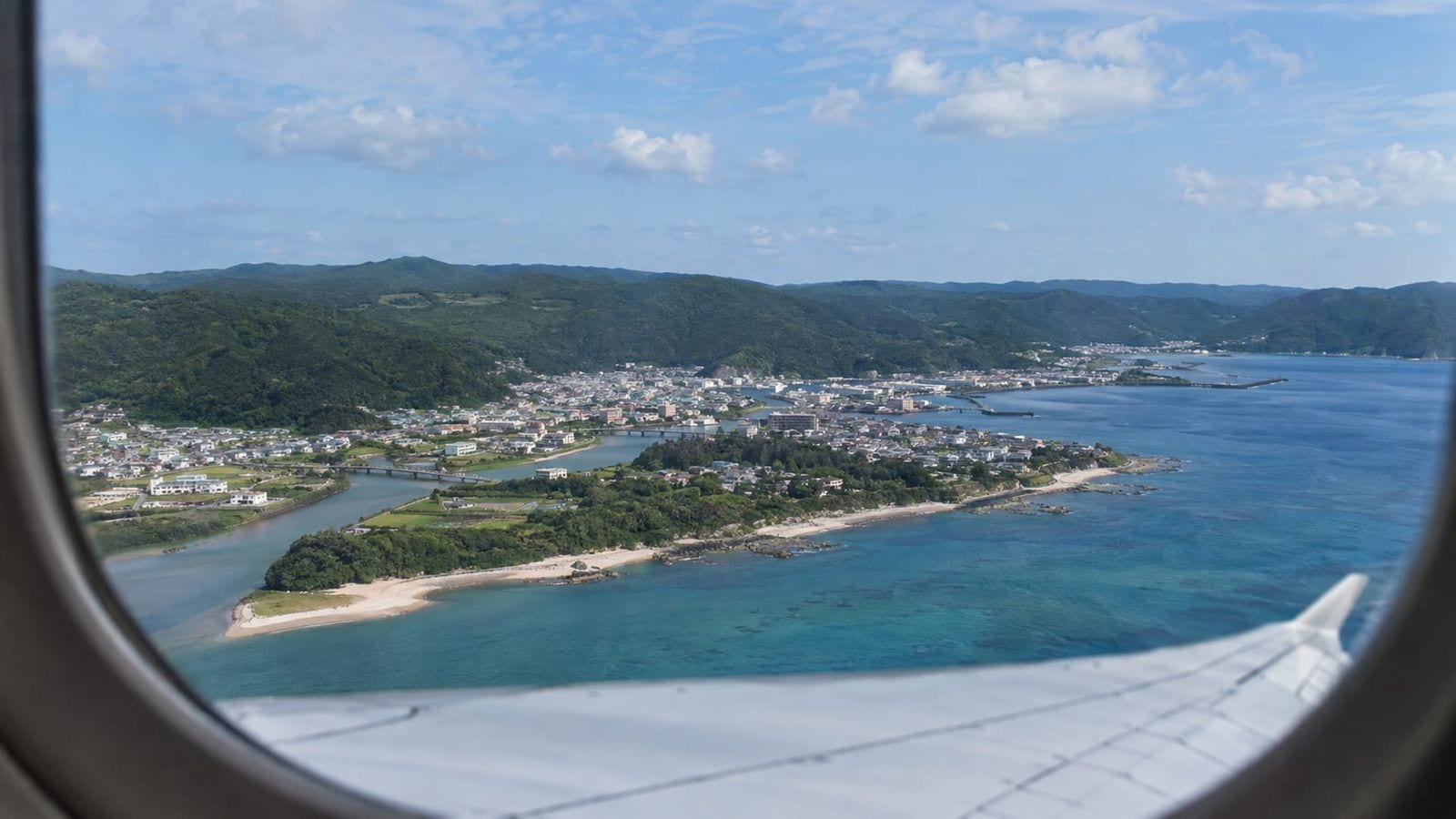
Flights to Amami (ASJ) from New York and Los Angeles connect through Tokyo (HND), with these two examples covering both US coasts.
From New York, the one-stop journey to Amami (ASJ) connects through Tokyo (HND). Round-trip fares range from $6,000 to $11,000 with Japan Airlines, and the total journey takes 18 to 24 hours, including the connection.
Japan Airlines connects Los Angeles with Amami (ASJ) through Tokyo (HND), with a total journey time of 16 to 22 hours. For this one-stop trip, round-trip fares range from $5,000 to $10,000, including the onward flight to Amami (ASJ).
Amami feels different when you slow down
An Amami trip takes shape through specific choices: dinner within walking distance in Irifunecho, a taxi to Ohama Seaside Park before sunset, and a canoe departure matched to Sumiyo’s tide. Give Amami Park its own day for the cultural exhibits and Tanaka Isson’s paintings, then leave time for the bus from Naze to Amami Airport (ASJ). Ask AranGrant experts to connect your flights with five days that leave room for both the harbor streets and the mangroves







