

Chapters:

Need help with your trip?
Our support team is available 24/7. Request a callback or call us directly at (833) 619-0908
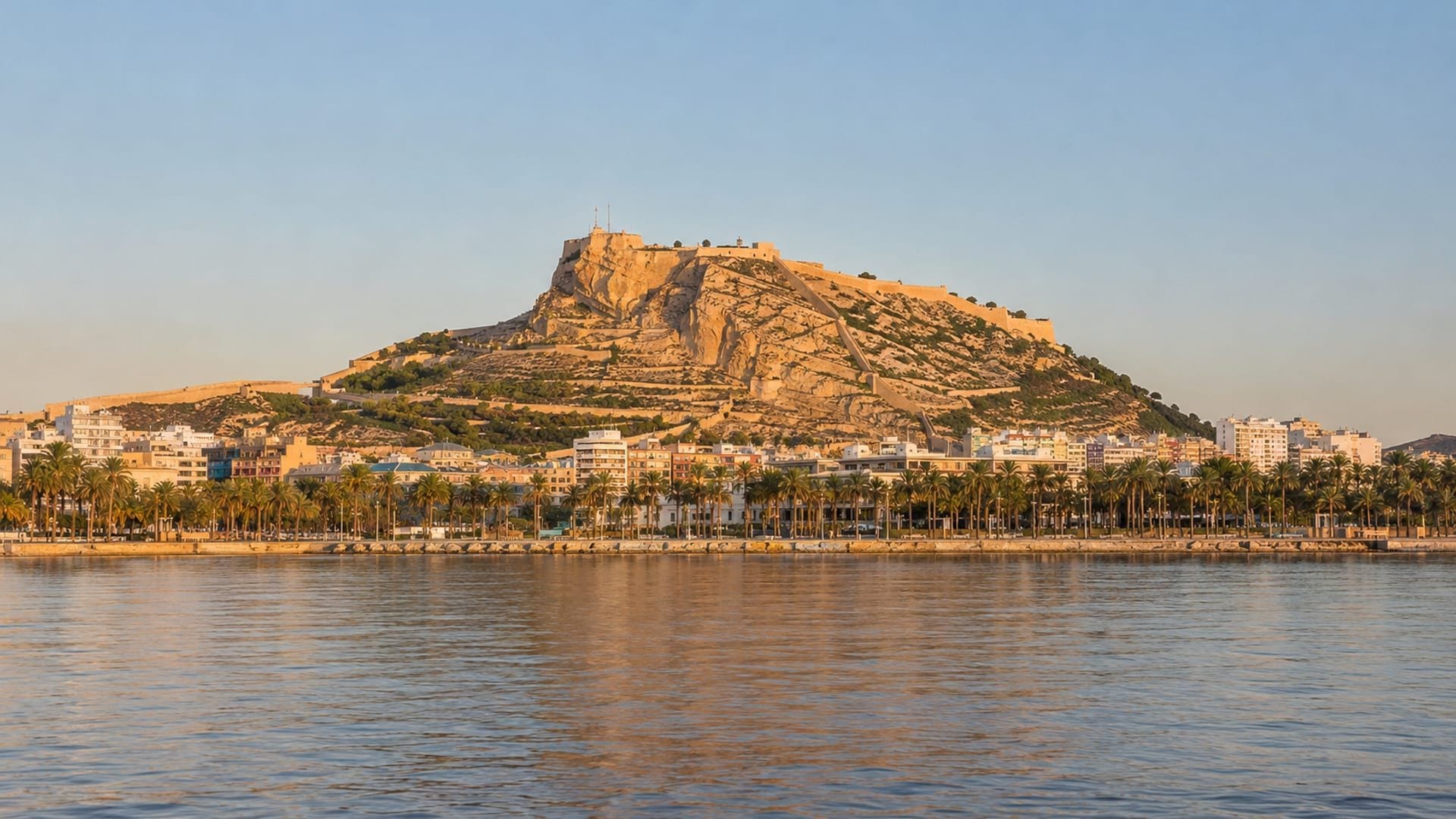
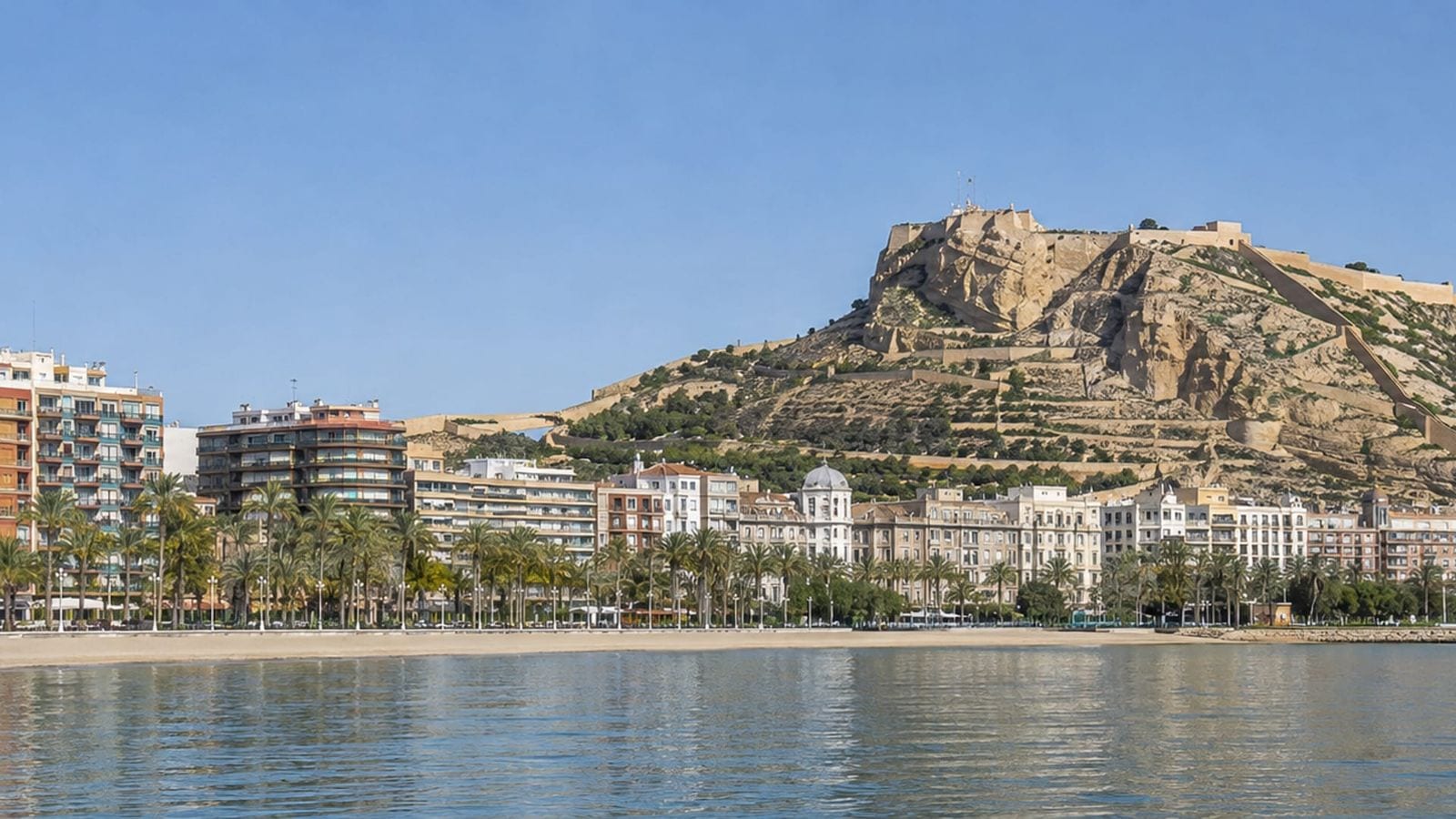
Alicante moves easily between sea, city streets, and hillside views, but each part follows a different rhythm. Mornings suit the climb to Santa Bárbara Castle, the old quarter feels best before the heat builds, and the Explanada and Postiguet Beach draw the largest crowds later in the day.
The city is compact enough to explore without rushing, yet timing still shapes the experience. Tram rides open up the coast, long lunches slow the afternoon, and the castle demands more time than its central location suggests. This guide brings those pieces together, with clear advice on neighborhoods, transport, food, and a five-day plan that leaves room for the beach without reducing Alicante to a beach break.
Useful things to know

Main language(s): Spanish, Valencian
Hola (OH-lah) – Hello
Por favor (por fah-VOR) – Please
Gracias (GRAH-see-ahs) – Thank you
¿Habla inglés? (AH-bla een-GLES) – Do you speak English?
¿Cuánto cuesta? (KWAN-toh KWEHS-tah) – How much does it cost?

Currency: Euro (EUR, €)

Cash and cards: Cards and contactless payments are widely accepted. Carry €20–€40 ($23–$46) for markets, small cafés, and minor purchases.

Tipping: Tipping is optional. Round up small bills or leave 5%–10% in restaurants when the service has been especially attentive.

Traditional food: Arroz a banda, arroz alicantino, caldero, olleta alicantina, coca de mollitas, and coca amb tonyina are closely associated with Alicante.

Water and coffee costs: Bottled water usually costs €1.50–€2.50 ($2–$3), while an espresso at the bar commonly costs €1.50–€2.50 ($2–$3).

Taxis and ride apps: Licensed taxis are common, while Uber and Cabify also operate in Alicante and use designated pickup areas at Alicante Airport.

Plug and voltage: Type C/F socket, 230V

Dining and shop opening hours: Breakfast usually falls between 8:00 am and 10:30 am, lunch between 1:30 pm and 3:30 pm, and dinner from 8:30 pm. Some restaurants close between services.

Emergency number: Call 112 for police, fire, or medical emergencies.
Where to stay in Alicante
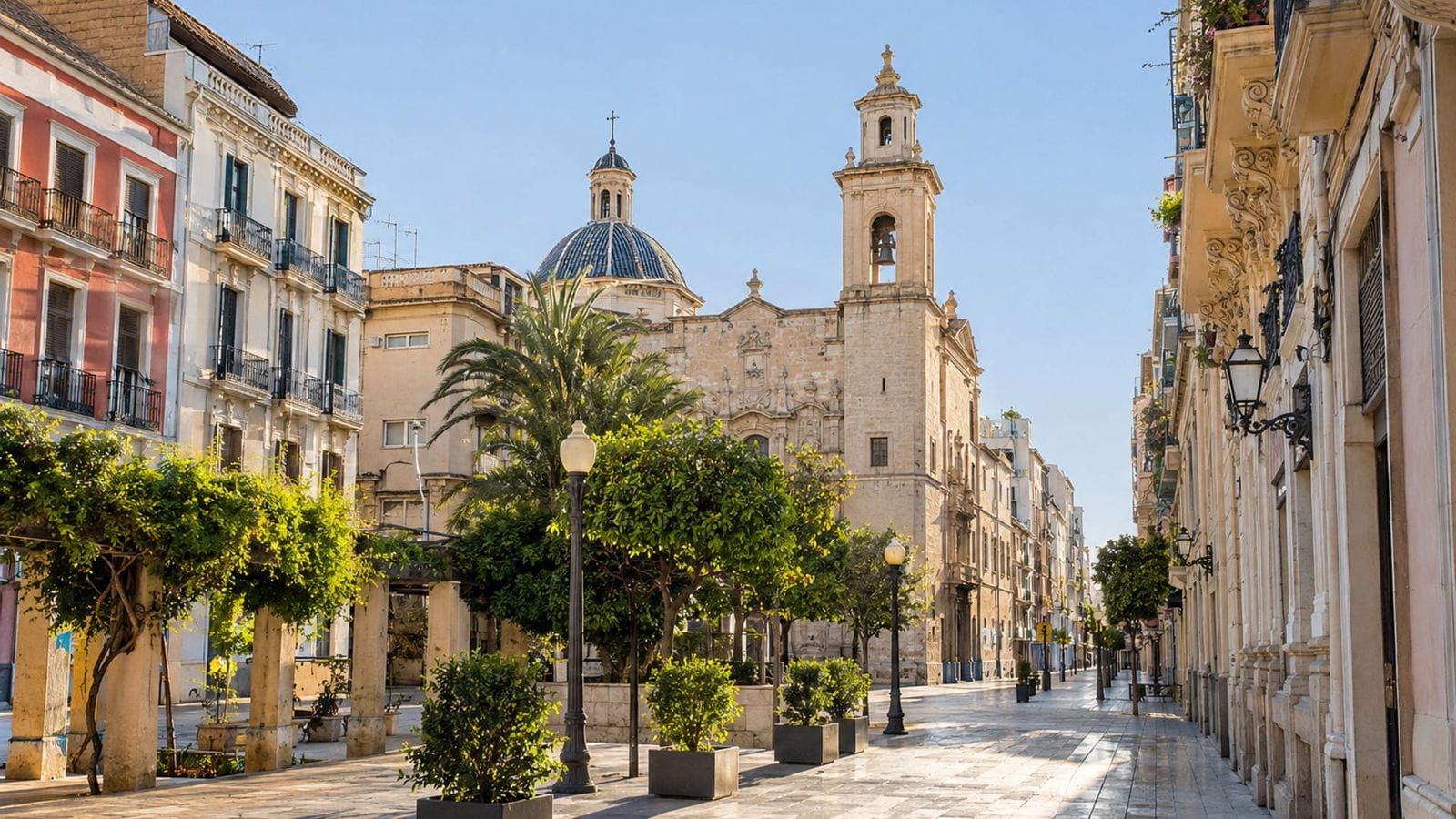
Alicante Centro brings the main shopping streets, restaurants, plazas, and waterfront within an easy walk. Stay here for the widest hotel choice, quick access to the Explanada and Postiguet Beach, and convenient tram and bus connections across the city.
Best for: Sightseeing, dining, and travelers who want the broadest choice of cafés and transport
What to expect: Busy pedestrian streets by day, lively restaurant terraces at night, and frequent foot traffic near the main squares.
Hotel prices: Usually about €120 to €220 (~$132 to ~$242) per night for well-rated stays
Distance to major sights: 10 to 15 minutes on foot to Postiguet Beach, about 12 minutes on foot to Santa Bárbara Castle
Quietness: Busy in the afternoon and early evening, quieter on side streets late at night.
Main trade-off: The most central blocks can be noisy, and the best-located rooms cost more than inland neighborhoods.
Good to know: Stay near Luceros for tram access or closer to the Explanada if the waterfront is your priority.
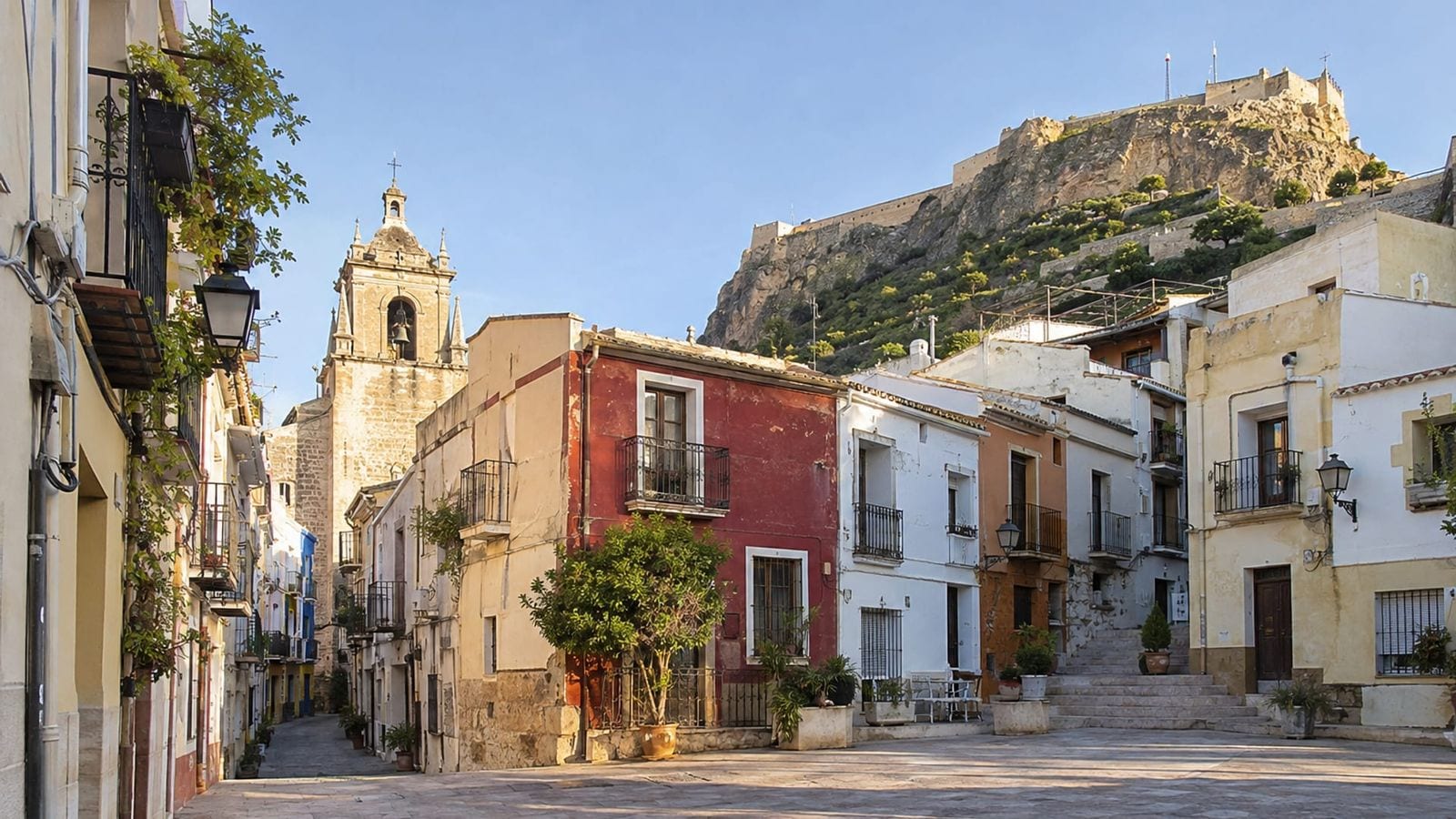
El Barrio is beneath Santa Bárbara Castle through narrow lanes, colorful houses, small plazas, tapas bars, and historic buildings. Stay here for Alicante’s old-town atmosphere, easy castle access, and lively evenings within walking distance of the waterfront.
Best for: Nightlife, tapas, and travelers who want an old-town setting with evening energy
What to expect: Crowded evenings, packed bar streets on weekends, and much quieter mornings once the nightlife clears.
Hotel prices: Usually about €110 to €200 (~$121 to ~$220) per night for well-rated stays
Distance to major sights: About 15 minutes on foot to Postiguet Beach, roughly 10 minutes on foot to the city center
Quietness: Noisy late into the night, then calm after the bars close.
Main trade-off: You get the strongest evening atmosphere in the city, but sleep can be difficult on bar streets and weekend noise can run late.
Good to know: Ask for an interior or upper-floor room and check whether a taxi can reach the hotel entrance.
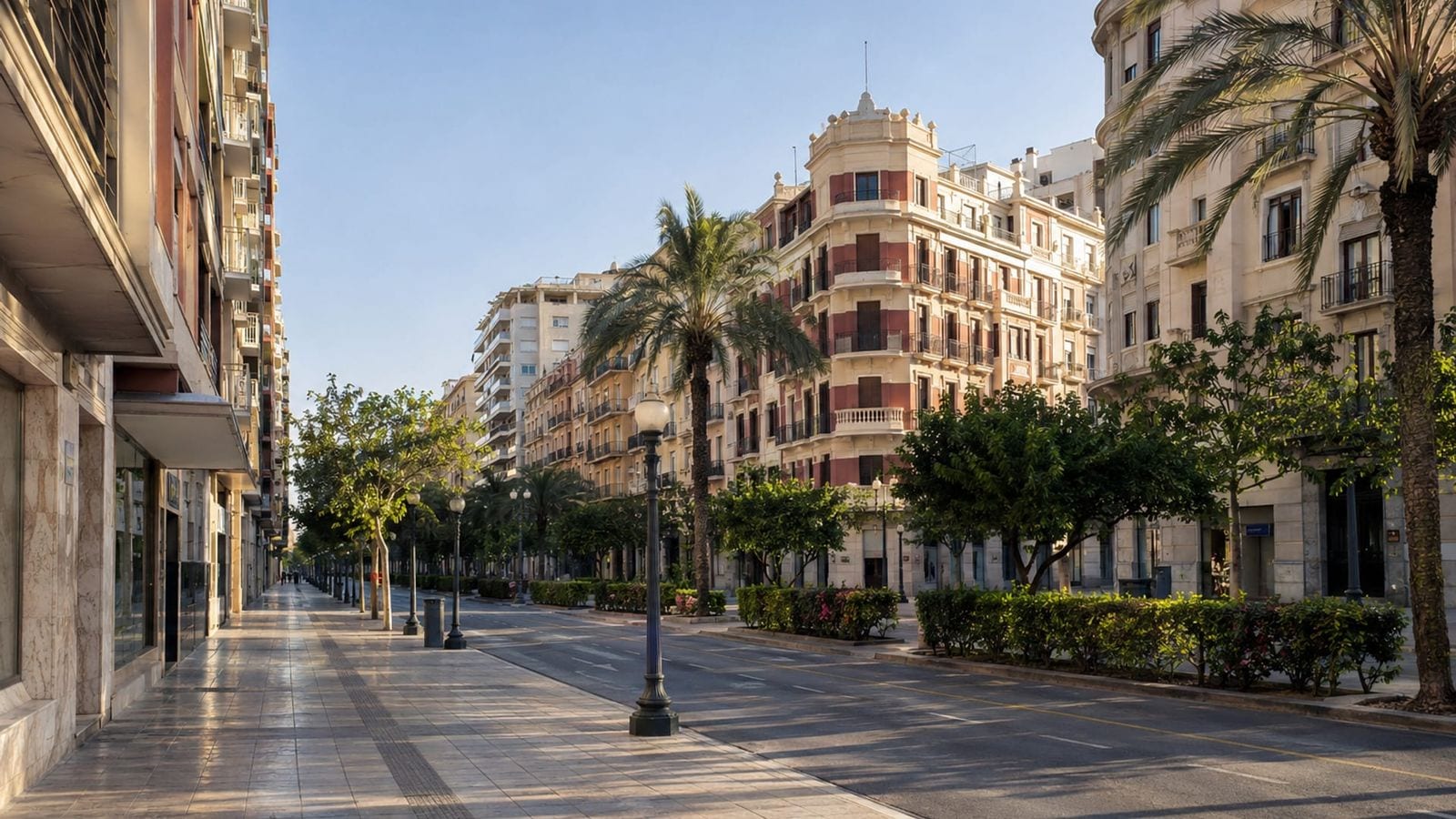
Ensanche-Diputación stretches south and west of the traditional center with broad avenues, shops, apartments, and Alicante’s main rail station nearby. It suits travelers who prefer easier taxi access, supermarkets, and quieter nights while keeping the waterfront and old town within walking distance.
Best for: Beach access, longer stays, and travelers who prefer a more residential base
What to expect: Steady local foot traffic, daytime shopping activity, and quieter streets at night than the old town.
Hotel prices: Usually about €100 to €180 (~$110 to ~$198) per night for well-rated stays
Distance to major sights: 10 to 20 minutes on foot to Postiguet Beach, about 15 minutes on foot to the old town
Quietness: Moderate during the day, generally quieter in the evening and late at night.
Main trade-off: It is less atmospheric than the old center, so you trade historic character for a calmer street pattern and easier access to supermarkets.
Good to know: Staying near Luceros keeps the tram, rail station, shopping streets, and old center within easy reach.
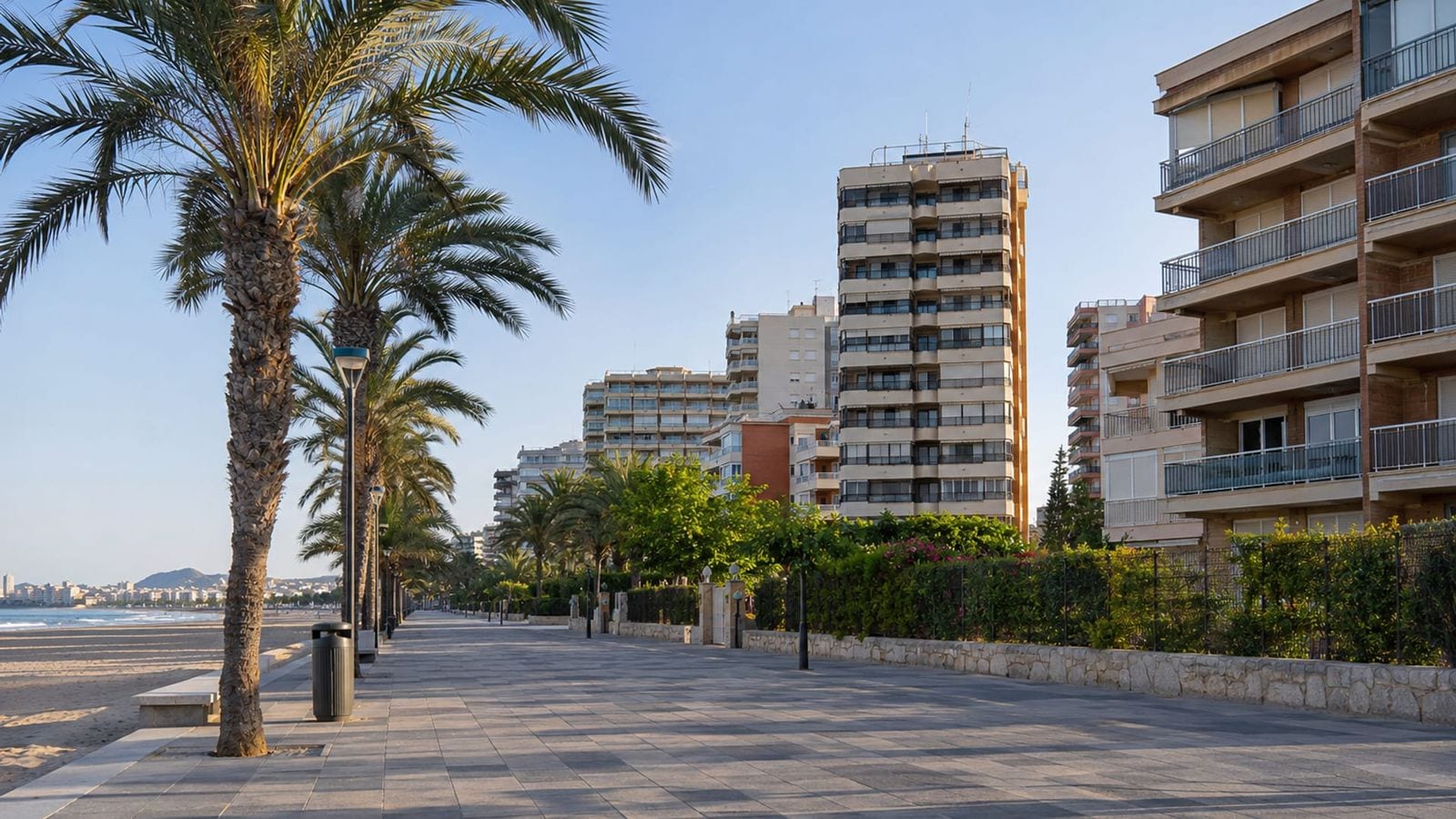
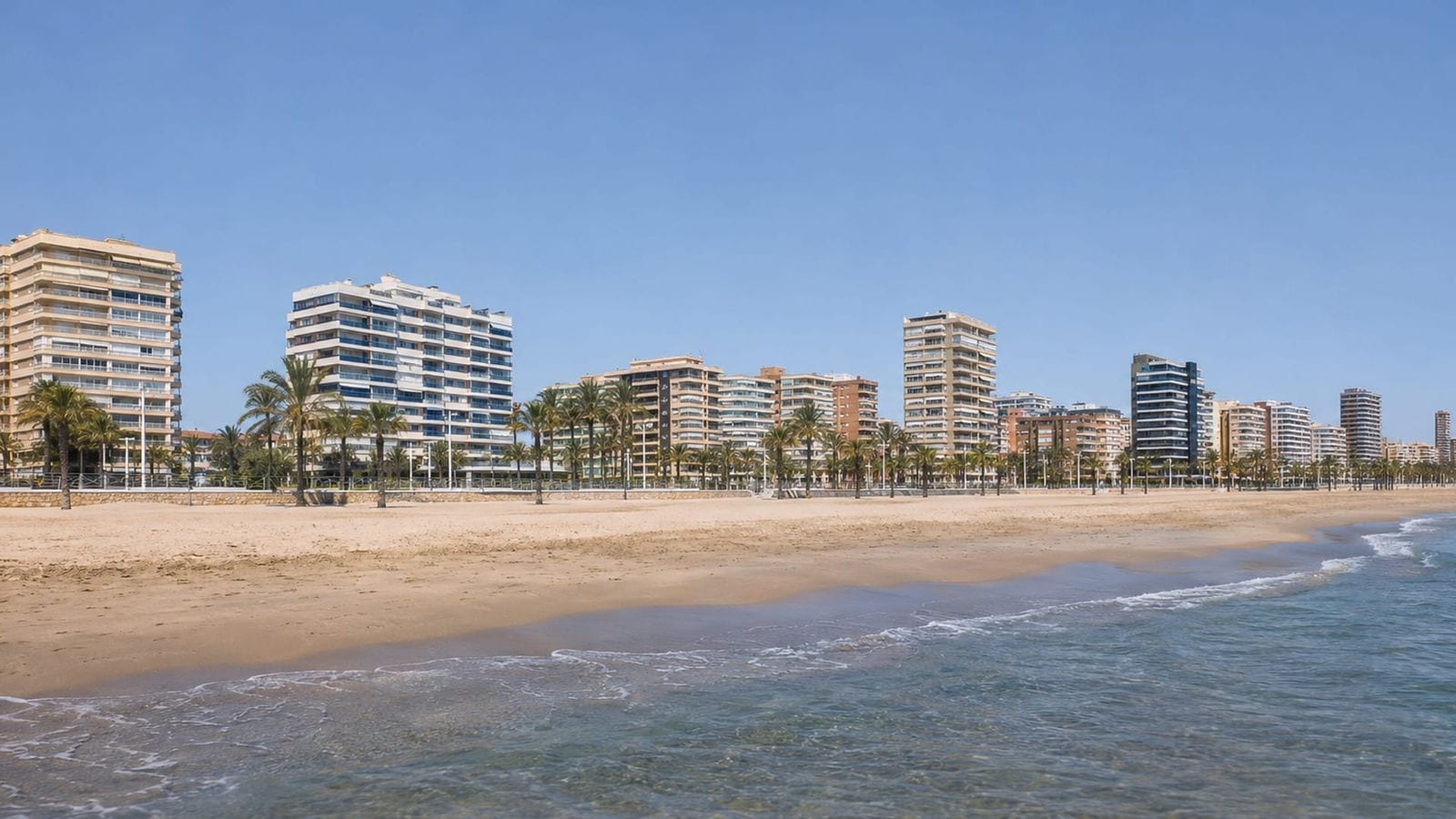
Playa de San Juan stretches along Alicante’s eastern coast with a broad sandy beach, promenade, restaurants, and modern apartment buildings. Stay here when swimming and time by the sea take priority. Tram and bus links allow you to spend evenings or sightseeing days in central Alicante.
Best for: Beach vacations, families, and travelers who prefer a coastal base over the historic core
What to expect: Lively in daylight along the promenade, busy with beachgoers in season, and noticeably calmer after dinner.
Hotel prices: Usually about €110 to €210 (~$121 to ~$231) per night for well-rated stays
Distance to major sights: About 25 to 35 minutes by tram to the city center, roughly 5 minutes on foot to the beach
Quietness: Busy on sunny afternoons and early evenings, quieter at night away from the promenade.
Main trade-off: You will spend time getting into the old town, so evenings out in central Alicante take planning or a tram ride.
Good to know: Stay near a tram stop if you expect to divide your trip evenly between the beach and central Alicante.
For a central sightseeing stay, avoid El Campello, San Gabriel, and the industrial port area unless you have a specific reason to stay there. Playa de San Juan suits beach-focused trips, but daily travel into the old town takes longer.
Hotel deals
How to get around Alicante efficiently
Alicante’s TRAM, city buses, and taxis cover the coast, central neighborhoods, and airport connections without requiring a car.

TRAM d'Alacant
for longer distances
TRAM d’Alacant connects Luceros with Playa de San Juan, El Campello, Benidorm, and other coastal towns. Single tickets start at €1.45 ($1.70), with higher prices for longer multi-zone journeys. Buy tickets from station machines or onboard where available.

City bus
for convenience
Alicante’s buses reach areas the tram does not, while line C6 links Alicante Airport (ALC) with the city center, railway station, and Luceros. A standard city ticket costs €1.45 ($1.70), with multi-ride passes available through the TAM network.

Taxi
for convenience or late hours
Licensed taxis use meters, while airport trips include regulated supplements. Uber and Cabify also operate in Alicante. Taxis wait outside the airport terminal, making them useful for luggage, late arrivals, or hotels away from tram and bus stops.
*Prices are based on rates updated as of June 2026 and may change at the time of travel.
Use the TRAM for coastal trips, buses for the airport and central neighborhoods, and taxis or ride apps when luggage, distance, or late hours make them easier.
Iconic landmarks
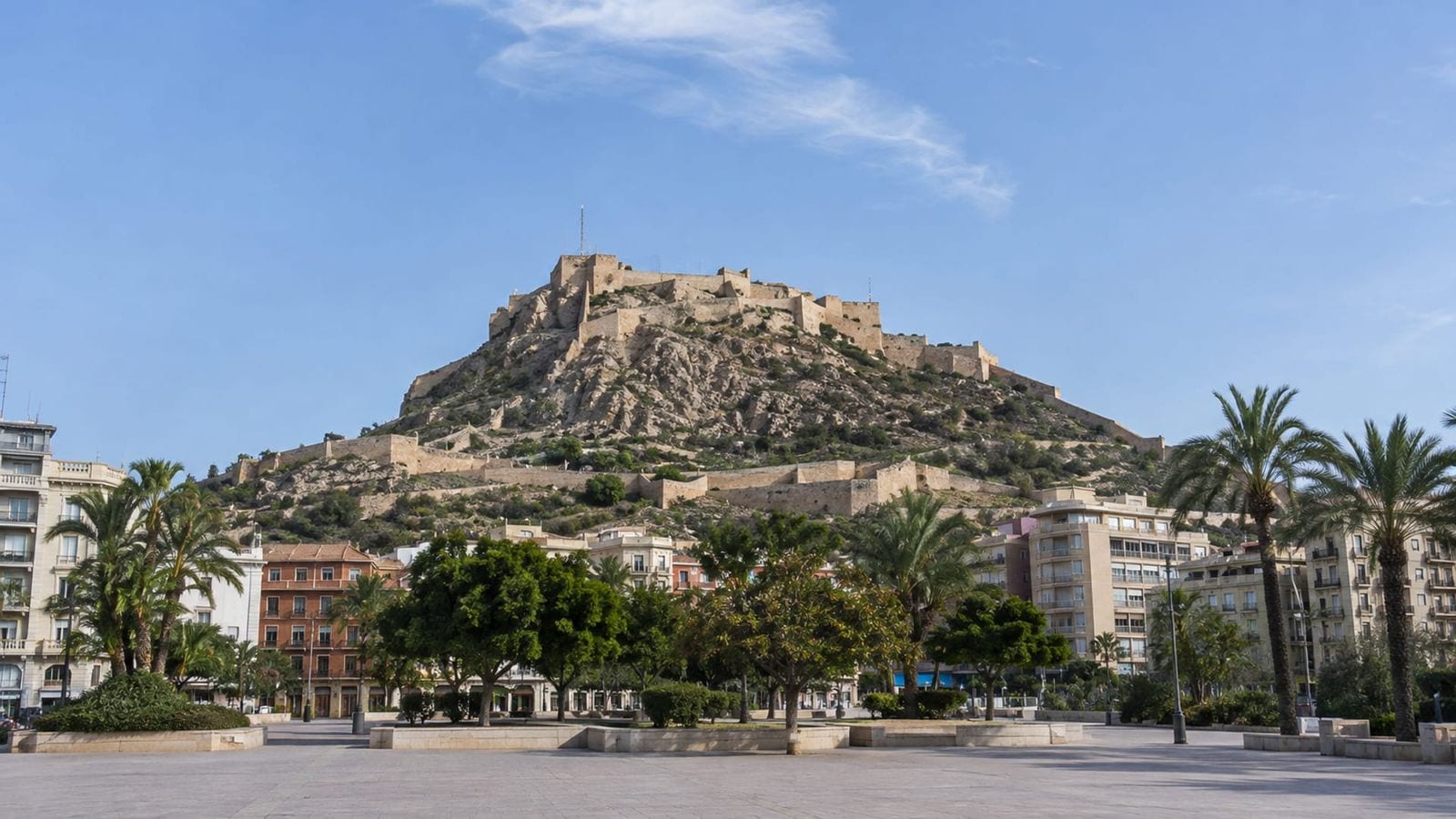
Santa Bárbara Castle
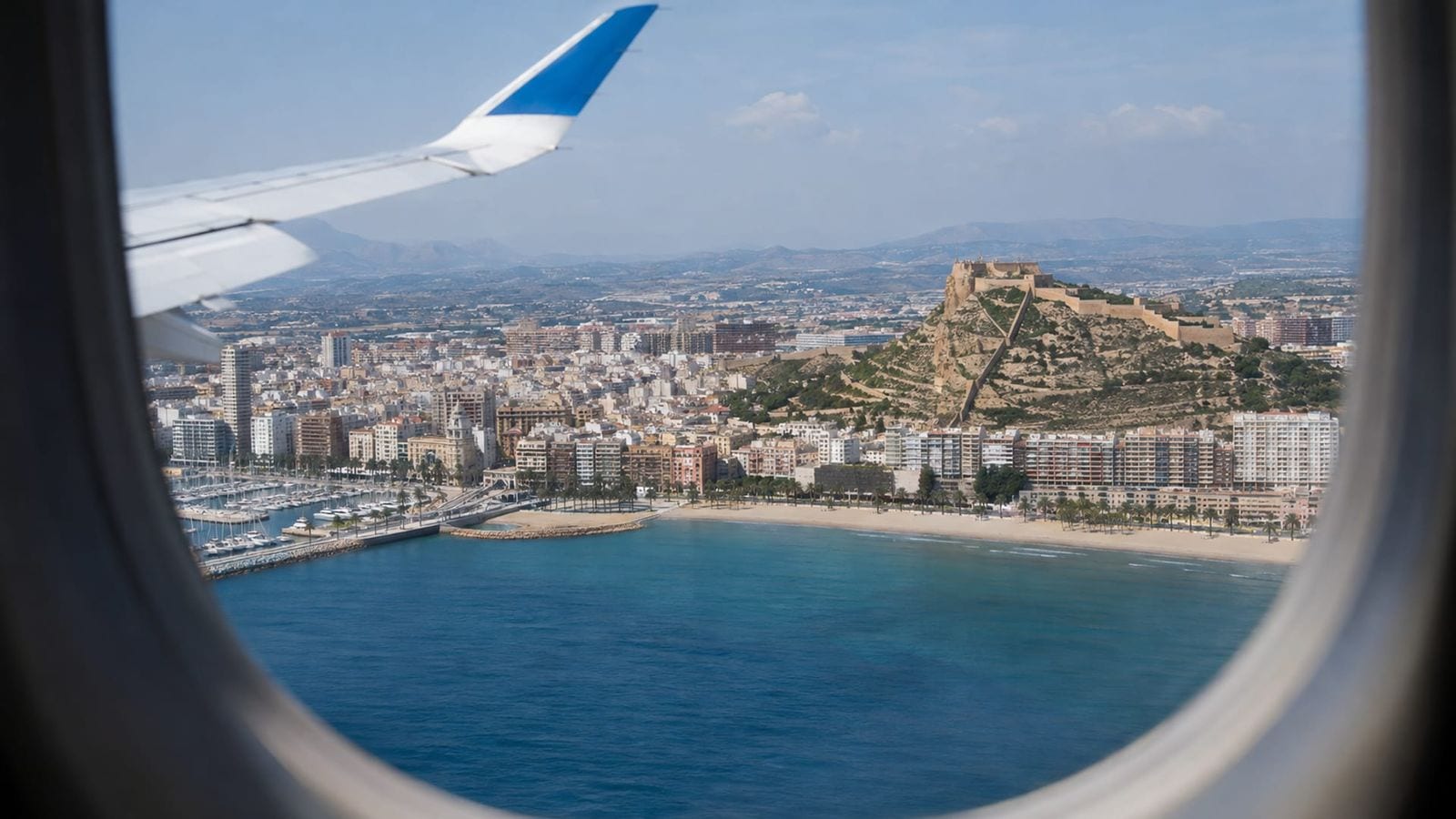
Santa Bárbara Castle rises above Alicante on Mount Benacantil, with walls, courtyards, towers, and terraces overlooking the marina, Postiguet Beach, and the old town. Its different levels reveal centuries of military history and some of the city’s widest views.
Time needed: About 1.5 to 2.5 hours
Entry: Free to access; lift access from the beach area costs $1.30 (€1.10) each way, while some special exhibitions may charge extra at times. Visit the official site for details.
Tip: 1.5–2.5 hours
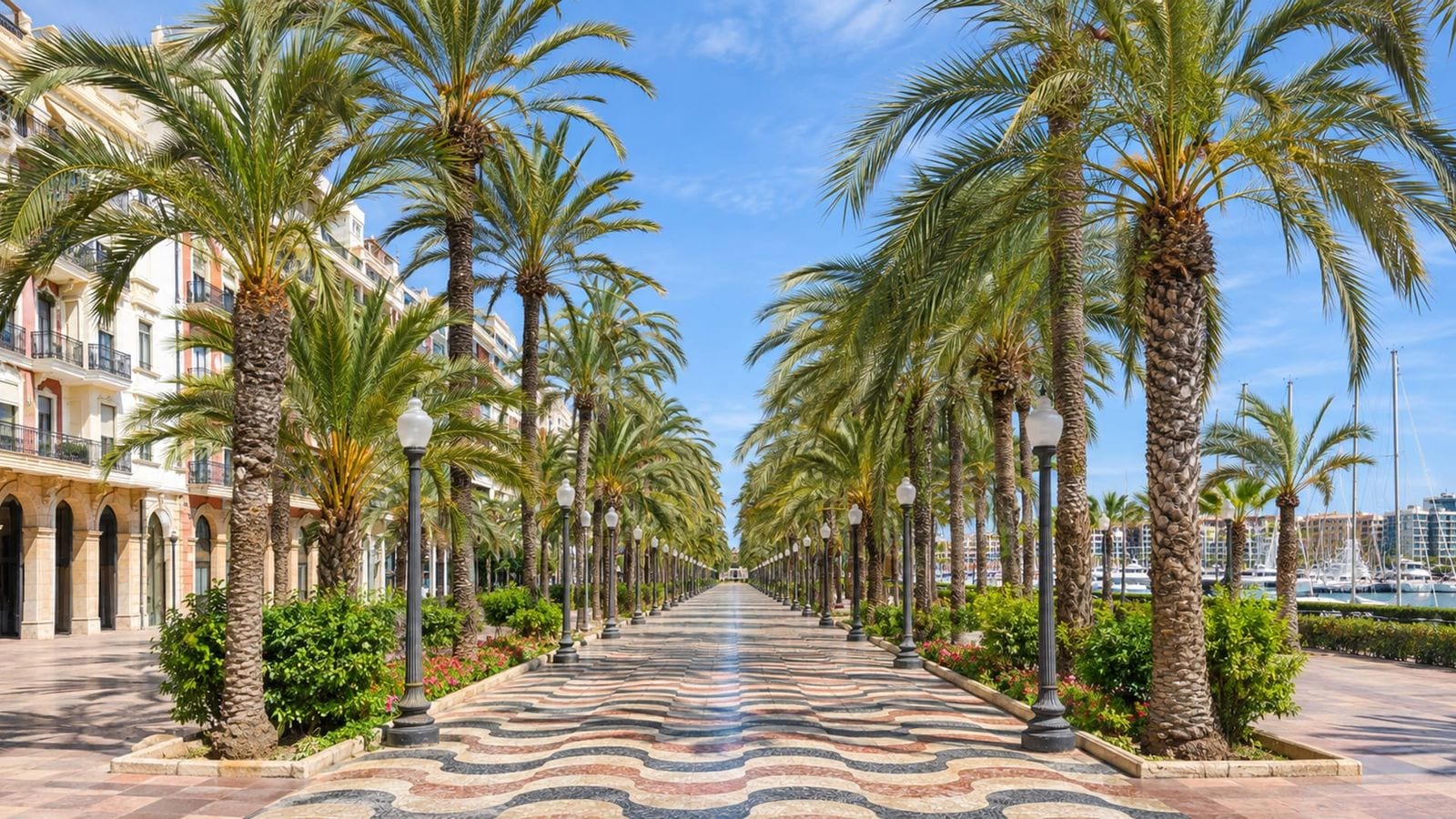
Explanada de España
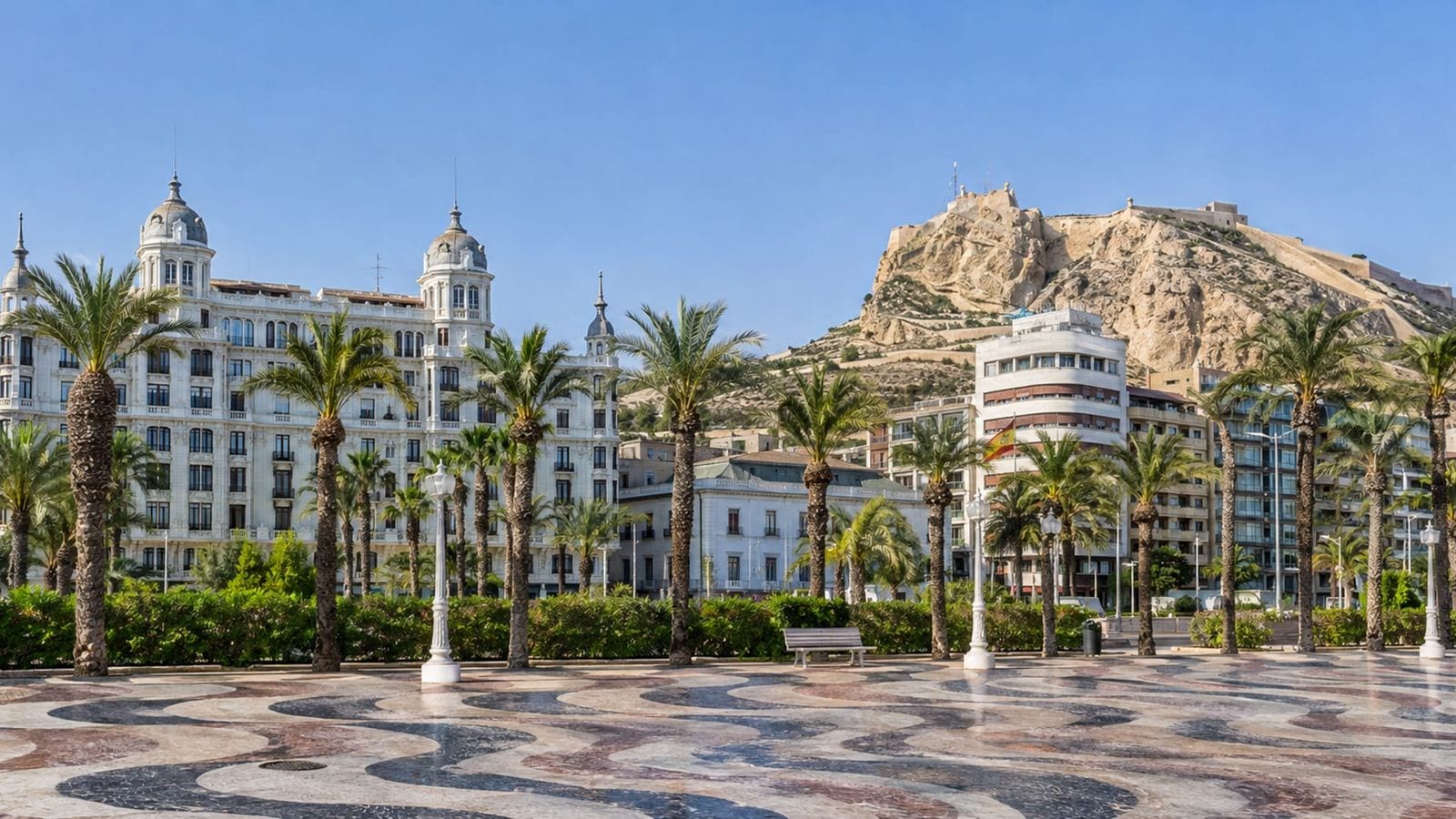
The Explanada de España follows Alicante’s marina beneath rows of palms, with a wave-patterned pavement made from millions of red, cream, and black marble tiles. Benches, kiosks, and La Concha auditorium make it a natural route between the old town and waterfront.
Time needed: About 30 to 45 minutes
Entry: Free to access, with no timed entry or ticket required for walking the promenade, though nearby cafés, kiosks, and events charge separately.
Tip: 30–45 minutes
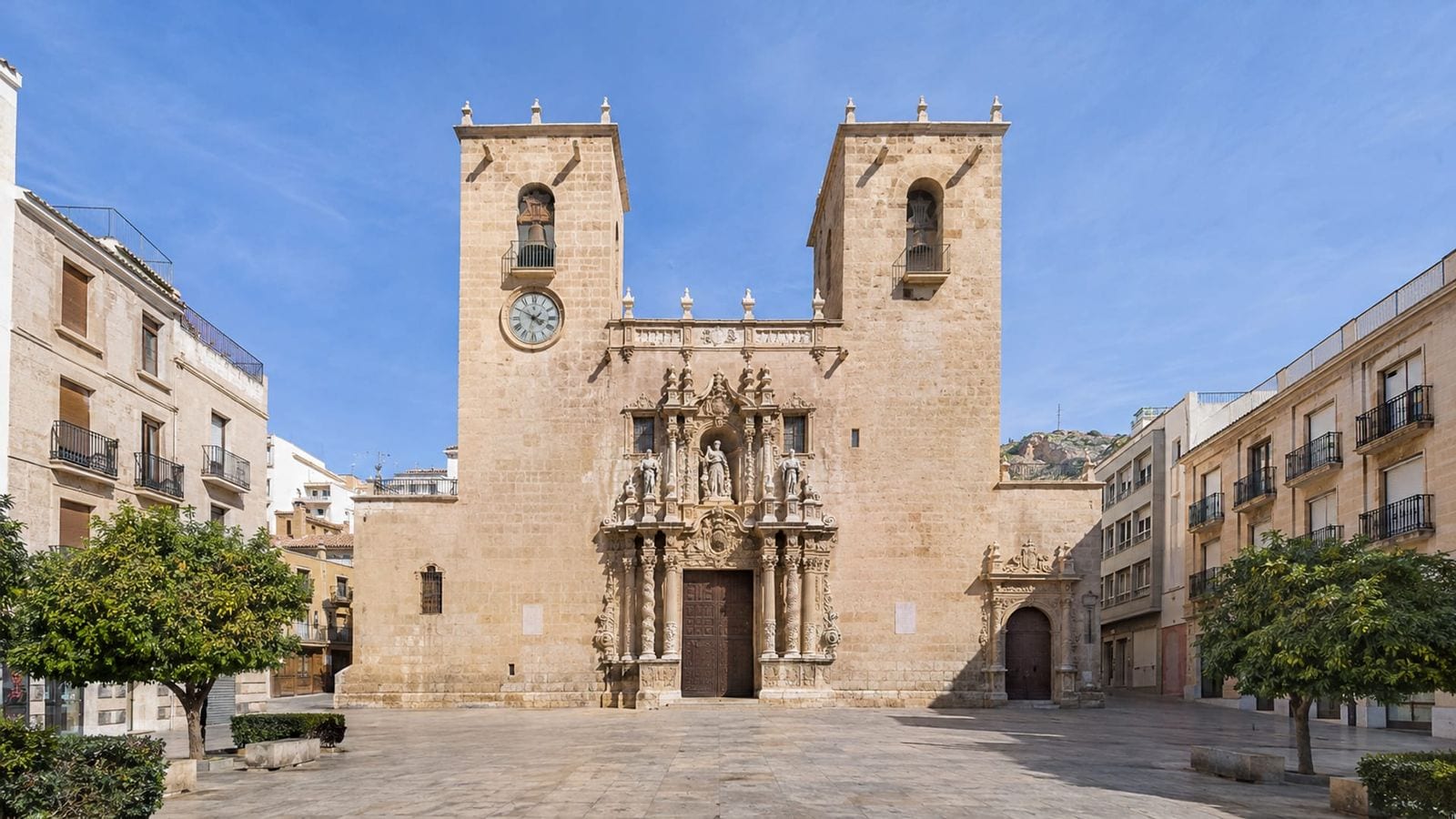
Basilica of Santa María
Built from the 14th century onward on the site of Alicante’s former main mosque, Santa María blends Gothic origins with later Baroque details. Inside, you can see the choir, chapels, Chapter House-Museum, sacred art, and bell tower overlooking the old quarter.
Time needed: About 45 to 60 minutes
Entry: Standard admission costs €3 to €4 ($3 to $5) for adults, with reduced rates for children, students, and seniors depending on current church rules.
Tip: A visit takes 45–60 minutes.
Overlooked sites worth visiting

Museo de Arte Contemporáneo de Alicante
MACA occupies Alicante’s oldest civil building and displays 20th-century Spanish art, including works by Miró, Dalí, Picasso, Chillida, and local artist Eusebio Sempere.
Time needed: A visit takes 1–1.5 hours.
Entry: Free to access the lower paths and outer grounds; paid access applies to some castle interiors, exhibitions, and upper lifts. Visitors who use the castle lift or ticketed areas should expect roughly $2 to $5 ($2 to €4), depending on access point and season.
Tip: Pair it with Santa María Basilica, which stands just across the square.

Museo de Aguas de Alicante, Pozos de Garrigós
This museum traces Alicante’s water supply history beside historic cisterns carved into Mount Benacantil. Exhibits cover wells, infrastructure, and the city’s long relationship with scarce water.
Time needed: About 45 minutes
Entry: Entry is free for the permanent visit, and the museum is open to self-guided visits on posted days and hours. Temporary activities or guided sessions, when offered, may have separate prices, but the standard visit costs $0 (€0). Visit the official site for details.
Tip: 45–60 minutes
Traditional food
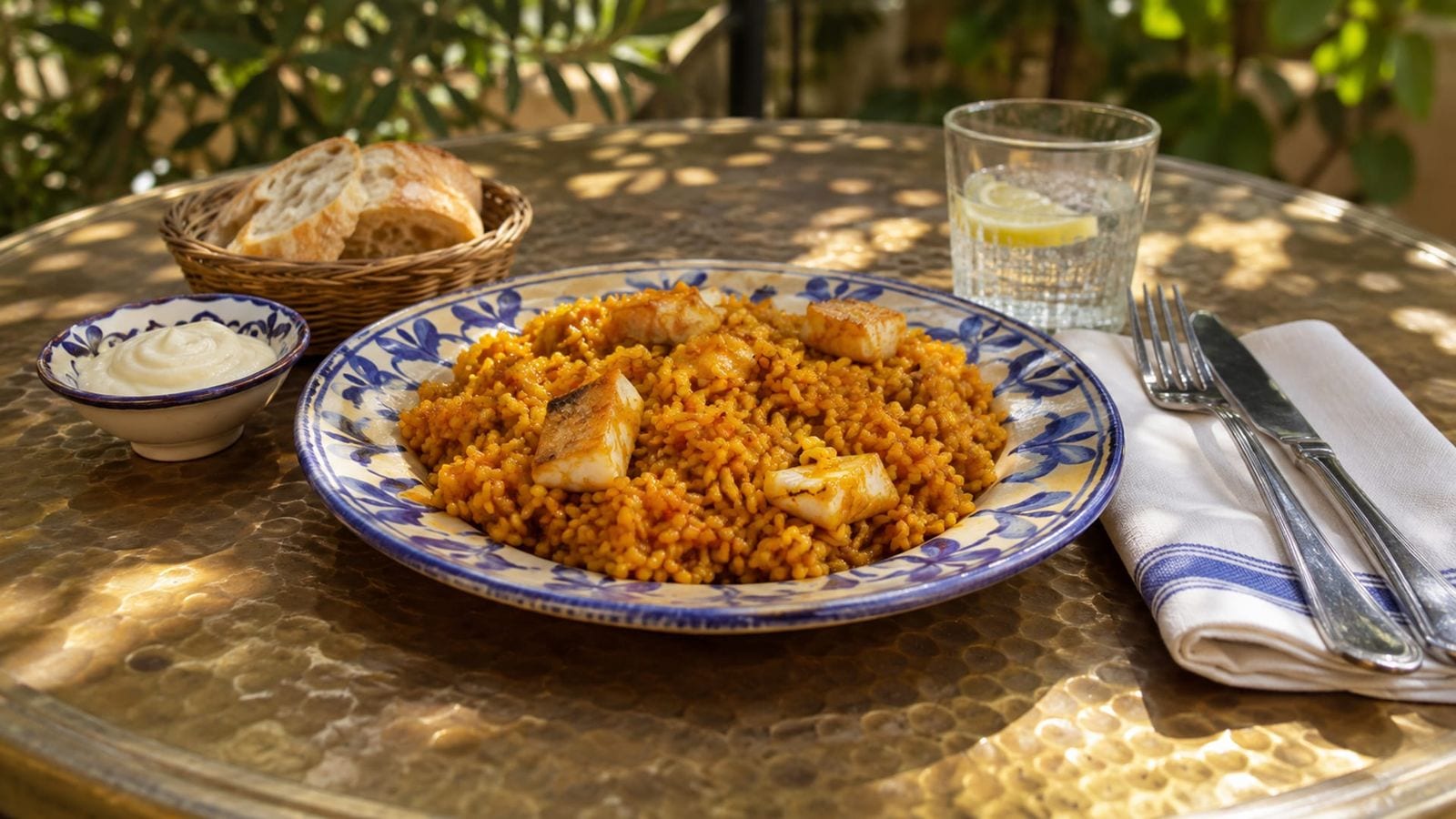
Alicante’s cooking revolves around rice, seafood, saffron, olive oil, and ñora peppers, with recipes shaped by both the Mediterranean and nearby farmland.
Arroz a banda
Arroz a banda cooks rice in a concentrated fish stock with squid, prawns, tomato, saffron, garlic, and ñora peppers, creating a deep seafood flavor. Dársena serves it among its traditional Alicante rice dishes.
Arroz alicantino
Alicante-style rice brings together chicken, squid, prawns, mussels, clams, peppers, peas, tomato, and fish stock in a dry rice dish. Nou Manolín is known for regional cooking and rice dishes.
Caldero
Caldero is a coastal rice preparation built on intensely flavored fish broth, traditionally associated with fishermen and usually served as a substantial lunch. Dársena specializes in Alicante rice cooking beside the marina.
Coca amb tonyina
Coca amb tonyina fills thin pastry with tuna belly, fried onion, pine nuts, paprika, and a touch of anise in the dough. Alicante traditionally serves it during the Bonfires festival, and local bakeries such as Horno El Melsa prepare it.
Best time to visit Alicante
Alicante has mild weather for much of the year, with spring and fall offering the easiest balance of warm weather, perfect for beach time and sightseeing.
Best for: Castle walks, terrace lunches, beach strolls, and comfortable city days
What you get: Temperatures range from 48°F to 75°F (9°C–24°C), with longer days, mild afternoons, blooming parks, and comfortable walking weather.
Trade-offs: Easter can bring busier streets, fuller restaurants, and higher hotel demand.
Best for: Swimming, beach days, late dinners, and evenings along the Explanada
What you get: Summer brings 64°F–87°F (18°C–31°C), very little rain, long sunny days, warm evenings, and the busiest beach atmosphere.
Trade-offs: June festivals and peak summer heat can make central streets and castle climbs tiring.
Best for: Beach time, castle visits, outdoor dining, and quieter sightseeing days
What you get: September stays warm before temperatures ease to 50°F–69°F (10°C–21°C) by November, with fewer crowds and pleasant walking days.
Trade-offs: September and October bring Alicante’s highest average rainfall and occasional storms
Best for: Museums, old-town walks, castle views, and quieter restaurant reservations
What you get: Winter stays near 43°F–64°F (6°C–18°C), with mild afternoons, plenty of sunshine, lighter crowds, and comfortable city walks.
Trade-offs: Sea temperatures limit swimming, and shorter days leave less time for long outdoor plans.
A realistic 5-day plan in Alicante
Five days give you enough time for Alicante’s old town, castle, museums, waterfront, and coast without repeating the same streets every afternoon.
After landing at Alicante Airport (ALC), take the C6 bus toward Luceros or Puerta del Mar, or use a taxi for a direct ride to your hotel. Check into Centro or Ensanche-Diputación, then keep the first evening near the waterfront. Walk the Explanada de España toward the marina and Postiguet Beach before dinner nearby. This gives you an easy introduction to the center without committing to hills or timed attractions after your flight.
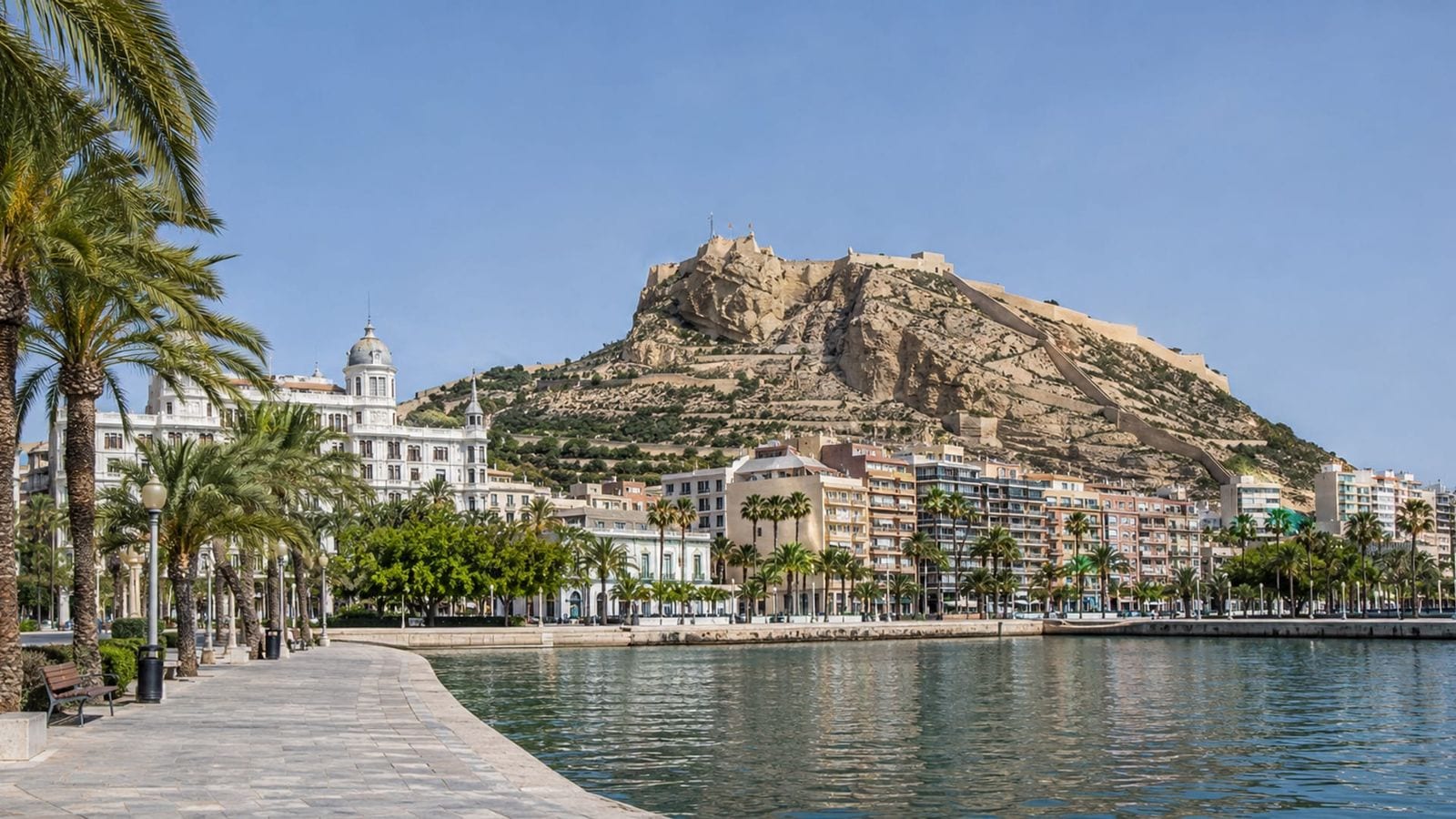
Start at Santa Bárbara Castle in the morning, when the climb and exposed terraces feel more comfortable. Use the lift from Avenida Juan Bautista Lafora or walk up through La Ereta Park, then spend 1.5–2.5 hours exploring the fortifications. Descend into Casco Antiguo-Santa Cruz and continue to Santa María Basilica, about 10–15 minutes away. Finish at MACA across the square before staying in the old town for dinner.
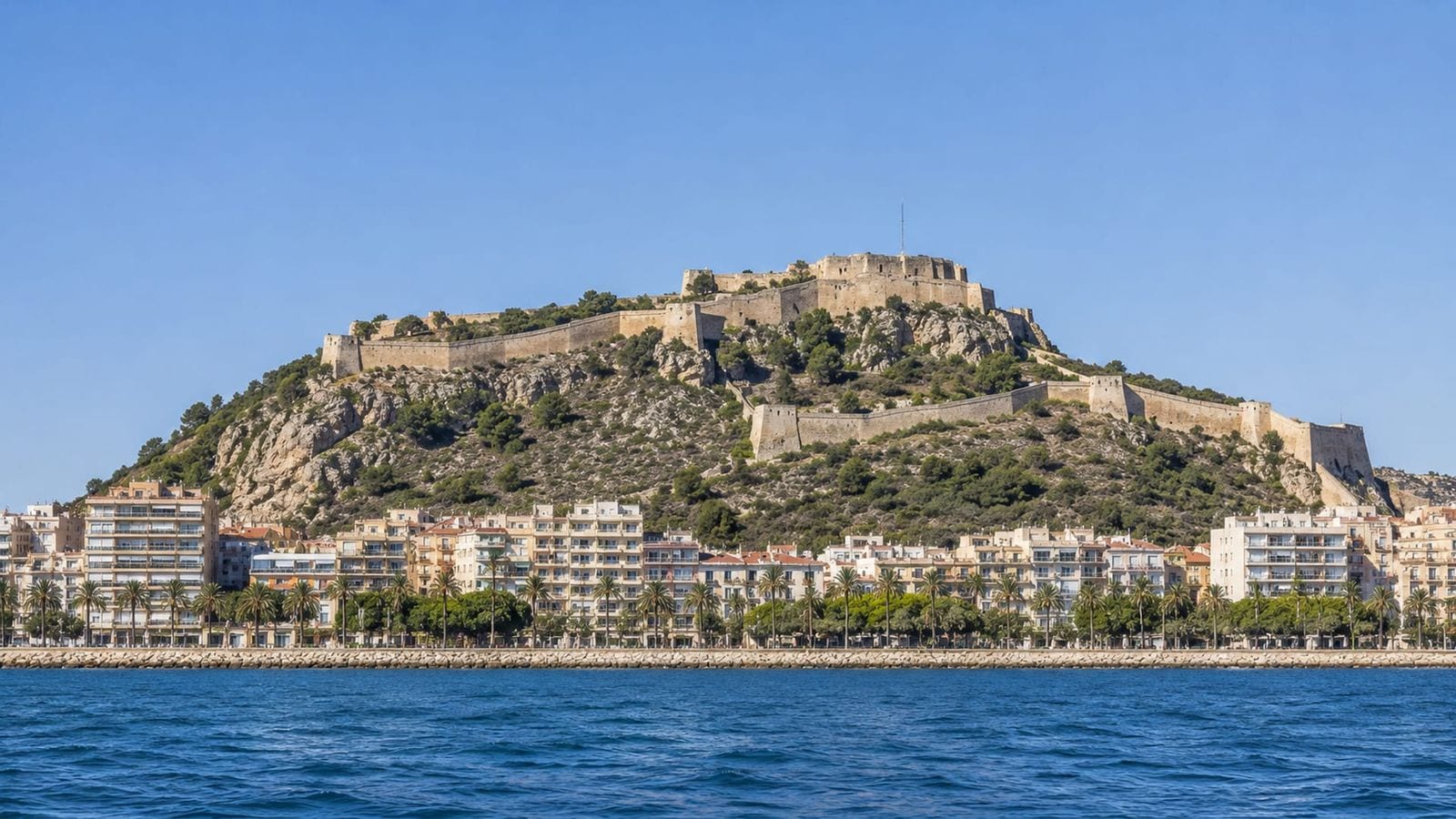
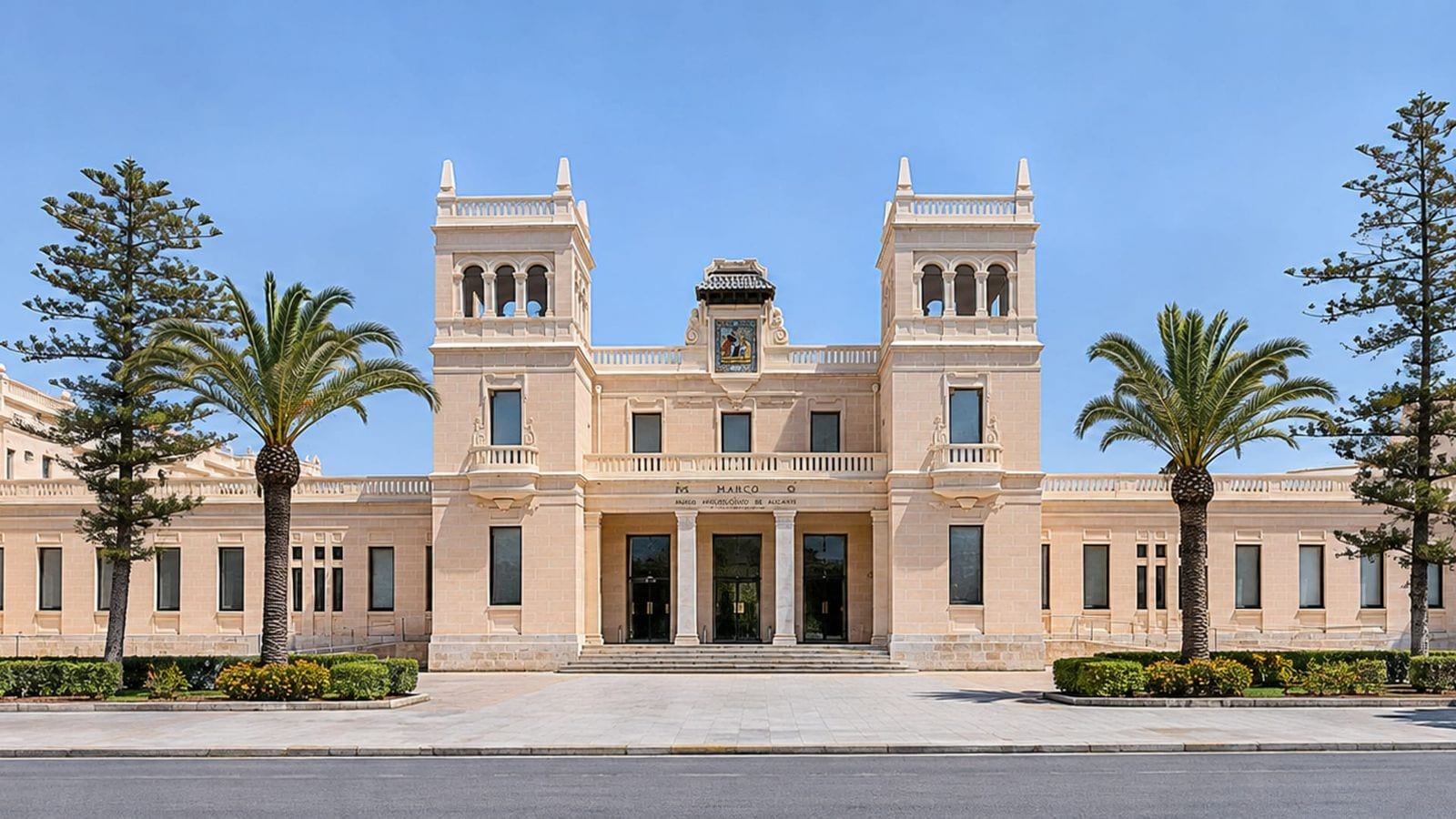
Begin at MARQ Archaeological Museum, where the collections introduce Alicante’s prehistoric, Iberian, Roman, and medieval past before you see the archaeological remains themselves. After 1.5–2 hours, take the TRAM toward Lucentum for the Roman site at Tossal de Manises. Spend another 1–1.5 hours among its streets, baths, and defensive walls, then continue toward the coast for lunch or an early dinner instead of returning immediately to Centro.
Take the TRAM from Luceros toward Playa de San Juan in the morning and give the coast several hours instead of fitting it between city sights. Swim, walk the promenade, or stop for lunch near the beach before returning by tram in the late afternoon. Once back in Alicante, spend the evening around Mercado Central and the nearby shopping streets, which keeps the second half of the day easy after several hours in the sun.
Leave your luggage at the hotel and start at the Museo de Aguas de Alicante and Pozos de Garrigós, where 45–60 minutes covers the underground cisterns and exhibits without taking you far from the center. Walk down through the old quarter toward Rambla de Méndez Núñez and the central shopping streets for coffee or final purchases. Return for your bags, then use the C6 airport bus or a taxi, keeping the last day close to your airport connection.
Business-class flights from the US to Alicante
Business-class trips from both US coasts reach Alicante with one stop, usually through Madrid, London, Amsterdam, Frankfurt, Lisbon, or another European hub.
New York (JFK) to Alicante (ALC)
Iberia, British Airways, Air Europa, TAP Air Portugal, and other European carriers offer one-stop itineraries from New York, often through Madrid (MAD), London Heathrow (LHR), or Lisbon (LIS). The quickest journeys take about 10 hours, while flights with longer layovers can exceed 14 hours. Round-trip business-class tickets typically start near $2,300 and can reach $5,500.
Los Angeles (LAX) to Alicante (ALC)
From Los Angeles, KLM, Iberia, British Airways, Lufthansa, Air France, and TAP Air Portugal offer one-stop options through Amsterdam (AMS), Madrid (MAD), London Heathrow (LHR), Frankfurt (FRA), Paris (CDG), or Lisbon (LIS). The fastest trips take 14 hours, with many itineraries lasting 15–20 hours. Round-trip business-class tickets currently start near $3,900 and can rise above $8,000 on peak dates
One city, several different rhythms
Alicante gives you more than one kind of day. Some are best spent around the old town and castle, others by the marina, and one deserves the coast almost entirely to itself. A little structure helps those parts fit together without making the trip feel overplanned. When you are ready to choose dates, AranGrant can help you compare business-class flights and hotels that match your plans.







