

Chapters:

Need help with your trip?
Our support team is available 24/7. Request a callback or call us directly at (833) 619-0908
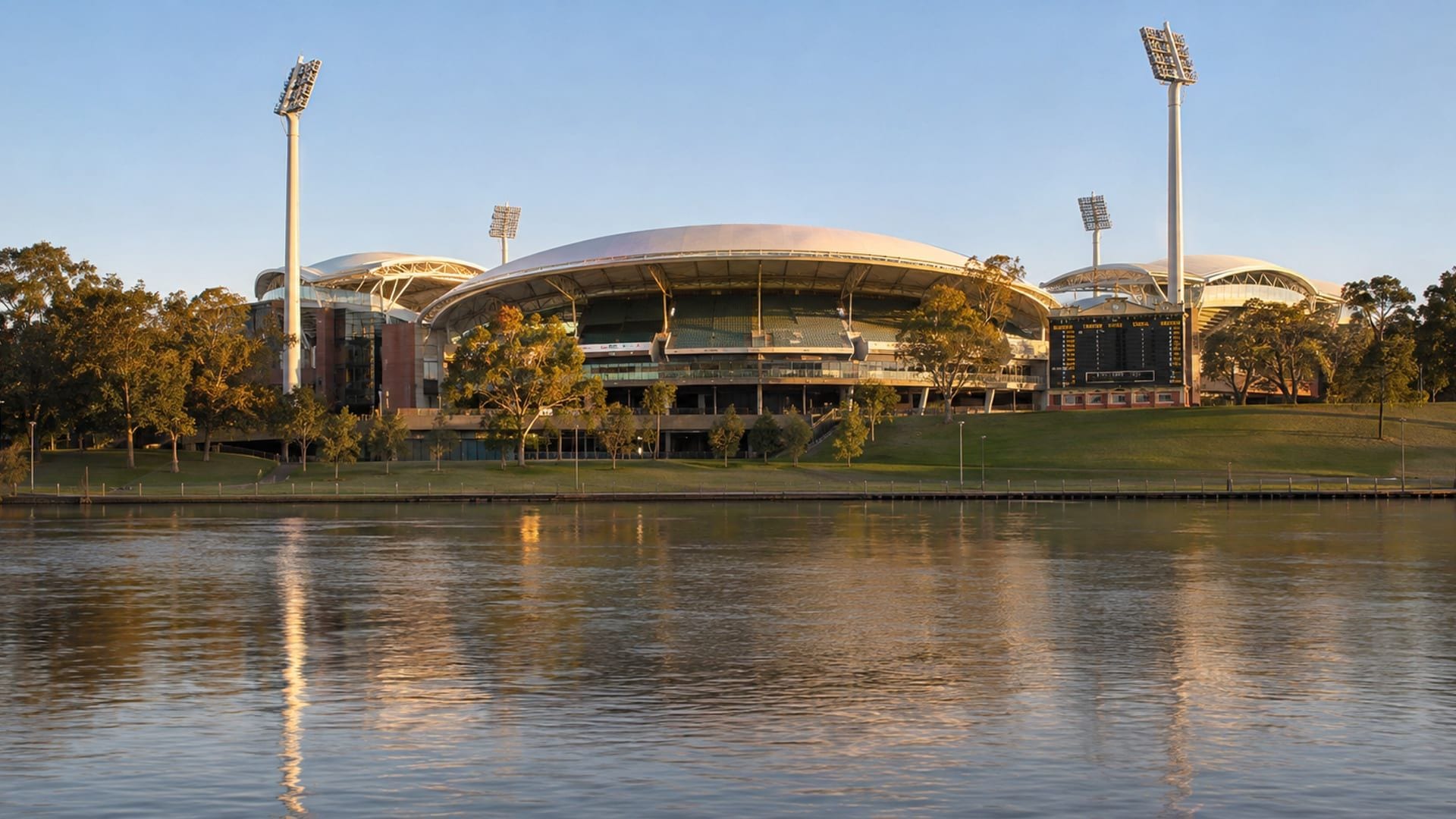
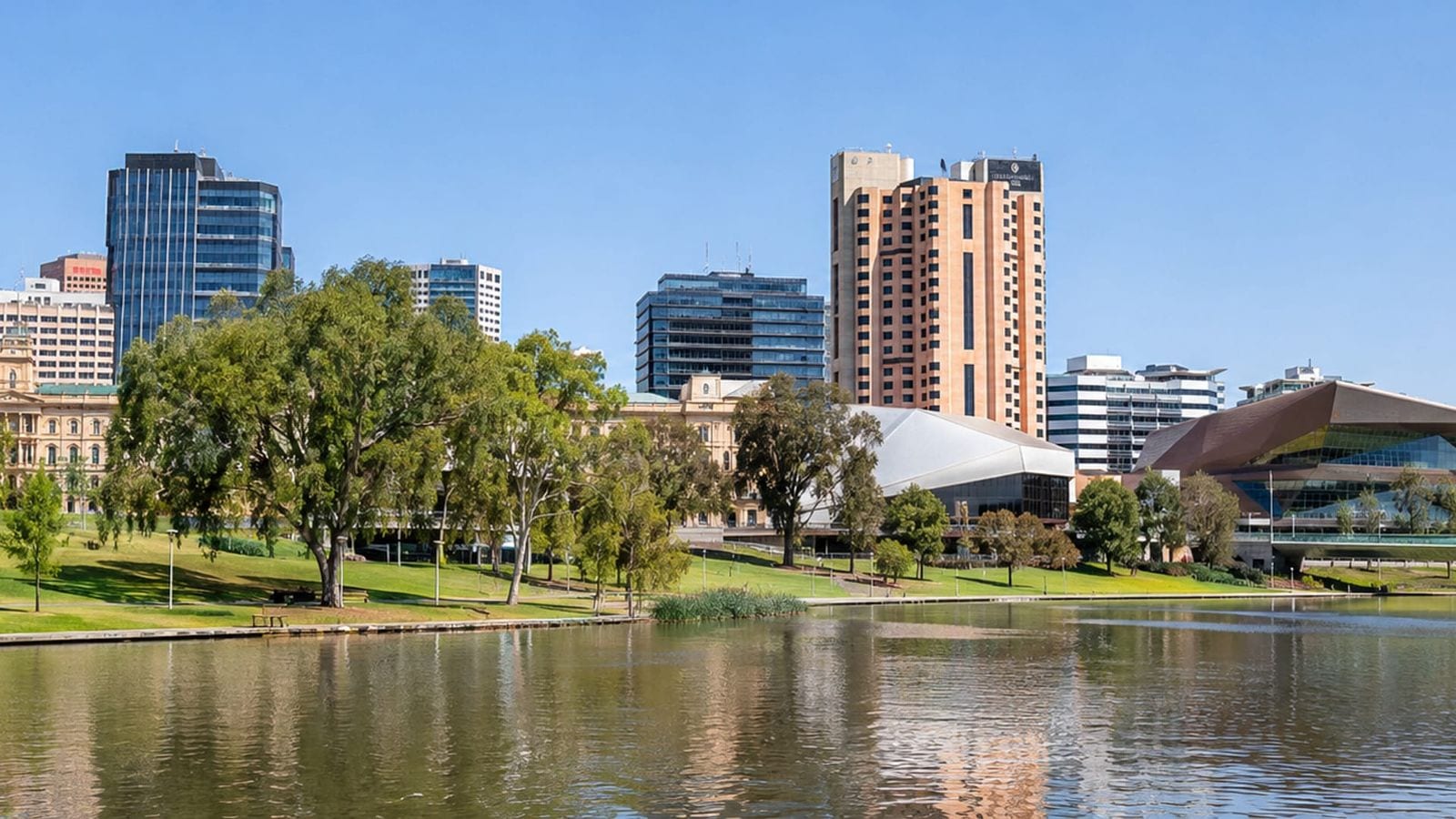
Adelaide brings museums, markets, parklands, beaches, and some of South Australia’s best-known food traditions into a city that is relatively easy to navigate. North Terrace contains major cultural institutions, while Adelaide Central Market, the Central Business District (CBD), and nearby North Adelaide add restaurants, shopping, and historic streets.
Glenelg gives you a direct tram trip to the coast, and Adelaide Botanic Garden provides a quieter outdoor stop close to the center. Trains, trams, buses, and taxis also make it possible to plan each day without relying on a car.
This guide explains where to stay, how to get around, what to eat, when to visit, and how to organize five days in Adelaide without filling the trip with unnecessary transfers.
Useful things to know

Main language(s): English

Currency: Australian dollar (AUD, A$)

Cash and cards: Cards and contactless payments are widely accepted. Carrying A$20–A$50 (US$14–US$35) in cash can be useful as a backup.

Tipping: Tipping is optional. In upmarket restaurants, you can leave 10% for good service. Tipping in cafés and taxis is not expected.

Traditional food: Fritz, pie floater, frog cake, and Coorong mullet are associated with Adelaide and South Australian food culture.

Water and coffee costs: Bottled water usually costs A$3–A$3.50 (US$2.10–US$2.50), while an espresso costs A$4–A$4.50 (US$2.80–US$3.20).

Taxis and ride apps: Uber and DiDi operate in Adelaide, alongside licensed taxis. Adelaide Airport has designated pickup areas for ride apps.

Plug and voltage: Type I plugs use a 230V, 50Hz supply.

Dining and shop opening hours: Restaurant hours vary. Central Business District (CBD) shops can work until 9:00 pm on weekdays and 5:00 pm on weekends.

Emergency number: Call 000 for police, fire, or ambulance in an emergency., or ambulance.
Where to stay in Adelaide
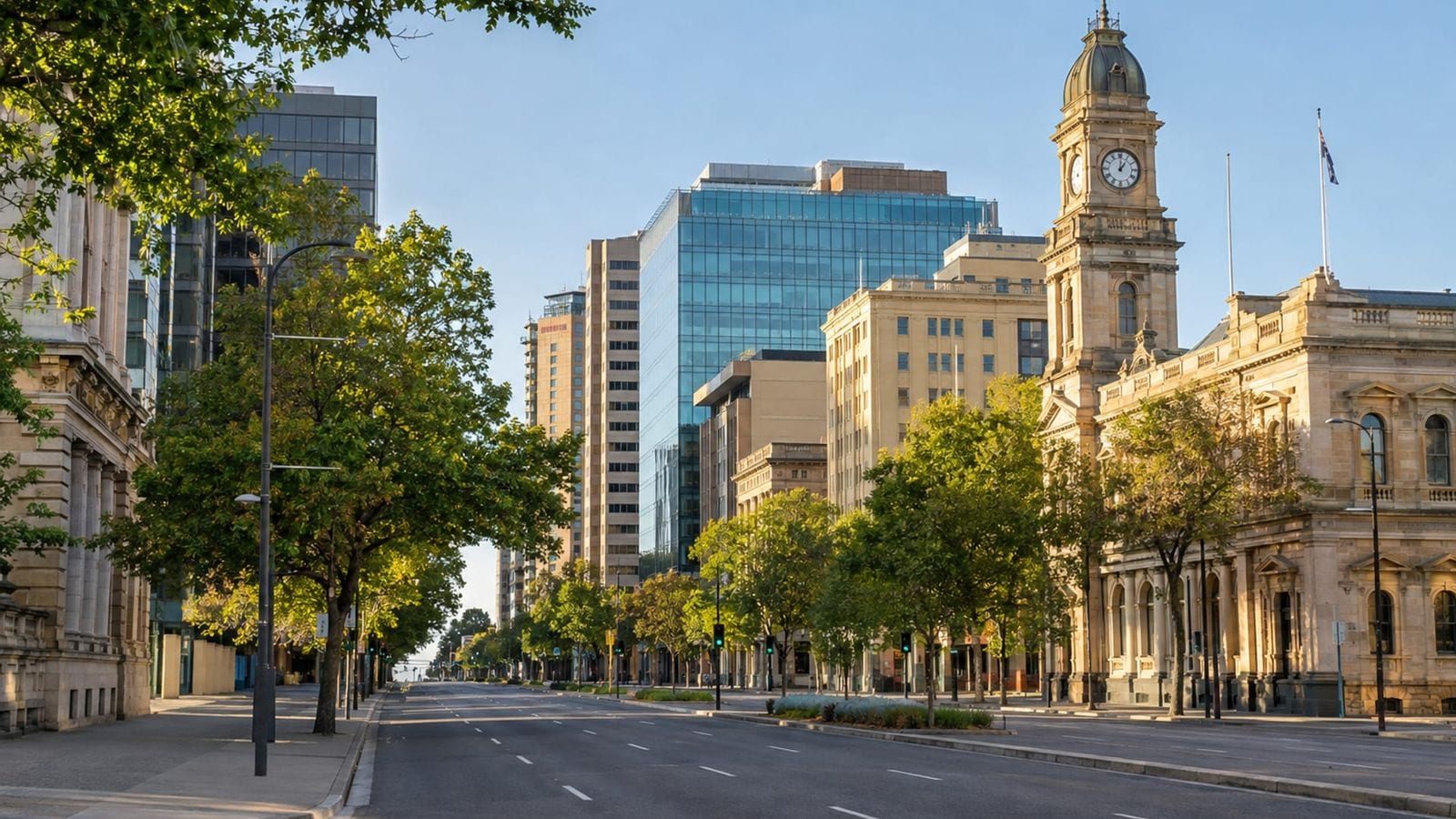
The Central Business District holds Rundle Mall, North Terrace museums, Adelaide Central Market, various restaurants, shops, and tram stops. The area suits first visits and car-free stays, with many attractions reachable on foot and free tram travel available within the city center.
Best for: First-time visits, car-free stays, and easy access to museums, shopping, and tram links
What to expect: Busy weekdays, steady foot traffic near Rundle Mall, and quieter side streets after office hours.
Hotel prices: Usually about $140 to $260 per night for well-rated stays
Distance to major sights: 5 to 15 minutes on foot to Rundle Mall, Adelaide Central Market, and the Art Gallery of South Australia
Quietness: Lively in the day, then notably calmer on side streets after about 7:00 pm.
Main trade-off: Top central convenience comes with more traffic, higher rates, and less character than the inner neighborhoods.
Good to know: Check the exact hotel block before booking. Rooms away from Hindley Street and major nightlife areas generally receive less late-night noise.
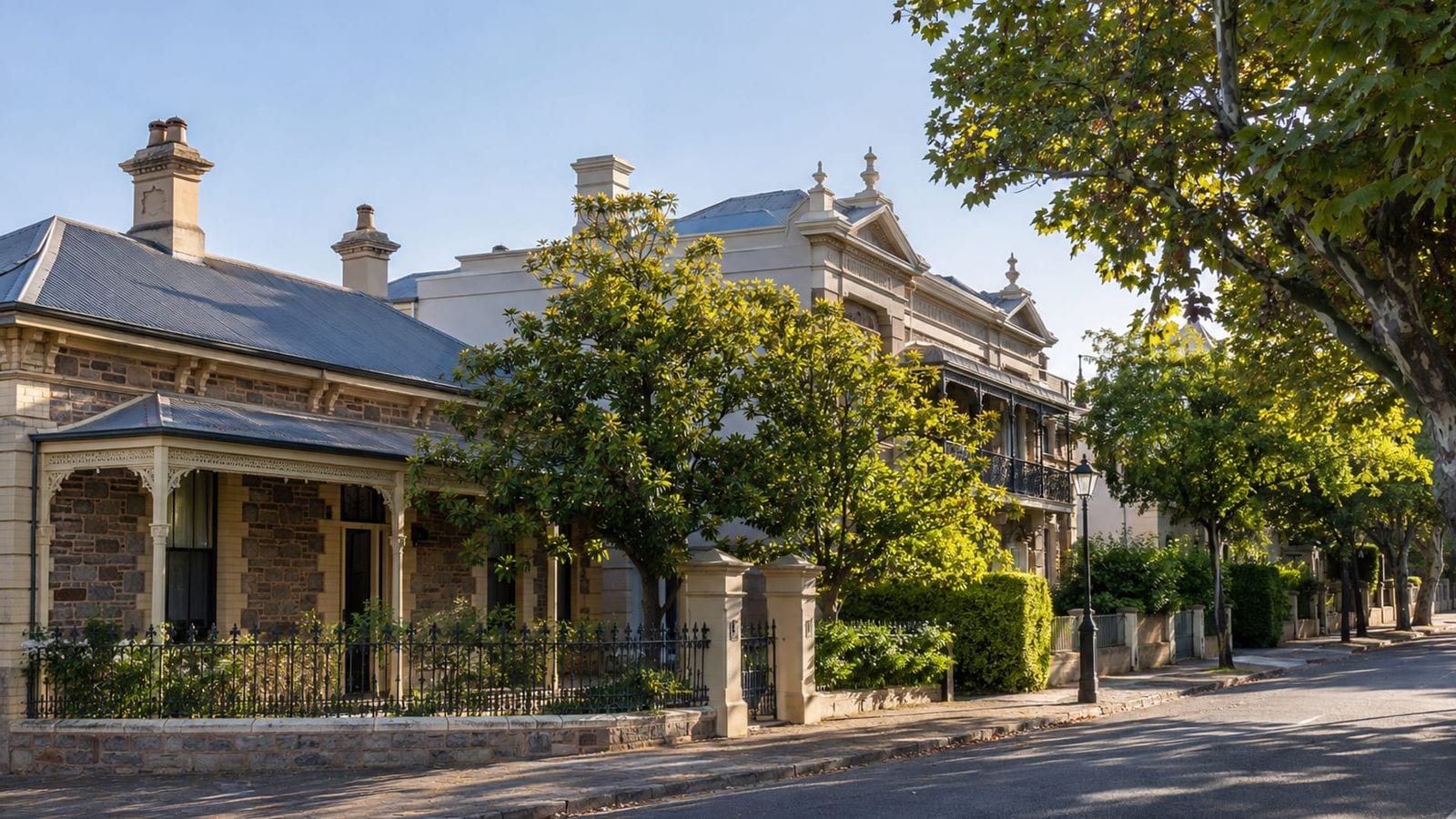
North Adelaide lies just north of the Central Business District (CBD), across the River Torrens and Adelaide Park Lands. Heritage homes, leafy streets, restaurants, cafés, pubs, and Adelaide Oval give the area a residential character, while frequent buses and walking routes keep central Adelaide within easy reach.
Best for: Couples, longer stays, and travelers who want restaurants plus a calmer residential setting
What to expect: Leafy streets, well-kept terraces, and a local dining scene that stays active without heavy late-night crowds.
Hotel prices: Usually about $160 to $300 per night for well-rated stays
Distance to major sights: 10 to 20 minutes by bus or about 25 minutes on foot to the Adelaide Oval and the CBD
Quietness: Calm through the day, with a modest dinner crowd and mostly quiet streets late at night.
Main trade-off: You will usually pay a bit more for the setting, and some sights need a short walk or bus ride rather than a doorstep location.
Good to know: The free City Connector links North Adelaide with the CBD. Book early for Adelaide Oval concerts or major matches, when nearby demand rises.
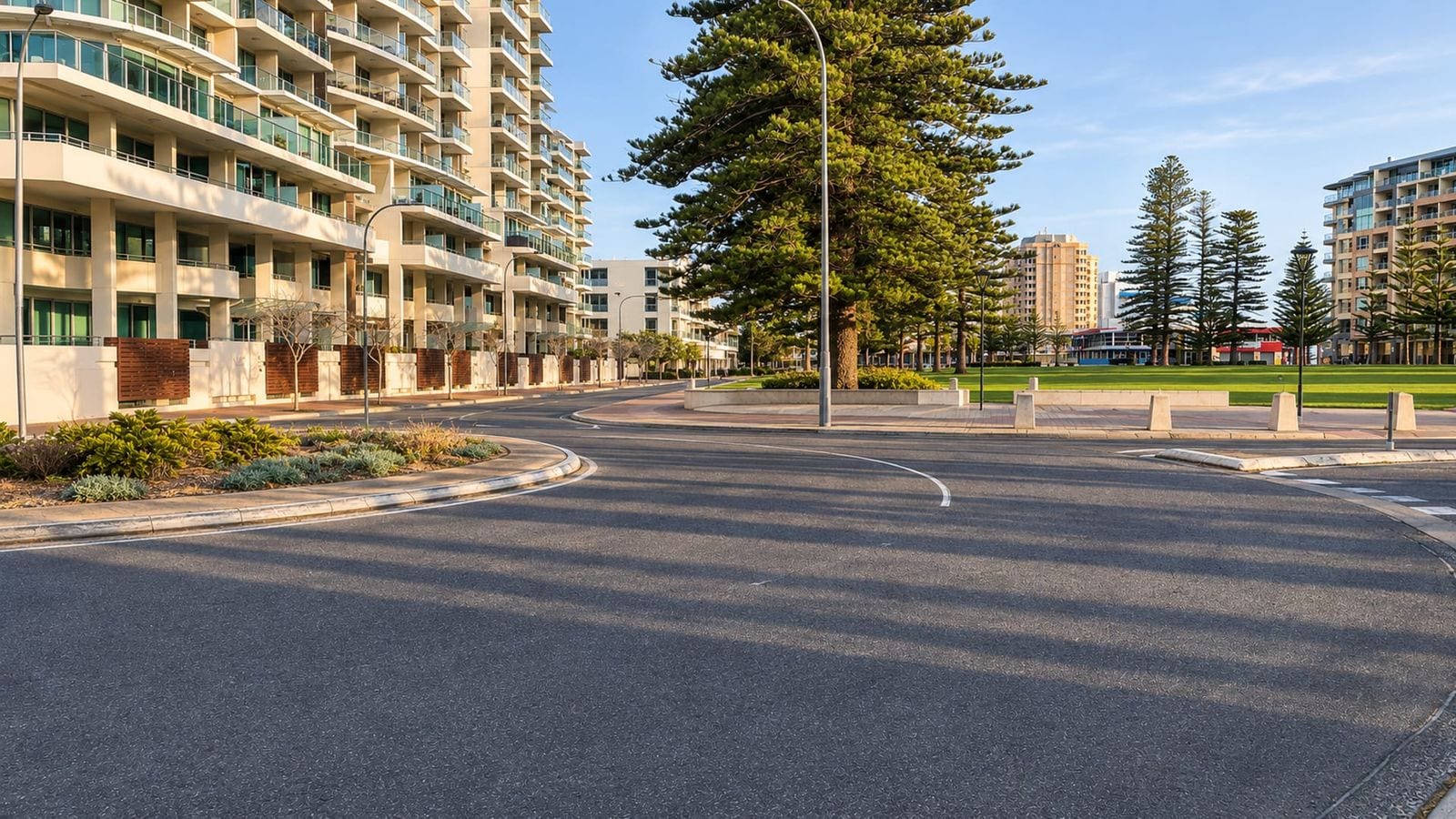
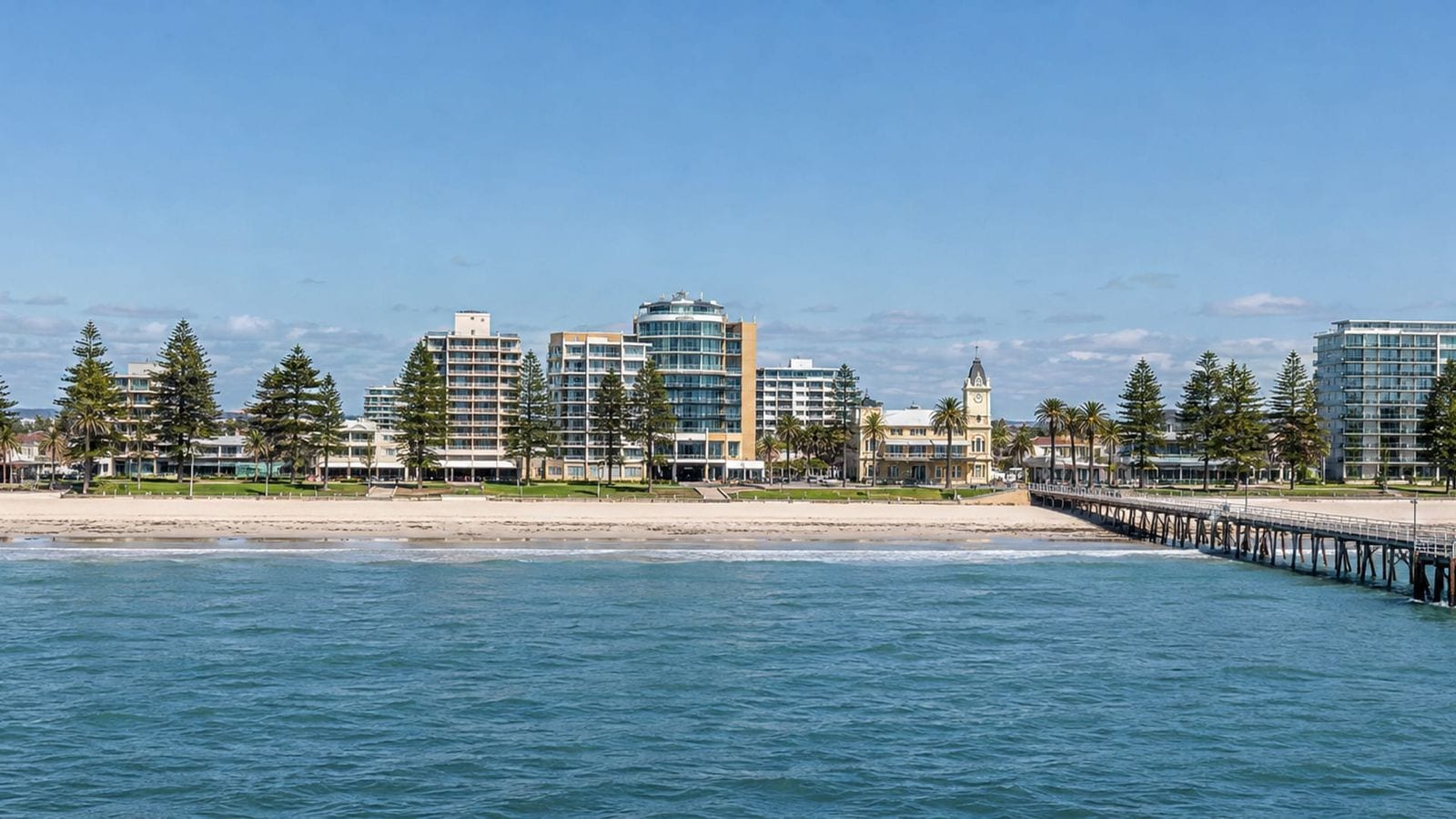
Glenelg is Adelaide’s best-known beach suburb, centered on Glenelg Beach, Moseley Square, and Jetty Road. Restaurants, cafés, shops, and the direct tram to central Adelaide make it a practical choice for travelers who want a seaside stay with easy access to the Central Business District (CBD).
Best for: Beach trips, relaxed evenings, and travelers who want a seaside atmosphere with city access
What to expect: Busy around the tram stop, Jetty Road, and the foreshore, with a holiday crowd that thins after the beach hours.
Hotel prices: Usually about $150 to $280 per night for well-rated stays
Distance to major sights: About 35 minutes by tram to Adelaide Central Market and roughly 25 minutes to Adelaide Airport (ADL) by car
Quietness: Lively by day and on summer evenings, then quieter once the beach crowd goes home.
Main trade-off: The trip into the CBD takes time, and summer weekends can bring higher prices and more noise near the foreshore.
Good to know: Stay near Moseley Square or another Glenelg tram stop for easier CBD trips and less reliance on taxis after dinner or evening plans.
For a first stay, choose the CBD, North Adelaide, or Glenelg for easier sightseeing and dining. Salisbury and Elizabeth are farther from central sights, while Semaphore and Largs Bay suit quieter coastal stays but add longer CBD trips.
Hotel deals
How to get around Adelaide efficiently
Adelaide has suburban trains, trams, buses, and taxis that link the Central Business District (CBD) with Glenelg, the airport, North Adelaide, and outer suburbs.

Metro
for longer distances
Use Adelaide Metro trains for longer trips from Adelaide Railway Station to suburbs including Gawler, Seaford, Flinders, Belair, and Outer Harbor. A two-hour fare costs A$4.55 (US$3.20) during peak periods or A$2.60 (US$1.80) off-peak, with transfers included.

Bus and tram
for convenience
Use the Glenelg tram for direct travel between Moseley Square and central Adelaide, with free rides inside the CBD zone. Buses serve Adelaide Airport (ADL), North Adelaide, the hills, and suburbs beyond rail lines. A two-hour fare costs A$4.55 (US$3.20) peak or A$2.60 (US$1.80) off-peak.

Taxi
for convenience or late hours
Choose a taxi, Uber, or DiDi for luggage, late arrivals, and direct trips. Taxi fares from Adelaide Airport (ADL) to Victoria Square are A$18–A$25 (US$13–US$18), before applicable airport and transport levies. Metered rates vary by time, and ride apps show an estimate before booking.
*Prices are based on rates updated as of August 2026 and may change at the time of travel.
Use trains for outer suburbs, the tram for Glenelg, buses for the airport and wider network, and taxis or ride apps when direct travel is more convenient.
Iconic landmarks
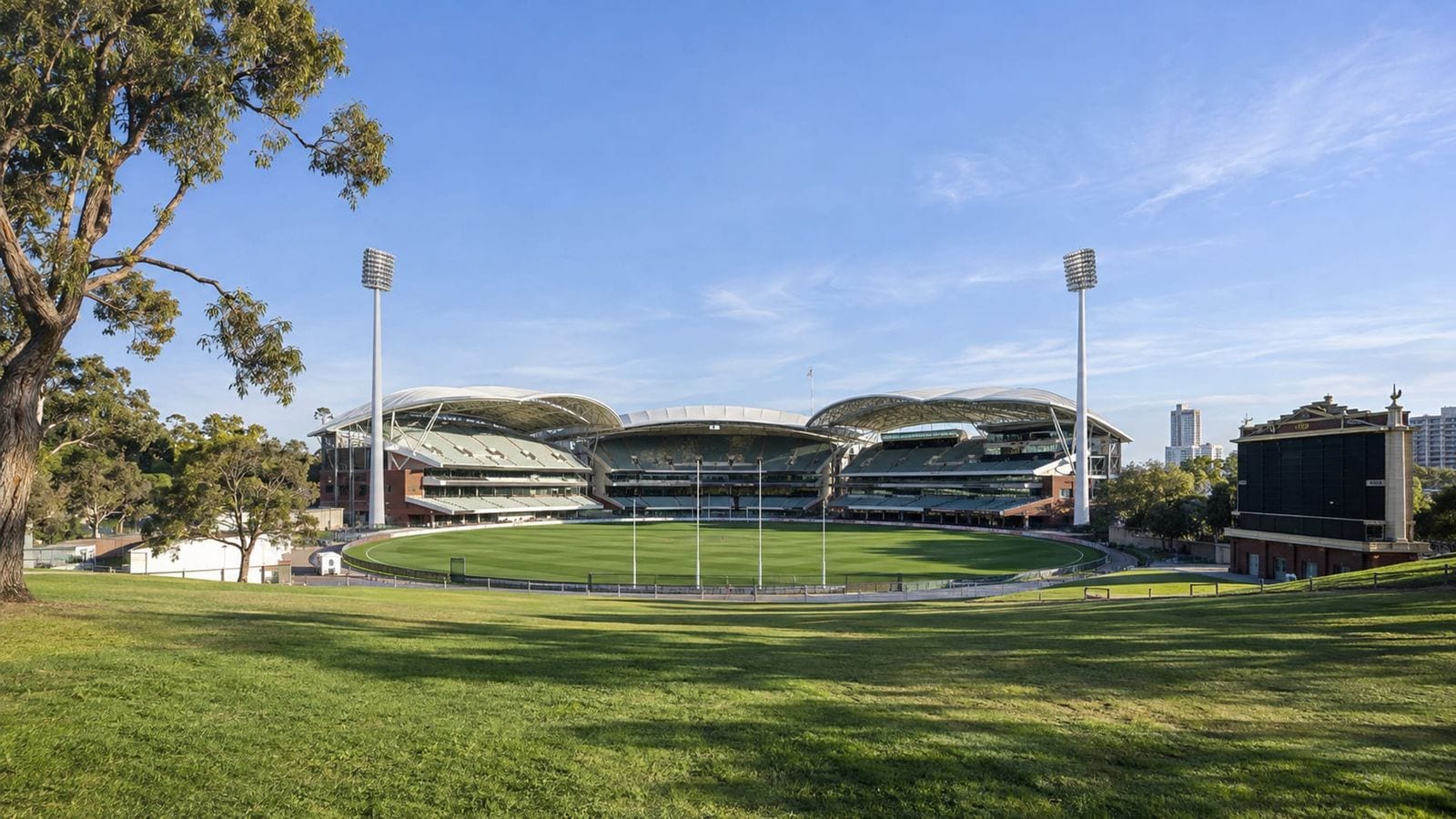
Adelaide Oval
Adelaide Oval hosts cricket, Australian rules football, concerts, and major events beside the River Torrens. Visitors can see its heritage scoreboard, modern stands, and behind-the-scenes areas on a stadium tour, while a separately booked RoofClimb provides access to the roof above the ground.
Time needed: About 2 to 3 hours
Entry: Match and tour prices vary; standard guided tours cost about $20 to $30 ($13 to $20), depending on the session and access. Visit the official site for details.
Tip: Book RoofClimb separately if you want rooftop access; it is not included in stadium tours.
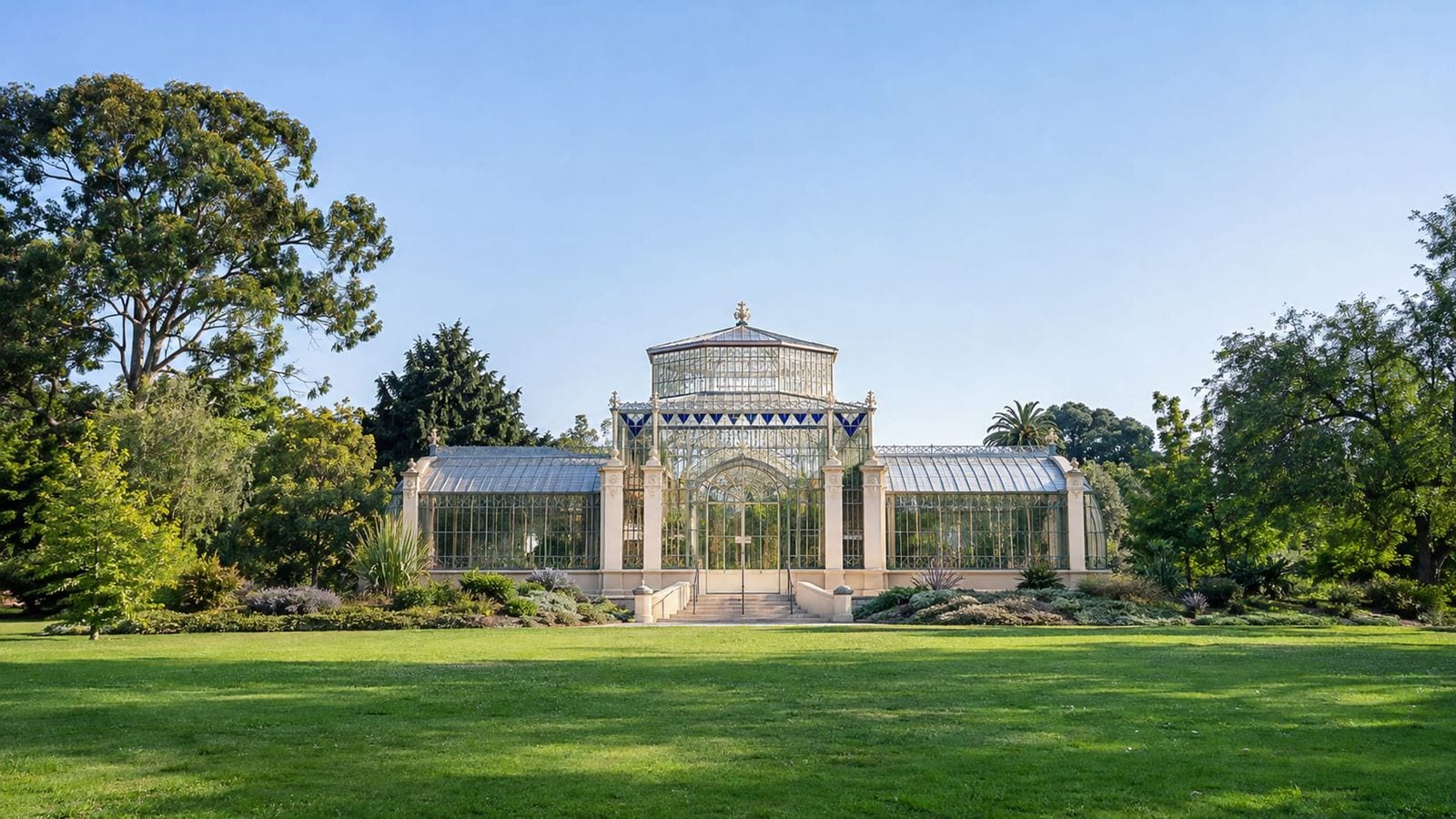
Adelaide Botanic Garden
Adelaide Botanic Garden covers 124 acres (50 hectares) at the eastern edge of the central district. Its collections include the Victorian Palm House, Bicentennial Conservatory, Amazon Waterlily Pavilion, Museum of Economic Botany, and extensive Australian and international plant displays.
Time needed: About 2 to 3 hours
Entry: General admission is free; special exhibitions usually cost about $10 to $30 ($7 to $20) depending on the show. Visit the official site for details.
Tip: Visit the Palm House and Bicentennial Conservatory before their earlier closing times.
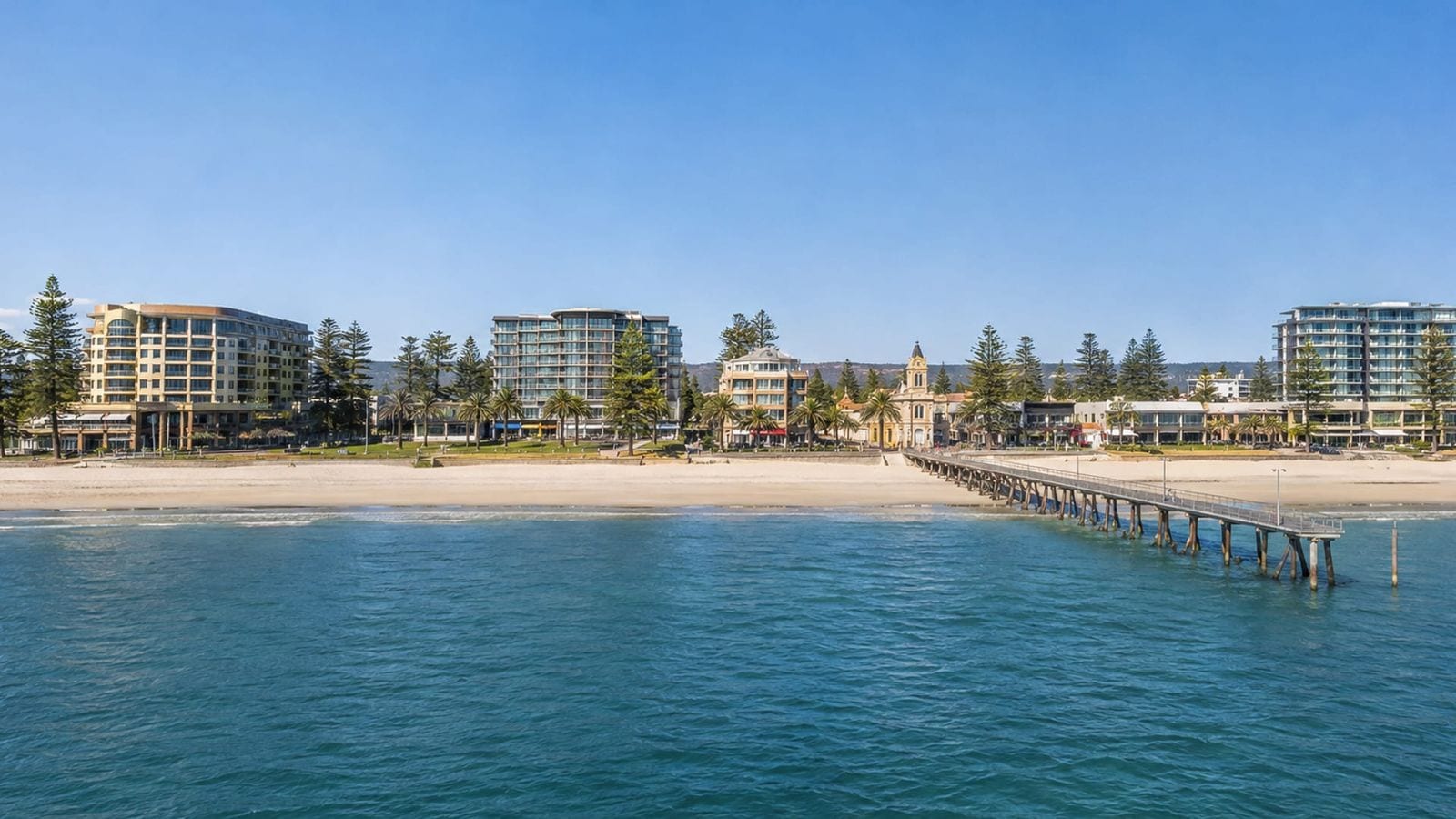
Glenelg Beach
Glenelg Beach is one of Adelaide’s best-known coastal destinations, with a broad sandy shoreline, Glenelg Jetty, Moseley Square, and Jetty Road nearby. A direct tram links the beach with central Adelaide, while cafés, restaurants, shops, and evening activity fill the surrounding streets.
Time needed: About 3 to 4 hours
Entry: Free to access; tram fares from Adelaide city to Glenelg usually cost about $5 to $7 ($3 to $5) each way, depending on ticket type.
Tip: Visit in late afternoon, then stay for sunset and dinner near Moseley Square.
Overlooked sites worth visiting

Adelaide Gaol
Adelaide Gaol operated from 1841 to 1988 and preserves cells, exercise yards, prisoner records, photographs, and the hanging tower. Its exhibits trace more than a century of prison history.
Time needed: About 20 to 30 minutes
Entry: Admission is free to the crypt area, though access depends on cathedral opening hours and may close during services or special events. Check the cathedral timetable before you go, because interior access is not guaranteed every day. Visit the official site for details.
Tip: Enter via Bonython Park while current construction affects the usual access route.

Old Government House, Belair National Park
Old Government House opened in 1859 as a summer residence for South Australia’s governors. The restored house and heritage gardens show how vice-regal life extended into the Adelaide Hills.
Time needed: About 45 to 60 minutes
Entry: Entry is free for the house grounds when open to visitors, but opening days and interior access are limited and can change seasonally. Parking in Belair National Park requires a vehicle entry fee of $12 ($12) per car on most days. Visit the official site for details.
Tip: Check the opening date first, then add a short walk in Belair National Park.
Traditional food
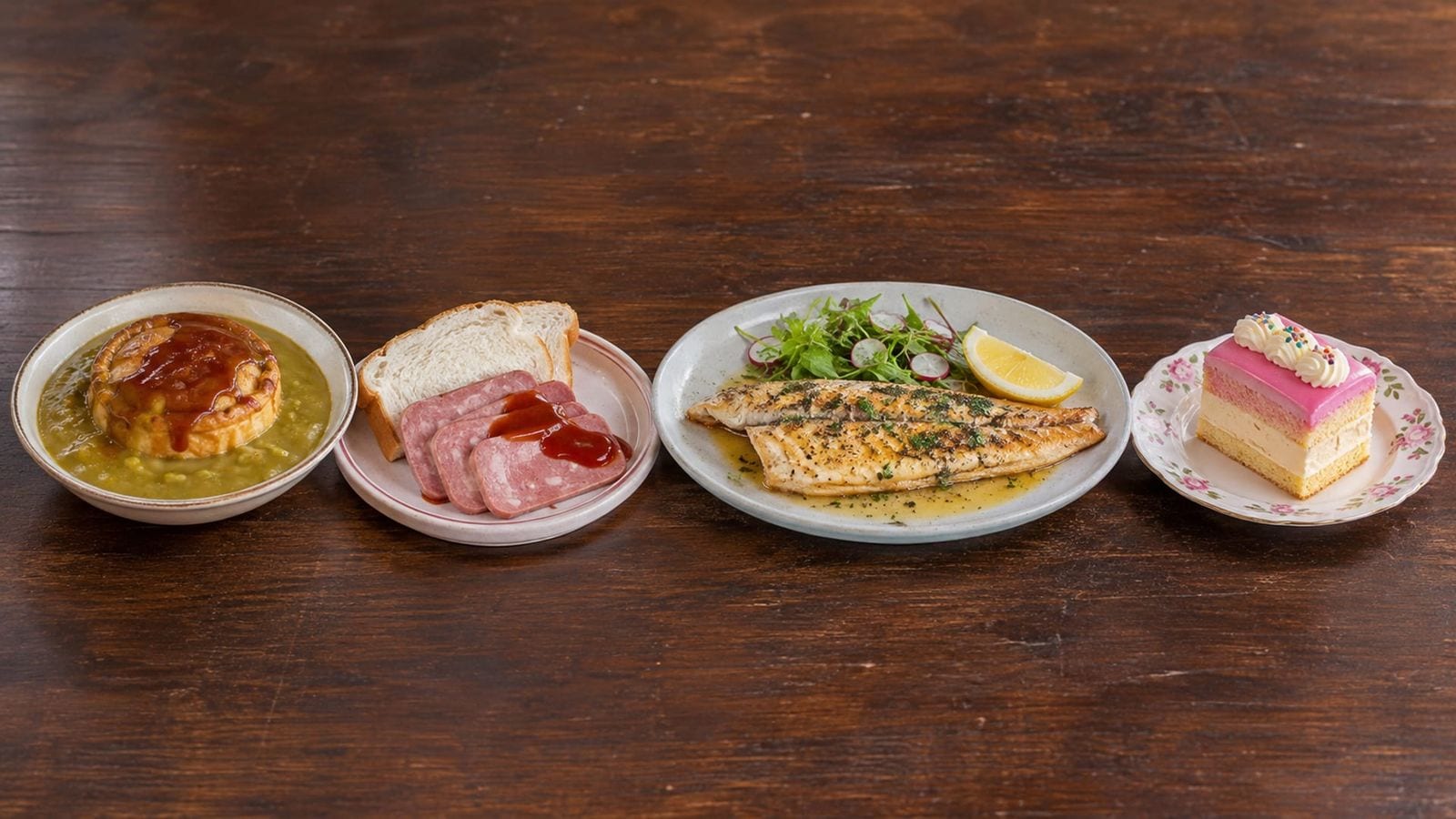
Adelaide’s food culture draws on South Australian produce and long-standing local specialties, from pie floaters and fritz to Coorong mullet and Balfours’ famous frog cake.
Pie floater
A pie floater places a meat pie in thick green pea soup, often finished with tomato sauce or other condiments. Bakery on O’Connell in North Adelaide calls itself the home of the pie floater and serves the dish alongside its large pastry range.
Fritz
Fritz is a South Australian smoked luncheon meat commonly made with pork and beef, then sliced for sandwiches or snacks. Barossa Fine Foods at Adelaide Central Market sells Baby Bung Fritz seasoned with pepper and nutmeg in its deli range.
Coorong mullet
Coorong mullet is yellow-eyed mullet from South Australia’s Lakes and Coorong fishery, known for firm flesh and a distinct local provenance. Africola in Adelaide’s East End currently serves it with green tomato and caper on its seasonal menu.
Frog cake
Frog cake is a small sponge cake topped with cream and covered in fondant icing shaped like a frog. Balfours created the cake in the 1920s and still lists the Frog Cake among its signature sweets and bakery products.
Best time to visit Adelaide
Spring and fall bring Adelaide’s mildest weather for outdoor sightseeing, while summer is hotter and winter brings cooler days and more rain.
Best for: Beach time, long evenings, and late-summer festivals in the city center
What you get: Temperatures range from 80°F to 84°F (27°C to 29°C), with dry weather, warm evenings, and long daylight hours across the season overall.
Trade-offs: Heat waves can push temperatures much higher and make midday sightseeing uncomfortable on some days.
Best for: City walks, market visits, winery day trips, and outdoor dining in mild weather
What you get: Temperatures vary from 79°F to 65°F (26°C to 19°C), with warm March days, cooler evenings, and steadily increasing rainfall by May.
Trade-offs: March can be busy with major festivals, while rainfall increases and evenings cool later in the season.
Best for: Museums, markets, restaurants, and shorter city walks between indoor stops
What you get: Temperatures near 59°F to 61°F (15°C to 16°C), with cooler days, more frequent rain, and the shortest daylight hours of the year
Trade-offs: Wet weather and shorter days reduce the time available for beaches and longer outdoor plans.
Best for: Garden walks, outdoor dining, city sightseeing, and mild-weather trips
What you get: Average temperatures rise from 65°F to 76°F (19°C to 24°C), while rainfall decreases and warmer conditions become more common by November.
Trade-offs: Grass pollen can be high through spring, and occasional hot days can arrive late in the season.
A realistic 5-day plan in Adelaide
Five days in Adelaide give you time to explore the Central Business District (CBD), North Terrace, North Adelaide, Glenelg, and the Botanic Garden without repeating routes.
Arrive at Adelaide Airport (ADL), then travel to your hotel in the CBD. Keep the first evening light with dinner near Rundle Street, Gouger Street, or your hotel, where restaurants are easy to reach on foot. Afterward, take a short walk through the central grid or along North Terrace. This gives you a first look at Adelaide’s compact center without adding museums, long transfers, or a full sightseeing schedule after your flight.
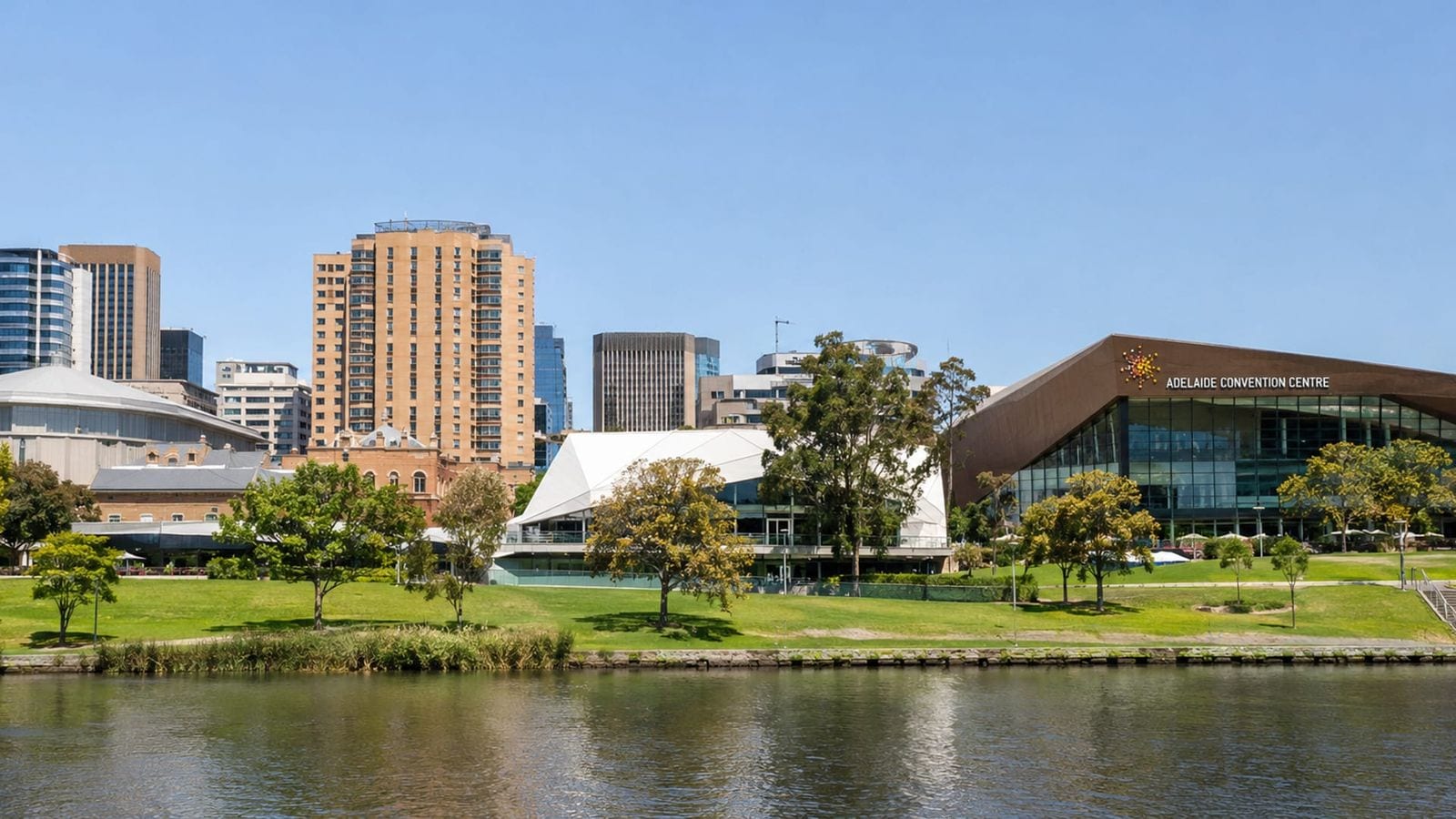
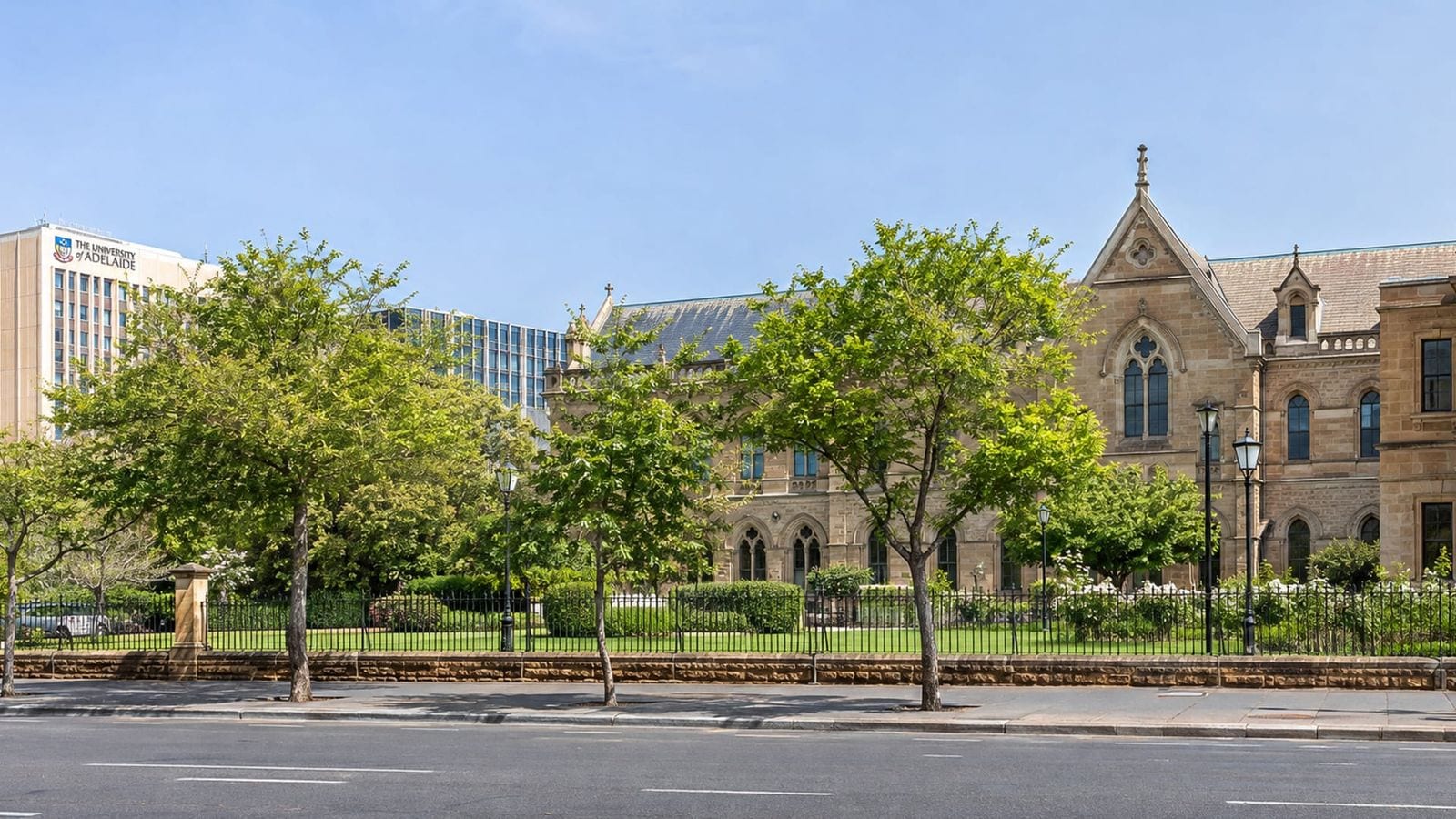
Start on North Terrace at the Art Gallery of South Australia, where almost 47,000 works cover Australian, Aboriginal and Torres Strait Islander, Asian, European, and international art. Afterward, walk through the Riverbank precinct to Adelaide Oval. A 90-minute stadium tour takes you through the stands, heritage scoreboard, and behind-the-scenes areas. Book RoofClimb separately if you want rooftop views over the river and city.
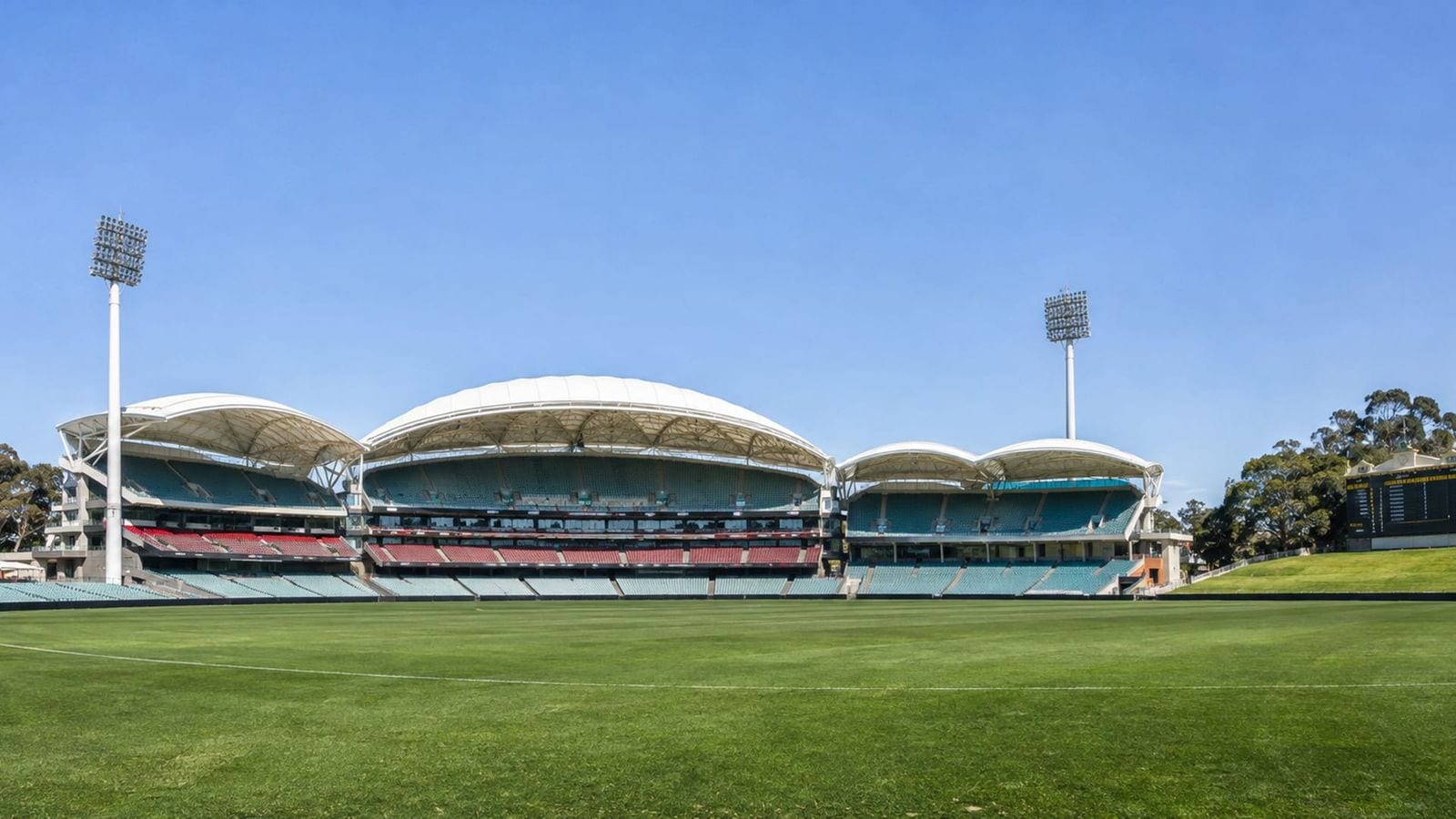
Begin at Adelaide Gaol, which operated from 1841 to 1988 and preserves cells, exercise yards, prisoner records, photographs, and the hanging tower. Allow up to two hours for the self-guided route, then continue to North Adelaide. Walk past heritage houses and St Peter’s Cathedral before finishing with dinner on O’Connell Street or Melbourne Street, where restaurants, cafés, and historic pubs line the main dining areas.
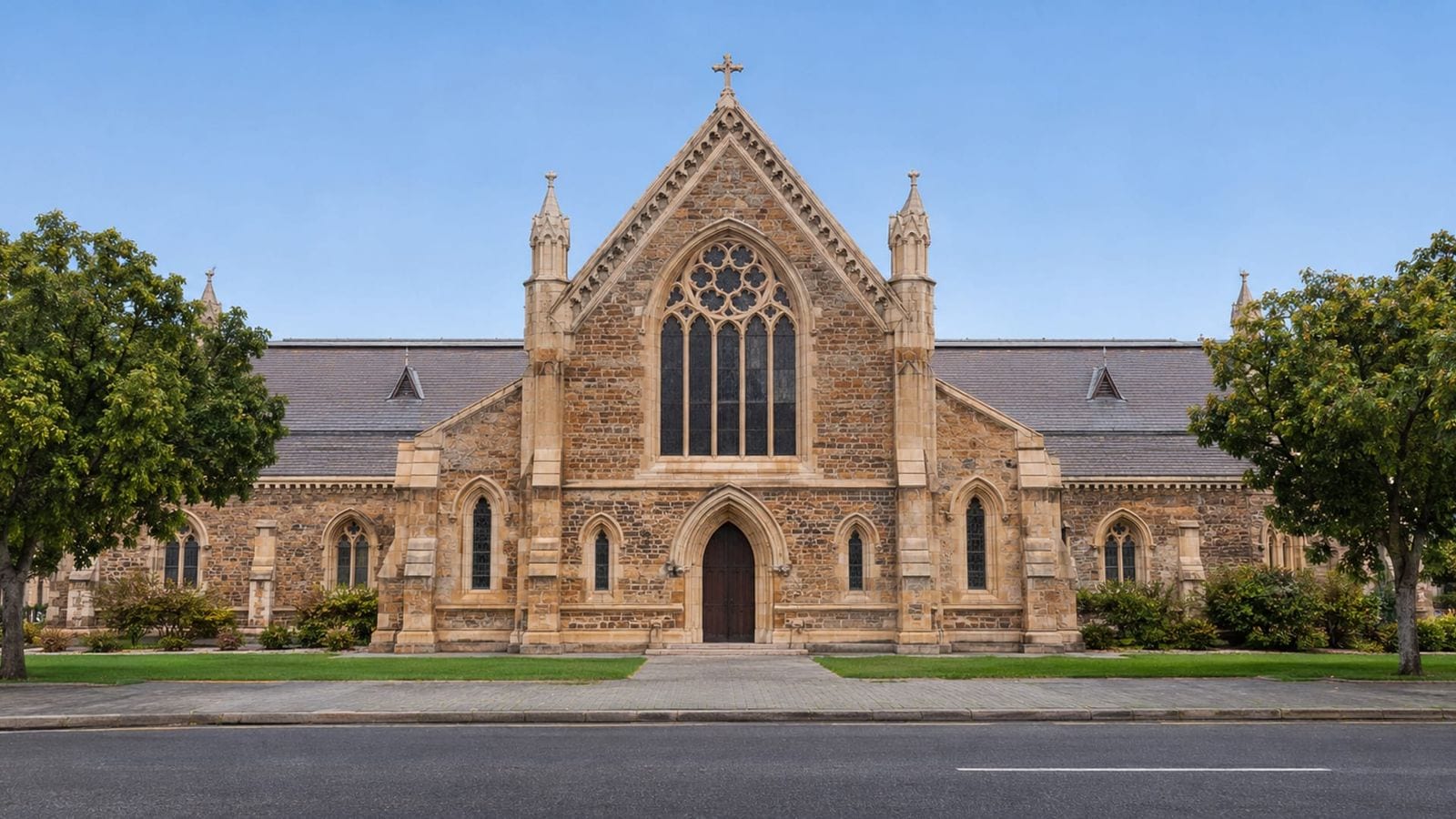
Schedule this day from Tuesday to Saturday, when Adelaide Central Market opens. Explore its produce stalls, bakeries, butchers, cheese shops, cafés, and specialty food traders, then walk through Victoria Square toward Rundle Mall. Continue into the East End for cafés, shops, and central streets near North Terrace. The route keeps the day within the CBD while showing Adelaide’s food, retail, and civic spaces in one compact area.
Use the final morning for Adelaide Botanic Garden at the eastern edge of the CBD. Walk through its Australian and international plant collections, then visit the Victorian Palm House or Bicentennial Conservatory if opening hours allow. If you still have time, return toward Rundle Mall for coffee or last-minute shopping. Keep lunch close to your hotel, collect your luggage, and leave enough time for the short transfer to Adelaide Airport (ADL).
Business-class flights from the US to Adelaide
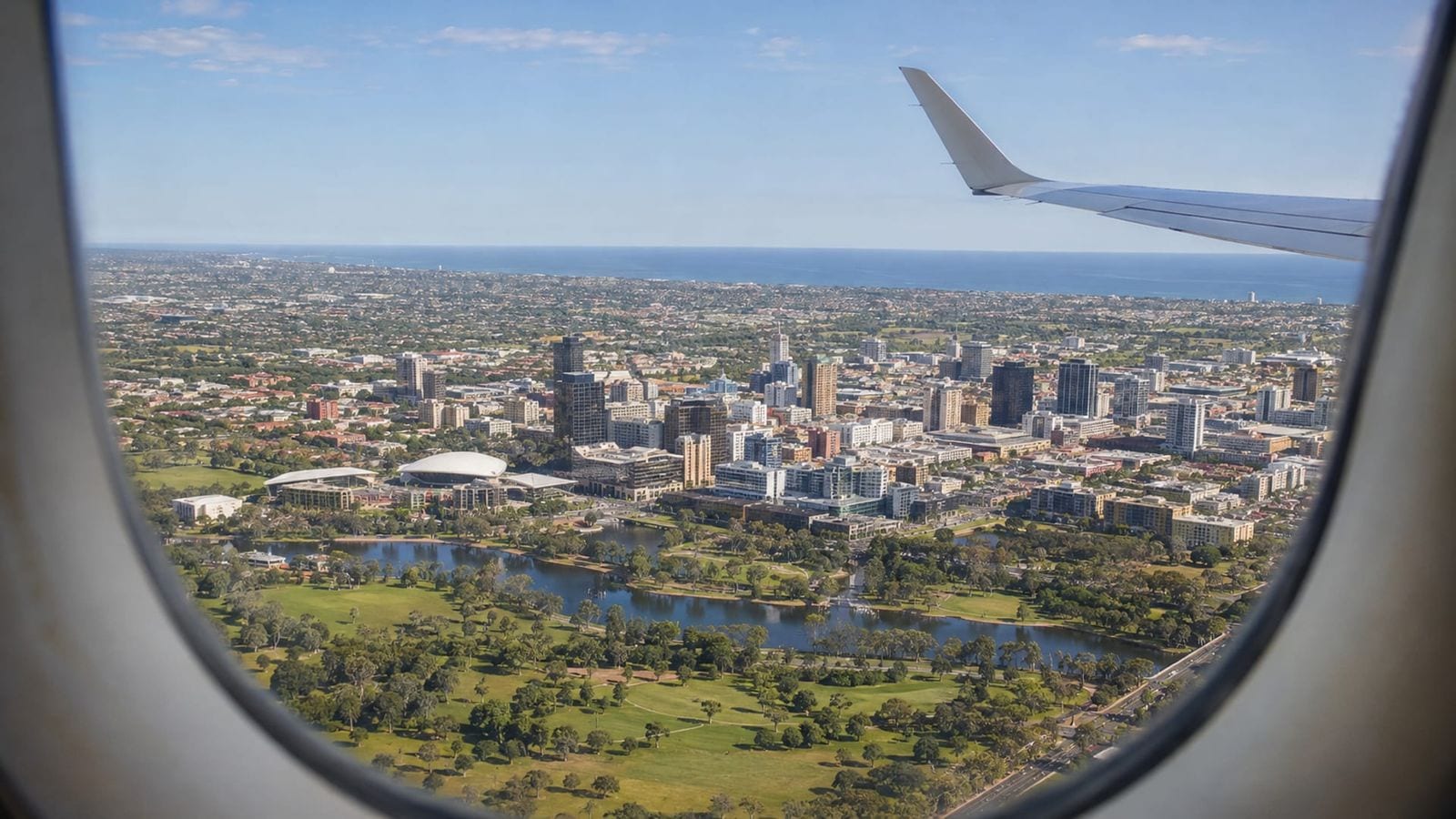
Business-class flights from the US to Adelaide usually have one layover. The routes below compare flights from New York (JFK) and Los Angeles (LAX).
New York (JFK) to Adelaide (ADL)
From New York John F. Kennedy International Airport (JFK), no airline flies nonstop to Adelaide Airport (ADL). Qatar Airways connects through Doha (DOH), Emirates through Dubai (DXB), and Singapore Airlines through Singapore (SIN). Total travel time is typically from 28 to 39 hours, with round-trip business-class fares ranging from US$7,800 to US$13,800.
Los Angeles (LAX) to Adelaide (ADL)
Travelers leaving Los Angeles International Airport (LAX) also need at least one layover. Qantas flies via Brisbane (BNE), Emirates via Dubai (DXB), and Singapore Airlines via Singapore (SIN), while Delta Air Lines and Virgin Australia offer itineraries through Melbourne (MEL). Such flights take from 20 to 40 hours, and round-trip business-class fares typically range from US$6,000 to US$12,400.
Plan Adelaide With a Clear Structure
A well-planned Adelaide trip keeps each day focused on one area, whether you are exploring the Central Business District (CBD), North Adelaide, Glenelg, or the city’s cultural landmarks. Grouping nearby stops reduces unnecessary travel and leaves more time for meals, museums, markets, and the waterfront. With the trip structure in place, AranGrant can help you compare business-class flights and hotels that match your schedule, comfort preferences, and budget.







