

Chapters:

Need help with your trip?
Our support team is available 24/7. Request a callback or call us directly at (833) 619-0908
Halifax trips often begin with the waterfront, a museum stop, and a single evening in the core, yet many visitors miss how much the peninsula changes once you move a few blocks uphill or farther south.
That narrow focus can leave you rushing between scattered sights, crossing the harbor without a plan, or eating in whatever place appears first near the hotel. Distances stay short, but the streets, ferry schedules, and opening hours still shape the day.
This guide sets out the city in a more deliberate order, pairing the waterfront, the hilltop fort, the south-end park, and the harbor island with a base and timing that fit Halifax’s actual pace.
Useful things to know

Main language(s): English

Currency: The local currency is the Canadian dollar (CAD, C$).

Cash and cards: Cards and contactless are widely accepted; carry about C$20 to C$40 cash for small purchases or tips.

Tipping: Tip 15-20% in restaurants for good service; round up for taxis and small bills.

Traditional food: donair, lobster roll, butter tarts, fish and chips

Water and coffee costs: Water about C$2 ($1.50), bar espresso about C$4.50 ($3.25).

Taxis and ride apps: Uber and Lyft operate here; availability can thin out late at night.

Plug and voltage: Type A/B socket, 120V

Dining and shop opening hours: Breakfast runs about 07:00-10:00, lunch 12:00-14:00, and dinner 17:00-21:00. Many kitchens close by 22:00, with earlier hours on Sundays.

Emergency number: Dial 911 for police, fire, and medical emergencies.
Where to stay in Halifax
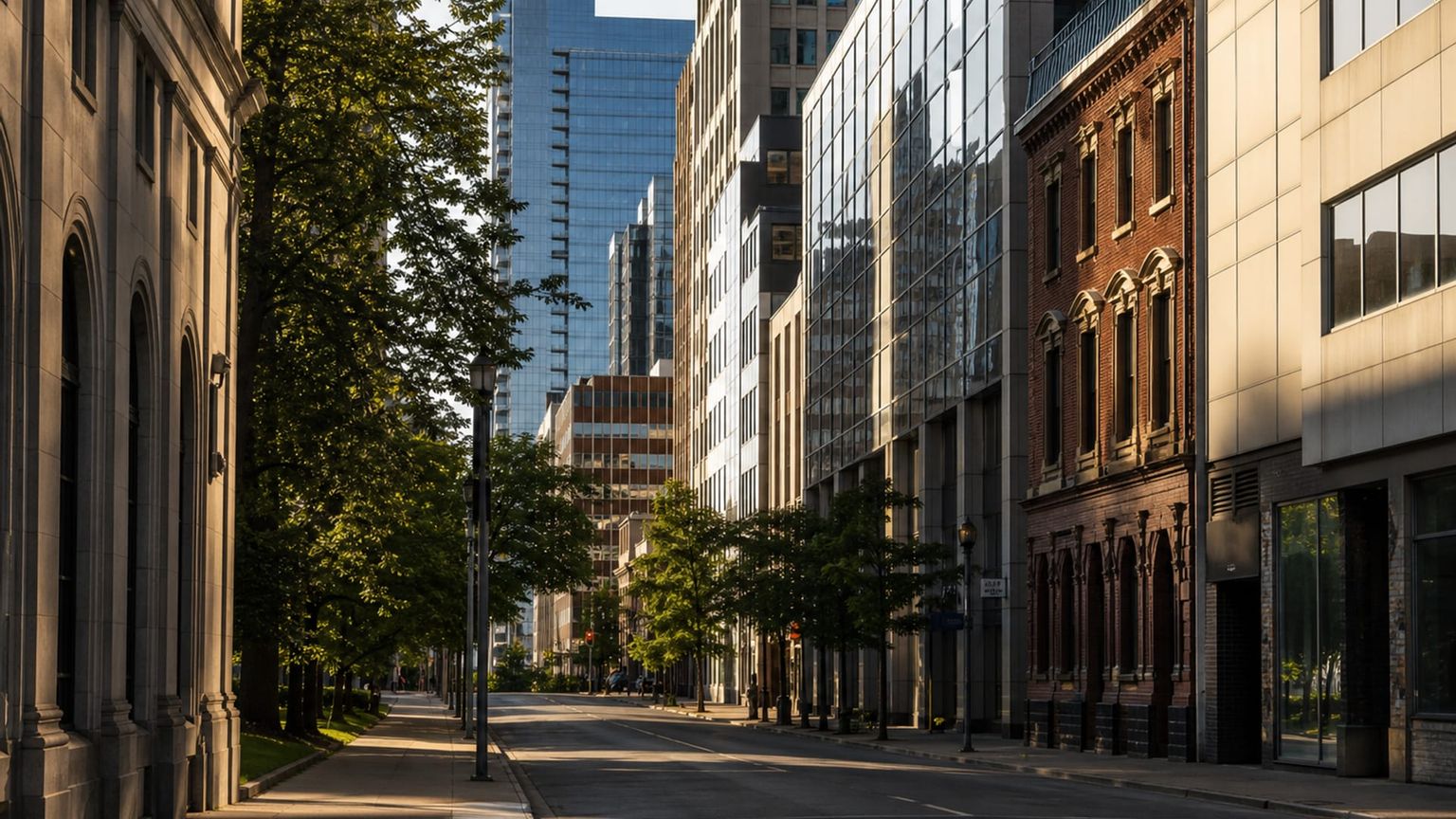
Halifax’s central business and waterfront district puts you near the boardwalk, Citadel Hill, the ferry terminal, and the city’s main dining streets. It suits visitors who want to walk to most sights and keep transit use minimal.
Best for: First-time visits, waterfront walks, museums, and easy access to dining
What to expect: Busy sidewalks by day, steady restaurant traffic at night, and the most visitor-oriented street life in the city.
Hotel prices: Usually about $180 to $320 per night for well-rated stays
Distance to major sights: 10 to 15 minutes on foot to the Halifax Waterfront; 15 to 20 minutes on foot to Citadel Hill
Quietness: Lively through the afternoon and early evening, then quieter late at night once restaurants close.
Main trade-off: Hotel rates run higher here, and some blocks near the entertainment strips can pick up weekend noise.
Good to know: If you plan late dinners or early museum visits, this base cuts down on taxi use and keeps most essentials within a short walk.
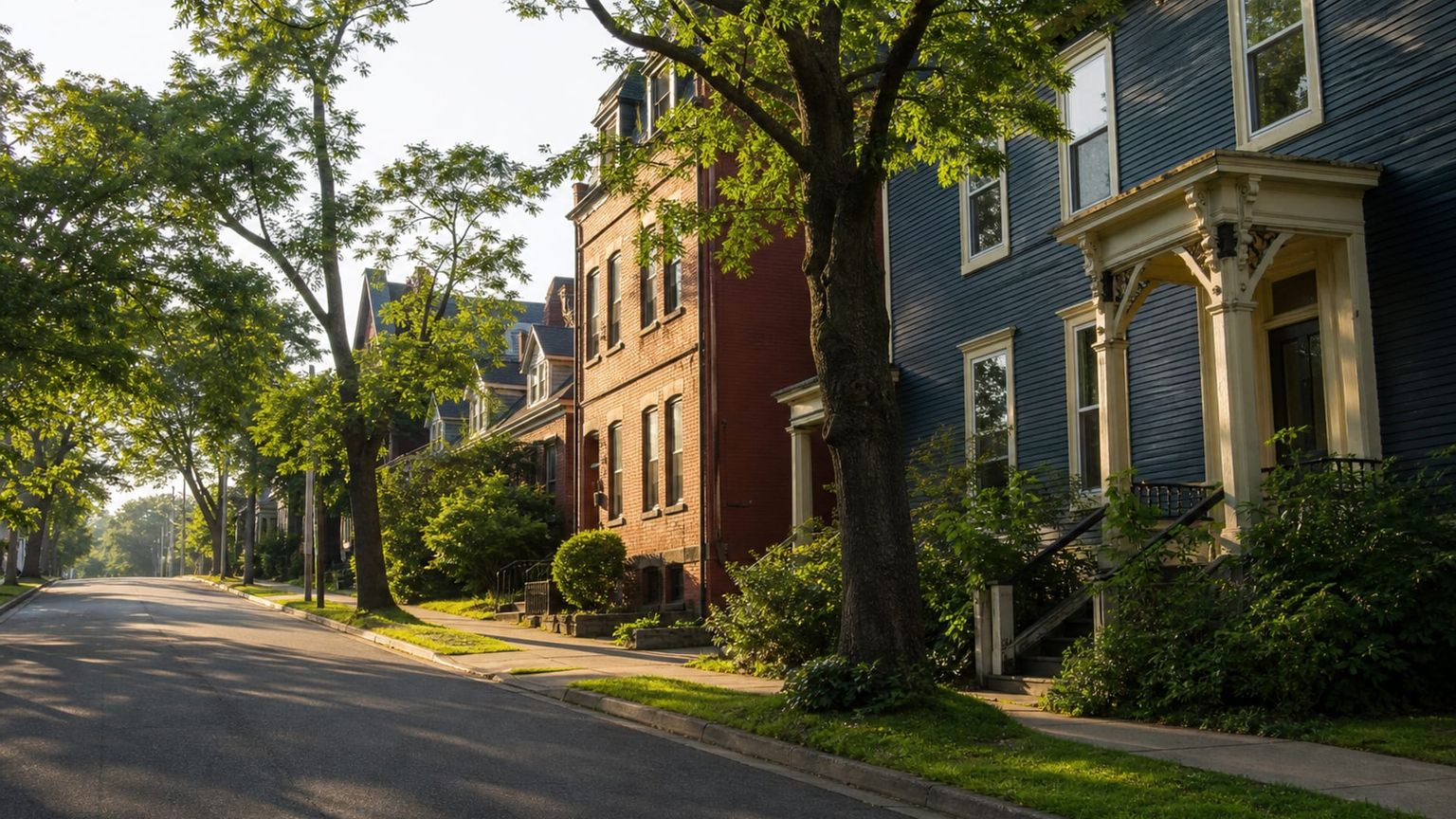
South End sits just below downtown and includes leafy residential streets, Dalhousie University, and the hospitals along Robie and South Park. It matters for travelers who want a calmer stay while still reaching the center easily on foot or by transit.
Best for: Quieter evenings, hospital visits, university access, and travelers who do not need to stay in the busiest blocks
What to expect: Residential streets, student traffic near campus, and a more local pace than the waterfront core.
Hotel prices: Usually about $160 to $280 per night for well-rated stays
Distance to major sights: 20 to 25 minutes on foot to the Halifax Waterfront; 10 to 15 minutes by transit to Citadel Hill
Quietness: Calmer at night than downtown, though streets near campus and hospitals stay active during the day.
Main trade-off: You give up some waterfront convenience, and the best hotel stock is thinner than in the core.
Good to know: Check transit stops before booking, since a few streets are walkable to downtown but not ideal if you plan to come and go after dark.
The North End sits north of the peninsula core and mixes neighborhood bakeries, small restaurants, and a growing arts scene around Agricola and Gottingen streets. It works well if you want a local stay with easier access to independent spots than the main tourist strip.
Best for: Independent restaurants, local nightlife, repeat visitors, and travelers who prefer a neighborhood feel
What to expect: Active commercial streets, a younger crowd near the main corridors, and quieter side blocks.
Hotel prices: Usually about $140 to $250 per night for well-rated stays
Distance to major sights: 15 to 20 minutes by transit to Citadel Hill; about 25 minutes on foot to the Halifax Waterfront
Quietness: Busy on main streets in the evening, then notably quieter once you move to side streets.
Main trade-off: You are farther from the waterfront than downtown, and hotel choices are more limited and less concentrated.
Good to know: Some sections feel best for walking, but a few blocks are less appealing late at night, so choose a place close to the main corridors.
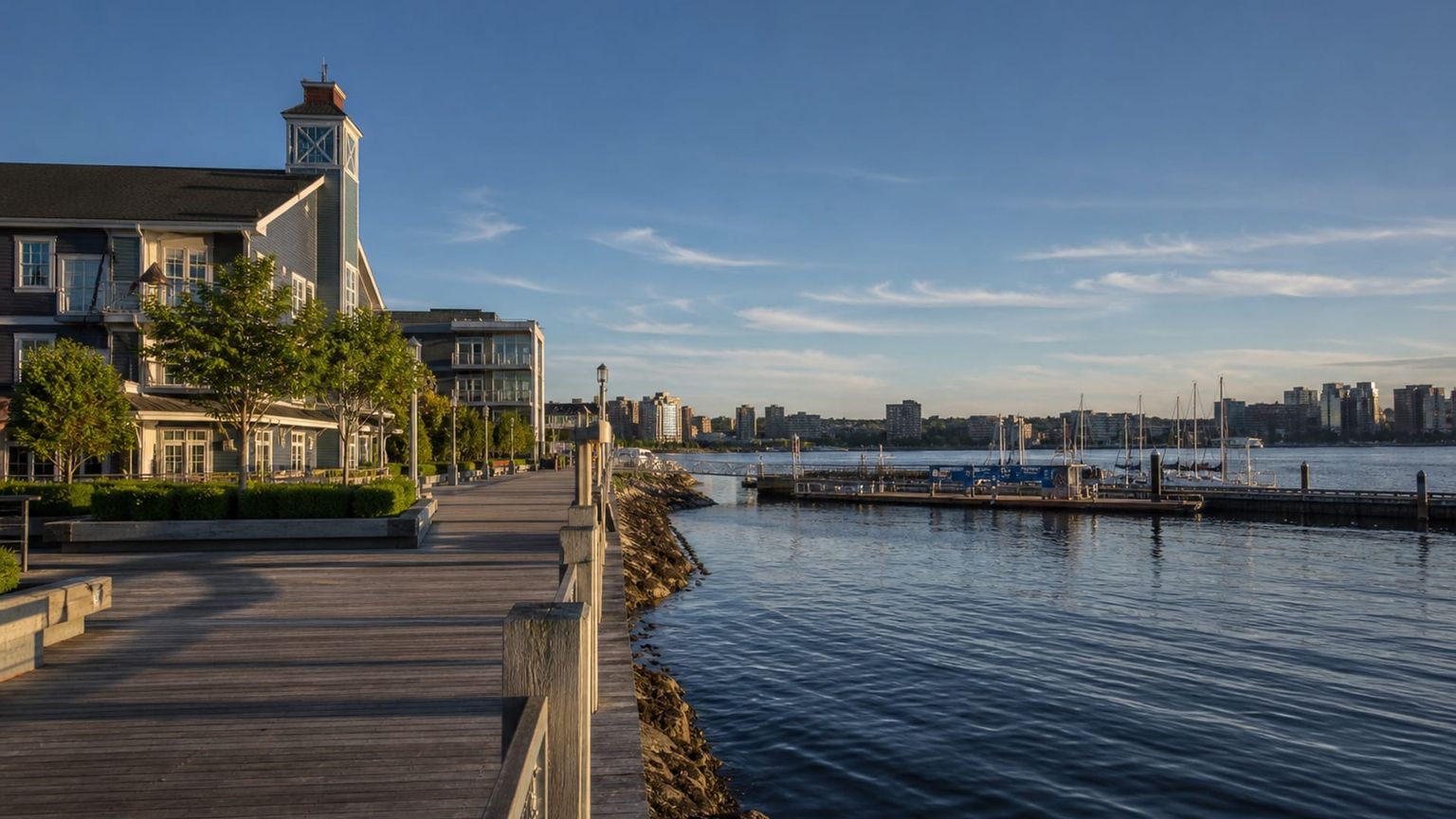
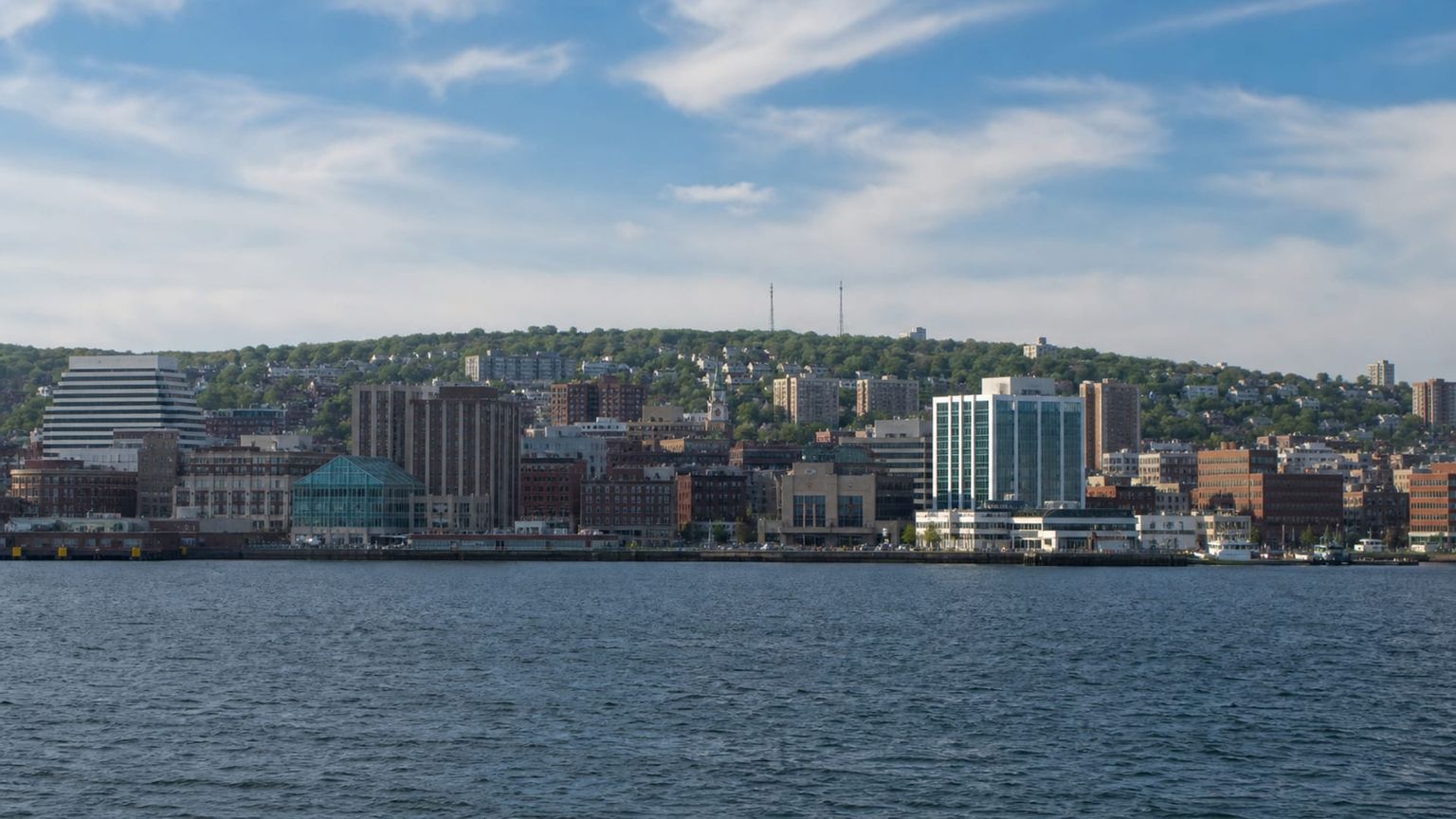
Across the harbor from downtown, the Dartmouth Waterfront gives you ferry access, harbor views, and a smaller cluster of shops and restaurants near Alderney Landing. It matters if you want a lower-key base with quick connections into Halifax.
Best for: Harbor views, ferry access, lower rates than downtown, and travelers who do not mind crossing the water
What to expect: A compact waterfront area with ferry passengers, local foot traffic, and a quieter evening pace than the Halifax core.
Hotel prices: Usually about $130 to $230 per night for well-rated stays
Distance to major sights: 10 to 15 minutes by ferry to the Halifax Waterfront; 20 to 25 minutes by transit to Citadel Hill
Quietness: Generally quieter than downtown, with more activity around the ferry terminal and waterfront in daytime.
Main trade-off: You need to factor in ferry schedules or bridge traffic, and you will spend more time reaching most Halifax sights.
Good to know: If you stay here, keep an eye on the last ferry times so your evening plans do not force an expensive taxi ride back.
Travelers usually avoid staying in Dartmouth outside the ferry terminal area, Fairview, Spryfield, and parts of Bedford, because they sit farther from downtown Halifax, the waterfront, and the main museum and restaurant areas. Armdale is also less convenient for visitors, with fewer hotel options and slower evening transit to the core.
Hotel deals
How to get around Halifax efficiently
Halifax has no metro, so most visitors mix walking with buses, taxis, and the occasional ferry crossing to keep the peninsula and harbor within easy reach.

Metro
for longer distances
Halifax has no subway or metro, so there is no rail option in the city center; visitors rely on buses, taxis, and walking for local trips.

Bus and tram
for convenience
Halifax Transit buses cover downtown, the waterfront, the universities, and many suburban neighborhoods, with the 29 route linking downtown Halifax and Halifax Stanfield International Airport (YHZ) in about 45 to 60 minutes. A local adult fare is about $2.25 ($2.50) for 90 minutes, and transfers stay valid within that window. Exact change helps on board, and the transit app or trip planner is useful for checking frequency, since many routes run less often in the evening and on Sundays.

Taxi
for convenience or late hours
Licensed taxis use metered fares in Halifax, not fixed citywide set fares, and an airport trip to downtown usually costs about $45 to $60, depending on traffic and the drop-off point. Hail a cab at marked stands, call a local company, or use a dispatch app; drivers commonly accept cards and cash, though it is sensible to confirm card payment before you depart.
*Prices are based on rates updated as of June 2026 and may change at the time of travel.
Walking covers the core best, buses work for longer peninsula links, taxis suit airport transfers and late returns, and ferries matter when your plans cross the harbor.
Iconic landmarks
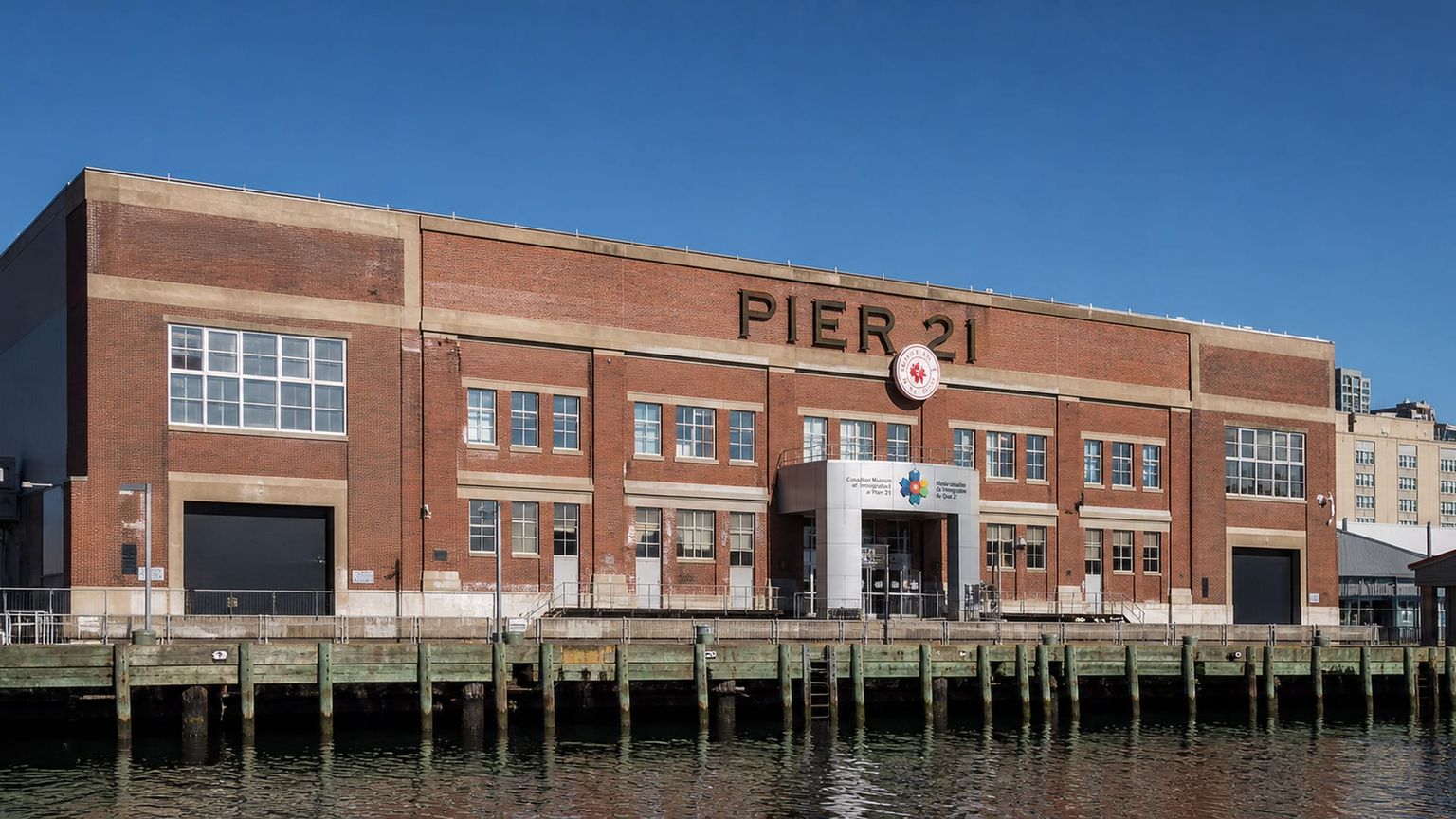
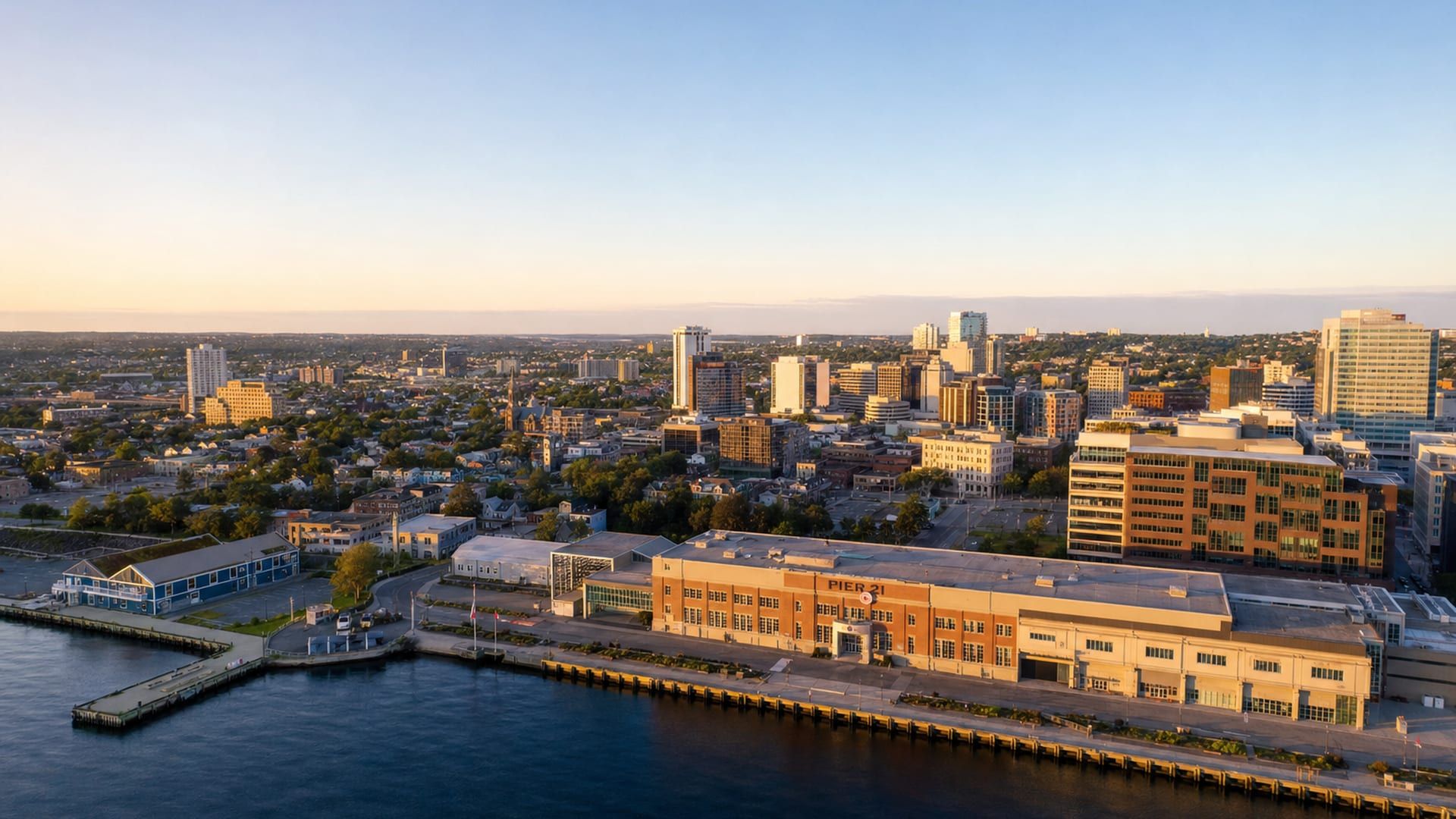
Pier 21
Canada’s Immigration Museum at Pier 21 tells the story of more than a million newcomers who entered through Halifax between 1928 and 1971. The waterfront site includes galleries, archives, and the historic arrival shed.
Time needed: About 1.5 to 2 hours
Entry: Admission costs $15.95 ($18.18) for adults, $13.55 ($15.45) for seniors, and $10.40 ($11.86) for youth; children under 5 enter free. Visit the official site for details.
Tip: Start early, then continue along the waterfront before cruise crowds build at midday.

Halifax Citadel National Historic Site
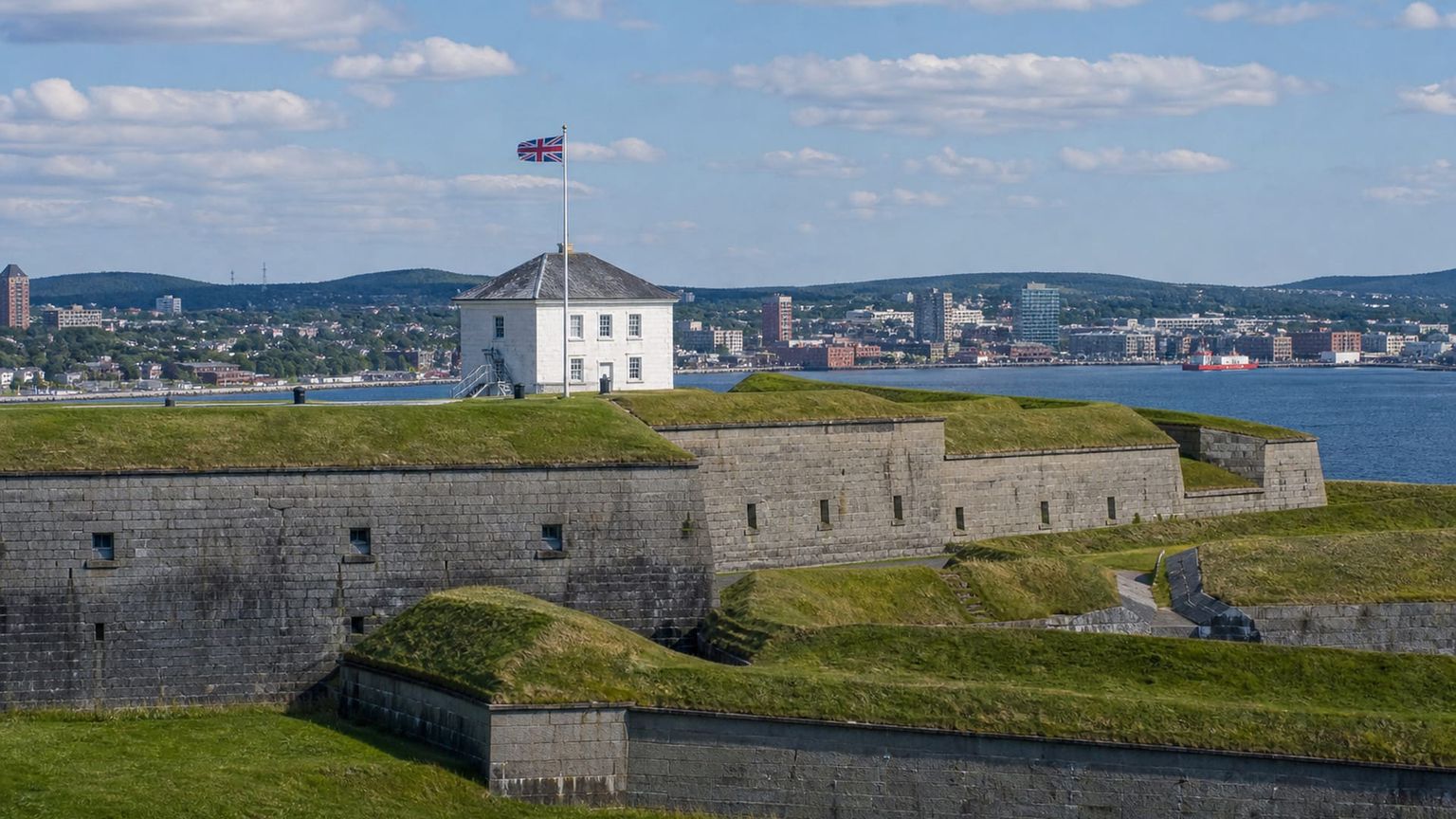
The star-shaped citadel crowns the city’s central hill and dates to the 1850s, with ramparts, barracks, and cannon positions overlooking downtown and the harbor. It also hosts the noon gun and daily interpretation in season.
Time needed: About 2 to 3 hours
Entry: Admission costs $10.50 ($11.97) for adults, $9.00 ($10.26) for seniors, and $5.25 ($5.99) for youth; children 17 and under enter free. Visit the official site for details.
Tip: Go close to noon if you want the gun firing, then circle the ramparts for harbor views.
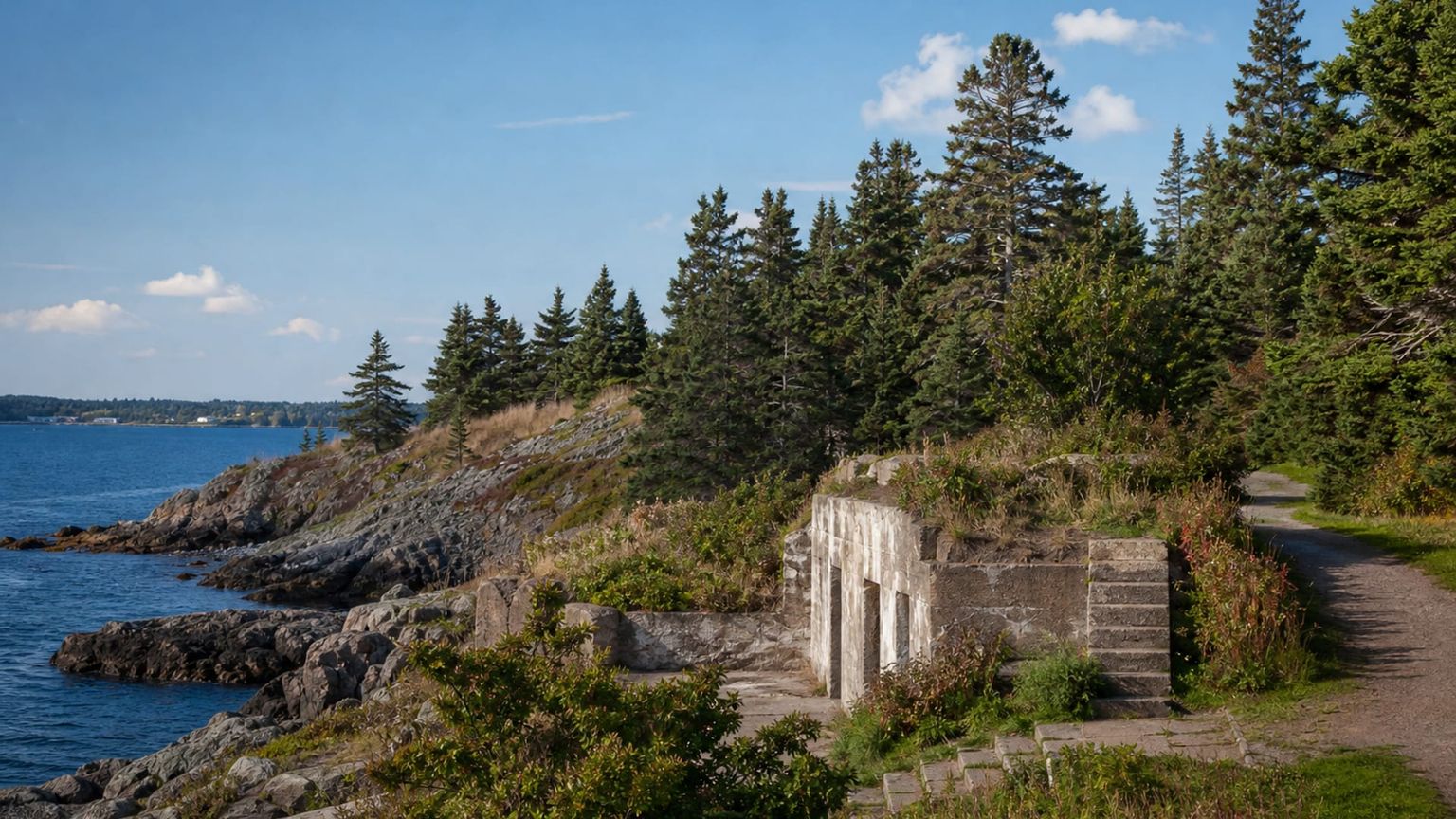
Point Pleasant Park
Point Pleasant Park fills the southern tip of the Halifax peninsula with forest trails, harbor views, and several 19th-century batteries and towers. It mixes quiet shoreline paths with clear reminders of the city’s coastal defenses.
Time needed: About 2 to 3 hours
Entry: Free to access, with no admission fee or timed entry; parking fees apply in some lots and for some seasons.
Tip: Visit near sunset for the best light on the water, then loop past the tower ruins.
Overlooked sites worth visiting

McNabs Island Provincial Park
A short ferry ride leads to trails, ruins, and quiet coves on an island at the mouth of Halifax Harbour. Visit for a slower walk, birdwatching, and harbor views away from the downtown waterfront.
Time needed: About 3 to 5 hours
Entry: Ferry fares vary by operator and season; expect about $15 to $25 ($20 to $34) round trip for adults, plus optional guided tour or camping fees if you extend your visit beyond a day trip.
Tip: Go on a clear morning for the best harbor views.

Neptune Theatre
This compact downtown theater stages plays, musicals, and touring productions in a space that puts the work close to the audience. It suits an evening plan when you want culture in a small, focused venue.
Time needed: About 2 to 3 hours
Entry: Tickets usually cost about $35 to $95 ($47 to $128), depending on the production, seat location, and performance date. Some matinees and student-priced seats can fall below that range. Visit the official site for details.
Tip: Check the schedule for matinees, which often sell out later.
Traditional food
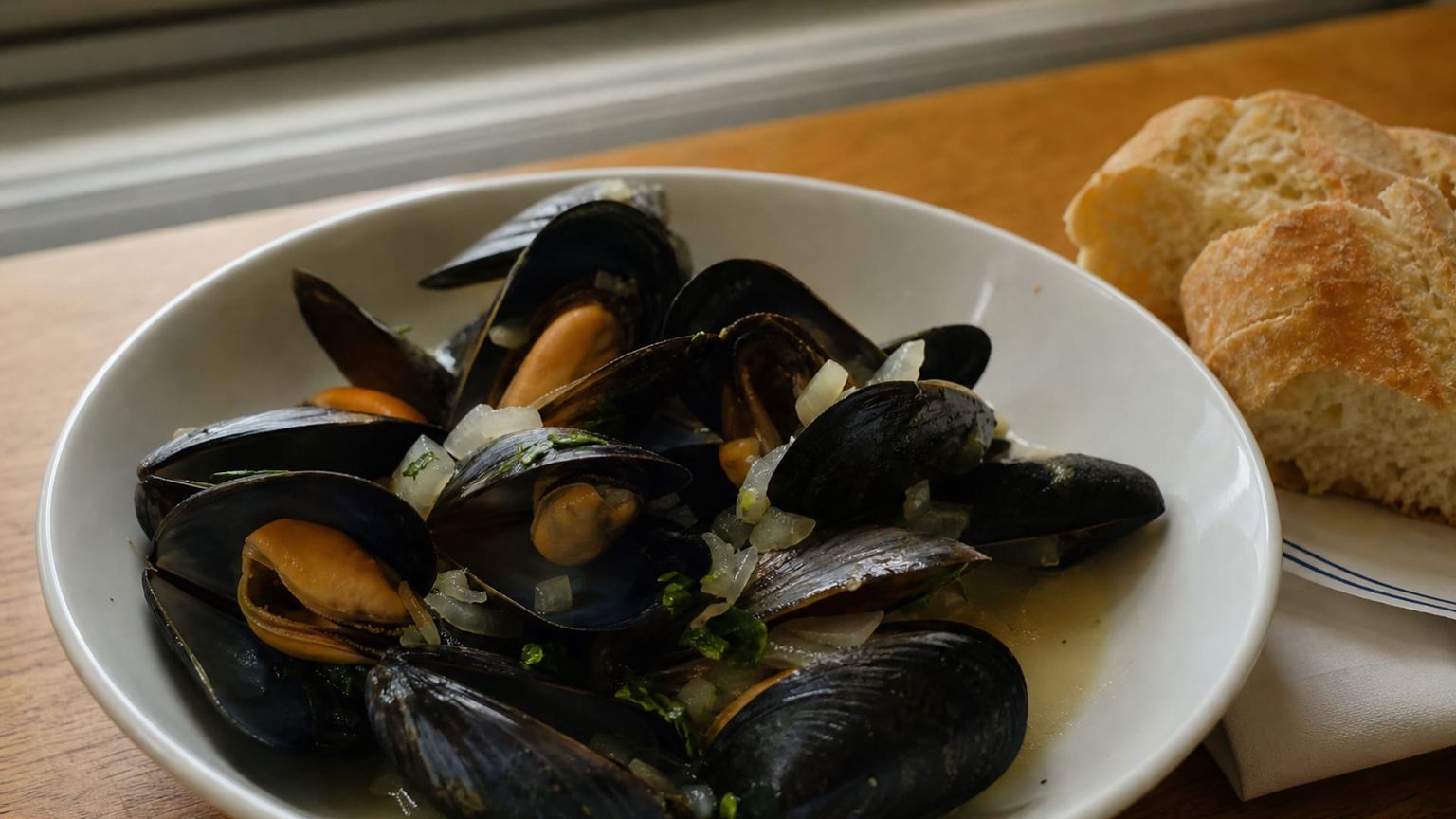
Halifax cooking leans hard on lobster, donair, fish and chips, and butter tarts, with salt, vinegar, and donair sauce giving the city’s late-night and waterfront plates their edge.
Donair
Halifax’s signature late-night sandwich layers seasoned beef, tomatoes, onions, and sweet sauce in soft pita. Tony’s Famous Donairs is the canonical stop for a classic version in the city.
Lobster roll
Cold lobster meat with light dressing on a split-top bun suits a harbor city that treats seafood as everyday fare. The Canteen on the waterfront is a strong Halifax choice for a refined take.
Butter tarts
This Canadian pastry brings a sticky, caramelized center in a flaky shell, usually at bakeries rather than formal dining rooms. Humble Pie Kitchen in the North End is a dependable Halifax stop for one.
Fish and chips
Crisp batter, flaky fish, and fries with vinegar fit Halifax’s harbor-side dining habit. Salty’s on the Waterfront is a classic place to order it with a view of the basin and harbor.
Best time to visit Halifax
Halifax shifts noticeably with the seasons, from bright harbor days and mild walks to colder, windier months when indoor stops and shorter outings make more sense.
Best for: Harbor walks, museum visits, and fewer crowds before summer
What you get: About 38 to 60°F (3 to 16°C), with changing weather and moderate visitor numbers
Trade-offs: Rain, wind, and cool evenings can change outdoor plans
Best for: Waterfront time, ferries, patios, and the fullest event calendar
What you get: About 55 to 77°F (13 to 25°C), with the busiest streets and the most visitors
Trade-offs: Hotels fill faster and popular sights can feel crowded
Best for: Clear air, comfortable city walks, and easier restaurant reservations
What you get: About 41 to 66°F (5 to 19°C), with lighter crowds after Labor Day
Trade-offs: Days shorten quickly, especially in late October and November
Best for: Museum time, theater, and lower hotel demand
What you get: About 19 to 37°F (-7 to 3°C), with quiet streets and occasional snow or slush
Trade-offs: Cold winds and shorter daylight limit outdoor time
A realistic 5-day plan in Halifax
Five days in Halifax works well when you separate the waterfront, the hilltop fort, the south-end park, and the harbor crossing into different outings. That leaves room for slow meals, a theater night, and one final morning near the city center.
Land at Halifax (YHZ) and head into Downtown Halifax by taxi or ride-hail, a trip of about 30 to 35 minutes that usually costs roughly $50 to $70. If you are arriving earlier in the day, the airport bus is cheaper at about $4 to $5, though it takes longer and is less convenient with luggage. Book a hotel near the waterfront or in the South End, then keep the first evening close to your base with water, an early supper on Lower Water Street or Barrington Street, and an early night.
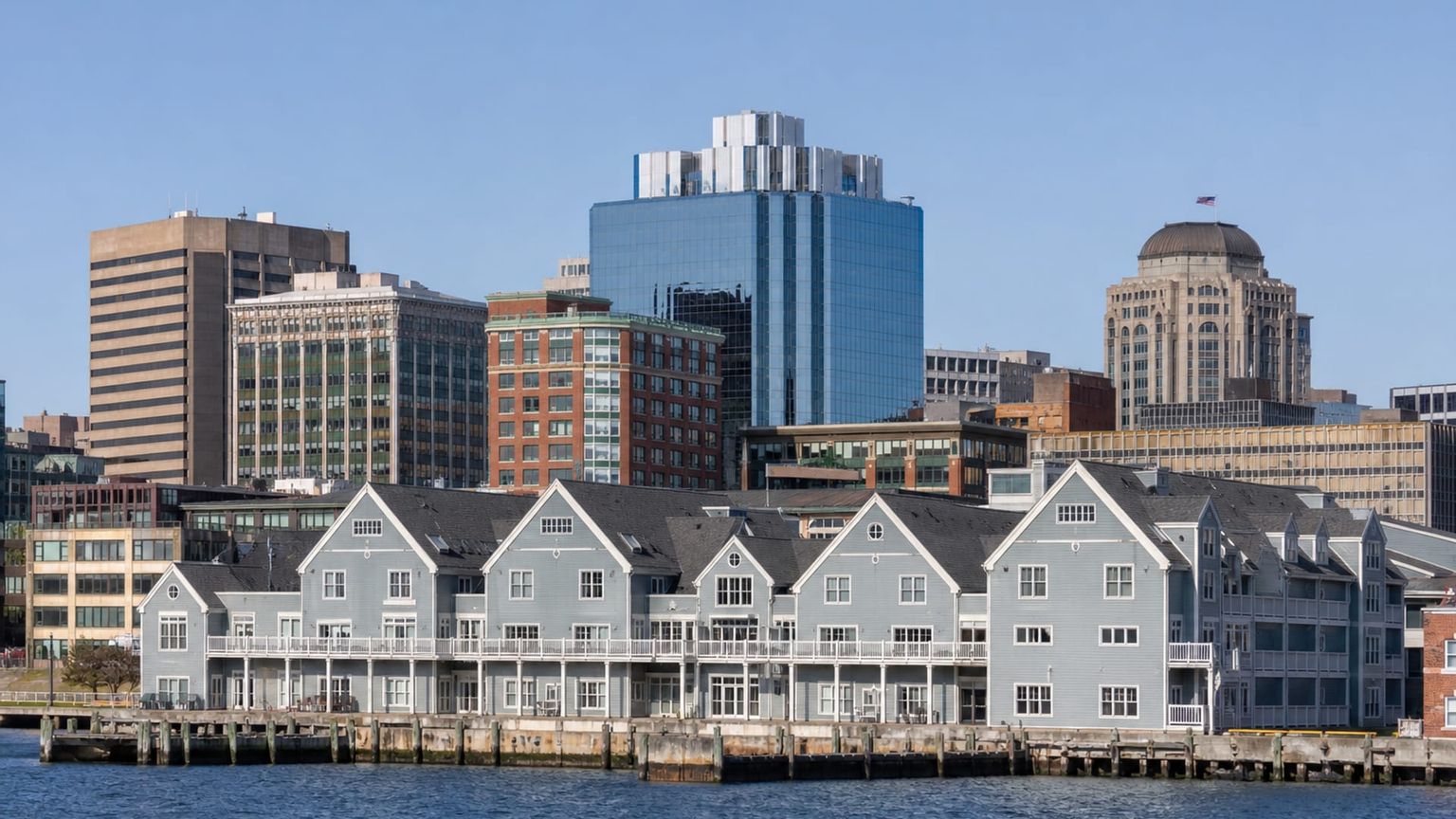
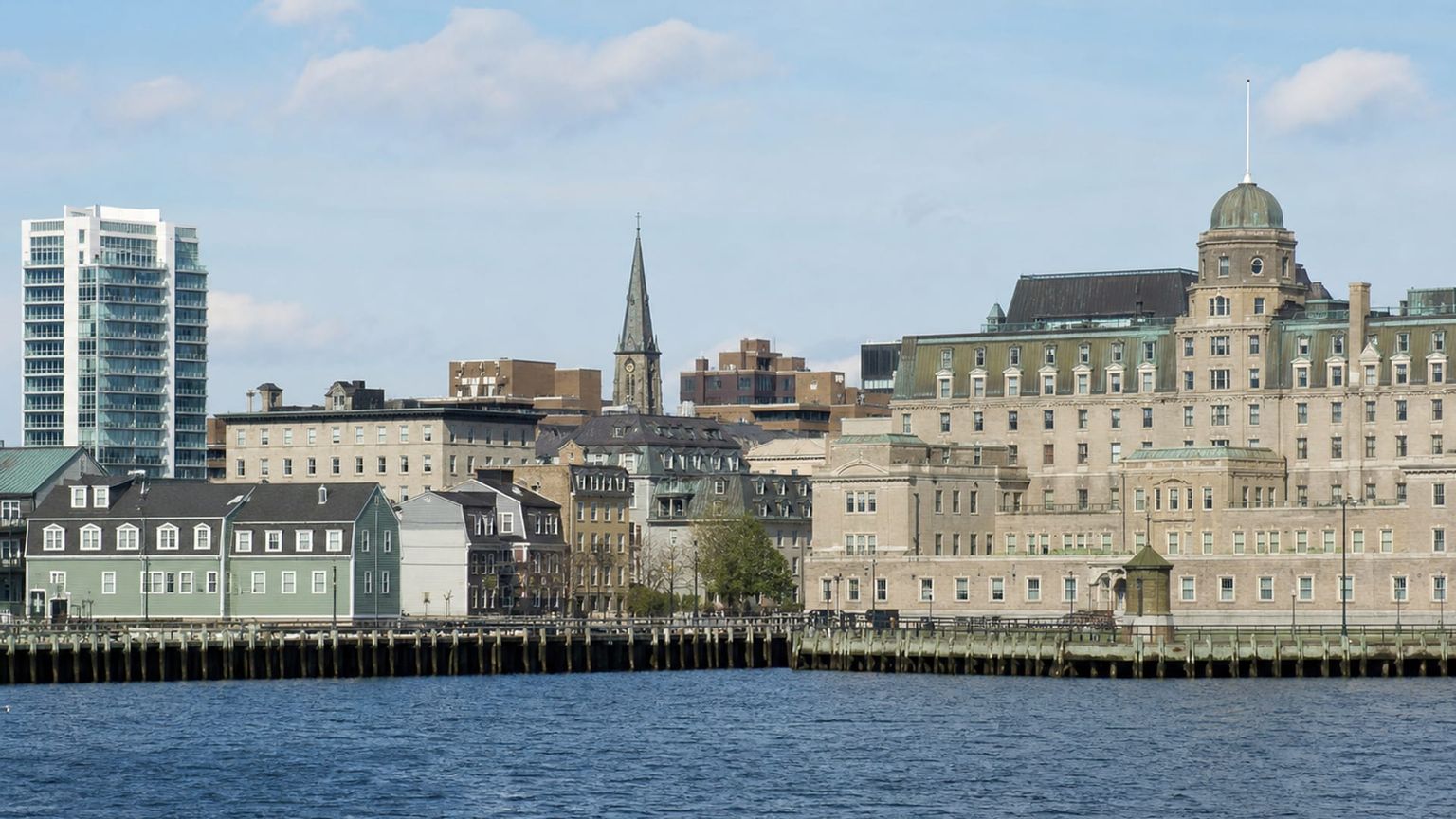
Start at Pier 21, where admission is $15.95 ($18.18) for adults, and spend about 1.5 to 2 hours with the immigration galleries on the waterfront. From there, it is a 10 to 15 minute walk along the boardwalk to the Halifax Waterfront, so you can break for coffee and a harbor stroll before continuing uphill. After lunch, walk or take a short taxi ride about 15 minutes to Halifax Citadel National Historic Site, where the noon gun, ramparts, and hilltop views make the strongest afternoon stop. End with dinner back in Downtown Halifax, where you can stay on foot for the evening.
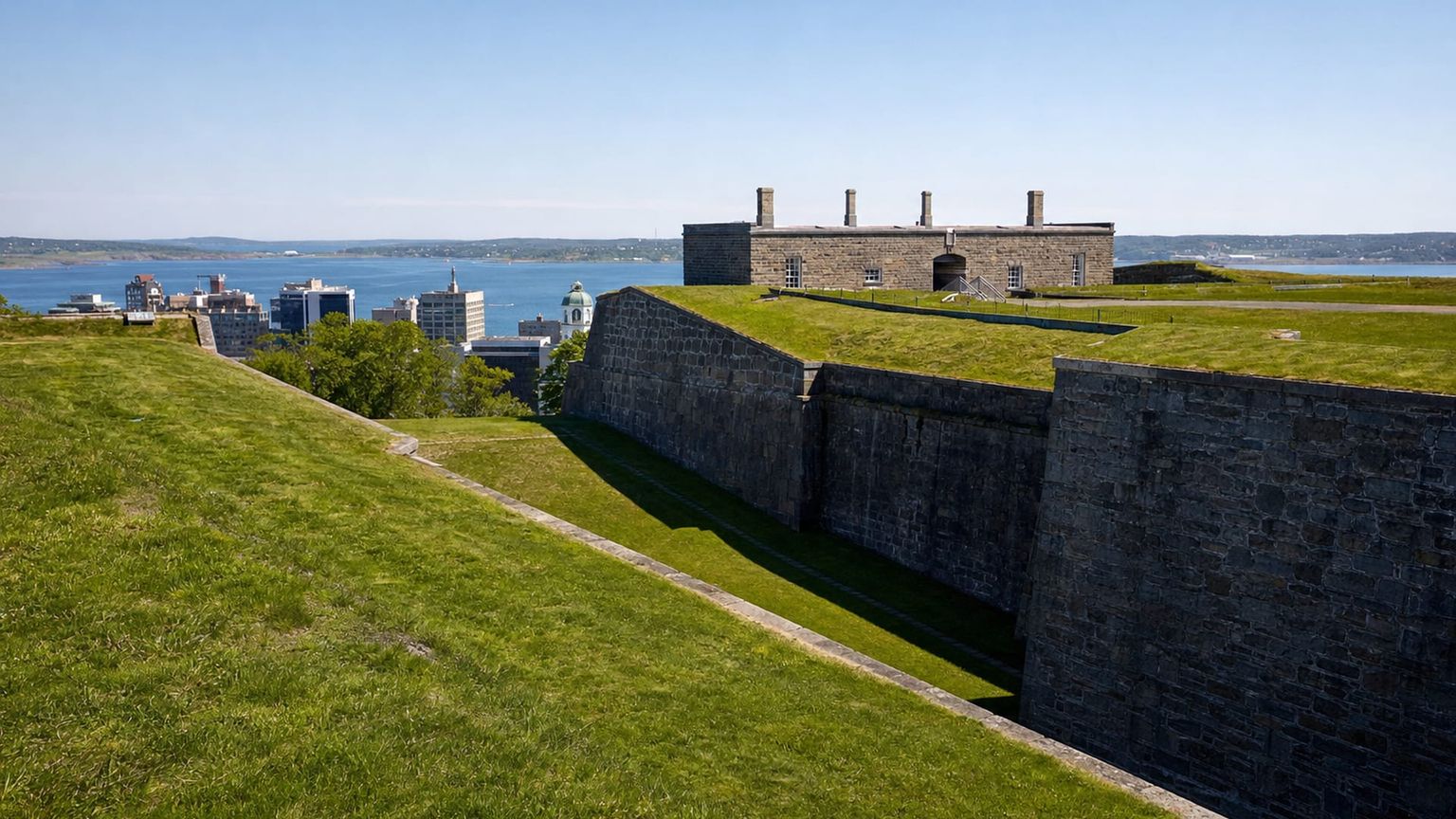
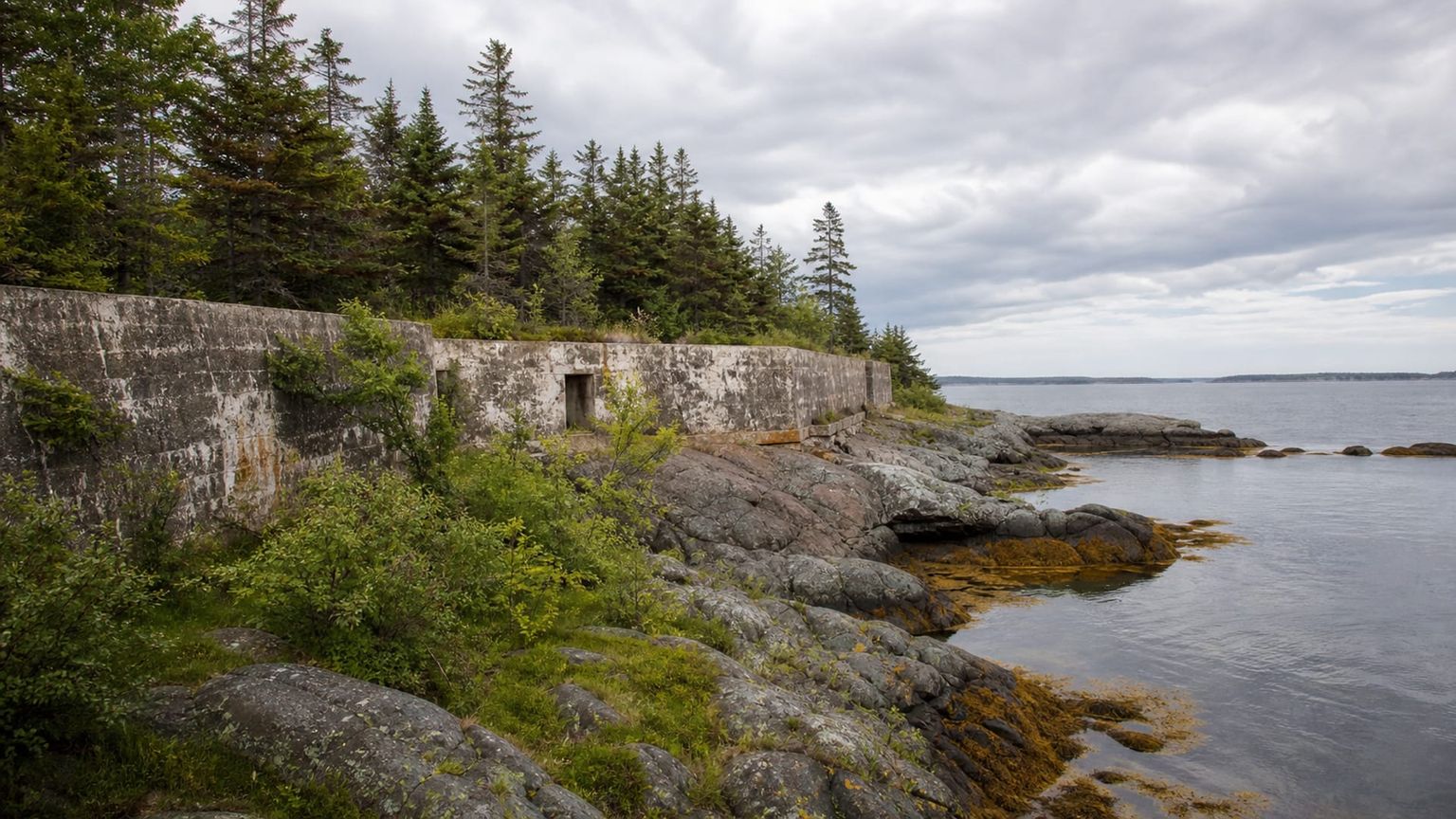
Begin with Point Pleasant Park, ideally near sunset or late afternoon, and give yourself about 2 to 3 hours for the trails, shoreline paths, and old batteries at the peninsula’s southern tip. From downtown, the drive or taxi ride takes about 10 to 15 minutes, while a longer walk from the waterfront takes roughly 30 to 40 minutes. After the park, return north for a relaxed dinner in the South End or Downtown Halifax, depending on where you are staying.
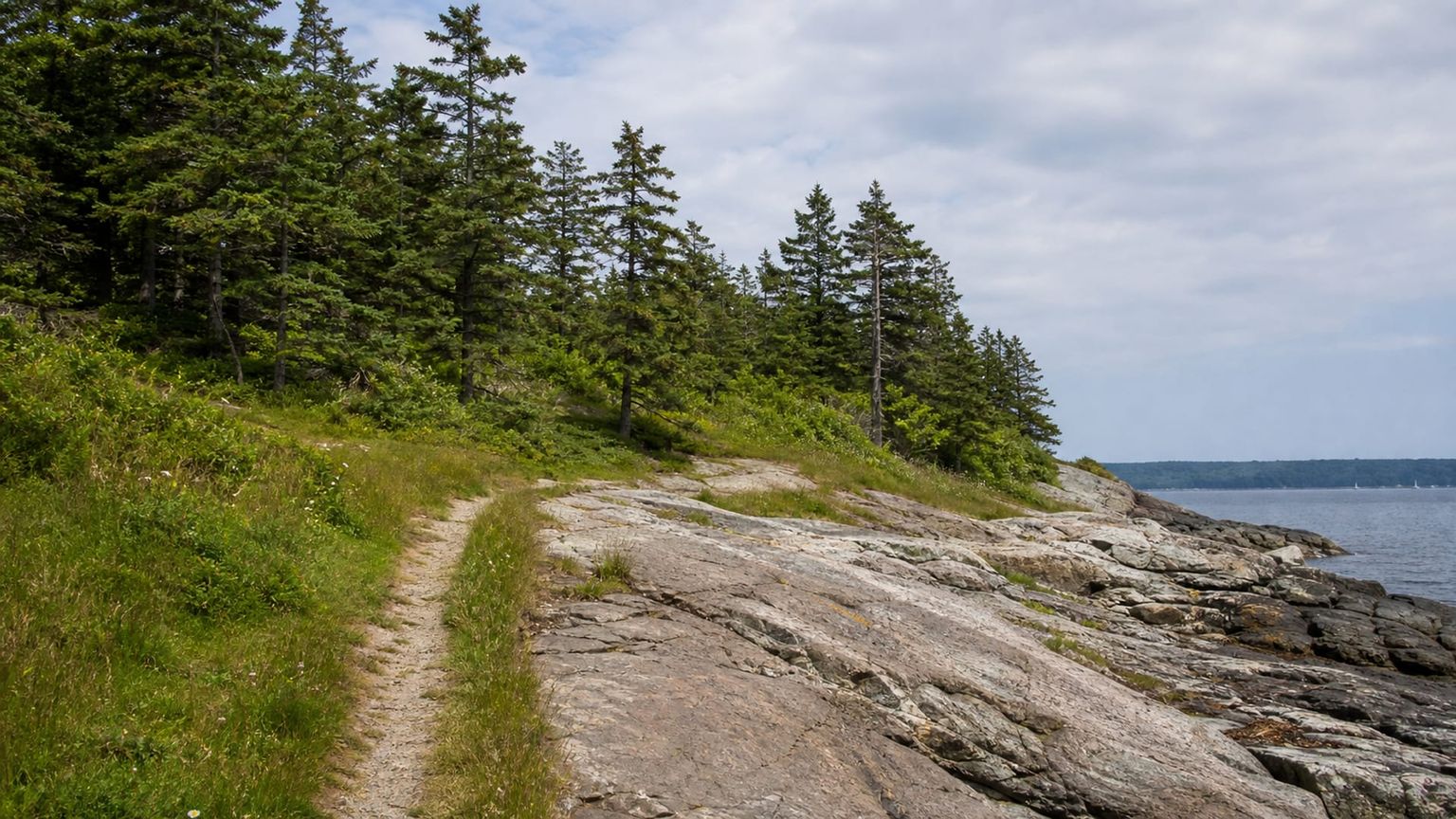
Take the ferry or a water taxi to McNabs Island Provincial Park on a clear morning, since the trip itself is part of the day and ferry fares usually run about $15 to $25 ($20 to $34) round trip. Plan on 3 to 5 hours for trails, ruins, and quiet coves, then return to Halifax for an evening performance at Neptune Theatre, where tickets usually cost about $35 to $95 ($47 to $128). If you prefer an earlier finish, leave time for a harbor-facing dinner back in the core before the show.
Before departure, make one last stop at the Halifax Citadel National Historic Site if you want a final museum visit, or pair a shorter visit with a slow morning in the North End. Afterward, spend time shopping along Spring Garden Road or in Downtown Halifax, then settle into a café in the South End for lunch or an afternoon coffee before heading back to Halifax (YHZ). The airport ride from downtown is about 30 to 35 minutes by taxi or ride-hail, so leave enough margin for traffic and check-in.
Business-class flights from the US to Halifax
From New York and Los Angeles, the easiest comparison is not just price, but how much time you want to spend in transit. Halifax usually rewards travelers who accept a connection, then build the trip around the city rather than the airport.
Air Canada, Porter Airlines, WestJet, United Airlines, and Delta Air Lines all sell New York to Halifax itineraries, with nonstop flying time of about 1.5 to 2 hours on the direct options. If you do not mind a connection, common layovers through Toronto (YYZ), Montreal (YUL), Boston (BOS), or Washington (IAD) often bring fares down to roughly $300 to $600.
From Los Angeles, Air Canada, United Airlines, WestJet, and Alaska Airlines usually price round trips at about $700 to $1,800. One-stop itineraries often sit near the lower end of that range, with common connections through Toronto (YYZ), Vancouver (YVR), San Francisco (SFO), or Denver (DEN).
Halifax feels different when you slow down
A well-paced Halifax trip usually splits cleanly between the boardwalk, Citadel Hill, the South End, and one harbor crossing to McNabs Island, with buses, taxis, and ferries doing most of the work. That mix keeps your days anchored in places that matter instead of constant transit. If you want AranGrant experts to shape the same route around Pier 21, Point Pleasant Park, and a South End base, start there