

Chapters:

Need help with your trip?
Our support team is available 24/7. Request a callback or call us directly at (833) 619-0908
Windhoek trips often start with a night near the center, a quick look at Christuskirche, and then a long list of places trimmed down by distance. Travelers who do not map the city early often miss how much of the day can disappear between a museum stop, a taxi ride, and a late dinner.
That pattern works, but it can scatter energy across a city where central sights sit close together while other areas need planning. Windhoek rewards routing, not wandering, because neighborhood choice changes how often you cross town and how easily you reach dinner after sunset.
This guide keeps the center, Klein Windhoek, and Daan Viljoen in a clear sequence, so each day has a defined focus and fewer detours.
Useful things to know

Main language(s): English

Currency: The local currency is the Namibian dollar (NAD, N$).

Cash and cards: Cards and contactless are widely accepted in Windhoek, but keep about NAD 200 to 500 ($11 to $28) in cash for small vendors and tips.

Tipping: Tip 10% in restaurants if service is not included; round up small fares and bills.

Traditional food: Kapana, biltong, potjiekos, mopane worms

Water and coffee costs: Water about NAD 15 to 25 ($1 to $1.50), bar espresso about NAD 25 to 40 ($1.50 to $2.25).

Taxis and ride apps: Bolt and inDriver operate in Windhoek; confirm the fare before you ride.

Plug and voltage: Type D/M socket, 220V

Dining and shop opening hours: Breakfast is about 07:00-10:00, lunch 12:00-14:00, and dinner 18:00-21:00. Many restaurants close earlier on Sundays.

Emergency number: 112 for police, fire, and medical emergencies.
Where to stay in Windhoek
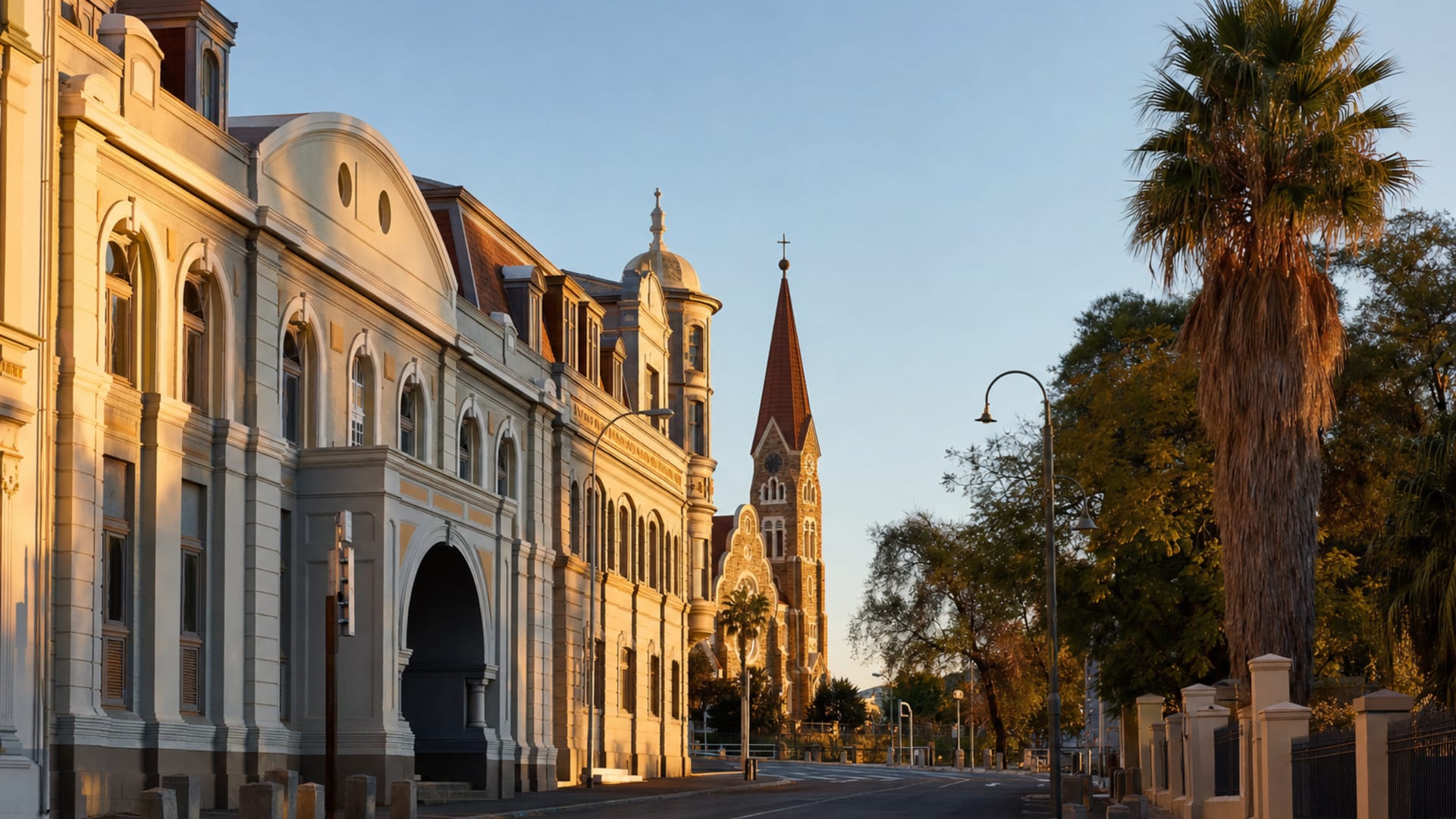
Windhoek’s central district puts government offices, shops, banks, and many hotels in one compact zone. It matters for travelers because you can walk to key civic sights, arrange errands quickly, and stay close to the city’s main transport links.
Best for: First-time visits, short stays, and travelers who want the easiest access to central sights and errands
What to expect: Busy sidewalks by day, with office workers, shoppers, and tour pickups; evenings quiet down after business hours.
Hotel prices: Usually about $55 to $120 per night for well-rated stays
Distance to major sights: 5 to 15 minutes on foot to Christ Church and Independence Avenue
Quietness: Active and functional in the day, then notably quieter after dark with limited late-night activity.
Main trade-off: You get convenience, but rooms can cost more than in outer neighborhoods and the street scene thins out after business hours.
Good to know: If you want to move around without relying on taxis all day, this is the most time-efficient base.
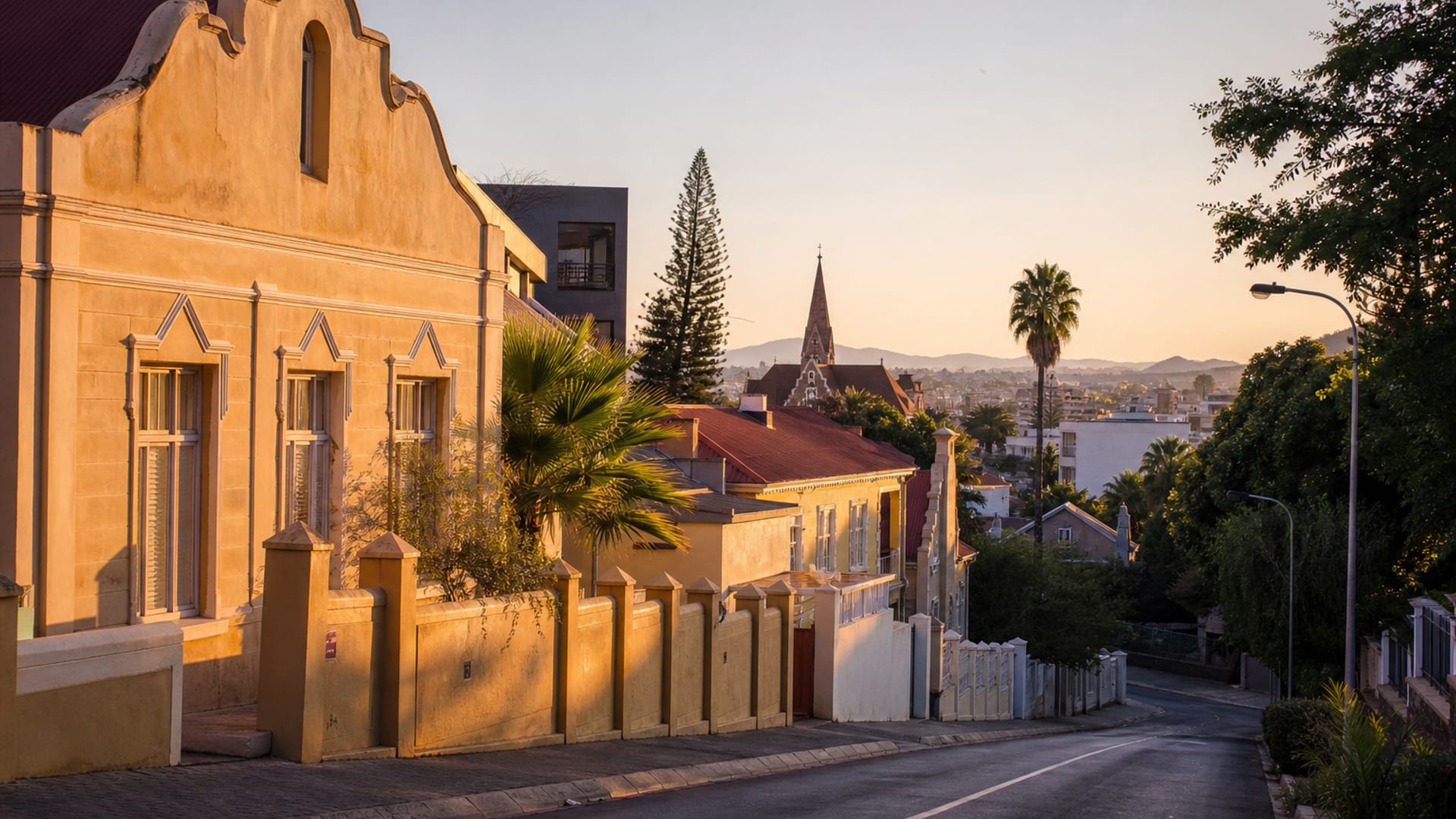
Klein Windhoek is a leafy residential area just east of the center, with guesthouses, restaurants, and several embassies nearby. It matters because it offers a calmer setting while still keeping downtown, the museum, and major roads within easy reach.
Best for: Leisure travelers, longer stays, and visitors who prefer a quieter residential base with easy access to the center
What to expect: Low-key streets, scattered cafes, and a more residential feel than the core, with modest activity around dining spots.
Hotel prices: Usually about $70 to $160 per night for well-rated stays
Distance to major sights: 10 to 20 minutes by taxi to Christ Church, about 25 minutes on foot to the center
Quietness: Quieter than the center during the day and typically calm in the evening, aside from restaurant hours.
Main trade-off: You gain more space and quieter nights, but you will depend more on taxis for central dining and sightseeing.
Good to know: Choose it if you prefer guesthouses and dinners near home rather than being in the middle of the office district.
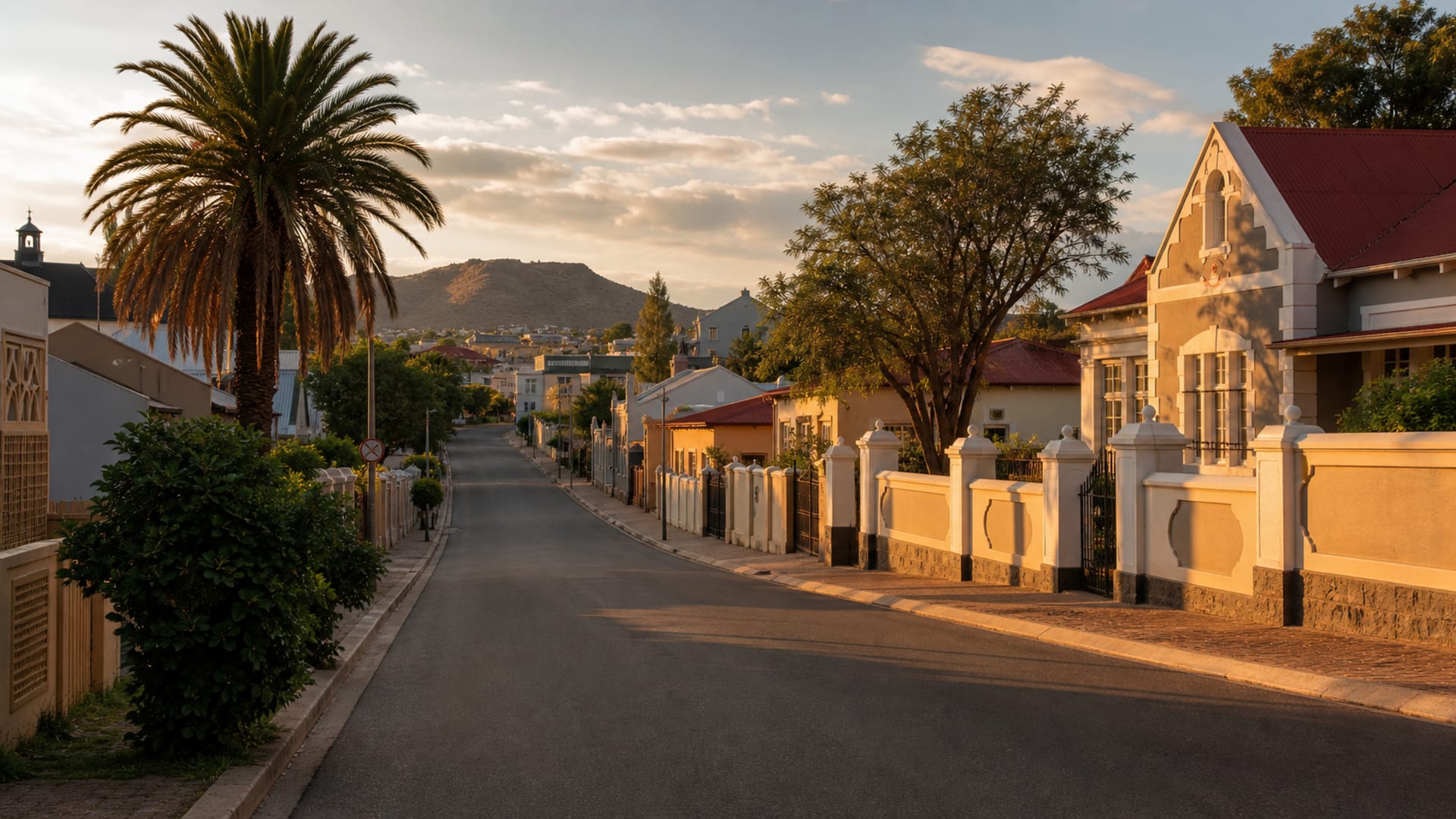
Ludwigsdorf sits on the eastern edge of Windhoek and is known for homes on higher ground, larger plots, and a more suburban feel. It matters for travelers who want a quieter base and do not mind commuting into the center for most meals and sightseeing.
Best for: Travelers with a car, longer stays, and visitors who want a residential base with more privacy
What to expect: Sparse foot traffic, quiet streets, and limited casual walk-in activity outside local residences and a few businesses.
Hotel prices: Usually about $65 to $150 per night for well-rated stays
Distance to major sights: 20 to 30 minutes by taxi to Christ Church and the center
Quietness: Very quiet in the day, and even calmer at night with little street activity.
Main trade-off: The setting is calmer, but you will spend more on rides and lose the ease of walking to dinner or sights.
Good to know: Plan your evenings before you head back, since late dining and spontaneous options are much thinner here.
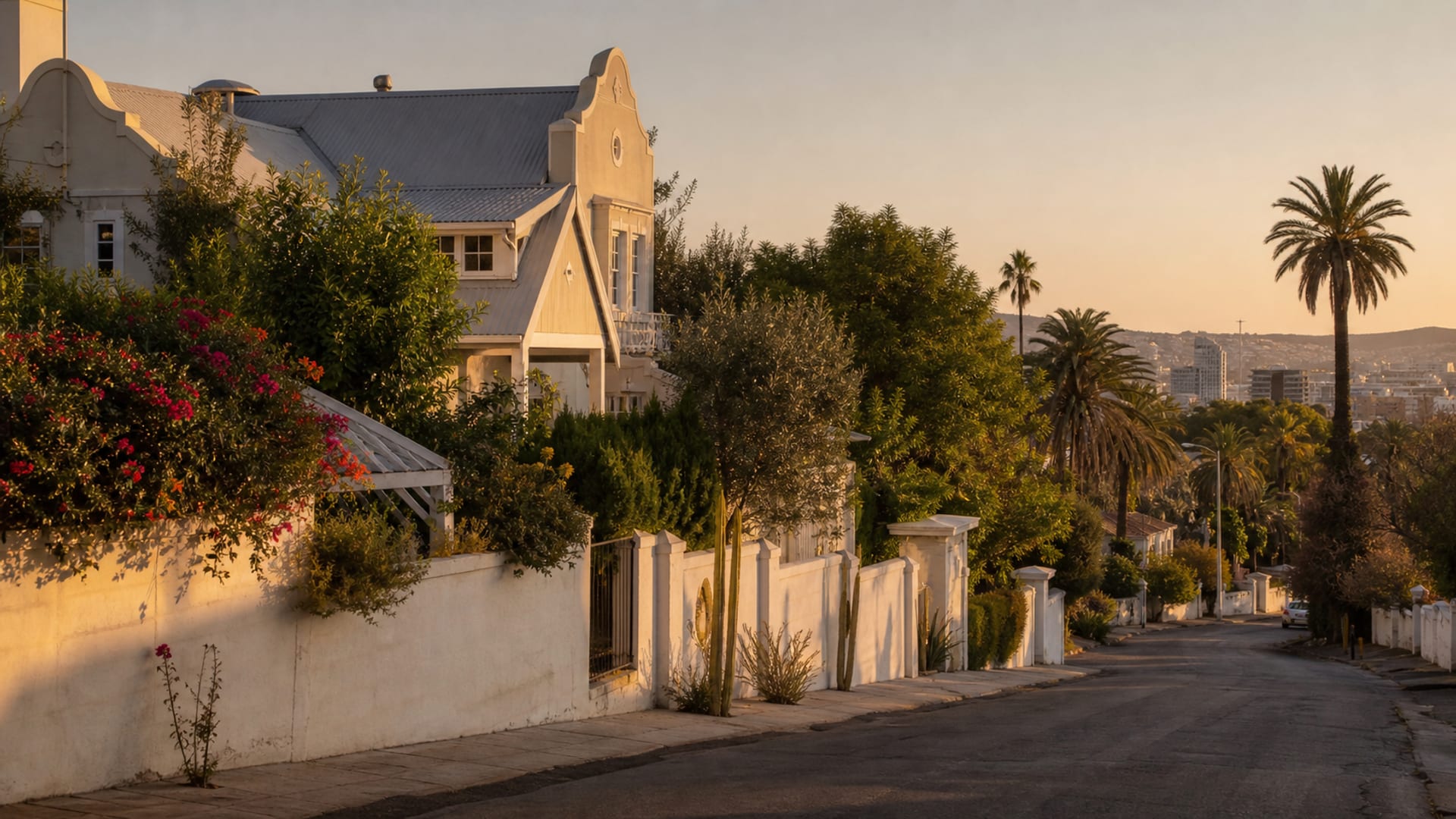
Eros lies southeast of the center and combines residential streets with hotels, clinics, and access to the airport road. It matters because it can suit travelers who want an easy entry and exit point while staying close enough to downtown for short visits.
Best for: Business travelers, early departures, and short stays with car or taxi access to the center
What to expect: Mostly residential activity, some hotel traffic, and light street movement rather than a busy pedestrian scene.
Hotel prices: Usually about $60 to $140 per night for well-rated stays
Distance to major sights: 10 to 20 minutes by taxi to Christ Church and Independence Avenue
Quietness: Calm during the day and generally quiet at night, with only occasional traffic from nearby roads.
Main trade-off: It works well for airport access, but you will rely on transport for most restaurants and central attractions.
Good to know: If you are flying out early from Windhoek (WDH), this area cuts down on the morning transfer without putting you far from town.
Travelers usually avoid Katutura, because it sits far from Windhoek’s main sights and most hotel options are limited. The same goes for the outer edges of Khomasdal, Brakwater, Kleine Kuppe near the far retail corridors, and the airport area near Windhoek (WDH), since these areas put you away from the city center, visitor amenities, and easy evening dining or transit.
Hotel deals
How to get around Windhoek efficiently
Windhoek has no metro or suburban rail for visitors, so taxis, ride apps, and the limited city bus network do the real work for getting between the center, Eros, and the farther residential areas.

Metro
for longer distances
Windhoek has no metro or suburban rail for visitors, so there is no rail ticket to buy for airport-area travel. For cross-town trips, use taxis or the city bus network instead.

Bus and tram
for convenience
City buses in Windhoek run limited local routes, with MyCiTi-style frequent service not available here. Expect single fares of roughly $0.50 to $1, and ask locally about current validity, because tickets and timetables can change; buses suit daylight trips between central neighborhoods and main shopping areas, but they do not cover the airport well.

Taxi
for convenience or late hours
Licensed taxis in Windhoek are usually metered in the city, while airport trips may use set fares arranged in advance. A ride from Windhoek (WDH) into the city center often costs about $12 to $20, and longer cross-town trips can be roughly $5 to $12; confirm the price before departure, carry cash in Namibian dollars or South African rand, and use hotel ranks or registered operators rather than hailing on the street.
*Prices are based on rates updated as of June 2026 and may change at the time of travel.
Use buses for inexpensive daytime trips in the center, taxis and ride apps for cross-town movement, and a prebooked transfer when you are arriving at or leaving Windhoek (WDH).
Iconic landmarks
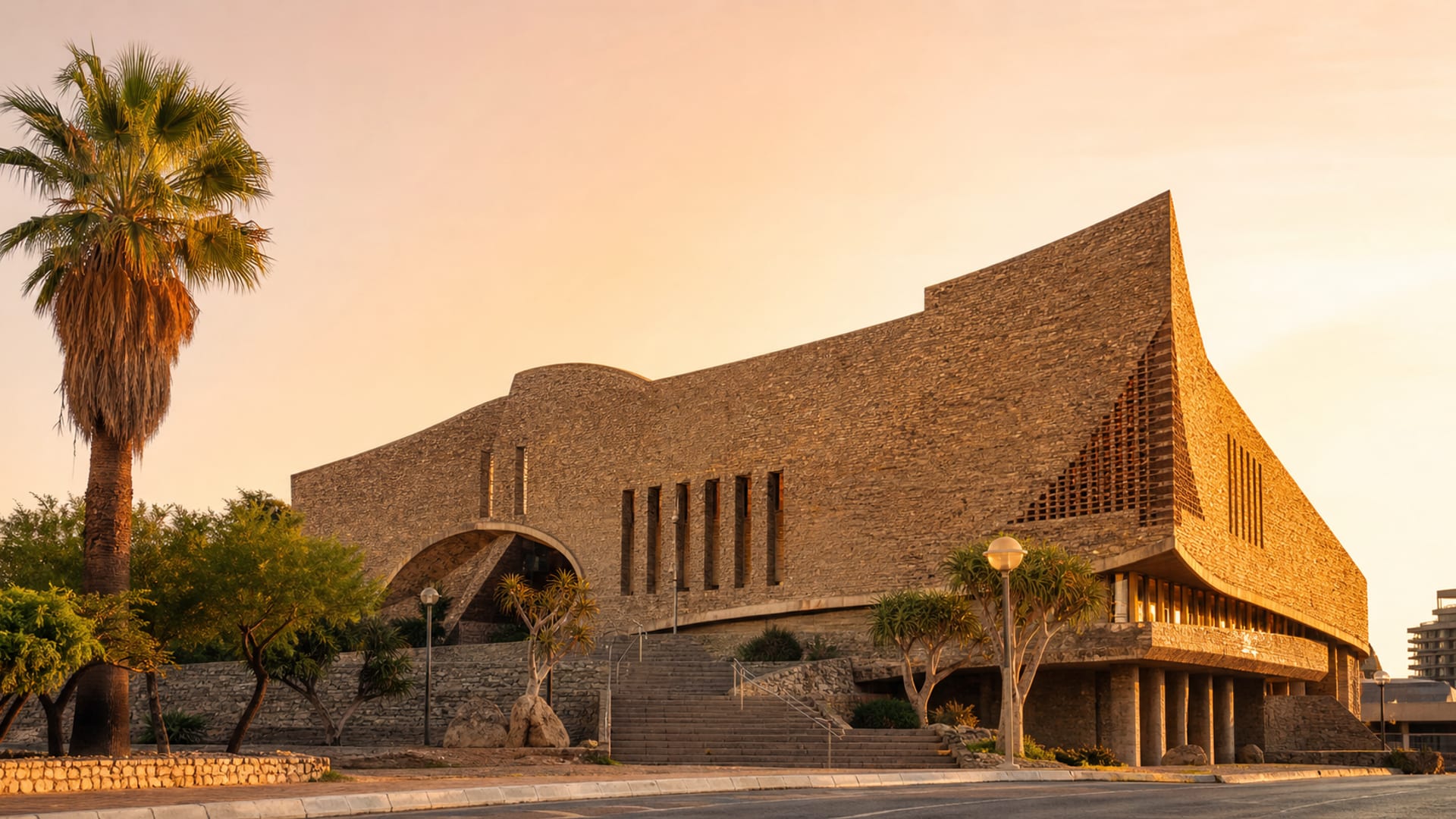
Independence Memorial Museum
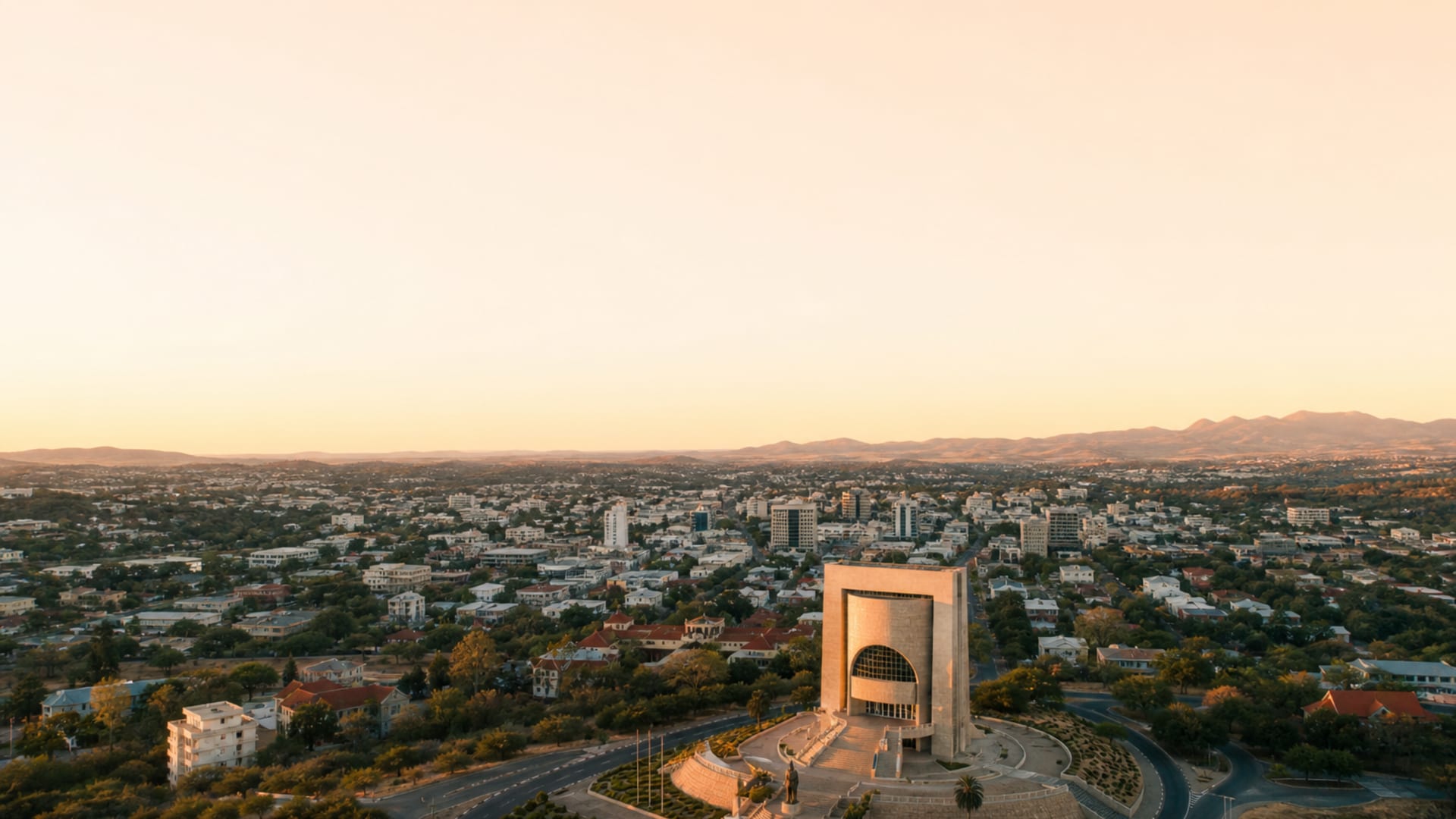
This hilltop museum traces Namibia’s anti-colonial struggle with galleries on the liberation movement, a glass tower, and city views from the terrace. It sits beside the Independence Memorial, so you can pair the exhibits with the monument in one visit.
Time needed: About 1 to 2 hours
Entry: Admission is free, with no timed entry required for the museum or the memorial grounds. Visit the official site for details.
Tip: Go in the late afternoon for clearer light over the city and cooler terrace temperatures.
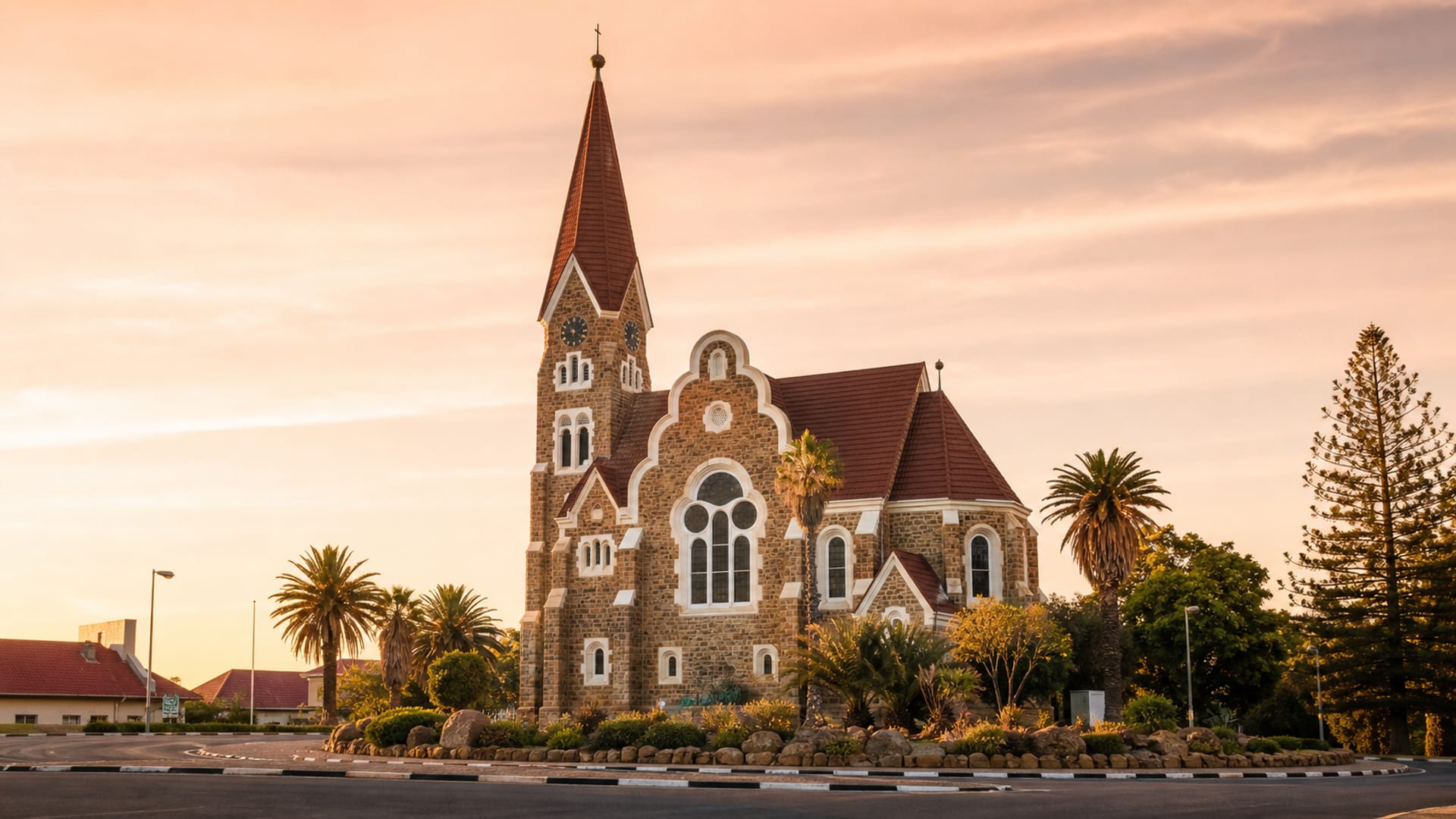
Christuskirche
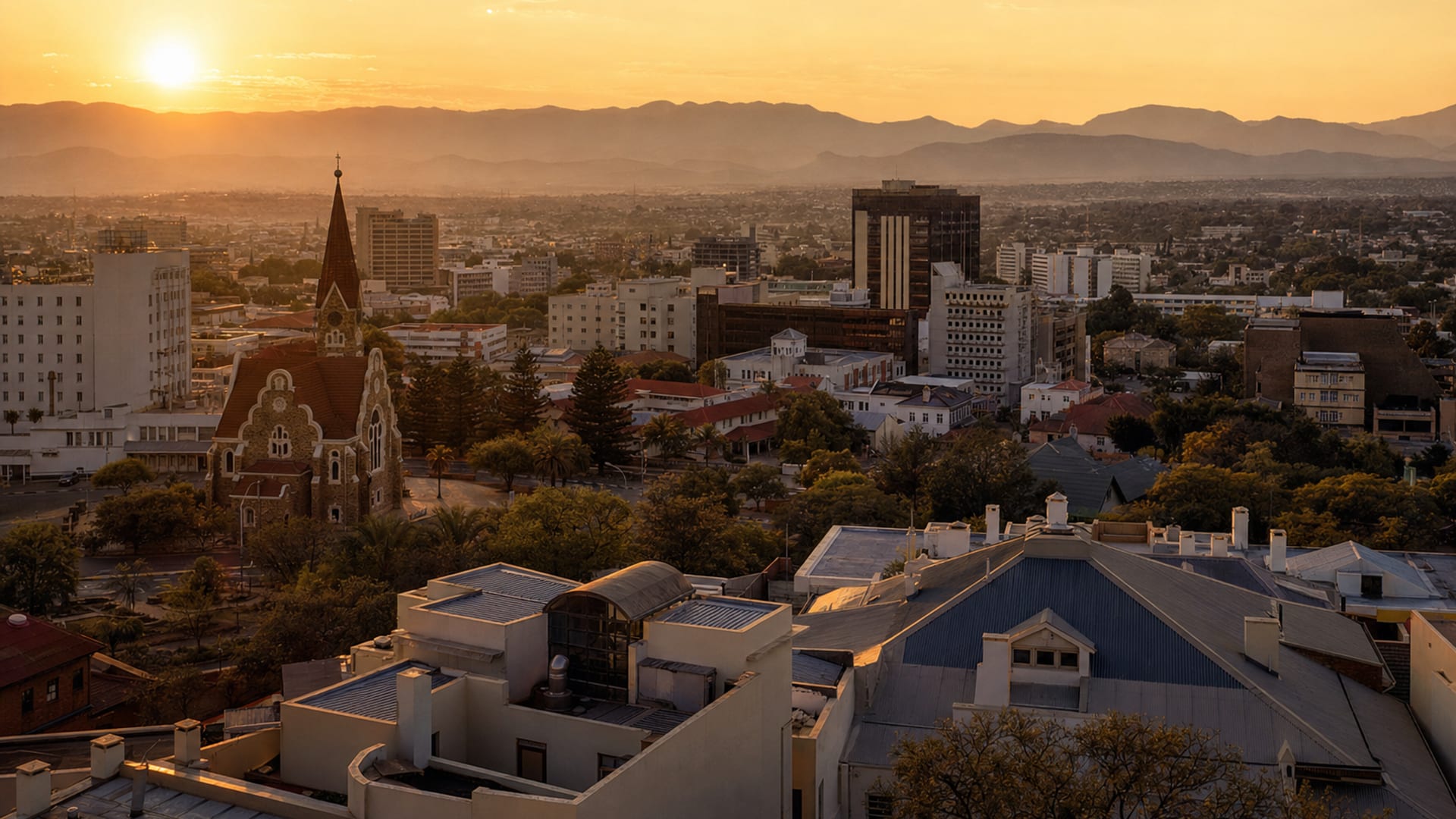
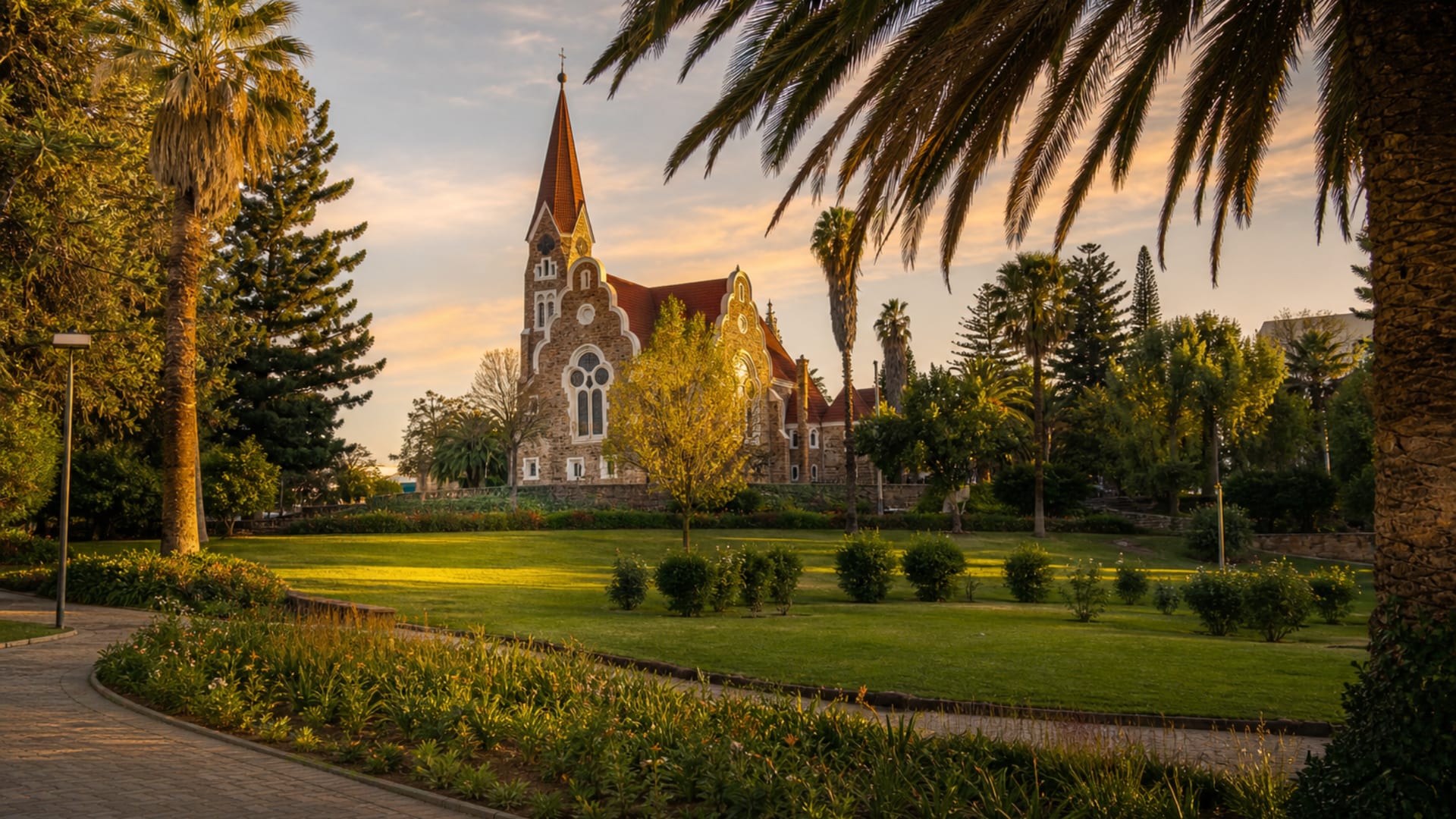
Built in 1907, this Lutheran church stands at the edge of the historic center with a sandstone façade, stained glass, and a small interior open to visitors. Its hilltop setting gives you a direct read on Windhoek’s German-era streetscape.
Time needed: About 30 to 45 minutes
Entry: Admission is free, and visitors can enter during normal opening hours without a ticket.
Tip: Visit in the morning, when the church is open and the stone facade has softer light.
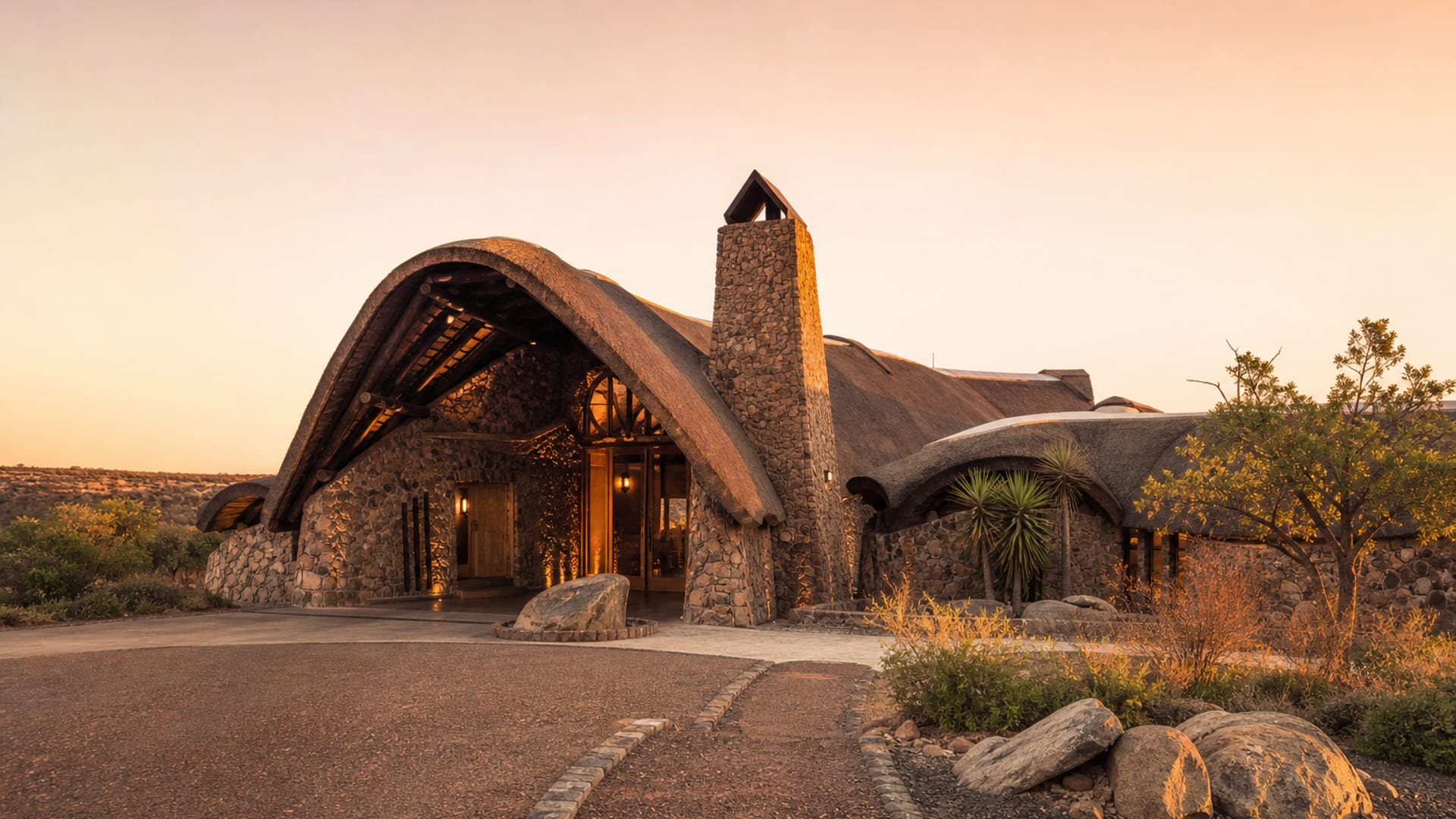
Daan Viljoen Game Reserve
This reserve lies about 20 km west of the center, with marked hiking loops, viewpoints over the hills, and short self-drive wildlife circuits. You may see kudu, zebras, and smaller antelope, making it the closest classic game-viewing stop to the city.
Time needed: About 2 to 4 hours
Entry: Day-use entry is about $3 to $6 ($55 to $110), with higher rates for some vehicle categories. Visit the official site for details.
Tip: Start early, because wildlife is most active before midday and the trails heat up fast.
Overlooked sites worth visiting

Parliament Gardens
A landscaped lawn and path network in central Windhoek, it sits beside the National Assembly and nearby government buildings. Come for a short walk, benches, and city views without a museum stop.
Time needed: About 30 to 45 minutes
Entry: Free to access
Tip: Visit late afternoon for softer light and cooler temperatures.

National Art Gallery of Namibia
This compact gallery shows Namibian and regional art in rotating exhibitions, with a small footprint that makes it easy to pair with a city walk. The focus stays on contemporary work and local artists.
Time needed: About 45 minutes to 1 hour
Entry: Admission costs about $1 to $4 (approximately N$20 to N$80) Visit the official site for details.
Tip: Check current exhibitions before you go.
Traditional food
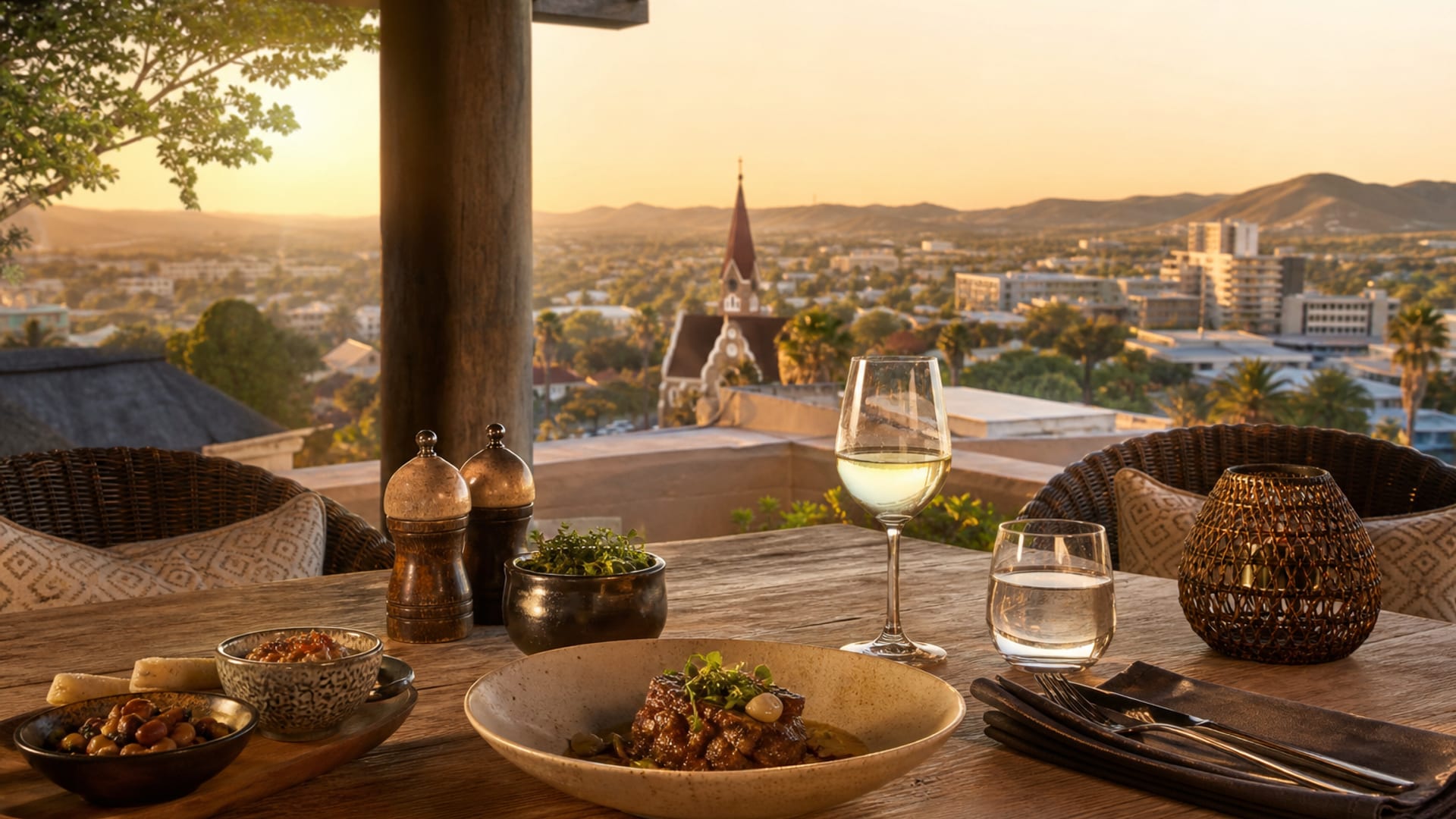
Windhoek dining leans on game meat, cured cuts, and hearty South African-influenced cooking, with kapana stalls, grilled biltong, and potjiekos anchoring many menus. Expect simple rooms, early dinner hours, and meat-centered plates.
Kapana
Freshly grilled beef, sliced hot and served with spice, pap, or bread, kapana is one of the clearest street-food tastes in Windhoek. For a canonical stop, try it at Gibeon in the Township area, where the grills stay busy and the portions arrive fast.
Biltong
Air-dried, seasoned meat sells everywhere in Windhoek, but a dedicated sit-down version belongs on a snack plate or tasting board. Joe’s Beerhouse is the city’s best-known reference point, with a menu built around Namibian meat and casual grazing.
Potjiekos
This slow-cooked stew arrives in a cast-iron pot with meat, vegetables, and a rich broth that suits Windhoek’s dinner culture. The Stellenbosch Wine Bar and Bistro serves a version that matches the dish’s hearty, shared-meal style.
Mopane worms
These protein-rich caterpillars appear fried, dried, or simmered, often as a side or tasting item rather than a full meal. Olive Restaurant at Hotel Heinitzburg is a polished place to sample them in a composed plate with city views.
Best time to visit Windhoek
Windhoek’s dry, high-altitude climate keeps most months workable, but winter mornings can feel sharp and summer afternoons bring stronger heat and occasional rain.
Best for: Green hills, long daylight, and easier add-on time for Daan Viljoen
What you get: Highs about 86 to 95°F (30 to 35°C), lows about 60 to 66°F (16 to 19°C); lighter visitor traffic outside holiday periods
Trade-offs: Afternoon heat and brief thunderstorms can shorten outdoor plans
Best for: Balanced sightseeing, clear skies, and comfortable city walking
What you get: Highs about 72 to 86°F (22 to 30°C), lows about 48 to 61°F (9 to 16°C); moderate crowds and good visibility
Trade-offs: Evenings cool down quickly after sunset
Best for: Dry weather, crisp mornings, and steady conditions for museum days and reserve trips
What you get: Highs about 66 to 77°F (19 to 25°C), lows about 36 to 48°F (2 to 9°C); lighter crowds and very little rain
Trade-offs: Early mornings can be cold before the sun warms the city
Best for: Long days, bright light, and comfortable conditions for a five-day city plan
What you get: Highs about 77 to 91°F (25 to 33°C), lows about 52 to 63°F (11 to 17°C); moderate crowds as travel picks up
Trade-offs: Heat builds toward November, especially after midday
A realistic 5-day plan in Windhoek
Over five days, Windhoek works best as a sequence of short, specific movements rather than a loose list of stops. The plan below keeps the historic center together, then moves out to Klein Windhoek and Daan Viljoen before finishing with a final sweep through the city.
Land at Windhoek (WDH) and take a taxi into Eros or the City Centre, usually about 10 to 20 minutes and roughly $10 to $18 (about N$190 to N$340) depending on traffic and the exact hotel address. If you arrive in the afternoon, settle in near Independence Avenue, drink water, and keep dinner close by at a café in the City Centre so you do not need to cross town on your first night.
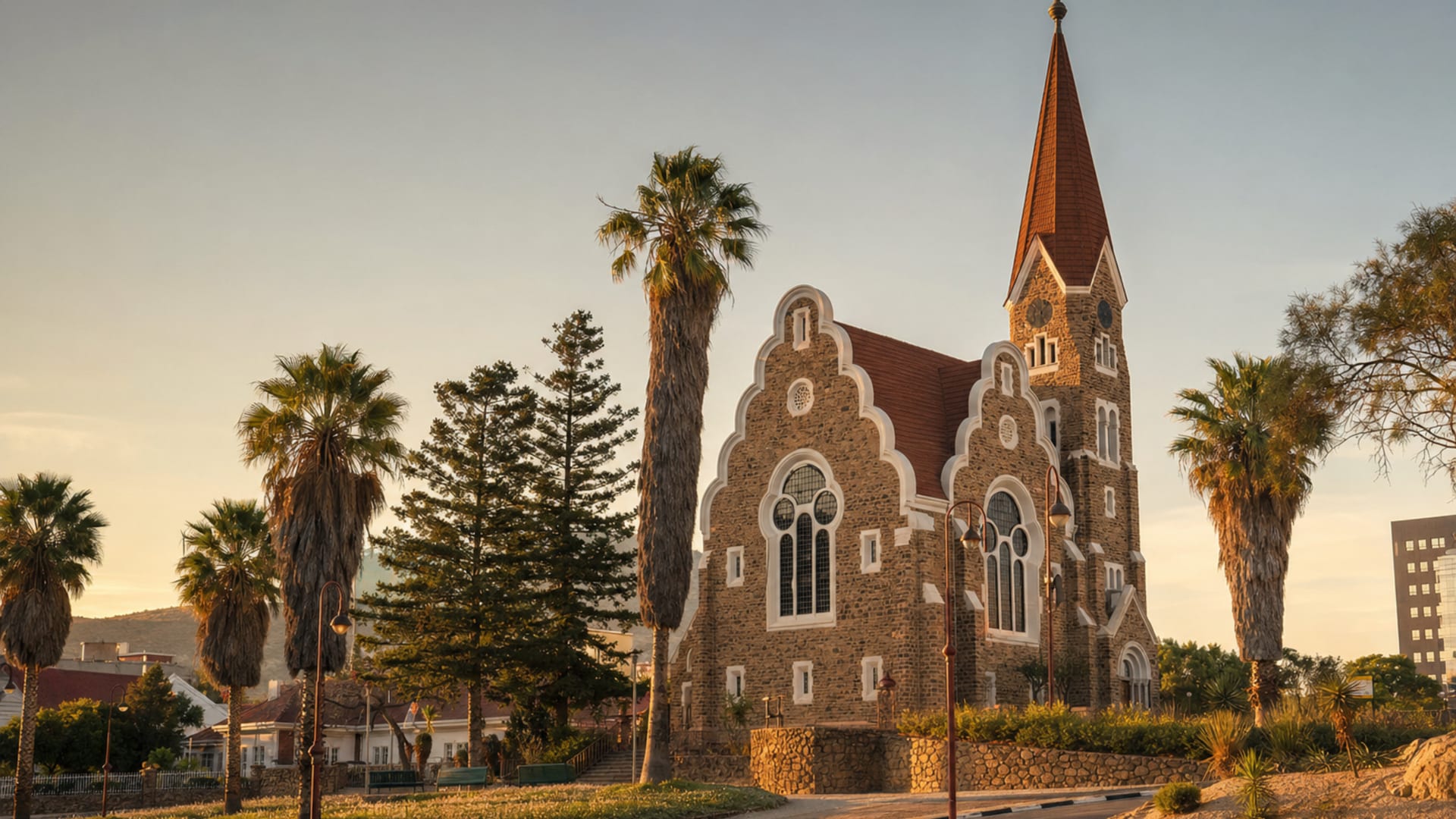
Start in the City Centre with Christuskirche, then walk about 10 minutes uphill to Parliament Gardens for a short pause before continuing roughly 5 minutes farther to the Independence Memorial Museum. The museum and memorial grounds take about 1 to 2 hours, and the terrace gives a clear city outlook, so plan a late-afternoon visit if you can. Afterward, return to Independence Avenue for a relaxed dinner in the center.
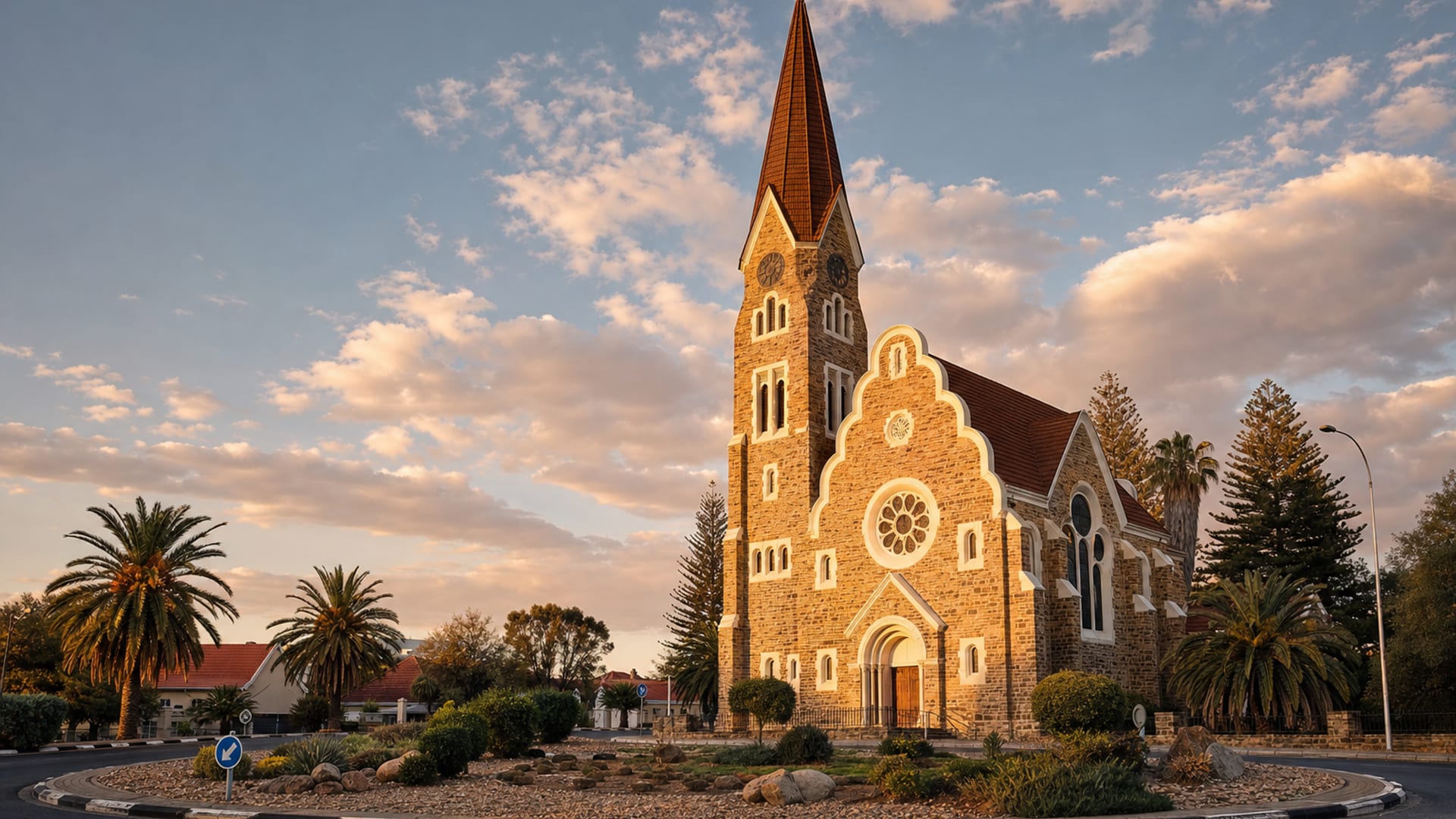
Begin with the National Art Gallery of Namibia, then walk about 8 minutes to Christuskirche and another 7 minutes to the surrounding historic center for an easy circuit through the old core. In the afternoon, head by taxi to Klein Windhoek, about 10 to 20 minutes from downtown, for a quieter meal and an early evening in a residential neighborhood with several restaurants clustered together.
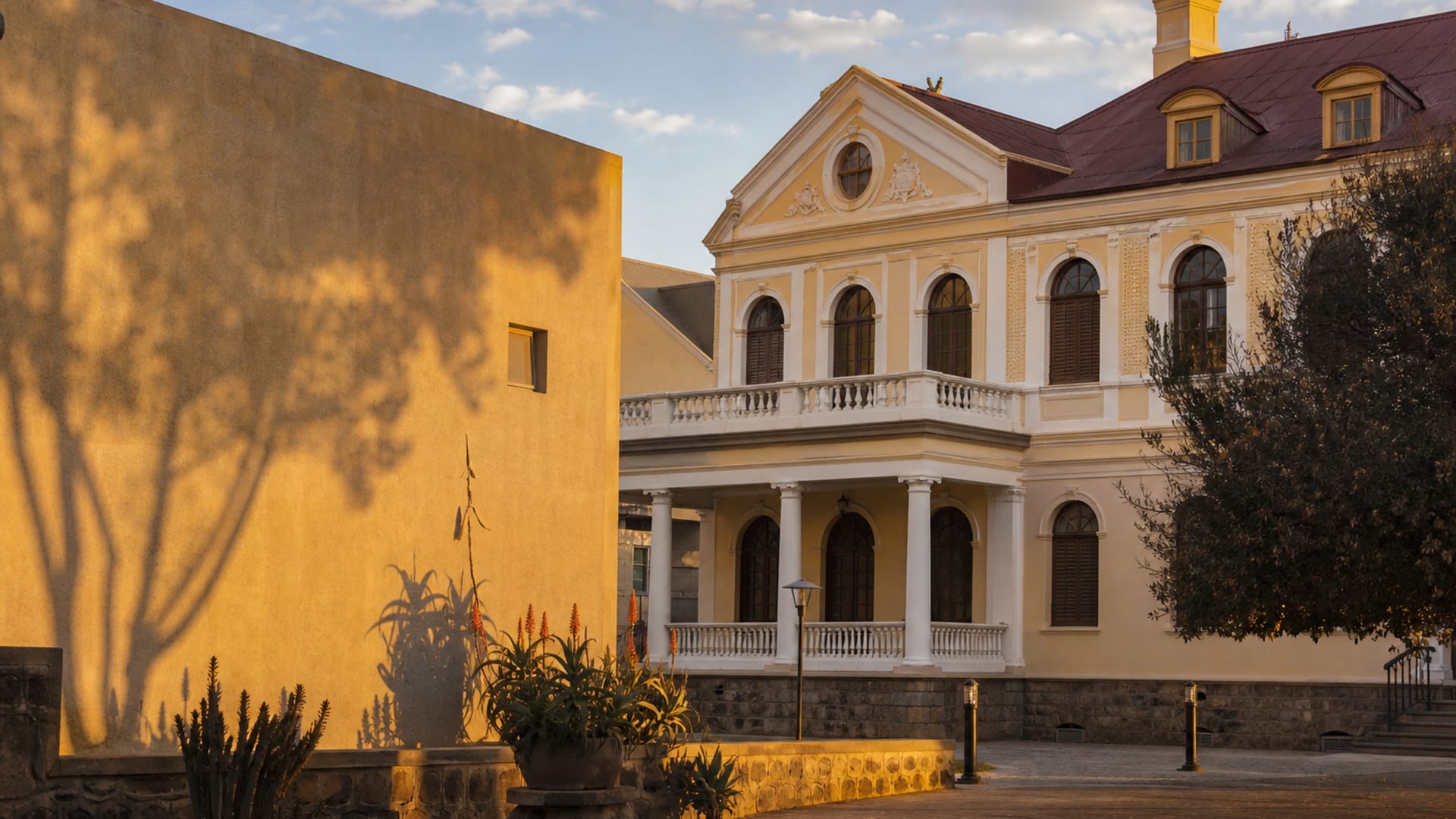
An early departure to Daan Viljoen Game Reserve works best, so leave the city before 8:00 am and expect the drive from Windhoek to take about 30 minutes each way. Spend 2 to 4 hours on the marked trails and short wildlife circuits, then return to town for a late lunch in the City Centre or Eros before a low-key evening.
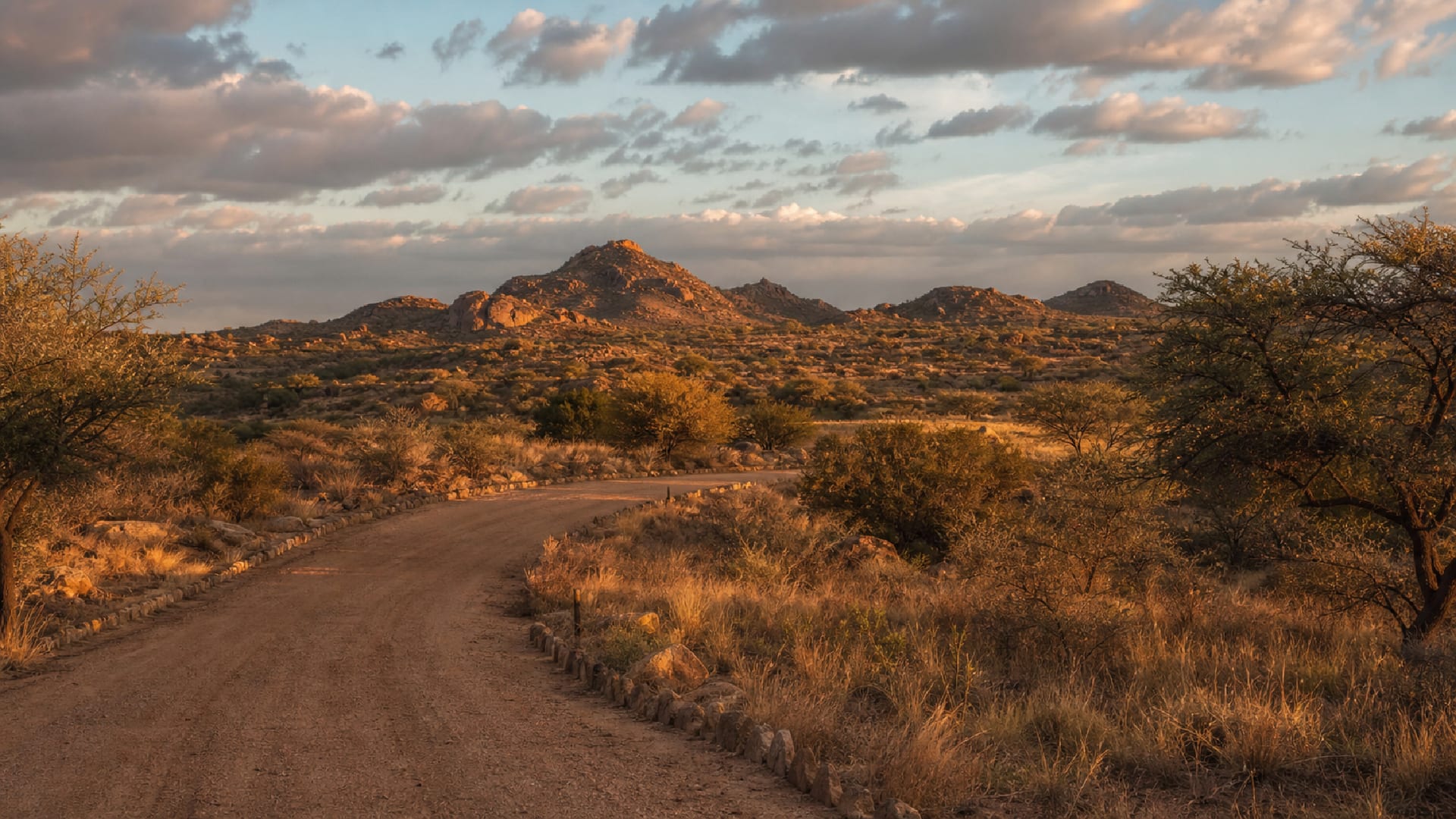
One last circuit through town works well if you start at the National Art Gallery of Namibia for about 45 minutes to 1 hour, then walk about 5 minutes to the nearby government quarter for a final look at Parliament Gardens. From there, head to Klein Windhoek for coffee or a late breakfast, and if you need souvenirs, make a final stop in the City Centre before your airport transfer.
Business-class flights from the US to Windhoek
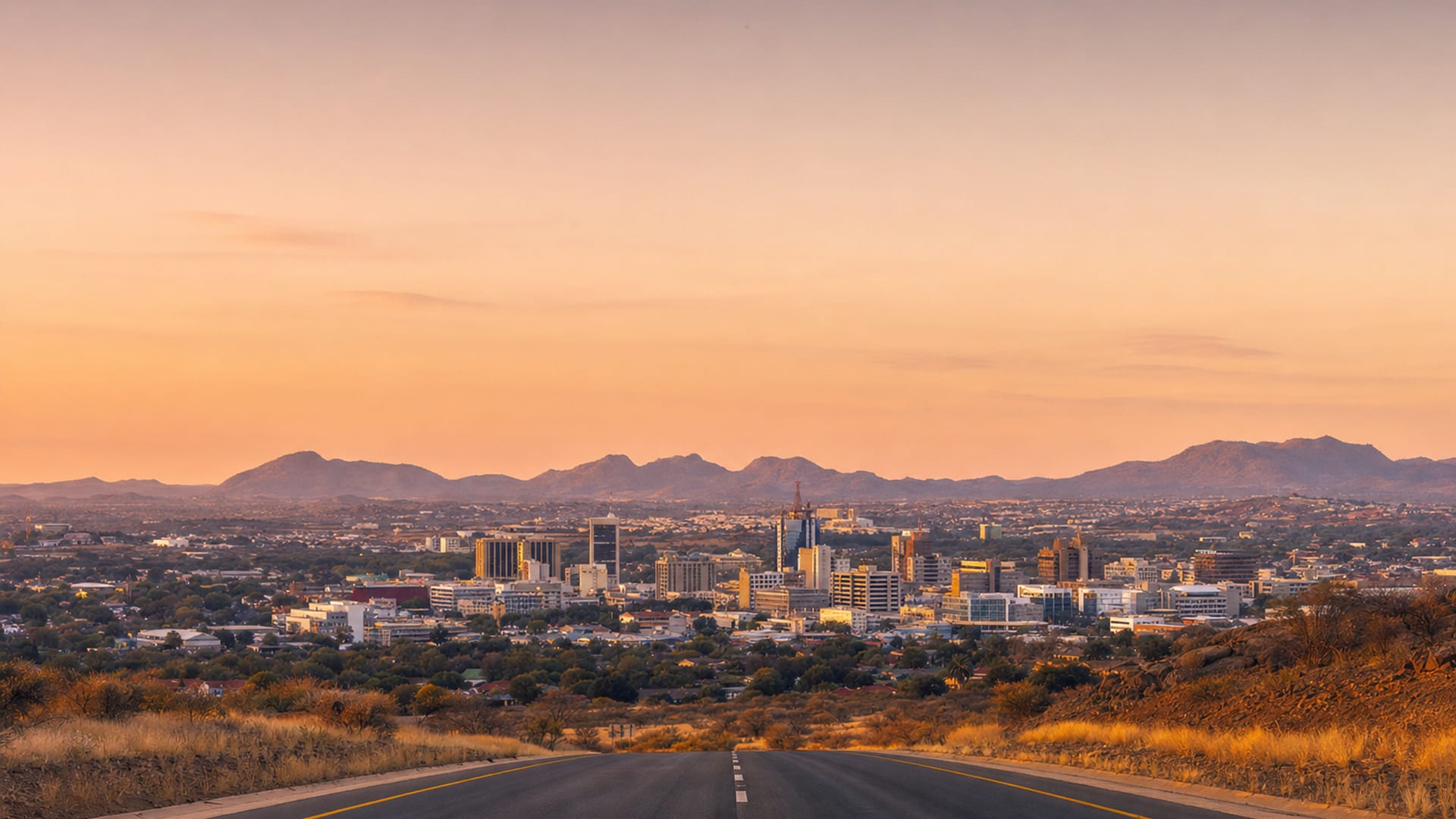
Long-haul flights to Windhoek usually connect through major hubs, so the useful comparison is not just price, but how the route shapes the total journey. From New York and Los Angeles, the best fares often trade directness for one stop and a longer travel day.
From New York (JFK), airlines such as Ethiopian Airlines, Qatar Airways, Turkish Airlines, Lufthansa, and Condor price round trips at about $4,800 to $8,500. If you do not mind a connection, common routing through Addis Ababa (ADD), Doha (DOH), Istanbul (IST), Frankfurt (FRA), or Munich (MUC) takes about 18 to 27 hours and often lowers the fare.
From Los Angeles (LAX), round trips usually start at about $4,700 and can reach $8,200 with airlines including Qatar Airways, Turkish Airlines, Ethiopian Airlines, Lufthansa, and Emirates. A stop in Doha (DOH), Istanbul (IST), Addis Ababa (ADD), Frankfurt (FRA), or Dubai (DXB) commonly puts the trip at about 20 to 30 hours.
Windhoek feels different when you slow down
A deliberate Windhoek trip keeps the center, Klein Windhoek, and Eros in view, then reserves one clear day for Daan Viljoen and one for the government quarter around Parliament Gardens. That approach cuts down on repeated cross-town rides and leaves room for an early dinner close to where you stay. If you want a trip shaped this way, the AranGrant experts can help you plan it around the right neighborhood and season







