

Chapters:

Need help with your trip?
Our support team is available 24/7. Request a callback or call us directly at (833) 619-0908
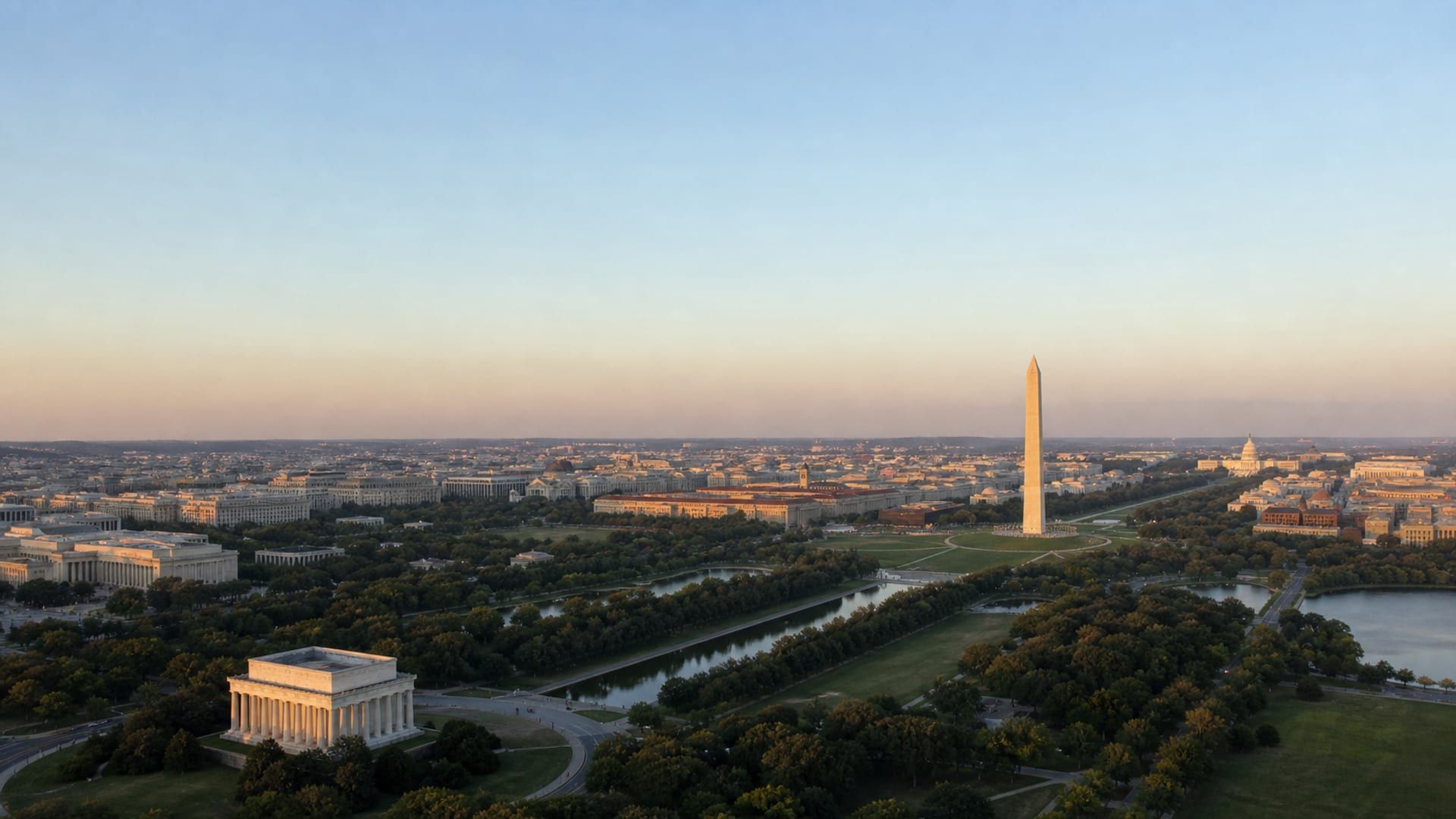
Washington travel usually starts with the Mall, one museum, and a quick look at the monuments, then ends with more time in taxis than planned. Travelers often miss how much the city changes once they leave that central corridor.
Distances stay short on a map, but the day can break apart if you cross town at the wrong hour, line up for a timed museum entry, or try to fit too many stops into one side of the city. Washington rewards measured pacing.
This guide maps the city in a clearer order, pairing core landmarks with quieter neighborhoods, realistic transit choices, and timing that keeps the busiest sights in reach without forcing every afternoon to run long.
Useful things to know

Main language(s): English

Currency: The local currency is the US dollar (USD, $).

Cash and cards: Cards and contactless are widely accepted; carry about $20 to $40 in cash for small purchases and tips.

Tipping: Tip 15-20% at sit-down restaurants; round up taxi fares and leave small change for cafés.

Traditional food: Half-smoke, Chesapeake blue crab cakes, Ben’s Chili Bowl chili, mambo sauce

Water and coffee costs: Water about $2 to $4, bar espresso about $3 to $6.

Taxis and ride apps: Uber and Lyft operate here; airport pickups may use designated ride-hail zones.

Plug and voltage: Type A/B socket, 120V

Dining and shop opening hours: Breakfast is about 07:00-10:00, lunch 12:00-14:00, and dinner 17:30-22:00. Many kitchens close between lunch and dinner, especially on weekends.

Emergency number: Dial 911 for police, fire, and medical emergencies.
Where to stay in Washington
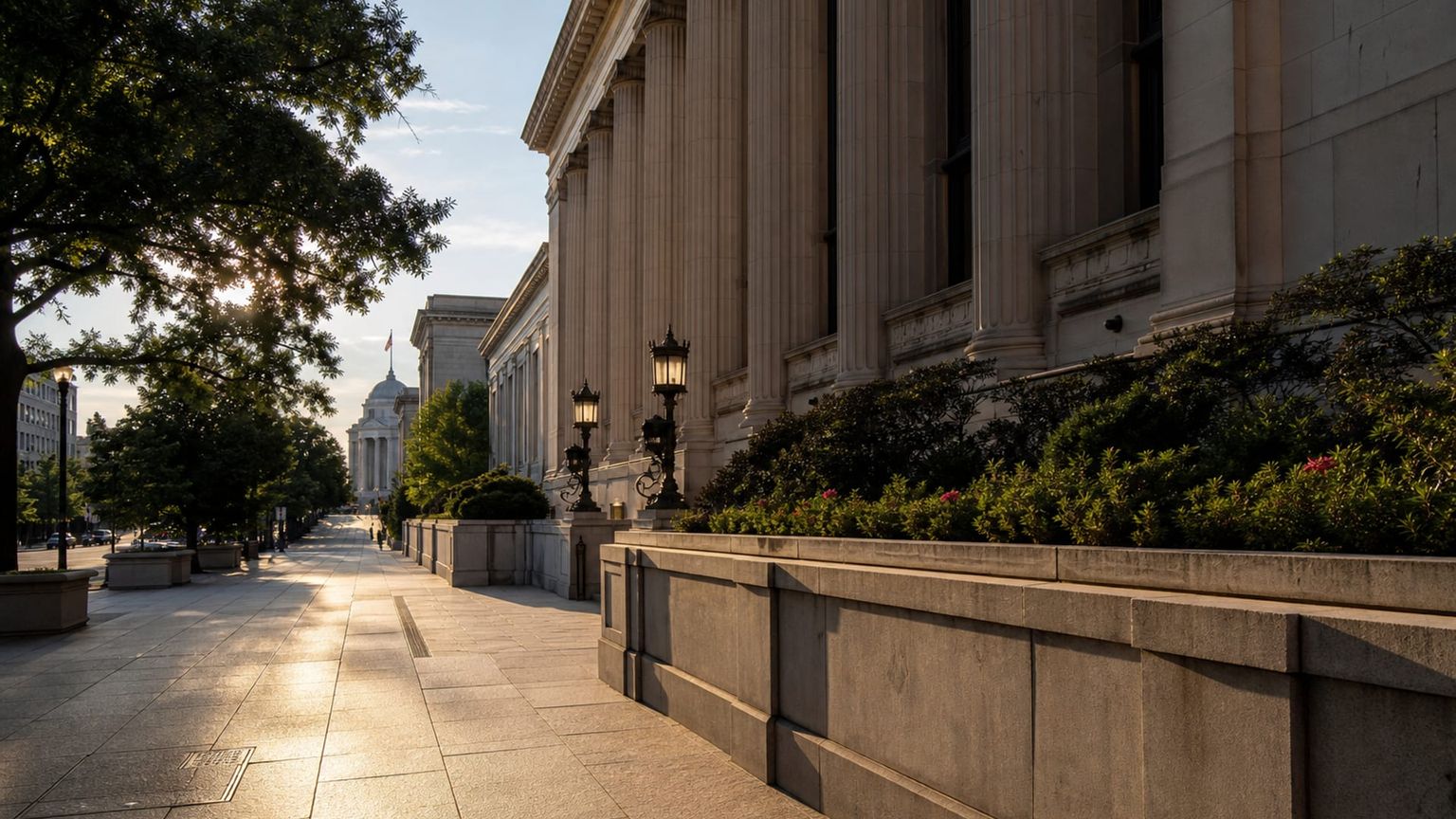
Downtown places you close to the National Mall, major museums, and the city’s main business blocks. It suits travelers who want the capital’s biggest sights within a short walk or ride, with late dining, theaters, and hotel towers concentrated along the core streets.
Best for: First-time visits, museum access, and travelers who want the National Mall nearby
What to expect: Busy sidewalks by day, office traffic on weekdays, and the most activity near hotels, Metro stops, and dining corridors.
Hotel prices: Usually about $220 to $400 per night for well-rated stays
Distance to major sights: About 10 to 20 minutes on foot to the White House; about 15 to 25 minutes by transit to the Lincoln Memorial
Quietness: Quieter late at night, but weekday mornings and evenings pick up around office buildings and restaurants.
Main trade-off: Hotel rates can rise on weekdays, and some blocks feel empty after office hours.
Good to know: Choose a property near a Metro station if you plan to split time between monuments, museums, and neighborhoods farther west.
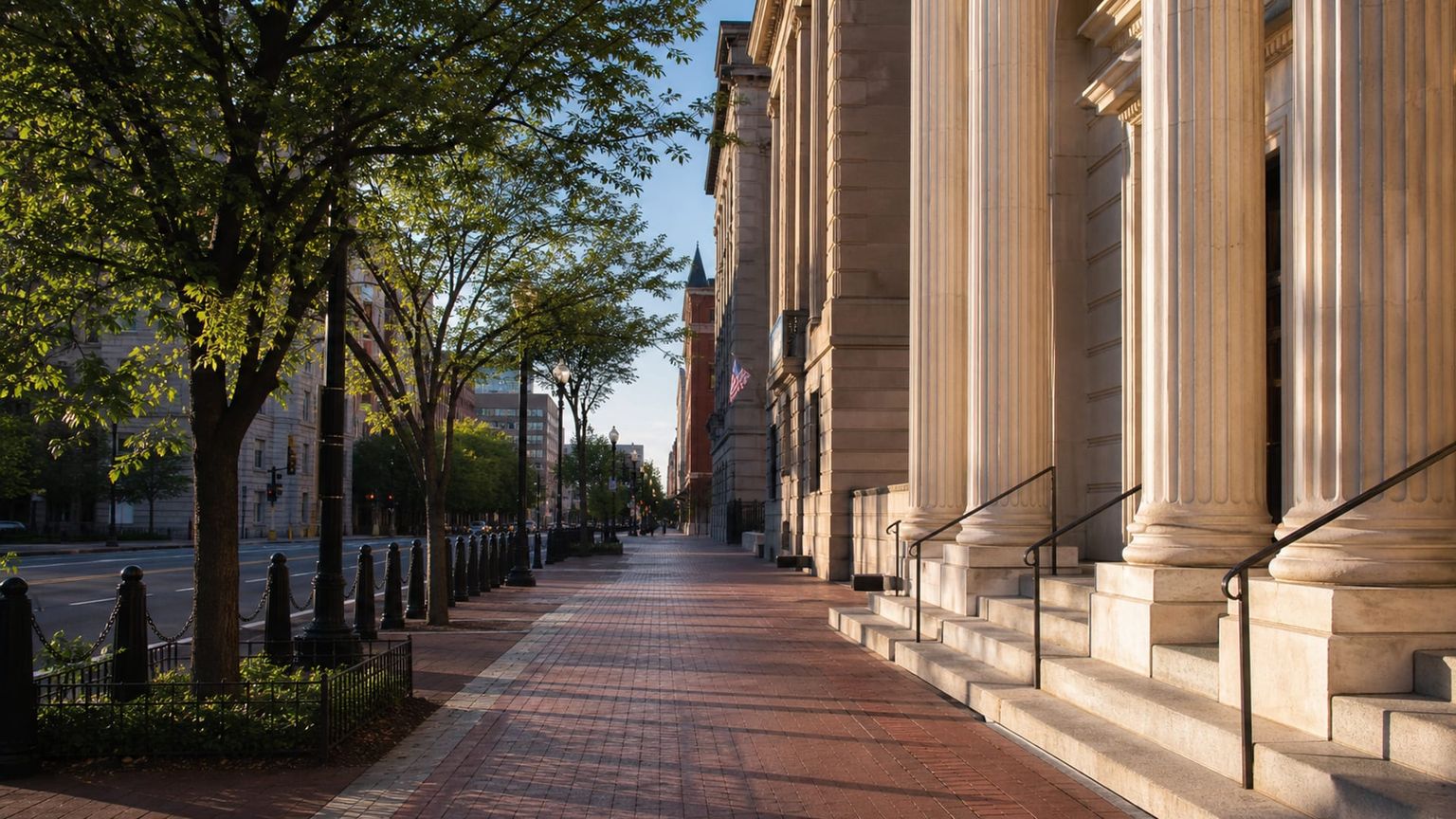
Penn Quarter sits between downtown and Chinatown, with theaters, galleries, sports venues, and a dense restaurant scene. It works well if you want an evening base with easy access to the National Portrait Gallery, Capital One Arena, and several Metro lines.
Best for: Nightlife, dining, theater, and visitors who want an active evening base
What to expect: Crowded at dinner and after events, with strong foot traffic, bright storefronts, and plenty of pre-show energy.
Hotel prices: Usually about $230 to $420 per night for well-rated stays
Distance to major sights: About 15 to 20 minutes on foot to the National Mall; about 10 minutes by transit to the White House
Quietness: Lively into the evening, then noticeably calmer after restaurants and shows wind down.
Main trade-off: Event nights can bring noise and full sidewalks, and rooms near arena blocks may cost more.
Good to know: If you are staying during a game or concert, book early and check whether your room faces a main street or an interior court.
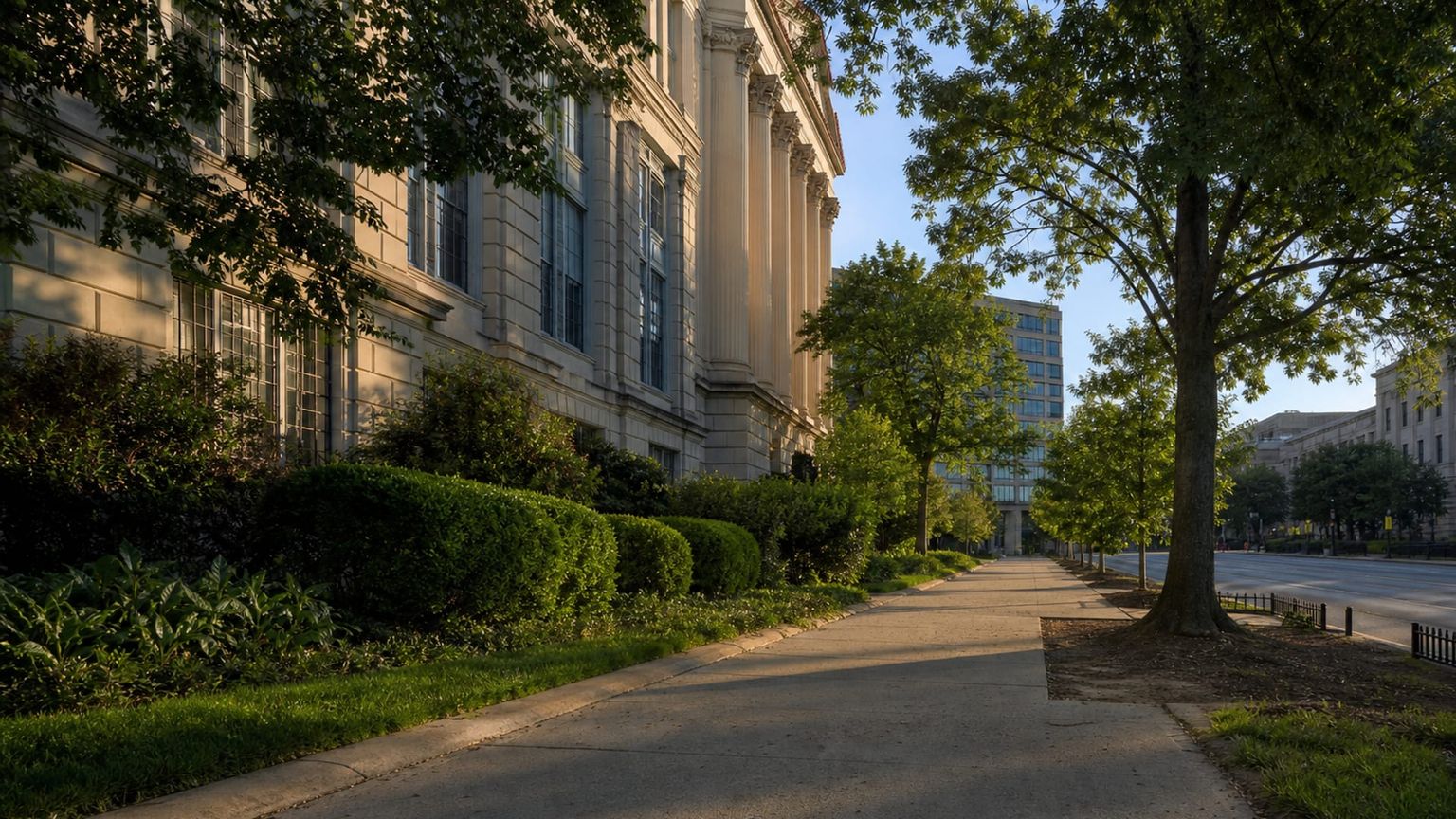
Foggy Bottom offers a central base west of downtown, near George Washington University, the Kennedy Center, and the western edge of the National Mall. It appeals to travelers who want quick access to museums and the riverfront without staying in the busiest downtown blocks.
Best for: Museum days, Kennedy Center visits, and travelers who want a central base with easy Metro access
What to expect: A mix of university foot traffic, office workers, and hotel guests, with quieter residential side streets a block or two off the main roads.
Hotel prices: Usually about $210 to $380 per night for well-rated stays
Distance to major sights: About 10 to 15 minutes on foot to the Lincoln Memorial; about 15 minutes by transit to the White House
Quietness: Calmer at night than downtown, though traffic along the main avenues stays audible.
Main trade-off: Dining choices are thinner late at night, so you may head elsewhere for dinner or drinks.
Good to know: Pick a hotel near the Foggy Bottom-GWU station if you want easy airport and cross-town Metro links.
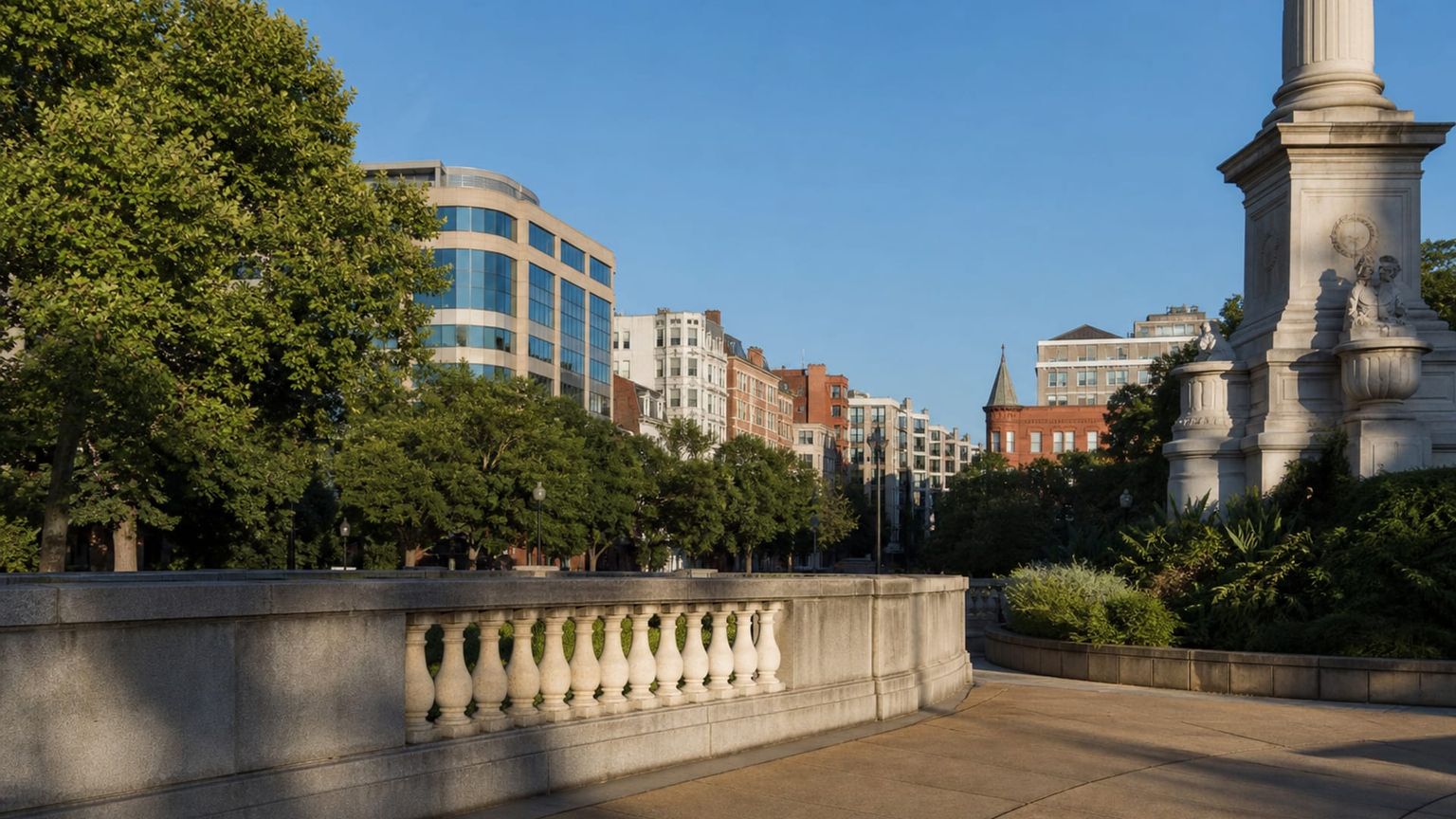
Dupont Circle is one of Washington’s most walkable neighborhoods, with embassies, row houses, bookstores, bars, and a busy dining scene around the circle itself. It works well as a longer-stay base because you can reach downtown, Adams Morgan, and several Metro lines without relying on a car.
Best for: Walkable stays, dining, bars, and travelers who want a neighborhood feel near the center
What to expect: Active sidewalks, steady restaurant traffic, and a mix of locals, students, and visitors, especially near the circle and Connecticut Avenue.
Hotel prices: Usually about $240 to $450 per night for well-rated stays
Distance to major sights: About 20 to 25 minutes on foot to the White House; about 20 minutes by transit to the National Mall
Quietness: Busy in the evening around bars and restaurants, then quieter on side streets later at night.
Main trade-off: You will pay more for the most walkable blocks, and some rooms face traffic or nightlife noise.
Good to know: If quiet matters, look just off the circle rather than directly on it, since the nearest blocks carry the most late activity.
Travelers usually avoid staying in Anacostia, Congress Heights, and Deanwood, since they sit far from the National Mall, downtown museums, and most visitor-oriented hotels, dining, and transit links. Some also skip Tysons if they want to stay in the city itself, because it is outside Washington proper and adds longer evening trips back after sightseeing.
Hotel deals
How to get around Washington efficiently
Washington works best when you treat Metro, taxis, and rideshares as complements, since the city’s rail network reaches the airport and the main visitor areas while buses fill in the gaps.

Metro
for longer distances
Washington, DC’s Metrorail links Washington Dulles International Airport (IAD) via the Silver Line to downtown stations such as Metro Center and L’Enfant Plaza, with fares that vary by distance, typically about $2 to $6 one way. Trains usually run about every 10 to 20 minutes, and airport trips take roughly 50 to 70 minutes depending on your stop. Buy a SmarTrip card or use tap-to-pay where available, and allow extra time for transfers if you are heading beyond the core.

Bus and tram
for convenience
Metrobus fills in the gaps that rail does not cover, with frequent service on major corridors, local links in neighborhoods, and airport connections such as the 5A to Washington Dulles International Airport (IAD) or the 7A to suburban destinations, usually for about $2 to $4 per ride. Capital Bikeshare and the DC Circulator can also shorten short hops in central areas, though the Circulator has a more limited footprint and the Bikeshare network works best for trips under about 20 minutes. Use exact stop names and check night schedules carefully, because headways widen outside peak hours.

Taxi
for convenience or late hours
Licensed taxis in Washington, DC use a meter rather than flat citywide fares, with airport trips priced by meter plus any airport or toll charges, so a ride from Washington Dulles International Airport (IAD) or Ronald Reagan Washington National Airport (DCA) into central DC often lands in the roughly $35 to $70 range before tip. Curb pickups are normal at taxi stands, and you can also book through regulated dispatch companies; most cabs accept credit cards, though it is worth confirming before you start. For shorter cross-town trips, the meter usually starts lower than a rideshare surge, but traffic can push the total up quickly at rush hour.
*Prices are based on rates updated as of July 2026 and may change at the time of travel.
Use Metro for airport runs and Mall days, taxis or rideshares for point-to-point trips across neighborhoods, and buses or Bikeshare for short links that do not justify a car.
Iconic landmarks
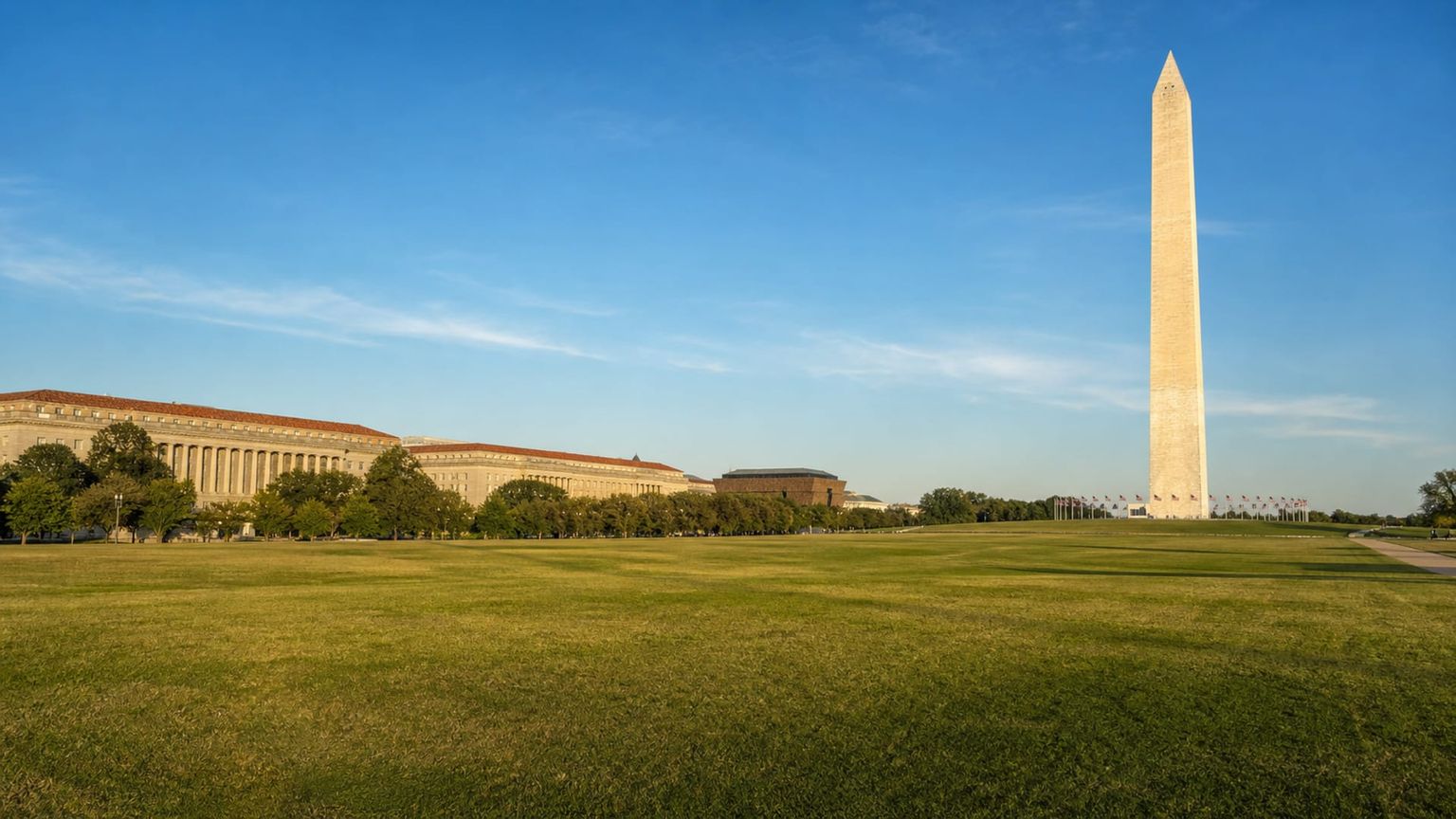
National Mall
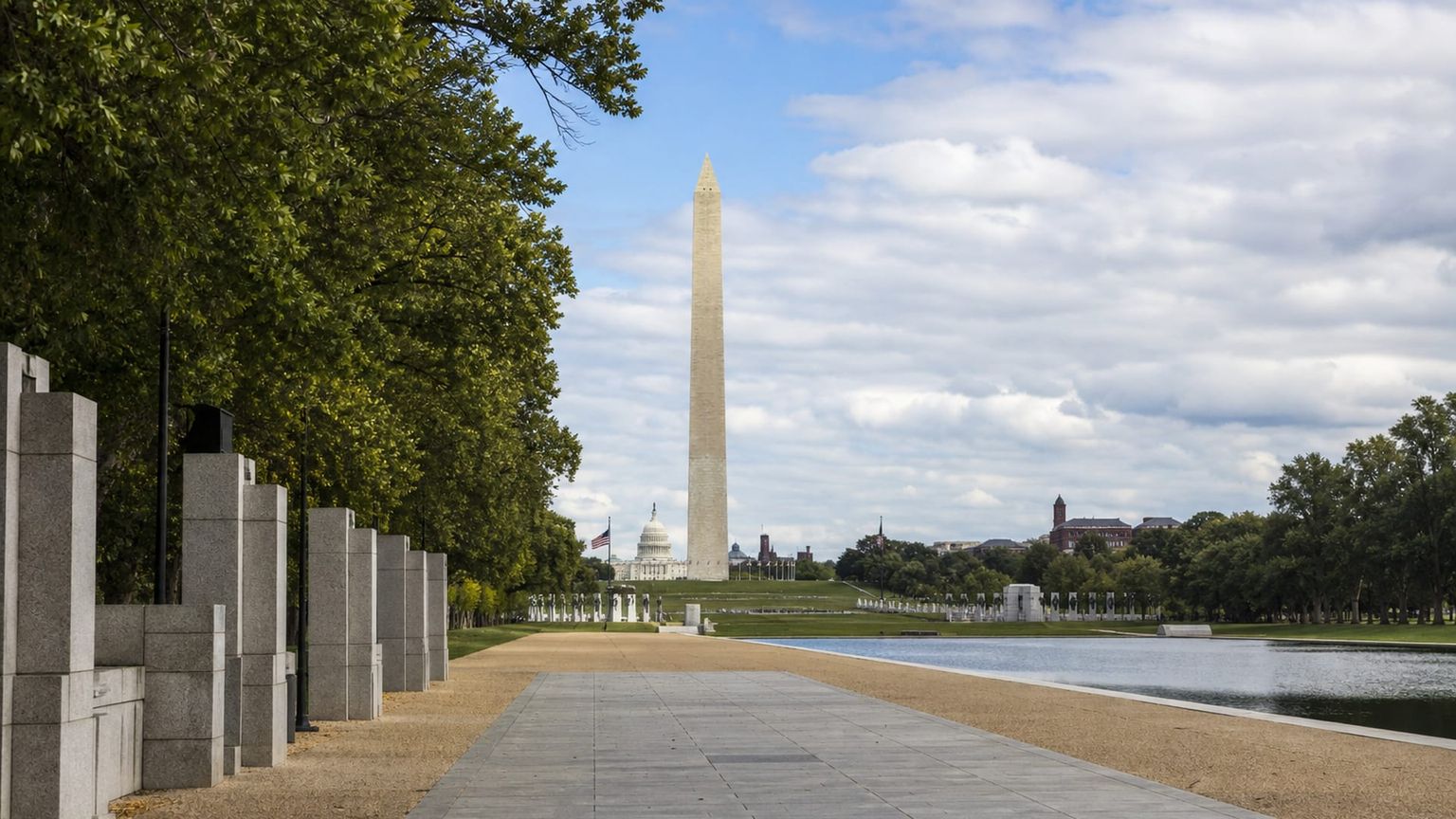
Washington’s central civic landscape stretches from the Capitol to the Lincoln Memorial, with the Washington Monument, World War II Memorial, and long reflecting pools on one axis. It works best as a walking route, not a single stop.
Time needed: About 3 to 4 hours
Entry: Free to access; no ticket required for the open-air memorial grounds and lawns
Tip: Go at sunrise or after sunset for lighter crowds and clearer monument views.
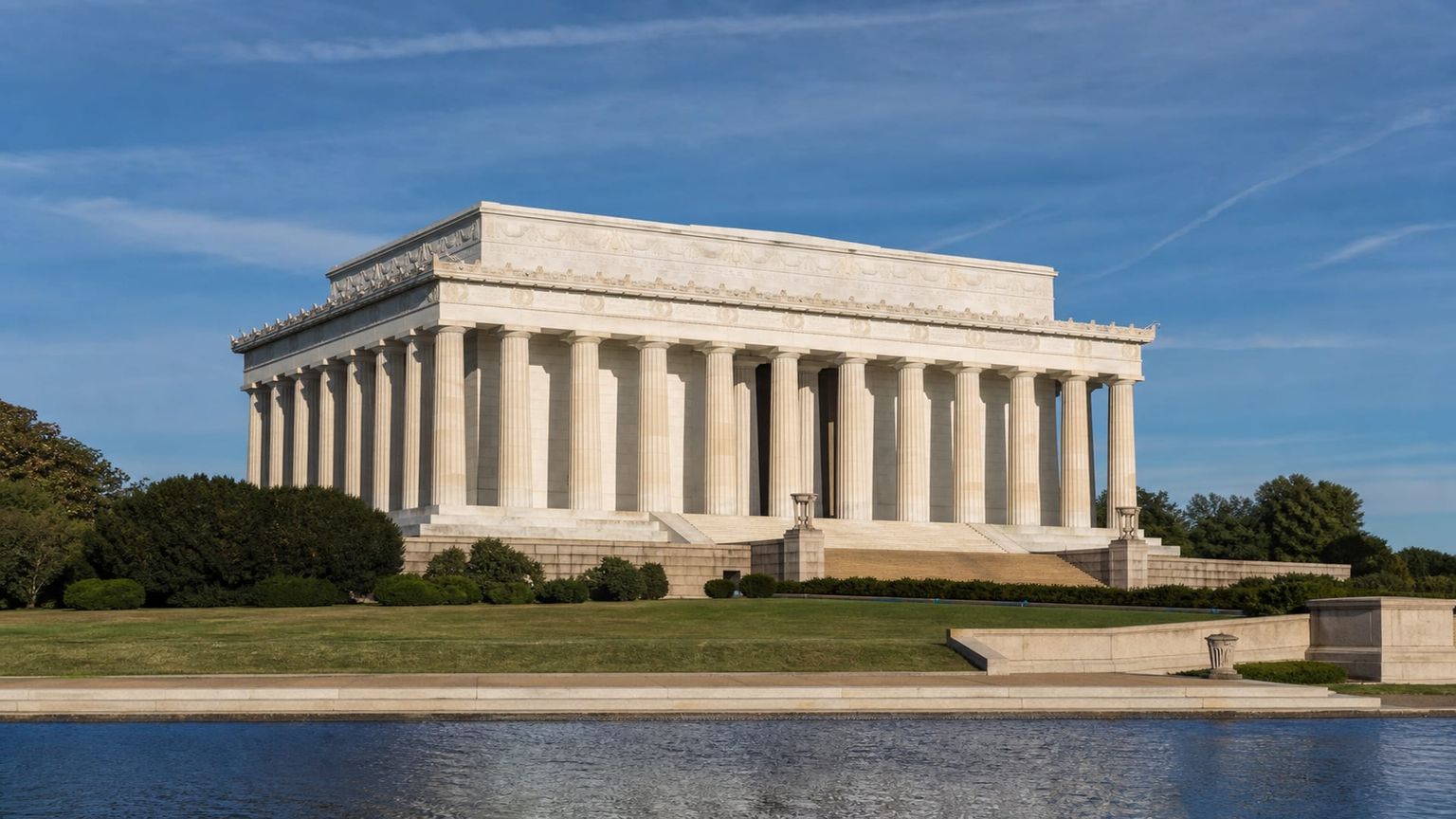
Lincoln Memorial
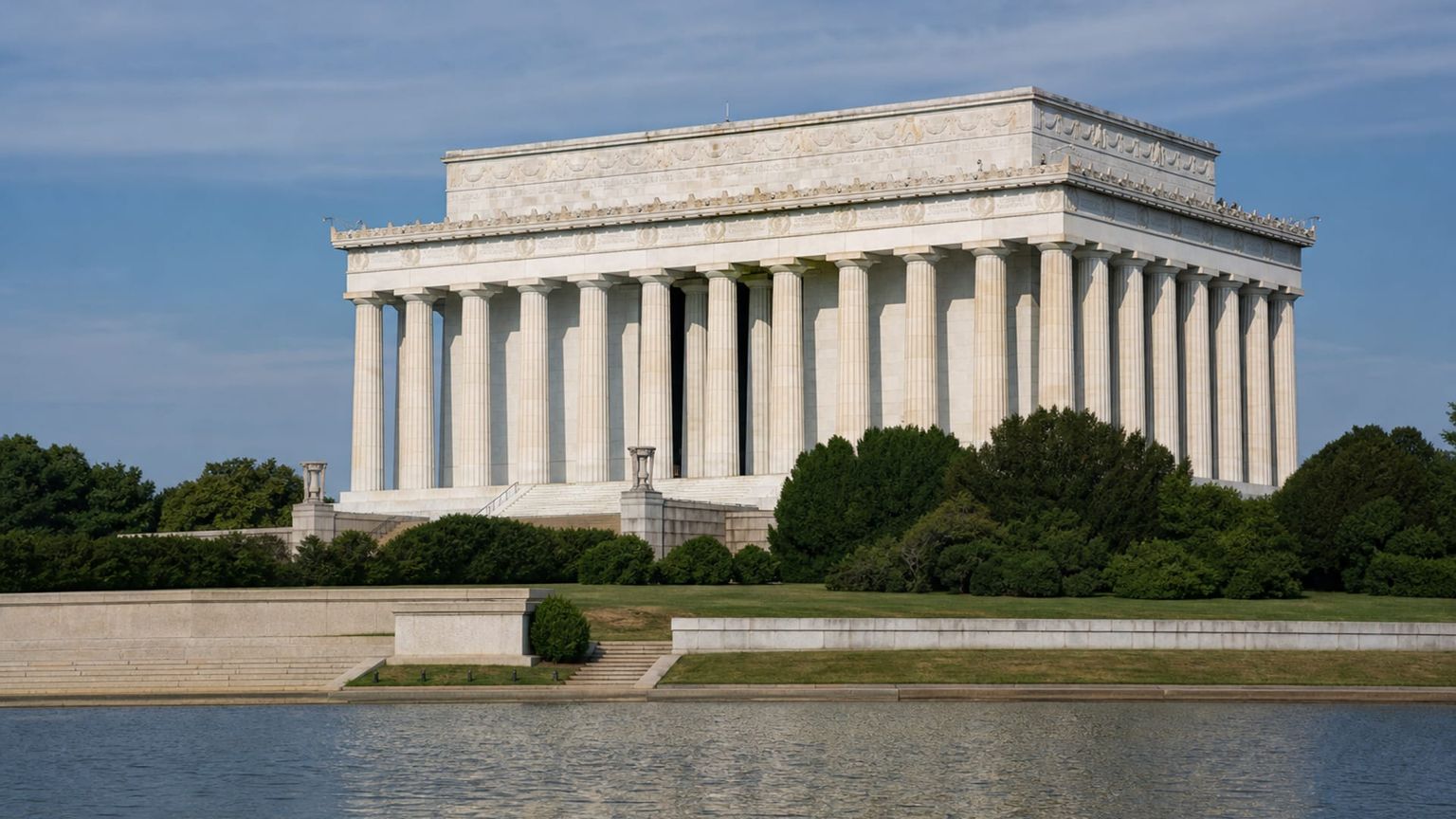
The Lincoln Memorial anchors the west end of the National Mall, with Daniel Chester French’s seated Lincoln, the chamber walls carved with speeches, and open views toward the Washington Monument across the Reflecting Pool.
Time needed: About 45 to 60 minutes
Entry: Free to access; no ticket required for the memorial and surrounding steps
Tip: Visit near dusk, when the stone glows and the Mall lights come on.
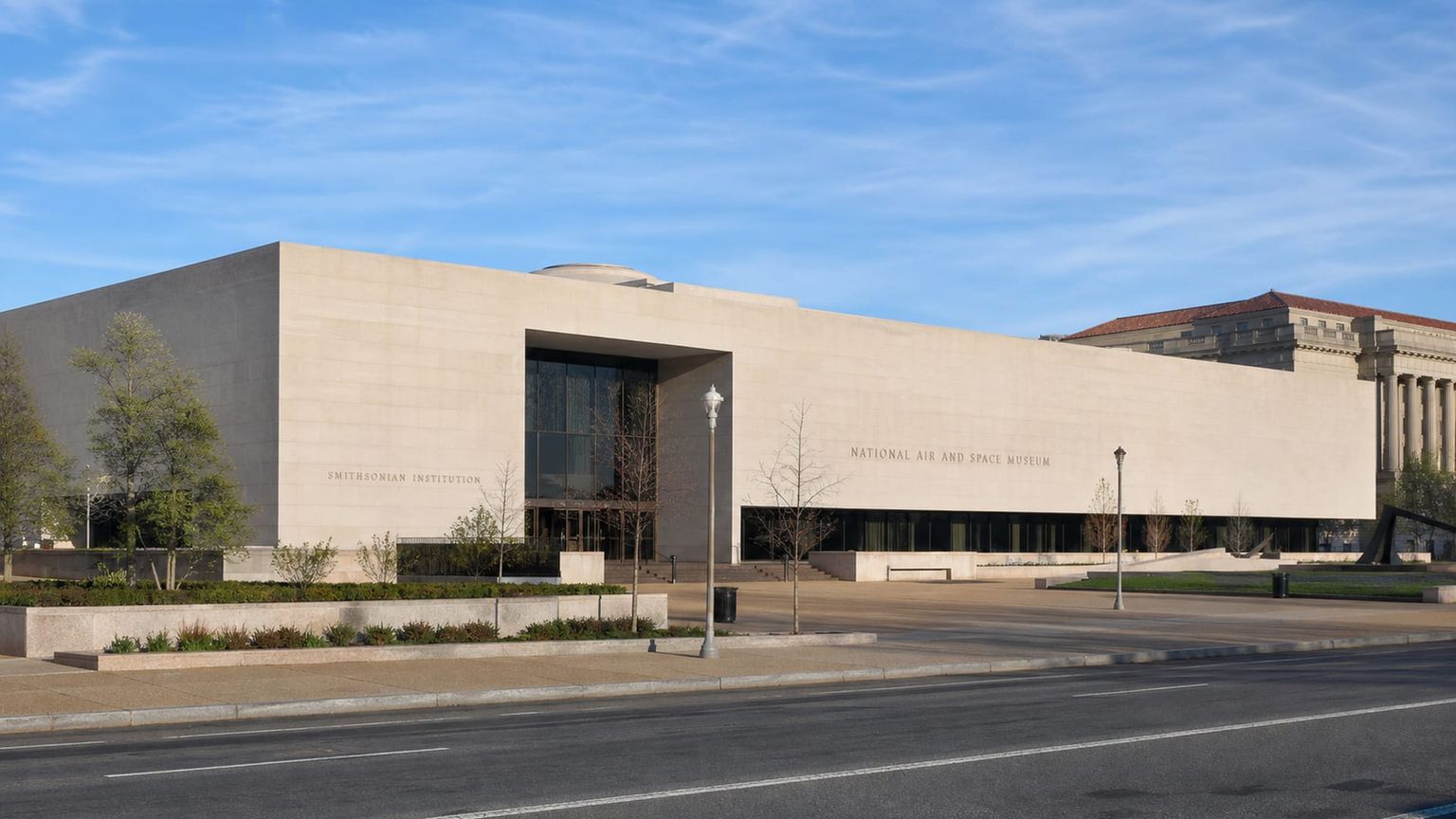
Smithsonian National Air and Space Museum
This museum on the National Mall holds Apollo 11 artifacts, the Wright brothers’ 1903 Flyer, and major aircraft from the jet age. Its galleries trace flight and space exploration from early experiments to lunar missions.
Time needed: About 2 to 3 hours
Entry: Free admission; timed-entry passes are required for most visitors and special exhibits cost extra Visit the official site for details.
Tip: Use the 6th Street entrance first, then work through the aviation galleries in order.
Overlooked sites worth visiting

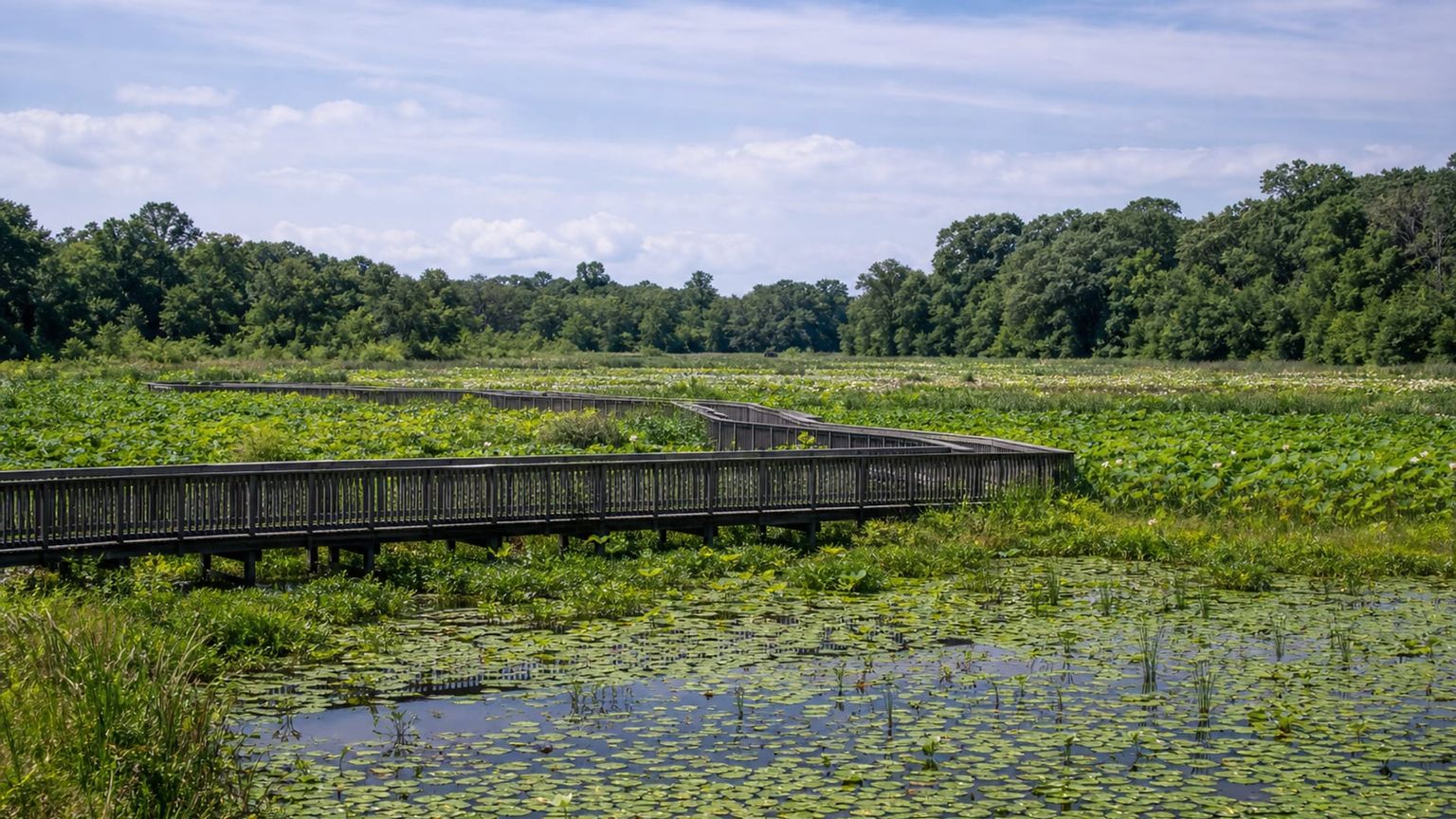
Kenilworth Aquatic Gardens
Quiet marsh ponds fill with lotus and water lilies in summer, with boardwalks, bird hides, and open water views. It is a rare federal park site inside the city, with fewer crowds than major Mall stops.
Time needed: About 1 to 2 hours
Entry: Free to access; no ticket is needed for the grounds, boardwalks, and garden paths. Parking is limited, and special ranger-led programs may have separate sign-up rules depending on the date. Visit the official site for details.
Tip: Go early for softer light and more bird activity.

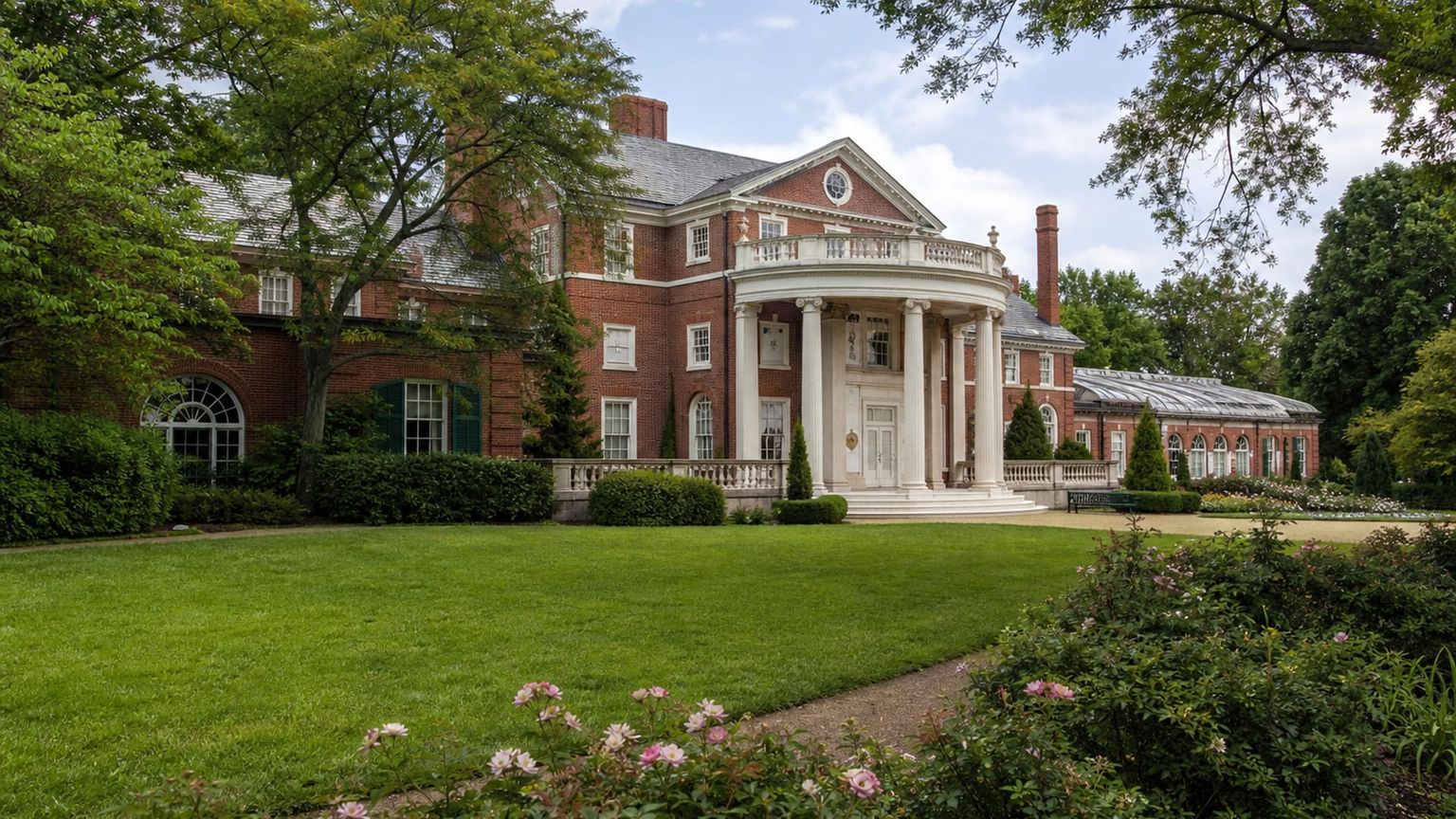
Hillwood Estate, Museum, and Gardens
This former estate pairs formal French and Japanese gardens with a compact museum of Russian imperial art. The site rewards a slower visit, with short paths, small rooms, and detailed collections.
Time needed: About 2 to 3 hours
Entry: Standard admission is about $18 ($18) for adults, about $15 ($15) for seniors, and about $10 ($10) for students and children; timed entry may apply on busy days, and some special exhibits cost extra. Visit the official site for details.
Tip: Visit on a weekday to spend more time in the gardens.
Traditional food
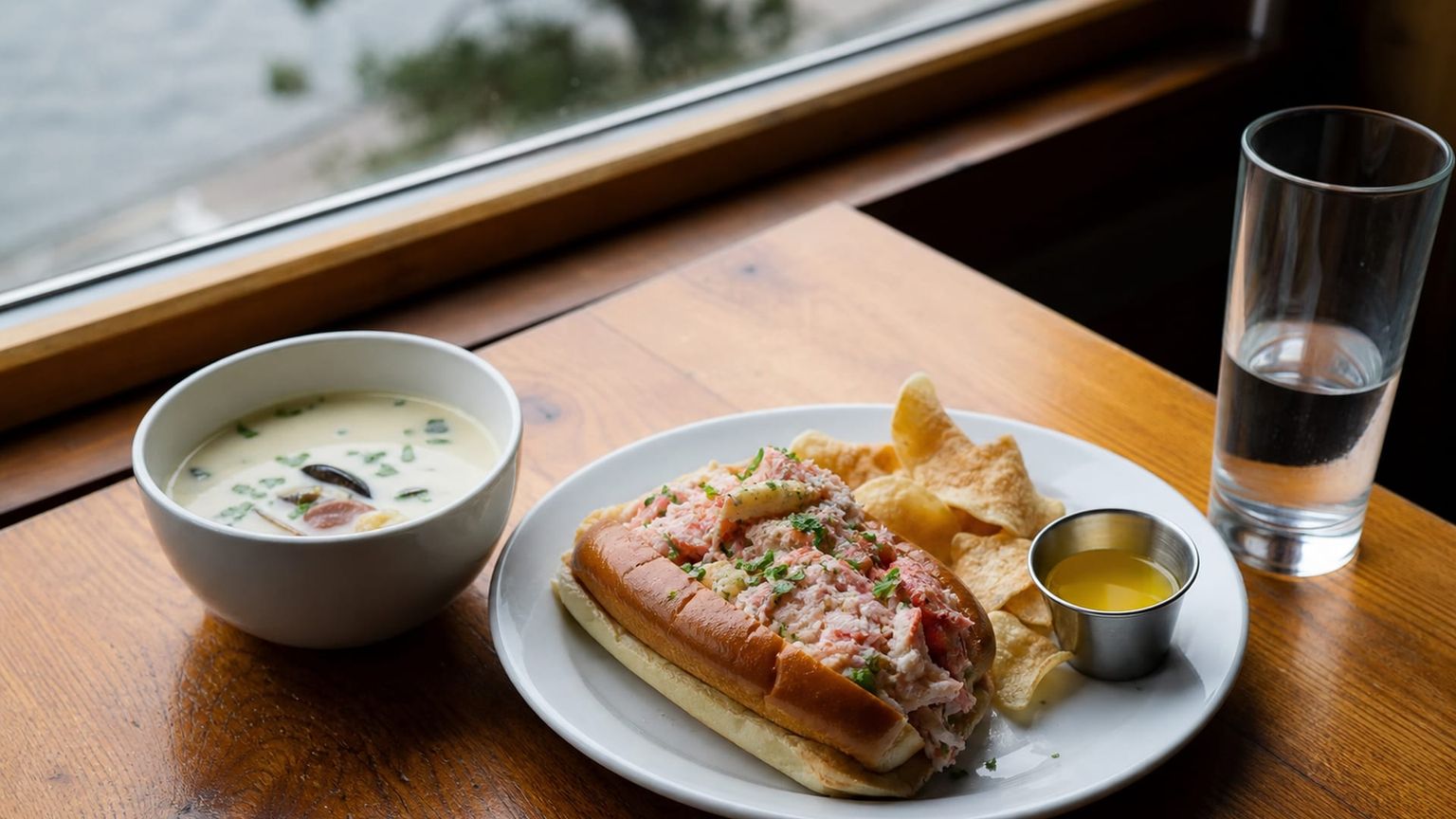
Washington’s table leans on Chesapeake blue crab, half-smokes, chili, and tangy mambo sauce, with hotel dining rooms, taverns, and neighborhood counters all playing a role in how the city eats.
Half-smoke
This smoked sausage comes split, grilled, and usually topped with chili, onions, and mustard. Ben’s Chili Bowl on U Street turned it into a Washington signature and remains the city’s best-known stop for it.
Chesapeake blue crab cakes
Blue crab cakes bring sweet meat, light breading, and just enough seasoning to keep the crab at the center. Old Ebbitt Grill near the White House serves a classic version that fits Washington’s Chesapeake ties.
Ben's Chili Bowl chili
This thick, chili-forward bowl pairs well with a half-smoke or fries and reflects the city’s late-night diner culture. Ben’s Chili Bowl is the canonical place to order it in Washington.
Mambo sauce wings
Mambo sauce adds sweet, tangy heat to fried chicken and wings, a style that shows up across the city’s carryout counters. Northwest-style mambo sauce at Good Stuff Eatery gives a popular Washington example.
Best time to visit Washington
Washington changes most at the edges of summer and winter, when heat, humidity, and shorter museum lines shift how much ground you can cover in a day.
Best for: Monuments, gardens, and long walking days
What you get: About 50 to 75°F (10 to 24°C), with moderate crowds and busy cherry blossom periods in peak weeks
Trade-offs: Popular dates bring higher hotel rates and tighter availability
Best for: Museums, evening walks, and riverfront dinners
What you get: About 70 to 90°F (21 to 32°C), with heavy crowds near the Mall and strong humidity on outdoor routes
Trade-offs: Heat and afternoon storms can shorten sightseeing windows
Best for: Balanced sightseeing and neighborhood time
What you get: About 55 to 75°F (13 to 24°C), with comfortable conditions and moderate crowds after the summer peak
Trade-offs: Federal events and conferences can push rates up on select dates
Best for: Museum-focused trips and quieter monument visits
What you get: About 30 to 45°F (-1 to 7°C), with lighter crowds and colder walks between sights
Trade-offs: Short days and chilly wind make outdoor routes less appealing
A realistic 5-day plan in Washington
The five-day plan below starts with the core monuments, then alternates between museums, gardens, and neighborhood time. That mix keeps the National Mall in context, rather than letting it consume every day of the trip.
Land at Washington (DCA) and take a taxi, rideshare, or Metro to Downtown, Foggy Bottom, or Penn Quarter, a trip that usually takes about 15 to 25 minutes and costs roughly $20 to $35 by car or about $2 to $6 on Metro, depending on your route and luggage. Check in near a station if you plan to split time between the Mall and neighborhoods west of it, then keep dinner close with a simple meal in Penn Quarter or downtown and an early night after the flight.
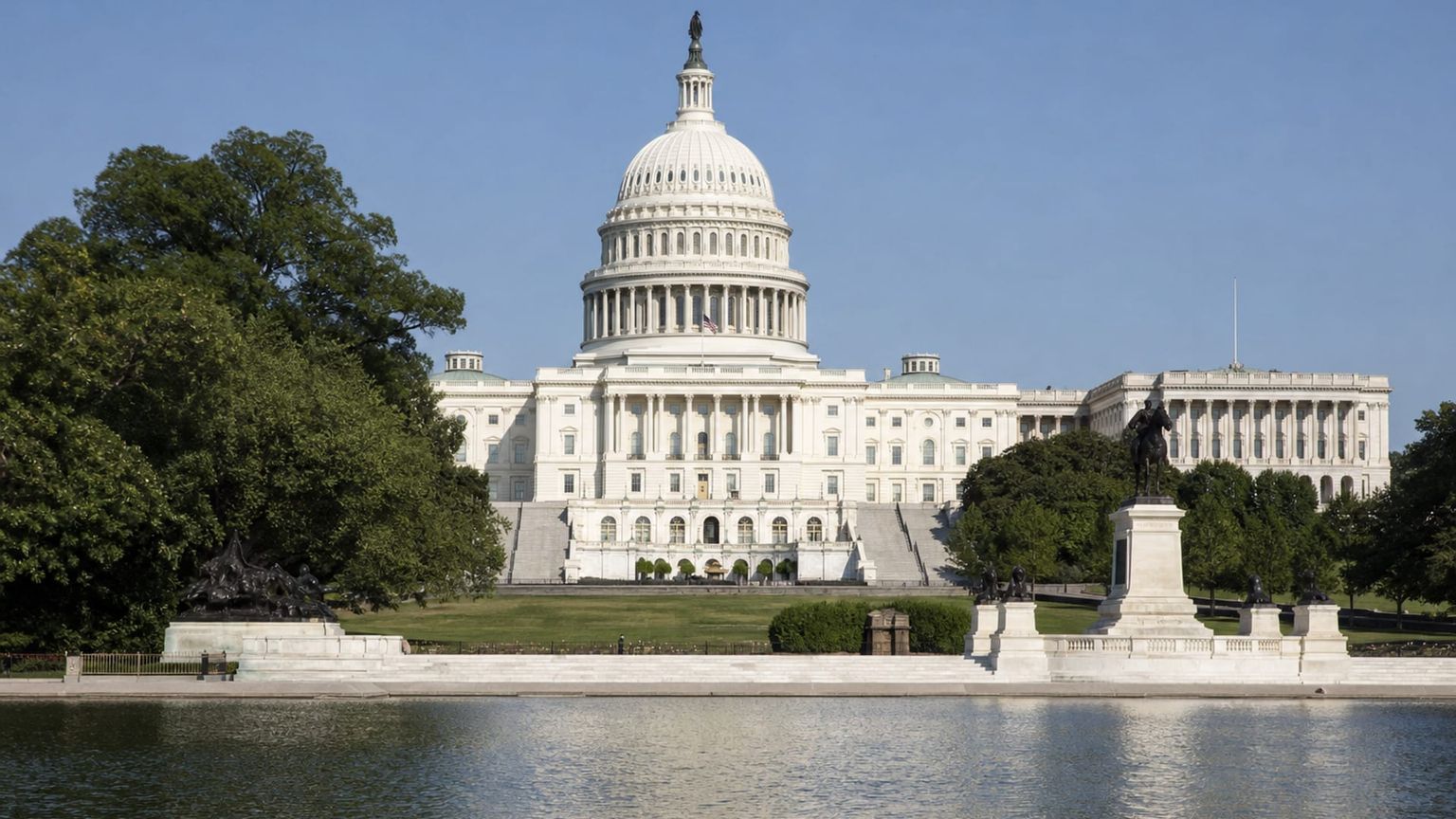
Start at the Smithsonian National Air and Space Museum when it opens, spending about 2 to 3 hours with the Apollo 11 artifacts, the Wright brothers’ 1903 Flyer, and the jet-age galleries. From there, walk about 10 minutes to the National Mall and follow the monuments west toward the Washington Monument and the Lincoln Memorial, then continue to the Reflecting Pool for sunset, a stretch that usually takes about 1 to 1.5 hours on foot. End with dinner in Foggy Bottom, about 15 minutes by Metro or a 20-minute walk from the Lincoln Memorial.
A morning at Hillwood Estate, Museum, and Gardens gives the day a slower start, and from Downtown or Dupont Circle it takes roughly 15 to 25 minutes by taxi or rideshare. Spend about 2 to 3 hours moving between the French and Japanese gardens and the museum rooms, then return downtown for a late lunch. After that, head to the Lincoln Memorial and the western end of the National Mall, about 15 minutes by car from Hillwood and another 15 to 20 minutes on foot from Foggy Bottom, for a second pass at the monuments in softer light.
Begin in Kenilworth Aquatic Gardens, where the boardwalks and lotus ponds work well for an early visit of about 1 to 2 hours, and plan on roughly 20 to 30 minutes by car from Downtown. Afterward, ride back toward the center for a relaxed afternoon on the National Mall, with enough time to revisit one museum or walk between the Washington Monument and the Lincoln Memorial if you want a longer route. Finish in Penn Quarter for dinner, about 10 minutes by Metro from the Mall, where you can pair theater-night energy with an easy walk back to your hotel.
For a final morning, pair one last museum stop with a simple neighborhood circuit, starting in Foggy Bottom or downtown and returning to the National Mall if there is a gallery you missed earlier. Then head to Dupont Circle for shopping along Connecticut Avenue, where bookstores and small shops make a good last browsing stop, and settle into a café nearby for coffee or lunch before leaving town. If your departure is later, a short walk through the circle and the surrounding row-house blocks gives you one more look at a Washington neighborhood that sits close to the center without feeling tied to the Mall.
Business-class flights from the US to Washington
Washington draws direct and one-stop premium fares from both coasts, but the route logic changes by origin. New York often offers shorter total travel time, while Los Angeles usually leans on a longer nonstop or a hub connection.
From New York, carriers such as United Airlines, Delta Air Lines, British Airways, Virgin Atlantic, Air France, and Lufthansa serve Washington, with nonstop flights usually taking about 1 to 1.5 hours. When nonstop space is limited, common one-stop hubs include LHR, CDG, FRA, AMS, and MAD, and the trip then takes about 4 to 9 hours. Round-trip fares from New York to Washington usually start at $399 and can reach $1,200.
Los Angeles travelers can fly with United Airlines, American Airlines, Delta Air Lines, Alaska Airlines, JetBlue, or Southwest Airlines, and nonstop flights usually run about 5 to 5.5 hours. If you connect, the most common hubs are DEN, DFW, PHX, ORD, and SFO, with total travel time often stretching to about 7 to 12 hours. From $499 round-trip for Los Angeles to Washington, with nonstop fares often landing between $499 and $1,400.
Washington feels different when you slow down
A well-paced Washington trip gives the Mall enough room to breathe, then adds contrast with Foggy Bottom, Penn Quarter, Dupont Circle, or Hillwood instead of repeating the same route each day. Metro handles the airport and cross-town links, while taxis work best when timing matters between museums and dinner. If you want help shaping the city around those choices, ask the AranGrant experts to build a Washington itinerary that matches your pace







