

Chapters:

Need help with your trip?
Our support team is available 24/7. Request a callback or call us directly at (833) 619-0908
Port-Vila trips often start with the same handful of stops, the market, the museum, a waterfront meal, then a day trip inland, while many visitors miss how much the city changes once you move away from the central blocks.
That pattern can waste time because Port Vila’s useful places sit close together, but taxis, shared minibuses, and opening hours still shape the day. If you spread meals and sights too far apart, simple errands turn into extra rides.
This guide keeps the city compact on purpose, with a tighter sequence for arrivals, food, transport, and day planning so you can see what fits in a short stay without guessing at the order.
Useful things to know
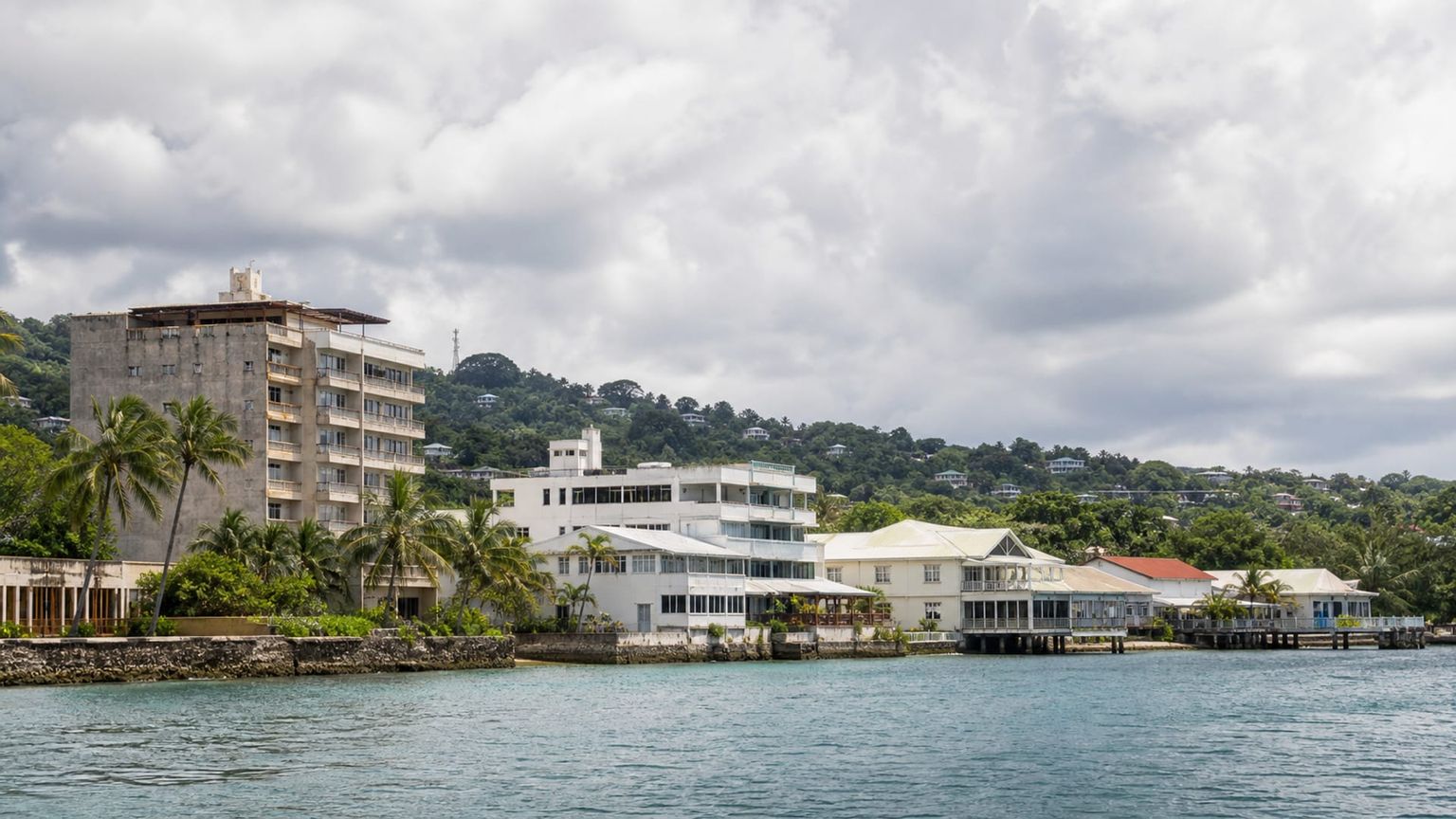

Main language(s): Bislama
Halo (hah-loh) – Hello
Plis (plees) – Please
Tank yu (tank you) – Thank you
Yumi save long Ingelis? (yoo-mee sah-veh long in-guh-liss) – Do you speak English?
Hamani? (hah-mah-nee) – How much does it cost?

Currency: The local currency is the Vanuatu vatu (VUV, VT).

Cash and cards: Cards and contactless are accepted at hotels and larger restaurants, but carry VT 3,000 to VT 10,000 ($25 to $85) in cash.

Tipping: Round up small bills; tips are not expected.

Traditional food: Laplap, coconut crab, tuluk, grilled reef fish

Water and coffee costs: Water about VT 200 ($2), bar espresso about VT 300 to VT 400 ($3 to $4).

Taxis and ride apps: No major ride apps operate here, use hotel taxis or prebooked transfers.

Plug and voltage: Type I socket, 230V

Dining and shop opening hours: Breakfast is about 07:00-09:00, lunch about 12:00-14:00, and dinner about 18:00-21:00. Many places close early on Sundays.

Emergency number: Call 112 for police, fire, or ambulance.
Where to stay in Port-Vila
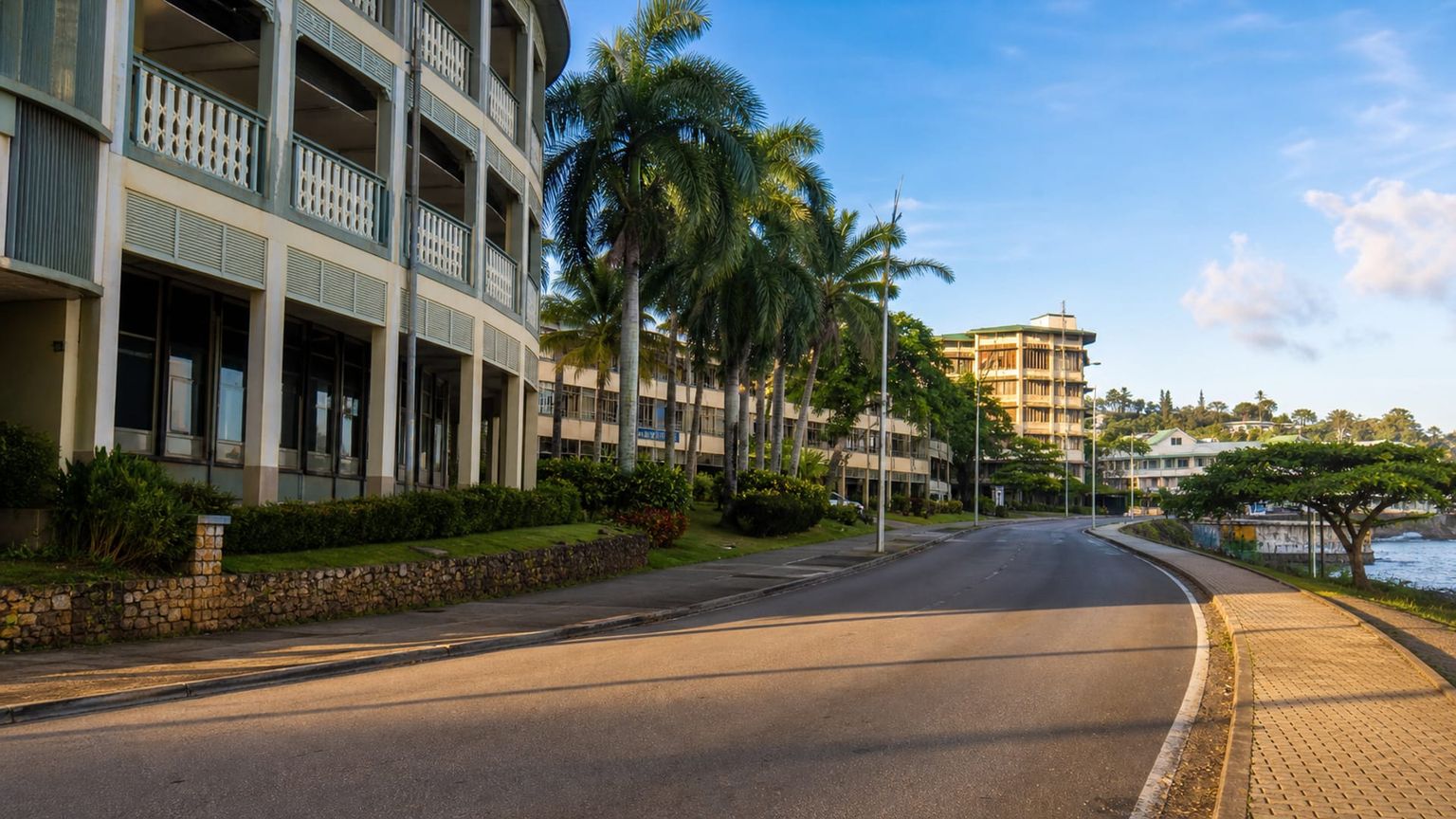
Port Vila central puts you beside the waterfront, markets, banks, and the main ferry and taxi links. It suits visitors who want the easiest access to dining, errands, and island departures without leaving the city core.
Best for: Dining, errands, and staying close to transport links
What to expect: Busy daytime streets, market traffic, and an active waterfront; evenings are quieter once offices close and dinner service ends.
Hotel prices: Usually about 12,000 VT to 28,000 VT (~$100 to ~$235) per night for well-rated stays
Distance to major sights: 5 to 15 minutes on foot to Port Vila Market and Independence Park
Quietness: Daytime is lively and traffic can be steady, while evenings are noticeably calmer on side streets near the harbor.
Main trade-off: You stay close to the city’s most useful amenities, but some blocks are noisy and the best-value rooms can book early.
Good to know: Choose a room away from the main road if you are sensitive to scooter noise and early-morning market activity.
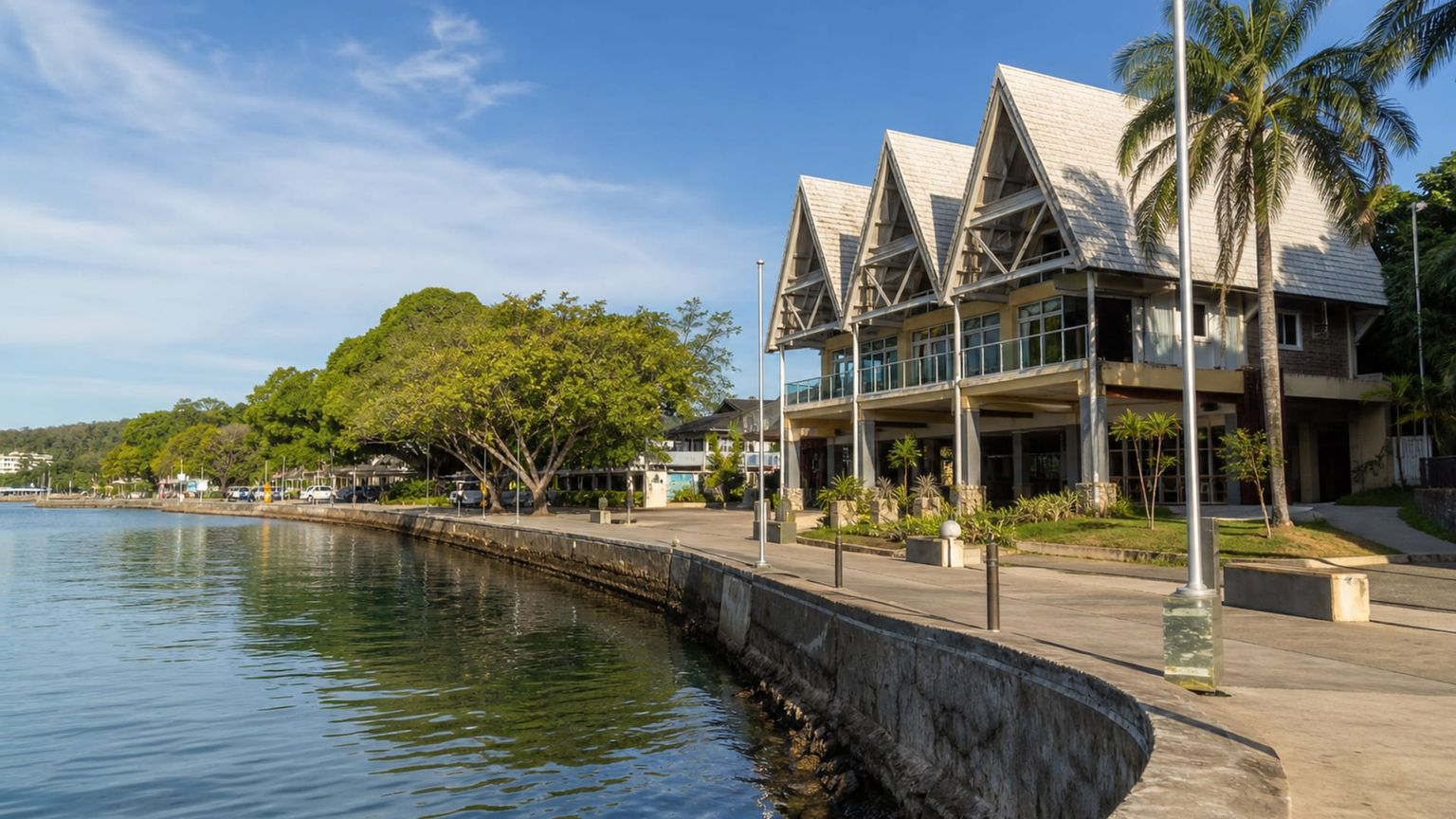
Nambatu sits just west of the center and mixes residential streets with small hotels and guesthouses. It matters because it gives you quick access to town while staying a little removed from the busiest waterfront blocks.
Best for: Travelers who want a quieter residential base near the center
What to expect: Light neighborhood traffic, fewer pedestrians than downtown, and a more local pace in the evenings.
Hotel prices: Usually about 10,000 VT to 22,000 VT (~$84 to ~$185) per night for well-rated stays
Distance to major sights: 10 to 20 minutes on foot to Port Vila Market and about 10 minutes by taxi to the harbor
Quietness: Quieter than the waterfront during the day, and often calm at night except near busier roads.
Main trade-off: You give up some immediate access to restaurants and late-opening spots in exchange for a calmer street setting.
Good to know: Plan on taxis after dark, since restaurant choice and lighting thin out once you leave the central blocks.
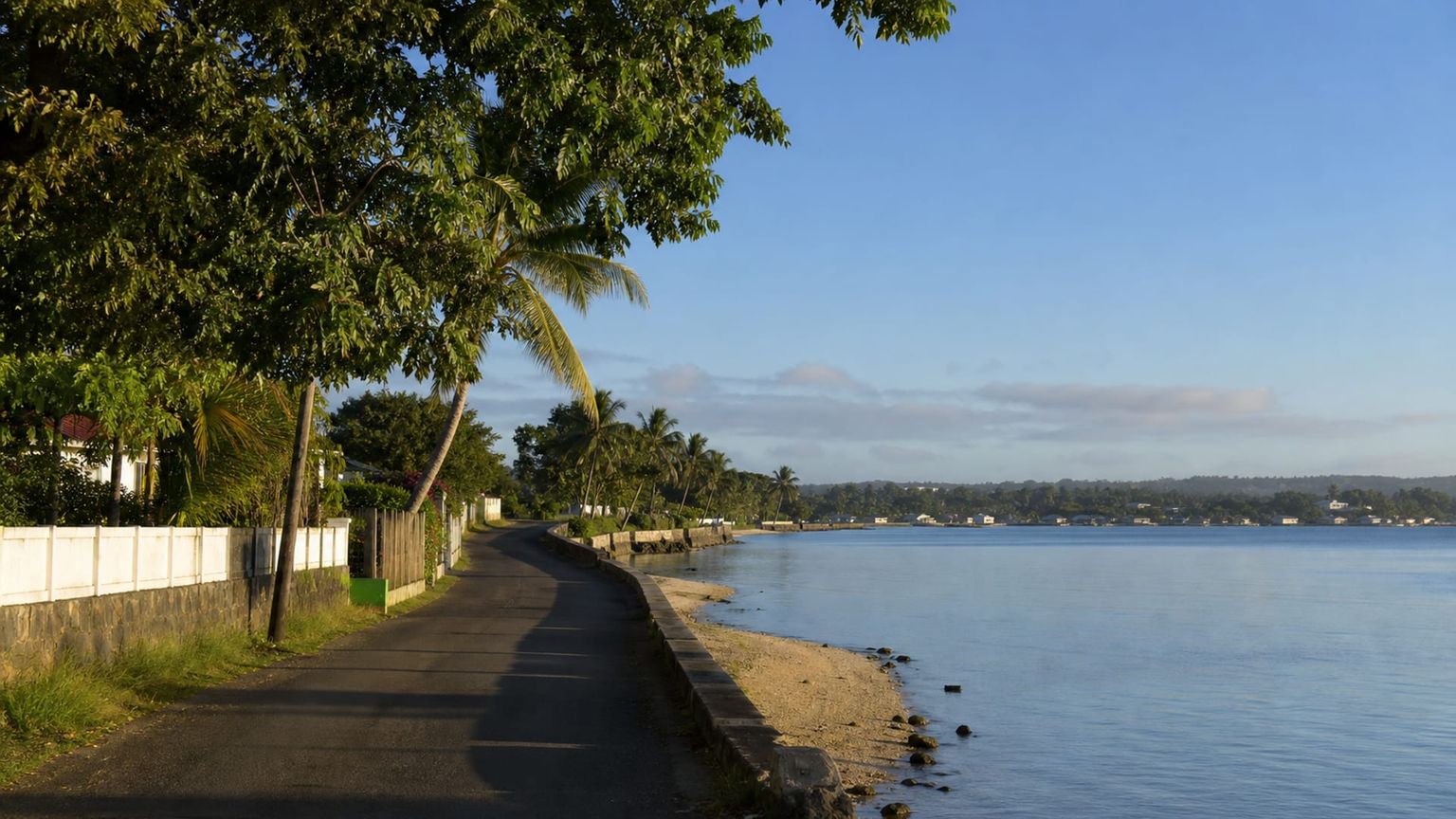
Fatumaru Bay follows the water east of the center and includes hotels set along the bay road. It matters for visitors who want harbor views and a base that still keeps downtown within easy reach.
Best for: Waterfront stays, short taxi hops to town, and bay views
What to expect: A quieter shoreline feel with hotel traffic, passing taxis, and fewer shops than the central waterfront.
Hotel prices: Usually about 14,000 VT to 32,000 VT (~$118 to ~$269) per night for well-rated stays
Distance to major sights: About 10 minutes by taxi to Port Vila Market and 5 minutes to Independence Park
Quietness: Daytime is generally calm apart from road traffic, and evenings are quieter than downtown unless you stay near a busy hotel.
Main trade-off: You often pay more for the water setting, and you will still need transport for most shopping and dinner plans.
Good to know: Check whether your room faces the bay or the road, since the outlook and traffic noise differ sharply by side of the property.
Travelers usually avoid staying in Bladinieres and Teouma because both sit well away from Port Vila’s central waterfront, market, and restaurant area, which makes evening transport less convenient. Mele and Pango are also less convenient for a base if you want to walk to the main sights, since they are more spread out and have fewer visitor amenities close by.
Hotel deals
How to get around Port-Vila efficiently
Port-Vila has no metro or rail network, so walking, shared minibuses, and fixed-fare taxis do most of the work inside the city.

Metro
for longer distances
Port-Vila has no metro or suburban rail, so visitors rely on roads and water transport instead. For airport-area trips, plan on taxis or prearranged transfers, since there is no rail alternative to Vanuatu (VLI) airport links.

Bus and tram
for convenience
Shared minibuses do the local work in Port-Vila, with no tram network in the city. Fares are usually about $0.80 to $2 per ride, depending on distance, and drivers expect you to tell them your destination before boarding; service is informal, so confirm the route and get off when you reach your stop.

Taxi
for convenience or late hours
Licensed taxis in Port-Vila usually use set fares rather than meters, and airport runs from Vanuatu (VLI) to central Port-Vila often cost about $10 to $20, with longer cross-town trips roughly $5 to $15. You can hail taxis on main roads or ask your hotel to call one, and many drivers take cash in vatu or USD, though small bills help.
*Prices are based on rates updated as of June 2026 and may change at the time of travel.
Walk for the waterfront and central blocks, use minibuses for short local hops, and rely on taxis for airport runs, Mele Cascades, or any evening trip beyond the center.
Iconic landmarks
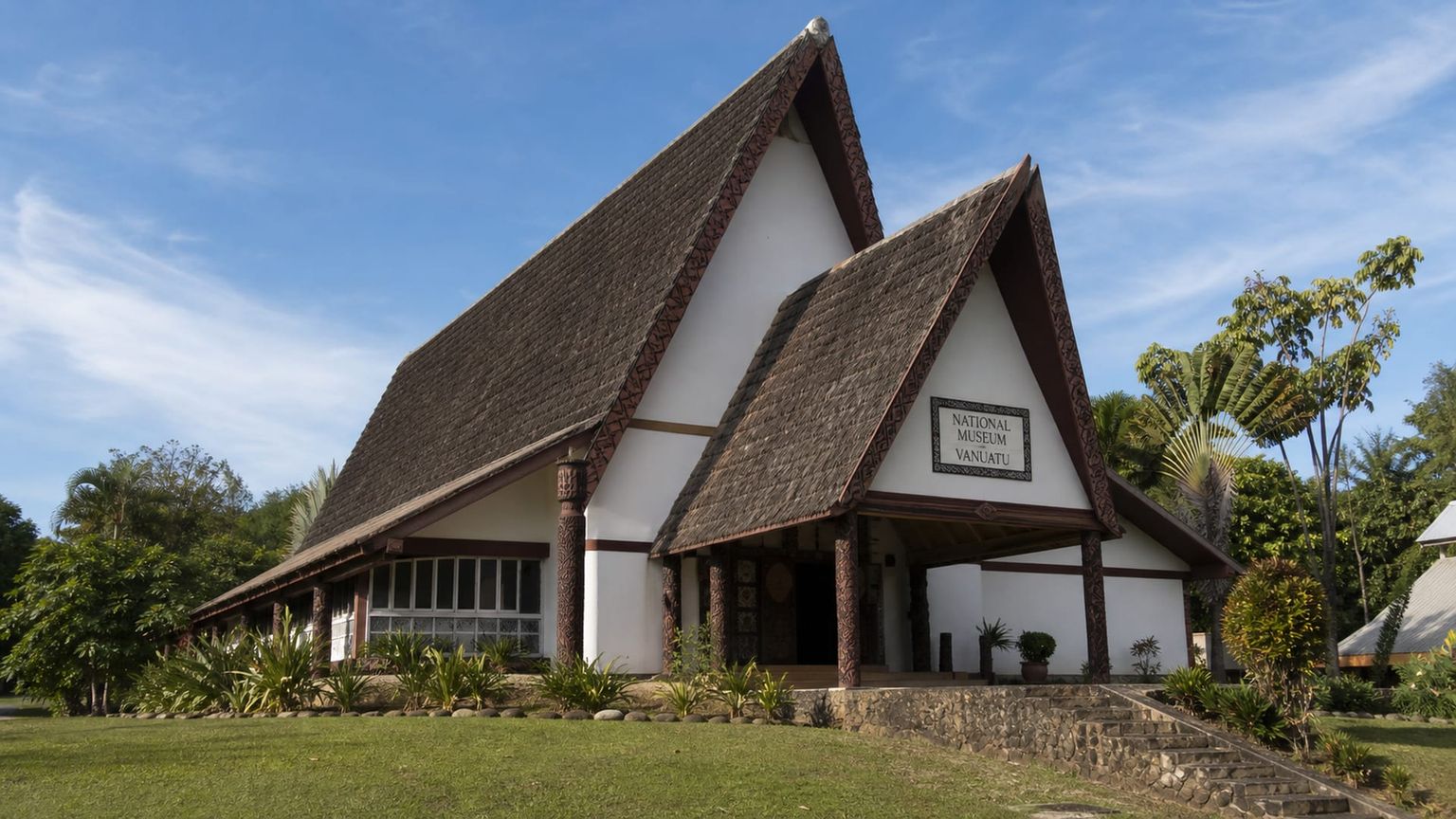
National Museum of Vanuatu
This small museum in central Port Vila presents carved canoes, shell money, masks, and colonial-era objects that trace daily life across the islands. It gives a compact overview before you explore beyond the capital.
Time needed: About 1 to 2 hours
Entry: Admission is usually free, though donations are welcome; occasional special exhibits may charge a small separate fee at the door.
Tip: Go early on a weekday for quieter galleries and better time with the displays and labels.
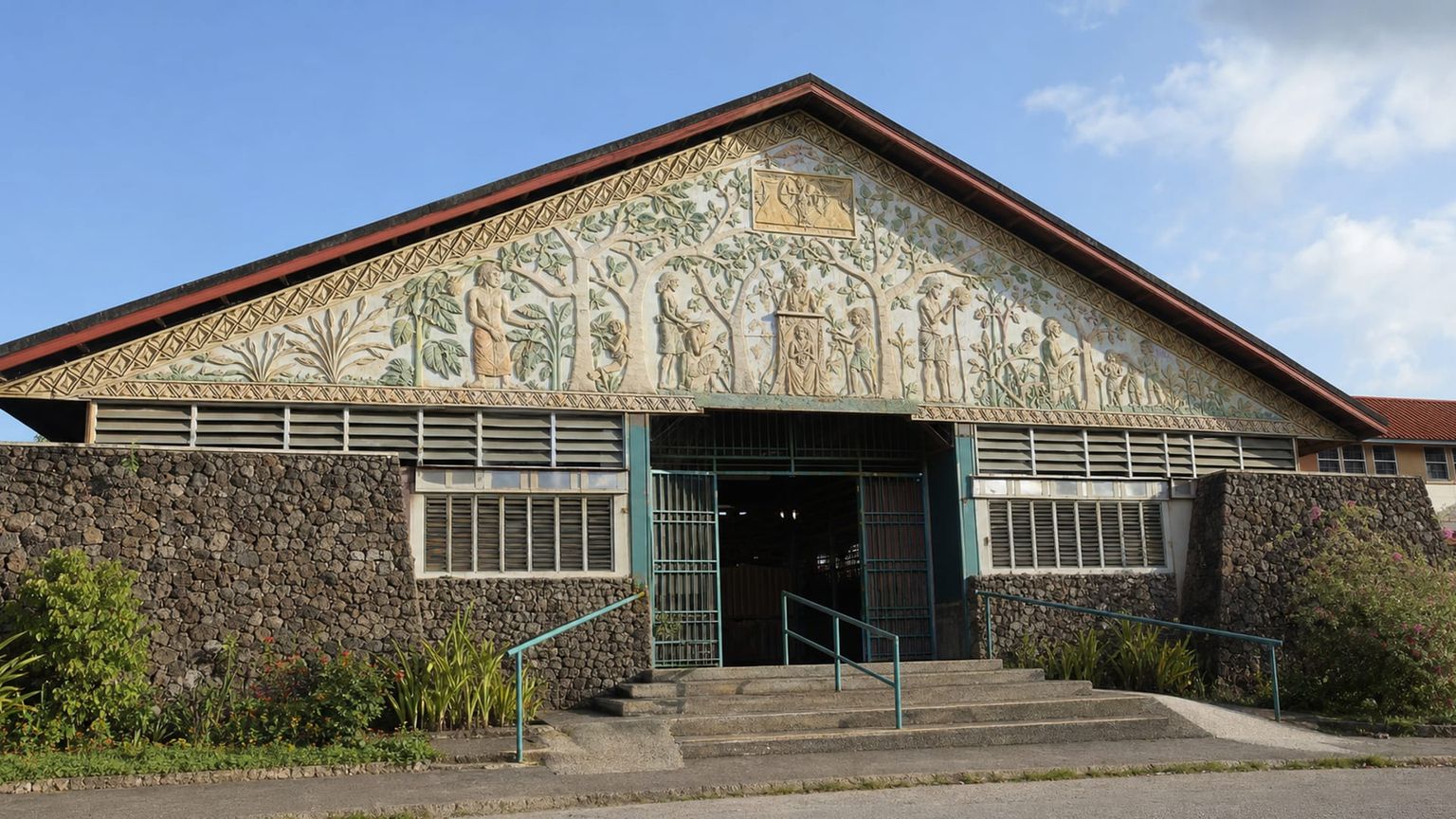
Port Vila Market
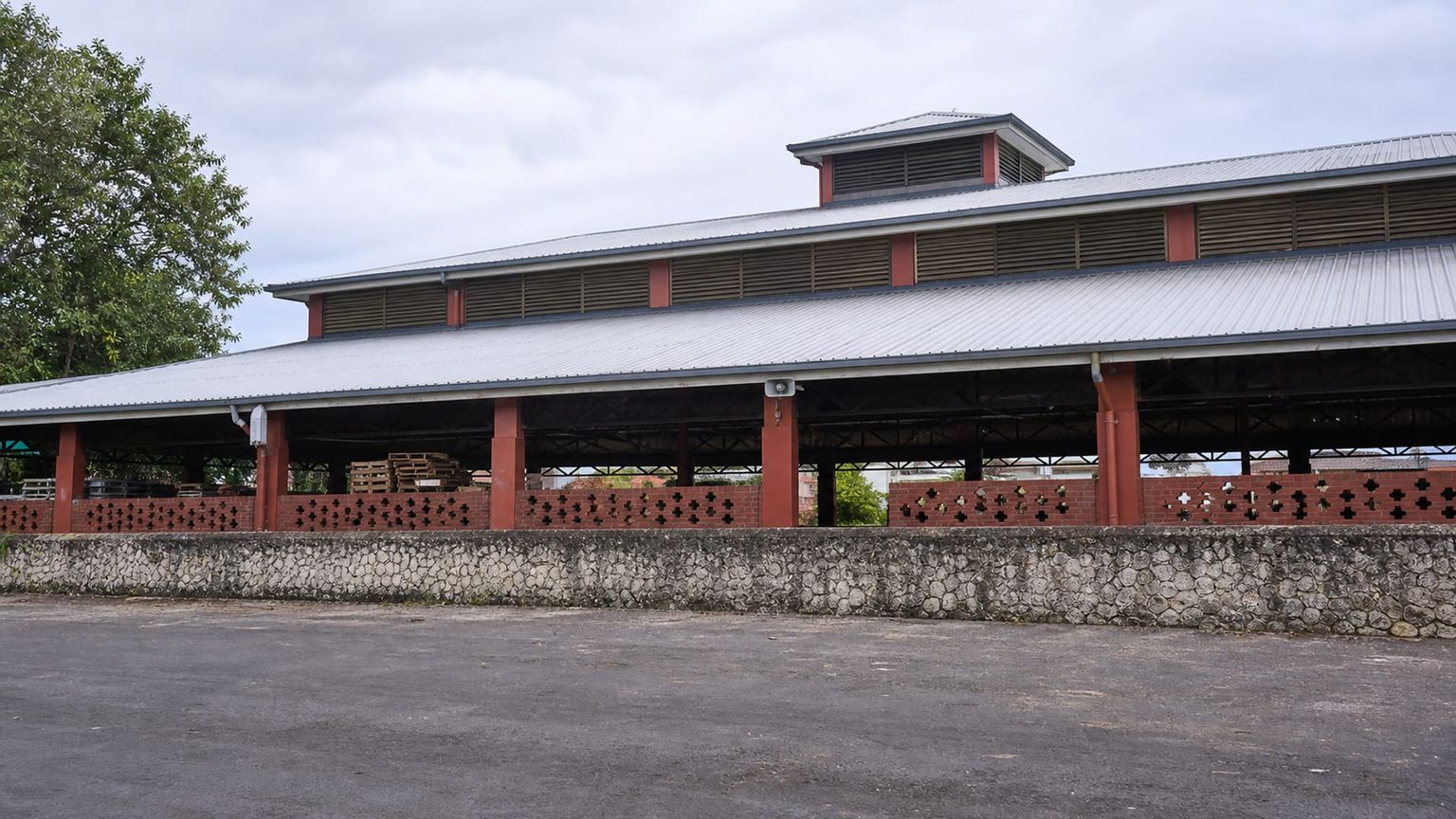
Port Vila Market fills a central waterfront block with produce, woven mats, kava roots, and handcraft stalls. It is the best place to see daily commerce in the capital and to compare island foods, flowers, and basket work in one visit.
Time needed: About 1 to 2 hours
Entry: Free to enter; purchases are optional, and prices for snacks, fruit, and crafts vary by stall and season.
Tip: Visit before midmorning, when produce is freshest and the busiest trading has not peaked yet.
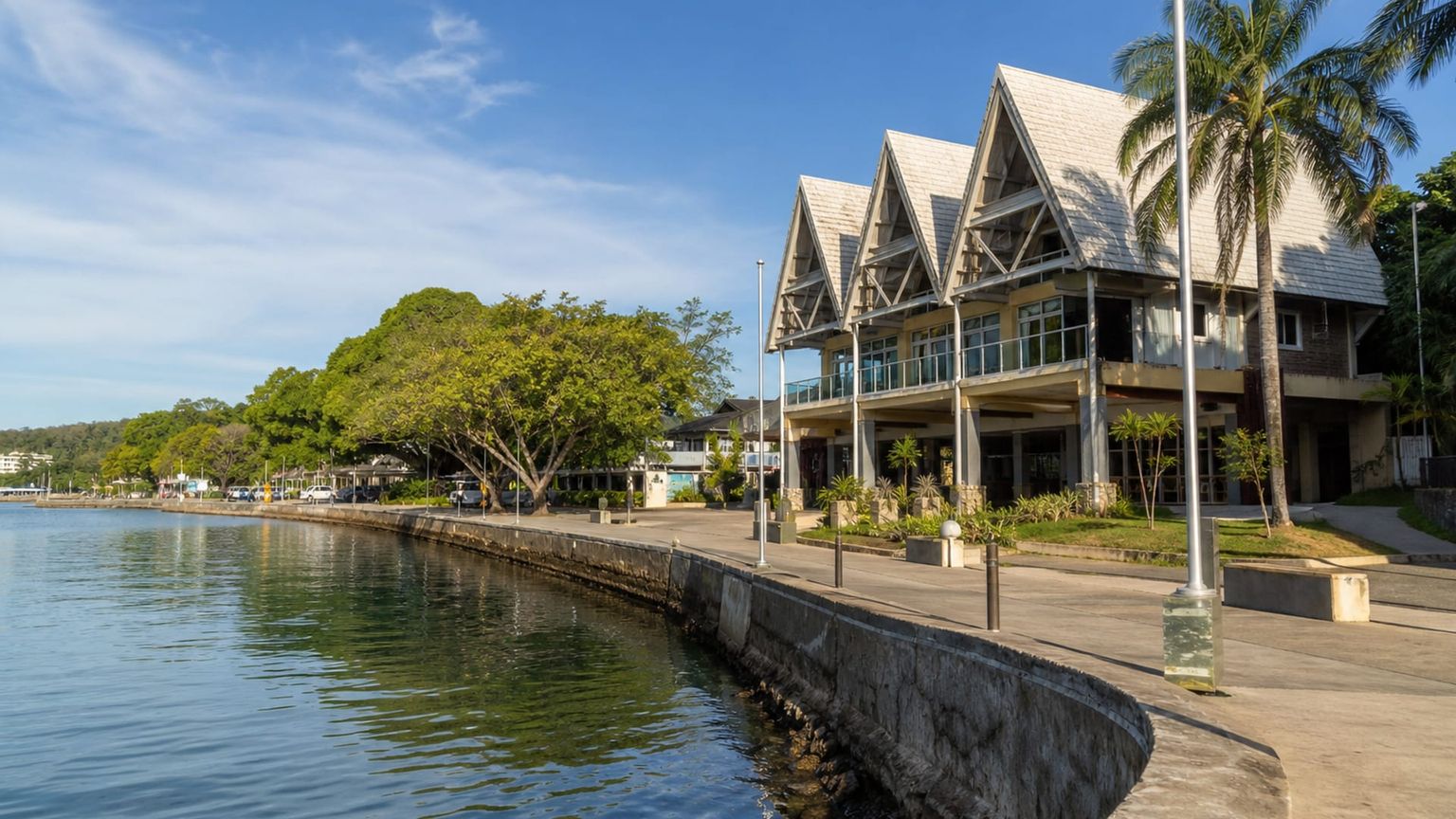
The Waterfront and seafront promenade
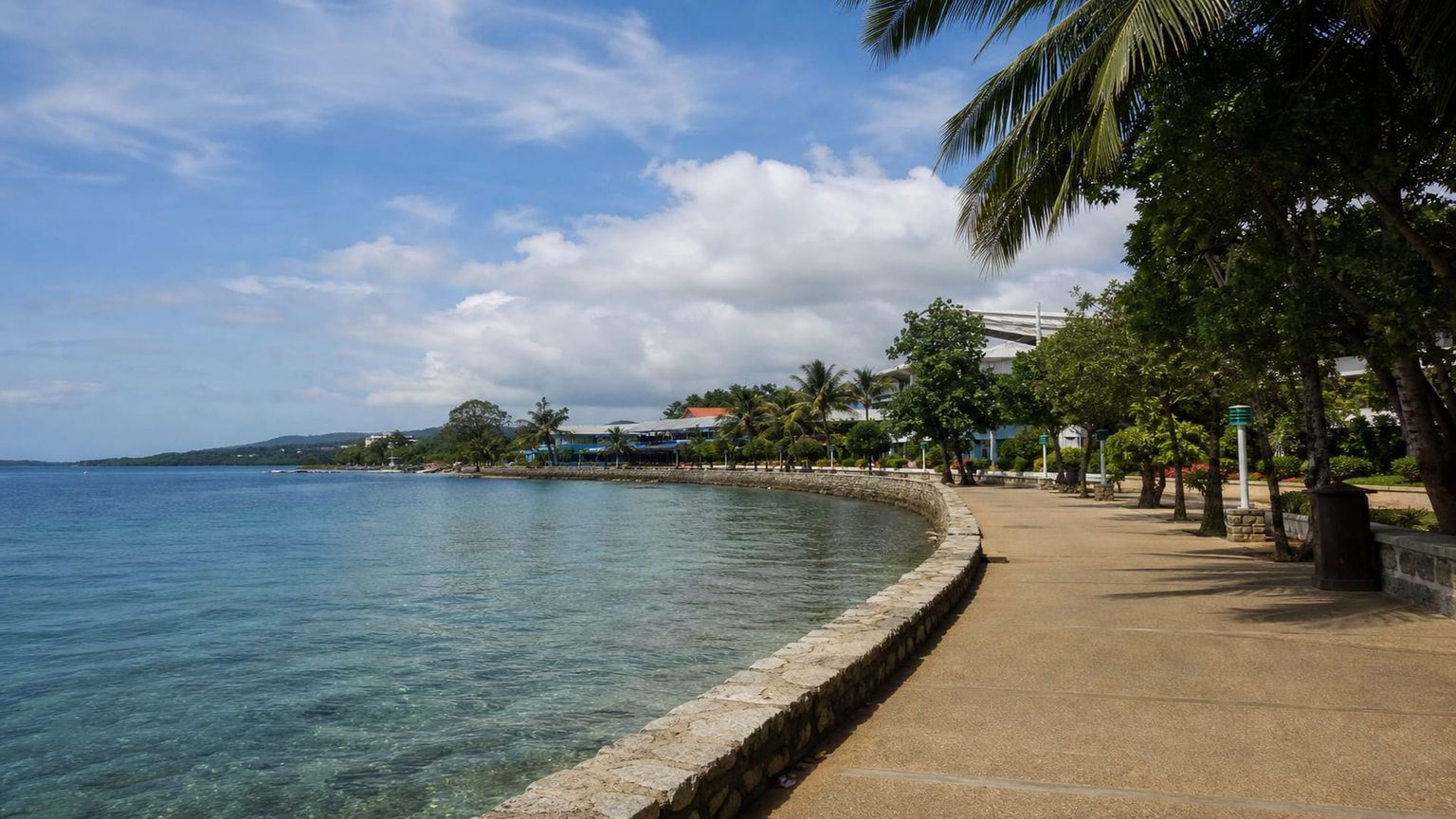
The waterfront promenade links Port Vila’s harbor views, cafes, and public walkways along the inner bay. It is an easy way to see the capital’s shoreline, with fishing boats, ferries, and sunset colors over the water.
Time needed: About 1 hour
Entry: Free to access; cafes, tours, and boat rides along the promenade charge separately and vary by operator and day.
Tip: Arrive near sunset for softer light on the harbor and the best views across the bay.
Overlooked sites worth visiting

Mele Cascades
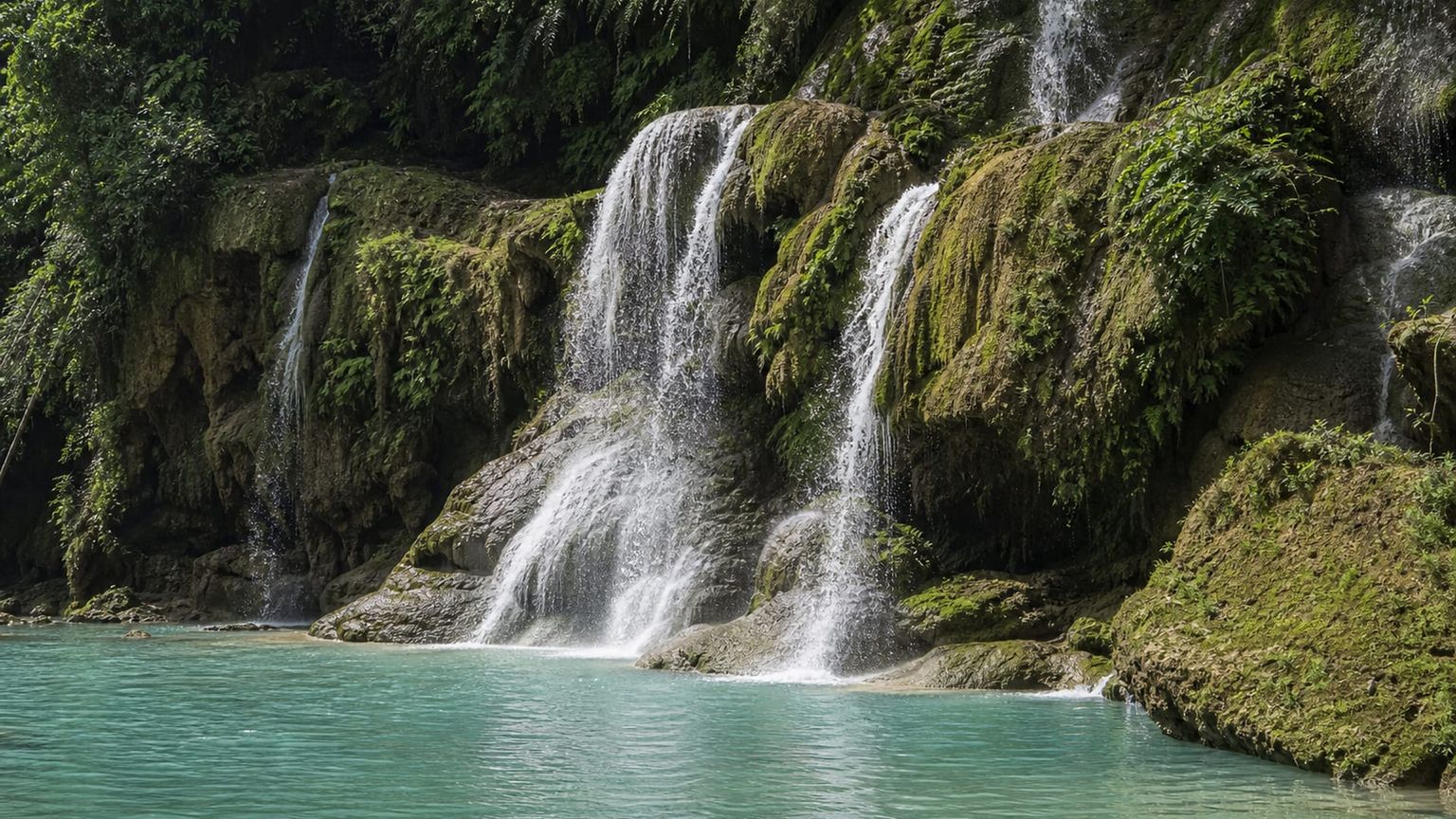
A short rainforest walk leads to a tiered waterfall and clear pools for a swim. The path crosses small bridges and rock steps, so shoes with grip help on wet ground.
Time needed: About 2 to 3 hours
Entry: Entry is usually about $15 to $20 (about 1,800 to 2,400 VUV) per adult, with local guides sometimes included in the site fee. Costs can shift by season and by whether you arrange transport separately.
Tip: Go early for quieter pools and better light.

National Museum of Vanuatu
This compact museum in central Port Vila covers navigation, kastom, and colonial history through shells, masks, canoes, and photographs. It suits an hour between meals or a harbor walk.
Time needed: About 1 hour
Entry: Admission is typically about $5 to $10 (about 600 to 1,200 VUV) for adults, with lower rates for children or students. Check locally for current hours, since opening times can change on holidays.
Tip: Pair it with the nearby market for a short center-city loop.
Traditional food
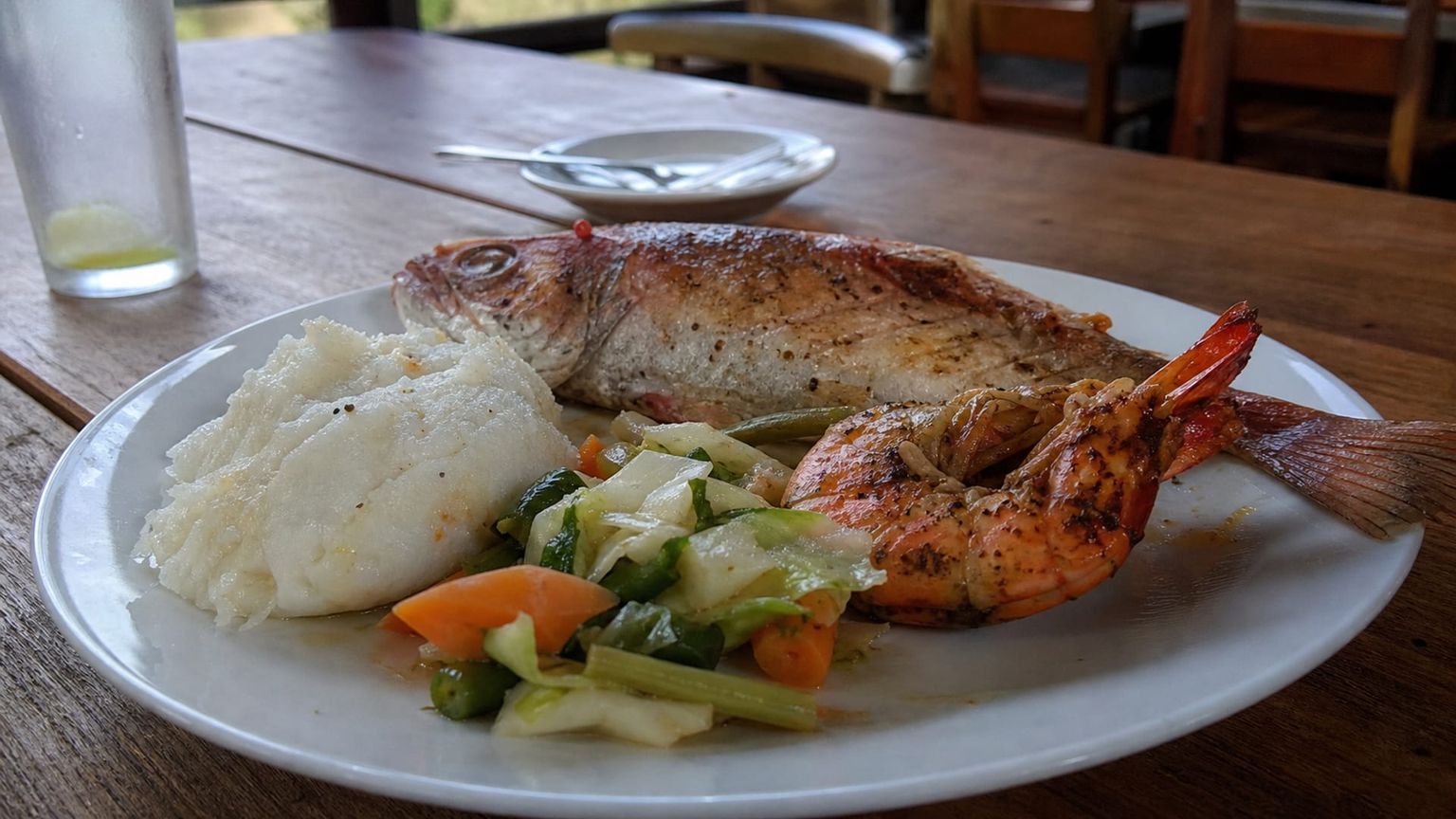
Port-Vila cooking leans on reef fish, coconut, root vegetables, and slow earth-oven dishes like laplap and tuluk. Meals often arrive simply prepared, with fresh produce and seafood carrying the flavor.
Laplap
Vanuatu’s signature baked staple combines grated root vegetables with coconut cream and is often served with fish or meat. At The Stonegrill, it gives you a clear city-center version of a classic dish.
Coconut crab
This rich, seasonal shellfish is one of the island’s standout foods, usually served simply so the sweet meat comes through. The Melanesian Port Vila is a strong place to look for it when it appears on the menu.
Tuluk
Tuluk wraps grated manioc or yam around a filling, then cooks it for a compact, earthy snack or small meal. Mangoes Resort has served island dishes in a setting that suits a slower dinner.
Grilled reef fish
Fresh reef fish appears widely in Port-Vila and tastes best when it is cooked over coals with lime, herbs, and coconut-based sides. Tamanu on the Beach is a known local option for a well-prepared plate.
Best time to visit Port-Vila
Port-Vila stays warm all year, but the drier months give you clearer beach and waterfall days, while the wetter season brings heavier showers and a greener landscape.
Best for: Warm swims, lush scenery, and quieter periods outside holiday peaks
What you get: About 82 to 88°F (28 to 31°C), with humid days and occasional heavy rain; visitor numbers rise late in the year
Trade-offs: Showers can interrupt outdoor plans and make road conditions less predictable
Best for: Waterfall visits, market mornings, and balanced sightseeing
What you get: About 79 to 86°F (26 to 30°C), with fewer peak holiday crowds and manageable humidity
Trade-offs: Some wet spells still arrive, especially early in the season
Best for: Dry-weather exploring, promenade walks, and longer outdoor days
What you get: About 74 to 82°F (23 to 28°C), with lower rainfall and comfortable conditions for walking
Trade-offs: This is a popular travel window, so central hotels can book faster
Best for: Beach time, city walks, and shoulder-season flexibility
What you get: About 78 to 86°F (26 to 30°C), with rising humidity and a gradual build in rain
Trade-offs: Late spring can turn wetter as the wet season approaches
A realistic 5-day plan in Port-Vila
Five days in Port-Vila works best when you keep the center as your anchor and add one larger outing instead of stacking long transfers. The sequence below moves from market and museum time to the waterfront, then out to Mele Cascades before a final slow morning.
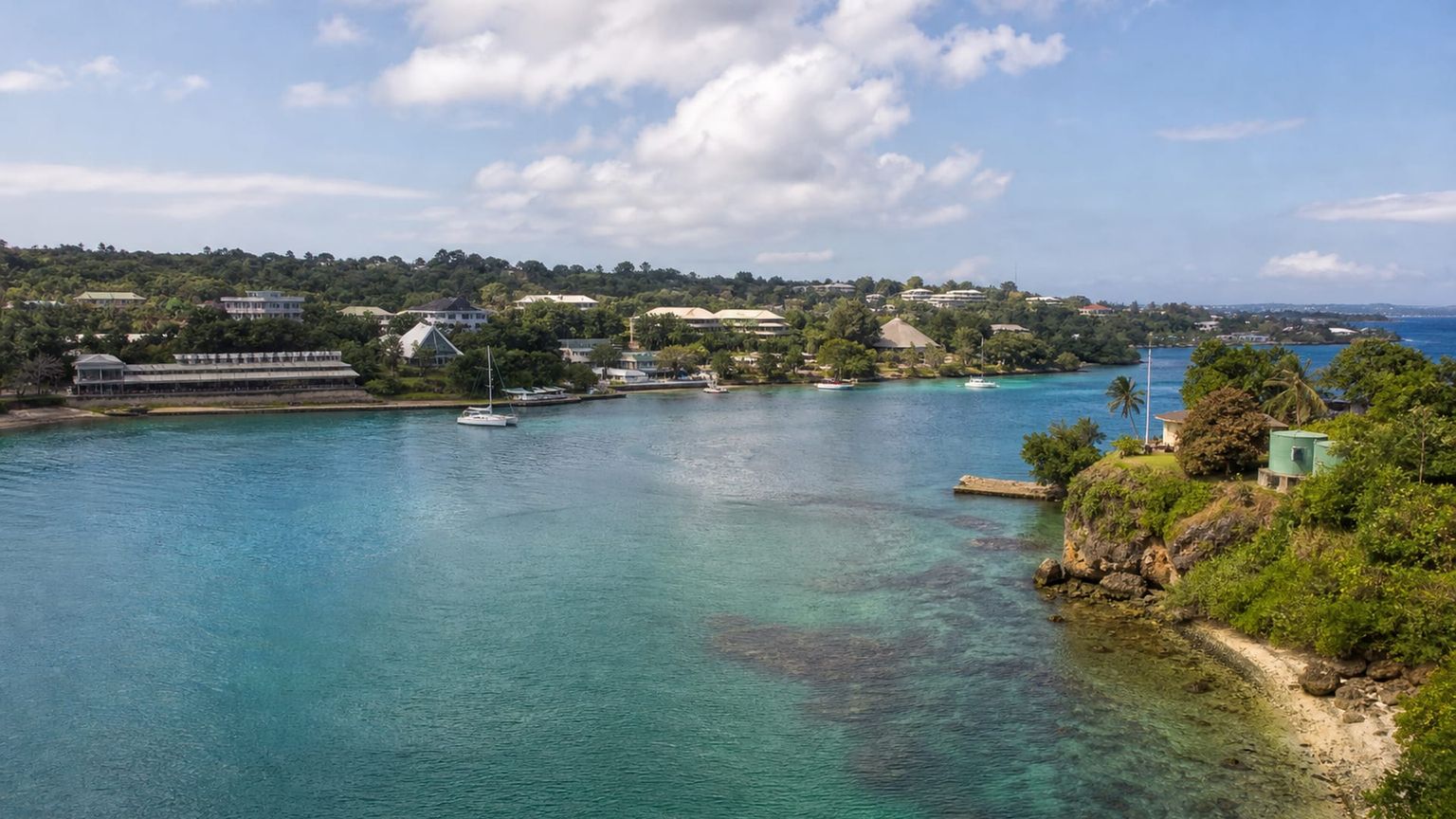
On arrival at Port Vila Bauerfield Airport (VLI), take a taxi into Port Vila central, which usually takes about 15 to 20 minutes and costs about 2,000 VT to 3,000 VT, roughly $17 to $25. If your hotel is in Fatumaru Bay, the ride is often a few minutes shorter; if you are in Nambatu, expect about the same timing with a quieter street setting. Check in, drink some water, and keep dinner close to the waterfront or in Port Vila central, where you can walk to an easy meal without adding another transfer after a long flight.
Start at Port Vila Market before midmorning, then walk about 5 minutes to the National Museum of Vanuatu for a compact history stop. After that, head to the waterfront and seafront promenade, about 5 to 10 minutes on foot from the museum depending on your route, for a harbor walk and a late lunch by the water. If you want a calmer end to the afternoon, stay in Port Vila central and browse a few shops before dinner, since the core keeps everything close together.
A taxi to Mele Cascades takes about 20 to 30 minutes from Port Vila central, and the rainforest path is best tackled early while the pools are quieter. Plan about 2 to 3 hours for the walk, swim, and time around the falls, then return to the city for a waterfront coffee or a simple meal in Fatumaru Bay or Port Vila central. The road back into town is short enough that you can still fit in an unhurried evening without crossing the island.
Begin with the waterfront promenade near sunset light, then move inland to the National Museum of Vanuatu if you skipped it earlier or want a second look at the collections. From the promenade, the museum is about 5 to 10 minutes on foot, and Port Vila Market is another 5 minutes away, so you can string the three stops together without a vehicle. Finish in Nambatu if you want a quieter dinner street, or stay in Port Vila central for the broadest choice of tables.
For a final morning, return to the museum if you want one last look at the canoe and mask displays, then spend time shopping near Port Vila central, where the market and nearby storefronts make the most sense for gifts and snacks. A café stop in Fatumaru Bay gives you a harbor view without leaving the city core for long, and a taxi back toward Port Vila Bauerfield Airport (VLI) typically takes about 15 to 20 minutes from central areas. That timing leaves room for a late lunch or an early coffee before departure.
Business-class flights from the US to Port-Vila
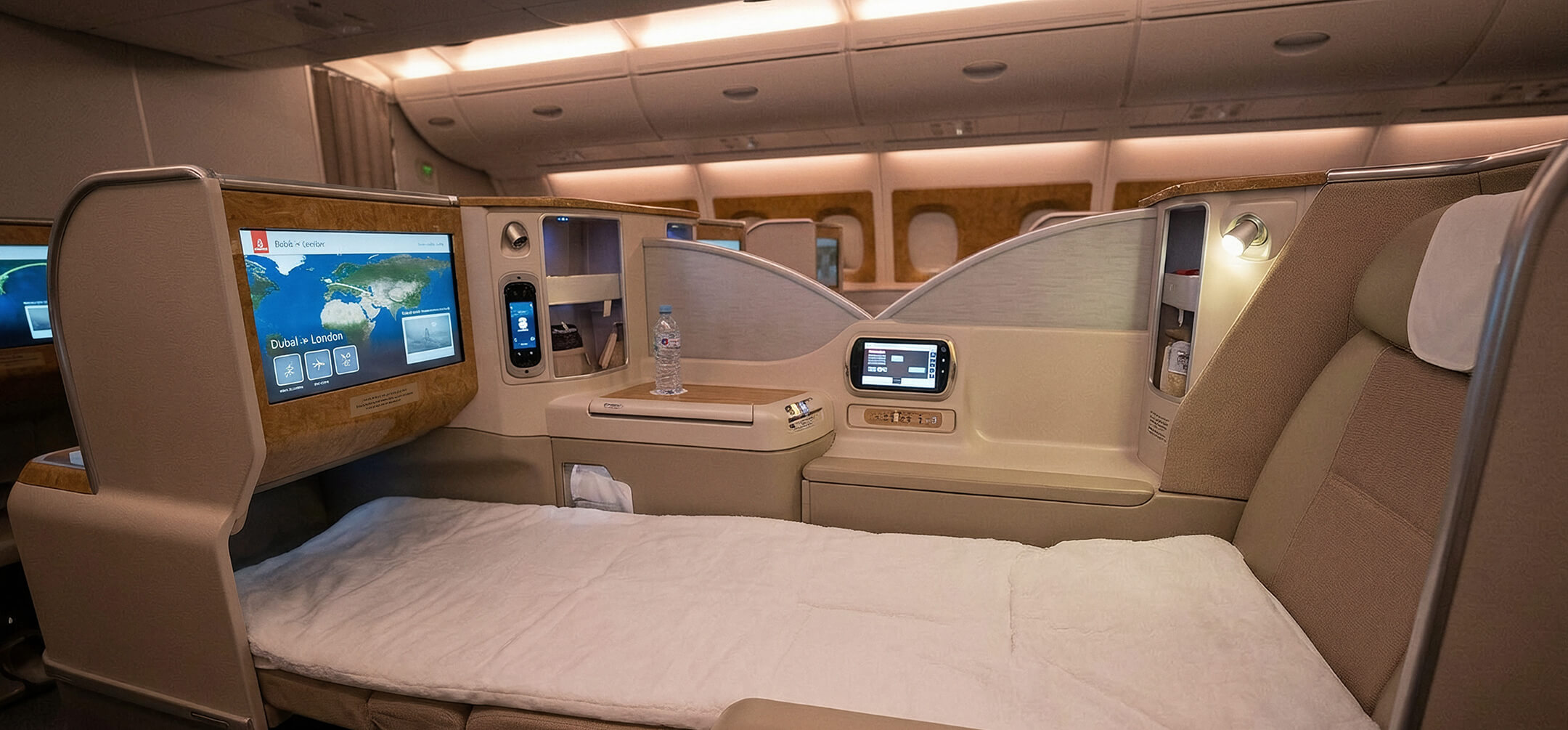
Reaching Port-Vila usually means a one-stop trip from either US coast, with routings through Pacific hubs rather than a single long-haul hop. The fare bands below reflect that kind of journey.
From New York, carriers such as Air New Zealand, Qantas Airways, Fiji Airways, Aircalin, and Philippine Airlines route you through hubs like NRT, HKG, SYD, NAN, and BNE, with total travel time usually about 22 to 31 hours. Round-trip fares start at $4,800 and can reach $8,500.
Los Angeles itineraries are typically built around one stop, and the common carriers include Air New Zealand, Qantas Airways, Fiji Airways, Aircalin, Philippine Airlines, and Solomon Airlines. Common connections run via NRT, HKG, SYD, NAN, BNE, or AKL, with total travel time about 18 to 28 hours; if you do not mind a layover, the fare can drop by a few hundred dollars from the usual $4,300 to $7,900 round-trip range.
Port-Vila feels different when you slow down
A deliberate Port-Vila trip gives you a central base in Port Vila central, Nambatu, or Fatumaru Bay, then uses taxis, minibuses, and a few easy walks to link the market, the museum, the waterfront, and one inland outing like Mele Cascades. That pace leaves room for waterfront dinners and an early return after the market closes. If you want a version shaped to your dates and hotel style, the AranGrant experts can help you build it