

Chapters:

Need help with your trip?
Our support team is available 24/7. Request a callback or call us directly at (833) 619-0908
Valencia often gets treated as a quick stop for the City of Arts and Sciences, a market lunch, and one night in the old center, which leaves the city’s quieter streets, seaside edges, and neighborhood scale out of view.
That approach can compress too much into the historic core and too little into the rest of the city. Distances are short on a map, but they still shape how you move between Ciutat Vella, Eixample, Benimaclet, and the coast.
This guide follows a clearer order, pairing each day with a distinct area, transit note, or meal stop so you can see where to walk, when to ride, and which sights deserve extra time.
Useful things to know

Main language(s): Spanish
Hola (OH-lah) – Hello/good morning
Por favor (por fah-VOR) – Please
Gracias (GRAH-see-ahs) – Thank you
¿Habla inglés? (AH-blah een-GLAYS) – Do you speak English?
¿Cuánto cuesta? (KWAHN-toh KWAY-stah) – How much does it cost?

Currency: The local currency is the euro (EUR, €).

Cash and cards: Cards and contactless are widely accepted; carry about €20 to €40 ($22 to $44) in cash for small purchases.

Tipping: Round up or leave about 5% to 10% for good table service; small change is fine in cafés.

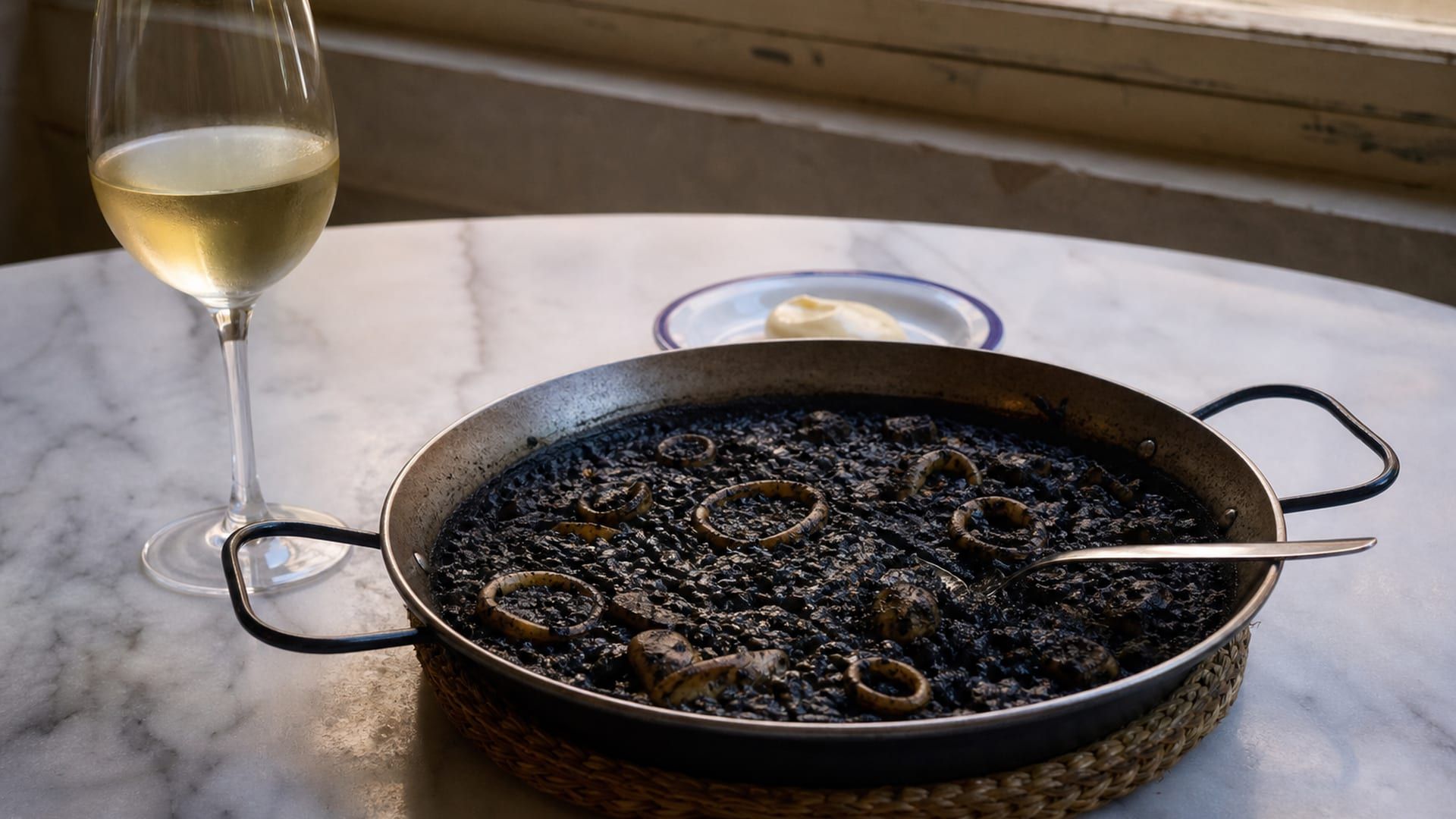
Traditional food: paella Valenciana, esgarraet, fideuà, horchata

Water and coffee costs: Water ~€2 ($2), bar espresso ~€1.50 to €2 ($2).

Taxis and ride apps: Uber and Bolt operate here; local taxi apps may be cheaper for short rides.

Plug and voltage: Type C/F socket, 230V

Dining and shop opening hours: Breakfast is about 08:00-10:30, lunch about 13:30-15:30, and dinner about 21:00-23:00. Many restaurants close in the afternoon between lunch and dinner.

Emergency number: 112 for police, fire, and medical emergencies.
Where to stay in Valencia
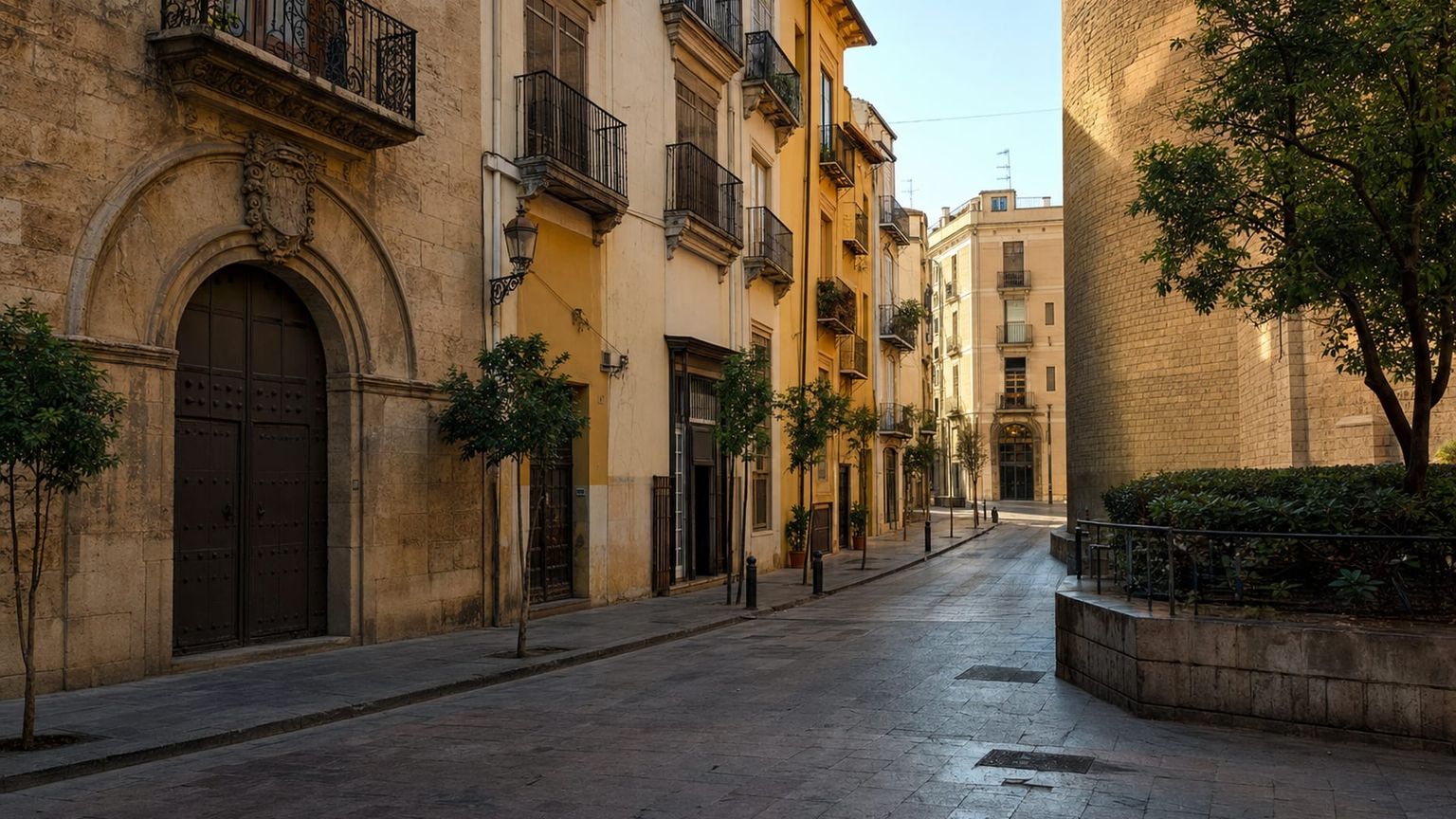
Valencia’s old town gathers the cathedral, market halls, and narrow streets into one central base. It puts major sights, tapas bars, and the most walkable part of the city within easy reach.
Best for: First-time visits, short stays, and travelers who want to do most sightseeing on foot
What to expect: Dense pedestrian streets, steady daytime foot traffic, and lively evenings near the busiest squares.
Hotel prices: Usually about 140€ to 280€ (~$153 to ~$307) per night for well-rated stays
Distance to major sights: 5 to 15 minutes on foot to Valencia Cathedral and the Central Market
Quietness: Busy by day and evening, with quieter side streets away from the main squares.
Main trade-off: Central rooms can be smaller, and weekend nights near popular bars can carry noise late.
Good to know: Choose a room on a side street if you are a light sleeper; the main squares get the most late activity.
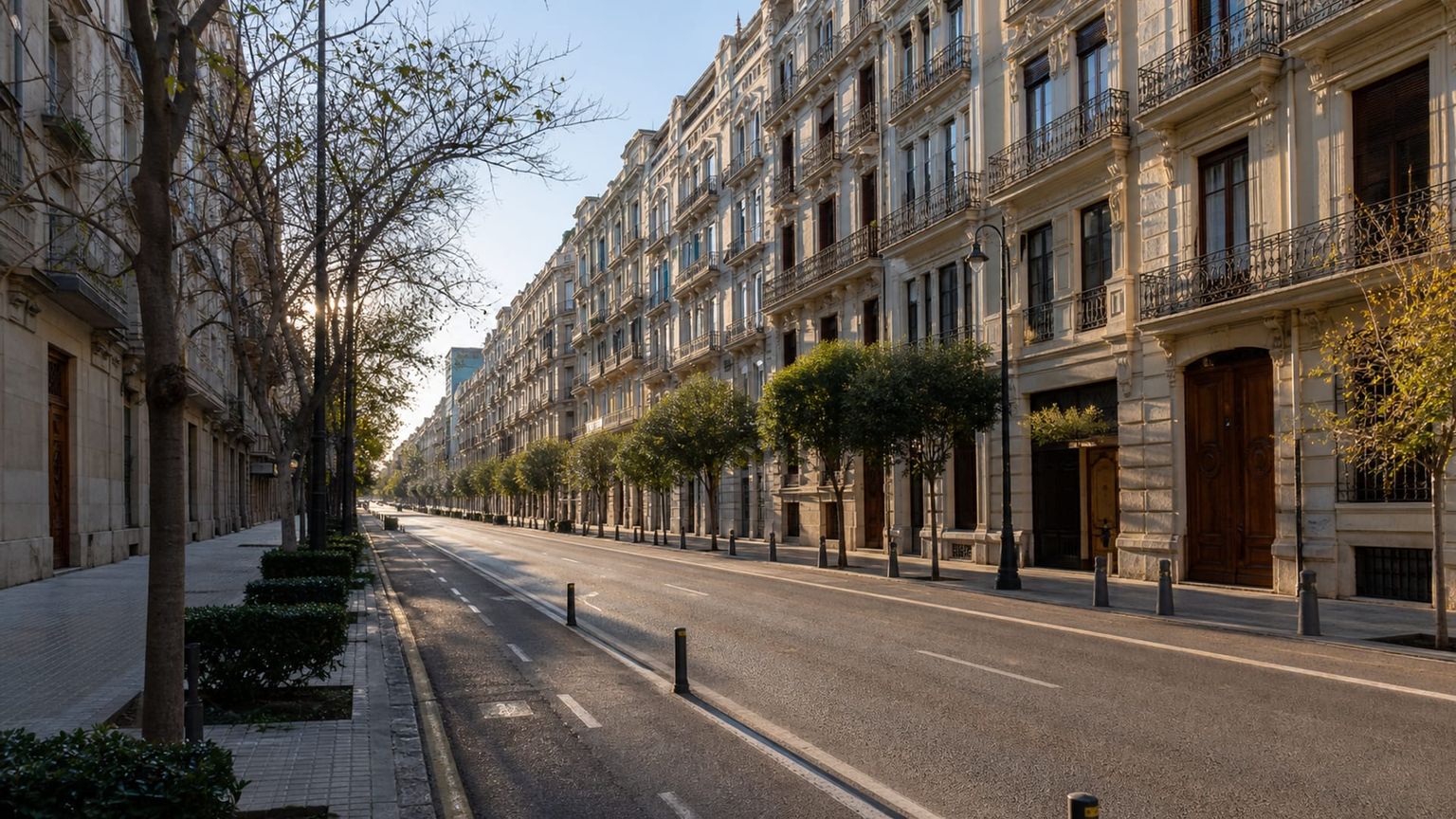
Eixample sits just east of the old town and pairs broad avenues with modernist apartment blocks and a strong dining scene. It matters because you get central access without staying inside the busiest tourist lanes.
Best for: Dining, shopping, and travelers who want a central base with more space than the old town
What to expect: Tree-lined boulevards, cafes, local shops, and a steady but not overwhelming evening scene.
Hotel prices: Usually about 130€ to 260€ (~$143 to ~$285) per night for well-rated stays
Distance to major sights: 10 to 20 minutes on foot to the Central Market and 20 to 25 minutes on foot to Valencia Cathedral
Quietness: Calmer than Ciutat Vella during the day, with a livelier mood near restaurant streets at night.
Main trade-off: You will walk a bit more for the oldest sights, and some main avenues have heavier traffic.
Good to know: If you plan late dinners, book near a metro stop so the walk back stays simple after dinner.
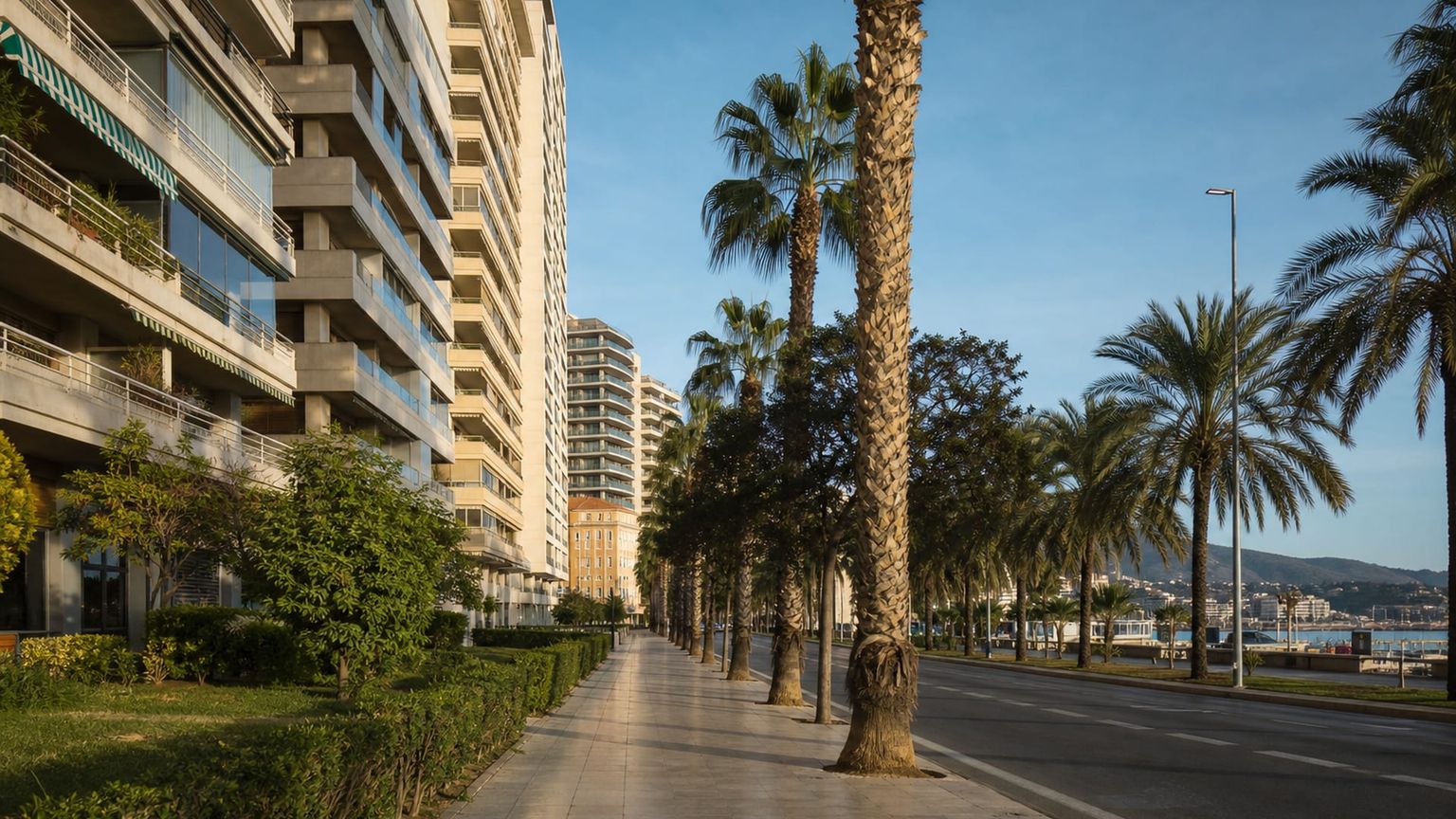
El Cabanyal is Valencia’s historic seaside quarter, known for low-rise houses, local restaurants, and quick access to the beach. It matters if you want the coast in reach without losing the city’s character.
Best for: Beach time, slower-paced stays, and travelers who prefer a neighborhood feel by the sea
What to expect: Residential streets, a mix of locals and visitors, and busier stretches near the beach and market streets.
Hotel prices: Usually about 100€ to 220€ (~$110 to ~$241) per night for well-rated stays
Distance to major sights: 15 to 25 minutes by tram or metro to the City of Arts and Sciences, about 10 to 15 minutes on foot to Malvarrosa Beach
Quietness: Quieter inland, with more activity near the beach and the waterfront in the evening.
Main trade-off: It sits farther from the old town, so city-center sightseeing takes longer by transit.
Good to know: Beachfront blocks can be livelier late in summer, so inland streets are better if you want less nighttime foot traffic.
Travelers usually avoid staying in Poblats Marítims, including Cabanyal and Malvarrosa, if they want easy access to the historic center, since these beachside areas sit farther from major sights and can mean longer evening trips into town. Benicalap and Benimàmet are also less convenient for a first visit, with fewer visitor amenities near the main monuments, while El Perellonet is best skipped for city breaks because it is far from central Valencia and geared more to the coast than to sightseeing.
Hotel deals
How to get around Valencia efficiently
Valencia’s airport sits on Metrovalencia lines 3 and 5, so the city works well with a mix of metro rides, taxis, and walking once you are in the center.

Metro
for longer distances
Valencia’s Metrovalencia network reaches Valencia Airport, with Line 3 and Line 5 linking the terminal to Xàtiva, Colón, and the city center in about 25 to 30 minutes. A single ticket from the airport to the urban area costs about $5 (€4.90), with travel cards and airport supplements changing the final price. Trains usually run every 10 to 20 minutes, and station signs point clearly to the platforms once you are in the terminal.

Bus and tram
for convenience
Bus route 150 runs between Valencia Airport, Manises, and central Valencia, making it the main daytime bus link when you want a cheaper option than the metro. Fares are about $2 to $3 (€1.50 to €2), depending on the ticket type, and rides to the city generally take about 35 to 45 minutes. The tram network serves coastal districts and neighborhoods east of the center, so it complements, rather than replaces, the airport metro link.

Taxi
for convenience or late hours
Licensed taxis use metered fares in Valencia, with airport trips normally falling in the range of about $25 to $35 (€23 to €32) to the central city, plus any night or luggage supplements allowed by the tariff. From the airport, use the official rank outside arrivals, and in town, hail only marked white taxis with a roof light. Most accept cards, though carrying some cash can help if a card terminal is temporarily unavailable.
*Prices are based on rates updated as of June 2026 and may change at the time of travel.
Use the metro for the airport and longer cross-town hops, taxis for late arrivals or heavier bags, and walking for the old town, where the best sights sit close together.
Iconic landmarks
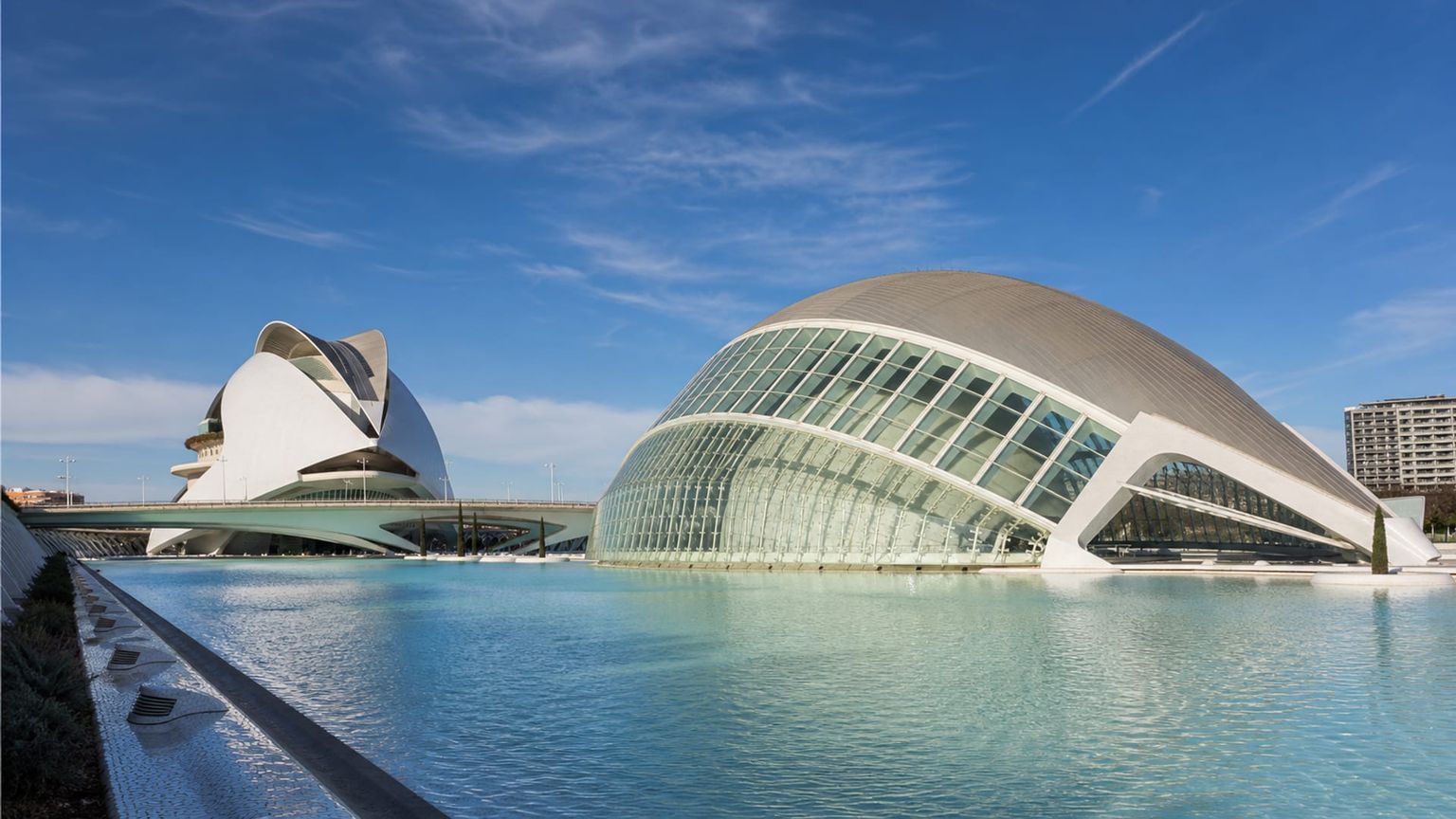
City of Arts and Sciences
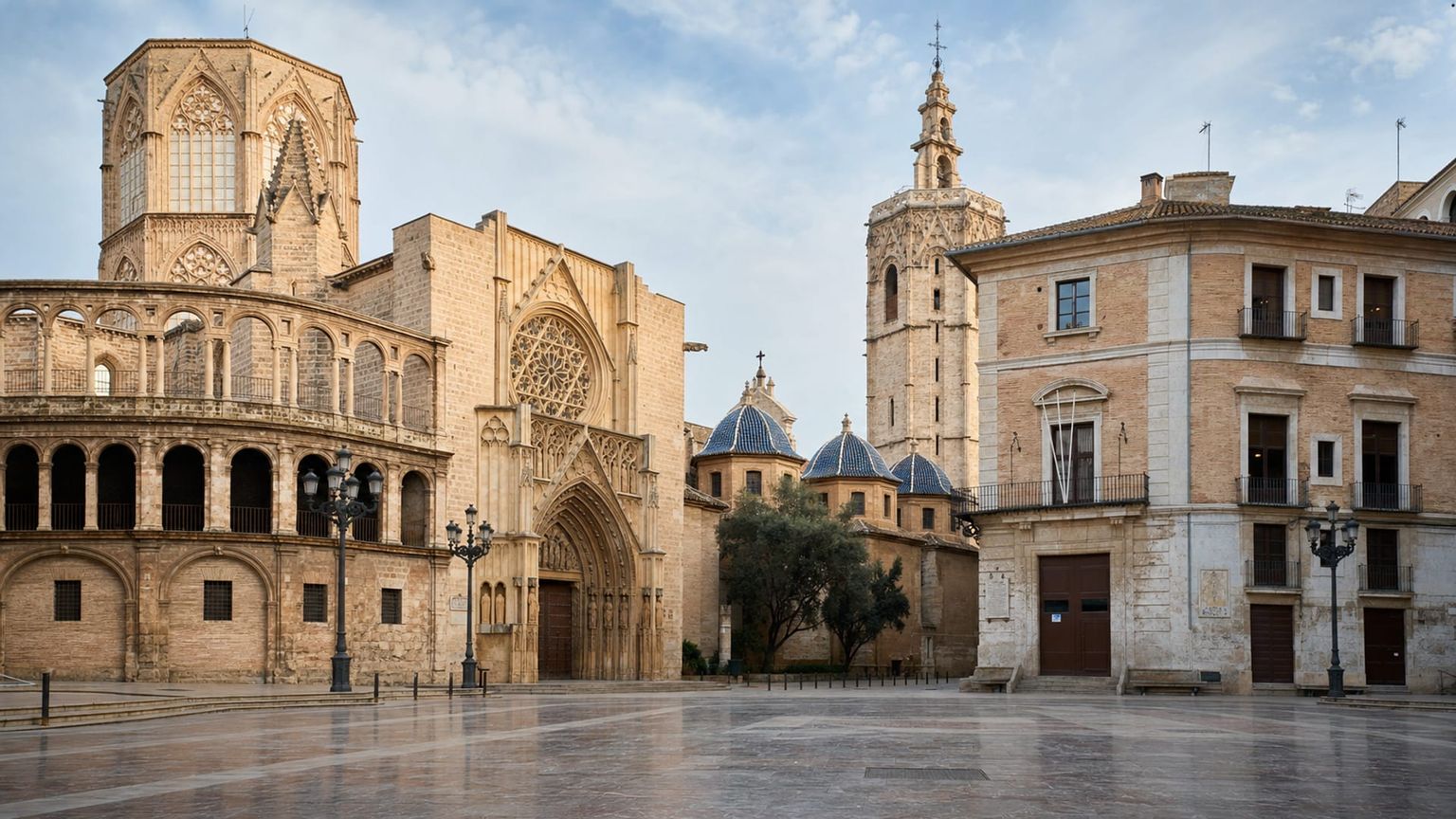
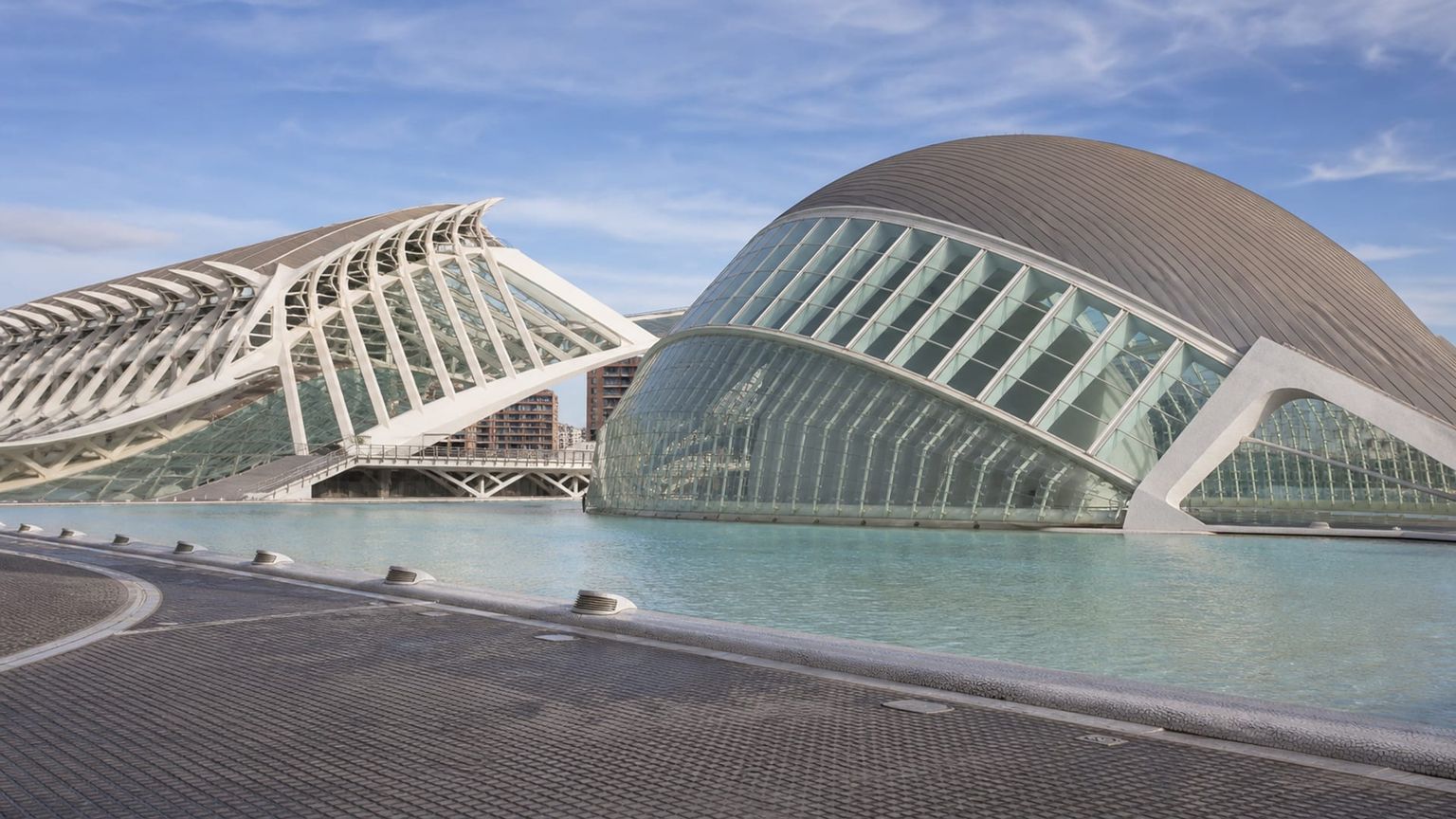
Valencia’s signature complex brings together futuristic architecture, the Hemisfèric, Museu de les Ciències, Umbracle, and L’Oceanogràfic. The buildings sit by the old Turia riverbed, making this the city’s most photographed modern landmark.
Time needed: About 4 to 6 hours
Entry: Complex access varies by venue. Museum and aquarium tickets usually cost $9 to $47 (€8 to €41), depending on the building and combo chosen. Visit the official site for details.
Tip: Visit late afternoon for reflections on the water and better exterior photos.
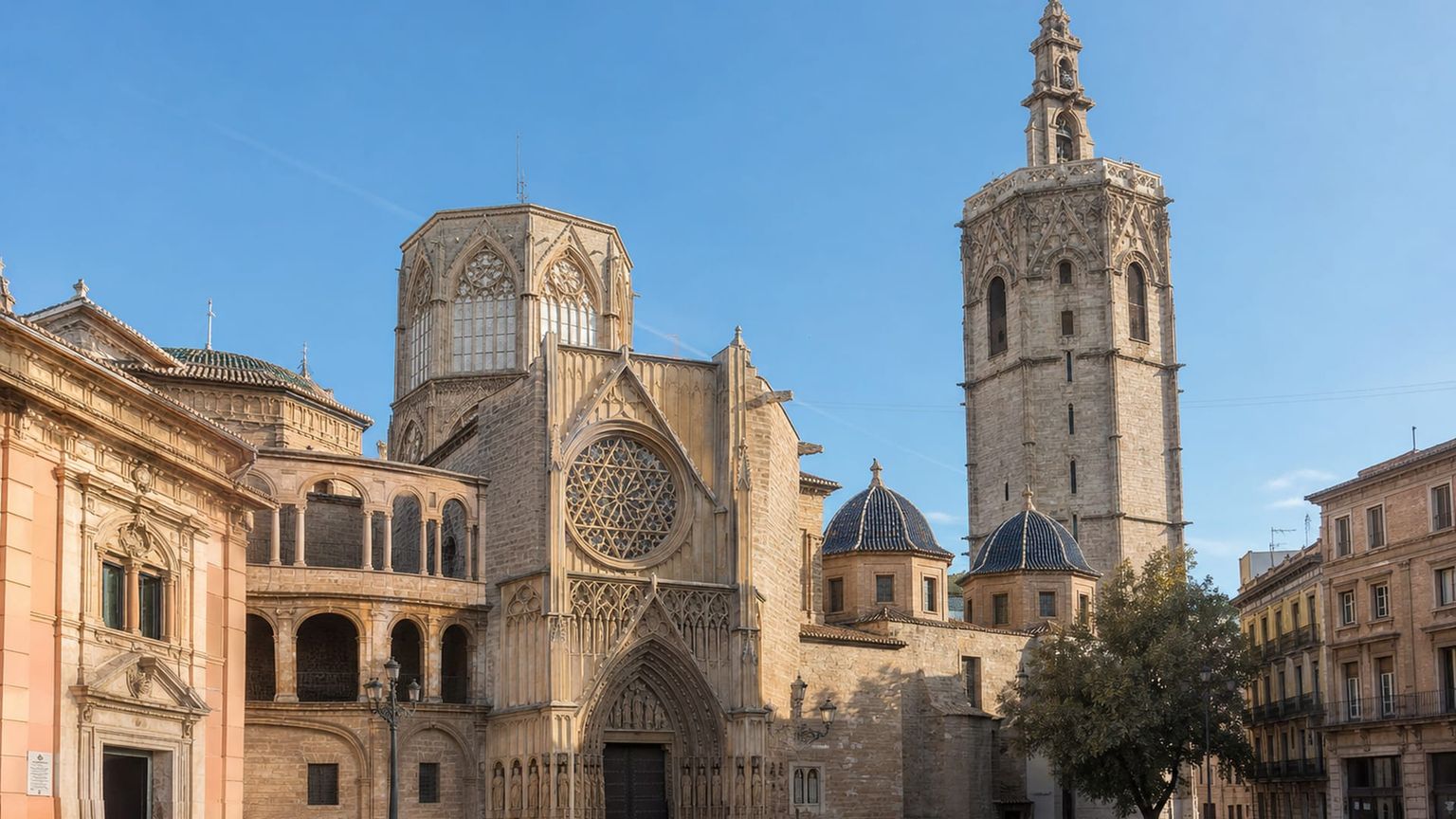
Valencia Cathedral and El Micalet
This Gothic cathedral anchors the old center and draws visitors for the Holy Chalice chapel, Baroque interiors, and the climb up El Micalet bell tower. The tower gives a clear view over the grid of the historic streets below.
Time needed: About 1 to 2 hours
Entry: Admission usually costs $10 to $12 (€9 to €11), with an extra fee for El Micalet tower access and reduced rates for children and seniors. Visit the official site for details.
Tip: Arrive early, the tower stairs are narrow and morning light is best for photos.
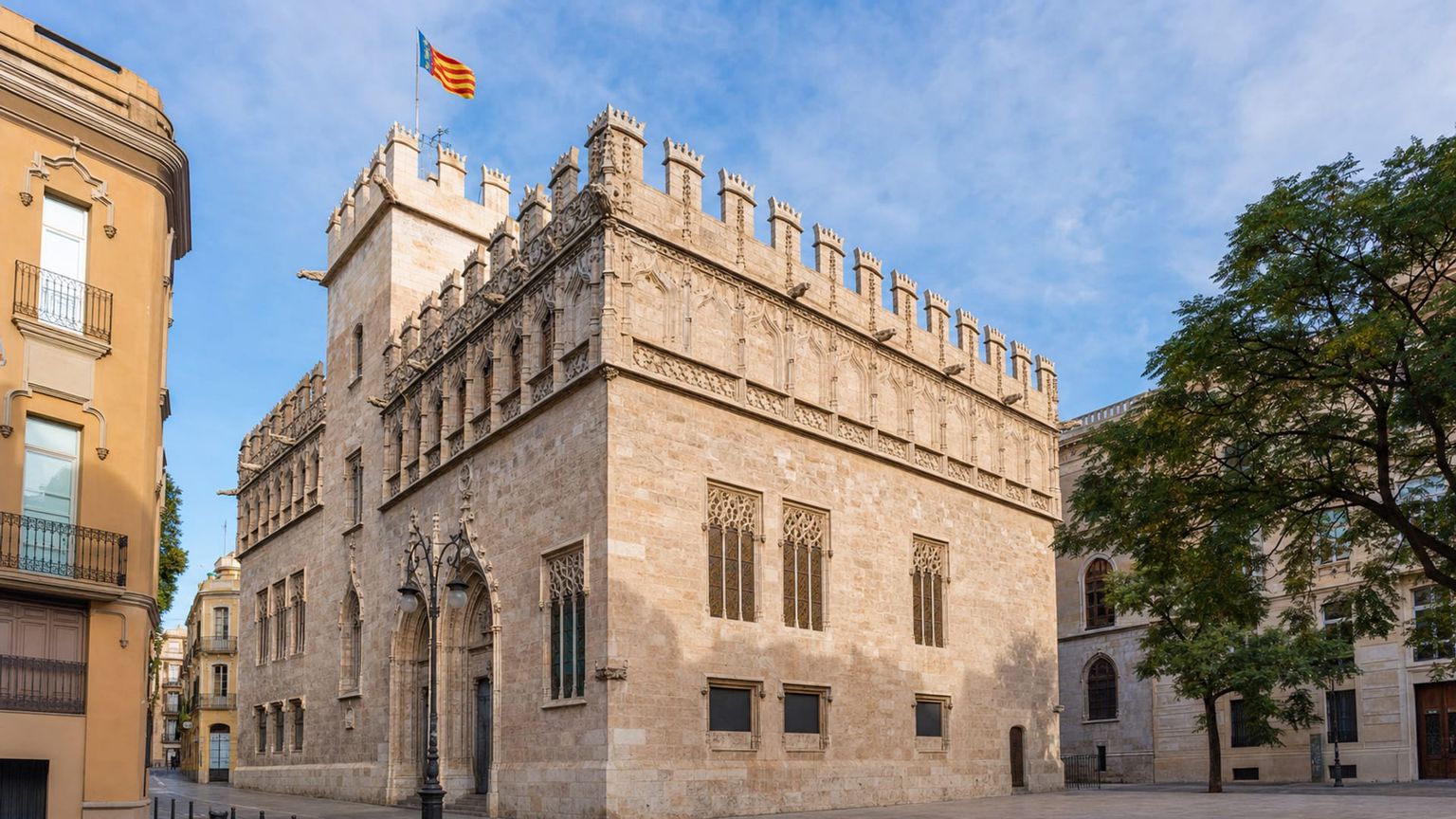
Lonja de la Seda
This late-15th-century Silk Exchange is a UNESCO World Heritage site and one of Valencia’s finest civil Gothic buildings. Inside, the Hall of Columns and carved ceilings show the city’s merchant wealth at its peak.
Time needed: About 45 minutes to 1 hour
Entry: Admission is typically $2 to $3 (€2 to €3), with reduced prices for students and free entry on selected days and hours. Visit the official site for details.
Tip: Go in the morning, when the Hall of Columns is quieter and easier to photograph.
Overlooked sites worth visiting

El Almudín
This 15th-century grain hall now hosts rotating exhibitions in a compact Gothic shell near the cathedral. It is easy to pair with a slow walk through the old streets and the nearby market squares.
Time needed: About 30 to 45 minutes
Entry: Admission is free for most exhibitions, though special shows may charge a small fee. Check the current program before you go, since opening hours and entry rules can change with each exhibition.
Tip: Go earlier in the day for quieter viewing and better light.

Benimaclet street murals
Benimaclet’s lanes hold layered murals, tiled facades, and small neighborhood plazas that reward wandering on foot. The area gives a more local street-level view than the city’s headline sights.
Time needed: About 1 to 2 hours
Entry: Free to explore on public streets, with no ticket needed. If you want to extend the visit, nearby cafes and small bars charge separately, and the best experience comes from simply walking the neighborhood.
Tip: Visit late afternoon for softer light on the murals.
Traditional food
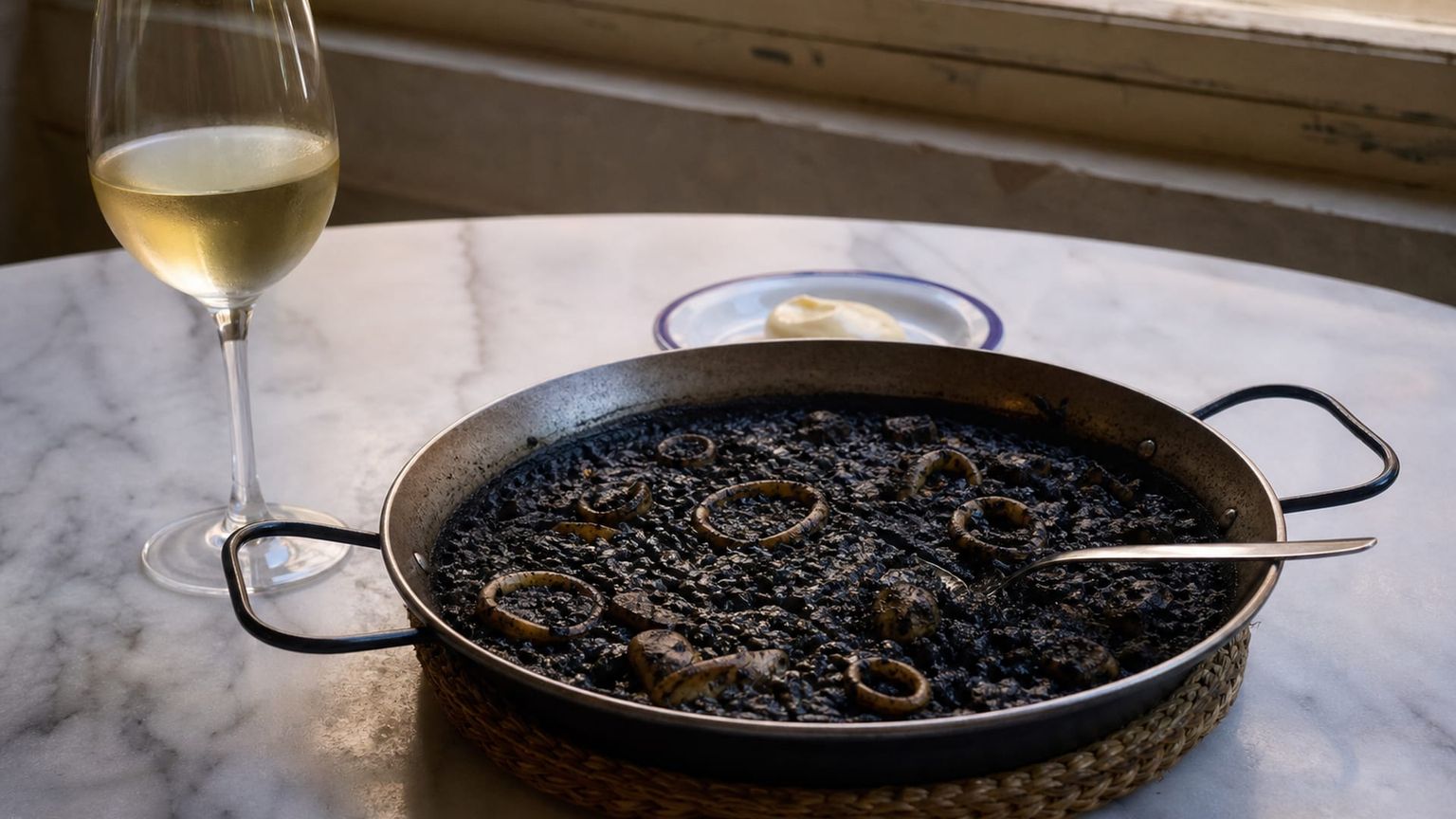
Valencia’s cooking leans on rice, seafood, garden vegetables, and olive oil, with paella Valenciana, esgarraet, fideuà, and horchata showing how the city eats from midday lunch through late dinners.
Paella Valenciana
Valencia’s signature rice dish brings chicken, rabbit, green beans, and saffron together in a wide pan. Casa Roberto is a strong canonical stop in the city for a classic version.
Esgarraet
This cold salad of roasted red peppers, salted cod, garlic, and olive oil works well as a starter or light plate. It fits neatly at Bodega Casa Montaña, which has long served Valencian staples in El Cabanyal.
Fideuà
Fideuà swaps rice for short noodles, usually cooked with seafood broth and finished with aioli. La Pepica, near the beach, is one of the city’s best-known places to order it.
Horchata
This chilled tiger nut drink is Valencia’s classic afternoon refreshment, usually paired with fartons for dipping. Horchatería Santa Catalina in the center is the city’s most famous traditional stop for it.
Best time to visit Valencia
Valencia shifts from warm, beach-friendly months to milder winter days, with spring and fall usually offering the easiest balance of weather and sightseeing.
Best for: Old-town walks, terrace lunches, and garden time in the Turia park
What you get: Temperatures usually range from about 54°F to 79°F (12°C to 26°C), with moderate crowds and long daylight hours
Trade-offs: Easter and festival periods can push room rates and foot traffic higher
Best for: Beach time, late dinners, and long evenings outdoors
What you get: Temperatures usually range from about 68°F to 91°F (20°C to 33°C), with heavier visitor traffic near the beach and major sights
Trade-offs: Midday heat can make long walking stretches tiring
Best for: City sightseeing, food stops, and easier movement between neighborhoods
What you get: Temperatures usually range from about 57°F to 81°F (14°C to 27°C), with moderate crowds and comfortable evenings
Trade-offs: Early autumn can still bring warm afternoons
Best for: Museum visits, market browsing, and lower-key city breaks
What you get: Temperatures usually range from about 43°F to 63°F (6°C to 17°C), with lighter crowds and short days
Trade-offs: Cooler weather and shorter daylight limit outdoor time
A realistic 5-day plan in Valencia
Five days in Valencia works well when you divide the city by character rather than by distance. The old center, the modern riverbed, Benimaclet, and the departure day each reward a different pace, and the schedule below keeps those shifts visible.
Land at Valencia (VLC), then take a taxi to Ciutat Vella or Eixample in about 20 to 25 minutes for roughly $20 to $28 (€18 to €26). Check in, drink water, and keep dinner simple near your hotel, a plate of paella, tapas, or a vegetable tortilla works well after a flight. If you arrive early enough, walk a few blocks through your neighborhood and stop by a cafe before an early night.
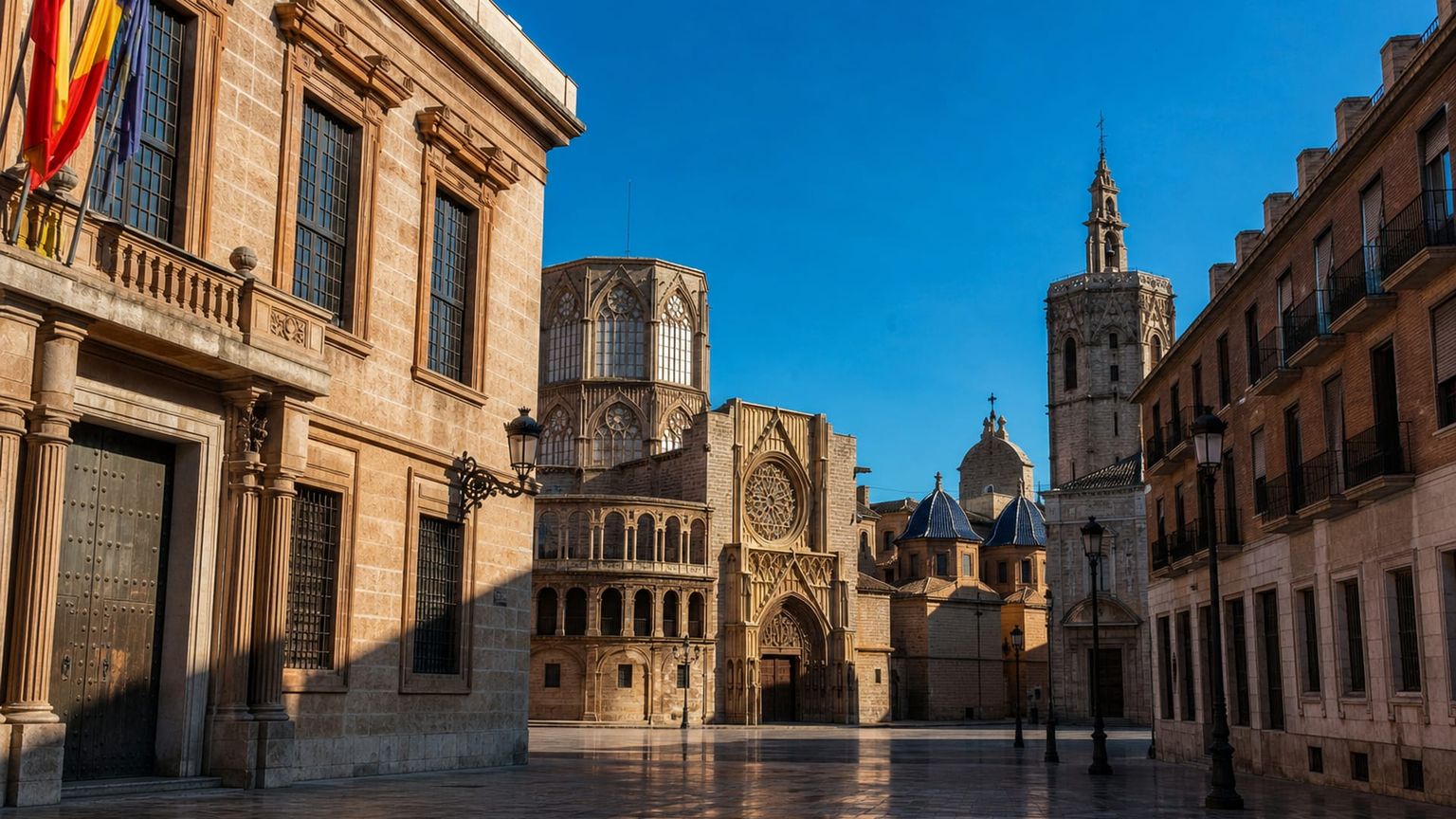
Start at Lonja de la Seda, where admission usually costs $2 to $3 (€2 to €3), then walk about 5 minutes to the Central Market area for lunch. From there, continue roughly 5 to 7 minutes on foot to Valencia Cathedral and El Micalet, where tickets usually cost $10 to $12 (€9 to €11). Finish with El Almudín, about 2 minutes away, for a quieter final stop in the old center before dinner in Ciutat Vella.
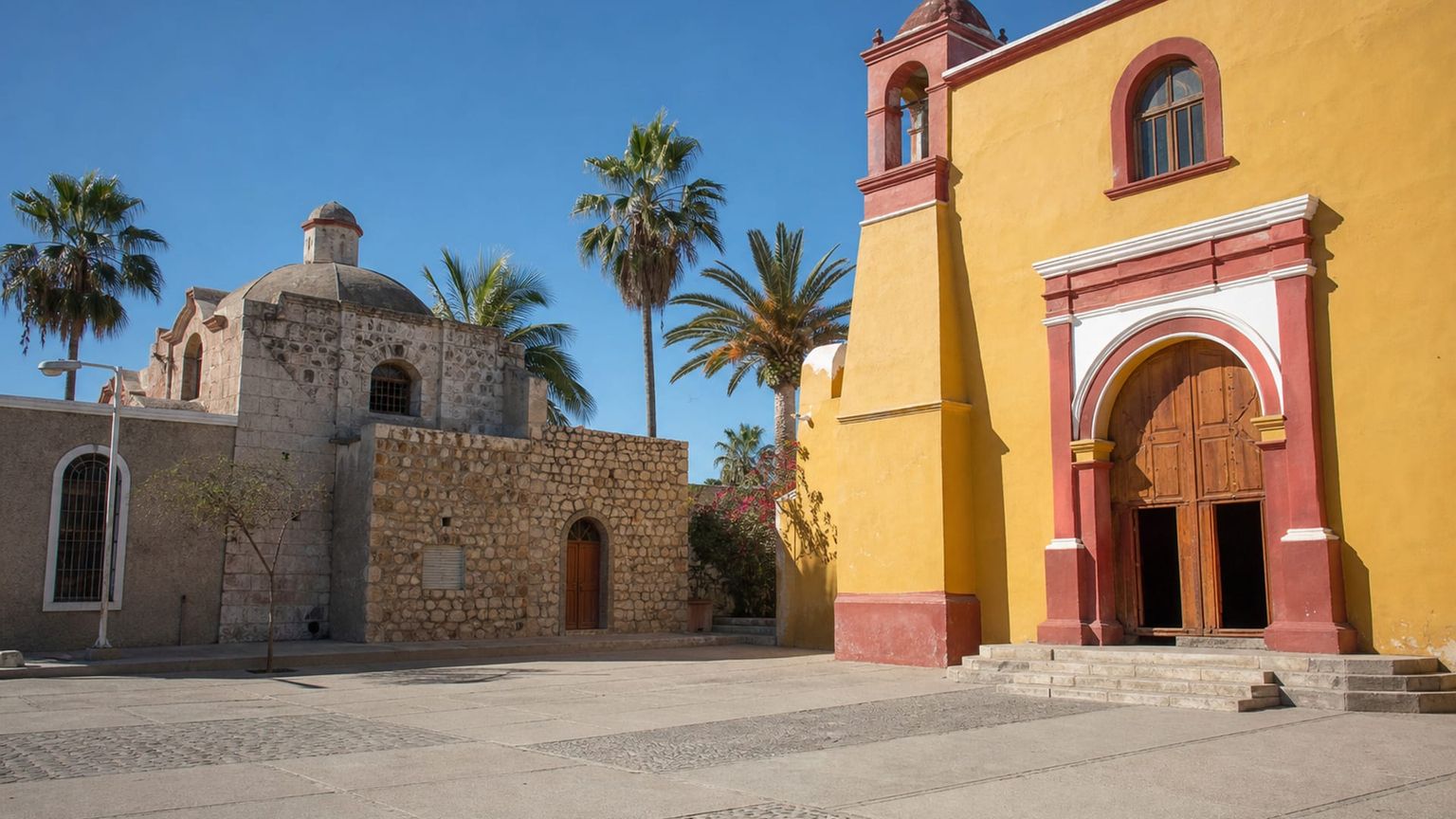
Begin at the City of Arts and Sciences, where a mix of venues and combo tickets usually costs $9 to $47 (€8 to €41), and plan about 4 to 6 hours if you visit more than one building. Stay in the complex through late afternoon for the strongest exterior light, then walk roughly 10 to 15 minutes along the old Turia riverbed for a change of pace. If you want a quieter end to the day, return to Eixample for dinner, since the area sits about 15 to 20 minutes away by bus or taxi.
Head to Benimaclet in the late afternoon, when the murals pick up softer light and the streets are best seen on foot. Spend about 1 to 2 hours moving through the lanes, then pause at a cafe or small bar in the neighborhood before heading back. From Ciutat Vella, the trip usually takes about 15 to 20 minutes by metro or taxi, which keeps the evening easy after a long walk.
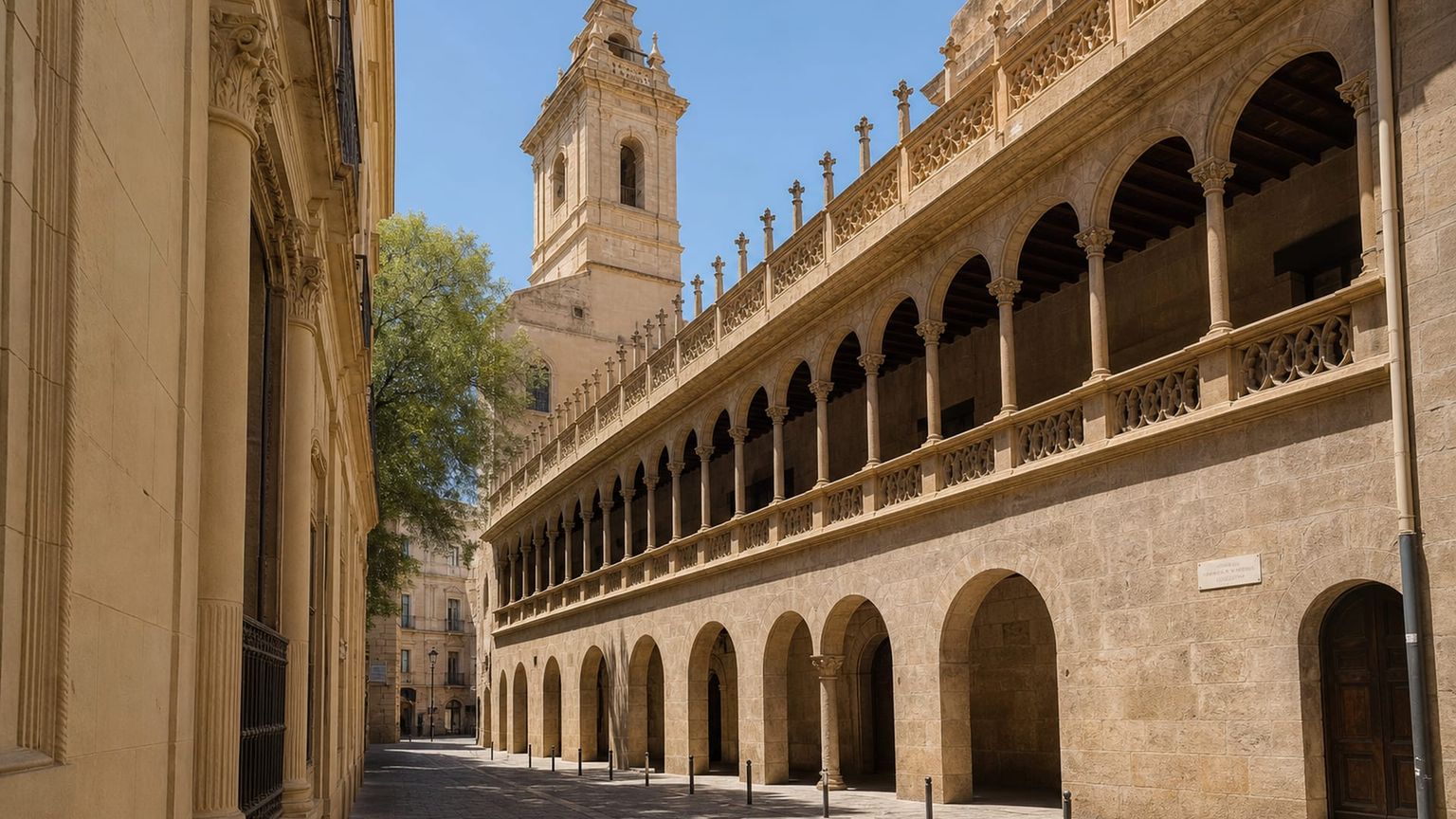
For your last morning, visit one museum or gallery near the center, then spend the rest of the day in Eixample, where broad streets make short shopping stops easy to link together. Browse local shops along the main avenues, then settle into a cafe for a late coffee or horchata before heading back to pack. If your flight leaves later in the day, a final stroll through Ciutat Vella keeps you close to the hotel without committing to a full outing.
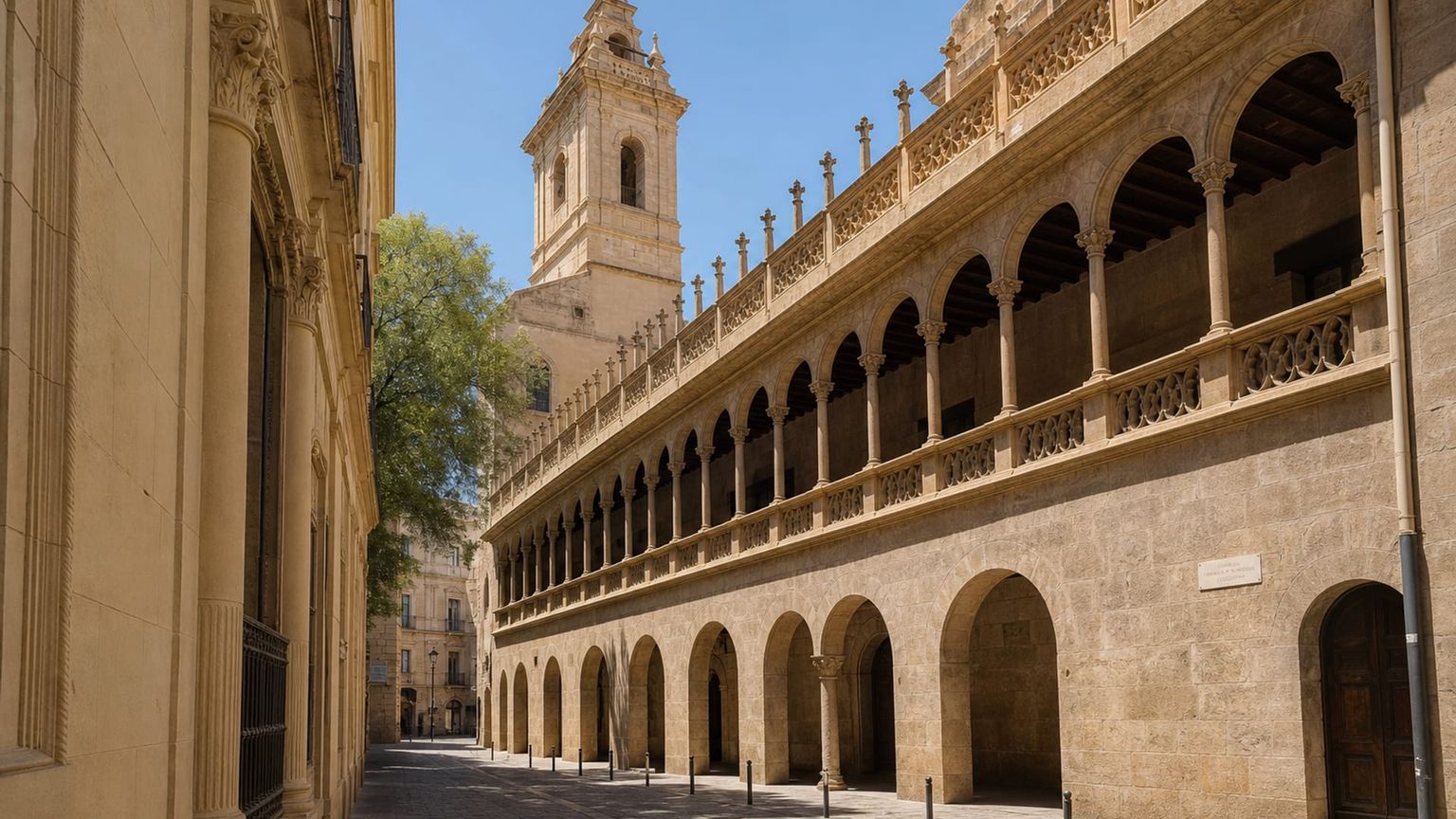
Business-class flights from the US to Valencia
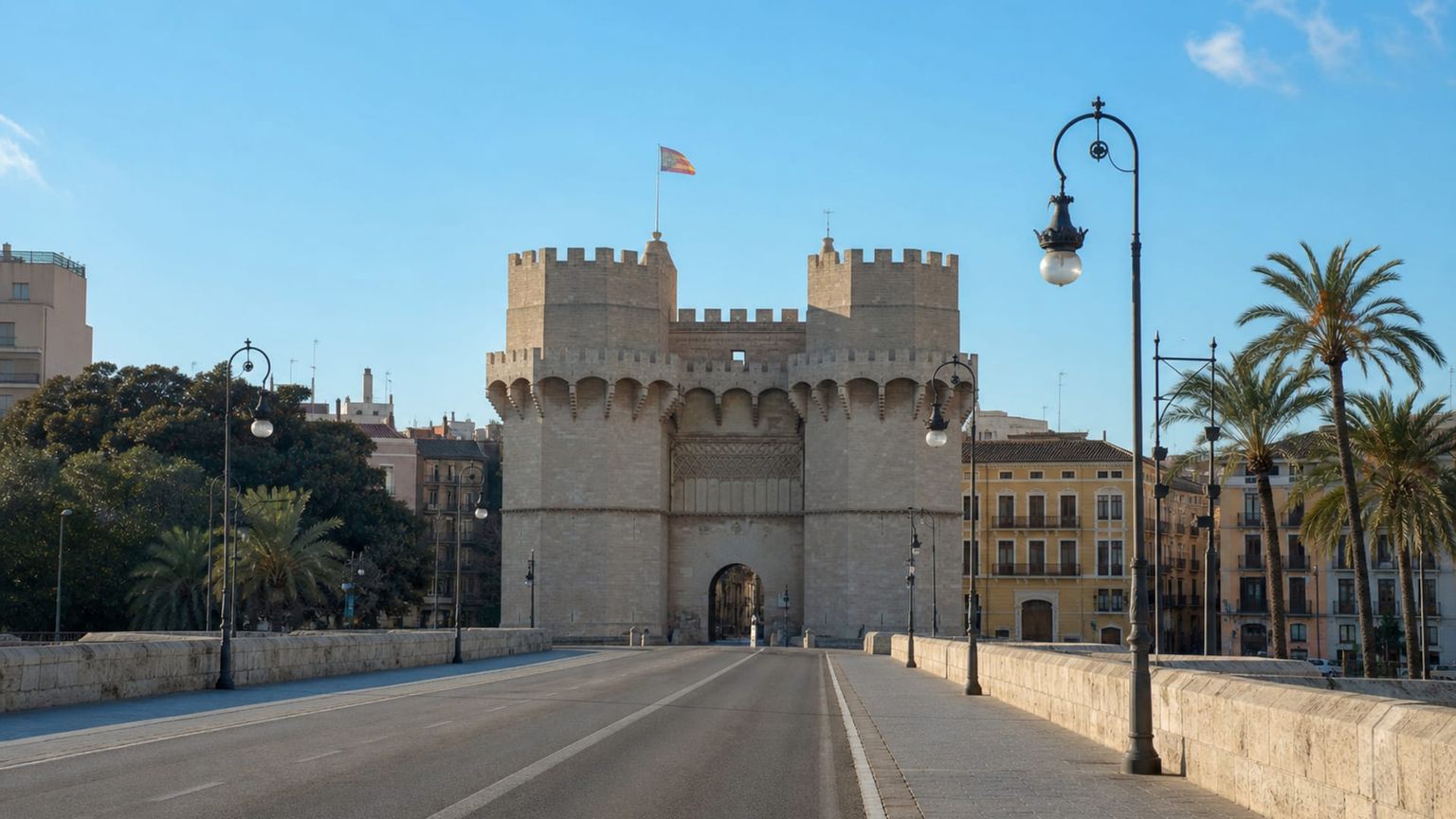
Valencia draws one-stop long-haul options from both coasts of the United States, with the most useful comparisons usually coming from New York and Los Angeles. The differences show up in total travel time, layover length, and fare bands.
From New York, American Airlines, Delta Air Lines, Iberia, Air France, Lufthansa, and TAP Air Portugal all appear on the route mix, with round-trip fares usually starting at $2,200 and reaching about $5,500. Nonstop service runs about 7 to 8 hours, while one-stop itineraries commonly connect through MAD, CDG, LHR, LIS, or FRA and usually add about 10 to 15 hours overall.
Los Angeles itineraries typically price from about $2,600 round-trip, and one-stop options can bring the total down when timing lines up. Iberia, American Airlines, Delta Air Lines, Air France, and Lufthansa are the names to watch, with connections often routed through MAD, CDG, LHR, FRA, or AMS and total travel time usually landing in the 13 to 18 hour range.
Valencia feels different when you slow down
A deliberate Valencia trip keeps the old center, Eixample, Benimaclet, and the City of Arts and Sciences in separate lanes, then links them with metro rides, taxis, and long walks that do not try to cover everything at once. That approach leaves room for a market lunch, a tower climb at El Micalet, and a quiet horchata stop before departure. If you want help shaping the trip further, ask the AranGrant experts to build around the neighborhood that fits your stay best







