

Chapters:

Need help with your trip?
Our support team is available 24/7. Request a callback or call us directly at (833) 619-0908
Veracruz trips often begin with the Malecón, a seafood meal, and one big stop at San Juan de Ulúa, while the quieter museum rooms and the timing between Boca del Río and the historic center get less attention.
That pattern can leave travelers spending more time in taxis and in midday heat than they expect. The port area also spreads sights out enough that a loose plan quickly turns into backtracking, especially once beach traffic builds and restaurant hours narrow.
This guide follows the city in a more deliberate order, pairing neighborhoods with transport, meals, and day-by-day pacing so the waterfront, the aquarium, and the old center fit together cleanly.
Useful things to know

Main language(s): Spanish
Hola (OH-lah) – Hello
Por favor (por fah-VOR) – Please
Gracias (GRAH-see-ahs) – Thank you
¿Habla inglés? (AH-blah een-GLEHS) – Do you speak English?
¿Cuánto cuesta? (KWAN-toh KWEHS-tah) – How much does it cost?

Currency: The local currency is the Mexican peso (MXN, $).

Cash and cards: Cards and contactless are widely accepted in hotels and larger venues; carry about MXN 500 to 1,000 ($29 to $58) in cash.

Tipping: Round up small bills; leave about 10% in nicer restaurants if service is not included.

Traditional food: arroz a la tumbada, huachinango a la veracruzana, mole de Xico, pambazos veracruzanos

Water and coffee costs: Water ~MXN 20 ($1), bar espresso ~MXN 45 ($3).

Taxis and ride apps: Uber and DiDi operate here; confirm the plate before entering.

Plug and voltage: Type A/B socket, 127V

Dining and shop opening hours: Breakfast is about 7:00-10:00 am, lunch 1:00-4:00 pm, and dinner 8:00-10:30 pm. Many smaller places close between meals.

Emergency number: 911 for police, fire, and medical emergencies.
Where to stay in Veracruz
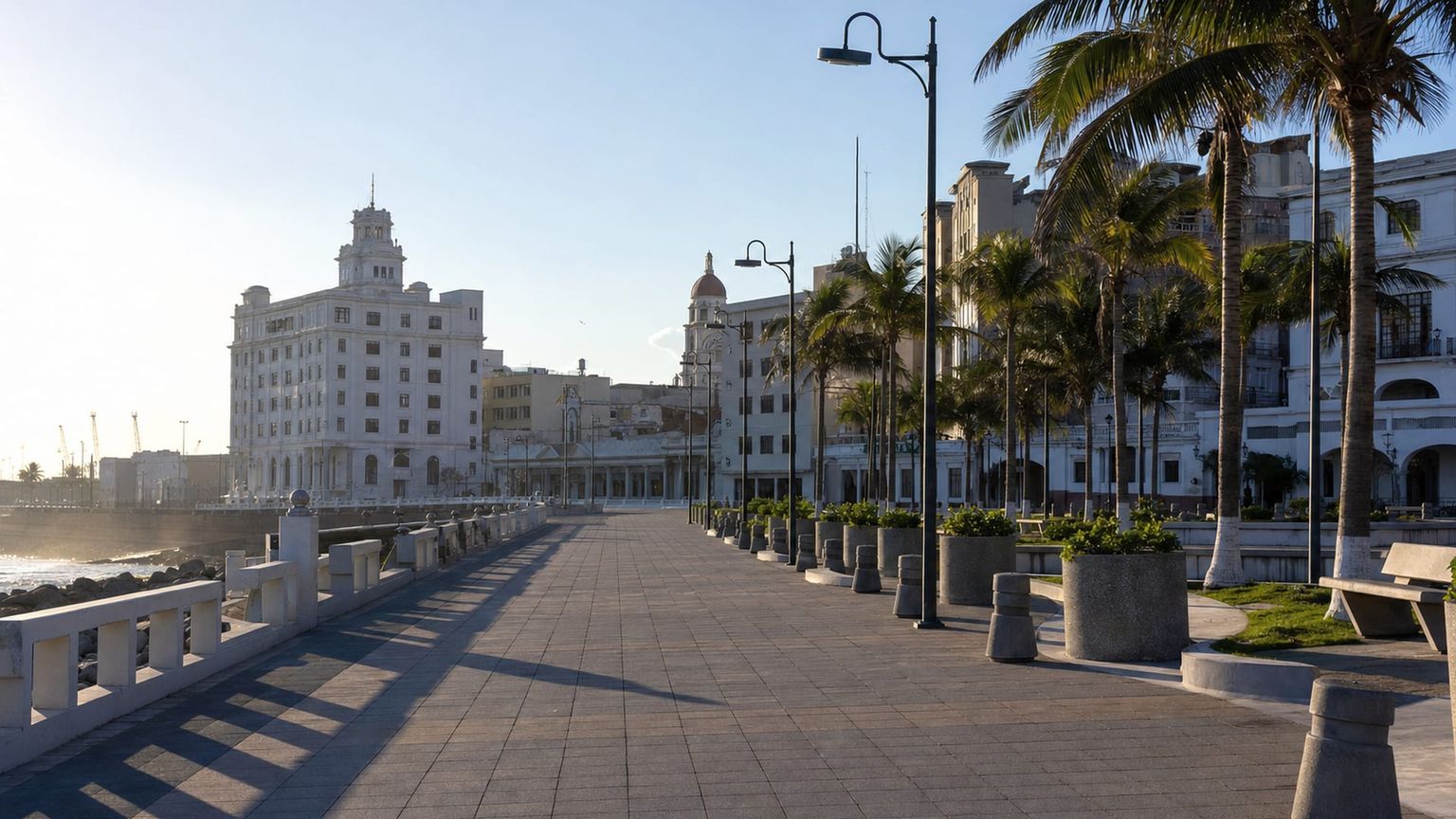
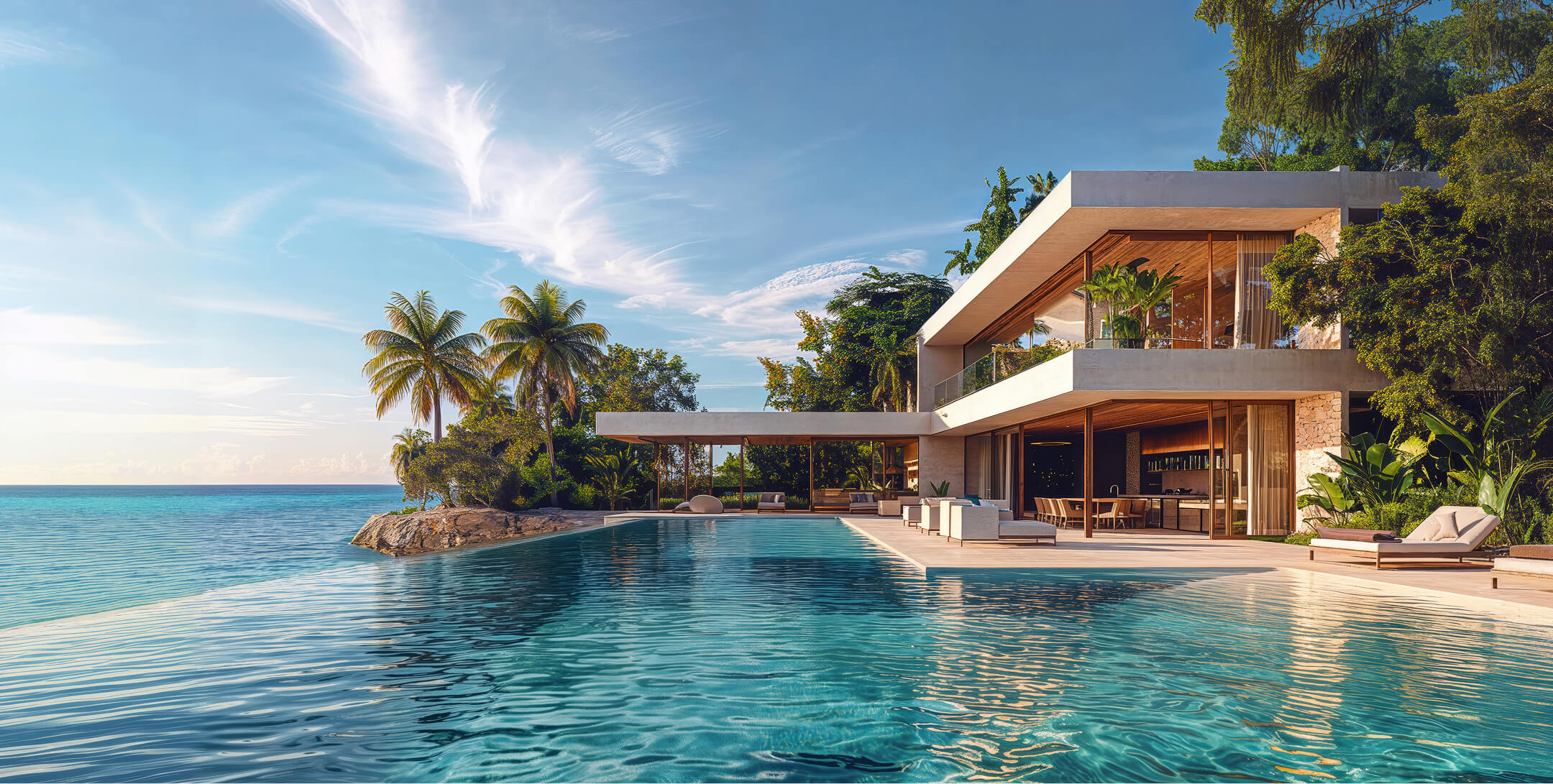
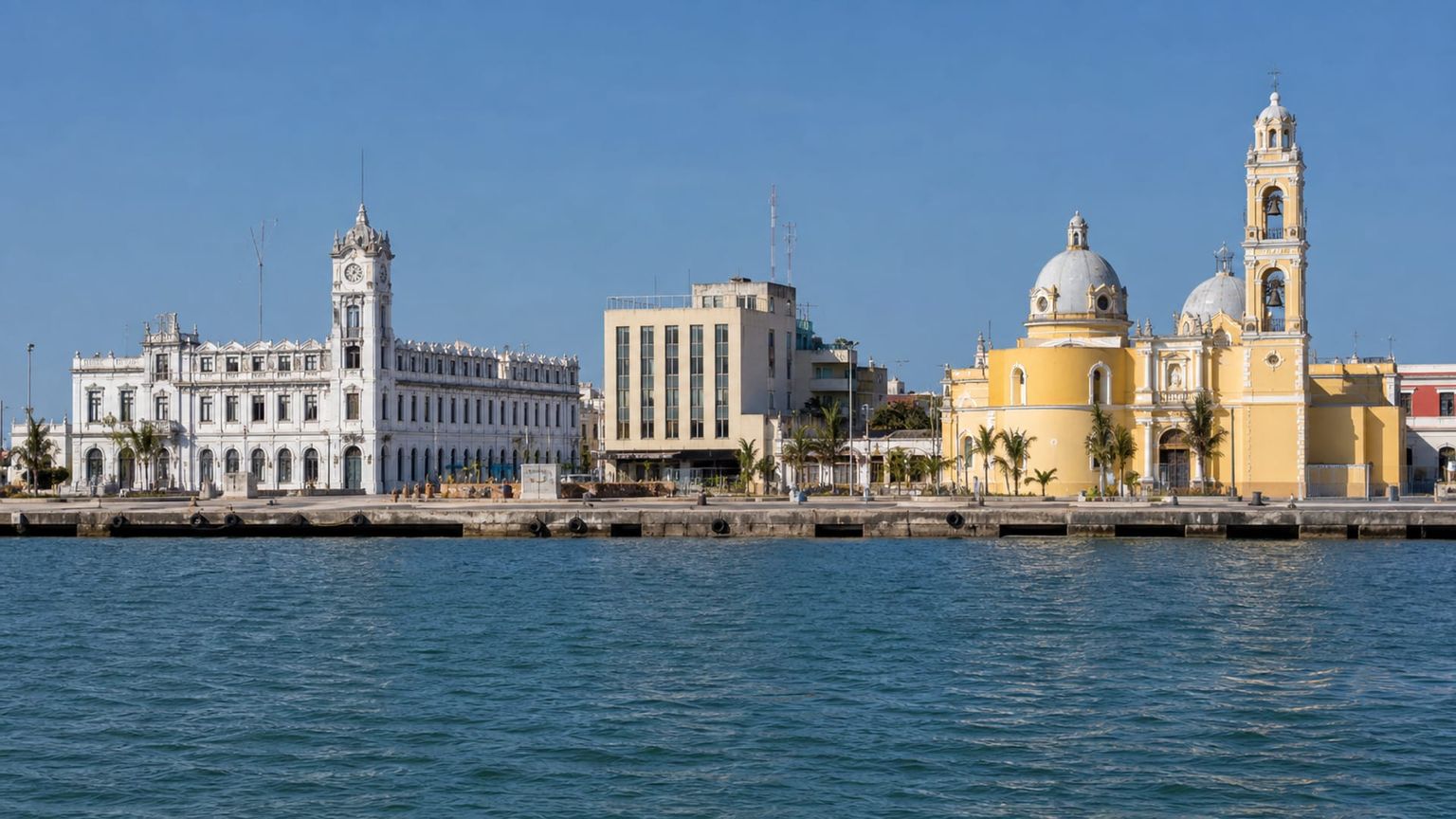
Veracruz’s historic core runs along the waterfront and around the main plazas, with colonial streets, port landmarks, and easy access to cafés, museums, and the zócalo. It matters because you can reach much of the city on foot and stay closest to the harbor atmosphere.
Best for: Sightseeing, first-time visits, and travelers who want to walk to the waterfront and main historic sights
What to expect: Expect steady pedestrian activity by day, with busier stretches near the zócalo, the port, and restaurant blocks.
Hotel prices: Usually about $50 to $120 per night for well-rated stays
Distance to major sights: 5 to 15 minutes on foot to the zócalo and San Juan de Ulúa ferry area
Quietness: Quieter in the morning and late evening, busier and noisier through the afternoon and weekend nights.
Main trade-off: You pay for the location, and some streets see traffic, music, and late movement from nearby bars.
Good to know: If you plan to stay out late, check the block carefully, since a few streets turn lively after dark while others stay calm.
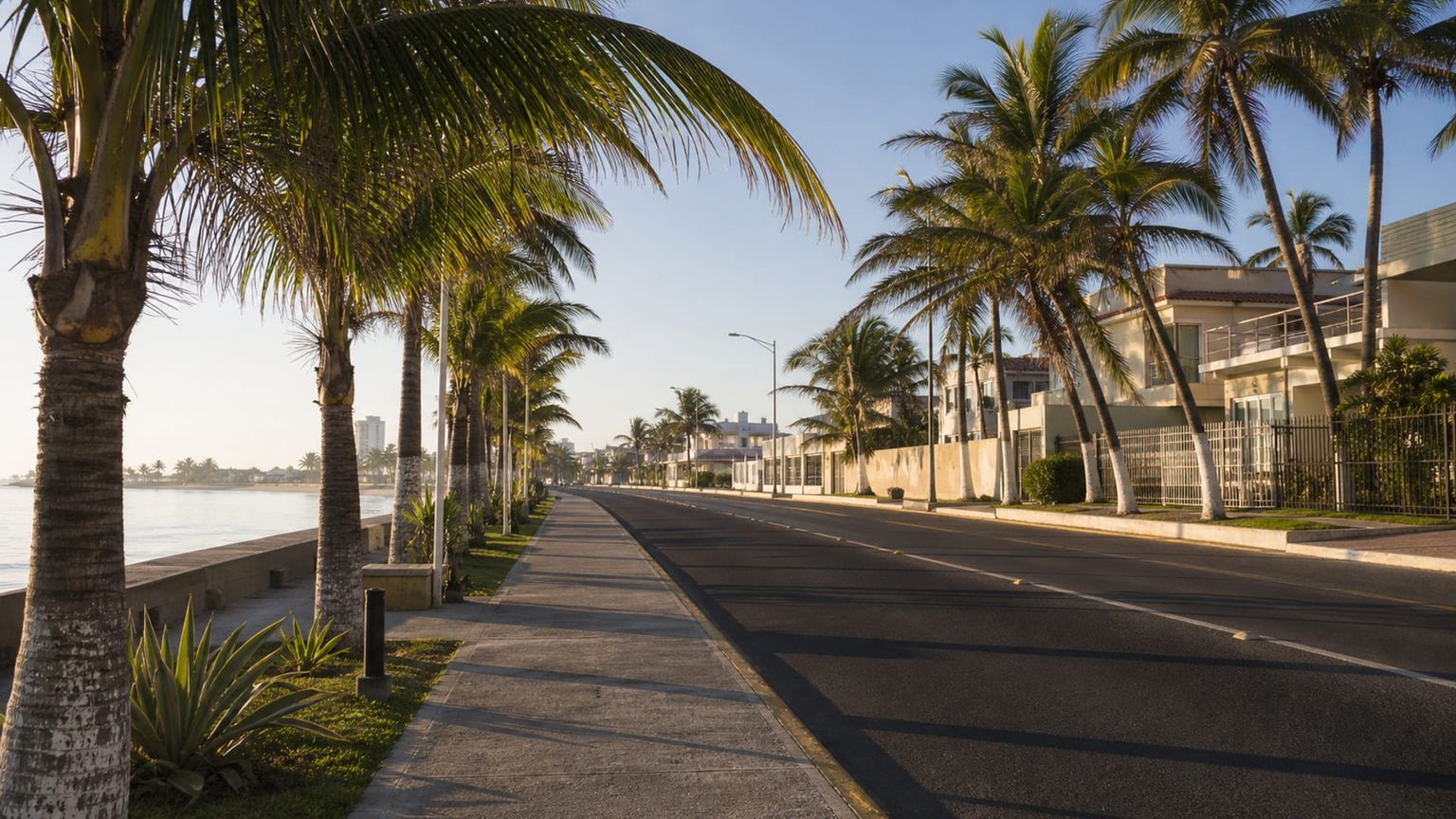
Boca del Río is the modern beachfront and hotel district just south of central Veracruz, with wider avenues, malls, restaurants, and a long strip of coastal hotels. It matters for visitors who want newer lodging and easier beach access than the old center offers.
Best for: Beach time, newer hotels, business travelers, and families who want modern facilities
What to expect: Expect active boulevard traffic, restaurant clusters, and a mix of resort guests and locals along the main strips.
Hotel prices: Usually about $55 to $150 per night for well-rated stays
Distance to major sights: 20 to 30 minutes by taxi to the zócalo, roughly 15 minutes to the aquarium
Quietness: Quieter on side streets and in the morning, livelier near the beach, malls, and dining corridors after sunset.
Main trade-off: You gain newer rooms and beach access, but you will spend more time and money reaching the historic center.
Good to know: If your plans mix beach time with city sightseeing, choose a property near the main avenue so taxis and rideshares are easier to find.
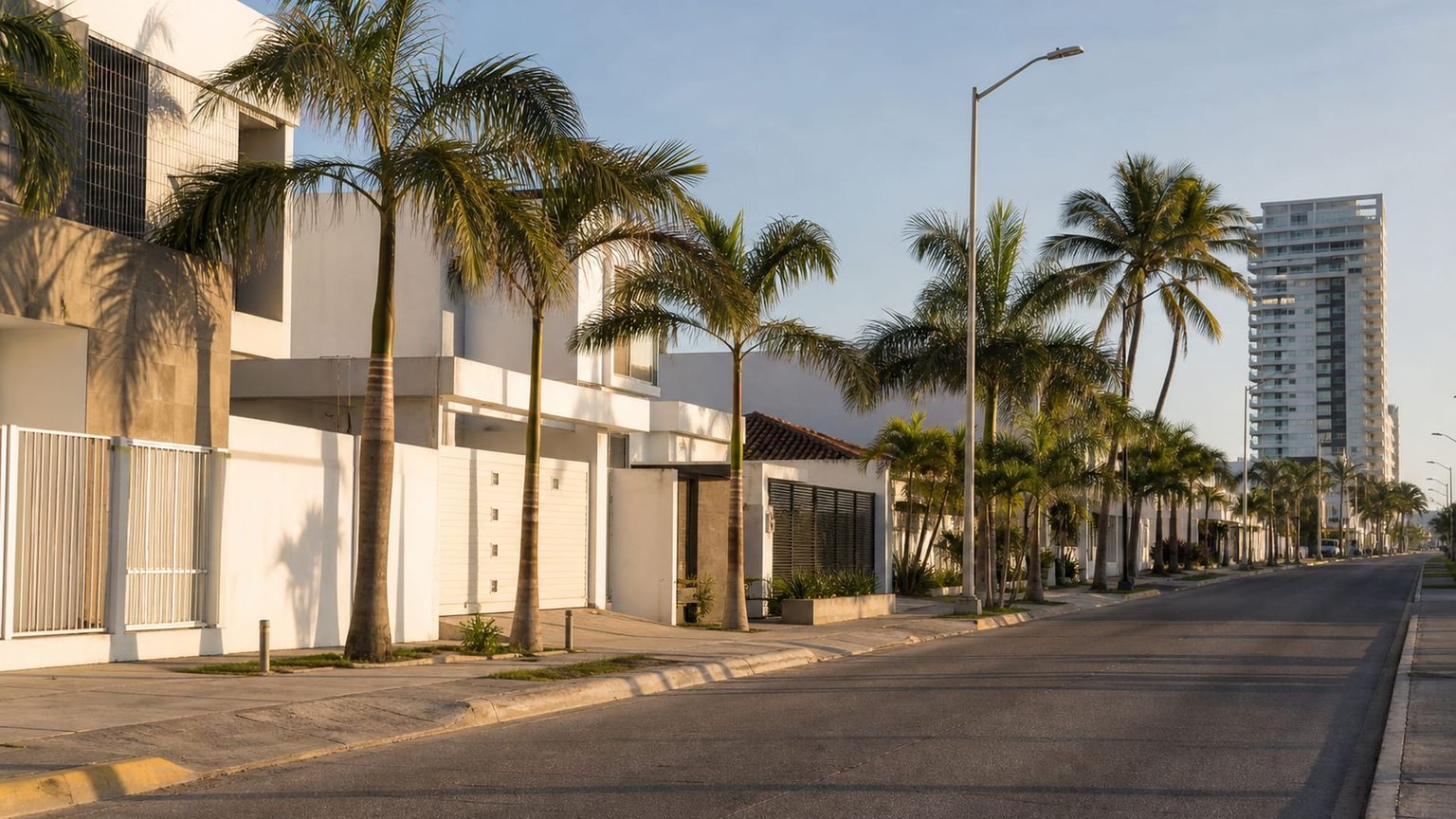
Costa de Oro is a hotel-heavy coastal zone in Boca del Río, known for mid to upscale towers, ocean views, and quick access to the beach promenade. It matters if you want a resort-style base without leaving the metro area.
Best for: Beach stays, resort-style hotels, and travelers who want ocean views and easy coastal access
What to expect: Expect a visitor-heavy area with hotel traffic, beachgoers, and active roads near the main corridor.
Hotel prices: Usually about $70 to $180 per night for well-rated stays
Distance to major sights: 15 to 25 minutes by taxi to the zócalo, about 10 minutes to the World Trade Center Veracruz
Quietness: Calmer during the day away from the main road, busier in the evening around hotels, beach access points, and restaurants.
Main trade-off: Rooms with the best views cost more, and the location is less useful if you want to spend most of your time in the historic center.
Good to know: Sea-facing rooms can be much noisier on weekends, so ask about floor level and whether the unit faces the boulevard or the water.
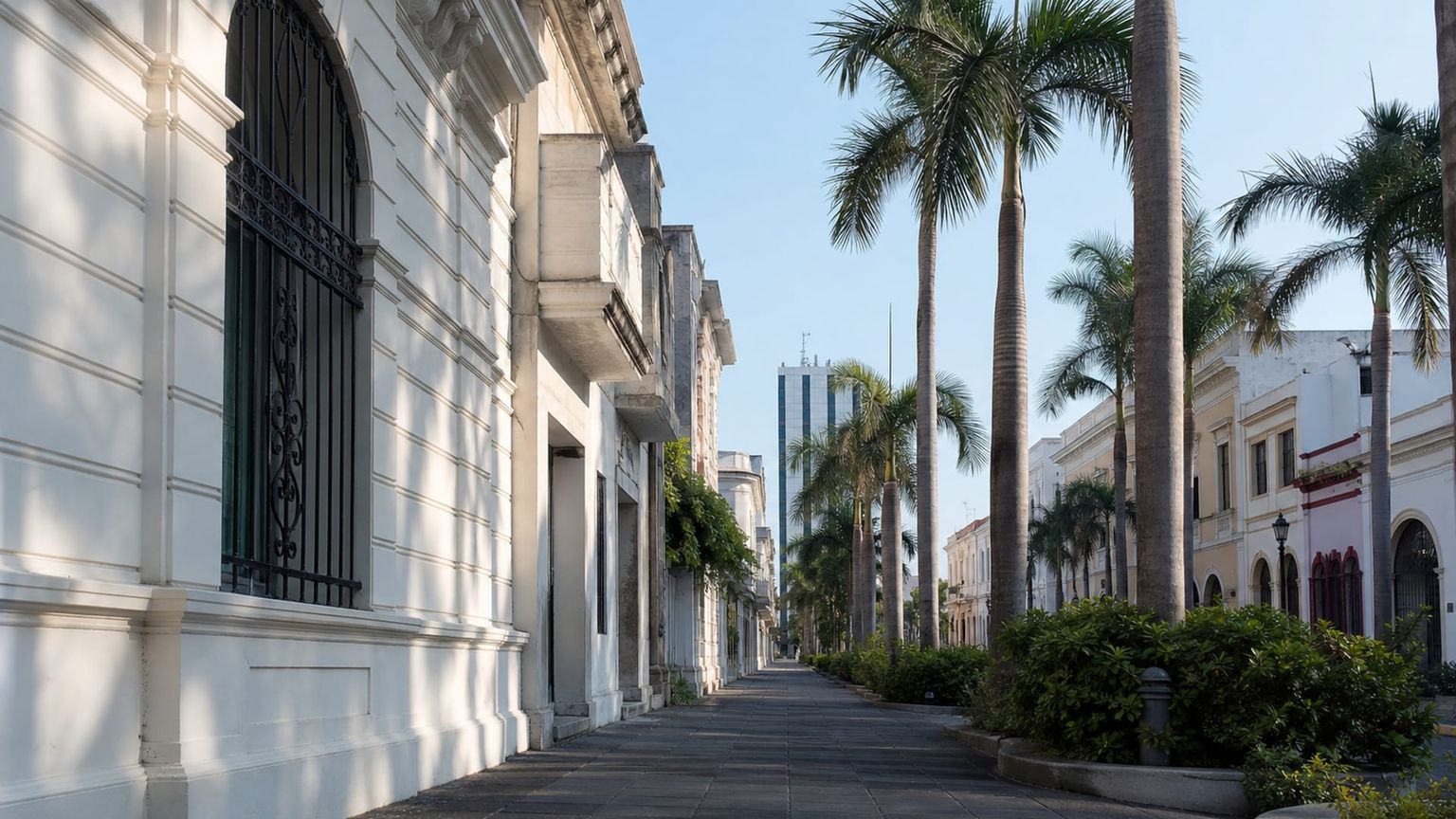
Las Américas is a newer residential and commercial area in Boca del Río with malls, supermarkets, chain hotels, and easy road access. It matters for travelers who want lower-key surroundings and simple access to shopping and dining.
Best for: Longer stays, shopping access, and travelers who prefer a residential base over a beach address
What to expect: Expect wide roads, office traffic, and fewer late-night crowds than in the beachfront and historic zones.
Hotel prices: Usually about $45 to $110 per night for well-rated stays
Distance to major sights: 15 to 20 minutes by taxi to the aquarium, about 25 minutes to the zócalo
Quietness: Generally quieter day and night than the beachfront corridors, with only brief spikes near malls and main roads.
Main trade-off: You save on room rates, but you give up immediate beach access and a walkable historic setting.
Good to know: This area works best if you plan to use taxis or a rental car, since many restaurants and attractions sit a few minutes apart by road.
Travelers usually avoid sleeping in the industrial port edge near the cargo terminals, because it sits far from the main Malecón, Zócalo, and aquarium area, with few visitor-oriented amenities. The outlying northern suburbs such as Las Bajadas and areas near Veracruz International Airport (VER) are also less convenient for short stays, since they are far from the historic center and depend on longer evening taxi rides. Boca del Río can work for beach trips, but parts of the farther south end are less convenient if your plans center on the old city, since crossing between the two areas takes time in traffic.
Hotel deals
How to get around Veracruz efficiently
Veracruz has no metro, so most visitors move by foot in the center, then use buses, minibuses, taxis, or ride apps for longer hops between the port, Boca del Río, and the airport corridor.

Metro
for longer distances
Veracruz does not have a metro, so there is no subway network to use here. For metro-style trips, rely on the city bus network or licensed taxis; the main urban corridors connect the port area, downtown, Boca del Río, and the airport zone in roughly 20 to 40 minutes, depending on traffic.

Bus and tram
for convenience
Local buses and minibuses cover the city center, the port, Boca del Río, and routes toward the airport corridor, with common fares of about $0.50 to $1.00 (about MXN 9 to MXN 18) per ride. Most vehicles are paid in cash on board, transfers are not usually included, and travel times vary from about 15 to 45 minutes depending on the route and congestion.

Taxi
for convenience or late hours
Licensed taxis in Veracruz usually use negotiated fares rather than meters, so agree on the price before departure; short city rides often cost about $3 to $8 (about MXN 55 to MXN 145), while trips to the airport or between Veracruz and Boca del Río can run about $10 to $20 (about MXN 180 to MXN 360). You can hail marked street taxis, ask hotel staff to call one, or use app-based rides where available, and cash is still the most common payment method, though some drivers accept cards or transfers.
*Prices are based on rates updated as of June 2026 and may change at the time of travel.
Walk the Malecón and Centro Histórico, use buses for low-cost cross-town trips, and book taxis or ride apps when you need to cross the metro area quickly.
Iconic landmarks
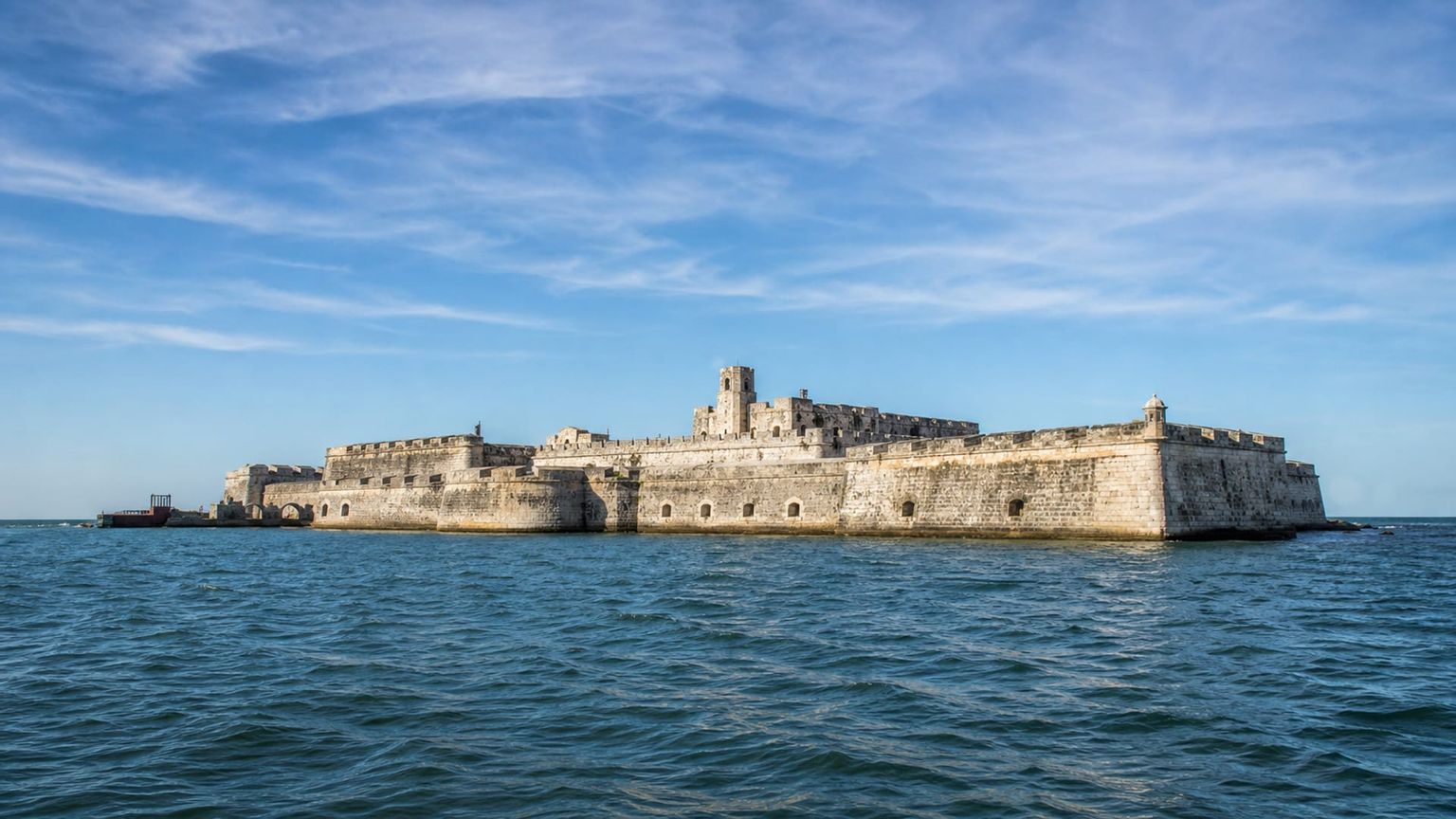
Fortaleza de San Juan de Ulúa
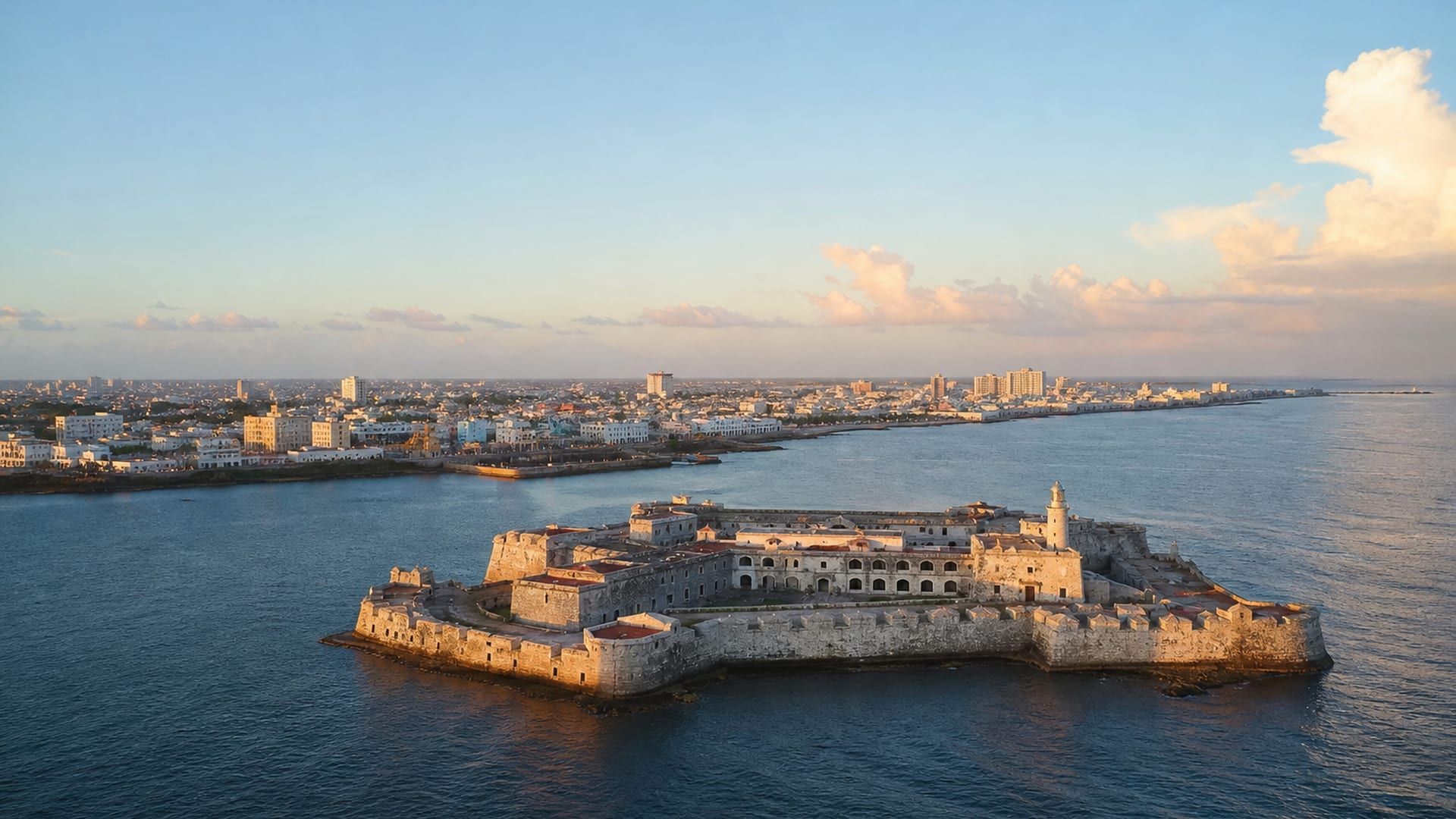
This 16th-century fortress guards the harbor entrance and traces Veracruz’s colonial, pirate, and military history. Its seawalls, tunnels, and prison rooms give the site its strongest sense of scale and context.
Time needed: About 2 to 3 hours
Entry: Admission costs about $4 ($70 MXN) for general entry; discounts may apply for students, seniors, and children on site. Visit the official site for details.
Tip: Go early for cooler temperatures and clearer light on the harbor walls.
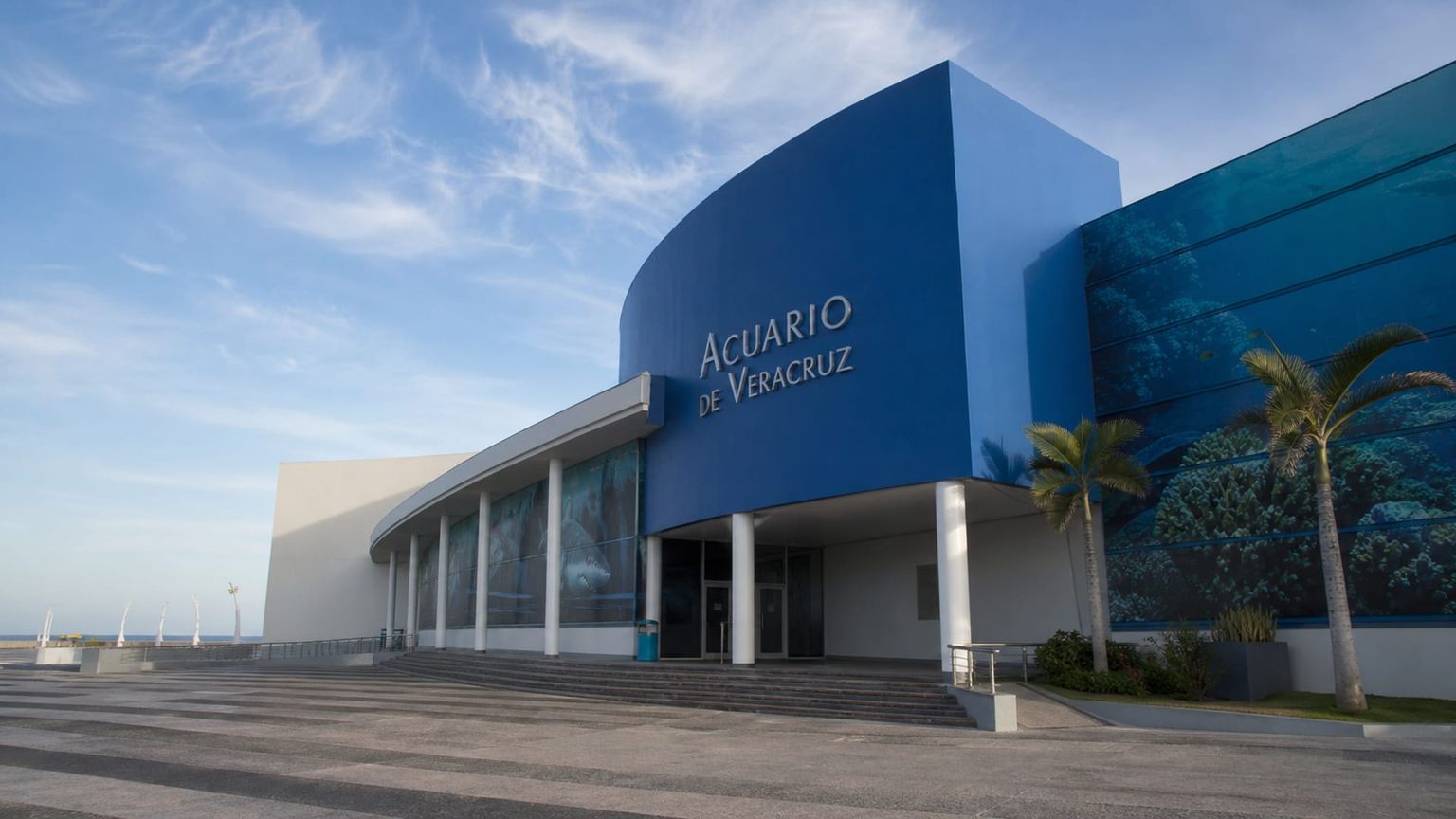
Veracruz Aquarium
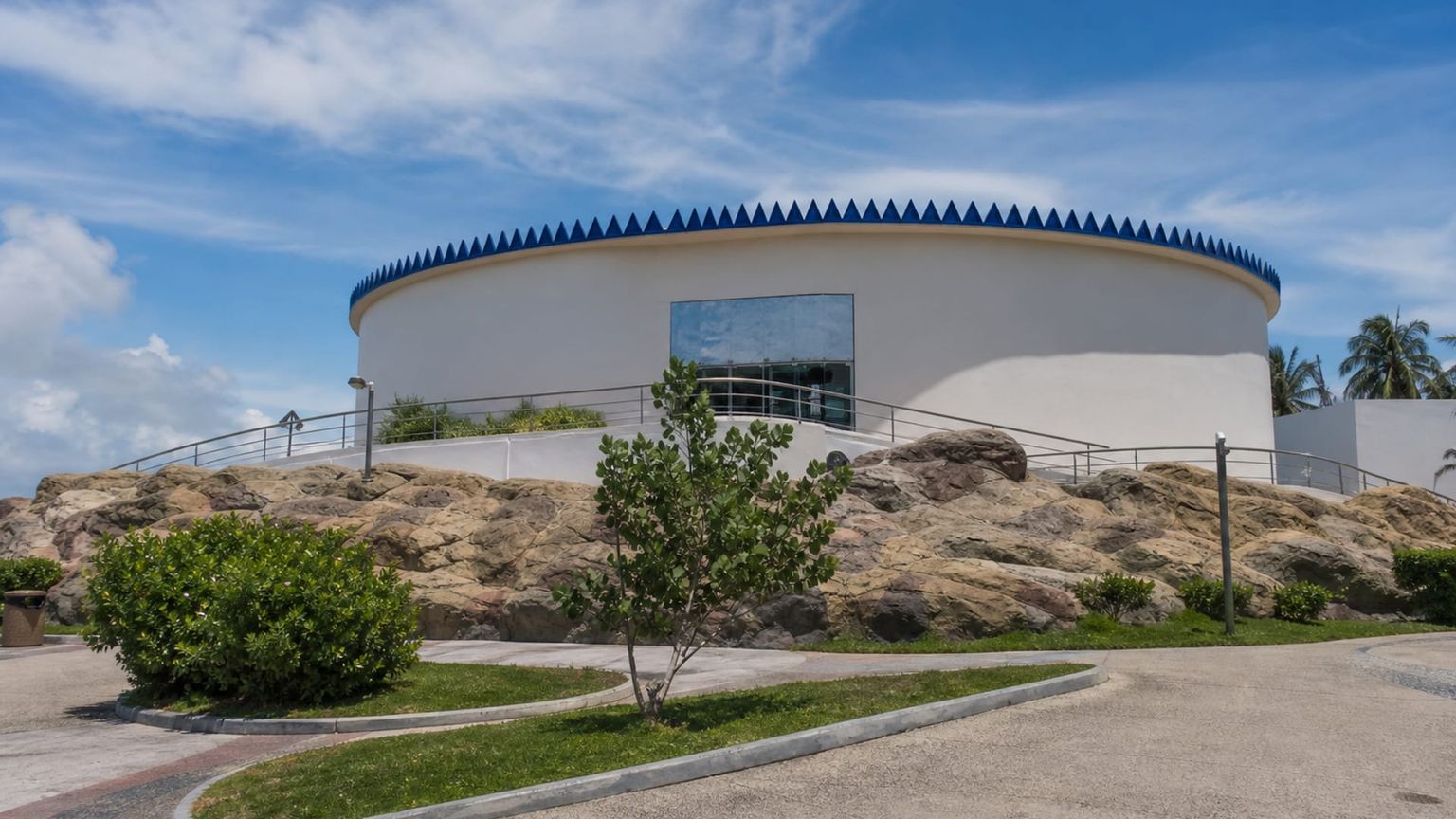
One of Mexico’s largest aquariums, it combines shark tanks, jellyfish displays, manatees, and a marine mammal area. The mix of freshwater and Gulf species makes it a strong stop for families and marine life interest.
Time needed: About 2 to 3 hours
Entry: Tickets cost about $14 ($250 MXN) for adults and about $11 ($200 MXN) for children; prices can change on holidays. Visit the official site for details.
Tip: Visit on a weekday morning to avoid school groups and longer queue times.
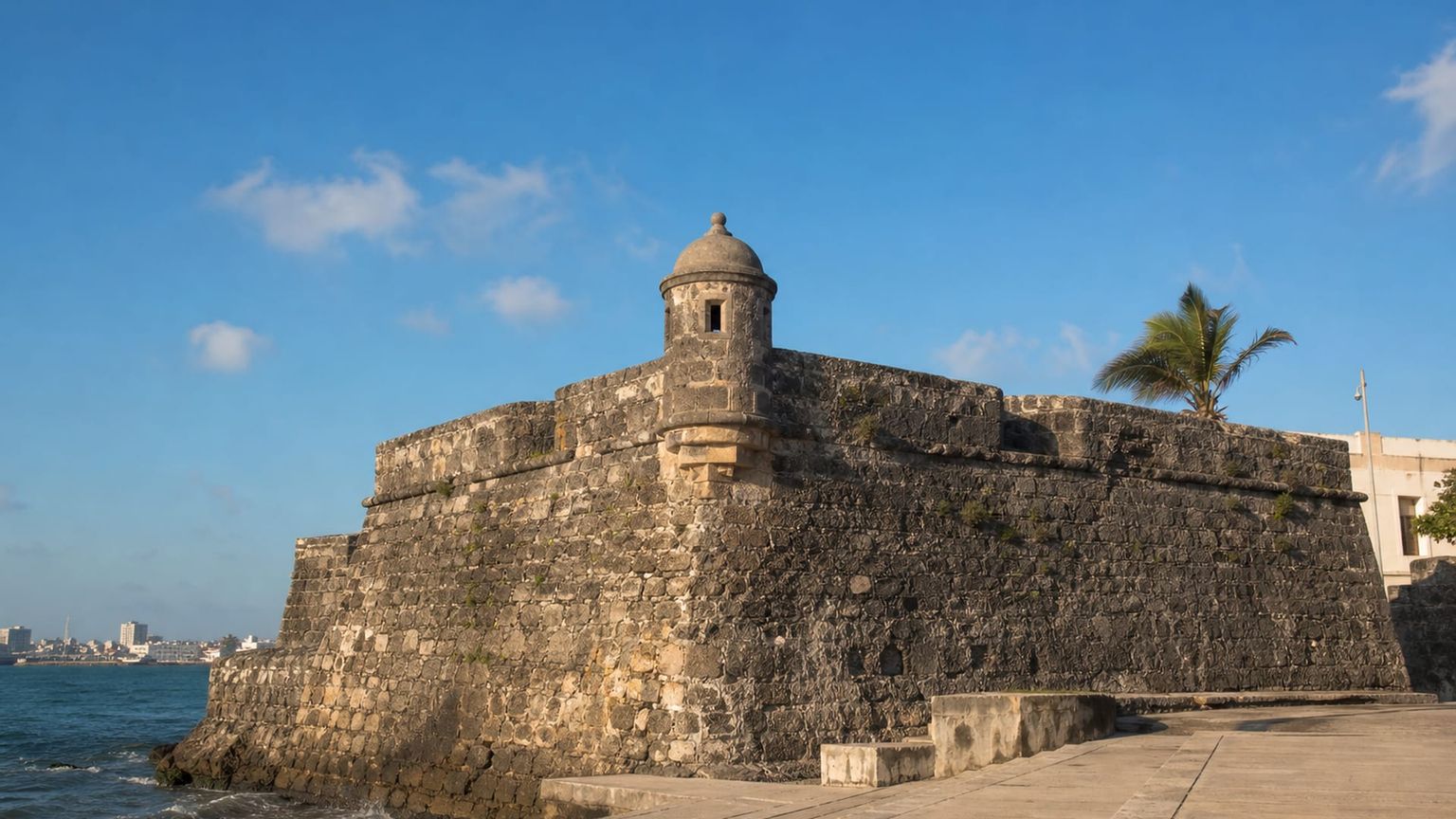
Baluarte de Santiago
This compact 17th-century bastion marks the old city wall and now holds a museum focused on Veracruz’s defense history and trade. Its coastal position also gives a clear look at the port and the nearby center.
Time needed: About 1 to 2 hours
Entry: Admission is free for general entry; special exhibitions or guided visits may carry separate charges when offered. Visit the official site for details.
Tip: Late afternoon gives softer light for photos and a cooler walk back downtown.
Overlooked sites worth visiting

San Juan de Ulúa
A fortified island complex just offshore from Veracruz, with cannon-lined ramparts, dungeons, and harbor views. It draws lighter crowds than the main beach front, so you can move through the old stonework at an easy pace.
Time needed: About 1.5 to 2.5 hours
Entry: Admission costs about $5 to $8 (approximately MXN 90 to MXN 140) per adult, with reduced rates for children, students, and seniors on many days. Cash may speed the ticket line, and guided visits may cost extra.
Tip: Go early for cooler temperatures and clearer harbor light.

Casa Museo Agustín Lara
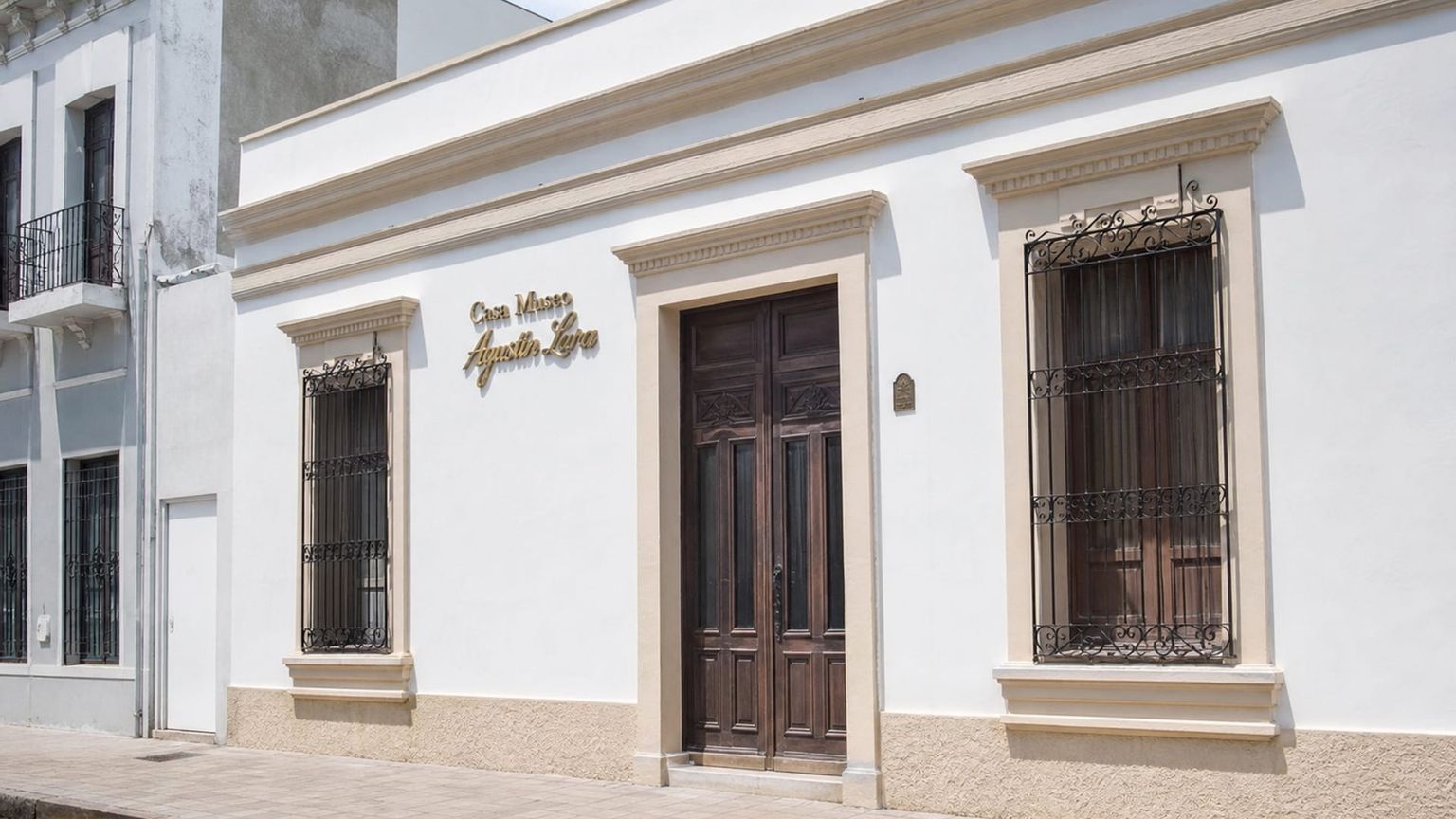
This small museum honors Veracruz-born composer Agustín Lara with photos, costumes, letters, and music memorabilia. Its compact rooms make it an easy cultural stop between longer walks and meals.
Time needed: About 45 minutes to 1 hour
Entry: Admission usually costs about $2 to $4 (approximately MXN 35 to MXN 70) per person. Special exhibitions or concerts can add a separate fee, and hours may change on Mondays or holidays, so verify before you go.
Tip: Visit on a weekday morning for the quietest rooms.
Traditional food
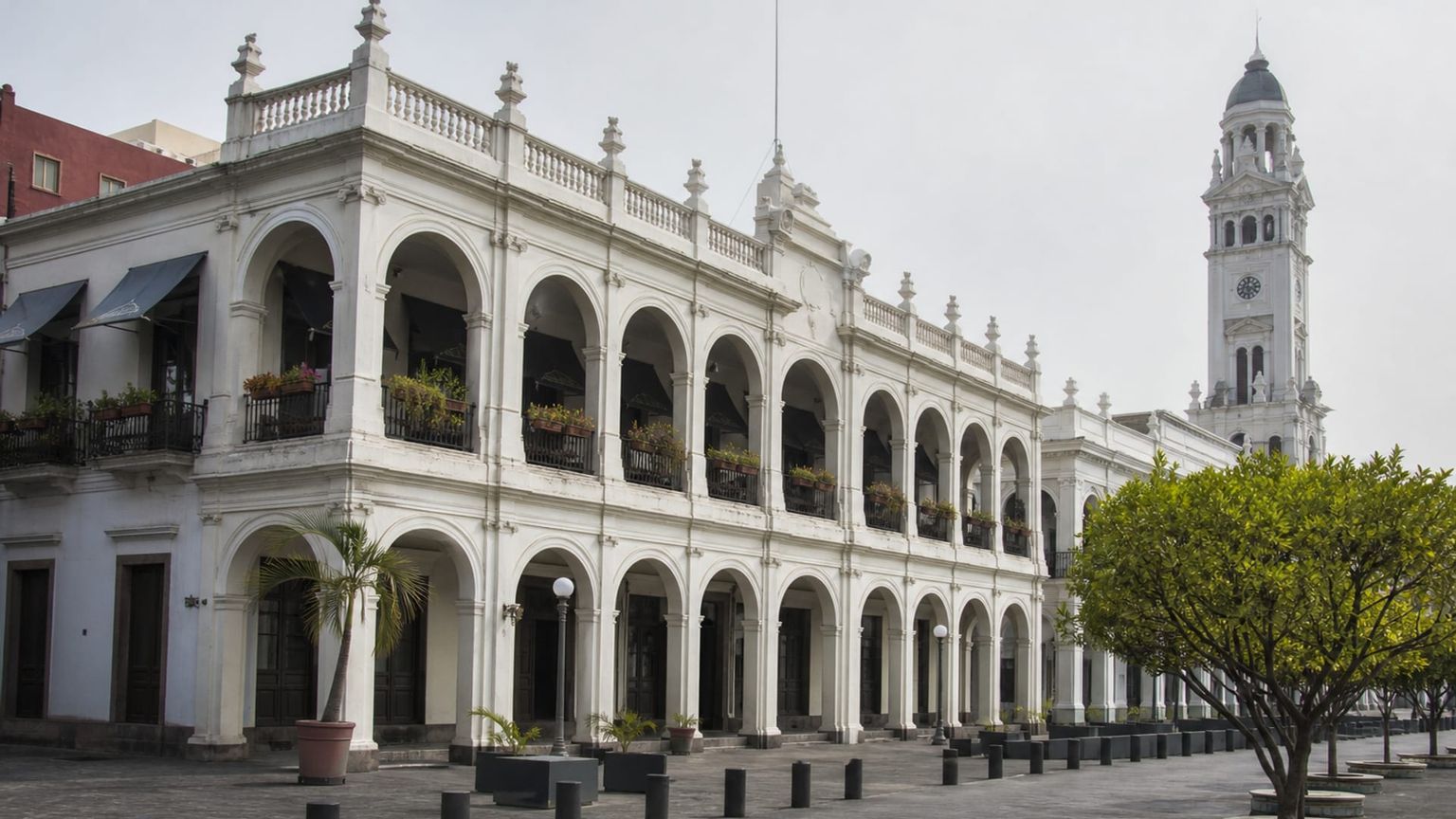
Veracruz cooking leans on Gulf seafood, bright tomato sauces, chiles, olives, plantains, and masa. Meals often run late, and the city’s best-known plates, from arroz a la tumbada to pambazos veracruzanos, reward unhurried dining.
Arroz a la tumbada
This Veracruz rice dish folds seafood, tomato, and spices into a brothy, paella-adjacent pan that suits the port city’s cooking style. Gran Café del Portal is a classic place to order it near the zócalo.
Huachinango a la veracruzana
Red snapper comes baked or braised with tomato, olives, capers, and herbs, one of the city’s signature preparations. Villa Rica Centro is a long-running reference point for this dish on the waterfront.
Mole de Xico
This dark, layered mole from the state’s highlands brings chiles, spices, and chocolate into a richer sauce that often appears with chicken or turkey. La Parroquia de Veracruz is a dependable stop for a traditional version.
Pambazos veracruzanos
A Veracruz-style pambazo usually arrives with a chile-soaked bread roll and a filling that reflects local tastes rather than the central Mexican standard. Restaurante La Estancia de Boca is a useful metro-area pick for a version rooted in regional cooking.
Best time to visit Veracruz
Veracruz stays warm for most of the year, but humidity, rain, and hurricane-season weather change how comfortable the waterfront and outdoor sites feel from one season to the next.
Best for: Best for city walks, museum time, and the most comfortable harbor visits
What you get: About 69 to 84°F (21 to 29°C), with lighter crowds than peak holiday weekends
Trade-offs: Northers can bring wind and brief rain, which can cut short beach time
Best for: Best for clear mornings, seafood lunches, and a balanced sightseeing pace
What you get: About 73 to 90°F (23 to 32°C), with moderate crowds outside Easter week
Trade-offs: Heat and humidity rise fast by late spring, especially at midday
Best for: Best for travelers who do not mind hot beach weather and indoor breaks
What you get: About 77 to 92°F (25 to 33°C), with lighter weekday museum traffic but more rain
Trade-offs: Afternoon storms and humidity can slow down outdoor plans
Best for: Best for lower hotel competition after the peak rain period fades
What you get: About 73 to 88°F (23 to 31°C), with quieter streets and variable weather early in the season
Trade-offs: September and October can still bring heavy rain and storm disruptions
A realistic 5-day plan in Veracruz
This five-day plan keeps the first day light, puts the largest heritage sites before the beach-heavy afternoons, and uses short taxi hops to avoid crossing the metro area more than necessary.
A taxi from Veracruz (VER) to Malecón and Centro Histórico usually takes about 20 to 30 minutes and costs roughly $15 to $25, or about MXN 260 to MXN 430. Stay near the zócalo if you want to settle in with the waterfront close by, then make the rest of the day low-key with a short walk for dinner along the historic blocks, a glass of agua de jamaica, and an early night before the harbor heat builds.
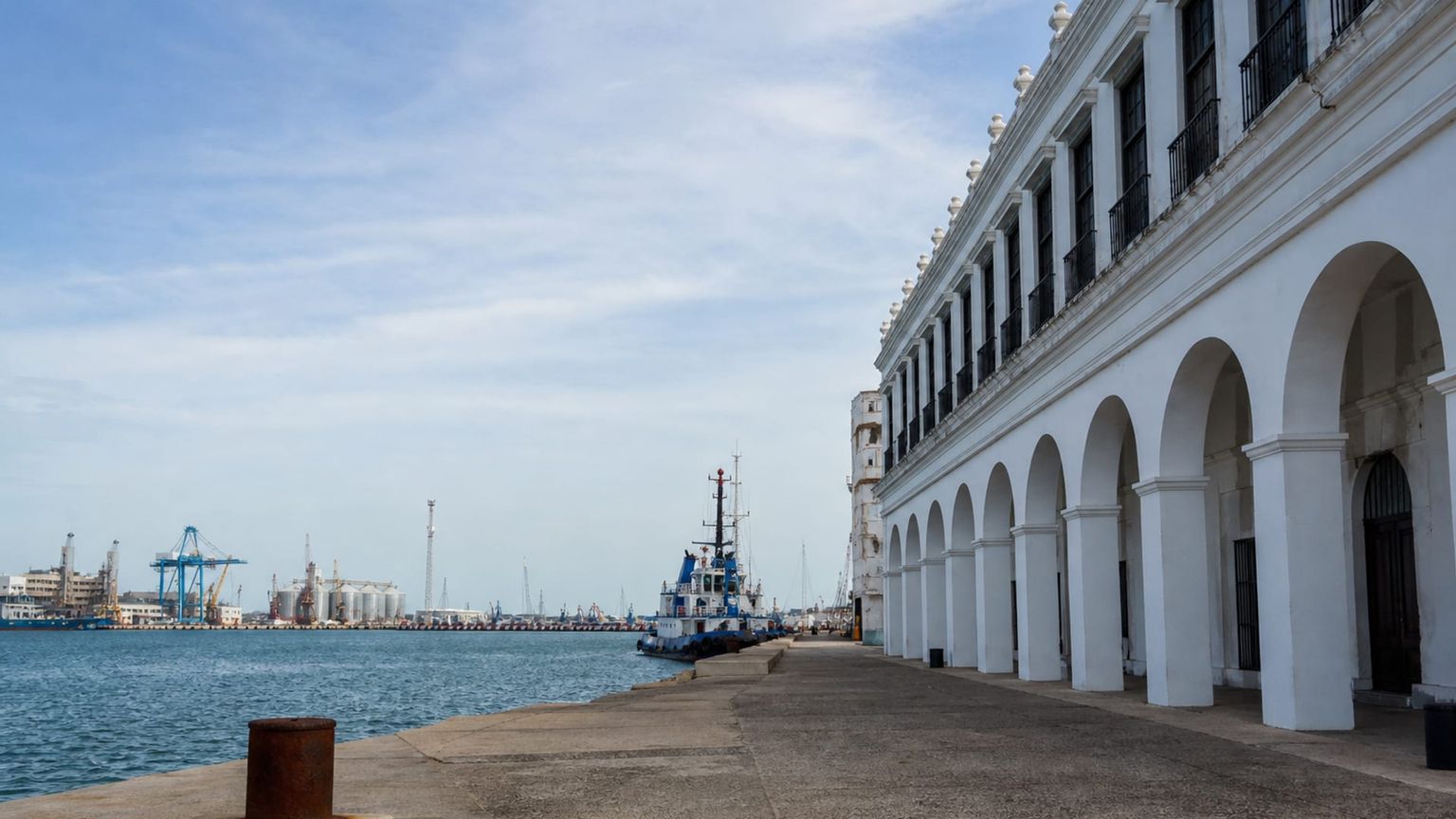
Start early at Fortaleza de San Juan de Ulúa, getting there by taxi or a ferry transfer if available, then plan about 2 to 3 hours on site before heading back to the center. From the fort, it is about a 15 to 20 minute ride to Baluarte de Santiago, where you can spend another 1 to 2 hours with the museum and harbor views, then walk about 10 to 15 minutes into Malecón and Centro Histórico for lunch near the zócalo and a slower afternoon on the waterfront.
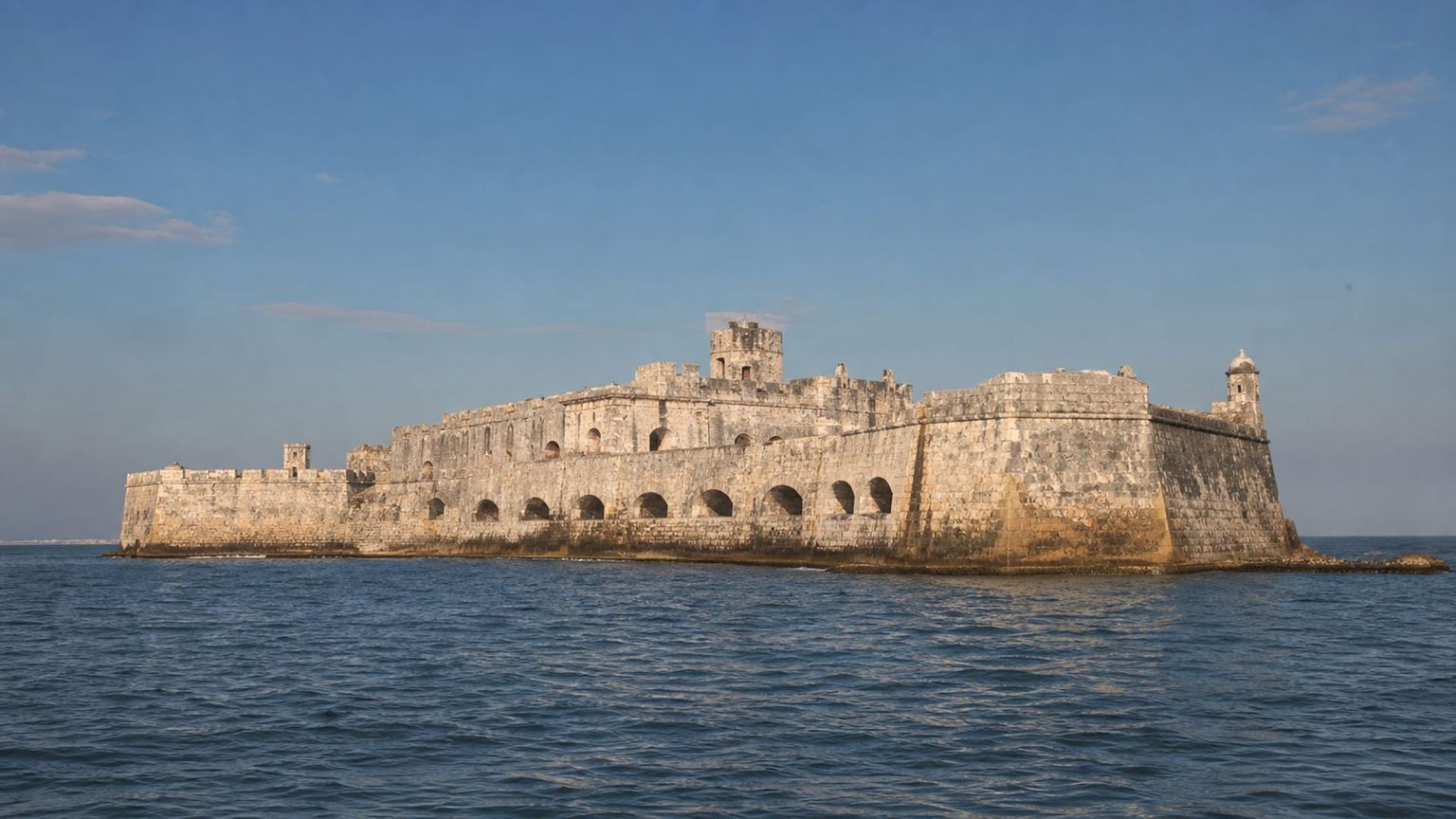
Begin with the Veracruz Aquarium in Boca del Río, a taxi ride of roughly 15 minutes from the historic center, and allow about 2 to 3 hours for the tanks and marine exhibits. After that, take another 10 to 15 minutes by taxi to Costa de Oro for a beachside lunch, then return to Malecón and Centro Histórico in about 20 to 25 minutes for an evening stroll past the port facades and restaurant streets.
Casa Museo Agustín Lara makes a strong morning stop, and a ride there from Malecón and Centro Histórico takes about 10 to 15 minutes by taxi. Spend about 45 minutes to 1 hour inside, then continue 15 to 20 minutes by taxi to San Juan de Ulúa if you did not visit it on day 2, or return to Boca del Río for a late seafood lunch and a slower walk along the waterfront before dinner in Las Américas, where the road network makes taxi hops easy.
For a final day, pair a brief return visit to the zócalo area with shopping in Las Américas, where malls and supermarkets sit about 20 to 25 minutes from the historic center by taxi. If you want one last cultural stop, fit in Baluarte de Santiago again for a short museum break, then finish with coffee in Boca del Río or a pastry near the Malecón before heading to Veracruz (VER).
Business-class flights from the US to Veracruz
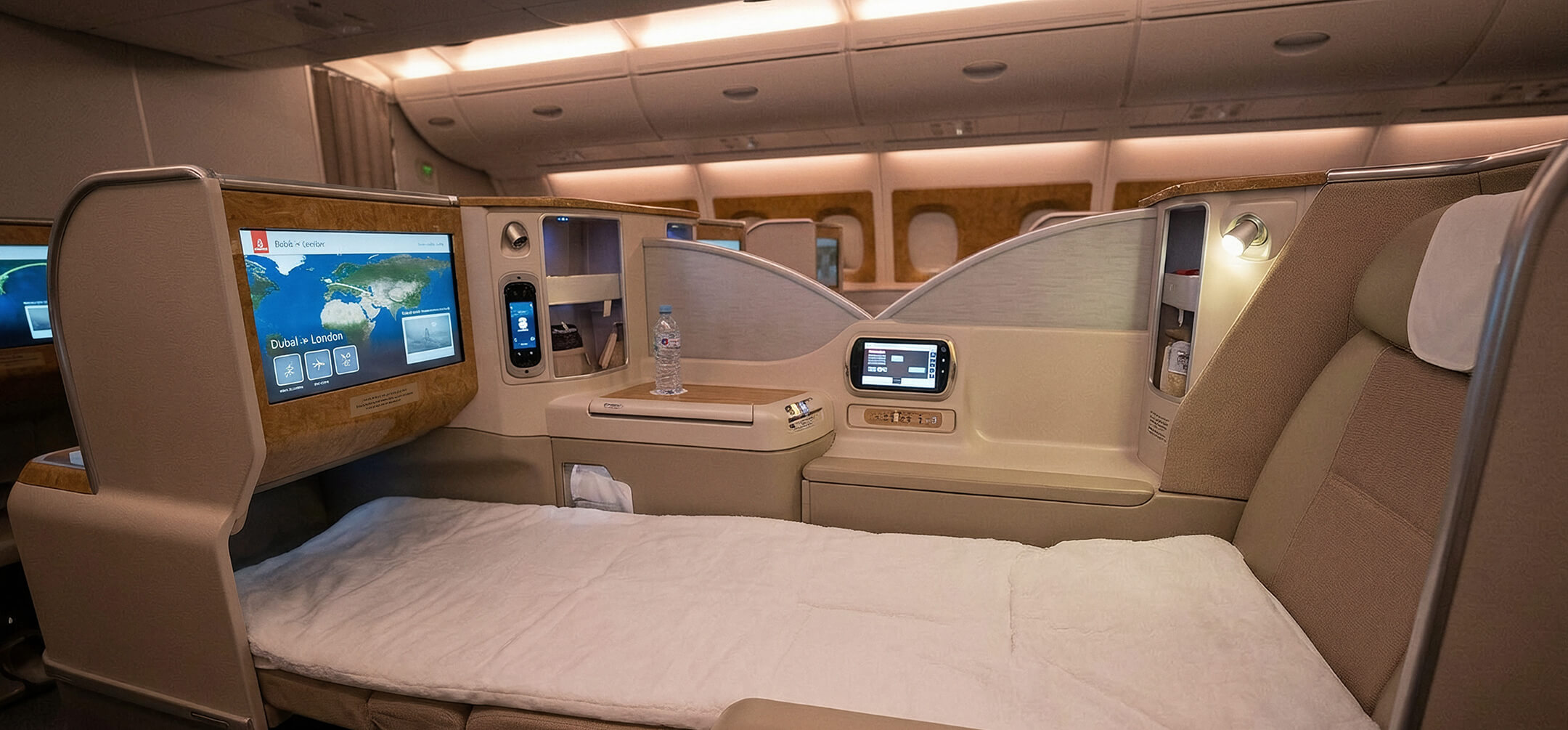
Flights to Veracruz usually connect through one of a few large hubs, so the route matters as much as the airline. From New York and Los Angeles, the best-priced itineraries often come with a layover.
American Airlines, Aeromexico, Delta Air Lines, and United Airlines all serve itineraries from New York, and nonstop travel takes about 4 to 5 hours when available. If you do not mind a connection, common routings via Mexico City (MEX), Houston (IAH), Atlanta (ATL), Charlotte (CLT), or Dallas-Fort Worth (DFW) can bring fares down to about $700 to $1,400 round-trip, versus about $1,100 to $2,300 for pricier options without that compromise.
From Los Angeles, Aeromexico, American Airlines, Delta Air Lines, and United Airlines are the main choices, with nonstop flying time of about 4 hours. Trips with a connection usually route through Mexico City (MEX), Houston (IAH), Dallas-Fort Worth (DFW), or Atlanta (ATL), and round-trip prices in this cabin typically run from $900 to $2,000.
Veracruz feels different when you slow down
A deliberate Veracruz trip uses the city’s own distances well, walking the Malecón and Zócalo, then using a taxi for San Juan de Ulúa, Boca del Río, or the aquarium when the heat rises. That approach leaves room for seafood lunches, a stop at Baluarte de Santiago, and a quieter evening near the historic blocks. If you want help shaping the route, AranGrant experts can build it around the neighborhoods and landmarks that fit your dates