

Chapters:

Need help with your trip?
Our support team is available 24/7. Request a callback or call us directly at (833) 619-0908
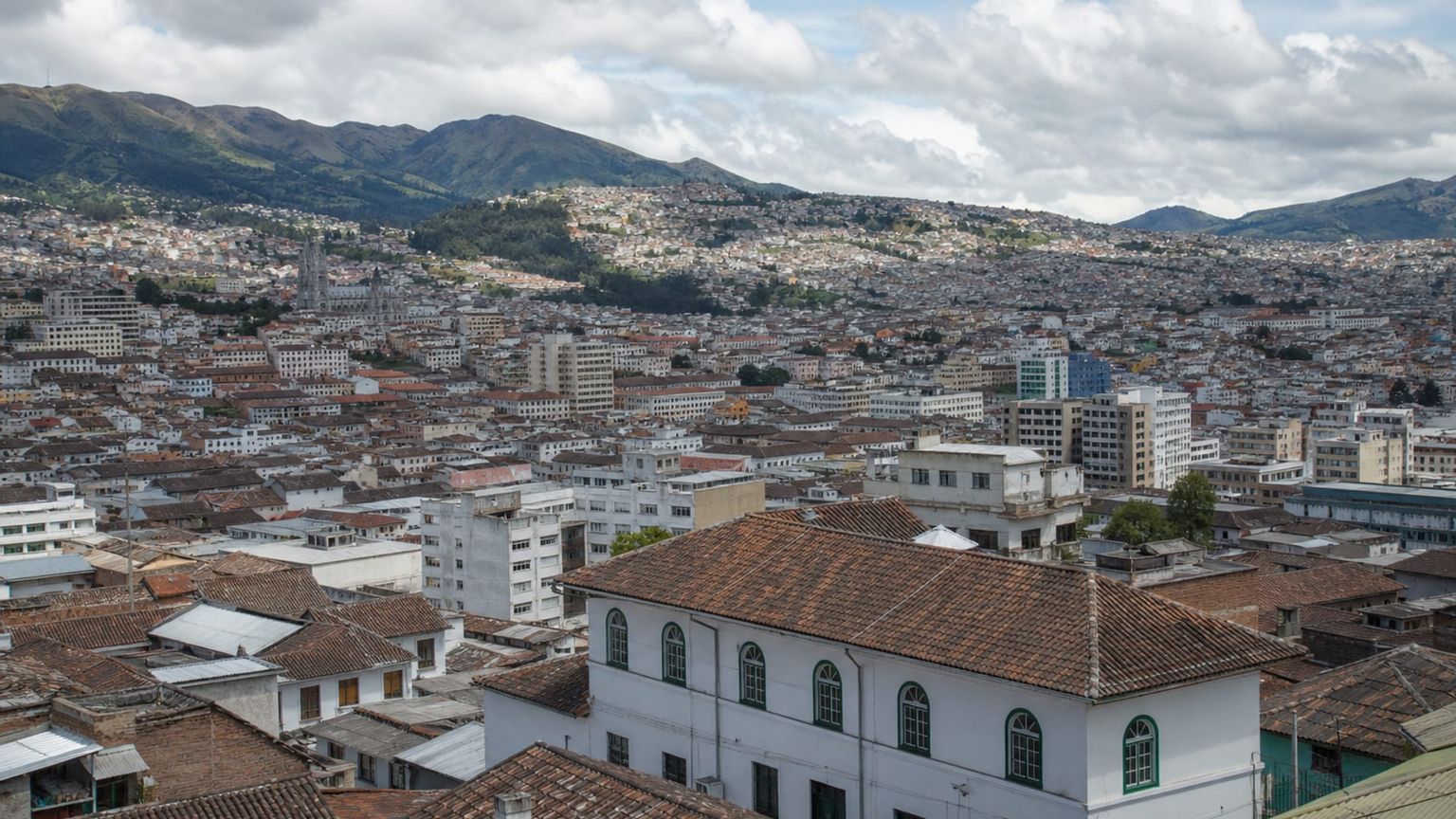
Quito trips often start with the old town, a taxi from the airport, and one or two headline sights. Travelers do reach the Basilica and Plaza Grande, but they often miss how steep streets, altitude, and cross-town distances change the pace of a day.
That makes a quick checklist less useful than it looks. A short hop to Mitad del Mundo or the cable car can still consume much of the afternoon, and the historic center quiets early once offices close.
This guide lays out where to stay, how to move, what to eat, and how to group sights so the city unfolds in a cleaner order.
Useful things to know

Main language(s): Spanish
Hola (OH-lah) – Hello / Good morning
Por favor (por fah-VOR) – Please
Gracias (GRAH-see-as) – Thank you
¿Habla inglés? (AH-blah een-GLAYS) – Do you speak English?
¿Cuánto cuesta? (KWAN-toh KWES-tah) – How much does it cost?

Currency: The local currency is the US dollar (USD, $).

Cash and cards: Cards and contactless are widely accepted; carry about $20 to $40 in cash for small purchases and taxis.

Tipping: Tip about 10% in restaurants if a service charge is not included; round up taxis and small bills.

Traditional food: Hornado, Llapingachos, Locro de papa, Empanadas de viento

Water and coffee costs: Water about $1.50, bar espresso about $2.

Taxis and ride apps: Uber and DiDi operate here; confirm pickup points at the airport.

Plug and voltage: Type A/B socket, 120V

Dining and shop opening hours: Breakfast is about 07:00-09:00, lunch 12:30-15:00, and dinner 19:00-22:00. Many restaurants close between lunch and dinner.

Emergency number: Dial 911 for police, fire, and medical emergencies.
Where to stay in Quito
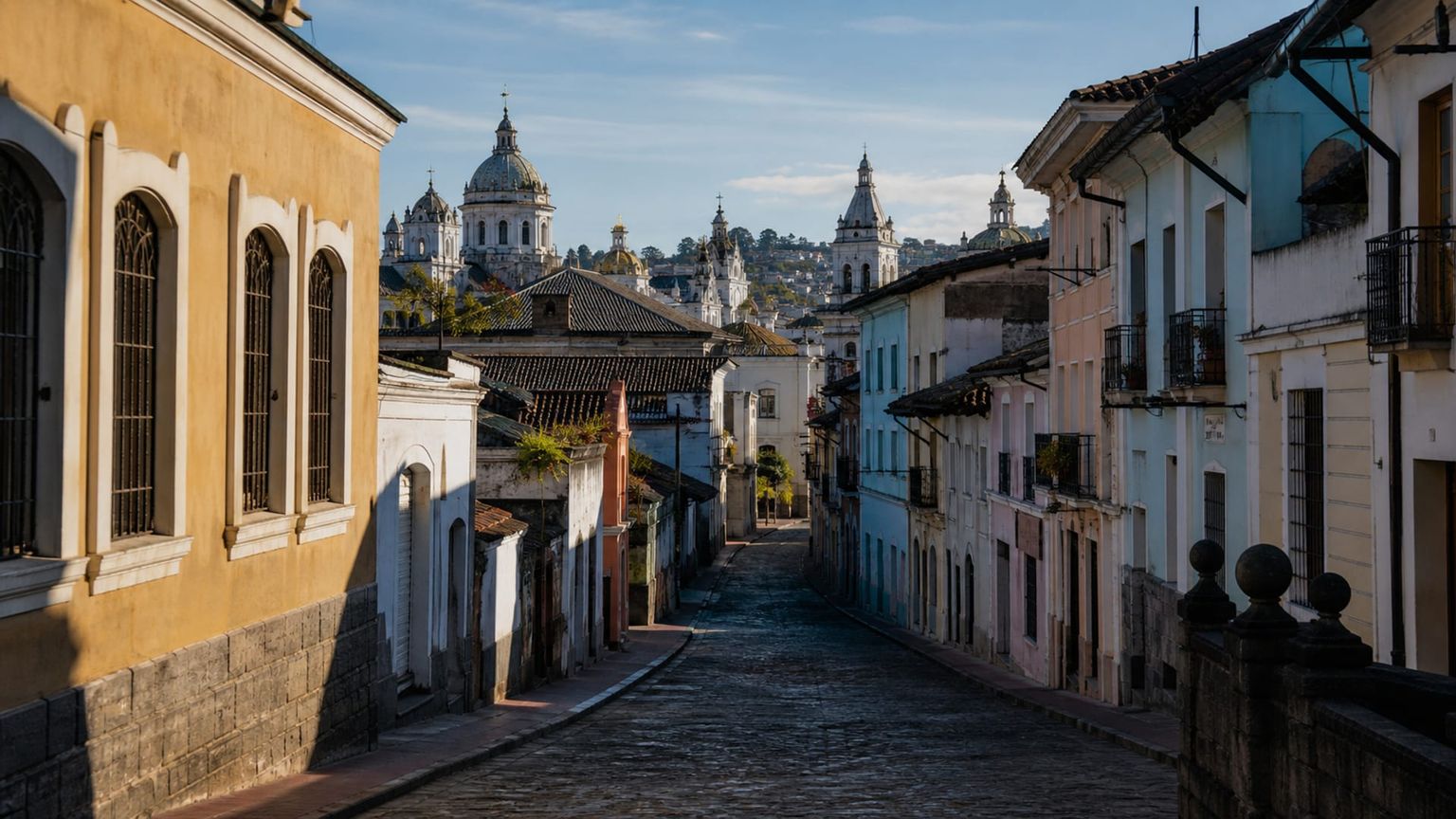
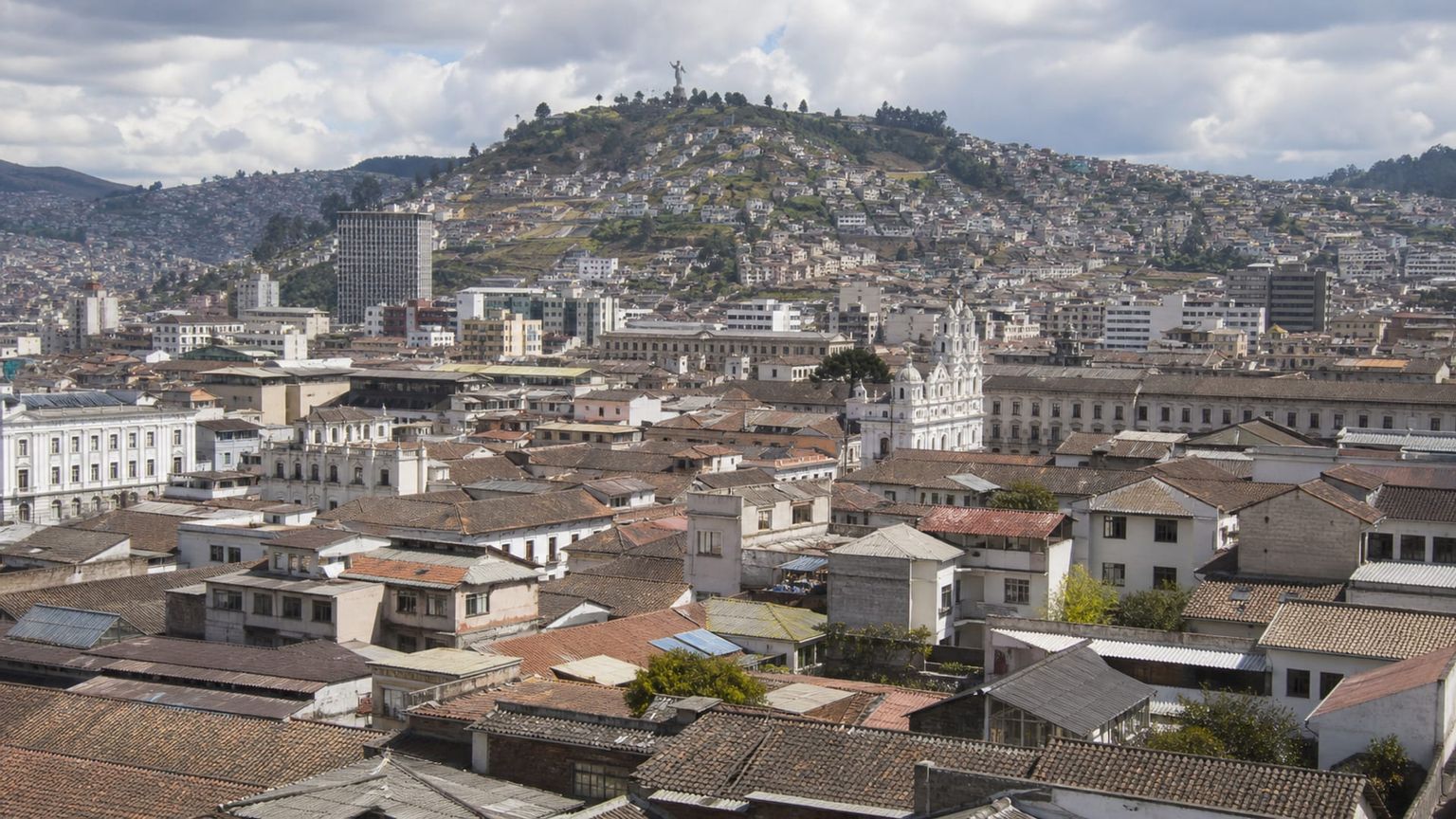
Quito’s colonial core packs churches, museums, and plazas into walkable blocks of restored historic streets. Staying here puts the main heritage sights close together, with the Basilica, Plaza Grande, and San Francisco all within easy reach.
Best for: Heritage sightseeing, short walks to major landmarks, and travelers who want to be in the historic core
What to expect: Expect busy daytime streets, tour groups, and a quieter pace after dark once offices and museums close.
Hotel prices: Usually about $60 to $180 per night for well-rated stays
Distance to major sights: 10 to 15 minutes on foot to Plaza Grande; about 20 minutes on foot to the Basilica del Voto Nacional
Quietness: Lively by day, much quieter at night, especially on smaller side streets
Main trade-off: Even the best blocks can feel sparse after dinner, and some streets empty out earlier than travelers expect.
Good to know: Choose a hotel near the main squares if you want to walk to the key sights, since steep streets and one-way traffic can make short rides slower than they look.
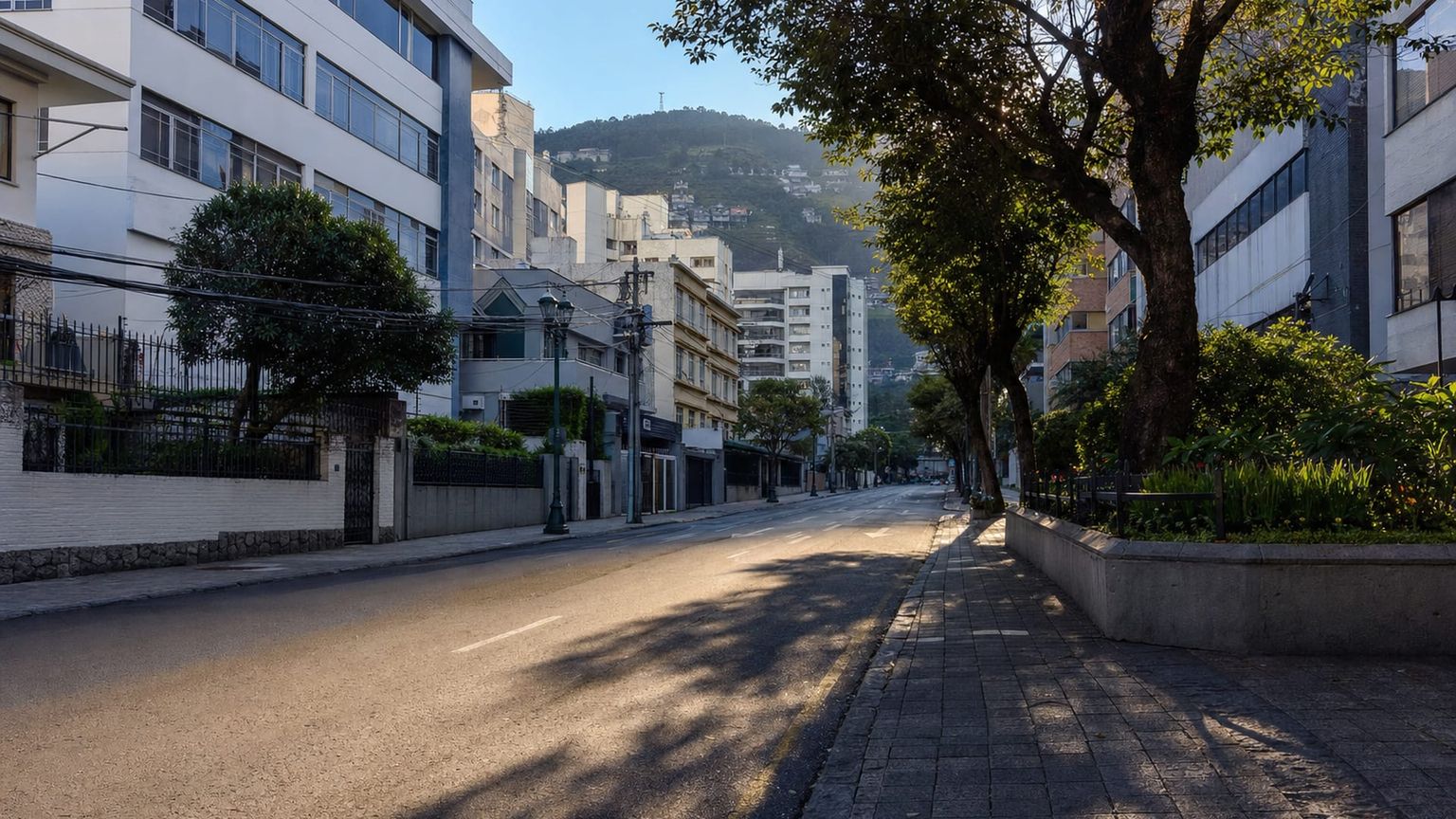
La Mariscal is Quito’s hotel and restaurant district, with a dense mix of bars, cafes, and midrange stays. It matters for visitors who want an easy launch point for dining, nightlife, and taxis without staying deep in the historic center.
Best for: Dining, nightlife, and travelers who want central access to taxis and tour pickups
What to expect: Expect active sidewalks, steady restaurant traffic, and the highest concentration of late-evening activity in this part of the city.
Hotel prices: Usually about $50 to $140 per night for well-rated stays
Distance to major sights: About 15 minutes by taxi to Centro Histórico; roughly 20 minutes by transit to TelefériQo
Quietness: Busy into the evening, then quieter on side streets after the bars thin out
Main trade-off: The livelier blocks bring more noise and traffic, and some hotels sit on streets that stay active later than you may want.
Good to know: If you plan to eat out most nights, check whether your room faces the street, because a few blocks here see late traffic and bar noise.
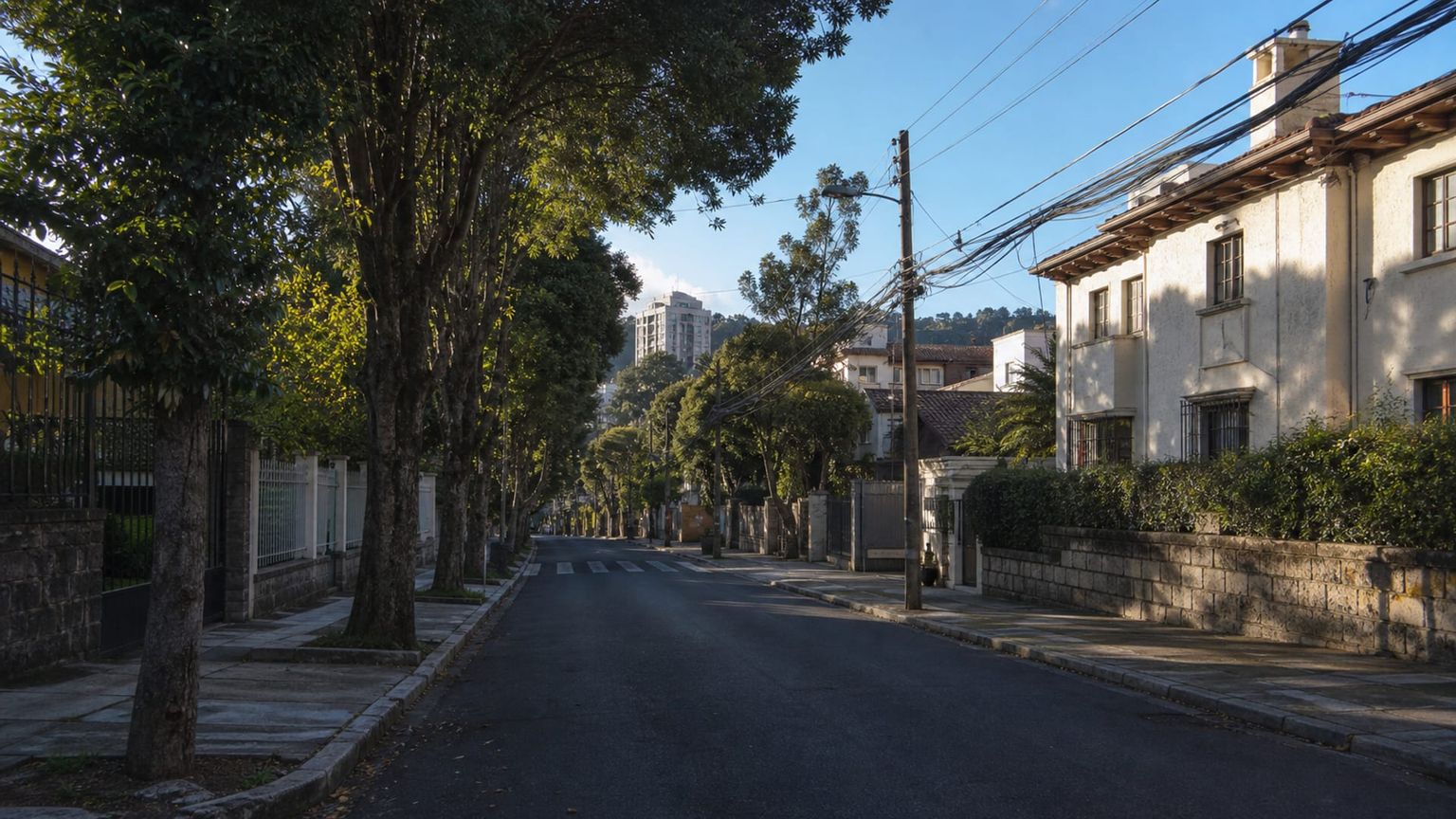
La Floresta is an artsy residential district with galleries, cafes, and a strong local restaurant scene. It works well for travelers who want a neighborhood feel close to the center, with quick access to both Mariscal and the historic core.
Best for: Cafes, local restaurants, and travelers who want a residential base near central Quito
What to expect: Expect tree-lined streets, neighborhood foot traffic, and a mix of locals heading to restaurants, galleries, and small shops.
Hotel prices: Usually about $45 to $120 per night for well-rated stays
Distance to major sights: About 15 minutes by taxi to Centro Histórico; about 10 minutes by taxi to La Mariscal
Quietness: Quieter than Mariscal during the day, with only moderate evening activity on main streets
Main trade-off: You will likely rely on taxis for most sights, since the area is more about neighborhood wandering than landmark density.
Good to know: This area suits travelers who value dinner options and a residential setting, but you should expect to ride to the major museums and colonial squares.
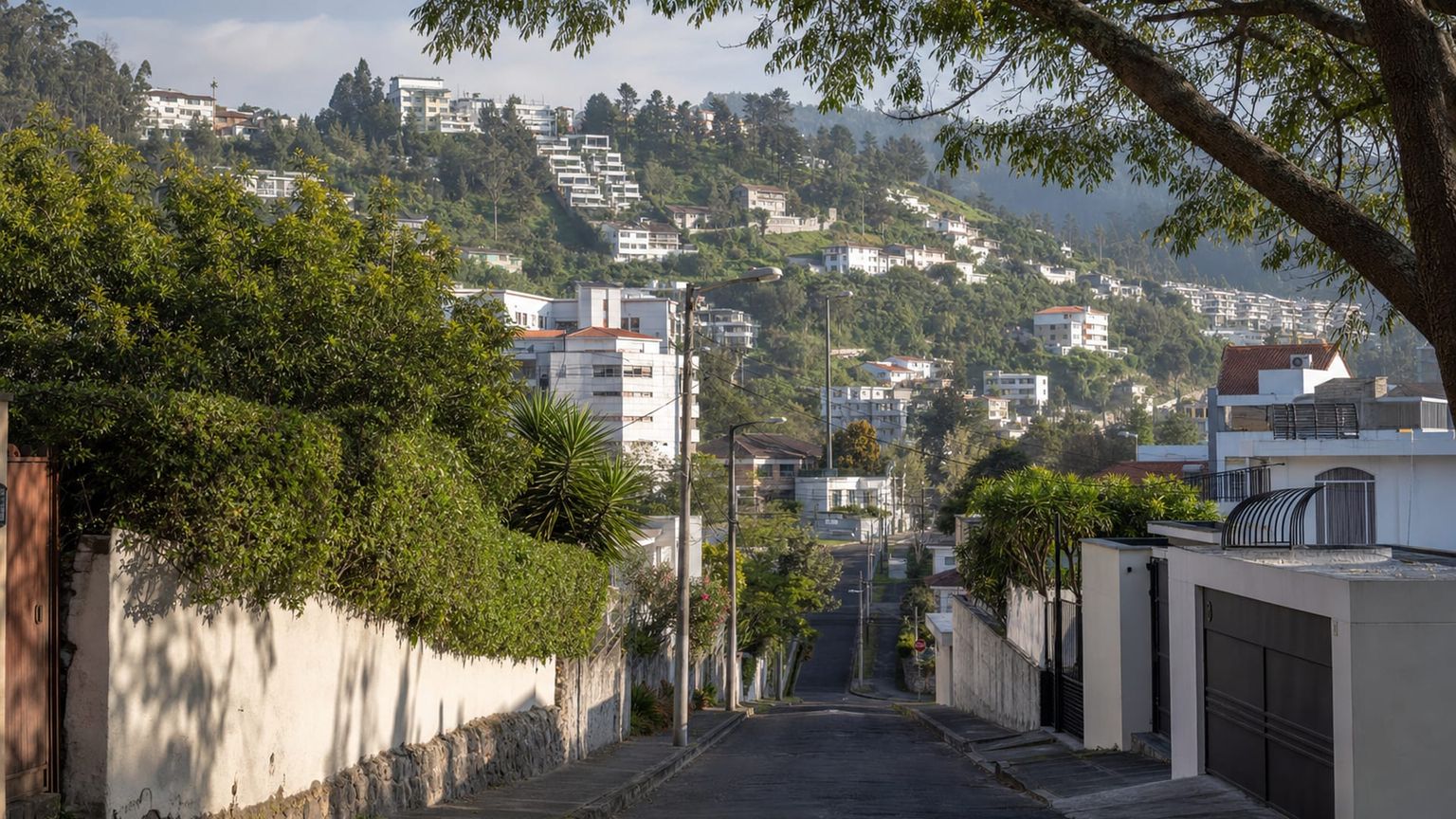
Bellavista sits on the northern edge of central Quito, close to parks, embassies, and several museums. It gives visitors a calmer base with fast access to the TelefériQo and the city center by taxi or rideshare.
Best for: Museums, park access, and travelers who prefer a quieter residential base
What to expect: Expect a residential area with fewer late-night crowds, some hotel traffic, and easy access to restaurants on nearby main roads.
Hotel prices: Usually about $70 to $180 per night for well-rated stays
Distance to major sights: About 15 minutes by taxi to the TelefériQo; roughly 20 minutes by taxi to Centro Histórico
Quietness: Calm in the daytime and notably quieter at night than Mariscal or the old town
Main trade-off: You trade walkable sightseeing for more taxi use, especially if you want to visit the colonial center several times.
Good to know: Book here if you want quieter nights, but budget for car rides because the area sits outside the main walking loop for first-time sightseeing.
Travelers usually avoid staying in outer northern neighborhoods such as Calderón and Llano Chico, since they sit far from Quito’s main sights and have fewer visitor amenities. Parts of the far south, including Quitumbe and La Ecuatoriana, are also less convenient because they are distant from the historic center and can make evening travel back from restaurants and museums more cumbersome.
Hotel deals
How to get around Quito efficiently
Quito works best with a mix of walking in the center, taxis for uphill or cross-town trips, and the Metro de Quito or trunk buses when you want to cover longer north-south distances.

Bus
for longer distances
Quito has no metro, so visitors usually rely on buses, the Metro de Quito, and taxis; if you want rail-like transit, the city’s closest option is the Metro de Quito line, which links Quitumbe in the south with Labrador in the north, with rides costing about $0.45 and tickets valid for one trip after validation.

Tram
for convenience
The Ecovía and Trolebús corridors give Quito its most useful bus coverage, with trunk routes running north to south through the center and feeders reaching outlying neighborhoods; fares are about $0.35, tickets are valid for a single ride, and you pay with a reloadable card or token at station gates.

Taxi
for convenience or late hours
Licensed yellow taxis in Quito use metered fares, with short rides often costing about $3 to $5 and airport trips to central districts usually about $25 to $35; ask the driver to use the meter, carry small bills, and expect cash to be the norm, although some cars take cards by prior arrangement.
*Prices are based on rates updated as of June 2026 and may change at the time of travel.
Walk for the historic core, use taxis or rideshare for late dinners and steep hills, and lean on buses or the Metro de Quito when you need the cheapest north-south connection.
Iconic landmarks
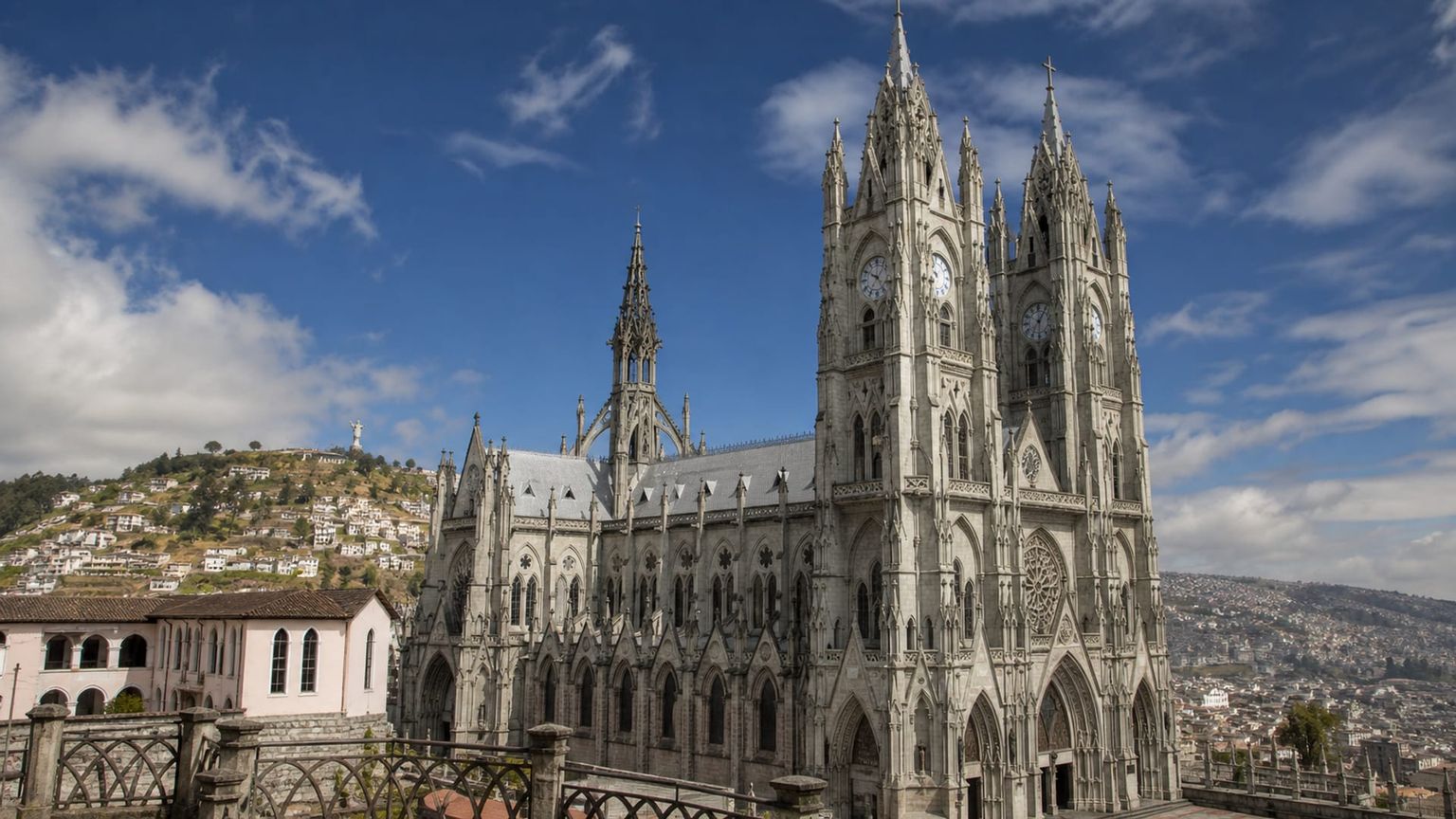
Basílica del Voto Nacional
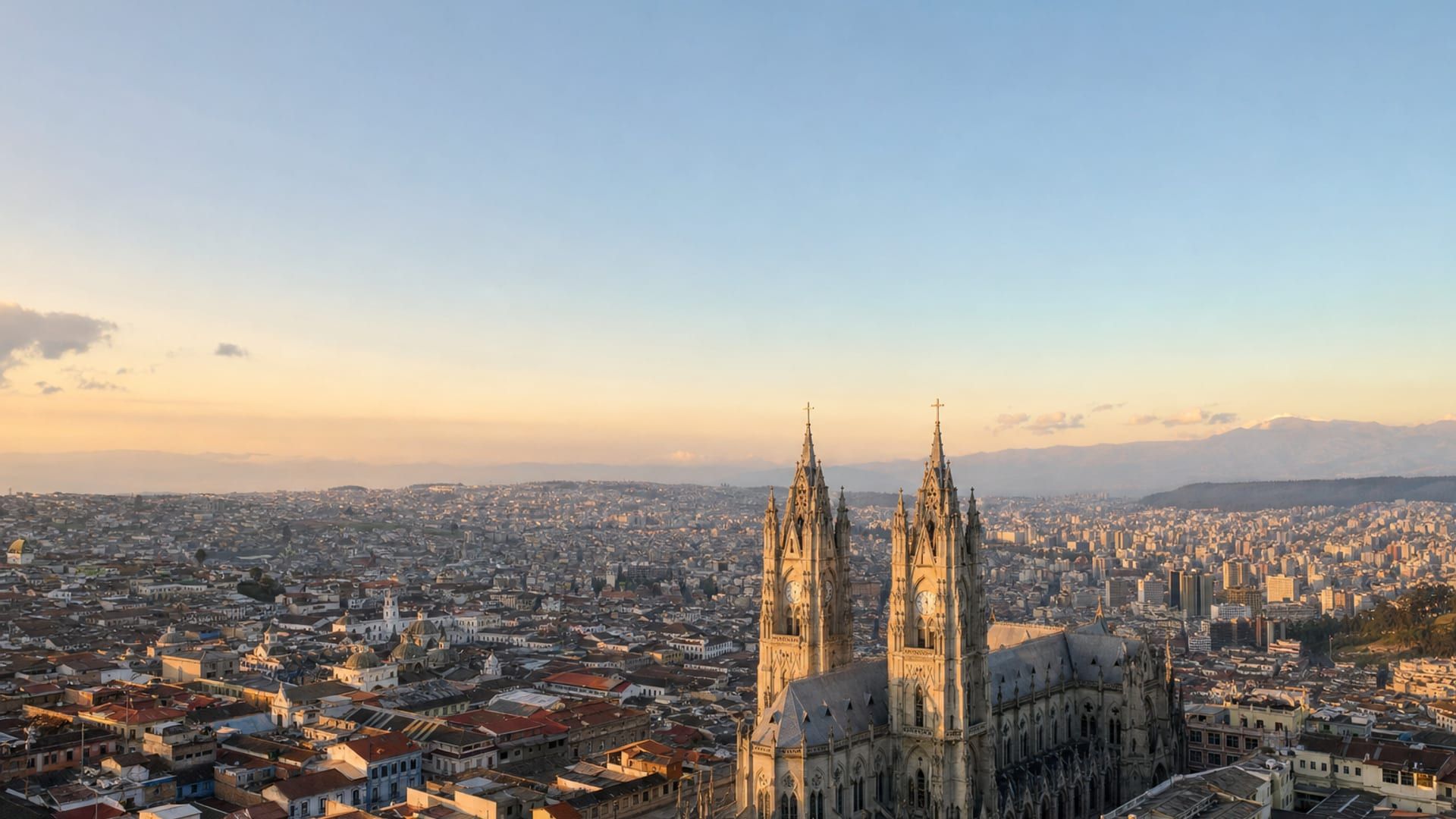
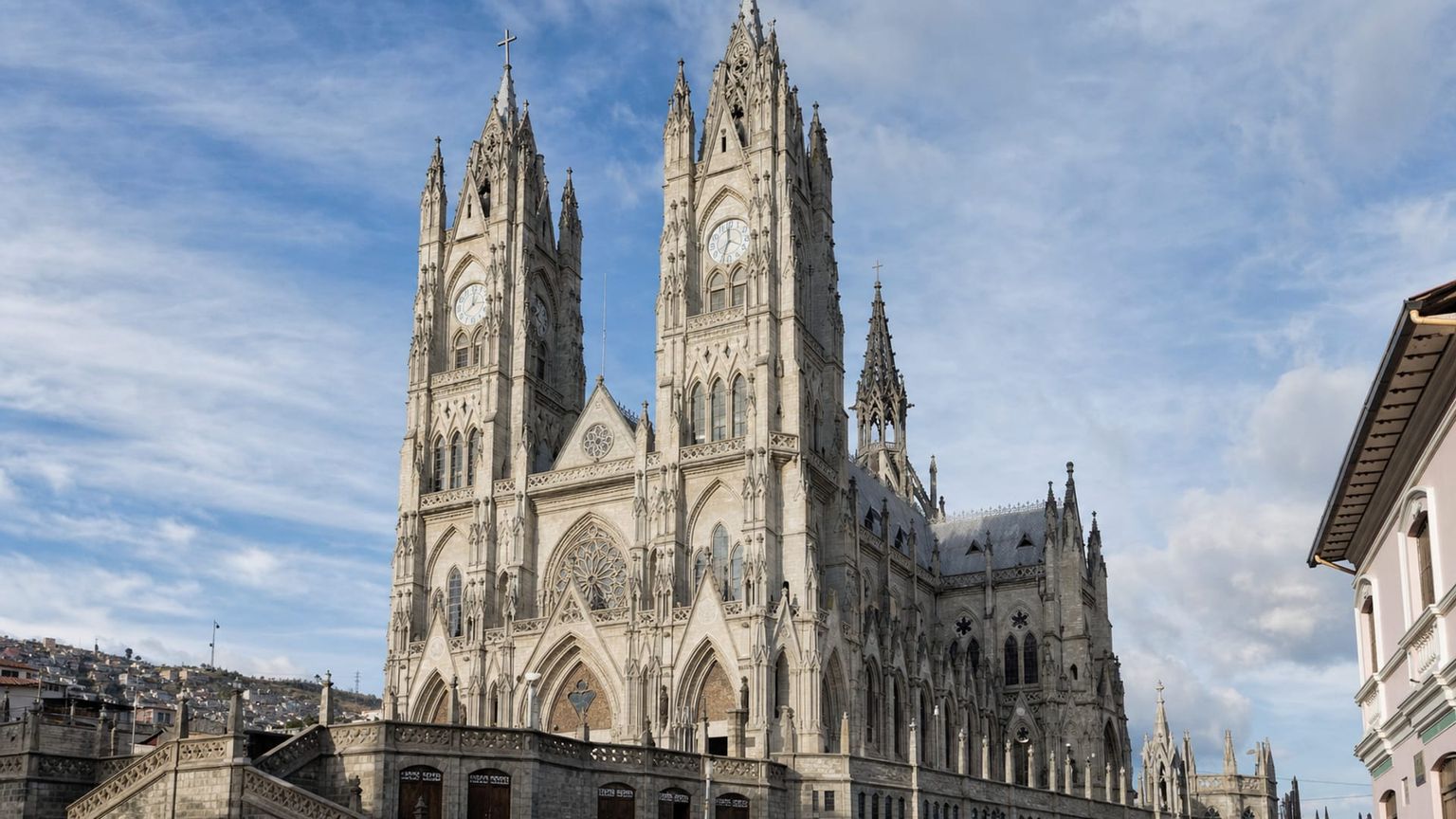
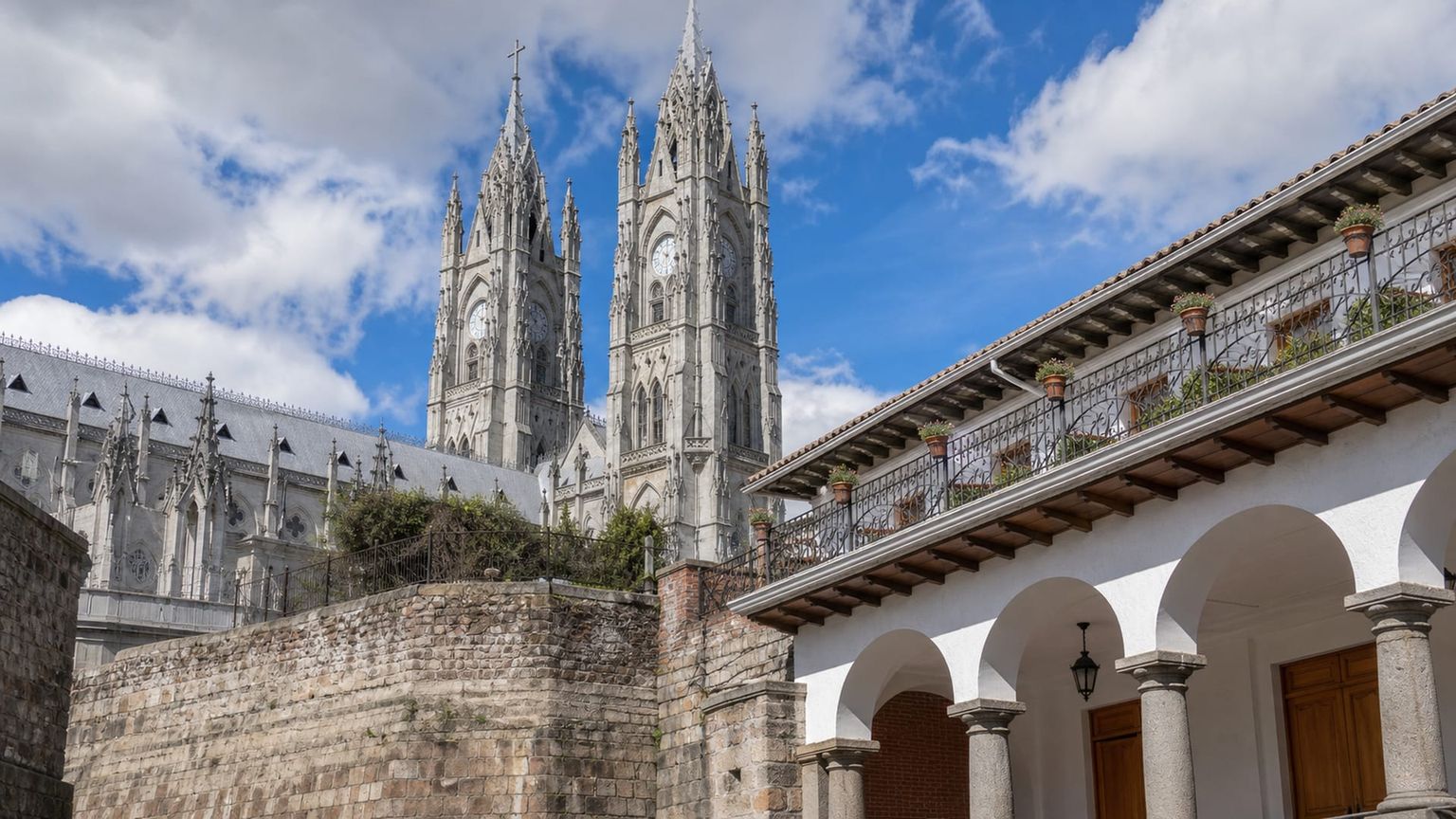
This neo-Gothic basilica anchors Quito’s old town with carved stone façades, stained glass, and water-spout gargoyles shaped like Andean animals. Climb the towers for broad views over the historic center and the hills beyond.
Time needed: About 1 to 2 hours
Entry: Tower access costs $2 ($2), while general church entry is free; some areas, including the towers, may close for services or maintenance Visit the official site for details.
Tip: Go early for clearer views and cooler tower stairs before midday crowds build.
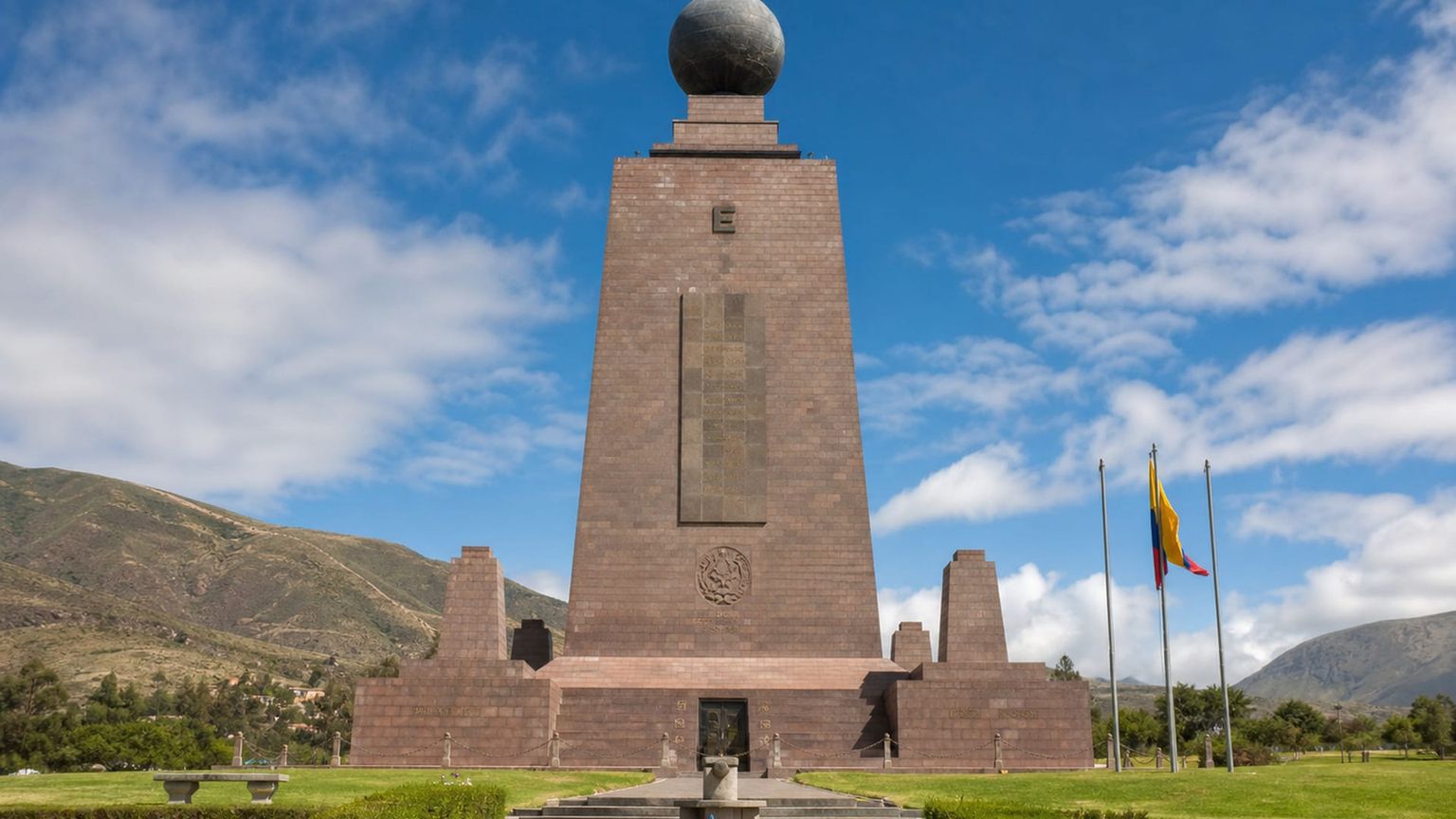
Mitad del Mundo monument
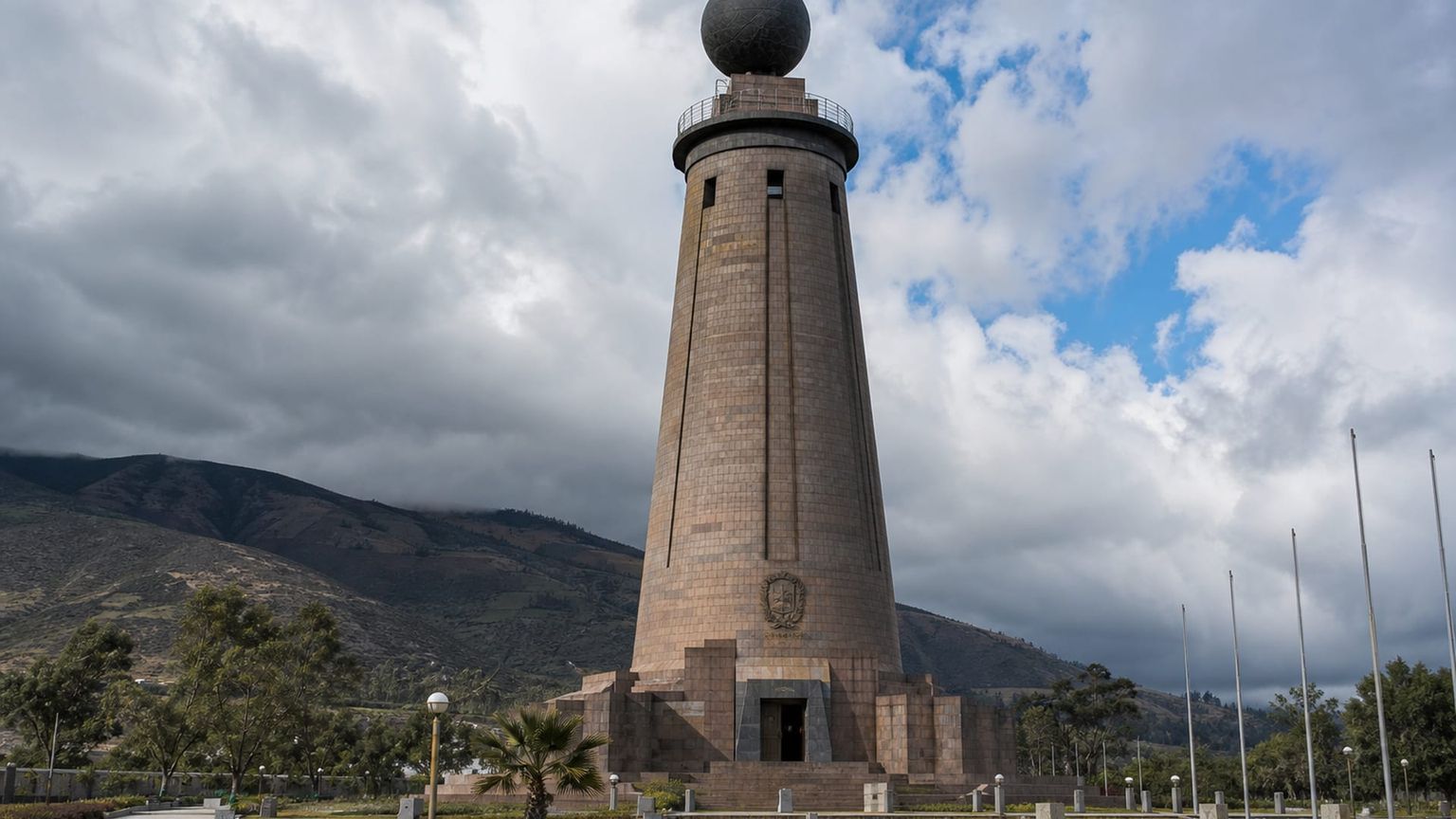
North of the center, the Mitad del Mundo monument marks the equator with a tall stone tower and plaza displays on the country’s geography. The site also includes museums and viewpoints that turn the stop into a longer half-day visit.
Time needed: About 2 to 3 hours
Entry: General admission costs $5 ($5) for adults and $2.50 ($2.50) for children; museum areas and the monument platform may sell separate add-on tickets Visit the official site for details.
Tip: Arrive late morning, when the site is open and the light works well for plaza photos.
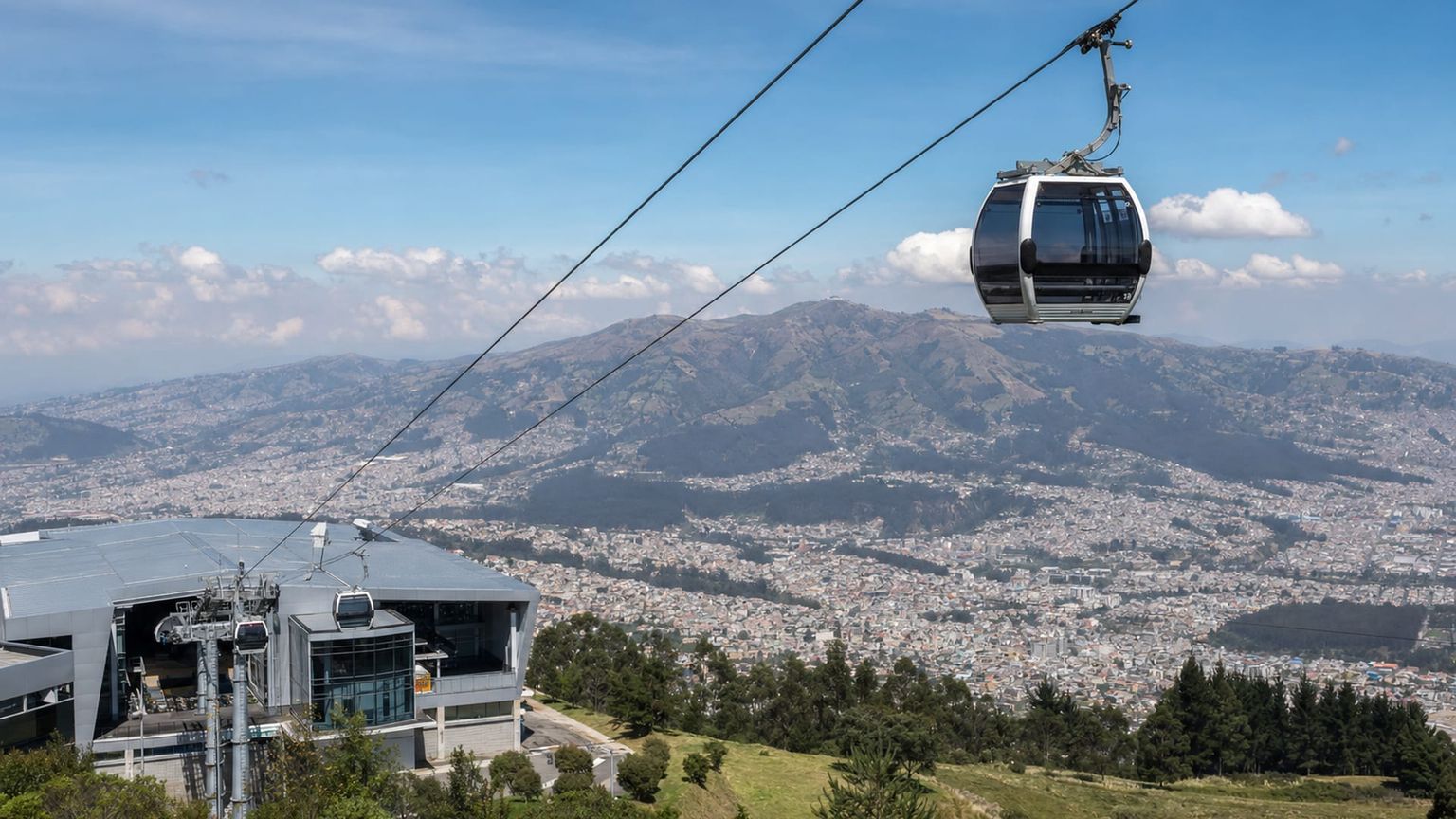
Quito cable car
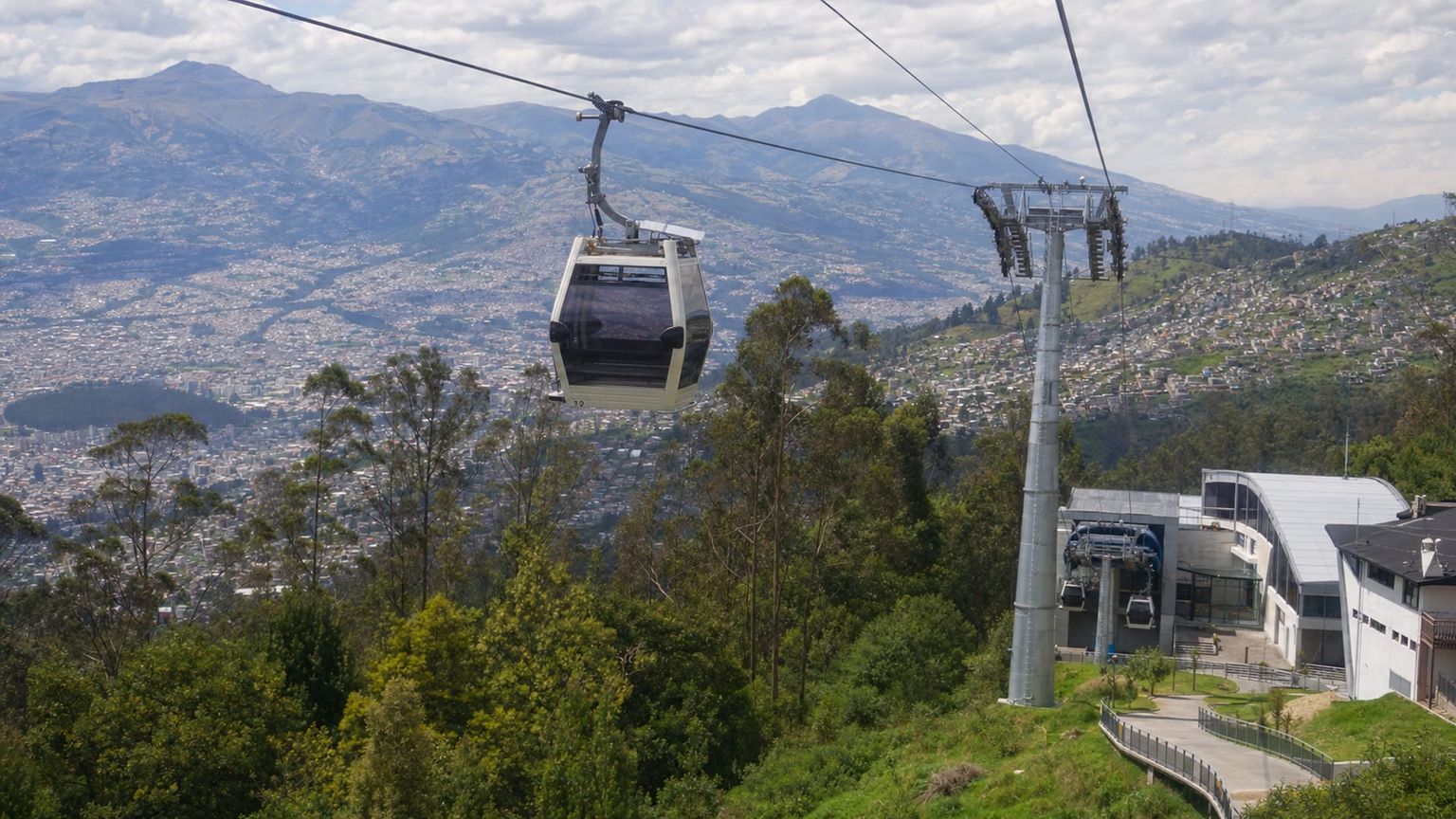
The TelefériQo rises from the city’s west side to the slopes of Pichincha, giving wide views over Quito, the valley, and the volcanoes on clear days. At the top, short trails and viewing areas turn the ride into a mountain stop.
Time needed: About 2 to 4 hours
Entry: Tickets cost $9.95 ($9.95) for adults and $7.65 ($7.65) for children, with higher weekend rates on some dates and separate fees for some activities Visit the official site for details.
Tip: Go on a clear afternoon, then stay for sunset if the mountain weather holds.
Overlooked sites worth visiting

Guápulo Viewpoint and Church
This hillside overlook above Guápulo gives wide views over eastern Quito and the valley below, with cobbled lanes, tiled roofs, and a small baroque church that dates to the colonial era.
Time needed: About 1 hour
Entry: Free to access. The viewpoint and church exterior cost nothing to visit, and the area suits a short uphill walk from the city. If you enter the church during opening hours, donations may be requested.
Tip: Go near sunset for the clearest city views.

Museo Manuela Sáenz
This small museum in Quito’s historic center focuses on Manuela Sáenz, with letters, portraits, and period rooms that explain her role in independence history without a long visit.
Time needed: About 45 minutes
Entry: Admission is about $4 ($4). The museum is compact, so most visitors spend under an hour inside, and the ticket typically includes access to the house exhibits and temporary displays when available.
Tip: Visit on a weekday morning to avoid school groups.
Traditional food
Quito’s table leans on potatoes, corn, pork, cheese, and broth-based dishes, then adds fried pastries and fresh cheese for contrast. Lunch tends to be the main meal, with many places closing between services.
Hornado
Slow-roasted pork with seasoned sides, hornado shows up on menus that focus on hearty highland cooking. For a classic version in Quito, go to La Casa de la Ensalada in La Floresta.
Llapingachos
These stuffed potato cakes usually arrive with egg, sausage, avocado, and a peanut sauce. Urko Cocina Local in La Floresta is a strong Quito stop if you want them treated with care.
Locro de papa
A creamy potato soup with cheese and avocado, locro de papa suits Quito’s altitude and cooler evenings. Zazu in Bellavista serves a refined version in a restaurant that remains a reference point in the city.
Empanadas de viento
These crisp, cheese-filled turnovers are dusted with sugar and eaten hot. La Ronda in the historic center is a familiar place to order them, especially as an afternoon snack.
Best time to visit Quito
Quito’s dry months bring clearer views and easier mountain outings, while the rainy season still offers useful sightseeing if you plan around afternoon showers.
Best for: Clear mornings, city views, and the best chance for cable car and hilltop outings
What you get: Temperatures usually sit about 46°F to 66°F (8°C to 19°C); tourist numbers stay moderate, with wetter afternoons
Trade-offs: Rain can interrupt plans after lunch
Best for: Museum days, old-town walks, and flexible sightseeing
What you get: Expect about 46°F to 65°F (8°C to 18°C); crowds are usually manageable, with occasional showers
Trade-offs: Cloud cover can hide long views from the hills
Best for: Dry-weather sightseeing and longer outdoor stays
What you get: Temperatures average about 45°F to 65°F (7°C to 18°C); this is the busiest stretch for visitors
Trade-offs: Hotels and popular sights can fill faster
Best for: Balanced weather for the historic center, markets, and day trips
What you get: Expect about 46°F to 66°F (8°C to 19°C); crowds stay moderate, with some rain returning later in the season
Trade-offs: Afternoon showers become more likely toward November
A realistic 5-day plan in Quito
Five days give Quito enough room for the old town, the equator, the cable car, and a slower final morning. The plan below keeps longer transfers grouped together, so the historic center does not get broken up by repeated cross-city rides.
Land at Quito (UIO), then take a taxi or prebooked transfer to Centro Histórico or La Mariscal, which usually takes about 45 to 60 minutes and costs roughly $20 to $35. Check in near Plaza Grande if you want to walk for an early dinner, or stay in La Mariscal if you prefer more restaurant choices after dark. Keep the first evening simple: drink water, eat soup or grilled chicken at a nearby cafe, and leave the high-altitude sightseeing for tomorrow.
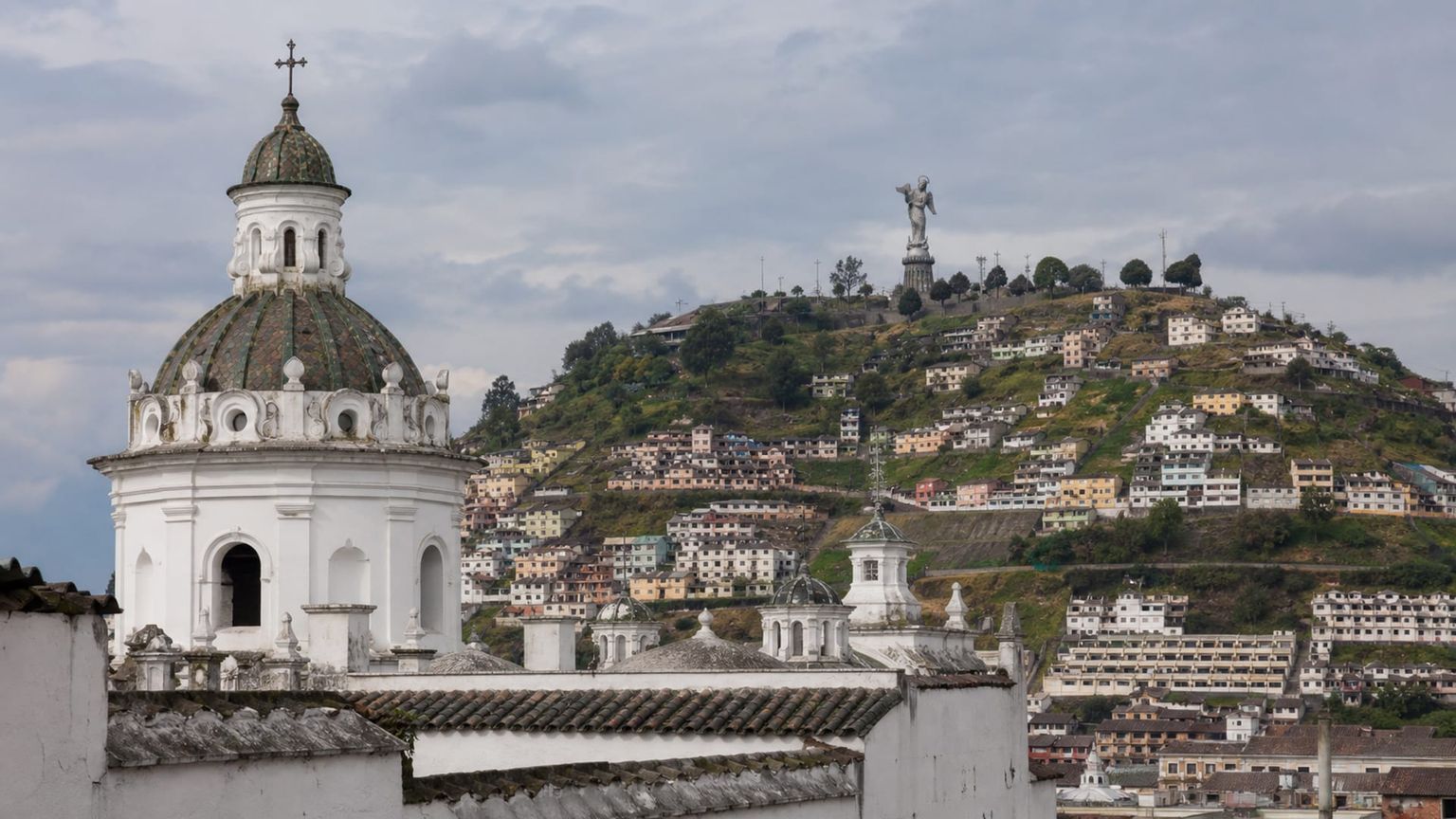
Start in the old town at the Basílica del Voto Nacional, where tower access costs $2 and general entry is free, then spend about 1 to 2 hours inside and on the towers. From there, walk about 10 to 15 minutes to Plaza Grande, then continue 10 minutes more to the Museo Manuela Sáenz for a compact stop of roughly 45 minutes. Finish with San Francisco area streets and a late lunch in Centro Histórico, then head back to your hotel before the traffic builds.
A northbound half-day makes the best case for the Mitad del Mundo monument, which sits about 45 to 60 minutes from central Quito by car and charges $5 for adult admission. Plan 2 to 3 hours there for the monument, museum areas, and viewpoints, then return to the city and stop in Bellavista or La Floresta for an early dinner. If you still have energy, a taxi from the monument area back to La Mariscal usually takes about 45 minutes, depending on traffic.
By midafternoon, ride the Quito cable car, which takes about 2 to 4 hours including time on the slopes and viewpoints, and costs $9.95 for adults. From Centro Histórico or La Mariscal, the trip to the cable car base usually takes about 20 to 30 minutes by taxi. After the descent, head uphill toward Guápulo Viewpoint and Church, then spend about 1 hour there near sunset for city views over the valley before returning to dinner in La Floresta.
Begin with a late breakfast in La Floresta, then visit the Museo Manuela Sáenz in the historic center if you want one last compact museum stop before packing. Afterward, browse for gifts or textiles in Centro Histórico, or spend your remaining time in La Mariscal for coffee and a slower lunch before your airport ride. Book a taxi back to Quito (UIO) with at least 2 to 2.5 hours before departure, since cross-town traffic can lengthen the trip more than you expect.
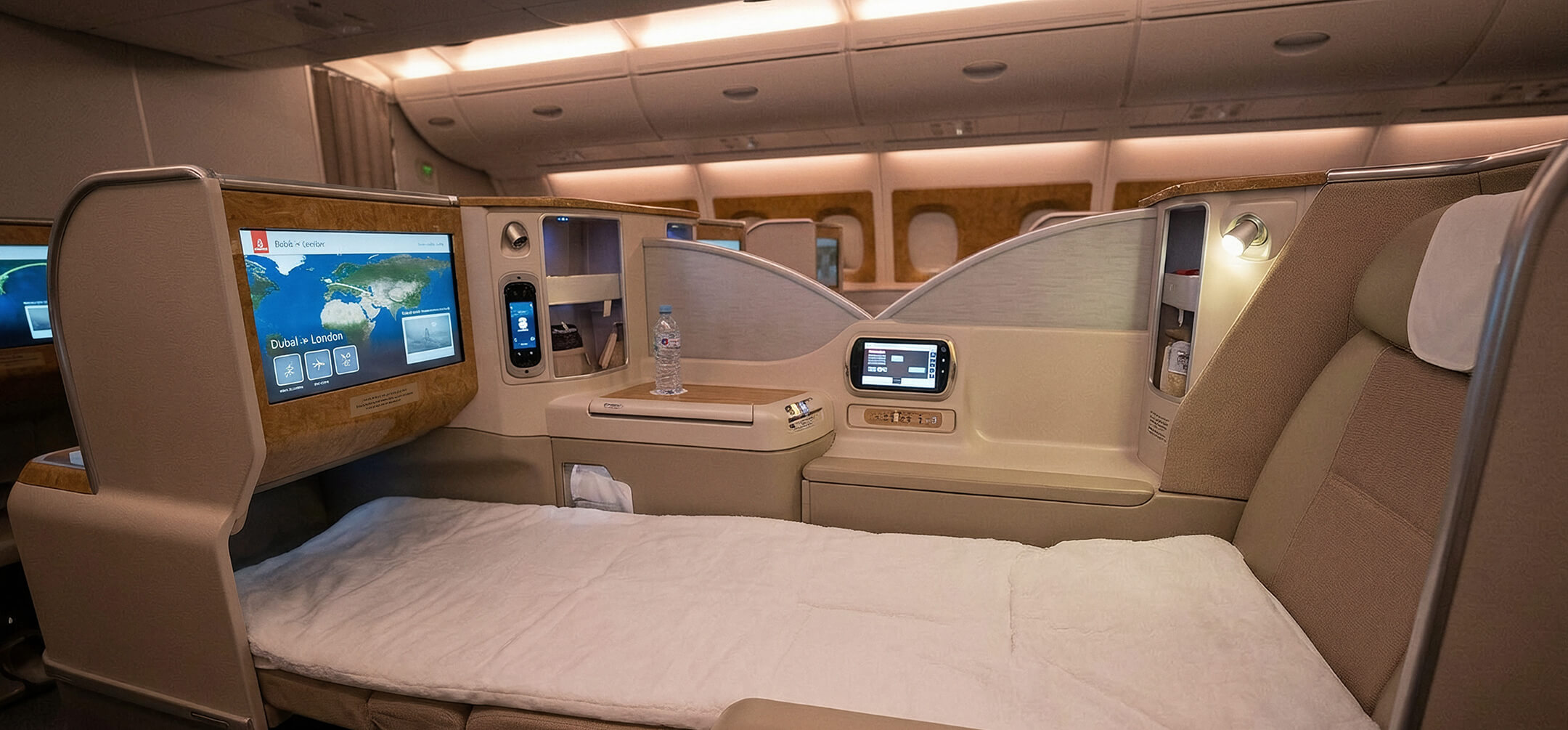
Business-class flights from the US to Quito
Flights to Quito often involve a connection, but the route choice changes how long you spend in the air versus in transit. From both coasts, the fare band and the layover city can shift the trip by several hours.
From New York, Avianca, Delta Air Lines, LATAM Airlines, American Airlines, United Airlines, and Copa Airlines all appear on this route, with nonstop trips taking about 5 to 6 hours when available. If you do not mind a connection, common stops via PTY or BOG can trim the fare to roughly $700 to $1,800, while typical itineraries with a connection run about 8 to 14 hours.
Los Angeles travelers usually see Avianca, LATAM Airlines, American Airlines, United Airlines, Copa Airlines, and Delta Air Lines on the board, and nonstop options take about 7 to 8 hours. One-stop itineraries through PTY, BOG, MIA, IAH, or ATL often price from about $1,300 to $4,800 and stretch the trip to roughly 10 to 16 hours.
Quito feels different when you slow down
A deliberate Quito trip keeps the old town, La Mariscal, and La Floresta in separate parts of the day, then uses taxis, the Metro de Quito, or a cable car ride only when the route makes sense. That approach leaves space for the Basilica, the Museo Manuela Sáenz, and a sunset stop at Guápulo without turning the city into a series of rushed transfers. If you want help shaping those days, the AranGrant experts can build a Quito plan around your dates and pace