

Chapters:

Need help with your trip?
Our support team is available 24/7. Request a callback or call us directly at (833) 619-0908
Ube often gets compressed into a quick airport stop, a park visit, and one dinner near the station, which leaves the city’s old warehouse streets and neighborhood food stops out of the picture.
That narrow route works for transit, but it can stretch distances between sights and push people into backtracking by bus or taxi, with little time left for Tokiwa Park or the southern wine streets.
This guide opens up the map in a more deliberate order, so you can pair the station area, the park side, and the historic districts without wasting time on guesswork.
Useful things to know
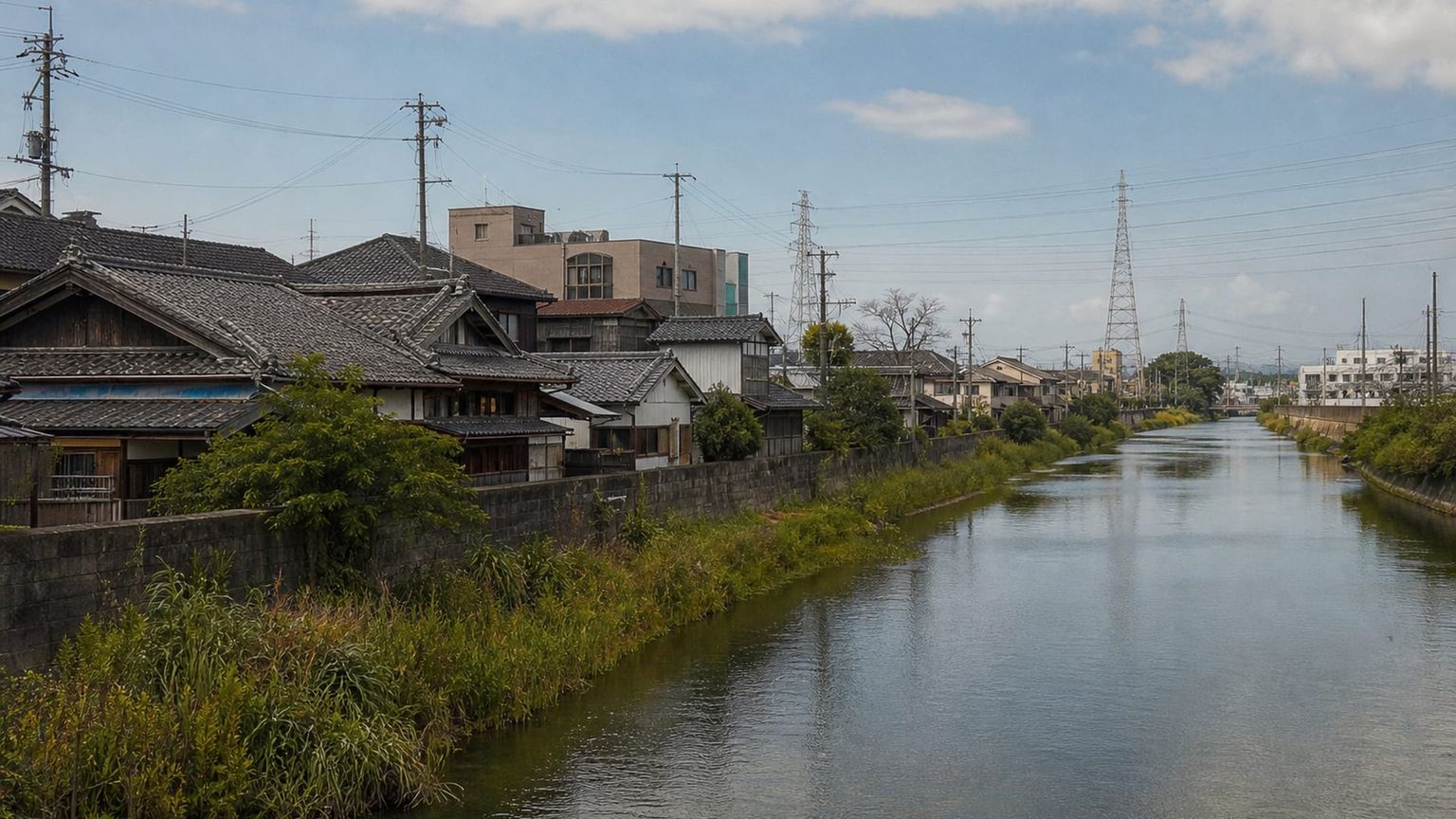

Main language(s): Japanese
Konnichiwa (koh-nee-chee-wah) – Hello / good afternoon
Onegaishimasu (oh-neh-guy-shee-mahss) – Please
Arigatou gozaimasu (ah-ree-gah-toh go-zai-mahss) – Thank you
Eigo o hanasemasu ka? (ay-goh oh hah-nah-seh-mahss kah) – Do you speak English?
Ikura desu ka? (ee-koo-rah dess kah) – How much does it cost?

Currency: The local currency is the Japanese yen (JPY, ¥).

Cash and cards: Cards and contactless are widely accepted, but carry about ¥5,000 to ¥10,000 ($34 to $68) for small shops and rural spots.

Tipping: Tipping is not customary; leave nothing unless a bill includes a service charge.

Traditional food: Fugu, Ube sushi, Iwakuni sushi, kashiwa rice

Water and coffee costs: Water about ¥120 ($1), bar espresso about ¥450 ($3).

Taxis and ride apps: Uber and JapanTaxi operate here; availability can be limited outside central areas.

Plug and voltage: Type A/B socket, 100V

Dining and shop opening hours: Breakfast runs about 07:00-09:00, lunch 11:30-14:00, and dinner 18:00-21:00. Many restaurants close one weekday, often Monday.

Emergency number: 110 for police, 119 for fire and ambulance.
Where to stay in Ube
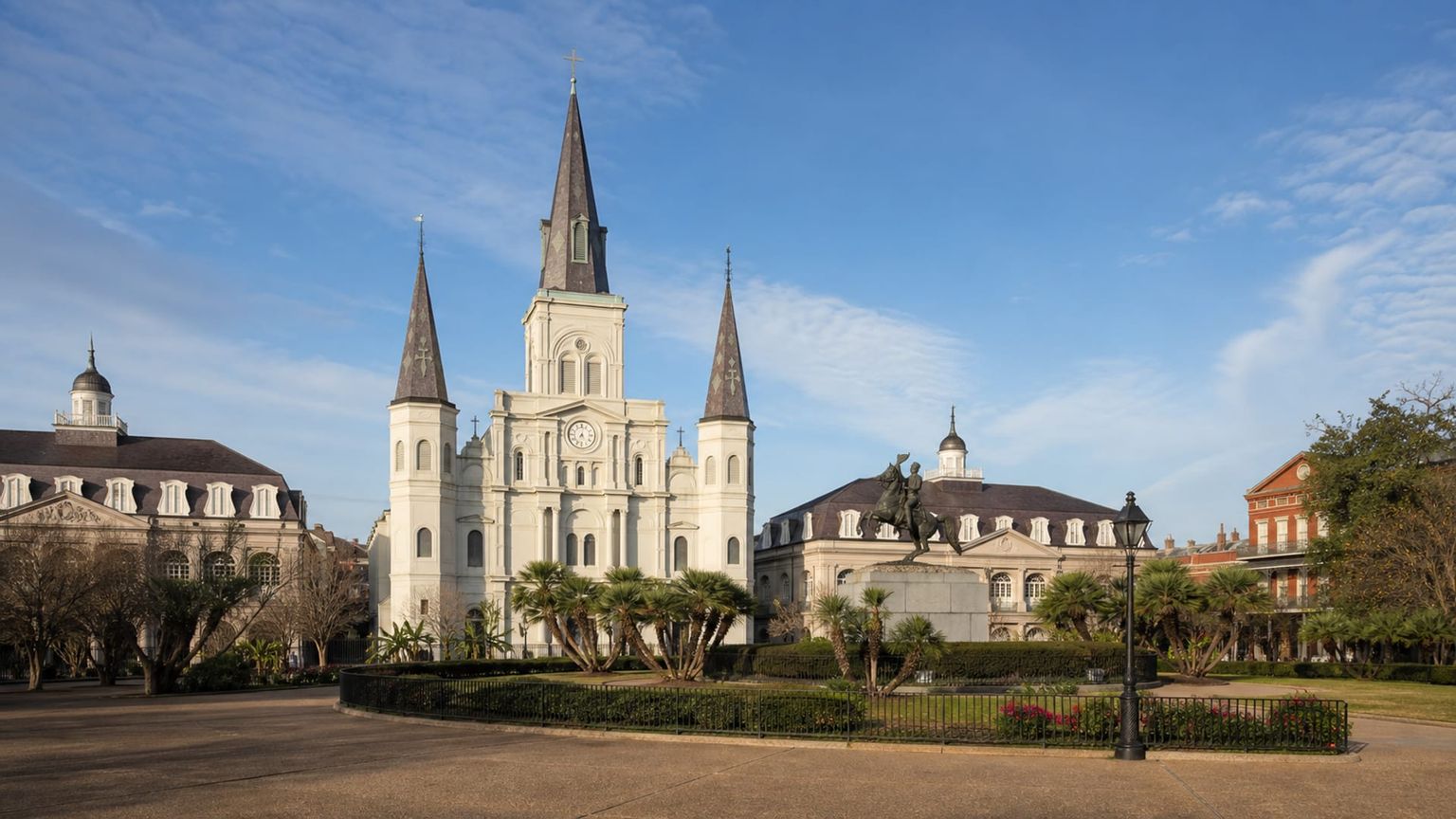
Ube Station is the city’s main rail hub, with hotels, bus links, and an easy walk to nearby shops and restaurants. It matters because it puts you closest to transit for day trips, airport transfers, and simple arrivals after a late train or flight.
Best for: Rail access, short stays, and travelers who want the easiest base for moving across Ube
What to expect: A small station district with commuter traffic, convenience stores, and a modest dinner scene that thins out after dark.
Hotel prices: Usually about ¥6,000 to ¥12,000 (~$40 to ~US$80) per night for well-rated stays
Distance to major sights: About 10 to 15 minutes by train or bus to Tokiwa Park, roughly 20 minutes to the Yamaguchi Ube Airport area
Quietness: Busy in the morning and early evening, quieter late at night once commuter traffic ends.
Main trade-off: You gain transit access, but the immediate area has fewer late-night dining options than the busier city-center streets.
Good to know: If you plan to move around by train or bus, this is the easiest place to base yourself without relying on taxis after arrival.
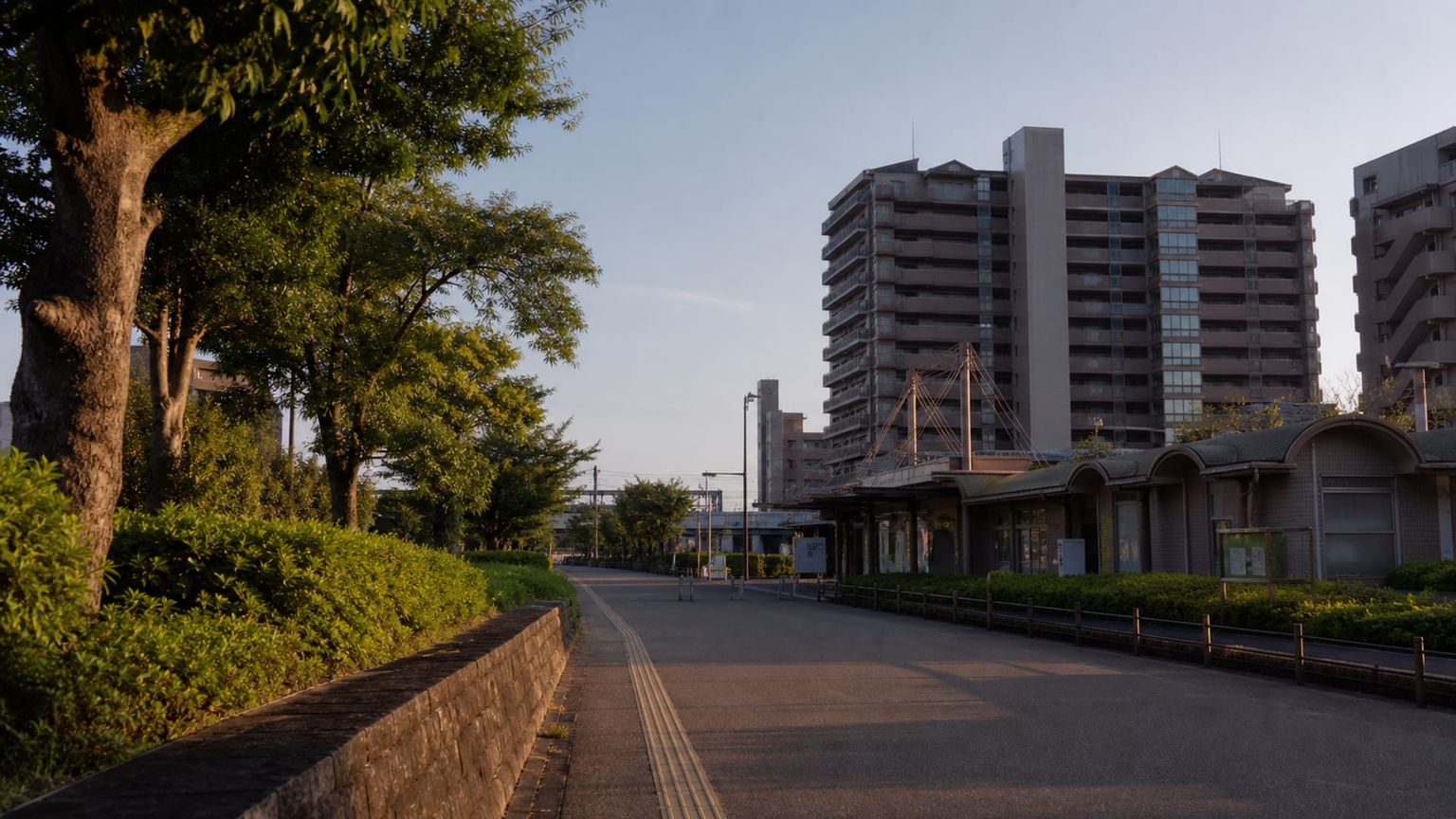
Shin-Ube sits around the Shinkansen station on the edge of central Ube, with a limited but useful set of hotels and road access. It matters for visitors who want fast rail connections and do not mind staying a little outside the main shopping streets.
Best for: Shinkansen users, business trips, and travelers connecting between Ube, Hiroshima, and Fukuoka
What to expect: A low-key station zone with office buildings, parking lots, and light foot traffic outside rush hours.
Hotel prices: Usually about ¥7,000 to ¥14,000 (~$47 to ~US$94) per night for well-rated stays
Distance to major sights: About 10 minutes by train or taxi to Ube Station, roughly 20 minutes by bus to Tokiwa Park
Quietness: Quiet through much of the day, then very quiet at night except for station arrivals.
Main trade-off: You trade neighborhood character and restaurant variety for faster rail access and simpler long-distance connections.
Good to know: Book here if your schedule is built around the Shinkansen, because that saves time on both arrival and departure days.
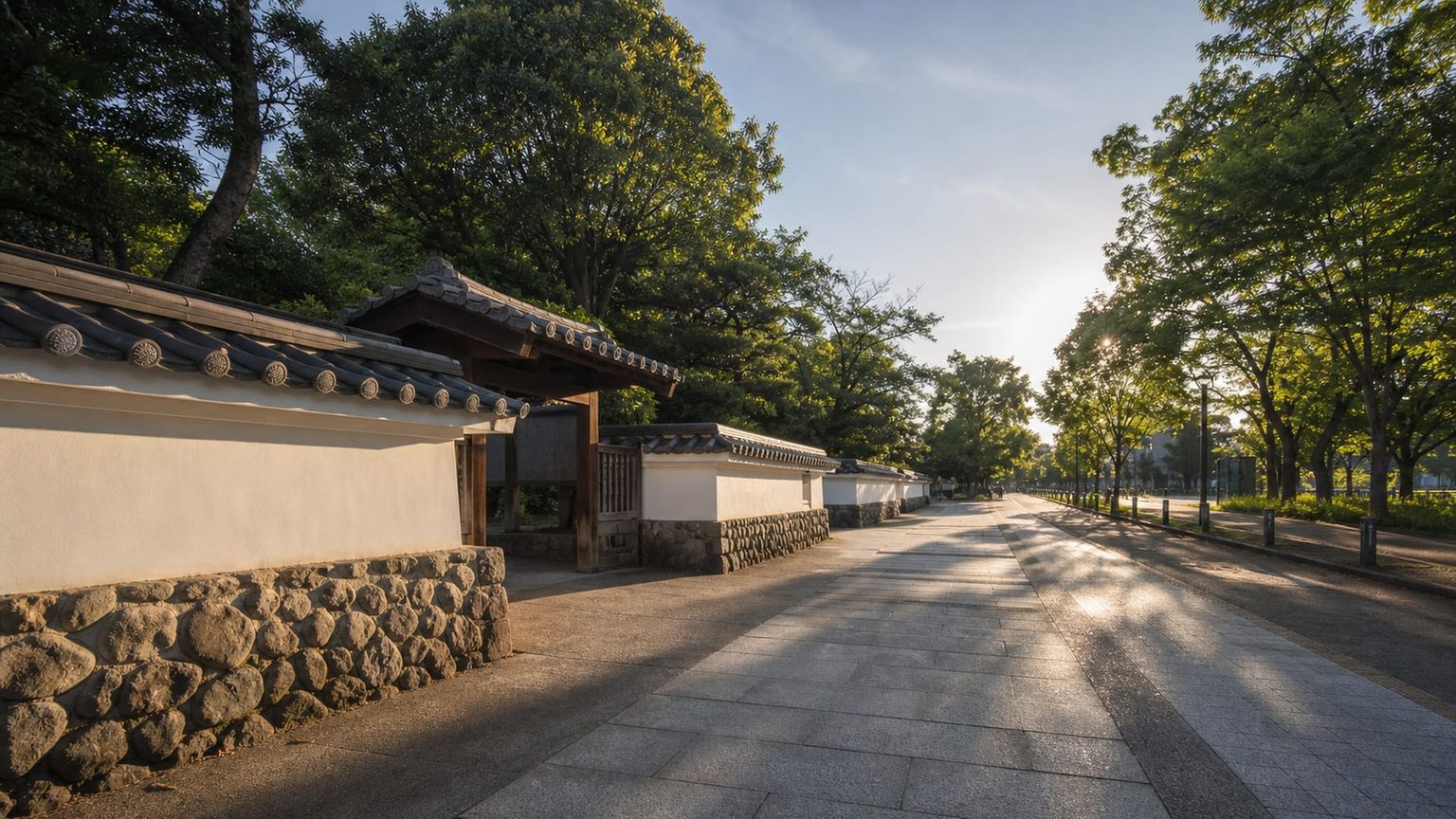
Tokiwa Park is Ube’s best-known green space, with a lake, gardens, and museums that draw visitors throughout the year. It matters because it gives you a more scenic base close to one of the city’s main sightseeing anchors and a calmer place to stay near the waterfront side of town.
Best for: Park visits, families, walkers, and travelers who want a quieter stay near one of Ube’s main sights
What to expect: Leafy streets, local park traffic, and a slower pace than the station districts, with modest activity around museum hours.
Hotel prices: Usually about ¥7,000 to ¥15,000 (~$47 to ~US$100) per night for well-rated stays
Distance to major sights: On foot to Tokiwa Park itself, about 15 to 20 minutes by bus to Ube Station
Quietness: Quiet in the evening and overnight, with daytime activity concentrated around the park entrances and museums.
Main trade-off: You get a nicer setting, but you will rely more on buses or taxis for dinner and rail connections.
Good to know: Choose this area if you expect to spend time in the park, because walking back after sunset is simple and you avoid extra transit.
Travelers usually avoid staying in the far south of Ube, near Tokiwa and the Ube Port industrial area, because it sits well away from the main sightseeing spots and has fewer visitor amenities. The inland edges near Ube New City and the outskirts toward Sanyoonoda are also less convenient, since evening transit is limited and you will rely more on buses or taxis to reach central Ube and Yamaguchi.
Hotel deals
How to get around Ube efficiently
Ube does not have a metro, so most visitors move between sights with JR local trains, city buses, and taxis, depending on whether they are crossing town or heading only a few stops.

Metro
for longer distances
Ube does not have a metro system, so visitors usually rely on buses, taxis, or the JR local rail line for longer cross-city trips. The closest rail option is JR Ube Line stations such as Ube-Shinkawa and Suo-Kubo, with local trains linking to Shin-Yamaguchi and smaller stops across the area.

Bus and tram
for convenience
Ube’s bus network centers on local routes linking Ube Station, Yamaguchi Ube Airport, the city center, and major neighborhoods; fares are usually about $1.50 to $3.50 depending on distance. Most buses use flat or distance-based fares, and you pay when boarding or alighting, with IC cards often accepted on main operators; typical rides from the airport into central Ube take about 20 to 30 minutes.

Taxi
for convenience or late hours
Licensed taxis use metered fares rather than set rates, with short city trips often costing about $6 to $12 and an airport transfer usually about $15 to $25, depending on traffic and the exact drop-off point. You can hail taxis at stations and taxi stands, or call one through a hotel or dispatch company, and many cabs accept cash, major cards, and some IC payments.
*Prices are based on rates updated as of June 2026 and may change at the time of travel.
Use trains for wider moves, buses for the airport and main corridors, and taxis when you want to connect two specific neighborhoods without waiting.
Iconic landmarks
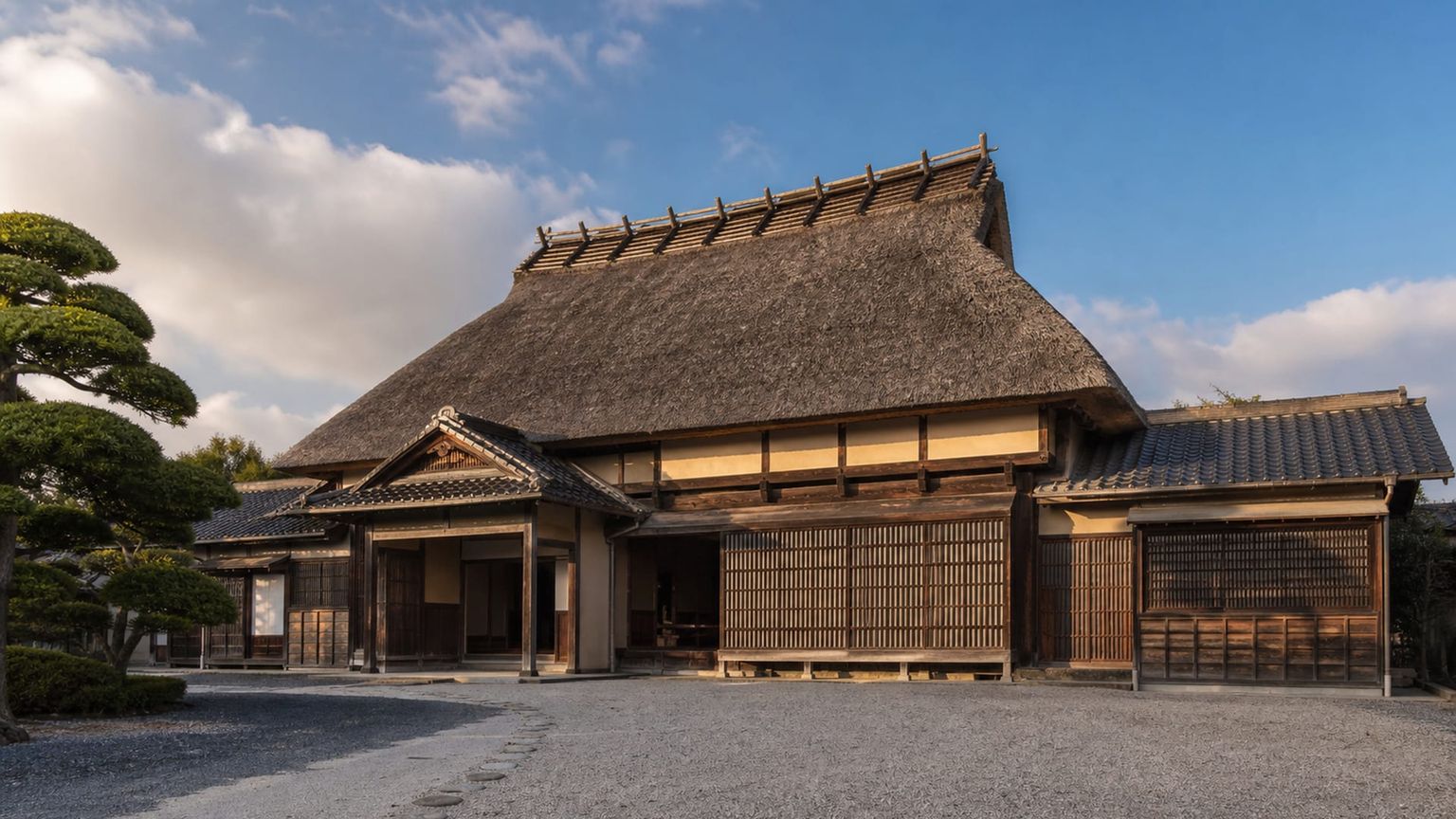
Wakatake no Sato, Ube
This riverside park is a spring landmark, with about 12,000 cherry trees, a long promenade, and broad lawns beside the river. In bloom season, the pale petals line the water and make it one of Ube’s best known walks.
Time needed: About 1 to 2 hours
Entry: Free to access; no timed-entry ticket is required for the park or the river promenade
Tip: Visit at sunrise for calmer paths and the best light on the river blossoms.
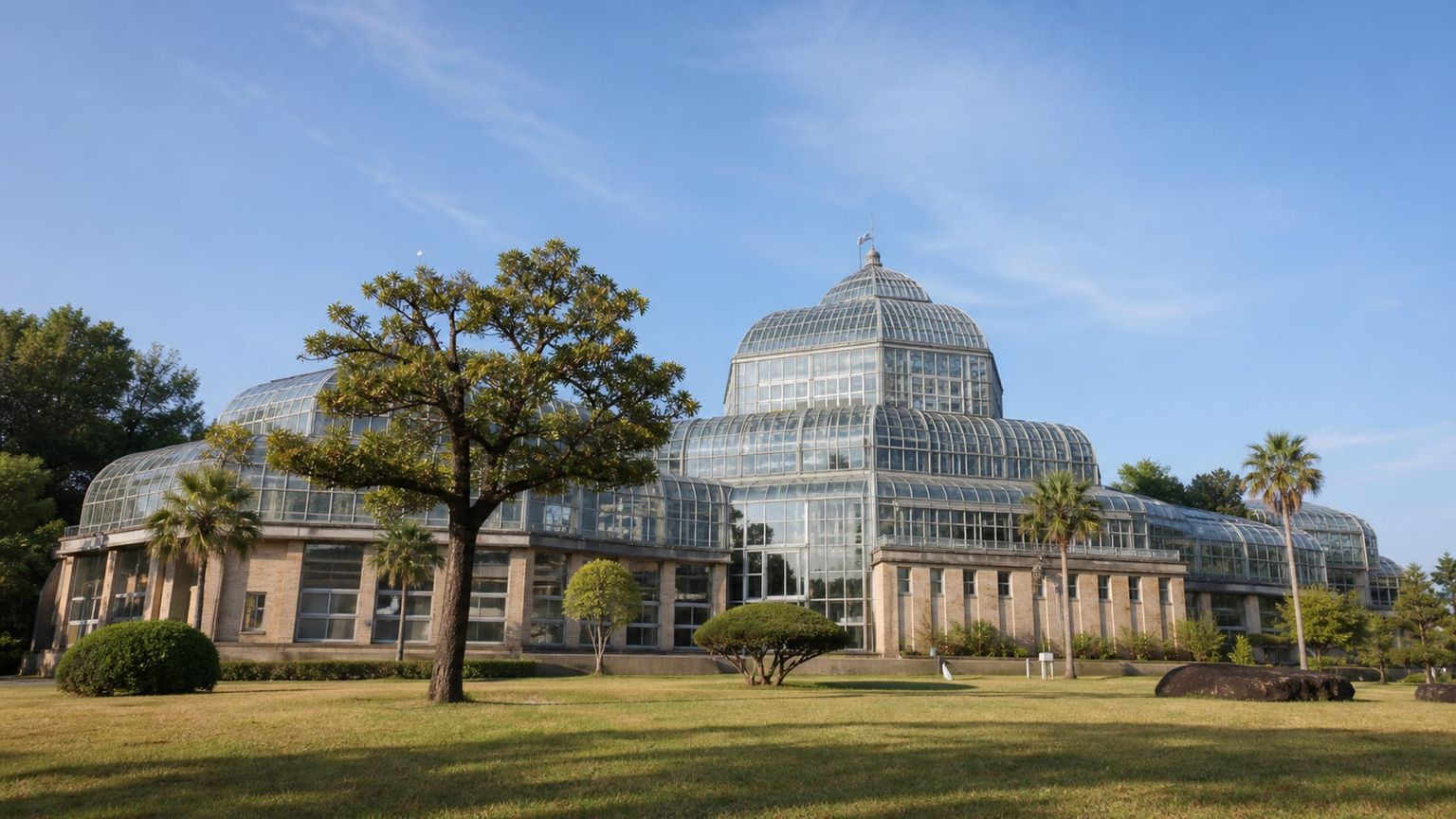
Tokiwa Park
Tokiwa Park combines a lake, gardens, and an art museum in one large city park. It also hosts Tokiwa Zoo and Tokiwa Museum, so you can pair landscaped paths with a longer cultural stop in the same area.
Time needed: About 2 to 4 hours
Entry: Park grounds are free; museum and zoo admission is separate, with paid tickets for each venue inside the park Visit the official site for details.
Tip: Start with the lake loop, then move indoors if rain or midday heat builds up.
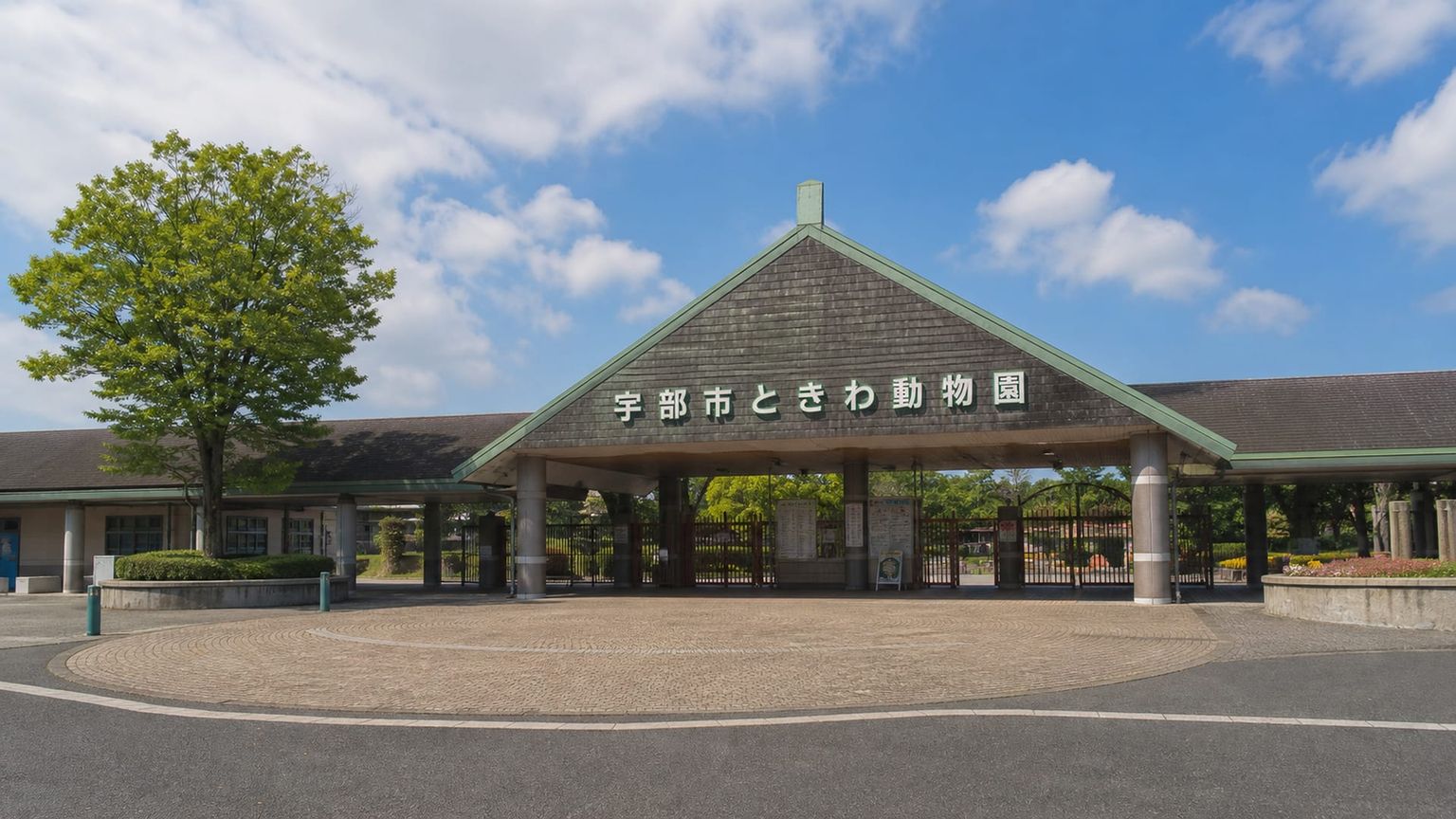
Ube City Enjoyment Animal Forest
This compact zoo in Tokiwa Park focuses on direct animal encounters, with domestic and small wildlife exhibits set in a shaded, easy-to-walk layout. Families often pair it with the park’s lake and gardens.
Time needed: About 1 to 2 hours
Entry: Adult tickets cost about $7 ($1,000); children, seniors, and preschool pricing varies by age and residency Visit the official site for details.
Tip: Go on a cooler morning, then leave the afternoon for the park’s lakeside paths.
Overlooked sites worth visiting

Shirakabe Dozogai Warehouse District
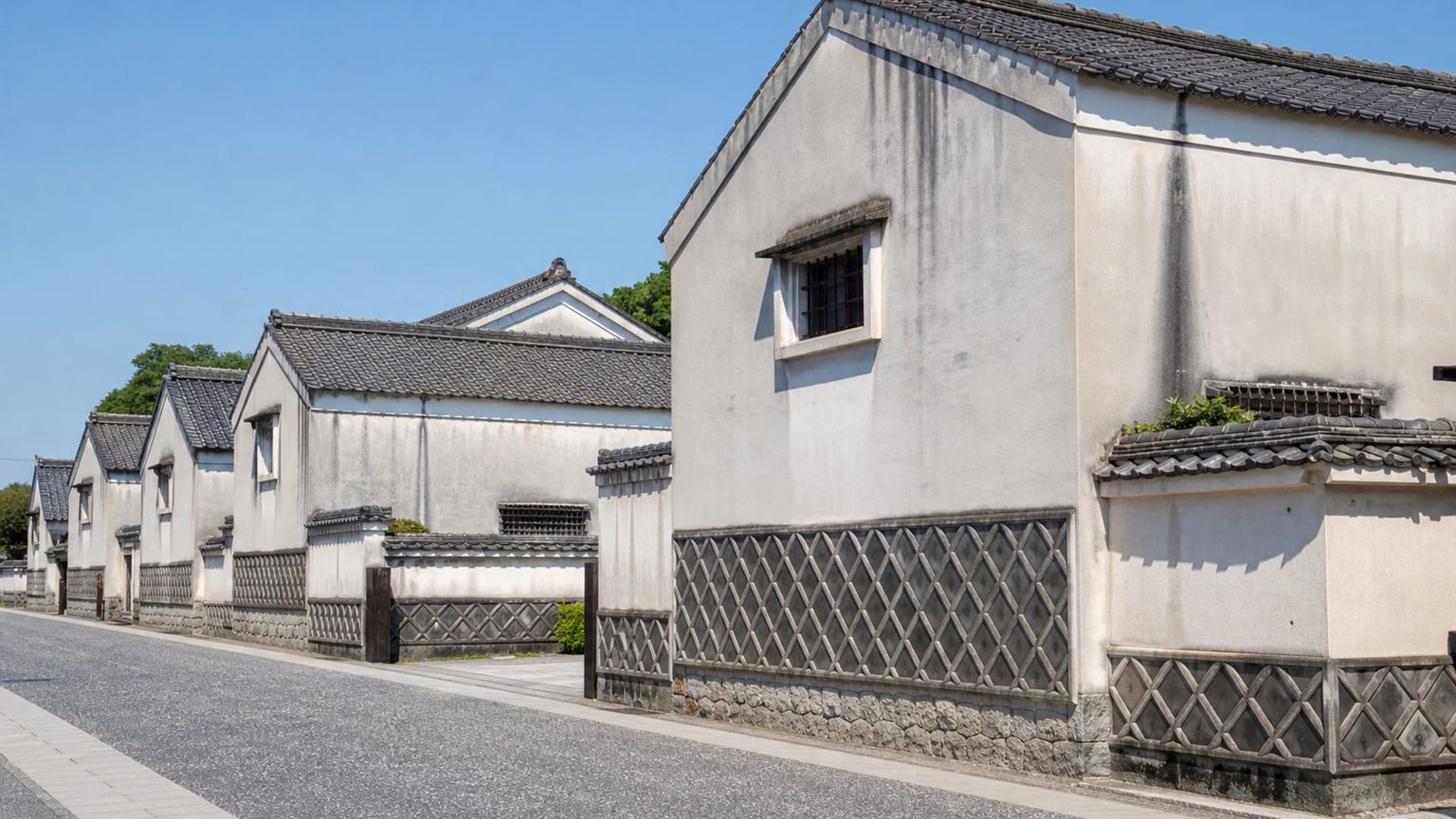
This preserved canal-side district lines the old town with white plaster kura storehouses, narrow lanes, and low bridges. It suits an unhurried walk, with cafés and small museums in restored buildings.
Time needed: About 1 to 2 hours
Entry: Free to access; some individual cafés, museums, and shops inside the district charge separate admission or menu prices, but the streets themselves have no entry fee.
Tip: Go in late afternoon for softer light on the white walls.

Enokida Machinami and Kyoho wine shops
South of central Ube, this small cluster pairs a local wine stop with neighborhood streets that still show the area’s older commerce. It gives a compact look at Ube’s food culture and small-scale retail.
Time needed: About 45 minutes to 1 hour
Entry: Free to enter the streets and browse from outside; tastings and purchases at the wine shops are paid separately, with small pours and bottles priced by selection and season.
Tip: Visit on a weekday morning for a quieter tasting counter.
Traditional food
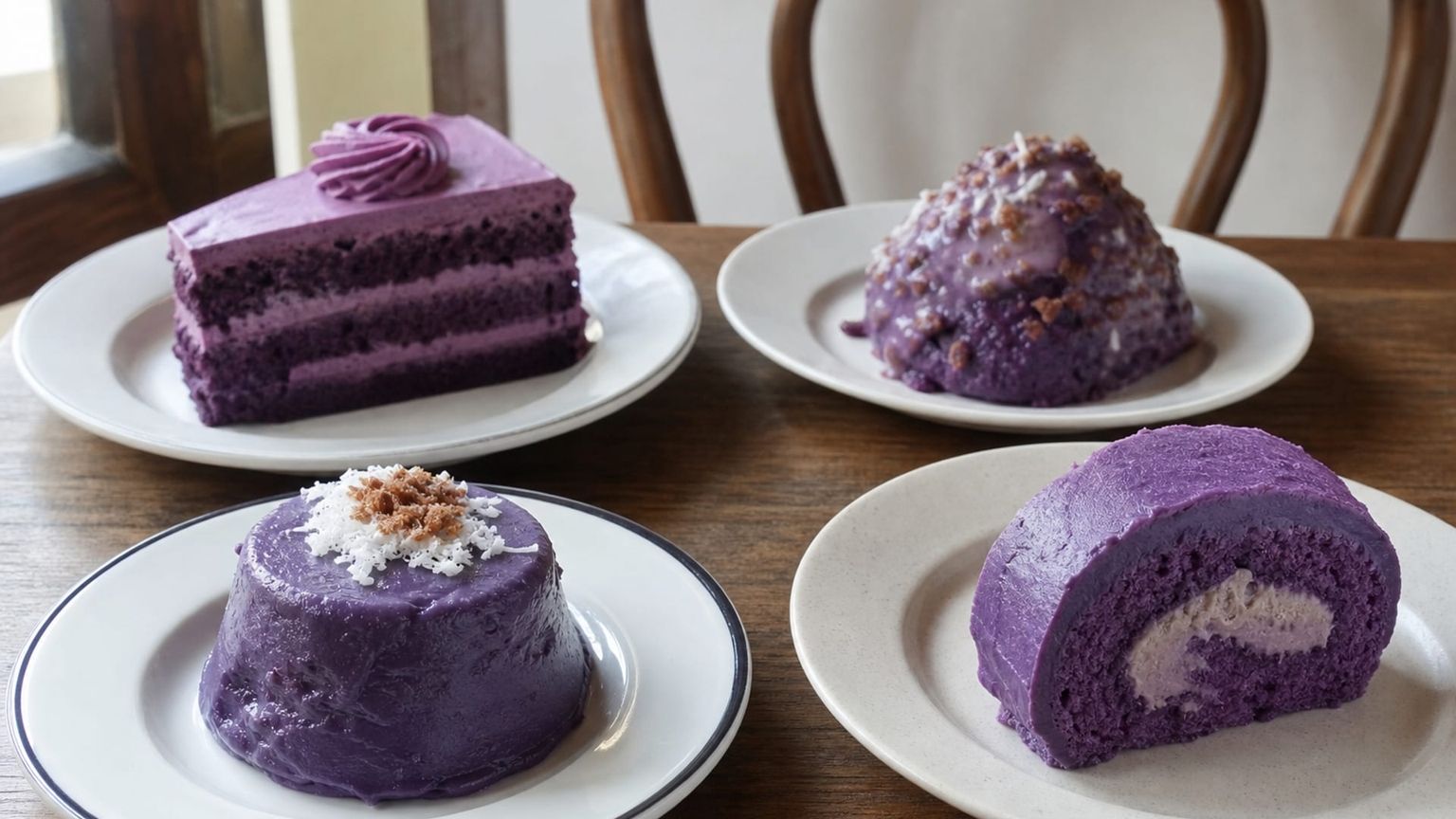
Ube’s table leans on seafood, rice, and local shop culture, with fugu, Ube sushi, and kashiwa rice appearing beside simple set meals and noodle bowls. Dining hours are compact, so timing matters.
Fugu
Ube’s take on pufferfish is the city’s best-known specialty, usually served in sliced sashimi or carefully prepared course meals. Karato Shunsai Ishiba is a strong canonical choice in the Ube area for a polished fugu meal.
Ube sushi
This local sushi style reflects the city’s coastal access and simple, seasonal approach to rice and fish. Sushiro Ube is a useful canonical stop in the city for an easy sushi meal.
Iwakuni sushi
Pressed sushi layered with vinegared rice, fish, and bright seasonal toppings, it works well as a regional lunch. Hamazushi Ube is a practical canonical option in the metro area for a casual sushi meal.
Kashiwa rice
Kashiwa rice brings seasoned chicken and rice together in a home-style dish that fits Ube’s everyday dining scene. Yayoiken Ube is a canonical place to order a set meal centered on this kind of rice dish.
Best time to visit Ube
Ube changes most in spring and summer, when park visits and riverside walks benefit from longer daylight, while winter keeps the city quieter and better suited to shorter, indoor-friendly itineraries.
Best for: Cherry blossoms at Wakatake no Sato and mild park walks
What you get: About 46 to 72°F (8 to 22°C), with moderate crowds during blossom season and more space on weekdays
Trade-offs: Peak bloom can make the best hours busy
Best for: Long days for Tokiwa Park and slower neighborhood walks
What you get: About 73 to 90°F (23 to 32°C), with heavier humidity and lighter crowds away from festival dates
Trade-offs: Heat and humidity can shorten outdoor time
Best for: Warehouse district walks and clear-air park visits
What you get: About 52 to 79°F (11 to 26°C), with moderate crowds and comfortable conditions for moving between sights
Trade-offs: Typhoon risk can affect a few travel days
Best for: Museum visits, station-area dining, and shorter sightseeing days
What you get: About 34 to 54°F (1 to 12°C), with low crowds and easy availability at many attractions
Trade-offs: Shorter daylight limits longer outdoor plans
A realistic 5-day plan in Ube
A five-day Ube itinerary works well when you divide the city by transit access and sight clusters. The plan below starts near the station, moves into the park and river areas, then finishes with a lighter departure day.
Land at Yamaguchi Ube Airport (UBJ), then take a taxi or bus into the city in about 20 to 30 minutes for roughly ¥1,000 to ¥2,500 (~$7 to ~US$17), depending on your drop-off point. Base yourself near Ube Station if you want the easiest rail and bus links, or near Tokiwa Park if you prefer a quieter setting by the lake. After checking in, drink water, unpack, and keep dinner simple, a bowl of noodles or a set meal near Ube Station works well on an arrival night.
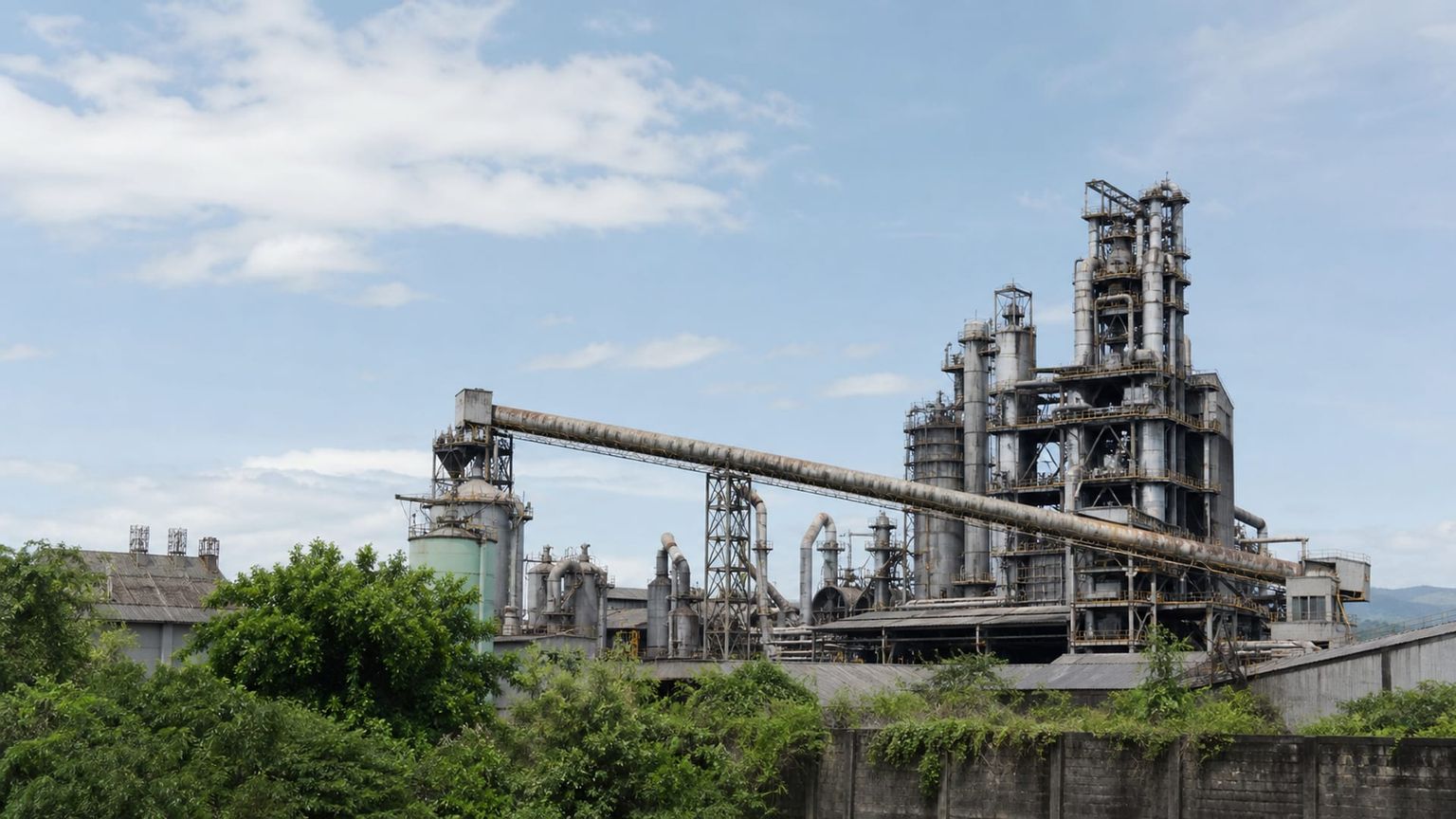
Start early at Wakatake no Sato, Ube, where the river promenade is calmest in the morning, then spend about 1 to 2 hours walking under the cherry trees. From there, ride or taxi to Tokiwa Park in about 15 to 20 minutes for a 2 to 4 hour visit, with the lake paths, gardens, and museum stops giving you the core of the city in one place. If you still have energy, finish with the Ube City Enjoyment Animal Forest inside the park, which takes about 1 to 2 hours and sits close enough to fold into the same outing.
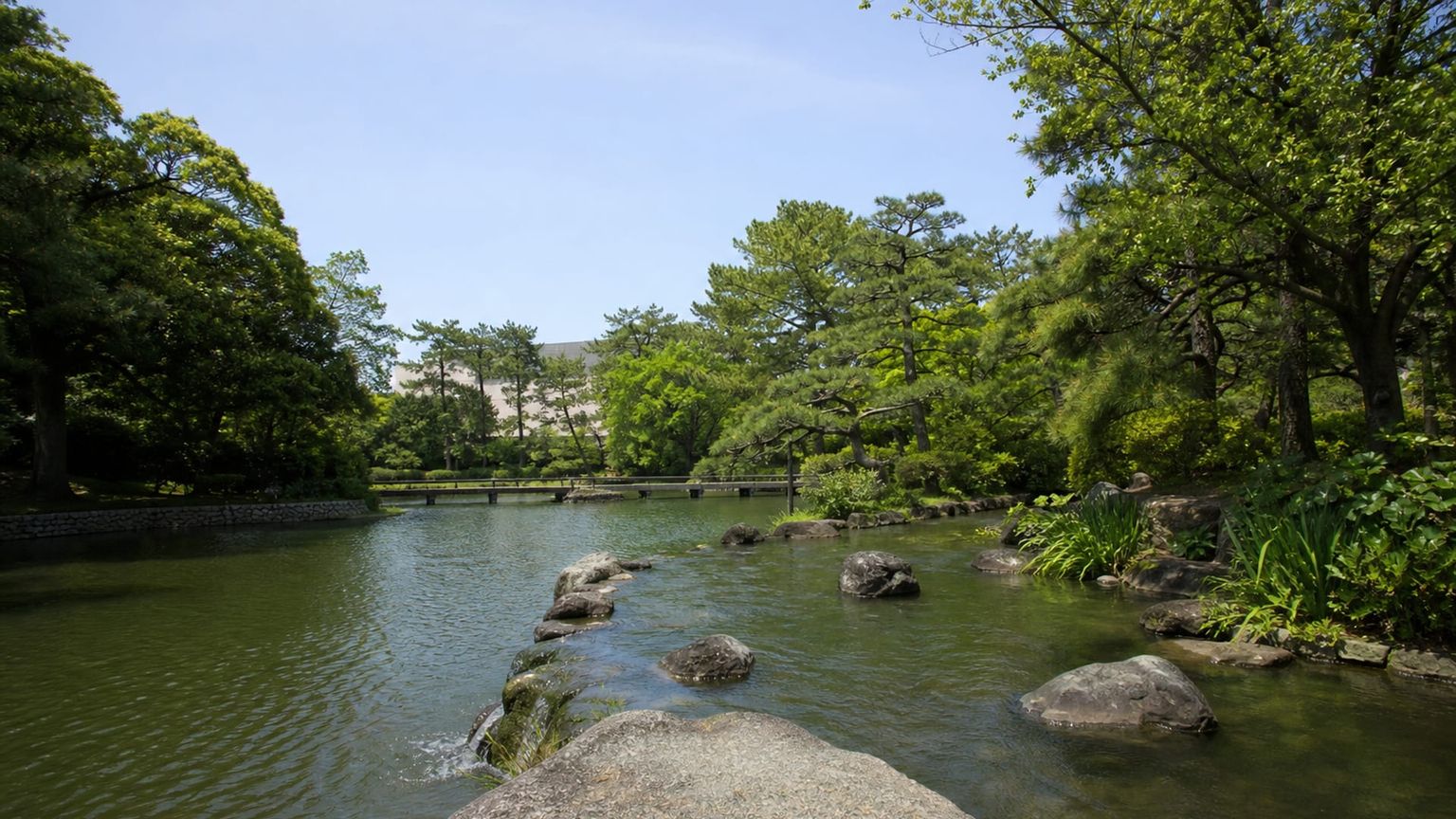
A late morning in the Shirakabe Dozogai Warehouse District gives Ube a different texture, with white plaster storehouses, narrow lanes, and low bridges that reward an easy 1 to 2 hour walk. From Ube Station, expect about 10 to 15 minutes by train or bus to reach the district, and from there you can continue to Enokida Machinami and the Kyoho wine shops in roughly 20 to 30 minutes by local transit or taxi. Plan about 45 minutes to 1 hour for tastings and browsing, then return toward the station area for an early dinner before the streets thin out.
Begin with a slower morning back at Tokiwa Park if you want a second pass through the lake and garden paths, then spend more time at the art museum, zoo, or the sections you skipped on day 2. After lunch, head south to Enokida Machinami for another look at the neighborhood streets and wine shops, which works well as a shorter stop than the day before. That pairing keeps the day varied, with about 15 to 20 minutes between the park and the southern retail area by taxi, or longer if you prefer buses.
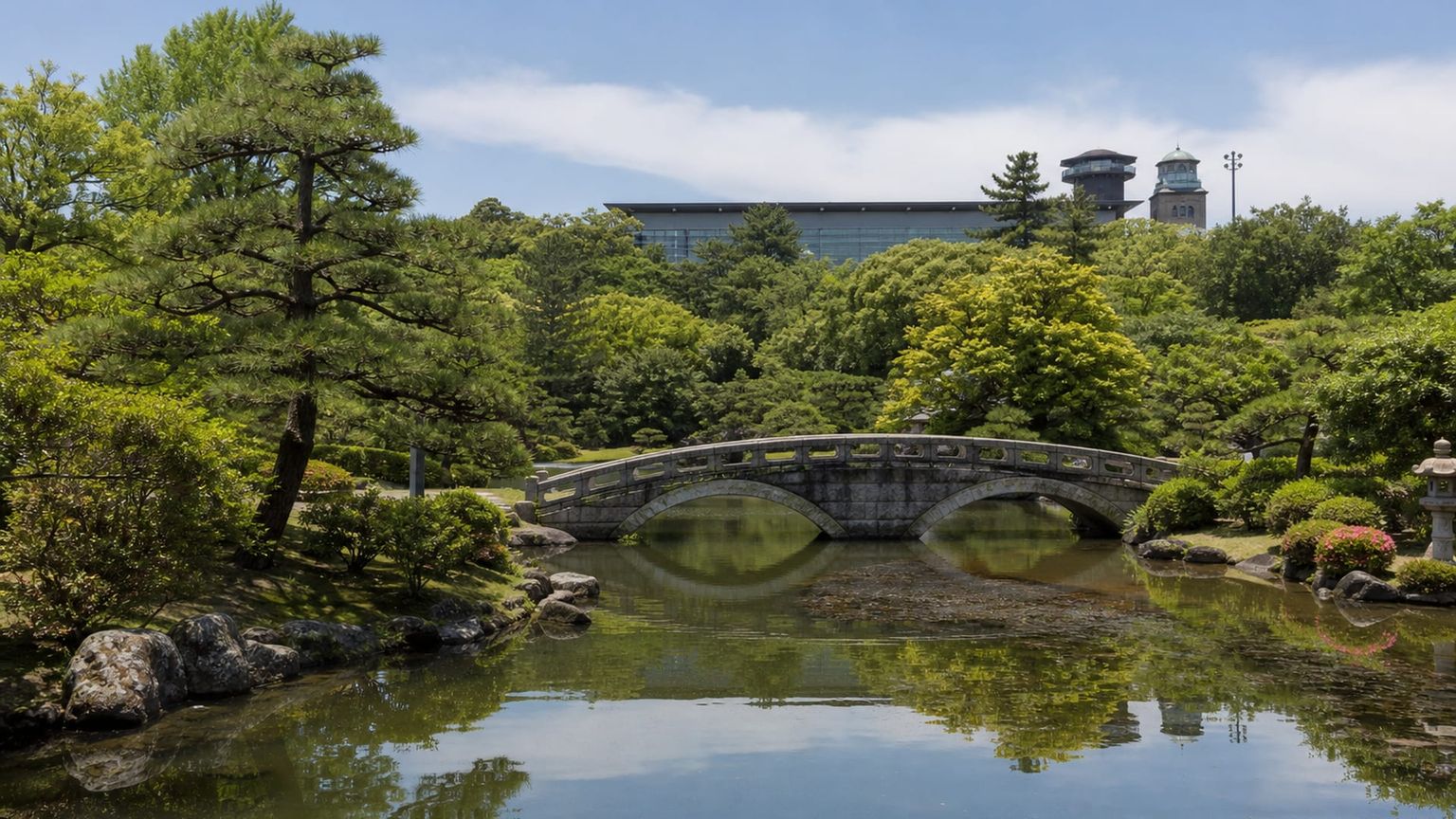
For a final outing, pair one last museum stop in Tokiwa Park with shopping time in the Ube Station area, then end with coffee or a light meal near the station before your departure. The station district puts you closest to airport buses and rail connections, so it fits an easier last afternoon without extra backtracking. If your flight leaves from Yamaguchi Ube Airport (UBJ), aim to leave town about 2 hours before departure, a little earlier if you are checking bags or moving by bus.
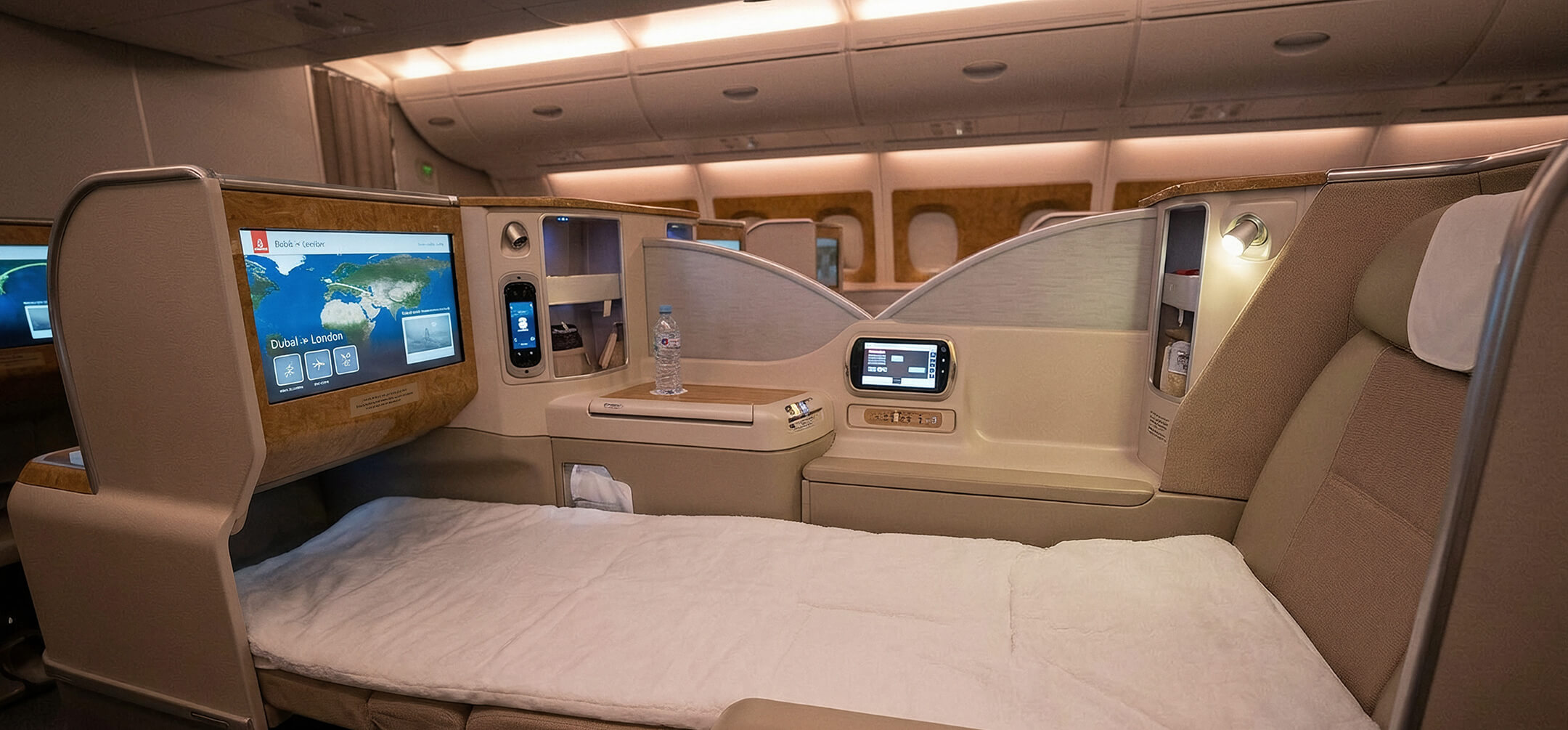
Business-class flights from the US to Ube
Flights into Ube usually connect through one or two major Asian or Middle Eastern hubs, so the useful details are airline choice and layover time rather than nonstop frequency. The two examples below show how East Coast and West Coast departures differ.
From New York, Japan Airlines, All Nippon Airways, Korean Air, Cathay Pacific, Qatar Airways, and Turkish Airlines are among the carriers that sell itineraries to Ube, usually with about 18 to 24 hours in transit. Common connections run through Tokyo (HND), Tokyo (NRT), Seoul (ICN), Hong Kong (HKG), Doha (DOH), or Istanbul (IST), and business fares from New York to Ube usually run $5,500 to $9,500 round-trip, with one-stop routes via Tokyo (HND) or Tokyo (NRT) often cutting that to about $3,200 to $5,500.
Los Angeles itineraries usually price a little lower when you accept a connection, and the carrier list includes Japan Airlines, All Nippon Airways, Korean Air, Cathay Pacific, and China Eastern Airlines. One-stop options through Tokyo (HND), Tokyo (NRT), Seoul (ICN), Hong Kong (HKG), or Shanghai (PVG) commonly take about 15 to 20 hours, while business fares from Los Angeles to Ube usually start at $4,200 and reach $8,000 round-trip; one-stop itineraries through Tokyo (HND) or Seoul (ICN) can lower the fare to roughly $3,000 to $4,800.
Ube feels different when you slow down
A thoughtful Ube trip usually moves in layers, from Ube Station to Tokiwa Park, then south to Enokida Machinami and the Kyoho wine shops, with a final return to the station district for an easier departure. That structure keeps transit short and gives each part of the city enough time to register. If you want help shaping flights, neighborhoods, or a tighter day plan, the AranGrant experts can refine it around your dates and pace