

Chapters:

Need help with your trip?
Our support team is available 24/7. Request a callback or call us directly at (833) 619-0908
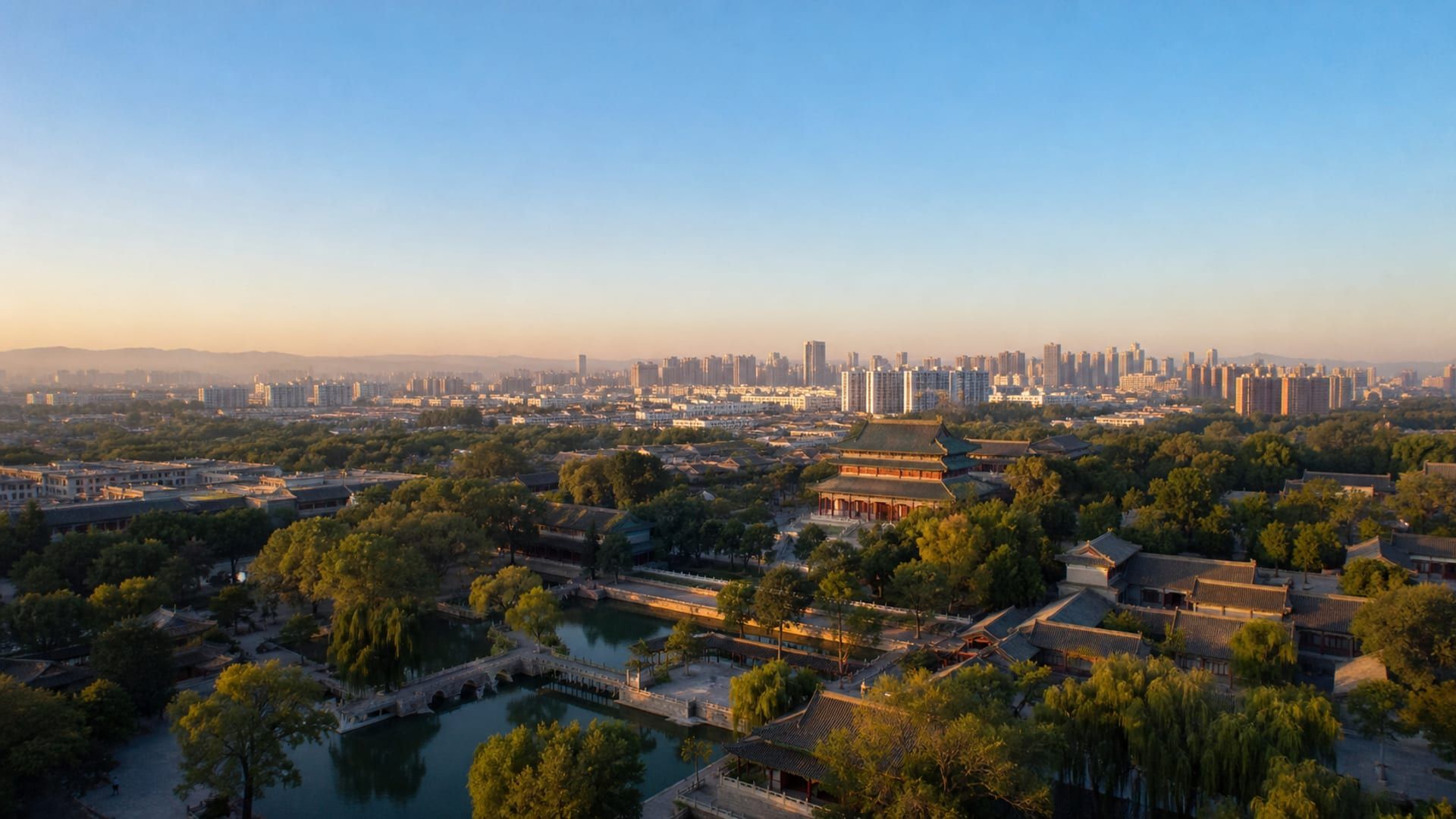
Taiyuan trips often start with Jinci Temple, Twin Pagoda Temple, and a hotel near the station, but many visitors miss how much time the city can take between them. The common oversight is not the sights, it is the spacing.
Jinci sits well southwest of the core, while central temples and shopping streets sit far enough apart that unplanned crossings can add real downtime. If you do not map meals and transport together, the day can thin out quickly.
This guide sets a tighter order, with neighborhoods, transit, food, and day plans arranged so you can move through Taiyuan without backtracking or guessing your next stop.
Useful things to know

Main language(s): Mandarin Chinese
你好 (nǐ hǎo) – Hello/good morning
请 (qǐng) – Please
谢谢 (xièxie) – Thank you
你会说英语吗? (nǐ huì shuō Yīngyǔ ma?) – Do you speak English?
多少钱? (duō shǎo qián?) – How much does it cost?

Currency: The local currency is the Chinese yuan (CNY, ¥).

Cash and cards: Cards and contactless work at many hotels and malls; carry about CN¥200 to CN¥400 ($28 to $56) in cash.

Tipping: Tipping is not expected; round up small bills only if you want to.

Traditional food: Taiyuan Noodle Soup, Youmian Kaolaolao, Fenjiu braised pork, Daoxiaomian

Water and coffee costs: Water about CN¥3 to CN¥6 ($0.40 to $0.85), bar espresso about CN¥20 to CN¥35 ($2.80 to $4.90).

Taxis and ride apps: Didi works here; taxis are common, but app wait times can stretch late at night.

Plug and voltage: Type A/C socket, 220V

Dining and shop opening hours: Breakfast is usually 07:00-09:00, lunch 11:30-13:30, and dinner 18:00-20:30. Many restaurants close a little earlier than malls and night markets.

Emergency number: 110 police, 120 ambulance, 119 fire.
Where to stay in Taiyuan
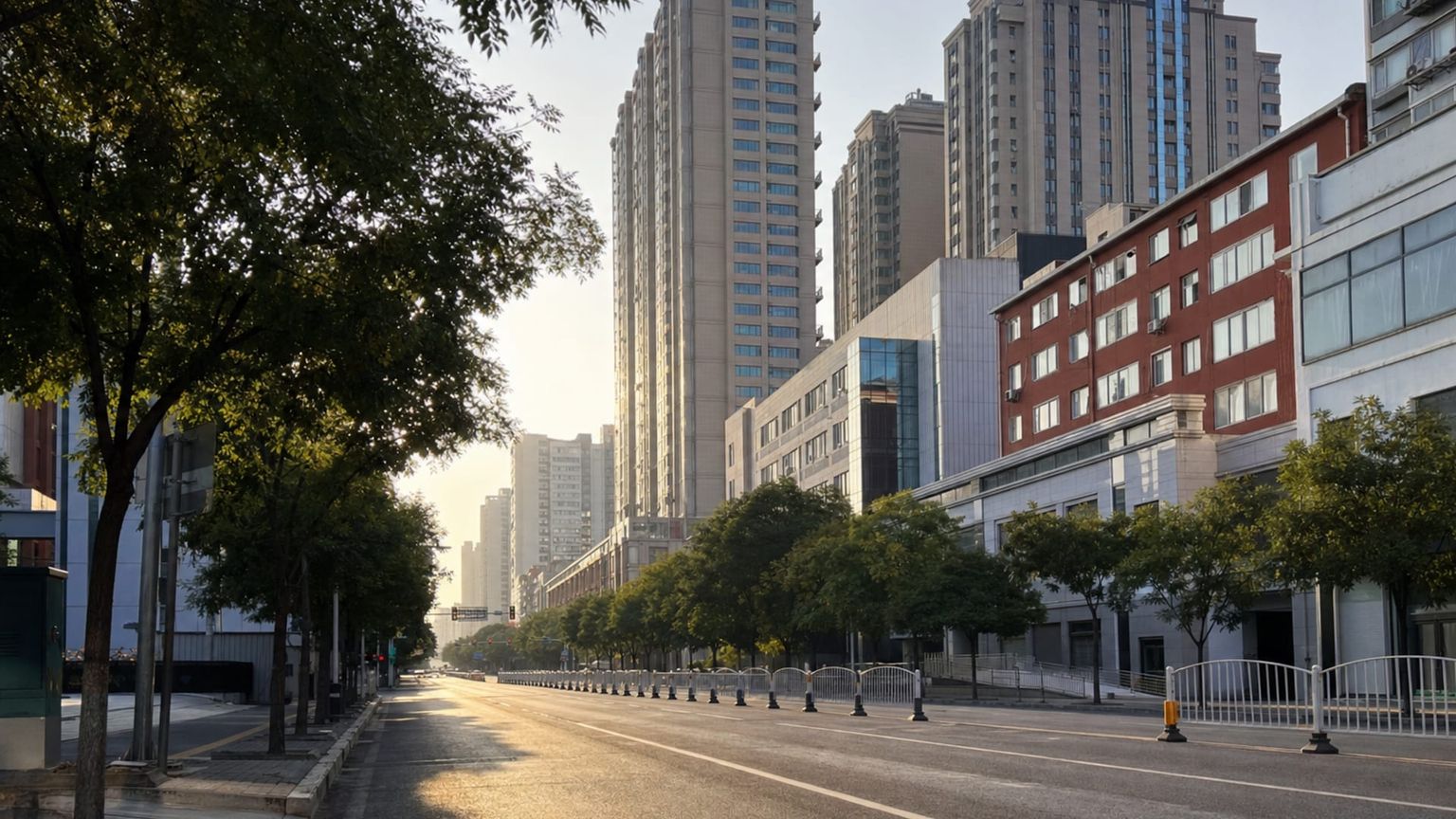
Xinghualing District puts you close to Taiyuan’s main business streets, long-running department stores, and a dense spread of restaurants and hotels. It works well if you want central transit links and easy access to the city’s older commercial core.
Best for: Central sightseeing, shopping, and travelers who want frequent bus and metro connections
What to expect: Busy sidewalks, shopping traffic, and a steady flow of commuters, shoppers, and diners throughout the day.
Hotel prices: Usually about CNY 250 to CNY 600 ($35 to $83) per night for well-rated stays
Distance to major sights: About 15 minutes by transit to the Shanxi Museum and roughly 20 minutes by transit to Twin Pagoda Temple
Quietness: Daytime is active and traffic-heavy, while evenings ease slightly after retail hours but still stay lively near main roads.
Main trade-off: You pay for central access with more noise and less open space than in outer districts.
Good to know: Late-night dining and casual shopping are easiest along the main commercial corridors, while some side streets thin out after storefronts close.
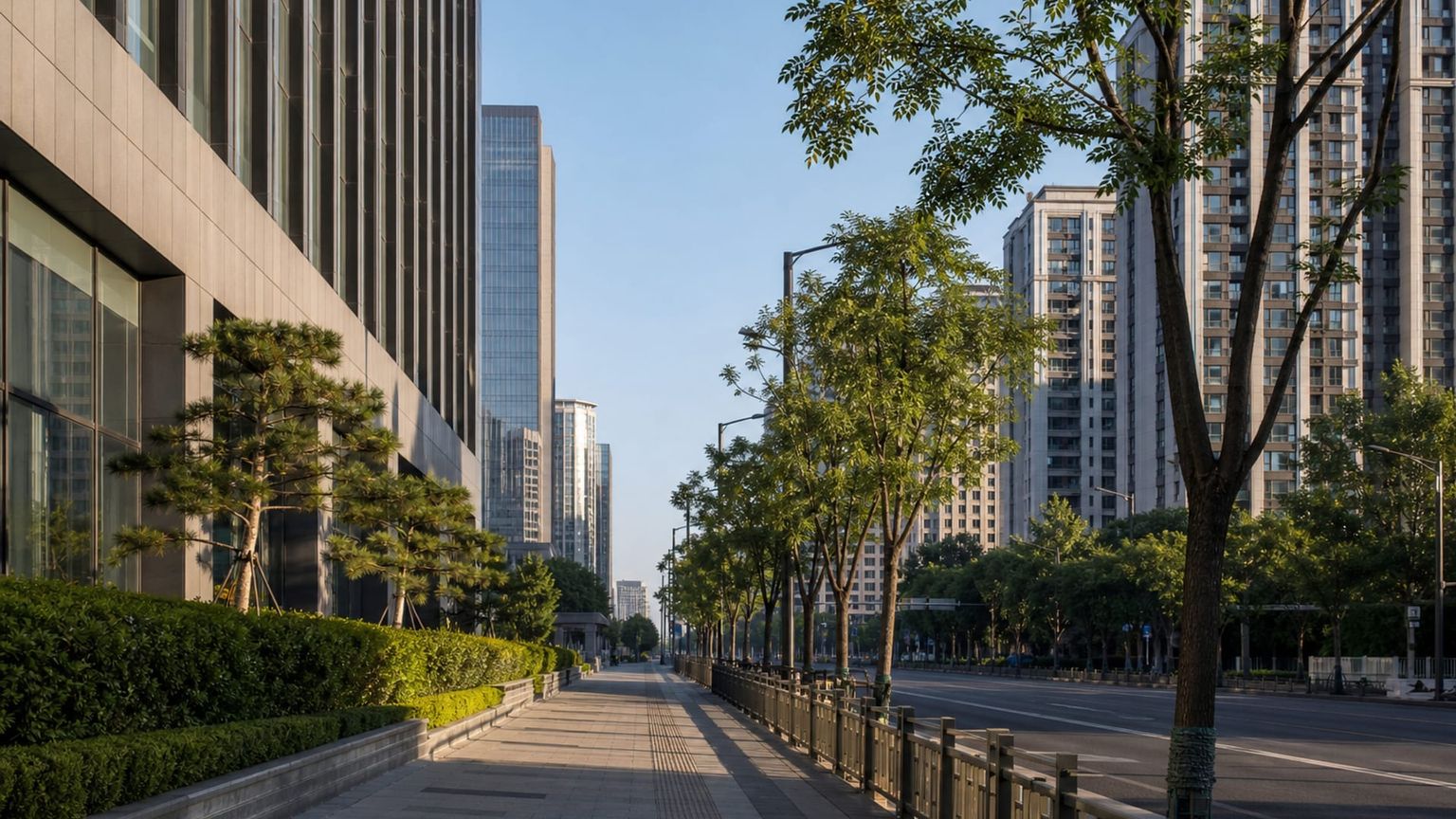
Yingze District centers on Taiyuan’s rail and civic core, with large hotels, offices, and long-distance transport links clustered close together. It suits travelers who want to cut transfer time and stay near major public facilities and central streets.
Best for: Rail arrivals, short stays, and travelers who want easy citywide access
What to expect: Heavy foot traffic near stations and main avenues, plus a mix of office workers, hotel guests, and transit passengers.
Hotel prices: Usually about CNY 220 to CNY 520 ($31 to $72) per night for well-rated stays
Distance to major sights: About 10 minutes by transit to Twin Pagoda Temple and roughly 20 minutes by transit to the Shanxi Museum
Quietness: Daytime is busy and transit-oriented, while evenings are quieter away from the station zone and main arterials.
Main trade-off: The area makes transfers easy, but the most convenient blocks can be noisier and less scenic.
Good to know: If you arrive late or leave early, staying close to the rail and bus network saves time and reduces the need for cross-city rides.
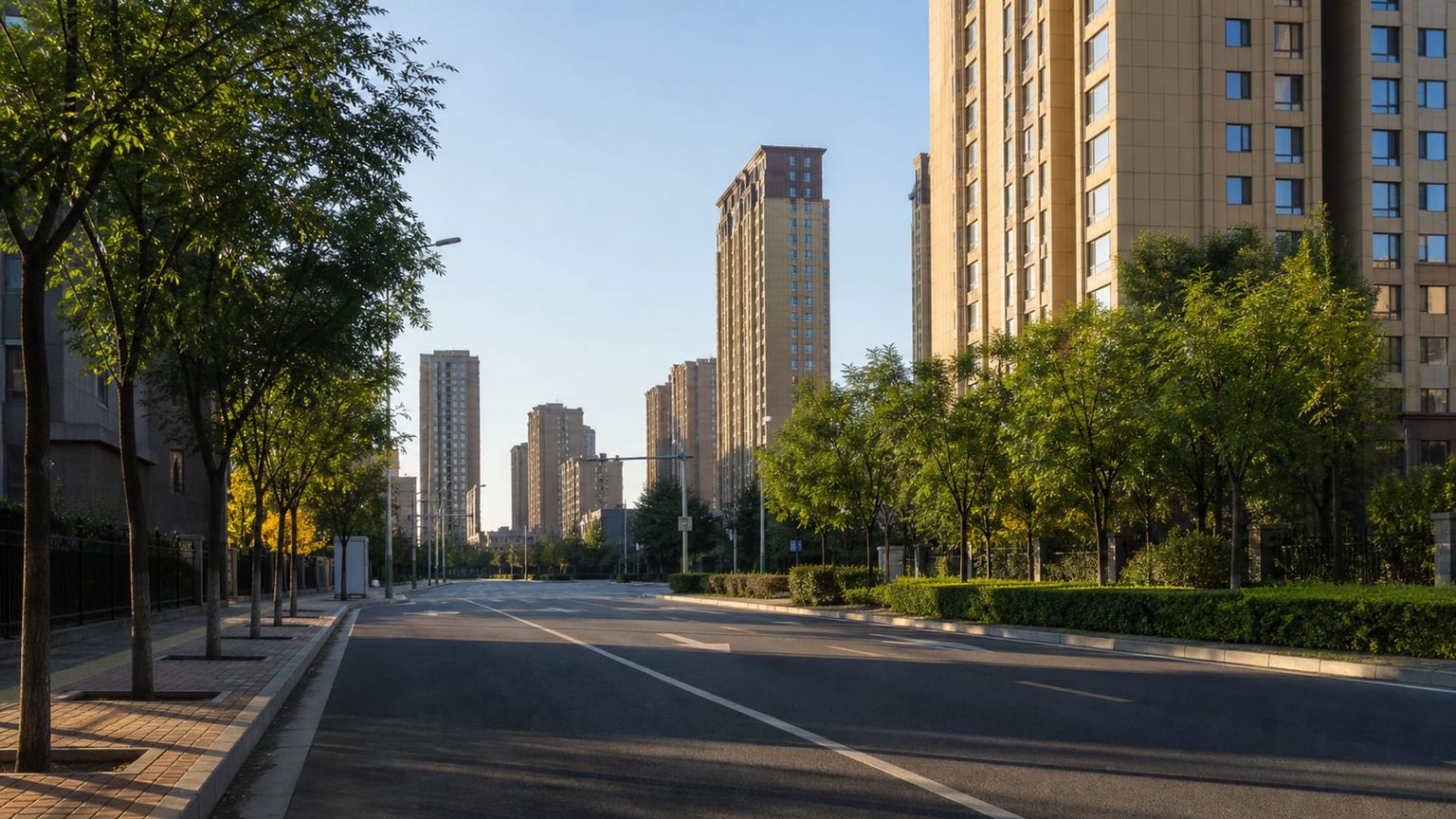
Jinyuan District sits south of the older core and has newer residential blocks, wider roads, and several large hotels. It works for visitors who prefer newer buildings and do not mind commuting into the main sights.
Best for: Newer hotels, calmer surroundings, and travelers with car access
What to expect: Broader streets, fewer dense retail blocks, and a more residential pace than the central districts.
Hotel prices: Usually about CNY 180 to CNY 420 ($25 to $58) per night for well-rated stays
Distance to major sights: About 25 to 35 minutes by transit to the Shanxi Museum and roughly 30 minutes by transit to Twin Pagoda Temple
Quietness: Daytime is generally calmer than central Taiyuan, and evenings are quieter once local dining spots close.
Main trade-off: You often get better room rates, but you will spend longer getting to the historic and commercial center.
Good to know: Choose this area if you plan to use taxis or a private car, since late returns from central districts take longer than from the core.
Travelers usually avoid staying in Xiaodian District far south of the main city core, since it is centered on the airport and business areas and sits a long way from Yingze, Jinci, and other major sights. Jinyuan District, Jiancaoping District, and Qingxu County are also less convenient for short visits because they are farther from central attractions, have fewer visitor-oriented hotels and dining options, and can mean long evening trips back after sightseeing.
Hotel deals
How to get around Taiyuan efficiently
Taiyuan has no urban metro at the airport, so most visitors rely on airport buses, taxis, or Didi for the first and last mile into the city.

Metro
for longer distances
Taiyuan has no urban metro in the airport area, so rail options come from the wider Taiyuan railway network rather than a city subway; for most visitors, that means using buses or taxis for the final leg from Taiyuan Wusu Airport (TYN).

Bus and tram
for convenience
Airport buses link Taiyuan Wusu Airport (TYN) with central Taiyuan, and local city buses cover the airport corridor and major districts; fares are usually about $1 to $2 (CNY 5 to 10), with tickets valid for a single trip rather than timed transfers, so plan for roughly 40 to 60 minutes to the center depending on traffic.

Taxi
for convenience or late hours
Licensed taxis use the meter, with airport pickups and city trips typically costing about $9 to $20 (CNY 65 to 145) to central Taiyuan, more if traffic is heavy or the destination sits farther out; use the official taxi rank, ask the driver to use the meter, and expect cash, WeChat Pay, or Alipay to work in most cars.
*Prices are based on rates updated as of June 2026 and may change at the time of travel.
Use airport buses for low-cost transfers, taxis or Didi for direct rides, and local buses when you are already staying in Xinghualing or Yingze District.
Iconic landmarks
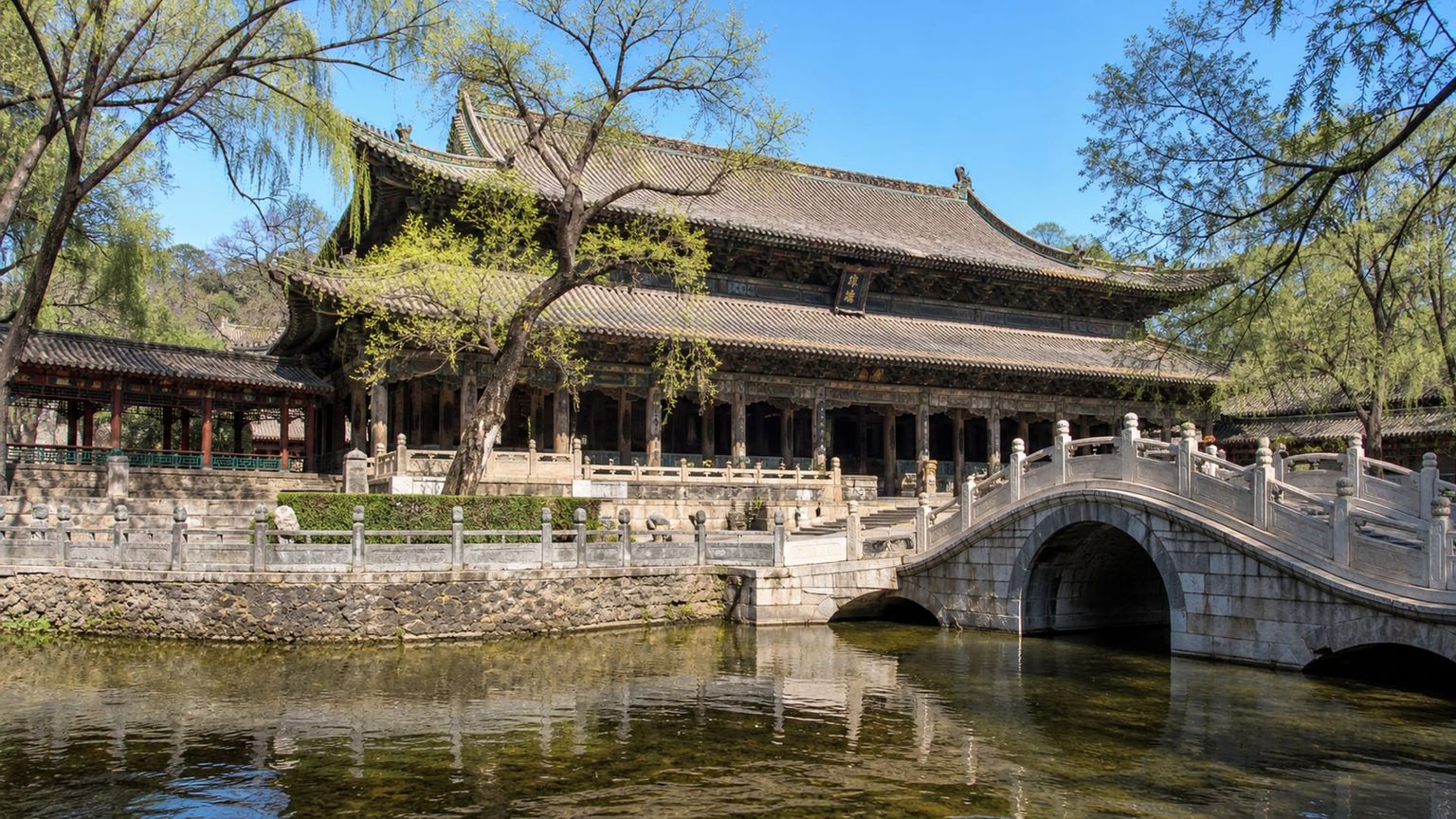
Jinci Temple
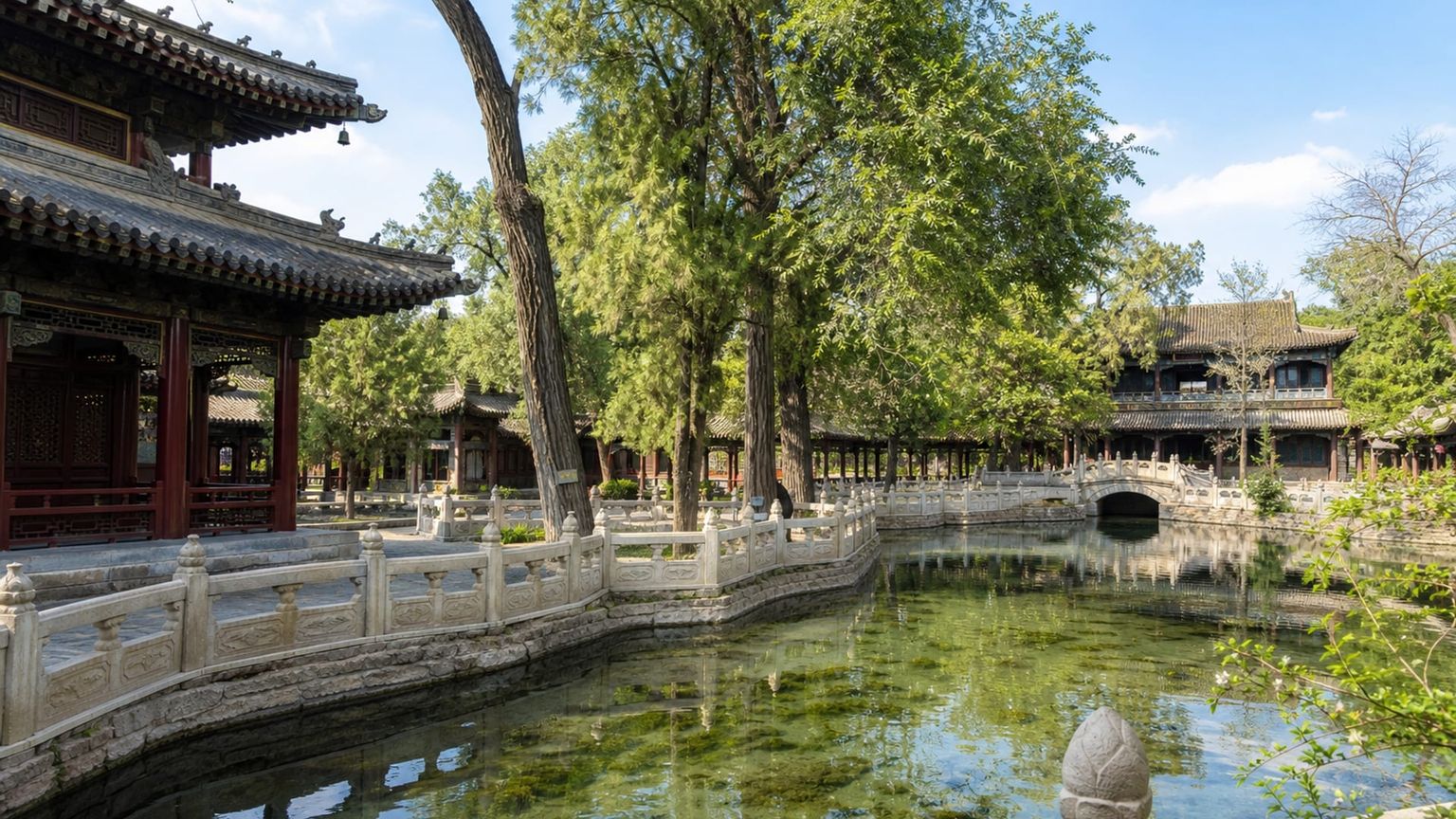
A temple and garden complex southwest of Taiyuan, Jinci pairs Song and Ming architecture with ancient trees, springs, and stone bridges. The Hall of the Holy Mother, the Fish Pond, and the Iron Man statues make it one of the city’s most important historic sites.
Time needed: About 2 to 3 hours
Entry: Admission costs about $9 to $13 (¥65 to ¥95), with separate charges possible for some temporary exhibitions or shuttle links. Visit the official site for details.
Tip: Go early on a weekday, when the courtyards are quieter and photos are easier to take.
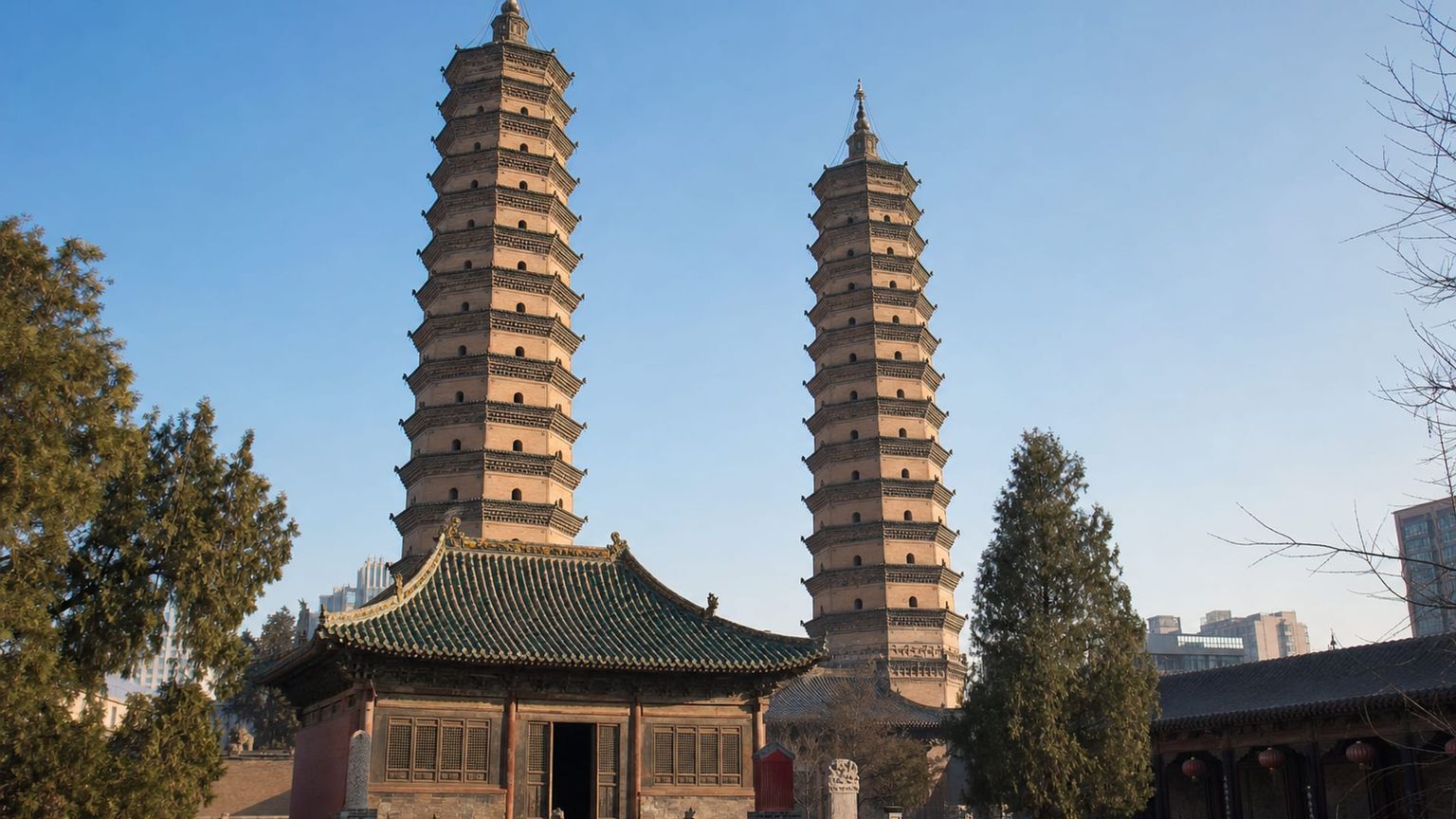
Twin Pagoda Temple
Twin Pagoda Temple stands in central Taiyuan and is known for its pair of octagonal Ming dynasty pagodas rising above the old city. The grounds also hold halls, inscriptions, and a small museum that explain the temple’s long religious history.
Time needed: About 1 to 2 hours
Entry: Admission costs about $5 to $7 (¥35 to ¥50), with discounted or free access on select local cultural days. Visit the official site for details.
Tip: Visit in late afternoon, when the pagodas stand out best against the sky.
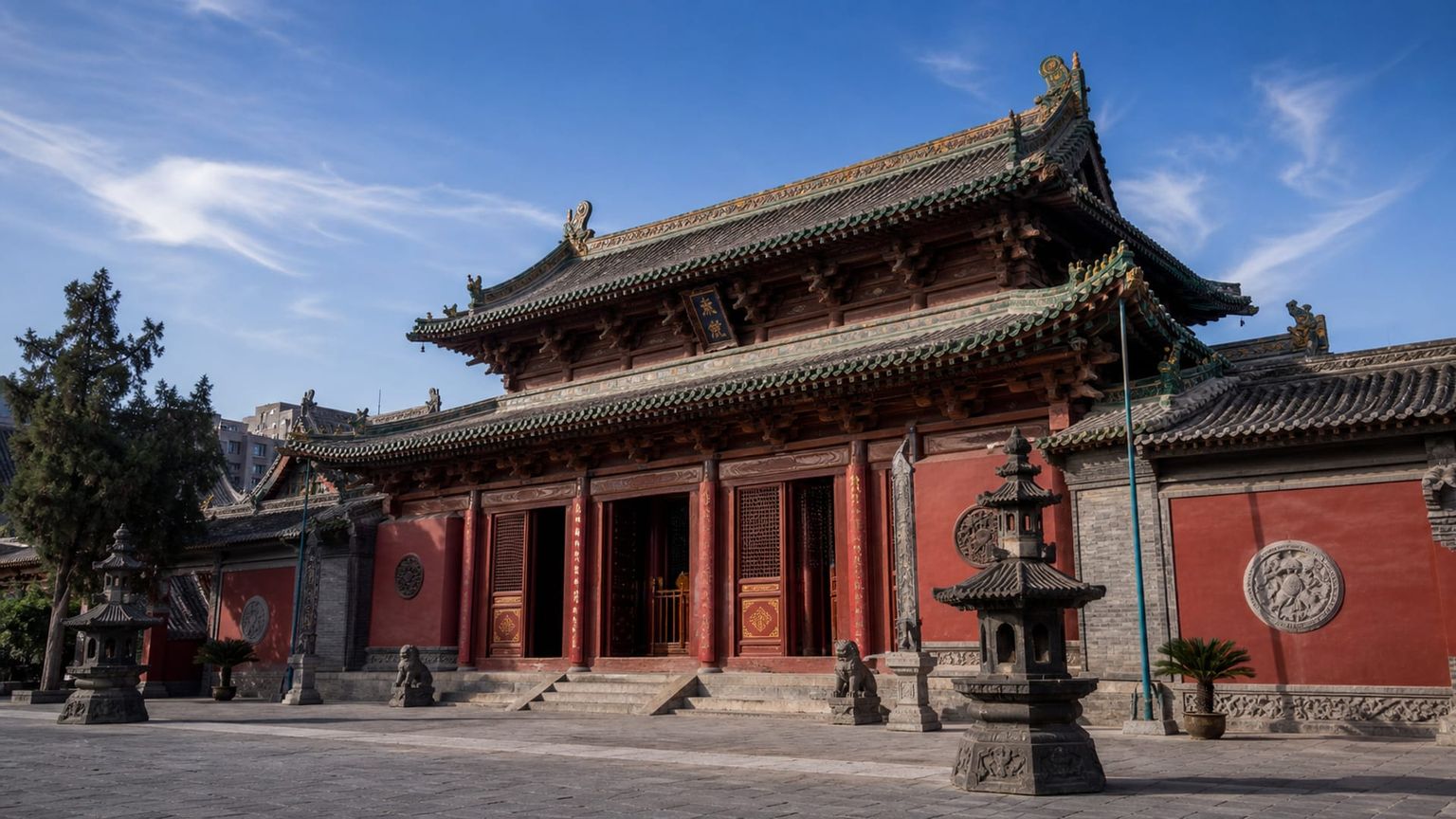
Chongshan Temple
Chongshan Temple sits near Taiyuan’s center and combines a working Buddhist monastery with a striking main hall, painted beams, and long-roofed courtyards. The site is compact, but its sculpture and incense-filled prayer spaces give it clear historic weight.
Time needed: About 1 to 2 hours
Entry: Admission is free to access, with occasional fees only for special exhibitions or optional incense offerings on site.
Tip: Arrive before noon, when worship activity is lighter and the courtyards are easier to walk.
Overlooked sites worth visiting

Jinci Temple
A temple and garden complex southwest of Taiyuan, Jinci pairs ancestral halls, pavilions, and old trees with the 1,400-year-old Notre-Dame Hall and quiet stone bridges over the Fish and Cattle Spring area.
Time needed: About 2 to 3 hours
Entry: Admission is usually about $8 to $12 (¥60 to ¥85), with seasonal adjustments for holidays and peak periods. Separate fees may apply for shuttle buses, audio guides, or special exhibition areas inside the park.
Tip: Go early for softer light and fewer tour groups.

Twin Pagoda Temple
This compact Buddhist site in central Taiyuan is known for its paired Ming-era brick pagodas, glazed roof detail, and enclosed courtyard, making it a concise stop for architecture and historic inscriptions.
Time needed: About 45 minutes to 1 hour
Entry: Admission is often about $3 to $6 (¥20 to ¥40), with occasional free-entry periods on public holidays or museum days. Tickets, when required, are sold at the gate and may not cover temporary viewing platforms.
Tip: Visit midday if you want clear views of the pagodas.
Traditional food
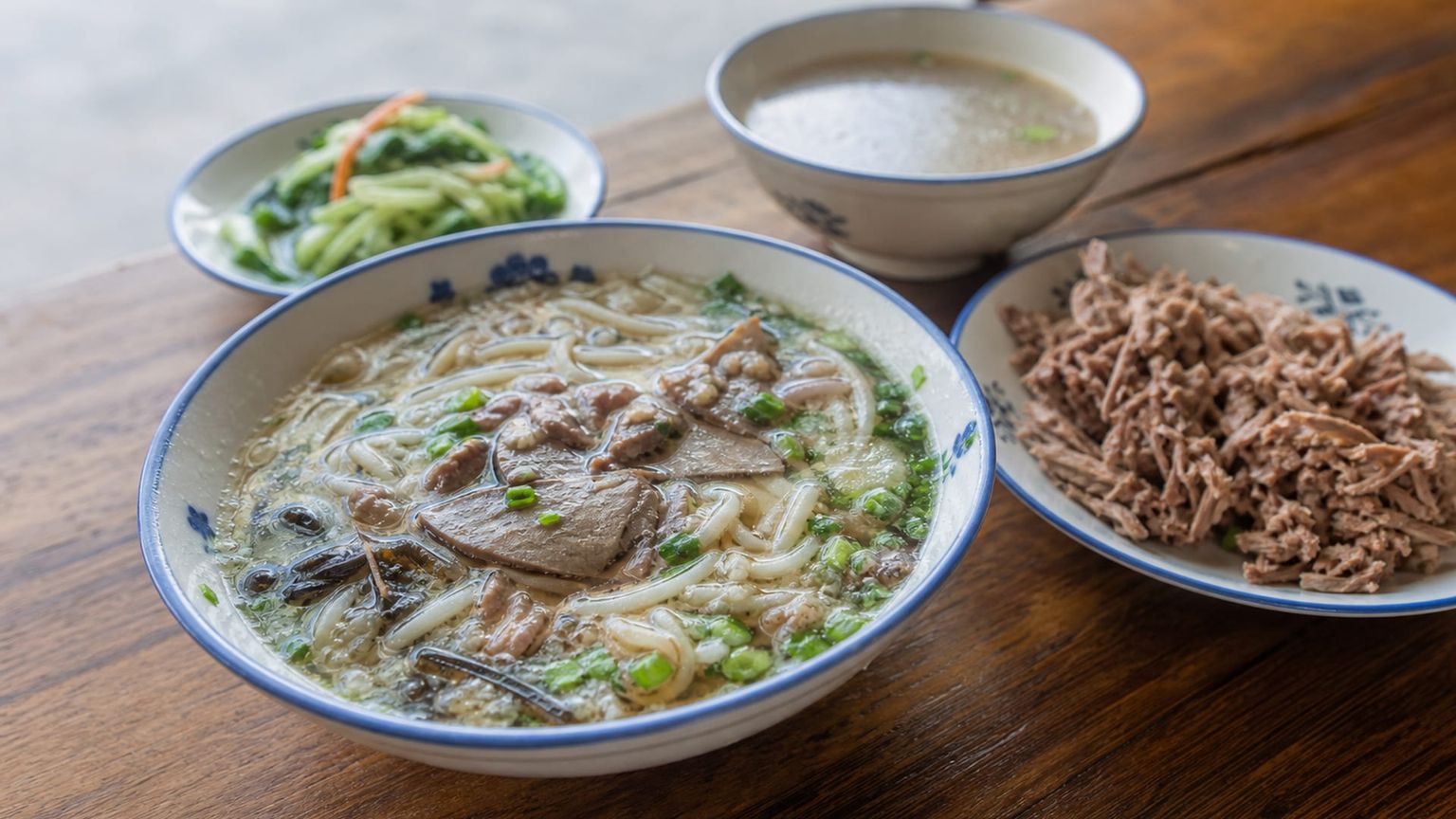
Taiyuan cooking leans on wheat noodles, braised meats, and clear, savory broths, with vinegar and chili often adding sharpness. Meals are filling without being heavy, and breakfast stalls are part of the daily dining routine.
Taiyuan Noodle Soup
This local noodle bowl usually arrives in a clear, savory broth with sliced meat and springy noodles. In central Taiyuan, Lao Taiyuan Noodle Restaurant is a well-known place to try it.
Youmian Kaolaolao
These rolled oat noodles have a firm texture that works well with rich sauce or broth. Shanxi’s noodle specialist, Sanjin Noodles, is a strong city choice for a first tasting.
Fenjiu braised pork
This braised pork dish often uses Shanxi’s famous Fenjiu spirit for depth and aroma. Taiyuan Old Town Restaurant serves a version that fits the city’s historic cooking style.
Daoxiaomian
Knife-cut noodles are one of Shanxi’s signature staples, with thick edges and a chewy center. Shanxi Cuisine Museum Restaurant is a canonical stop for a classic plate in Taiyuan.
Best time to visit Taiyuan
Taiyuan has four distinct travel seasons, with dry winters, warm summers, and the clearest sightseeing weather in spring and autumn.
Best for: Best for temple visits and city walks
What you get: Temperatures usually range from 34°F to 77°F (1°C to 25°C), with moderate crowds and comfortable days for longer outings.
Trade-offs: Occasional wind and dust can cut visibility.
Best for: Best for greener park views and longer daylight
What you get: Temperatures usually range from 64°F to 90°F (18°C to 32°C), with heavier domestic travel around school holidays and weekends.
Trade-offs: Heat and afternoon showers can slow midday sightseeing.
Best for: Best for the clearest skies and the most comfortable pacing
What you get: Temperatures usually range from 30°F to 81°F (-1°C to 27°C), with moderate crowds and strong conditions for photography.
Trade-offs: Evenings cool down quickly after sunset.
Best for: Best for quieter attractions and lower hotel demand
What you get: Temperatures usually range from 14°F to 39°F (-10°C to 4°C), with light crowds and cold, dry air.
Trade-offs: You will need to plan around the cold and shorter daylight hours.
A realistic 5-day plan in Taiyuan
A five-day Taiyuan trip works best when the outer sights, central temples, and neighborhood time each have a clear place. The plan below keeps long transfers grouped together, then gives the central districts enough room for meals, shopping, and a final unhurried day.
Fly into Taiyuan Wusu International Airport (TYN), then take a taxi or ride-hailing car into Xinghualing District or Yingze District. The ride usually takes about 25 to 40 minutes and costs roughly CNY 45 to CNY 70 ($6 to $10), depending on traffic and your hotel’s exact location. After check-in, keep the first evening close to your hotel, drink some water, and choose a light dinner on a main commercial street in Xinghualing District or near the station area in Yingze District, where you can find noodles, dumplings, and simple stir-fries without crossing the city.
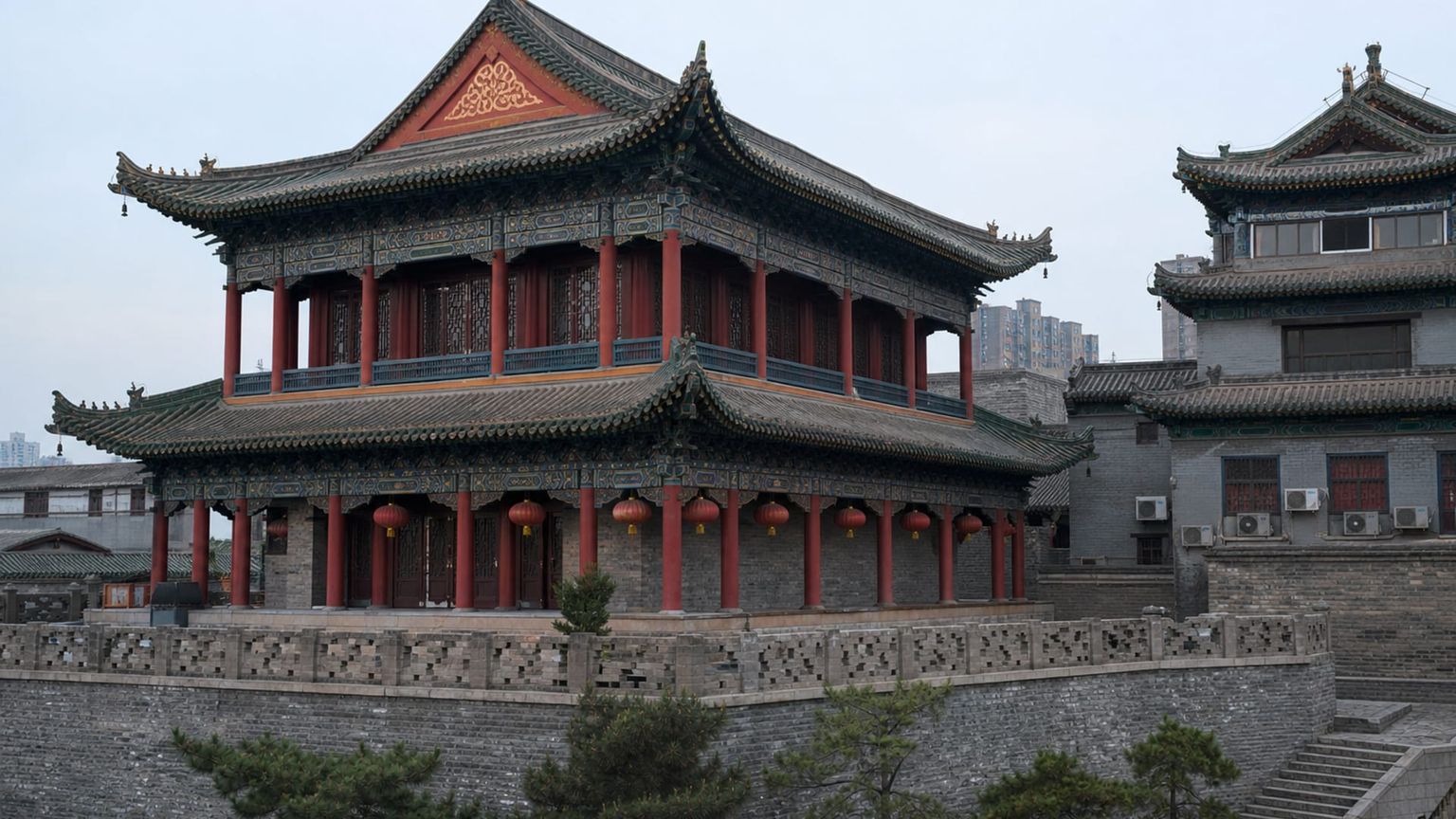
Start early at Jinci Temple, where the drive from central Taiyuan takes about 45 to 60 minutes by taxi or roughly 1.5 hours by bus. Plan 2 to 3 hours for the halls, springs, bridges, and old trees, then return toward the center for Twin Pagoda Temple, which is about 25 to 35 minutes away by car or about 35 to 45 minutes by transit. Finish with a late-afternoon walk around the pagoda grounds, then stay nearby for an easy dinner in Yingze District or Xinghualing District.
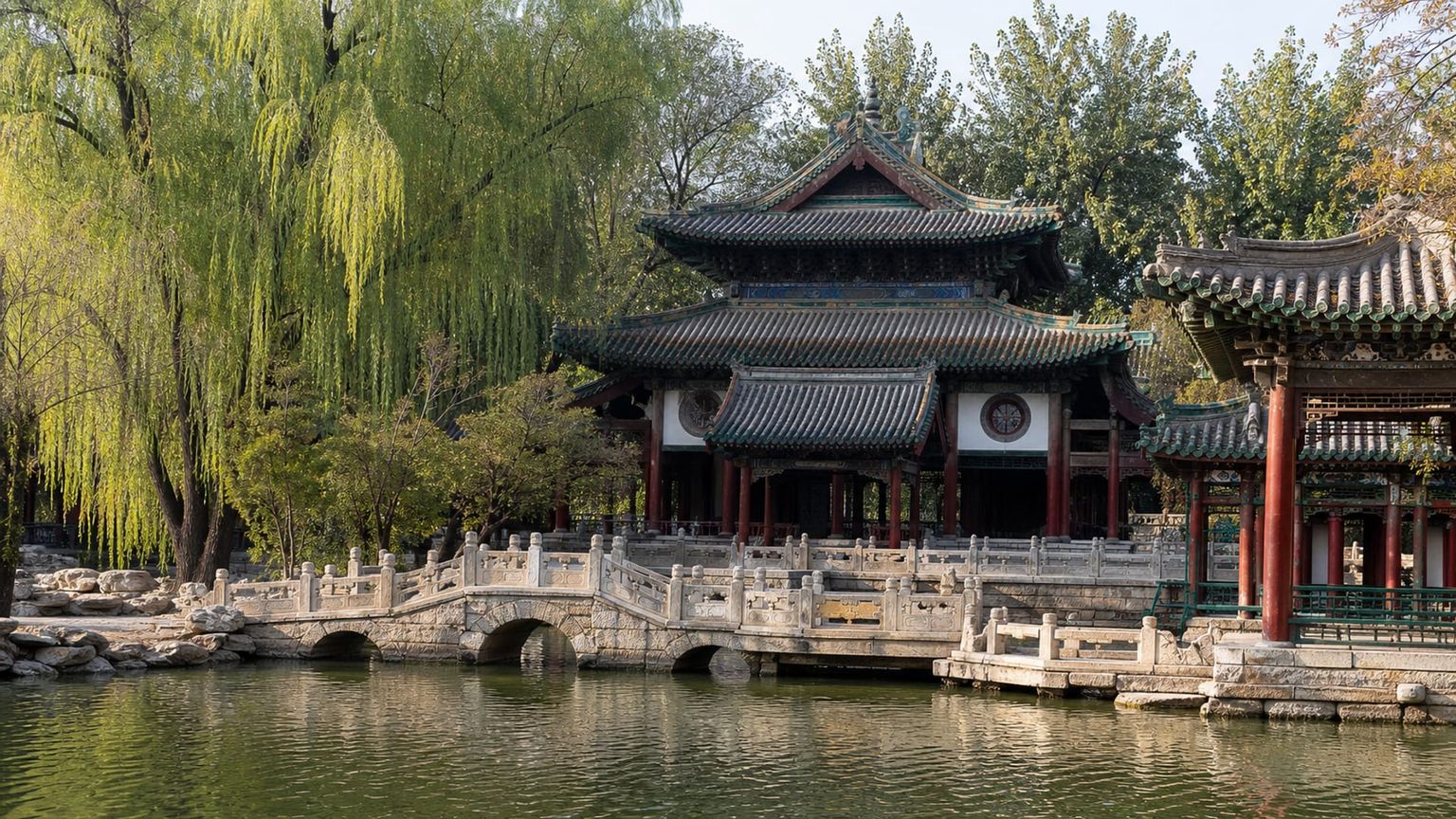
Begin at Chongshan Temple, then continue to Twin Pagoda Temple, which sits about 10 to 15 minutes away by taxi and roughly 20 to 25 minutes by bus. The temple visit takes about 1 to 2 hours, so you can move at an unhurried pace through the main hall, courtyards, and incense areas. After lunch in central Taiyuan, spend the afternoon revisiting the older commercial streets in Xinghualing District, where you can pair a low-key café stop with browsing department stores and neighborhood shops.
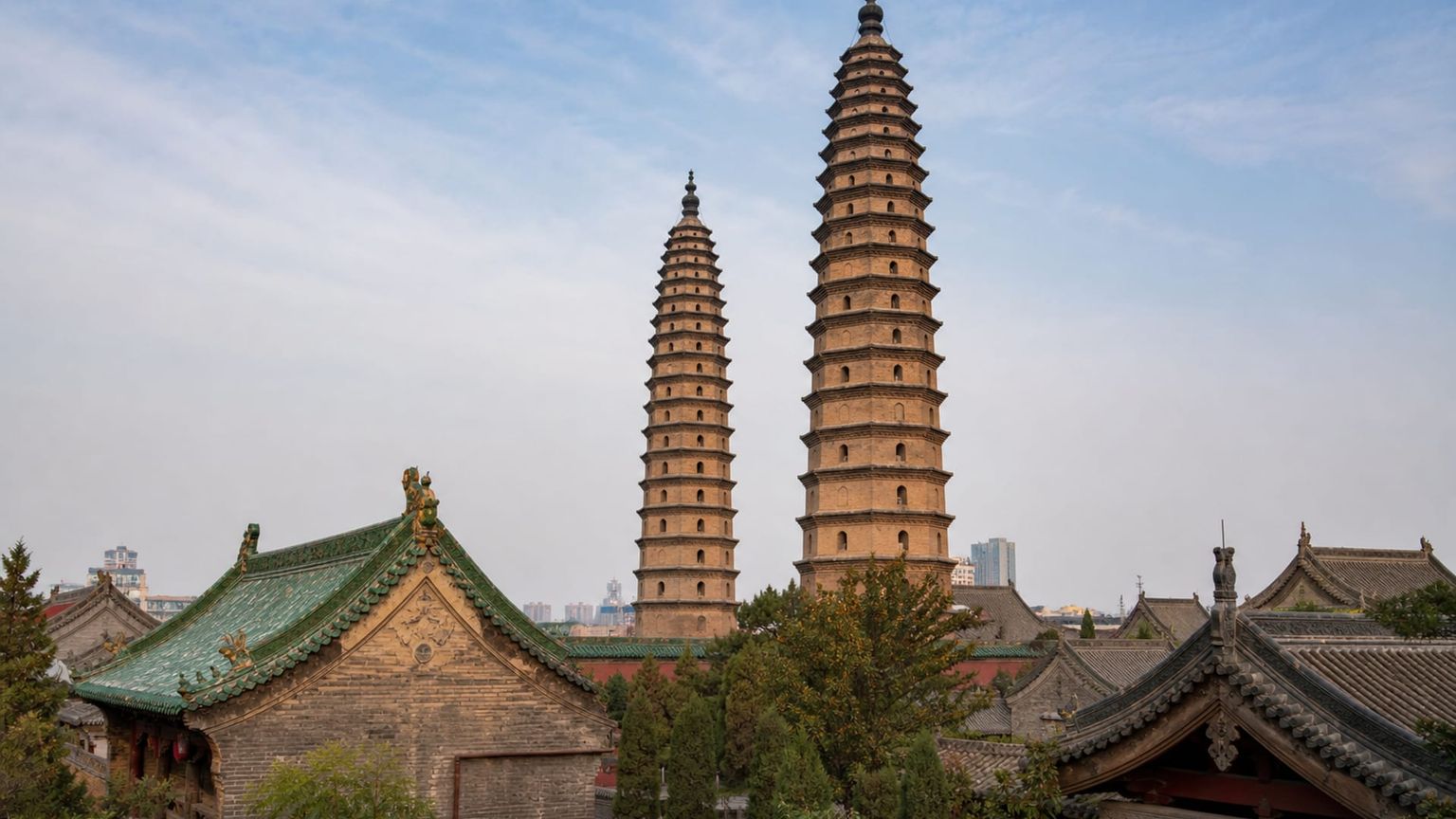
Set aside most of the day for Jinci Temple if you want a slower look at its gardens and historic buildings. Aim to arrive in the morning, spend 2 to 3 hours inside the complex, then have lunch near the site or back in the city center before returning to Taiyuan. If you come back early enough, add a second pass through Twin Pagoda Temple at sunset, since the towers show well in late light and the site takes only about 45 minutes to 1 hour.
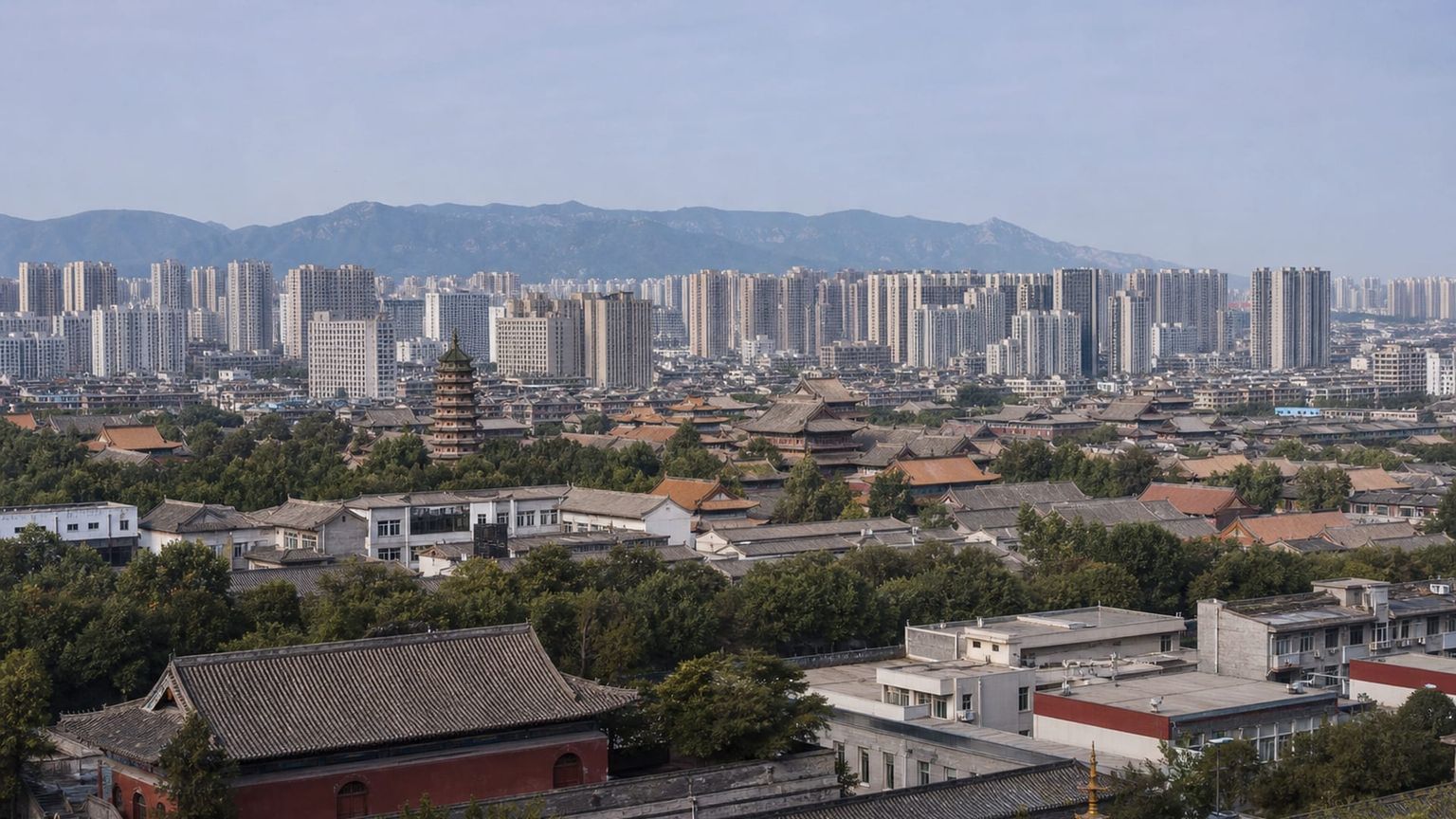
Start with a final museum stop in the central city, then spend the rest of the day in Yingze District or Xinghualing District for last-minute shopping and an easy café break. Yingze’s station area works well if you want to stay near your departure route, while Xinghualing offers the densest choice of department stores and casual dining. Settle in for an early dinner, then leave enough time to reach Taiyuan Wusu International Airport (TYN) without rushing, since traffic can slow the drive during the evening peak.
Business-class flights from the US to Taiyuan
Taiyuan usually fits into a one-stop long-haul trip rather than a direct intercontinental flight. From both coasts, the most useful comparisons are the airline mix, the layover city, and the total time in transit.
From New York, Air China, Cathay Pacific, China Eastern Airlines, China Southern Airlines, Hainan Airlines, and Korean Air all appear on one-stop options. Typical itineraries take about 18 to 26 hours overall, with common layovers through PEK, PVG, HKG, ICN, or CAN. Round-trip fares usually start near $3,200 and can reach $6,500.
Los Angeles itineraries run through the same core airline pool, including Air China, Cathay Pacific, China Eastern Airlines, China Southern Airlines, Hainan Airlines, and Korean Air. The trip usually takes about 15 to 22 hours, and routing via PEK or ICN often pulls fares toward the lower end of the usual $3,000 to $6,200 range.
Taiyuan feels different when you slow down
A well-planned Taiyuan stay moves in layers, starting with Xinghualing or Yingze for easy arrivals, then shifting to Jinci, Chongshan Temple, and Twin Pagoda Temple without forcing cross-city detours. Taxis, Didi, and airport buses each have a clear role, and the food stops make more sense when you leave room for noodle shops and early dinners. If you want help turning that structure into a booking plan, speak with the AranGrant experts







