

Chapters:

Need help with your trip?
Our support team is available 24/7. Request a callback or call us directly at (833) 619-0908
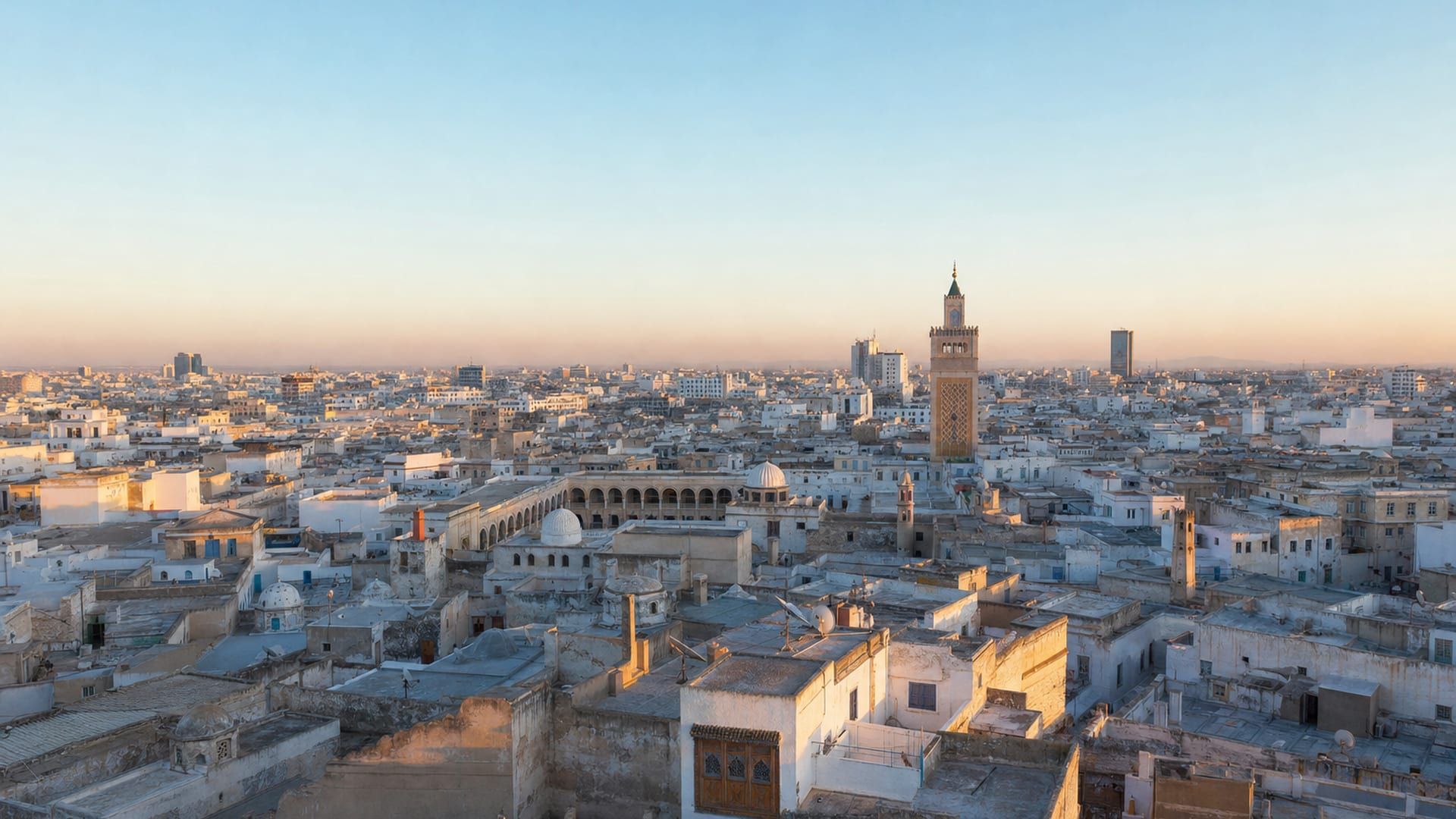
Tunis often starts with a medina morning, a museum stop, and one hurried taxi between sights, but many visitors miss how much the city changes once you leave the old core.
Distances add up quickly between the Medina, Bardo, Carthage, and Sidi Bou Said, and the narrow streets can slow first-time navigation more than travelers expect. Crowded souks and scattered ruins also reward a calmer pace.
This guide lays the days out in a steadier order, so you can pair nearby sights, choose the right neighborhoods, and move through Tunis with fewer backtracks.
Useful things to know

Main language(s): Arabic, French
marhba (mar-HBA) – Hello
min fadlik (min fad-LIK) – Please
shukran (shook-RAN) – Thank you
hal tatakallam al-ingliziya? (hal ta-ta-kal-LAM al-in-gli-ZI-ya) – Do you speak English?
bikam hadha? (bee-KAM HAH-dha) – How much does it cost?

Currency: The local currency is the Tunisian dinar (TND, TND).

Cash and cards: Cards and contactless are accepted at many hotels, malls, and restaurants, but carry about TND 100 to 150 ($32 to $48) in cash.

Tipping: Round up small bills; leave about 5% to 10% in restaurants if service is good.

Traditional food: couscous, brik, harissa, lamb tagine

Water and coffee costs: Water ~TND 1.5 to 2 ($0.50 to $0.65), bar espresso ~TND 3 to 5 ($1 to $1.60).

Taxis and ride apps: Bolt and inDrive operate here; confirm the fare before you book.

Plug and voltage: Type C/E socket, 230V

Dining and shop opening hours: Breakfast is about 7:00-10:00 am, lunch 1:00-3:00 pm, and dinner 8:00-10:30 pm. Many restaurants close between lunch and dinner, especially outside the center.

Emergency number: 112 for police, ambulance, and fire.
Where to stay in Tunis
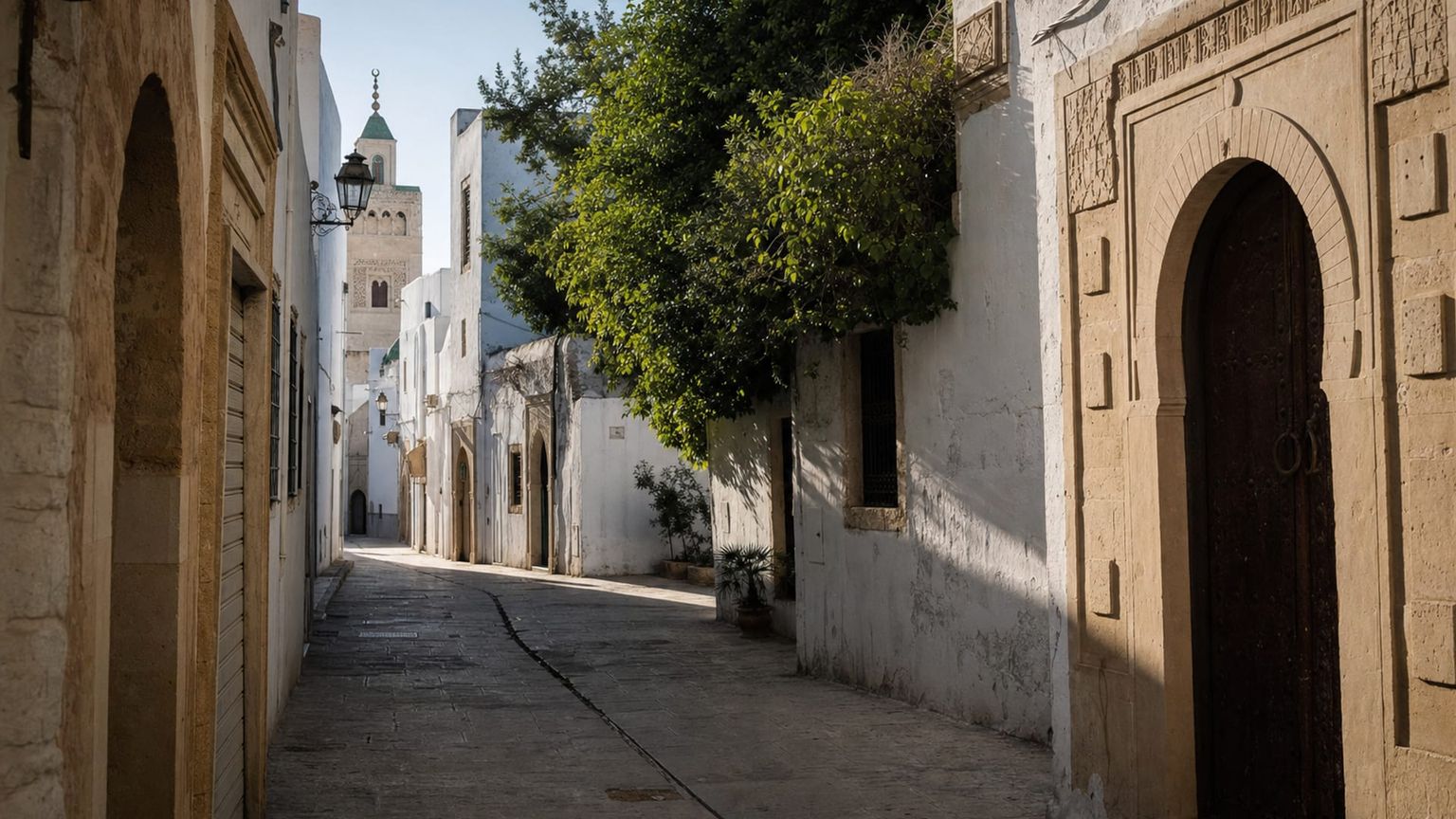
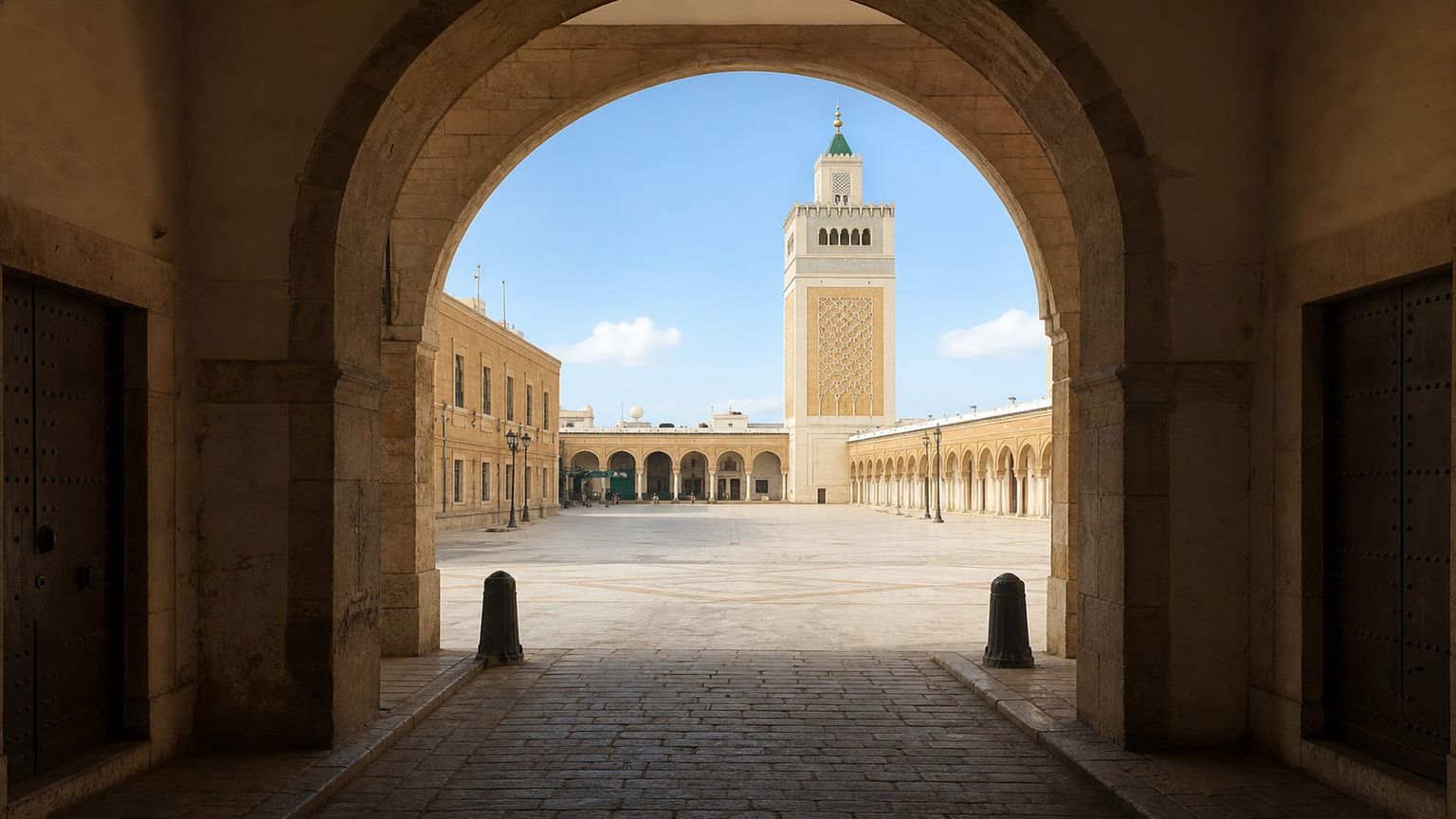
The Medina is the historic core of Tunis, a dense quarter of lanes, mosques, souks, and restored houses. Staying here puts you close to the city’s oldest sights and the most concentrated slice of traditional craft and market life.
Best for: Historic sightseeing, market browsing, and travelers who want to stay inside the old city
What to expect: Narrow lanes, heavy daytime foot traffic, and a steady flow of shoppers, porters, and visitors.
Hotel prices: Usually about 180 TND to 420 TND (~58$ to ~135$) per night for well-rated stays
Distance to major sights: 10 to 15 minutes on foot to Zitouna Mosque, about 15 minutes on foot to the National Bardo Museum
Quietness: Busy and lively in the day, much quieter after shops close, with some streets feeling deserted at night.
Main trade-off: You get the strongest sense of place, but many buildings have limited car access and fewer late-night dining choices right outside the door.
Good to know: Plan on walking from a drop-off point, since taxis often cannot reach deep into the lanes.
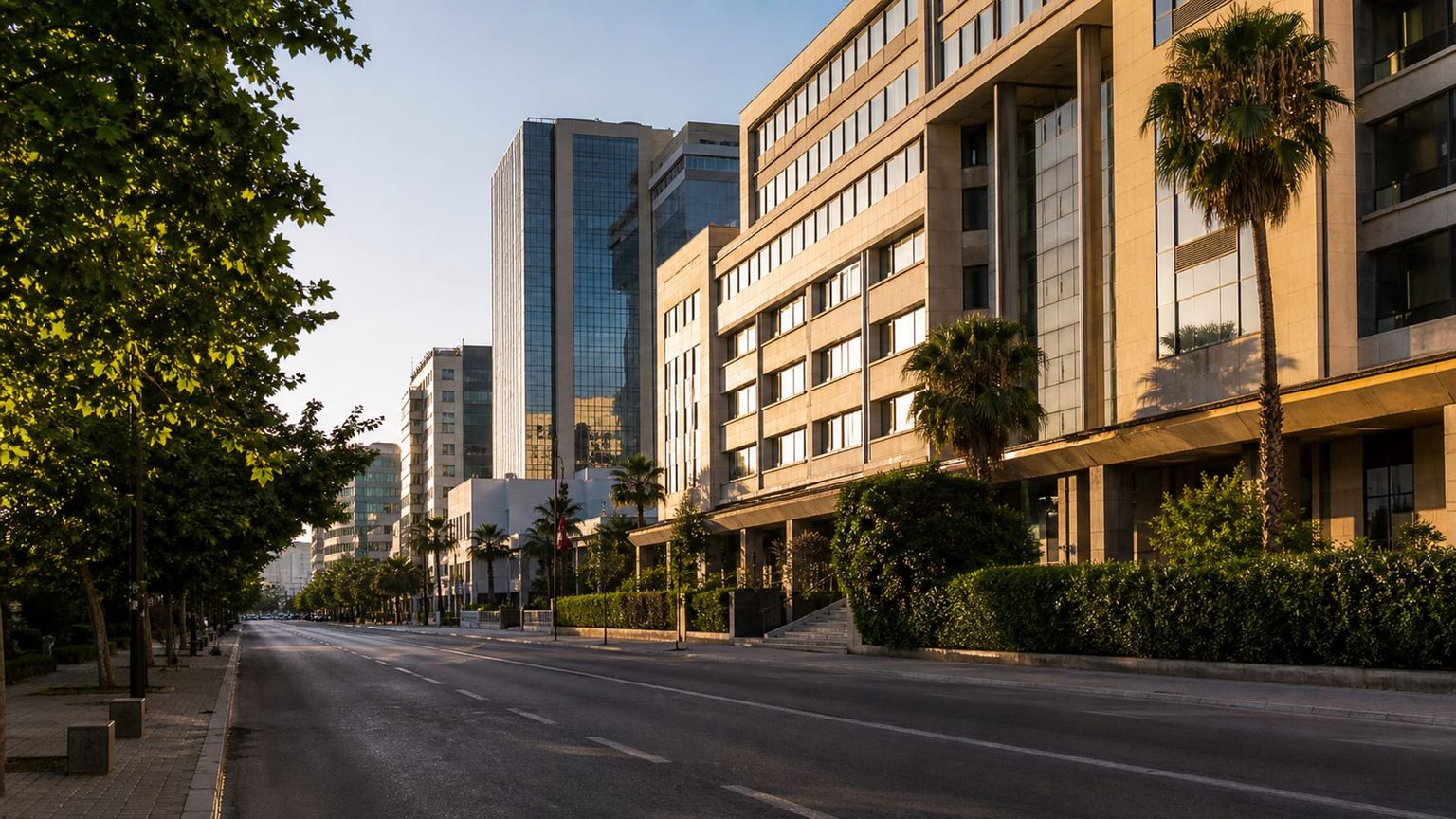
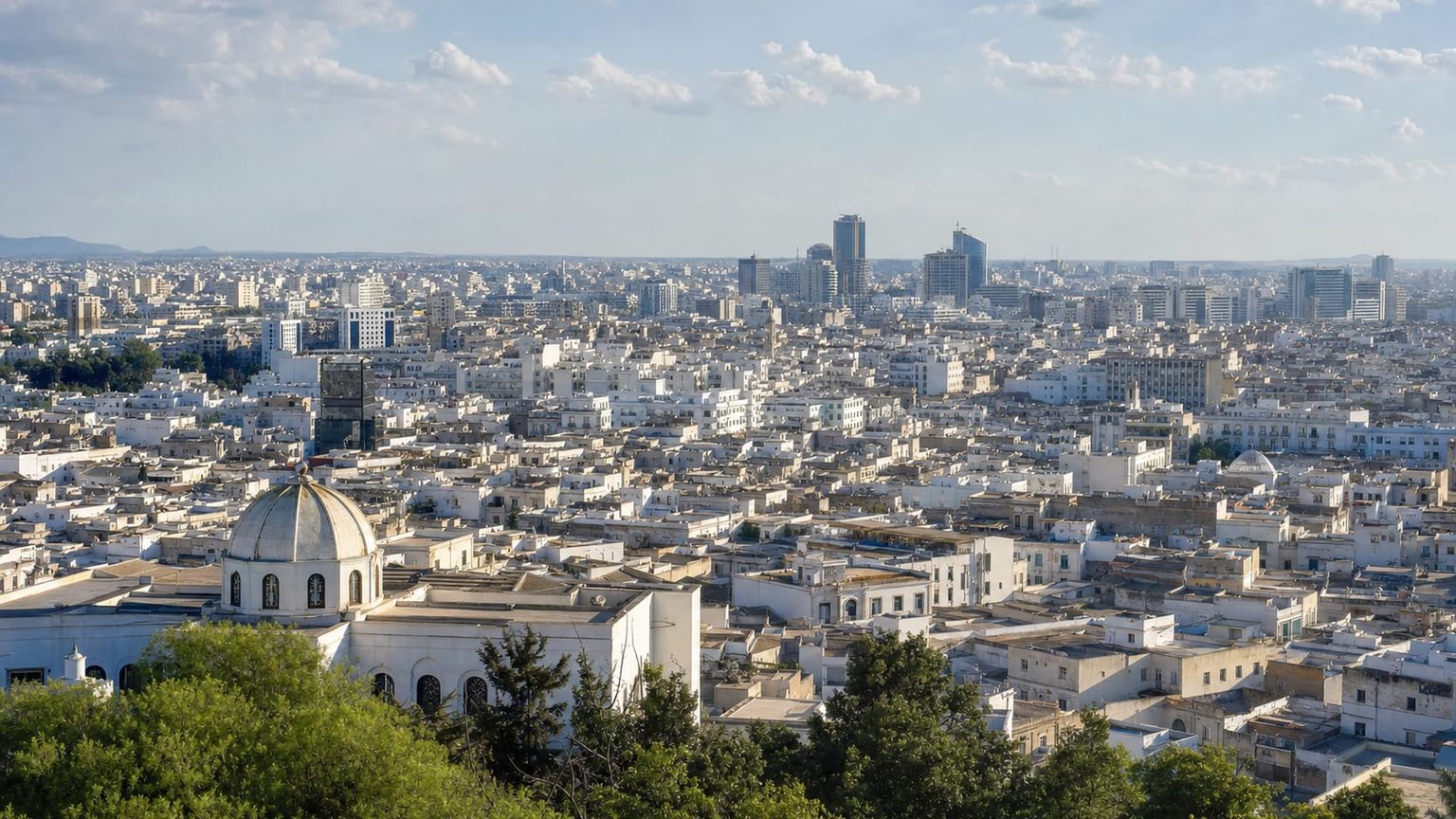
Ville Nouvelle is the French-era center south of the Medina, with broad avenues, cafés, hotels, and office buildings. It matters because it gives you an easier base for taxis, dining, and getting between the old city and the rail station.
Best for: Restaurant access, easier transport, and visitors who want a central base with broader sidewalks
What to expect: Broad streets, moderate traffic, café patios, office commuters, and more movement after dark than in the old city.
Hotel prices: Usually about 170 TND to 380 TND (~55$ to ~123$) per night for well-rated stays
Distance to major sights: About 15 minutes on foot to the Medina, roughly 10 minutes by taxi to Tunis Marine and the lakefront
Quietness: Noisier by day from traffic and errands, then calmer at night except near main avenues and larger hotels.
Main trade-off: Rooms near the main boulevards can pick up traffic noise, and the area has less historic character than the Medina.
Good to know: If you plan day trips by train, being here cuts down on transfers to Tunis station.
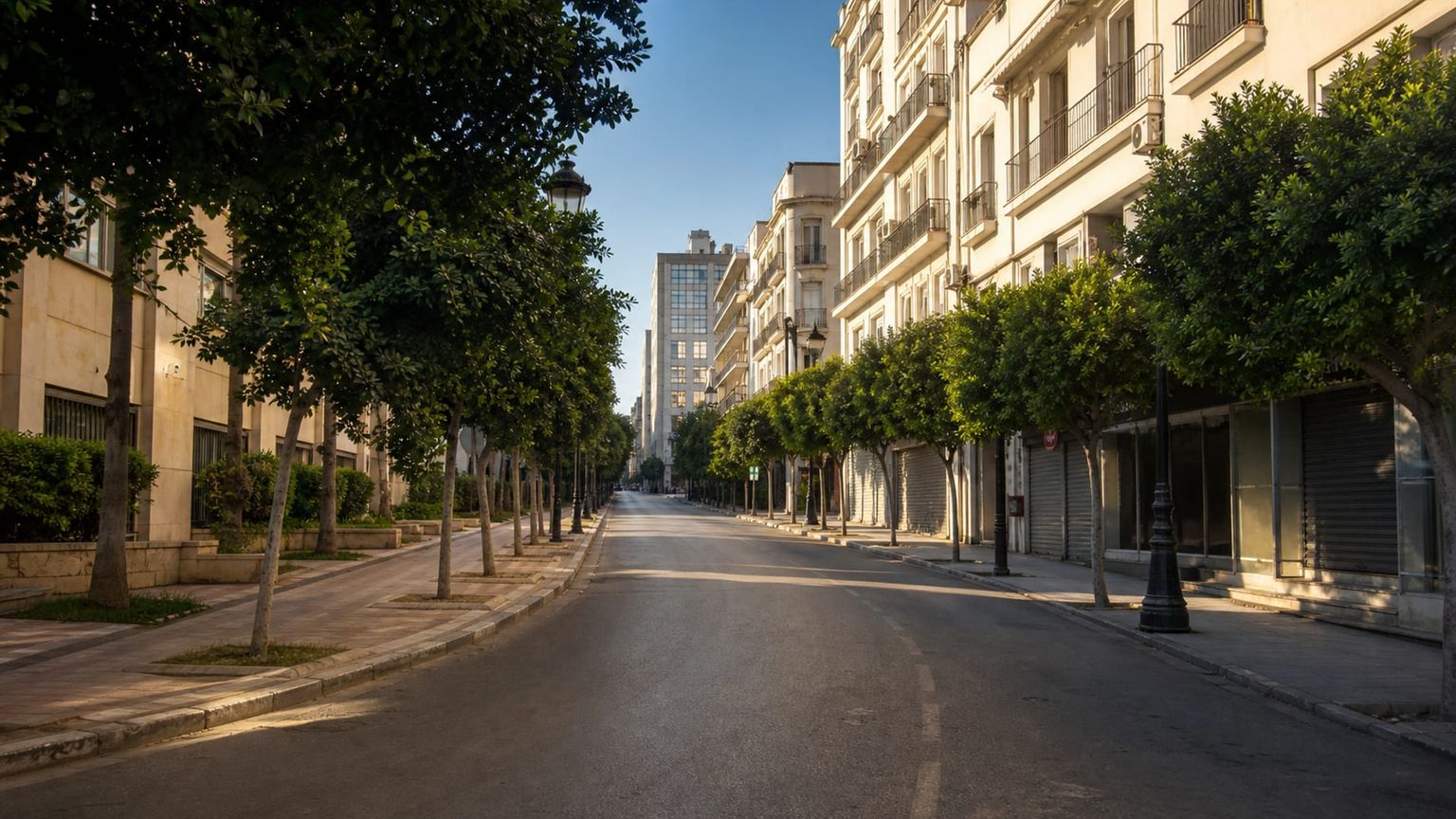
Lafayette sits just east of the central core and combines apartment blocks, shops, cafés, and busy neighborhood streets. It matters for travelers who want central prices, easy taxi access, and a base that still sits close to the Medina and Ville Nouvelle.
Best for: Budget-conscious stays, everyday neighborhood life, and access to central Tunis without staying in the oldest streets
What to expect: Local traffic, small shops, bakeries, and a steady neighborhood pace rather than a tourist-heavy scene.
Hotel prices: Usually about 140 TND to 300 TND (~45$ to ~97$) per night for well-rated stays
Distance to major sights: About 15 to 20 minutes on foot to the Medina, roughly 10 minutes by taxi to Tunis Lake
Quietness: Usually active in the day, then noticeably calmer in the evening, with movement centered on main roads.
Main trade-off: You may save on lodging, but you will rely more on taxis or longer walks for the main sights.
Good to know: Choose a place near a main avenue if you plan to move around after dark, because side streets can feel sparse.
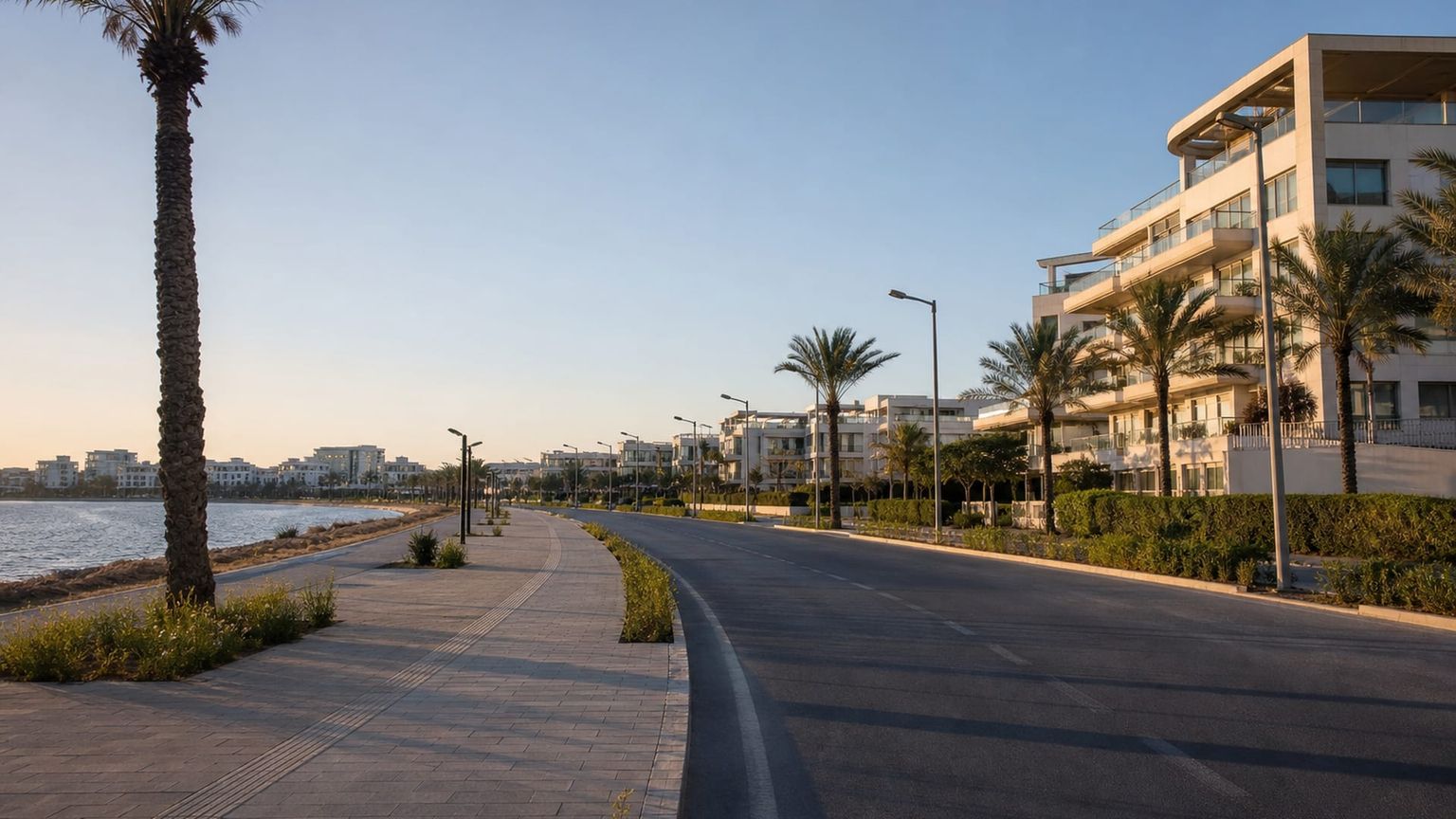
Les Berges du Lac is the modern business and residential district north of central Tunis, built along the lake with offices, embassies, hotels, and malls. It matters for airport-facing stays, newer hotels, and quick access to the lakefront and business addresses.
Best for: Business trips, newer hotels, and travelers prioritizing airport access over old-city atmosphere
What to expect: Wide roads, car traffic, shopping centers, and a more suburban feel than central Tunis.
Hotel prices: Usually about 220 TND to 520 TND (~71$ to ~168$) per night for well-rated stays
Distance to major sights: About 20 to 25 minutes by taxi to the Medina, roughly 10 to 15 minutes by taxi to Tunis-Carthage Airport
Quietness: Calm in residential pockets, with more traffic and restaurant activity in the evening near malls and hotel clusters.
Main trade-off: It sits farther from the old city, so sightseeing days require more taxi time and fewer walks between landmarks.
Good to know: Book here if you have an early flight, since taxi timing is simpler than from the Medina or the old center.
Travelers usually avoid staying in the southern industrial edge of Ben Arous, because it sits well away from Tunis’s main sights and has limited visitor amenities. The airport-side outskirts near Tunis-Carthage Airport, La Soukra, and Ariana can also be less convenient, since they put you far from the medina, Avenue Habib Bourguiba, and the waterfront, with more limited evening dining and transport options than central Tunis.
Hotel deals
How to get around Tunis efficiently
Tunis works best with a mix of walking, the TGM suburban line for the coast, light rail for cross-city runs, and taxis for the scattered sites that sit beyond the center.

Metro
for longer distances
Tunis has no metro or subway system for visitors to use; the closest rail-based option is the Tunis-Goulette-Marsa, or TGM, suburban line, which links Tunis Marine with La Goulette, Carthage, Sidi Bou Said, and La Marsa. Tickets are typically about $0.30 to $0.60 (about 1 to 2 Tunisian dinars), and are valid for a single ride. Trains are most useful for daytime trips to the coast, with rides from central Tunis to Sidi Bou Said taking about 25 to 35 minutes.

Bus and tram
for convenience
The light rail network is the main city transit option, with Transtu trams and metro-légers serving central Tunis, the suburbs, and routes to Ariana, Ben Arous, and nearby districts. Fares are usually about $0.30 to $0.60 (about 1 to 2 Tunisian dinars) per trip, and tickets are valid for one ride on the vehicle or line you board; buses use the same fare band on many urban routes. Service can be crowded and sometimes irregular, so plan extra time, especially for cross-city trips.

Taxi
for convenience or late hours
Licensed yellow taxis in Tunis use meters inside the city, while airport trips from Tunis-Carthage Airport often use fixed daytime and nighttime rates posted or quoted before departure; local rides commonly cost about $1.50 to $6 ($5 to $20), and the airport into central Tunis is usually about $5 to $12 ($16 to $40), depending on time of day and traffic. Hail taxis on the street or use a hotel desk, and ask the driver to start the meter for city rides. Cash in dinars is standard, and card payment is uncommon.
*Prices are based on rates updated as of June 2026 and may change at the time of travel.
Use trams and buses for short city hops, the TGM for Sidi Bou Said and Carthage, and taxis when the route crosses several districts or the schedule is tight.
Iconic landmarks
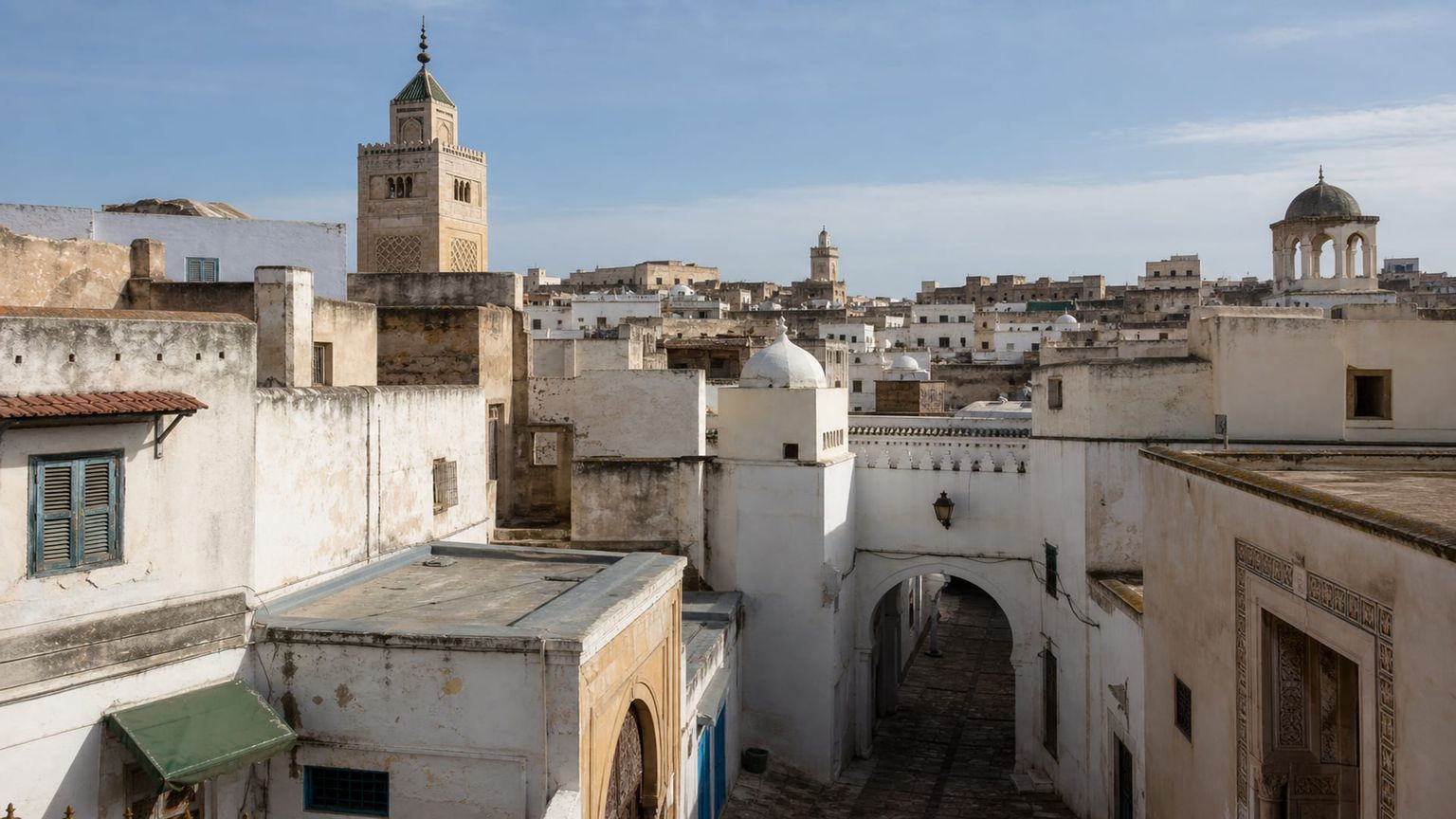
Medina of Tunis
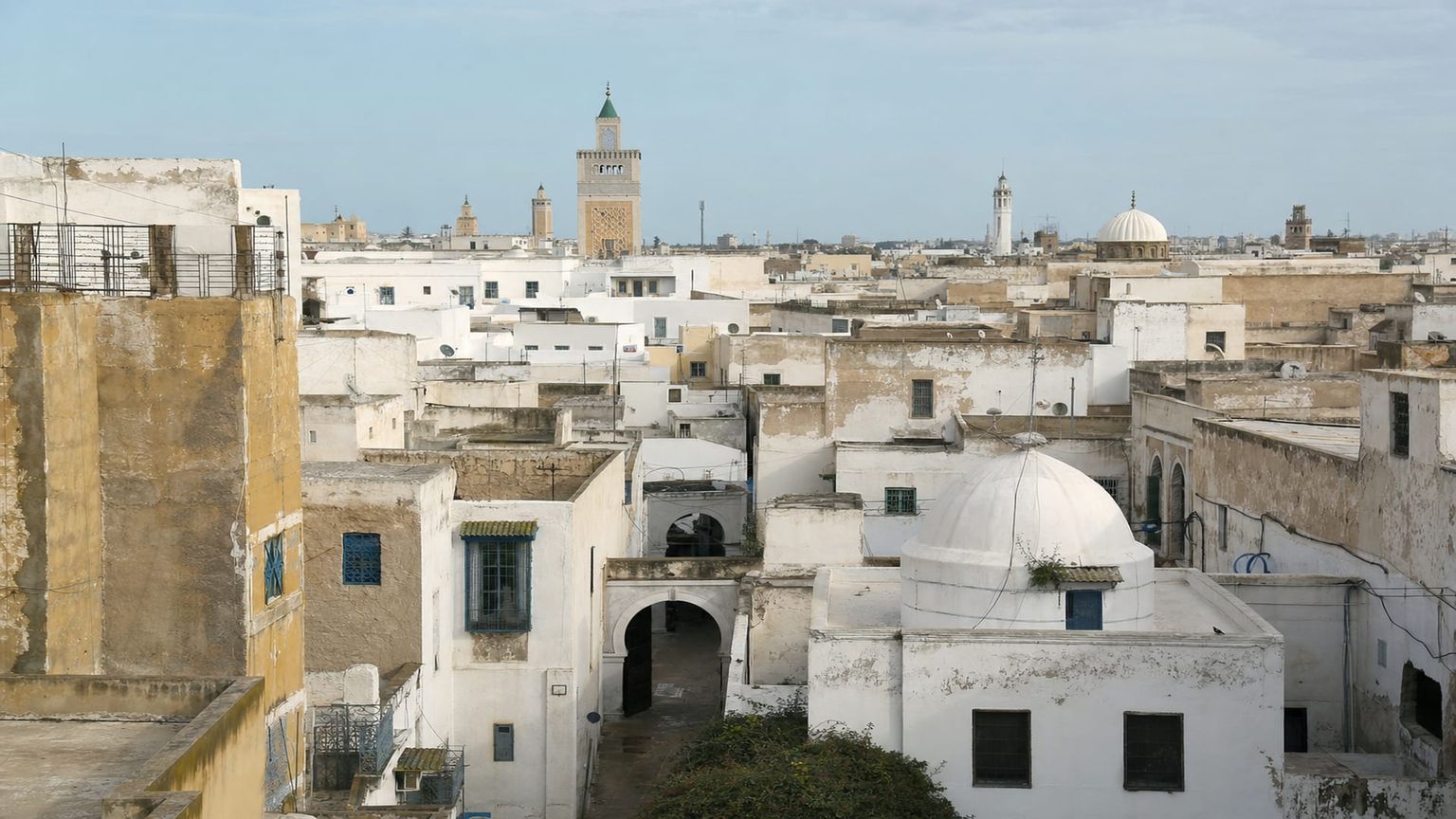
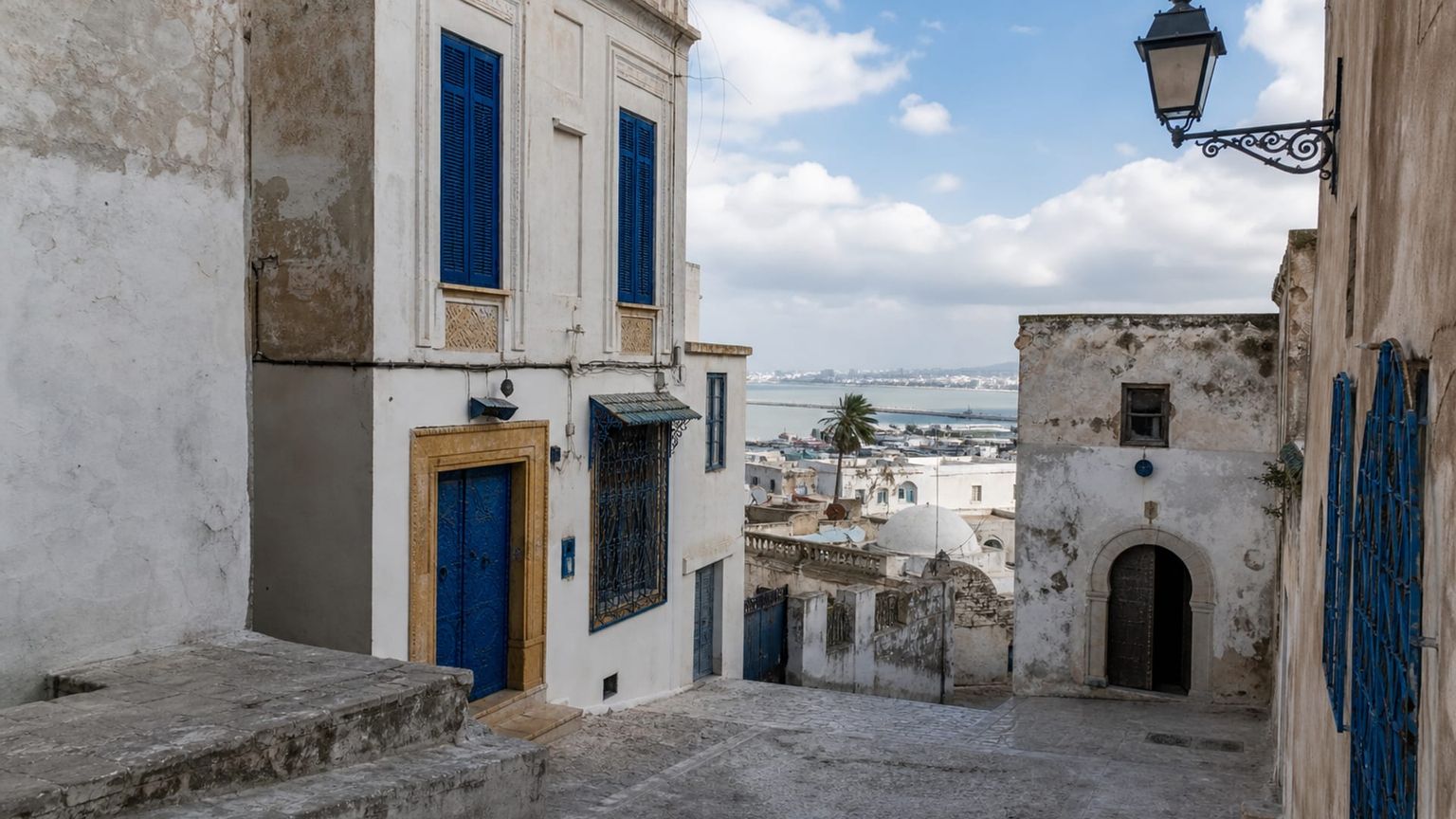
UNESCO-listed lanes pack mosques, caravanserais, and covered souks inside the old city walls. Highlights include the Zitouna area, craft markets, and tiled doorways that make the quarter one of North Africa’s most complete historic centers.
Time needed: About 3 to 4 hours
Entry: Free to access
Tip: Go early in the morning, when shops open and the lanes are easiest to cross.
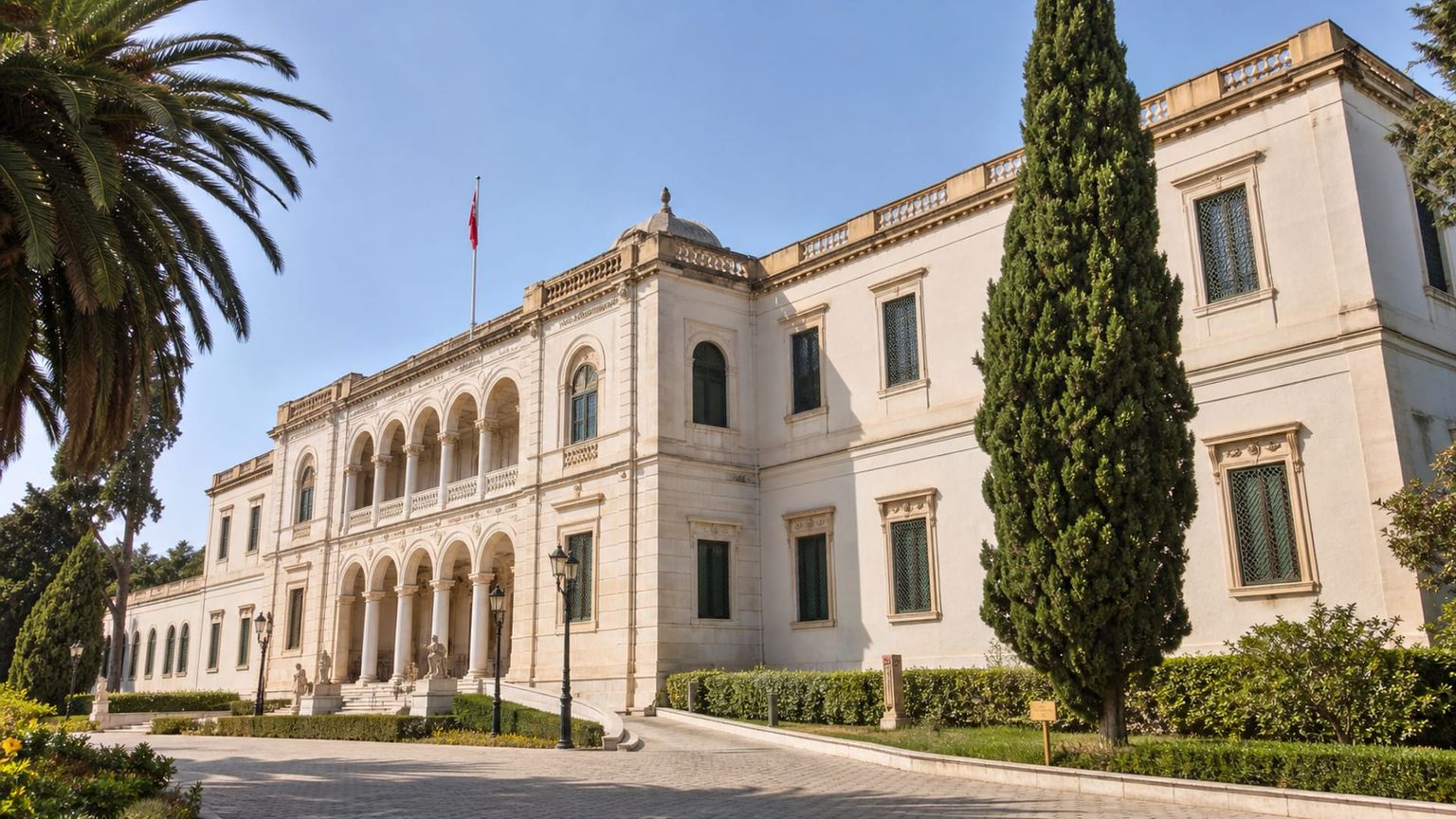
Bardo National Museum
Housed in a former beylical palace, the Bardo holds one of the world’s finest Roman mosaic collections. Its galleries also cover Punic, Islamic, and early Christian finds from across Tunisia, with palace rooms that add context to the displays.
Time needed: About 2 to 3 hours
Entry: Standard tickets cost $6 to $8 (18 to 24 TND) Visit the official site for details.
Tip: Start with the mosaics wing, then leave time for the palace courtyards and halls.
Carthage Archaeological Site
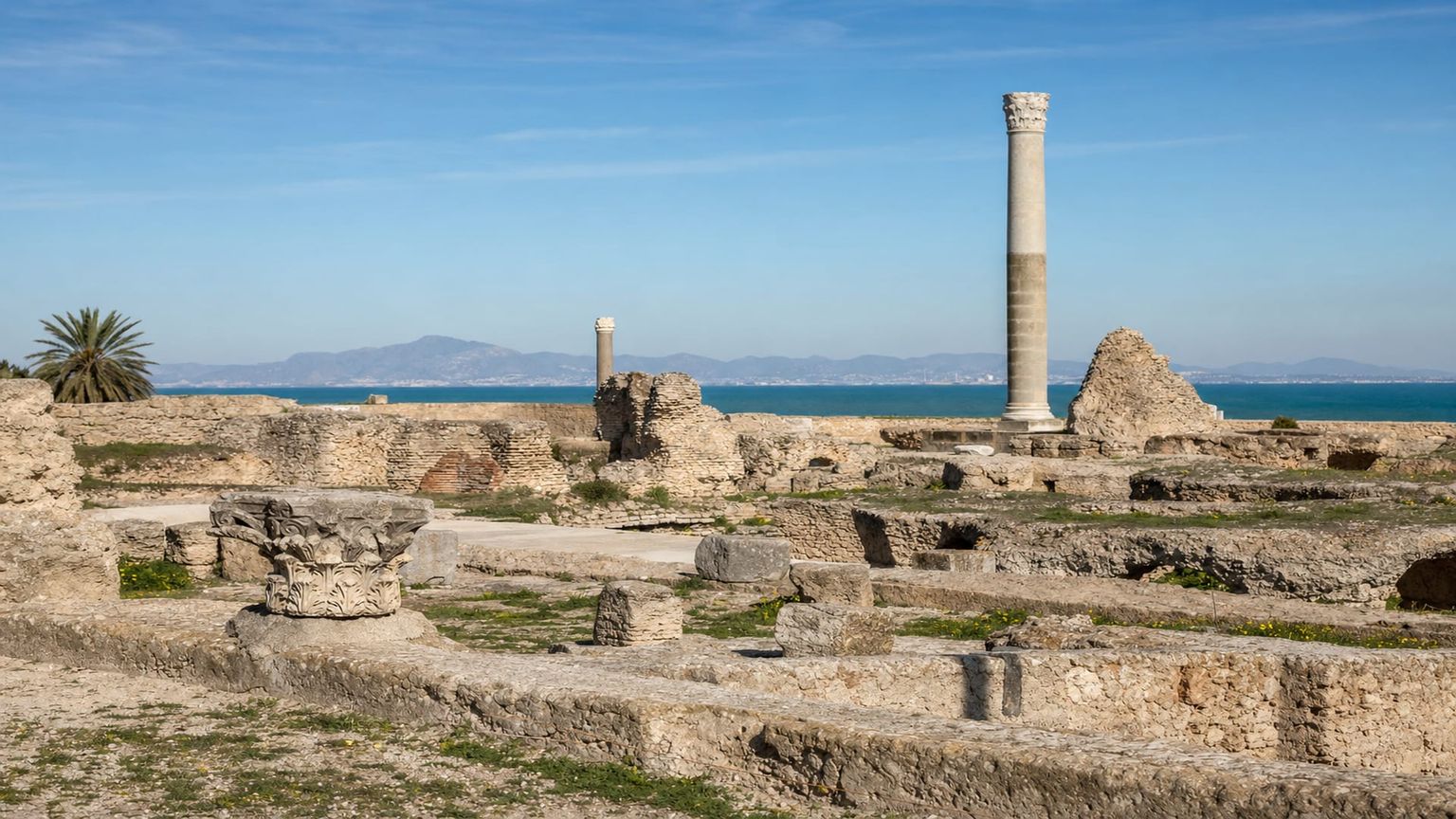
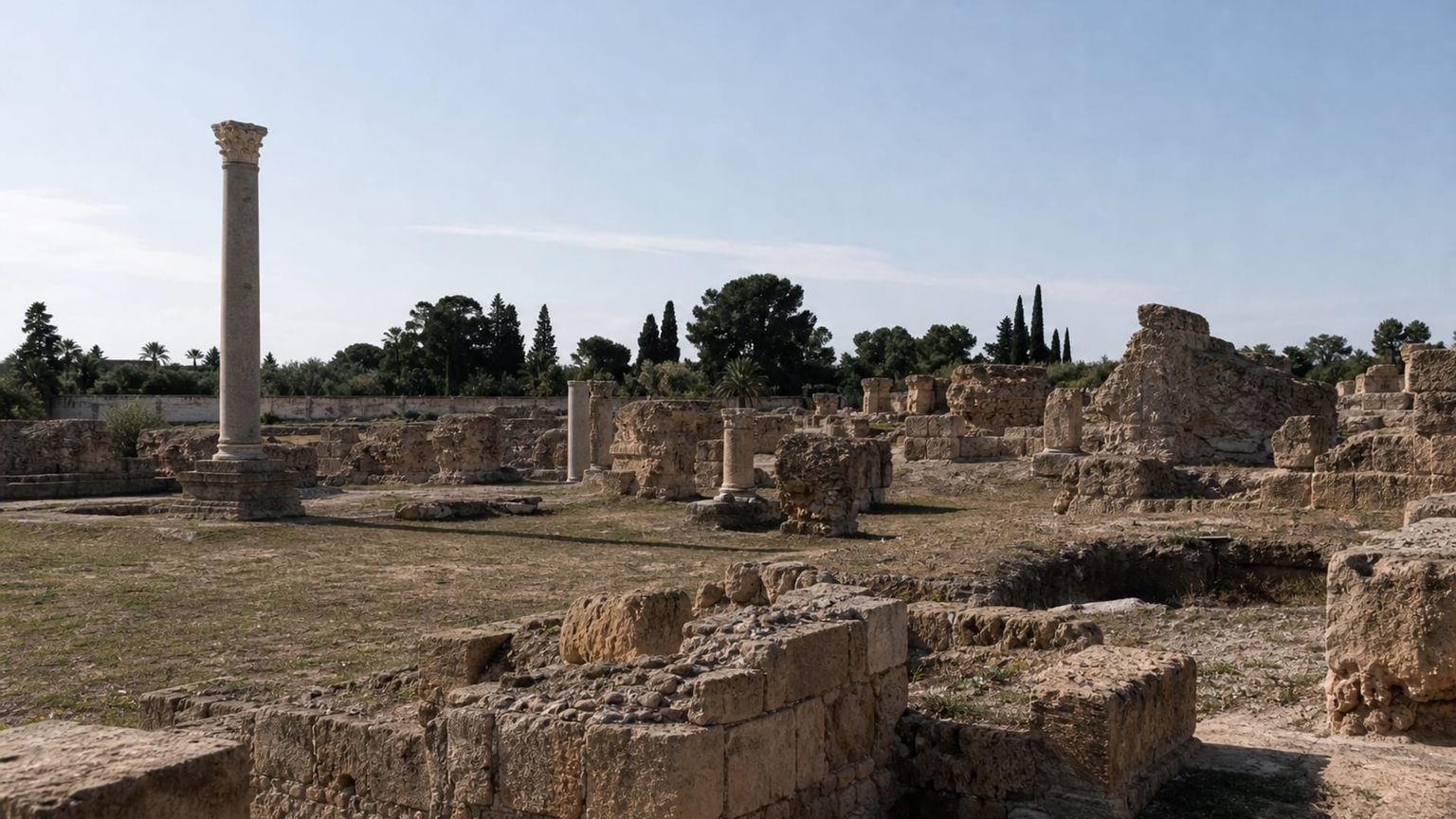
Across the hills north of central Tunis, Carthage preserves Roman baths, villa remains, theaters, and harbor traces. The ruins spread over several linked sites, so you can trace the city’s Punic and Roman layers while moving between open-air monuments.
Time needed: About 3 to 4 hours
Entry: Site access costs $4 to $6 (12 to 18 TND) per ticketed area Visit the official site for details.
Tip: Pair the ruins with an afternoon visit, when the site is quieter and easier to photograph.
Overlooked sites worth visiting

Sidi Bou Said Cemetery and Saint Louis Cathedral terrace
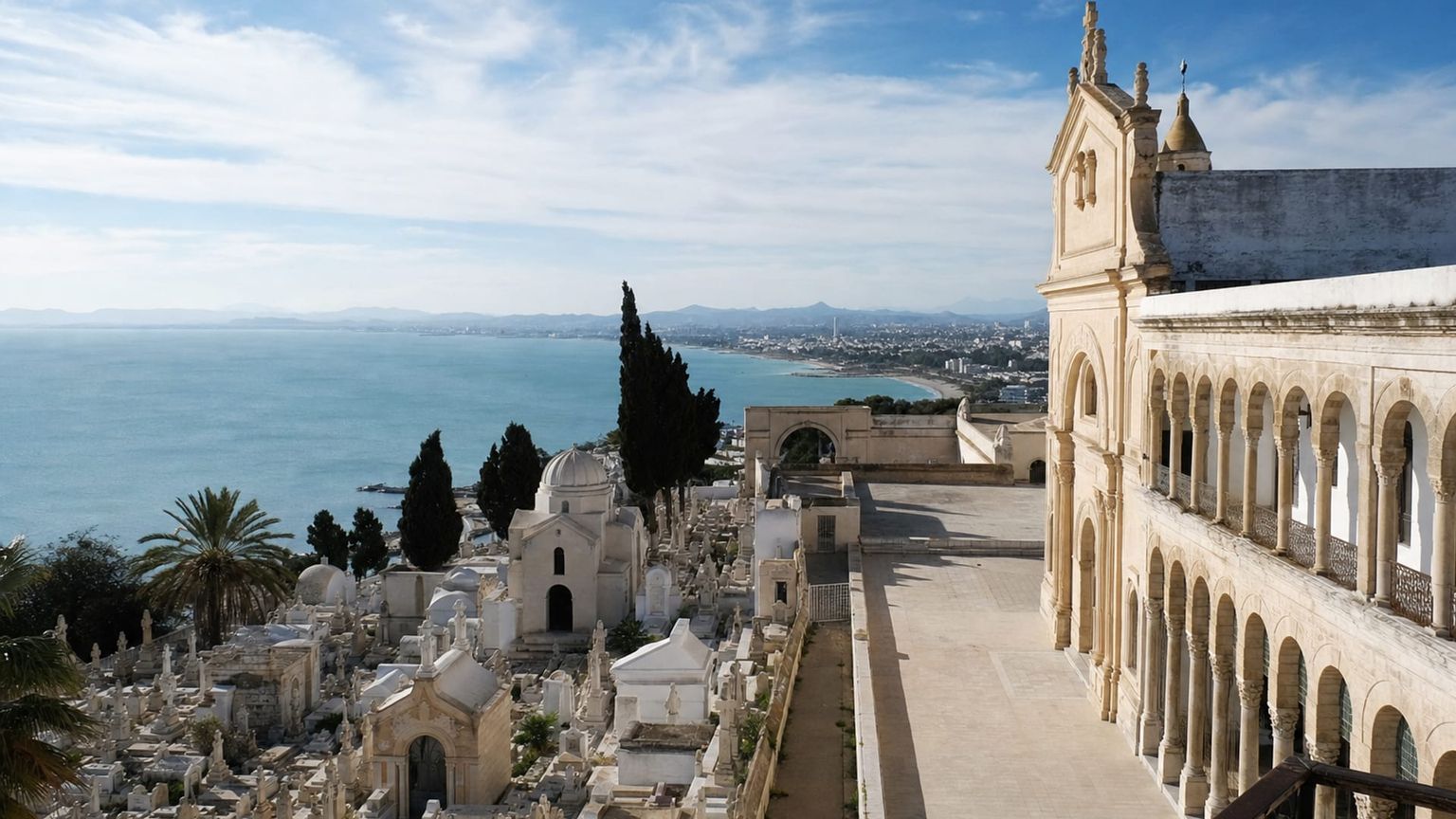
On the hill above the bay, this quiet cemetery pairs whitewashed tombs with wide views from the cathedral terrace. It sees far fewer visitors than the village lanes below.
Time needed: About 1 hour
Entry: Free to walk the grounds and terrace. Access is usually open during daylight hours, with no timed admission or ticket office. Some interior areas may close for worship or maintenance, so check local notices before you go.
Tip: Go late afternoon for softer light over the bay.

Dar Lasram
This 18th-century medina mansion now houses the Association for the Protection of the Medina. Its tiled rooms, carved ceilings, and courtyard show domestic Tunisian architecture in a compact visit.
Time needed: About 1 hour
Entry: Entry usually costs about $3 to $5 (about 10 to 15 TND), depending on the current exhibition or event program. Opening hours can vary by day, so confirm on the spot if you plan a short medina stop.
Tip: Combine it with a medina walk, since the house is easy to miss.
Traditional food
Tunisian cooking leans on couscous, brik, harissa, and slow-cooked lamb tagine, with olive oil, spices, and fresh bread at the center of the table. Meals often stretch across simple cafés and long lunches, then pick up again after sunset.
Couscous
Fluffy couscous often arrives with vegetables, chickpeas, and meat in a spiced broth, and Dar El Jeld does one of the city’s better-known versions in an elegant medina setting.
Brik
This crisp pastry usually comes filled with egg, tuna, and parsley, then fried until the wrapper turns delicate and blistered. Rest’o serves a dependable version in central Tunis.
Harissa
Harissa appears as a fiery condiment rather than a standalone plate, but local restaurants serve it with bread, salads, and grilled dishes. Le Golfe uses it well alongside classic Tunisian meals.
Lamb tagine
Tunisian lamb tagine is a baked dish, closer to a savory omelet or casserole than a Moroccan stew, and Chez Slah is a good place to order it in Tunis.
Best time to visit Tunis
Tunis shifts from hot, busy summers to milder shoulder seasons, and the coast, medina, and museum visits each work best in a different part of the year.
Best for: Best for medina walks, Carthage, and outdoor café stops
What you get: About 65°F to 79°F (18°C to 26°C), with comfortable days and moderate visitor numbers
Trade-offs: Occasional rain can interrupt long walking days
Best for: Best for long evenings in Sidi Bou Said and coastal time on the bay
What you get: About 74°F to 92°F (23°C to 33°C), with the largest crowds near the coast and in popular cafés
Trade-offs: Midday heat can make open-air sightseeing tiring
Best for: Best for balanced sightseeing, museum visits, and easier taxi moves
What you get: About 68°F to 84°F (20°C to 29°C), with lighter crowds than peak summer
Trade-offs: Late autumn can bring cooler, wetter spells
Best for: Best for quieter museums and lower-key city days
What you get: About 48°F to 62°F (9°C to 17°C), with fewer visitors and shorter daylight hours
Trade-offs: Some days feel cool and gray, especially by the water
A realistic 5-day plan in Tunis
Five days in Tunis works well when you group the old city, museums, ruins, and the coast into separate days. That keeps transfers manageable and leaves room for slower meals, a final shopping loop, and a clear exit on departure day.
Land at Tunis-Carthage Airport (TUN), then take a taxi into the city in about 15 to 25 minutes for roughly 15 TND to 25 TND ($5 to $8), depending on traffic and your exact drop-off point. Stay near the Medina if you want to wake up inside the old city, or choose Ville Nouvelle for easier restaurant access and simpler taxi pickups. After check-in, walk a short block to a café for mint tea or coffee, then keep dinner light at a nearby brasserie or a simple Tunisian place in Ville Nouvelle before an early night.
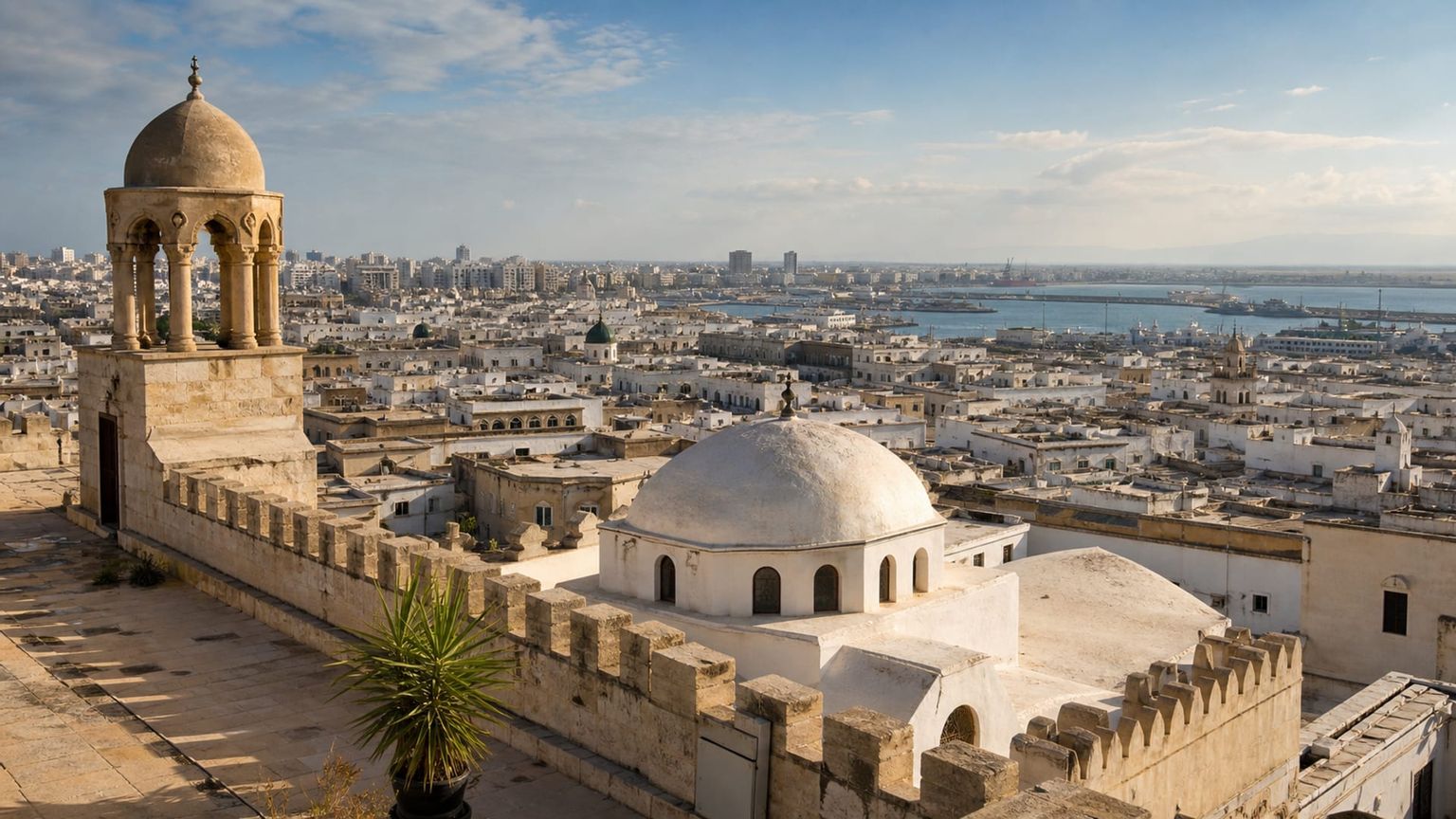
Begin at the Medina of Tunis early in the morning, when the lanes are easiest to cross and the souks are just opening, then spend about 3 to 4 hours moving between Zitouna area streets, craft stalls, and covered passages. From the Medina, walk about 10 to 15 minutes to Dar Lasram for an hour inside the courtyard house, then return on foot to a nearby lunch stop. In the afternoon, take a taxi about 15 minutes to the Bardo National Museum, where you can spend 2 to 3 hours with the mosaics and palace rooms before dinner back in Ville Nouvelle or the Medina edge.
Carthage gives you the clearest full-day contrast with the compact center, so start there after breakfast and plan about 3 to 4 hours for the archaeological site. Move by taxi between the scattered ruins, since the key areas sit on separate hills and are not meant for a single continuous walk. After lunch, continue about 15 to 20 minutes by taxi to Sidi Bou Said and finish at the Saint Louis Cathedral terrace and nearby cemetery, where late afternoon light works well over the bay.
A slower fourth day works well for the coast and the hill above it, so begin in Sidi Bou Said and spend the morning with village views before heading uphill to the cemetery and Saint Louis Cathedral terrace. The terrace visit takes about 1 hour, and it pairs naturally with a longer pause for photos and a café stop in the village below. If you want one more city stop afterward, return by taxi to the Medina for a final browse through the souks, or rest back in Ville Nouvelle before dinner.
For a last day, start with one final museum stop if you still want more context, then spend your afternoon shopping or walking in Ville Nouvelle, where bookshops, cafés, and department-store streets are easier to manage with luggage. If you prefer a quieter end, return to Lafayette for a neighborhood coffee and a short bakery stop before heading to the airport. From central Tunis, allow about 15 to 25 minutes by taxi to Tunis-Carthage Airport (TUN), and aim to leave a little earlier if you are traveling near the evening rush.
Business-class flights from the US to Tunis
Tunis usually sits on one-stop long-haul itineraries from both coasts of the United States. The examples below show how the route structure and layover choice shape the fare.
From New York, Tunisair, Air France, Lufthansa, Turkish Airlines, and ITA Airways are among the carriers that commonly appear, with itineraries usually taking about 10 to 15 hours. Common layovers run through CDG, FRA, IST, FCO, or ZRH, and avoiding a stop can add cost quickly. Business-class fares from New York usually run from $2,400 to $5,500 round trip; if you do not mind a layover, common routings via CDG, FRA, or IST can cut the fare to roughly $1,700 to $3,200.
Los Angeles itineraries usually run about 14 to 20 hours and often connect through IST, CDG, FRA, LHR, or DOH, with Turkish Airlines, Lufthansa, Air France, British Airways, and Qatar Airways among the usual options. From Los Angeles, business fares often start at $2,800 and reach $6,000 round trip, with one-stop itineraries usually sitting in the middle of that span.
Tunis feels different when you slow down
A deliberate Tunis trip links the Medina’s lanes with the Bardo, Carthage, and the hill above Sidi Bou Said, instead of trying to force every landmark into one day. Taxis handle the scattered parts, while the TGM and short walks keep the coast simple to reach. If you want to shape the route around Ville Nouvelle, the medina, or a quieter final night near Lafayette, the AranGrant experts can help you plan the right stay and sequence







