

Chapters:

Need help with your trip?
Our support team is available 24/7. Request a callback or call us directly at (833) 619-0908
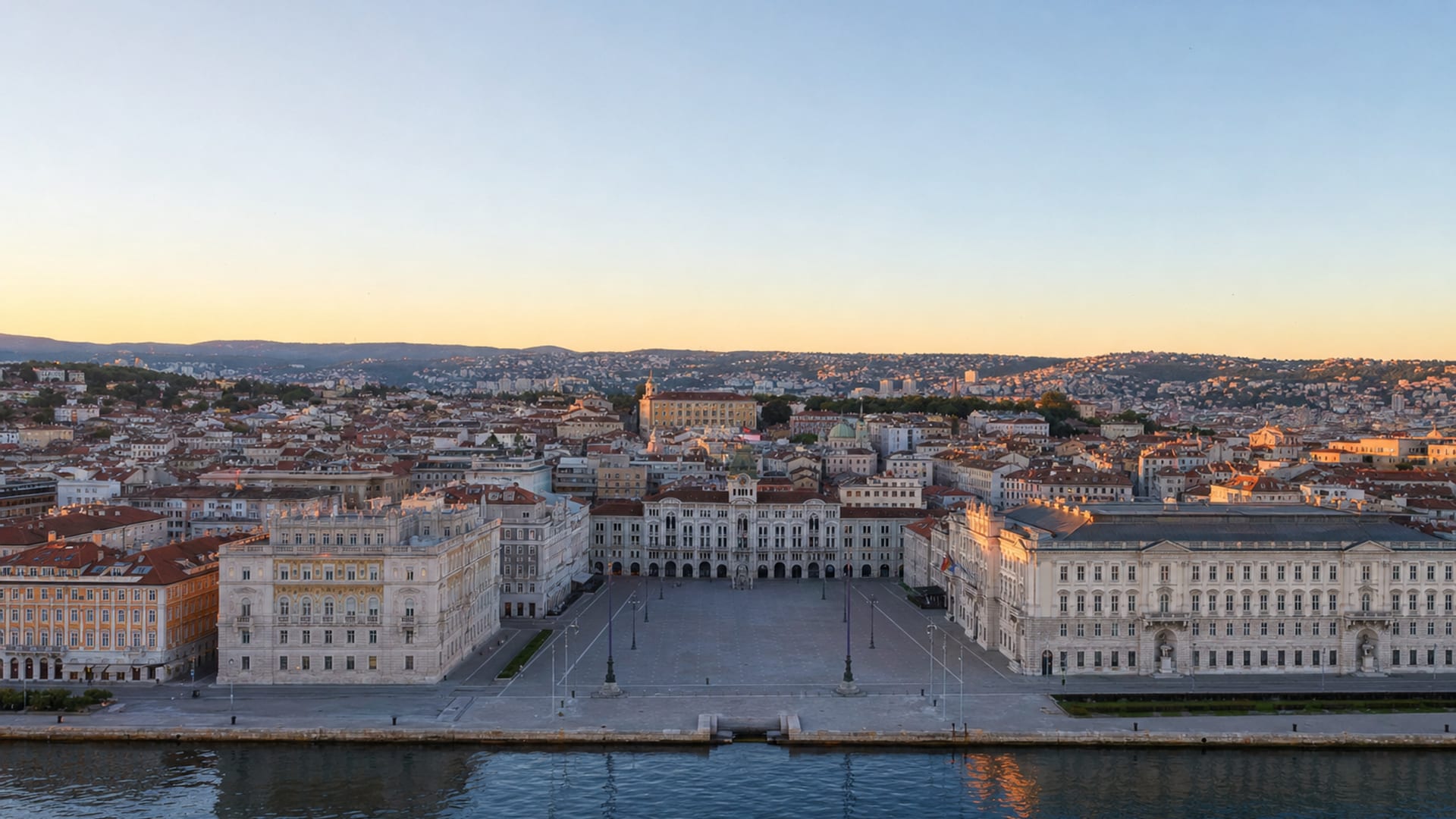
Trieste often gets folded into a quick stop between Venice and Slovenia, with visitors heading straight to Piazza Unità d’Italia, ticking off Miramare Castle, and leaving before they understand how the city connects its hill, harbor, and tram-like transit.
That approach misses the way distances stack up here, from San Giusto to the waterfront and out to Miramare, while buses, taxis, and long waterfront walks each suit a different part of the day. Crowds gather at the square and castle, but quieter neighborhoods sit only a short ride away.
This guide breaks the city into a practical sequence, so you can pair sights with the right neighborhood, use transit with intent, and keep the pace steady without trying to force everything into one loop.
Useful things to know

Main language(s): Italian
Ciao (chow) – Hello
Per favore (pehr fah-VOH-reh) – Please
Grazie (GRAHT-syeh) – Thank you
Parla inglese? (PAHR-lah een-GLEH-zeh) – Do you speak English?
Quanto costa? (KWAHN-toh KOH-stah) – How much does it cost?

Currency: The local currency is the euro (EUR, €).

Cash and cards: Cards and contactless are widely accepted; carry about €20 to €40 ($22 to $44) in cash for small purchases.

Tipping: Round up, and leave 5-10% at nicer restaurants if service is not included.

Traditional food: Jota, prosciutto di San Daniele, gnocchi di Susini, sardoni in savor

Water and coffee costs: Water ~€2 ($2), bar espresso ~€1.50 to €2 ($2 to $2).

Taxis and ride apps: Uber and local taxis operate here; app coverage can be limited outside the center.

Plug and voltage: Type C/F socket, 230V

Dining and shop opening hours: Breakfast is about 7:00-10:00, lunch 12:30-14:30, and dinner 19:30-22:30. Many smaller places close in the afternoon and on Monday.

Emergency number: 112 for police, fire, and medical emergencies.
Where to stay in Trieste
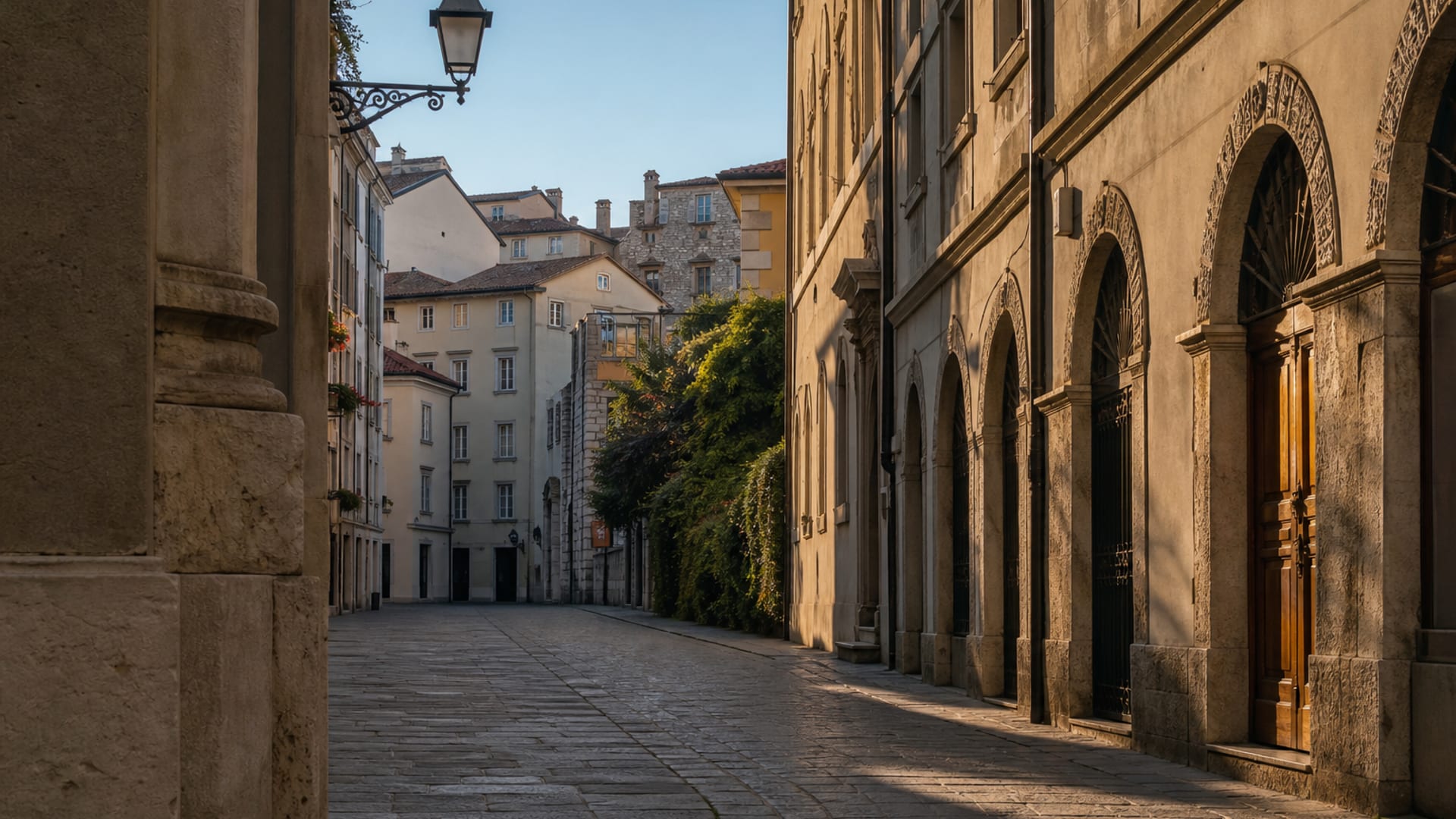
Trieste’s historic center wraps around Piazza Unità d’Italia, the main seafront square, with cafes, shops, and easy access to the old port. It puts the city’s main sights, restaurants, and tram links within a compact walking area.
Best for: First-time visits, sightseeing, and staying close to the waterfront
What to expect: Busy sidewalks by day, with more foot traffic and restaurant activity into the evening.
Hotel prices: Usually about €140 to €260 (~$155 to ~$285) per night for well-rated stays
Distance to major sights: 5 to 10 minutes on foot to Piazza Unità d’Italia; about 15 minutes on foot to Canal Grande
Quietness: Noisier during the day and early evening, then calmer after shops close.
Main trade-off: You pay more for central addresses, and rooms above lively streets can pick up late-night noise.
Good to know: If you plan to arrive without a car, this is the easiest area for walking to dinner, the waterfront, and public transit stops.
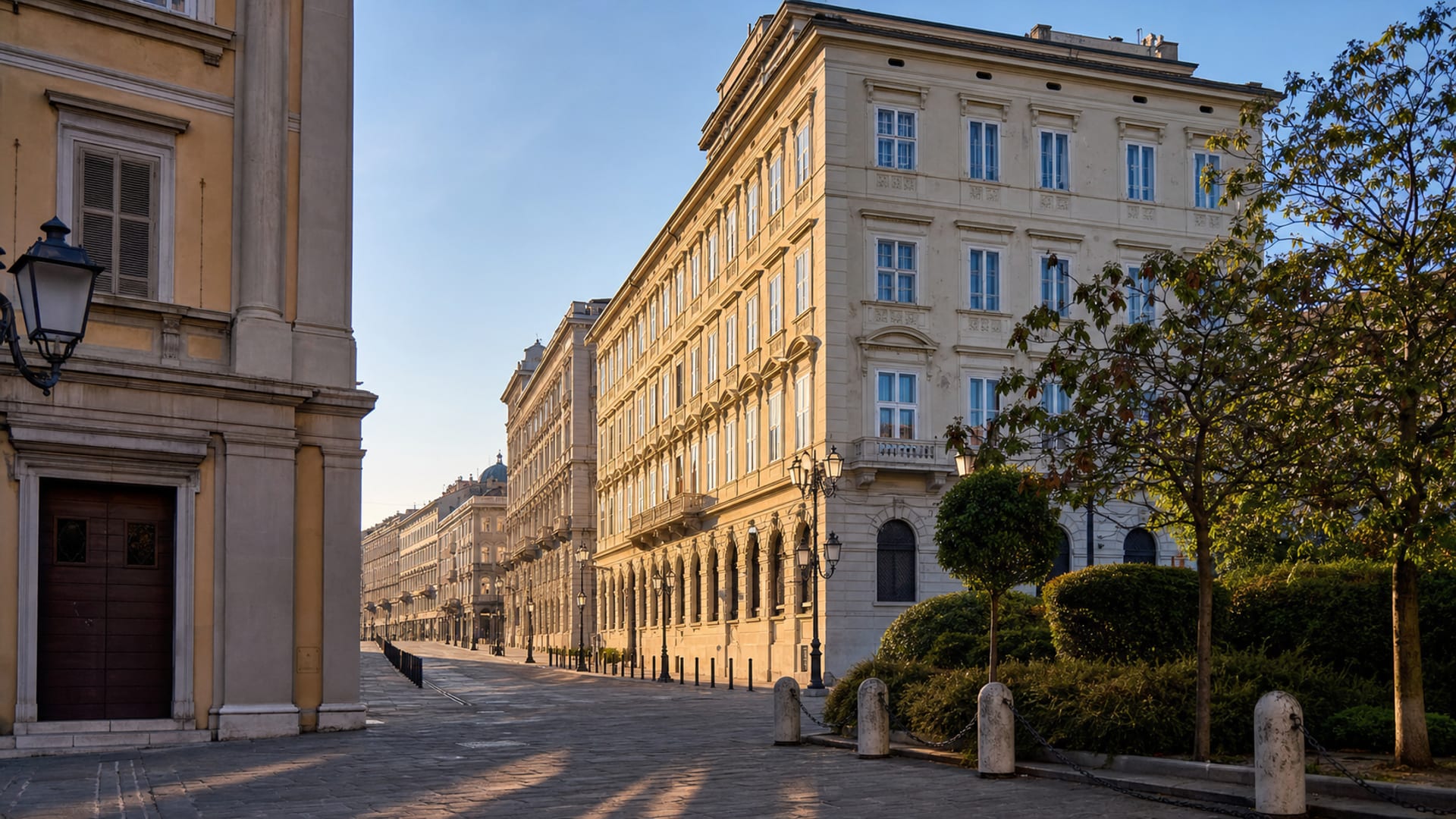
Borgo Teresiano sits just inland from the waterfront, with wide streets, 18th-century buildings, and the Canal Grande at its core. It is a useful base for reaching both the station and the historic center without long walks.
Best for: Train arrivals, short stays, and travelers who want easy movement between station and center
What to expect: Active streets, cafe traffic, and steady movement around the canal and main avenues.
Hotel prices: Usually about €120 to €220 (~$130 to ~$240) per night for well-rated stays
Distance to major sights: About 8 minutes on foot to Trieste Centrale; about 12 minutes on foot to Piazza Unità d’Italia
Quietness: Busy in the morning and late afternoon, quieter on side streets at night.
Main trade-off: The area gives up a little seafront atmosphere, and the closest streets can feel traffic-heavy at peak times.
Good to know: Choose a property on a side street if you want less traffic noise, because the main corridors stay active through the day.
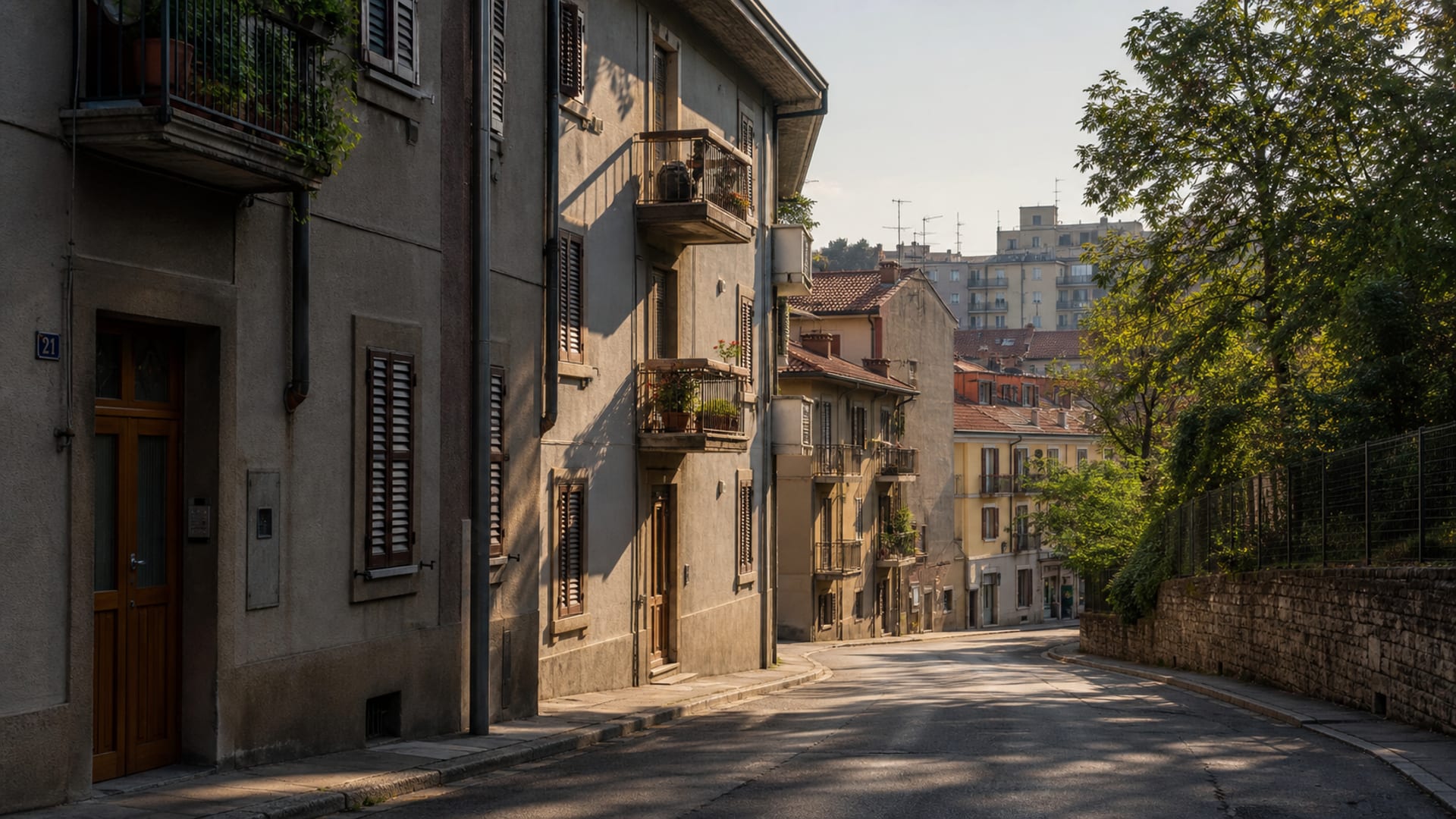
San Giacomo is a residential neighborhood southwest of the center, with local bakeries, neighborhood bars, and a more lived-in daily pace. It can work well if you want lower prices and do not mind using buses or walking farther for major sights.
Best for: Budget-minded stays, longer visits, and travelers comfortable using buses
What to expect: Local street life, fewer tourists, and a quieter residential setting after work hours.
Hotel prices: Usually about €80 to €150 (~$87 to ~$165) per night for well-rated stays
Distance to major sights: About 20 to 30 minutes by bus to Piazza Unità d’Italia; about 10 minutes by bus to Trieste Centrale
Quietness: Calmer in the evening than the center, with the quietest blocks away from main roads.
Main trade-off: You save money, but you spend more time reaching the waterfront, and fewer hotels sit within an easy walk of the core sights.
Good to know: Check bus frequency before booking, because late returns can take more planning than staying nearer the center.
Travelers usually avoid Muggia, Opicina, and Barcola if they want to stay close to Trieste’s main sights, since each sits outside the compact city center and adds transit time for evening returns. The port edge near the Stazione Marittima also feels less convenient for an overnight base because visitor amenities thin out after business hours and the area suits ferry access more than sightseeing.
Hotel deals
How to get around Trieste efficiently
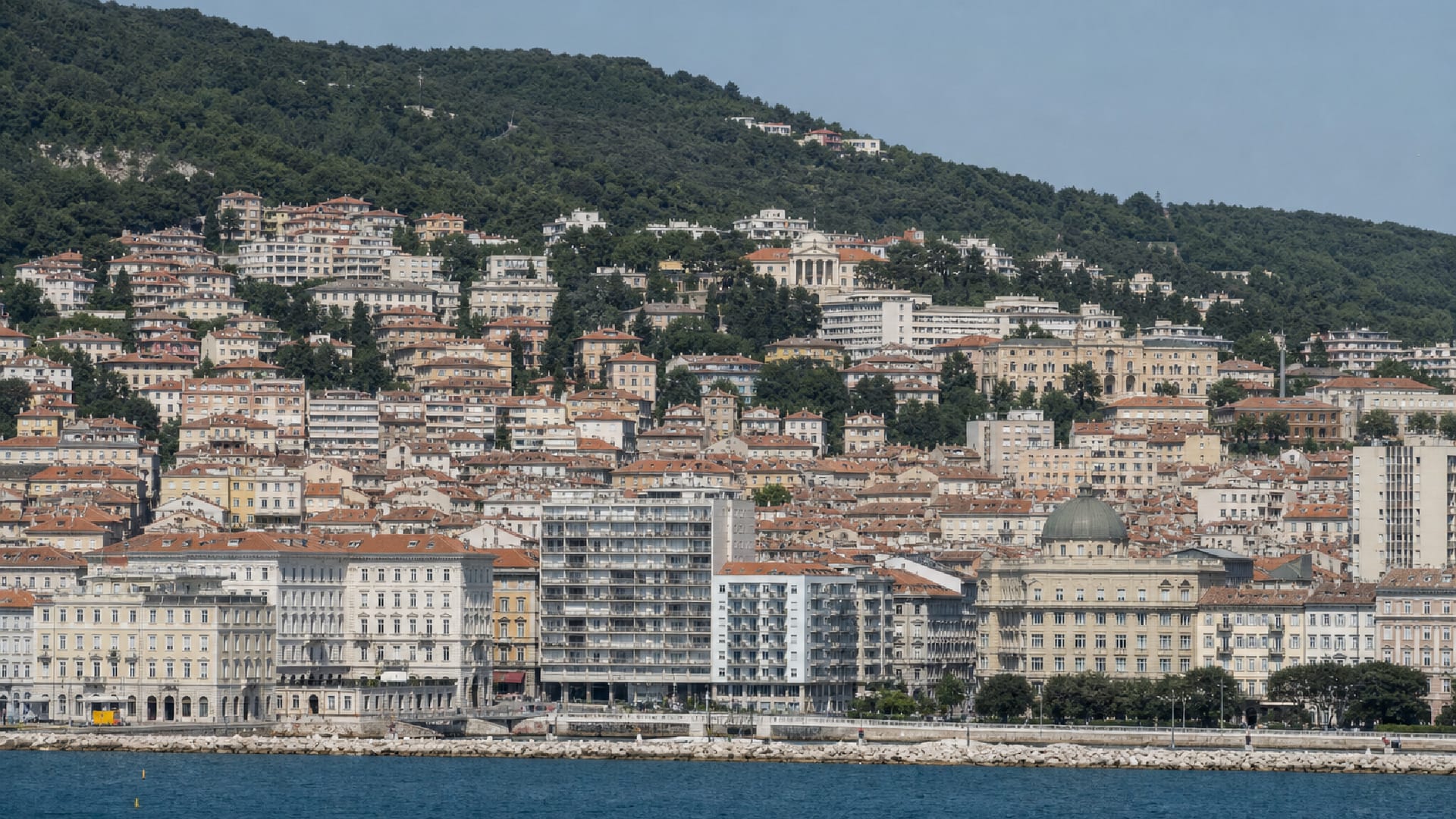
Trieste has no metro, so most visitors move between the center, the hills, and Miramare by bus, taxi, or on foot.

Train
for longer regional trips
Trieste has no metro, so visitors rely on suburban rail only for a few edge cases, while most trips stay on foot, by bus, or by taxi. Regional trains can link Trieste Centrale with outlying towns, but they do not function as an urban subway substitute. Fares vary by distance, and short local hops usually cost about $3 to $8 (€3 to €7).

Bus
for city travel
Trieste’s buses form the main public network, with lines run by Trieste Trasporti and frequent service on central corridors, uphill neighborhoods, and the rail station area. A single ticket usually costs about $1.70 to $2.00 (€1.50 to €1.85) and is valid for roughly 60 to 75 minutes, depending on the ticket type. Buy before boarding at kiosks, tobacco shops, or machines, then validate on entry; contactless options may be available on some vehicles.

Taxi
for convenience or late hours
Licensed taxis use metered fares in Trieste, with no common airport flat rate from Trieste Airport (TRS) to the center, so the final price depends on time, traffic, and luggage. A typical ride from Trieste Airport (TRS) to downtown costs about $45 to $65 (€41 to €60), while shorter inner-city trips often land near $8 to $18 (€7 to €17). Use the rank, phone a local company, or ask your hotel to call one; most cabs accept cards, but it is wise to confirm before you depart.
*Prices are based on rates updated as of June 2026 and may change at the time of travel.
Walk for the compact center, use buses for uphill districts and cross-town hops, and take a taxi when you want the quickest run to Miramare or the airport.
Iconic landmarks
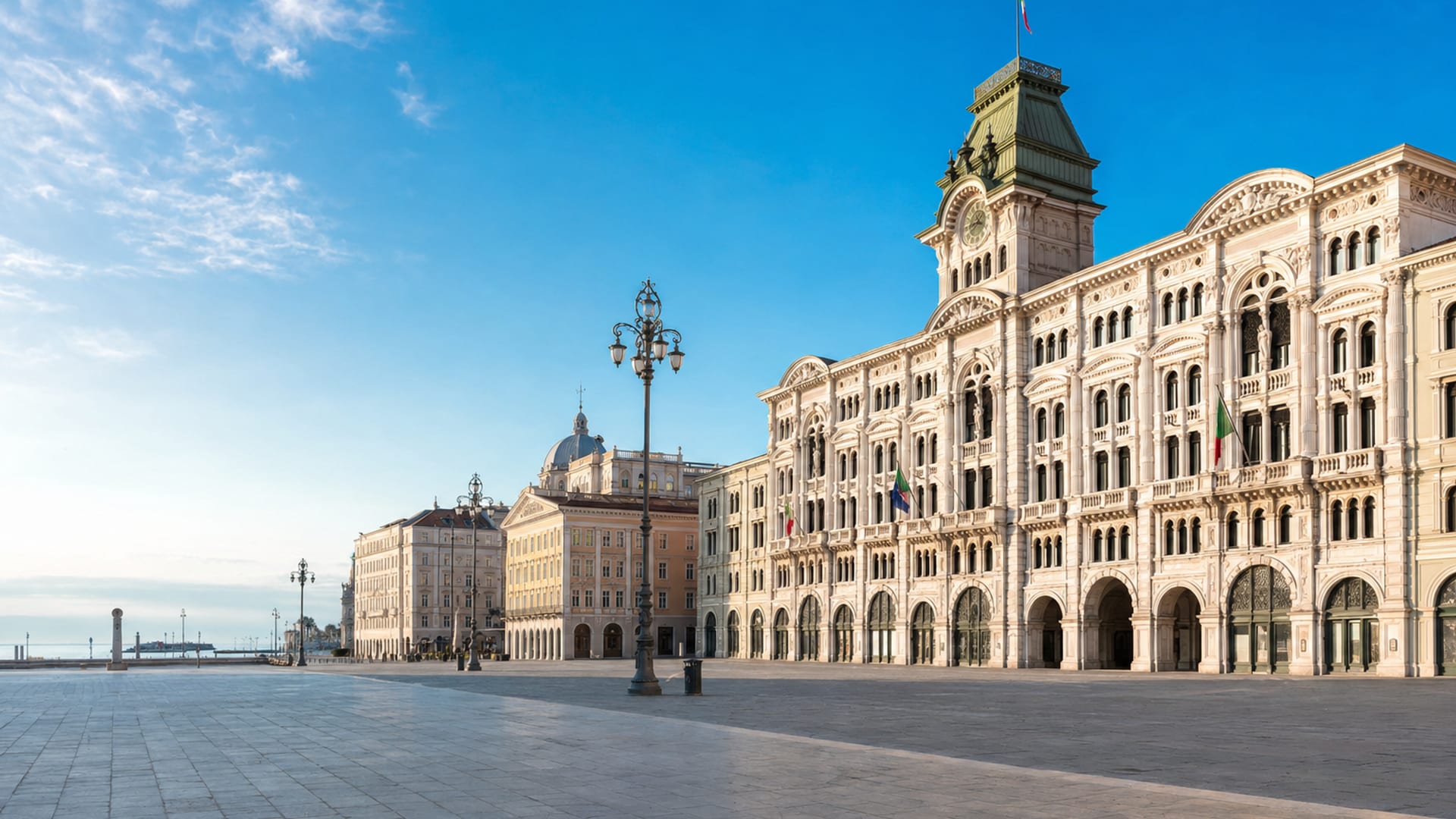
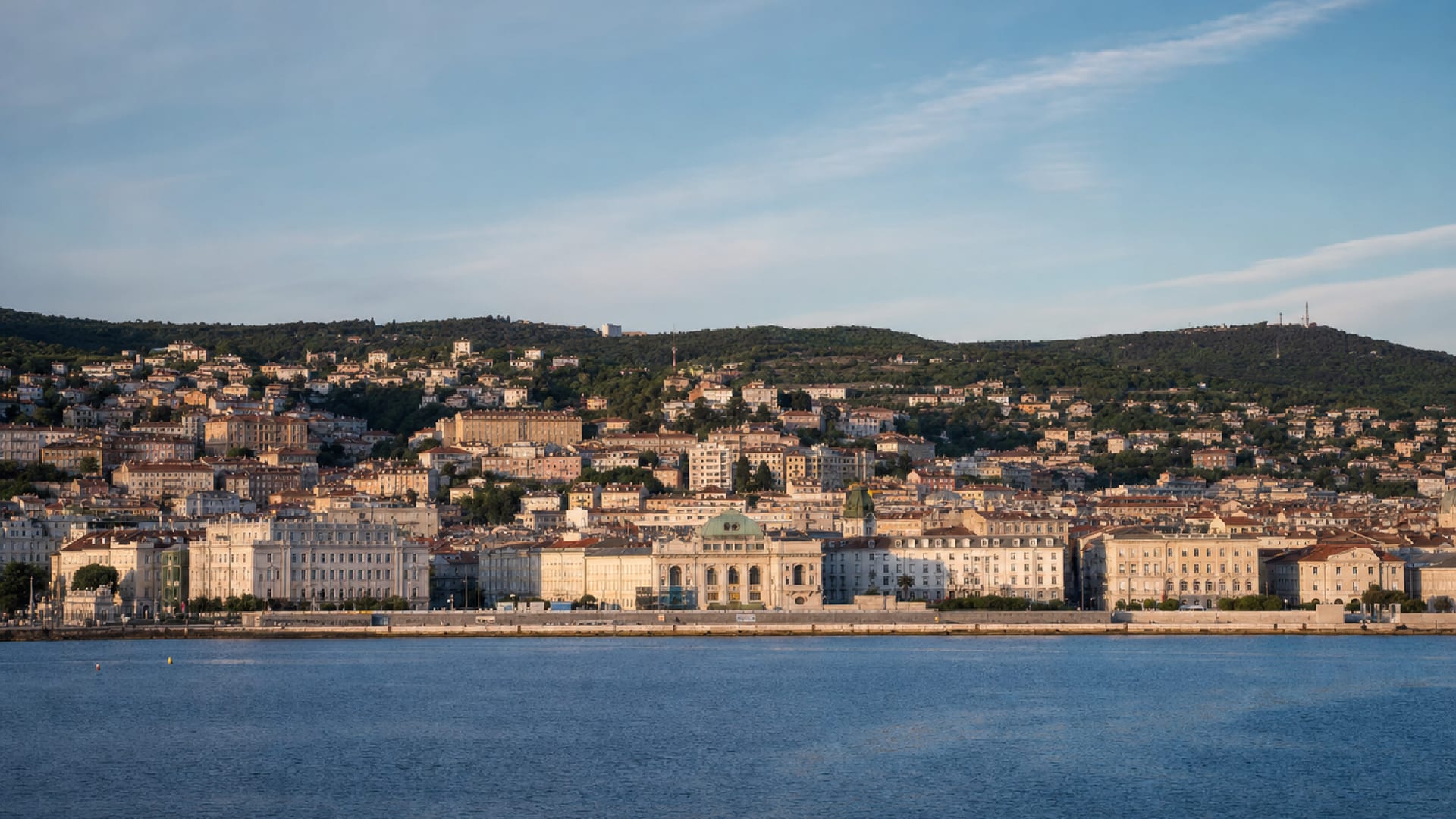
Piazza Unità d'Italia
Trieste’s grand seafront square opens directly to the Adriatic and is framed by historic palaces on three sides. Visit for the fountain, civic buildings, and evening light on the facades and harbor.
Time needed: About 45 to 60 minutes
Entry: Free to access, with no timed entry required; cafés and terraces on the square charge separately, and events may affect access to some areas.
Tip: Go at sunset, when the facades catch warm light and the square fills with locals.
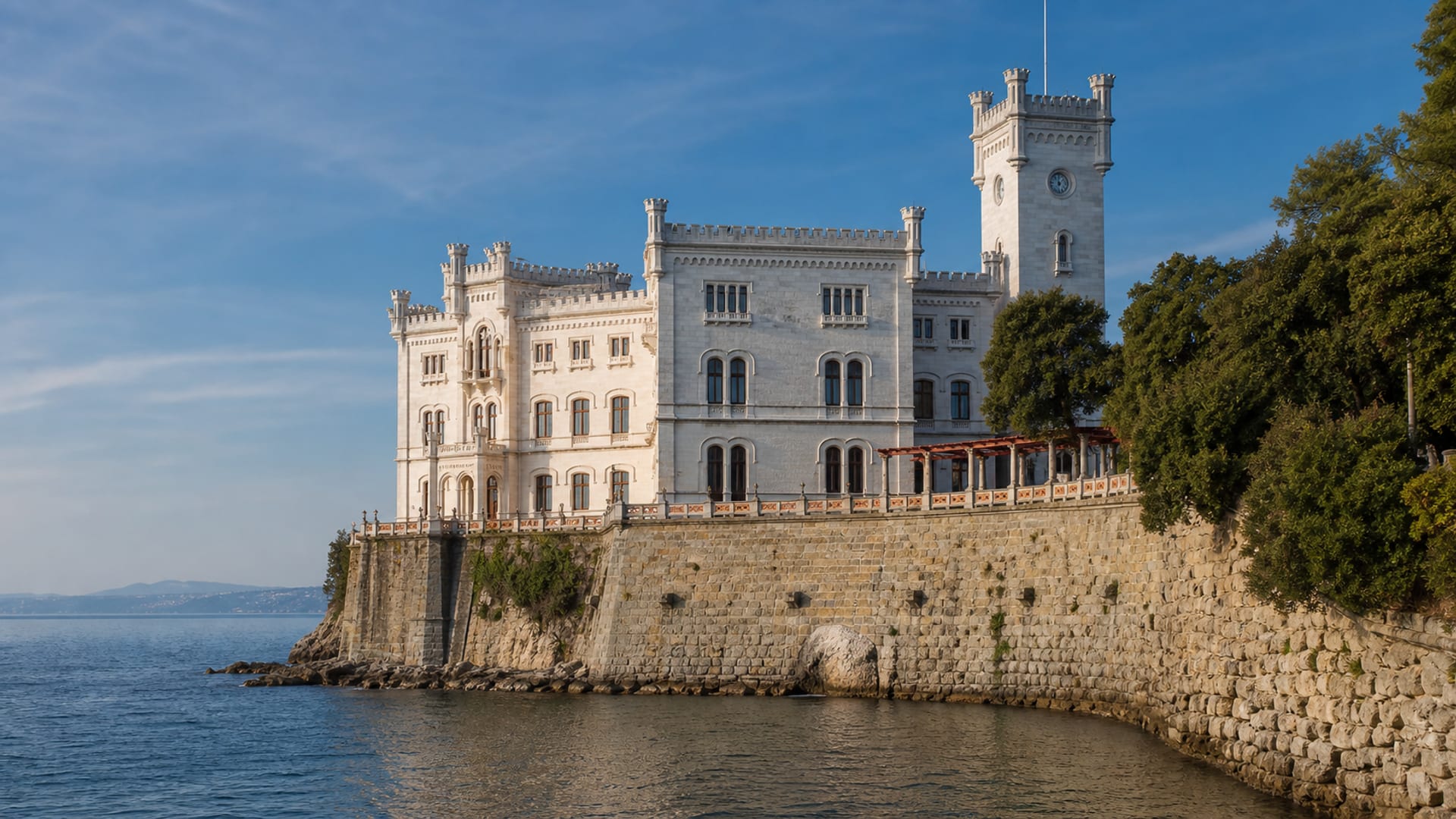
Miramare Castle
This white cliff-top castle north of the center overlooks the Gulf of Trieste and preserves Archduke Maximilian’s 19th-century rooms. The surrounding park adds paths, sea views, and formal plantings.
Time needed: About 2 to 3 hours
Entry: Standard tickets cost $13 to $18 (€12 to €16) for the castle and park, with reduced rates for eligible visitors; park-only entry is cheaper. Visit the official site for details.
Tip: Arrive early, then walk the park before the midday crowds and heat build.
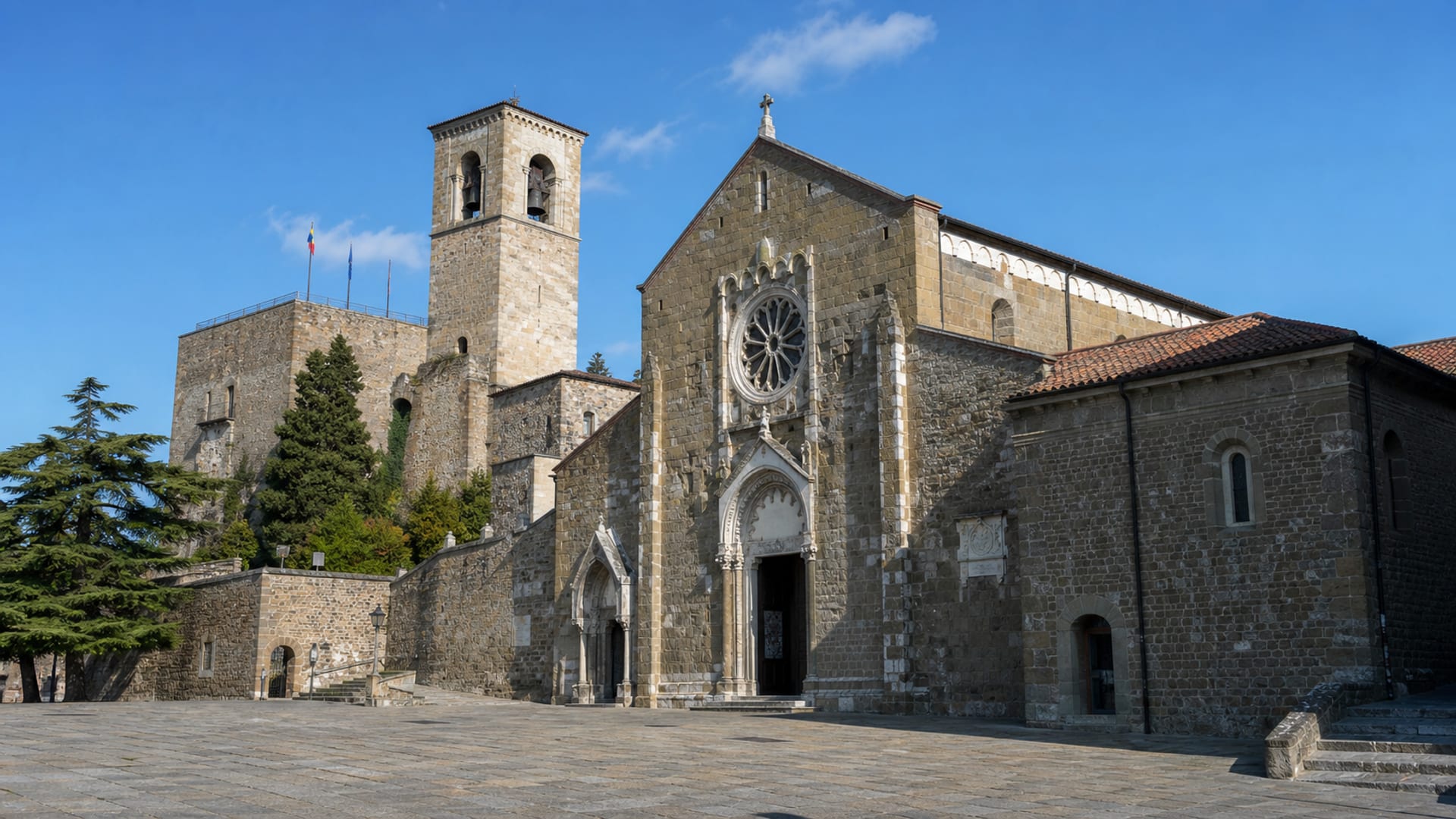
San Giusto Cathedral and castle hill
Trieste’s cathedral crowns the old hill beside the castle, with Roman remains, medieval walls, and city views in one compact area. The mosaics inside and the terrace outside make the climb worthwhile.
Time needed: About 1 to 2 hours
Entry: Cathedral entry is free; castle and museum tickets cost about $7 to $11 (€6 to €10), depending on the areas visited and concessions applied. Visit the official site for details.
Tip: Visit in the morning for cooler stairs and clearer views across the harbor.
Overlooked sites worth visiting

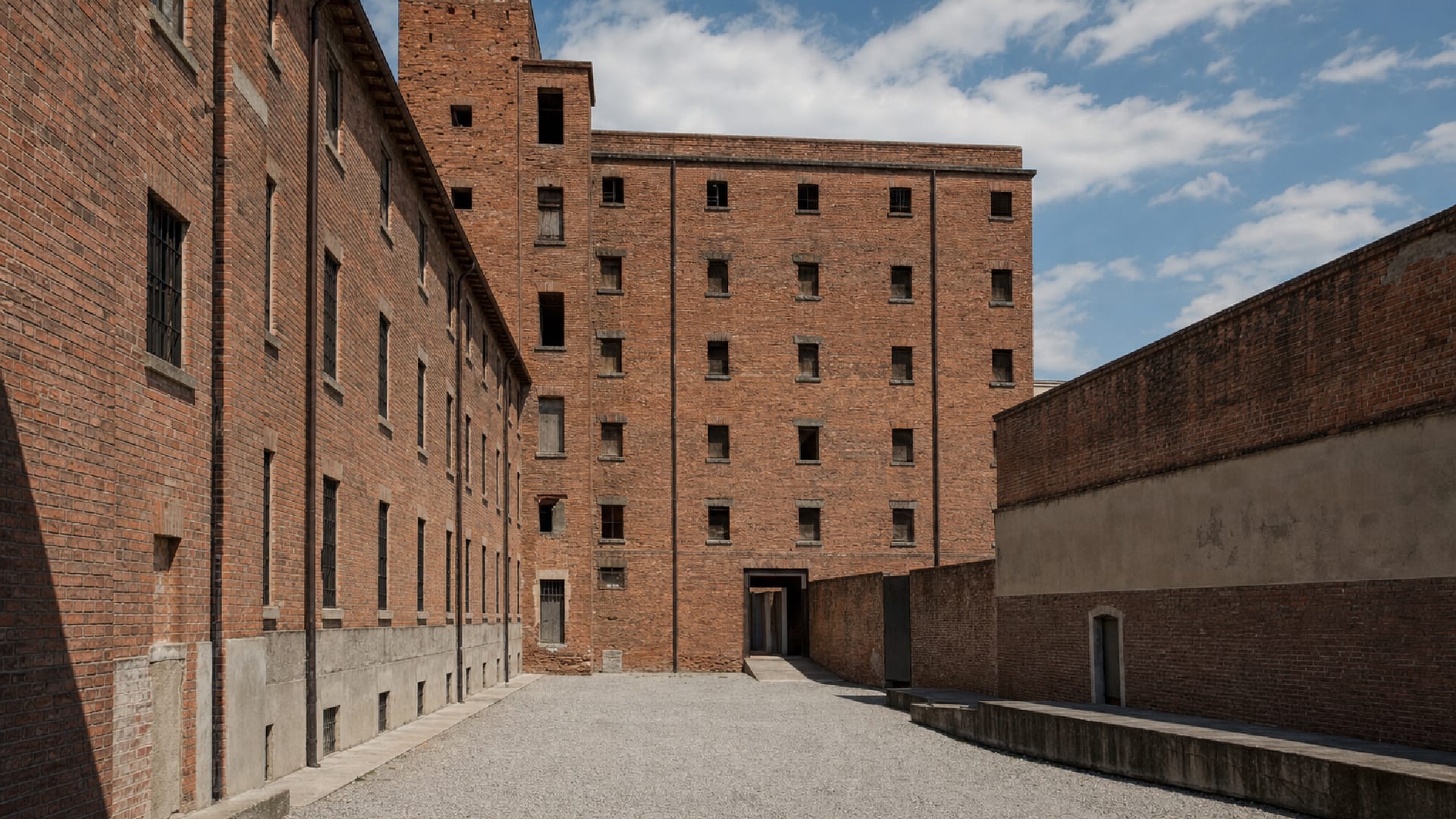
Risiera di San Sabba
This former rice-husking plant was converted into a Nazi detention camp and now holds a stark museum and memorial courtyard. The site pairs survivor testimony with original prison cells and the crematorium area.
Time needed: About 1 to 1.5 hours
Entry: Admission costs $8 to $10 (€7 to €9), with reduced rates for students and seniors; tickets include the museum, memorial courtyard, preserved cells, and the crematorium area. Check the official site for current opening hours, guided visit times, and any temporary closures. Visit the official site for details.
Tip: Go early for quieter galleries and better time to read the panels.

Miramare Castle Park
The castle grounds spread over cliffs and lawns above the Gulf of Trieste, with coastal paths, a small harbor, and long sea views. It is easier to enjoy than the castle interior if you want a slower visit outdoors.
Time needed: About 1.5 to 2 hours
Entry: Park access is free. Castle admission usually costs about $12 to $15 (€11 to €14), with separate tickets for the gardens or combined museum entry; guided options and special exhibitions can change pricing, so confirm current rates on the official site. Visit the official site for details.
Tip: Walk the outer paths near sunset for the clearest Gulf views.
Traditional food
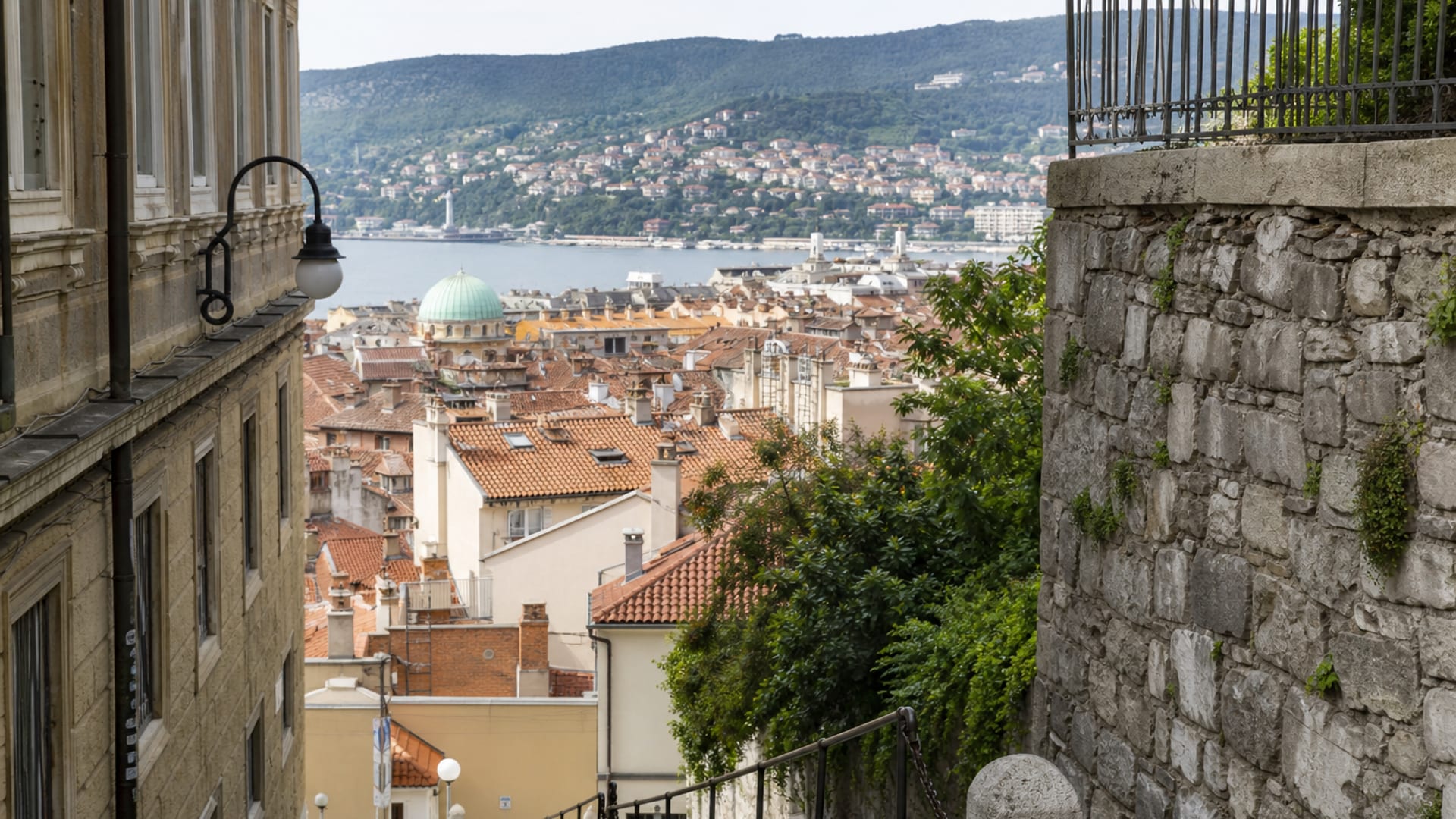
Trieste’s food leans on Adriatic fish, cured meats, pasta, and mountain-style comfort dishes. Jota, prosciutto di San Daniele, gnocchi di Susini, and sardoni in savor show how the city mixes coastal salt with inland richness.
Jota
This bean-and-sauerkraut stew is one of Trieste’s most distinctive plates, especially on cooler days. For a classic bowl, try it at Buffet da Pepi, where the menu leans into local comfort food.
Prosciutto di San Daniele
Thinly sliced ham from Friuli works well as an antipasto or a light meal, often served with bread and a glass of local wine. Antica Trattoria Suban is a strong place to order it in Trieste.
Gnocchi di Susini
These fruit-filled dumplings reflect the city’s Austro-Italian borderland cooking and usually appear as a sweet main or dessert course. Hostaria Riva has a good reputation for serving them in a traditional setting.
Sardoni in savor
Marinated sardines with onions, vinegar, and pine nuts bring the Adriatic onto the plate in a bright, slightly sweet-sour style. For a dependable version, book at Trattoria Nerodiseppia.
Best time to visit Trieste
Trieste works well year-round, but spring and autumn bring the most comfortable walking weather, while summer gives you longer evenings on the waterfront and winter keeps indoor museum days appealing.
Best for: Harbor walks, castle visits, and clear shoulder-season sightseeing
What you get: About 50 to 68°F (10 to 20°C), with moderate crowds and comfortable conditions for long walks
Trade-offs: Rain can interrupt a day outdoors
Best for: Seafront evenings, outdoor cafes, and Miramare Park
What you get: About 68 to 86°F (20 to 30°C), with the heaviest crowds at the square and castle
Trade-offs: Midday heat can make hill climbs tiring
Best for: Food stops, city walking, and museum visits
What you get: About 52 to 72°F (11 to 22°C), with lighter crowds after early September
Trade-offs: Weather can turn wet and windy
Best for: Museums, cafes, and short sightseeing days
What you get: About 37 to 50°F (3 to 10°C), with low crowds except around holidays
Trade-offs: Short daylight hours limit long outdoor plans
A realistic 5-day plan in Trieste
The five-day plan follows a simple pattern: start near the waterfront, move uphill for the old city, reserve the long coastal outing for Miramare, and leave room for one serious memorial visit before departure.
Fly into Trieste (TRS) and plan the 30 to 40 minute transfer into town by taxi or airport shuttle, which usually costs about $55 to $75 (€50 to €68) for a taxi or about $5 to $8 (€4.50 to €7) for the coach. Base yourself near Centro storico if you want the easiest first evening on foot, or in Borgo Teresiano if you want a quick walk from Trieste Centrale. After settling in, drink plenty of water, then take a short stroll to Piazza Unità d’Italia for an early look at the waterfront before a light dinner in the square or along Canal Grande.
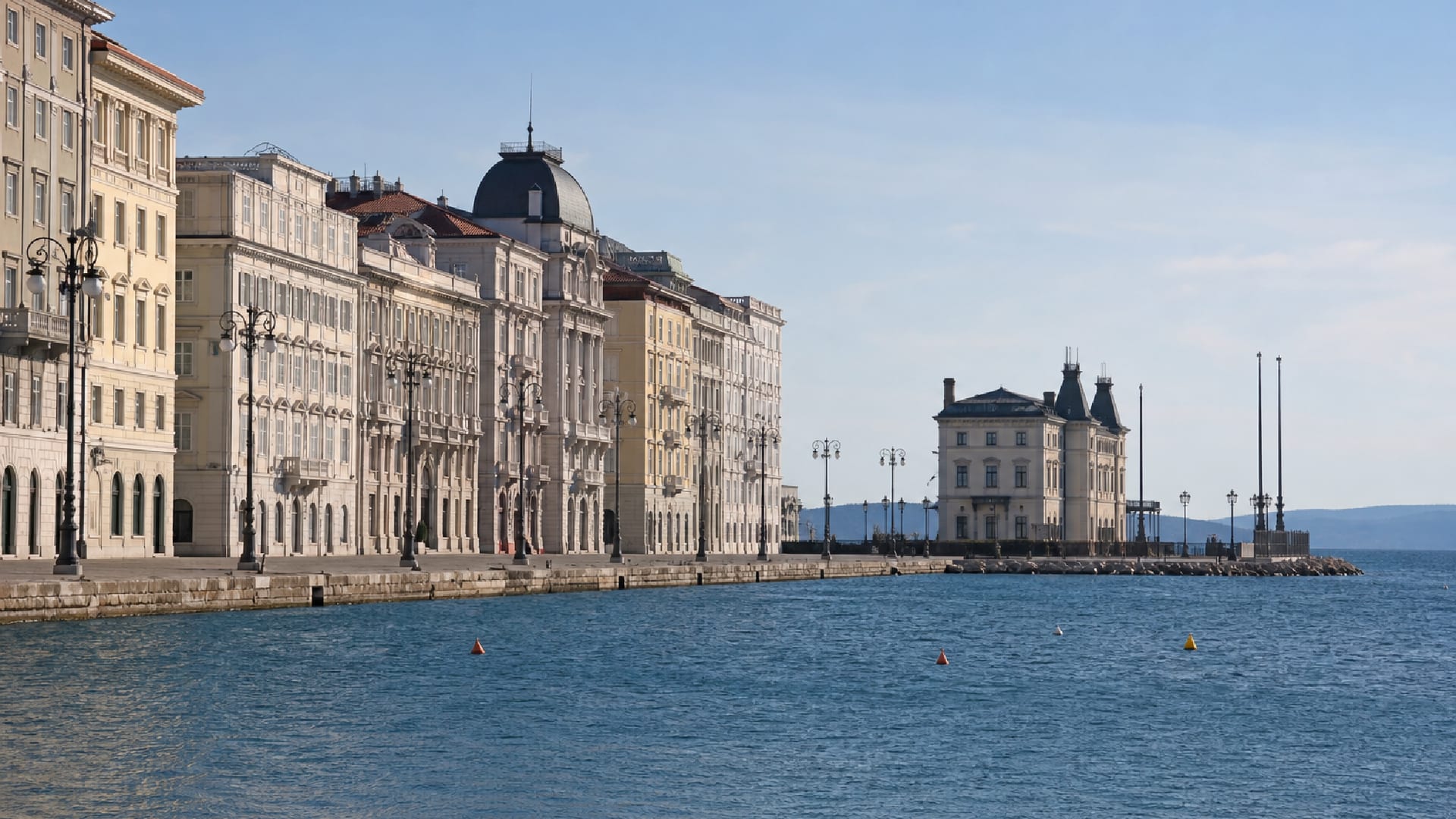
Start at San Giusto Cathedral and castle hill in the morning, when the climb is cooler and the harbor views are clearer, then spend about 1 to 2 hours moving between the cathedral, the castle, and the Roman remains. From there, walk roughly 15 minutes down into Centro storico for lunch, then continue about 10 minutes to Piazza Unità d’Italia for an unhurried late-afternoon visit. End with dinner near the square, so you stay close to the seafront after dark.
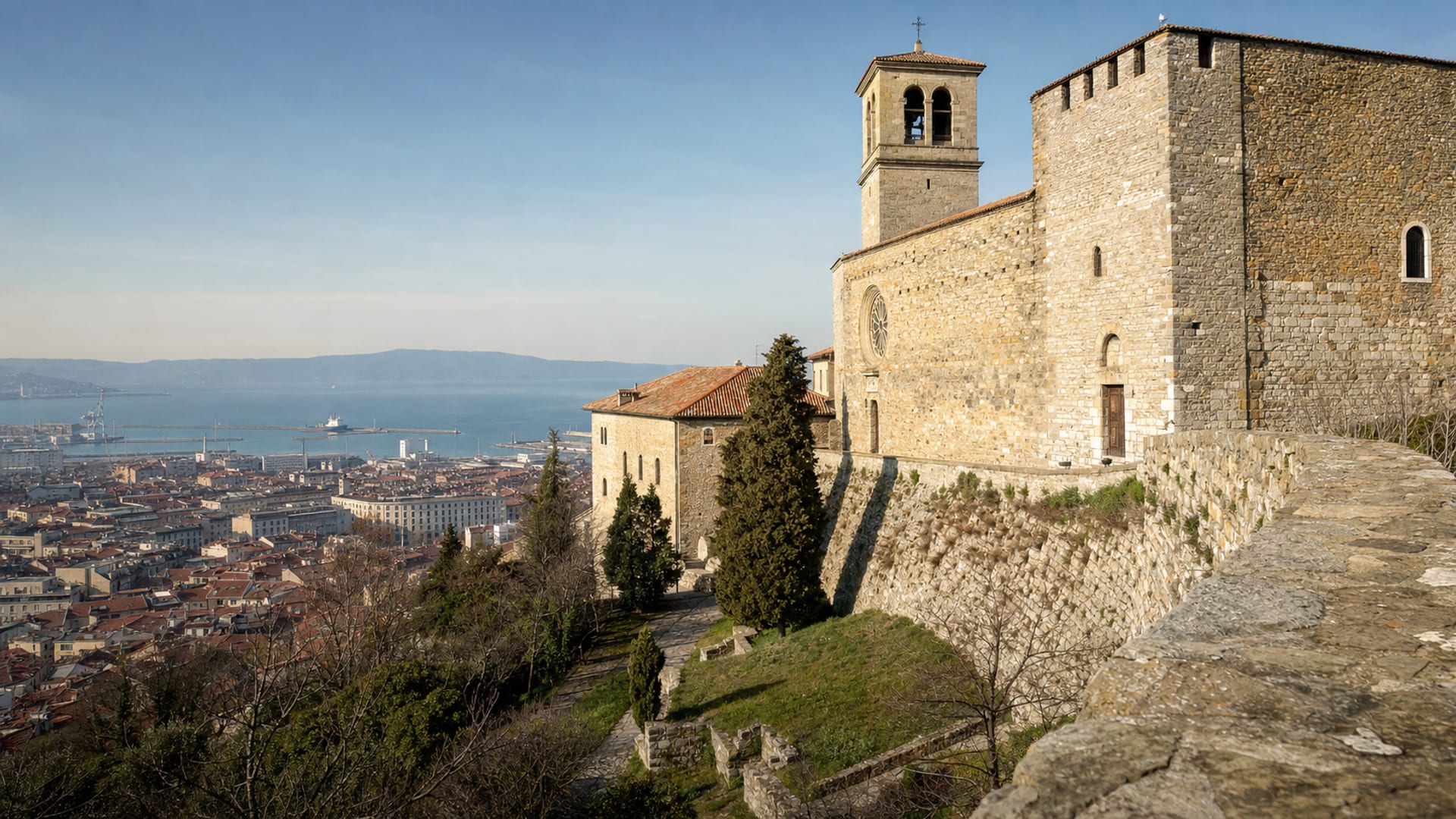
Begin with Miramare Castle, which is about 25 to 30 minutes from the center by bus or taxi, and allow 2 to 3 hours for the rooms and the park. Then linger in the grounds or shift to Miramare Castle Park for coastal paths and long views over the Gulf of Trieste. Return to town in the late afternoon and have an easy supper in Borgo Teresiano, where the canal-side streets give you a clear route back to your hotel.
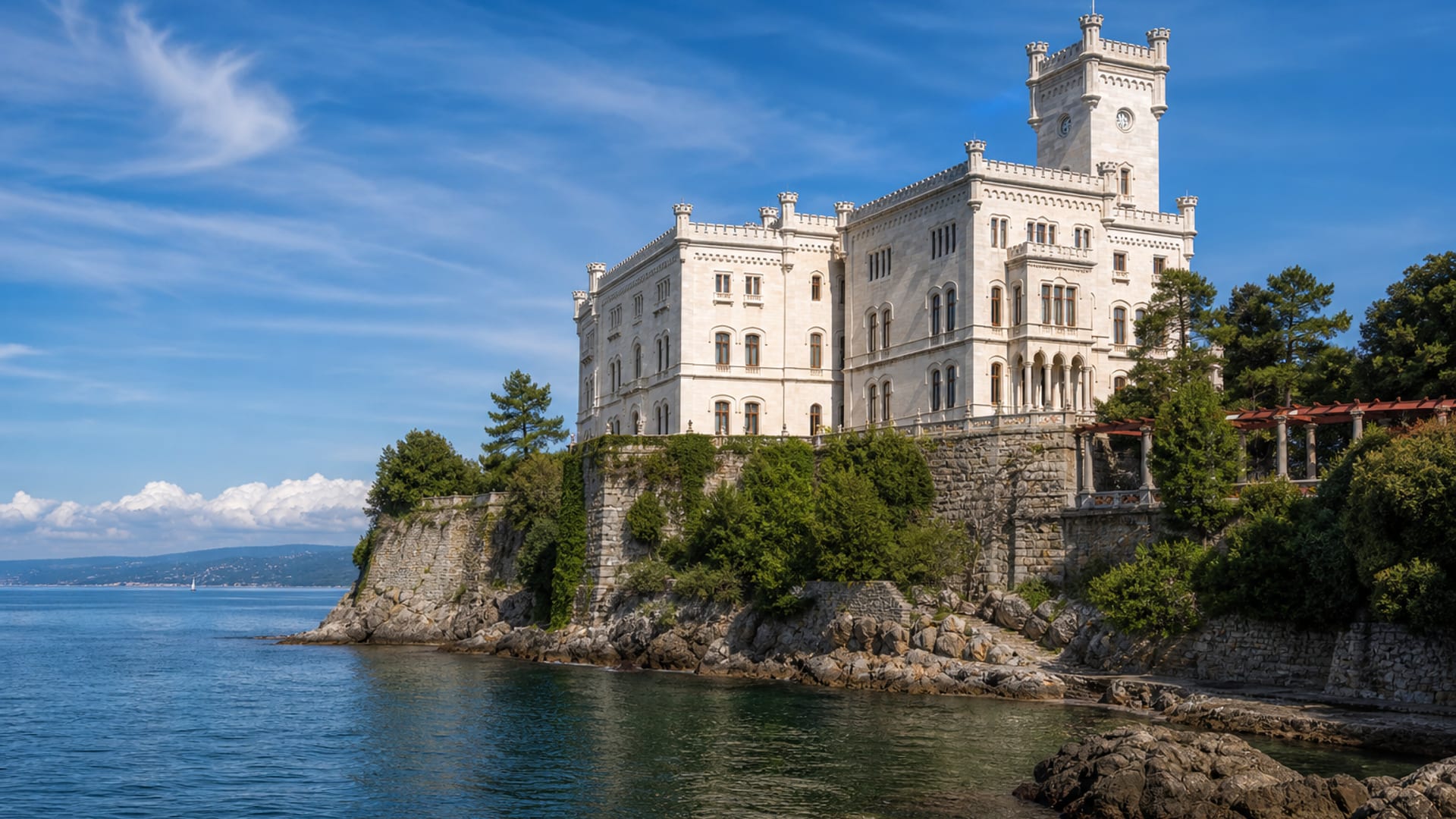
Spend the morning at Risiera di San Sabba, about 15 to 20 minutes from Centro storico by bus or taxi, and allow 1 to 1.5 hours to read the exhibits and walk the memorial spaces at a measured pace. Afterward, head back toward the center for lunch, then finish the afternoon with a slow promenade through Borgo Teresiano and along the Canal Grande, which sits about 10 to 15 minutes on foot from the historic core. In the evening, settle into a neighborhood trattoria in Centro storico or San Giacomo if you want a lower-key dinner away from the waterfront crowd.
Spend your last morning on a final stop at Miramare Castle Park if you want sea air and cliff views, or return to Piazza Unità d’Italia for one more look at the waterfront before departure. Then browse the shops and cafes in Borgo Teresiano, which works well for a final coffee near Trieste Centrale, especially if you are catching a train or a late flight. If time allows, finish with a long espresso and a pastry before heading out.
Business-class flights from the US to Trieste
Reaching Trieste from New York or Los Angeles usually means a one-stop itinerary, so the main choice is which European hub fits your schedule best. The airline mix is broad enough that you can prioritize timing, connection length, or fare.
From New York, ITA Airways, Lufthansa, Swiss International Air Lines, Austrian Airlines, Air France, and KLM all appear on one-stop itineraries, with connections usually routed through FRA, MUC, ZRH, VIE, CDG, or AMS. The trip takes about 11 to 15 hours overall, and fares from $2,700 to $5,200 round-trip give you a wide band to compare once you see the layover length.
Los Angeles travelers usually see Lufthansa, Swiss International Air Lines, Austrian Airlines, Air France, KLM, and British Airways on one-stop itineraries, with typical connections through FRA, MUC, ZRH, VIE, CDG, or AMS. Expect about 14 to 18 hours in transit, and round-trip fares usually start at $3,200 and can reach $6,500.
Trieste feels different when you slow down
A thoughtful Trieste stay usually means sleeping near Centro storico or Borgo Teresiano, riding the bus up to San Giusto, reserving time for Miramare, and ending the day back at Piazza Unità d’Italia when the facades catch the last light. That mix keeps the city legible without flattening it into a checklist. If you want help shaping the route, the AranGrant experts can turn these neighborhoods and transit links into a trip that fits your dates and pace







