

Chapters:

Need help with your trip?
Our support team is available 24/7. Request a callback or call us directly at (833) 619-0908
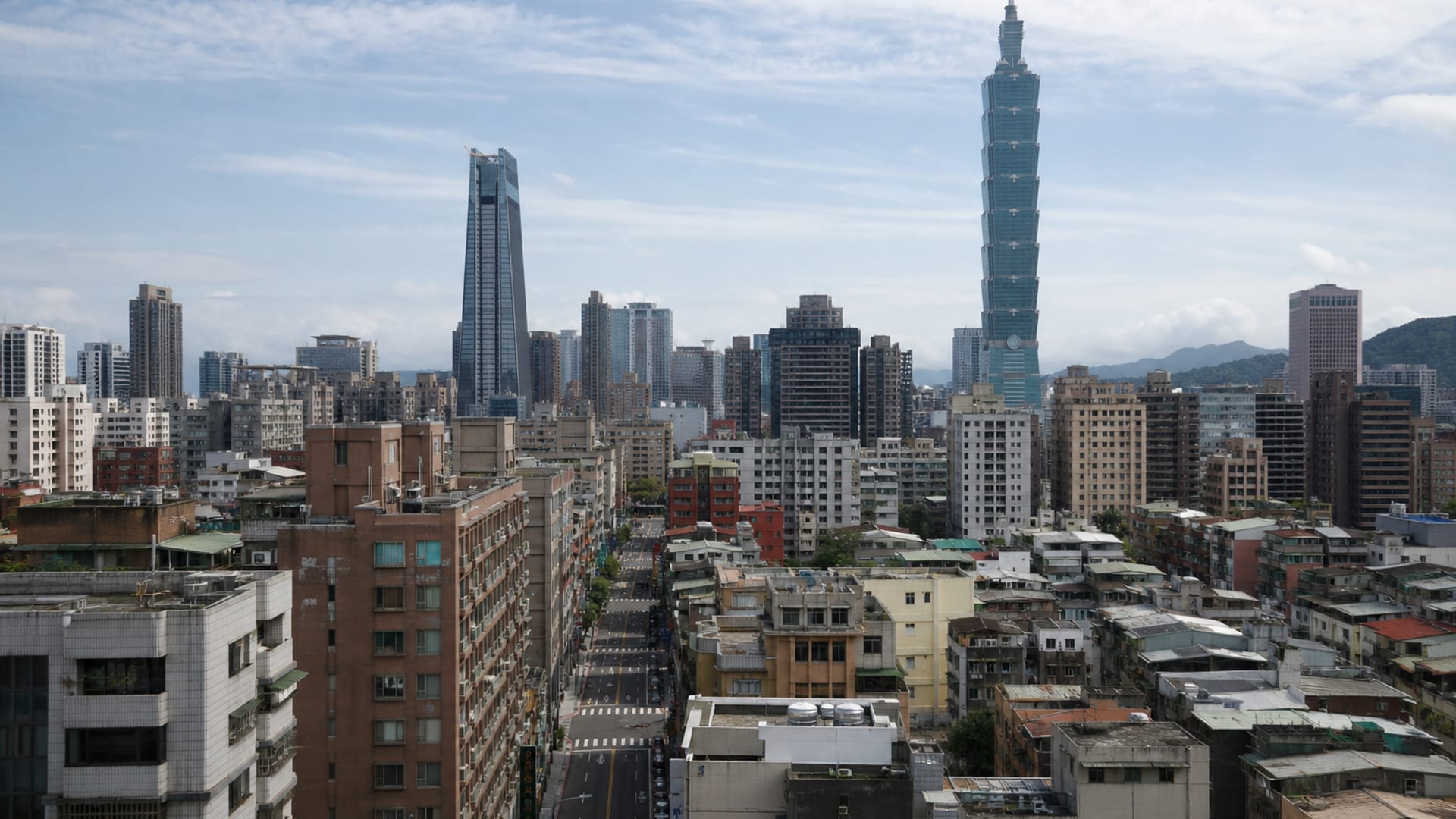
Taipei itineraries often start with a temple, a market, and one quick ride up Taipei 101, yet many visitors miss how much time the city asks between stops. The city rewards a lighter first day, then a sharper eye for district changes and transit timing.
Long cross-city hops, evening crowds, and a few hilltop or museum visits can make a packed plan feel rushed if you stack them without breakpoints. Ximending, Dadaocheng, Da’an, Xinyi, and the northern museum area each work on different schedules.
This guide sets those pieces in order, so you can pair neighborhoods with the right transit, choose meals that fit the day, and leave space for the routes that actually take time.
Useful things to know

Main language(s): Mandarin Chinese
你好 (nǐ hǎo) – Hello/good morning
請 (qǐng) – Please
謝謝 (xiè xiè) – Thank you
你會說英語嗎? (nǐ huì shuō yīng yǔ ma?) – Do you speak English?
多少錢? (duō shǎo qián?) – How much does it cost?

Currency: The local currency is the New Taiwan dollar (TWD, NT$).

Cash and cards: Cards and contactless are widely accepted; carry about NT$300 to NT$500 ($10 to $16) for small vendors.

Tipping: Tipping is not customary; round up small bills or leave a little for exceptional service.

Traditional food: Beef noodle soup, xiaolongbao, stinky tofu, scallion pancake

Water and coffee costs: Water about NT$25 to NT$40 ($1 to $1.25), bar espresso about NT$80 to NT$150 ($2.50 to $5).

Taxis and ride apps: Uber and Taiwan Taxi operate here; airport pickup rules can vary.

Plug and voltage: Type A/B socket, 110V

Dining and shop opening hours: Breakfast is about 7:00-9:30 am, lunch 12:00-2:00 pm, and dinner 6:00-9:00 pm. Night markets often stay open until about 11:00 pm or later.

Emergency number: 112 for emergency help, 119 for fire and ambulance, 110 for police.
Where to stay in Taipei
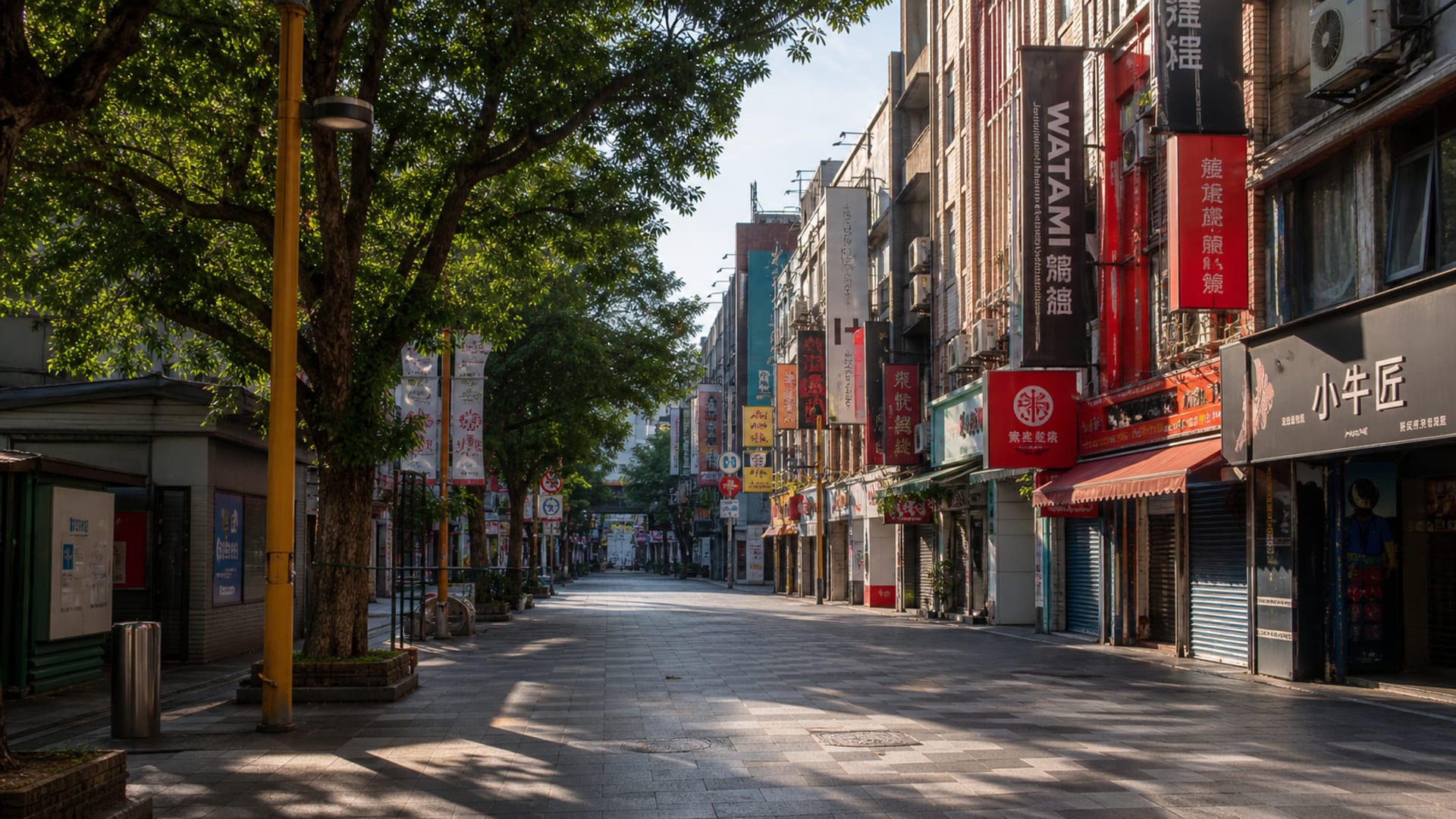
Taipei’s most neon-heavy pedestrian district, packed with malls, cinemas, snack stalls, and late-opening shops. It puts you close to the city’s youth culture and keeps West Gate, Longshan Temple, and the main metro lines within easy reach.
Best for: Nightlife, street food, and travelers who want a lively central base
What to expect: Crowded sidewalks, bright signage, and a steady stream of shoppers and snack runs into the evening.
Hotel prices: Usually about $80 to $180 per night for well-rated stays
Distance to major sights: About 10 minutes by transit to Longshan Temple; about 15 minutes on foot to West Gate
Quietness: Busy through the day and still active late into the evening; light sleepers should expect street noise.
Main trade-off: Prices can climb on weekends, and the busiest blocks feel noisy well past dinner.
Good to know: Choose a room away from the main pedestrian spine if you want less street noise at night.
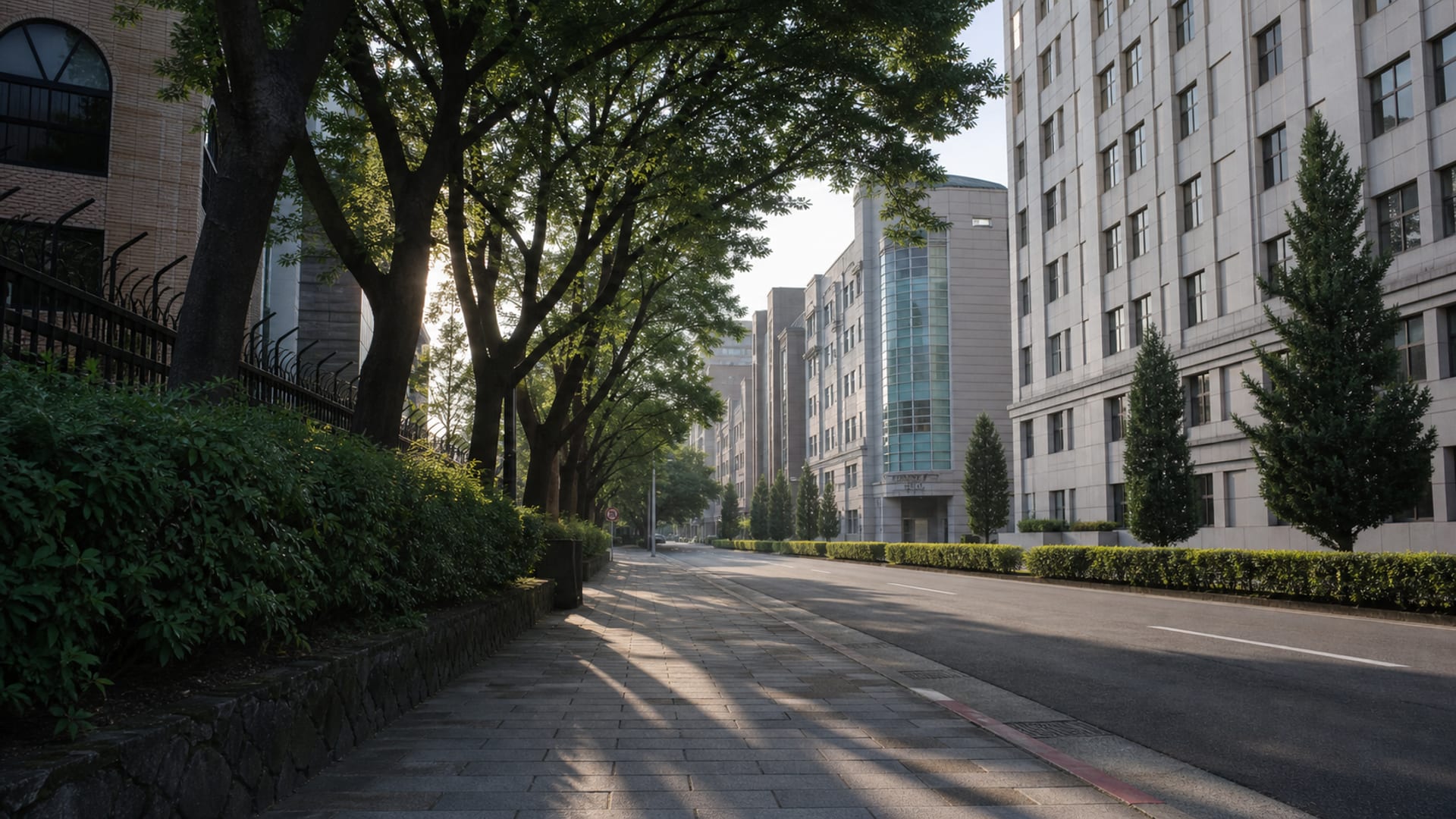
Zhongshan mixes office towers, compact shopping streets, and a dense restaurant scene north of Taipei Main Station. Its central location makes it a strong base for moving between the airport rail, the main station, and older city districts.
Best for: Central access, dining, and travelers who want easy metro connections
What to expect: Busy sidewalks near station exits, with calmer residential blocks a few streets back and plenty of dinner choices.
Hotel prices: Usually about $90 to $220 per night for well-rated stays
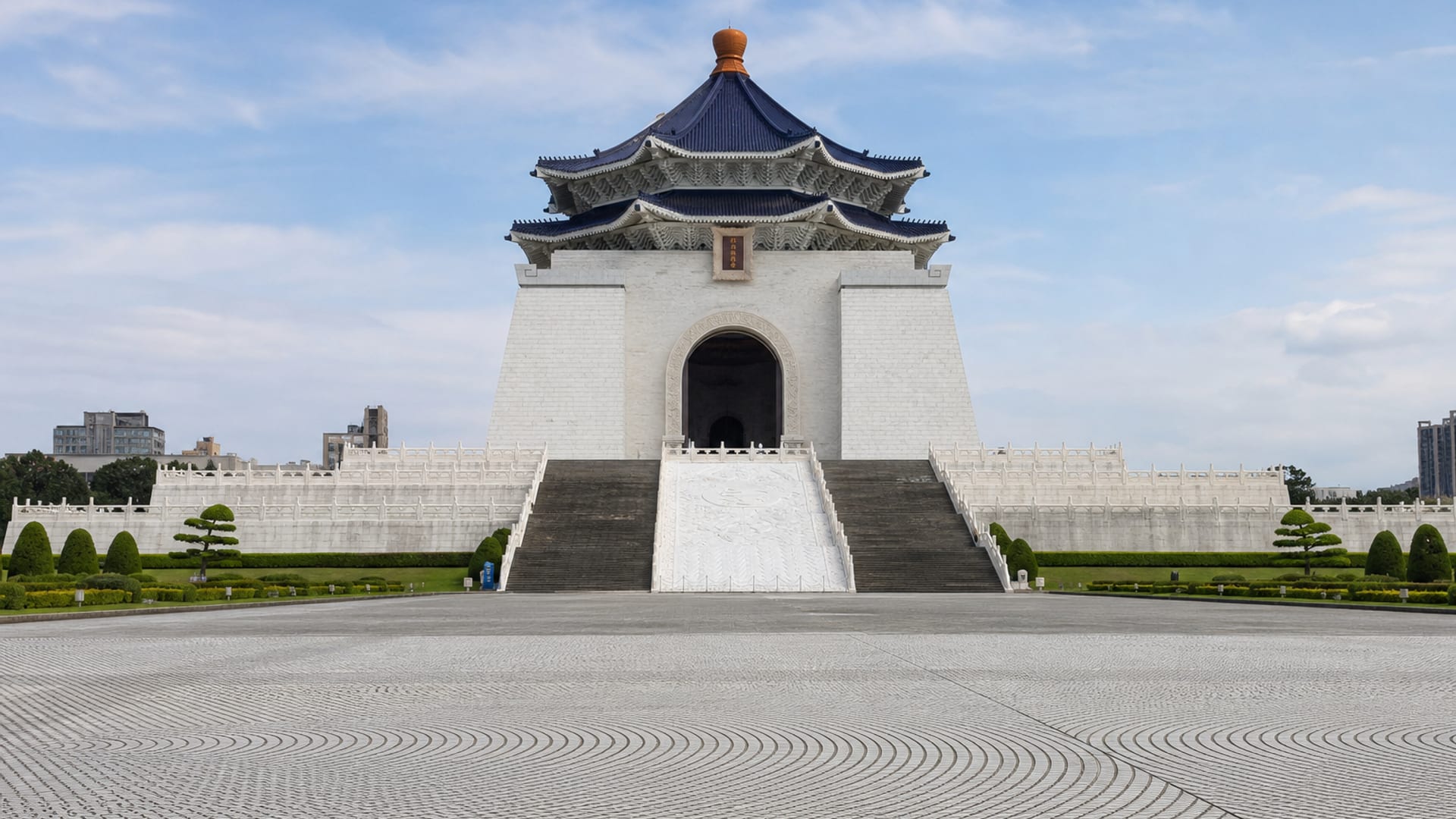
Distance to major sights: About 8 minutes by transit to Taipei Main Station; about 15 minutes by transit to Chiang Kai-shek Memorial Hall
Quietness: Active during office hours and dinner, then noticeably calmer on residential streets after about 10:00 pm.
Main trade-off: The most convenient blocks often cost more than nearby neighborhoods with similar transit access.
Good to know: If you plan early airport or rail departures, staying close to the station cuts transfer time and taxi dependence.
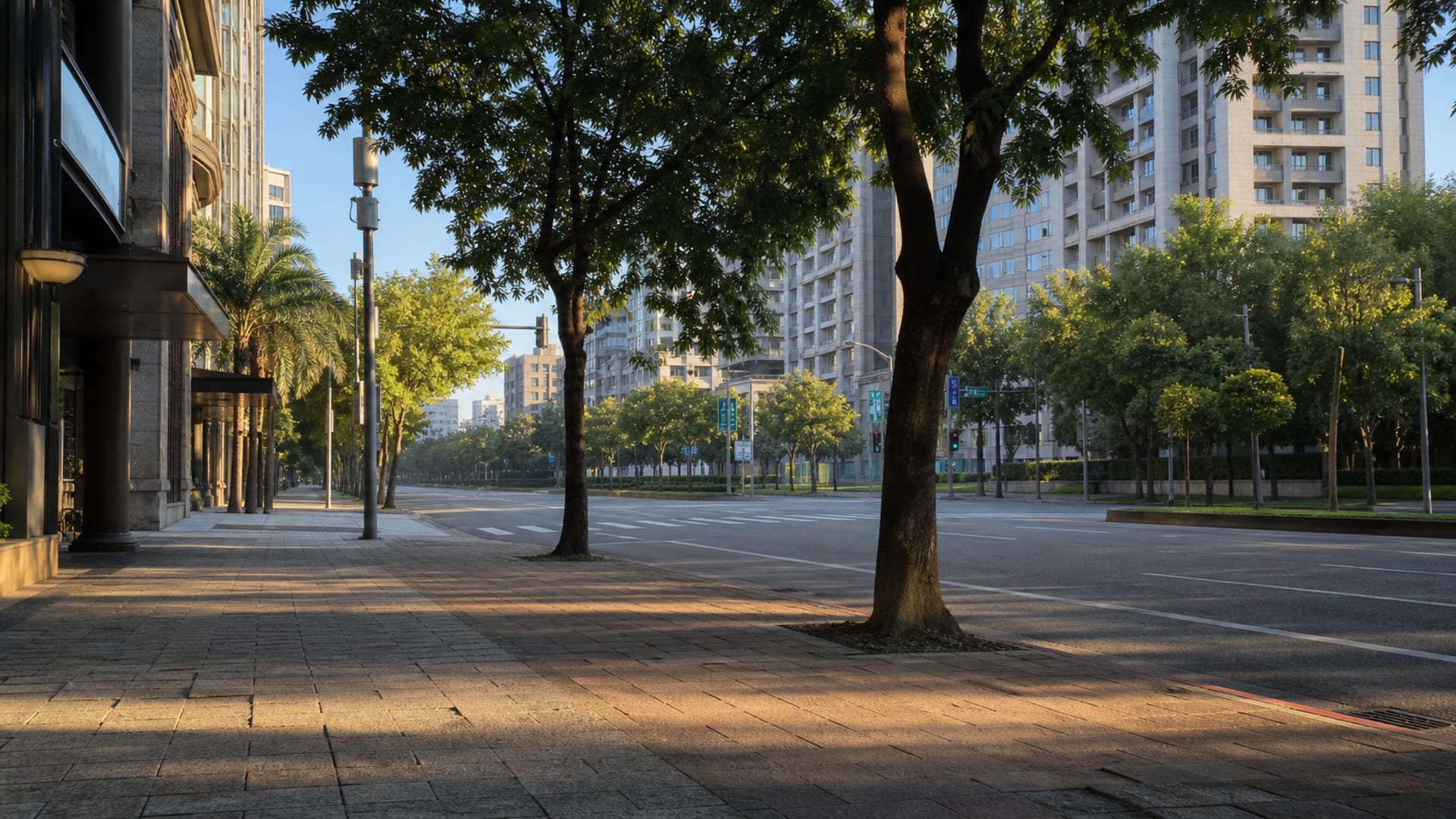
Da’an combines neighborhood cafés, leafy side streets, and some of Taipei’s best everyday dining. It sits between major metro lines and gives you easy access to Da’an Park, Taipei 101, and several shopping corridors without the intensity of the most tourist-heavy areas.
Best for: Dining, parks, and travelers who want a central neighborhood with a residential feel
What to expect: Cafe traffic by day, dinner crowds in the evening, and a mix of apartments, small shops, and local restaurants.
Hotel prices: Usually about $100 to $240 per night for well-rated stays
Distance to major sights: About 10 minutes by transit to Taipei 101; about 12 minutes on foot to Da’an Park
Quietness: Brisk and busy near main roads by day, then quieter on side streets after dinner.
Main trade-off: Hotel rates can be higher than in outer districts, especially close to major metro stops.
Good to know: Pick this area if you want to walk to dinner most nights, since many good choices sit on neighborhood streets rather than in one cluster.
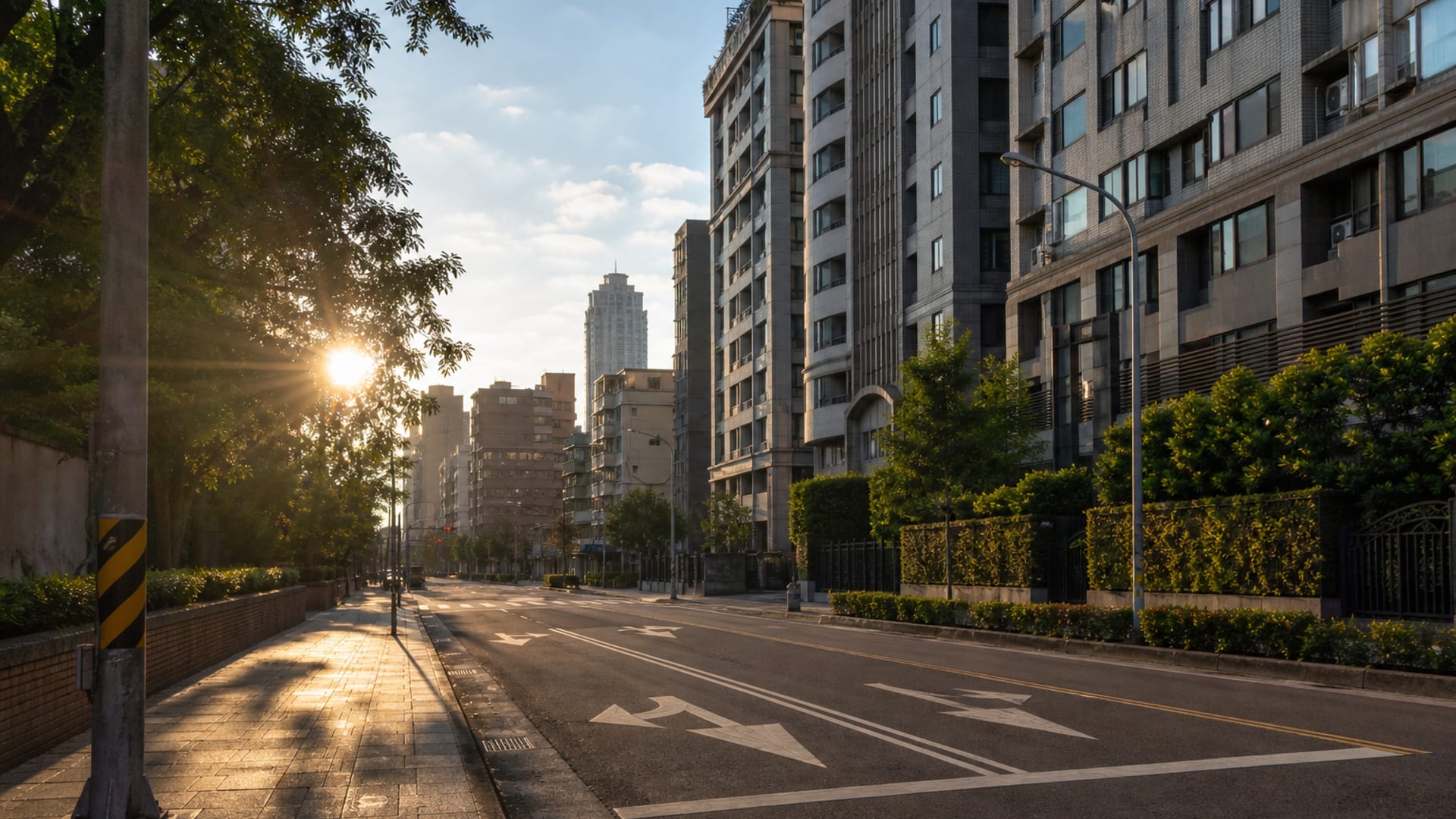
Songshan covers a broad eastern section of Taipei, from Raohe Night Market to newer business blocks near Taipei Arena. It matters because it links local food, shopping, and the airport-side rail corridor without forcing you into the city’s busiest tourist core.
Best for: Night market dining, shopping, and travelers who prefer an eastern Taipei base
What to expect: Mixed crowds from office workers, shoppers, and night-market visitors, with the liveliest streets after sunset.
Hotel prices: Usually about $90 to $210 per night for well-rated stays
Distance to major sights: About 8 minutes by transit to Raohe Night Market; about 15 minutes by transit to Taipei 101
Quietness: Moderately busy in the day, then much louder near the night market and concert venues after dark.
Main trade-off: You may trade central sightseeing convenience for longer rides to western Taipei attractions.
Good to know: Staying near the metro keeps the night market easy to reach, while sleeping farther north or east can cut down on late-night noise.
Travelers usually avoid staying in New Taipei City’s outer districts such as Tamsui, Sanchong, and Xindian if they plan to sightsee in central Taipei, because they sit well outside the main hotel cluster and add time to evening returns by MRT or taxi. Parts of Nangang are also less convenient for most first-time visitors, with fewer visitor-facing amenities than Ximending, Zhongzheng, or Da’an and a heavier tilt toward office and exhibition traffic.
Hotel deals
How to get around Taipei efficiently
Taipei’s Airport MRT, metro network, buses, and metered taxis each solve a different part of the city, so the easiest plan is to match the ride to the distance and time of day.

Metro
for longer distances
Taipei Metro, the airport links into the city by the Airport MRT, with Express trains from Taipei Main Station taking about 35 minutes and Commuter trains taking about 50 minutes. A one-way ride from Taipei (TPE) to central Taipei costs about $5 to $6 (NT$160 to NT$180), and EasyCard or other contactless payment makes transfers easy across metro lines.

Bus and tram
for convenience
Buses serve Taipei (TPE) widely through the city and New Taipei, with signed stops and electronic displays at many major corridors. Fares usually run about $0.50 to $0.70 (NT$15 to NT$20) within the city, often paid with EasyCard, and some airport or cross-city coaches cost about $3 to $8 (NT$100 to NT$250) depending on distance. Night buses cover late departures and arrivals when metro frequency drops.

Taxi
for convenience or late hours
Licensed taxis at Taipei (TPE) use metered fares rather than set airport rates, with a daytime flag fall of about $3.20 (NT$100) plus distance charges that usually put a central Taipei ride at about $25 to $40 (NT$800 to NT$1,300) and longer cross-city trips higher. Drivers normally accept cash, many also take electronic payment, and you can use the taxi rank outside the terminal or book through hotel staff and ride-hailing apps.
*Prices are based on rates updated as of June 2026 and may change at the time of travel.
Use the metro for airport runs and cross-town hops, buses for slower neighborhood links, and taxis when you want to cut a hill, a late return, or a transfer in one move.
Iconic landmarks
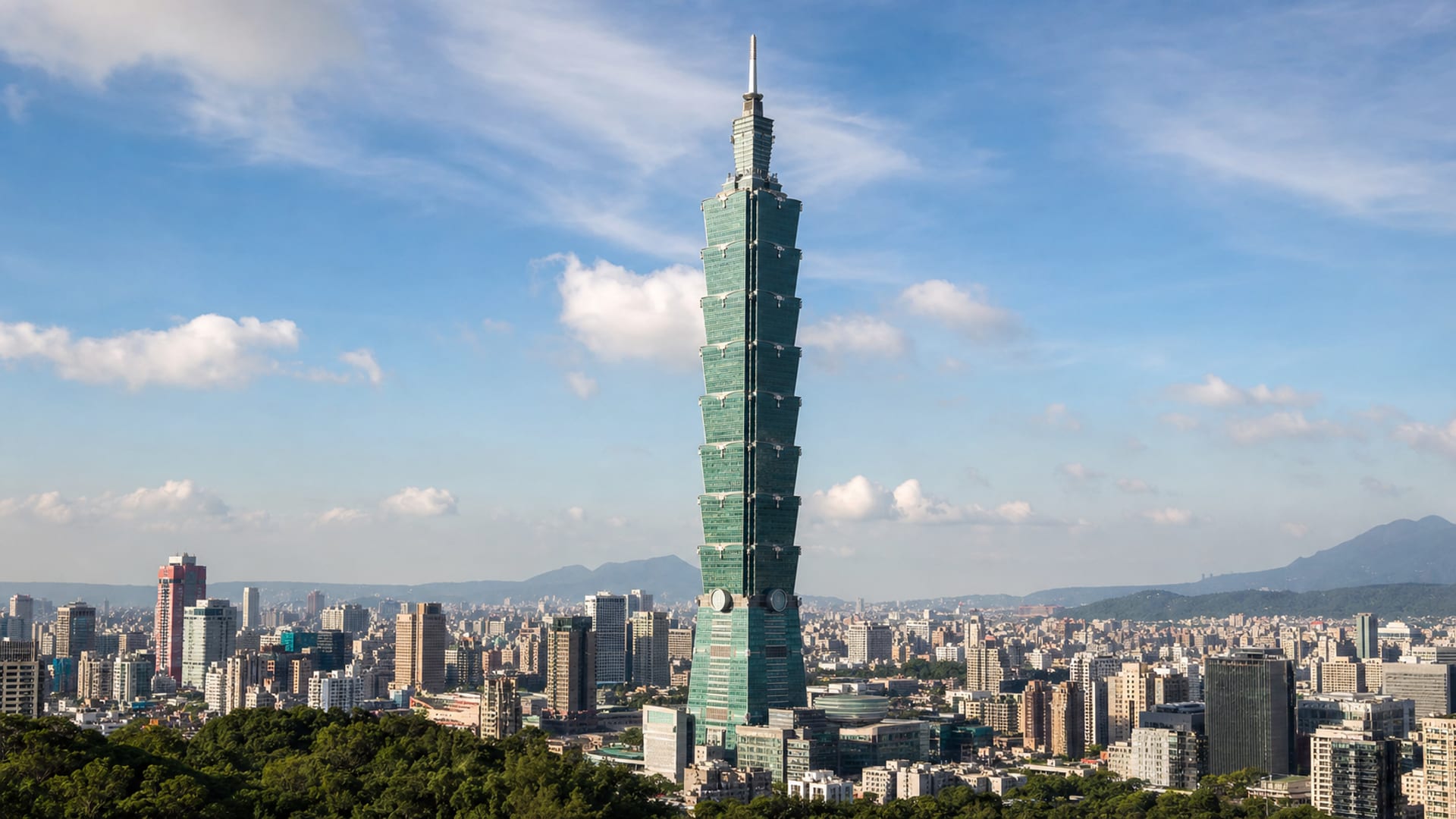
Taipei 101 Observatory
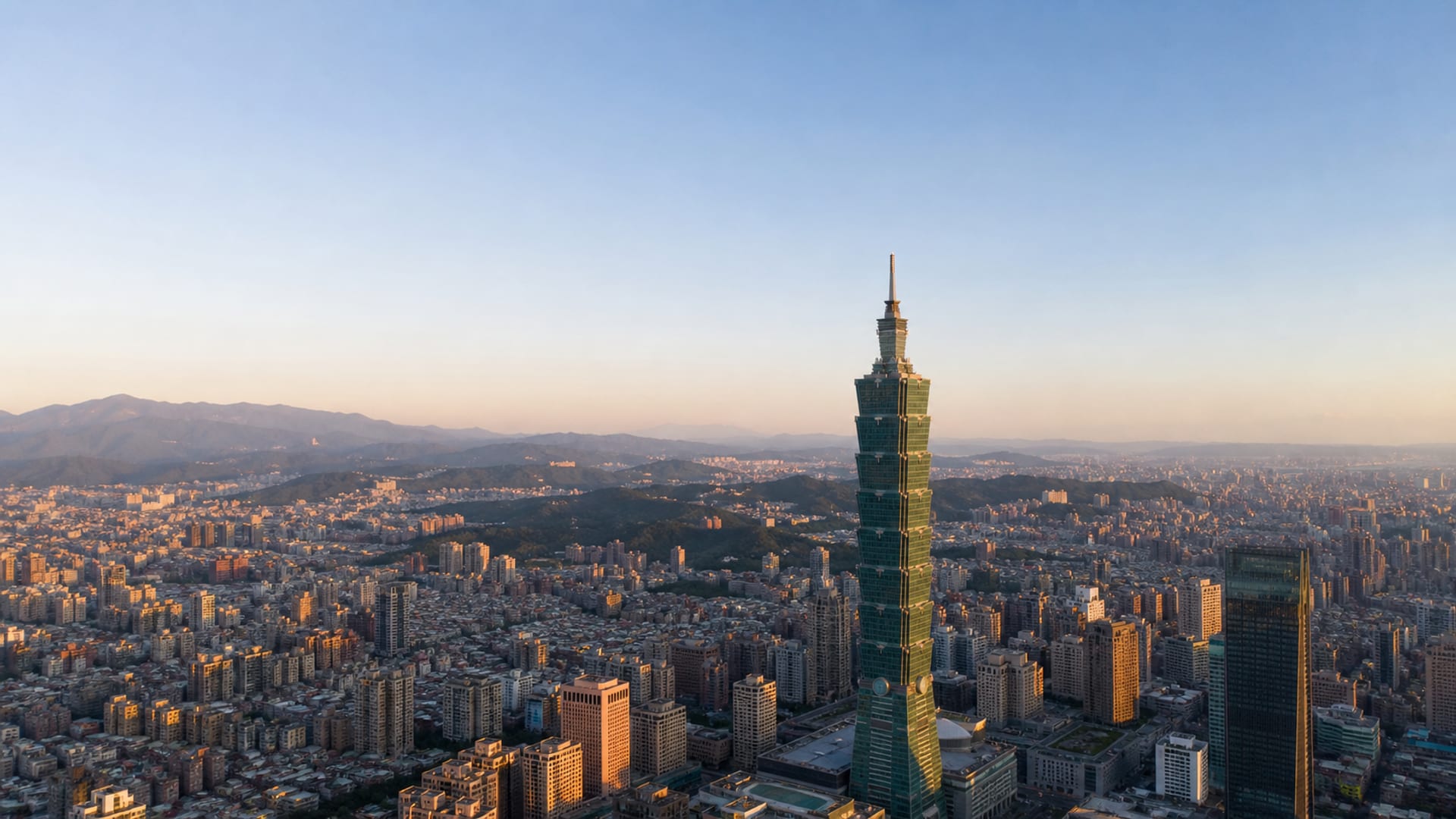
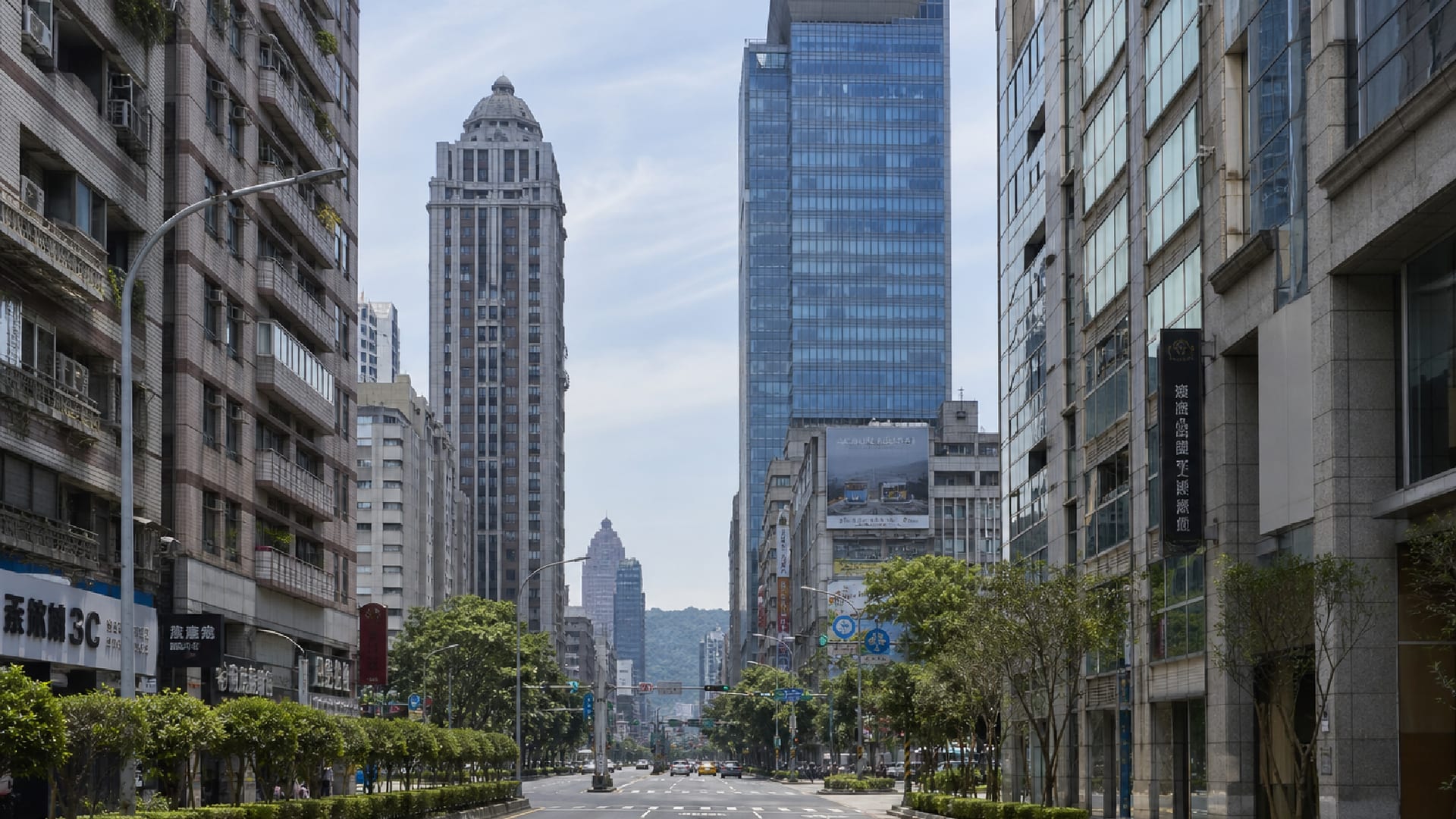
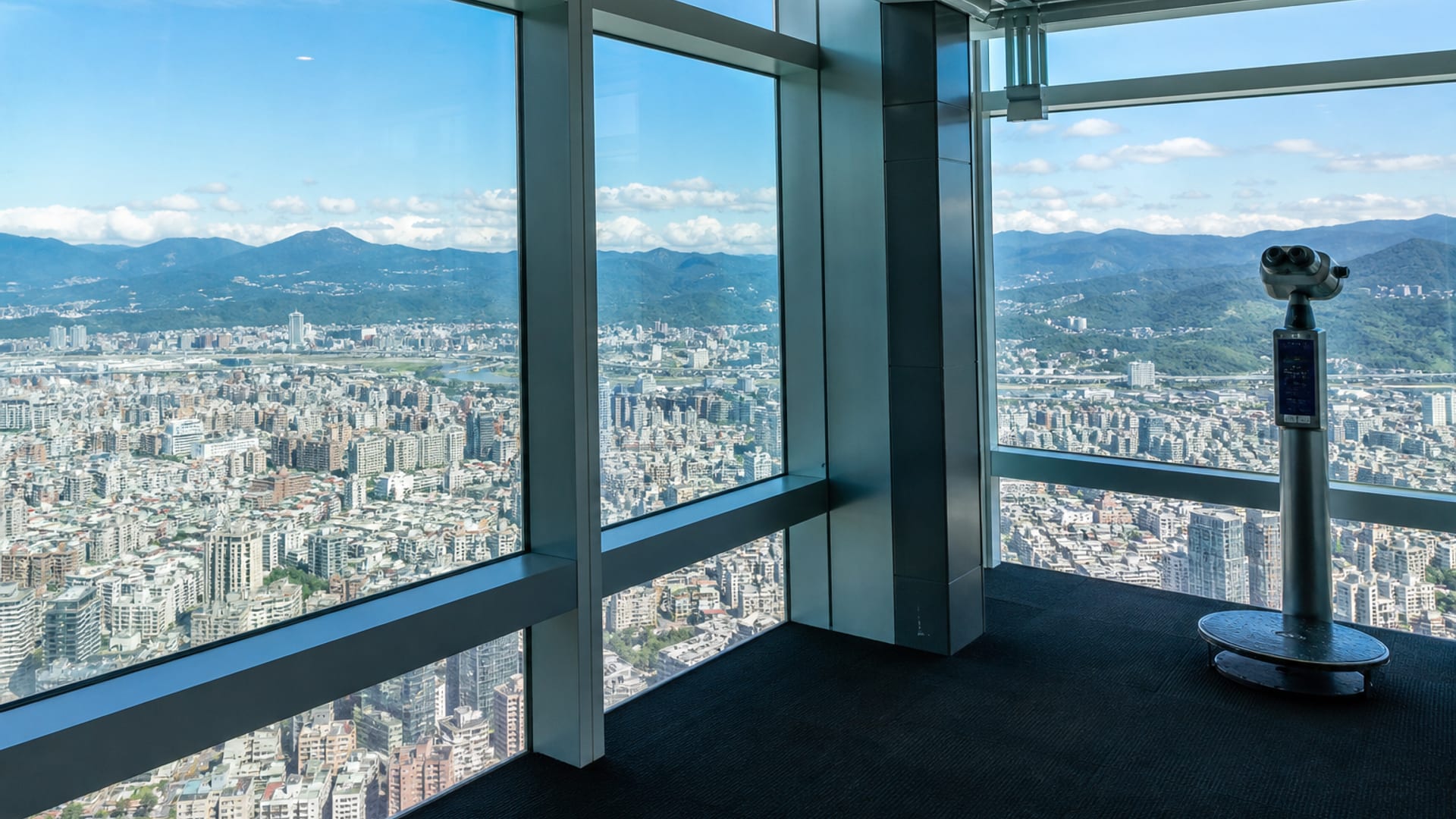
Ride Taipei 101 to the observatory for a wide view across Xinyi, the Tamsui River, and the ridgelines beyond the city. The tower also houses a tuned mass damper visible from the upper levels.
Time needed: About 1 to 2 hours
Entry: Standard tickets cost $18 ($600) for adults, $15 ($450) for seniors and students, and $12 ($350) for children aged 12 and under Visit the official site for details.
Tip: Go near sunset for skyline light, then stay for the first round of city lights.
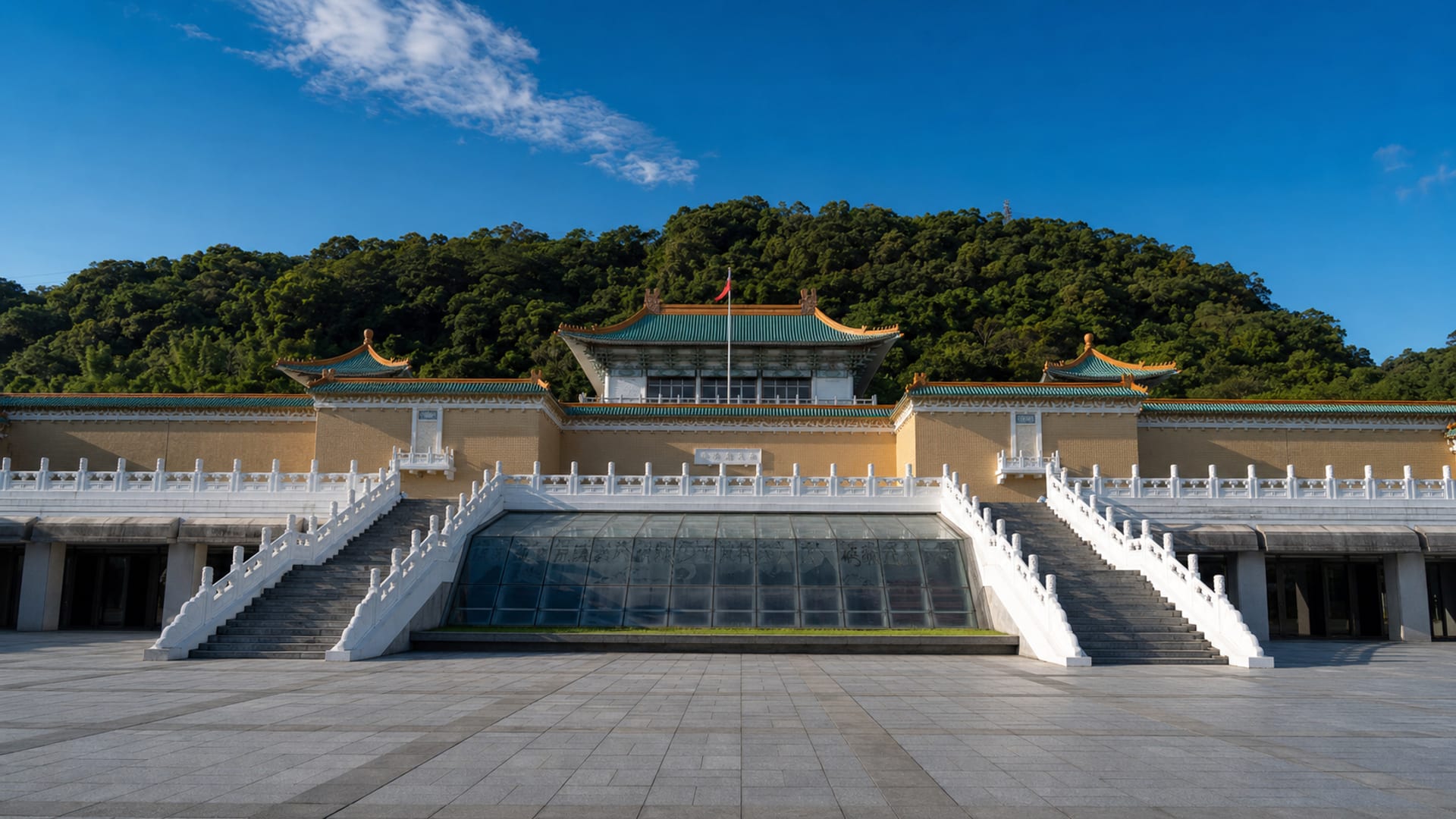
National Palace Museum
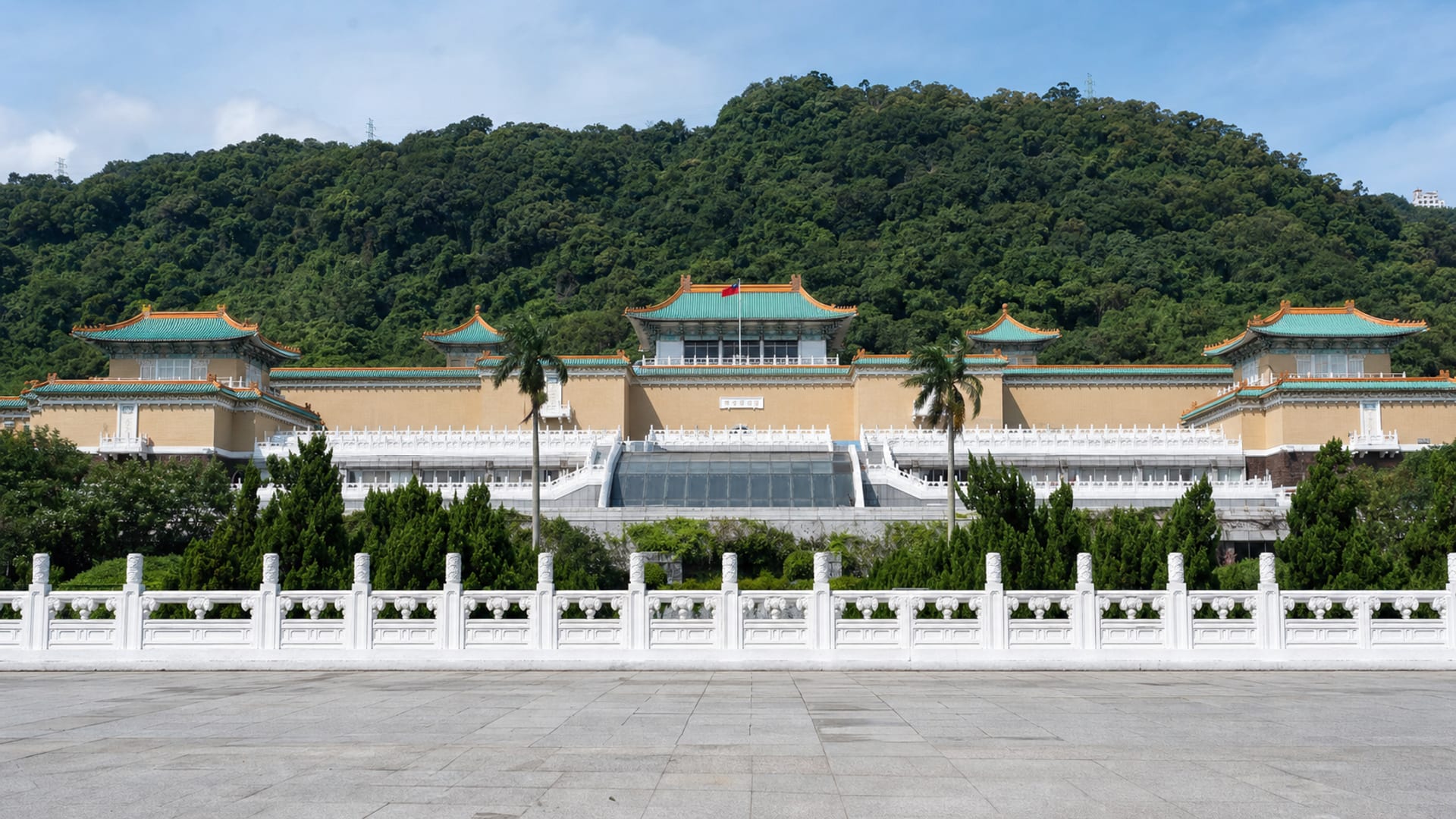
The National Palace Museum holds one of the world’s strongest collections of Chinese imperial art, with jade, bronzes, ceramics, and calligraphy spanning many dynasties. Its galleries give Taipei a clear anchor in art history.
Time needed: About 2 to 3 hours
Entry: Standard admission costs $10 ($350) for adults, $8 ($250) for students and $5 ($150) for children aged 7 to 18 Visit the official site for details.
Tip: Start early, then leave time for the garden terrace before the galleries close.
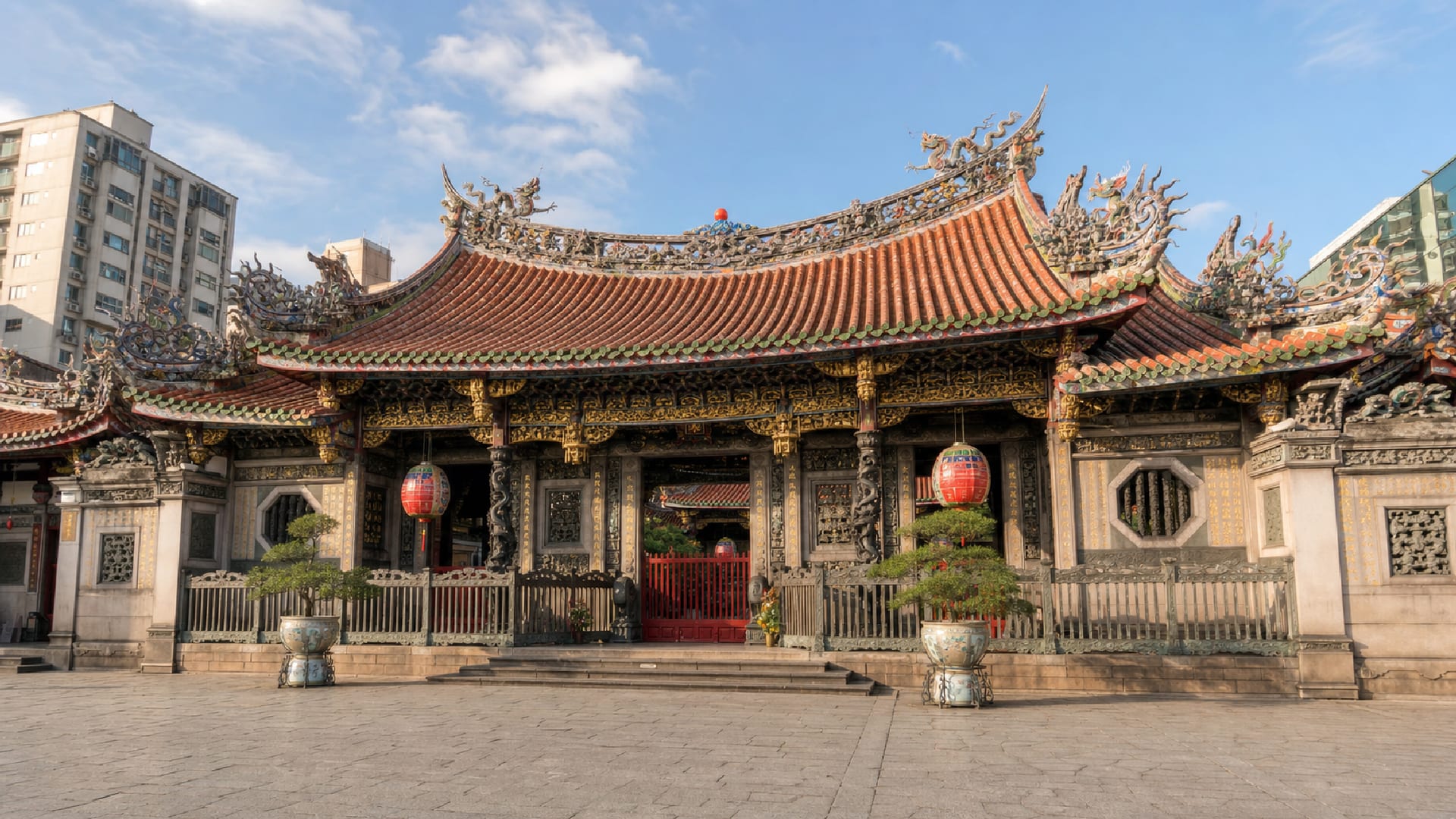
Longshan Temple
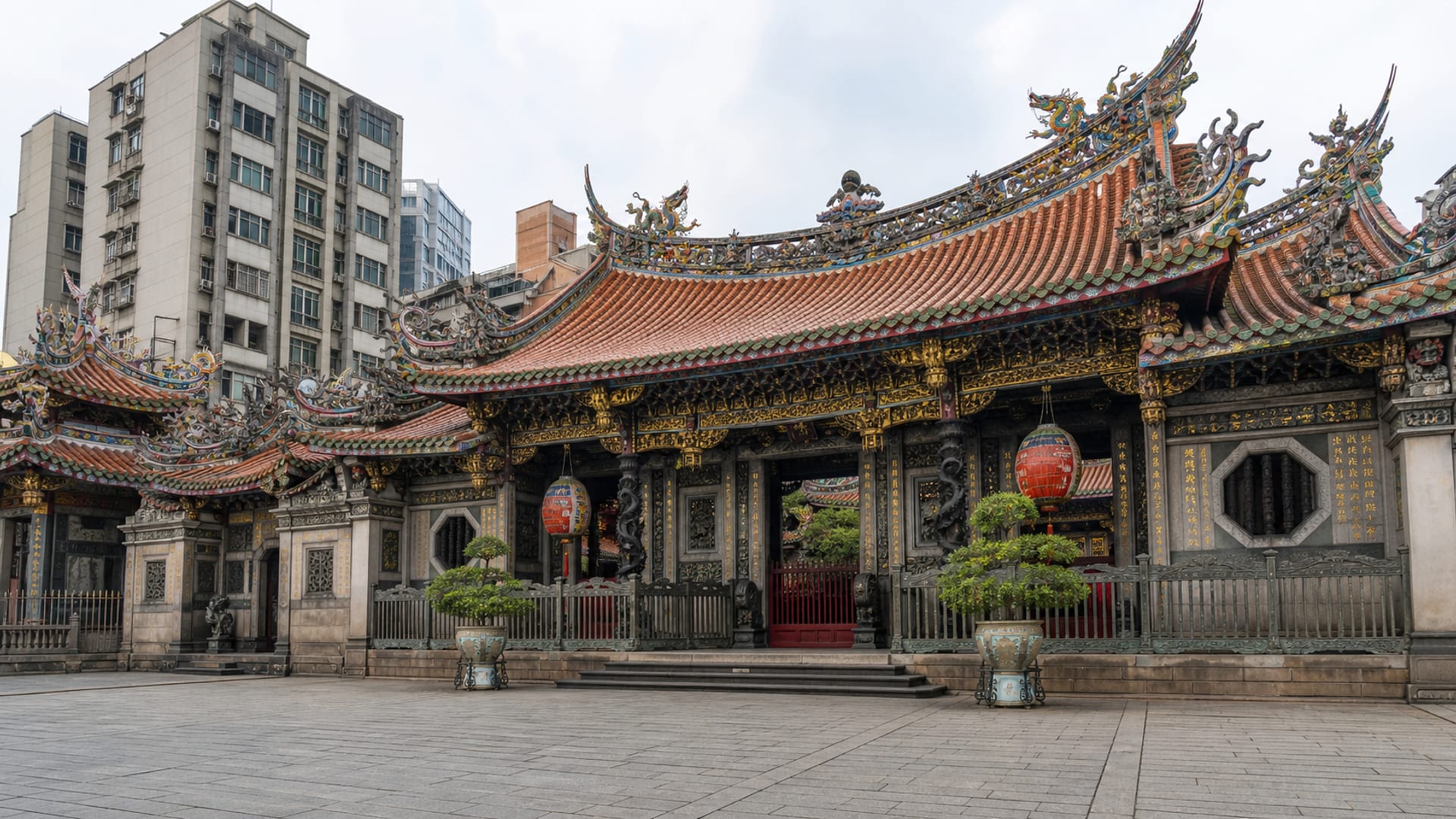
Longshan Temple draws worshippers and visitors to a dense temple complex built in the 18th century and rebuilt after wartime damage. Incense, carved beams, and daily offerings make it one of Taipei’s most active religious sites.
Time needed: About 45 to 60 minutes
Entry: Free to access, with no ticket required for the main temple halls and courtyard areas during opening hours.
Tip: Visit in the morning for clearer photos and a quieter temple courtyard.
Overlooked sites worth visiting

Treasure Hill Artist Village
A hillside cluster of converted homes and studios above the Xindian River, with narrow lanes, murals, and river views. Visit for small galleries, artist workshops, and quiet stairs between the buildings.
Time needed: About 1 to 2 hours
Entry: Free to enter; some studios and exhibitions may charge small fees for special events or workshops, typically about $3 to $10 ($3 to $10) at the door.
Tip: Go late afternoon for softer light on the river.

Taipei Municipal Meeting Hall, former site of the Taipei Guest House Annex
This compact Japanese-era building in Dadaocheng has carved woodwork, tatami rooms, and a small garden. It gives a close look at Taipei’s early 20th-century civic architecture without a long visit.
Time needed: About 45 minutes to 1 hour
Entry: Free to access during open hours; special exhibitions or guided sessions, when offered, are usually free or about $2 to $5 ($2 to $5), with occasional limited access to some rooms.
Tip: Check opening days before you cross the city.
Traditional food
Taipei’s food leans on pork, beef noodles, soy, scallion, and strong broth, then adds chili, vinegar, and night-market smoke. Meals often run late, and stalls keep the city eating well after dinner.
Beef noodle soup
Taipei’s most iconic bowl pairs slow-cooked beef, wheat noodles, and a broth that can run clear or dark and spicy. Yong Kang Beef Noodle is a classic place to start.
Xiaolongbao
These soup dumplings arrive with thin skins, hot broth, and minced pork that rewards a careful first bite. Din Tai Fung’s original Taipei branch is the city reference point.
Stinky tofu
Fermented tofu gives off a strong aroma, but the fried version at night markets delivers a crisp shell and a soft center. Raohe Night Market is the canonical place to try it in context.
Scallion pancake
Flaky layers, chopped scallion, and a touch of sesame make this a standard breakfast or snack. Fu Hang Dou Jiang is the best-known Taipei stop for a classic version.
Best time to visit Taipei
Taipei works in every season, but humidity, rain, and summer heat change how long you want to stay outside and when to book indoor stops.
Best for: Temple visits, riverside walks, and early market mornings
What you get: Temperatures usually sit about 66-82°F (19-28°C), with moderate crowds before the first holiday spikes.
Trade-offs: Rain can interrupt longer walks and make hill visits less comfortable.
Best for: Night markets, indoor museums, and late dinners
What you get: Expect about 79-93°F (26-34°C), high humidity, and the heaviest visitor load around school breaks.
Trade-offs: Heat and afternoon storms can make midday sightseeing tiring.
Best for: Taipei 101, neighborhood walking, and museum days
What you get: Typical highs and lows run about 68-86°F (20-30°C), with some of the city’s most comfortable weather and manageable crowds.
Trade-offs: Typhoon remnants can still bring wet stretches early in the season.
Best for: Food-focused trips and quieter museum visits
What you get: Temperatures often sit about 54-68°F (12-20°C), with lighter tourist pressure outside Lunar New Year.
Trade-offs: Damp, gray days can limit skyline views and make evenings feel cooler than the thermometer suggests.
A realistic 5-day plan in Taipei
The five-day plan follows Taipei’s natural split between old streets, museum time, hillside art, and skyline views. It gives each area enough room to breathe, then leaves the final day open for one last meal and an orderly airport departure.
Land at Taipei (TPE), then take the airport rail into the city in about 35 to 45 minutes for roughly $5 to $6, or about NT$160 to NT$190. Book a room in Zhongshan if you want the easiest start, or in Da’an if you prefer a quieter neighborhood with good dinner options. After checking in, drink plenty of water, then keep the evening close to your hotel with a light meal near Taipei Main Station or a simple noodle shop in Zhongshan before turning in early.
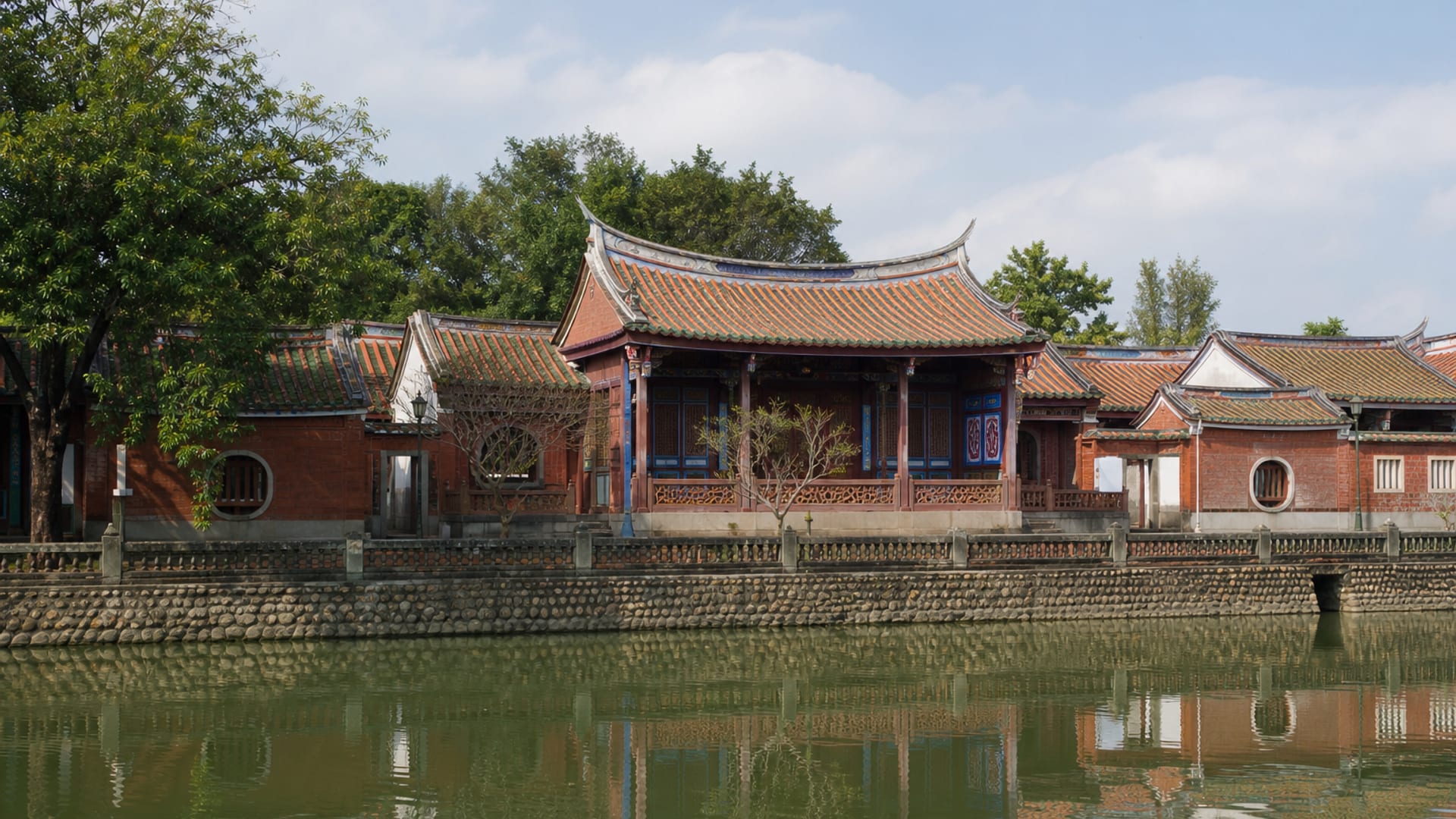
Begin in Ximending, then walk or ride about 10 minutes to Longshan Temple for an early visit when the courtyard is calmer and the photos are cleaner. From there, continue by a short metro or taxi ride into Dadaocheng to see the Taipei Municipal Meeting Hall, former site of the Taipei Guest House Annex, which takes about 45 minutes to 1 hour. Finish with dinner back in Ximending, where the snack streets make an easy final stop after a day centered on old Taipei and street life.
Spend the morning at the National Palace Museum, which usually takes about 2 to 3 hours and rewards an early start. In the afternoon, ride about 25 to 35 minutes to Treasure Hill Artist Village for its hillside lanes, murals, and river views, then stay for about 1 to 2 hours. If you are still interested in more skyline time, head back toward Da’an or Xinyi for an early evening meal, with Taipei 101 visible on the way across the city.
Start near Da’an, then head to Taipei 101 Observatory for a late-afternoon visit, ideally entering about 1 to 2 hours before sunset so you can see the city in daylight and again after dark. Tickets cost $18 ($600) for adults, and the tower sits about 10 minutes by transit from Da’an. After the observatory, stay in Xinyi for dinner and a walk through the surrounding shopping streets before returning to your hotel.
Before you head out, fit in one last short stop at the National Palace Museum if you missed a room earlier, or return there for a focused final visit of about 1 to 2 hours. Then spend the rest of the day in Ximending for shopping, casual lunch, and one last tea or coffee stop, or settle into a café in Da’an if you want a calmer close to the trip. Keep bags close, leave enough time for the airport rail, and plan your departure from Taipei (TPE) with a comfortable buffer for the ride back out to the airport.
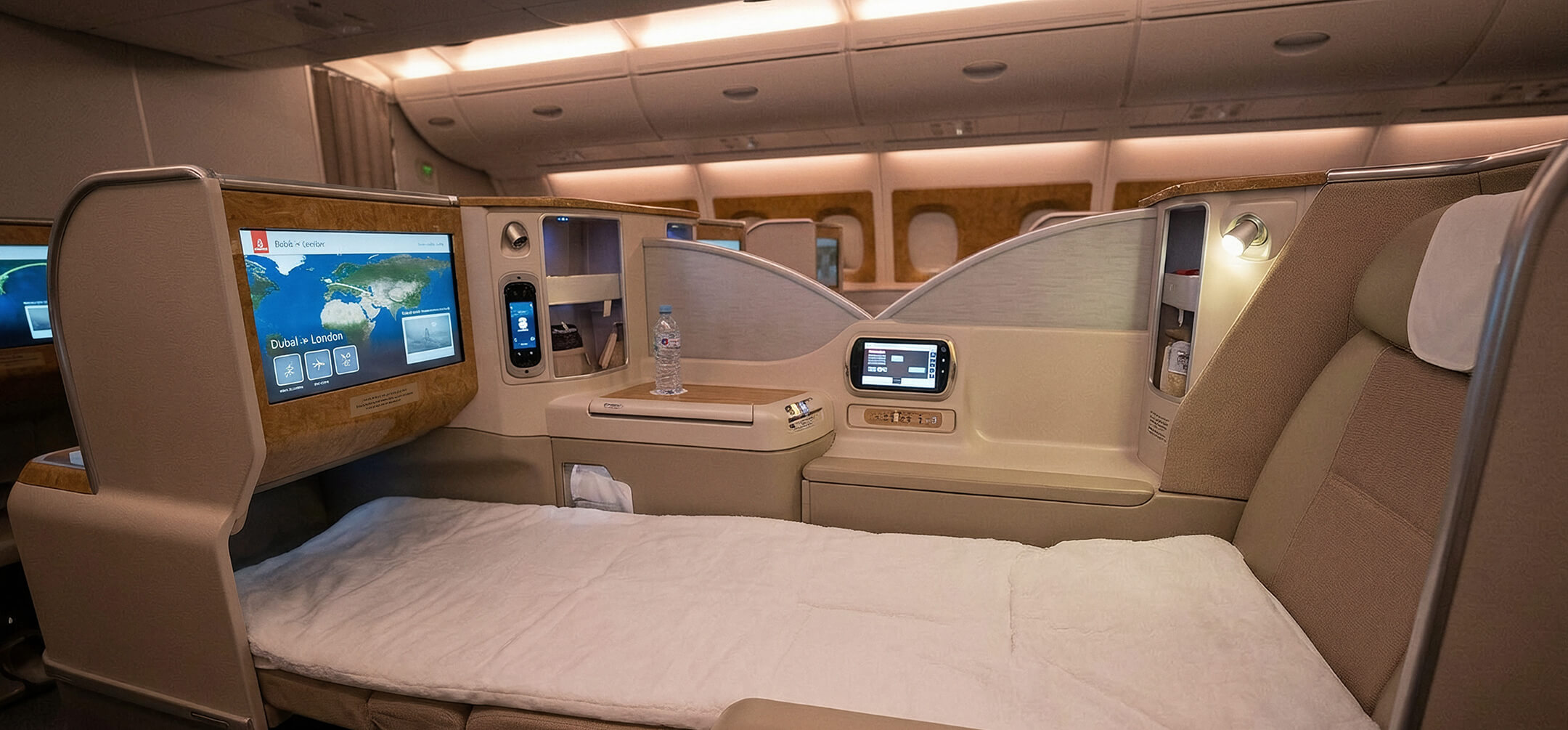
Business-class flights from the US to Taipei
Business-class examples to Taipei vary most by origin, with East Coast travelers usually facing longer journeys and more frequent one-stop options. West Coast departures are shorter, but the airline mix still shapes the trip.
From New York, carriers such as EVA Air, Cathay Pacific, ANA, Japan Airlines, China Airlines, and Korean Air often price round-trip fares near $4,500 to $8,500. Nonstop flying takes about 15 to 16 hours, while one-stop itineraries commonly route through HND, NRT, HKG, ICN, or TPE and extend the journey to about 18 to 24 hours.
Los Angeles travelers usually see EVA Air, China Airlines, STARLUX Airlines, Cathay Pacific, ANA, and Japan Airlines on this route, with round-trip fares often running from $4,000 to $7,500. The nonstop flight takes about 13 to 14 hours, which keeps the trip shorter than the East Coast version.
Taipei feels different when you slow down
A well-paced Taipei trip gives each district a job, Ximending for arrival energy, Dadaocheng for old streets, the National Palace Museum for depth, and Xinyi for the city seen from above. The Airport MRT, the metro, and a taxi when needed keep the day from tilting into backtracking. If you want to shape the route around Longshan Temple, Taipei 101, or a dinner run in Da’an, the AranGrant experts can help you line it up