

Chapters:

Need help with your trip?
Our support team is available 24/7. Request a callback or call us directly at (833) 619-0908
Tallinn trips often start with the Old Town, a hotel near the walls, and a quick look at the harbor, yet many visitors skip the connections between them. That leaves Kadriorg, Rotermann, and Põhja-Tallinn feeling like separate visits instead of parts of one city.
The distances are short, but the pace changes fast from medieval streets to tram corridors and waterfront walks, and crowds cluster where day visitors concentrate. Without a plan, time gets spent repeating transfers or arriving at sights when they are busiest.
This guide organizes Tallinn by neighborhood, transit, food, and time of day, so each stop has a clear purpose and the days build in a sensible order.
Useful things to know

Main language(s): Estonian
Tere (TEH-reh) – Hello
Palun (PAH-loon) – Please
Aitäh (ahy-TEH) – Thank you
Kas te räägite inglise keelt? (kahs teh RAH-gee-teh EENG-lee-seh kehlt) – Do you speak English?
Kui palju see maksab? (koy PAHL-yoo seh MAHK-sahb) – How much does it cost?

Currency: The local currency is the euro (EUR, €).

Cash and cards: Cards and contactless are widely accepted; keep about €20 to €40 ($22 to $43) in cash for small purchases.

Tipping: Round up small bills; tipping is not expected, but 5% to 10% is appreciated for good table service.

Traditional food: Verivorst, sült, kiluvõileib, kama

Water and coffee costs: Water ~€1.50 ($2), bar espresso ~€2 ($2).

Taxis and ride apps: Bolt and Uber operate here; confirm the pickup point before you request a car.

Plug and voltage: Type C/F socket, 230V

Dining and shop opening hours: Breakfast is about 07:00-10:00, lunch 12:00-14:00, and dinner 18:00-21:00. Many kitchens close earlier on Sunday and outside the center.

Emergency number: 112 for police, fire, and ambulance.
Where to stay in Tallinn
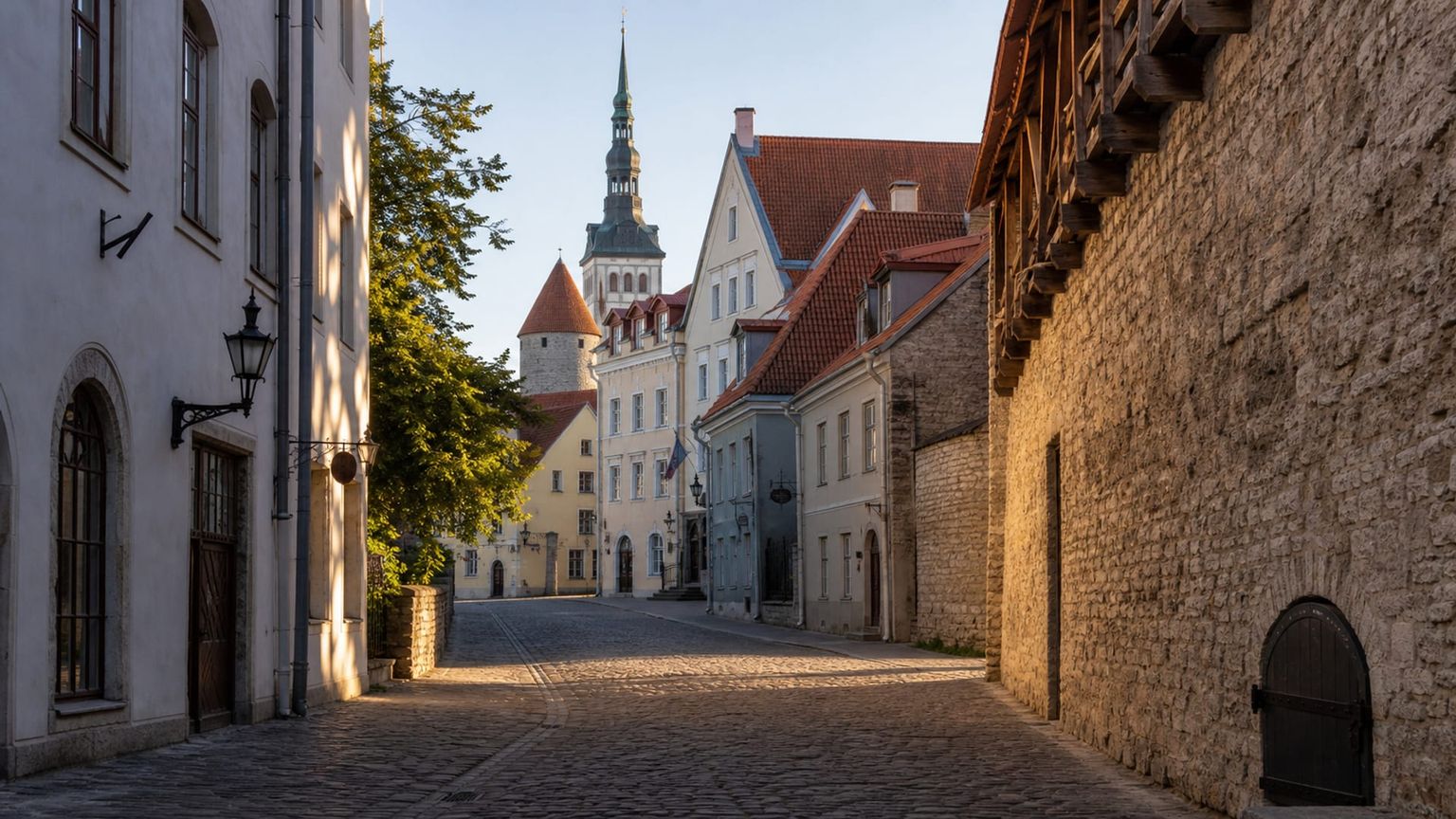
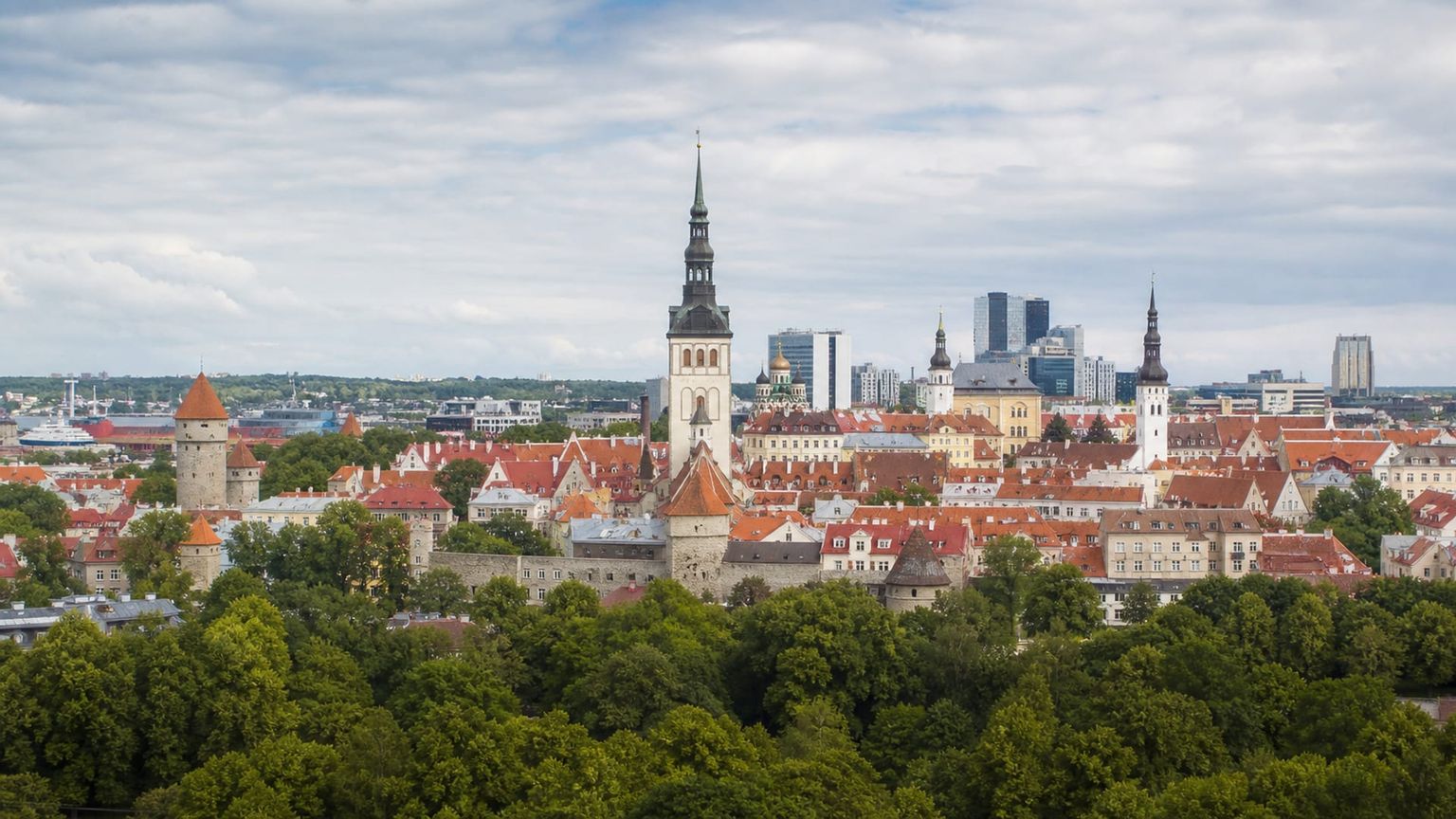
Tallinn’s medieval core clusters cobbled lanes, guild halls, and the main squares inside the old city walls. It puts museums, churches, and most landmark sightseeing within an easy walk, which makes it the most efficient base for a short stay.
Best for: First-time visits, historic sights, and travelers who want to walk to the main landmarks
What to expect: Tour groups, café tables, and a steady flow of people by day, with quieter lanes after dinner.
Hotel prices: Usually about 110€ to 220€ (~$120 to ~$240) per night for well-rated stays
Distance to major sights: 5 to 10 minutes on foot to Town Hall Square; about 15 minutes on foot to Toompea Hill
Quietness: Busy in daylight, then noticeably calmer in the evening once day visitors leave.
Main trade-off: The central location brings higher rates and more foot traffic, especially in peak season.
Good to know: Late-night dining and bars are limited compared with newer districts, so you may ride or walk farther after dark.
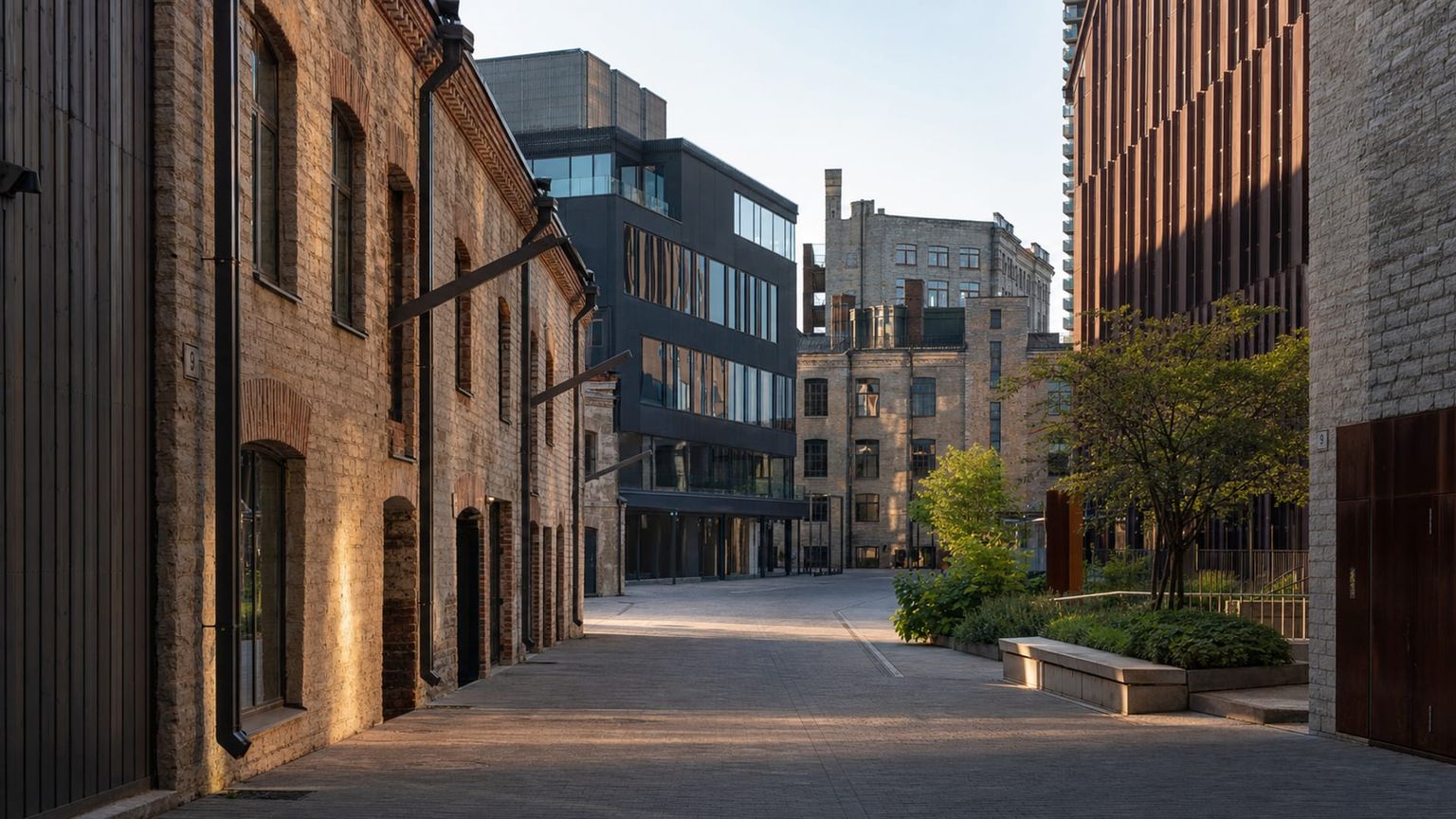
Rotermann sits between the Old Town and the harbor, with converted warehouse buildings, shops, and newer apartment hotels. It matters because it gives you a central base with easier access to tram stops, the port, and the sights on either side.
Best for: Short breaks, shopping, and travelers who want easy tram and ferry access
What to expect: Shoppers, office workers, and hotel guests fill the streets in the day, while evenings are active but not rowdy.
Hotel prices: Usually about 100€ to 200€ (~$110 to ~$220) per night for well-rated stays
Distance to major sights: 10 minutes on foot to Town Hall Square; about 15 minutes on foot to Tallinn Port
Quietness: Lively through the workday, then calmer at night with some restaurant activity.
Main trade-off: Rooms often cost more than they do in outer districts, and some blocks feel busier than nearby residential streets.
Good to know: If you plan an early ferry or cruise transfer, this area cuts down on morning transit time.
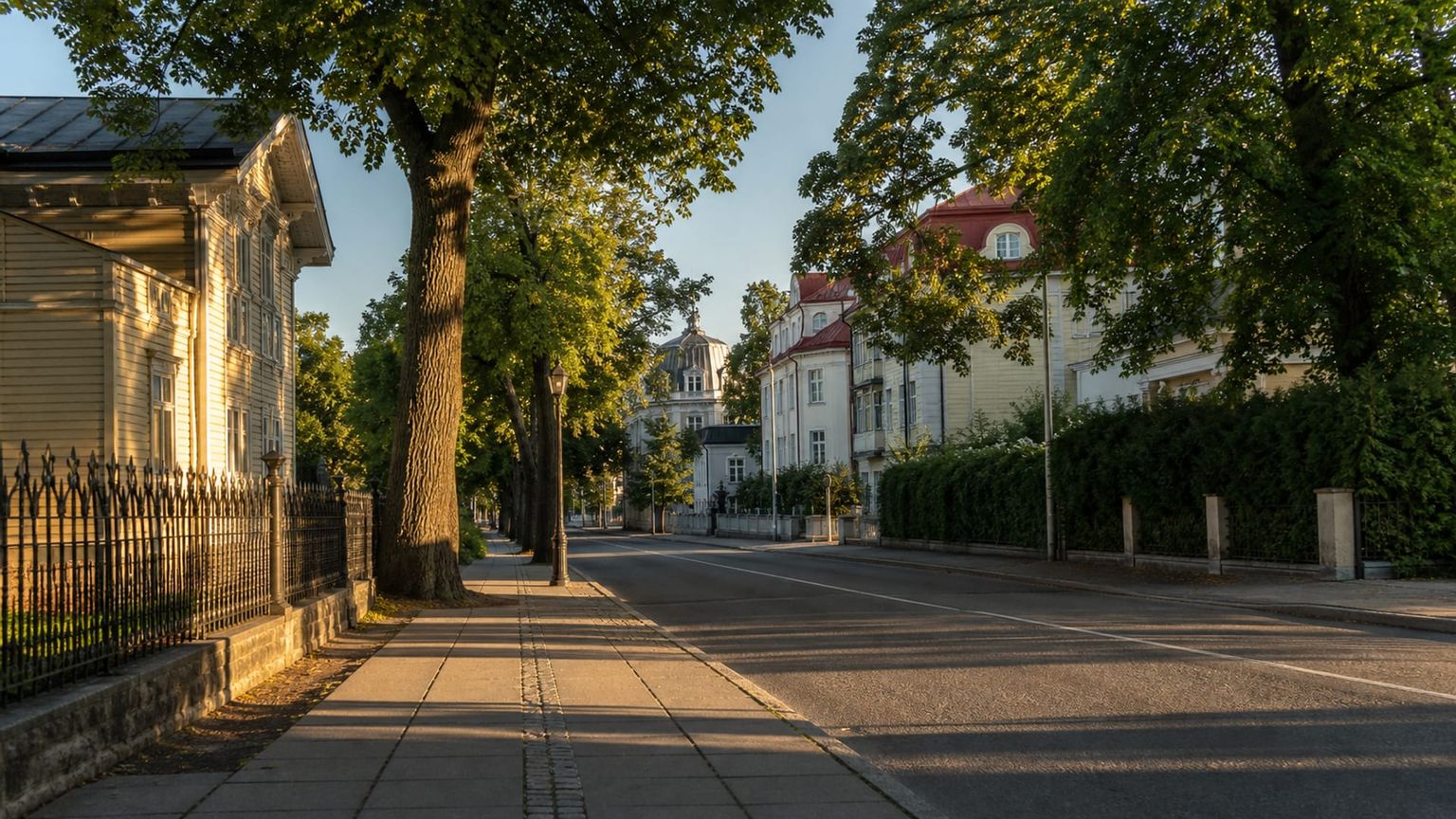
Kadriorg is Tallinn’s park district, known for tree-lined streets, the palace, museums, and low-rise residential blocks. It matters for travelers who want a greener, quieter base without giving up a tram ride to the center.
Best for: Families, museum visits, park time, and travelers who prefer a residential setting
What to expect: Leafy streets, local walkers, and light café traffic, with far fewer late-night crowds than in the center.
Hotel prices: Usually about 90€ to 180€ (~$100 to ~$200) per night for well-rated stays
Distance to major sights: About 10 minutes by tram to the Old Town; roughly 15 minutes on foot to Kadriorg Palace
Quietness: Quiet in the evening, with only local foot traffic and the occasional tram passing.
Main trade-off: You will spend more time reaching the Old Town on foot, so most sightseeing starts with public transit or a taxi.
Good to know: Dining options thin out after dinner, so check opening hours if you want to stay out late.
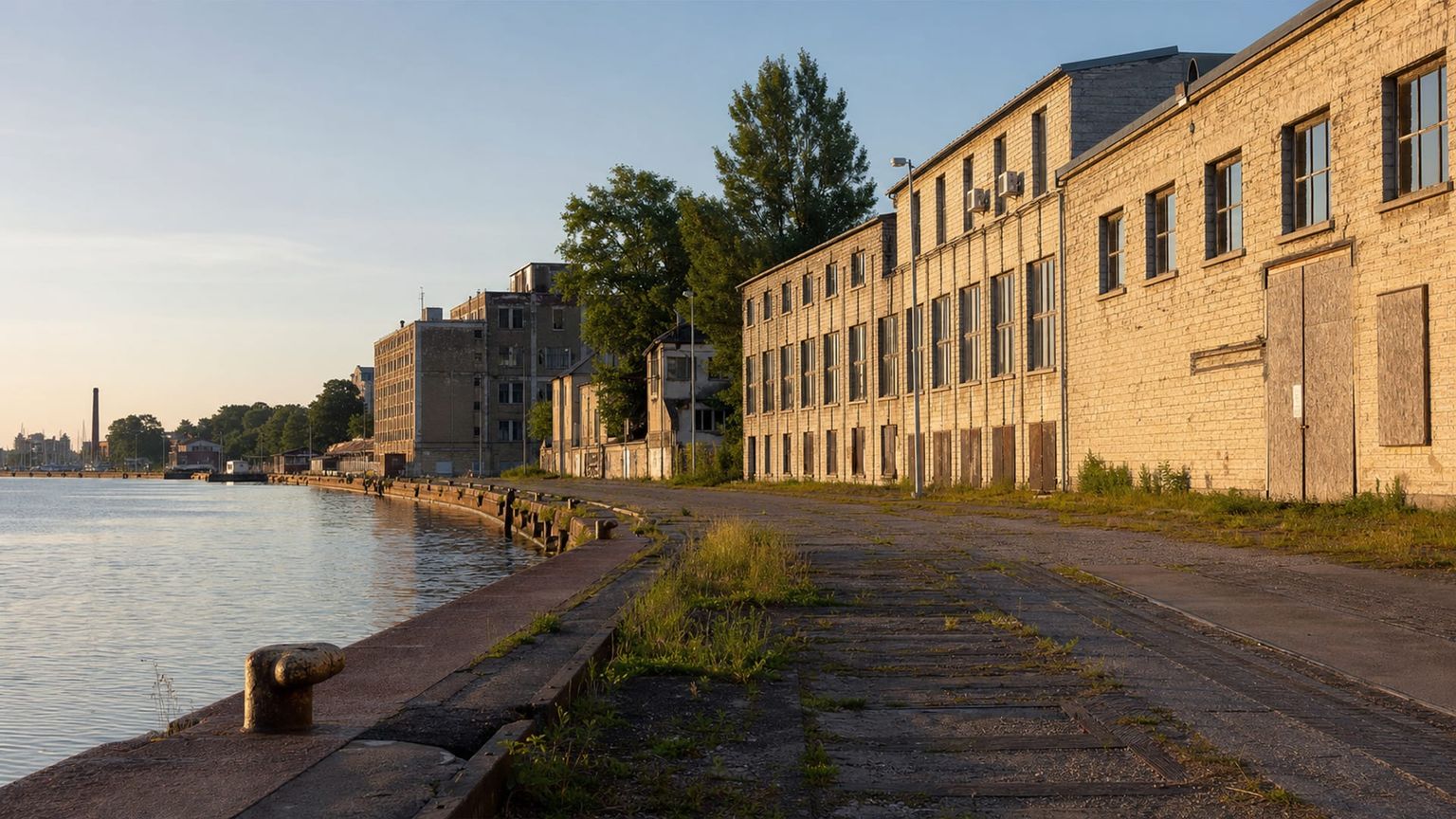
Põhja-Tallinn covers the waterfront and the Telliskivi side of the city, where former industrial areas now hold cafés, studios, and apartments. It matters because it gives you a more local base with easy access to creative venues and the sea.
Best for: Longer stays, creative districts, waterfront walks, and travelers who prefer a less tourist-heavy base
What to expect: Mixed residential and creative streets, with café traffic by day and a quieter, more local evening pace.
Hotel prices: Usually about 80€ to 160€ (~$90 to ~$175) per night for well-rated stays
Distance to major sights: About 15 minutes by tram to Town Hall Square; roughly 20 minutes on foot to Telliskivi Creative City
Quietness: Busier near cafés and tram stops in the day, then calmer on residential blocks after dark.
Main trade-off: You trade immediate Old Town access for more tram rides, and some streets feel less scenic than the center.
Good to know: If you want easy evenings out, pick a place close to a tram stop because distances add up faster here.
Travelers usually avoid Lasnamäe, because it sits far east of the Old Town and most main sights, with fewer hotel and dining options for visitors. Kopli and Paljassaare are also less convenient for most first-time stays, since they are on the city’s northwestern edge and can mean longer evening trips back from the center; Ülemiste is practical only for airport access, but it is away from the historic core and has limited sightseeing value.
Hotel deals
How to get around Tallinn efficiently
Tallinn has no metro, so tram lines, buses, walking, and metered taxis do most of the work between the airport, the center, and the harbor.

Metro
for longer distances
Tallinn has no metro, so the closest equivalent is the tram network and the main city bus lines. Trams link the airport, the center, and the port; a 1-hour ticket costs about $2 ($1.50), and a 24-hour ticket costs about $6 ($5.50).

Bus and tram
for convenience
Trams 1 and 4 connect Tallinn Airport (TLL) with the center in about 15 to 20 minutes, and buses cover most neighborhoods plus the ferry terminal. Tickets are time-based, with a 1-hour fare at about $2 ($1.50) and a 24-hour fare at about $6 ($5.50); validate or tap in before you ride.

Taxi
for convenience or late hours
Licensed taxis use metered fares, and airport trips to the Old Town usually cost about $10 to $18 ($9 to $16), with late-night or longer cross-city rides often landing near $20 to $30 ($18 to $27). Use the taxi rank outside the terminal or book through an app, and pay by card or cash in most cars.
*Prices are based on rates updated as of June 2026 and may change at the time of travel.
Use trams for the airport and central districts, taxis for late arrivals or heavier bags, and walking for the Old Town, where the shortest links often matter most.
Iconic landmarks
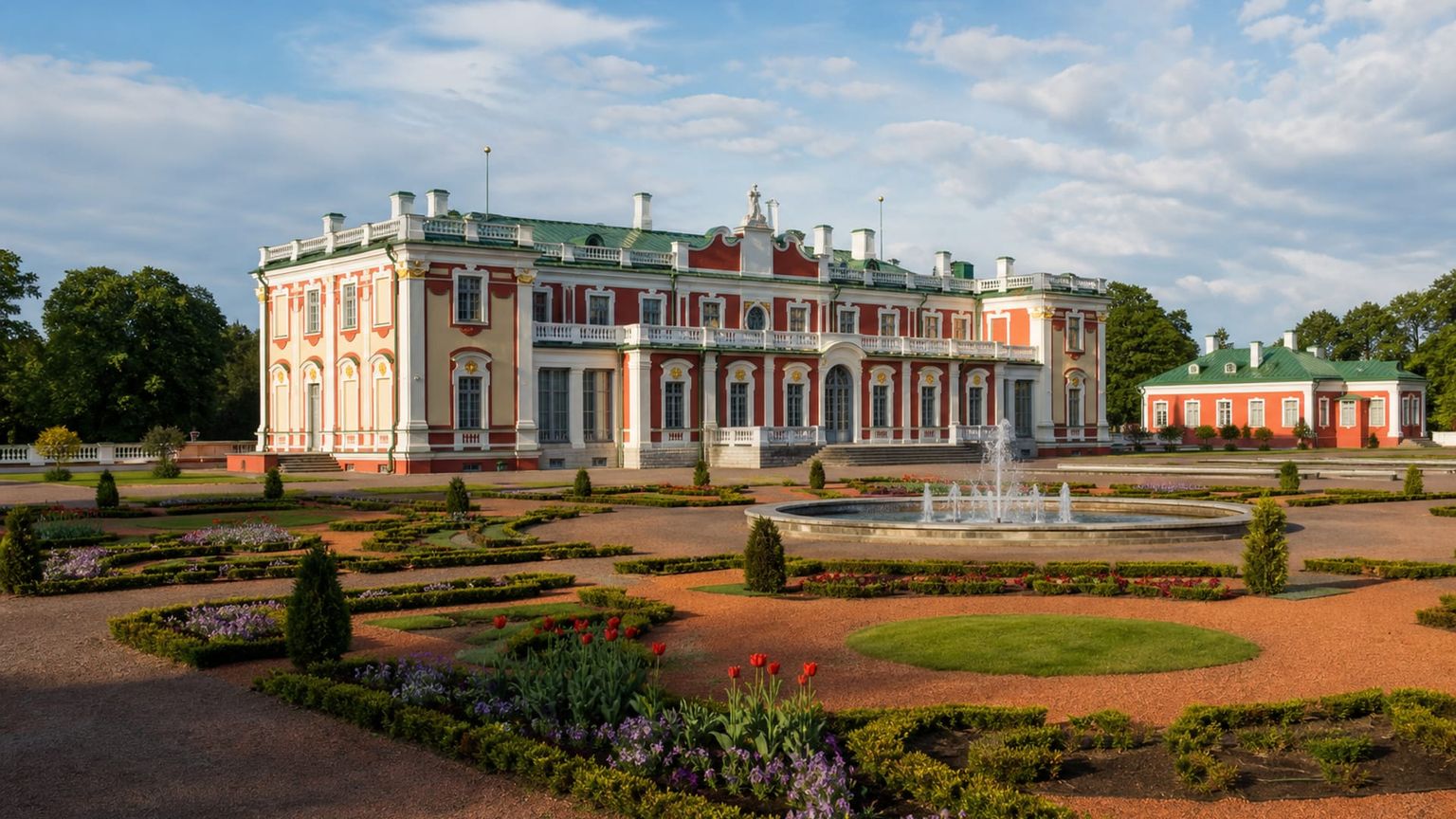
Tallinn Old Town
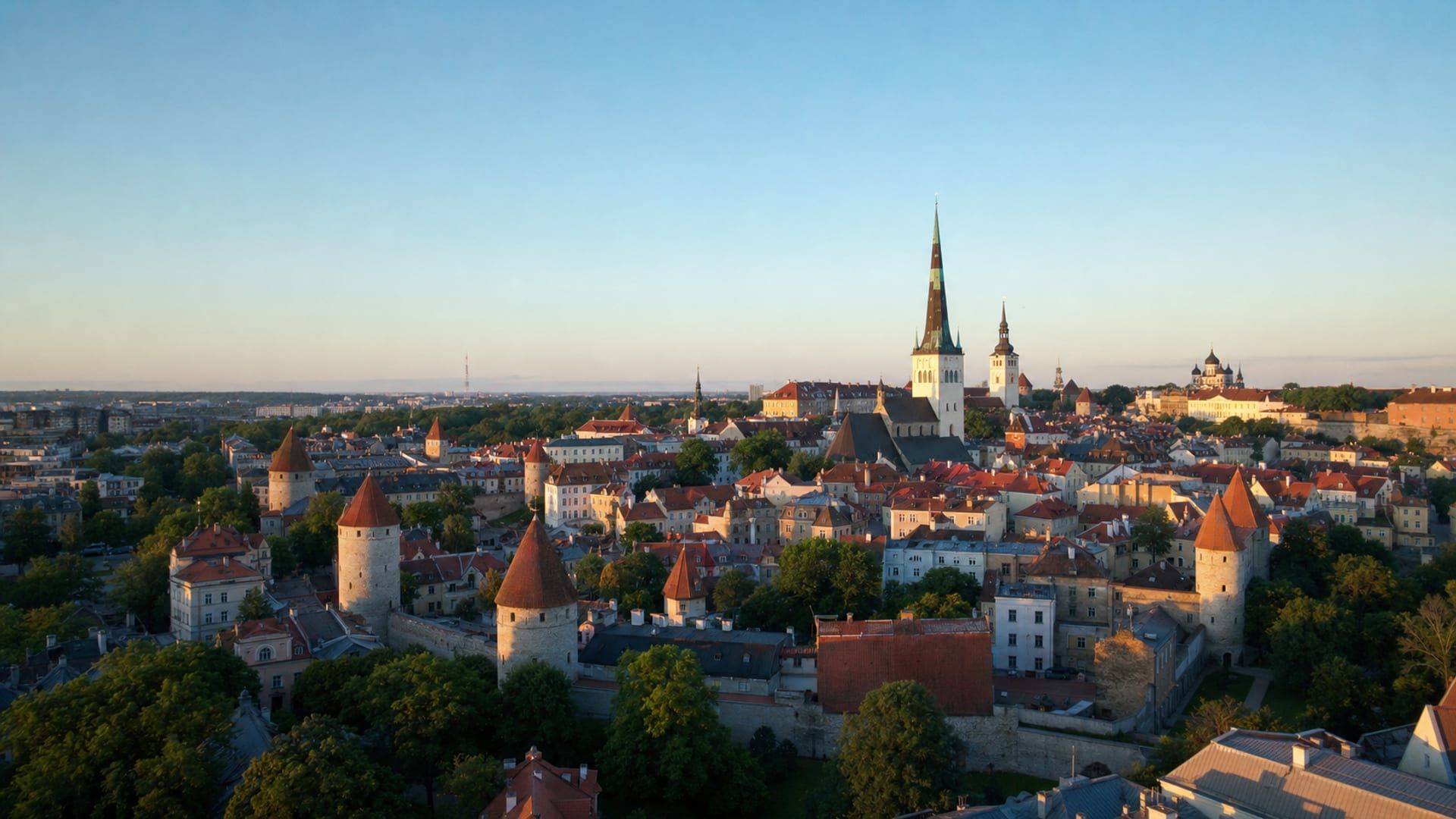
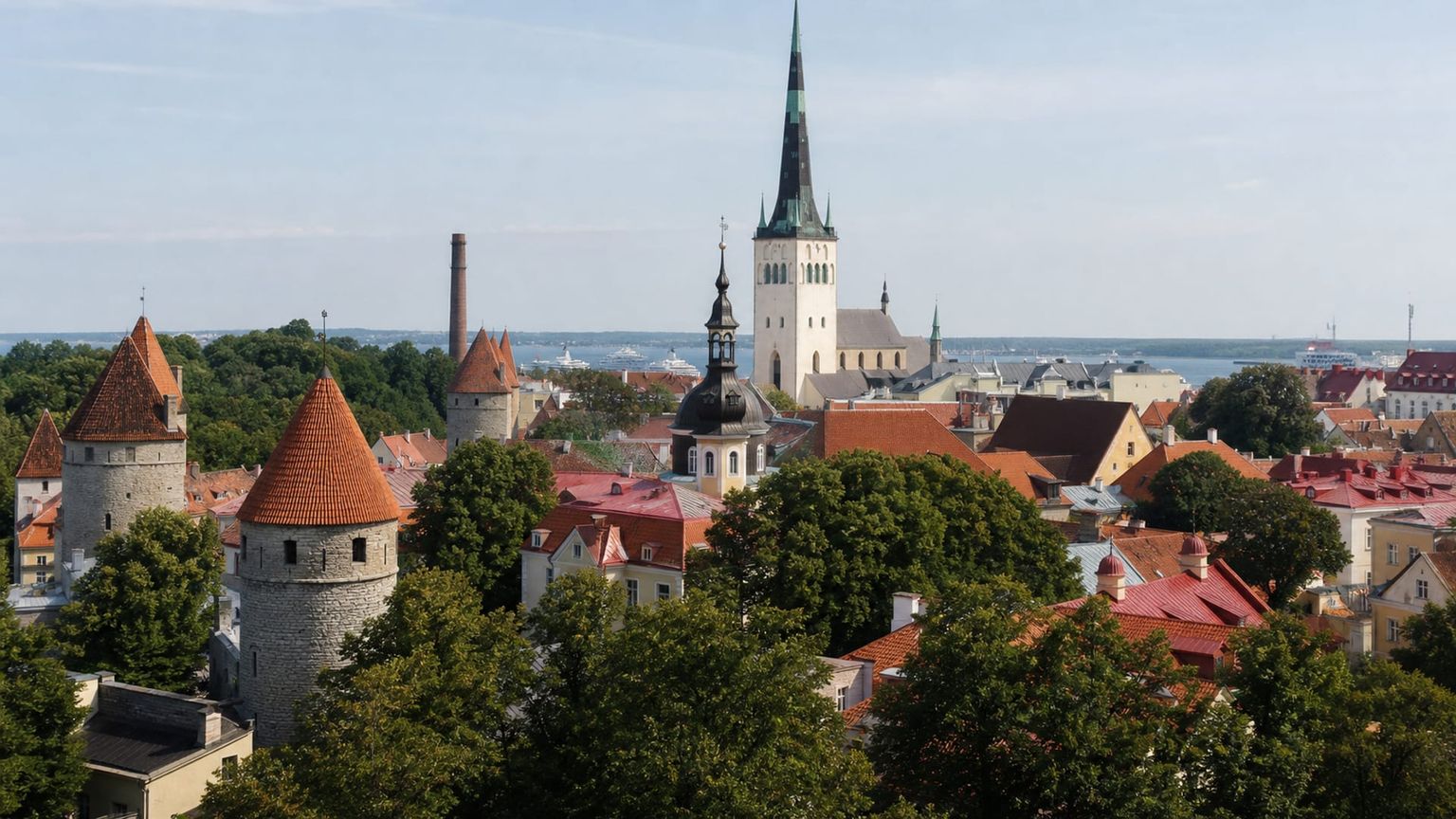
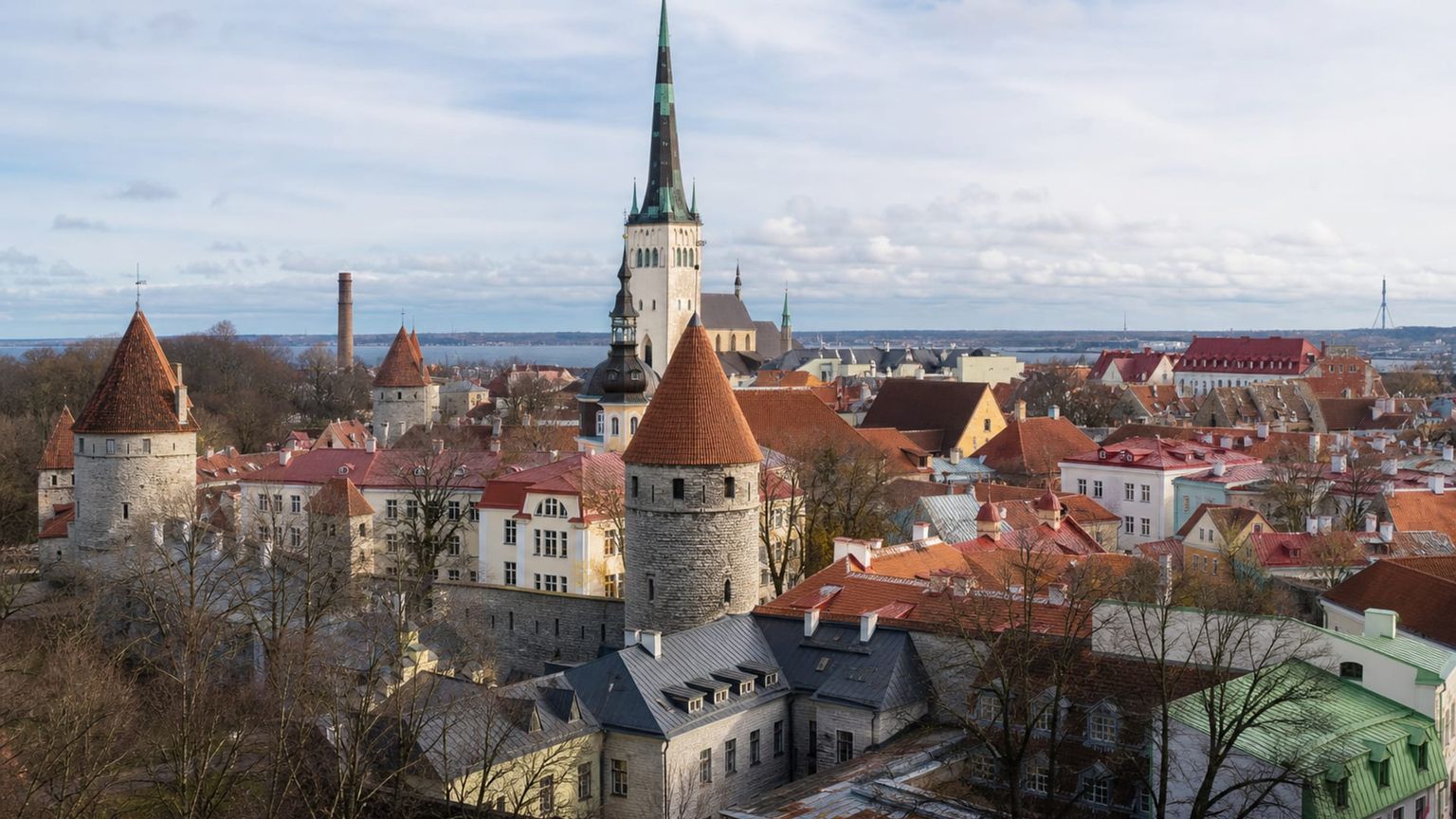
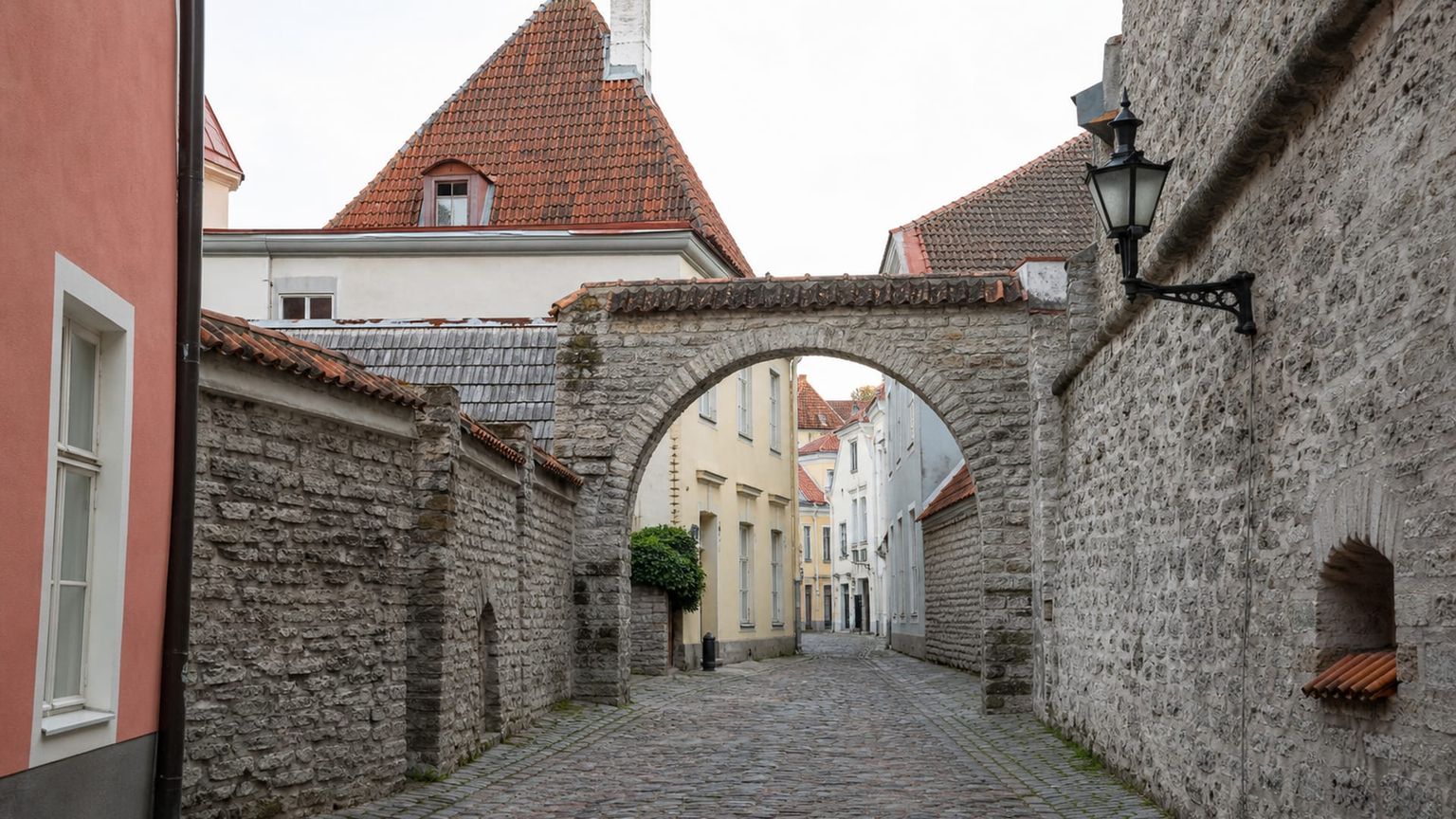
Tallinn’s medieval core centers on Town Hall Square, St. Olaf’s Church, and cobbled lanes inside the old city walls. The district is compact, but its towers, guild houses, and lookout points reward a full walk.
Time needed: About 2 to 4 hours
Entry: Free to explore the streets and squares; museum and tower admissions vary by site, with most paid entries falling roughly between $6 and $18 (€5 to €16).
Tip: Go early or late for quieter lanes and better photos from Patkuli and Kohtuotsa.
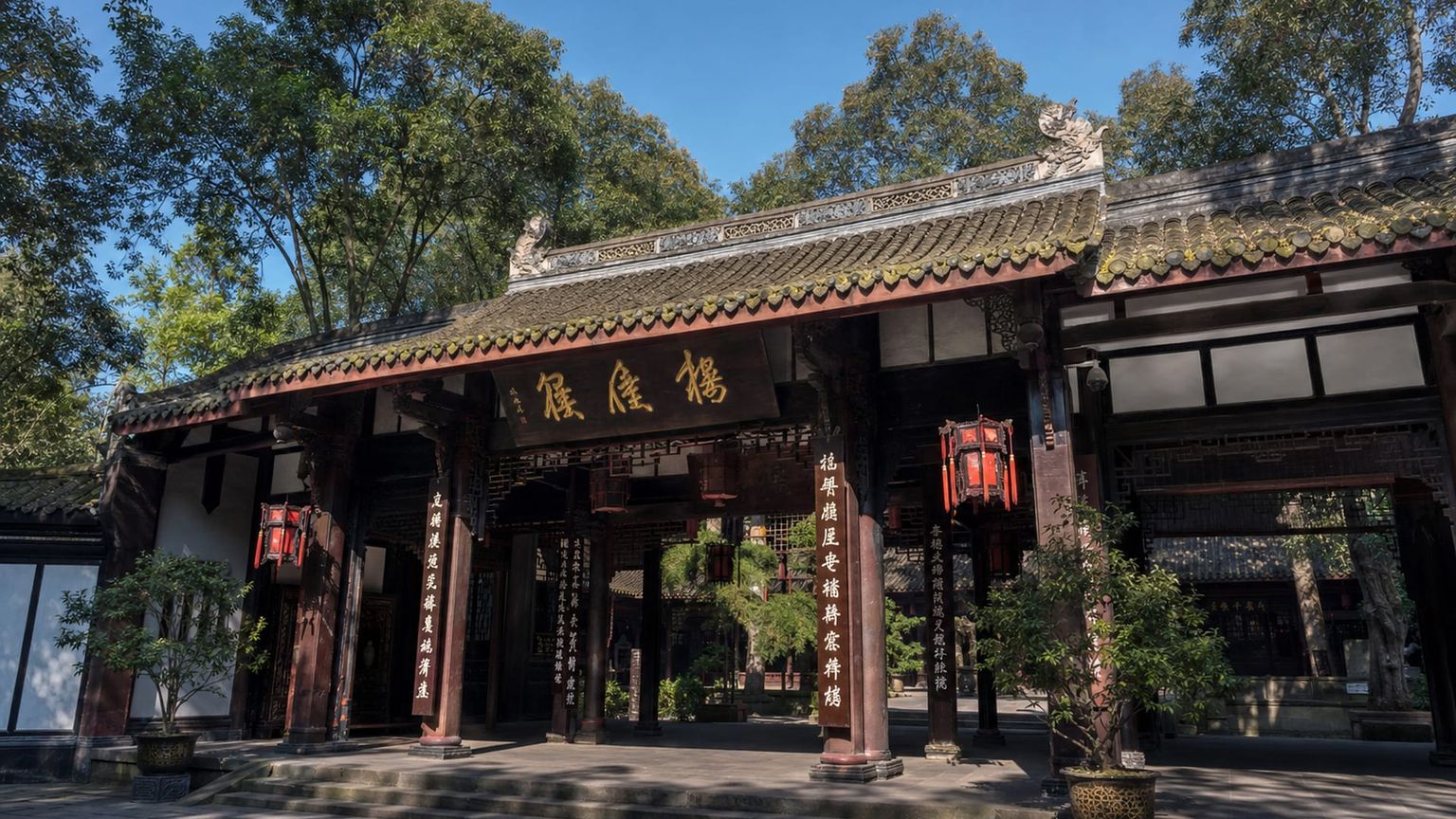
Kadriorg Palace and Park
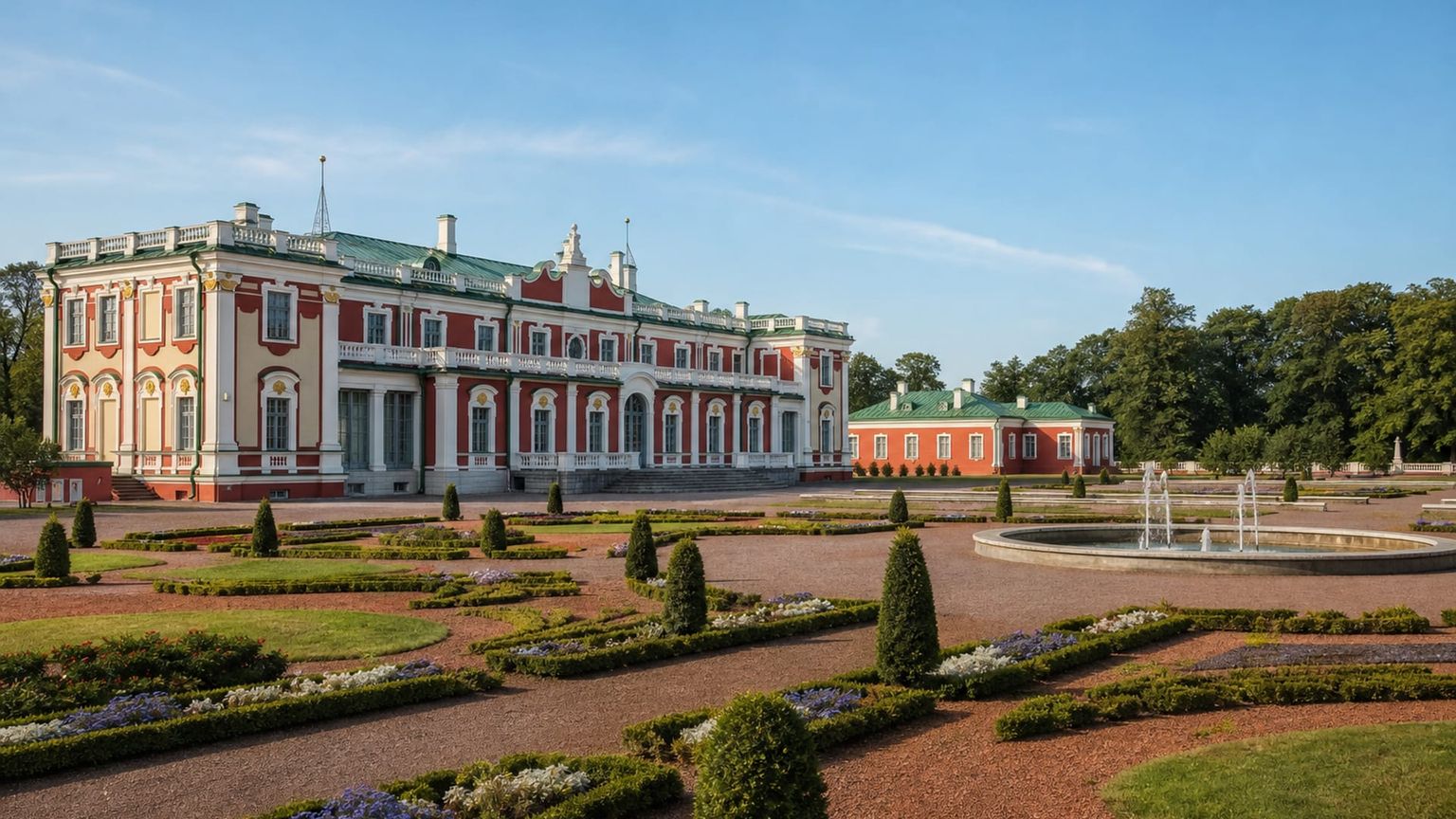
Built for Peter the Great in the early 18th century, Kadriorg Palace now houses the Kadriorg Art Museum. The surrounding park adds formal gardens, ponds, and broad paths a short ride from the center.
Time needed: About 2 to 3 hours
Entry: Museum admission typically costs about $10 to $15 (€9 to €14) for adults; the park is free to enter and open year-round during daylight hours. Visit the official site for details.
Tip: Visit in the morning for quieter galleries, then walk the park before lunch.
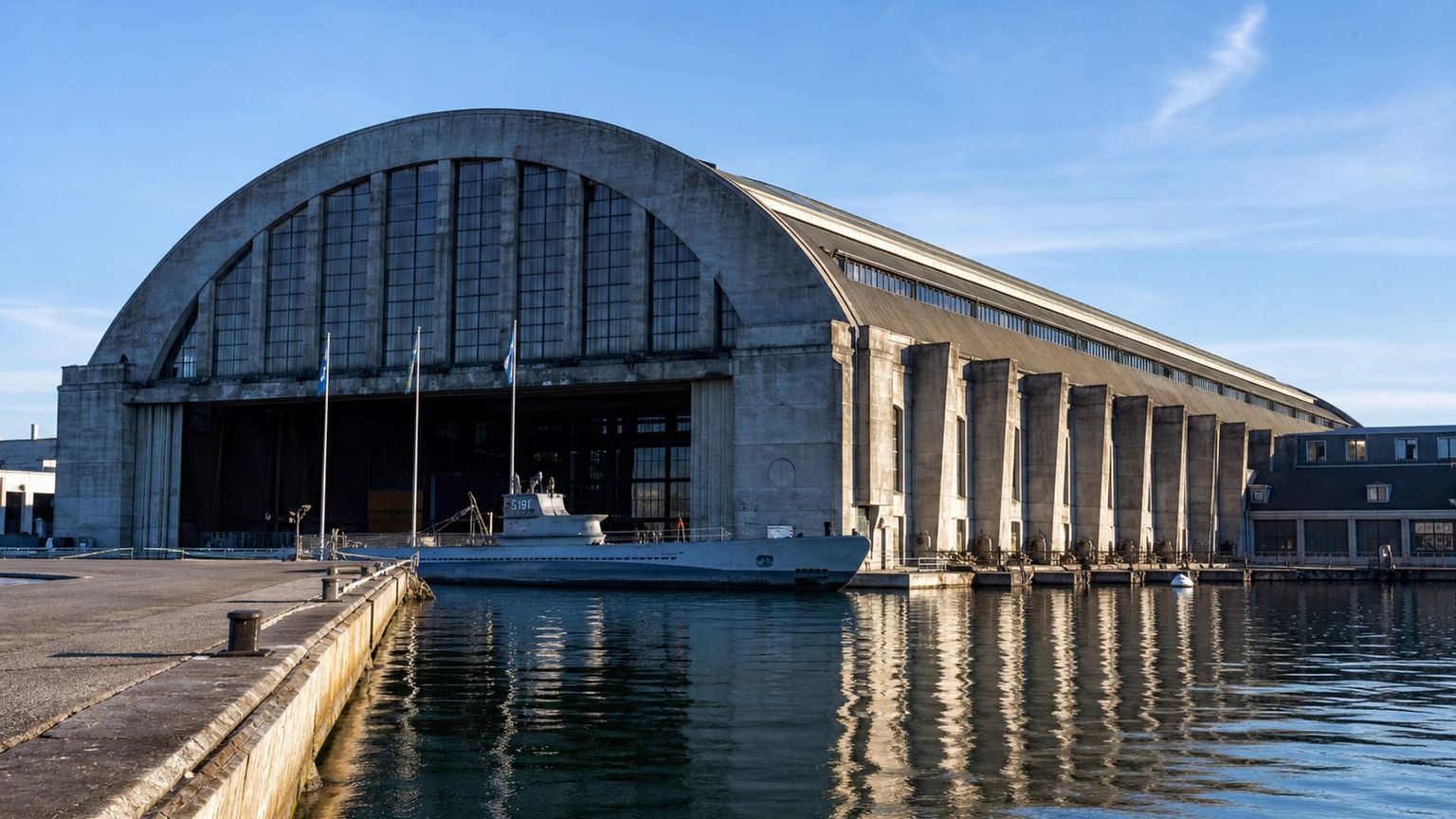
Seaplane Harbour
This maritime museum centers on a 1917 seaplane hangar and a striking collection of ships, submarines, and naval displays. The main hall includes the Lembit submarine and hands-on exhibits that work well for all ages.
Time needed: About 2 to 3 hours
Entry: Standard adult tickets cost about $18 to $24 (€17 to €22), with reduced rates for children, students, and seniors at the museum ticket desk. Visit the official site for details.
Tip: Arrive at opening time if you want room to explore the submarine and upper decks.
Overlooked sites worth visiting

Patarei Sea Fortress and Prison
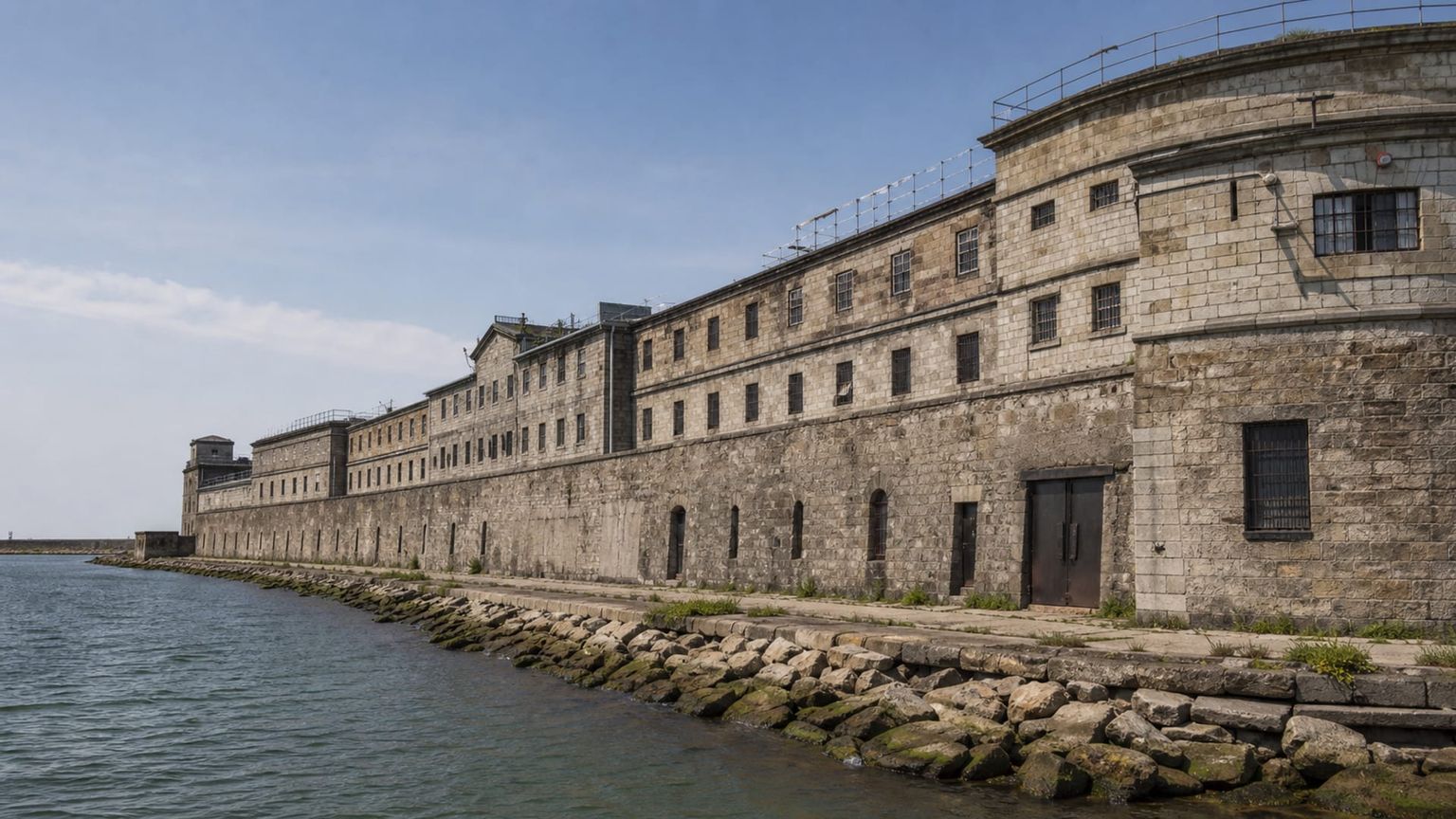
This seafront complex pairs 19th-century fort walls with a stark Soviet-era prison block, so the setting changes as you walk. The harbor views and graffiti-covered courtyards reward unhurried exploring.
Time needed: About 1 to 2 hours
Entry: Standard tickets cost about $12 to $18 (€11 to €17), with guided tours priced higher when available. Seasonal opening hours vary, and some exterior areas may be visible from outside without a ticket, but interior access is ticketed and limited to posted times. Visit the official site for details.
Tip: Go in late afternoon for the best light on the harbor.

Kalev Central Stadium and surrounding athletics grounds
This compact sports complex offers a local slice of Tallinn beyond the old town, with a classic 1930s stadium bowl and training fields. It suits visitors who want a quick cultural stop tied to the city’s sporting history.
Time needed: About 45 minutes to 1 hour
Entry: Entry is usually free for exterior viewing and for public areas when events are not in progress. If you want a match, meet, or guided facility visit, ticket prices and access rules depend on the organizer and event calendar, which can change by day.
Tip: Check the schedule first, because events can limit access.
Traditional food
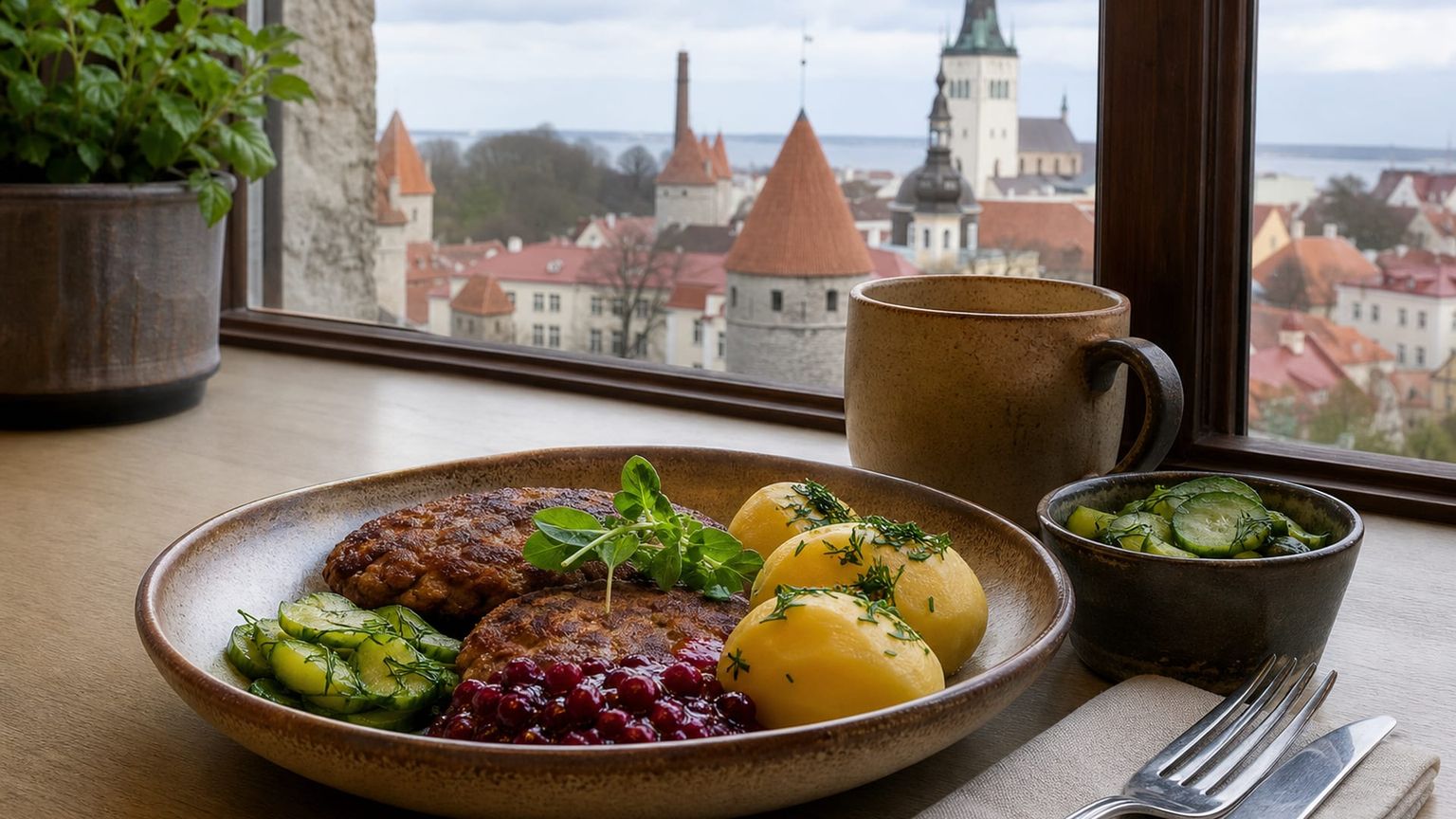
Tallinn cooking leans on rye, fish, pork, potatoes, and preserves, then adds tart, earthy, and lightly smoked notes. Expect small plates, bakery stops, and a dining culture that often finishes earlier than visitors from larger capitals expect.
Verivorst
Blood sausage with tart accompaniments fits the winter table and the city’s rustic side. Kompressor is a good Tallinn stop for a hearty, informal plate.
Sült
This pork jelly dish shows up as a traditional cold plate, usually with mustard and rye bread. Olde Hansa keeps it in a medieval-style setting that matches the dish’s roots.
Kiluvõileib
The open-faced sprat sandwich is one of Tallinn’s most recognizable everyday bites, salty and bright on dark bread. Rataskaevu 16 is a strong place to taste a polished version in the center.
Kama
This roasted grain dessert or breakfast bowl tastes mild, nutty, and lightly tangy, often with kefir or yogurt. Kohvik Klaus makes an easy central stop for a simple version.
Best time to visit Tallinn
Tallinn shifts enough through the year that the best month depends on whether you want long daylight, quieter streets, or the clearest balance of mild weather and manageable crowds.
Best for: Old Town walks, museum days, and park visits as the city opens up
What you get: About 35 to 60°F (2 to 16°C), with lighter crowds before peak summer and some cool, windy days
Trade-offs: Weather can swing quickly, so outdoor plans need a backup
Best for: Long evenings, waterfront walks, and the fullest cafe and festival calendar
What you get: About 55 to 72°F (13 to 22°C), with the heaviest visitor traffic and the liveliest streets
Trade-offs: Popular sights and central hotels book up fastest
Best for: Museums, food stops, and slower sightseeing with softer light
What you get: About 38 to 58°F (3 to 14°C), with thinning crowds and cooler, wetter days later in the season
Trade-offs: Daylight drops quickly by late autumn
Best for: Festive markets, candlelit dinners, and snow-dusted medieval streets
What you get: About 20 to 34°F (-7 to 1°C), with lighter crowds outside holiday peaks and short daylight hours
Trade-offs: Cold spells and wind can limit long outdoor walks
A realistic 5-day plan in Tallinn
Five days works well in Tallinn if you divide the city by function instead of trying to see everything in one loop. The plan below keeps arrival light, places the medieval core first, then moves outward to Kadriorg, the harbor, and one final half day near the center.
Fly into Tallinn (TLL), then take tram 2 or 4 into the center, which takes roughly 20 to 30 minutes and costs about $2 to $3. If you are staying in Old Town or Rotermann Quarter, check in, drink water, and keep dinner close by, perhaps at a café near Town Hall Square or in the Rotermann streets, where you can keep the first evening to a short walk and an early night.
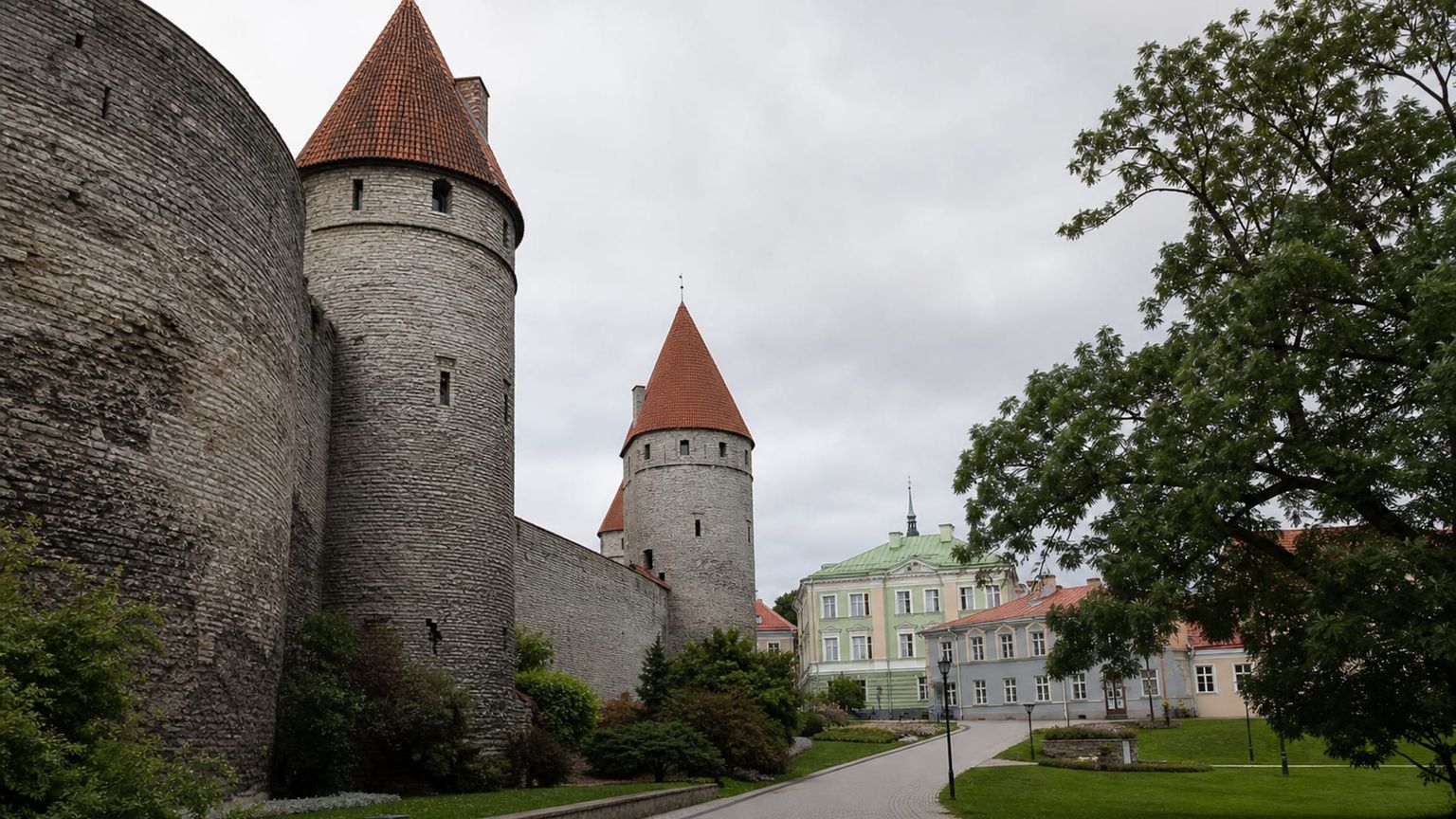
Start in Tallinn Old Town, where the compact medieval core rewards a slow circuit of Town Hall Square, St. Olaf’s Church, and the cobbled lanes inside the walls. Go early for calmer streets, then spend about 2 to 4 hours moving from the lower town up to Toompea Hill for the Patkuli and Kohtuotsa viewpoints. After that, walk about 10 to 15 minutes back down to a late lunch near the square, then end with an easy return to your hotel on foot if you are staying in Old Town or Rotermann.
Kadriorg sets up a quieter museum day, beginning with Kadriorg Palace and Park, about 10 minutes by tram from the Old Town and roughly 15 minutes on foot if you stay nearby. Spend about 2 to 3 hours at the palace and the Kadriorg Art Museum, then walk the park paths before lunch. In the afternoon, continue to the Seaplane Harbour by tram or taxi in about 15 to 20 minutes, where the hangar, submarine, and maritime displays fill another 2 to 3 hours.
For a waterfront day, start at Patarei Sea Fortress and Prison in late afternoon light, then continue on foot to the Seaplane Harbour in about 10 to 15 minutes if you want to pair the two maritime sites. Give Patarei about 1 to 2 hours, then spend 2 to 3 hours at the harbor museum if you did not see it on day 3 or if you want a slower second visit. If your timing lines up, finish with a short tram ride or taxi back toward Rotermann for dinner, since that area sits between the harbor and the Old Town.
Before you leave, set aside a final morning for one museum or a short shopping stop in Rotermann Quarter, where warehouse buildings now hold boutiques, design stores, and cafés. If you have not yet visited the Seaplane Harbour or Kadriorg Palace, pick one rather than trying to cram in both, then finish with coffee in Kadriorg or an easy lunch near the harbor. That gives you a low-stress last half day close to Tallinn Port or Tallinn (TLL), so the trip ends without a long cross-city transfer.
Business-class flights from the US to Tallinn
Tallinn usually reaches U.S. travelers through one stop rather than a nonstop, so the useful comparison is which layover city gives the best mix of duration and fare. The two routes below show how that plays out from New York and Los Angeles.
From New York, Air Baltic, Air France, Lufthansa, Scandinavian Airlines, Turkish Airlines, and LOT Polish Airlines commonly appear on the route. Typical itineraries take about 8 to 9 hours nonstop when available, or about 10 to 15 hours with one stop, often via Amsterdam, Frankfurt, or Istanbul. Round-trip fares usually start at $2,400 and can reach $5,500; if you do not mind a layover, common routings via Amsterdam, Frankfurt, or Istanbul often cut the fare.
From Los Angeles, nonstop schedules are rare, so most trips connect through Amsterdam, Frankfurt, Istanbul, or Copenhagen. Air France, Lufthansa, Turkish Airlines, Scandinavian Airlines, and LOT Polish Airlines are common names on the route, and one-stop travel usually takes about 13 to 15 hours total, or about 15 to 22 hours with a layover. Round-trip fares usually run $3,000 to $6,500 for this route.
Tallinn feels different when you slow down
A careful Tallinn trip gives each district a clear role, from the medieval lanes of Old Town to the museums and park paths in Kadriorg, then on to the harbor at Patarei and the Seaplane Harbour. Trams do the long links, walking handles the center, and Rotermann fills the gap between sightseeing and dinner. If you want to shape the route around your dates and hotel base, ask the AranGrant experts for a Tallinn plan that matches your pace