

Chapters:

Need help with your trip?
Our support team is available 24/7. Request a callback or call us directly at (833) 619-0908
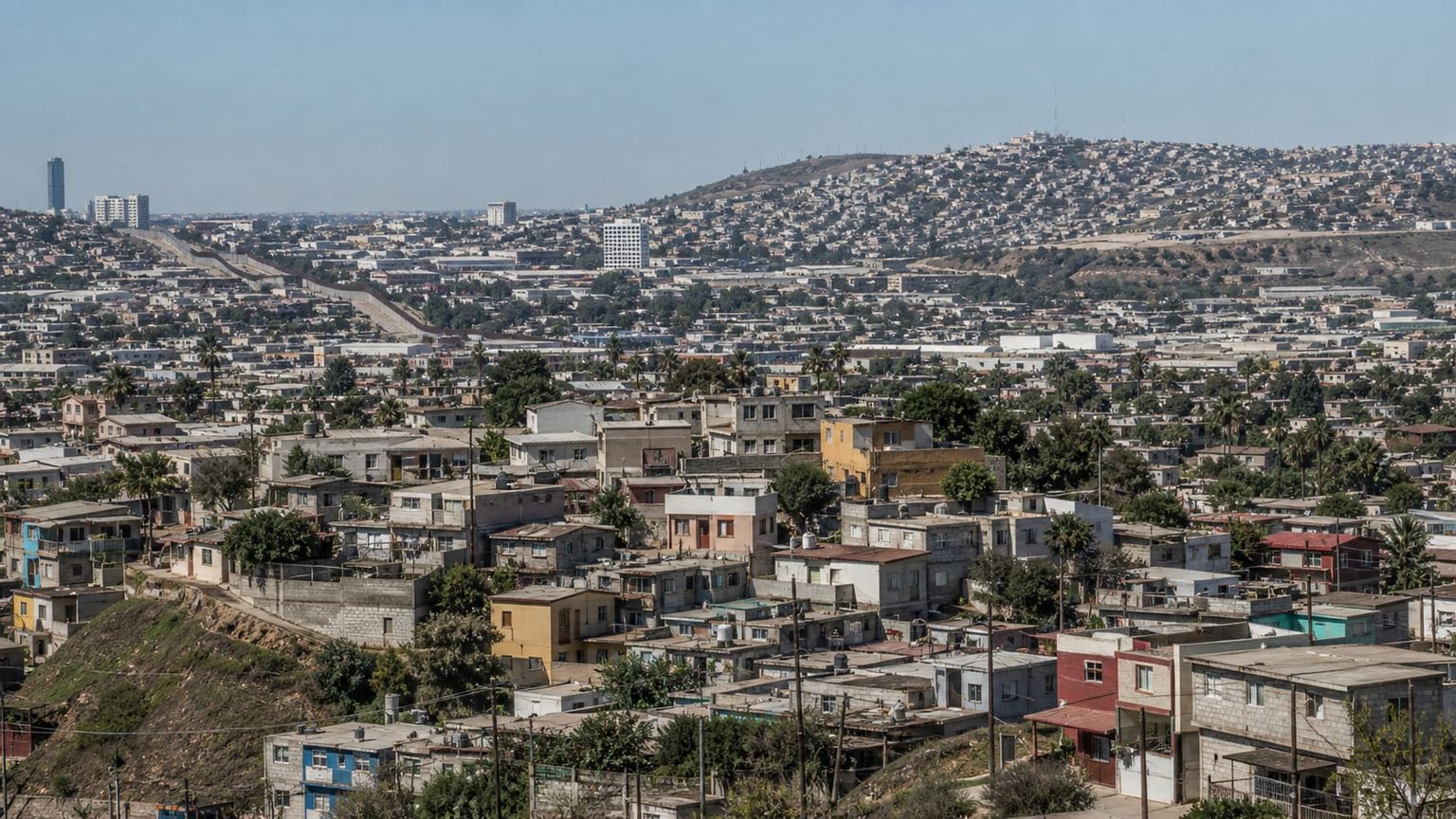
Tijuana trips often begin with a quick transfer, a hotel check-in, and dinner near the border or in Zona Río. Travelers sometimes miss how much the city changes block by block, from coastal streets to older central corridors.
That simple approach can leave you spending too much time in taxis and too little time in the neighborhoods that give the city its shape. Distances are short on a map, but traffic, busy crossings, and uneven street life change the pace.
This guide organizes Tijuana by area, transport, food, and day-by-day movement, so you can stay oriented, choose the right neighborhood, and fit the city into a workable 5-day plan.
Useful things to know

Main language(s): Spanish
Hola (OH-lah) – Hello
Por favor (por fah-VOR) – Please
Gracias (GRAH-see-ahs) – Thank you
¿Habla inglés? (AH-blah een-GLAYS) – Do you speak English?
¿Cuánto cuesta? (KWAHN-toh KWES-tah) – How much does it cost?

Currency: The local currency is the Mexican peso (MXN, $).

Cash and cards: Cards and contactless are widely accepted; carry about MXN 300 to 500 ($18 to $30) in cash for small purchases and taxis.

Tipping: Round up small bills and leave 10% to 15% at sit-down restaurants if service is good.

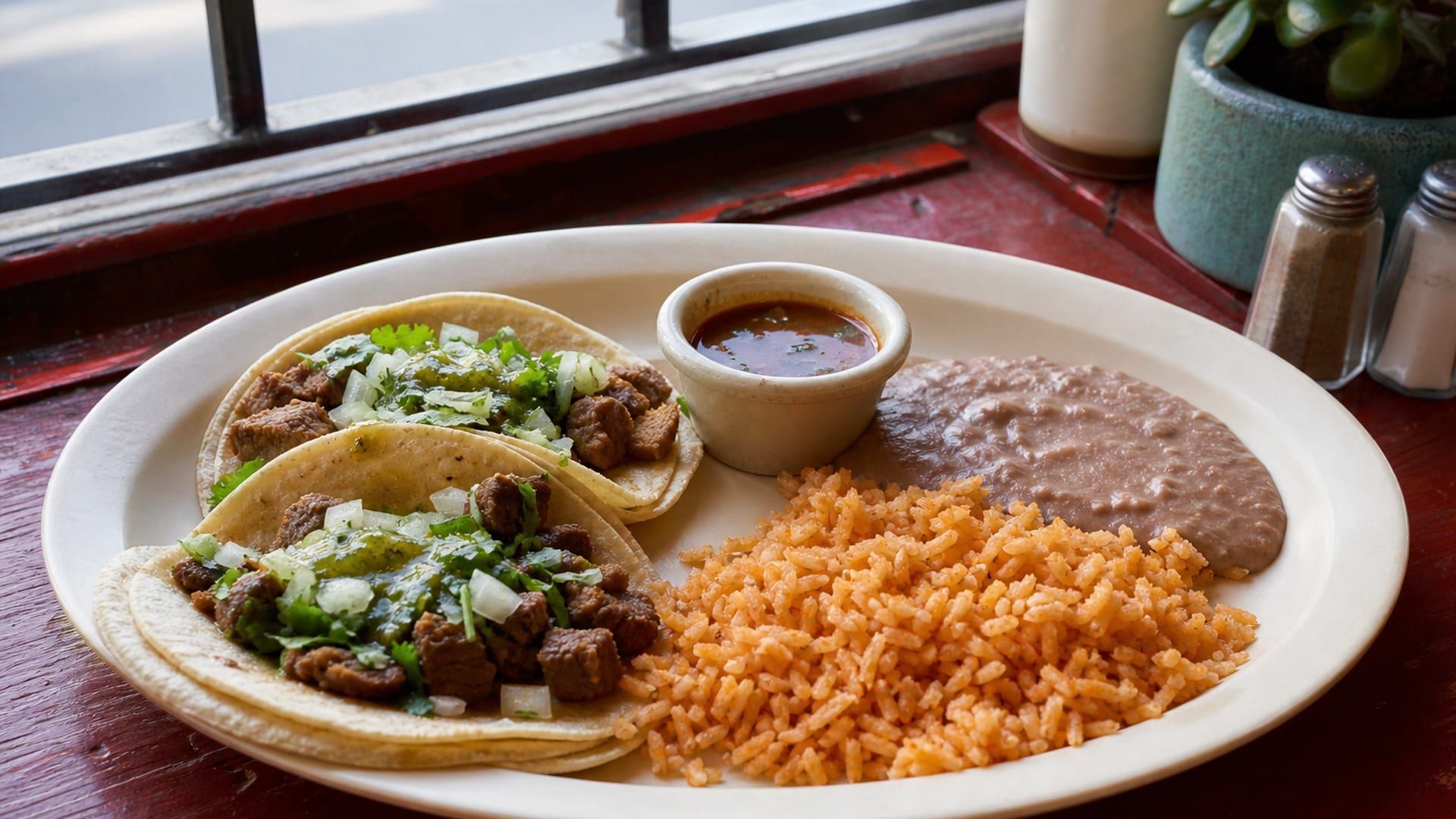
Traditional food: Tacos de carne asada, fish tacos, Caesar salad, birria

Water and coffee costs: Water ~MXN 25 ($1.50), bar espresso ~MXN 45 ($2.70).

Taxis and ride apps: Uber and DiDi operate here; taxis at the airport can be a separate line.

Plug and voltage: Type A/B socket, 127V

Dining and shop opening hours: Breakfast is about 07:00-11:00, lunch 13:00-16:00, and dinner 19:00-23:00. Many taquerías and late-night spots stay open past midnight.

Emergency number: 911 for police, fire, and medical emergencies.
Where to stay in Tijuana
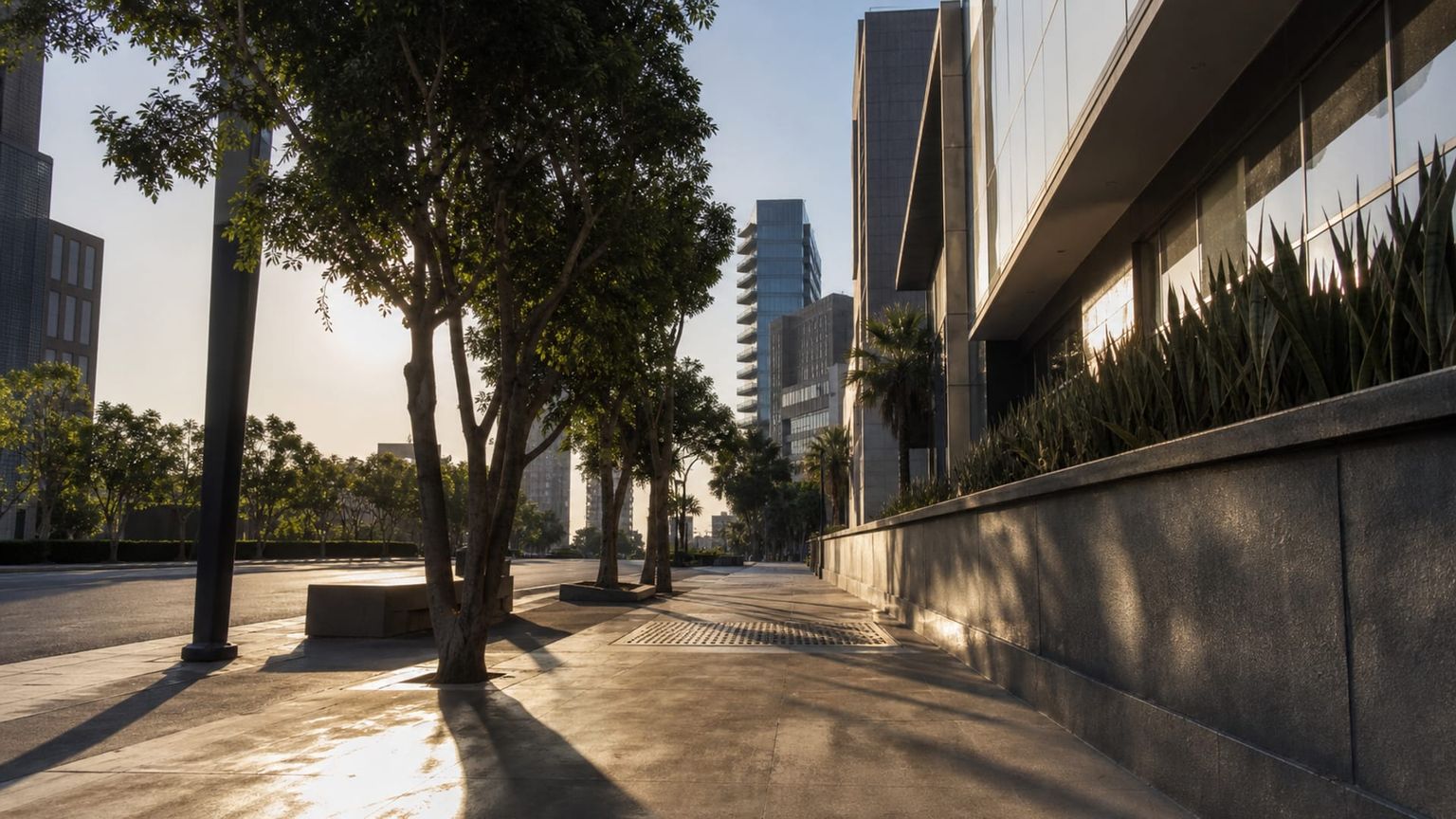
Tijuana’s modern business district, Zona Río holds many of the city’s best hotels, shopping centers, and offices. It puts you near the border crossing, medical clinics, and major roads, so it suits travelers who want easy positioning for work or a short city stay.
Best for: Business trips, medical travel, shopping, and easy border access
What to expect: Wide avenues, malls, and steady traffic shape the area, with more activity in the daytime than late at night.
Hotel prices: Usually about $90 to $200 per night for well-rated stays
Distance to major sights: About 10 minutes by car to the San Ysidro border crossing, 15 minutes to Avenida Revolución, and 20 minutes to Tijuana International Airport (TIJ).
Quietness: Daytime is busy with traffic and office activity, then evenings become calmer once the shops and restaurants thin out.
Main trade-off: You get convenience and newer hotels, but the area can feel car-heavy and less atmospheric than older districts.
Good to know: If you plan to cross into San Diego often, this area cuts down on taxi time, but you will still need a ride for most nightlife and older sightseeing streets.
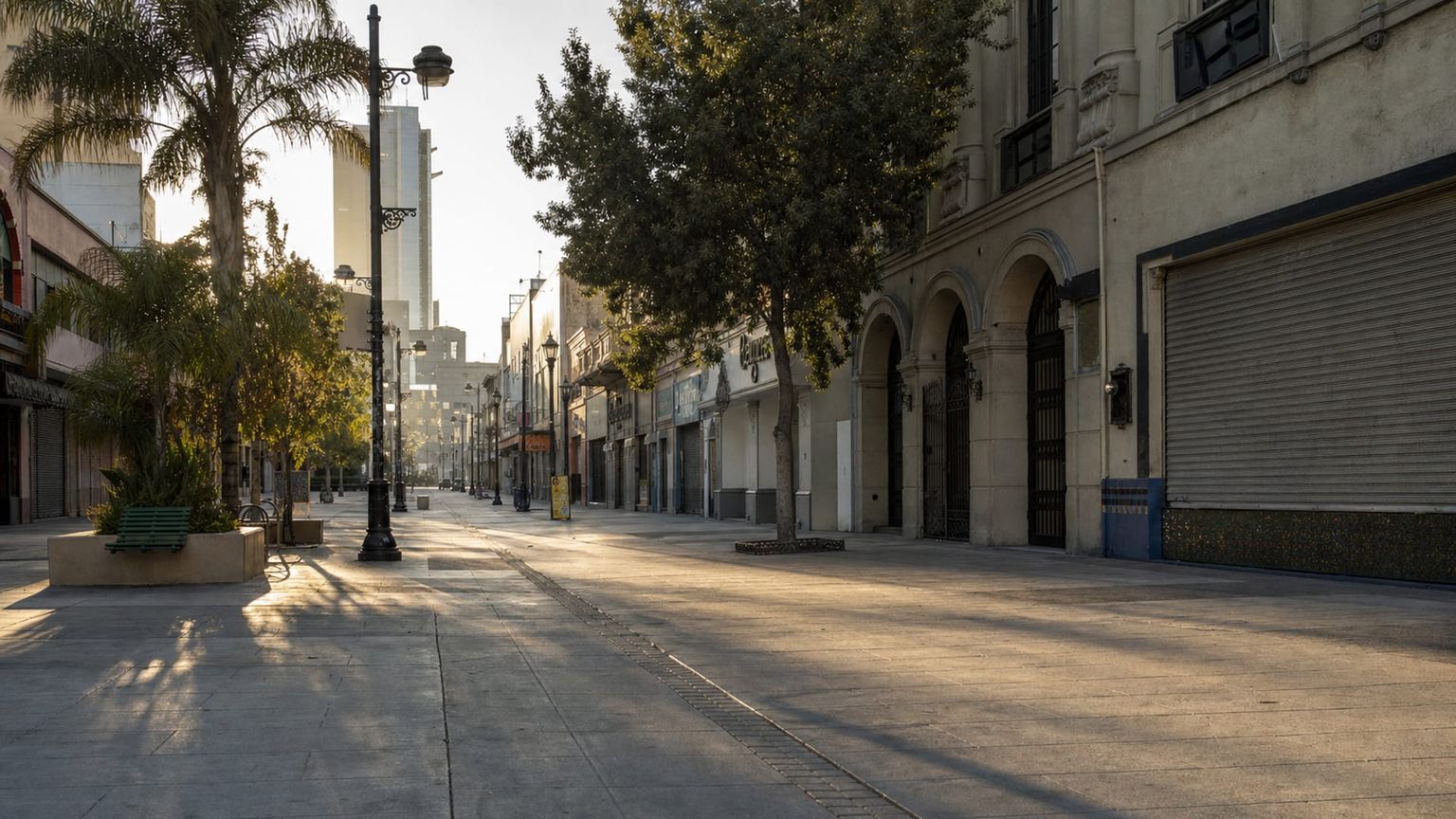
Avenida Revolución is Tijuana’s best-known central corridor, lined with bars, souvenir shops, galleries, and older hotels. Staying here puts you in the middle of the city’s most walkable tourist strip, with direct access to dining, nightlife, and quick cab rides elsewhere.
Best for: Nightlife, short walks to restaurants, and travelers who want the most central tourist strip
What to expect: Dense foot traffic, music, and late evening activity are common, especially on weekends and near the busiest blocks.
Hotel prices: Usually about $60 to $160 per night for well-rated stays
Distance to major sights: About 10 minutes on foot to the center of Zona Río, 15 minutes by car to the San Ysidro border crossing, and 20 minutes by car to Tijuana International Airport (TIJ).
Quietness: Days are busy with visitors and vendors, and evenings get louder as bars and clubs fill up.
Main trade-off: You gain walkability and late-night options, but some blocks are noisy and the hotel stock skews older.
Good to know: Choose a room away from the main strip if you are sensitive to sound, because traffic and music can carry late into the night.
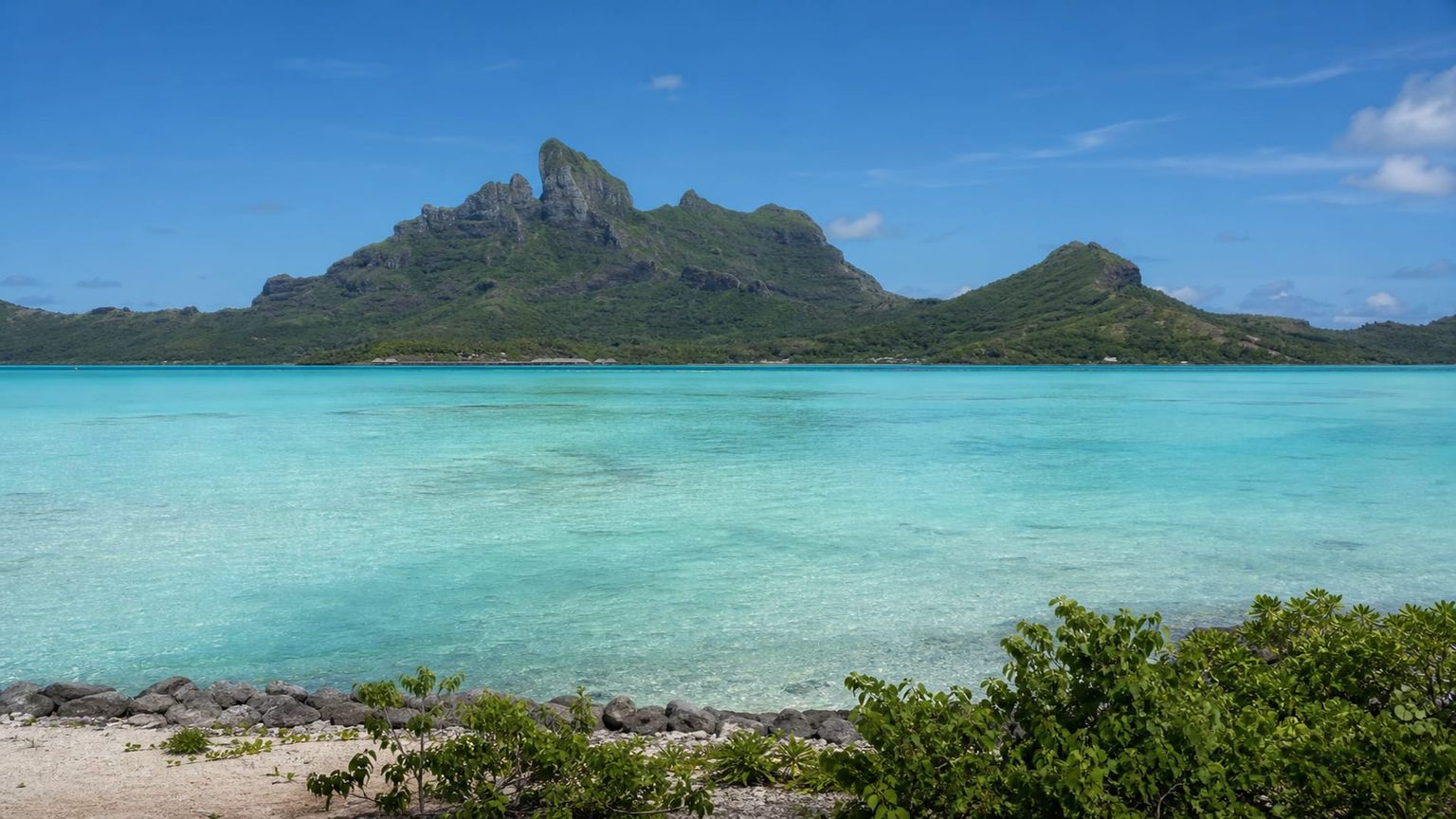
Playas de Tijuana sits along the Pacific coast at the western edge of the city, with a beach promenade, casual restaurants, and local neighborhoods. It suits travelers who want ocean views and a more residential setting while still staying inside Tijuana.
Best for: Beach walks, a residential base, and travelers who want ocean views
What to expect: The streets are calmer than central Tijuana, with local foot traffic along the waterfront and a more neighborhood-based pace.
Hotel prices: Usually about $70 to $170 per night for well-rated stays
Distance to major sights: About 20 minutes by car to Avenida Revolución, 25 minutes to Zona Río, and 30 minutes to Tijuana International Airport (TIJ).
Quietness: Mornings and afternoons stay relatively calm, while evenings pick up near the promenade and restaurant blocks.
Main trade-off: The setting is more relaxed, but you will spend more time in taxis if you plan to visit the city center often.
Good to know: If you want beach access, check the exact block before booking, because some hillside streets sit farther from the waterfront than the listing suggests.
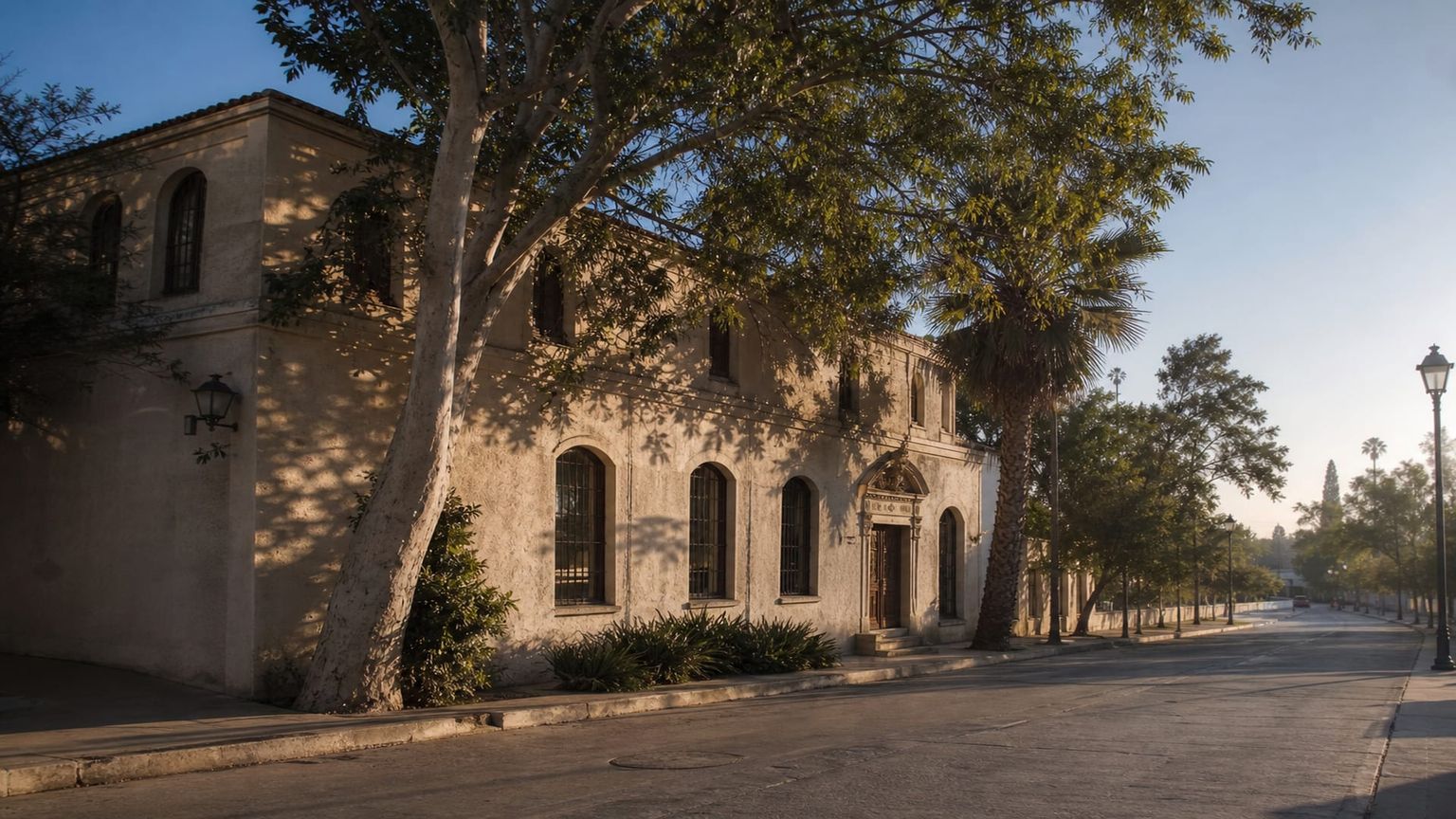
Chapultepec is an upscale residential district in western Tijuana known for restaurants, cafés, and low-rise homes. It offers a quieter stay than the center, with easy access to Zona Río and other central neighborhoods by car.
Best for: Dining, quieter evenings, and travelers who prefer a residential neighborhood
What to expect: Tree-lined streets, local restaurants, and modest traffic replace the constant movement of the city center.
Hotel prices: Usually about $80 to $180 per night for well-rated stays
Distance to major sights: About 10 minutes by car to Zona Río, 15 minutes by car to Avenida Revolución, and 20 minutes by car to Tijuana International Airport (TIJ).
Quietness: Days stay fairly calm, and evenings are usually quieter than the city center except on restaurant streets.
Main trade-off: You get a calmer setting and good food nearby, but you will rely on taxis or rideshares for most sightseeing.
Good to know: This area works best if you plan to sleep away from nightlife and do not mind using rides for the border crossing or downtown stops.
Travelers usually avoid staying in Sánchez Taboada, La Presa, and Terrazas del Valle, because they sit far from the main border, downtown, and beach areas, with fewer visitor-oriented amenities and longer evening trips by taxi or rideshare. Colonia Libertad and the eastern edge of Otay are also less convenient for visitors who plan to spend most of their time in Zona Centro, Zona Río, or near Avenida Revolución.
Hotel deals
How to get around Tijuana efficiently
Tijuana has no metro, so most visitors move by bus, taxi, or ride-hailing, with the Cross Border Xpress pedestrian bridge adding a separate border connection from the airport area.

Metro
for longer distances
Tijuana has no metro system. The closest rail option is the Cross Border Xpress pedestrian bridge at Tijuana (TIJ), which links the airport area to the San Diego side; inside the city, visitors rely on buses, taxis, and ride-hailing instead. From the airport, the trip to the border area takes about 15 to 25 minutes by road.

Bus and tram
for convenience
Route 4 and other local buses link Tijuana (TIJ) with downtown, Zona Río, and the border zone, and many runs use small white minibuses rather than large coaches. Fares are typically about $0.50 to $1 ($9 to $18 MXN), paid in cash when you board. Travel times from the airport area to central Tijuana are usually about 20 to 40 minutes, depending on traffic, and there is no tram network.

Taxi
for convenience or late hours
Licensed taxis in Tijuana use set fares rather than meters, and airport-area trips usually follow posted zone prices or a quoted fare before departure. Expect about $10 to $20 ($180 to $360 MXN) to downtown or Zona Río, with border-area trips often a little less; after dark or in heavy traffic, drivers may quote more. Cash in pesos is most common, though some drivers accept U.S. dollars, and it is best to confirm the price before you get in.
*Prices are based on rates updated as of June 2026 and may change at the time of travel.
Use taxis or ride-hailing for point-to-point trips, buses for very low-cost daytime travel, and the Cross Border Xpress when your route involves the border corridor.
Iconic landmarks
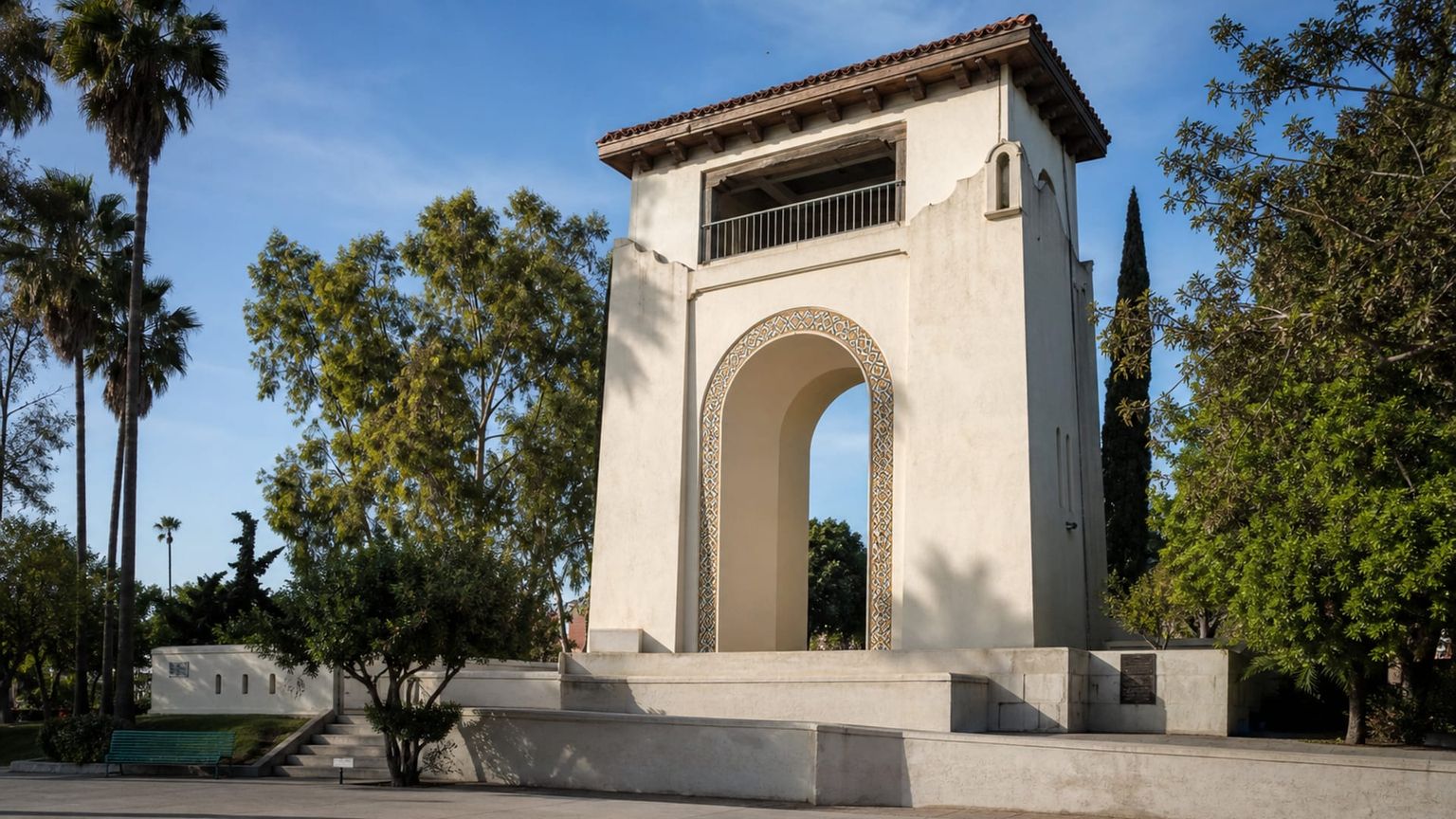
César Chávez Park
This bluff-top park marks Tijuana’s western edge with Pacific views, the steel border fence, and the Friendship Arch sculpture. Paved paths, sea air, and sunset light make it a clear stop for a city-scale overlook.
Time needed: About 45 minutes to 1 hour
Entry: Free to access
Tip: Go late in the day, when the light hits the fence and the coastline cleanly.
Overlooked sites worth visiting

Cerro Colorado Ecological Reserve
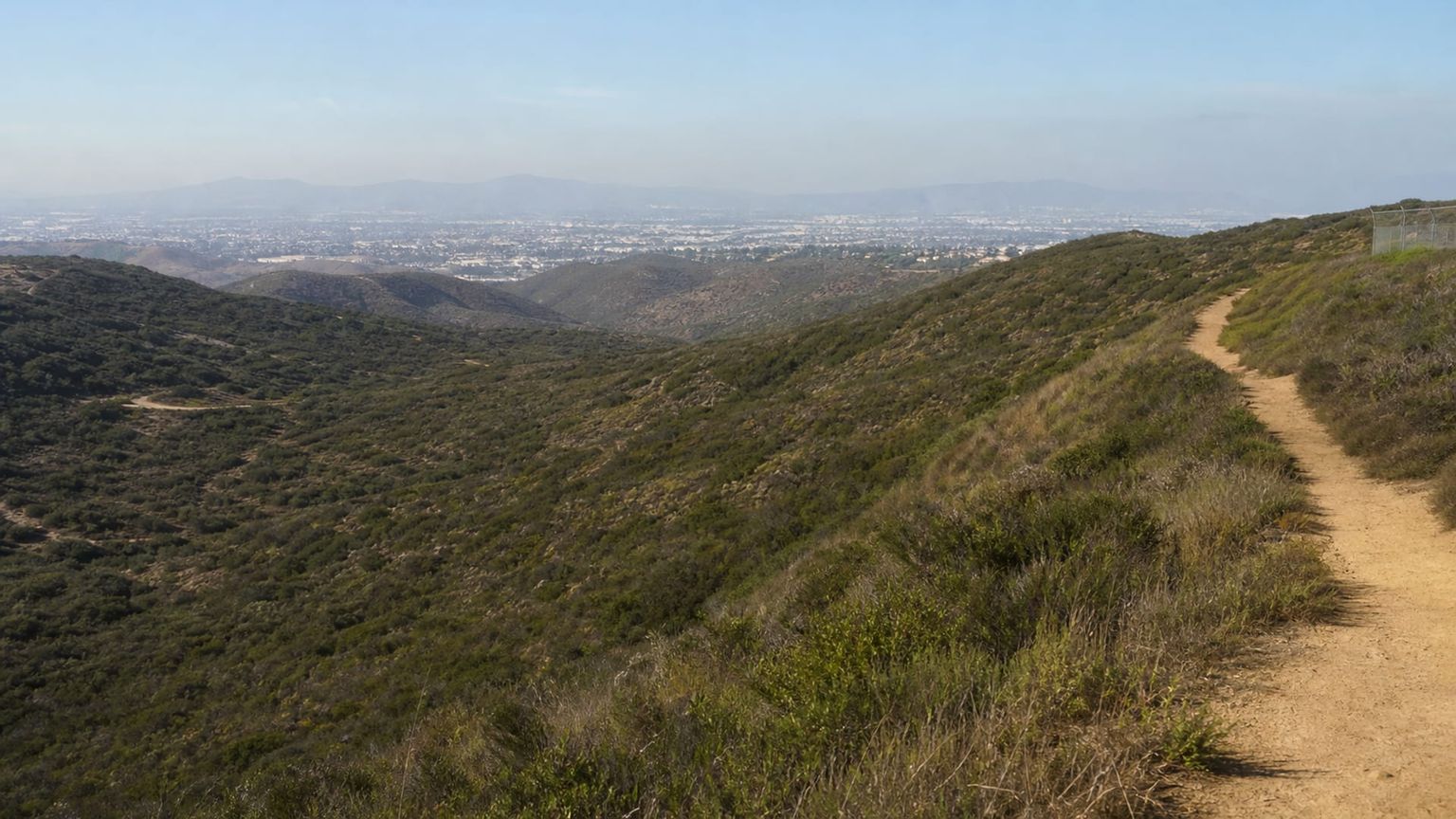
This protected hill park west of the city has marked trails, native scrub, and wide views toward Tijuana. It suits an early walk, when the paths stay cooler and the light is clear over the border plain.
Time needed: About 1 to 2 hours
Entry: Free to access; no ticket is required for the trail network or viewpoints, and hours may change with park conditions. Bring water, since shade is limited and amenities are sparse.
Tip: Go early for cooler air and clearer views

MUSEO DEL TINTA
This small printmaking museum in downtown Tijuana shows presses, posters, and graphic work from local artists. The compact galleries make a neat stop if you want a quick cultural visit away from the larger museums.
Time needed: About 45 minutes to 1 hour
Entry: Admission is usually about $5 ($90) to $7 ($125), with occasional workshop or exhibit fees charged separately. Check current hours before you go, since opening times can shift for events or private programming.
Tip: Visit on a weekday for the quietest galleries
Traditional food
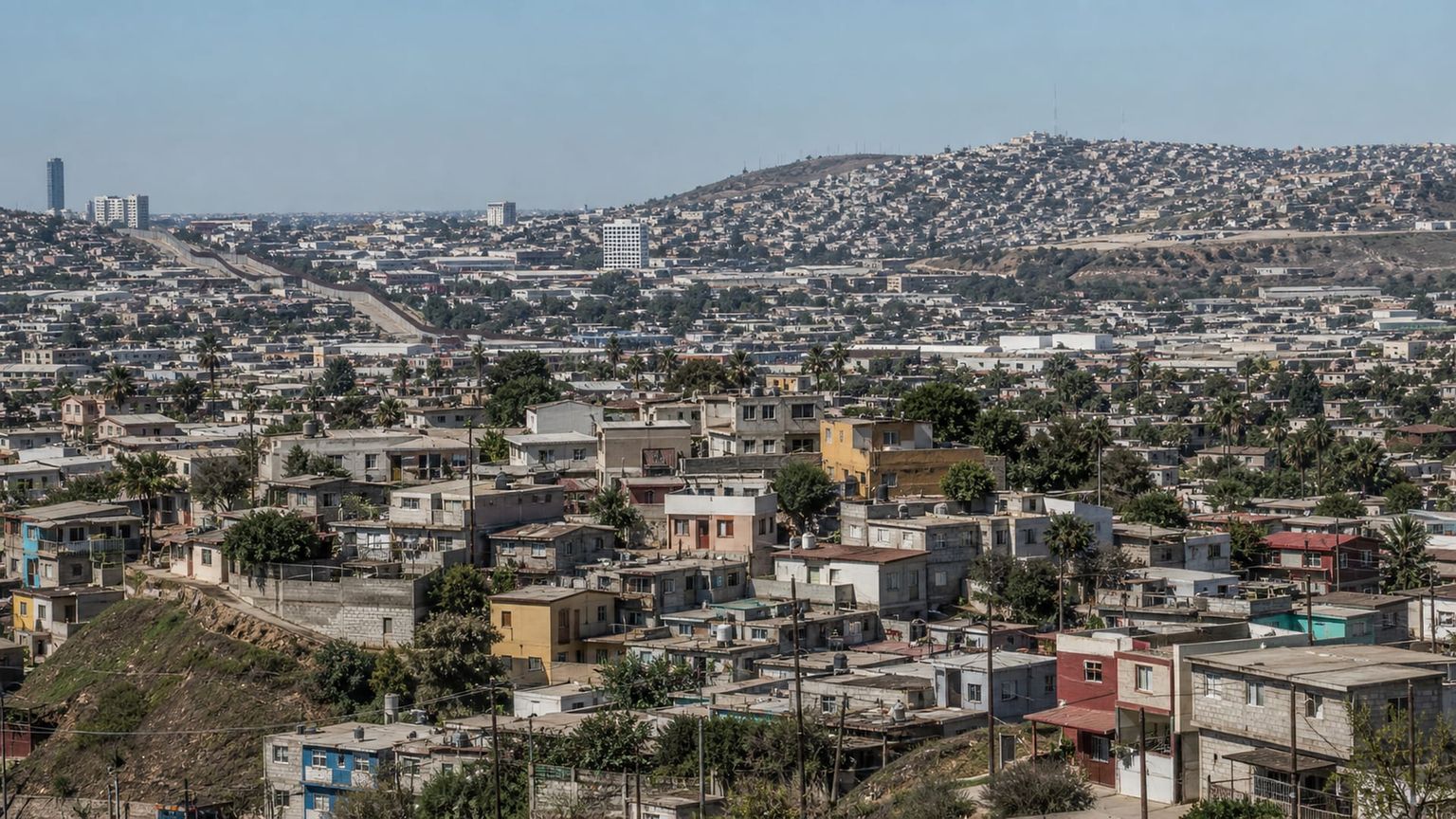
Tijuana’s food scene leans on carne asada, seafood, and late-night taquerías, with bright salsas, grilled meat, and border-style plates that suit a city built for quick meals and long evenings.
Tacos de carne asada
Thin-cut grilled beef is the city’s signature street plate, usually finished with onions, cilantro, salsa, and lime. Tacos El Franc is a classic Tijuana stop for this style.
Fish tacos
Battered or grilled fish tacos show Tijuana’s coastal side, with cabbage, crema, and hot sauce giving them their familiar Baja profile. Mariscos El Mazateño is a long-running reference point for the dish.
Caesar salad
Tijuana claims one of the world’s best-known salad originals, built from romaine, Parmesan, croutons, and a creamy anchovy dressing. Caesar’s Restaurant Bar is the canonical address for it in the city.
Birria
Slow-cooked birria brings deep chile flavor and a rich broth, often served with tortillas and the option to sip consomé alongside the meat. Tacos El Gordo is a dependable local choice for it.
Best time to visit Tijuana
Tijuana works well year-round, but the warmest months bring sharper sun near the coast, while winter and spring usually offer clearer air and easier walking.
Best for: Mild weather, lighter layers, and comfortable neighborhood walks
What you get: About 64°F to 77°F (18°C to 25°C), with moderate crowds and good conditions for outdoor time
Trade-offs: Popular weekends can still push wait times up near the border
Best for: Beach time and longer evenings in coastal areas
What you get: About 68°F to 84°F (20°C to 29°C), with heavier weekend crowds and stronger daytime sun
Trade-offs: Heat and traffic can slow cross-city movement
Best for: Food trips, city walks, and a balanced pace
What you get: About 63°F to 79°F (17°C to 26°C), with moderate crowds and pleasant afternoons
Trade-offs: Late-season weather can shift quickly, especially near the coast
Best for: Clearer skies, easier sightseeing, and shorter lines
What you get: About 55°F to 69°F (13°C to 21°C), with lighter crowds on weekdays
Trade-offs: Evenings feel cooler, especially near Playas de Tijuana
A realistic 5-day plan in Tijuana
Five days in Tijuana work best when you separate the city into clear blocks: the airport arrival, the hills and downtown core, the coast, the restaurant neighborhoods, and a final morning that stays close to your hotel before departure.
Land at Tijuana International Airport (TIJ) and take a taxi or rideshare into Zona Río, which usually takes about 20 to 30 minutes and costs roughly $12 to $20. Check in near the business district, then keep dinner close by with a simple meal in Zona Río rather than heading across town after a flight. Drink plenty of water, walk a short block or two if you want fresh air, and keep the evening low-key so you can reset before a fuller sightseeing day.
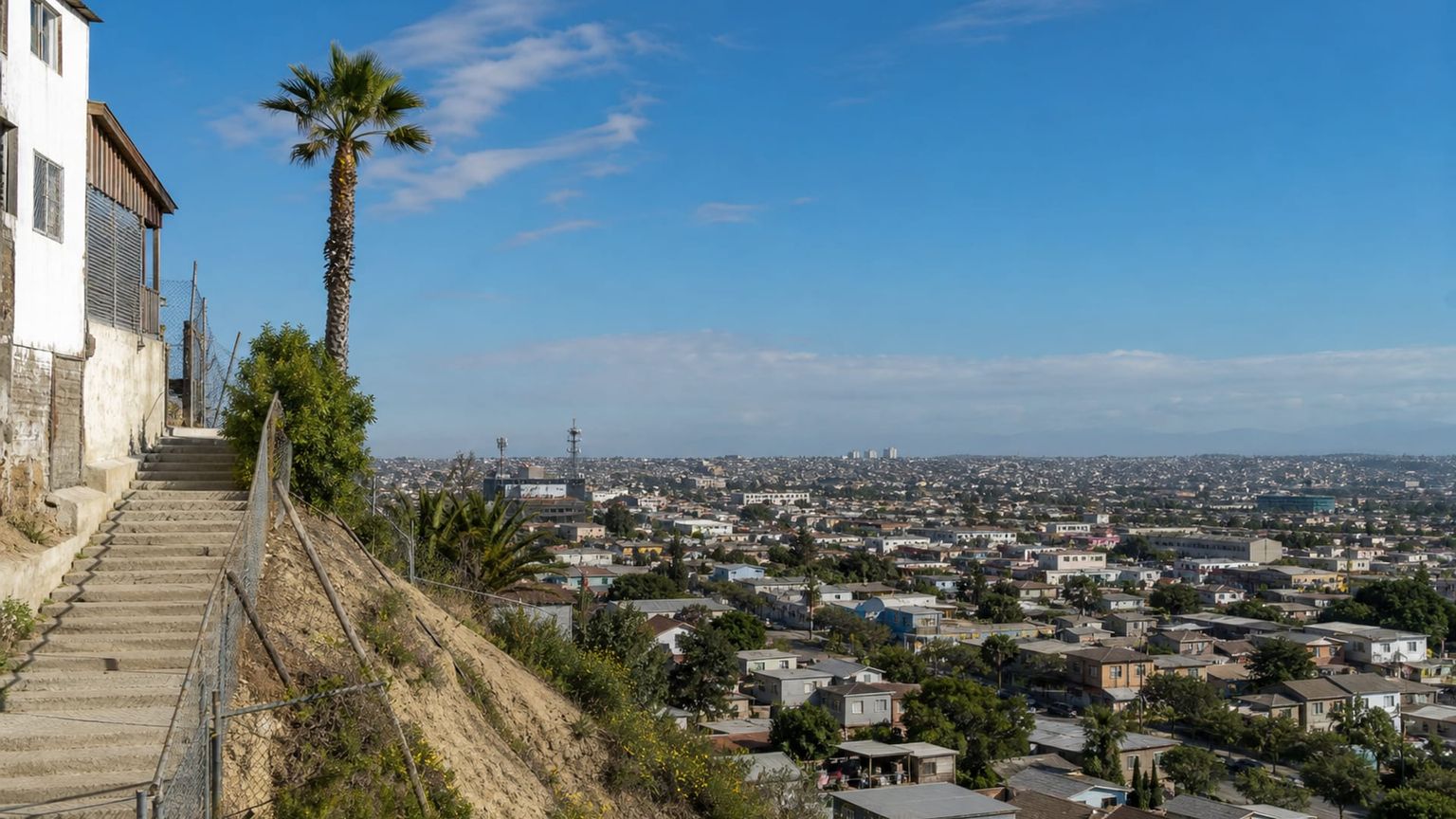
Start early at Cerro Colorado Ecological Reserve, where the trail network and viewpoints take about 1 to 2 hours, then return to the city for lunch in Zona Río, about 20 to 25 minutes by car from the hills. In the afternoon, continue to MUSEO DEL TINTA in downtown Tijuana, a roughly 15 to 20 minute ride from Zona Río, and spend about 45 minutes to 1 hour with the press rooms and print work. End the day on Avenida Revolución, about 10 to 15 minutes by taxi from the museum area, for dinner and an easy evening walk.
Begin with the coastal side of Tijuana at Playas de Tijuana, where a seaside walk along the promenade gives you a slower start and an easy coffee stop. From there, ride about 15 to 20 minutes to César Chávez Park for Pacific views, the border fence, and the Friendship Arch, then stay about 45 minutes to 1 hour as the light changes. Finish back in Playas de Tijuana for dinner near the waterfront, or head to Avenida Revolución, about 20 minutes by car, if you want a busier night.

Chapultepec sets up a food-focused day, so start with breakfast there and then make the 10-minute drive to Zona Río for shopping centers and a wider lunch choice. After lunch, move on to Avenida Revolución, about 15 minutes by car from Chapultepec, for galleries, souvenir stops, and a slower browse through the older central blocks. If you want one more short outing, return to Chapultepec for dinner, since the neighborhood’s restaurant streets stay quieter than the city center after dark.
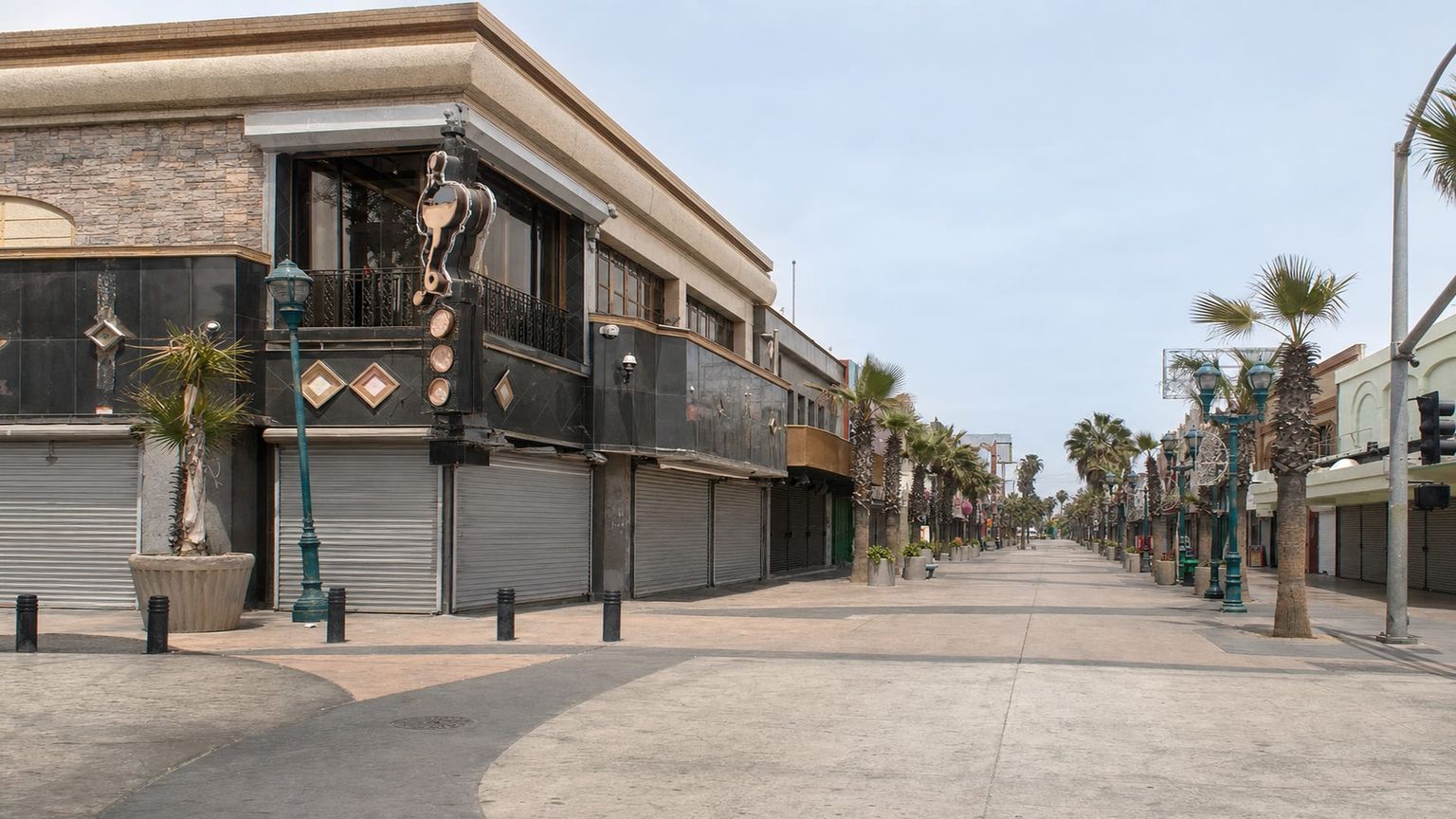
For a last morning, pair MUSEO DEL TINTA with a short stop in Zona Río, which keeps the pace easy and lets you finish any shopping without crossing the city several times. After that, choose a café in Chapultepec for coffee and a final meal, then return to your hotel to pack before heading to Tijuana International Airport (TIJ), about 20 minutes away from Chapultepec and roughly 20 to 25 minutes from Zona Río. If your schedule allows extra time, add one last slow walk through the nearby commercial streets rather than trying to squeeze in a full museum circuit.

Business-class flights from the US to Tijuana
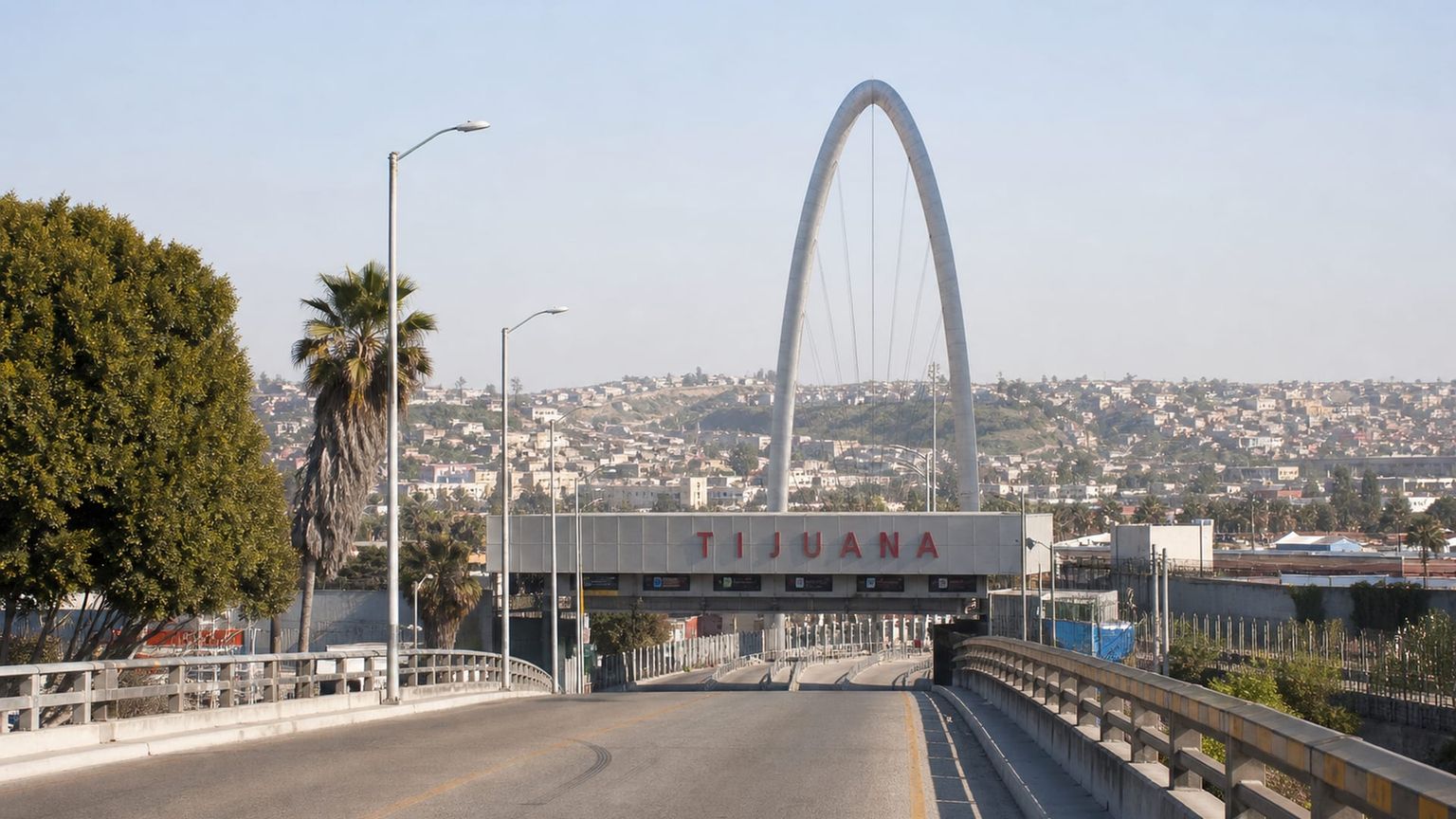
Flights to Tijuana usually split into East Coast and West Coast patterns, with nonstop options on some routes and one-stop itineraries on others. The most useful comparison is how much time and routing flexibility you get from each origin.
From New York, American Airlines, Delta Air Lines, AeroMexico, Volaris, and Alaska Airlines appear on the route list, and nonstop itineraries usually take about 6 to 7 hours. If you accept a connection, common hubs include MEX, SFO, PHX, DFW, and LAX, with total round-trip fares usually starting from $900 and nonstop itineraries often landing in the $1,200 to $2,000 range.
Los Angeles has the shorter hop, with nonstop round-trip fares generally running from $450 to $900 and flight times of about 3 to 4 hours. Volaris, AeroMexico, American Airlines, and Delta Air Lines all serve the market, while itineraries with a connection through MEX or PHX can bring prices down to about $350 to $650.
Tijuana feels different when you slow down
A deliberate Tijuana stay usually stays close to the city’s real movement, morning walks in Cerro Colorado, afternoons in Zona Río or downtown, and evenings on Avenida Revolución, Chapultepec, or the waterfront in Playas de Tijuana. Taxis, ride-hailing, and a few short bus rides do the rest. If you want help matching the right hotel area to your plans, the AranGrant experts can guide you toward the neighborhood that fits your trip







