

Chapters:

Need help with your trip?
Our support team is available 24/7. Request a callback or call us directly at (833) 619-0908
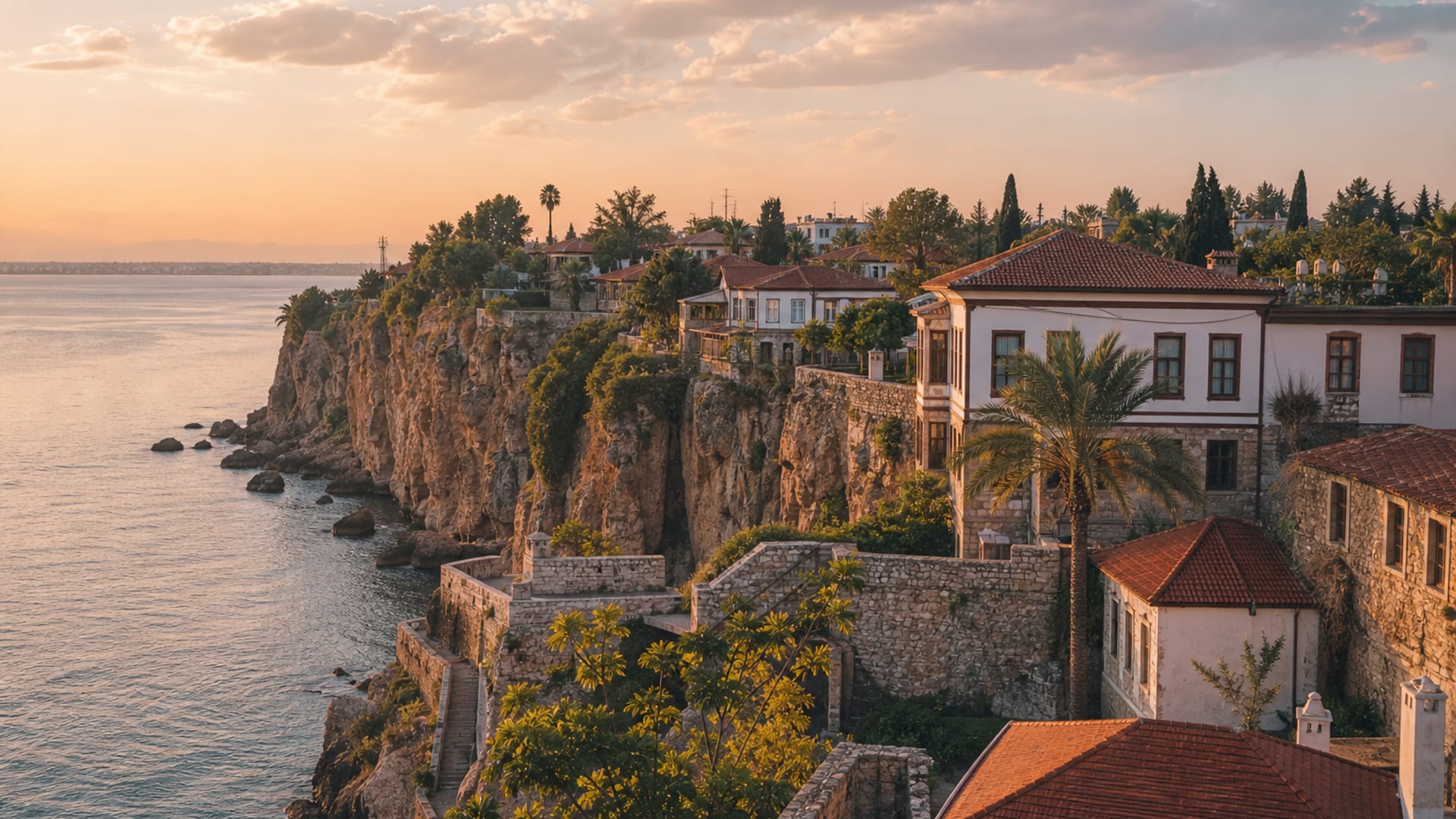
Tenerife trips often split into two tracks, a beach stay in the south or a quick pass through Santa Cruz, with Teide saved for one rushed day. That pattern skips the island’s scale, the road time between attractions, and the way meals, museums, and altitude work best when they are spaced out.
The result is a schedule that spends too long in transit and too little time in the right places. Distances are manageable, but they add up if you try to chain the coast, La Laguna, and Teide without a clear order.
This guide lays the days out by pace and geography, so each stop has room to breathe and each transfer has a purpose.
Useful things to know

Main language(s): Spanish
Hola (OH-lah) – Hello
Por favor (por fah-VOR) – Please
Gracias (GRAH-seeahs) – Thank you
¿Habla inglés? (AH-blah een-GLAYS) – Do you speak English?
¿Cuánto cuesta? (KWAN-toh KWES-tah) – How much does it cost?

Currency: The local currency is the euro (EUR, €).

Cash and cards: Cards and contactless are widely accepted; carry about €20 to €40 ($22 to $43) in cash for small purchases.

Tipping: Round up small bills; leave about 5-10% in nicer restaurants if service is good.

Traditional food: Papas arrugadas, mojo, gofio escaldado, vieja sancochada

Water and coffee costs: Water ~€2 ($2), bar espresso ~€1.50 to €2.50 ($2 to $3).

Taxis and ride apps: Uber and local taxis operate here; confirm the fare before boarding if the app quote seems off.

Plug and voltage: Type C/F socket, 230V

Dining and shop opening hours: Breakfast is about 08:00-10:00, lunch 13:00-16:00, and dinner 20:00-22:30. Many kitchens close between lunch and dinner.

Emergency number: 112 for police, fire, and medical emergencies.
Where to stay in Tenerife
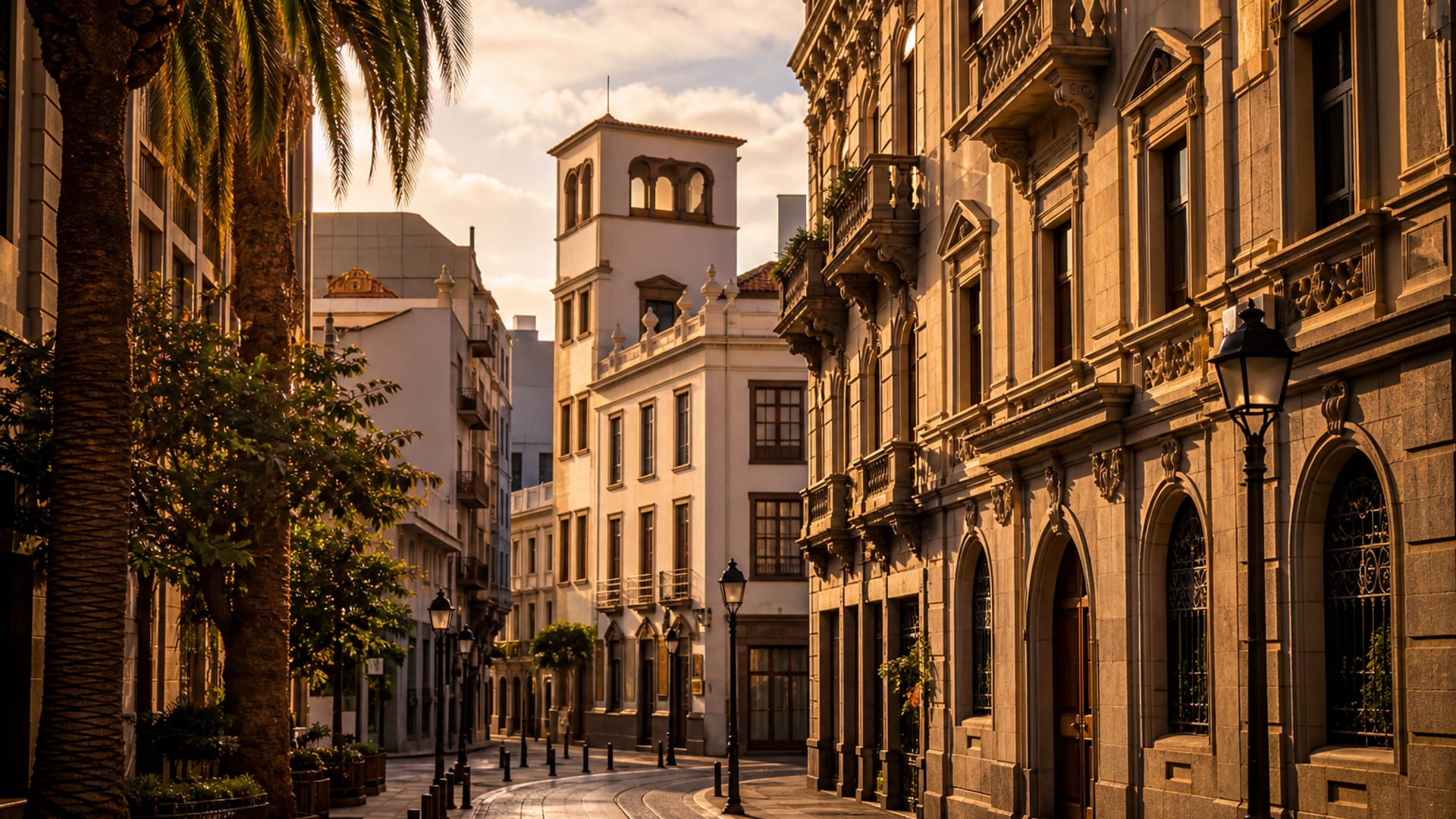
The island capital’s center pairs pedestrian shopping streets, museums, and a busy port edge with easy transit across Tenerife. It works well if you want the widest mix of dining, errands, and day-to-night movement in one place.
Best for: Central sightseeing, restaurant access, and travelers who want the most connected base
What to expect: Busy sidewalks by day, especially near Plaza de España and Calle Castillo, with more local foot traffic than resort-style resort crowds.
Hotel prices: Usually about €90 to €170 (~$99 to ~$187) per night for well-rated stays
Distance to major sights: 5 to 15 minutes on foot to Plaza de España; about 20 minutes by tram to Auditorio de Tenerife
Quietness: Daytime is lively and active, while evenings calm down quickly away from the main shopping streets.
Main trade-off: You get the best transit and city convenience, but beaches require a bus, taxi, or tram connection.
Good to know: Choose this if you want to keep dinner options, supermarkets, and transport links close, since parking and late-night street noise can be issues in the busiest blocks.
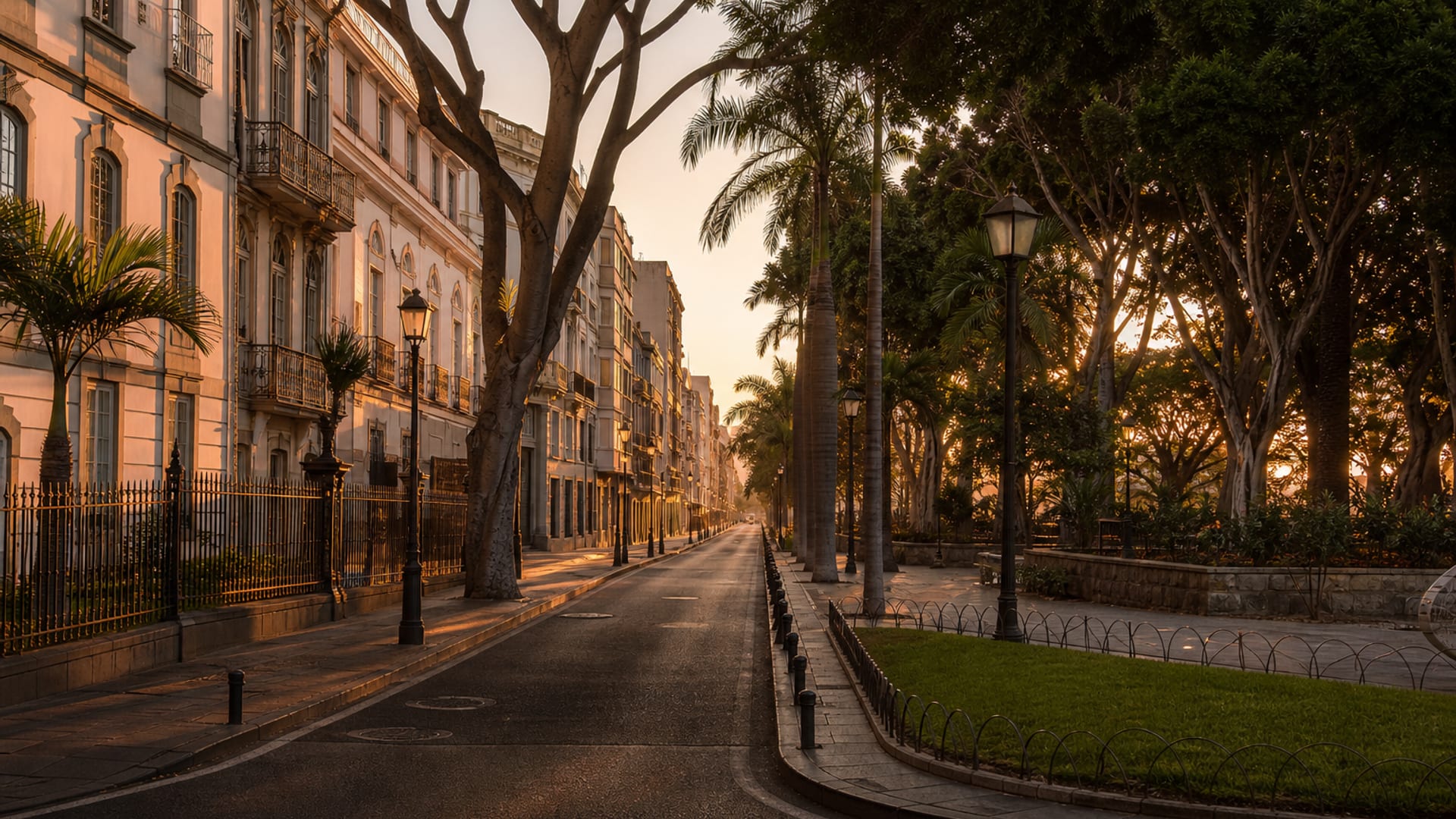
This leafy residential corridor sits just uphill from the center and wraps around one of the city’s best parks. It matters if you want a quieter stay without losing quick access to Santa Cruz’s core streets and museums.
Best for: Quieter stays, longer walks, and travelers who want green space near the center
What to expect: A residential area with wider sidewalks, steady but modest traffic, and more apartment life than nightlife.
Hotel prices: Usually about €100 to €180 (~$110 to ~$198) per night for well-rated stays
Distance to major sights: About 10 to 20 minutes on foot to Plaza de España; about 15 minutes on foot to Auditorio de Tenerife
Quietness: Quieter in the evening than the downtown core, though main roads stay active during the day.
Main trade-off: It is less convenient for quick late-night dining, and the best hotel selection is smaller than in the center.
Good to know: If you plan to sleep early, this area avoids the busiest streets while still keeping taxis, buses, and central restaurants within a short ride or walk.
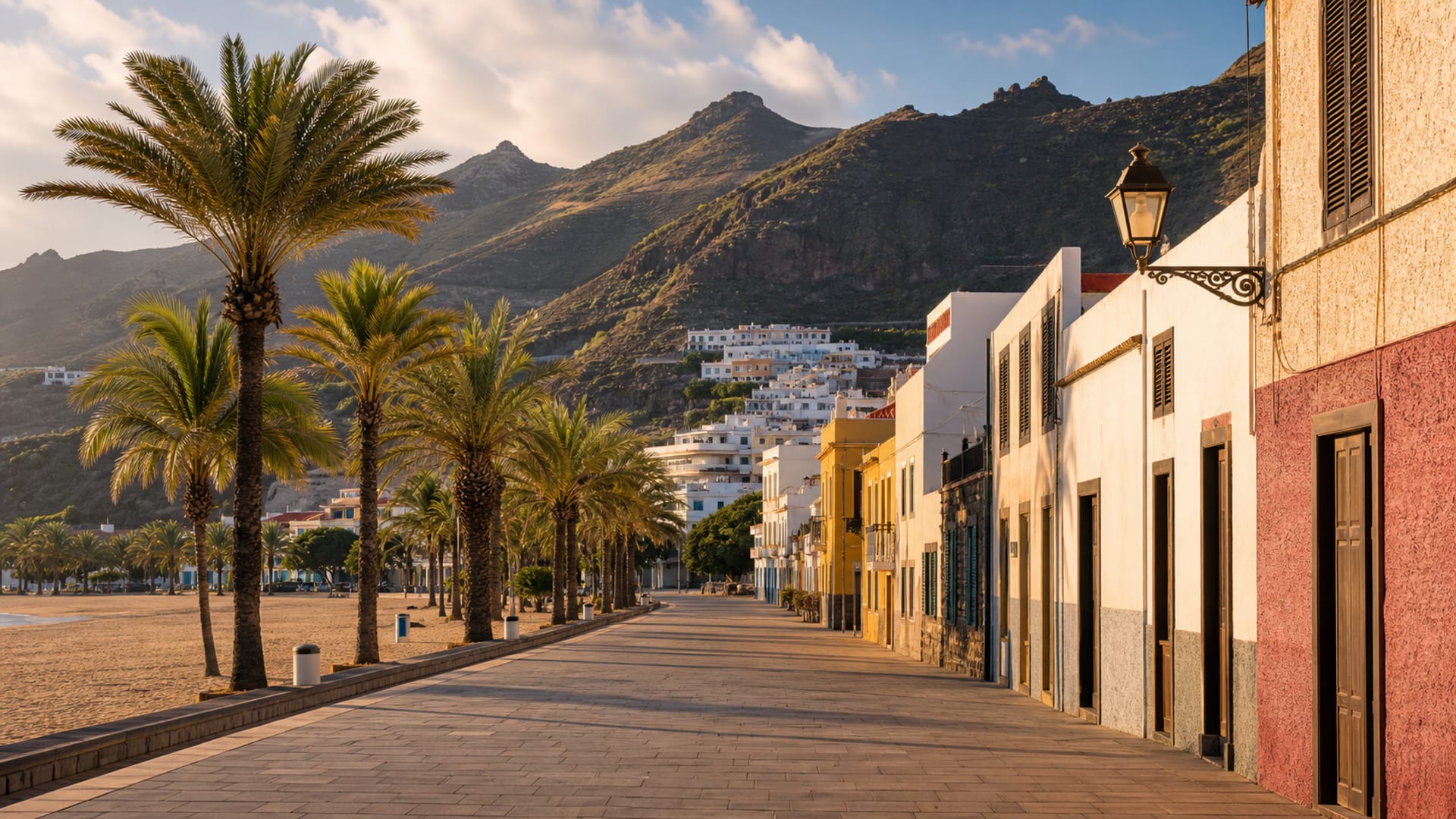
This northeast coastal area near Playa de Las Teresitas offers a beach-first stay with a fishing-village setting in San Andrés. It matters if your Tenerife trip is built around sand, swims, and a slower waterfront pace.
Best for: Beach time, coastal walks, and travelers who prefer a village feel over a city center
What to expect: Near the beach you will see relaxed daytime movement, then a quieter evening scene centered on local cafés and seafront promenades.
Hotel prices: Usually about €80 to €150 (~$88 to ~$165) per night for well-rated stays
Distance to major sights: About 20 minutes by bus to Plaza de España; roughly 5 minutes on foot to Playa de Las Teresitas from San Andrés
Quietness: Quieter than Santa Cruz city center at night, though the beach area becomes active on sunny weekends and holidays.
Main trade-off: You will need transport for museums, shopping, and most nightlife in Santa Cruz.
Good to know: Book here if the beach is the priority, but check bus timetables carefully, since evening returns can be less frequent than in the city center.
Travelers usually avoid staying in the airport area near Tenerife South (TCI) for a city break, because it sits far from the main sights and has limited evening dining and shopping. Parts of Costa Adeje and Playa de las Américas that are deep inland can also be less convenient, since they are a long walk from the beach promenade and major visitor amenities, while isolated resort pockets in the north, including areas outside Puerto de la Cruz and Santa Cruz, add longer taxi rides and fewer late-night options.
Hotel deals
How to get around Tenerife efficiently
Tenerife has no metro, so TITSA buses, taxis, and the Santa Cruz-La Laguna tram do the heavy lifting between the airport, the capital, and the northern towns.

Public bus
for longer distances
Tenerife has no metro, so visitors rely on buses and taxis, with the closest high-capacity option being the island-wide TITSA coach network. For airport transfers and intercity trips, this means planning by route number rather than by rail line; journeys can be about 20 to 60 minutes to major southern resorts and longer to Santa Cruz or Puerto de la Cruz. Airport-area fares are usually a few dollars, and day passes or multi-ride cards can cut the cost on repeated trips.

Tram
for convenience
Tenerife’s TITSA buses cover the island, and the tram runs between Santa Cruz and La Laguna on lines 1 and 2. From Tenerife (TCI), the airport bus links both terminals with Santa Cruz and the main south coast resorts, often taking about 25 to 50 minutes depending on traffic, while intercity tickets are usually about $3 to $12 (€3 to €11) and are valid for the specific ride rather than a timed transfer. Buy on board or with the Ten+ card, then check the route number and final stop before boarding, since some services run less often at night and on Sundays.

Taxi
for convenience or late hours
Licensed taxis in Tenerife use metered fares, with airport trips sometimes charged under official fixed supplements or area-based tariffs; a ride to nearby resorts often costs about $35 to $55 (€32 to €50), while Santa Cruz or Puerto de la Cruz can run about $70 to $110 (€65 to €100) depending on pickup point and traffic. You can hail one at marked ranks or book by phone or app, and drivers generally accept cash, though card payment is more common in newer vehicles. Ask for the meter or the posted airport tariff before departure if you want clarity on the final fare.
*Prices are based on rates updated as of June 2026 and may change at the time of travel.
Use buses for low-cost intercity rides, taxis for airport transfers and tighter schedules, and the tram when Santa Cruz and La Laguna sit at the center of your day.
Iconic landmarks
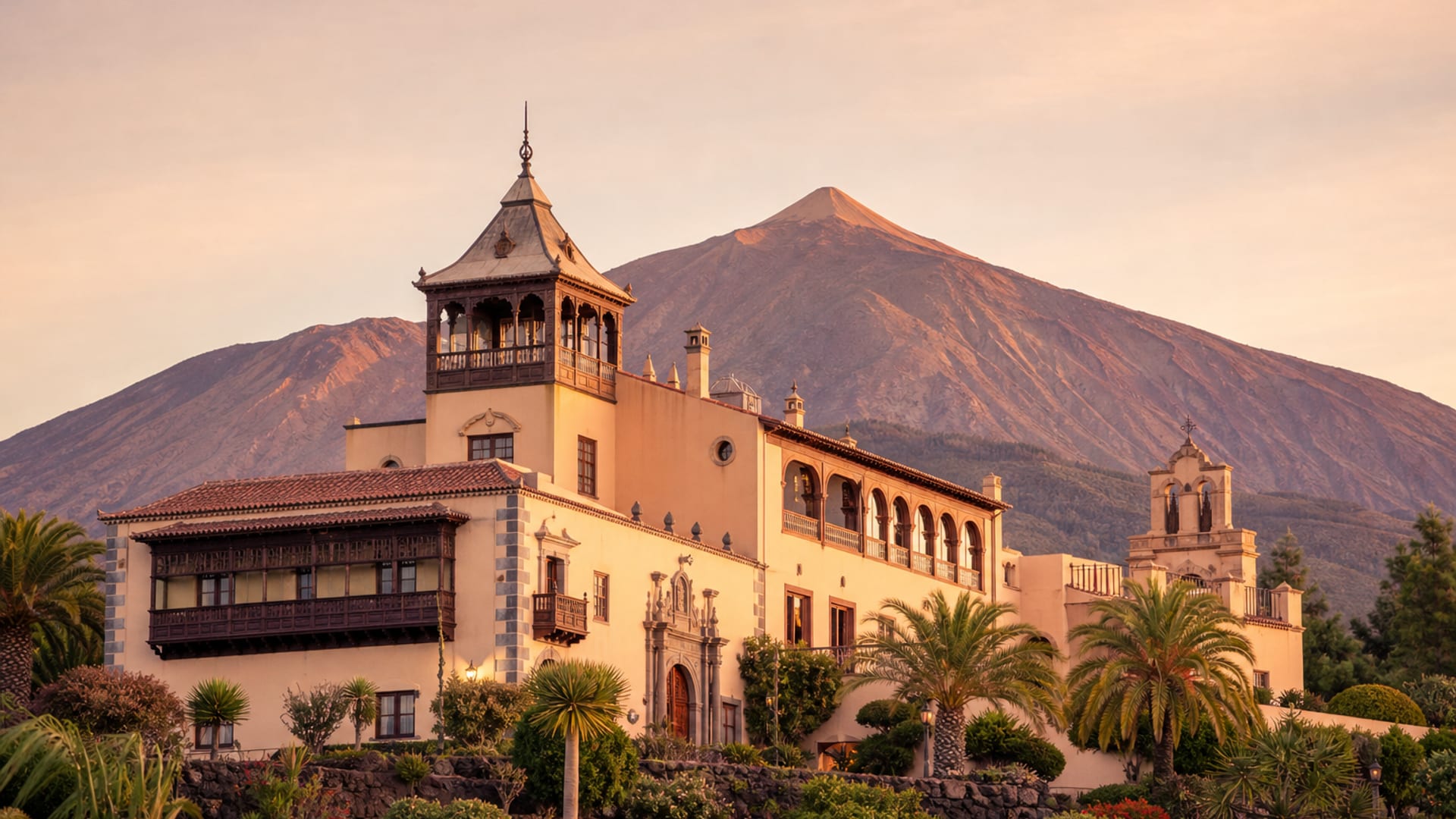
Teide National Park
Mount Teide dominates Tenerife with lava fields, volcanic cones, and wide views across the island chain. The cable car reaches near the summit, while marked paths show the park’s basalt, pumice, and old lava flows.
Time needed: About 4 to 6 hours
Entry: Free to enter the park; cable car tickets cost about $48 (€45) to $58 (€54), with summit permits separate for restricted routes. Visit the official site for details.
Tip: Go early for clearer skies, then plan for colder, windy conditions at altitude.
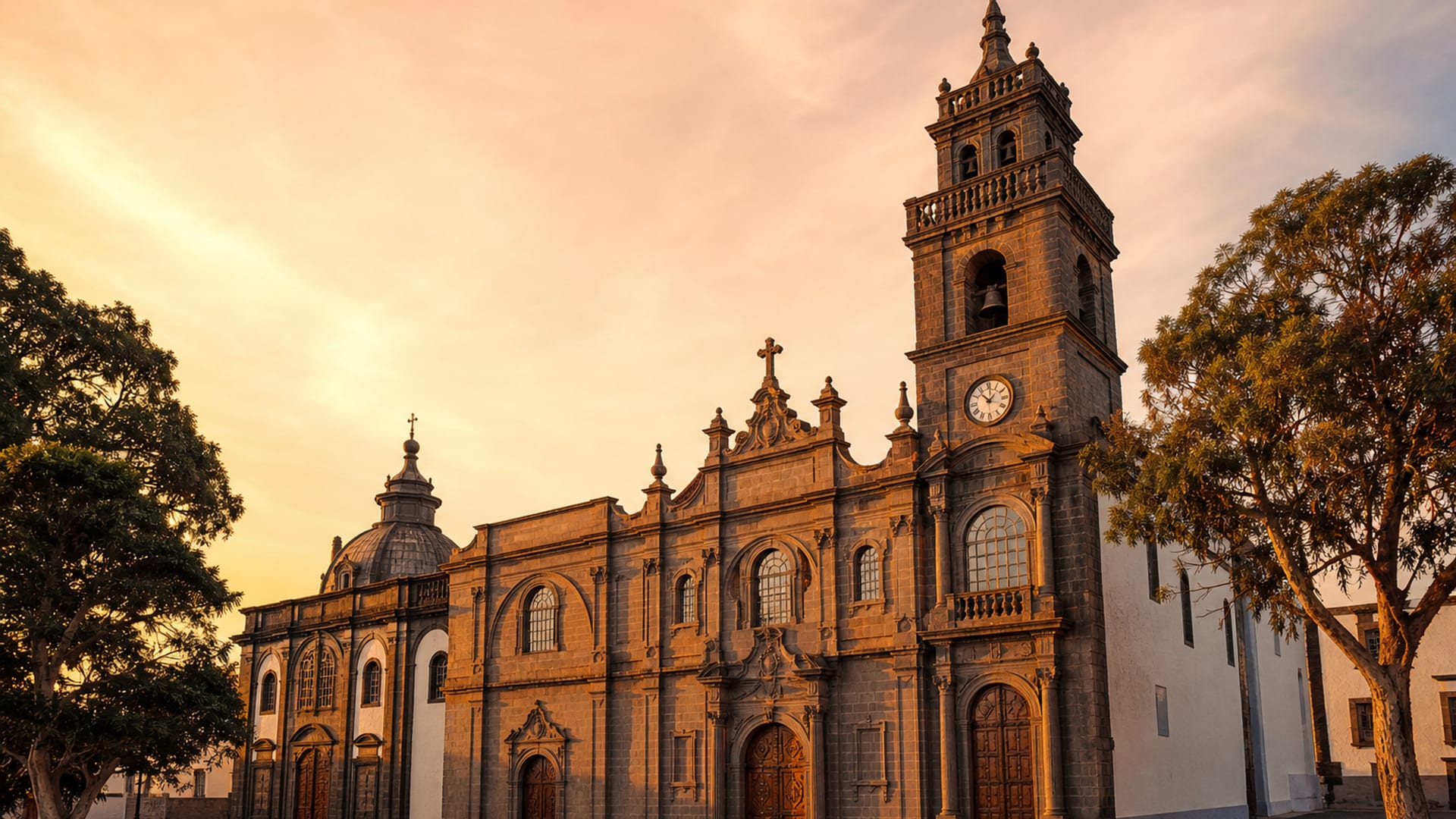
La Laguna Cathedral
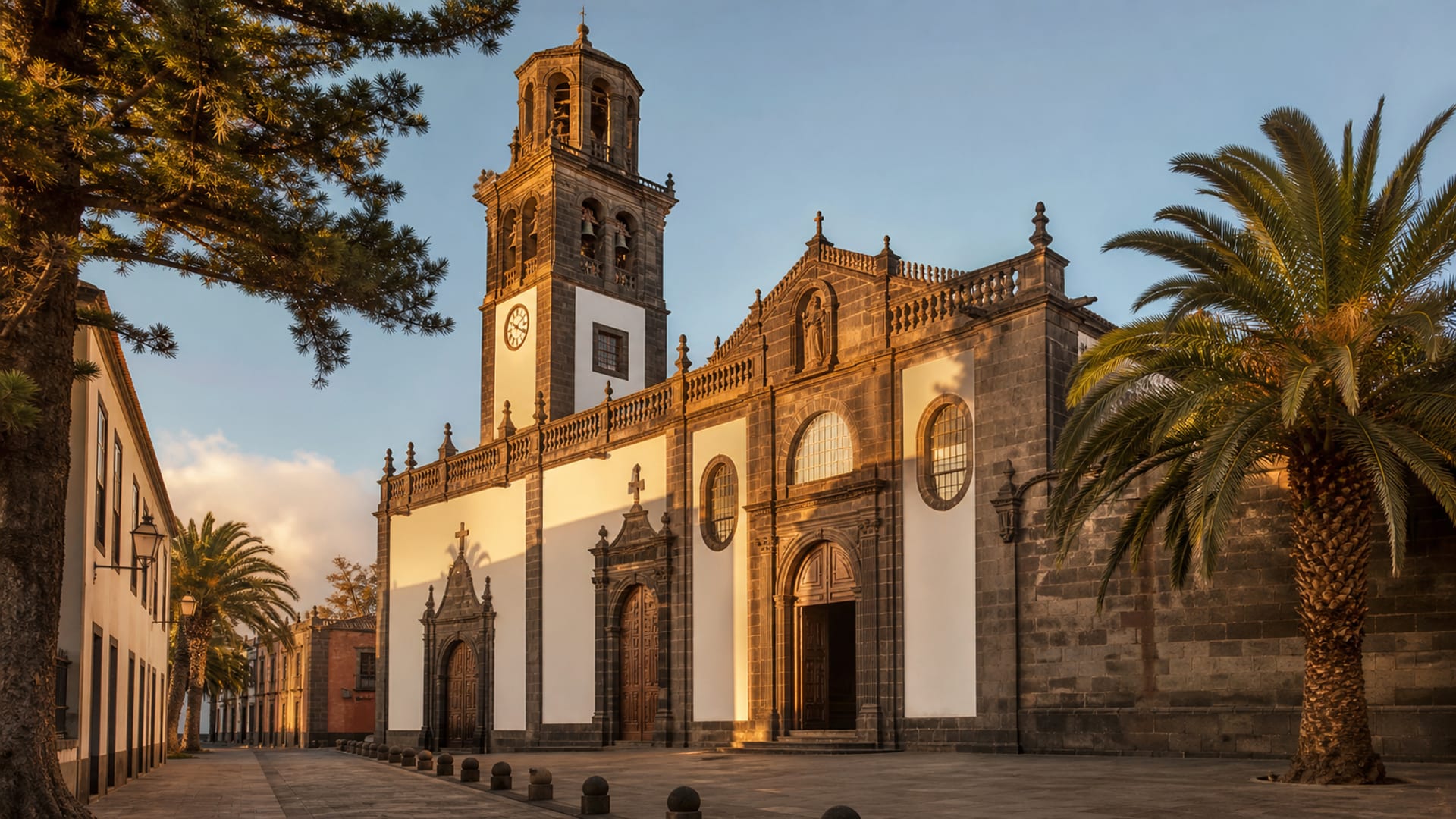
La Laguna Cathedral anchors the UNESCO-listed old town with a neoclassical facade and a bright interior. Its towers and altarpieces give a clear read on the city’s religious and colonial history.
Time needed: About 1 to 2 hours
Entry: Admission costs about $6 (€5) for adults, with reduced rates for students and free access for some worship hours. Visit the official site for details.
Tip: Visit after the morning rush, when the plaza and nearby streets are easier to explore.
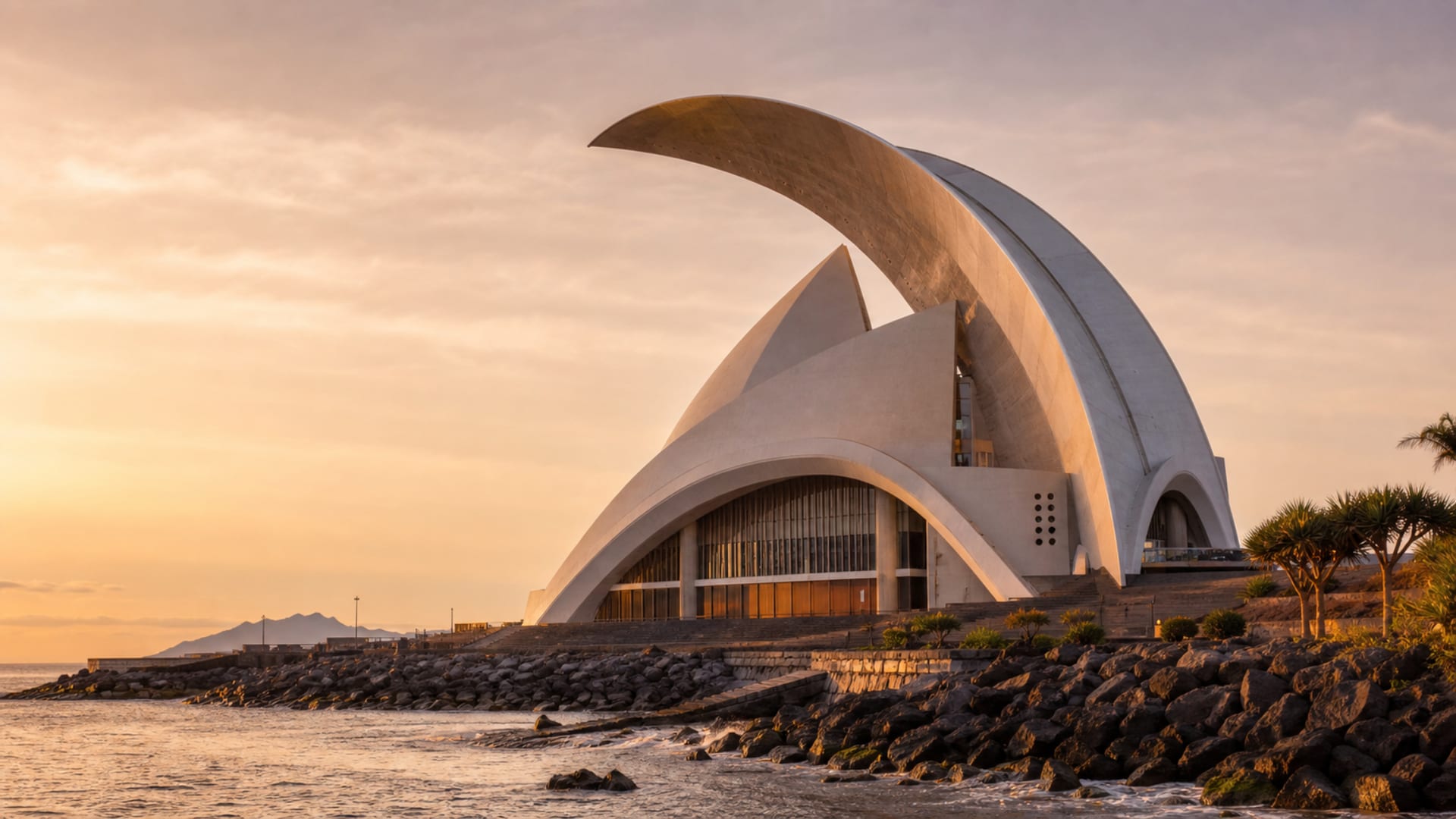
Auditorio de Tenerife
Auditorio de Tenerife rises over Santa Cruz with a concrete shell that has become a modern symbol of the island. Its seafront setting, stepped plaza, and program of concerts make it a major city landmark.
Time needed: About 1 to 2 hours
Entry: Exterior viewing is free; guided visits and event tickets usually cost about $8 (€7) to $35 (€32), depending on the program. Visit the official site for details.
Tip: Late afternoon gives the best light on the white shell and the harbor backdrop.
Overlooked sites worth visiting

Cueva del Viento
This lava tube in Icod de los Vinos leads through basalt tunnels formed by early Tenerife eruptions, with guided access and a marked route. It suits visitors who want geology, not a theme-park stop.
Time needed: About 2 hours
Entry: Guided visits cost about $24 to $30 (€22 to €28), depending on age and season; tickets usually cover the cave tour, helmet, and guide. Check times before going, because entry is only by timed guided group and weather can affect access. Visit the official site for details.
Tip: Wear closed shoes and a light layer; the cave stays cool.

Ermita de San Amaro
This tiny 17th-century chapel in Puerto de la Cruz sits beside a cliff path above the coast, with a painted altarpiece and a small lookout nearby. It takes only a short stop, but the setting and interior reward a quiet visit.
Time needed: About 30 minutes
Entry: Free to access; the chapel is typically open only at limited hours, and visits depend on local schedules rather than a ticket desk. Plan a brief stop with time to walk the nearby path, since the draw here is the chapel interior and the coastal view from outside.
Tip: Go late afternoon for softer light on the cliff path.
Traditional food
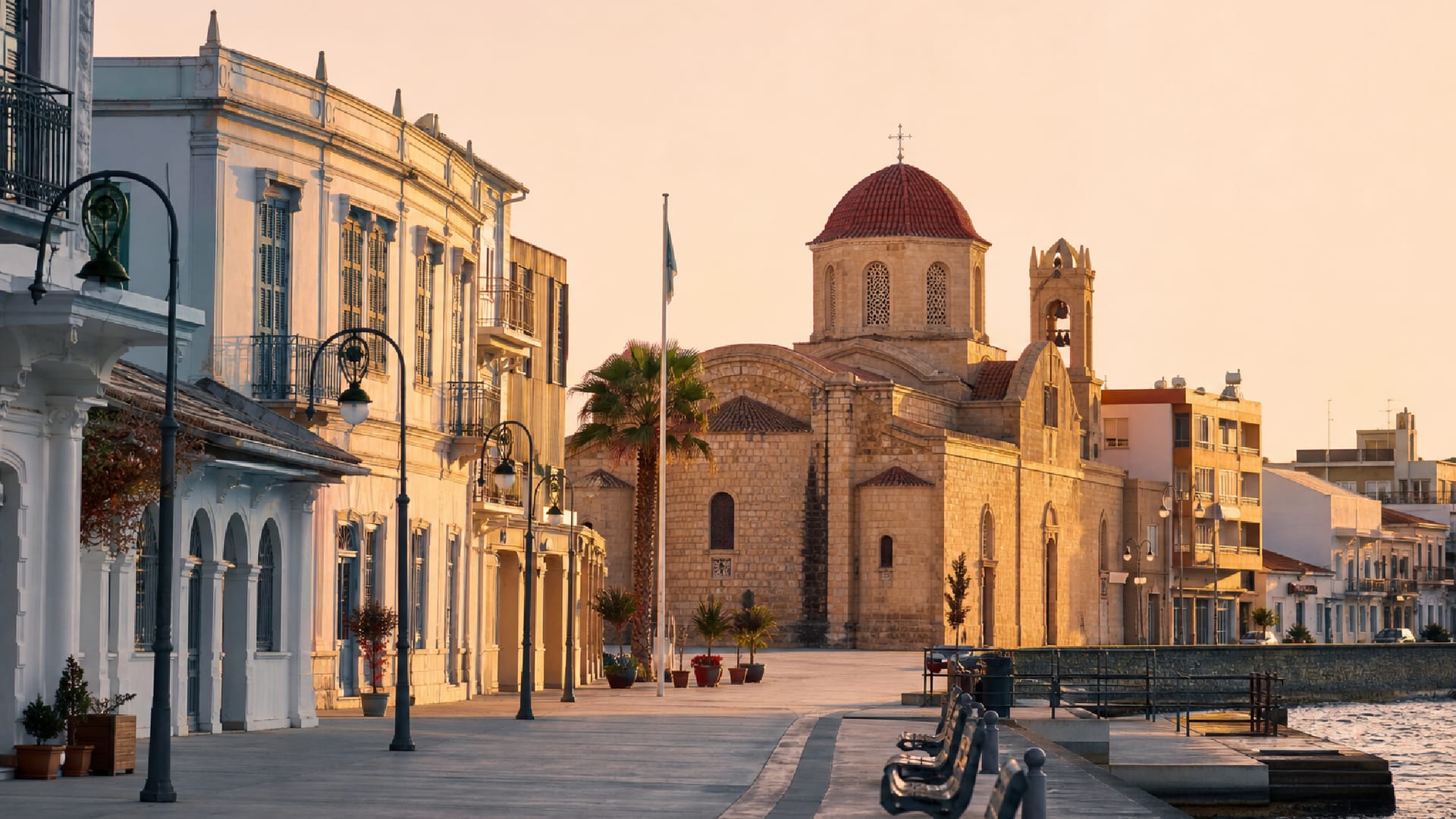
Tenerife cooking leans on potatoes, volcanic farmland, and Atlantic fish, with papas arrugadas, mojo, and gofio showing up in both simple cafes and longer lunches.
Papas arrugadas
These salted, wrinkled potatoes arrive with mojo and often anchor a table of local starters. At La Hierbita in Santa Cruz, they fit a menu that keeps Canarian dishes at the center.
Mojo
This peppery green or red sauce appears with vegetables, potatoes, and grilled meats across the island. Restaurante El Padrino in Santa Cruz serves it in a setting that leans into regional cooking.
Gofio escaldado
Gofio escaldado turns toasted grain flour into a warm, savory dish that reflects Tenerife’s pantry more than its show kitchen. At Guachinche El Pino in La Laguna, it suits a meal built around home-style island food.
Vieja sancochada
This boiled parrotfish usually comes with potatoes and mojo, and it gives you a clear taste of the island’s coastal cooking. Restaurante Kazan in Santa Cruz offers a more refined setting for seafood drawn from local waters.
Best time to visit Tenerife
Tenerife shifts more by altitude than by season, with the coast staying mild while Teide and the north can feel much cooler, windier, and less predictable.
Best for: Best for clear air, Teide day trips, and mild coastal weather
What you get: About 60 to 72°F (16 to 22°C) on the coast, cooler at altitude, with lighter crowds than peak summer
Trade-offs: Evenings can feel cool, and mountain weather changes quickly
Best for: Best for balanced weather and comfortable walking in Santa Cruz and La Laguna
What you get: About 64 to 75°F (18 to 24°C), with moderate crowds and good conditions for mixed sightseeing
Trade-offs: Occasional showers can affect northern plans
Best for: Best for beach time and long daylight hours
What you get: About 70 to 84°F (21 to 29°C), with the busiest beaches and more demand for cars and tours
Trade-offs: Heat, sun exposure, and fuller coastal areas can tighten the day
Best for: Best for warm water, calmer beaches, and slower city walks
What you get: About 66 to 79°F (19 to 26°C), with moderate crowds before the holiday period
Trade-offs: Late fall can bring more unsettled weather in the north
A realistic 5-day plan in Tenerife
The five-day plan starts in Santa Cruz, then widens to parks, Teide, La Laguna, and the island’s north coast. It keeps the longest drives on their own days, so you spend less time stitching together transfers.
Land at Tenerife South (TFS) or Tenerife North (TFN) and head to Santa Cruz de Tenerife center if you want the easiest first-night setup, with a taxi into the city costing roughly $90 to $125 from TFS or about $40 to $55 from TFN. If you are staying by Plaza de España or along Calle Castillo, settle in, drink water, and plan a simple dinner near the port or on the pedestrian streets, where you can find a low-key meal for about $14 to $28.
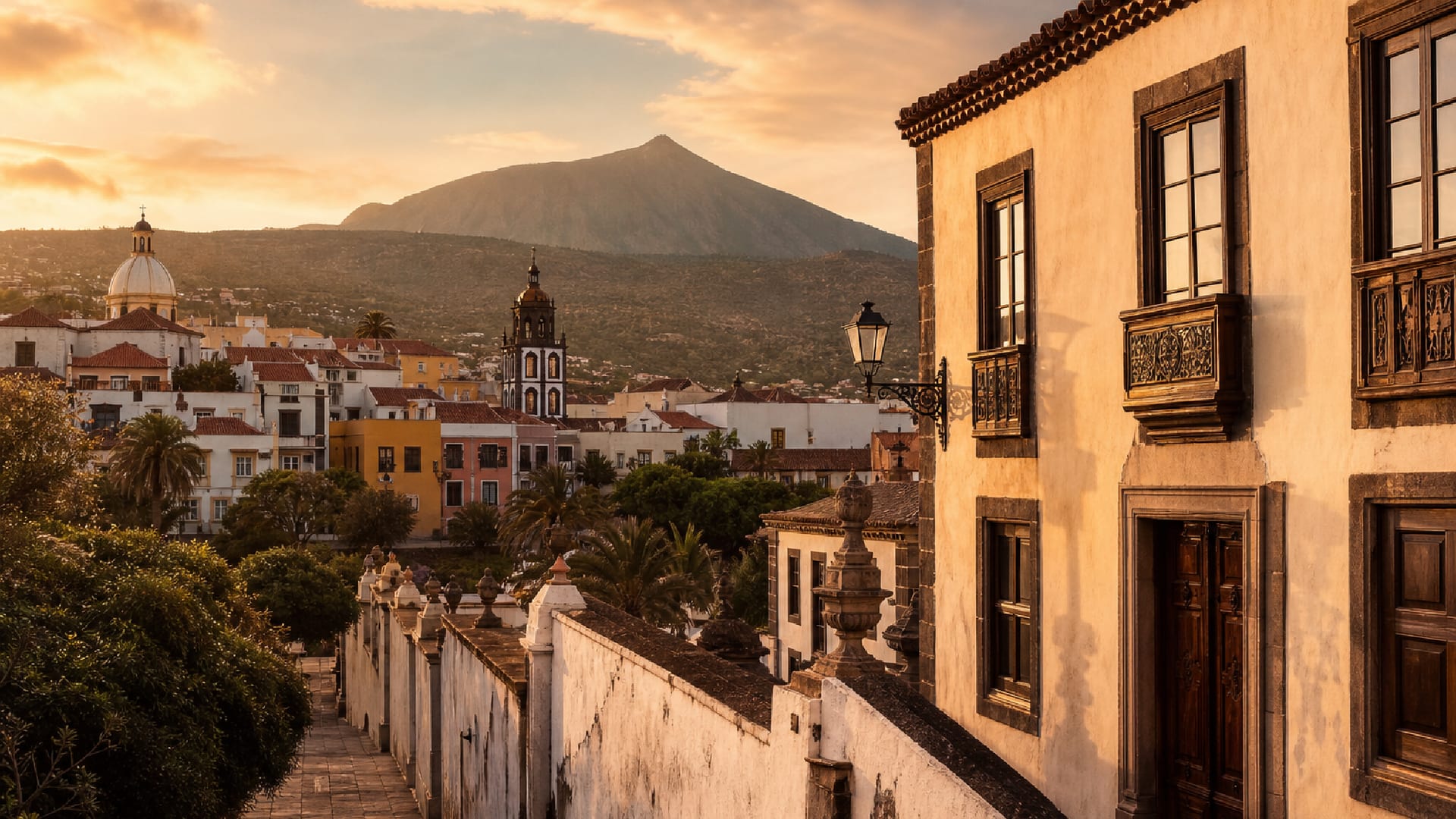
Begin at Auditorio de Tenerife, then walk about 10 to 15 minutes to Plaza de España for the seafront edge of downtown and a first look at the city’s civic core. From there, take a taxi or bus up to La Rambla and Parque García Sanabria, about 10 minutes by road, for a longer stroll through the park and nearby residential streets before an early dinner back in Santa Cruz center.
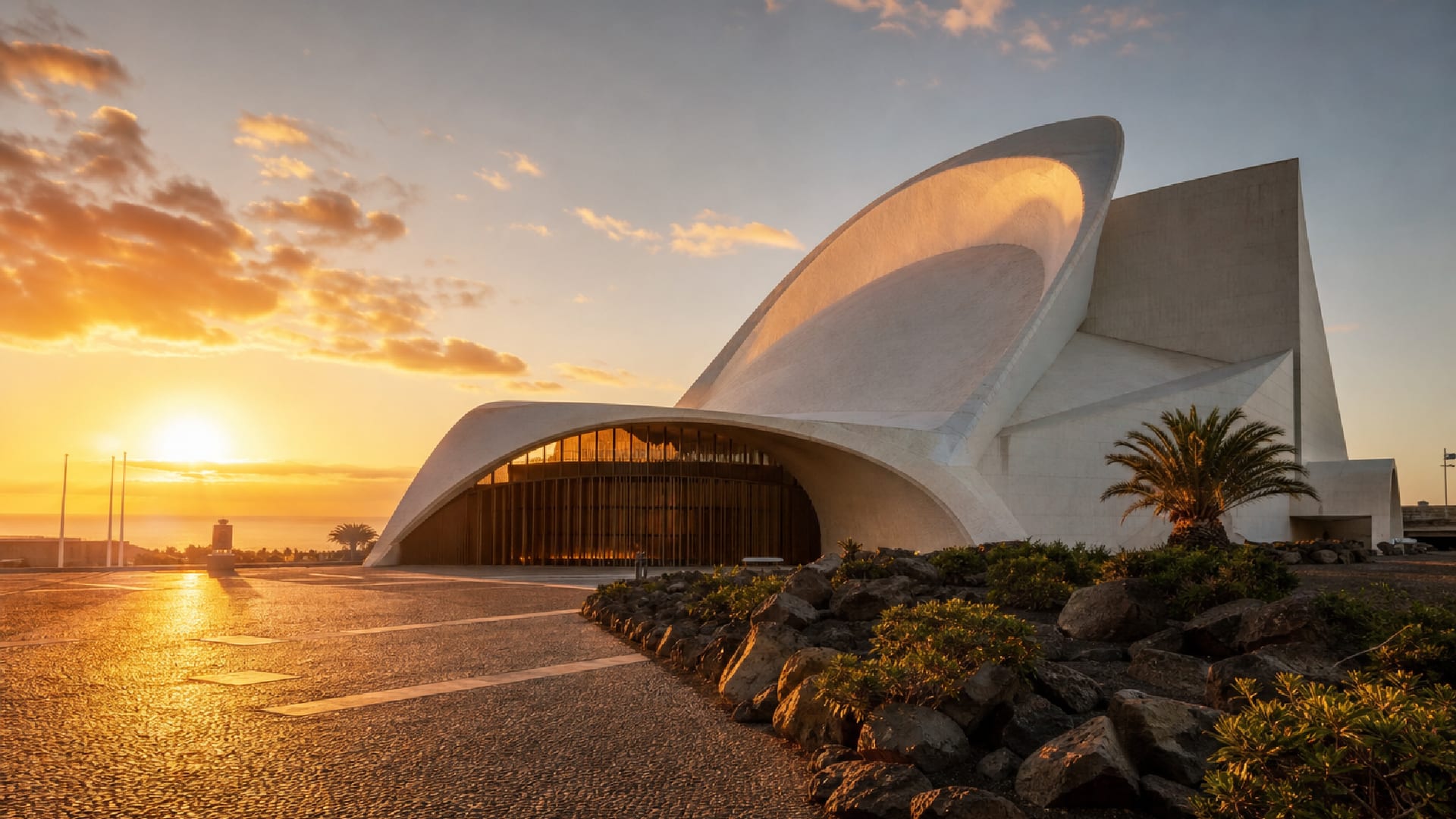
Start early for Teide National Park, since the drive from Santa Cruz takes about 1 hour 15 minutes to 1 hour 45 minutes depending on your route and traffic. Spend 4 to 6 hours among lava fields and volcanic cones, then return to the coast for a late lunch in Santa Cruz or a relaxed meal in La Rambla, which keeps the day centered on the island’s high-altitude scenery and an easy evening.
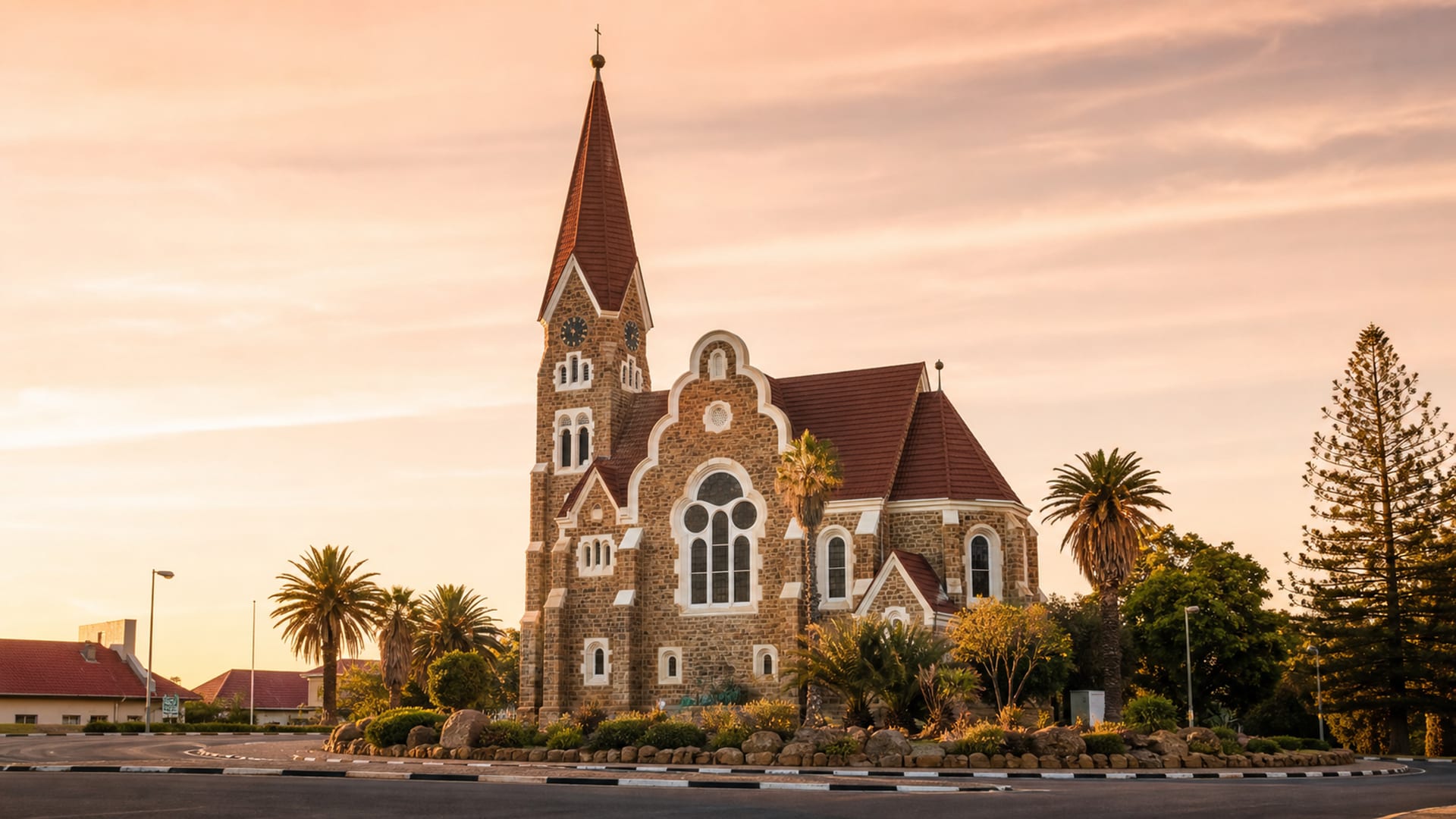
Ride or drive to La Laguna in the morning, then walk the historic core to La Laguna Cathedral, where the old town streets, plazas, and cathedral sit close enough for a compact visit. In the afternoon, continue west by car or with a guided excursion to Cueva del Viento in Icod de los Vinos, which takes about 1 hour 15 minutes to 1 hour 30 minutes from La Laguna, and book the timed cave visit well ahead because entry works only by guided group.
Spend the morning at the lighter end of the trip with a short coastal stop at Ermita de San Amaro in Puerto de la Cruz, then return toward Santa Cruz for a final museum visit or a walk through Calle Castillo and the surrounding shopping streets. Finish with coffee in La Rambla or near Parque García Sanabria, where an easy café stop gives you one last hour in the city before heading to the airport.
Business-class flights from the US to Tenerife
Direct long-haul options are limited, so most itineraries connect through a major European hub. From New York and Los Angeles, the best fare often depends on whether you accept a layover and how much time you want to spend in transit.
From New York, airlines such as Iberia, Air Europa, British Airways, Delta Air Lines, and United Airlines usually price round-trip seats from $2,000 to $6,000, with nonstop seats often at the top end. Nonstop flying time is about 6 to 7 hours, while one-stop trips via MAD, LHR, LIS, CDG, or FRA usually take about 9 to 15 hours.
Los Angeles fares tend to run from $2,400 to $7,000 round trip on Iberia, Air Europa, British Airways, Delta Air Lines, or Lufthansa. If you do not mind a connection, common itineraries through MAD, LHR, FRA, CDG, or AMS take about 14 to 21 hours and usually bring the price down.
Tenerife feels different when you slow down
A good Tenerife trip has a clear shape, mornings in Santa Cruz or La Laguna, an unhurried run up to Teide, and enough space for a beach stop at Teresitas or a coffee near Parque García Sanabria before departure. That mix keeps the island’s scale in view instead of forcing it into one compressed loop. For help shaping the route, ask the AranGrant experts to match your dates to the right neighborhood and season







