

Chapters:

Need help with your trip?
Our support team is available 24/7. Request a callback or call us directly at (833) 619-0908
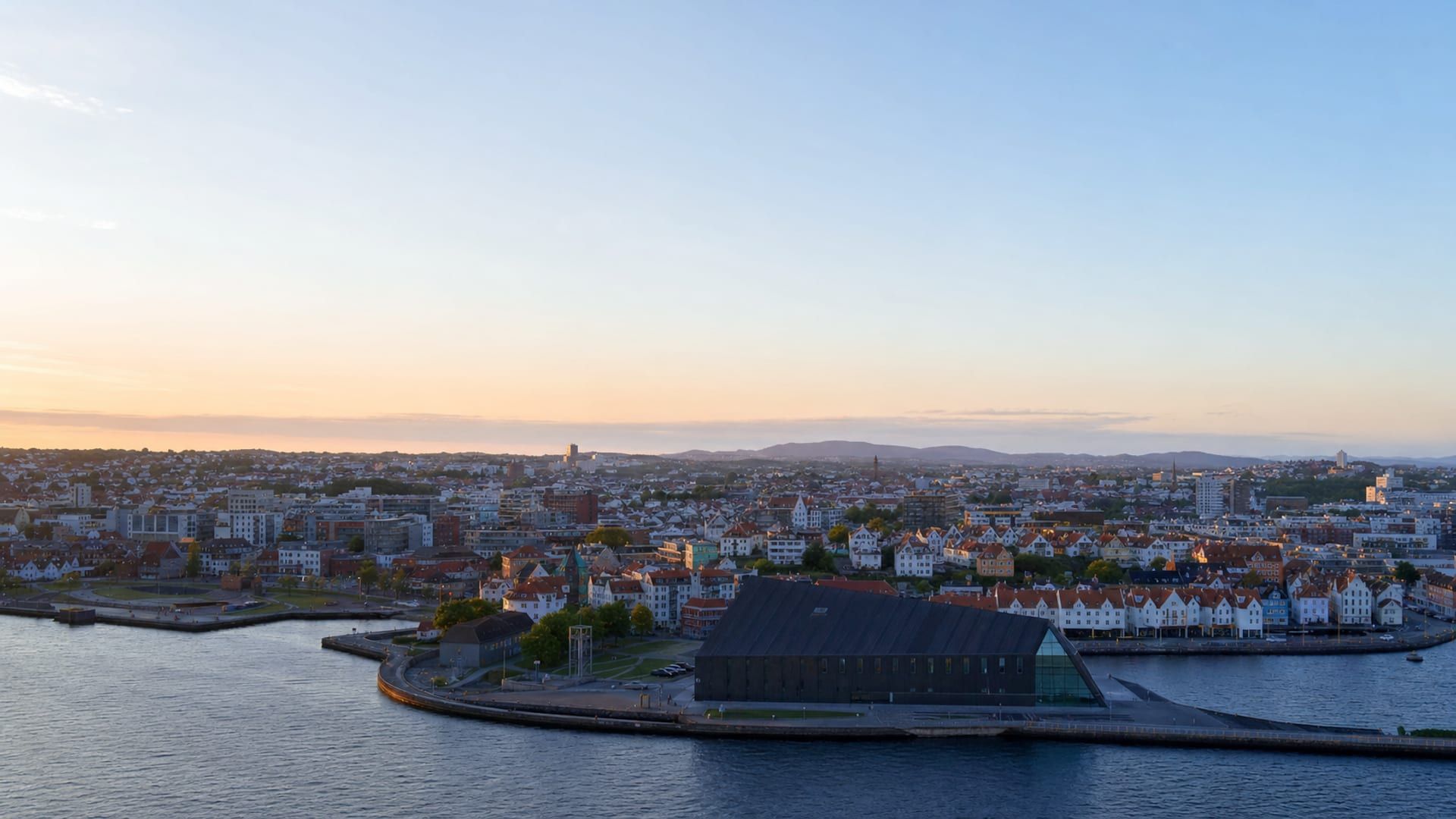
Stavanger trips often start with the harbor, a museum or two, and a quick photo stop in Gamle Stavanger, yet many visitors skip the quieter streets and the timing details that make each stop fit together.
That approach can waste time because the center is compact but not identical everywhere, and ferry schedules, museum hours, and restaurant closures can shape how far you move between meals.
This guide lays out the city in a clearer order, with neighborhoods, transit, food, seasons, and flights arranged so each day has a specific purpose.
Useful things to know

Main language(s): Norwegian
Hei (hay) – Hello
Vær så snill (vair soh snill) – Please
Takk (tahk) – Thank you
Snakker du engelsk? (SNAH-ker doo EN-gelsk) – Do you speak English?
Hvor mye koster det? (voor MYE-uh KOS-ter deh) – How much does it cost?

Currency: The local currency is the Norwegian krone (NOK, kr).

Cash and cards: Cards and contactless are widely accepted; carry about 100 to 200 NOK ($9 to $18) for small cash-only purchases.

Tipping: Round up the bill or leave a small extra amount; tipping is not required.

Traditional food: Fish soup, fish cakes, brown cheese waffles, fish pudding

Water and coffee costs: Water ~30 NOK ($3), bar espresso ~45 NOK ($4).

Taxis and ride apps: Uber and Bolt operate here; availability can be limited late at night.

Plug and voltage: Type C/F socket, 230V

Dining and shop opening hours: Breakfast is about 07:00-10:00, lunch 11:30-14:00, and dinner 17:00-21:00. Many kitchens close between lunch and dinner, and some restaurants stop serving early on Sundays.

Emergency number: Call 112 for police, 110 for fire, 113 for medical emergencies.
Where to stay in Stavanger
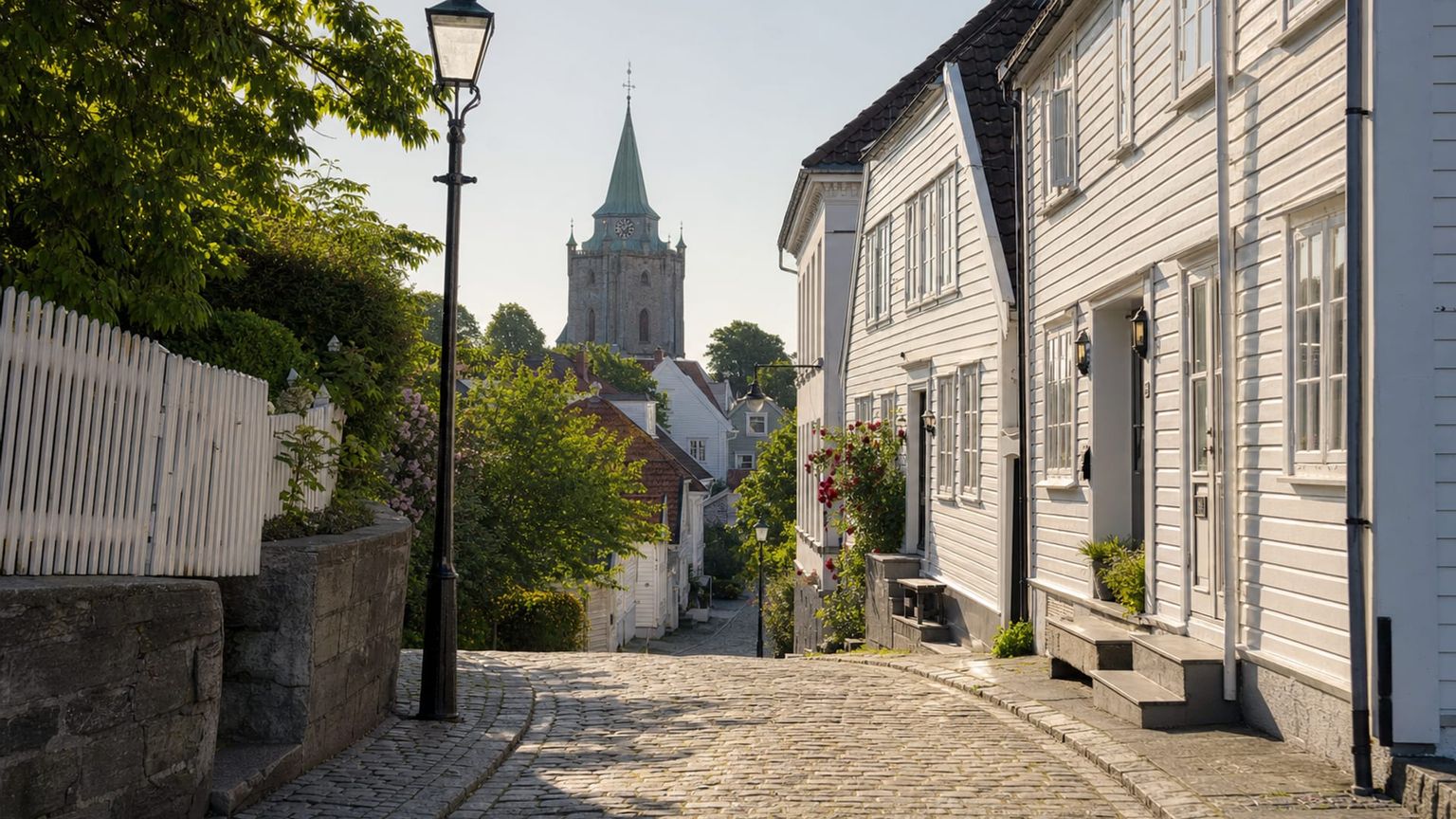
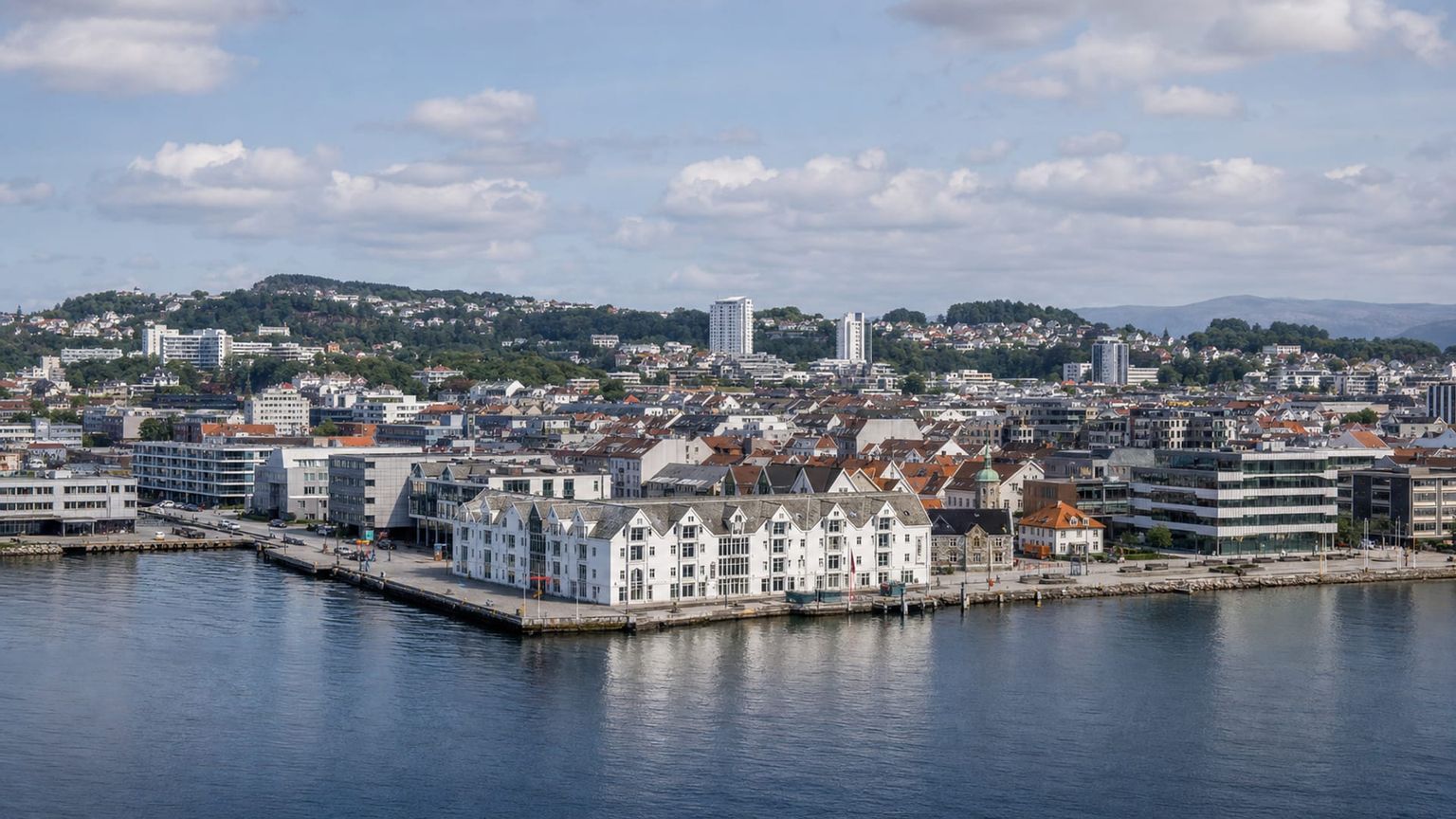
Stavanger sentrum is the compact downtown core around the harbor, Vågen, and the main shopping streets. It puts museums, restaurants, ferries, and transit within easy reach, making it the most central base for a short stay.
Best for: First-time visits, car-free stays, dining, and easy access to museums and harbor walks
What to expect: Busy sidewalks by day, with a steady flow of shoppers, office workers, and diners; evenings stay active near the waterfront and restaurant streets.
Hotel prices: Usually about 1,300 kr to 2,400 kr (~$120 to ~$220) per night for well-rated stays
Distance to major sights: 5 to 10 minutes on foot to the Norwegian Petroleum Museum and about 10 minutes on foot to Old Stavanger
Quietness: Daytime is lively and often crowded; evenings are calmer on side streets but stay active near the harbor and bars.
Main trade-off: Central stays cost more, and weekend noise can rise on streets with late bars.
Good to know: If you plan early ferries or museum-heavy days, staying here cuts down on transit changes and late-night taxi use.
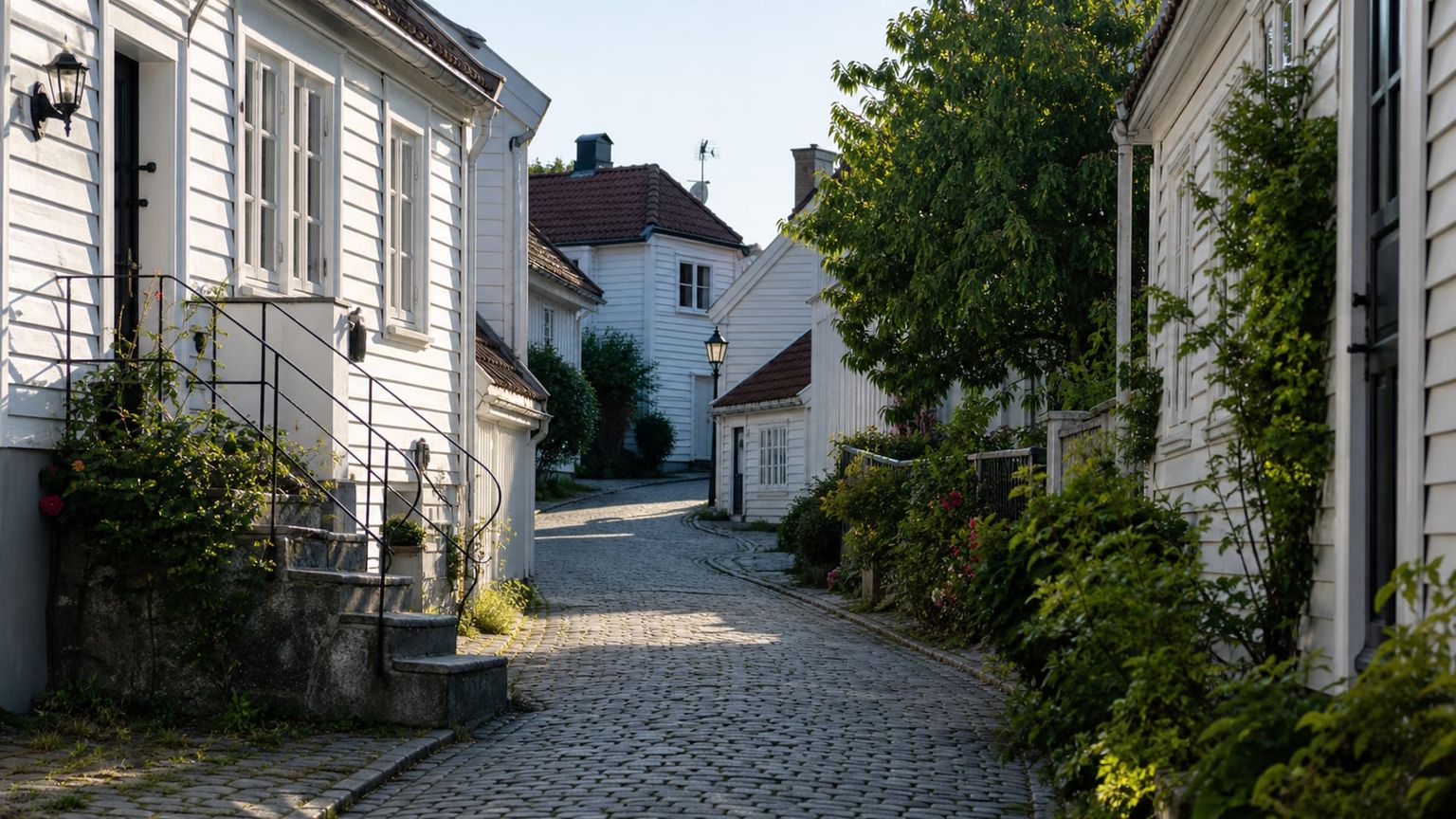
Old Stavanger is the preserved wooden-house district just west of the center, known for narrow lanes, white-painted cottages, and small galleries. It gives you a residential setting beside downtown, with the harbor and museums still close by.
Best for: Historic atmosphere, quieter evenings, photography, and walkers who still want downtown close by
What to expect: Small lanes, light foot traffic, and many visitors during the day, especially near the most photographed streets; evenings turn quiet once day trippers leave.
Hotel prices: Usually about 1,500 kr to 2,700 kr (~$140 to ~$250) per night for well-rated stays
Distance to major sights: 5 minutes on foot to the Norwegian Petroleum Museum and about 12 minutes on foot to Stavanger Cathedral
Quietness: Calm in the evening, though daytime visitor traffic can be noticeable on the main lanes.
Main trade-off: Inventory is limited, so prices can run higher than in the rest of central Stavanger.
Good to know: Some lanes are narrow and mostly residential, so a place with private parking or a short walk from the main road can matter if you arrive by car.
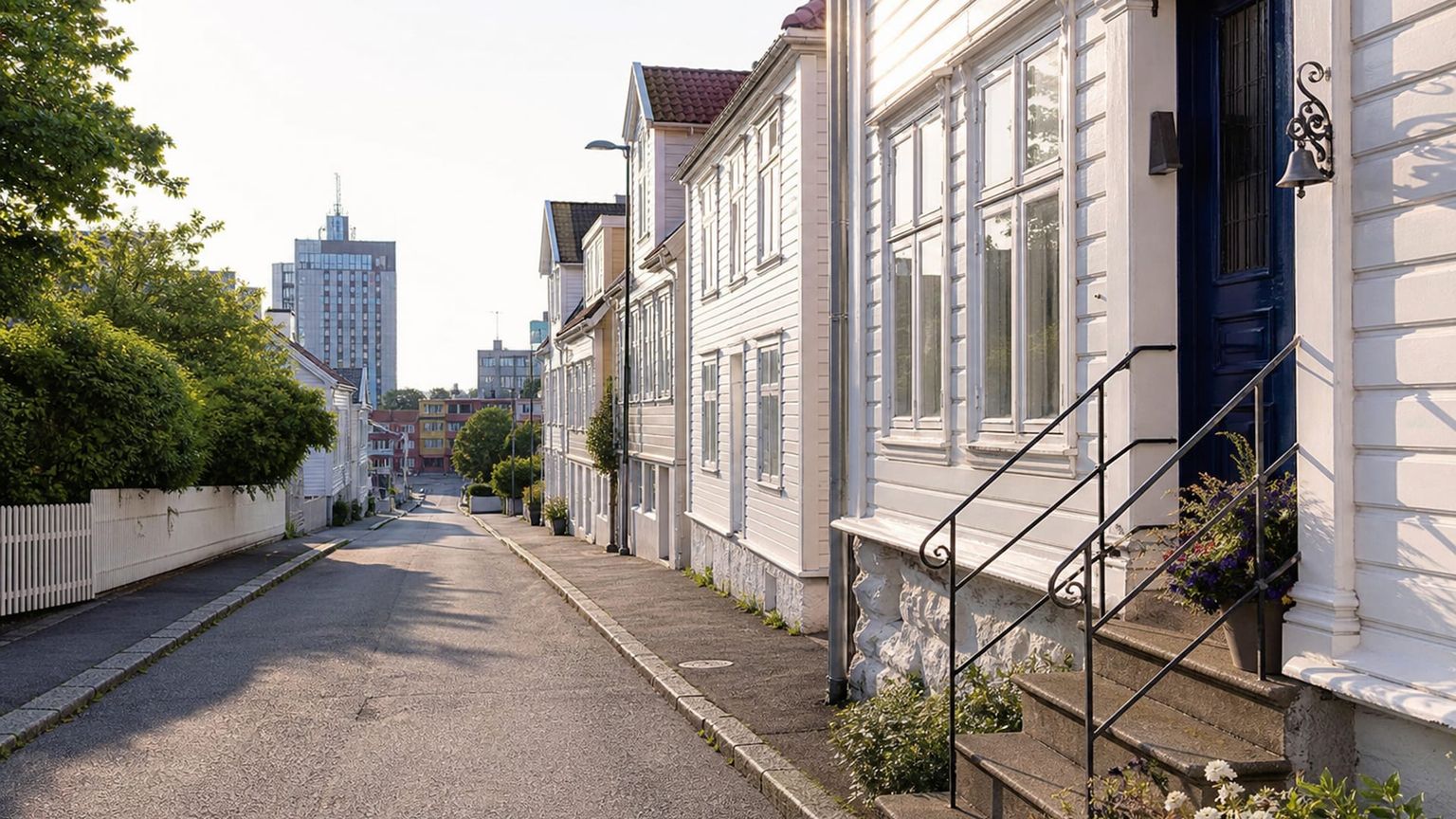
Våland is a hillside residential area just southwest of the center, with older houses, local streets, and views toward the city and fjord. It suits travelers who want a neighborhood feel while staying close enough to reach downtown and the waterfront on foot or by bus.
Best for: Calmer stays, longer visits, and travelers who prefer residential streets over the downtown core
What to expect: Mostly local traffic, few late-night venues, and a quieter pace than the harbor district, with everyday neighborhood life rather than tourist crowds.
Hotel prices: Usually about 1,100 kr to 2,000 kr (~$100 to ~$185) per night for well-rated stays
Distance to major sights: 15 to 20 minutes on foot to Stavanger sentrum and about 20 minutes on foot to the Norwegian Petroleum Museum
Quietness: Quiet at night, with moderate daytime activity on busier through streets.
Main trade-off: You will usually rely more on walking hills or buses, and the area has fewer restaurants right outside the door.
Good to know: If you plan to go out at dinner or return late, check the uphill walk from the nearest bus stop before booking.
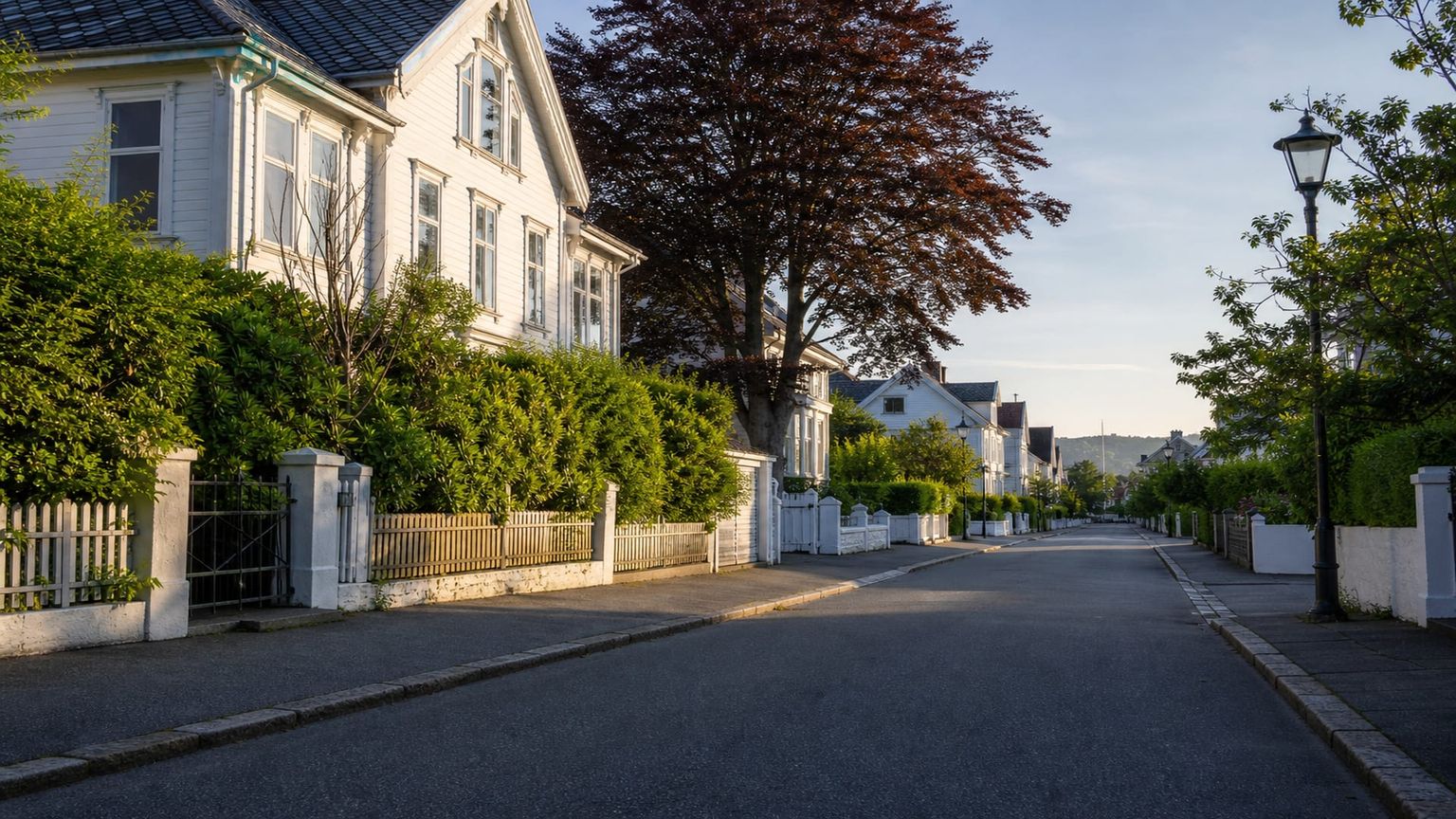
Eiganes is a well-kept residential quarter northwest of downtown, with villas, tree-lined streets, and good links into the center. It works well for visitors who want a neighborhood base with fast access to shops, museums, and the harbor without staying in the busiest blocks.
Best for: Families, longer stays, and travelers who want a quieter residential base near downtown
What to expect: Low-key streets, light evening activity, and fewer tourists than in the center, with a local residential pace and easy access to transit.
Hotel prices: Usually about 1,200 kr to 2,100 kr (~$110 to ~$195) per night for well-rated stays
Distance to major sights: 15 to 25 minutes on foot to Stavanger sentrum and about 10 minutes by transit to Old Stavanger
Quietness: Generally quiet both day and night, with only modest traffic on main roads.
Main trade-off: You may walk a bit farther for restaurants and waterfront dining, and the area offers fewer hotel choices than downtown.
Good to know: If you are staying without a car, confirm the nearest bus stop, since some side streets sit farther from the main lines.
Travelers usually avoid Forus and Tananger for hotel stays because they sit well west or south of Stavanger’s main sights and depend on car or longer bus rides for evening outings. Hillevåg and Dusavik are also less convenient, since they are farther from the harbor, Old Stavanger, and the central hotel cluster, with fewer visitor amenities after business hours.
Hotel deals
How to get around Stavanger efficiently
Stavanger has no metro, so most visitors move between the center, the harbor, and nearby districts with Kolumbus buses, taxis, or steady walks.

Metro
for longer distances
Stavanger has no metro system, so the closest equivalent is the Kolumbus bus network, which links Stavanger city center with Sandnes, Sola, and the airport area. A single ticket is valid for 1 hour, and fares start at about $4.50 (about NOK 49) for one zone; longer rides to the airport or neighboring towns cost more. Use the app or card before boarding, then check zone boundaries carefully if you are crossing into nearby municipalities.

Bus and tram
for convenience
Route 42 to Stavanger Airport (SVG), Sola, and central Stavanger is the main airport link, and local buses also cover the harbor, museums, and suburban neighborhoods. Tickets are usually valid for 1 hour, with local adult fares from about $4.50 (about NOK 49) in one zone and higher prices for extra zones; day tickets and longer-period passes can cut costs if you make several trips. Buy in the Kolumbus app, at ticket machines where available, or with contactless payment on many buses, then validate before you ride.

Taxi
for convenience or late hours
Licensed taxis in Stavanger use metered fares rather than fixed citywide rates, though many firms quote set prices for Stavanger Airport (SVG) trips. Expect roughly $35 to $55 (about NOK 380 to NOK 600) between the airport and central Stavanger, with late-night, luggage, and waiting charges adding to the total; cards are widely accepted. You can hail one at marked ranks, call a dispatch desk, or book in an app, and it is wise to confirm the fare estimate before departure.
*Prices are based on rates updated as of June 2026 and may change at the time of travel.
Walk for the harbor and old town, use the bus for airport and neighborhood links, and take a taxi when you want the quickest airport transfer or a late return.
Iconic landmarks
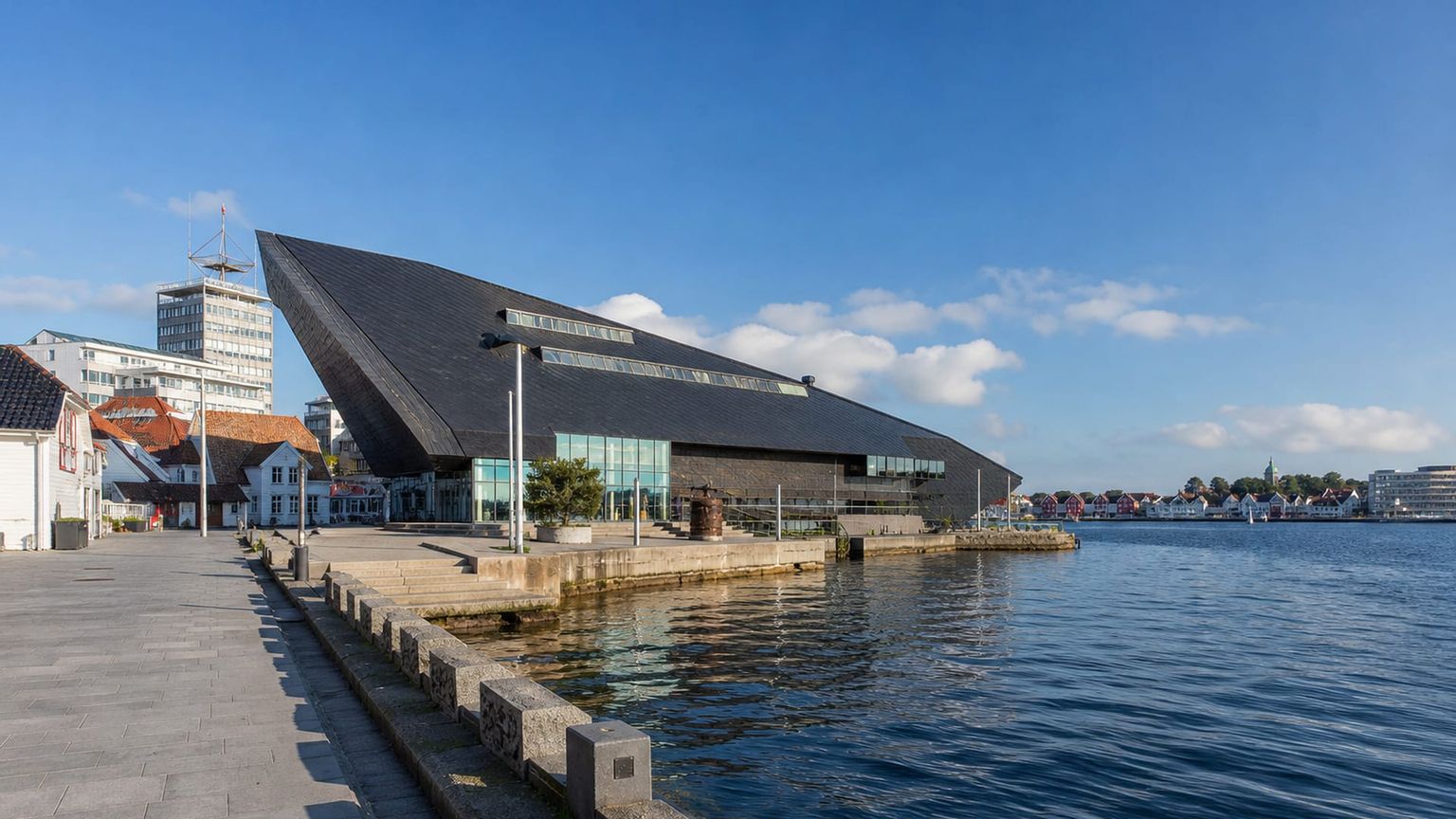
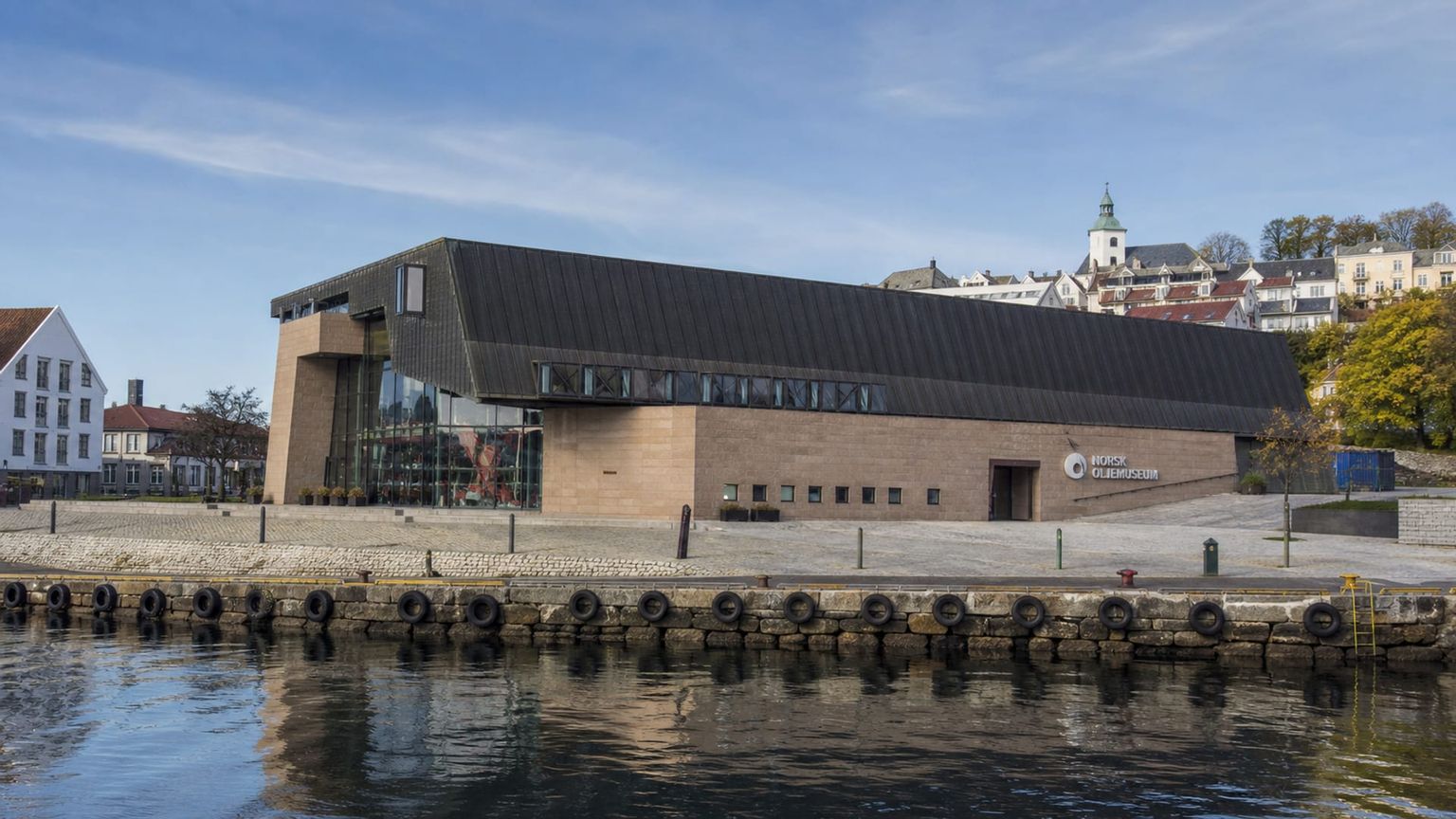
Norwegian Petroleum Museum
This waterfront museum traces Norway’s offshore oil story through rigs, models, and interactive exhibits that explain geology, drilling, and safety. Its setting on the harbor makes it an easy stop after a walk through central Stavanger.
Time needed: About 2 to 3 hours
Entry: Adult tickets cost $16 to $18 (NOK 170 to NOK 190), with reduced rates for children and students. Visit the official site for details.
Tip: Go earlier in the day if you want quieter galleries and more time by the harbor.
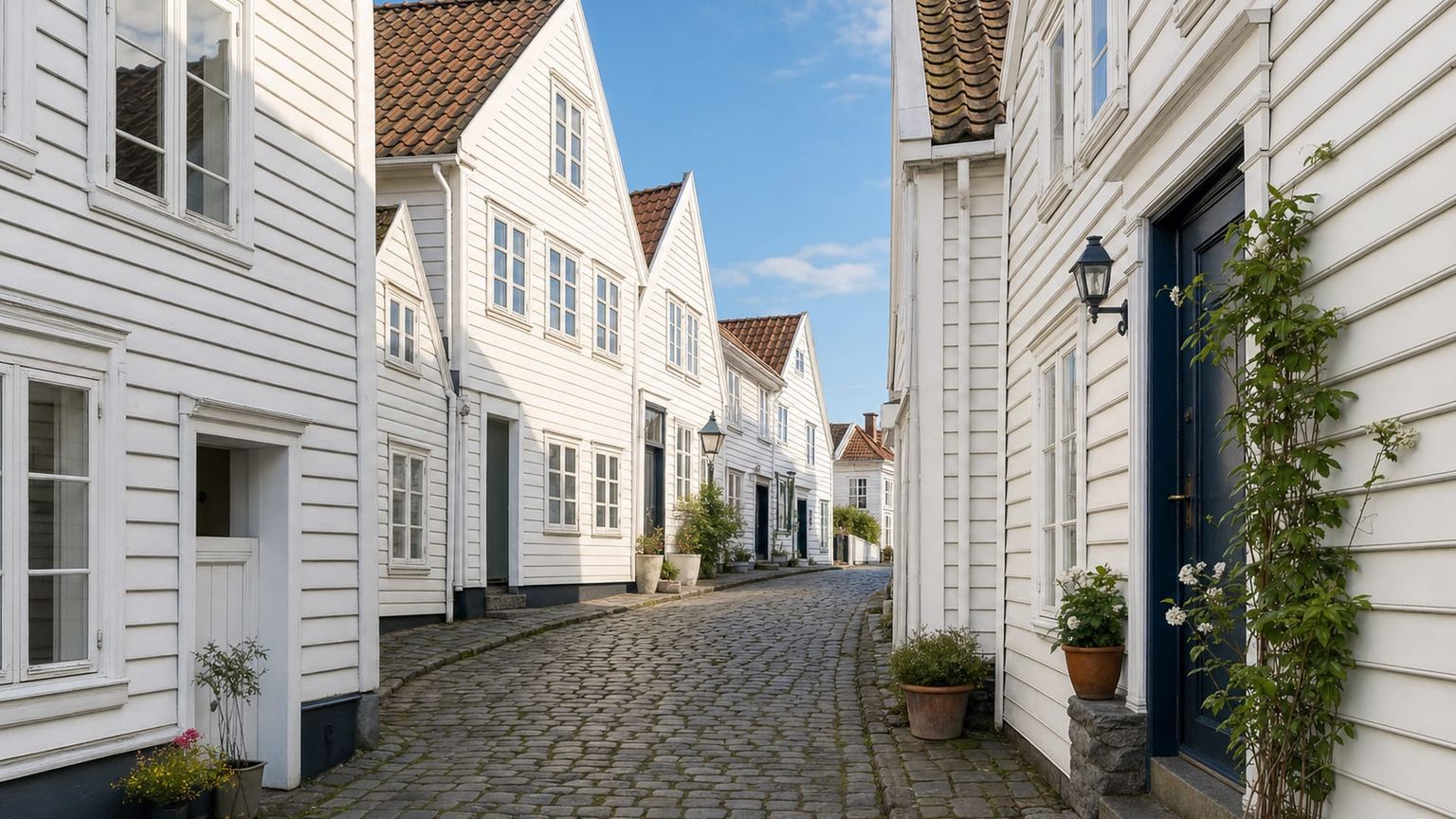
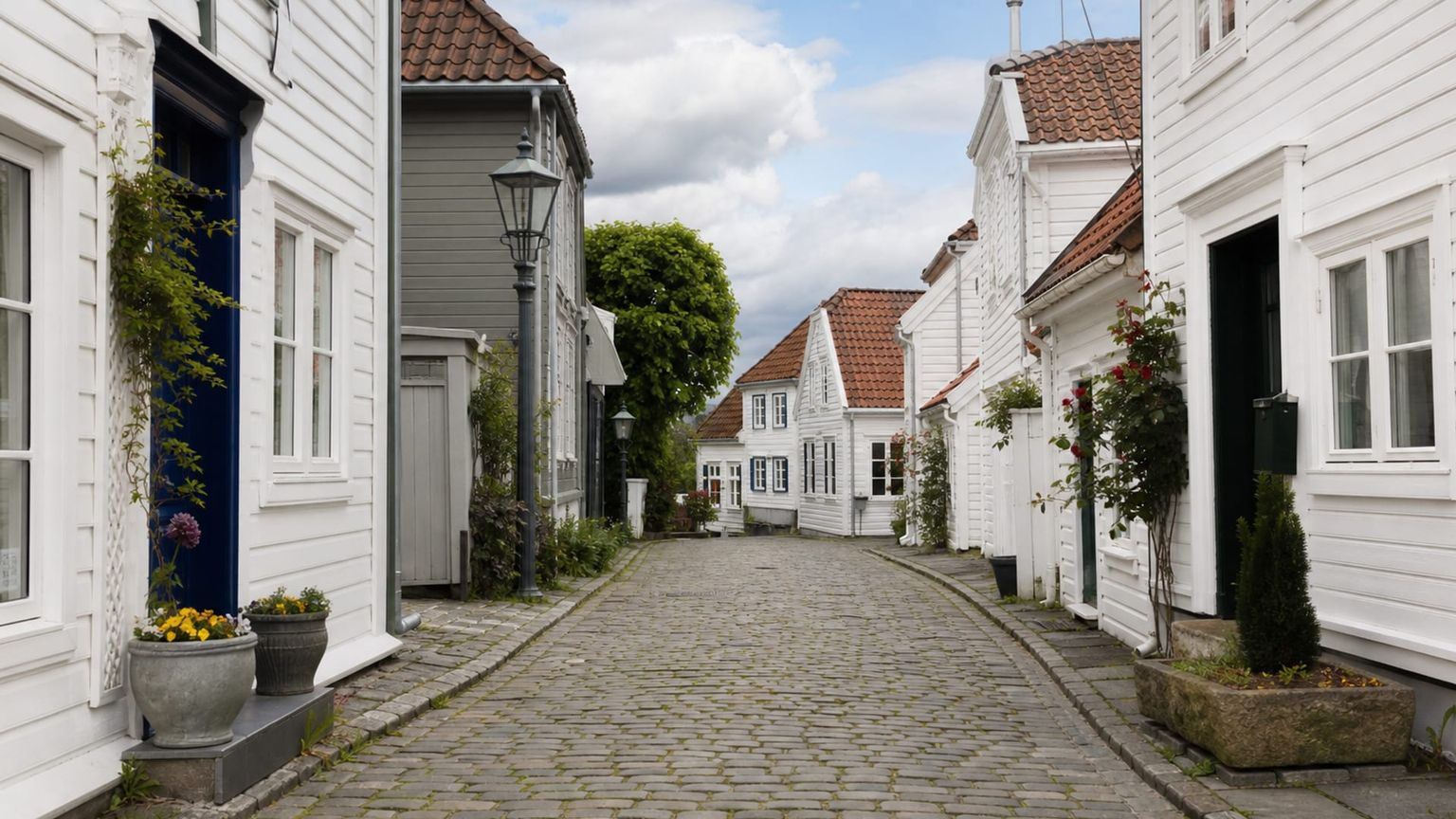
Gamle Stavanger
Gamle Stavanger is the city’s preserved wooden district, with rows of white houses, narrow lanes, and small front gardens close to the harbor. It offers one of Stavanger’s clearest looks at 18th- and 19th-century town life.
Time needed: About 1 to 2 hours
Entry: Free to access, with no timed entry required.
Tip: Visit in the morning for softer light and fewer people in the narrow lanes.
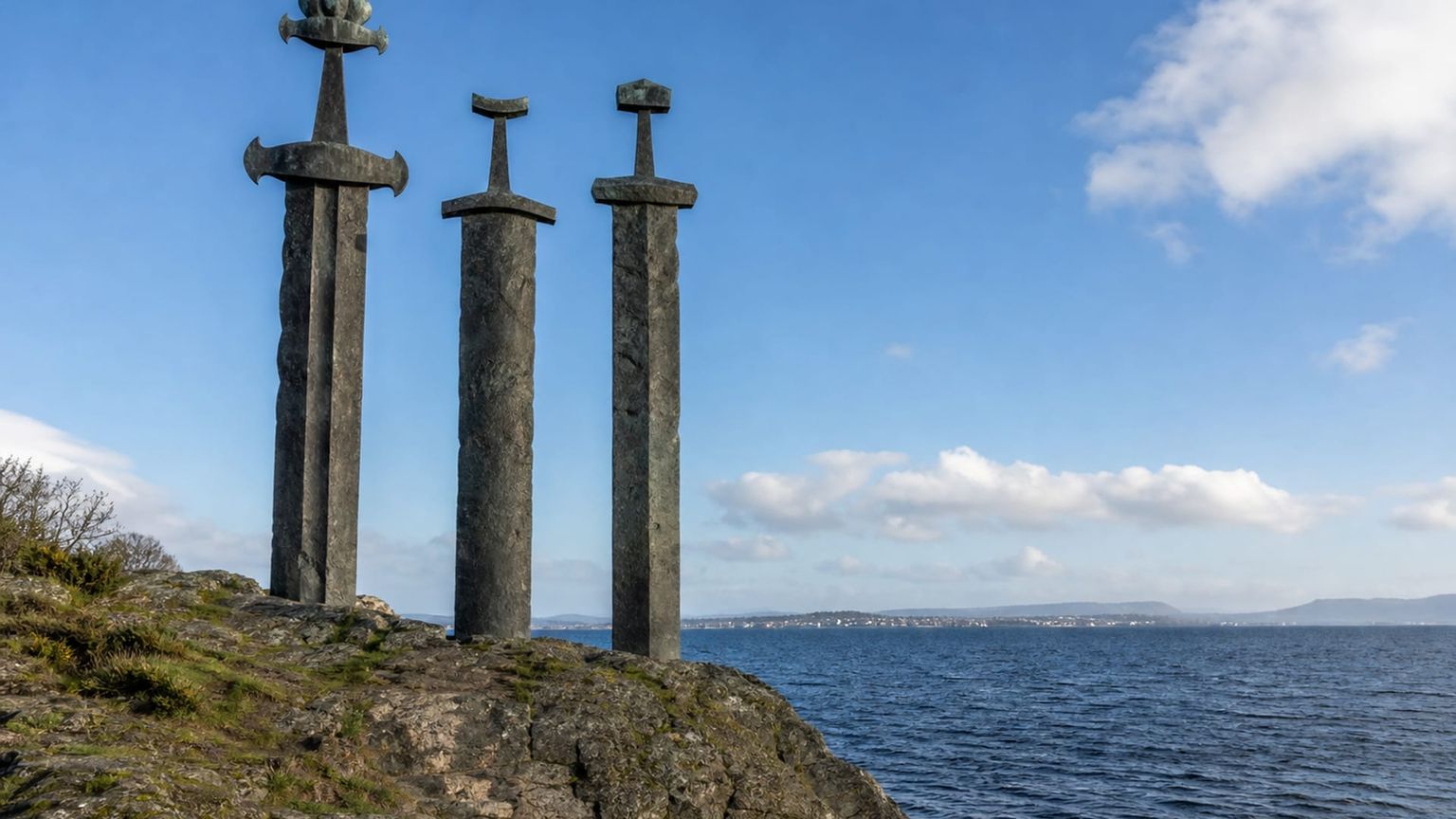
Sverd i fjell
Sverd i fjell marks the 872 Battle of Hafrsfjord with three 10-meter bronze swords set into the rock beside the water. The monument sits about 6 km from the center and pairs well with a coastal walk.
Time needed: About 30 to 45 minutes
Entry: Free to access, with no timed entry required.
Tip: Go near sunset for better light on the bronze swords and the fjord behind them.
Overlooked sites worth visiting

Norwegian Canning Museum
This compact museum occupies a former cannery in the old town and shows how Stavanger’s sardine industry worked. Original machines, tins, and rooms give the site a clear sense of place.
Time needed: About 1 to 1.5 hours
Entry: Adult admission is about $11.50 ($130 NOK), with reduced rates for children, students, and seniors. Guided interpretation and small exhibitions are included in the standard ticket during normal opening hours. Visit the official site for details.
Tip: Pair it with a walk through Gamle Stavanger nearby.

Sverd i fjell
Three bronze swords stand in Hafrsfjord, marking the battle that shaped Norway’s early kingdom. The waterfront setting makes it an easy stop for a short walk and photos.
Time needed: About 30 to 45 minutes
Entry: Free to access, with no ticket required. The monument sits on a public waterfront site, so there is no admission charge for casual visits, photo stops, or a brief stroll along the shore.
Tip: Go near sunset for softer light on the fjord.
Traditional food

Stavanger’s table leans on North Sea fish, dairy, and simple seasoning, then adds local comfort foods such as fish soup, fish cakes, brown cheese waffles, and fish pudding. Meals tend to be unhurried, with early dinner hours and seafood front and center.
Fish soup
Creamy fish soup is a Stavanger staple, often built with white fish, root vegetables, and herbs. Fisketorget Stavanger is a strong canonical stop for it, with a harbor-side setting that suits a simple bowl after a walk.
Fish cakes
Fish cakes are a local everyday dish, usually served with potatoes and a light sauce or vegetables. Re-Naa serves a refined version in Stavanger, making it the clearest fine-dining reference point for the dish in the city.
Brown cheese waffles
Brown cheese waffles bring together sweet, caramel-like brunost and a soft waffle base, often with jam or sour cream. Sølvberget Cafeteria is a natural city-center place to look for a classic version.
Fish pudding
Fish pudding is a softer, more traditional preparation that reflects the city’s long seafood pantry. The concept appears at Norway’s canteen and heritage-minded kitchens, and Sola Strand Hotel is a practical canonical nearby dining reference if you want a broader regional menu with fish-forward dishes.
Best time to visit Stavanger
Stavanger changes most with daylight and rainfall, while the main sights stay accessible in every season.
Best for: Mild city walks, harbor views, and lighter crowds before summer peaks
What you get: Expect about 41 to 56°F (5 to 13°C), with fewer visitors than in summer and more changeable weather than late spring
Trade-offs: Rain showers can interrupt longer outdoor plans
Best for: Long daylight, coastal outings, and the easiest conditions for day trips
What you get: Expect about 54 to 66°F (12 to 19°C), with the highest visitor numbers in the center and at popular viewpoints
Trade-offs: Hotels cost more and waterfront spots can feel busier
Best for: Museum days, food-focused trips, and sharper photo light
What you get: Expect about 43 to 57°F (6 to 14°C), with crowds easing after summer and more room at indoor sights
Trade-offs: Wind and rain increase as the season progresses
Best for: Quiet streets, cozy cafés, and a slower pace around the harbor
What you get: Expect about 34 to 43°F (1 to 6°C), with low crowds and short daylight hours
Trade-offs: Outdoor plans need flexible timing and warm layers
A realistic 5-day plan in Stavanger
Five days in Stavanger work best when the waterfront, old town, and museum stops are grouped rather than scattered. The plan below keeps the city center at the core, then adds one farther reach so you can see how the harbor district, wooden lanes, and shoreline monument fit into the same visit.
Land at Stavanger (SVG), then take a taxi or airport bus into Stavanger sentrum in about 20 to 25 minutes for roughly $35 to $50, or 400 kr to 550 kr. If you are staying in Old Stavanger, the center, or by Vågen, check in, refill a water bottle, and keep dinner close to the harbor, where you can choose a simple seafood plate or soup without adding more transit after the flight.
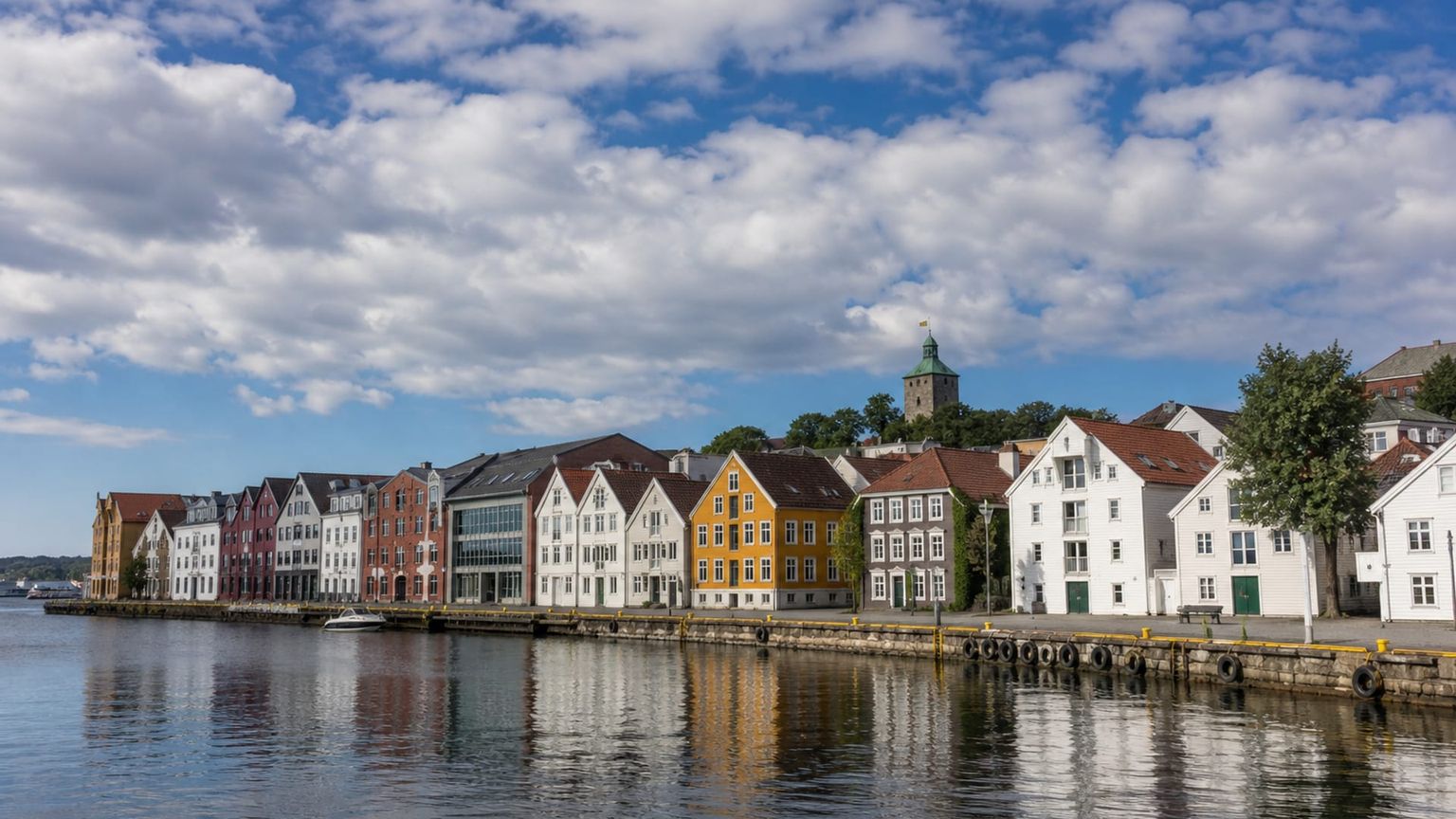
Start in Gamle Stavanger, where the white wooden lanes sit about 5 minutes on foot from Stavanger sentrum and about 12 minutes from Stavanger Cathedral. Spend about 1 to 2 hours there, then walk roughly 10 minutes to the Norwegian Canning Museum for another 1 to 1.5 hours. From there, continue on foot to the Norwegian Petroleum Museum in about 8 to 10 minutes for a 2 to 3 hour visit, and finish with an easy waterfront dinner near Vågen.
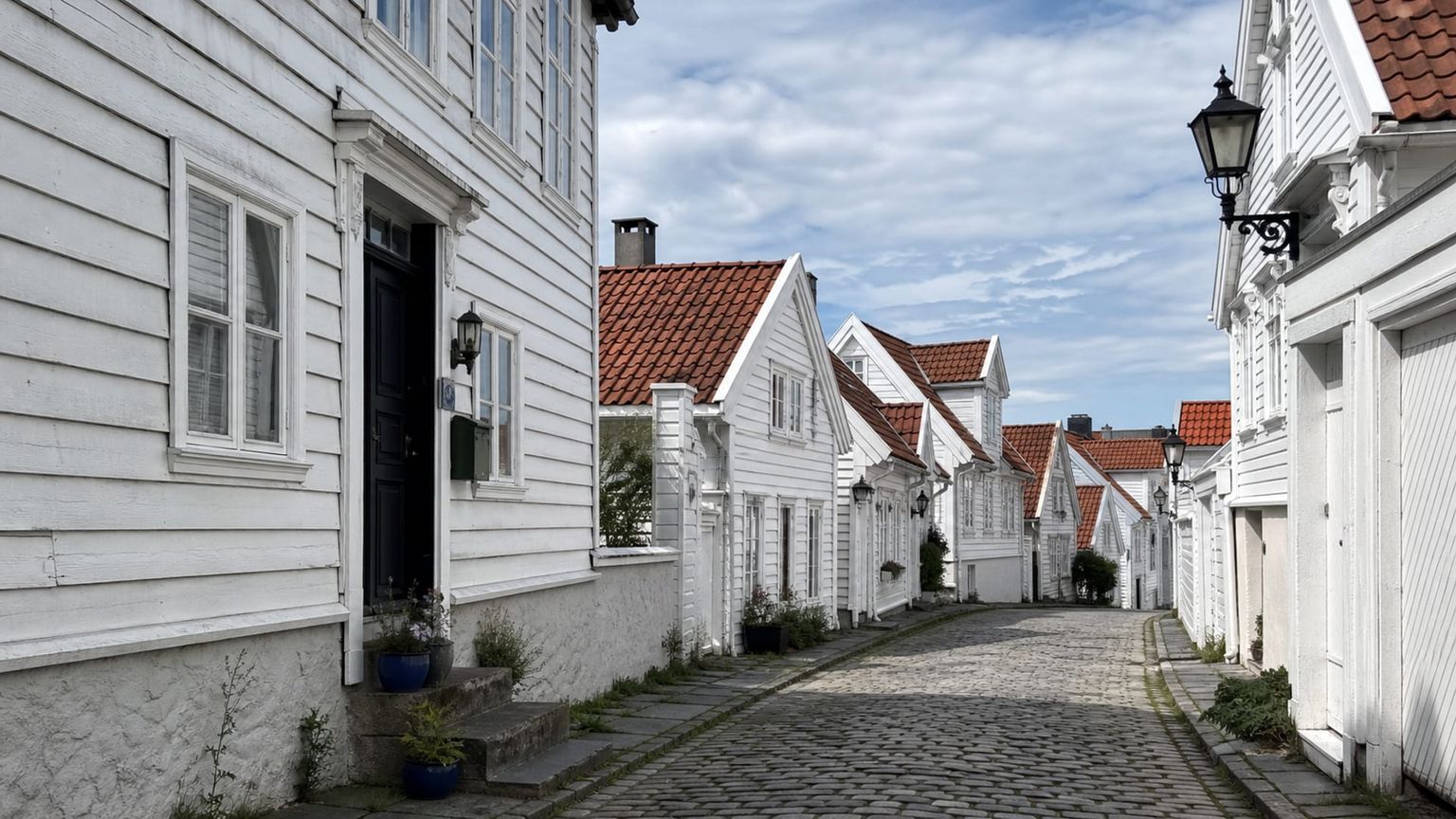
Begin with Sverd i fjell, which sits about 6 km from the center, so a taxi takes roughly 15 to 20 minutes, while a bus and short walk take longer. Give the monument 30 to 45 minutes, then return downtown for a late lunch in Stavanger sentrum. In the afternoon, walk through the harbor area and Old Stavanger again if you want a second look at the wooden streets, with the compact center making it simple to move between the waterfront and dinner streets on foot.
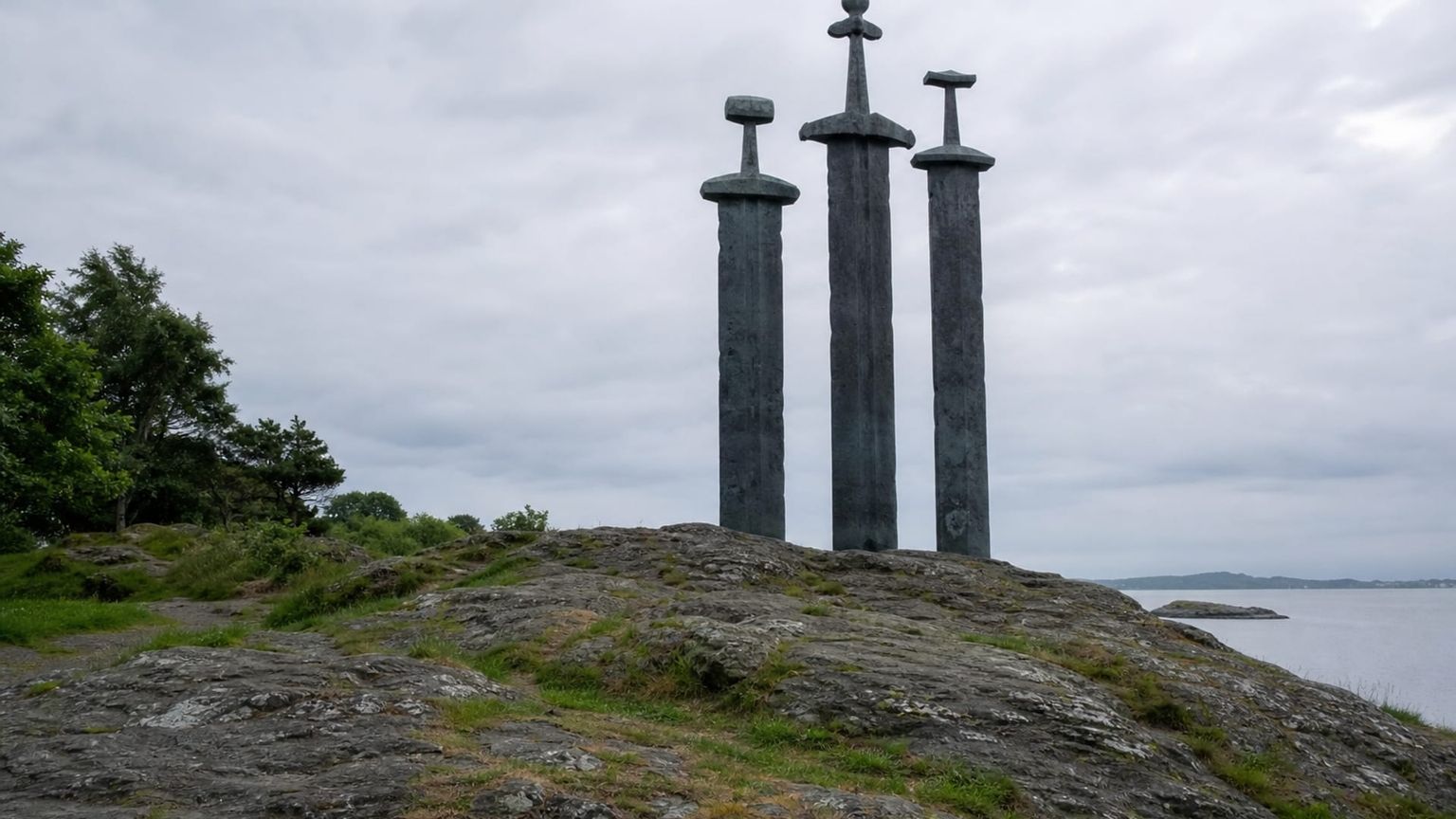
Set out for a slower day that stays close to the historic core, starting with breakfast in Old Stavanger or Stavanger sentrum, then a relaxed return to the Norwegian Petroleum Museum if you want more time with the offshore exhibits. From there, move on foot to nearby harbor streets for shopping and a final wander through the old town lanes, with most of the walk taking about 5 to 15 minutes between stops. End with dinner in Stavanger sentrum, where the restaurant streets stay active into the evening.
For a departure day, plan one last museum stop or a short shopping run in Stavanger sentrum, then settle into a café in Eiganes or back near Vågen before heading out. If your flight leaves later, browse the center’s pedestrian streets for local design, outdoor gear, or food shops, then allow about 20 to 25 minutes for the ride to Stavanger (SVG) and extra time for check-in and security.
Business-class flights from the US to Stavanger
Flights to Stavanger usually connect through major European hubs, and the best option depends on where you start. From New York and Los Angeles, itineraries often differ more in elapsed time and layover length than in airline choice.
From New York, Icelandair, Scandinavian Airlines, Air France, KLM, and Lufthansa all sell itineraries to Stavanger. Nonstop travel takes about 7 to 8 hours, while one-stop options usually run 10 to 14 hours via KEF, CPH, AMS, CDG, or FRA. Round-trip fares from New York to Stavanger usually start at about $2,400, with nonstop options near the top of that range.
From Los Angeles, Lufthansa, KLM, Air France, British Airways, and Scandinavian Airlines are common names on the schedule. One-stop itineraries through FRA, AMS, CDG, LHR, or CPH often come in lower than the rare nonstop, and round-trip fares usually begin at about $3,300.
Stavanger feels different when you slow down
A well-planned Stavanger stay usually means matching the harbor to the clock, then moving between Gamle Stavanger, the Norwegian Petroleum Museum, and Vågen on foot, with a bus or taxi reserved for the airport or Sverd i fjell. That mix gives the city enough space to show its old wooden streets and its modern waterfront in the same trip. If you want help shaping the route, the AranGrant experts can build it around your dates and preferred neighborhood