

Chapters:

Need help with your trip?
Our support team is available 24/7. Request a callback or call us directly at (833) 619-0908
Sapporo trips often start and end at the station, with a quick sweep through Odori, a beer stop, and one cookie park, while the city’s wider south side gets less attention.
That pattern saves time, but it can also leave you bouncing between long subway rides, crowded hours, and sights that sit farther apart than the map suggests.
This guide keeps the center of gravity clear, then adds timed detours and meal stops so each day has a place, a route, and a reason to move next.
Useful things to know
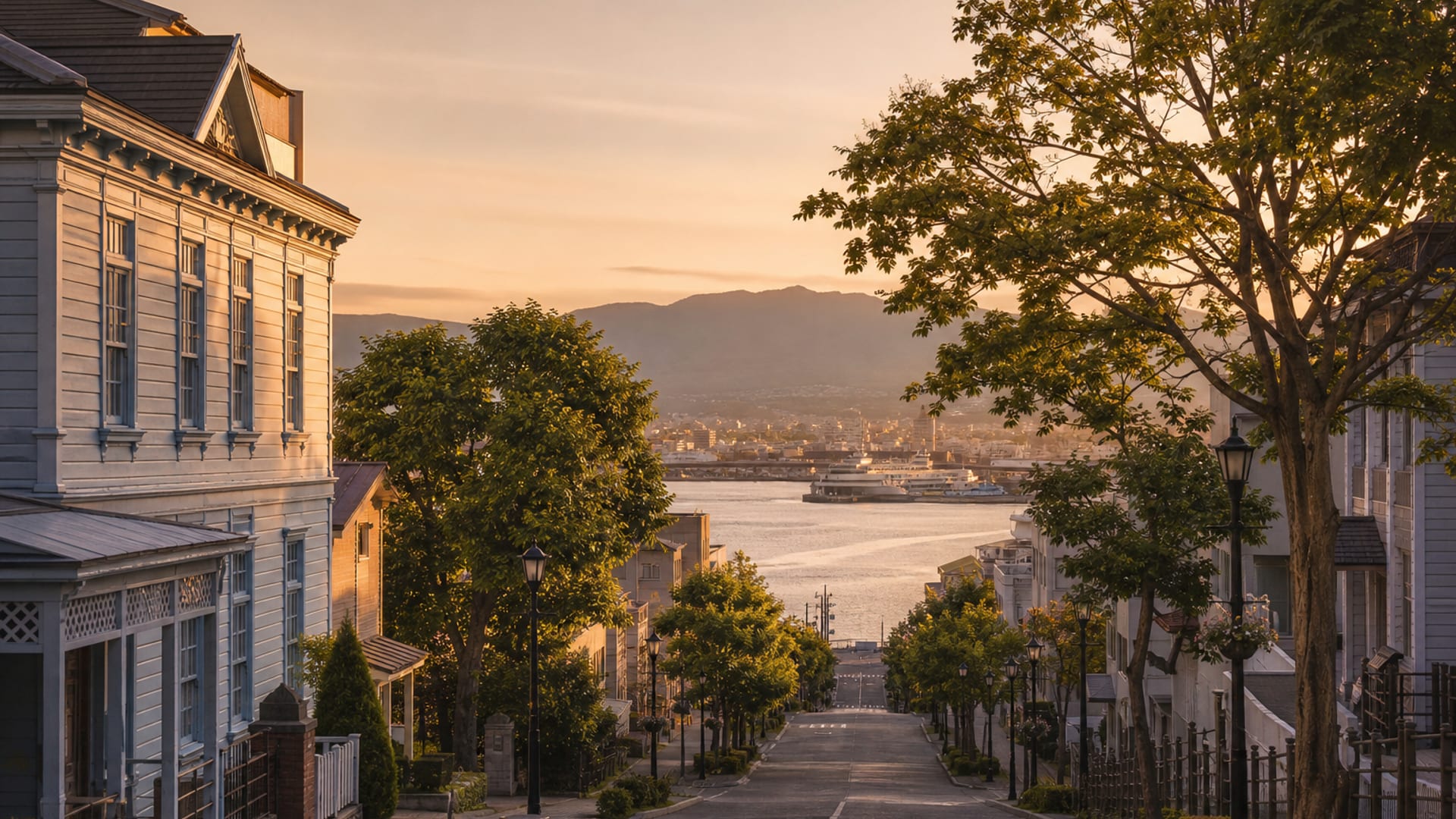

Main language(s): Japanese
こんにちは (konnichiwa) – Hello/Good afternoon
お願いします (onegaishimasu) – Please
ありがとうございます (arigatou gozaimasu) – Thank you
英語を話せますか? (eigo o hanasemasu ka?) – Do you speak English?
いくらですか? (ikura desu ka?) – How much does it cost?

Currency: The local currency is the Japanese yen (JPY, ¥).

Cash and cards: Cards and contactless are widely accepted; carry about ¥3,000 to ¥5,000 ($20 to $35) for small cafes and cash-only stalls.

Tipping: Tipping is not customary; leave no extra unless a bill includes a service charge.

Traditional food: Soup curry, miso ramen, Genghis Khan, shio ramen

Water and coffee costs: Water about ¥150 to ¥250 ($1 to $2), bar espresso about ¥400 to ¥600 ($3 to $4).

Taxis and ride apps: Uber works in limited supply, and Japanese app GO has the widest taxi coverage.

Plug and voltage: Type A/B socket, 100V

Dining and shop opening hours: Breakfast is about 7:00-9:30, lunch 11:30-14:00, and dinner 17:30-21:00. Many restaurants close one day a week, often Monday.

Emergency number: 119 for fire and ambulance, 110 for police.
Where to stay in Sapporo
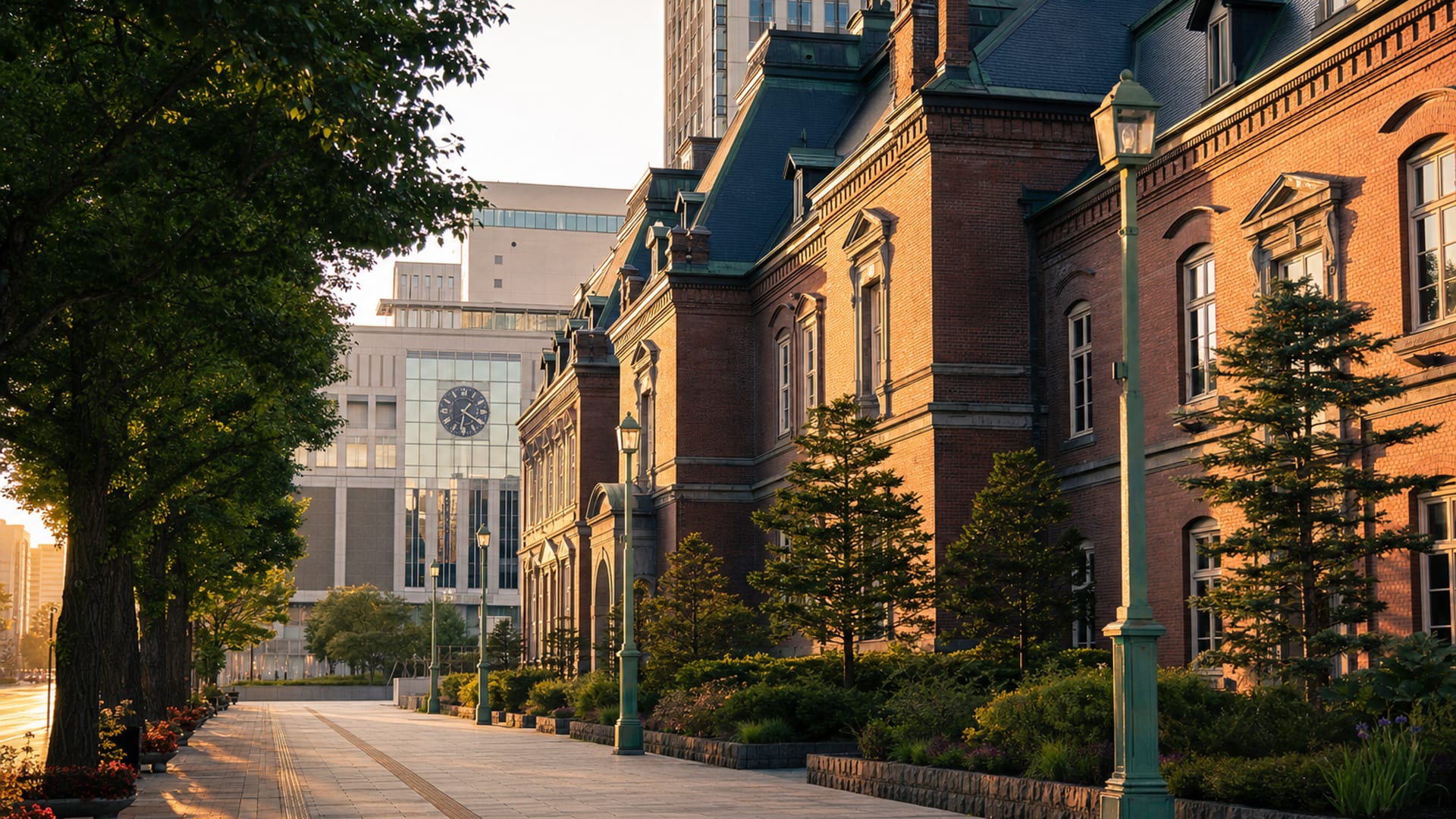
Sapporo Station sits at the city’s main rail hub, with direct access to the subway, JR lines, and many department stores, hotels, and offices. It suits visitors who want the easiest arrivals and a central base for moving between major sights.
Best for: Train arrivals, city sightseeing, and travelers who want the easiest transit connections
What to expect: Busy sidewalks by day, especially near the station exits and shopping complexes, with a businesslike pace after dark.
Hotel prices: Usually about $110 to $220 per night for well-rated stays
Distance to major sights: 5 to 10 minutes by subway to Odori Park, about 15 minutes on foot to the Former Hokkaido Government Office
Quietness: Daytime is busy and transit-heavy; evenings are calmer once office crowds thin.
Main trade-off: Rooms near the station often cost more than those in outer districts, and the immediate area can feel utilitarian rather than scenic.
Good to know: Choose a hotel a few blocks from the main exits if you want fewer late-night platform announcements and less foot traffic at street level.
Susukino is Japan’s largest entertainment district north of Tokyo, packed with ramen shops, bars, and karaoke spots around Ramen Yokocho. It suits travelers who want to stay close to Sapporo’s nightlife and food scene, just two subway stops from Sapporo Station, with Nakajima Park’s greenery nearby.
Best for: Nightlife, ramen, and travelers who want to stay within walking distance of bars, restaurants, and late-night food stalls
What to expect: Crowded sidewalks and bright signage after dark, with karaoke bars, izakayas, and ramen counters staying busy well past midnight
Hotel prices: Well-rated hotels cost ¥12,500 to ¥21,000 ($80 to $135) per night.
Distance to major sights: 1 to 3 minutes by subway to Odori or Sapporo Station; about 10 minutes on foot to Nakajima Park
Quietness: Loud and lively after dark year-round; mornings are calmer but still busier than other areas.
Main trade-off: Nightlife noise can carry into hotel rooms on upper floors near the main streets, especially on weekends.
Good to know: Book a room set back from the main strip if you want quieter nights without losing the short walk to restaurants.
Odori spans the area between Sapporo Station and Susukino, built around the long central park, underground shopping malls, and the Sapporo Clock Tower. It suits travelers who want a walkable, central spot close to festivals, shopping, and Sapporo’s main landmarks, with Tanukikoji’s arcade a short walk away.
Best for: Central sightseeing, shopping, and travelers who want equal access to Sapporo Station and Susukino
What to expect: Steady foot traffic near the park and underground mall, with a calmer, more upscale feel than Susukino after dark
Hotel prices: Well-rated hotels cost ¥18,000 to ¥33,000 ($115 to $210) per night.
Distance to major sights: 5 minutes on foot to the Sapporo Clock Tower; 1 to 3 minutes by subway to Sapporo Station or Susukino
Quietness: The area is busy by day near the park and shops. Evenings are calmer than Susukino but livelier than Sapporo Station.
Main trade-off: Hotels here often cost more than Sapporo Station or Susukino for similar room quality and size.
Good to know: Many hotels connect directly to the underground shopping arcade, useful for avoiding winter cold and snow.
Travelers usually avoid staying in Shin-Sapporo, because it sits well south of the main sights in Sapporo and suits rail connections better than sightseeing. Sapporo Station’s outer business blocks are also less convenient for many visitors, since the area gets busy after office hours but has fewer dining and nightlife options than Susukino or the central shopping streets.
Hotel deals
How to get around Sapporo efficiently
Sapporo’s subway, streetcar, buses, and taxis cover different parts of the city, so the best choice depends on whether you are staying near Sapporo Station, heading to Odori, or venturing south.

Subway
for longer distances
Sapporo’s subway covers the city center with the Namboku, Toho, and Tozai lines, and trains usually run every few minutes from early morning until near midnight. A one-way ticket costs about $1 ($170) to $2 ($300), and a 1-day subway pass is about $6 ($1000), valid for the calendar day.

Bus and streetcar
for convenience
The city bus network reaches neighborhoods the subway skips, while the Sapporo Streetcar loops through central districts and works well for Chuo-ku and the south side of the city. Fares are about $1.60 ($240) to $2.50 ($400) depending on distance or flat-fare zone, with transfers easiest when you use a prepaid IC card; most buses and the streetcar accept them, and typical rides take 10 to 40 minutes within the center.

Taxi
for convenience or late hours
Licensed taxis meter from the door, and the meter usually starts near $4.50 ($700), then adds about $2.10 ($330) per kilometer, so a central ride often costs about $9 to $20 ($1,400 to $3,100). Hail one on the street or use a rank, and pay with cash, major cards, or an IC card in many vehicles; from New Chitose Airport (CTS) to Sapporo, expect roughly $90 to $140 ($13,000 to $21,000) by taxi, depending on traffic and time of day.
*Prices are based on rates updated as of June 2026 and may change at the time of travel.
Use the subway for central hops, the bus or streetcar for districts the rails miss, and taxis when you want to cut cross-town travel time after dinner or before an early museum stop.
Iconic landmarks
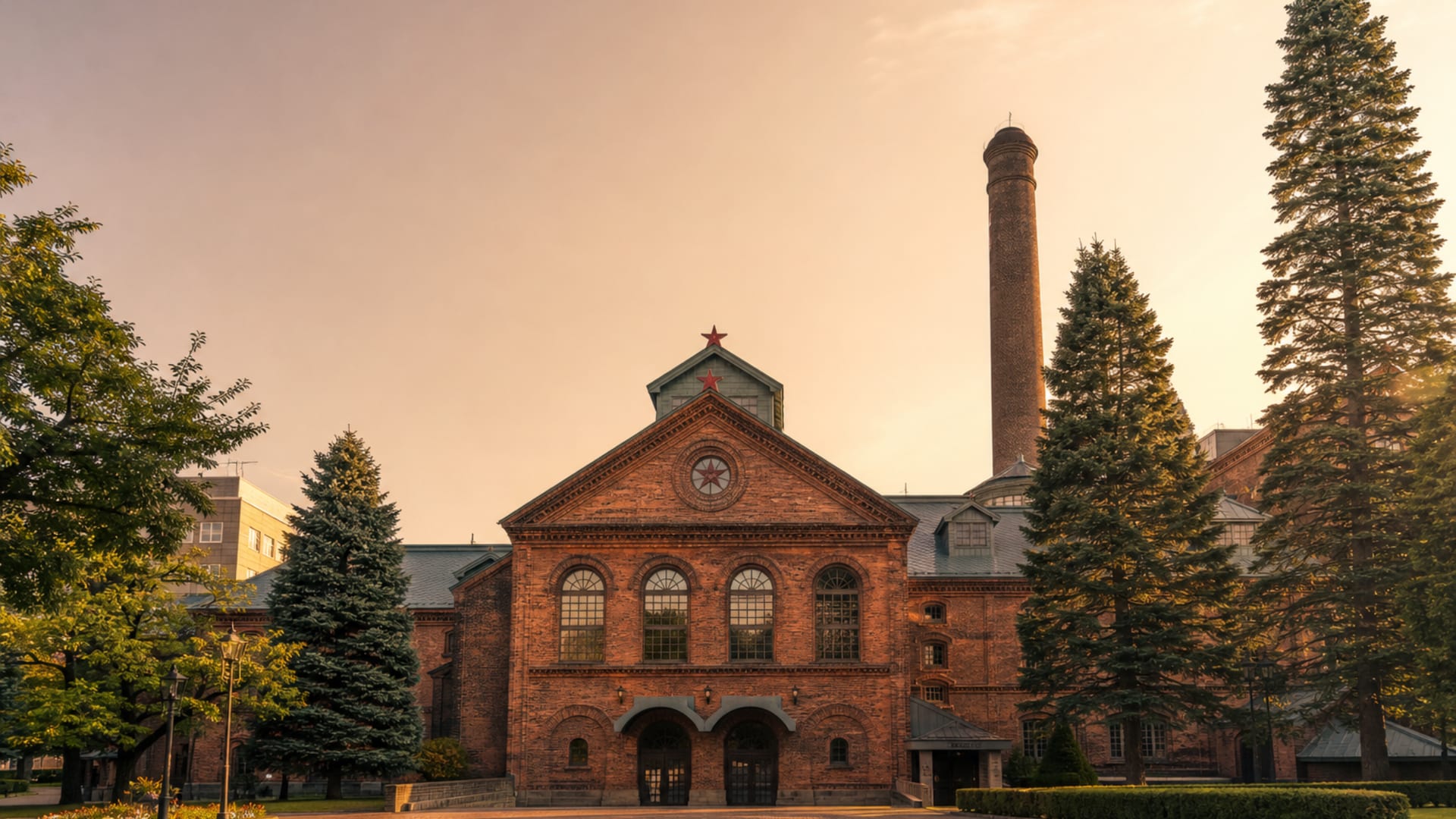
Sapporo Beer Museum
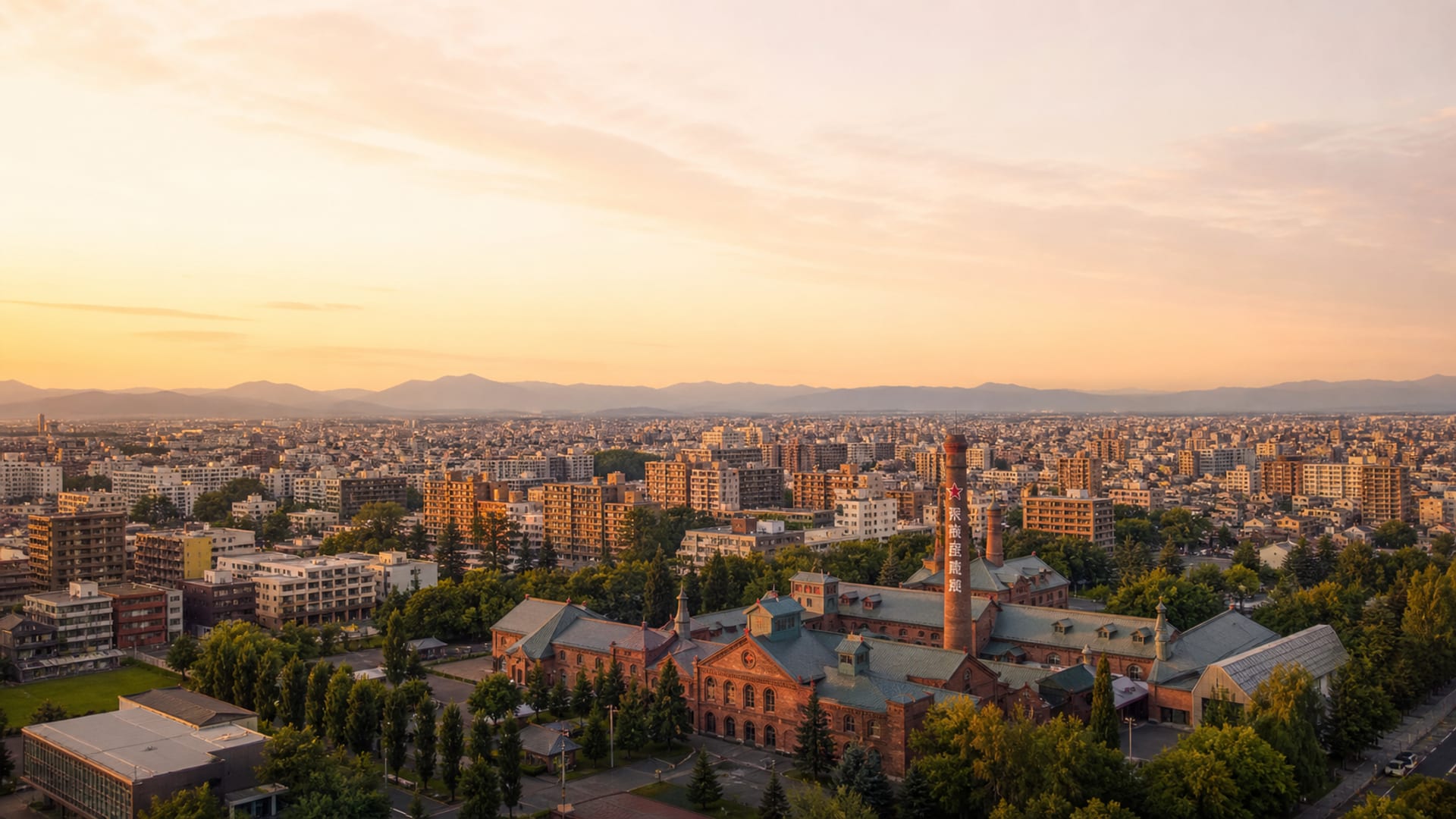
Japan’s only beer museum sits in a red-brick former malt house and traces Sapporo’s brewing history with exhibits, old labels, and factory-era equipment. The adjacent tasting hall pours the brand’s classic beers.
Time needed: About 1 to 2 hours
Entry: Museum entry is free; tasting and paid samples start at $3 to $8 (about ¥450 to ¥1,200), depending on size and beer selection. Visit the official site for details.
Tip: Go late afternoon, then continue to the tasting hall before the dinner crowd builds.
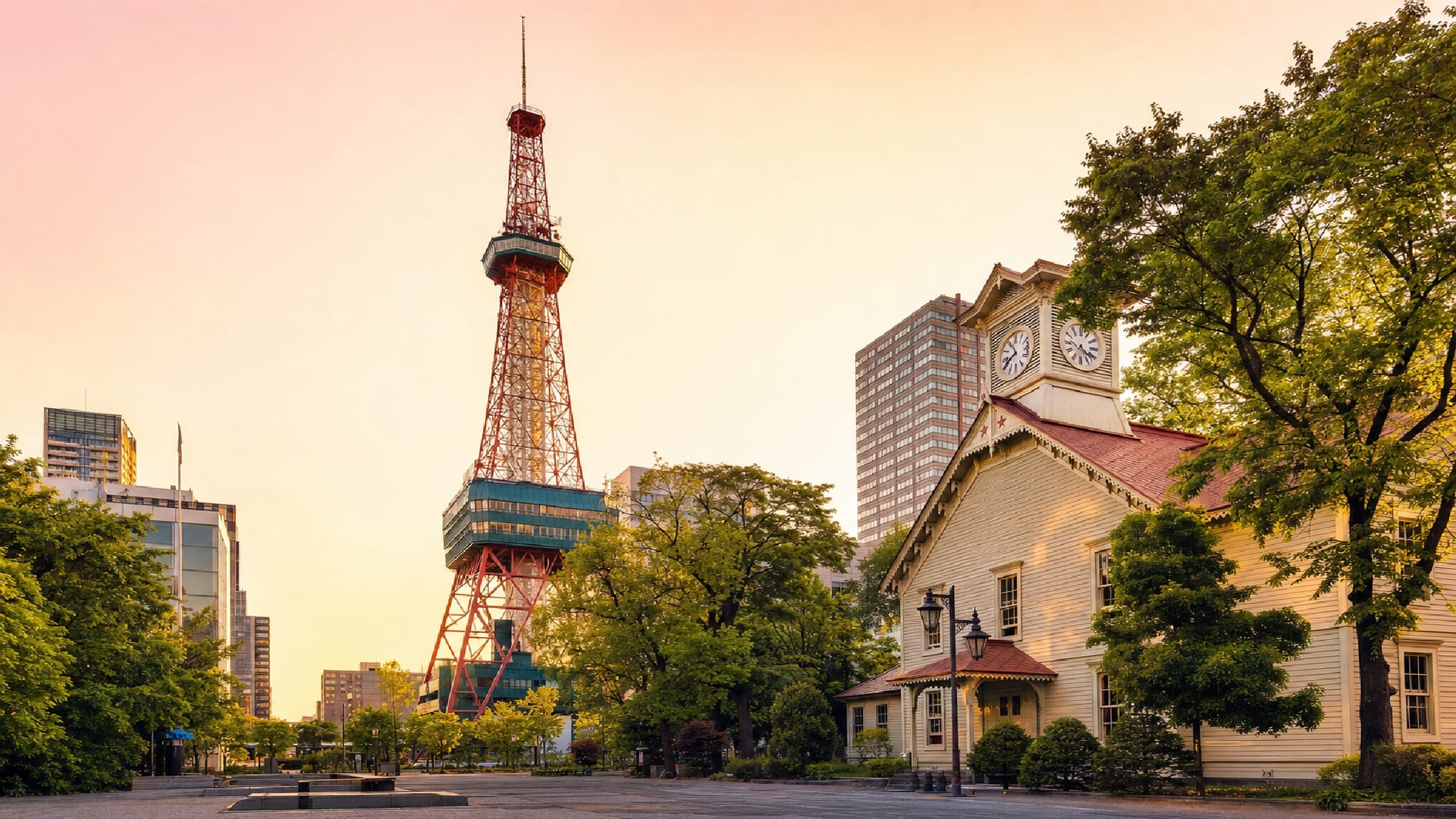
Odori Park
This long central park cuts through downtown Sapporo for about 1.5 km, with lawns, fountains, seasonal flower beds, and the city’s festival grounds. Views toward Sapporo TV Tower anchor the eastern end.
Time needed: About 1 to 2 hours
Entry: Free to access; special events, winter illuminations, and seasonal installations may charge separately at select areas or venues.
Tip: Visit near sunset for softer light, then stay for the evening tower lights if they are on.
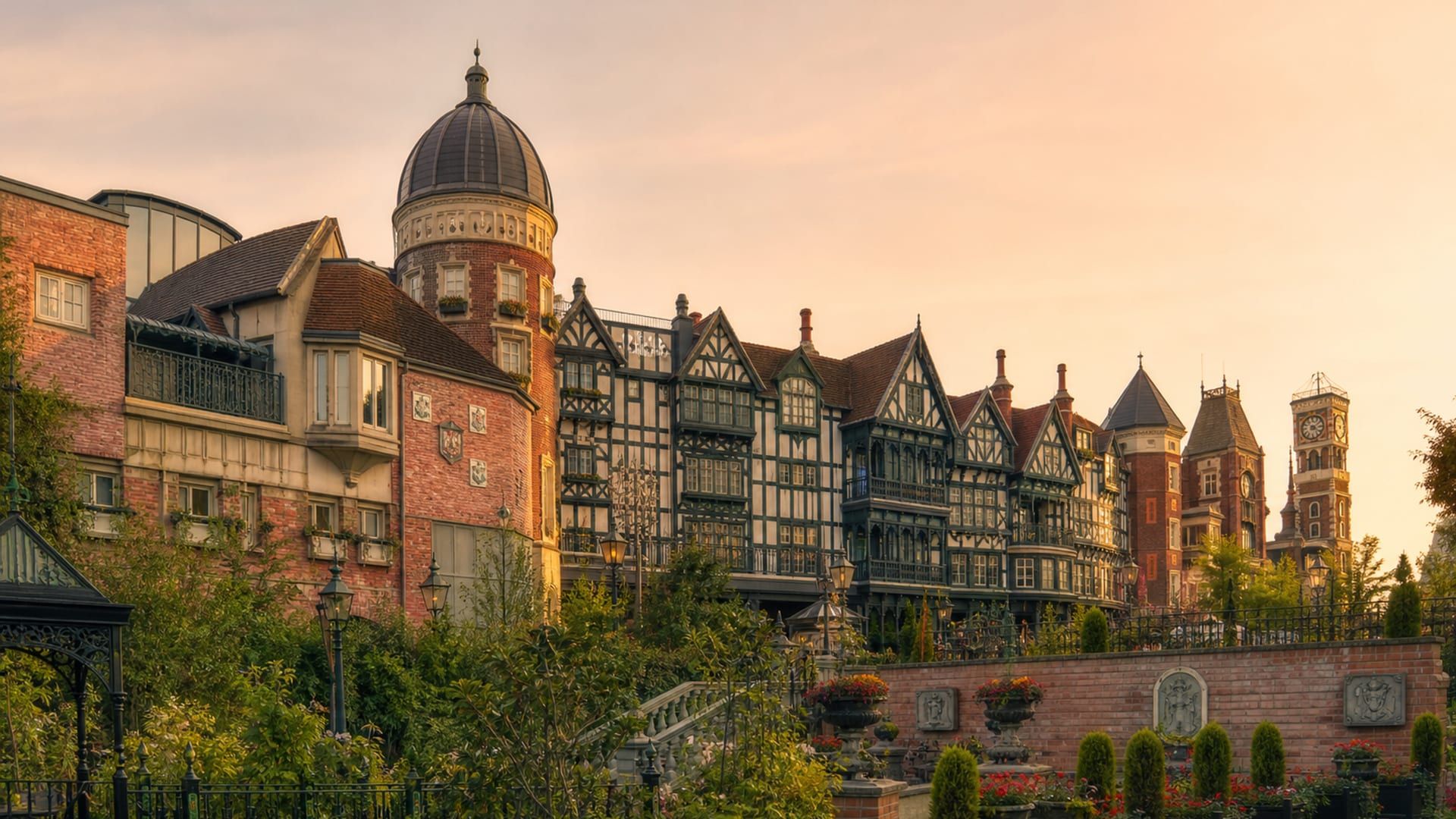
Shiroi Koibito Park
This confectionery park mixes a factory tour, chocolate exhibits, and a themed garden with storybook-style buildings. You can watch cookie production, then sample Shiroi Koibito sweets in the cafe or shop.
Time needed: About 2 to 3 hours
Entry: Adult admission is $5 to $7 (about ¥800 to ¥1,100), with discounts for children and higher prices for factory tour add-ons. Visit the official site for details.
Tip: Plan a weekday morning visit to see the factory floor with fewer tour groups.
Overlooked sites worth visiting

Sapporo Art Park
This forested park south of the city pairs sculpture trails with indoor galleries and workshops. The grounds hold more than 70 outdoor works, so you can move between trees, lawns, and exhibition rooms in one visit.
Time needed: About 2 to 3 hours
Entry: General park access is free. Paid venues inside the grounds, including the Sapporo Art Museum and craft studios, set their own admission and class fees, usually about $3 to $10 ($450 to ¥1,500) depending on the exhibit or activity. Visit the official site for details.
Tip: Go in late afternoon for softer light on the sculptures.

Shiroi Koibito Park
This confectionery complex pairs a factory tour with a compact European-style garden and clockwork displays. It is built around Ishiya’s white-chocolate cookie and gives you a clear look at the production line.
Time needed: About 1 to 2 hours
Entry: Garden and shop areas are free to enter. Museum and factory areas use timed admission, commonly about $5 to $8 ($800 to ¥1,300) for adults, with separate prices for children and seasonal events. Check the venue site for current tickets. Visit the official site for details.
Tip: Arrive early on weekends to avoid the busiest tour slots.
Traditional food
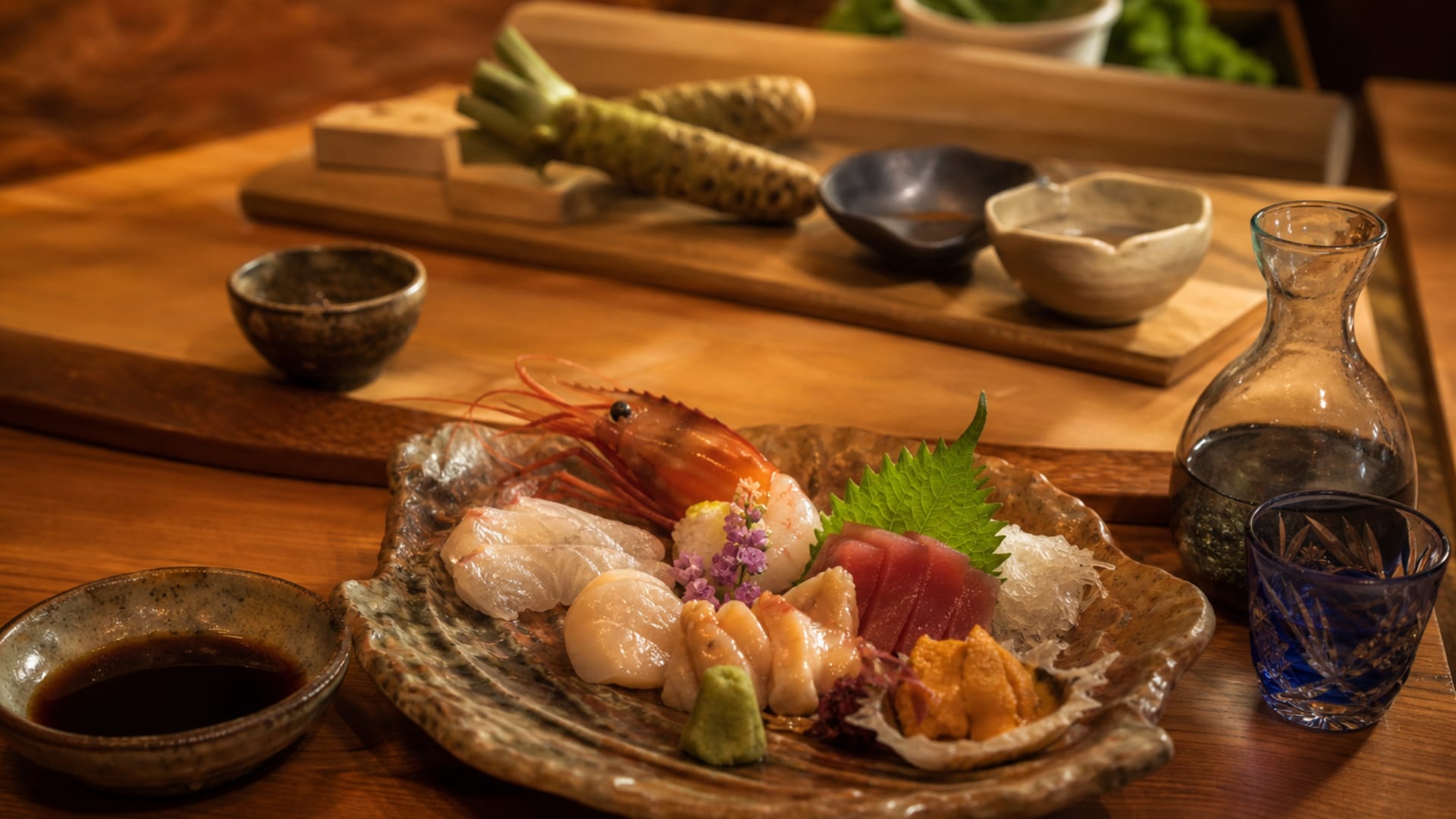
Sapporo’s food scene leans on miso ramen, soup curry, Genghis Khan, and shio ramen, with butter, seafood, and rich broths shaping the city’s winter-friendly menu and late-night dining habits.
Soup curry
This Hokkaido specialty arrives as a fragrant broth with vegetables, chicken, or pork served separately or partially submerged, so every spoonful stays vivid. Garaku is a canonical Sapporo stop for it, with long lines that reflect how firmly the dish belongs in the city.
Miso ramen
Sapporo’s signature ramen uses a hearty miso broth, curly noodles, corn, butter, and pork to match the city’s colder months. Ramen Shingen is one of the best-known addresses for it in Sapporo, and the queue usually tells you you are in the right place.
Genghis Khan
This grilled lamb dish comes to the table on a domed skillet, where the meat cooks with onions and cabbage and picks up a lightly smoky edge. Sapporo Beer Garden is a canonical place to order it, especially if you want to pair dinner with a beer hall setting.
Shio ramen
Shio ramen depends on a clearer salt-based broth, often with a lighter finish than miso but still deeply savory. Aji no Sanpei is a long-running Sapporo name for this style, and it gives you a direct look at the city’s ramen history.
Best time to visit Sapporo
Sapporo changes sharply by season, with snowy winters, cool summers, and shoulder months that make park walks, food stops, and museum visits easier to link in one day.
Best for: Snow scenes, beer halls, and hot bowls of ramen
What you get: Expect about 17 to 34°F (-8 to 1°C), with the heaviest snow and the fewest casual outdoor hours; central districts stay active, but you will move more slowly between stops.
Trade-offs: Cold sidewalks and short daylight make long walks less appealing.
Best for: Park visits, lighter crowds, and city walking
What you get: Temperatures usually run about 36 to 64°F (2 to 18°C), and the city feels less crowded than in peak festival periods, though early spring can still bring chilly mornings.
Trade-offs: Snow lingers early in the season, and some outdoor color arrives late.
Best for: Odori Park, festivals, and longer evenings
What you get: Plan for about 61 to 79°F (16 to 26°C), with the liveliest public spaces of the year and heavier visitor flow during major events.
Trade-offs: Hotels and popular attractions can book up faster in festival weeks.
Best for: Clear air, foliage, and easier day trips
What you get: Expect about 45 to 66°F (7 to 19°C), with moderate crowds and good conditions for walking between central sights and museum areas.
Trade-offs: Cool nights arrive quickly, so evenings need warmer layers.
A realistic 5-day plan in Sapporo
Five days in Sapporo work best when you keep the center compact, then assign the farther sights to separate half-days. That gives you room for parks, museums, and dinner without turning every move into a cross-town transfer.
Fly into Sapporo (SPK), then take the JR Rapid Airport train into Sapporo Station in about 40 minutes for roughly $8 to $10, or the airport bus if your hotel sits closer to Odori or Susukino. Base yourself near Sapporo Station for the easiest rail links, then settle in with a short walk, water, and an early dinner in the station area, where department-store food halls and noodle counters give you a low-effort first meal.
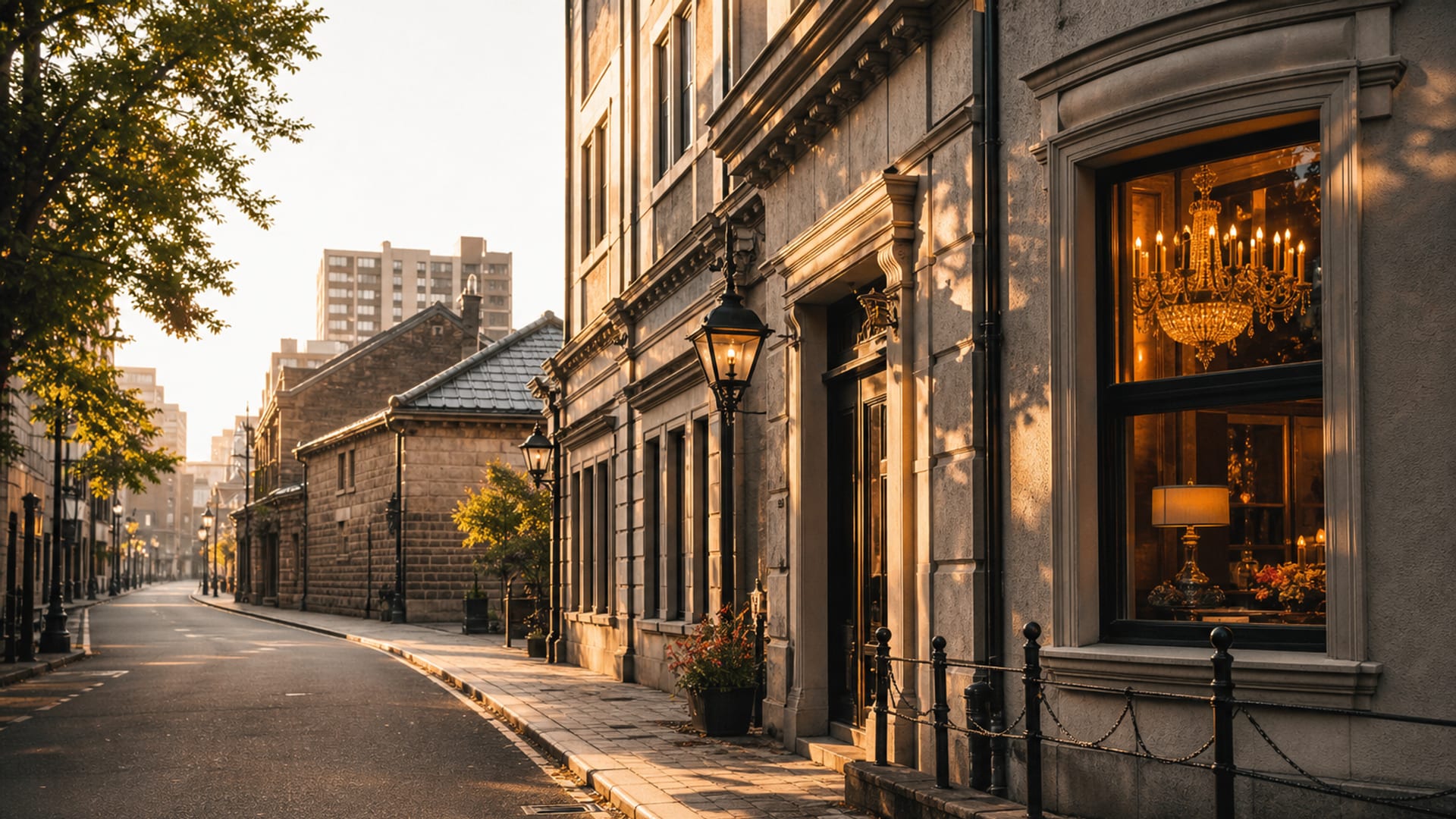
Start at Odori Park, then walk about 10 minutes east to Sapporo TV Tower for city views over the park. From there, continue by subway or taxi to the Sapporo Beer Museum in about 15 to 20 minutes, where the red-brick setting and tasting hall make an easy late-afternoon stop before you head back toward the station or Odori for dinner.
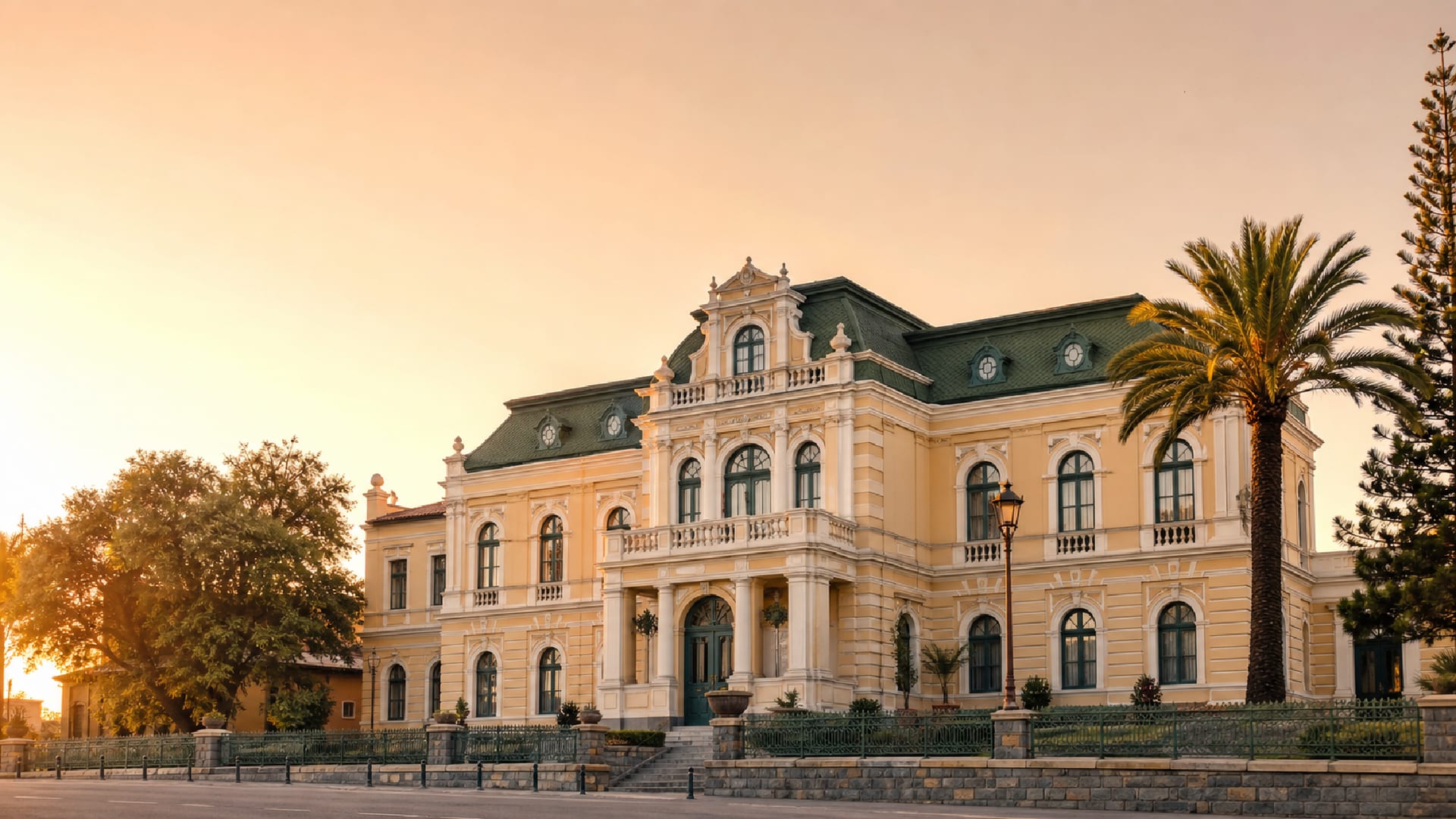
Begin in the Sapporo Station area, then take the subway and a bus, or a taxi if you want to save time, to Shiroi Koibito Park in roughly 30 to 40 minutes. Spend a couple of hours with the factory exhibits, garden, and cookie shop, then return downtown for a relaxed evening near Odori or Sapporo Station, where you can stop for dessert or an early supper.
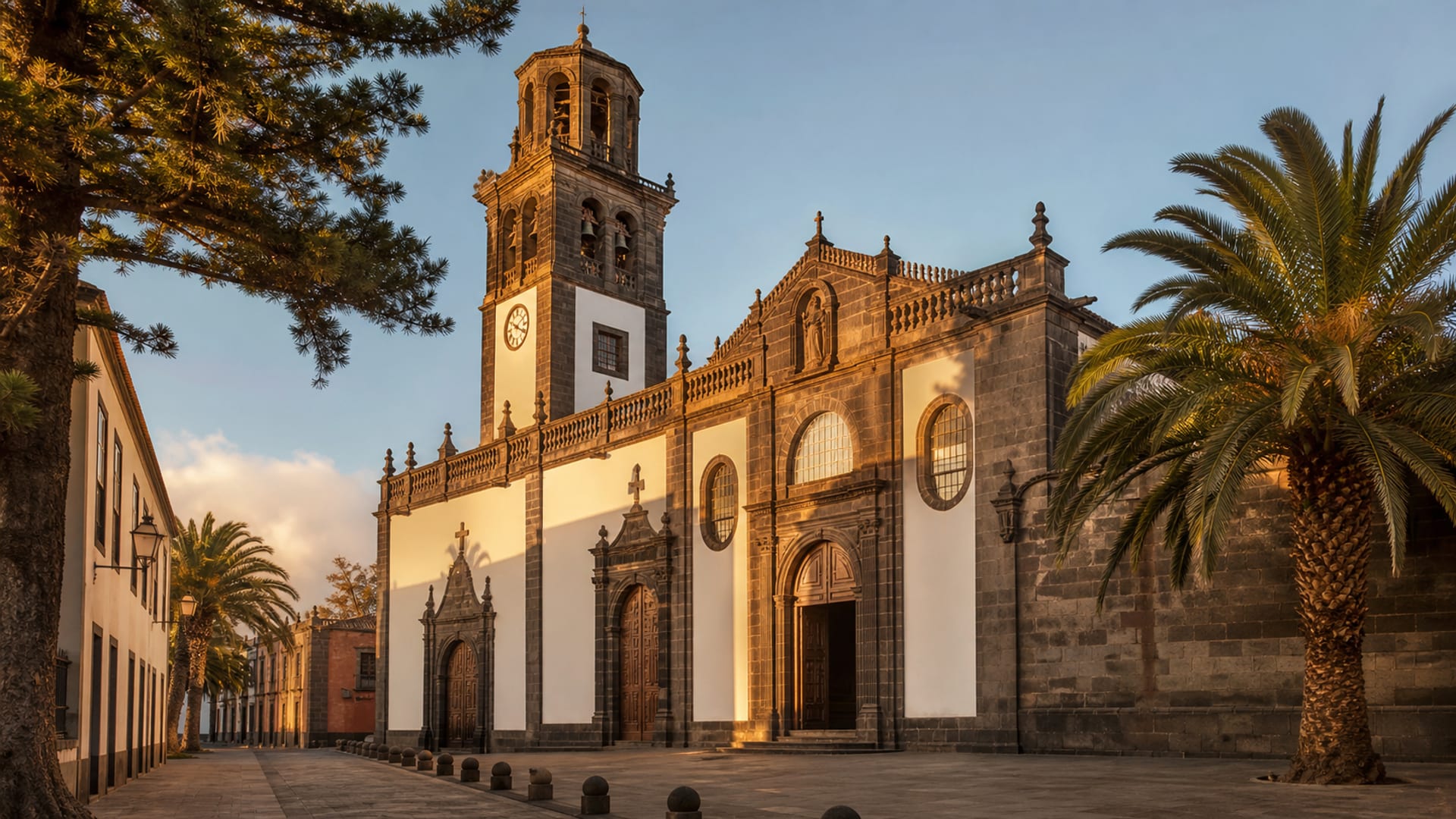
Head south to Sapporo Art Park, which takes about 40 to 50 minutes by subway and bus from central Sapporo or roughly 30 minutes by taxi. Walk the sculpture trails first, then step into the indoor galleries and workshops, and finish the day with a late return to the city center for dinner near Sapporo Station, where the transit connections are simplest after dark.
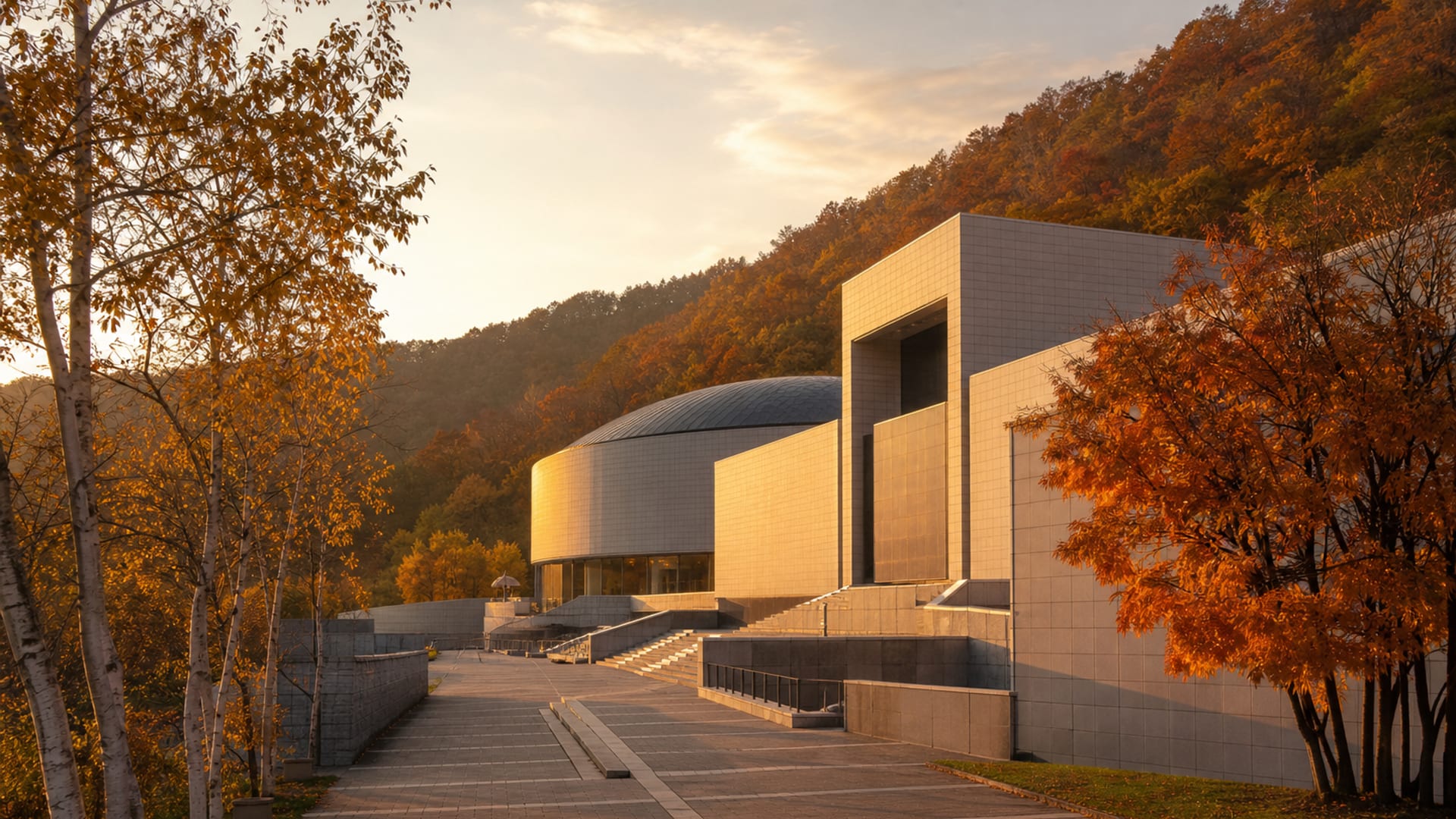
Start with one last museum stop if you want a final look at Sapporo’s brewing history, or return to the Sapporo Beer Museum for a shorter revisit before checkout. After that, spend time shopping in the Sapporo Station area, then settle into a café in Odori or the nearby Tanukikoji shopping district for a quiet coffee and a pastry before heading to the airport or the train.
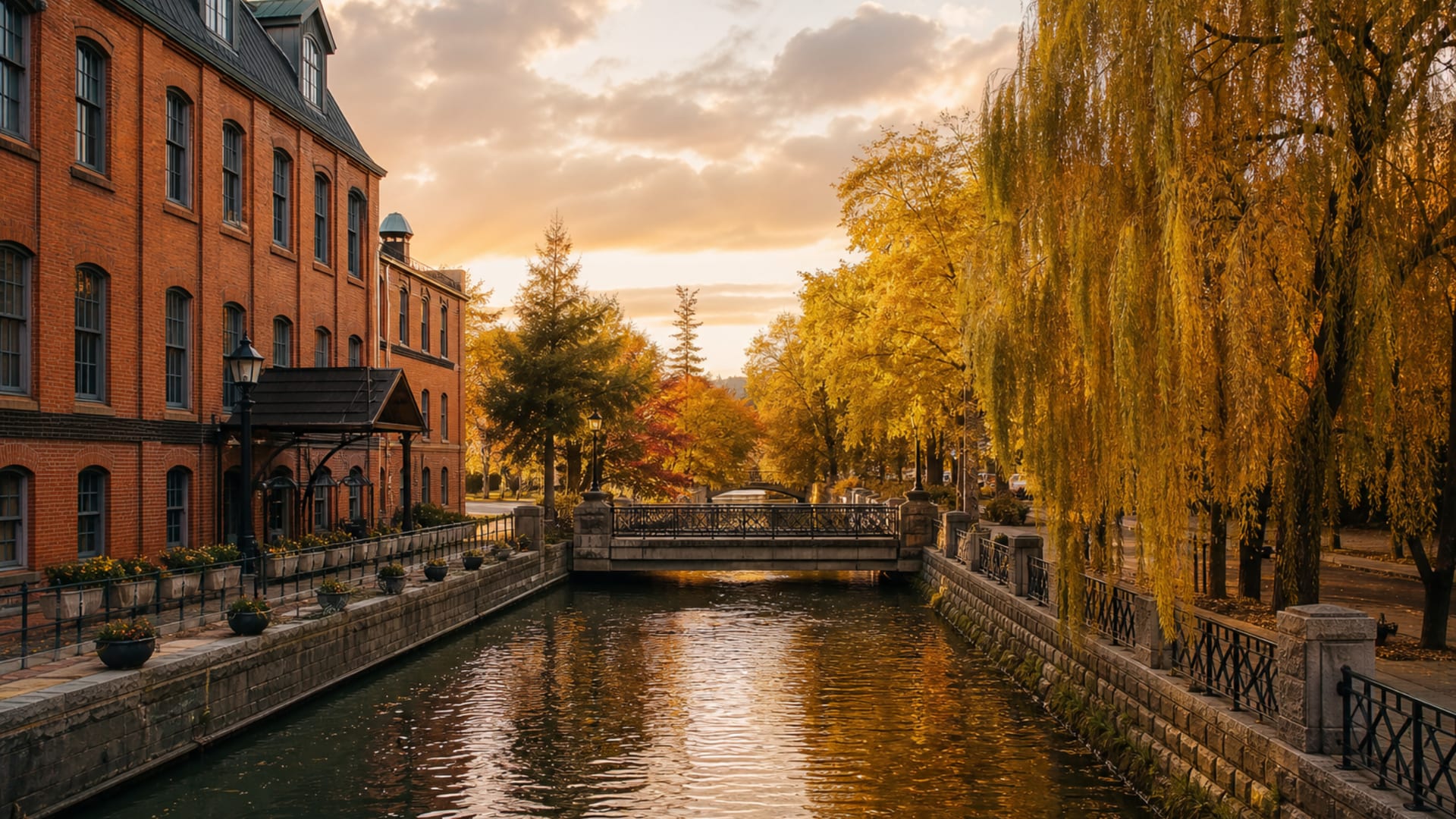
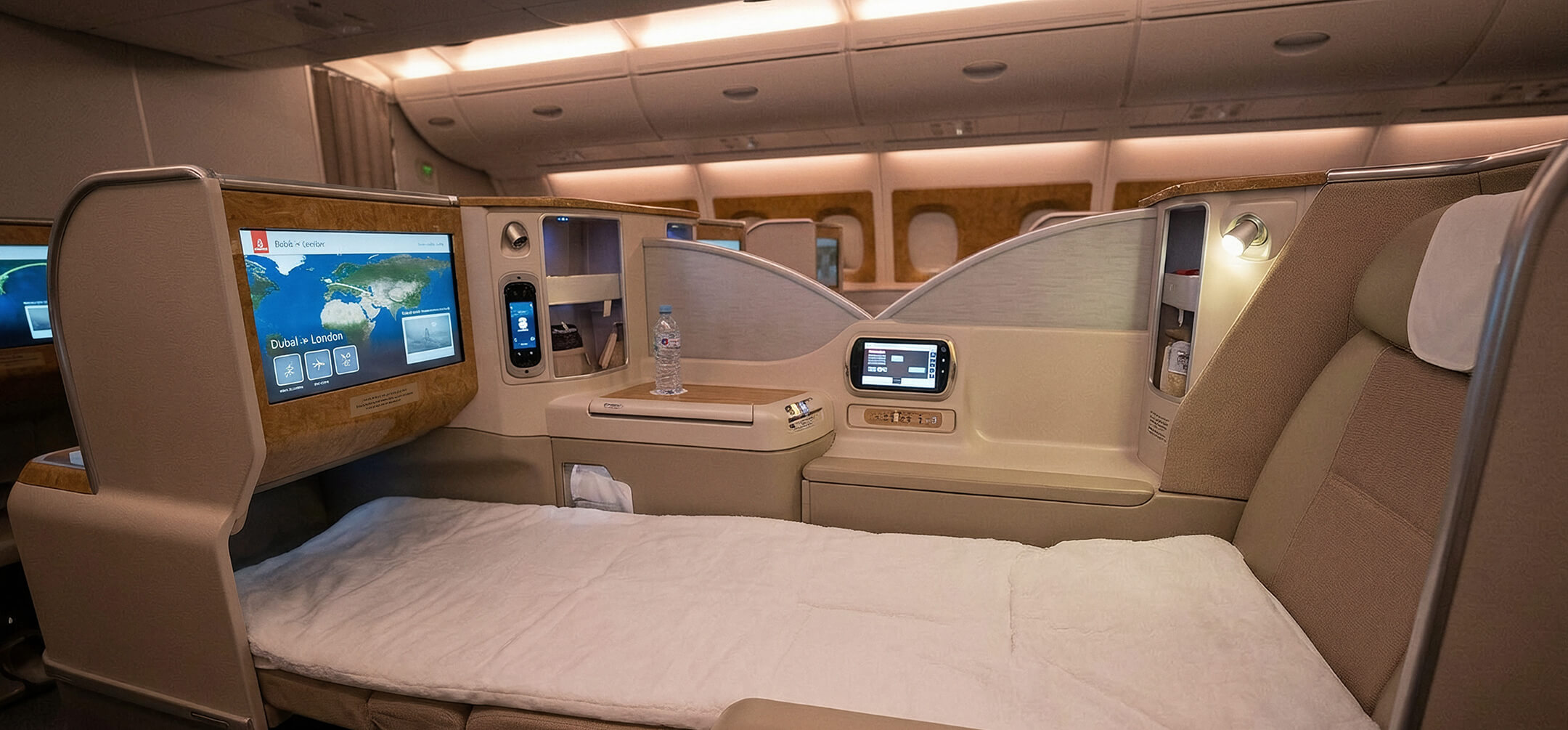
Business-class flights from the US to Sapporo
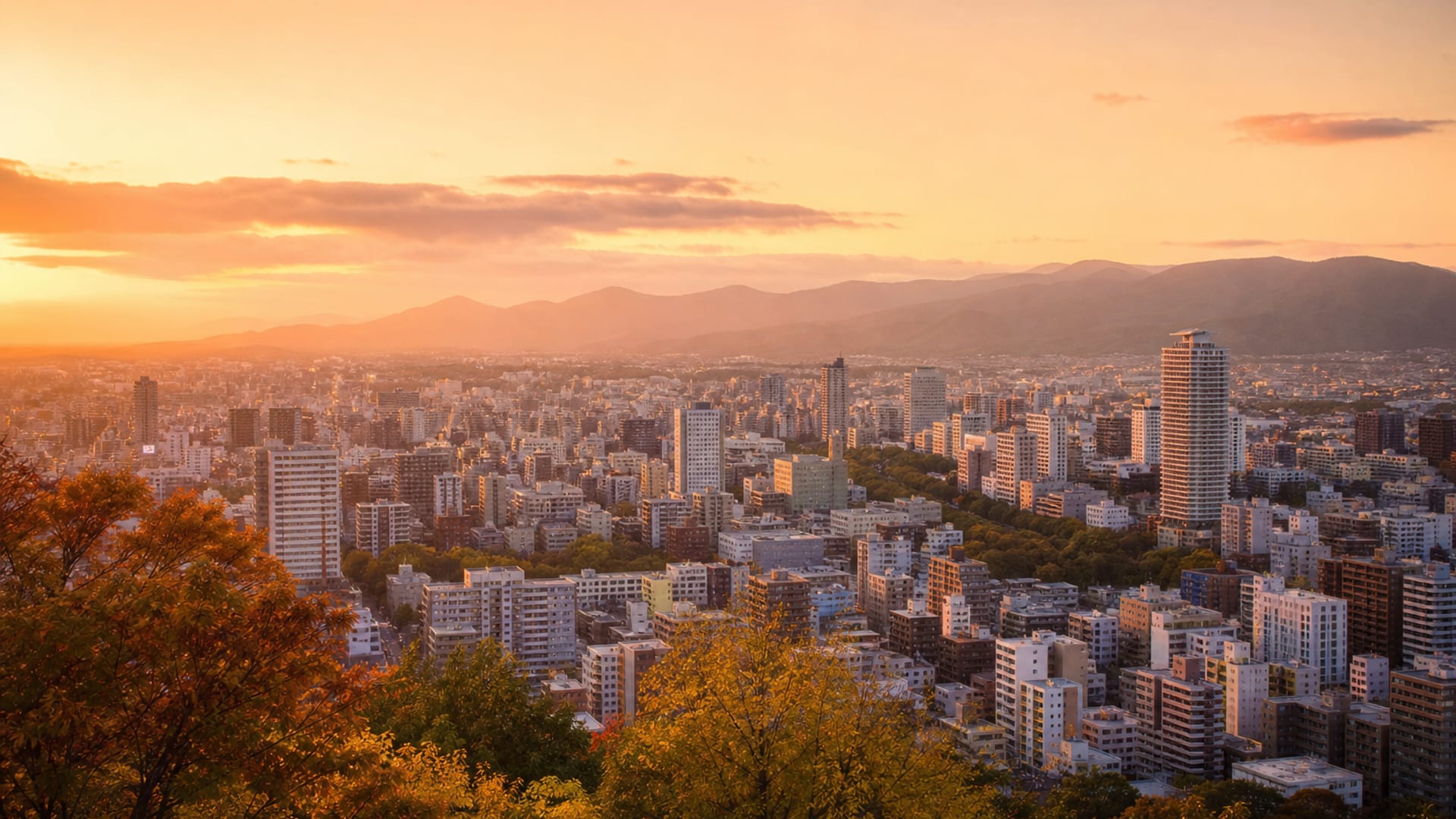
Flights into Sapporo usually connect through Asia or another North American hub, and the best fare depends on where you start. From New York and Los Angeles, the nonstop or one-stop options differ enough that the route deserves a quick look before you book.
From New York, All Nippon Airways, Japan Airlines, Korean Air, Air Canada, Delta Air Lines, and United Airlines serve the route. Nonstop flights take about 13 to 14 hours, while one-stop options often connect through ICN, NRT, YYZ, ORD, or SFO and can cut the fare to roughly $3,200 to $5,500. If you prefer fewer airport changes, round-trip fares usually start at $5,000 and climb to about $8,500.
Los Angeles travelers can choose All Nippon Airways, Japan Airlines, Korean Air, Air Canada, United Airlines, with nonstop flights running about 10 to 11 hours. When you do not mind a connection, common hubs include ICN, NRT, YYZ, SFO, and SEA, and round-trip fares generally land around $4,200 to $7,500.
Sapporo feels different when you slow down
A well-paced Sapporo trip stays close to the station on arrival, then uses Odori, the Beer Museum, and a separate day for Shiroi Koibito Park or Sapporo Art Park instead of forcing everything into one long loop. That approach keeps subway rides short and makes dinner plans easier near Sapporo Station or Tanukikoji. If you want a trip shaped with the same care, AranGrant experts can help you build it around the part of the city that fits your timing