

Chapters:

Need help with your trip?
Our support team is available 24/7. Request a callback or call us directly at (833) 619-0908
San José trips often begin and end with the same short list of stops: a central hotel, the National Theater, a museum, then a quick ride back out of the core. What many visitors miss is how much time disappears between those points, because the city spreads out, traffic stacks up near the center, and many dinner spots sit outside the museum blocks.
That pattern works for a brief look, but it can make the capital feel rushed and repetitive. Crossing from La Sabana to downtown, or from downtown to Barrio Escalante and Escazú, adds enough time that plans built on guesswork often lose their best light, cleanest walks, and easiest meal windows.
This guide maps the city in a tighter order, pairing neighborhoods with the sights and meals that fit them, so each day uses the shortest sensible transfers and a more even pace.
Useful things to know

Main language(s): Spanish
Hola (OH-lah) – Hello
Por favor (por fah-VOR) – Please
Gracias (GRAH-see-ahs) – Thank you
¿Habla inglés? (AH-blah een-GLAYS) – Do you speak English?
¿Cuánto cuesta? (KWAHN-toh KWES-tah) – How much does it cost?

Currency: The local currency is the Costa Rican colón (CRC, ₡).

Cash and cards: Cards and contactless are widely accepted; carry about $20 to $40 in colones for taxis, tips, and small purchases.

Tipping: Round up small bills; 10% is appreciated in nicer restaurants if service is good.

Traditional food: Gallo pinto, casado, olla de carne, ceviche

Water and coffee costs: Water about ₡1,000 ($2), bar espresso about ₡1,500 ($3).

Taxis and ride apps: Uber and DiDi operate here; confirm pickup point before you request a ride.

Plug and voltage: Type A/B socket, 120V

Dining and shop opening hours: Breakfast is about 07:00-09:00, lunch 12:00-14:00, and dinner 18:00-21:00. Many places close on Sunday or earlier than expected outside the center.

Emergency number: 911 for police, fire, and medical emergencies.
Where to stay in San José
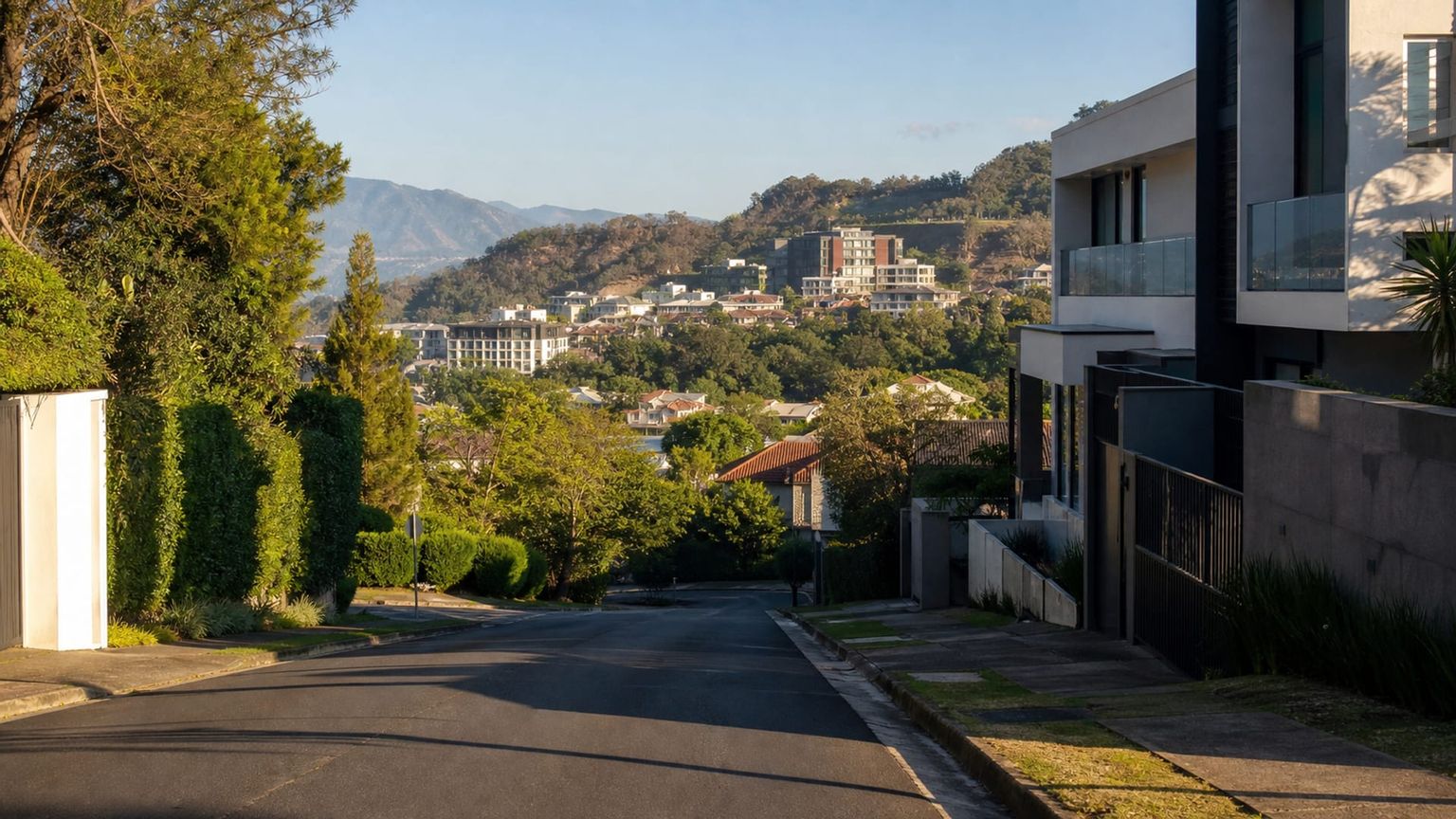
West of central San José, Escazú is an upscale residential and commercial district with shopping centers, restaurants, and many business hotels. It matters because it gives you easy access to the city while keeping you close to dining, malls, and the route to Santa Ana.
Best for: Business trips, dining, and travelers who prefer modern hotels
What to expect: Busy roads, shopping traffic, and a polished suburban atmosphere with steady activity in malls and restaurant zones.
Hotel prices: Usually about $120 to $260 per night for well-rated stays
Distance to major sights: About 15 to 25 minutes by car to National Theatre and Plaza de la Cultura
Quietness: Quieter at night than in the daytime, when traffic and shopping areas stay active.
Main trade-off: You will be farther from the historic core, so taxis or rideshares add time and cost for evening outings.
Good to know: If you plan to explore central San José after dark, check return transport before booking because traffic can make late rides slower.
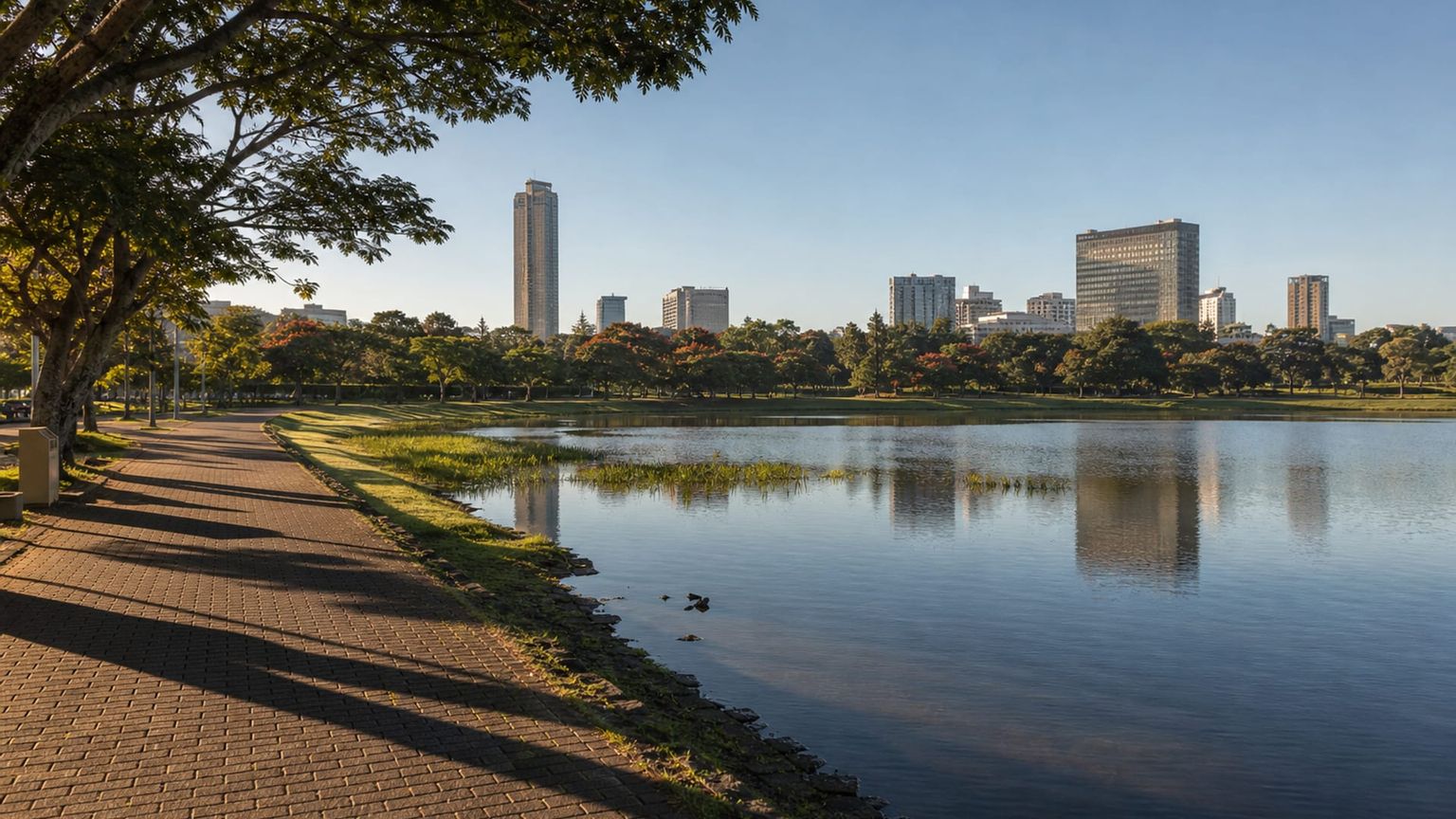
La Sabana sits just west of the center, anchored by La Sabana Metropolitan Park and ringed by hotels, offices, and apartment towers. It works well as a base for short stays because it puts you near the main museums, the stadium, and the city center.
Best for: Museum visits, park access, and travelers who want easy central connections
What to expect: A mix of commuters, hotel guests, and joggers during the day, then a quieter residential feel after business hours.
Hotel prices: Usually about $90 to $200 per night for well-rated stays
Distance to major sights: About 10 to 20 minutes on foot to the National Museum and about 20 minutes by transit to the National Theatre
Quietness: Livelier in daylight near the park and offices, calmer in the evening.
Main trade-off: Restaurant choice is thinner than in Escazú or Barrio Escalante, so you may rely more on taxis for dinner.
Good to know: Large events at the stadium can fill nearby streets, so check the calendar if you want to avoid traffic and noise.
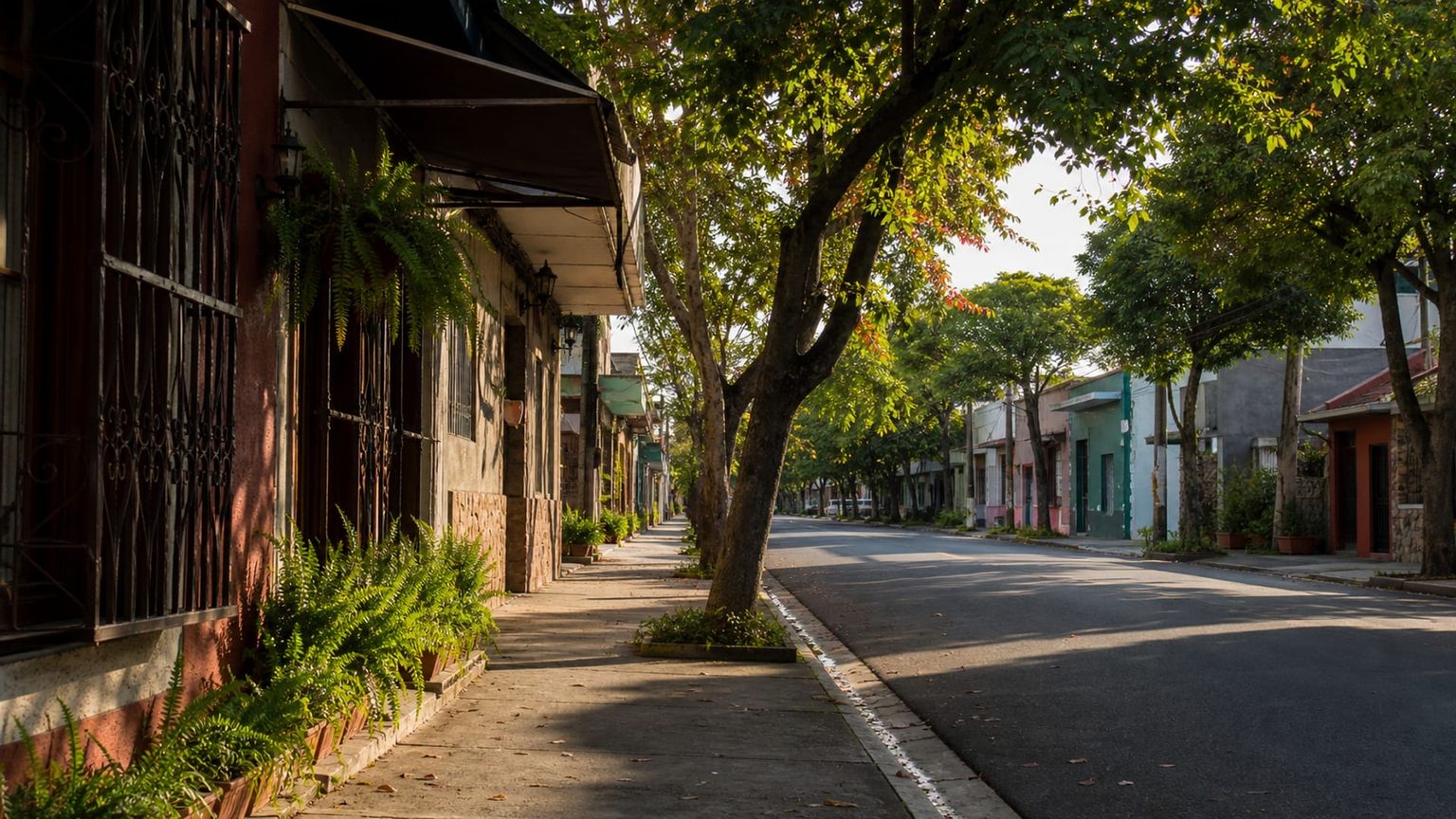
Barrio Escalante is a central east-side neighborhood known for restaurants, cafes, and small hotels near the city core. It matters for travelers who want an easy walk to dining and a simple ride to downtown museums, theaters, and the main squares.
Best for: Dining-focused stays, nightlife, and walkable evenings
What to expect: Active sidewalks, restaurant patios, and a younger crowd in the evening, with less traffic than the main avenues nearby.
Hotel prices: Usually about $100 to $220 per night for well-rated stays
Distance to major sights: About 15 to 25 minutes on foot to Plaza de la Cultura and the National Theatre
Quietness: Busy and social at night, quieter in the morning before lunch service starts.
Main trade-off: Rooms near the restaurant strip can pick up late noise, especially on weekends.
Good to know: If sleep matters, ask for a room away from the street or choose a property a block or two off the main dining strip.
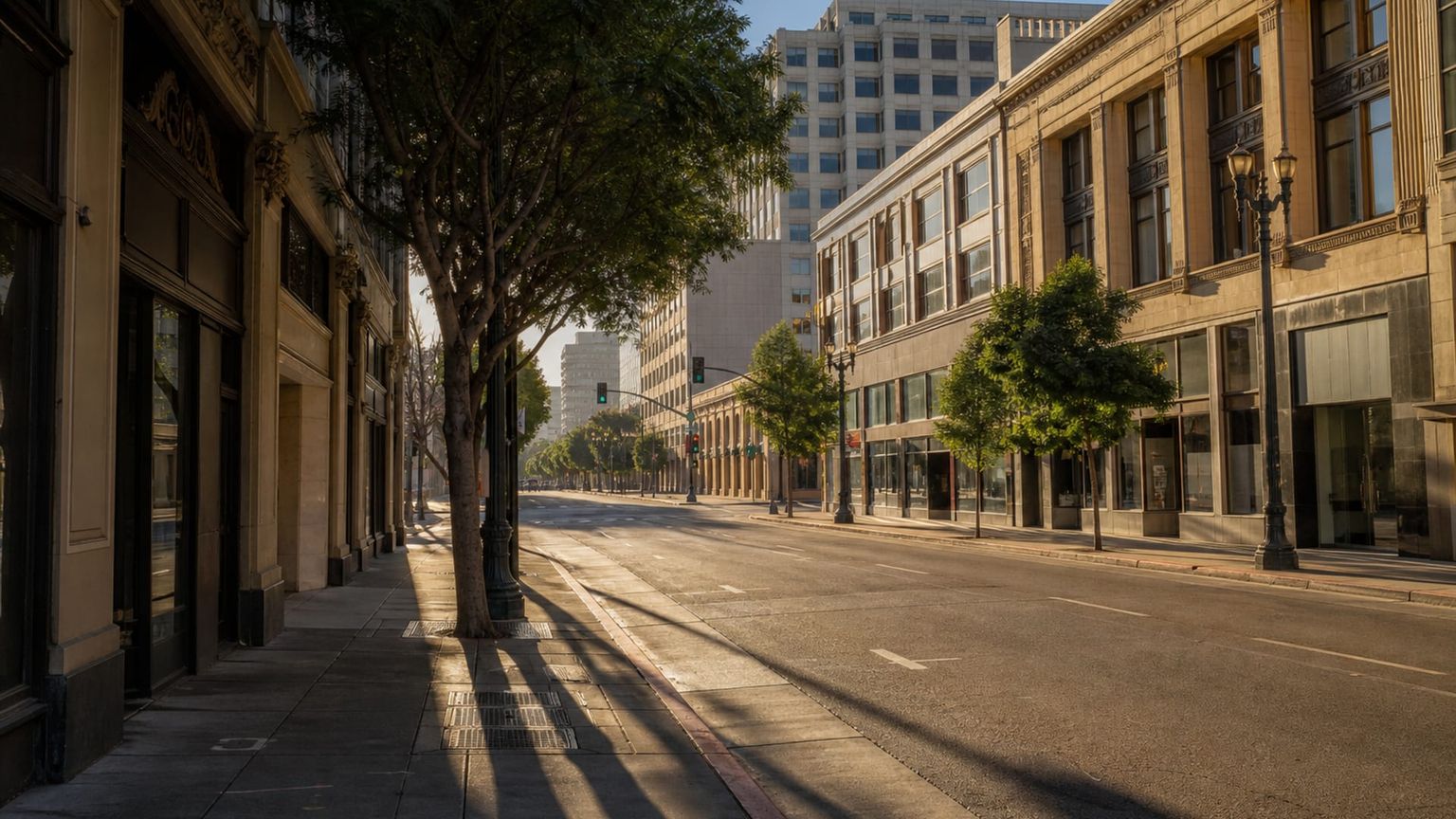
Downtown San José, centered on the blocks around Plaza de la Cultura, the National Theatre, and the central market, puts you in the middle of the capital’s main sights. It matters because you can walk to museums, plazas, and transit without depending on long cross-town rides.
Best for: First-time visits, sightseeing, and travelers who want the shortest trips to major landmarks
What to expect: Crowded sidewalks, bus traffic, street vendors, and the most constant city activity in San José.
Hotel prices: Usually about $80 to $180 per night for well-rated stays
Distance to major sights: On foot to Plaza de la Cultura, National Theatre, and Central Market
Quietness: Noisy and busy by day, much calmer after offices and shops close.
Main trade-off: The area is the least relaxed at night, and some blocks feel empty once commercial activity winds down.
Good to know: Plan evening meals before you return, because late openings are limited and some streets feel sparse after dark.
Travelers usually avoid staying in Pavas, Uruca, and much of Alajuelita, since these areas sit well away from San José’s main museums, central hotels, and dining clusters, so evening trips back usually take longer. Parts of Curridabat and San Pedro can also be less convenient if you want to walk to the historic center, because they are farther east and work better for local errands than for sightseeing.
Hotel deals
How to get around San José efficiently
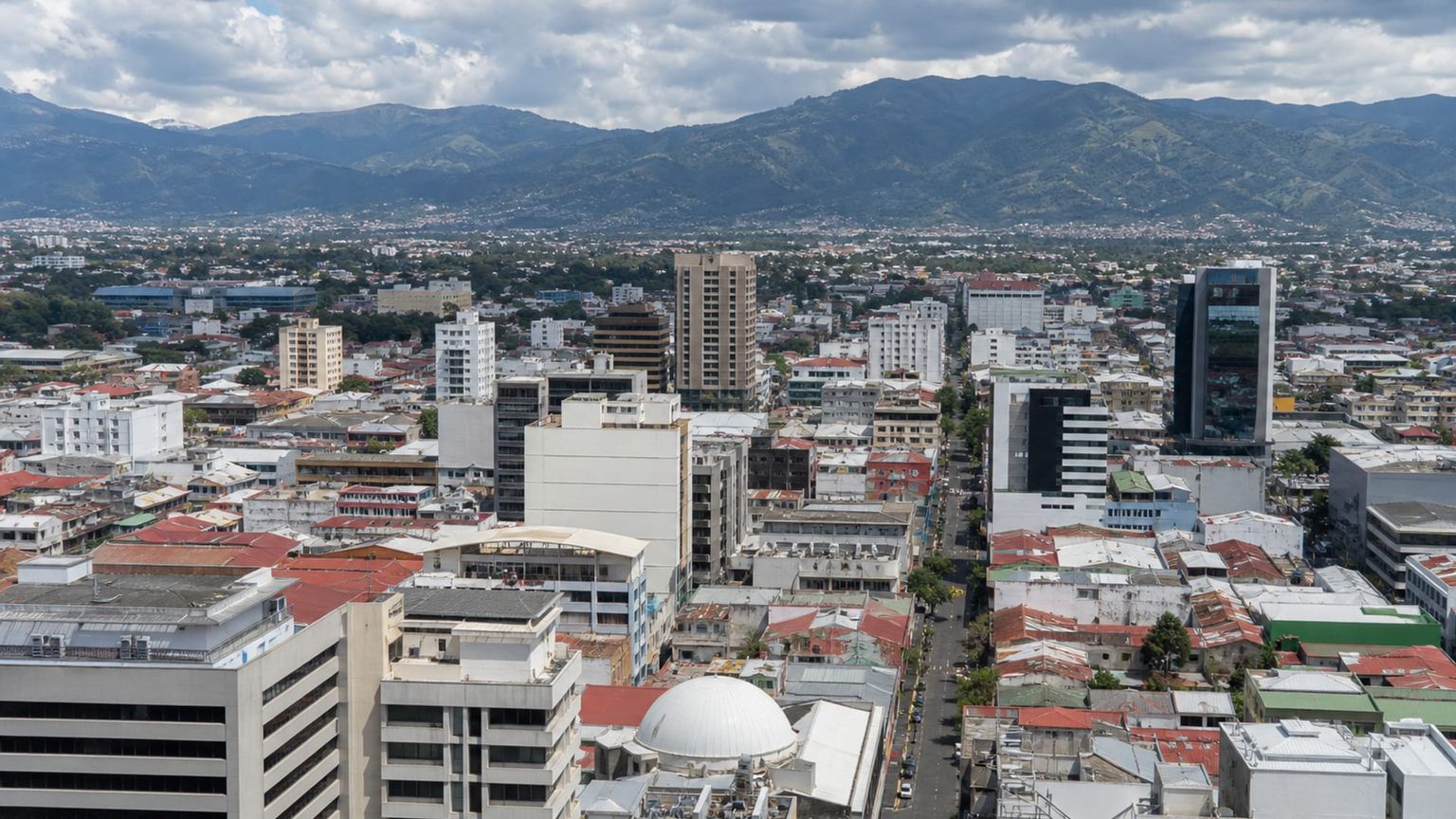
San José has no metro, so most visitors move between neighborhoods by taxi, rideshare, or bus, then walk the last blocks in the center.

Metro
for longer distances
San José has no metro system. The closest equivalent is the suburban bus network, which handles most trips, while rail is limited and does not serve the airport area directly.

Bus and tram
for convenience
Bus links from San José Juan Santamaría Airport (SJO) to the city run on the route toward Alajuela and San José, with fares of about $1 ($550) to $2 ($1,100) and trip times of roughly 30 to 60 minutes, depending on traffic. Buses usually take cash in colones, and schedules can be irregular, so check the stop location before boarding.

Taxi
for convenience or late hours
Licensed airport taxis use regulated fares rather than a meter for many common trips, with red taxis and airport-arranged orange taxis serving the terminal. Expect about $25 to $35 to central San José, about $5 to $10 to Alajuela, and roughly $55 to $70 for longer cross-city trips; most drivers accept cash, and some take cards, but you should confirm before departure.
*Prices are based on rates updated as of June 2026 and may change at the time of travel.
Buses work best for short budgets and simple airport links, taxis and rideshares suit late returns or cross-town hops, and walking pays off once you are already in Downtown San José.
Iconic landmarks
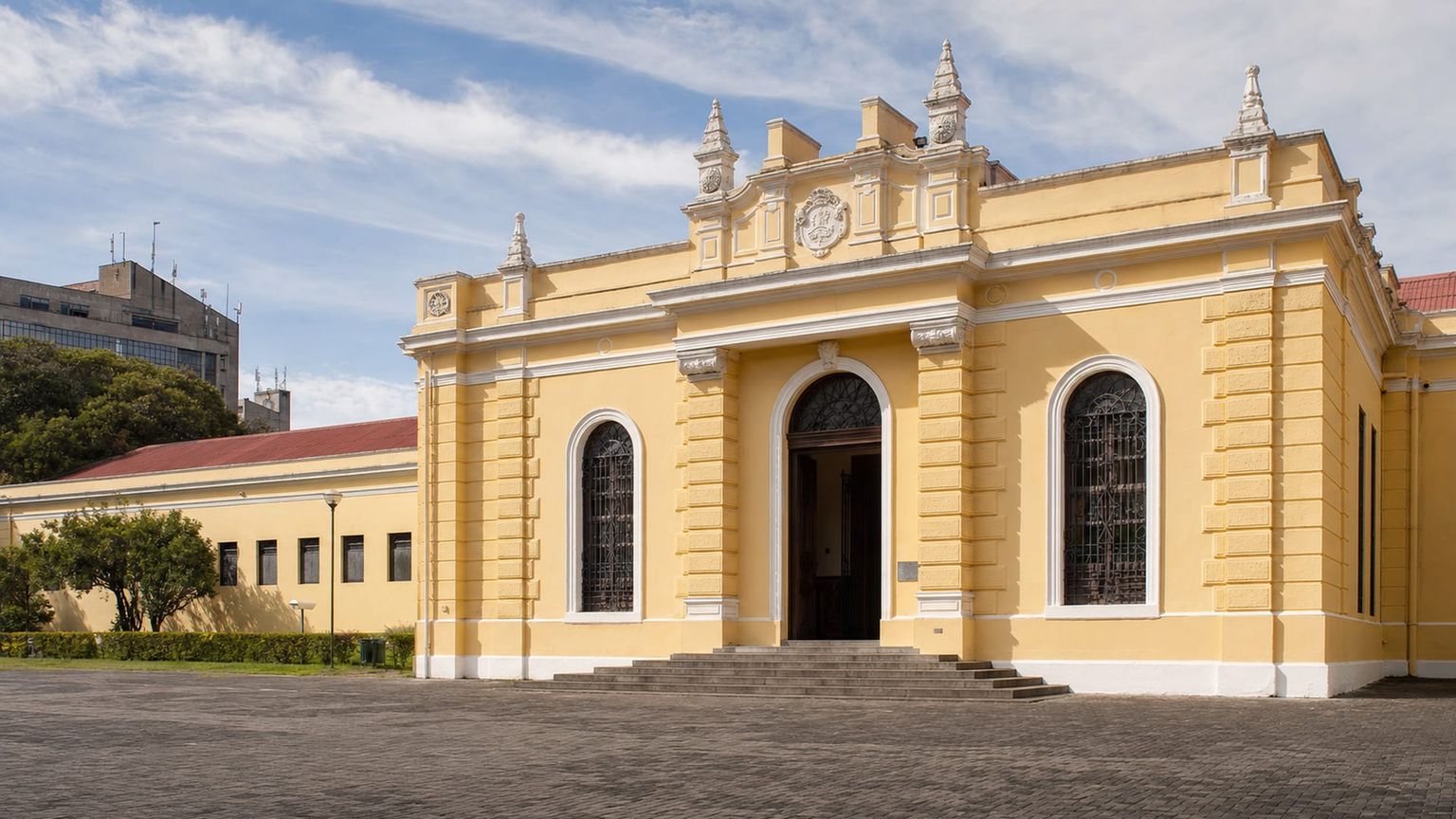
National Museum of Costa Rica
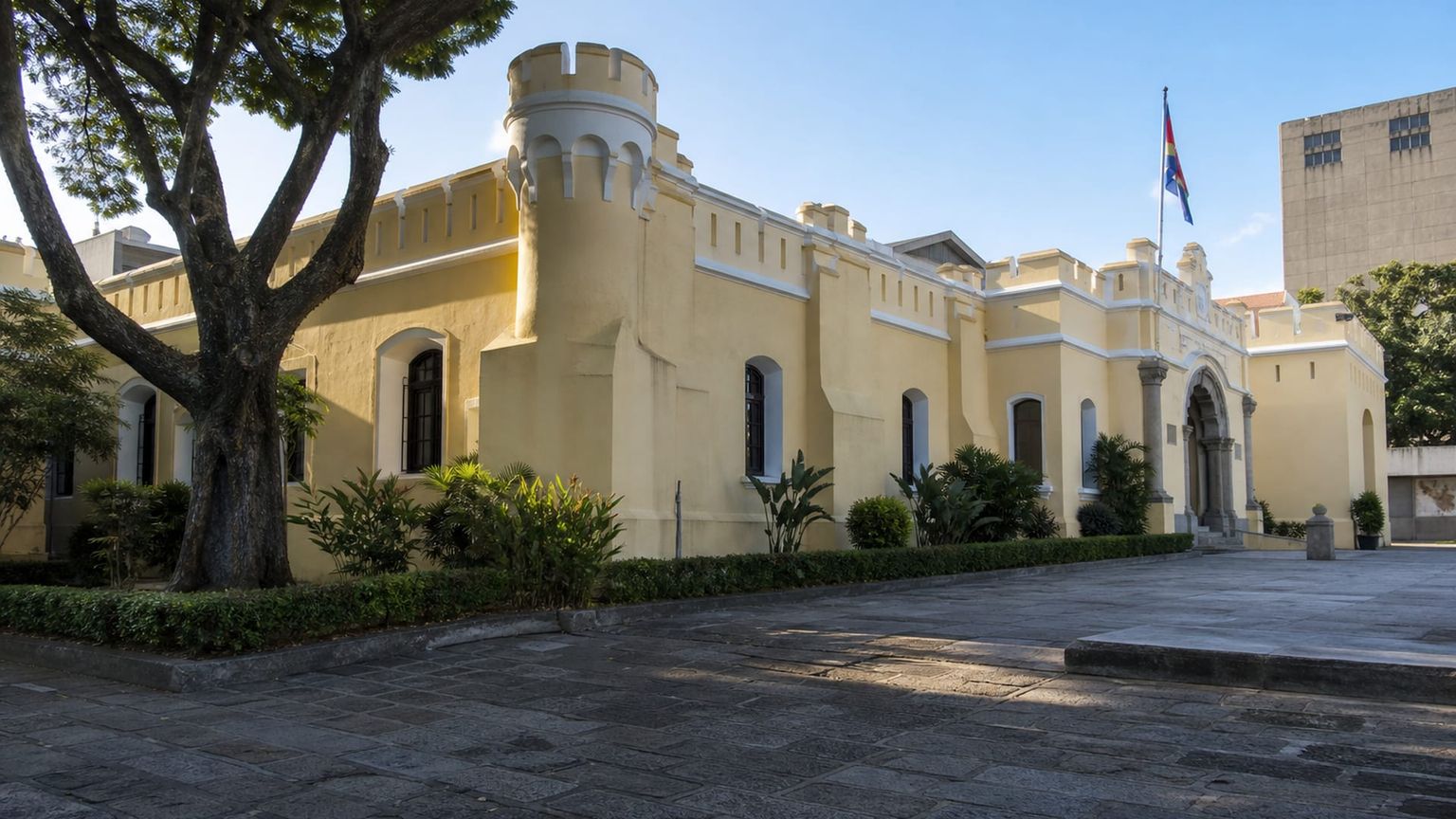
Housed in the former Bellavista Barracks, this museum traces Costa Rica from pre-Columbian culture to the modern republic. The bullet-marked exterior and butterfly-filled inner courtyard add a vivid architectural stop in central San José.
Time needed: About 2 to 3 hours
Entry: Tickets cost about $11 ($5,500) for adults; discounts apply for students, seniors, and children, with some categories admitted free. Visit the official site for details.
Tip: Go early on a weekday, then pair the visit with the nearby Plaza de la Democracia.
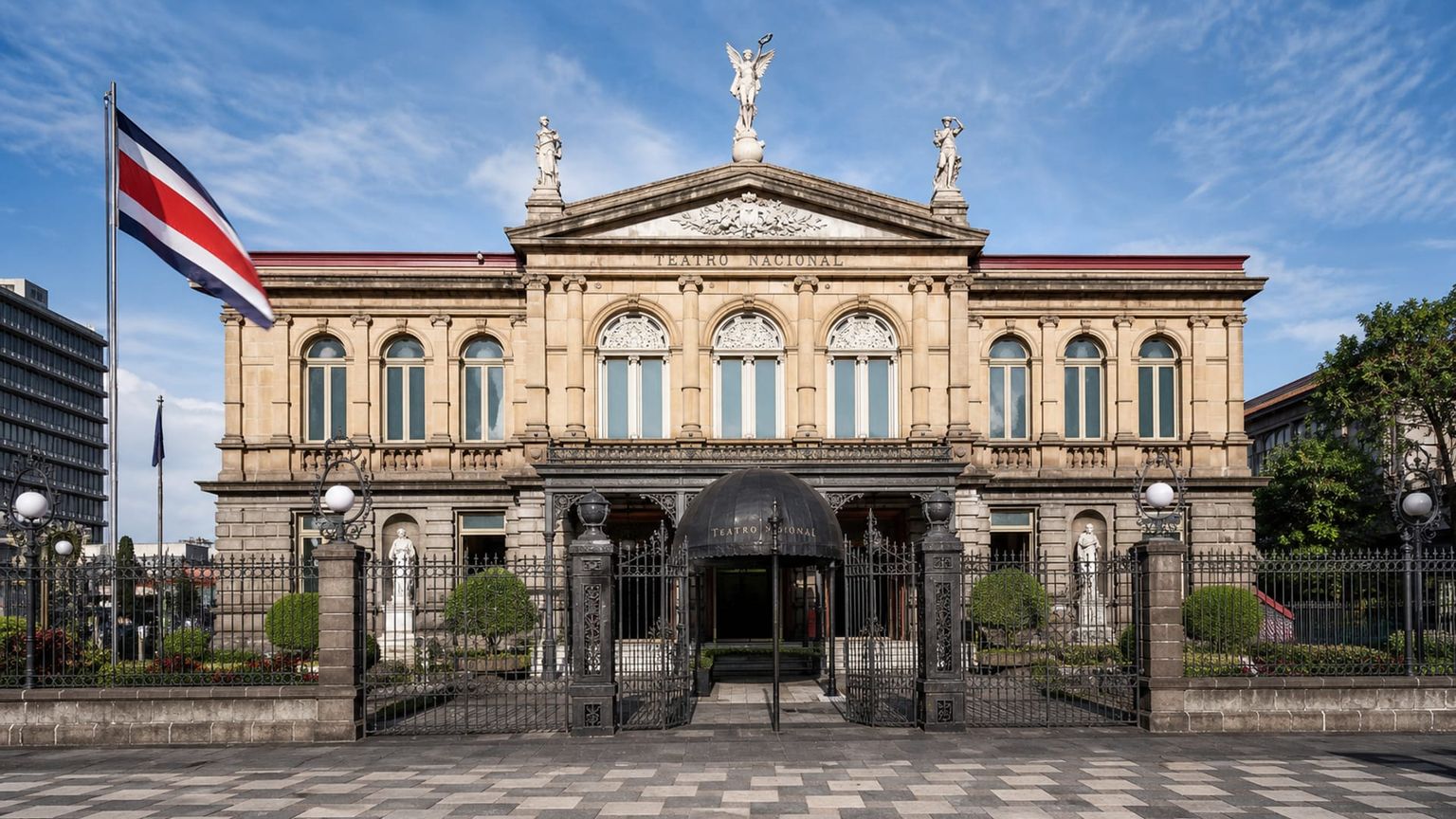
National Theater of Costa Rica
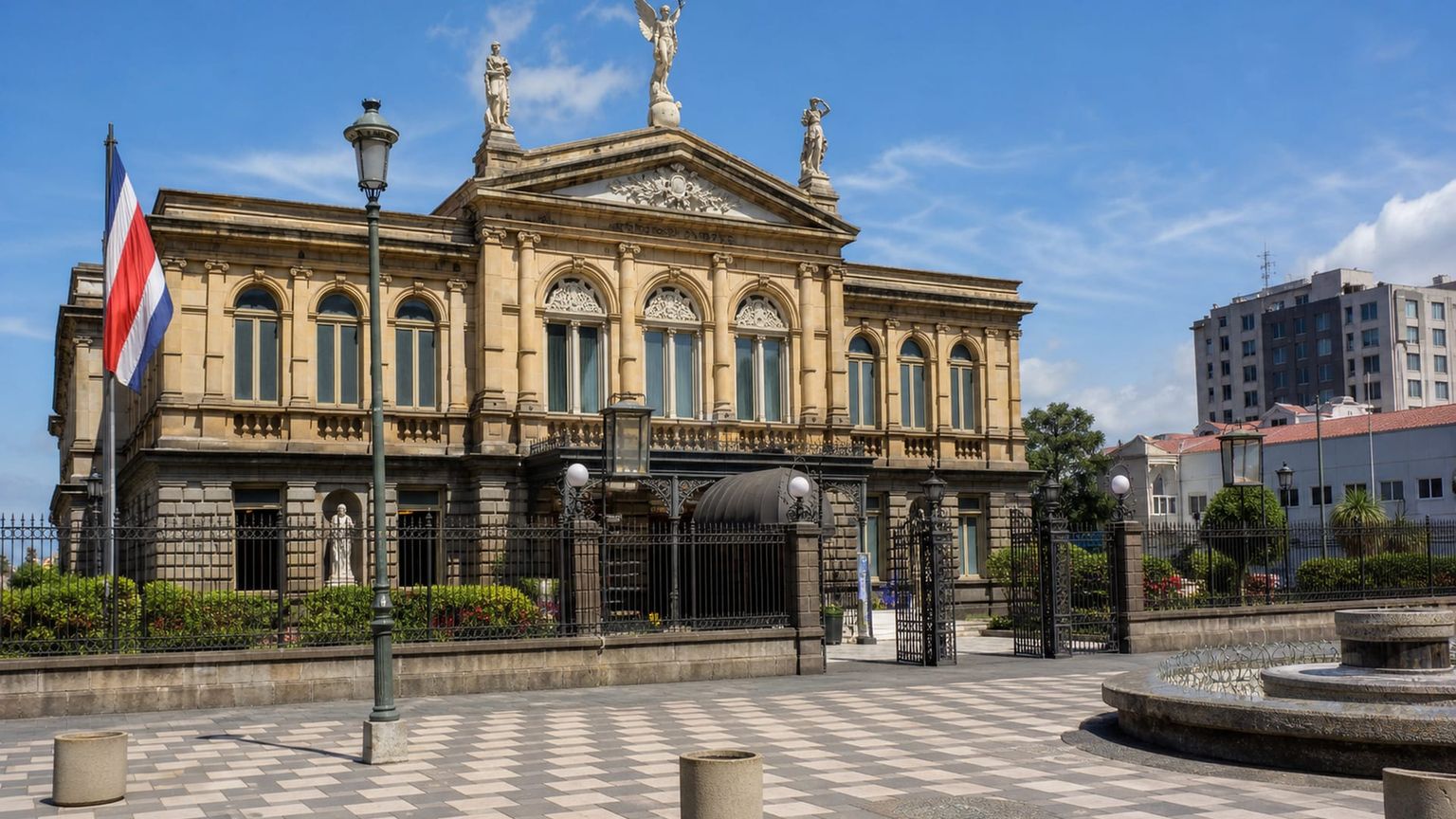
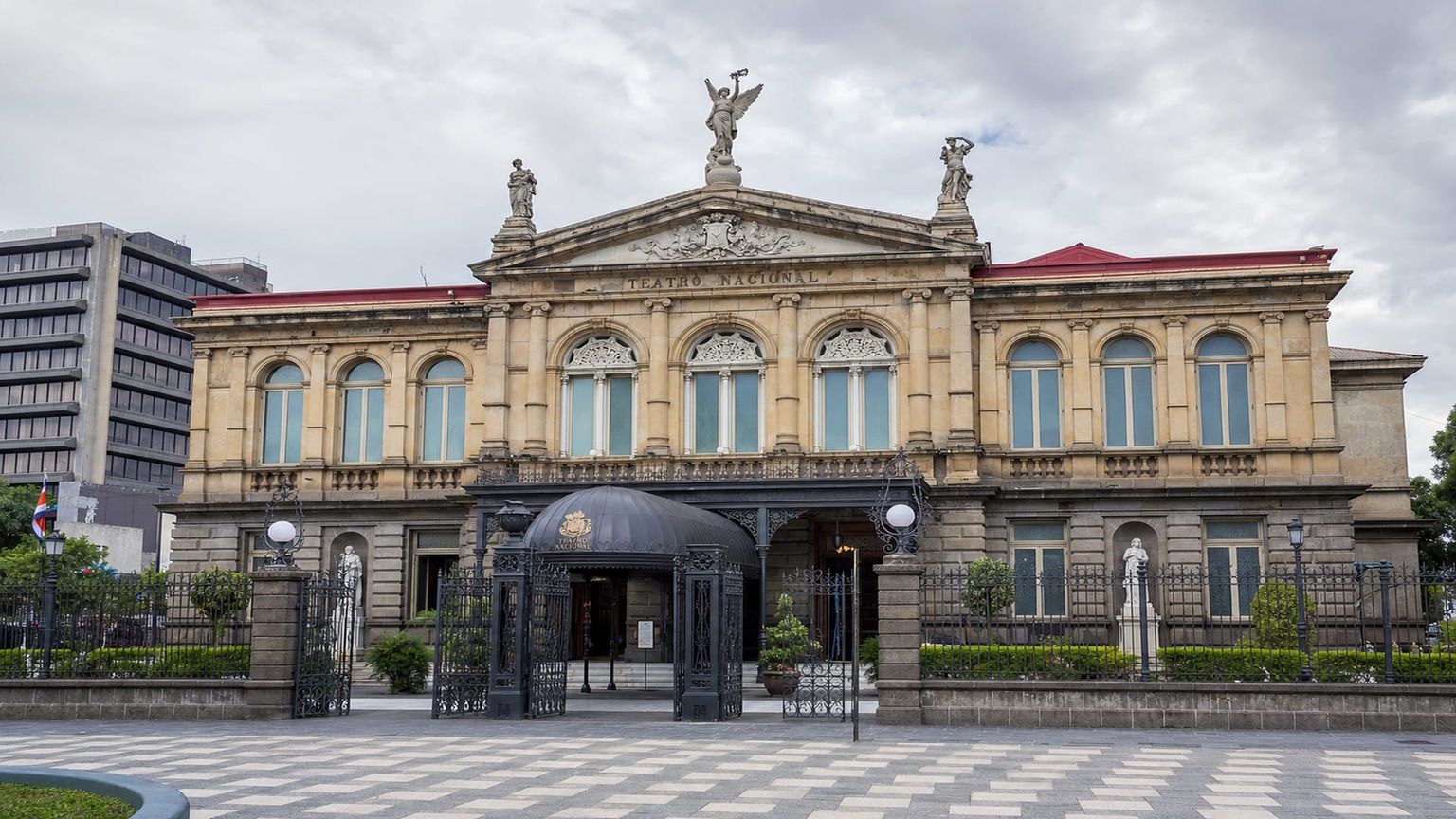
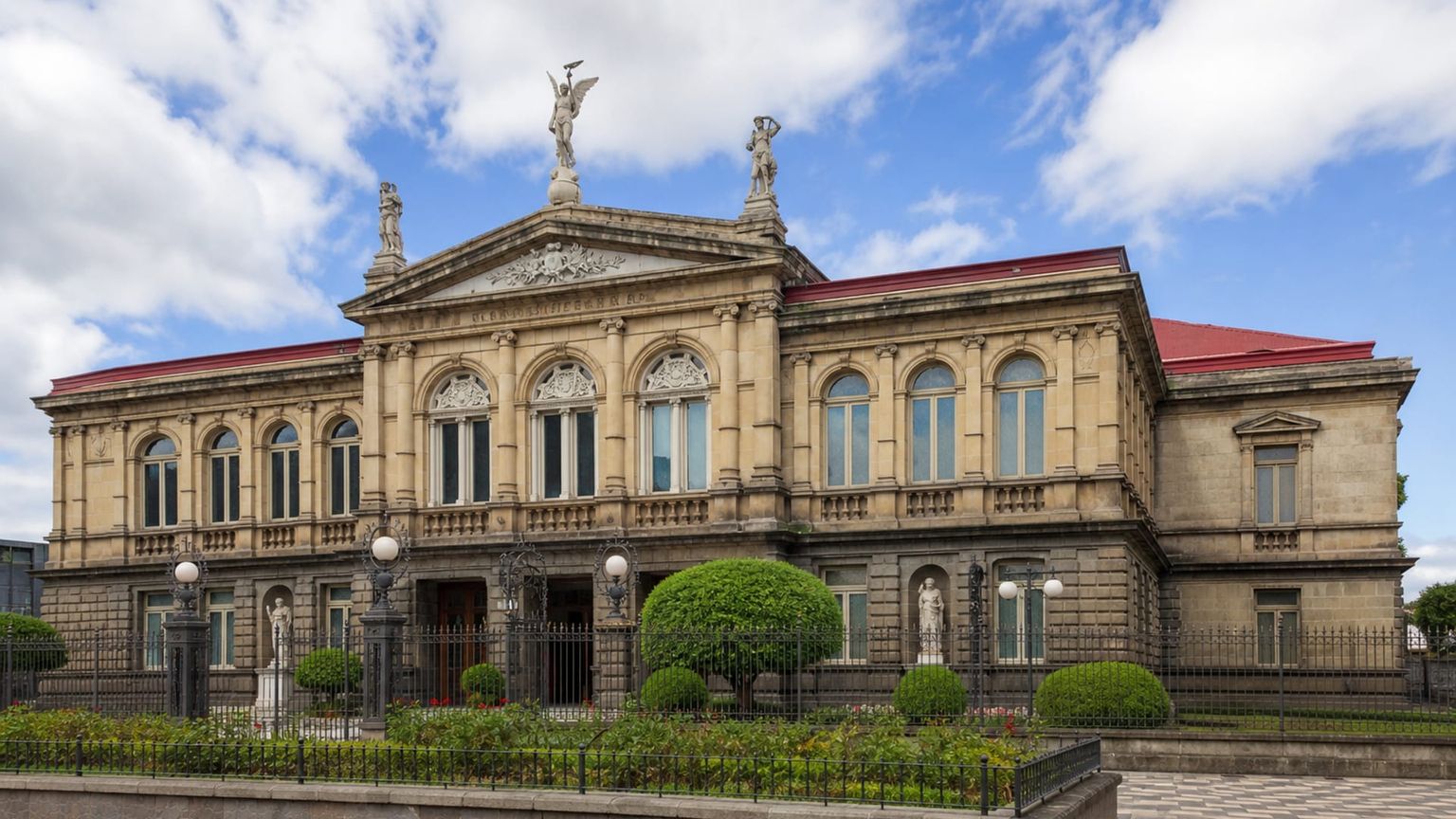
Opened in 1897, the National Theater anchors downtown with marble staircases, painted ceilings, and gilt detailing funded by the coffee boom. Even a short visit reveals the foyer, auditorium, and the sculpture-lined entrance square.
Time needed: About 1 to 2 hours
Entry: Guided tours and performances cost about $12 to $30 ($6,000 to 15,000), depending on the program, seat, and age category. Visit the official site for details.
Tip: Visit in the morning for tour access, then return after dark for the lit facade.
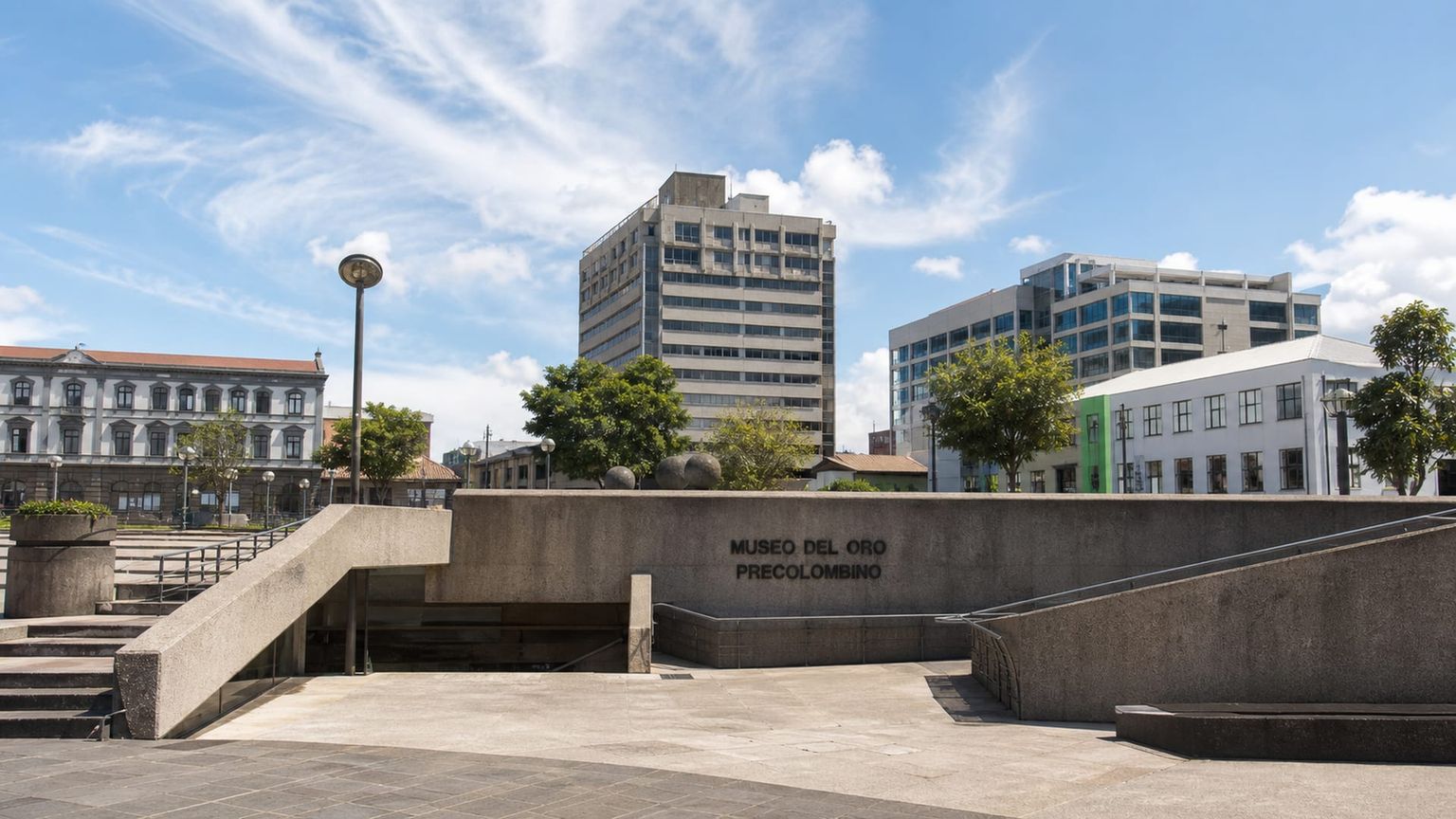
Pre-Columbian Gold Museum
Below Plaza de la Cultura, this underground museum displays one of the region’s strongest pre-Columbian gold collections, plus jade, ceramics, and burial objects. Its layout follows the old plaza level, which gives each gallery a clear historical context.
Time needed: About 1 to 2 hours
Entry: Admission costs about $10 ($5,000) for adults; reduced rates are available for students, children, and some resident categories. Visit the official site for details.
Tip: Combine it with the National Theater, since both sit under Plaza de la Cultura.
Overlooked sites worth visiting

Parque Metropolitano La Sabana
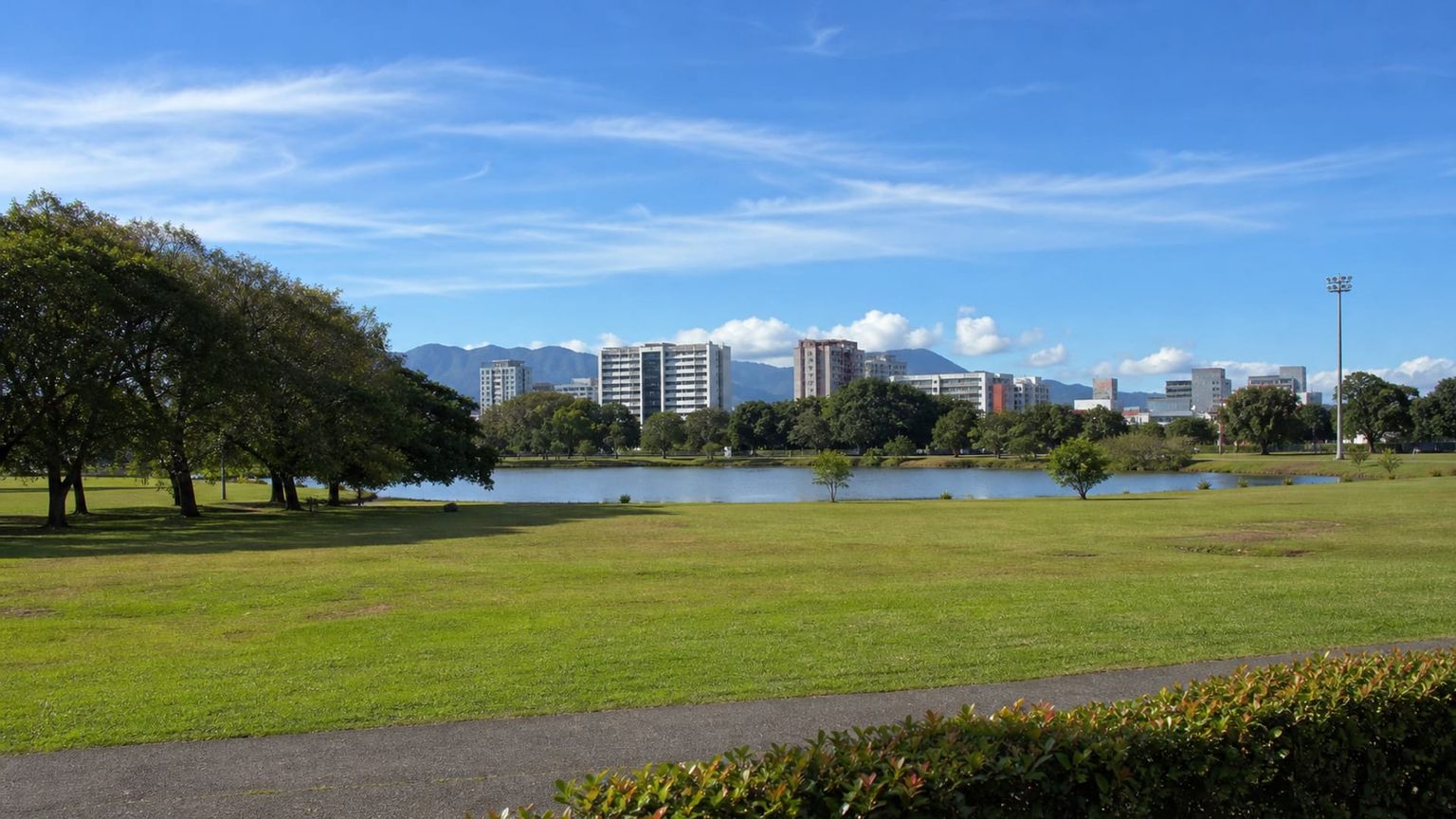
San José’s largest urban park has a lake loop, baseball fields, and long paths used by joggers and cyclists. Weekday mornings bring the quietest pace and the best light on the water.
Time needed: About 1 to 2 hours
Entry: Free to access
Tip: Go before 9:00 am for cooler air and lighter foot traffic.

National Museum of Costa Rica
Housed in a former fortress, this museum pairs pre-Columbian stone spheres, colonial history, and butterfly-filled courtyards. The compact layout makes it easy to see in a short visit.
Time needed: About 1 to 1.5 hours
Entry: Admission costs $11 ($5,500) for adults; students, seniors, and children may qualify for reduced rates, with occasional free entry days announced by the museum. Visit the official site for details.
Tip: Check the current exhibit schedule before you go.
Traditional food
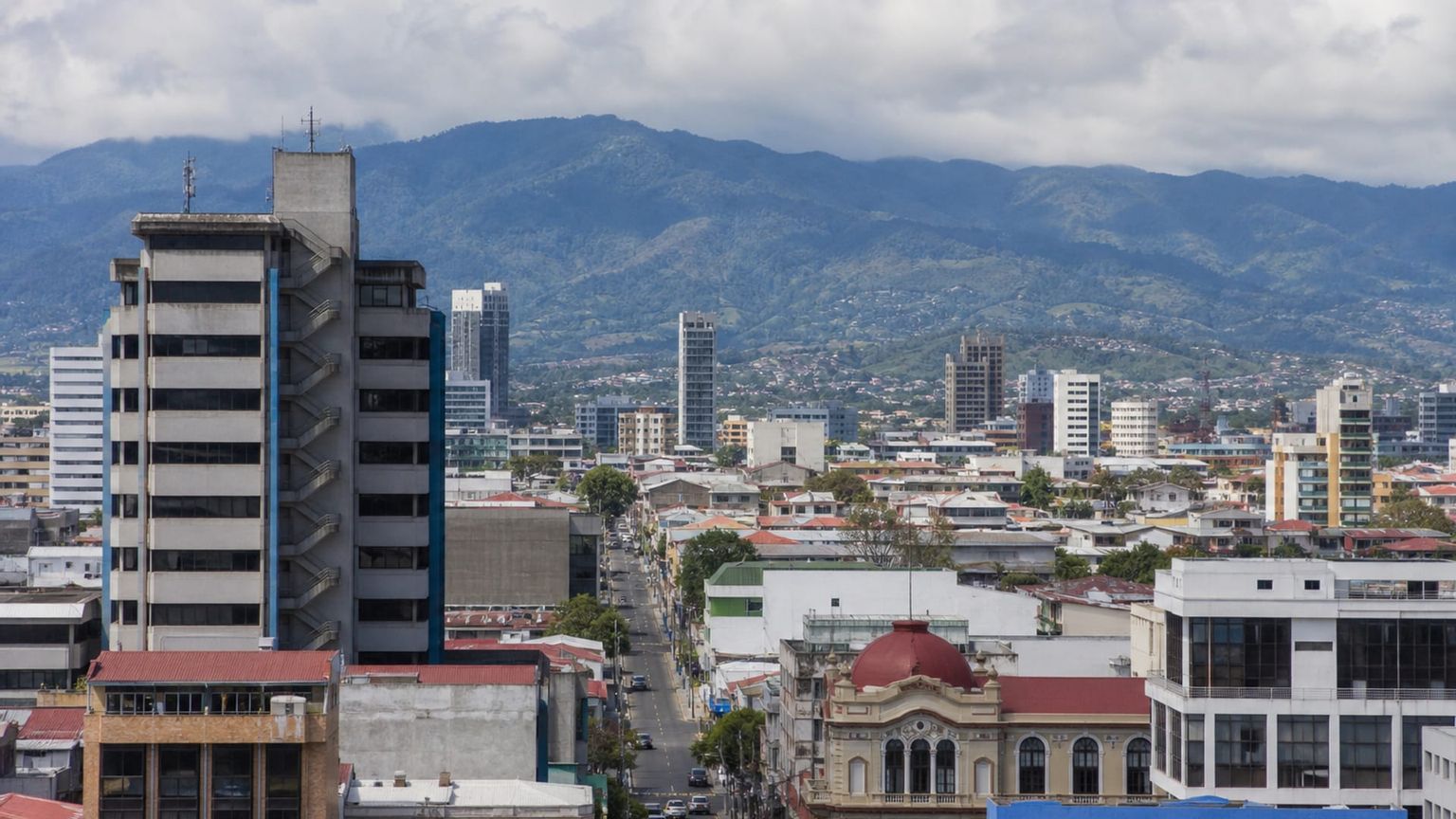
San José cooking leans on rice, beans, corn, plantains, and bright citrus, with gallo pinto, casado, olla de carne, and ceviche anchoring many menus. Cafés and soda counters keep meals casual, filling, and rooted in daily routines.
Gallo pinto
This rice-and-beans breakfast staple often comes with eggs, cheese, plantains, and sour cream. For a classic plate in central San José, Soda Tapia is a longtime reference point.
Casado
A casado brings rice, beans, salad, plantains, and a main protein to the table, usually in a generous lunch plate. Grano de Oro Restaurant serves a well-regarded version in San José.
Olla de carne
This beef-and-vegetable soup usually arrives as a filling midday meal, with root vegetables and a broth that carries the flavor of the pot. Restaurante Nuestra Tierra is a solid San José stop for it.
Ceviche
Costa Rican ceviche uses citrus, herbs, and a clean, bright seasoning profile, often with fish or shrimp and crisp accompaniments. Tin Jo in San José is a dependable place to order it alongside a broader menu.
Best time to visit San José
San José sits between two distinct seasons, so timing matters less for dramatic weather changes than for rainfall, humidity, and how often you will want to build in indoor stops.
Best for: Dry season walks, clearer sightseeing days, and easier day planning
What you get: About 63 to 80°F (17 to 27°C), with the most comfortable crowds and the least rain
Trade-offs: Popular hotels and flights can price higher during holiday travel
Best for: Museum days, urban parks, and mixed indoor and outdoor plans
What you get: About 65 to 84°F (18 to 29°C), with moderate crowds and the first stronger showers late in the season
Trade-offs: Afternoon rain becomes more common as May approaches
Best for: Greener parks and slower sightseeing pace between showers
What you get: About 63 to 79°F (17 to 26°C), with lighter crowds on many weekdays and frequent rain
Trade-offs: You will need more backup indoor stops and flexible timing
Best for: Museum-focused trips and lower hotel demand outside holiday periods
What you get: About 63 to 79°F (17 to 26°C), with some of the wettest weather and thinner crowds
Trade-offs: Heavy rain can cut into afternoon walking plans
A realistic 5-day plan in San José
The five-day plan follows the city’s geography rather than forcing long cross-town loops. It starts with arrival and recovery, then moves through La Sabana, the downtown museum core, Escazú, and one last central stop before departure.
Touch down at San José (SJO), then take a taxi or rideshare into La Sabana or Downtown San José, roughly 20 to 35 minutes depending on traffic, for about $18 to $30. If you want more restaurant options tonight, Barrio Escalante works well too, usually about 25 to 40 minutes from the airport. Settle in, drink plenty of water after the flight, and keep dinner simple with a café meal or a low-key casado near your hotel before an early night.
Start on a weekday morning at Parque Metropolitano La Sabana, which is free to enter and usually about a 10-minute ride from La Sabana hotels. Spend about 1 to 2 hours walking the lake loop and paths, then continue about 10 to 15 minutes by taxi to the National Museum of Costa Rica for a deeper look at pre-Columbian stone spheres, colonial history, and the butterfly courtyard. From there, walk or ride about 10 minutes to Plaza de la Democracia, then finish downtown at the Pre-Columbian Gold Museum under Plaza de la Cultura, about 5 minutes away on foot; pair it with coffee or an early lunch in the center before heading back.
Begin with the National Theater of Costa Rica, where a guided visit or performance takes about 1 to 2 hours and tickets usually cost about $12 to $30 ($6,000 to 15,000). Walk about 5 minutes to the Pre-Columbian Gold Museum, then continue another 5 to 10 minutes to Plaza de la Cultura for a pause above the underground galleries. After lunch nearby, ride about 10 to 15 minutes to the National Museum of Costa Rica if you did not visit it on day 2, or stay in the core and spend the afternoon browsing the central market area and the surrounding downtown blocks before dinner in Barrio Escalante, about 10 to 15 minutes away by taxi.
In the morning, head west to Escazú, about 15 to 25 minutes from downtown, and spend the day between shopping centers, café stops, and an easy lunch in one of the district’s restaurant strips. If you want a second anchor, return toward the center and end with a relaxed walk through La Sabana Metropolitan Park, about 15 minutes back by car, when the light is softer and the paths are quieter. This pairing gives you a calmer final full day, with less time spent crossing the city and more time for a long meal or a slow coffee break.
Before you head to the airport, fit in one last downtown stop at the National Theater of Costa Rica if you missed it earlier, or return for a final look at the lit facade and the square in front of Plaza de la Cultura. Then shift to Barrio Escalante for brunch or an afternoon coffee, where the cafés make an easy last pause before departure. If you still have shopping time, Escazú’s malls offer the most concentrated option for souvenirs and last-minute essentials, and both Escazú and the center sit within roughly 20 to 35 minutes of San José (SJO) by car, so you can time the transfer without feeling rushed.
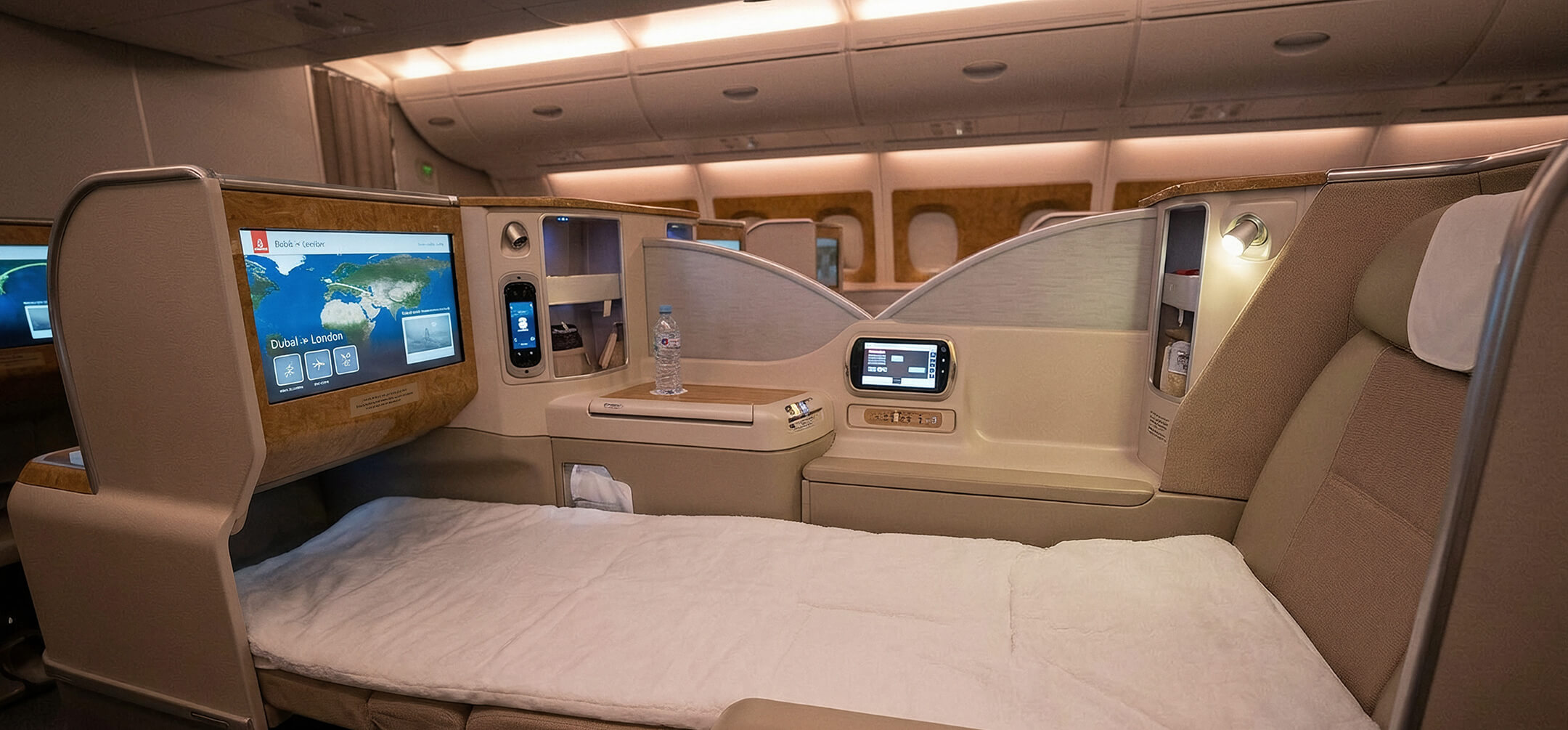
Business-class flights from the US to San José
For transits from New York and Los Angeles, the most useful comparison is not just the price band, but whether you want a nonstop trip or accept a one-stop itinerary through a major hub. The route mix is broad enough that timing often matters as much as fare.
Airlines on this route include American Airlines, Avianca, Delta Air Lines, JetBlue, United Airlines, and Copa Airlines. A nonstop flight takes about 4 to 5 hours, while one-stop itineraries often route through PTY, BOG, MIA, IAH, or ATL and usually take about 7 to 11 hours. Round-trip fares usually start at about $1,200 and can climb to $2,800.
From Los Angeles, American Airlines, Alaska Airlines, Avianca, Delta Air Lines, United Airlines, and Copa Airlines all appear on common itineraries. Nonstop flights take about 6 to 7 hours, and if you choose a one-stop trip via PTY, BOG, MIA, IAH, or DFW, total travel time usually stretches to about 8 to 13 hours. Round-trip fares often fall between $1,000 and $2,500; if you do not mind a layover, the longer route can trim the price.
San José feels different when you slow down
A deliberate San José trip works best when you keep the center close, then branch out only for meals or a single west-side stop in Escazú. That means short rides to La Sabana, unhurried hours in the National Theater and the Pre-Columbian Gold Museum, and evenings that end in Barrio Escalante rather than in traffic. If you want help matching hotels, transit, and museum time, ask the AranGrant experts to shape your San José plan around the neighborhoods that fit your schedule