

Chapters:

Need help with your trip?
Our support team is available 24/7. Request a callback or call us directly at (833) 619-0908
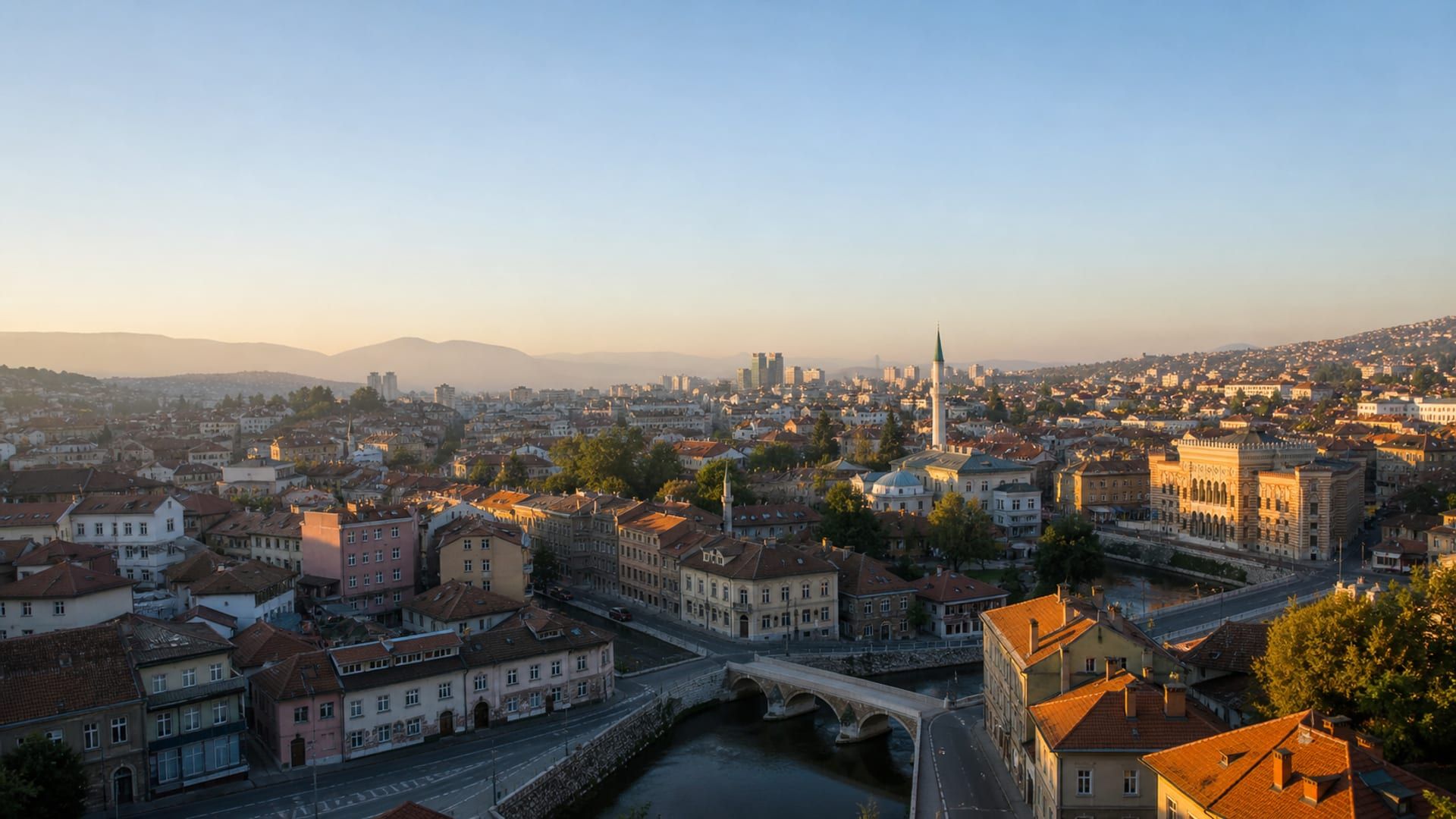
Sarajevo trips often begin in Baščaršija, pause at Latin Bridge, then hurry west to the tunnel museum. That sequence covers the headline sights, but it leaves the city’s hill neighborhoods, tram links, and quieter meal times out of view.
That approach can feel rushed because distances change quickly here, and some of the best stops sit apart from the old bazaar. Crowds gather in the center, traffic builds on main roads, and a loose order wastes time moving back and forth.
This guide sets out a tighter plan, with where to stay, how to cross the city, what to eat, and when each sight fits best. It keeps the days linked to one another so you can move through Sarajevo without backtracking.
Useful things to know
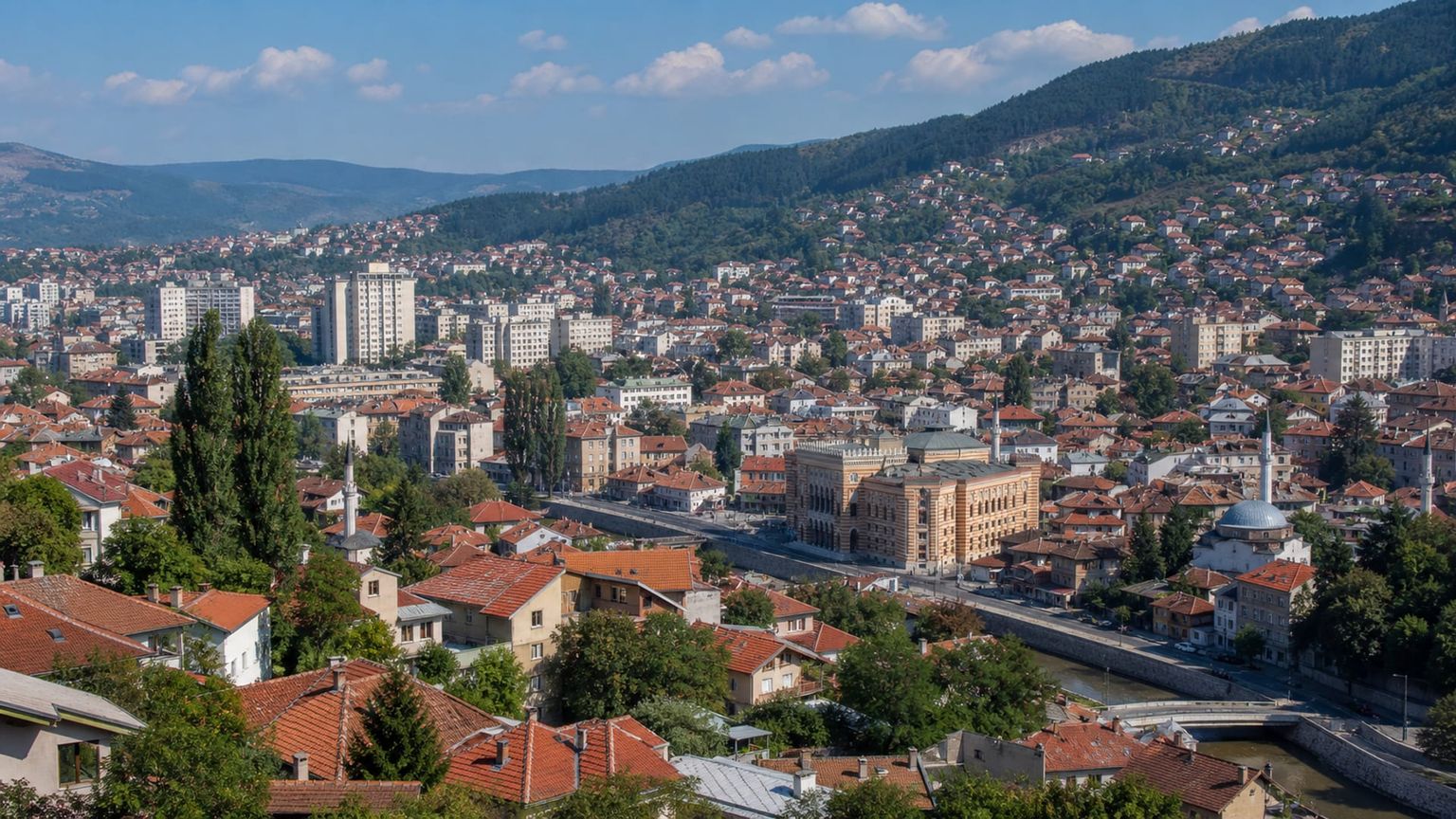

Main language(s): Bosnian, Croatian, Serbian
Dobar dan (DOH-bar dahn) – Hello / good day
Molim (MO-leem) – Please
Hvala (HVAH-lah) – Thank you
Govorite li engleski? (GO-voh-ree-teh lee ENG-lehs-kee) – Do you speak English?
Koliko košta? (KOH-lee-koh KOSH-tah) – How much does it cost?

Currency: The local currency is the Bosnia and Herzegovina mark (BAM, KM).

Cash and cards: Cards and contactless are widely accepted in Sarajevo, but carry about 30 to 50 BAM ($17 to $28) for small cafes and taxis.

Tipping: Round up the bill, or leave 5-10% in restaurants if service was good.

Traditional food: Burek, ćevapi, sarma, bosanski lonac

Water and coffee costs: Water about 2 BAM ($1), bar espresso about 3 BAM ($2).

Taxis and ride apps: Bolt and the local Yellow Taxi app operate here; confirm the fare before starting.

Plug and voltage: Type C/F socket, 230V

Dining and shop opening hours: Breakfast is about 07:00-10:00, lunch about 12:00-15:00, and dinner about 19:00-22:00. Many restaurants close between lunch and dinner, and some cafes stay open later.

Emergency number: 112 for all emergencies, or 122 police, 124 ambulance, 123 fire.
Where to stay in Sarajevo
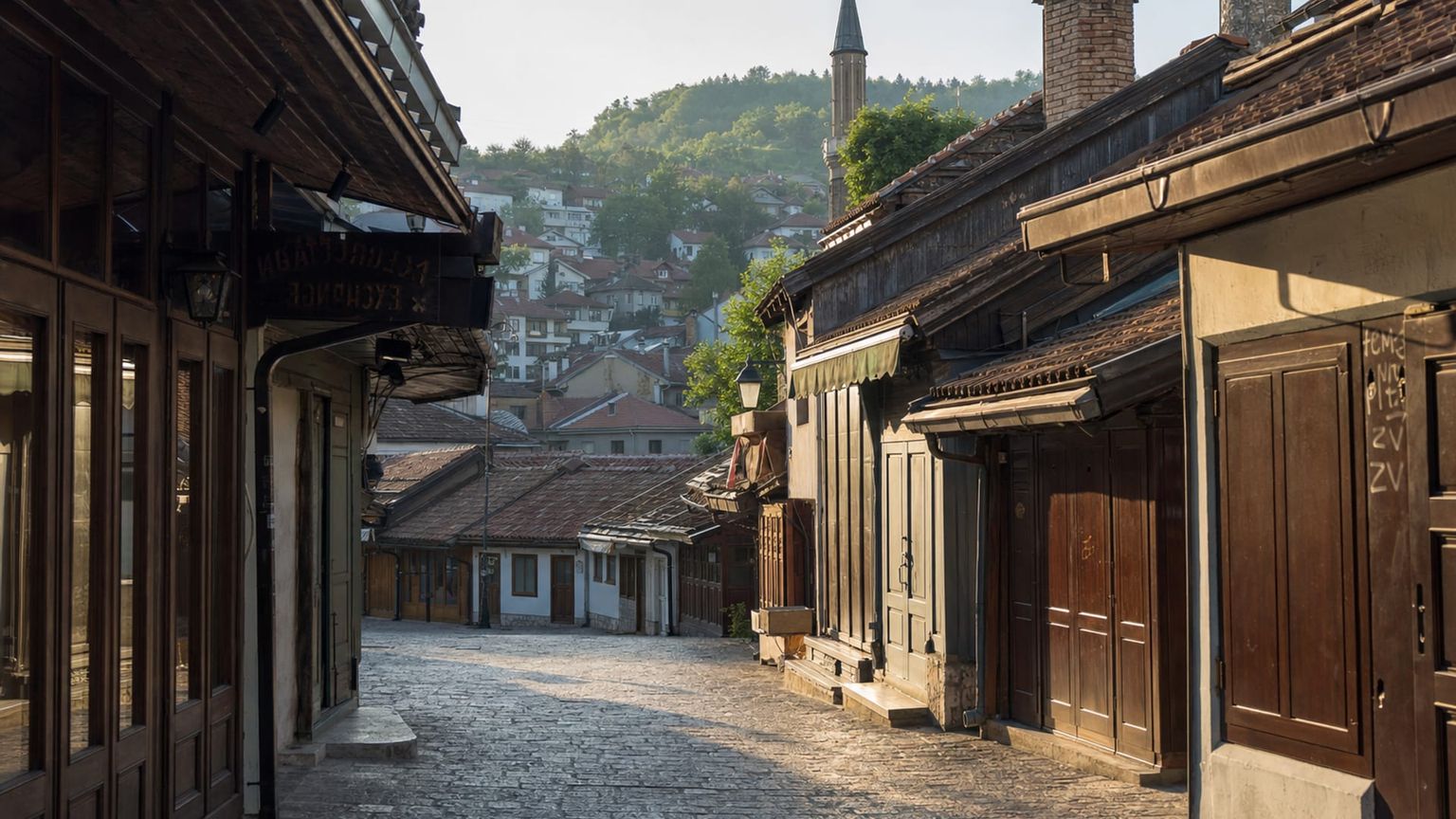
Sarajevo’s old bazaar, lined with Ottoman-era lanes, mosques, coffee houses, and copper workshops. It matters because you can step out into the city’s main historic sights and eat, shop, and wander without needing a transit-heavy plan.
Best for: First-time visits, historic sights, and travelers who want to stay in the oldest part of the city
What to expect: Narrow pedestrian streets, steady daytime foot traffic, and the busiest concentration of visitors in the city center.
Hotel prices: Usually about 90€ to 180€ (~$99 to ~$198) per night for well-rated stays
Distance to major sights: On foot, about 5 minutes to the Gazi Husrev-beg Mosque and about 10 minutes to Sebilj Square
Quietness: Busy through the day, then noticeably calmer late at night once day visitors leave.
Main trade-off: The most central streets can be noisy in the morning, and some rooms sit in older buildings without elevators or generous soundproofing.
Good to know: If you want to walk to dinner and the main sights, pick a side street rather than a room directly on the bazaar lanes.
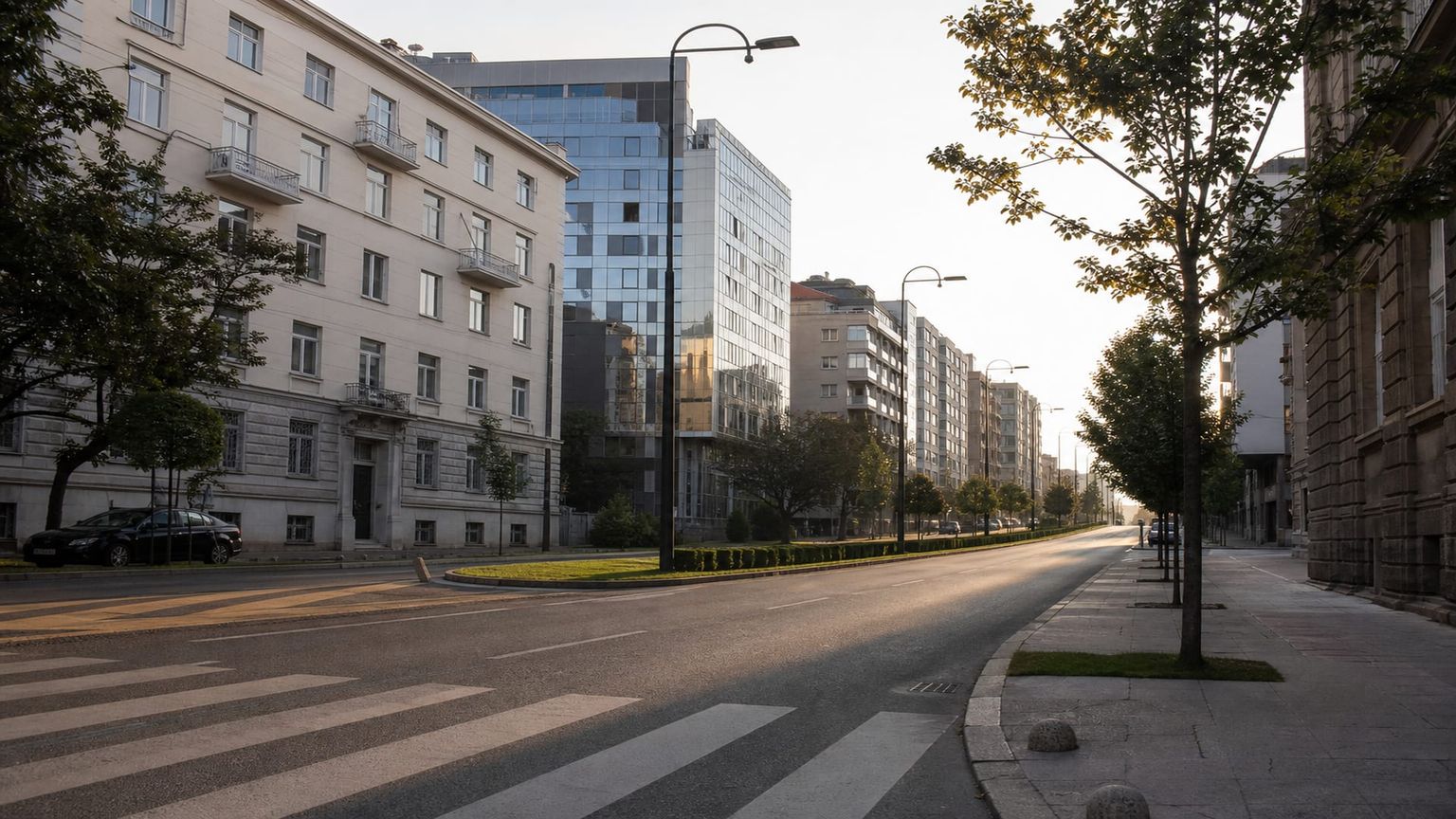
A central business district west of the old town, with embassies, malls, office towers, and a cluster of hotels. It matters because tram lines, shopping, and the national museum put you in a useful middle ground between the historic core and newer Sarajevo.
Best for: Business trips, tram access, and travelers who want an easier split between the old town and newer districts
What to expect: Broad avenues, commuter traffic, and more locals moving through than sightseers after office hours.
Hotel prices: Usually about 80€ to 160€ (~$88 to ~$176) per night for well-rated stays
Distance to major sights: About 15 minutes on foot to the National Museum and about 20 minutes by tram or taxi to Baščaršija
Quietness: Quieter at night than the old town, but traffic stays noticeable during the day.
Main trade-off: You gain easier parking and larger hotels, but you give up the compact, atmospheric streets that many visitors want after dark.
Good to know: Check tram stops before booking, since a room near the main avenues can feel much less convenient if you plan to move around late.
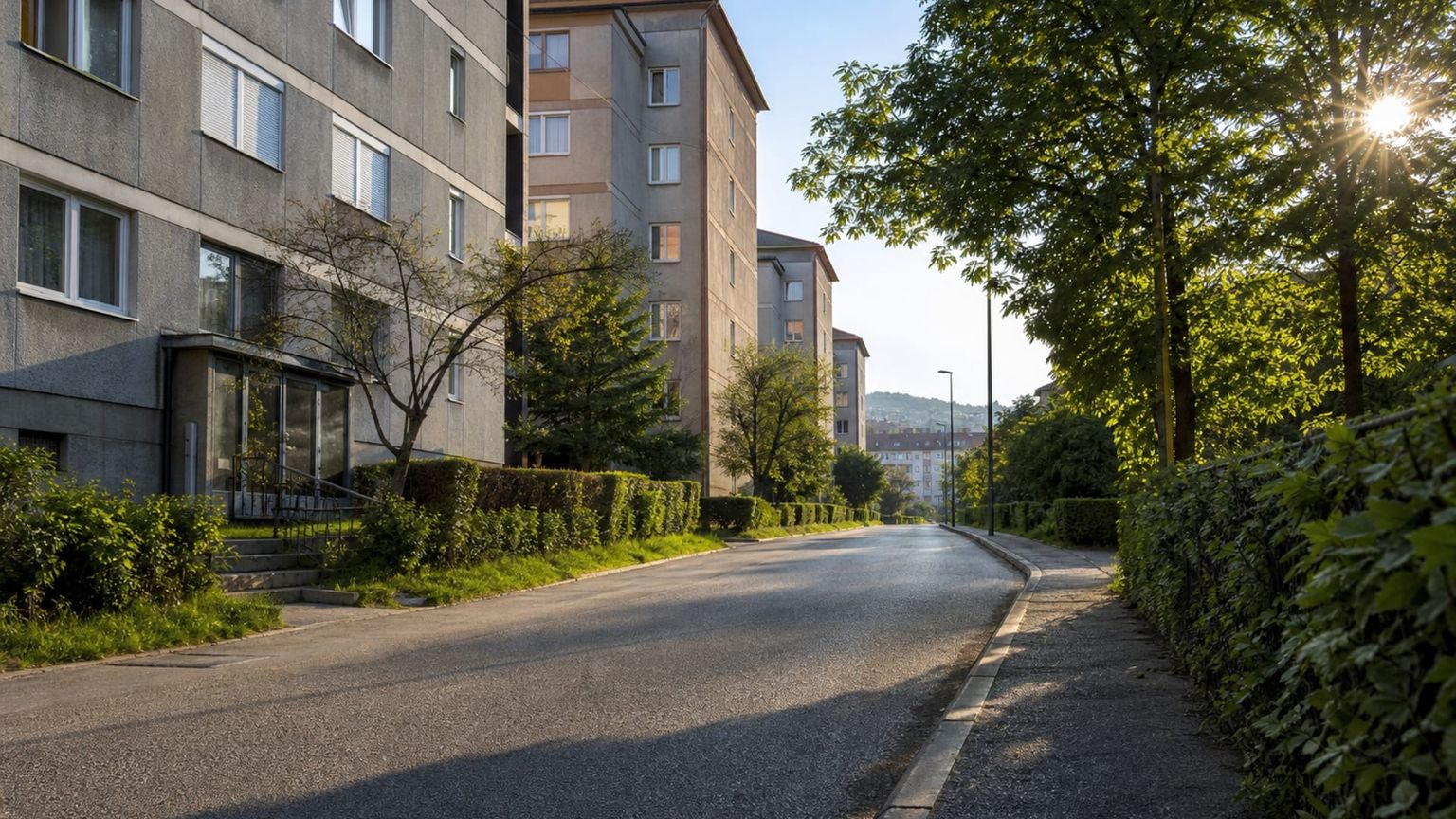
A residential hill neighborhood just north of the center, known for apartment buildings, local markets, and access to the city slopes. It matters because you get a more everyday Sarajevo base while staying close enough to reach the old town and central districts quickly.
Best for: Longer stays, quieter nights, and travelers who want a more local residential setting near the center
What to expect: Apartment blocks, neighborhood shops, and lighter street life than in the tourist core.
Hotel prices: Usually about 60€ to 120€ (~$66 to ~$132) per night for well-rated stays
Distance to major sights: About 20 minutes on foot to Baščaršija and about 10 minutes by taxi to the Latin Bridge
Quietness: Calm in the evening, with more weekday movement during school and commuting hours.
Main trade-off: The hills can make walking back from the center tiring, especially with luggage or after a long day out.
Good to know: Choose a place near a main road or tram stop, because some addresses require a steep uphill walk.
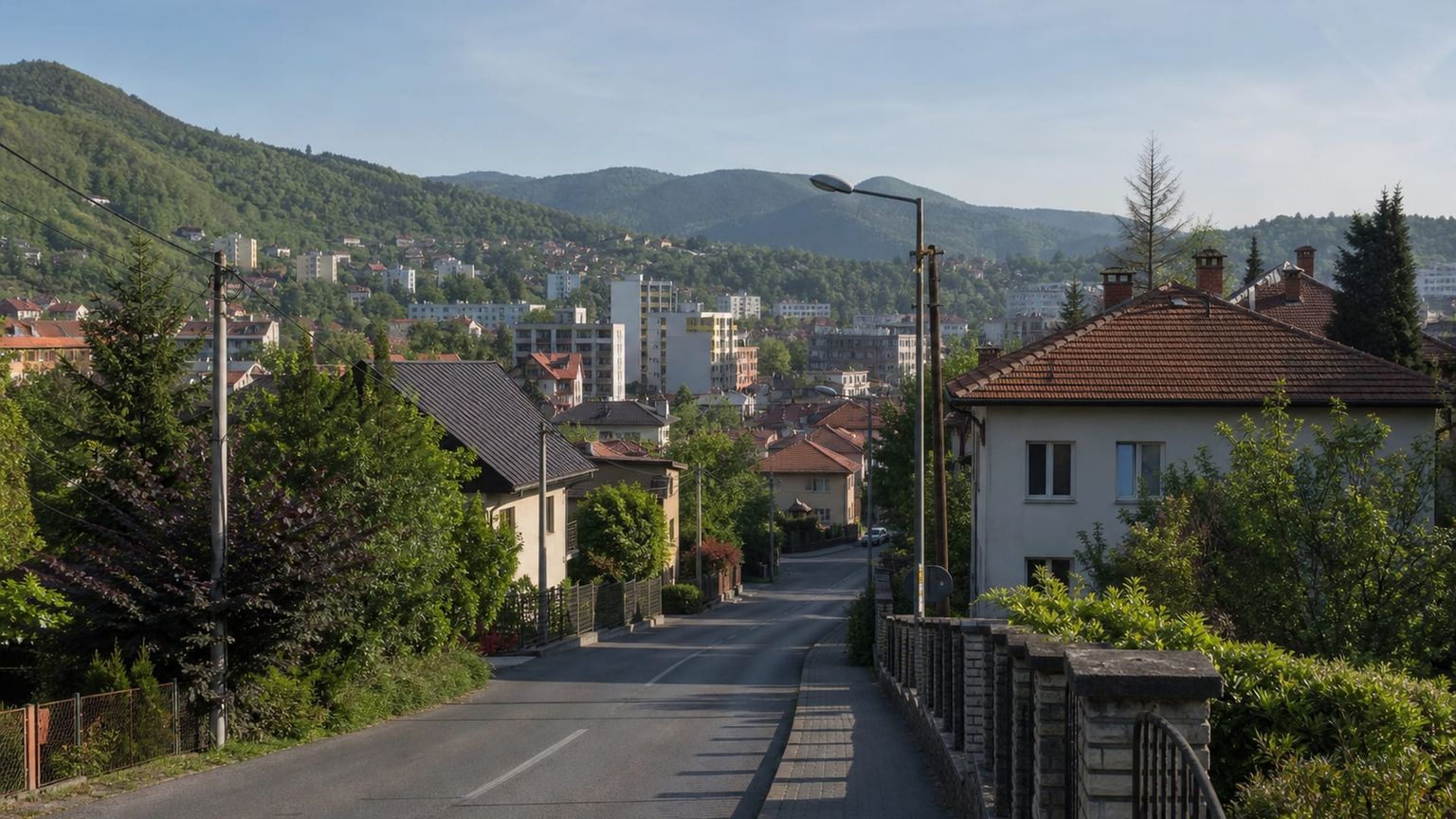
Sarajevo’s western spa and hotel district, set near parks, river paths, and the airport corridor. It matters for travelers who value larger hotels, easier driving, and quick access to the airport, while still keeping the city center within reach by tram or taxi.
Best for: Airport access, larger hotels, and travelers who do not mind staying outside the historic core
What to expect: Wide roads, resort-style hotels, and families using the parks and river paths, especially on weekends.
Hotel prices: Usually about 70€ to 140€ (~$77 to ~$154) per night for well-rated stays
Distance to major sights: About 25 to 35 minutes by tram to Baščaršija and about 10 minutes by taxi to Sarajevo (SJJ)
Quietness: Generally quieter than the center at night, though some hotel zones stay active with airport and weekend traffic.
Main trade-off: You will spend more time reaching the old town, so evening outings often need a taxi or a longer tram ride.
Good to know: If you have an early flight, check whether your hotel offers an airport transfer or an easy taxi call, because tram timing can be slower at off-peak hours.
Travelers usually avoid staying in Ilidža if they want to be near Baščaršija and the historic center, since it sits far west of the main sights and many evening plans require a longer taxi or tram ride. Parts of Novi Grad, including the airport-side neighborhoods, are less convenient for first-time visitors because they have fewer hotel clusters and visitor amenities than the center; travelers also tend to skip industrial stretches of Stup and Alipašino Polje, where hotel choices are limited and night travel into the old town takes longer.
Hotel deals
How to get around Sarajevo efficiently
Sarajevo runs on trams, buses, taxis, and walking, with tram line 3 forming the main spine between Baščaršija and Ilidža.

Metro
for longer distances
Sarajevo has no metro; the nearest thing is the city’s tram and bus network, which does the heavy lifting for central trips and airport access by road. You will not use rail for a direct airport run, so plan on bus, taxi, or a ride app for the final leg.

Bus and tram
for convenience
Tram line 3 links Baščaršija with Ilidža through the main corridor, and the network pairs it with dense bus coverage into neighborhoods the trams do not reach. A single ticket costs about $0.90 (1.60 BAM), and it is typically valid for 60 minutes on the city system, so buy before boarding when possible and keep small change ready.

Taxi
for convenience or late hours
Licensed taxis in Sarajevo are metered, not flat-rate, and airport trips usually cost about $10 to $18, depending on traffic and the exact district. Use an official rank, hotel call, or app, confirm the meter starts at the posted base fare, and expect cash in BAM, though some cars also take cards.
*Prices are based on rates updated as of June 2026 and may change at the time of travel.
Use trams for the central corridor, taxis for airport runs and cross-town hops, and walking once you are already in the old center.
Iconic landmarks
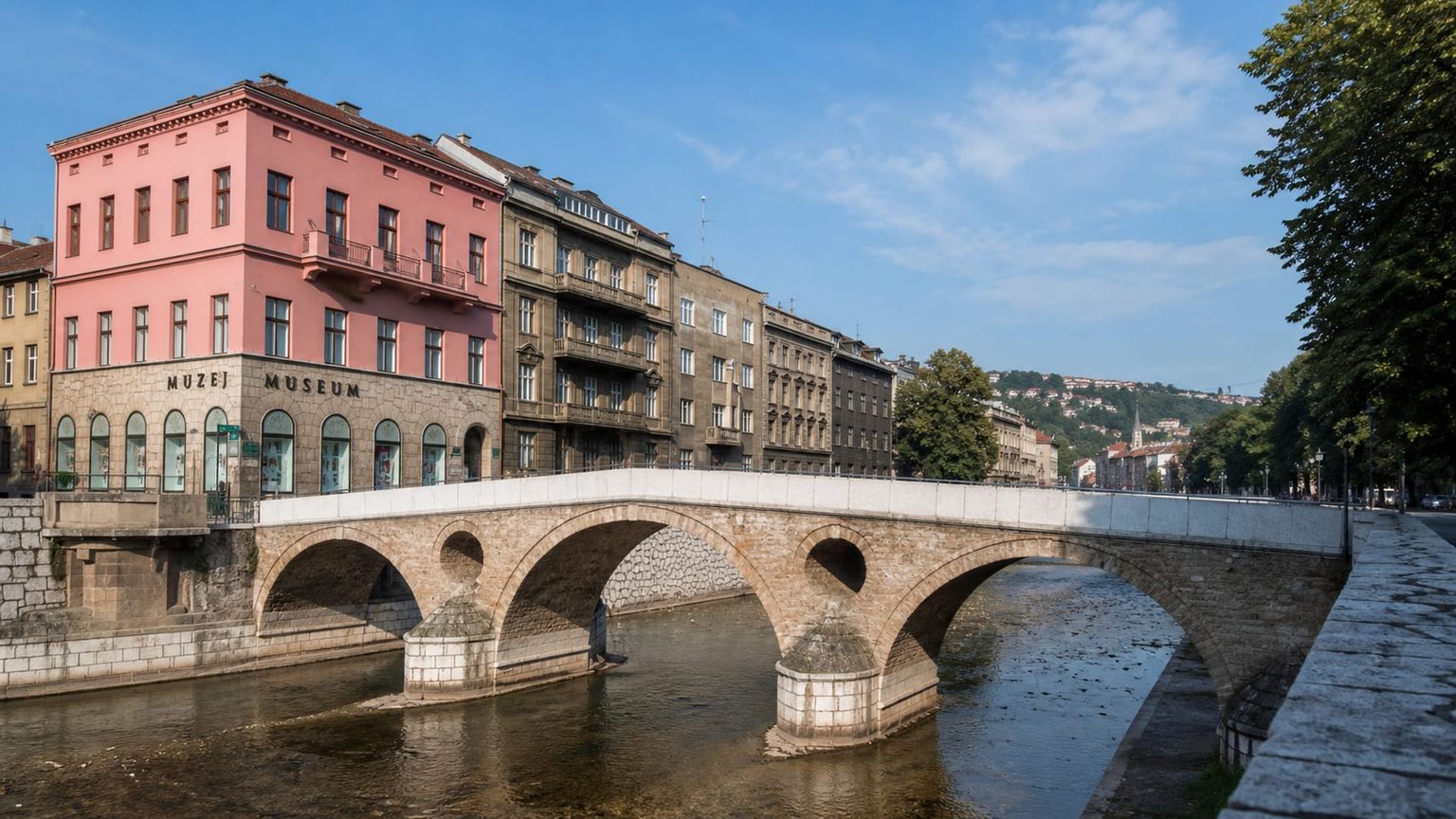
Latin Bridge
This Ottoman stone bridge spans the Miljacka River beside the site where Archduke Franz Ferdinand was assassinated in 1914. The bridge gives a direct link between Sarajevo’s old quarters and one of the city’s most studied historical moments.
Time needed: About 20 to 30 minutes
Entry: Free to access with no ticketed entry or timed admission, and you can view the bridge from both riverbanks at any time of day.
Tip: Visit early or late, when the riverbanks are quieter and the stone glows in softer light.
Baščaršija
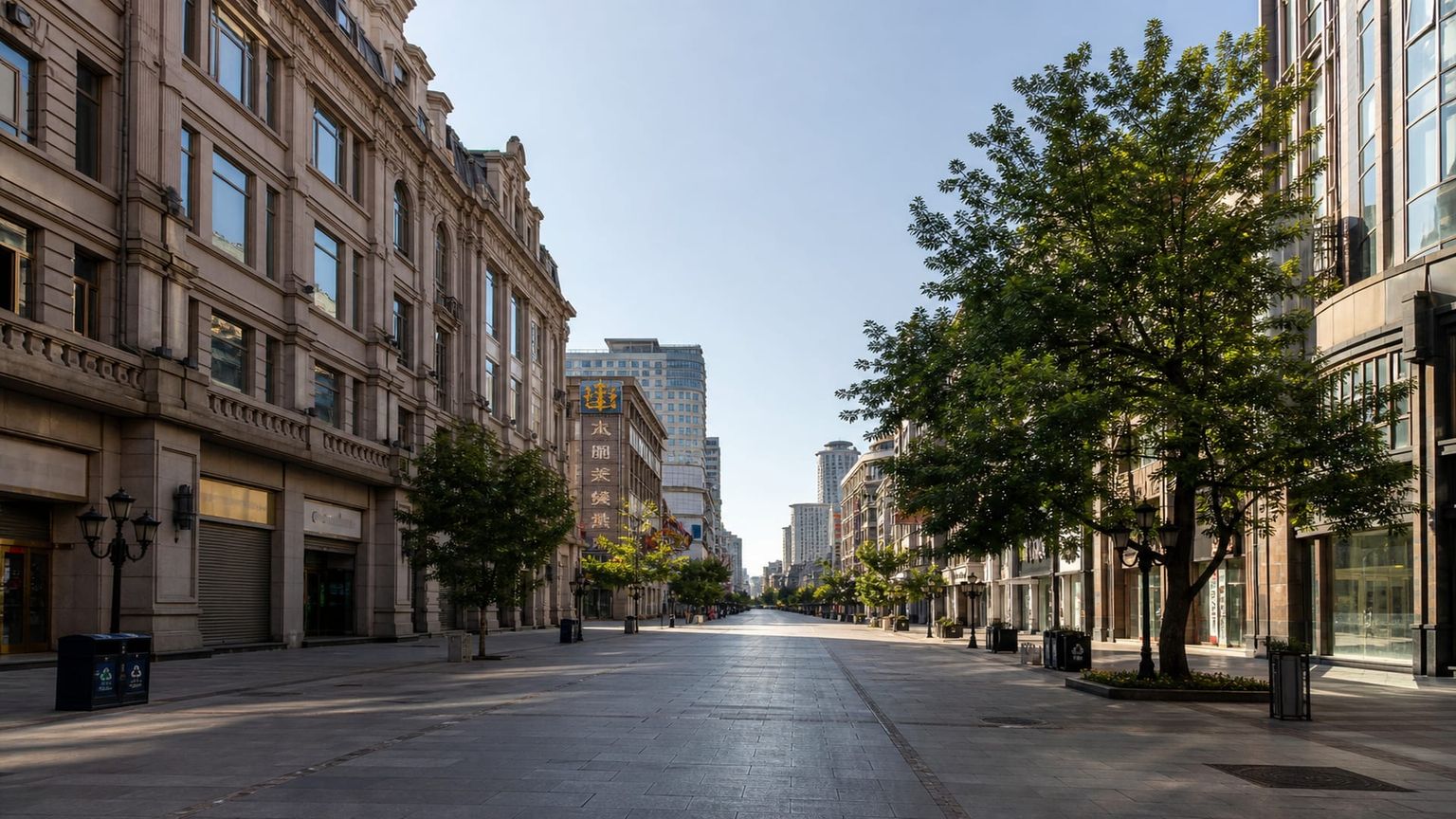
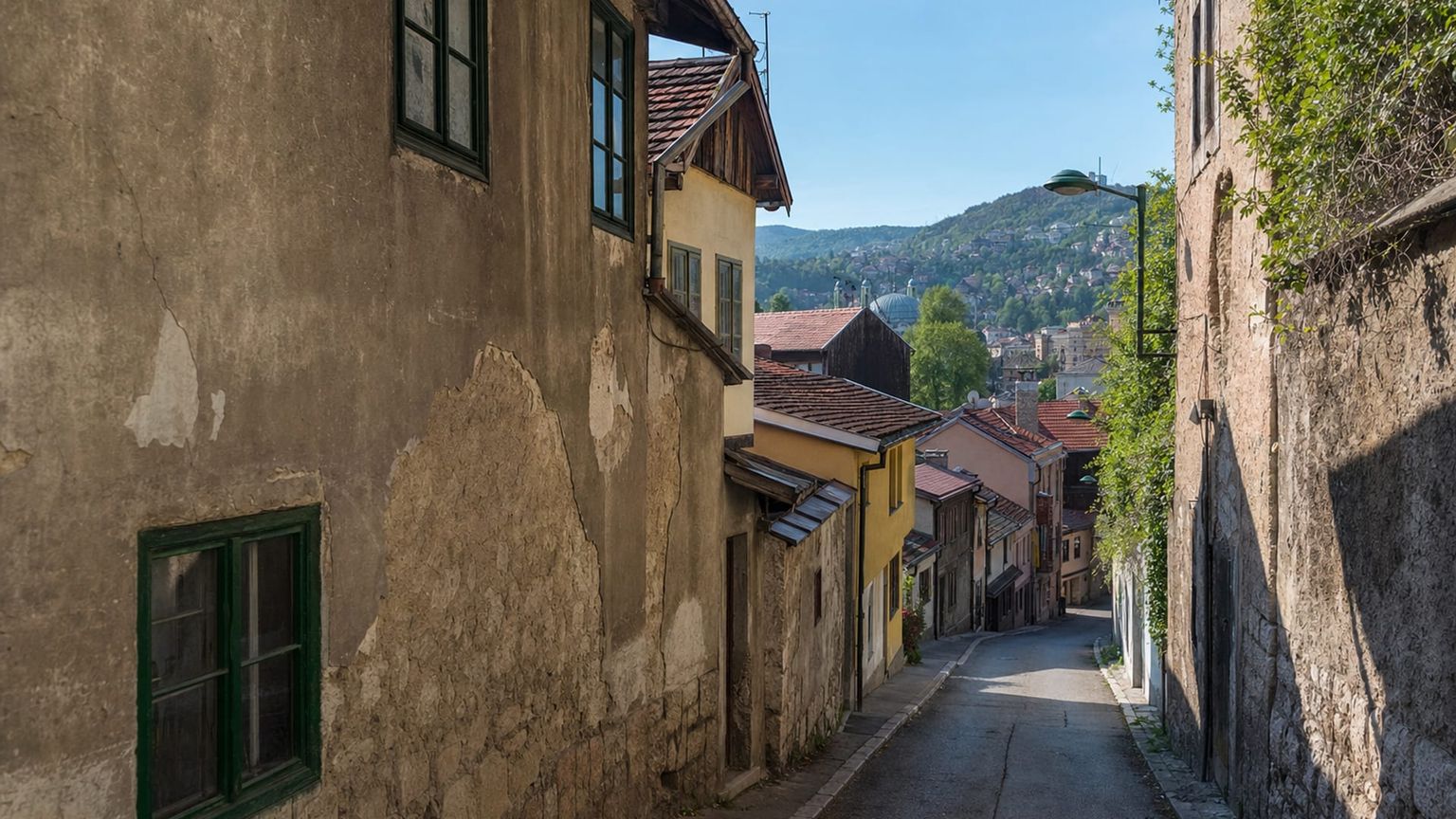
Sarajevo’s old bazaar centers on copper workshops, mosques, fountains, and narrow lanes that still follow the Ottoman-era street plan. It is the most concentrated place to see the city’s layered trading history on foot.
Time needed: About 2 to 3 hours
Entry: Free to enter the bazaar streets, with separate charges for some museums, mosques, and craft demonstrations along the route. Visit the official site for details.
Tip: Go in the morning, before the lanes fill and shopfronts begin competing for space.
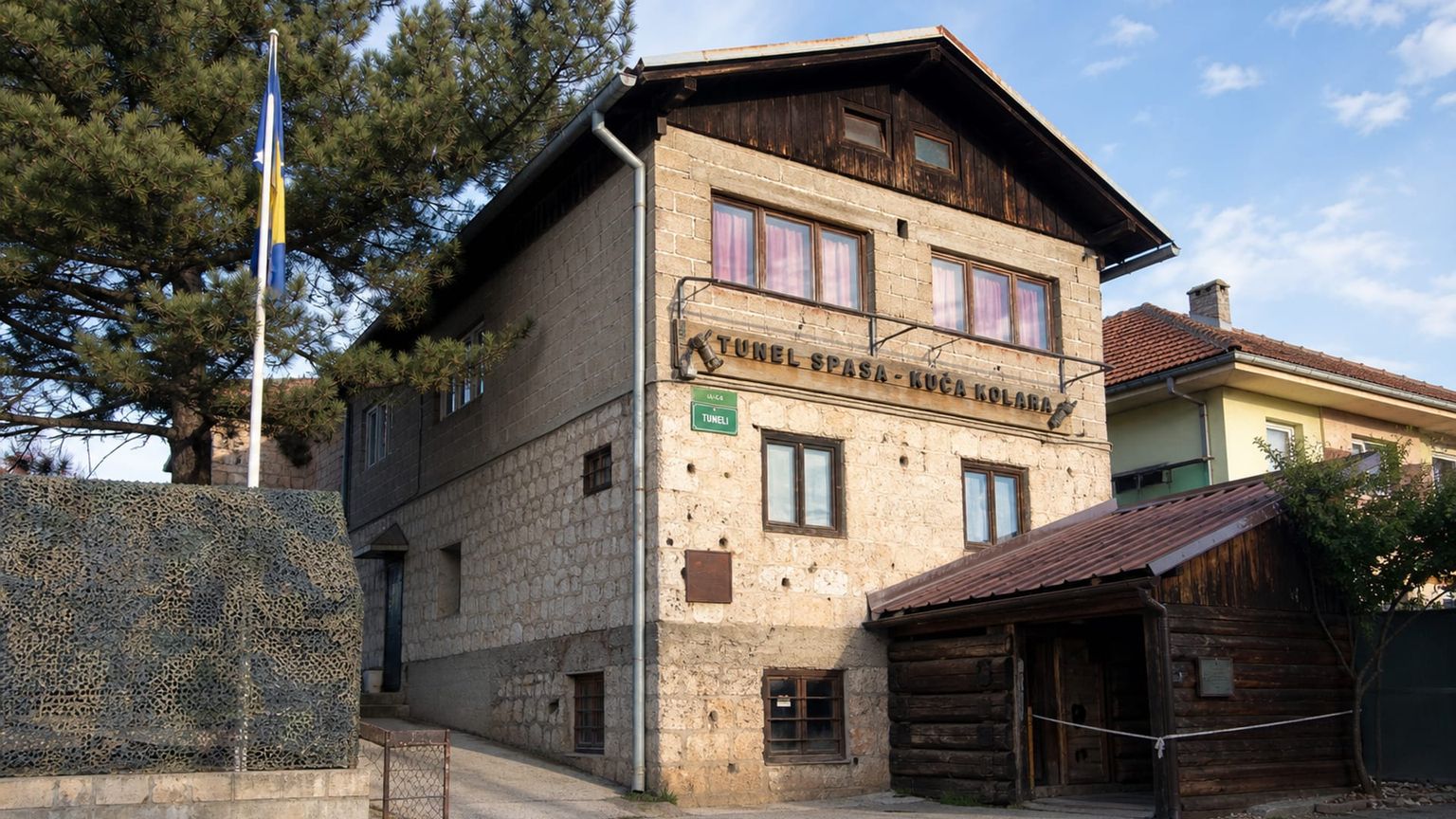
Sarajevo Tunnel Museum
This museum marks the wartime tunnel that linked the city to outside supply routes during the 1990s siege. Exhibits explain the tunnel’s role in transport, communication, and evacuation, while the preserved section shows its tight scale.
Time needed: About 1 to 2 hours
Entry: Standard tickets cost about $8 to $12 (about 15 to 22 KM), with reduced rates for children and guided access to the preserved tunnel section. Visit the official site for details.
Tip: Allow extra time for the walk from the tram stop, then plan a daylight visit.
Overlooked sites worth visiting

The Tunnel of Hope
This preserved wartime tunnel section at Sarajevo Airport shows how residents moved supplies and messages during the siege. Displays explain the route, the exits, and the daily improvisation that kept it working.
Time needed: About 1 to 1.5 hours
Entry: Standard tickets cost $10 to $12 (about 18 to 22 KM) for adults, with reduced rates for children and students. Guided visits may be sold separately on site, and opening hours vary by season, so check the operator before you go. Visit the official site for details.
Tip: Visit earlier in the day for smaller groups.

Vrelo Bosne
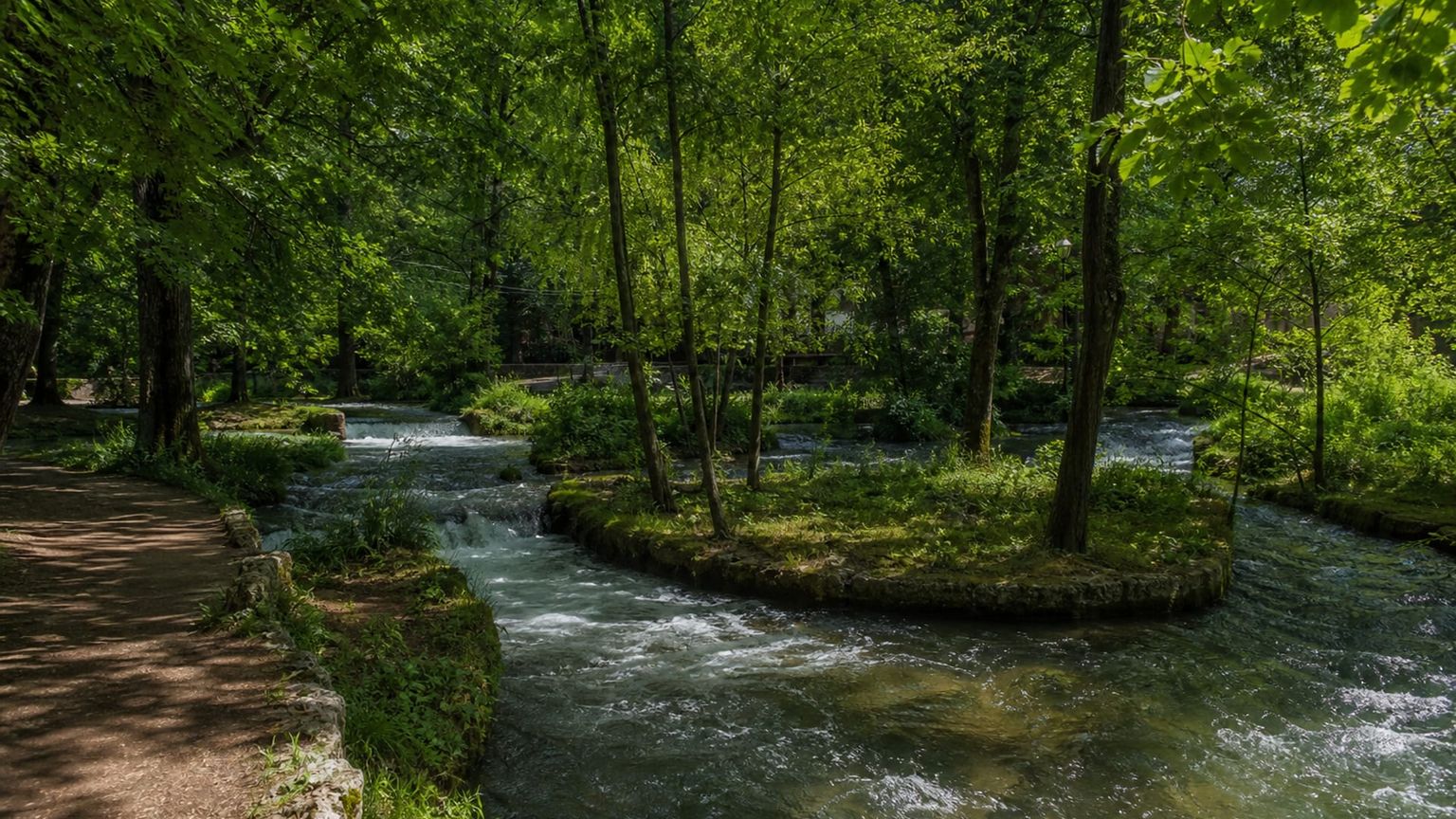
At the source of the Bosna River, tree-lined paths, wooden bridges, and carriage lanes make an easy slow walk just west of the city. Spring water, ducks, and shaded benches give it a calm, local feel.
Time needed: About 2 to 3 hours
Entry: Entry is free to access for the park grounds, though parking, carriage rides, and any rented bicycles cost extra. Seasonal rules can change for the wider protected area, but the main walking paths are open without a ticket.
Tip: Go in late afternoon for softer light and cooler paths.
Traditional food
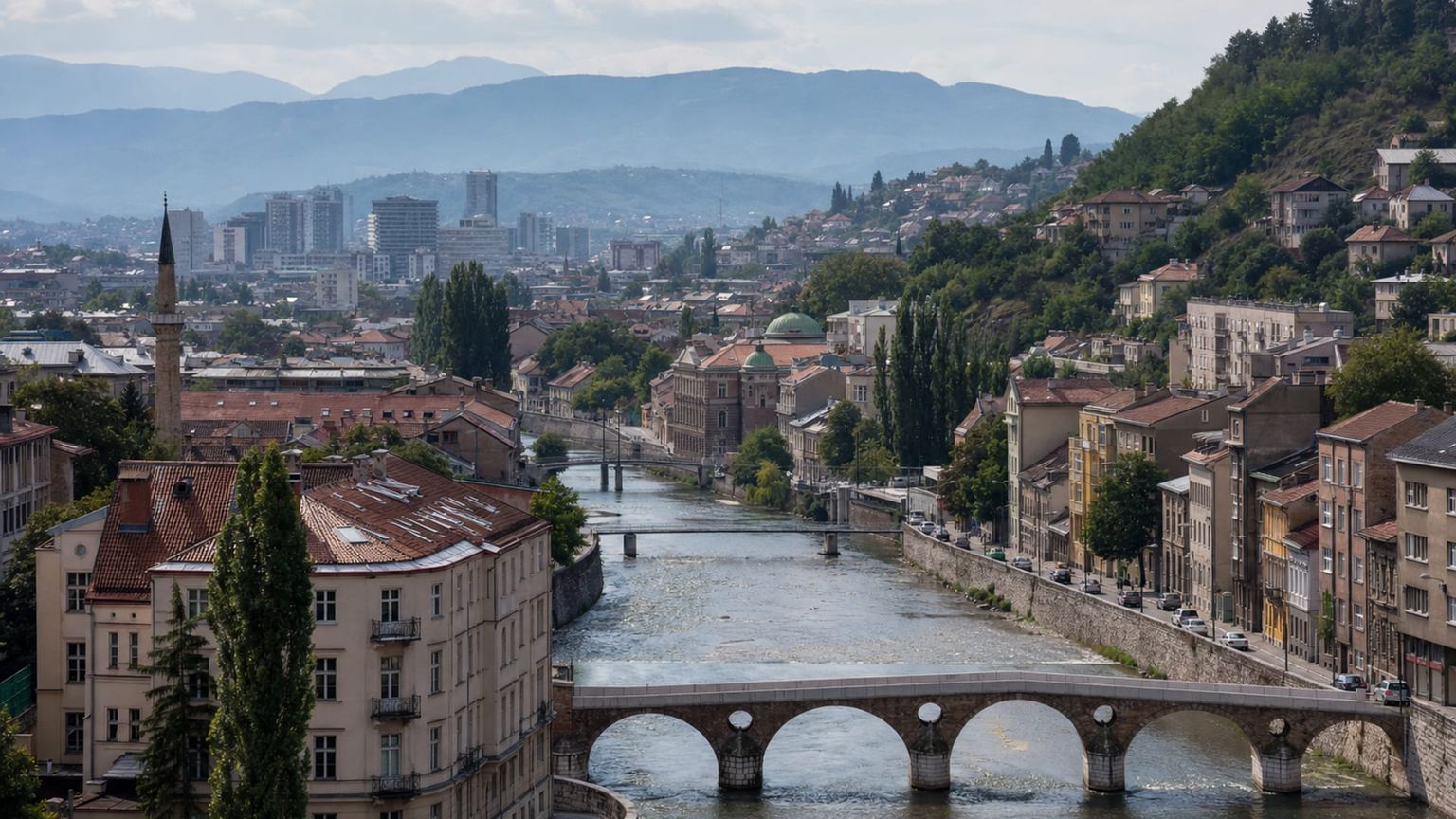
Sarajevo’s table leans on grilled meats, stuffed cabbage, and baked dough, with paprika, onion, and slow cooking giving the food its depth. Meals arrive in a café culture that stretches from morning coffee to late dinners, often built around burek and ćevapi.
Burek
Flaky spiraled pastry filled with minced meat, best eaten hot from the tray. For a classic Sarajevo version, Akdemik offers a good city-center stop with the right texture and pace.
Ćevapi
Small grilled minced-meat sausages served with somun, onion, and ajvar or kaymak. Zeljo in Baščaršija is one of the city’s best-known places for them and draws both locals and visitors.
Sarma
Cabbage rolls filled with seasoned meat and rice, usually served warm and rich. For a dependable Sarajevo plate, Dveri sits close to the old bazaar and matches the dish to a traditional menu.
Bosanski lonac
A slow-cooked Bosnian pot dish with layered meat and vegetables, built for depth rather than speed. Klopa in the center is a sensible place to order it when you want a fuller Sarajevo lunch.
Best time to visit Sarajevo
Sarajevo shifts with the season, from bright café days and river walks in spring and summer to quieter museum visits and warmer indoor meals in winter.
Best for: Best for walks in Baščaršija, riverfront stops, and Vrelo Bosne
What you get: About 45 to 72°F (7 to 22°C), with moderate crowds and lively weekends
Trade-offs: Rain can interrupt longer outdoor plans
Best for: Best for long evenings, open-air cafés, and hillside views
What you get: About 57 to 86°F (14 to 30°C), with the heaviest visitor traffic in the old center
Trade-offs: Midday heat and busier streets can slow sightseeing
Best for: Best for museum days, food stops, and comfortable city walking
What you get: About 39 to 70°F (4 to 21°C), with lighter crowds after early September
Trade-offs: Shorter days make late sightseeing harder
Best for: Best for indoor history, cafés, and a quieter old town
What you get: About 24 to 41°F (-4 to 5°C), with the calmest visitor levels of the year
Trade-offs: Cold weather and snow can slow trips to outer sights
A realistic 5-day plan in Sarajevo
A five-day Sarajevo stay works best when you pair the old center with one deeper history day, one western excursion, and a slower final morning. The plan below keeps transit simple and leaves space for cafés, not just monuments.
Land at Sarajevo (SJJ), then take a taxi to Baščaršija or Marijin Dvor, which usually takes about 15 to 25 minutes and costs roughly $10 to $18, depending on traffic and your exact address. If you arrive with enough daylight, settle into a side street rather than a main lane, then walk for 10 minutes to a café near Sebilj Square for coffee and a light bite. Keep dinner simple, something like grilled meat, soup, or börek in the old bazaar, then turn in early so you are ready for a full first sightseeing day.
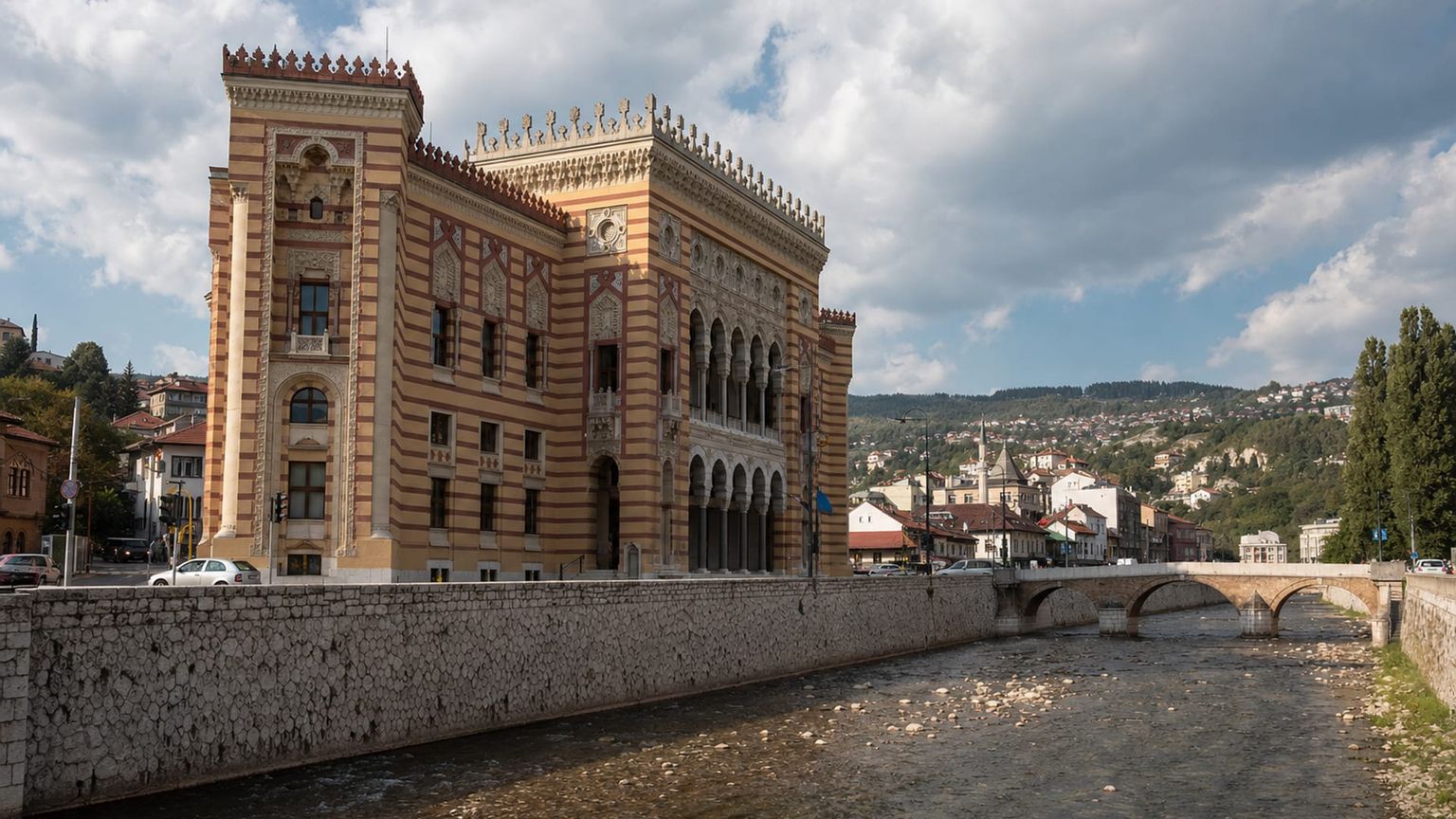
Start in Baščaršija, where the bazaar lanes, copper workshops, and small mosques take about 2 to 3 hours to explore on foot. From there, walk about 10 minutes to Latin Bridge, pause for the river views, then continue another 15 minutes through the old center toward the Sarajevo Tunnel Museum area if you want a deeper look at the city’s modern history. End the afternoon back in Baščaršija for coffee and dessert, where the evening crowd thins after the day visitors leave.
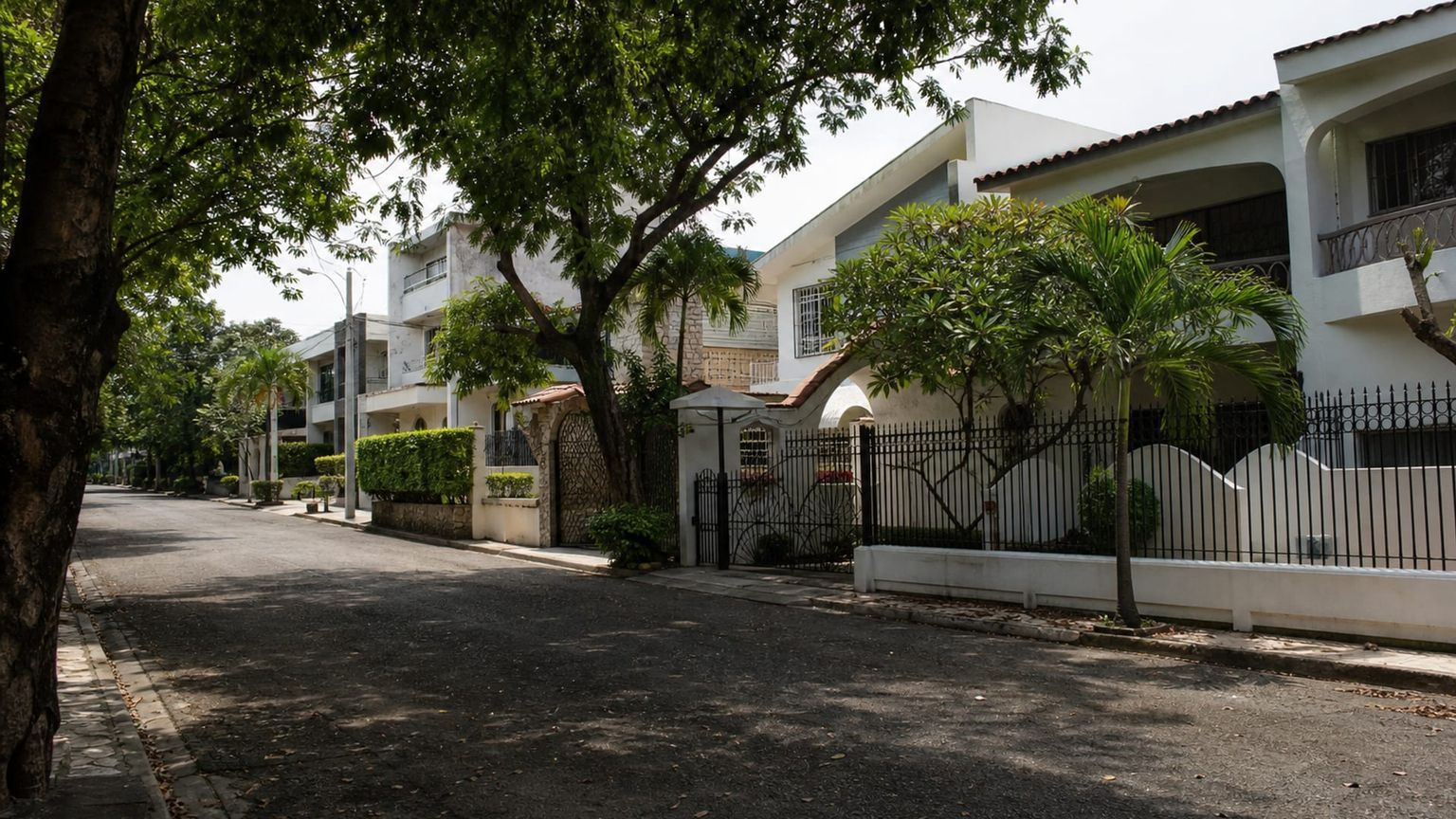
Begin at the Sarajevo Tunnel Museum, which works well as a morning stop before the site gets busier. From Baščaršija, plan on roughly a 20 to 30 minute taxi ride, or longer by public transit and walking, then spend about 1 to 2 hours on the exhibits and preserved tunnel section. After that, return toward the center for lunch in Marijin Dvor, about 15 to 20 minutes away by tram or taxi, then finish with a low-key dinner near your hotel.
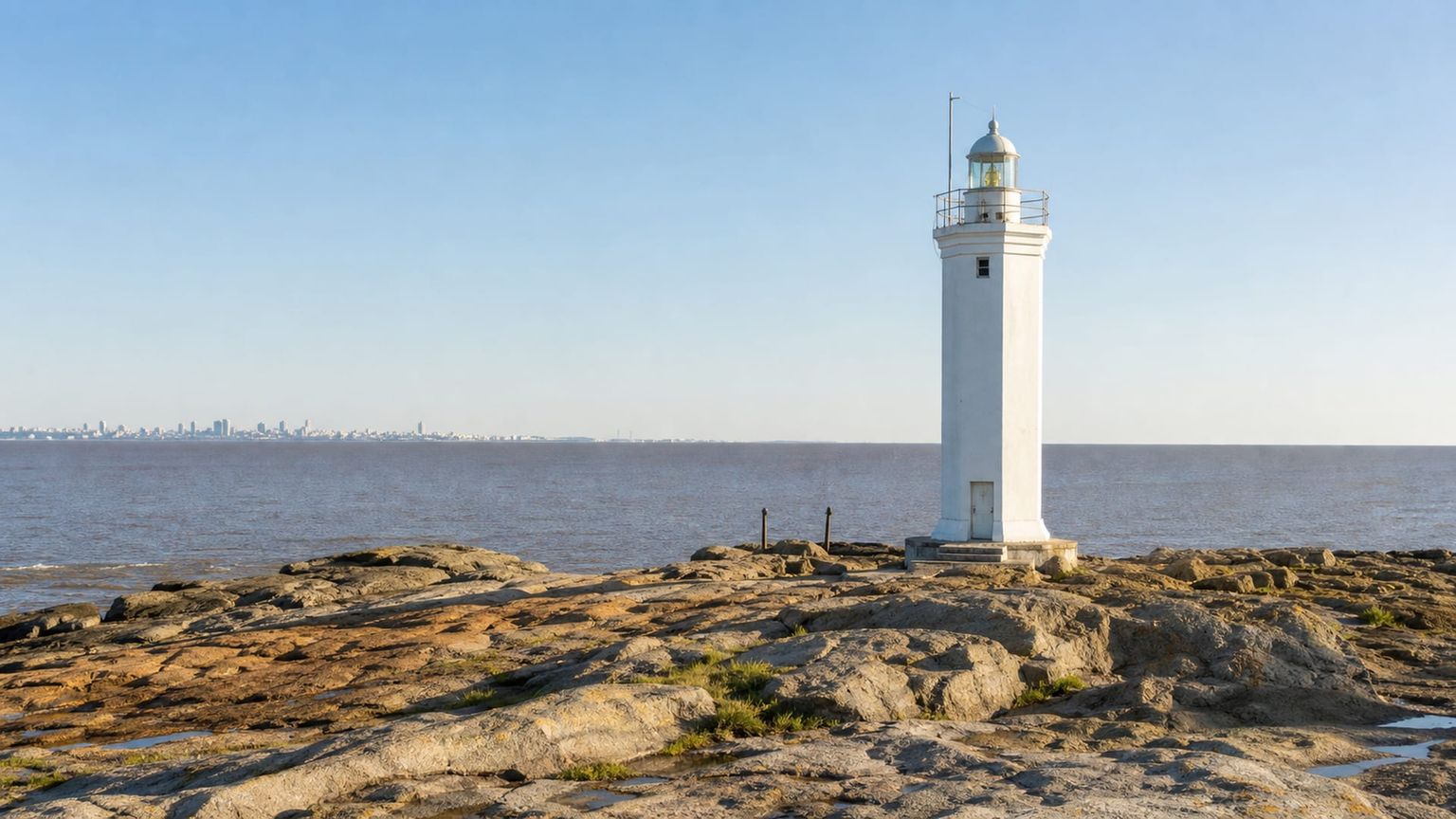
A slower day suits Vrelo Bosne, so head west in the late morning and expect about a 25 to 35 minute taxi ride from the center or a longer tram trip plus a walk. Spend 2 to 3 hours on the paths, wooden bridges, and river source area, then return to Ilidža for a late lunch or coffee before heading back downtown. If you still have energy, finish the day with an easy stroll along the Miljacka River near the Latin Bridge and the old center.
Before departure, pair one last museum stop with a little shopping and a final café break. If your flight leaves in the afternoon, start in Marijin Dvor, where the National Museum sits about 15 minutes on foot from much of the district, then browse shops and a mall nearby before a coffee stop in Bjelave or back in Baščaršija. If you are staying closer to the airport, Ilidža gives you an easy final base for a luggage pickup, an early meal, and a taxi to Sarajevo (SJJ) without rushing.
Business-class flights from the US to Sarajevo
Flights to Sarajevo usually route through one major European hub or the Gulf, so the useful comparison is less about nonstop time and more about where the layover lands. From New York and Los Angeles, the main carriers are the same core group, but the itinerary length changes with the transfer.
Turkish Airlines, Austrian Airlines, Lufthansa, Swiss International Air Lines, and Qatar Airways all sell routes from New York to Sarajevo, and total trip time usually runs about 11 to 16 hours. If you do not mind a layover, common routings via Istanbul (IST), Vienna (VIE), or Frankfurt (FRA) often bring the fare down, with round-trip prices usually starting at $3,200 and reaching $6,500.
From Los Angeles, Turkish Airlines, Lufthansa, Austrian Airlines, Swiss International Air Lines, and Qatar Airways are the main choices, and round-trip fares usually run $3,500 to $7,200. The longer trip through Europe or the Gulf is the reason prices start higher than from New York, and the layover window typically stretches about 14 to 20 hours.
Sarajevo feels different when you slow down
A deliberate Sarajevo trip has you moving in short, specific steps, from Baščaršija to Latin Bridge, then out to the tunnel museum or Vrelo Bosne by tram, taxi, or a longer walk. That mix keeps the old center from swallowing the whole visit and leaves room for meals in Marijin Dvor or a last coffee in Bjelave. If you want help turning those stops into a bookable trip, the AranGrant experts can build it around your dates and flight route