

Chapters:

Need help with your trip?
Our support team is available 24/7. Request a callback or call us directly at (833) 619-0908
Santiago trips often start with a quick airport transfer, a hotel in Lastarria or Providencia, and a list of hilltop views and civic landmarks. What travelers miss is how much time the city asks you to cross between neighborhoods, and how quickly lunch, museum hours, and evening traffic can shape the day.
That matters because a map that looks compact can still turn into long taxi rides, crowded viewpoints, and rushed meals if you stack sights without a plan. The center, Bellavista, and Vitacura each work differently, and each rewards a different pace.
This guide lays out those pieces in order, so you can move through Santiago with clear starts, realistic transfers, and enough time for its food, parks, and museums.
Useful things to know

Main language(s): Spanish
Hola (OH-lah) – Hello
Por favor (por fah-VOHR) – Please
Gracias (GRAH-syahs) – Thank you
¿Habla inglés? (AH-blah een-GLAYS) – Do you speak English?
¿Cuánto cuesta? (KWAHN-toh KWEHS-tah) – How much does it cost?

Currency: The local currency is the Chilean peso (CLP, $).

Cash and cards: Cards and contactless are widely accepted; carry about $20 to $40 in cash for small purchases and taxis.

Tipping: Round up small bills; leave 10% at restaurants if service is good.

Traditional food: Pastel de choclo, empanada de pino, cazuela, completos

Water and coffee costs: Water about CLP 1,500 ($2), bar espresso about CLP 2,500 ($3).

Taxis and ride apps: Uber, Cabify, and DiDi operate here; confirm the plate before boarding.

Plug and voltage: Type C/L socket, 220V

Dining and shop opening hours: Breakfast is about 08:00-10:00, lunch 13:00-15:00, and dinner 20:00-22:30. Many restaurants close between lunch and dinner.

Emergency number: Dial 131 for ambulance, 133 for police, 132 for fire.
Where to stay in Santiago
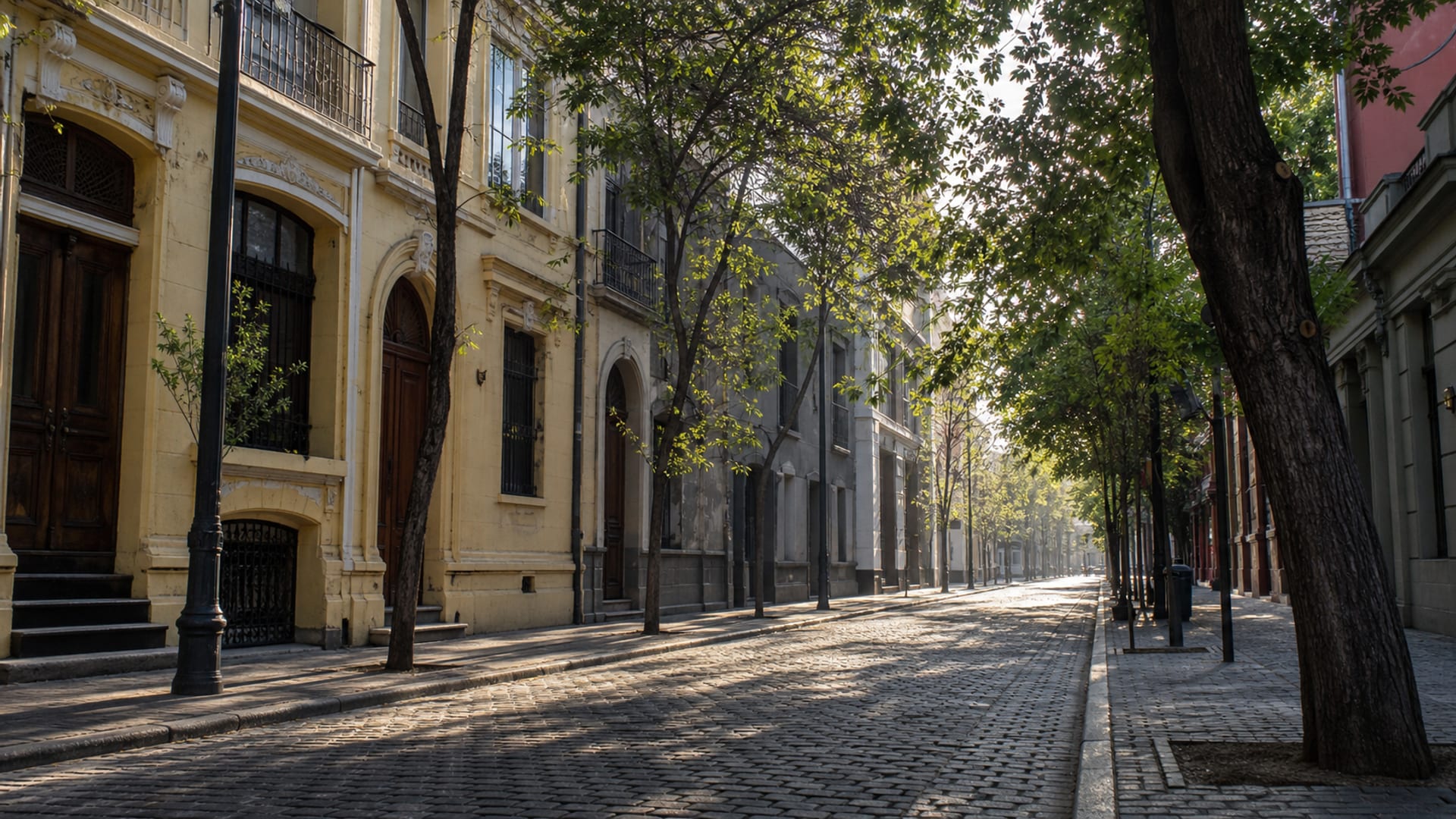
Lastarria sits beside Cerro Santa Lucía and the city center, with a dense mix of cafés, galleries, restaurants, and boutique hotels. It gives visitors an easy base for walking to central sights while staying in one of Santiago’s most characterful neighborhoods.
Best for: Walking to museums, dining, and central sightseeing
What to expect: Sidewalk cafés, steady pedestrian traffic, and a lively dinner scene that stays active into the evening.
Hotel prices: Usually about $90 to $220 per night for well-rated stays
Distance to major sights: About 10 minutes on foot to Cerro Santa Lucía, about 15 minutes on foot to Plaza de Armas
Quietness: Daytime is lively and busy; evenings stay active, with more restaurant and bar noise on main streets.
Main trade-off: Rooms in the most central blocks can cost more, and some streets pick up late-night noise from bars and restaurants.
Good to know: Choose a room off the main bar streets if you want to sleep before midnight, since the noisiest blocks sit near the busiest dining strip.
Providencia is a broad, well-connected district east of the center, with tree-lined residential streets, shopping corridors, and many midrange hotels. It works well for travelers who want easy metro access, reliable dining options, and a base that feels less compressed than the historic core.
Best for: Metro access, midrange hotels, and travelers who prefer a more residential setting
What to expect: Busy avenues, neighborhood cafés, and a mix of local life and hotel traffic, especially near Metro stations and major malls.
Hotel prices: Usually about $80 to $190 per night for well-rated stays
Distance to major sights: About 15 minutes by metro to Cerro Santa Lucía, about 20 minutes by metro to Plaza de Armas
Quietness: Daytime is busy along the main avenues; evenings are calmer on side streets and residential blocks.
Main trade-off: You will spend a bit more time reaching the oldest sights, and the main avenues can feel traffic-heavy during rush hours.
Good to know: Stay near a Metro station if you plan to cross the city often, because the district is spread out and the walk between attractions can be long.
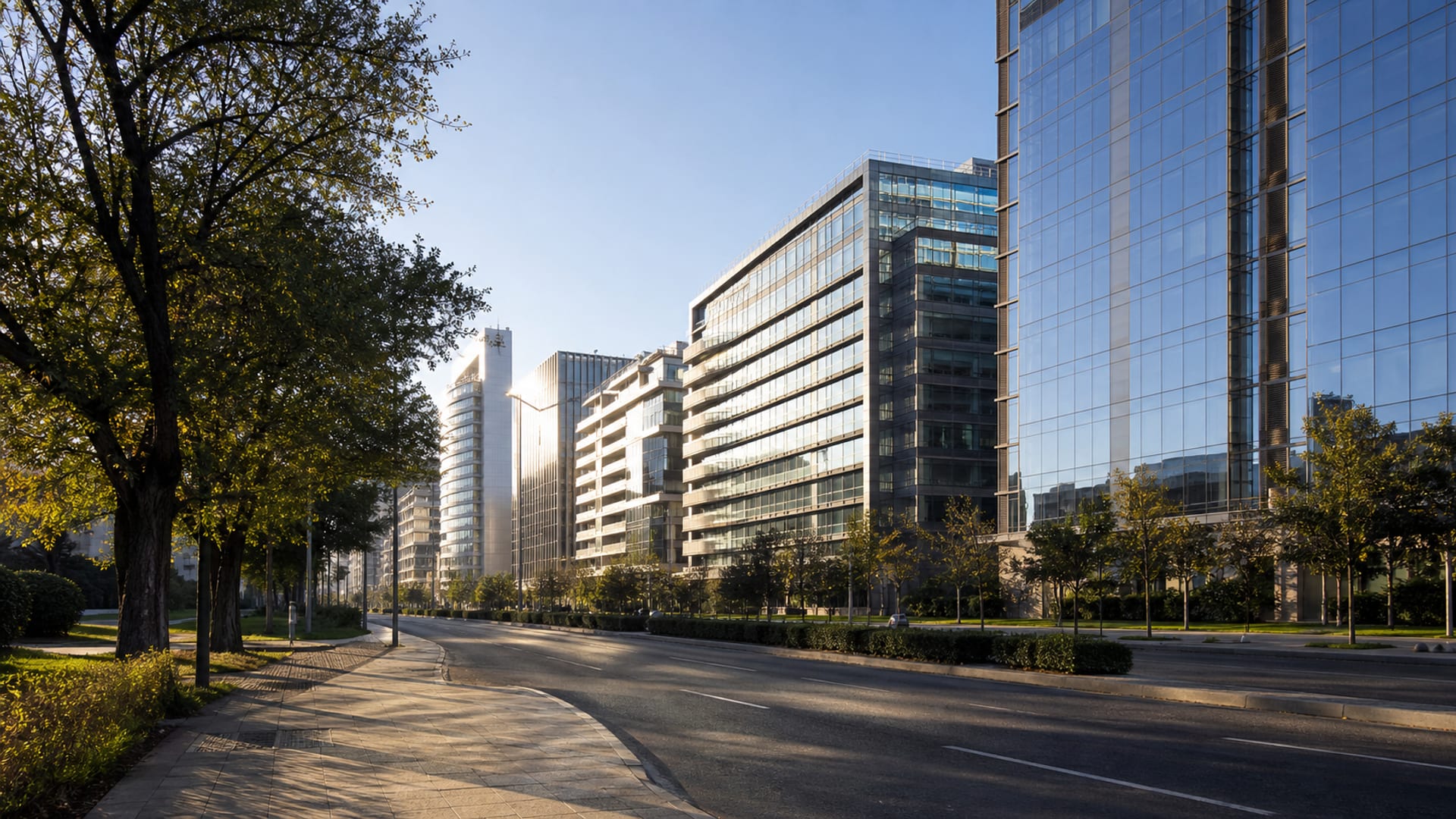
Vitacura is an upscale northern district known for embassies, design shops, parks, and some of Santiago’s best hotels and restaurants. It suits visitors who want a quieter, more polished residential base with quick access to the business areas and easy taxi rides to the hills.
Best for: Luxury stays, dining, and travelers who want a quieter residential base
What to expect: Broad avenues, upscale restaurants, and low pedestrian density outside the main commercial strips.
Hotel prices: Usually about $120 to $320 per night for well-rated stays
Distance to major sights: About 20 minutes by taxi to Cerro San Cristóbal, about 25 minutes by taxi to Plaza de Armas
Quietness: Daytime is active around shopping and office areas; evenings are generally calm once restaurants fill and close.
Main trade-off: It sits farther from the colonial center, so you will rely more on taxis or ride-hailing for older sights and nightlife.
Good to know: If you want dinners close to your hotel, check which block you book, because a few stretches sit far from the main restaurant clusters.
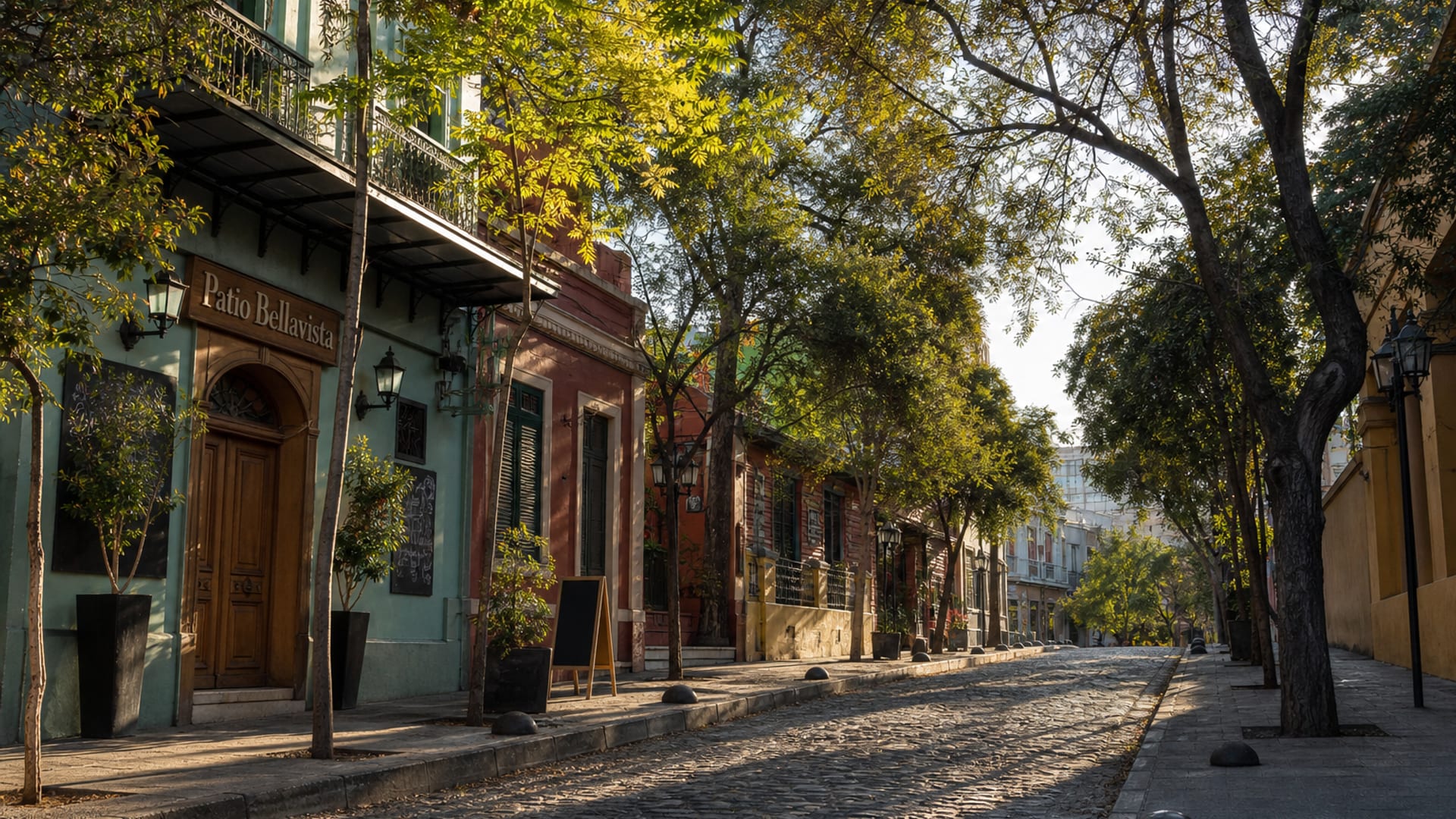
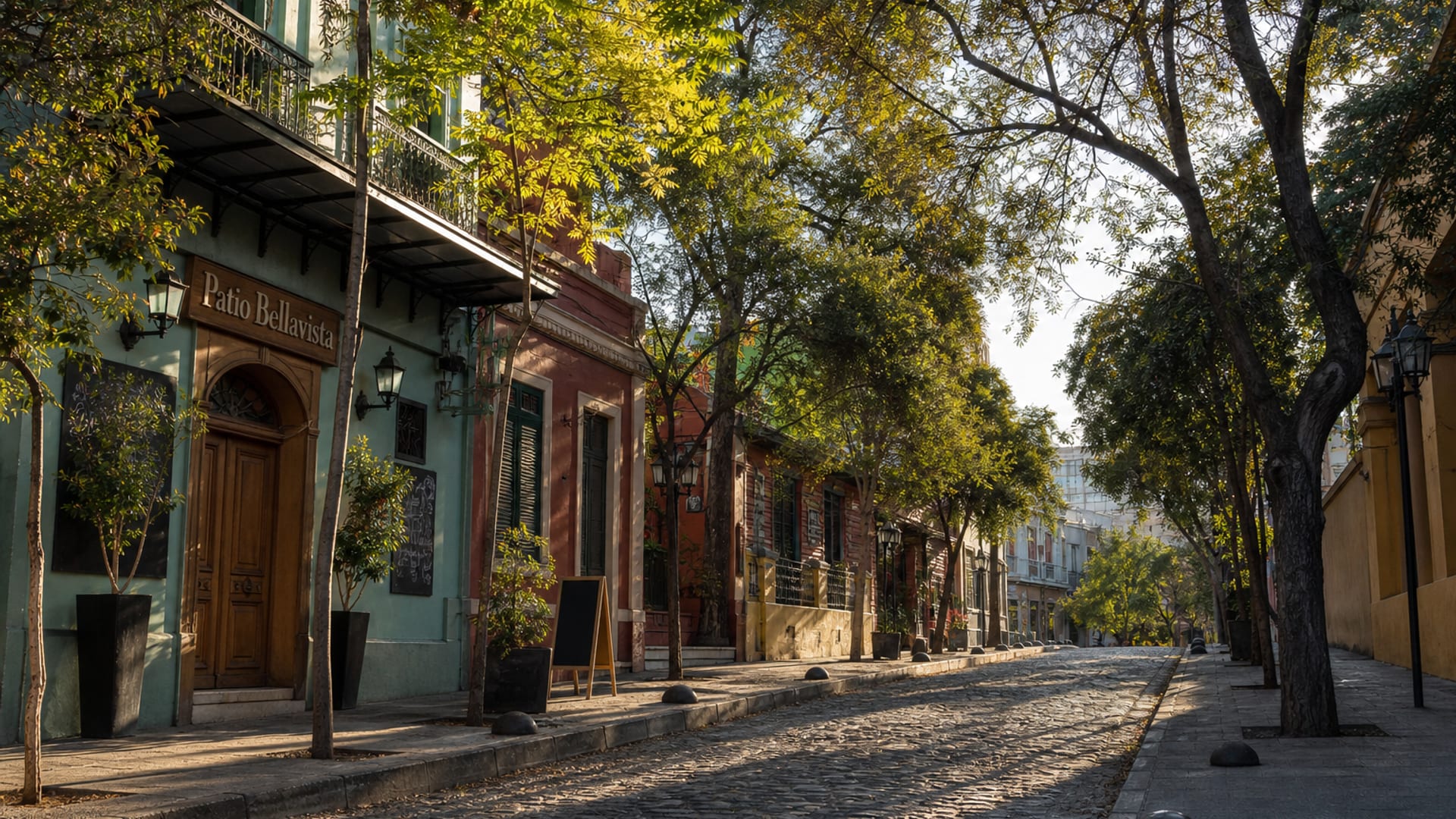
Bellavista sits between the Mapocho River and Cerro San Cristóbal, with colorful streets, nightlife, and quick access to the hillside park. It is a strong pick for travelers who want evenings out close to home and do not mind a busier, more exposed urban setting.
Best for: Nightlife, short stays, and easy access to Cerro San Cristóbal
What to expect: Busy restaurant streets, late crowds, and a visible nightlife scene, especially around the main entertainment blocks.
Hotel prices: Usually about $70 to $180 per night for well-rated stays
Distance to major sights: About 15 minutes on foot to Cerro San Cristóbal funicular, about 20 minutes on foot to Plaza de Armas
Quietness: Daytime is active but manageable; evenings can be loud, especially near bars and late-opening venues.
Main trade-off: The area is not the best choice for light sleepers, and some streets feel less comfortable very late at night.
Good to know: Book away from the main party corridor if sleep matters, since weekend noise can carry well past dinner hours.
Travelers usually avoid staying in San Bernardo, far south of central Santiago with limited visitor amenities and a long trip to major sights. Colina and Lampa are also less convenient, since they sit on the city fringe, have fewer hotel options, and make evening travel into the center slower. Padre Hurtado and the far reaches of Maipú are typically avoided for the same reason, with long transfers to downtown and fewer walkable dining or nightlife options near hotels.
Hotel deals
How to get around Santiago efficiently
Santiago’s Metro de Santiago, Red Metropolitana buses, ride-hailing apps, and metered taxis each solve a different part of the city, since the airport has no direct metro stop and the central districts spread across several corridors.

Metro
for longer distances
Santiago has the Metro de Santiago, with Lines 2, 4, and 5 giving the most useful airport-area connections through central stations such as Los Héroes, Baquedano, and Pajaritos. Fares vary by time band and are about $0.80 to $1.00 (CLP 750 to CLP 920) for a single ride, with stored cards valid for multiple transfers within the system during the same trip window; expect roughly 25 to 40 minutes from the center to the airport area by metro plus bus or taxi at the end, since the airport itself has no direct metro station.

Bus and tram
for convenience
Red Metropolitana buses cover Santiago widely, and the 555 to Pajaritos corridor is one common way to link the airport area with the metro network before continuing downtown. A standard adult fare is about $1.00 to $1.10 (CLP 870 to CLP 1,000), paid with a Bip! card, which also works on Metro de Santiago and lets you transfer within the allowed validity window of roughly 90 minutes for most trips; services are frequent on major corridors, but journey times can rise sharply in peak traffic.

Taxi
for convenience or late hours
Licensed taxis from Santiago (SCL) use metered fares rather than fixed citywide prices, while official airport transfer desks also quote set fares in advance. For central Santiago, expect roughly $28 to $40 (CLP 25,000 to CLP 36,000) by taxi, with the airport typically adding tolls or an airport surcharge depending on the operator; book through the airport rank, a hotel, or a licensed app, and pay in cash or card if the driver or dispatcher accepts it.
*Prices are based on rates updated as of June 2026 and may change at the time of travel.
Use the metro for central cross-town trips, buses for wider links on a budget, taxis or ride-hailing for airport runs and late dinners, and walking where the hills and historic blocks sit close together.
Iconic landmarks
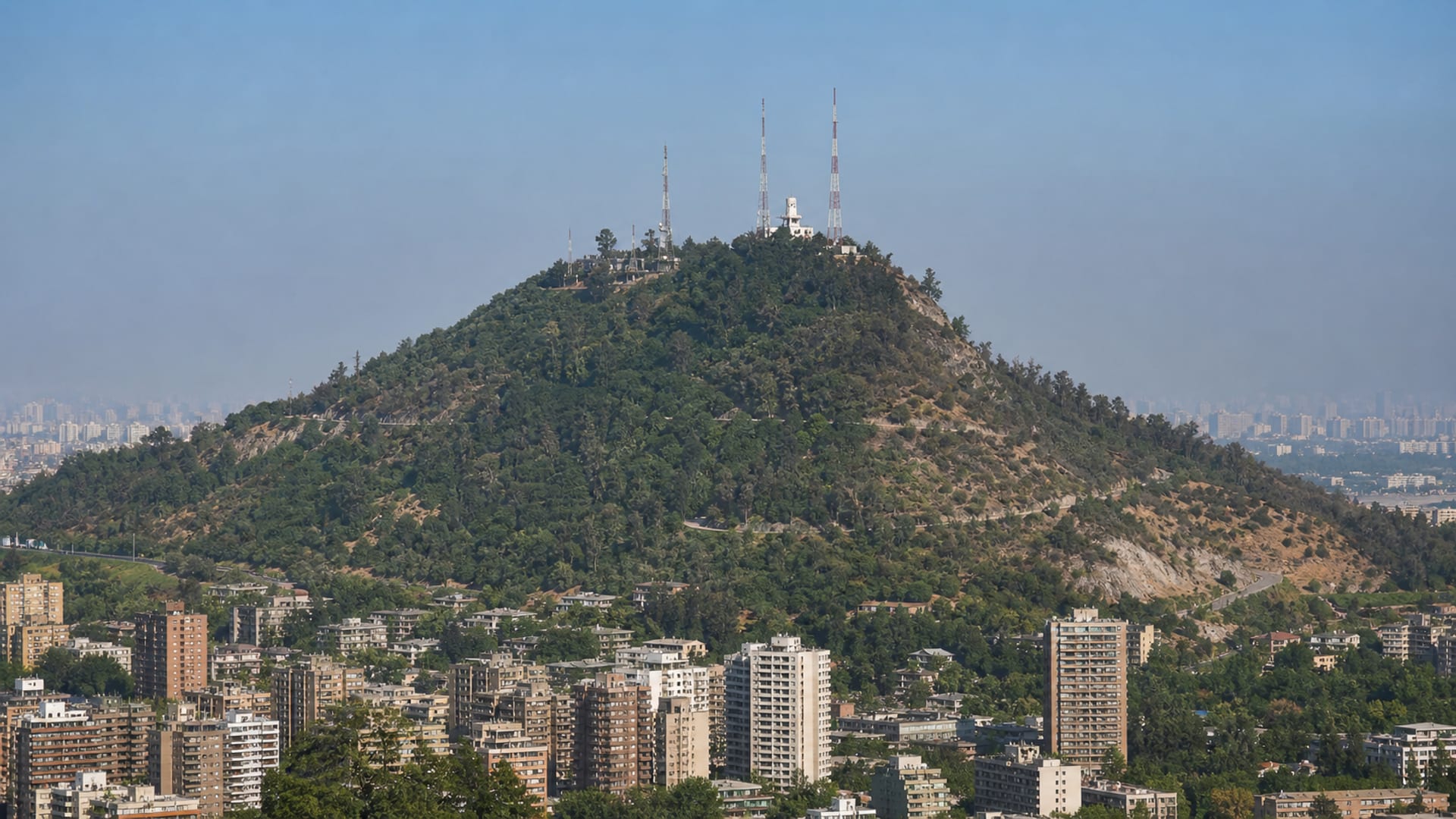
Cerro San Cristóbal
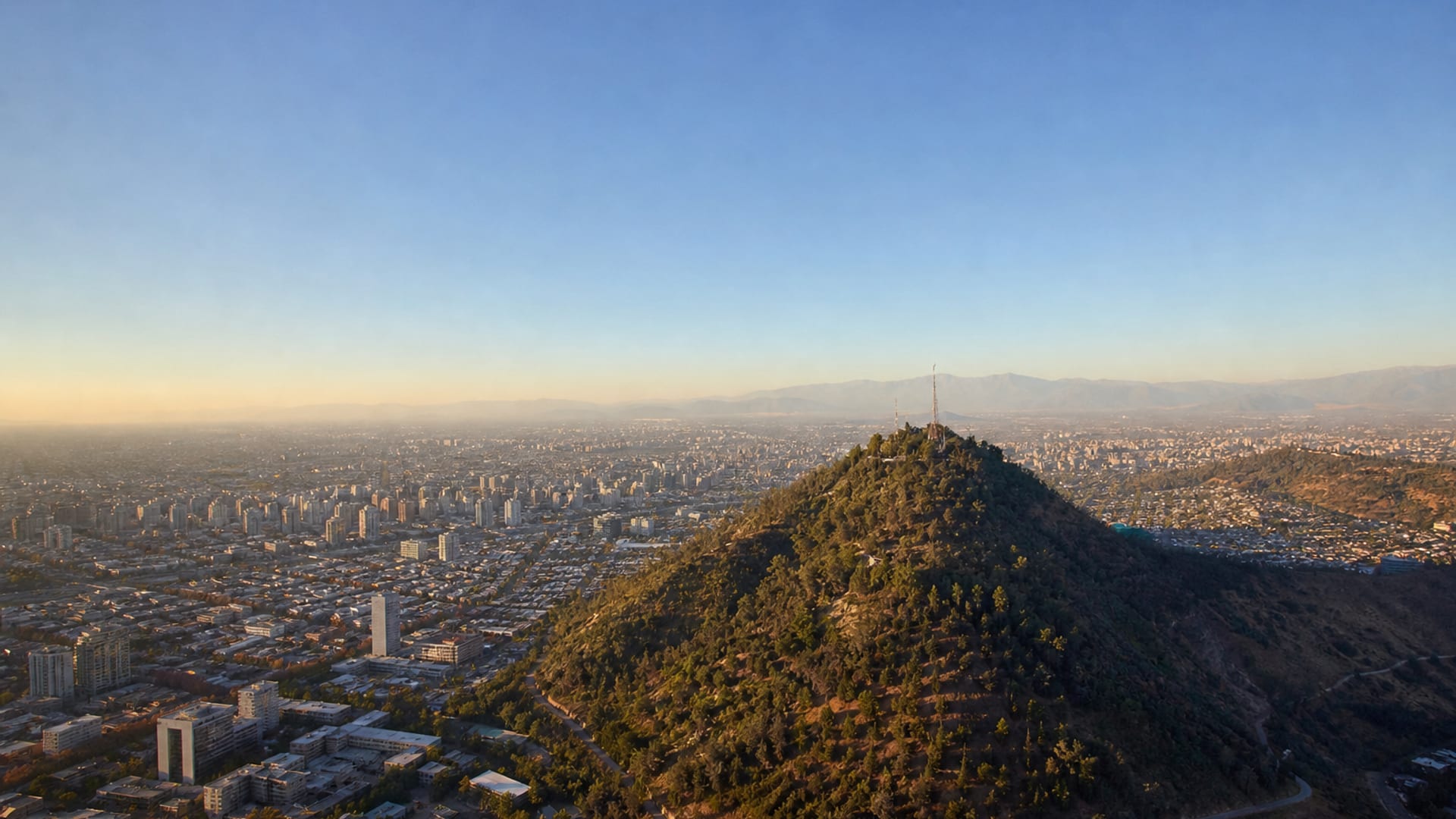
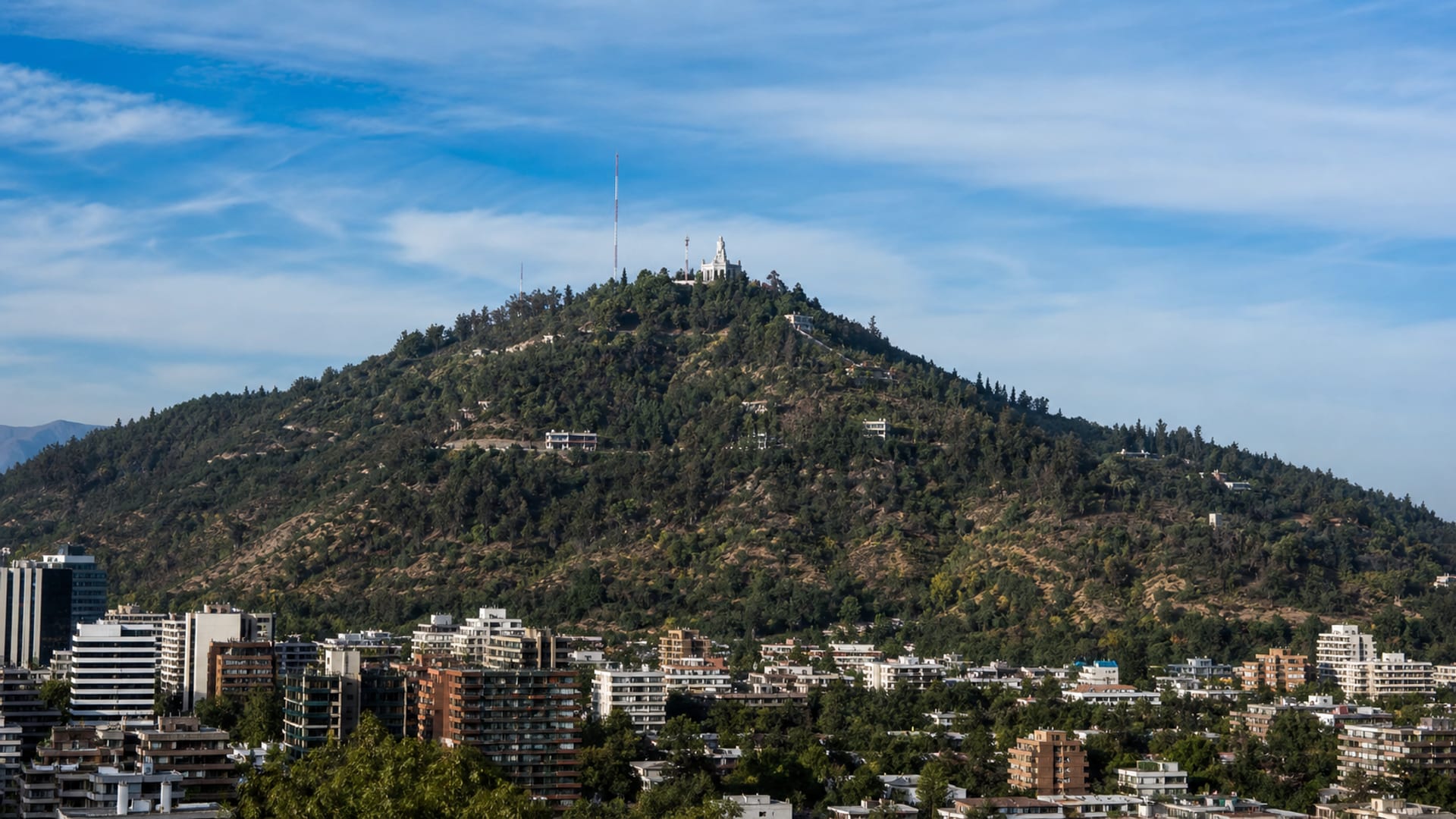
This hill rises above central Santiago and anchors Parque Metropolitano, with the Virgin shrine, cable car, and wide city views from several lookouts. It also links to walking paths, the zoo, and the funicular station.
Time needed: About 2 to 3 hours
Entry: Free to enter the park; cable car and funicular ride tickets cost extra, with prices varying by route, day, and age Visit the official site for details.
Tip: Go near sunset for clear Andes views, then descend before the final rush.
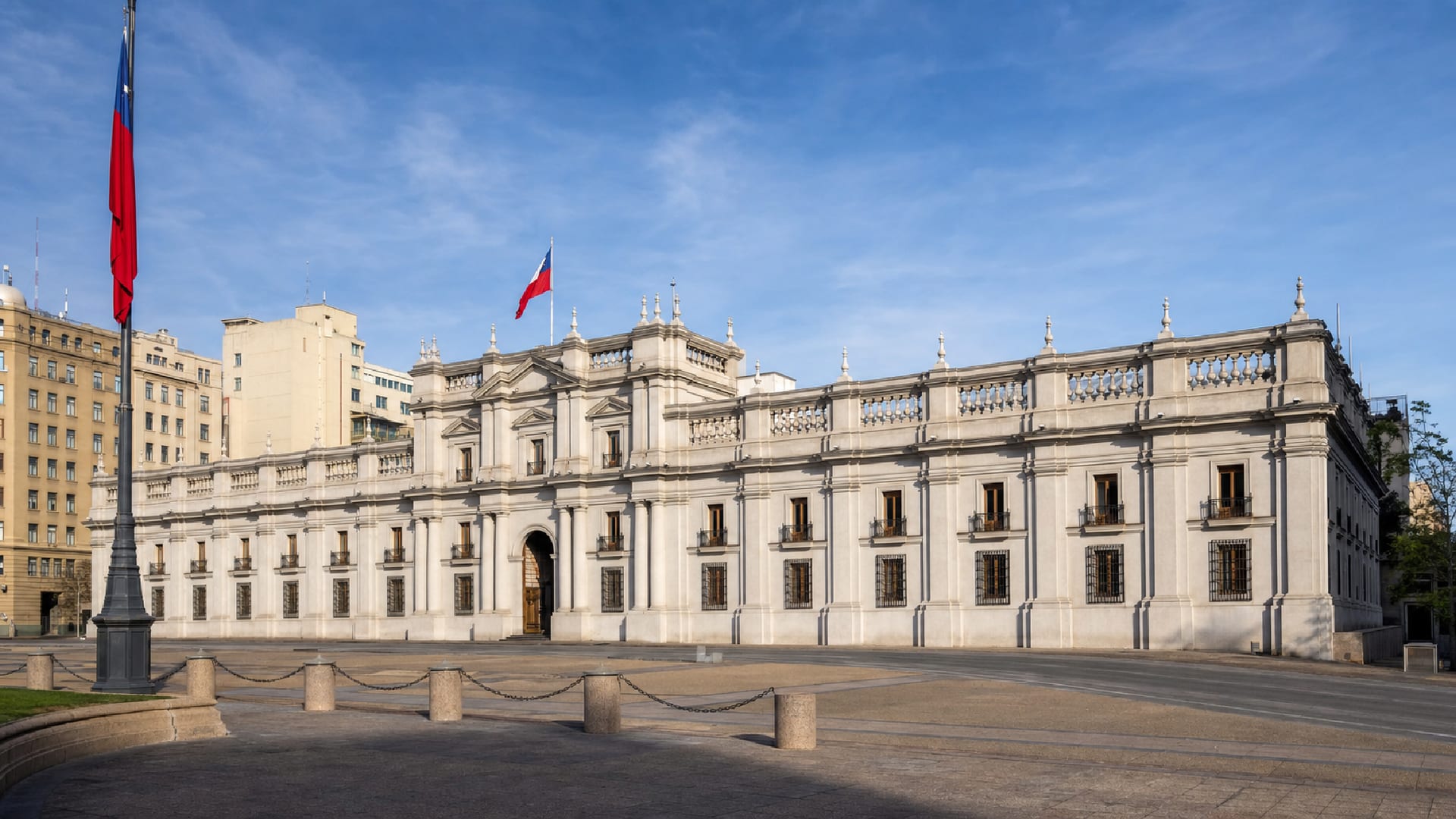
La Moneda Palace
Chile’s presidential palace sits in the civic center and marks one of Santiago’s most important historic addresses. Visitors come for the changing of the guard, the surrounding plazas, and the Centro Cultural La Moneda below.
Time needed: About 1 to 2 hours
Entry: Free to view from the exterior; guided palace visits are free on select days and require advance registration through official channels Visit the official site for details.
Tip: Arrive a little early for the guard change, then move to the plaza for photos.
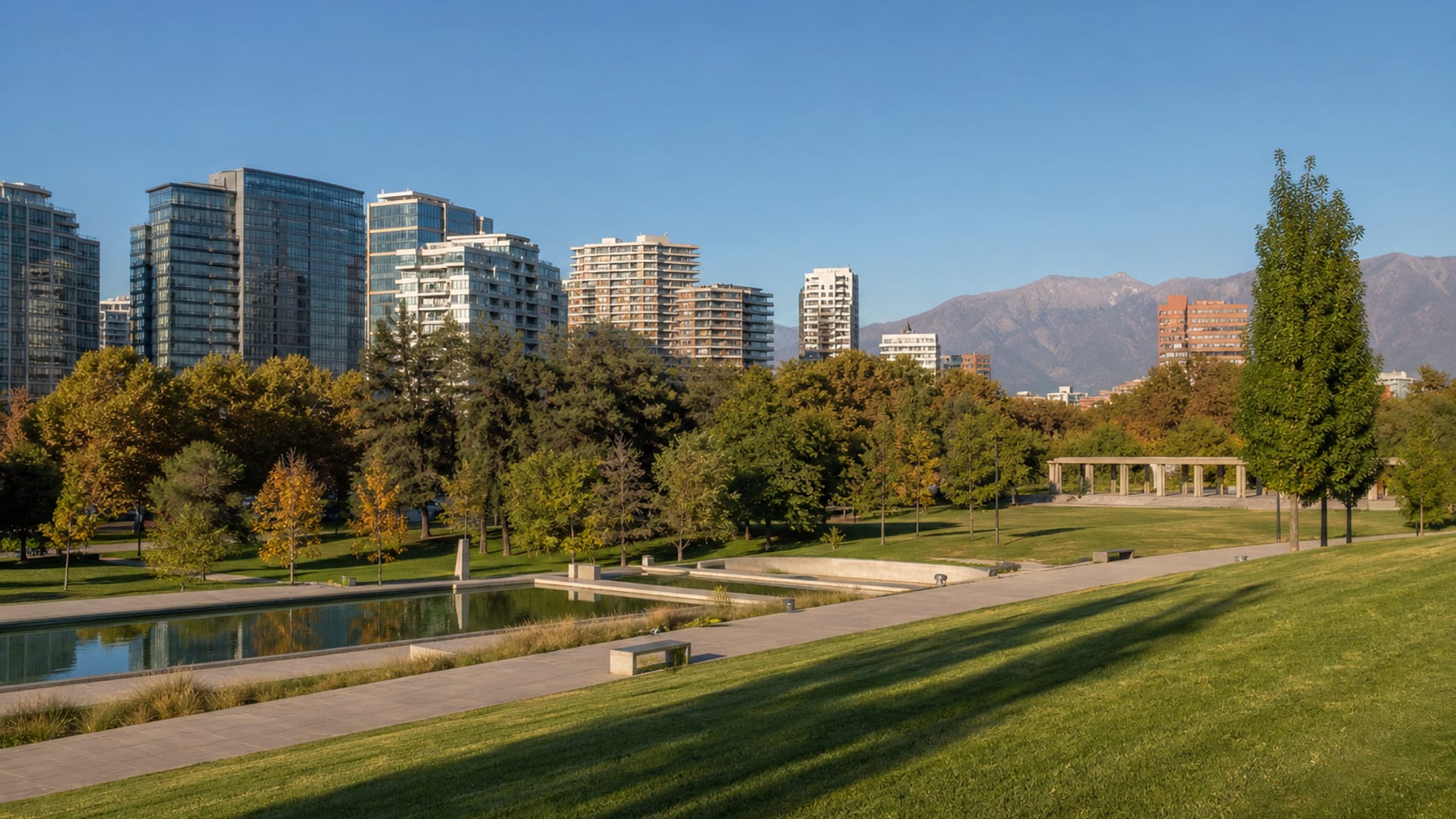
Bicentennial Park
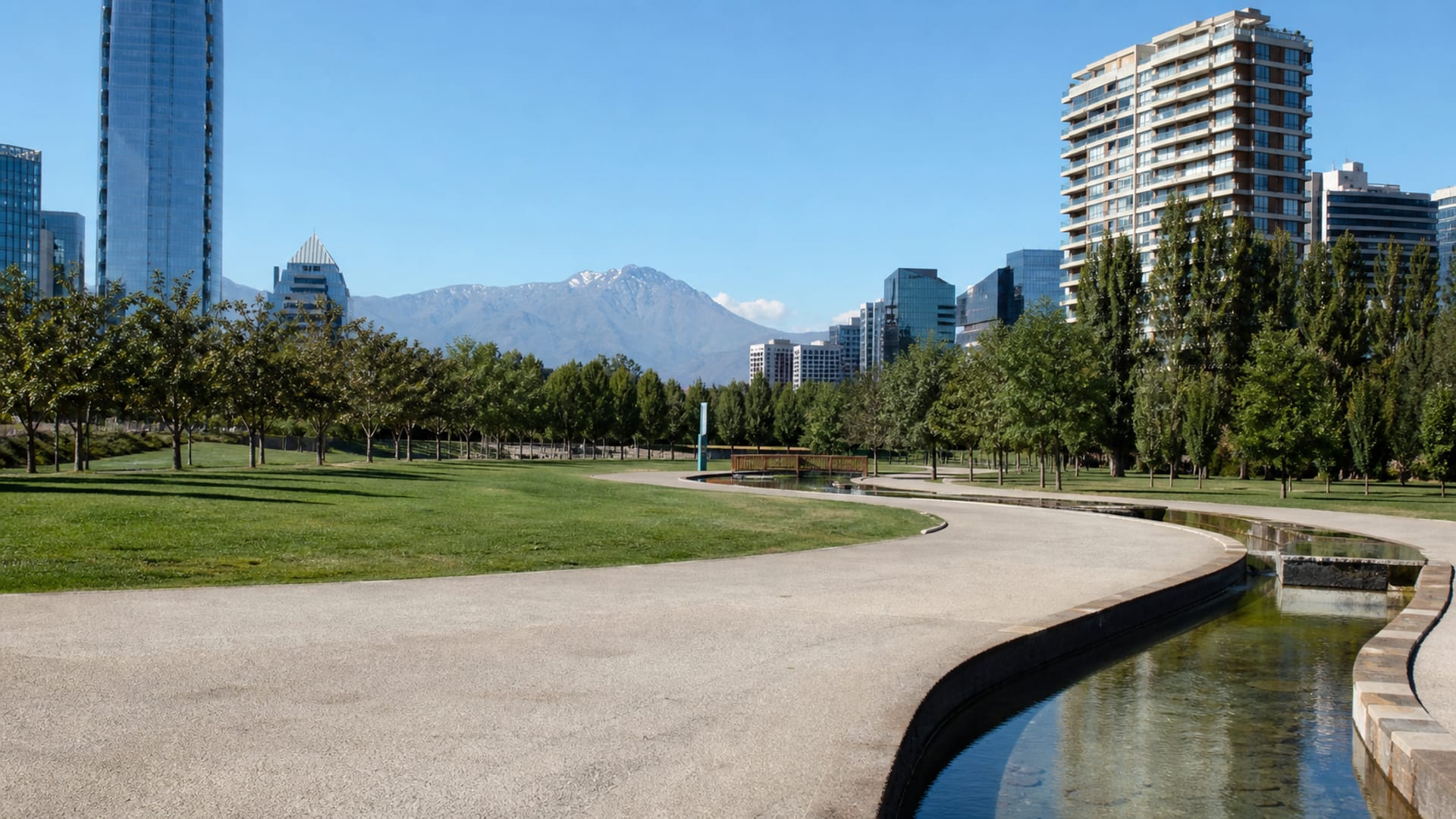
This large riverside park in Vitacura mixes lagoons, sculpted lawns, and a long urban walk beside the Mapocho River. It gives a clear look at modern Santiago, with the Andes often visible behind the skyline on dry days.
Time needed: About 1 to 2 hours
Entry: Free to enter; some on-site facilities and events charge separately, but the park itself does not have an admission fee Visit the official site for details.
Tip: Visit in the morning for softer light, cooler air, and fewer cyclists.
Overlooked sites worth visiting

Cerro Santa Lucía
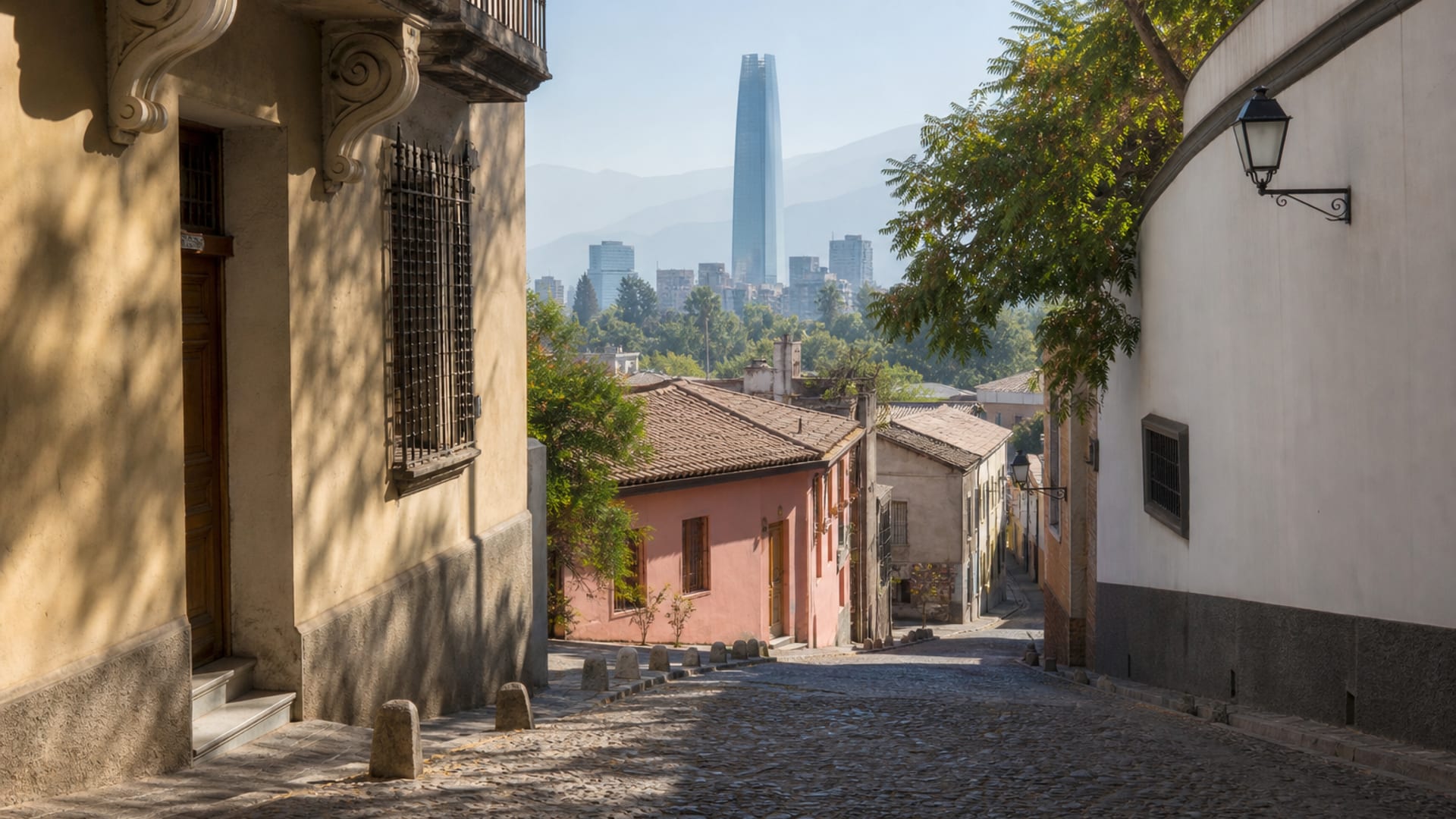
This hilltop park in the city center pairs terraced gardens, fountains, and lookout points with short stair climbs. Go for city views, tiled pavilions, and a quieter break above the traffic.
Time needed: About 1 to 2 hours
Entry: Free to access; the park opens daily, and there is no admission fee for the terraces, viewpoints, or paths. Some on-site exhibits or temporary activities may charge separately, but the main hill and gardens are open without a ticket.
Tip: Go late afternoon for softer light and fewer crowds.

Museo de la Memoria y los Derechos Humanos
This compact museum covers Chile’s dictatorship era through photos, documents, audio, and filmed testimony. Its focused galleries make a strong counterpoint to Santiago’s larger art museums and take under two hours.
Time needed: About 1 to 2 hours
Entry: Admission is free for the permanent collection, with separate charges only for select temporary programs or special events when offered. Check current hours before visiting, since schedules can change for holidays, school groups, or memorial dates Visit the official site for details.
Tip: Allow extra time for the archive exhibits on the upper level.
Traditional food
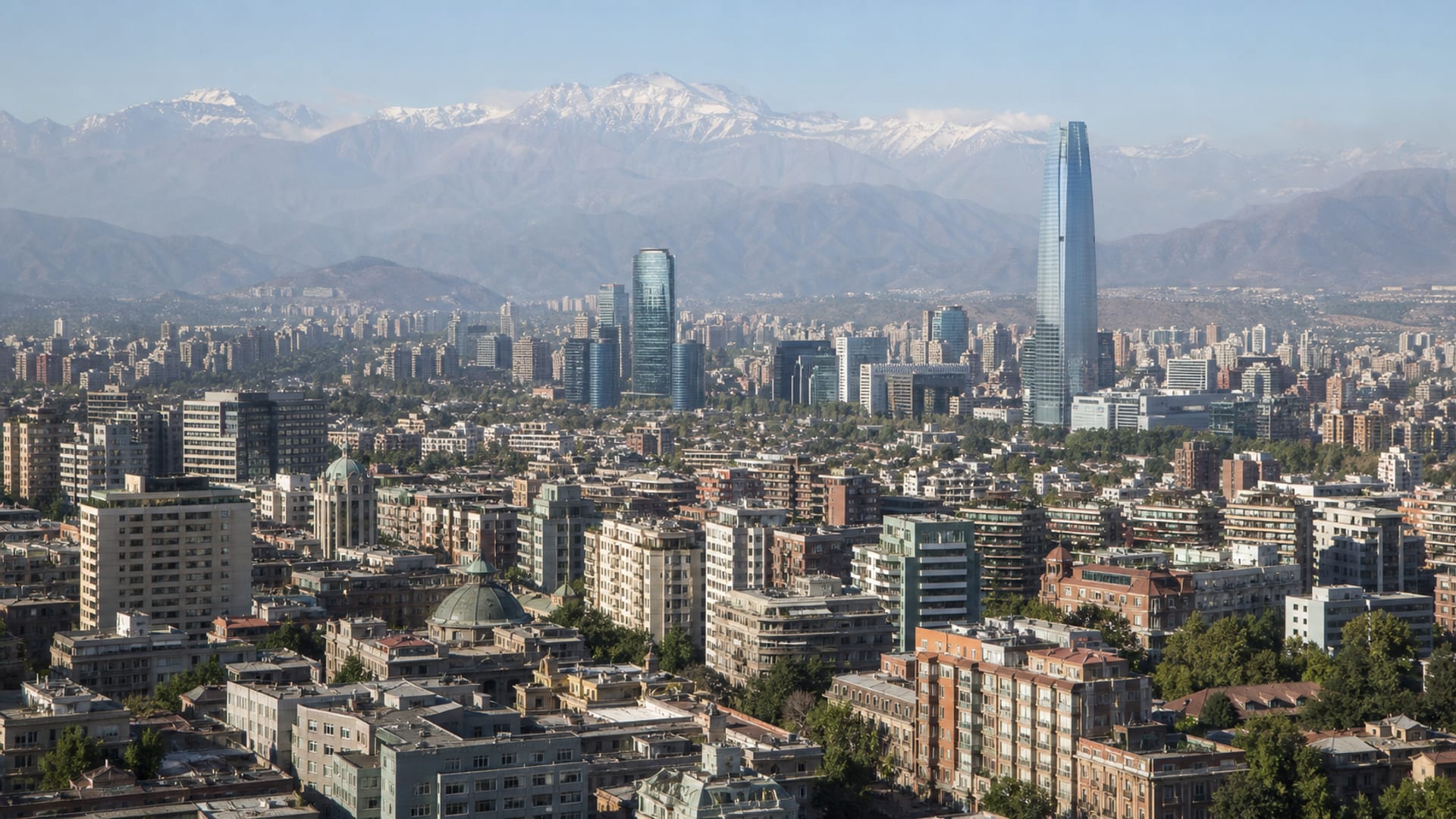
Santiago’s table leans on corn, beef, and seasonal produce, then turns them into hearty dishes like pastel de choclo and cazuela. Lunch runs long, dinner starts late, and neighborhood restaurants often matter as much as the menu.
Pastel de choclo
This corn-topped baked dish layers seasoned meat, chicken, olives, and egg under a sweet corn crust. Doña Tila is a strong place to order it in Santiago, with a menu that keeps the preparation familiar and satisfying.
Empanada de pino
A baked empanada filled with minced beef, onion, olive, and egg, it works well as a lunch stop or an early dinner starter. Fuente Alemana serves a classic version in Santiago, and the counter format keeps the dish front and center.
Cazuela
Cazuela is a broth-based stew with meat, potato, pumpkin, corn, and rice that suits cooler days and long lunches. Donde Augusto is a dependable Santiago stop for a version that matches the city’s market-side dining style.
Completo
Chile’s loaded hot dog piles on tomato, avocado, and mayonnaise, and sometimes sauerkraut or chopped greens. Dominó is one of Santiago’s best-known places for it, especially if you want a quick meal between sightseeing stops.
Best time to visit Santiago
Santiago changes more by season than by month, with dry summer light, cooler winter mornings, and shoulder seasons that usually give the best balance for walking and hill views.
Best for: Long daylight, clear mountain views, and park visits
What you get: About 82 to 88°F (28 to 31°C), with dry conditions and the biggest visitor flow around holiday periods
Trade-offs: Afternoons can feel hot on exposed streets and hills
Best for: Comfortable walking weather and calmer sightseeing
What you get: About 63 to 79°F (17 to 26°C), with lighter crowds than summer and good conditions for central neighborhoods
Trade-offs: Evenings start to cool by May
Best for: Museum days and clear views after cold mornings
What you get: About 44 to 66°F (7 to 19°C), with fewer visitors and occasional rain
Trade-offs: Early starts can feel chilly, especially in shaded areas
Best for: Garden walks and a good mix of mild days
What you get: About 54 to 77°F (12 to 25°C), with moderate crowds and fresh conditions in the parks
Trade-offs: Late spring can bring more dust and stronger afternoon sun
A realistic 5-day plan in Santiago
The five-day plan follows Santiago in a natural order: center first, then the hills, then the farther districts and one quieter museum stop. That keeps transfers clear and leaves room for lunch, dinner, and a slower final day before the airport.
Land at Santiago (SCL) and take a taxi or app-based ride into Lastarria or Providencia, which usually takes about 20 to 35 minutes and costs roughly $20 to $35, depending on traffic and time of day. If you arrive before evening, settle into your hotel, drink water, and keep dinner close to your base, such as a café in Lastarria or a neighborhood restaurant in Providencia, so you can unwind without crossing the city.
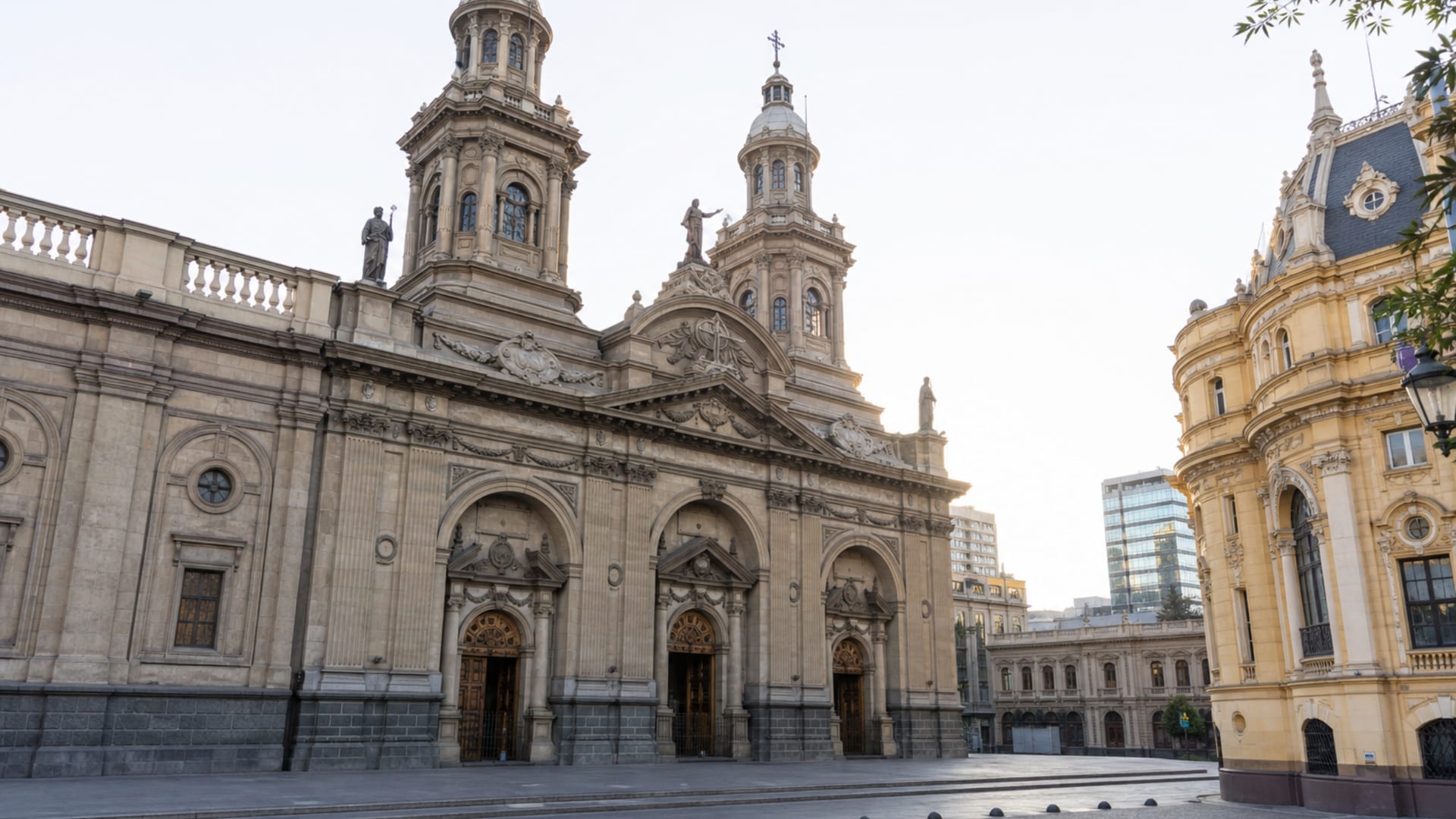
Start with Cerro Santa Lucía in the late morning, then walk about 10 minutes to the nearby civic center for La Moneda Palace and the plazas around it. Give the palace area about 1 to 2 hours, then continue on foot to Lastarria for lunch, galleries, and a slower afternoon among its cafés and small shops. If you still have energy, return to Cerro Santa Lucía at sunset for city views, then stay in Lastarria for dinner.
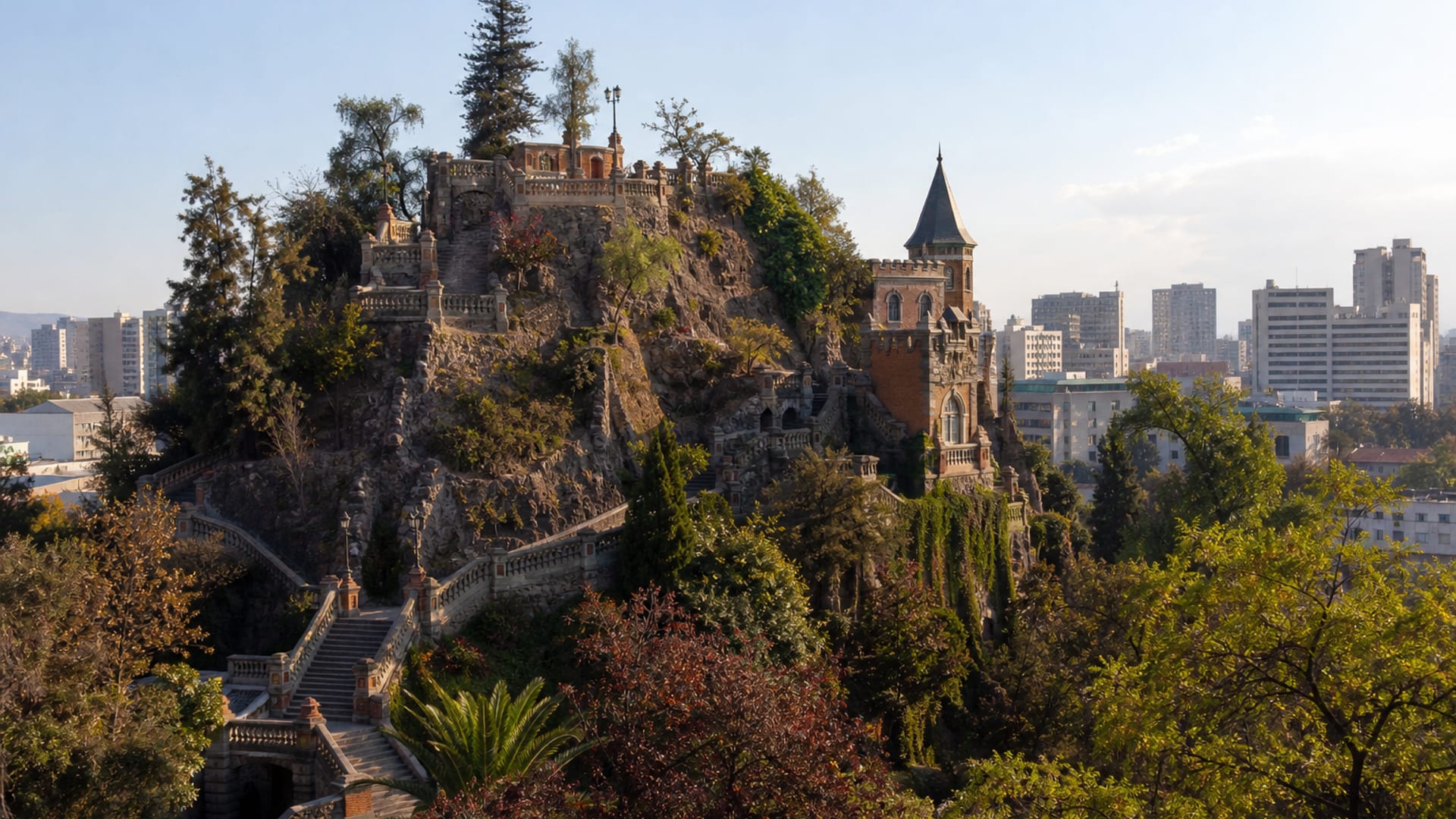
Begin in Bellavista and take the funicular or walk up to Cerro San Cristóbal, which is about 15 minutes on foot from the neighborhood’s main streets. Spend roughly 2 to 3 hours on the hill for the cable car, viewpoints, and the Virgin shrine, then head down for lunch in Bellavista before crossing by taxi or metro toward the Museo de la Memoria y los Derechos Humanos, which usually takes about 20 to 30 minutes from the central districts. Finish with an early evening meal back in Bellavista or nearby Providencia.
A morning in Vitacura pairs well with Bicentennial Park, so start there and spend about 1 to 2 hours walking the lagoons and riverside paths. From the park, a taxi to the district’s shopping and dining streets is short, and it sets up an easy lunch before you return toward the center for one more look at the city from Cerro Santa Lucía if you did not linger there on day 2. If you prefer a quieter finish, stay in Vitacura for dinner and a final drink near your hotel.
For a low-key final day, return to the Museo de la Memoria y los Derechos Humanos if you missed it earlier, or revisit it for a deeper look at the permanent collection, then spend the rest of the morning in Providencia browsing its shopping corridors and stopping for coffee. Afterward, settle into a café in Lastarria for a slow lunch, with Cerro Santa Lucía an easy nearby backdrop if you want one last walk before heading to Santiago (SCL). Leave enough time for the airport transfer, especially if you are departing during rush hour.
Business-class flights from the US to Santiago
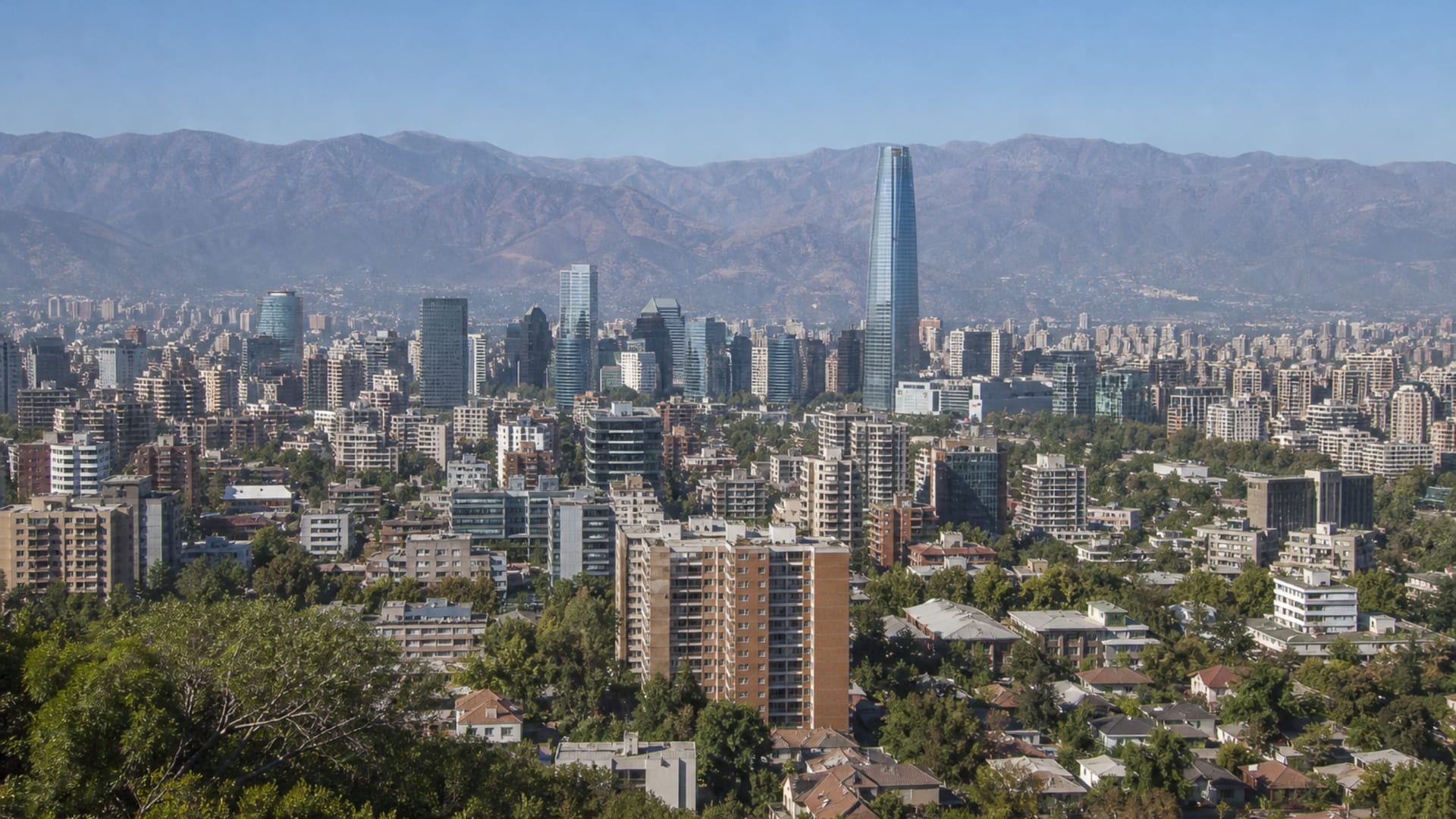
From both coasts, Santiago works best when you compare time in the air with the layover pattern, since nonstop and one-stop options can differ sharply. The route you choose often matters as much as the airline itself.
From New York (JFK), LATAM Airlines, Delta Air Lines, American Airlines, Copa Airlines, and Avianca all appear on common itineraries. Nonstop flights take about 10 to 11 hours, while one-stop options often run through Panama City (PTY), Lima (LIM), Miami (MIA), Madrid (MAD), or New York (JFK); round-trip fares usually start near $2,200 and can reach $5,500, with layovers often lowering the fare.
Los Angeles (LAX) to Santiago (SCL) is a longer West Coast run, with LATAM Airlines, American Airlines, Delta Air Lines, Copa Airlines, and Avianca on the usual list. Direct flights take about 9 to 10 hours, and one-stop itineraries commonly connect through Panama City (PTY), Lima (LIM), Miami (MIA), or Dallas-Fort Worth (DFW), with round-trip fares from about $2,000 and up to roughly $5,000.
Santiago feels different when you slow down
A good Santiago trip gives each district its own job: Lastarria for walks and dinner, the civic center for La Moneda Palace, Bellavista for Cerro San Cristóbal, and Vitacura for Bicentennial Park. The city rewards using the metro for part of the day, taxis for longer crossings, and a patient lunch break when the kitchen closes between services. If you want help matching that pace to your dates, AranGrant experts can tailor the route around Santiago’s neighborhoods and seasons







