

Chapters:

Need help with your trip?
Our support team is available 24/7. Request a callback or call us directly at (833) 619-0908
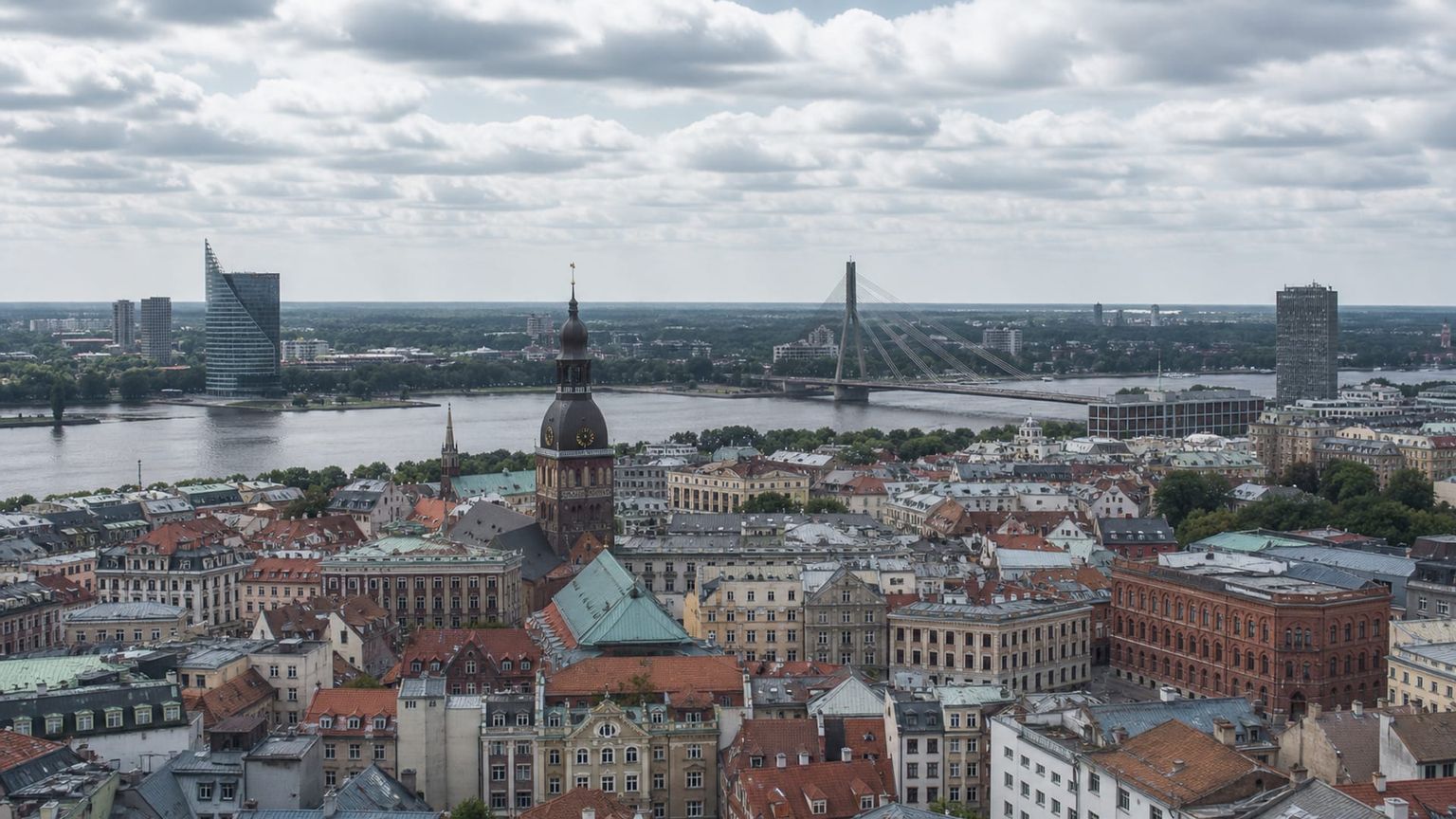
Riga trips often start and end in the same loop, Old Town check-in, a cathedral, the market, then a quick riverfront look before the flight out. That works, but it skips the parts of the city that reveal how people actually move, eat, and settle into a stay.
The gap is not distance alone. Riga’s core is compact, yet tram lines, bridge crossings, and one-way streets can slow a day if you stack sights without a clear order, especially when crowds gather in the medieval center.
This guide breaks the city into calmer pieces, from Old Town to Centrs and the Quiet Centre, so you can match museums, meals, and transit to the time you have.
Useful things to know

Main language(s): Latvian
Sveiki (SVAY-kee) – Hello
Lūdzu (LOOD-zoo) – Please
Paldies (pal-DYES) – Thank you
Vai jūs runājat angliski? (vai yoos roo-NAH-yat AHNG-lis-kee) – Do you speak English?
Cik tas maksā? (tsik tas MAHK-sah) – How much does it cost?

Currency: The local currency is the euro (EUR, €).

Cash and cards: Cards and contactless are widely accepted; carry about €10 to €20 ($11 to $22) in cash for small purchases.

Tipping: Round up small bills; add about 5-10% in restaurants if service is good.

Traditional food: Grey peas with bacon, cold beet soup, rye bread, smoked sprats

Water and coffee costs: Water about €1.50 to €3 ($2 to $3), bar espresso about €2 to €3 ($2 to $3).

Taxis and ride apps: Bolt and inDrive operate here; apps are usually better than street hails.

Plug and voltage: Type C/F socket, 230V

Dining and shop opening hours: Breakfast is about 07:00-10:00, lunch 12:00-15:00, and dinner 18:00-22:00. Many kitchens close between lunch and dinner, and some cafés shut earlier on Sundays.

Emergency number: 112 for police, fire, and ambulance.
Where to stay in Riga
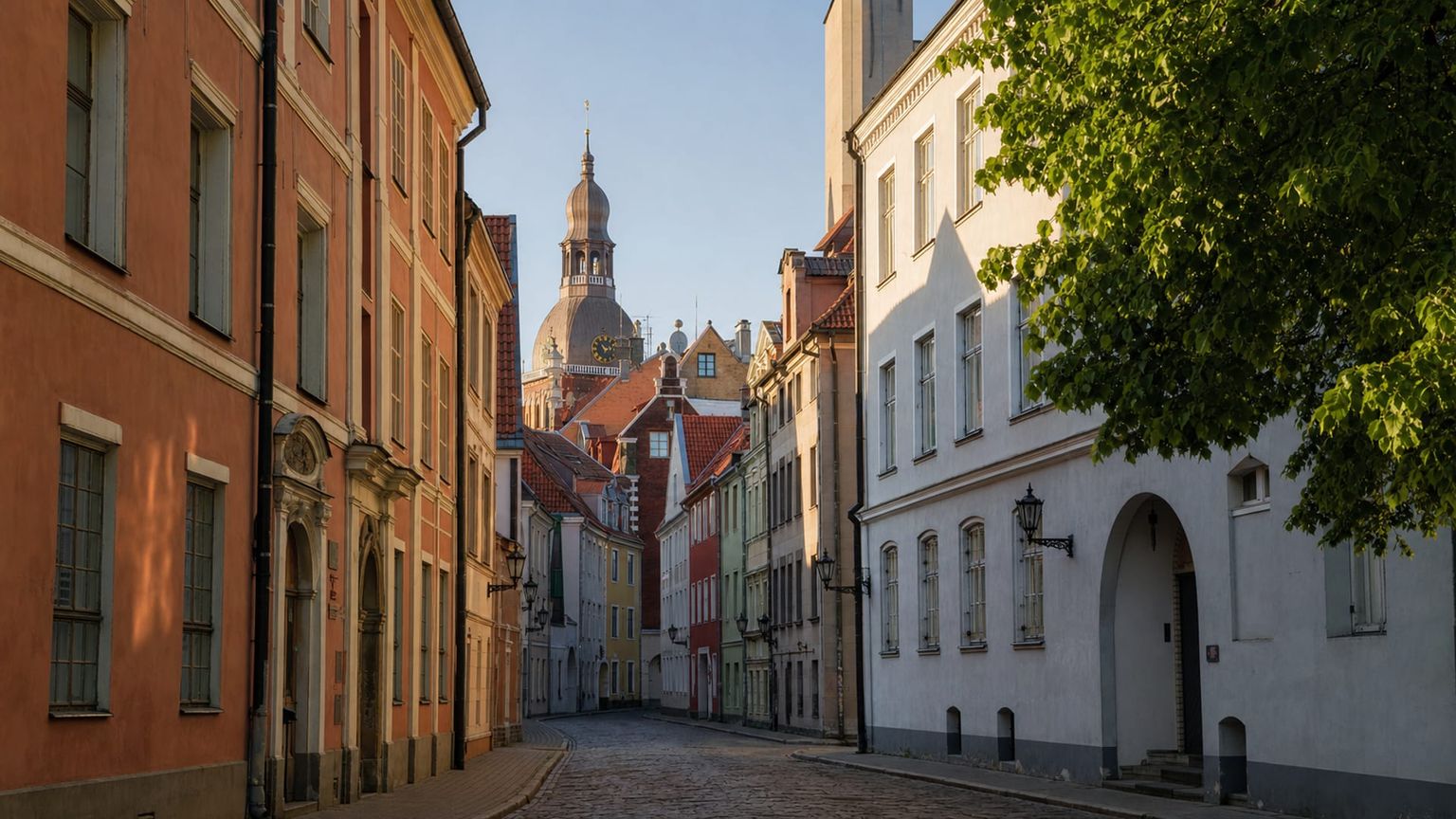
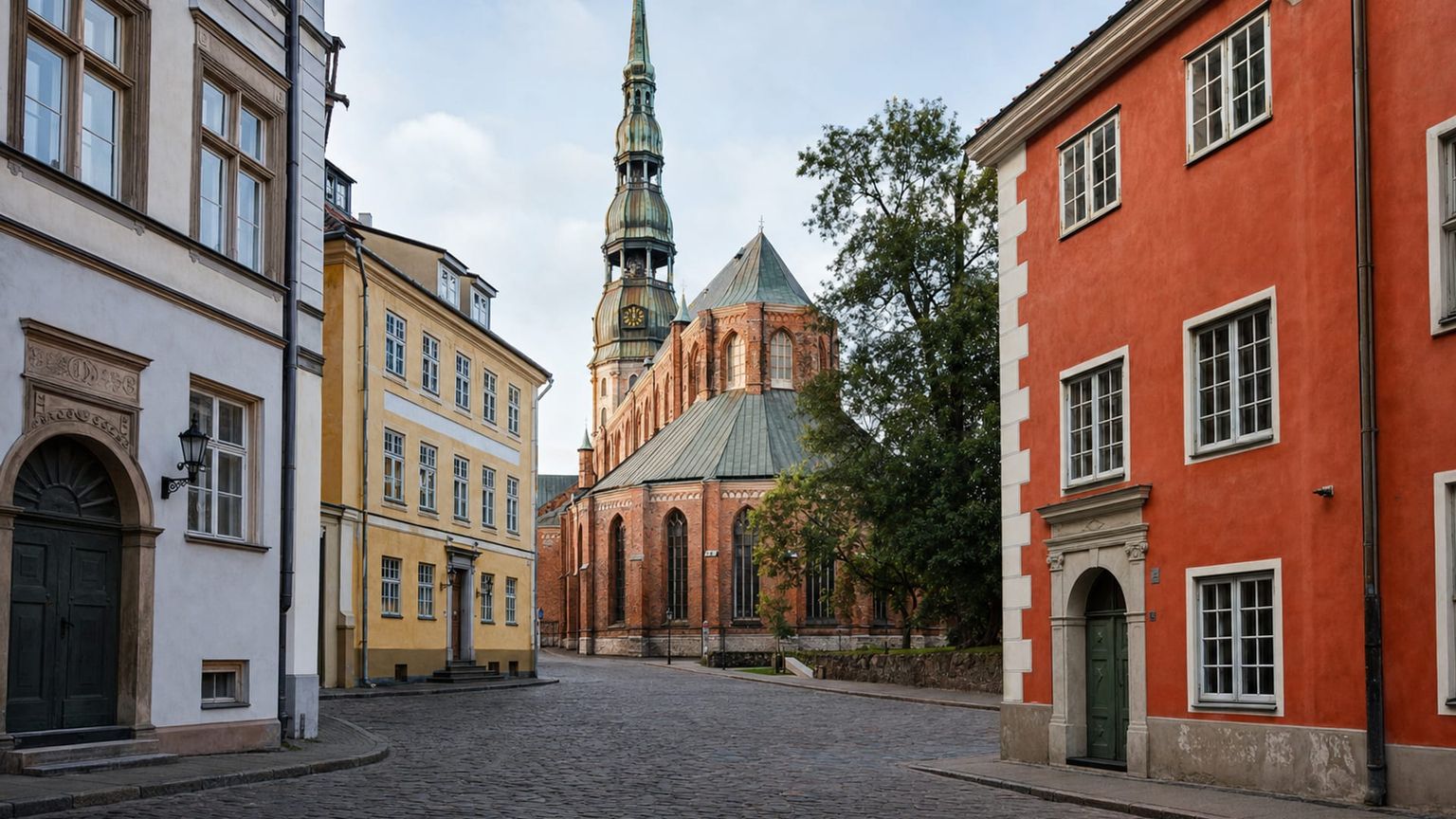
Riga’s medieval core clusters around cobbled lanes, guild houses, and landmark churches. Staying here puts you within an easy walk of the Dome Cathedral, House of the Blackheads, and the main museum circuit.
Best for: First-time visits, sightseeing, and travelers who want to step out into the historic center
What to expect: Expect busy daytime streets, café terraces, tour groups, and lively evenings near the main squares.
Hotel prices: Usually about €90 to €180 (~$98 to ~$196) per night for well-rated stays
Distance to major sights: 5 to 10 minutes on foot to the House of the Blackheads; about 10 minutes on foot to Riga Cathedral
Quietness: Days are busy and tourist-heavy, while late evenings can be noisy on the main pub streets.
Main trade-off: The most central streets bring higher rates and more foot traffic, especially on weekends.
Good to know: Choose a side street rather than a square-facing room if you want to cut down on late-night noise.
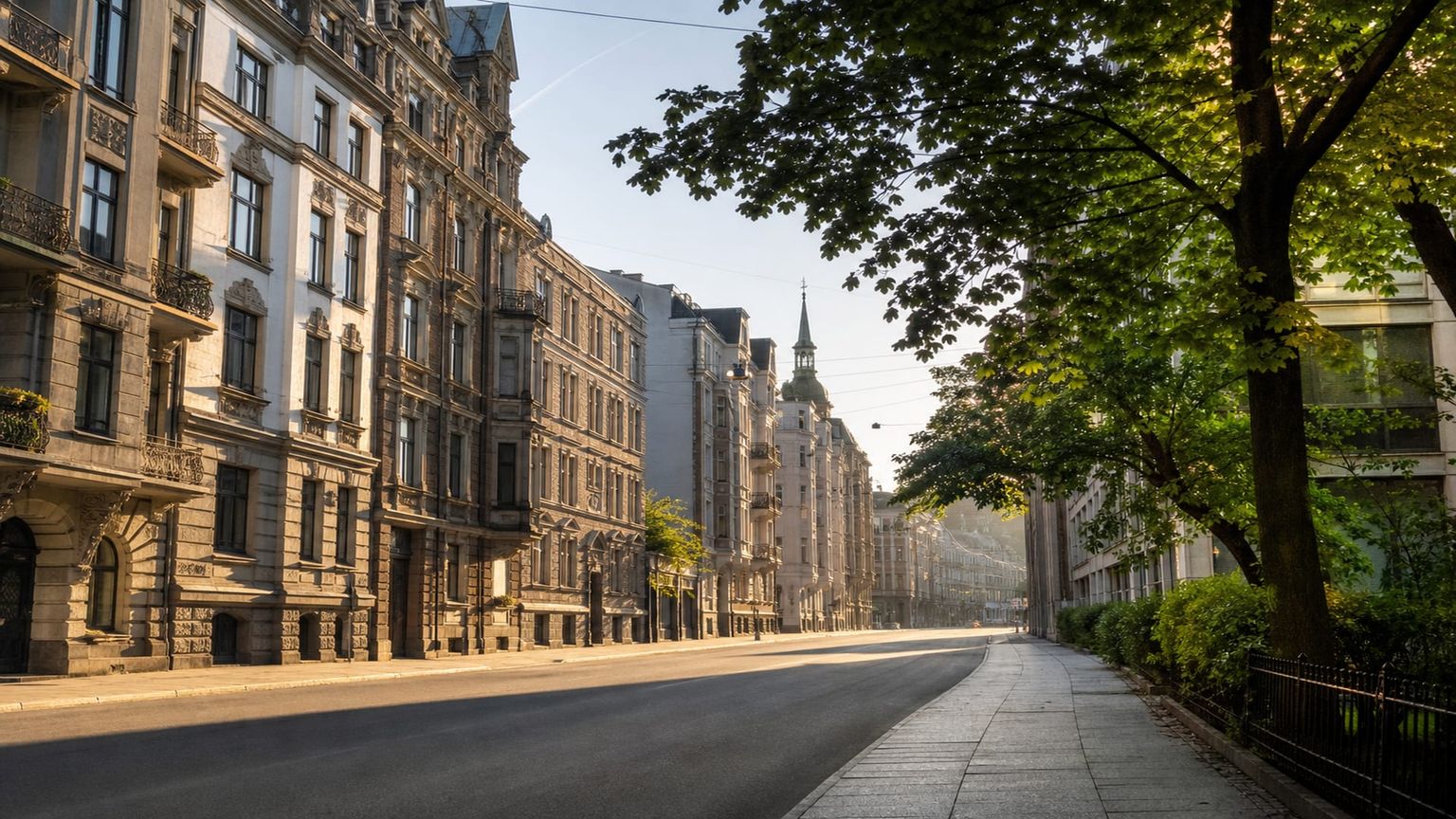
Centrs is Riga’s central district, with Art Nouveau blocks, broad avenues, and easy access to shopping and transit. It sits between the old town and the embassy quarter, which makes it useful for getting across the city quickly.
Best for: Art Nouveau architecture, shopping, transit access, and travelers who want a central base outside the tourist core
What to expect: Expect steady street traffic, busy tram stops, and a mix of local office life, restaurants, and hotels.
Hotel prices: Usually about €70 to €150 (~$76 to ~$163) per night for well-rated stays
Distance to major sights: About 12 to 18 minutes on foot to Freedom Monument; about 15 minutes on foot to Old Town
Quietness: Days are active along the main avenues, while side streets are calmer at night.
Main trade-off: You gain easier transport links, but the most convenient blocks can sit beside traffic and tram lines.
Good to know: If you want quieter evenings, check the hotel’s exact block, since a few main streets carry more traffic than the map suggests.
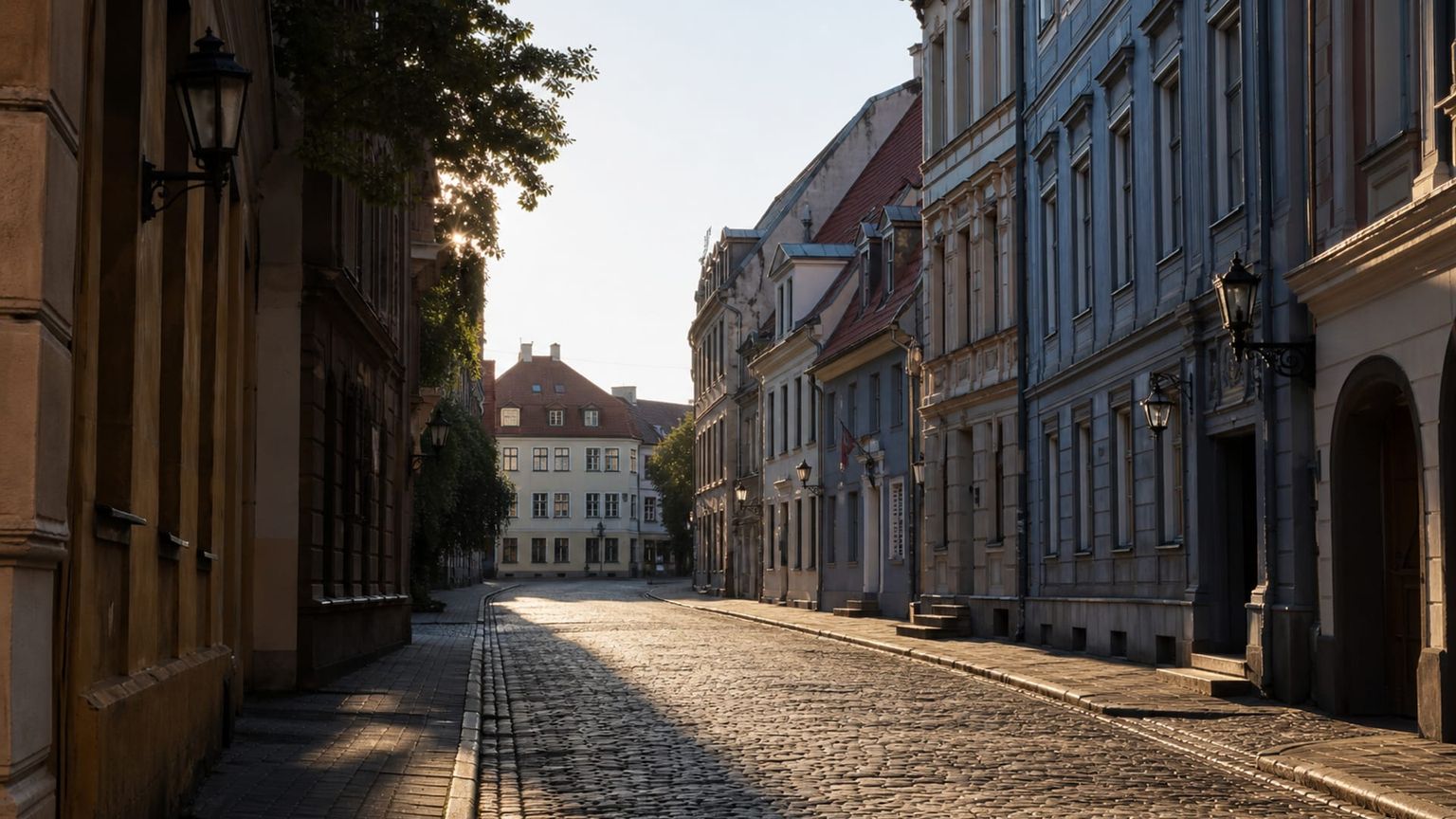
The Quiet Centre sits north of the historic core, where embassy streets and early 20th-century apartment houses replace the tourist crowds. It matters for travelers who want elegant surroundings, good restaurants, and shorter walks to the center without staying inside Old Town.
Best for: Couples, longer stays, architecture fans, and travelers who want a calmer central address
What to expect: Expect tree-lined streets, more local foot traffic than tour groups, and a calmer evening pace than Old Town.
Hotel prices: Usually about €80 to €170 (~$87 to ~$185) per night for well-rated stays
Distance to major sights: About 15 to 20 minutes on foot to the Freedom Monument; about 20 minutes on foot to the House of the Blackheads
Quietness: Days stay active with cafés and offices, while evenings are notably quieter than the historic core.
Main trade-off: You trade immediate Old Town access for a less concentrated restaurant and nightlife scene right outside your door.
Good to know: Book near the tram corridor if you plan frequent trips across Riga, because the district is larger than it first appears.
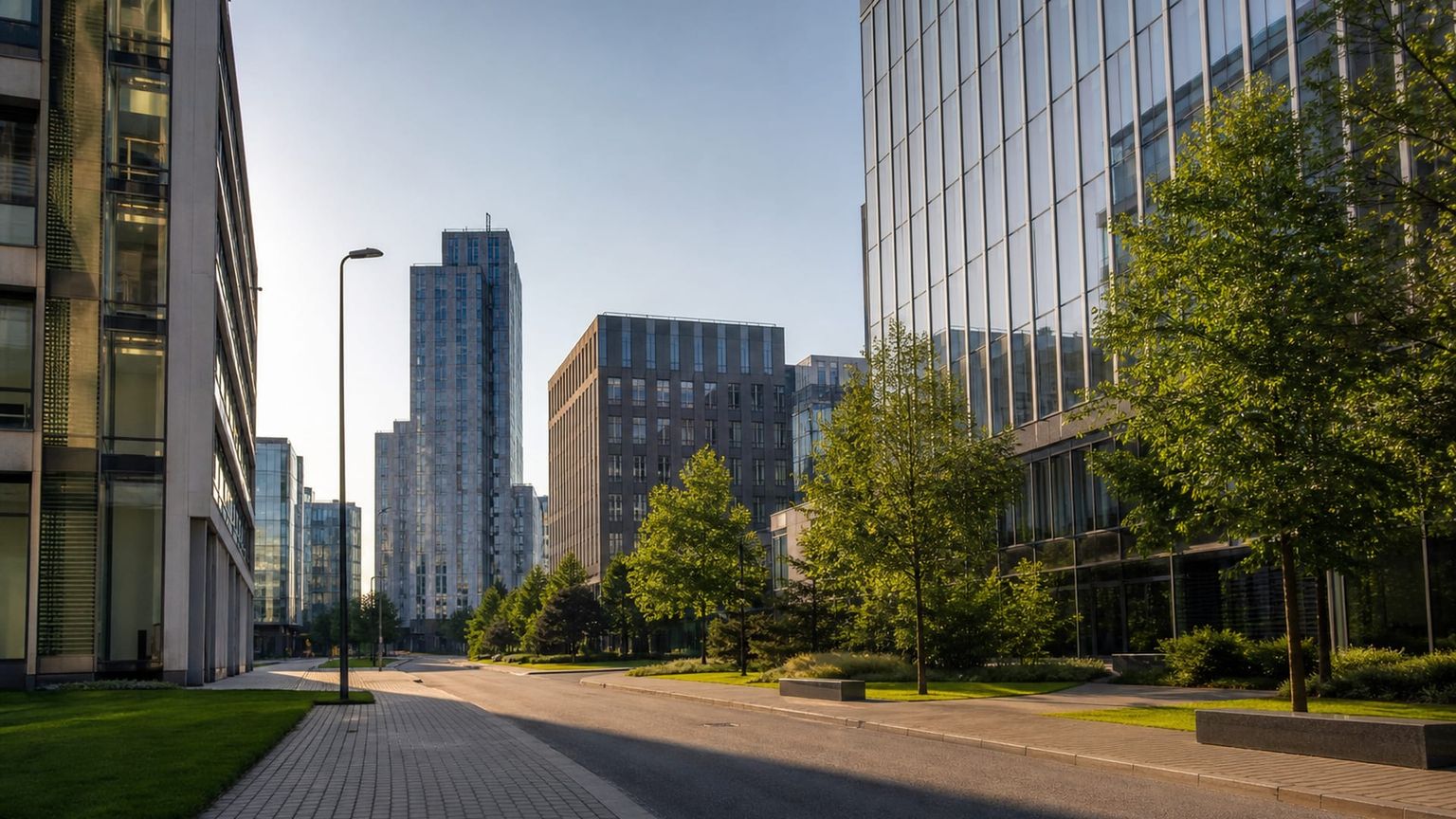
Skanste is Riga’s newer business district, known for arena events, modern apartment blocks, and recent development. It suits travelers who value newer hotels and easy access to the city center by tram or taxi.
Best for: Business travel, arena events, and travelers who prefer newer hotels over historic settings
What to expect: Expect wide streets, construction pockets, office traffic, and a quieter street scene after business hours.
Hotel prices: Usually about €60 to €130 (~$65 to ~$141) per night for well-rated stays
Distance to major sights: About 10 to 15 minutes by tram to the Freedom Monument; about 20 minutes by tram to Old Town
Quietness: Days are busy around offices and event venues, while evenings are usually calm outside event nights.
Main trade-off: You get newer lodging and easier parking, but you will depend more on transit or taxis for sightseeing.
Good to know: Check the event calendar before booking, because arena nights can push rates up and fill nearby streets quickly.
Travelers usually avoid Daugavgrīva, Bolderāja, and the outer edge of Pļavnieki, because they sit far from Riga’s main sights in the Old Town, Central Market area, and Art Nouveau district, with fewer visitor amenities and longer evening trips back to the center. The airport corridor near Riga International Airport can also be less convenient for a city stay, since it puts you away from the historic core and gives you limited walkable dining after dark.
Hotel deals
How to get around Riga efficiently
Riga has no metro, so most visitors pair walking with trams, the 22 bus from Riga Airport (RIX), and app-based taxis for longer hops.

Metro
for longer distances
Riga has no metro, so visitors rely on buses, trams, and the suburban rail network instead; from Riga Airport (RIX), the 22 bus reaches central Riga in about 25 to 35 minutes and uses the same timed ticket system as other public transport, with a 90-minute fare of about $1.10 (€1.50) if bought in advance or about $1.80 (€2) from the driver or kiosk.

Bus and tram
for convenience
Route 22 links Riga Airport (RIX) with the city center, while trams and buses cover Old Town, the central districts, and most neighborhoods well beyond the tourist core; tickets are time-based, usually 90 minutes, and cost about $1.10 (€1.50) in advance or about $1.80 (€2) on board, with day passes also available. The network is useful for short hops, and the airport bus usually takes about 25 to 35 minutes to reach downtown, depending on traffic.

Taxi
for convenience or late hours
Licensed taxis use meters in Riga, and airport pickups may include a fixed fee or a metered fare depending on the company, so confirm the price before you leave the curb; from Riga Airport (RIX) to central Riga, expect roughly $15 to $25 (€14 to €23), with night or heavy-traffic trips costing more. Most licensed cars accept cards, though cash still helps, and you can also book through ride-hailing apps or use the official taxi ranks outside arrivals.
*Prices are based on rates updated as of June 2026 and may change at the time of travel.
Walk for Old Town and Centrs, use trams for cross-town museum runs, take bus 22 for the airport, and rely on Bolt or inDrive when you want the quickest door-to-door transfer.
Iconic landmarks
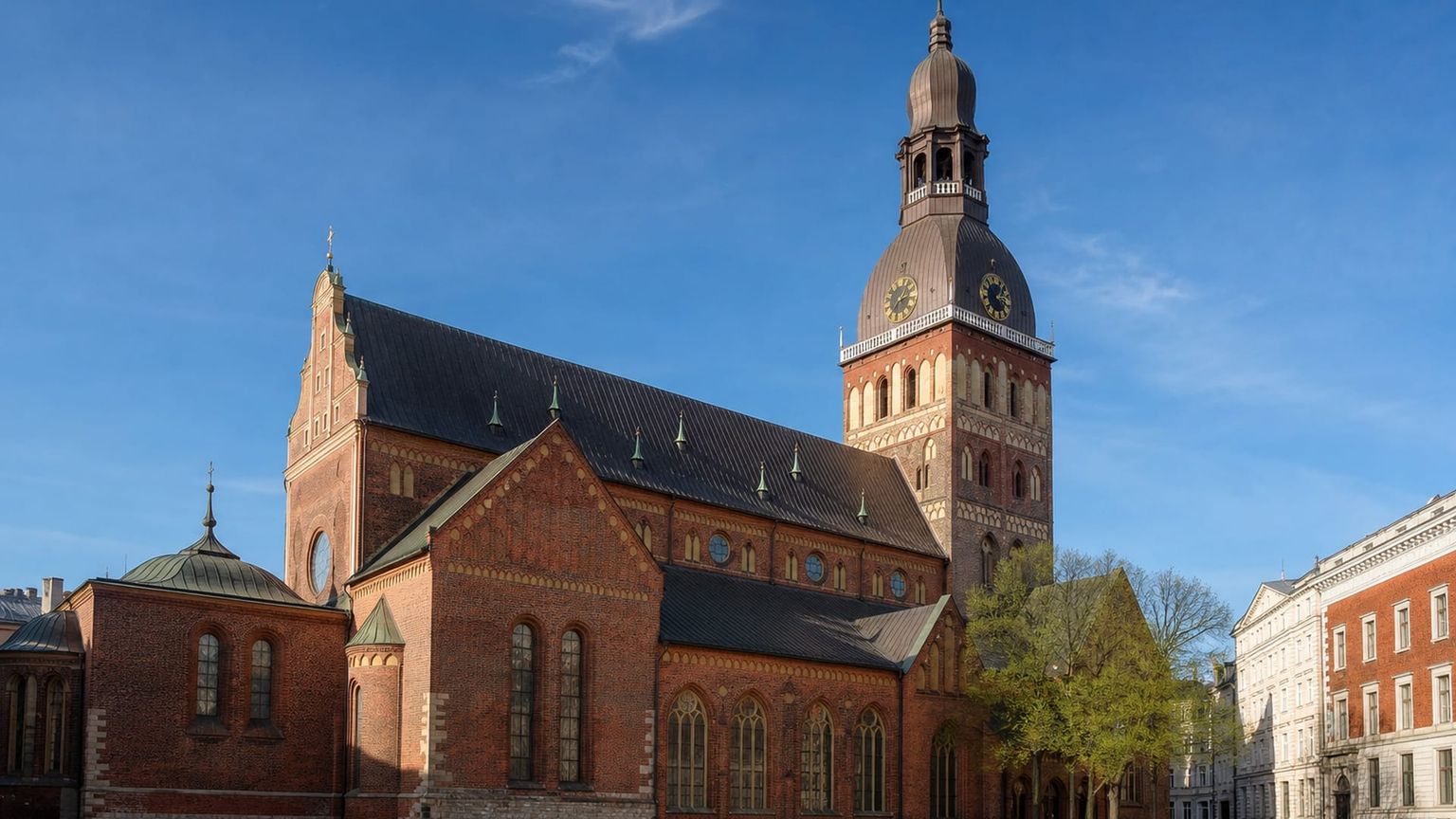
Riga Cathedral
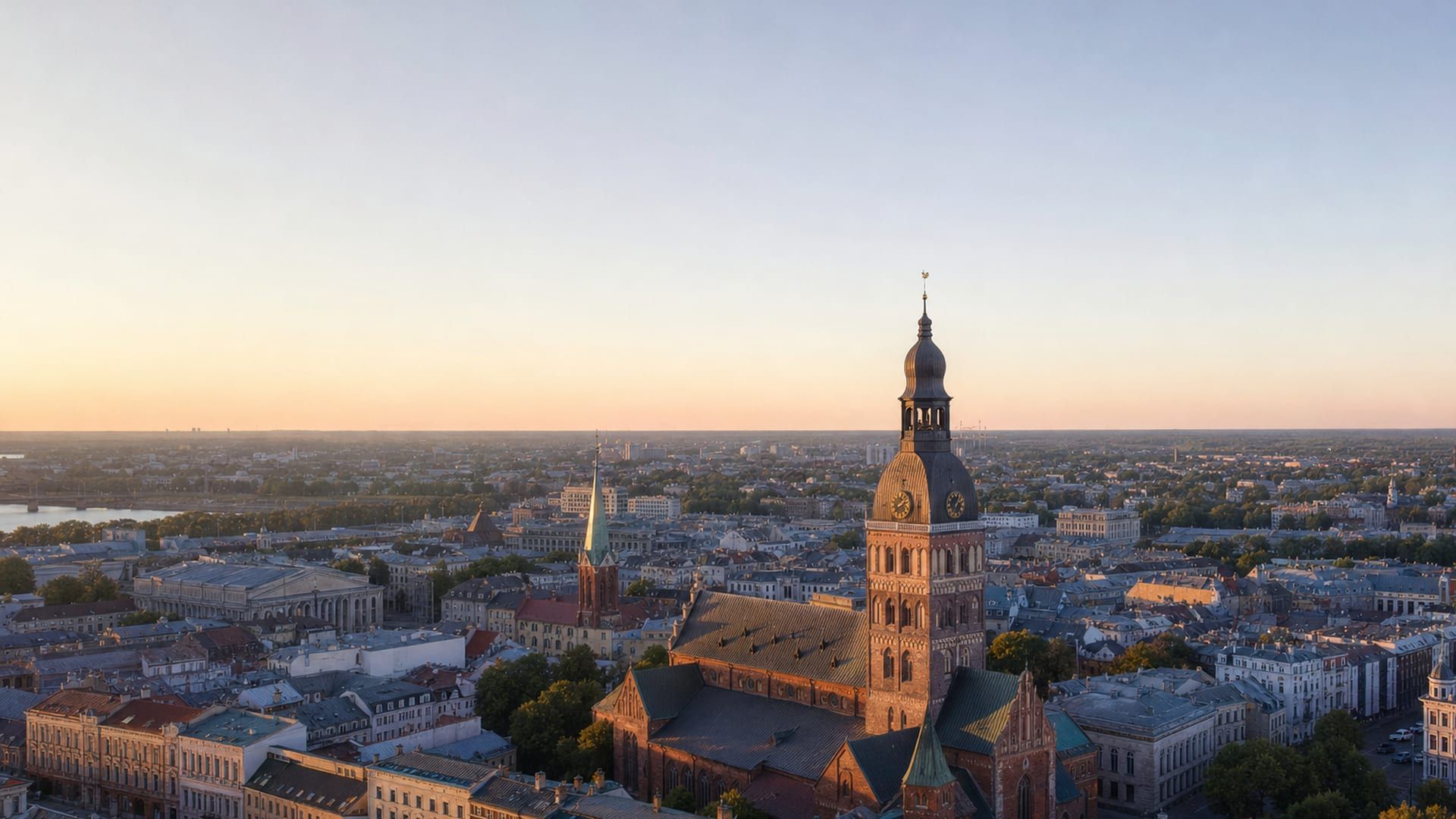
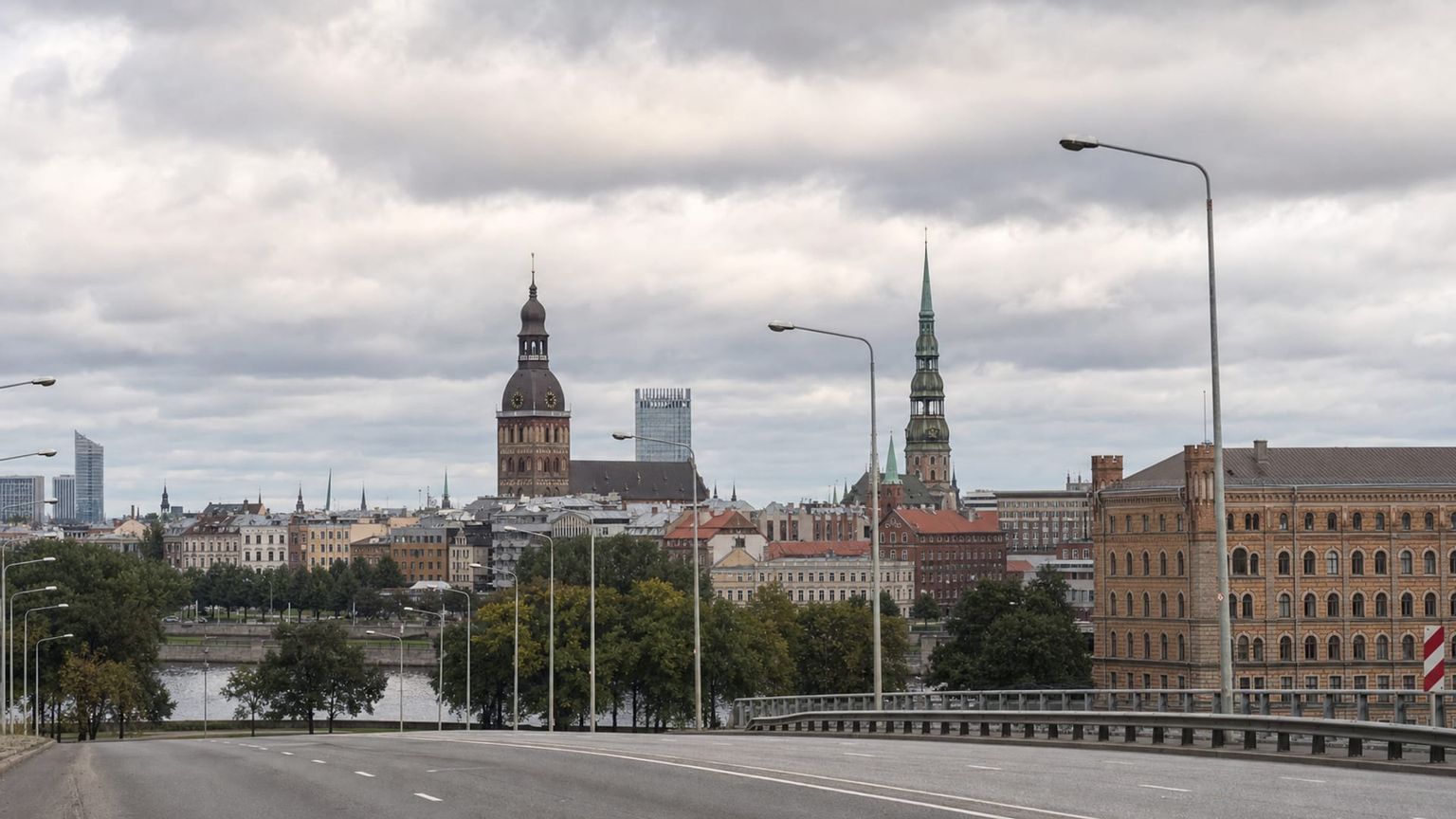
Riga Cathedral anchors the old town with layered Romanesque, Gothic, and Baroque work, plus one of the city’s great pipe organs. Its square, stone tower, and interior give a clear read on Riga’s civic and religious history.
Time needed: About 1 to 1.5 hours
Entry: Standard admission costs about $7 ($6) for adults, with separate fees for tower access, organ concerts, and some special exhibitions. Visit the official site for details.
Tip: Go early for quieter nave views, then return at dusk for better photos of the tower.
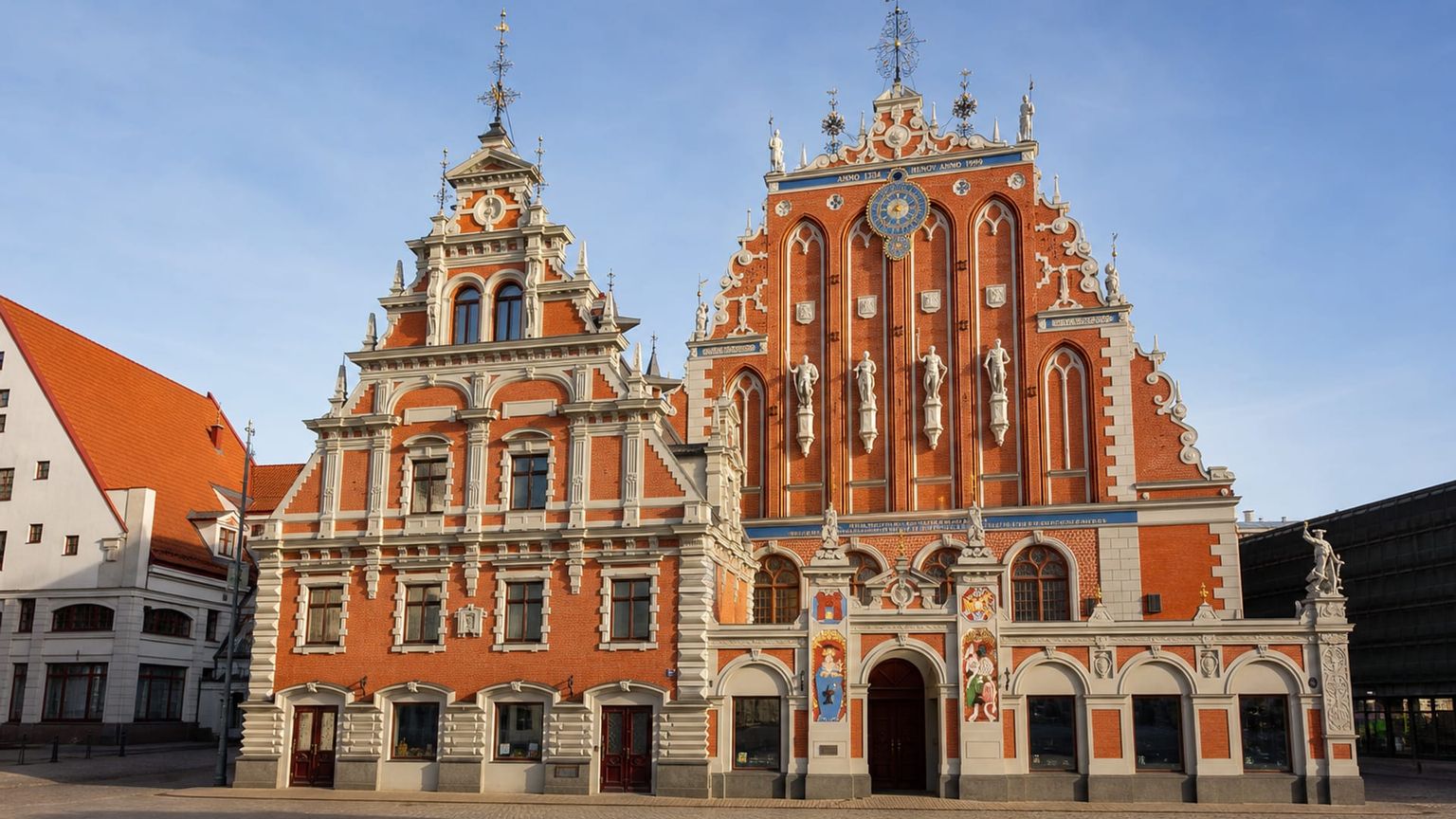
House of the Black Heads
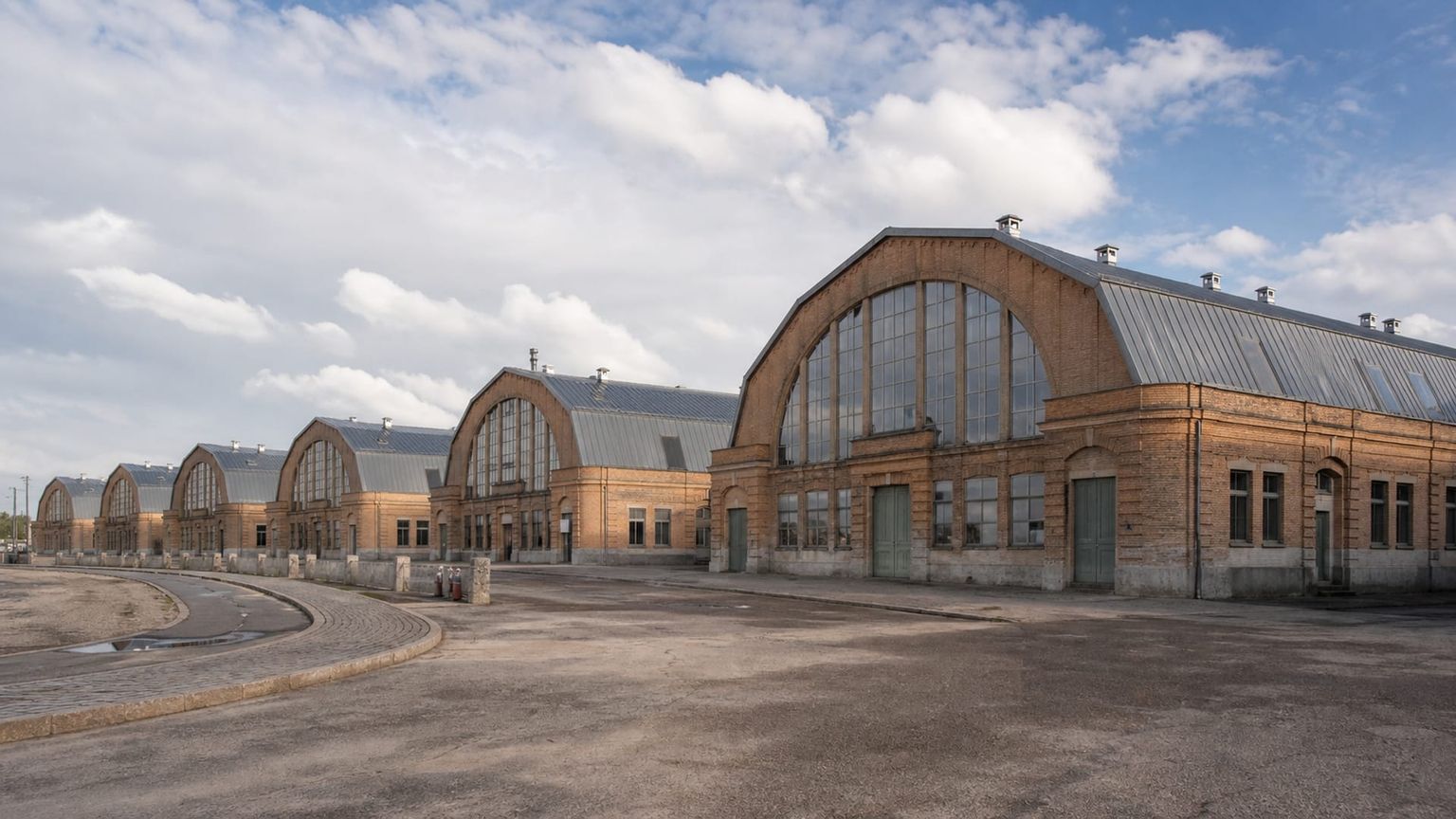
The House of the Black Heads, rebuilt on its medieval foundation, fronts Town Hall Square with a richly decorated Gothic Revival facade. Inside, the chambers and cellars explain Riga’s merchant guild life and ceremonial culture.
Time needed: About 1 to 1.5 hours
Entry: Standard tickets cost about $12 ($11) for adults, with lower rates for students, seniors, and family tickets. Visit the official site for details.
Tip: Visit midmorning for clearer square views, when tour groups have not filled the courtyard yet.
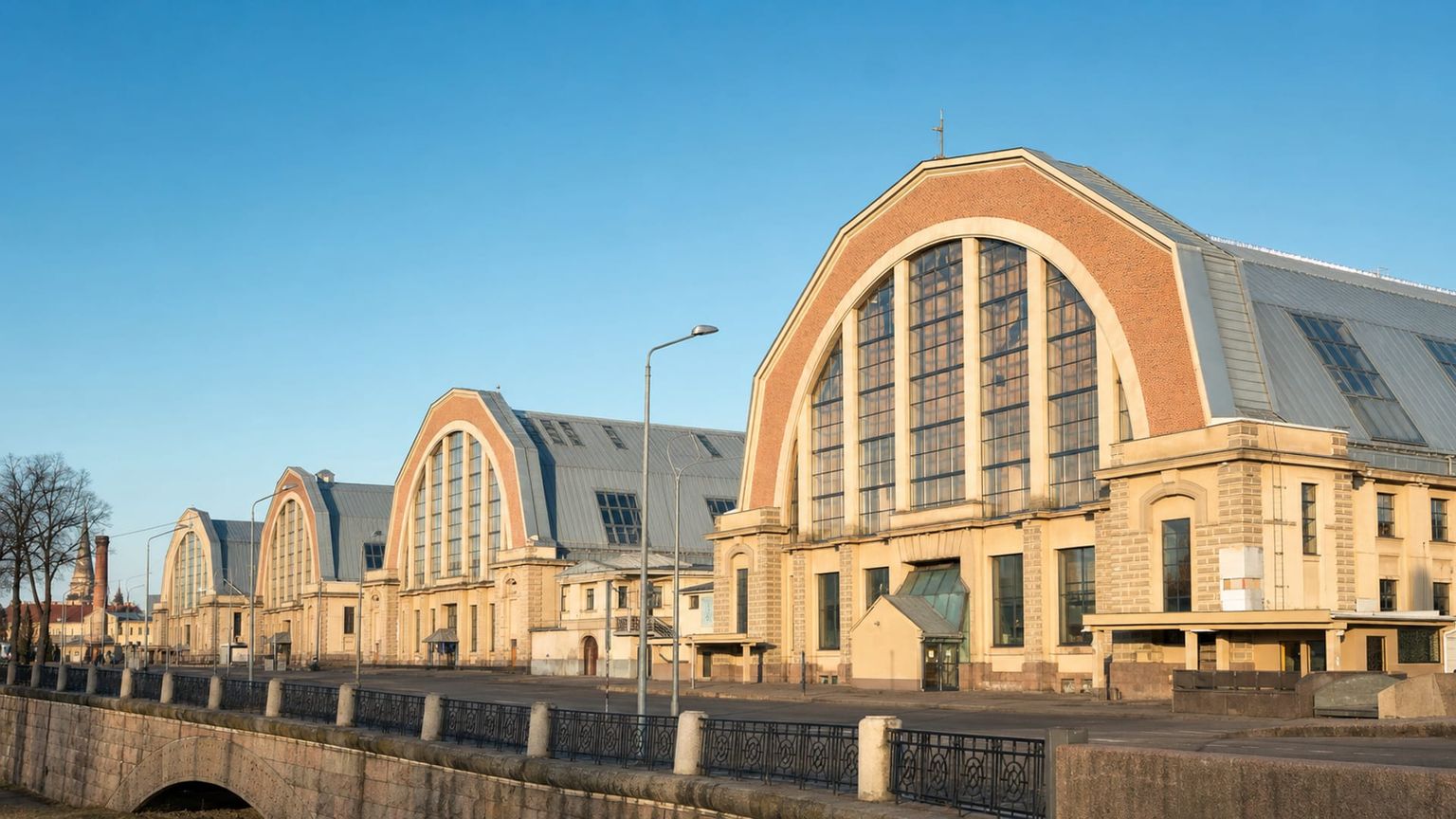
Riga Central Market
Riga Central Market fills former zeppelin hangars near the Daugava with produce, fish, smoked meats, and bakery stalls. It shows daily life in Riga through local foods, seasonal ingredients, and large-scale market halls.
Time needed: About 1.5 to 2 hours
Entry: Entry is free; purchases depend on what you buy, with snacks usually starting at about $2 to $6 ($2 to €5). Visit the official site for details.
Tip: Arrive before noon for the best produce selection and easier movement through the fish hall.
Overlooked sites worth visiting

Māras dārzs
This riverside park in Āgenskalns follows the Daugava with lawns, paths, and a viewing platform near the water. It draws fewer visitors than the Old Town riverfront and works well for a quiet walk.
Time needed: About 45 minutes to 1.5 hours
Entry: Free to access; the park has no admission fee, and you can enter at any time during daylight hours. Nearby cafés and the surrounding neighborhood are separate expenses, and seasonal rentals or events inside the park may charge their own fees.
Tip: Go near sunset for the clearest river views.

Dekoratīvās mākslas un dizaina muzejs
Housed in a former medieval church, this museum pairs Latvian decorative arts with design objects and changing exhibitions. Its compact galleries make it a quieter stop than Riga’s larger art museums.
Time needed: About 1 to 1.5 hours
Entry: Standard tickets cost about $7 to $10 (€6 to €9) for adults, with reduced prices for students and seniors. Temporary exhibitions may use separate pricing, and guided visits or audio materials can add a small extra charge. Visit the official site for details.
Tip: Check current exhibitions before you go; displays rotate often.
Traditional food
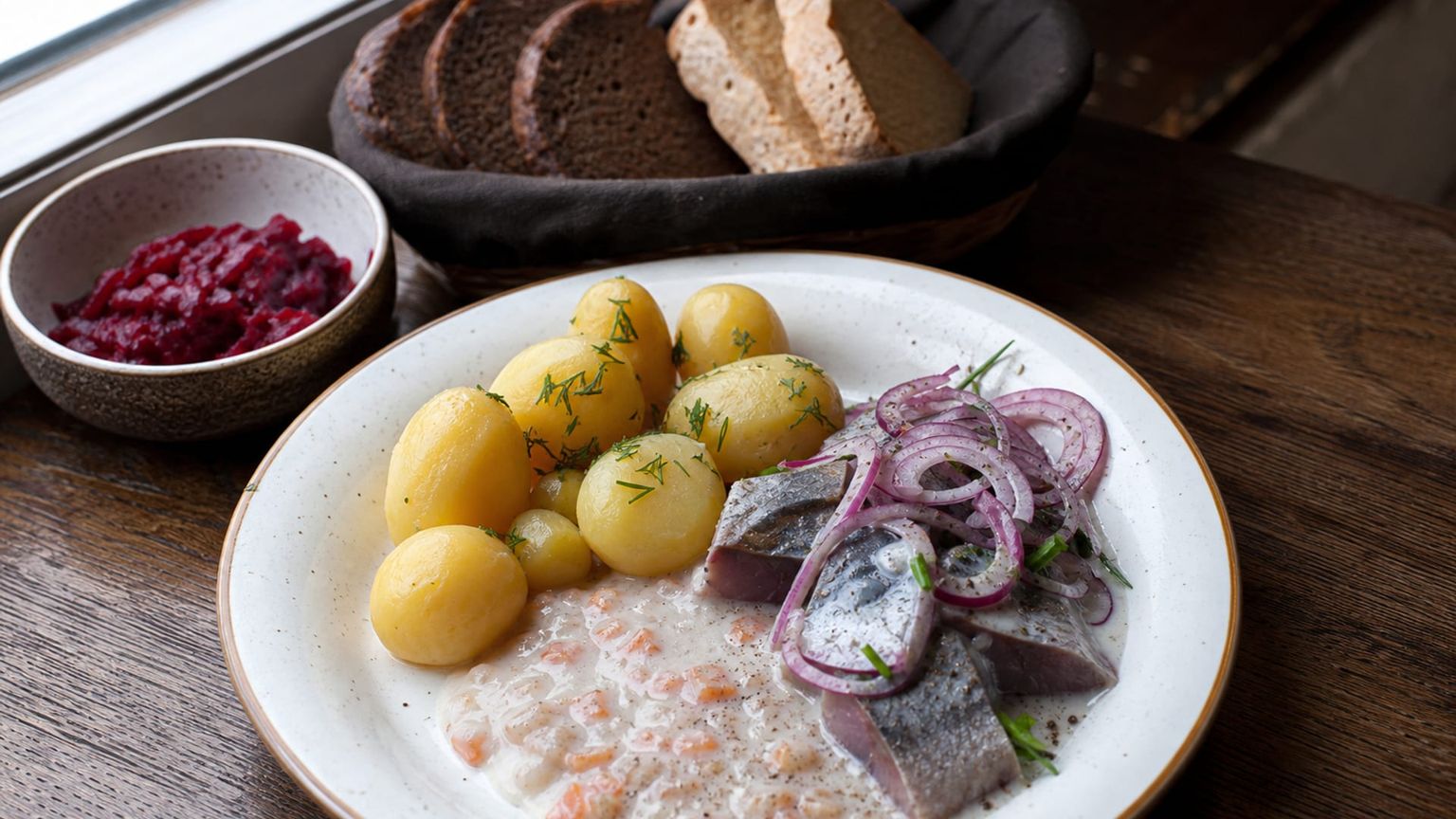
Riga’s table leans on rye, pork, fish, dairy, and sharp seasonal produce, with grey peas, beet soup, and smoked sprats showing up beside market snacks and café plates.
Grey peas with bacon
A Latvian staple built on tender peas, crisp bacon, and a savory sauce, often served as a filling lunch. Lido Atpūtas centrs is a practical canonical stop in Riga for a classic version.
Cold beet soup
This pink, chilled soup mixes beets, kefir, cucumber, and dill for a bright summer bowl. Folkklubs Ala Pagrabs serves a well-known Riga version in the Old Town.
Rye bread
Dense, dark rye appears on almost every Riga table, from breakfast to dinner, and usually comes with butter or smoked fish. Milda is a strong place to try it in a traditional setting.
Smoked sprats
These small smoked fish are a Riga classic, usually served on bread or with potatoes, and they lean salty, rich, and snackable. Riga Central Market is the canonical place to start, but Valtera Restorāns also serves a polished restaurant version.
Best time to visit Riga
Riga changes more in light and crowd levels than in temperature, so the best season depends on whether you want open-air cafés, quieter museums, or easier day-to-day movement.
Best for: Mild city walks and museum days before peak summer crowds
What you get: About 36 to 61°F (2 to 16°C), with lighter crowds than summer and changeable weather
Trade-offs: Rain and wind can interrupt longer outdoor plans
Best for: Riverfront walks, long daylight, and café terraces
What you get: About 54 to 73°F (12 to 23°C), with the busiest streets and fullest hotel calendar
Trade-offs: Old Town and the main sights can feel crowded by midday
Best for: Architecture, markets, and steadier sightseeing tempo
What you get: About 34 to 63°F (1 to 17°C), with fewer visitors after the first weeks of September
Trade-offs: Shorter days arrive quickly, especially by late October
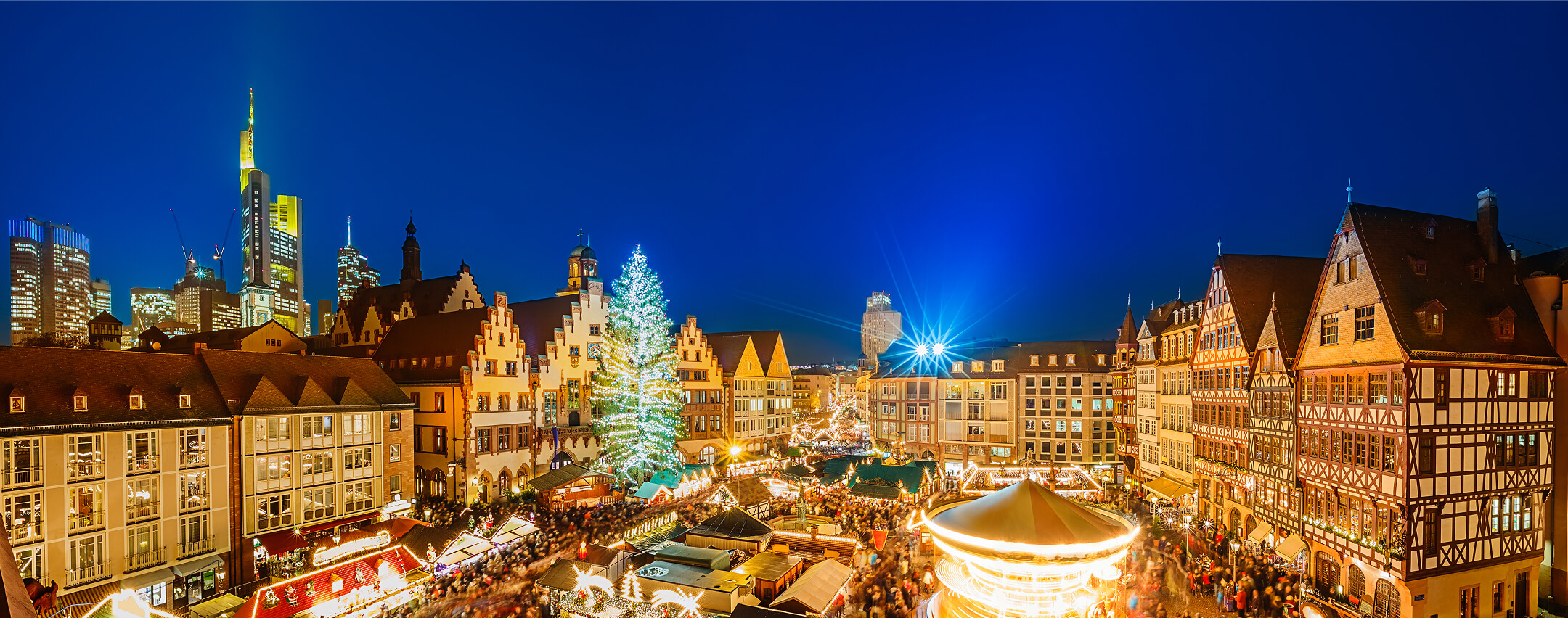
Best for: Christmas markets, museums, and lower room rates outside holiday peaks
What you get: About 20 to 34°F (-7 to 1°C), with the quietest museum visits and the coldest streets
Trade-offs: Ice, snow, and short daylight make outdoor time briefer
A realistic 5-day plan in Riga
Five days gives Riga enough room for the Old Town, the market, and one or two quieter districts without turning the itinerary into a long checklist. The plan below keeps the center close at hand, then adds a park, a museum, and a clean departure morning.
Land at Riga (RIX) and take a taxi or Bolt into Old Town, which usually takes about 20 to 30 minutes and costs about €15 to €25 (~$16 to ~$27), depending on traffic and your arrival time. If you want a quieter base, set up near the Quiet Centre or on a side street in Old Town, then spend the evening close by with a short walk, a glass of water, and dinner at a café near the main squares rather than a late cross-city outing. If you arrive earlier in the day, a brief walk to the Daugava riverfront gives you fresh air without a packed schedule.
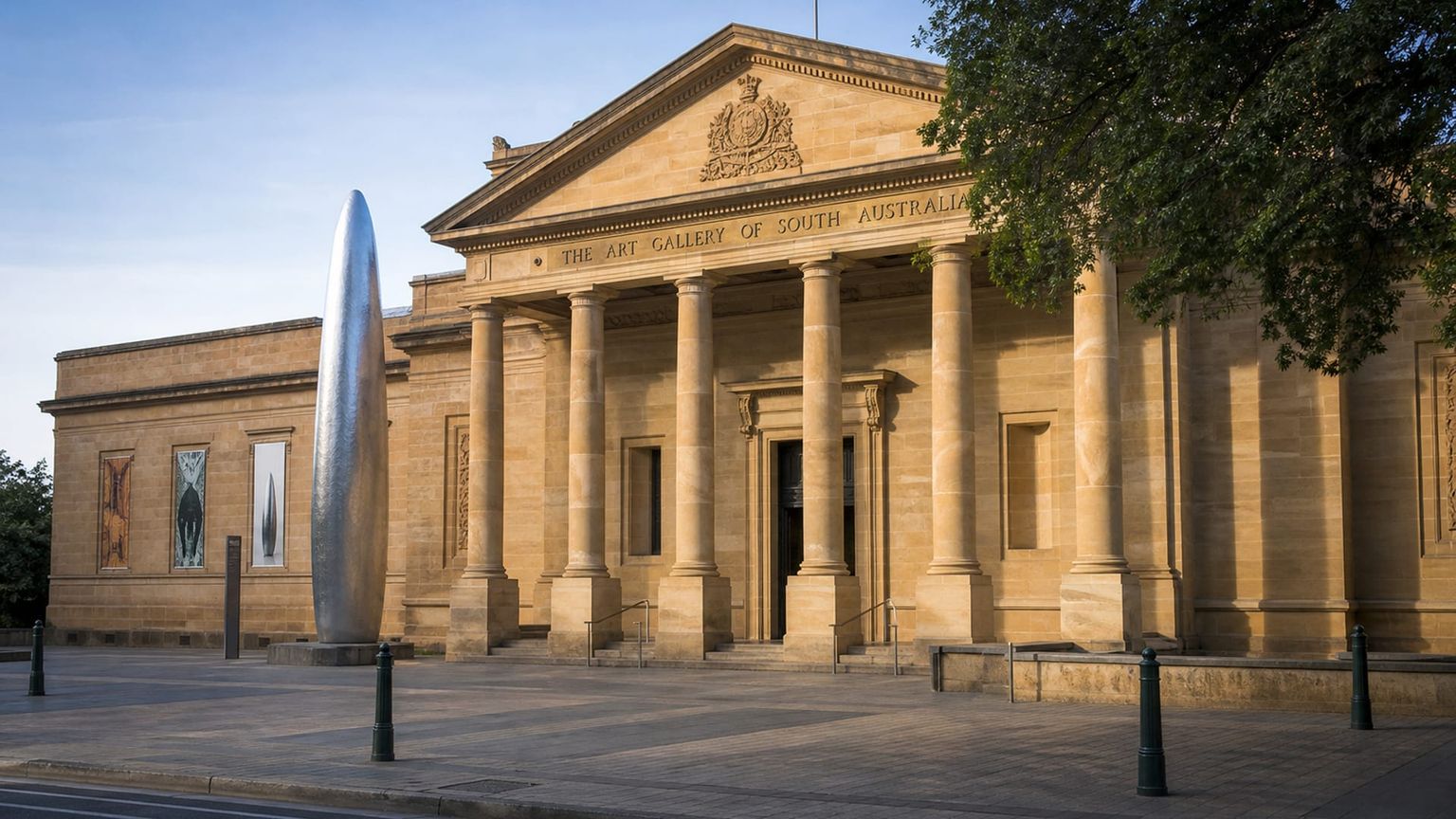
Begin in Old Town at Riga Cathedral, where a morning visit usually takes about 1 to 1.5 hours, and go early if you want calmer nave views. From there, walk about 5 minutes to the House of the Black Heads for a second look at Town Hall Square and its merchant history; plan another 1 to 1.5 hours. Break for lunch in the same district, then continue on foot through the surrounding lanes before ending the day with an easy return to your hotel. If you are staying in Centrs or the Quiet Centre, the walk back usually takes about 15 to 20 minutes from the historic core.
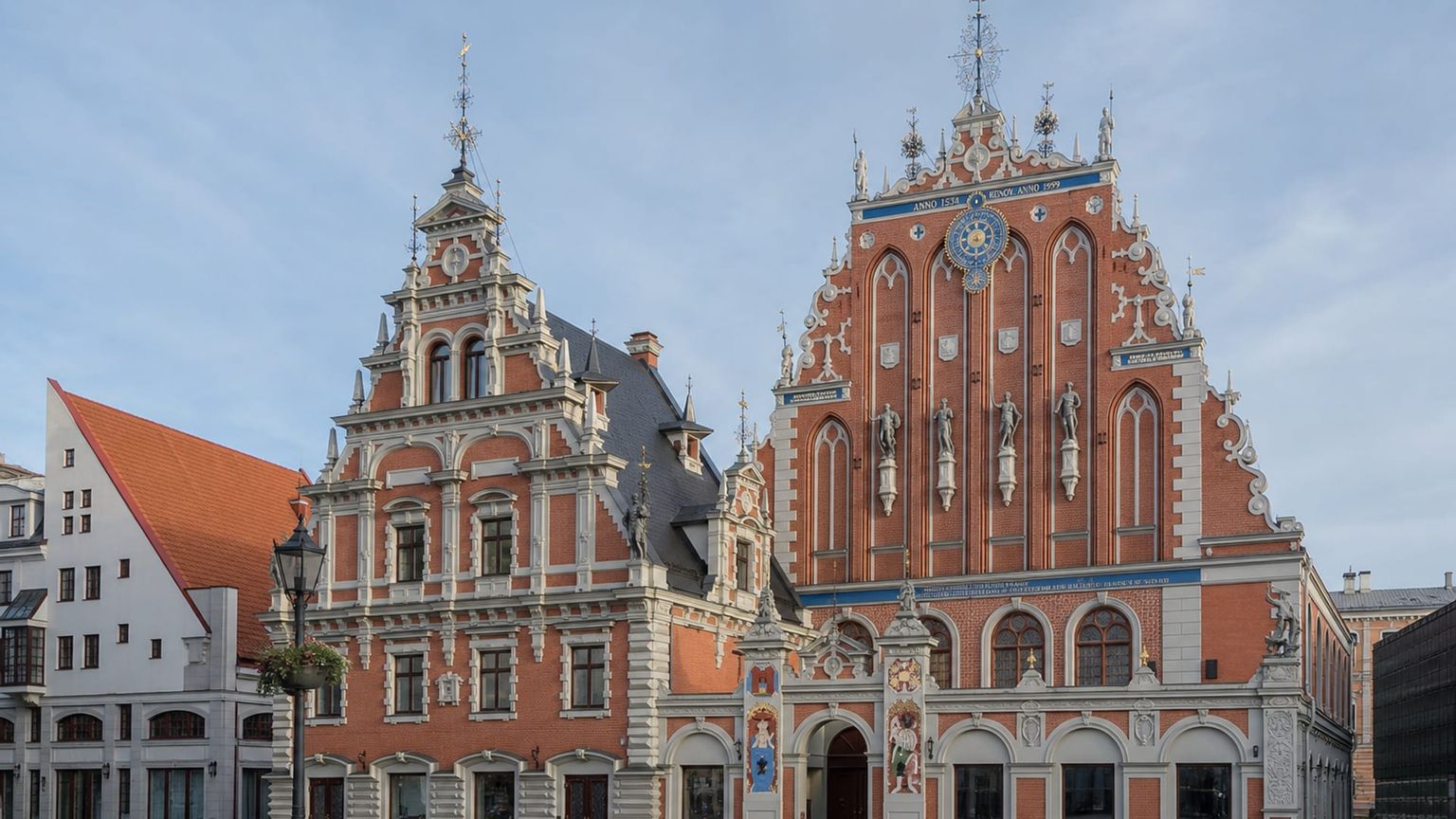
Riga Central Market gives this day a strong food focus, and it works best if you arrive before noon, when the produce selection is widest and the halls are easier to move through. Spend about 1.5 to 2 hours among the zeppelin hangars, then take a tram or a taxi to the Decorative Arts and Design Museum, which is about 10 to 15 minutes away from the market area depending on traffic. Allow 1 to 1.5 hours there, then finish with an unhurried afternoon coffee in Centrs, where the walk between shops, cafés, and tram stops stays short.
Start with a quieter shift west of the center at Māras dārzs, where a late-afternoon visit works well for river views and usually takes about 45 minutes to 1.5 hours. After that, return toward the historic core for a relaxed dinner, or pair the park with a late visit to the Daugava riverfront if the light is good. If you are based in the Quiet Centre, the park and the riverfront both fit comfortably into a day with short taxi rides or a longer tram ride back into town.
A final morning in Riga works well with one last museum stop, a slow café visit, and a little shopping in Centrs before you head to Riga (RIX). If you missed the Decorative Arts and Design Museum earlier, it fits neatly into the first part of the day at about 1 to 1.5 hours, then you can browse the nearby Art Nouveau streets in the Quiet Centre or shop along the wider avenues of Centrs. Finish with coffee and an early lunch near your hotel, then allow about 20 to 30 minutes for the airport transfer from the center, longer if you are leaving during peak traffic.
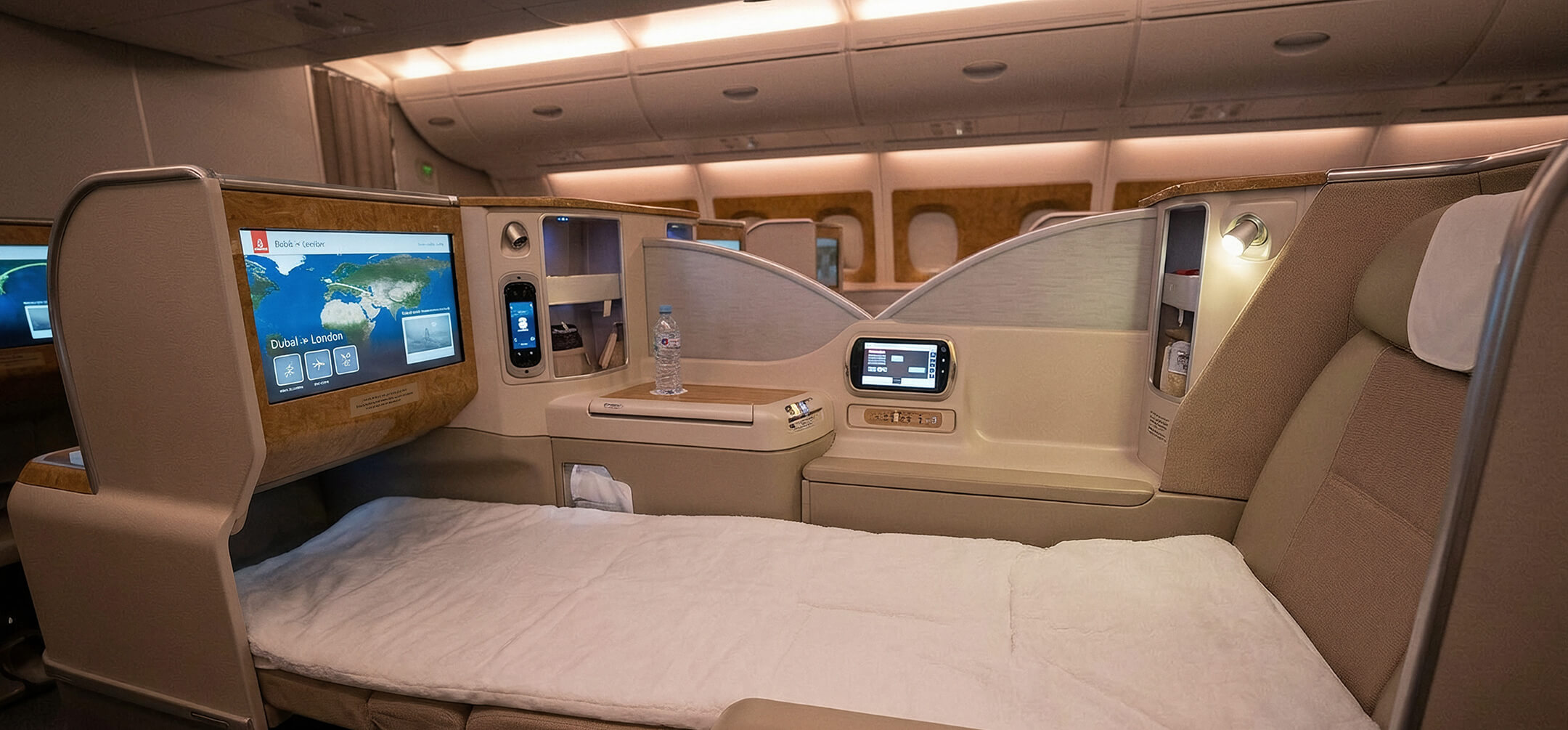
Business-class flights from the US to Riga
Flights to Riga usually route through a European hub rather than flying nonstop from the U.S., so the real comparison is often total travel time against the fare spread. These two examples show how the East Coast and West Coast differ in both pace and pricing.
From New York, airBaltic, Finnair, Lufthansa, LOT Polish Airlines, Turkish Airlines, and Scandinavian Airlines all serve the route, and nonstop travel takes about 8 to 9 hours when available. One-stop options often connect through AMS, FRA, HEL, IST, or WAW, with total travel time usually about 10 to 16 hours. Business fares from New York usually run $2,400 to $4,800 round trip, with one-stop options via European hubs sometimes dipping lower.
Los Angeles itineraries with airBaltic, Finnair, Lufthansa, LOT Polish Airlines, Turkish Airlines, and Scandinavian Airlines usually run through one connection, with total travel time about 17 to 26 hours. The nonstop window is about 15 to 17 hours when it operates, and business fares from Los Angeles usually land between $3,000 and $6,500 round trip.
Riga feels different when you slow down
A deliberate Riga trip has a clear center of gravity: Old Town for the cathedral and the House of the Black Heads, Centrs for Art Nouveau streets, the Quiet Centre for an easier base, and the market for a direct read on daily life. Add one tram ride, one river walk, and one slow café stop, and the city stops feeling compressed. If you want a trip shaped around those neighborhoods, the AranGrant experts can help you plan it