

Chapters:

Need help with your trip?
Our support team is available 24/7. Request a callback or call us directly at (833) 619-0908
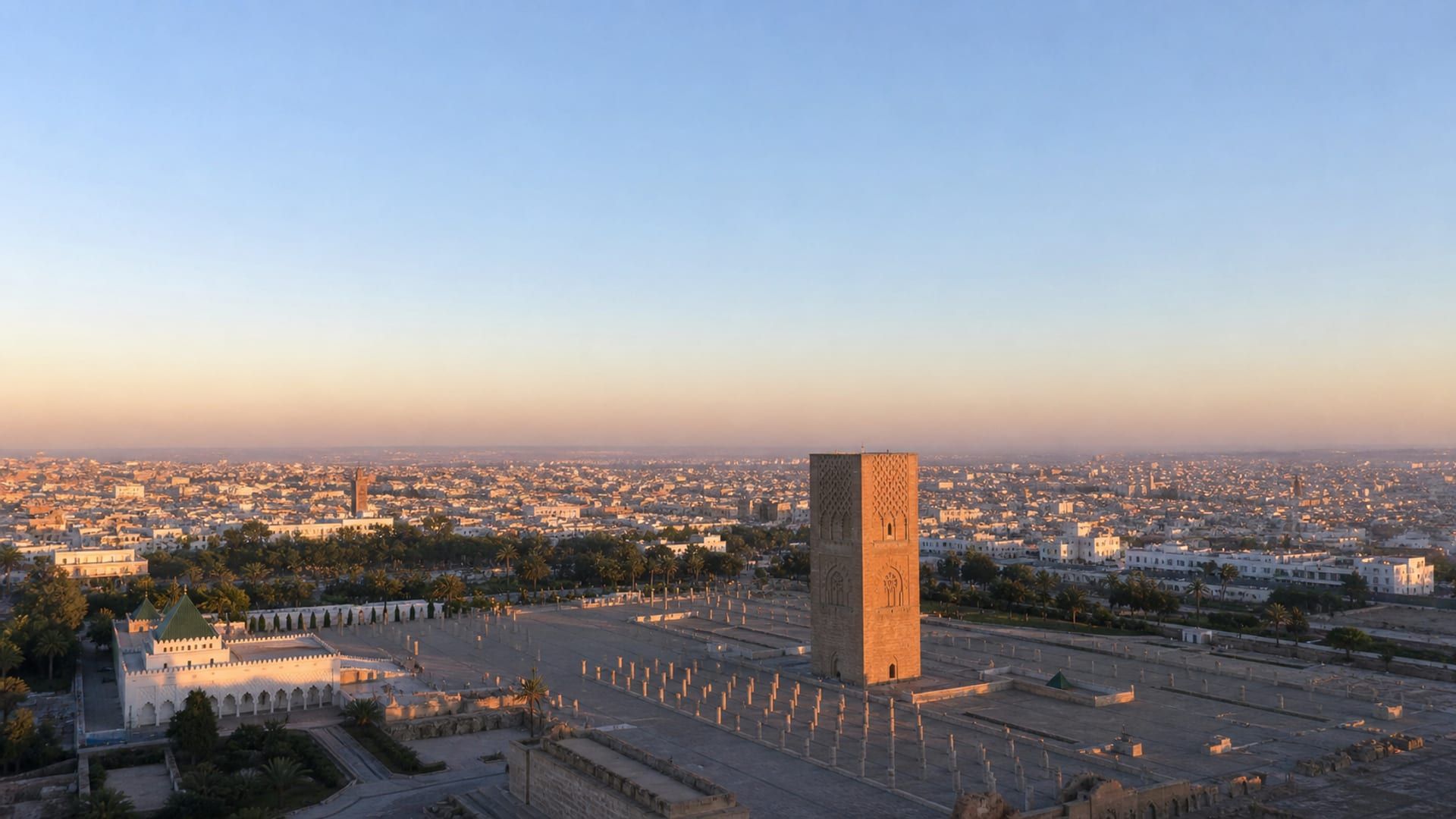
Rabat trips often start with one landmark loop, Hassan Tower, the mausoleum, then the kasbah, and end before the city’s neighborhoods come into view. Travelers who skip the in-between districts often miss how much the tram, station area, and riverfront shape the day.
That pattern can leave too much time in transit or in the wrong part of town, with lunch, dinner, and check-ins spread farther apart than they need to be. Rabat rewards shorter hops and earlier starts.
This guide sorts the city into clear parts, with a pace that matches the distance between sights, meals, and rail links.
Useful things to know

Main language(s): Arabic, French
Salam (sah-LAHM) – Hello
Min fadlak (min fad-LAK) – Please
Shukran (SHOOK-ran) – Thank you
Hal tatakallam al-ingliziya? (hal ta-ta-kal-LAM al-in-gli-ZEE-ya) – Do you speak English?
Bikam haza? (bee-KAM HAH-zah) – How much does it cost?

Currency: The local currency is the Moroccan dirham (MAD, .د.م).

Cash and cards: Cards and contactless are widely accepted; keep about 100 to 200 MAD ($10 to $20) in cash for taxis, tips, and small shops.

Tipping: Round up small bills; leave about 5% to 10% in restaurants if service is good.

Traditional food: couscous, tagine, pastilla, harira

Water and coffee costs: Water ~10 to 15 MAD ($1 to $2), bar espresso ~15 to 25 MAD ($2 to $3).

Taxis and ride apps: Heetch and inDrive operate here; Uber is not generally available.

Plug and voltage: Type C/E socket, 220V

Dining and shop opening hours: Breakfast is roughly 07:00-10:00, lunch 12:00-15:00, and dinner 19:00-22:30. Many cafés stay open later, while some restaurants close between lunch and dinner.

Emergency number: 112 for general emergencies; 19 police, 15 ambulance or fire.
Where to stay in Rabat
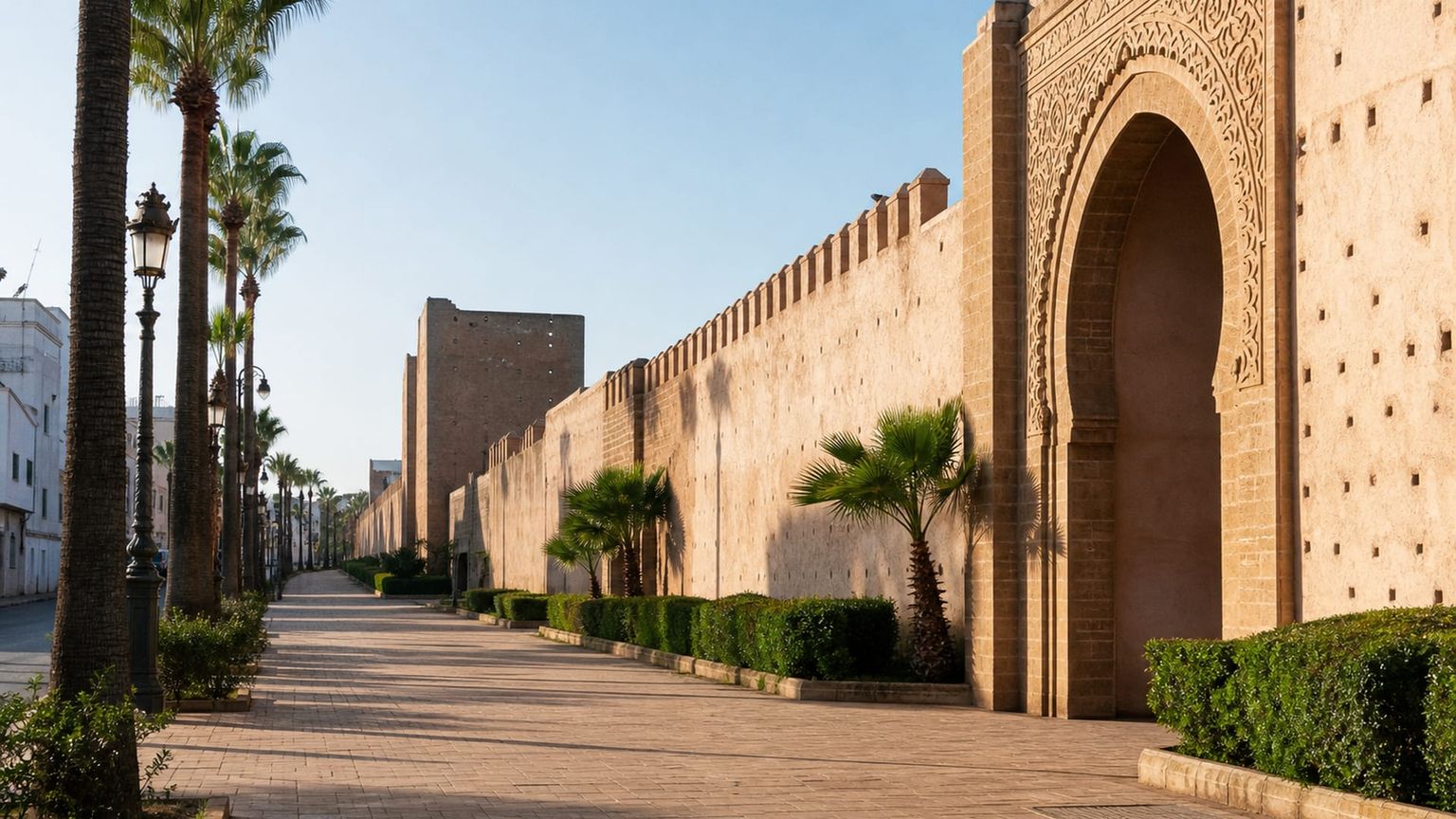
Rabat’s administrative core puts you near ministries, tram stops, and several of the city’s grandest avenues. It suits travelers who want easy access to the station, the old city, and formal dining without staying far from the main sights.
Best for: Business travelers, transit access, and visitors who want central positioning
What to expect: Broad avenues, office buildings, steady daytime movement, and a calmer pace after dark.
Hotel prices: Usually about 700 MAD to 1,600 MAD (~$70 to ~$160) per night for well-rated stays
Distance to major sights: About 10 minutes by tram to the Kasbah of the Udayas, about 15 minutes by tram to the medina
Quietness: Busy in the day with commuter traffic, quieter in the evening once offices close.
Main trade-off: You will pay more for central hotels, and the area has less of the old-town character many visitors come to Rabat for.
Good to know: Late-night dining and most casual shopping sit a bit farther away, so plan on tram or taxi rides after dinner.
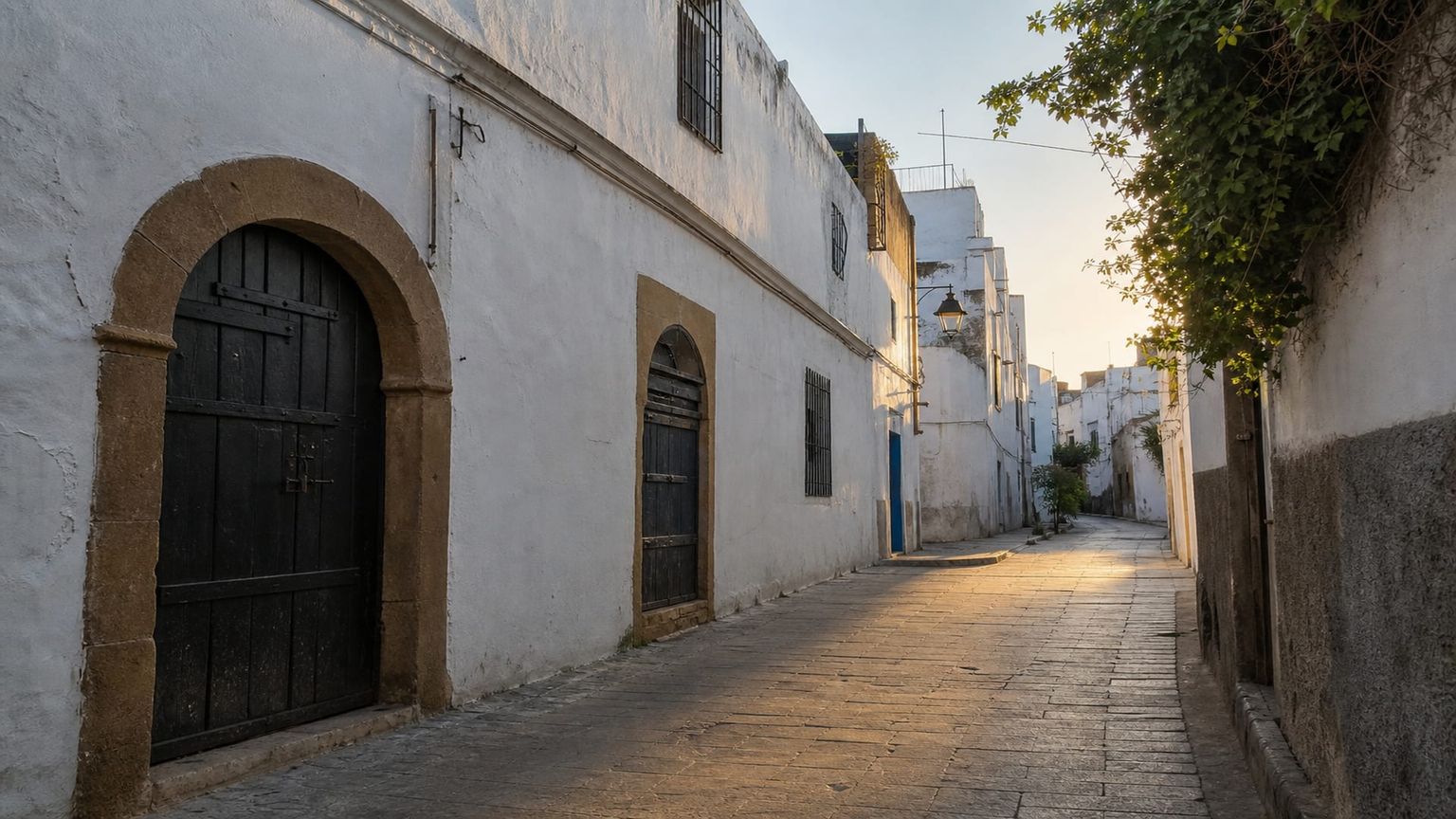
Rabat’s walled old city clusters riads, souks, and narrow pedestrian streets between the river and the kasbah. It matters because it places you inside the historic fabric, close to artisan shops, traditional cafes, and the city’s most atmospheric lanes.
Best for: First-time sightseeing, historic atmosphere, and travelers who want to stay in a riad
What to expect: Narrow streets, vendor activity, small cafes, and a steady stream of visitors near the main gates.
Hotel prices: Usually about 600 MAD to 1,400 MAD (~$60 to ~$140) per night for well-rated stays
Distance to major sights: About 10 minutes on foot to the Kasbah of the Udayas, about 20 minutes on foot to the Hassan Tower
Quietness: Lively through the day, with quieter side streets at night after shops close.
Main trade-off: Cars cannot reach many lanes, so luggage handling takes more effort and room standards vary widely by building.
Good to know: Book a place with clear taxi or porter access if you are arriving late, because some riads sit deep inside pedestrian lanes.
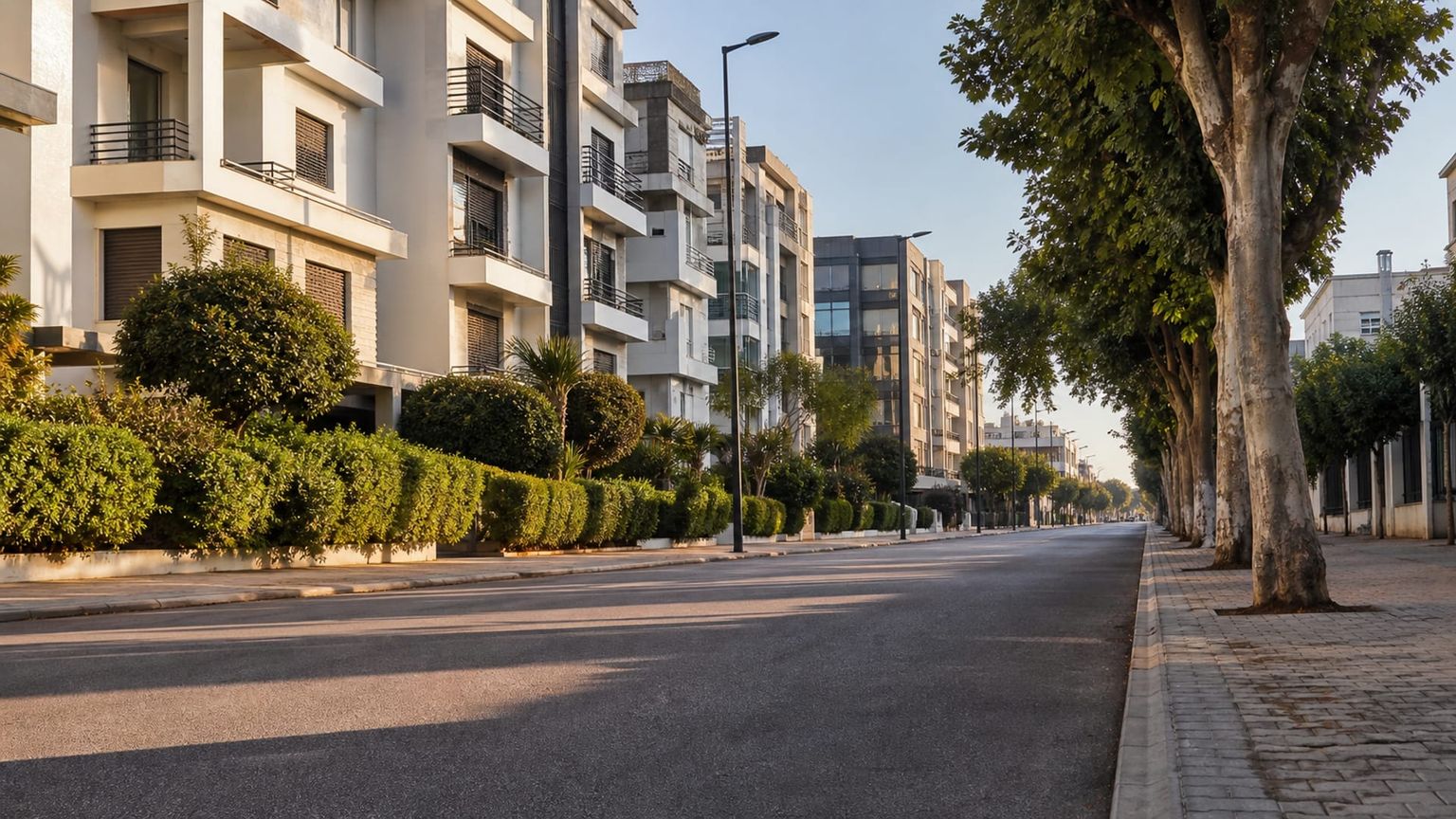
Agdal is Rabat’s modern shopping and dining district, with apartment hotels, cafes, and a dense mix of offices and residences. It matters if you want an easy base for restaurants, the train station, and tram links without staying in the most tourist-heavy streets.
Best for: Restaurants, shopping, and travelers who want tram and train access
What to expect: Busy sidewalks, students, office workers, and a wide choice of casual eateries and shops.
Hotel prices: Usually about 800 MAD to 1,800 MAD (~$80 to ~$180) per night for well-rated stays
Distance to major sights: About 15 minutes by taxi to Hassan Tower, about 20 minutes by tram to the Kasbah of the Udayas
Quietness: Active in the day and evening, with more noise near main roads and restaurant streets.
Main trade-off: It sits away from the seafront and kasbah, so you will spend more time reaching the oldest parts of town.
Good to know: If you plan several museum or monument visits, factor in taxi costs, since some sightseeing trips are longer than from the medina or Hassan.
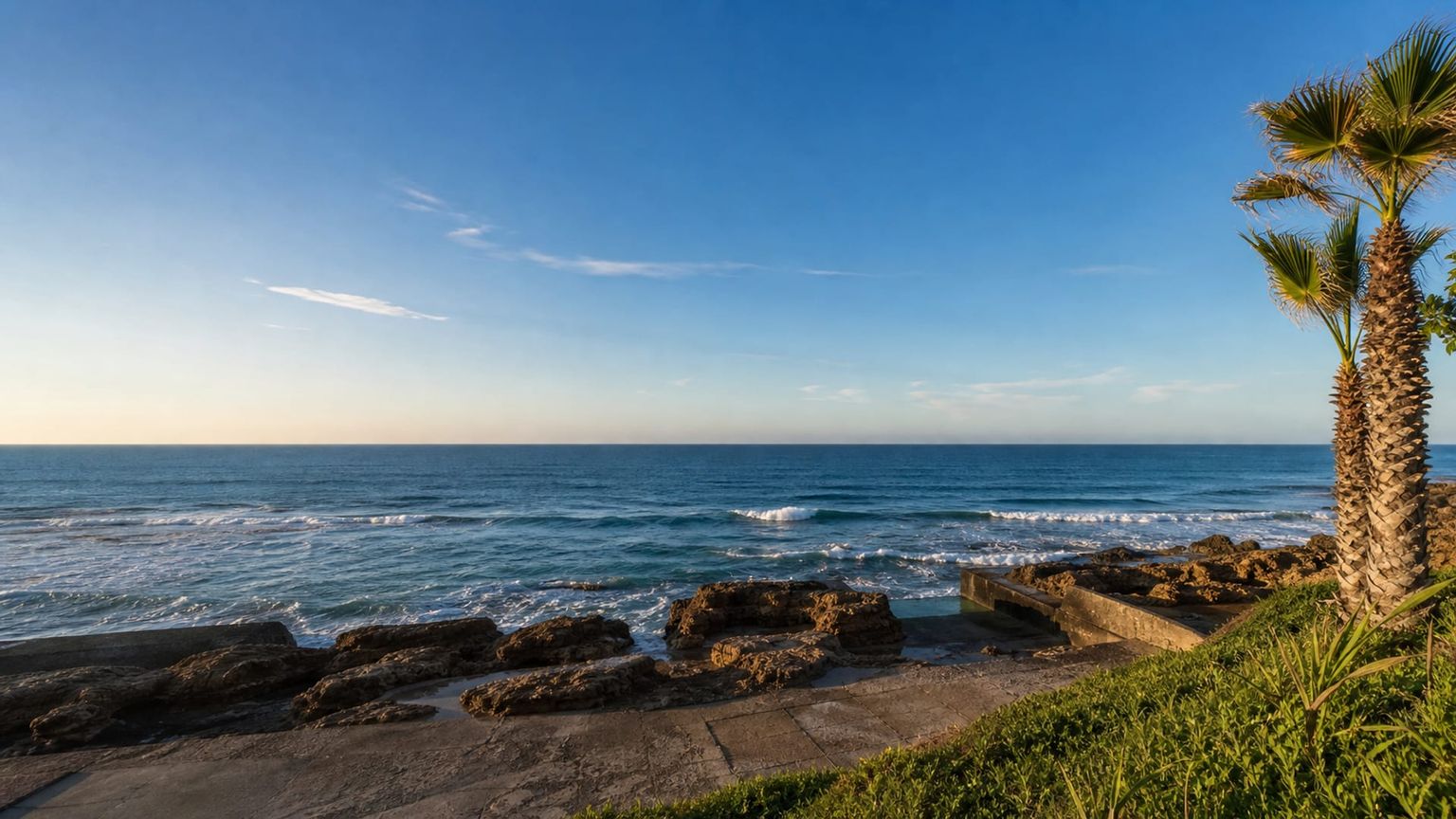
Ocean sits south of the center near the Atlantic coast, with broad residential streets, local shops, and quick access to the beach front. It suits travelers who want a neighborhood feel and easier parking while still staying within reach of central Rabat.
Best for: Beach access, residential stays, and travelers with a car
What to expect: Residential blocks, local cafes, light evening activity, and fewer tourists than in the center.
Hotel prices: Usually about 500 MAD to 1,200 MAD (~$50 to ~$120) per night for well-rated stays
Distance to major sights: About 15 minutes by taxi to the Hassan Tower, about 25 minutes by tram to the medina
Quietness: Quieter than central districts by day, with modest evening activity near main streets.
Main trade-off: You are farther from the main historic sights, so sightseeing days usually involve more transit time.
Good to know: Choose this area only if you are comfortable relying on taxis or tram rides for most dinners and monument visits.
Travelers usually avoid staying in Hay Riad, since it sits well south of the main sights and is oriented toward offices and villas, with fewer visitor-focused hotel choices. Souissi is also less convenient for a first visit because many addresses are spread out and evening travel back to the medina or the waterfront takes longer. Témara and Harhoura are better for beach stays than city sightseeing, but they sit outside central Rabat, so getting to Hassan Tower, the Kasbah of the Udayas, and the train stations takes extra time.
Hotel deals
How to get around Rabat efficiently
Tram line 1 and line 2 do much of the heavy lifting in Rabat, linking Hassan, Agdal, the medina, and Salé, while taxis handle the airport and the gaps between monuments.

Metro
for longer distances
Rabat has no metro, so the closest equivalent is the Al Boraq high-speed train and the ONCF suburban rail lines, which link Rabat Ville, Agdal, Salé, and the airport corridor indirectly via rail plus road transfer. Standard urban rail tickets are usually about $1 to $3, and passes are valid for the booked trip or a short same-day window, depending on the ticket type. For airport access, expect a rail ride to Rabat Ville or Agdal of about 25 to 35 minutes from the city center, then a taxi for the final leg to Rabat-Salé Airport (RBA).

Bus and tram
for convenience
Tram line 1 and line 2 form the core of local transit, with frequent service between Rabat, Salé, Agdal, Hassan, and the main stations; single rides are roughly $0.50 to $1, and paper or contactless tickets stay valid for the chosen trip until you exit the network. The tram is the easiest way to cross the river without a taxi, and buses fill gaps to neighborhoods the tram does not reach, though they can be slower in peak traffic. Buy tickets at stops or from official outlets, then validate before boarding when required.

Taxi
for convenience or late hours
Petit taxis in Rabat use meters for city trips, and drivers should start the meter for short hops; expect about $2 to $6 inside central Rabat, with longer cross-city rides about $6 to $10. From Rabat-Salé Airport (RBA), airport taxis often quote fixed fares rather than metered runs, usually about $12 to $20 to central Rabat, depending on time of day and luggage. Hail licensed taxis on the street or at ranks, and pay in cash, as card acceptance is uncommon.
*Prices are based on rates updated as of June 2026 and may change at the time of travel.
Use the tram for cross-town stretches, taxis for the airport and late dinners, and walking for compact visits in the medina, the kasbah, and the monument district.
Iconic landmarks
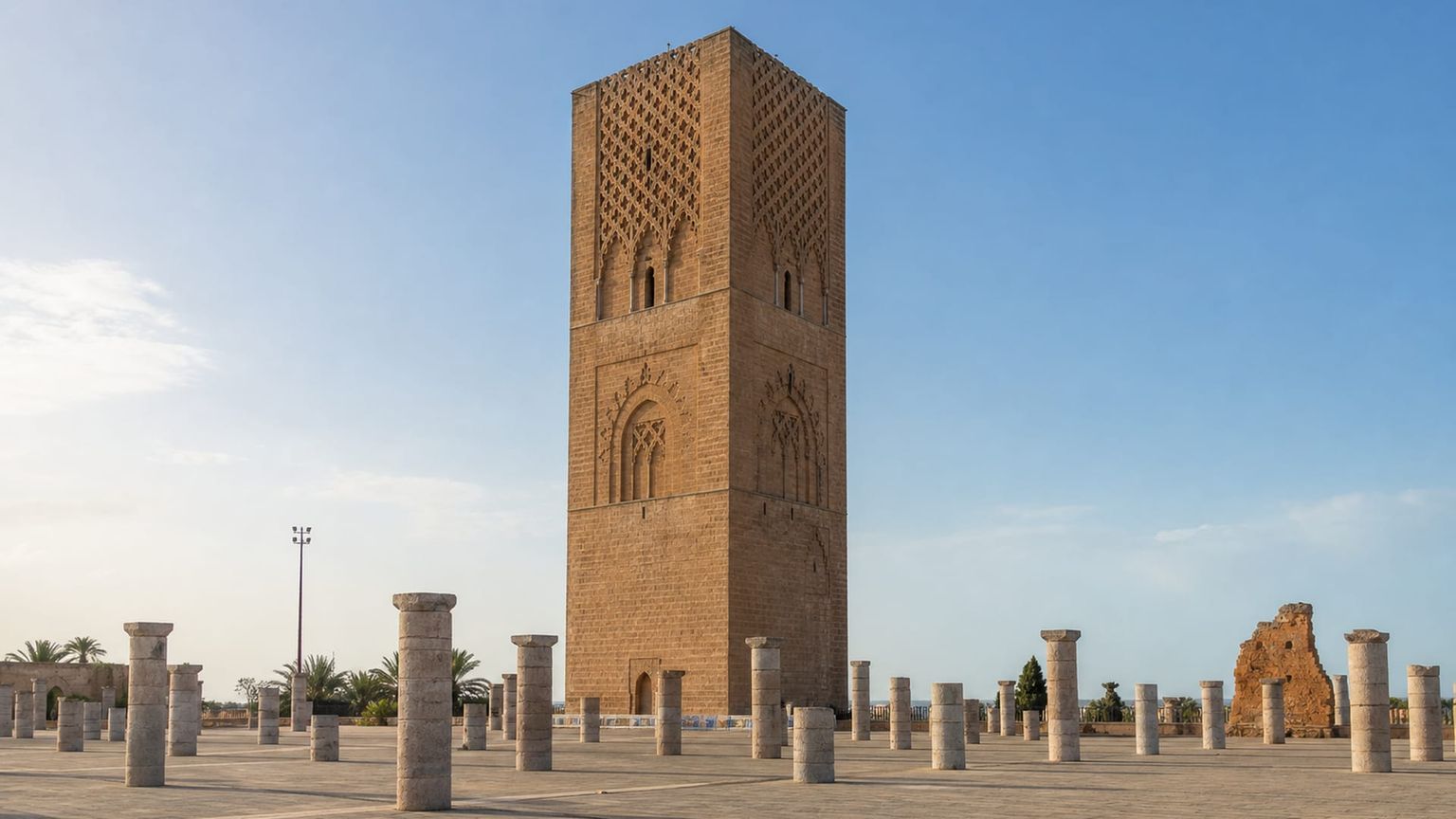
Hassan Tower
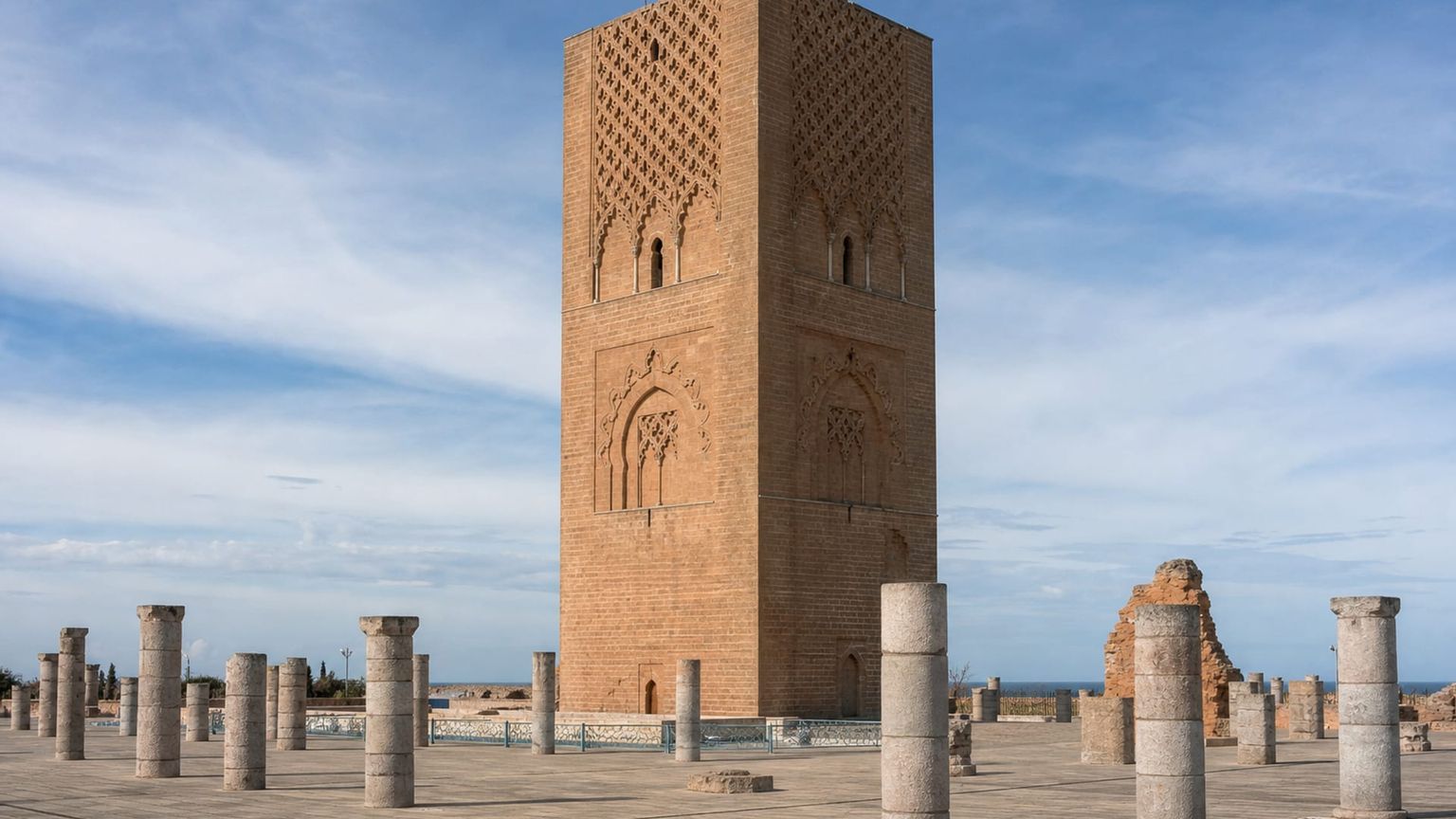
This 12th-century minaret crowns an unfinished Almohad mosque and anchors a large stone esplanade with rows of columns. It sits beside the Mausoleum of Mohammed V, so you can see both monuments in one stop.
Time needed: About 1 to 2 hours
Entry: Entry is free, and the site is open to visitors during daylight hours without a timed ticket.
Tip: Go late afternoon for softer light and fewer group visits on the esplanade.
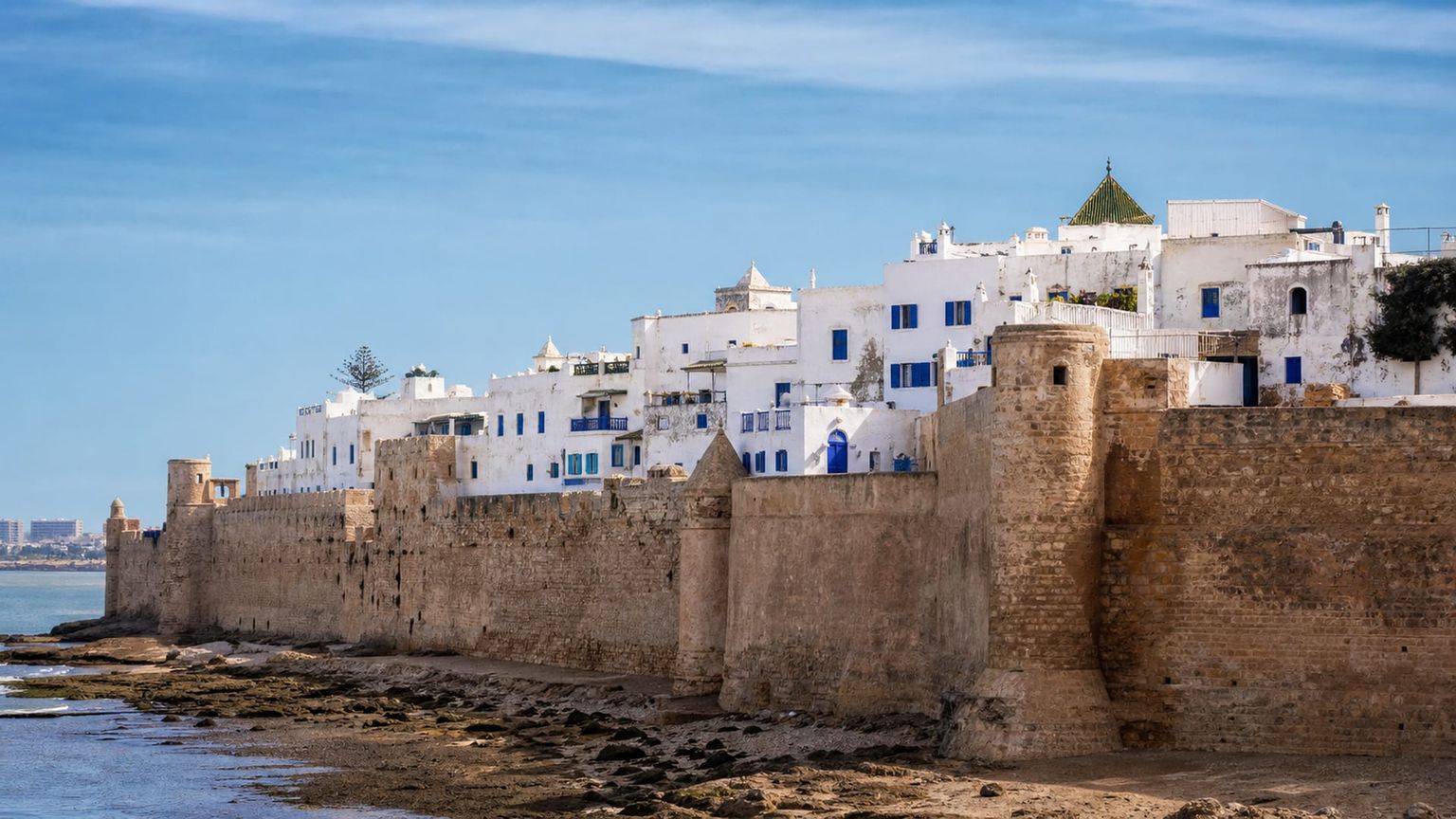
Kasbah of the Udayas
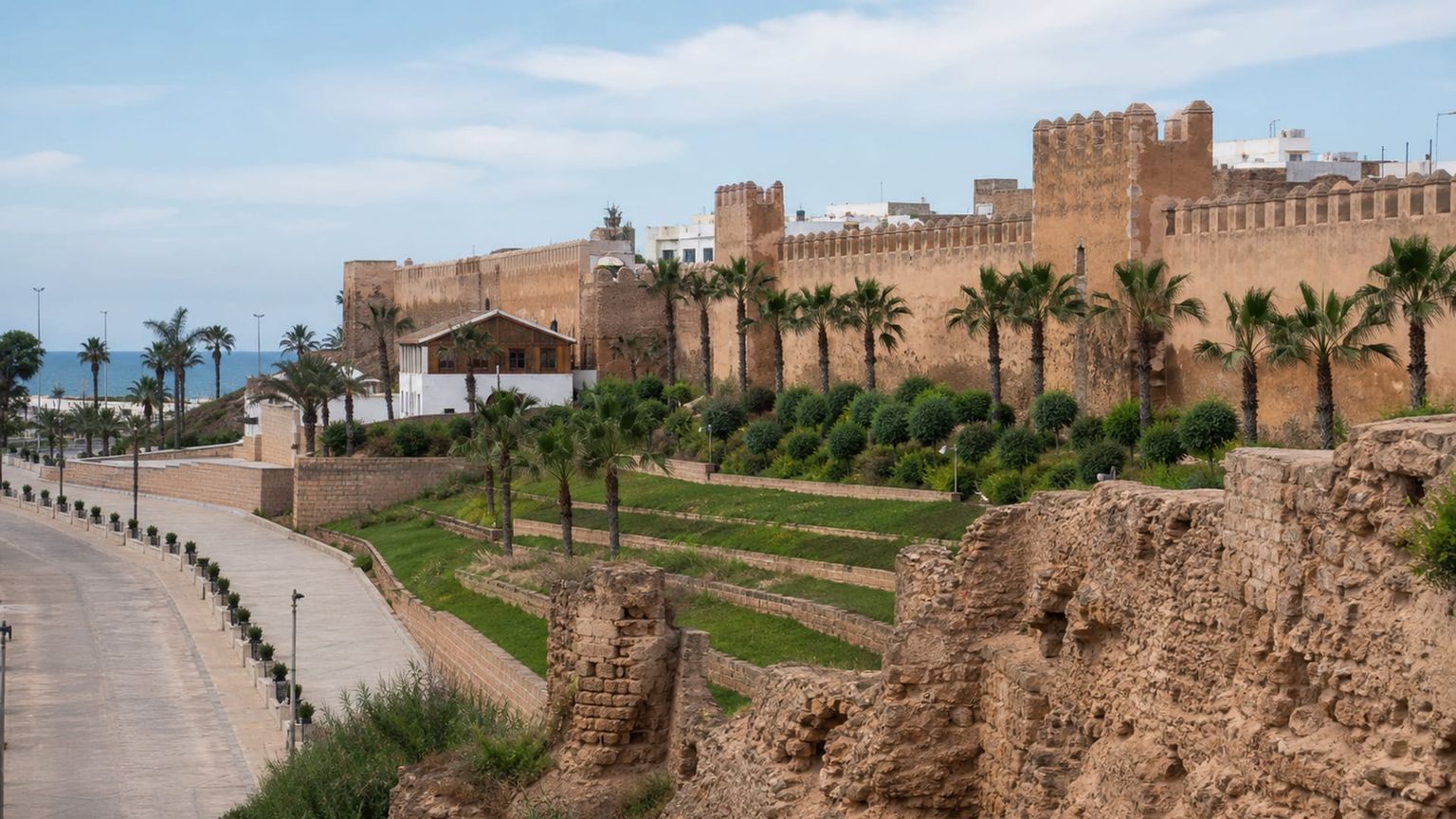
This fortified citadel overlooks the Bou Regreg estuary, with blue-and-white lanes, the Andalusian Gardens, and a gate that dates to the Almohad period. The cliffside ramparts give clear views toward Salé and the river mouth.
Time needed: About 2 to 3 hours
Entry: Entry is free, and the kasbah can be explored on foot at any time of day.
Tip: Visit early, then leave through the seafront side before the lanes fill with tour groups.
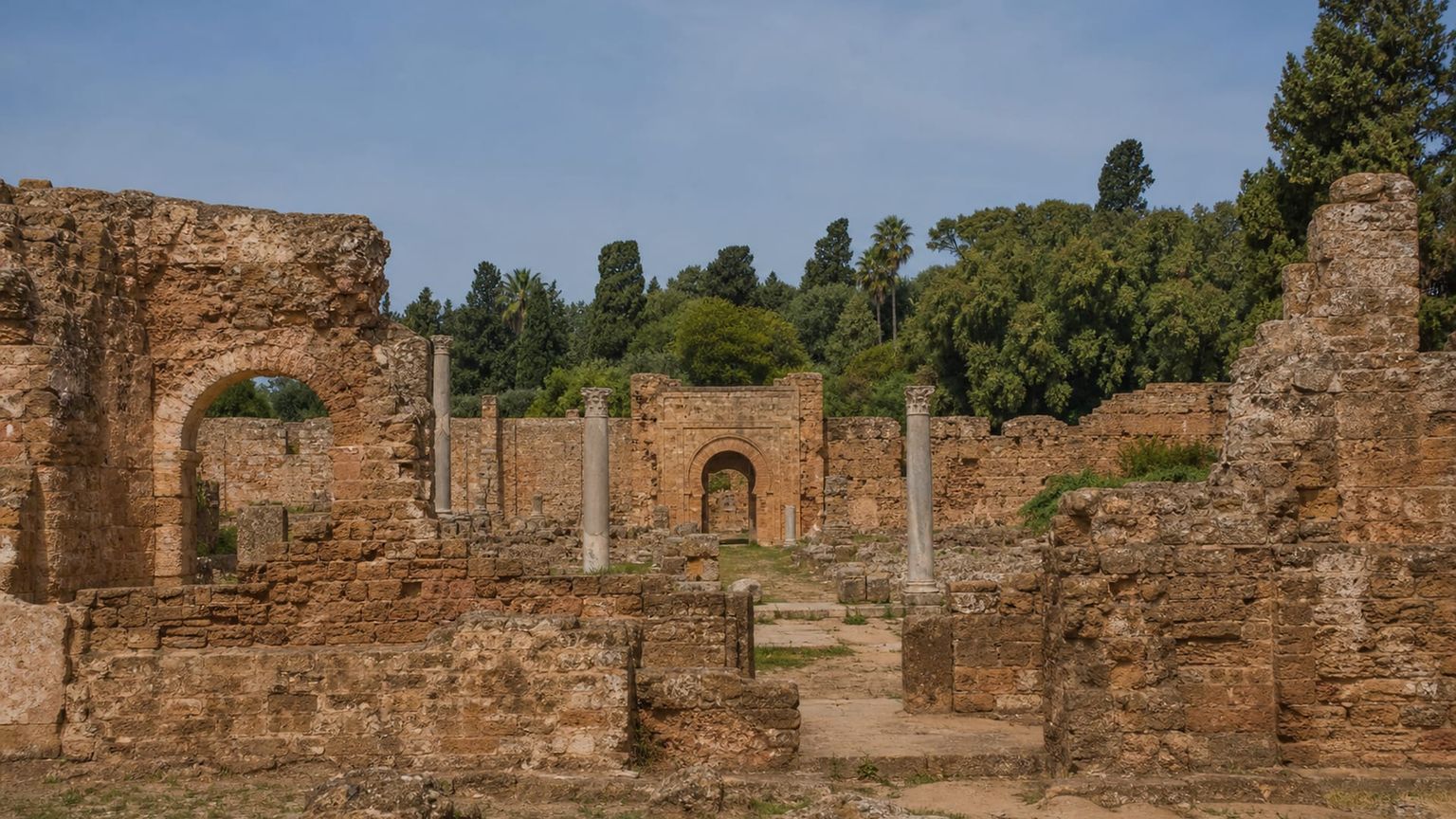
Chellah
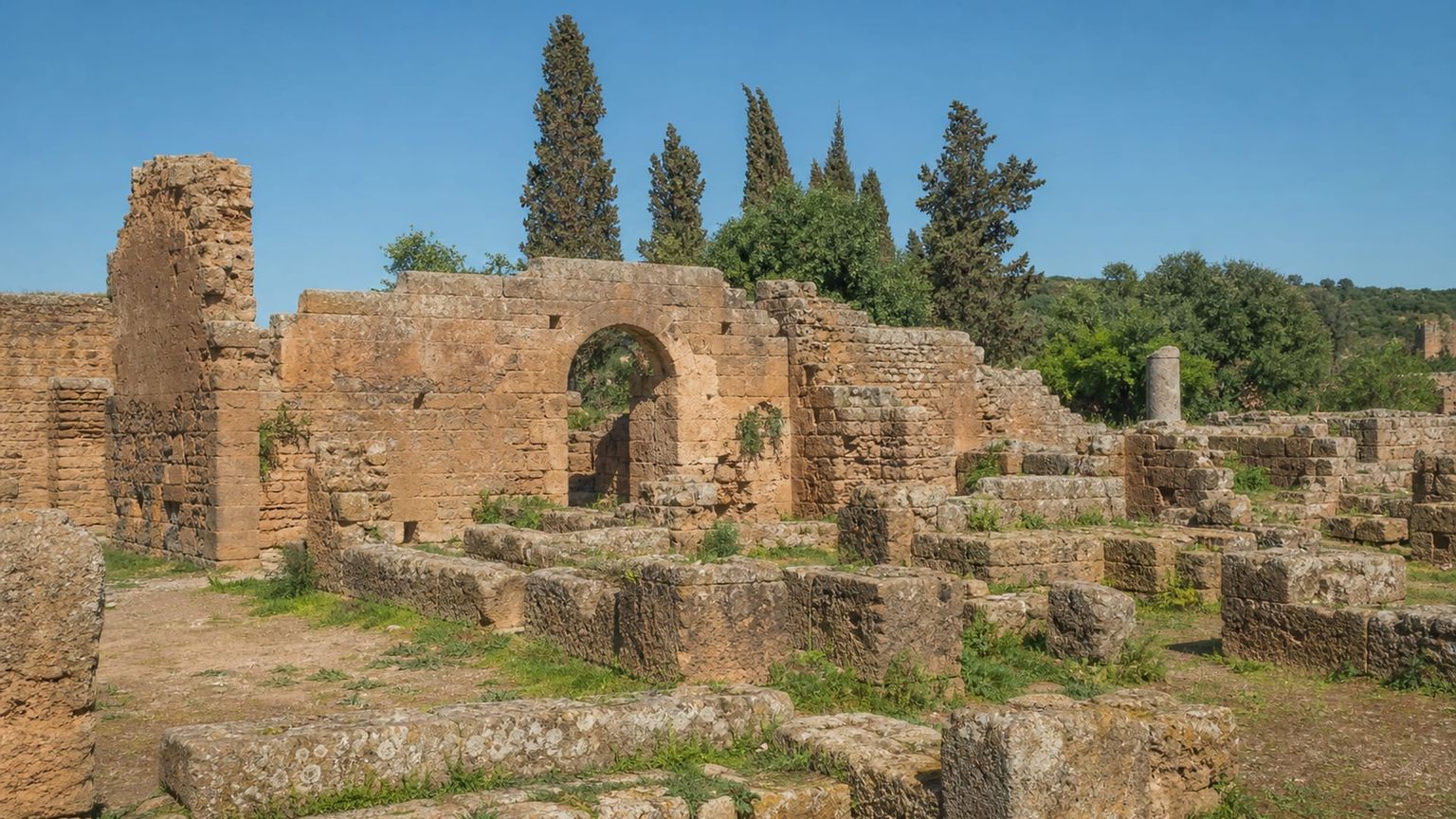
Chellah combines Roman ruins with a later Marinid necropolis inside a walled garden complex just south of central Rabat. Storks nest on the towers in season, and the site includes excavated remains, tombs, and a small interpretive area.
Time needed: About 1.5 to 2.5 hours
Entry: Standard tickets cost $7 ($70) for adults, with reduced rates for students and Moroccan residents. Visit the official site for details.
Tip: Arrive in the morning, when the paths are quieter and the stonework is easier to photograph.
Overlooked sites worth visiting

Chellah
Roman and medieval ruins inside a walled garden, with storks nesting on old towers and paths that stay quiet outside peak hours. It gives you archaeology, birds, and shade in one stop.
Time needed: About 1 to 2 hours
Entry: Entry costs about $7 ($70 MAD) for adults, with reduced rates for students and children. The site has a single admission desk at the gate, and tickets cover the ruins, gardens, and merinid necropolis area.
Tip: Go early for cooler paths and softer light on the stone.

Mausoleum of Mohammed V
This white marble mausoleum pairs carved zellige, cedar ceilings, and royal tombs under a ceremonial roofline. The small complex sits beside the Hassan Tower, so you can see both in one short visit.
Time needed: About 30 to 45 minutes
Entry: Entry is free for visitors, and you can walk in during posted opening hours without a ticket. Guards check dress and behavior at the entrance, and you may need to wait briefly during official ceremonies or prayer-related closures.
Tip: Visit midday for fewer shadows on the tilework inside.
Traditional food
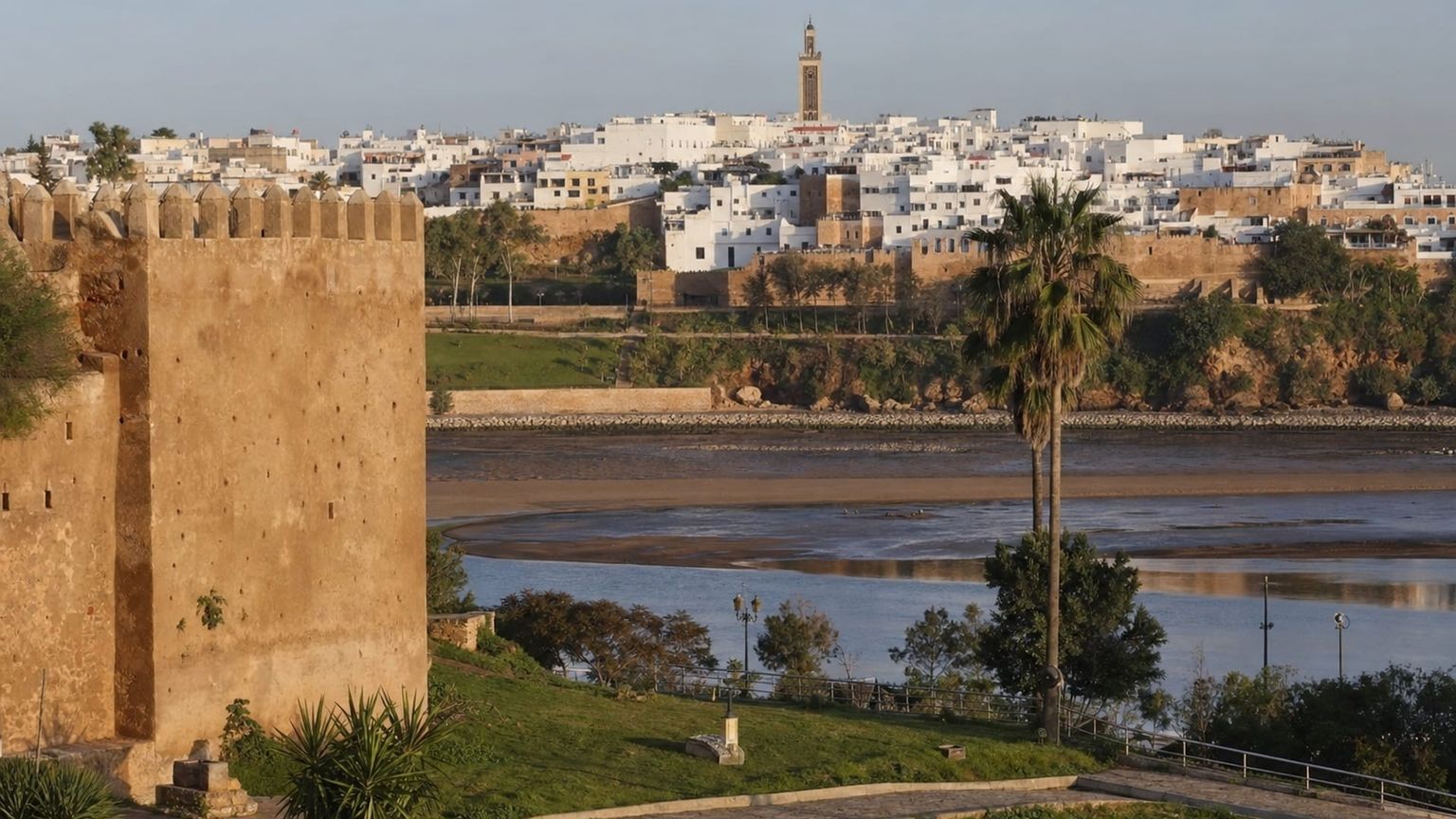
Rabat’s table leans on couscous, tagine, pastilla, and harira, with herbs, spices, and slow-cooked sauces anchoring most meals. Cafés, riads, and neighborhood restaurants often serve long lunches and late dinners.
Couscous
Fluffy semolina with vegetables, broth, and often lamb or chicken, usually served as a Friday-style centerpiece. In Rabat, Dar Naji is a strong canonical stop for a generous, traditional version.
Chicken pastilla
A crisp pastry pie that balances savory poultry, almonds, and warm spices with a light dusting of sugar. Restaurant Le Dhow in Rabat pairs the dish with a waterfront setting near the Bou Regreg.
Tagine
Slow-cooked meat or vegetables, often finished with preserved lemon, olives, or dried fruit. Al Warda in Rabat serves a classic version in a dining room suited to a longer meal.
Harira
A tomato-based soup with lentils, chickpeas, herbs, and sometimes meat, common as a starter or light meal. Le Petit Beur in Rabat is a dependable place for a bowl that tastes close to home cooking.
Best time to visit Rabat
Rabat shifts gently by season, with spring and autumn giving the best mix of outdoor comfort, while summer heat and winter rain shape how long you want to stay outside.
Best for: Best for the kasbah, Chellah, and long walks between sights
What you get: Temperatures roughly 59°F to 75°F (15°C to 24°C), with moderate crowds and comfortable daylight for walking
Trade-offs: Some days bring wind off the Atlantic
Best for: Best for beach air, early monument visits, and longer evenings
What you get: Temperatures roughly 68°F to 86°F (20°C to 30°C), with lighter midday streets and more visitors near the coast
Trade-offs: Afternoons can feel hot on exposed stone and in the medina
Best for: Best for balanced sightseeing and café time in Hassan and Agdal
What you get: Temperatures roughly 61°F to 79°F (16°C to 26°C), with moderate crowds and clear conditions for day trips inside the city
Trade-offs: Shorter days reduce late-afternoon flexibility
Best for: Best for lower-key museum-style sightseeing and slower meals indoors
What you get: Temperatures roughly 48°F to 64°F (9°C to 18°C), with lighter crowds and occasional rain
Trade-offs: Wet days can interrupt long walks along the river and around the kasbah
A realistic 5-day plan in Rabat
A five-day stay in Rabat works best when you divide the city by district rather than by sheer distance. The plan below moves from arrival to the monument core, then into Chellah, Agdal, and a final morning that keeps departure simple.
Land at Rabat-Salé Airport (RBA) and take a taxi into Hassan, which usually takes about 20 to 30 minutes and costs roughly 250 MAD to 350 MAD, or about $25 to $35. If you arrive by train from another Moroccan city, Hassan also keeps you close to the station and major tram stops, so settling in is simple. Check into a hotel or riad near Hassan or the medina, drink water before you head back out, and keep dinner close to your base, with a light meal on a broad avenue in Hassan or at a cafe just inside the medina gates.
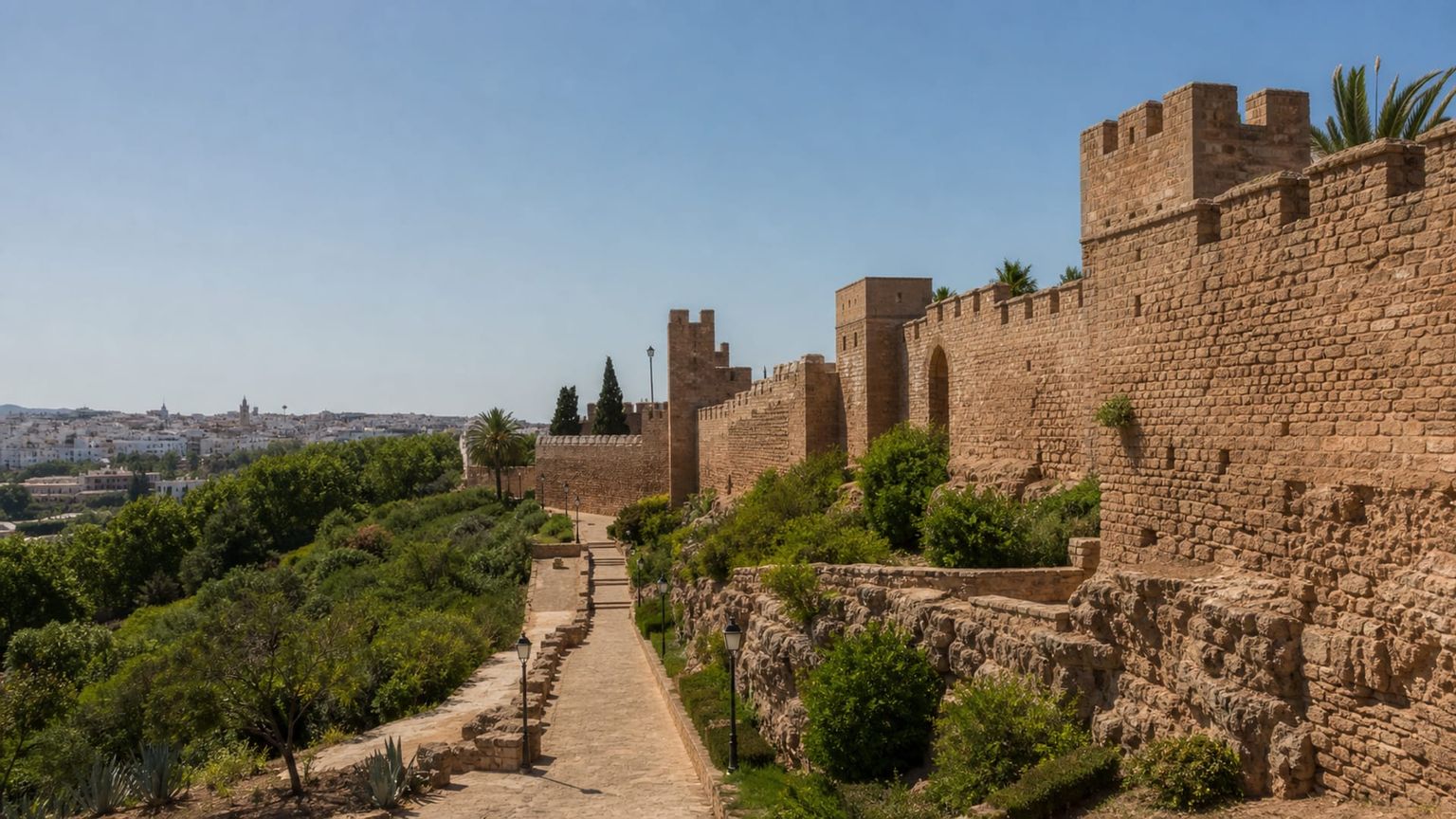
Start at the Kasbah of the Udayas, where the blue-and-white lanes and river views are strongest early in the day. Spend about 2 to 3 hours there, then walk roughly 15 minutes downhill to the Hassan Tower and the Mausoleum of Mohammed V, which sit beside each other and work well as a single visit. Plan about 1 to 2 hours for the tower and 30 to 45 minutes for the mausoleum, then take a taxi or tram back toward the medina for dinner, a ride that usually takes about 10 to 15 minutes from the monument area.
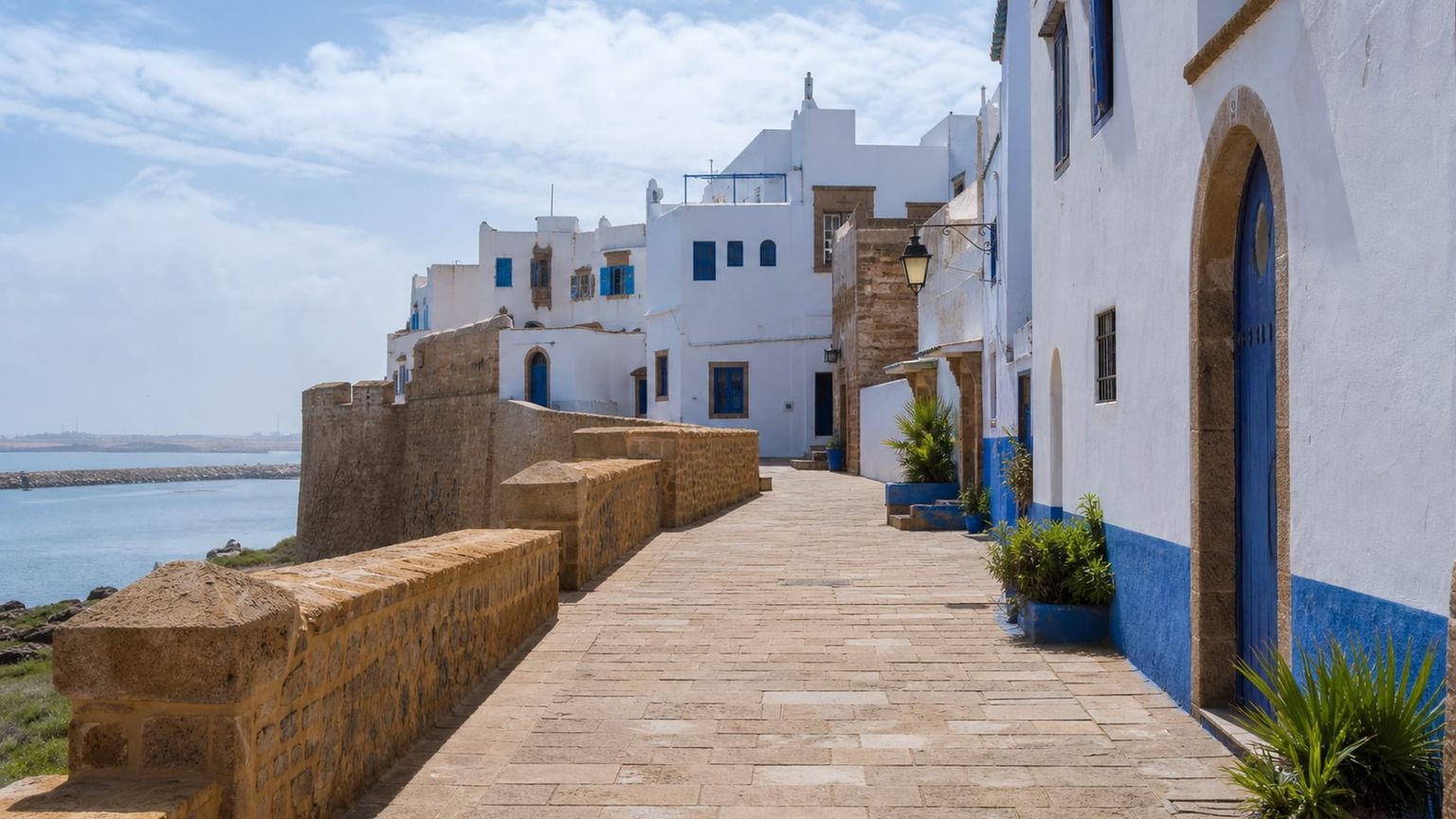
Chellah deserves a morning arrival, since the paths are cooler and the stonework shows better in softer light. From Hassan, a taxi usually takes about 10 to 15 minutes, and from the medina expect roughly 15 to 20 minutes. Set aside about 1.5 to 2.5 hours for the ruins, gardens, and necropolis, then return to the city center for a slower afternoon in Hassan or the medina, with an easy lunch and a short rest before dinner.
Begin in Agdal, where tram and train access make it easy to move across town, then ride about 15 minutes by taxi to the Hassan Tower if you want one last pass through the monument district. After that, return to Agdal for cafes and shopping, or continue by tram to the medina for a final walk through the lanes near the main gates. Build in about 20 minutes by tram from Agdal to the Kasbah of the Udayas if you want one more seafront stop, then end the day with dinner back in Agdal, where restaurant choice is broad and the sidewalks stay active into the evening.
For a final morning, head to the Mausoleum of Mohammed V if you want one last museum-style stop, or return to the medina for artisan shopping and a slow coffee. Agdal works well for buying books, clothes, or packaged sweets because the retail streets are dense and easy to walk. If you are staying near Hassan, finish with a cafe lunch there before heading to Rabat-Salé Airport (RBA), which keeps the return transfer simple and avoids a long cross-town ride.
Business-class flights from the US to Rabat
Rabat usually reaches U.S. travelers through one-stop itineraries, and the most useful comparisons are the East Coast and West Coast options. The main difference is whether you trade a shorter total journey for a narrower fare range or a longer trip for broader airline choice.
From New York, Royal Air Maroc, Air France, Iberia, British Airways, and Lufthansa typically anchor the market. Round-trip fares usually start at $2,400 and can reach $5,500, and common itineraries via Paris (CDG) or Madrid (MAD) take 10 to 16 hours while often lowering the price.
Los Angeles travelers usually see Royal Air Maroc, Air France, Iberia, Lufthansa, and Turkish Airlines on the board. Round-trip fares from Los Angeles to Rabat land near $2,900 to $6,200, with one-stop itineraries through Casablanca (CMN), Paris (CDG), or Madrid (MAD) setting much of the market.
Rabat feels different when you slow down
A deliberate Rabat trip keeps the day anchored in Hassan, the medina, Agdal, and the kasbah, with the tram handling the crossings and taxis filling the gaps after dinner or on the way to Rabat-Salé Airport (RBA). That structure leaves room for Chellah in the morning, the Hassan Tower at the right hour, and a slower final coffee before departure. If you want an itinerary shaped to those districts, the AranGrant experts can help you map it out







