

Chapters:

Need help with your trip?
Our support team is available 24/7. Request a callback or call us directly at (833) 619-0908
Many Marrakesh trips still orbit Jemaa el-Fnaa, a palace or two, and one dinner in the square, while the quieter corners of the medina get left out.
That leaves travelers dealing with crowded lanes, taxi drops at the edge of the old city, and too much time spent crossing back and forth for each stop.
This guide builds a clearer route, pairing the main sights with the right neighborhoods, meal times, and transit choices so each day has a defined purpose.
Useful things to know

Main language(s): Arabic, French
Salam (sah-LAHM) – Hello
Min fadlak (min FAD-lak) – Please
Shukran (SHOOK-ran) – Thank you
Tatakallam al-ingliziya? (ta-ta-KA-lam al-in-gli-ZEE-ya) – Do you speak English?
Bkam hadha? (b-kam HA-dha) – How much does it cost?

Currency: The local currency is the Moroccan dirham (MAD, د.م.).

Cash and cards: Cards and contactless work in many hotels and restaurants, but carry about MAD 200 to 400 ($20 to $40) in cash for souks, taxis, and small cafes.

Tipping: Round up small bills; leave about 5% to 10% in restaurants if service is good.

Traditional food: tagine, couscous, pastilla, harira

Water and coffee costs: Water about MAD 10 to 15 ($1 to $2), bar espresso about MAD 15 to 25 ($2 to $3).

Taxis and ride apps: Careem and inDrive operate here; confirm the fare before you ride.

Plug and voltage: Type C/E socket, 220V

Dining and shop opening hours: Breakfast runs about 7:00-10:00 am, lunch 12:30-3:00 pm, and dinner 7:30-10:30 pm. Many cafes serve late, and some restaurants close in the afternoon.

Emergency number: Call 19 for police, 15 for ambulance, and 15 for fire.
Where to stay in Marrakesh
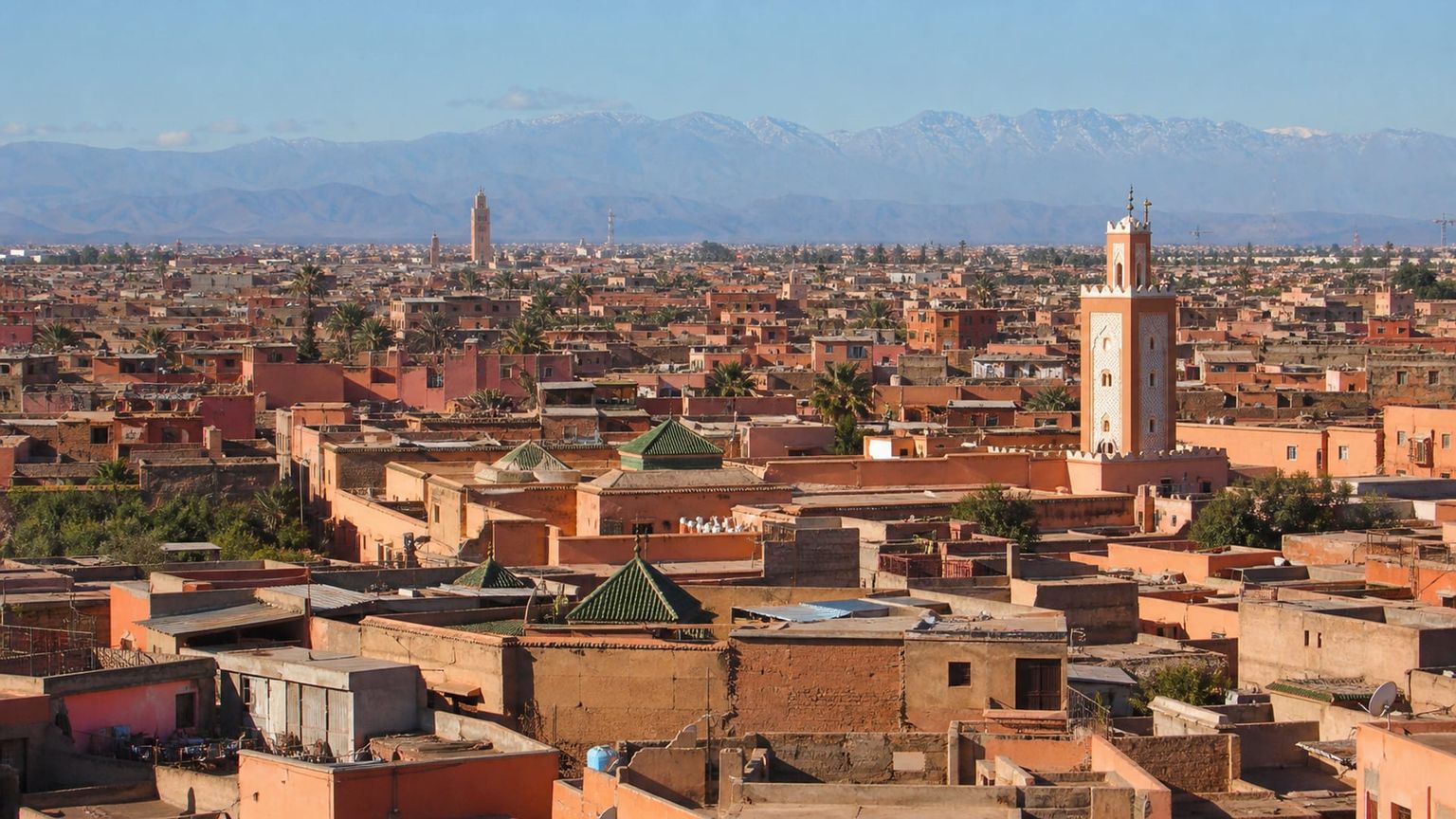
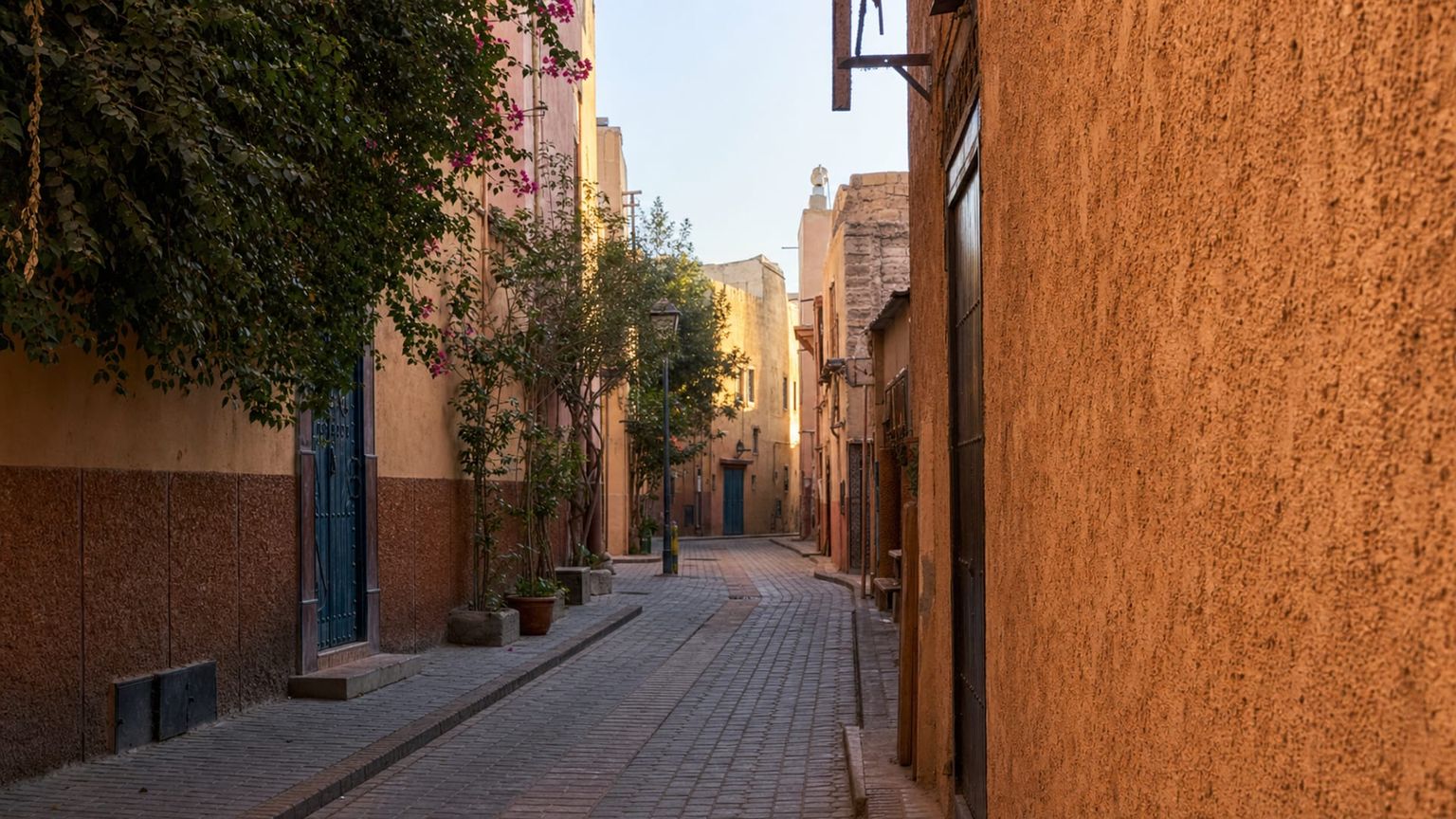
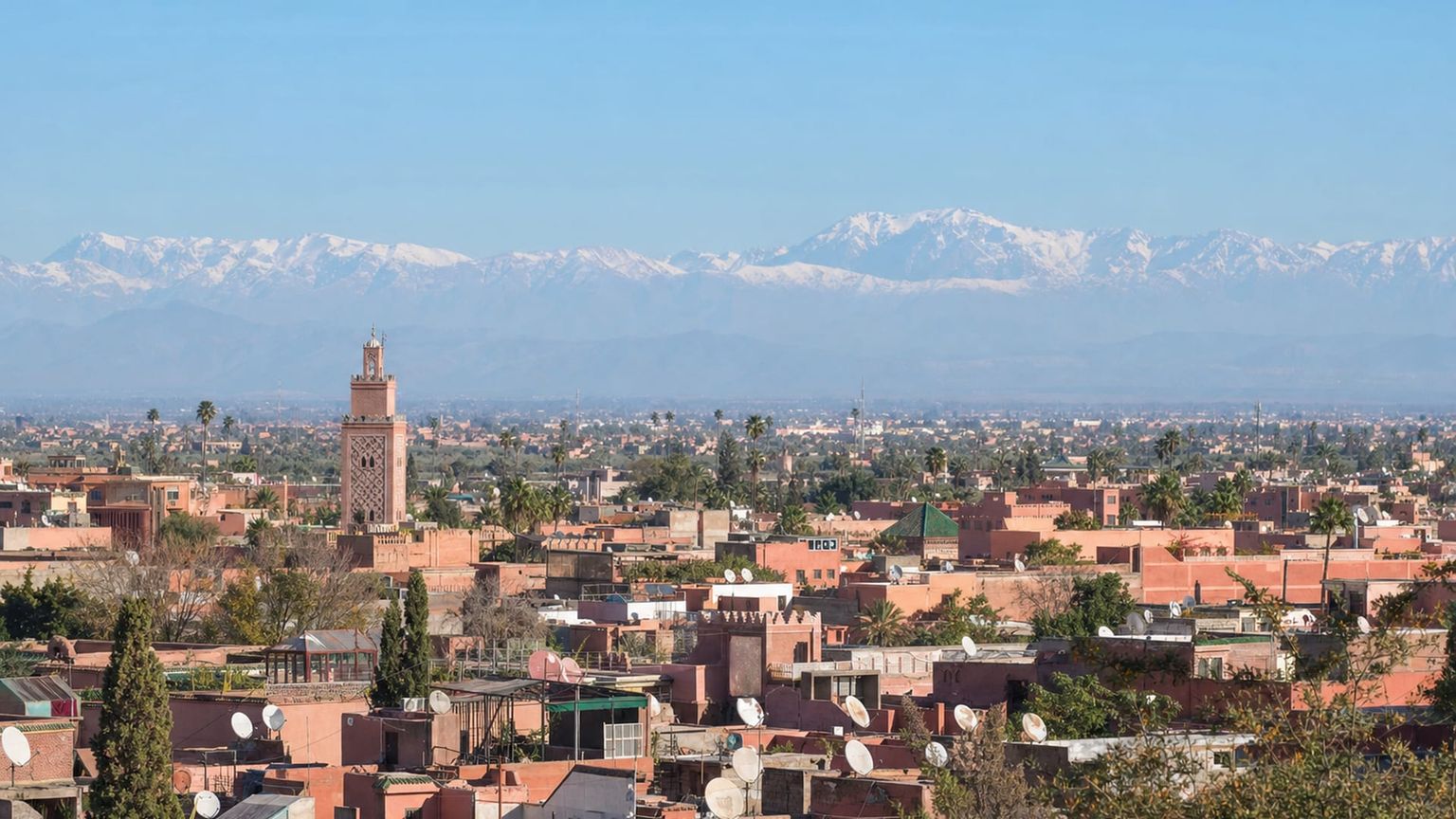
Marrakesh’s old city centers on the souks, riads, and landmark sights inside the historic walls. It puts the Koutoubia, Jemaa el-Fna, and the main market lanes within walking distance, so you spend less time crossing town.
Best for: First-time visits, market browsing, and staying close to the main historic sights
What to expect: Narrow lanes, dense foot traffic, street vendors, and a constant flow of visitors and locals.
Hotel prices: Usually about 900 MAD to 2,500 MAD (~$90 to ~$250) per night for well-rated stays
Distance to major sights: 5 to 15 minutes on foot to Jemaa el-Fna and the Koutoubia Mosque
Quietness: Busy through the day and lively into the evening, with some side lanes settling down late at night.
Main trade-off: Cars cannot reach many doors, so arrivals often involve a short walk with luggage through crowded lanes.
Good to know: Choose a riad with clear arrival instructions, because taxi drop-off usually stops at the edge of the old city.
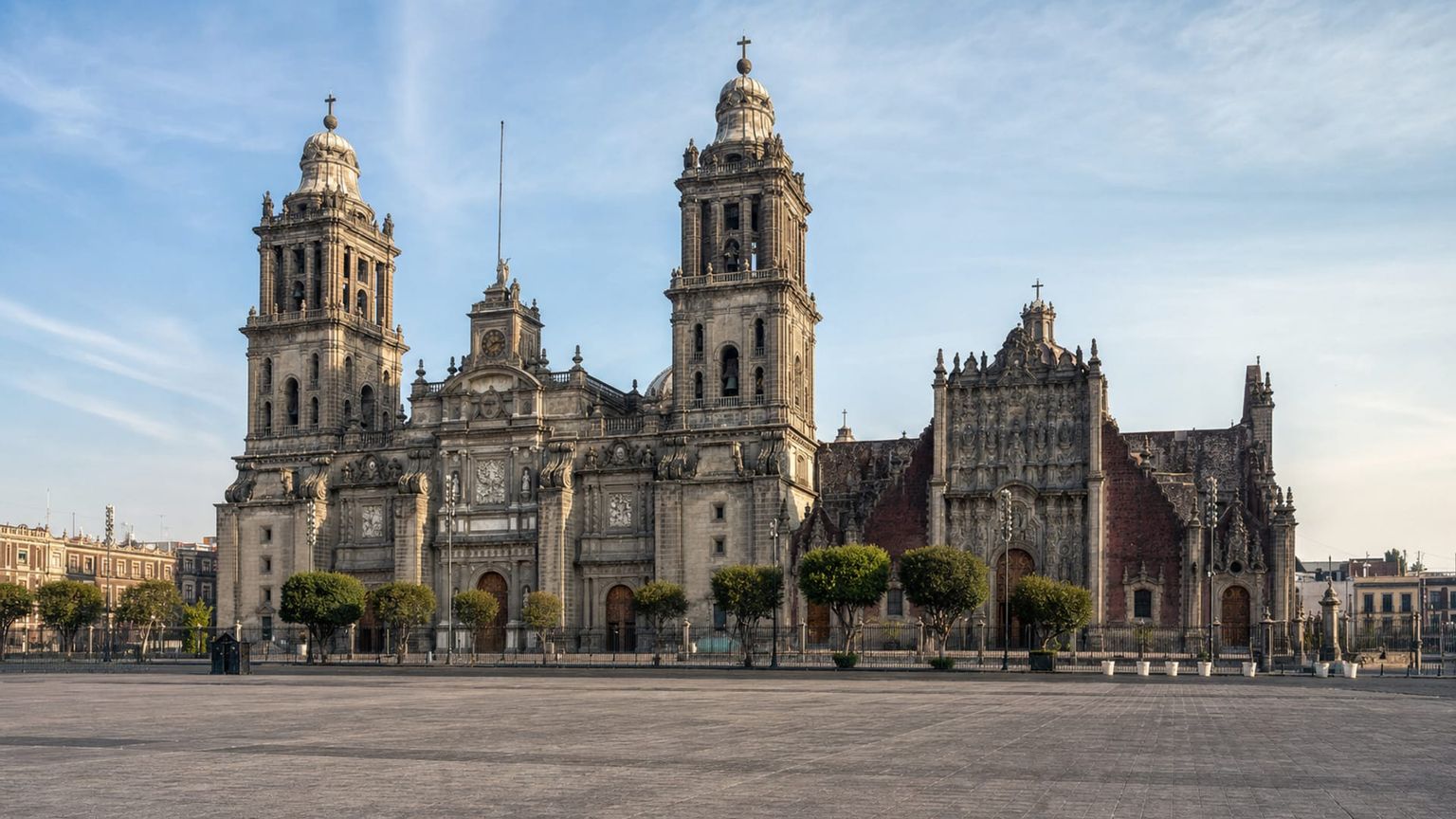
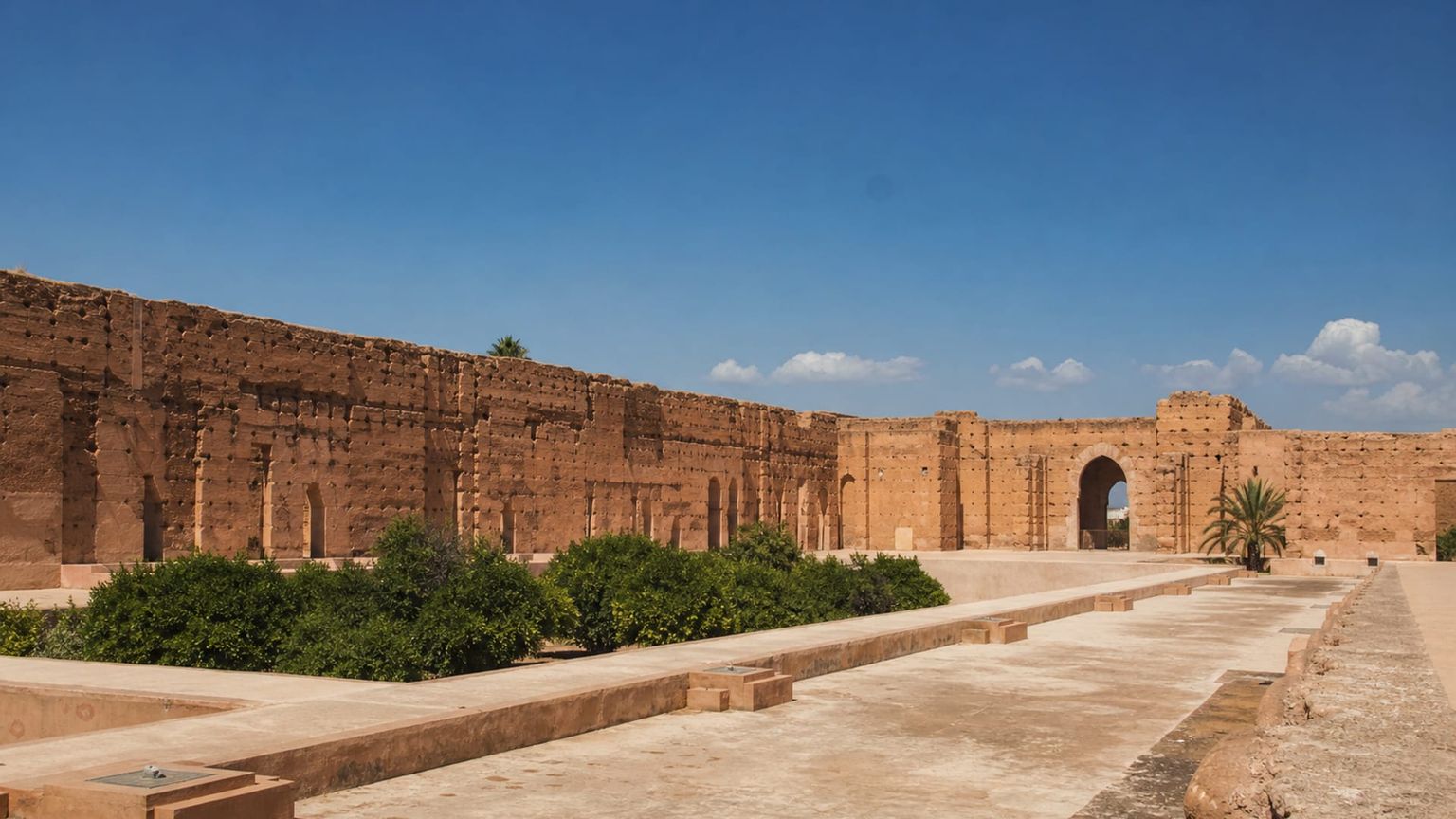
South of the main square, the Mellah is the historic Jewish quarter with easier vehicle access than the deepest medina lanes. It keeps you close to the Bahia Palace, El Badi Palace, and the spice market streets.
Best for: Palace visits, medina access, and travelers who want a historic base with easier arrivals
What to expect: Active streets, local shops, palace visitors, and a little less maze-like than the inner souks.
Hotel prices: Usually about 800 MAD to 2,200 MAD (~$80 to ~$220) per night for well-rated stays
Distance to major sights: 10 to 20 minutes on foot to Jemaa el-Fna and Bahia Palace
Quietness: Busy by day, then quieter after dinner than the central square area.
Main trade-off: You still sit inside the old city, so some streets can be crowded and navigation is not always intuitive.
Good to know: If you plan to use taxis at night, this quarter is easier than deeper medina addresses because pickup points are less awkward.
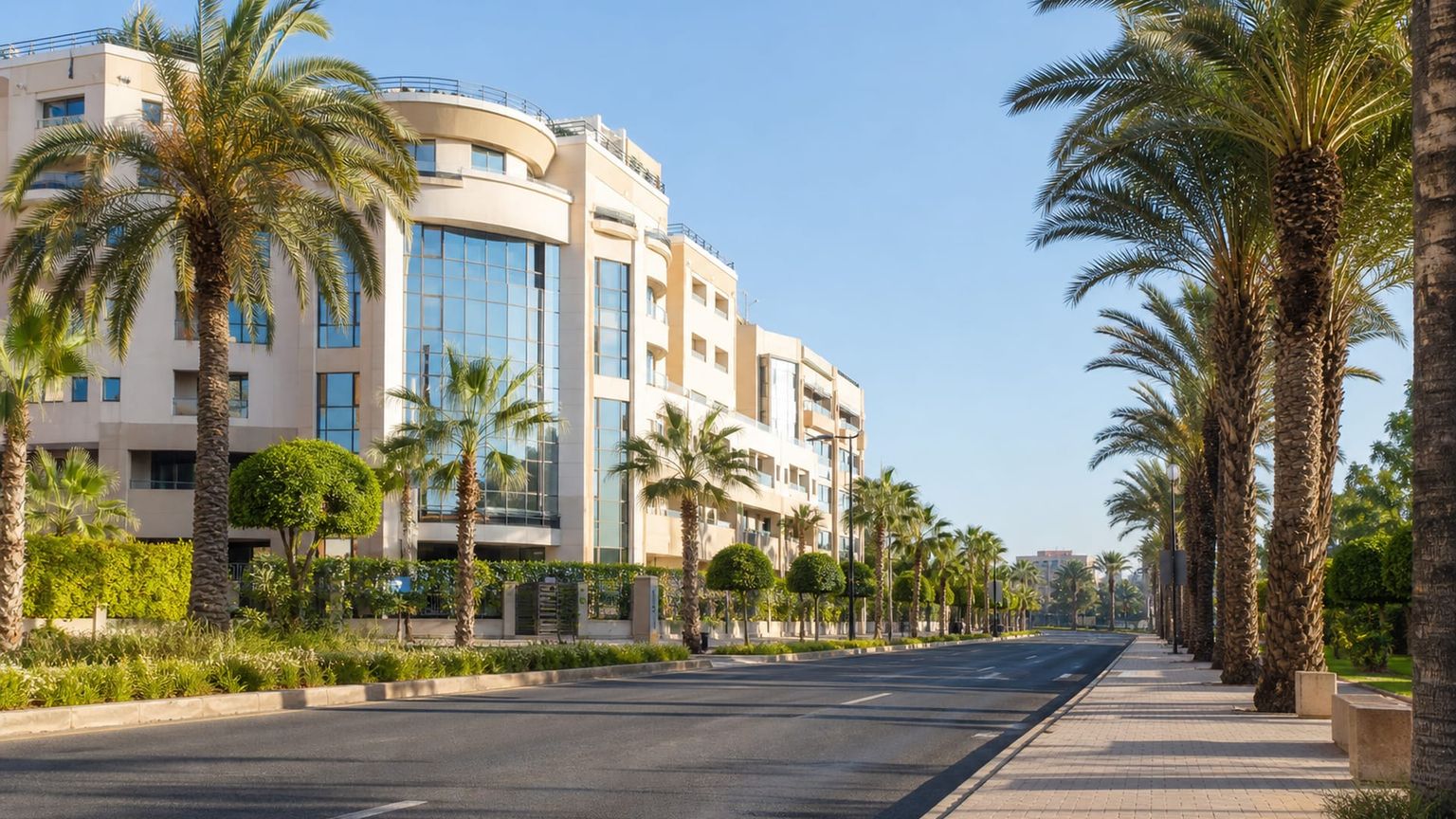
Hivernage is Marrakesh’s hotel district west of the medina, with larger properties, wider roads, and many restaurants and lounges. It suits travelers who want a more modern base while staying close to the old city.
Best for: Hotel stays, evening dining, and travelers who want easier car access
What to expect: Broad avenues, hotel lobbies, restaurant terraces, and a steady flow of taxis and guests.
Hotel prices: Usually about 1,200 MAD to 3,500 MAD (~$120 to ~$350) per night for well-rated stays
Distance to major sights: 10 to 20 minutes by taxi to Jemaa el-Fna; about 25 minutes on foot to the Koutoubia
Quietness: Calmer during the day than the medina, then livelier at night near restaurants and clubs.
Main trade-off: You will trade walk-out-the-door access to the souks for more time in taxis to reach the historic core.
Good to know: Book here if you want larger rooms and easier rides, but expect to rely on cabs for most sightseeing.
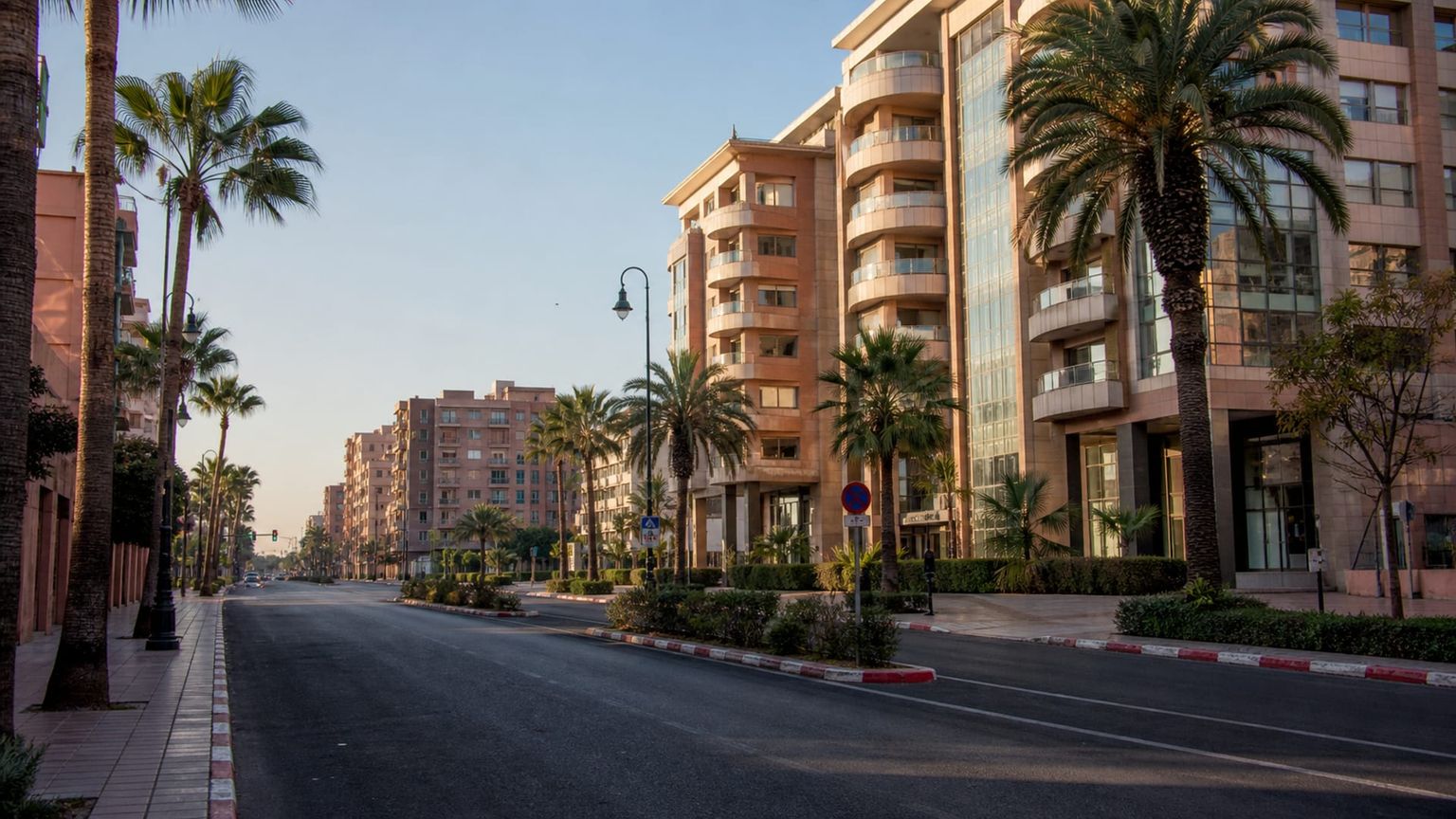
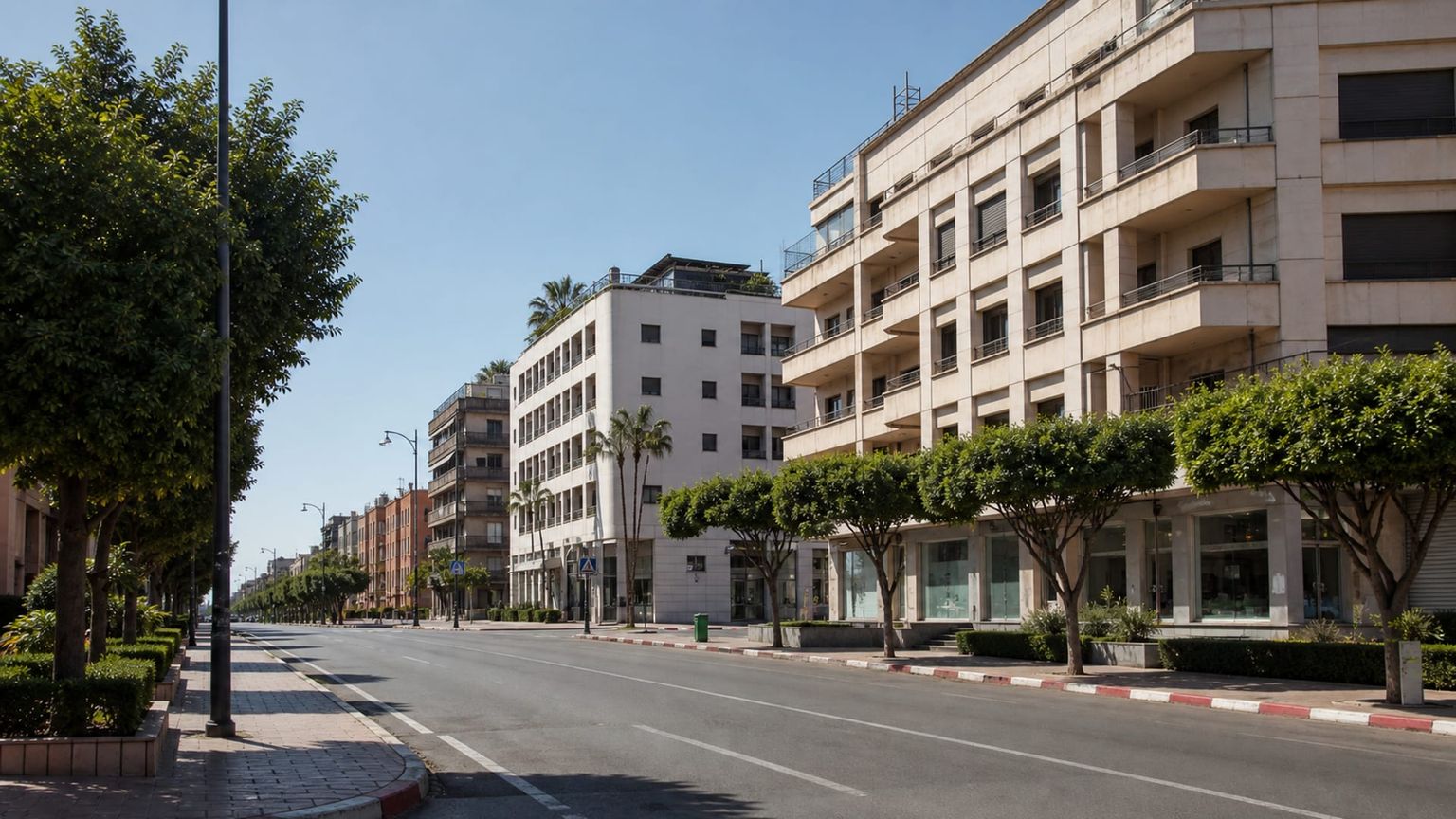
Gueliz is Marrakesh’s newer downtown, built around shops, cafés, and everyday city life rather than the old-city lanes. It works well for visitors who want modern streets, fixed prices in many businesses, and simple access to the train station.
Best for: Shopping, cafés, train access, and travelers who prefer a modern city base
What to expect: Wide sidewalks, office traffic, shopping streets, and a more local weekday pace than the medina.
Hotel prices: Usually about 700 MAD to 2,000 MAD (~$70 to ~$200) per night for well-rated stays
Distance to major sights: 15 to 25 minutes by taxi to Jemaa el-Fna; about 10 minutes by taxi to Marrakech train station
Quietness: Quieter than the medina during the day, with more traffic noise than Hivernage in the evening.
Main trade-off: You lose the immediate atmosphere of the old city, and many major sights require a short ride.
Good to know: Stay here if you plan to use the train or visit cafés and shops often, because the area is built for moving by taxi rather than on foot to the main monuments.
Travelers usually avoid staying in Sidi Youssef Ben Ali, because it sits well east of the medina and most major sights, with fewer visitor-oriented hotels and restaurants. Aïn Itti and the outer edges of Hay Mohammadi are also less convenient, since they are farther from the main sightseeing areas and can mean longer evening taxi rides; the newer outskirts around Route de Casablanca are similarly remote for walking to attractions.
Hotel deals
How to get around Marrakesh efficiently
Marrakesh has no metro, so most visitors move between walking routes in the medina, city buses for longer cross-town hops, and taxis for airport runs and late returns.

Metro
for longer distances
Marrakesh has no metro, so your closest public-transport option is the city bus network, plus walking for short hops inside the medina. If you want to reach the airport area, taxi or a prebooked transfer is the usual choice; buses cover the city more than the outer suburbs.

Bus and tram
for convenience
City buses run through central Marrakesh and out to districts such as Gueliz, Hivernage, and the airport side of town, with fares usually about $0.30 to $0.60 (3 to 6 dirhams) for a single ride. Buy on board when possible, keep small bills or coins ready, and expect trips to take about 15 to 40 minutes depending on traffic and the stop spacing.

Taxi
for convenience or late hours
Licensed taxis use set fares for short hops within the city and metered or negotiated pricing for longer trips, with small taxis usually costing about $2 to $6 ($20 to $60 dirhams) across central Marrakesh and more for late-night or airport rides. At Marrakesh Menara Airport, official taxis often use posted flat fares into town, usually about $7 to $15 ($70 to $150 dirhams) depending on the zone and time; insist on an official cab, agree the price before departure if the meter is not used, and expect cash in dirhams, though some drivers may take euros.
*Prices are based on rates updated as of June 2026 and may change at the time of travel.
Walk inside the old city, use buses for Gueliz, Hivernage, and other central districts, and keep taxis for the airport, evening rides, and any route that would take too long on foot.
Iconic landmarks
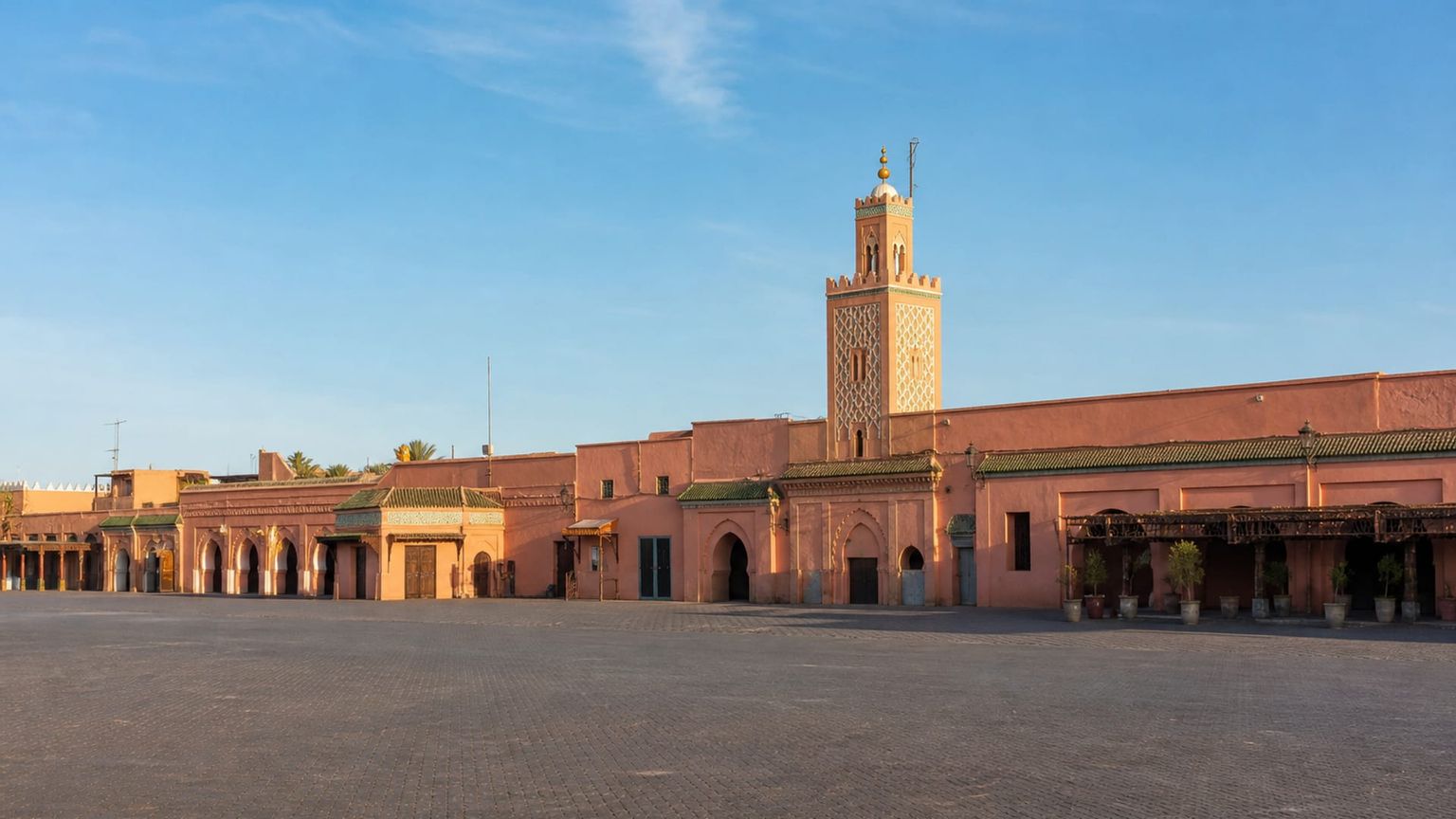
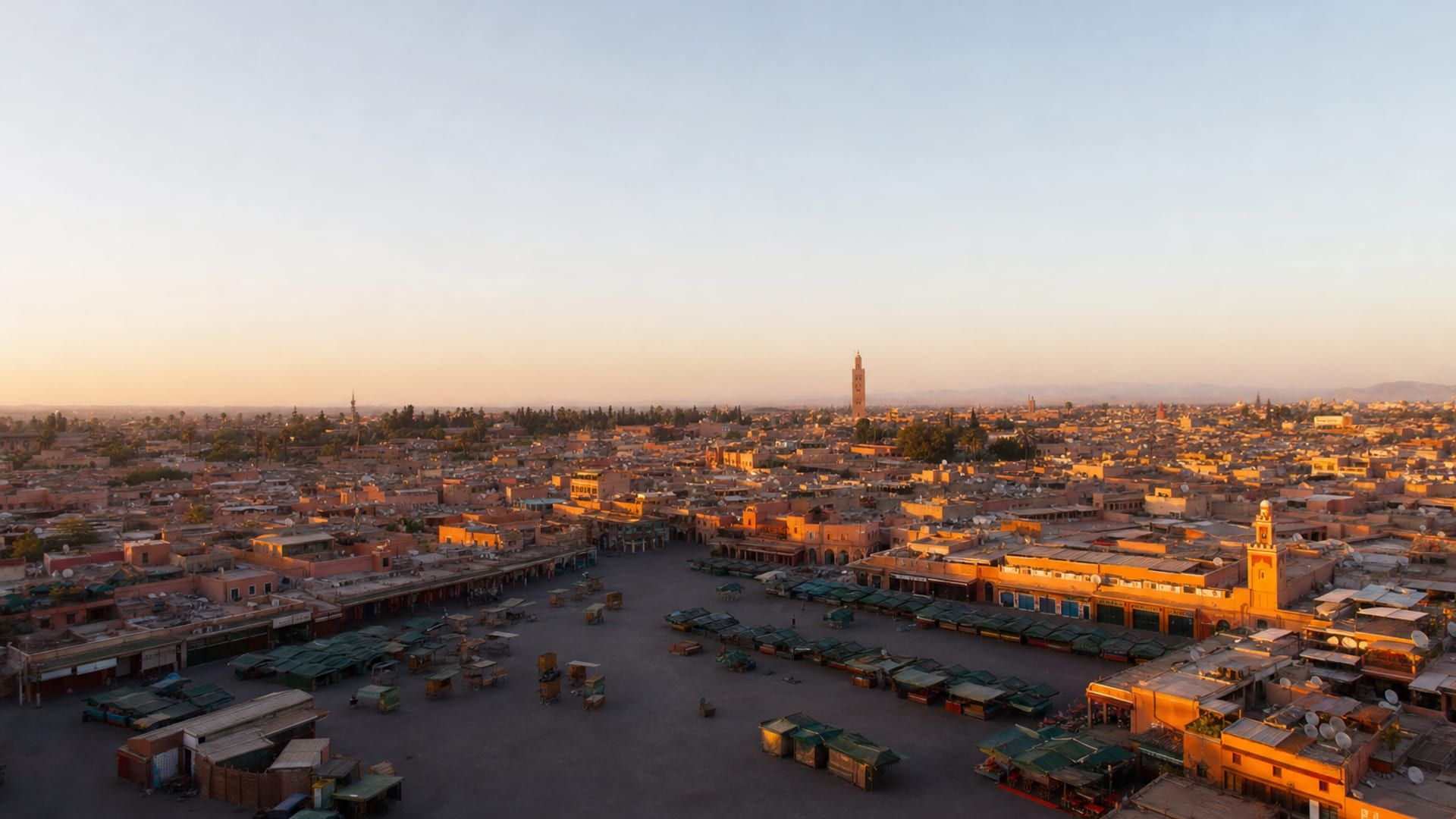
Jemaa el-Fnaa
Marrakesh’s main square anchors the medina with snake charmers, food stalls, storytellers, and musicians from late afternoon into the night. Its UNESCO-listed role in city life makes it the clearest first stop in the old center.
Time needed: About 1 to 2 hours
Entry: Free to access, with separate charges for food, drinks, performances, and any purchased items from individual vendors on the square.
Tip: Visit after sunset for the busiest scene, then return before midnight for a calmer walk out.
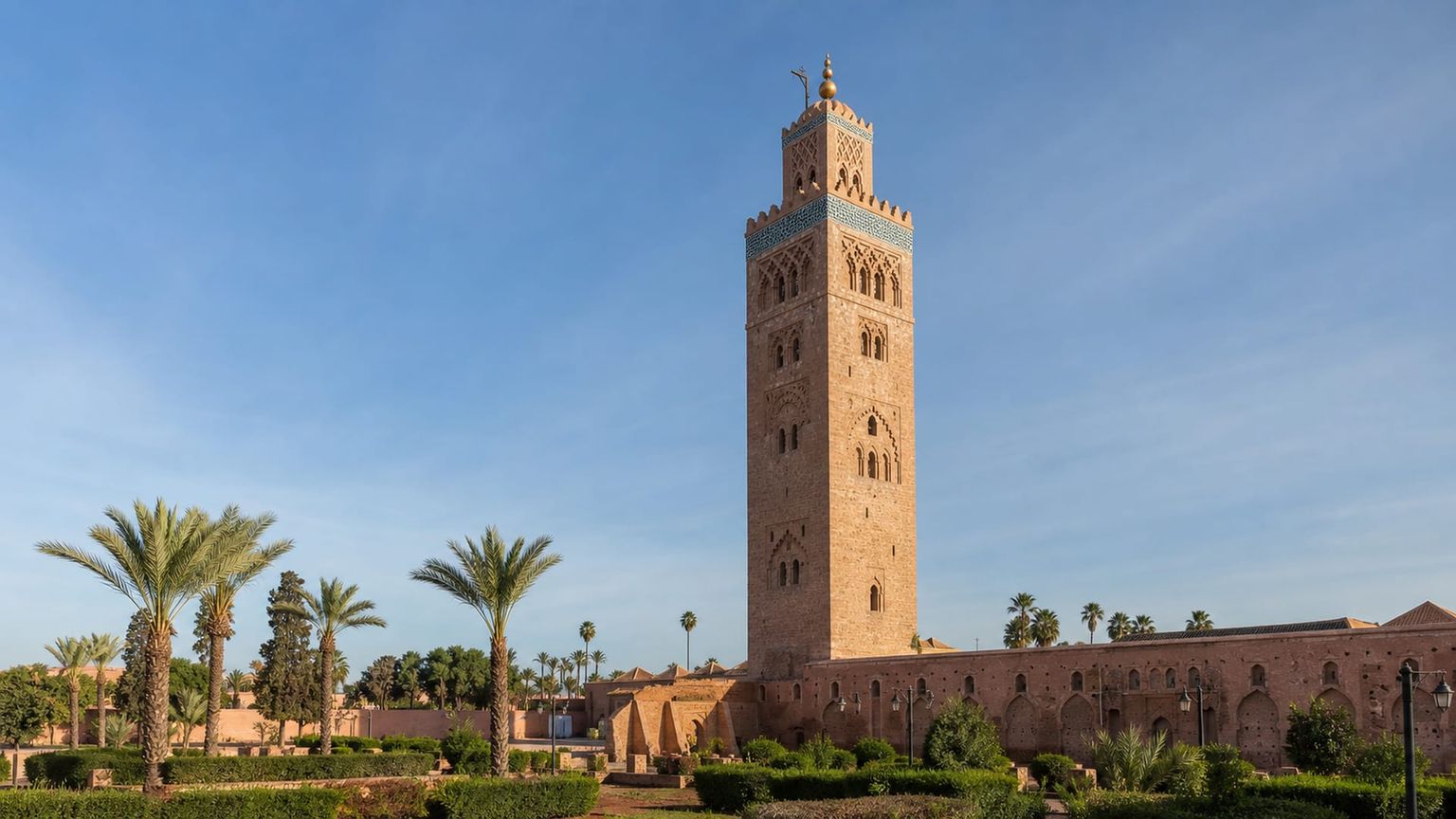
Koutoubia Mosque
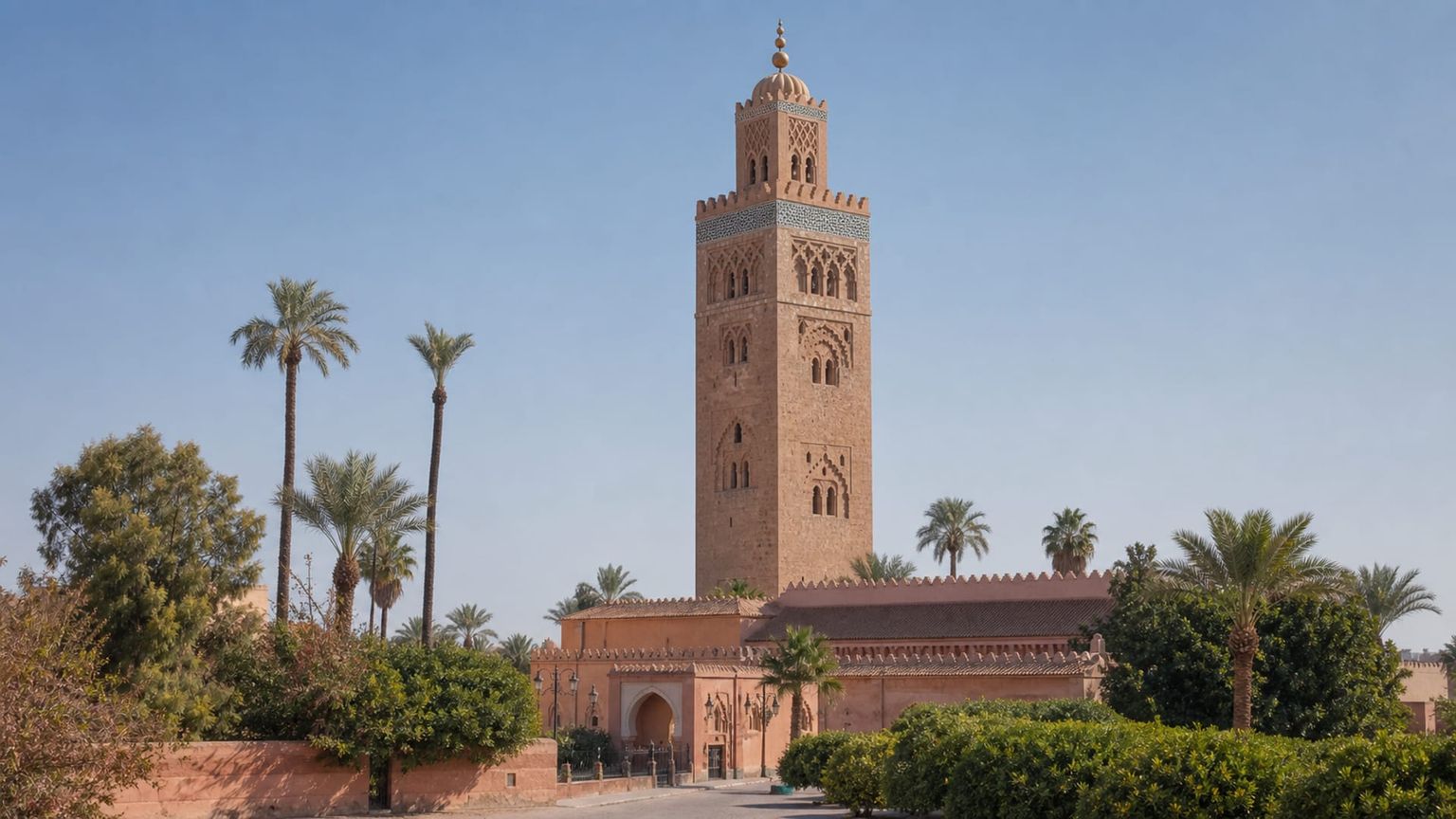
The Koutoubia Mosque rises above the city with a 77-meter minaret from the 12th century, a landmark visible across central Marrakesh. Non-Muslims cannot enter, but the exterior and nearby gardens make it a key stop.
Time needed: About 30 to 45 minutes
Entry: Free to view from the exterior and gardens; mosque prayer halls are closed to non-Muslims and there is no ticketed public interior visit.
Tip: Come near sunset for warmer light on the minaret and fewer tour groups in the plaza.
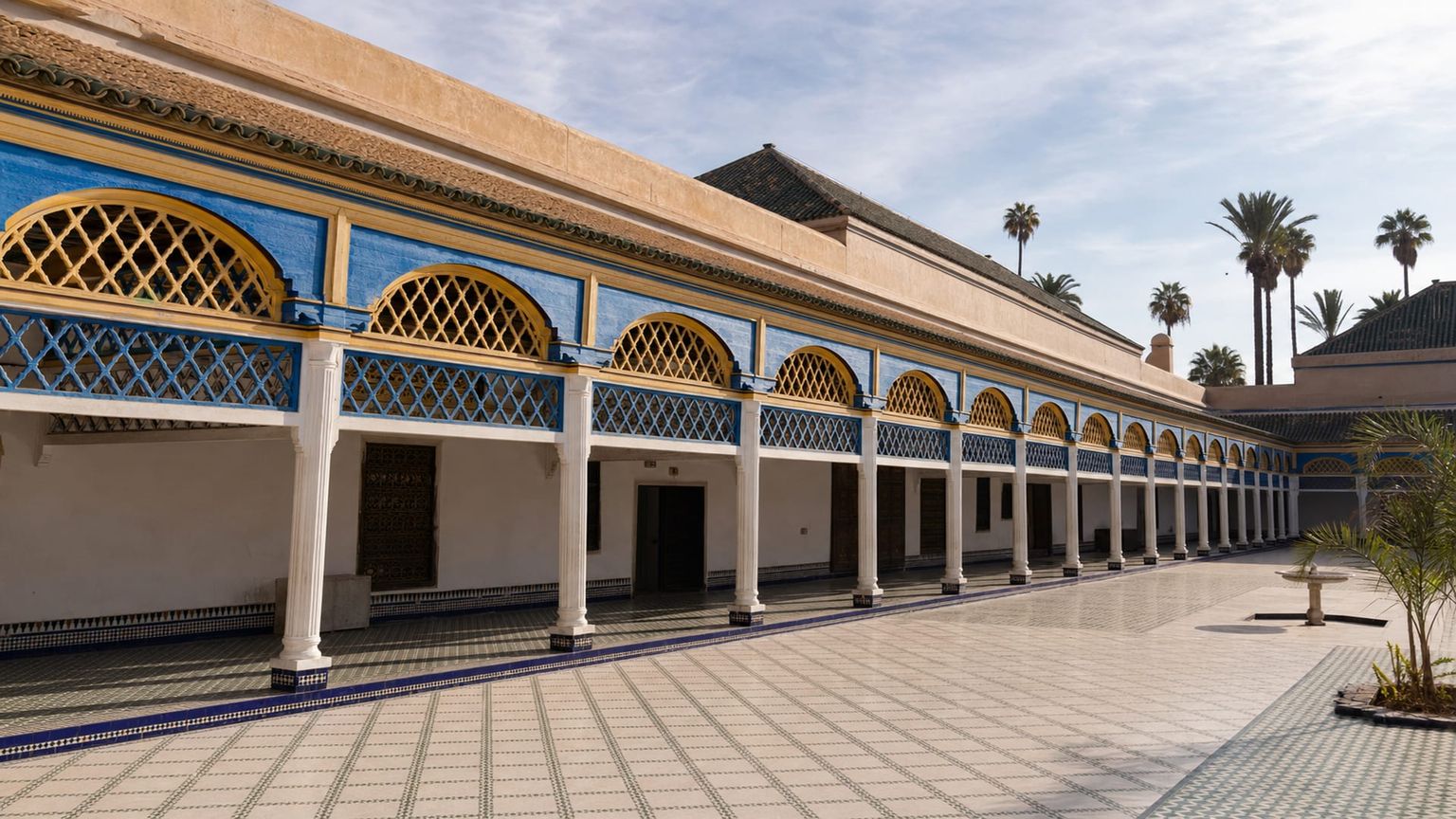
Bahia Palace
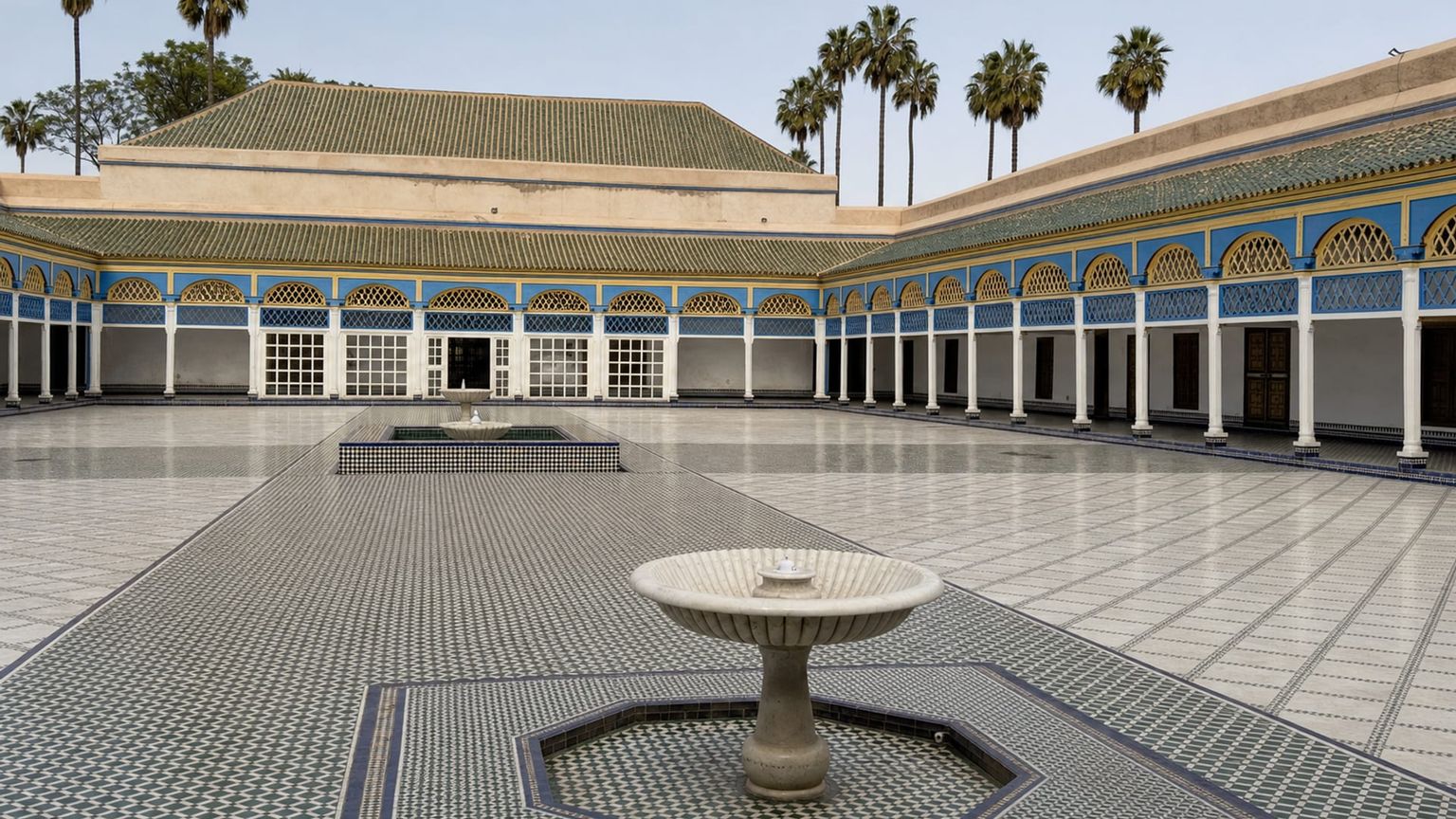
Bahia Palace spreads through courtyards, painted ceilings, zellige tilework, and carved cedar rooms from the late 19th century. The palace gives a vivid look at royal domestic architecture, and the adjoining gardens add space between the decorated chambers.
Time needed: About 1 to 2 hours
Entry: Entry costs about $8 ($80 MAD) for adults, with reduced rates for some local categories and occasional temporary closures for events or restoration. Visit the official site for details.
Tip: Go early in the morning to see the rooms before the tour groups fill the courtyards.
Overlooked sites worth visiting

Secret Garden
A restored riad garden in the medina, it pairs tilework, shaded paths, and a small museum in two connected courtyards. Set aside time for the upper terrace.
Time needed: About 1 to 1.5 hours
Entry: Standard tickets cost $10 ($100 MAD) for adults and $4 ($40 MAD) for children; the garden and museum share one ticket, and the terrace closes before dusk.
Tip: Go early for quieter paths and softer light.

Dar Si Said Museum
This former palace holds carved cedar ceilings, zellij rooms, and a focused collection of Moroccan crafts. It is compact, so you can see the main halls without a long visit.
Time needed: About 1 hour
Entry: Standard tickets cost $7 ($70 MAD) for adults and $3 ($30 MAD) for children; the ticket covers the museum galleries and palace rooms, with separate pricing only for special exhibitions.
Tip: Pair it with the nearby souks before noon.
Traditional food
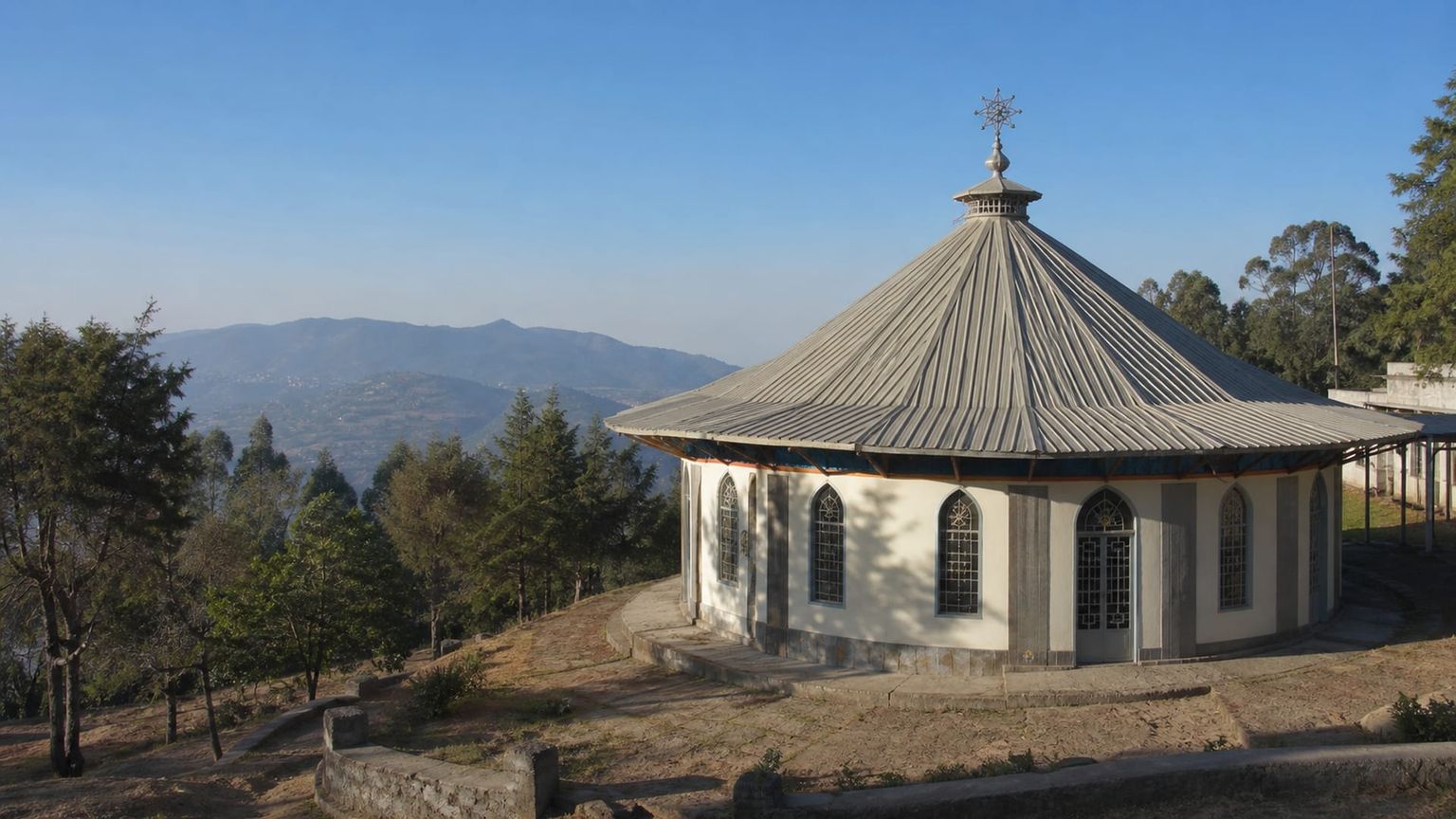
Marrakesh leans on tagine, couscous, pastilla, and harira, with saffron, cumin, preserved lemon, and slow cooking shaping most menus. Meals often unfold over tea, shared plates, and long evening sittings in riads or around the square.
Tagine
This slow-cooked stew comes with meat, vegetables, preserved lemon, or dried fruit, and it anchors many Marrakesh menus. For a classic version in the medina, many travelers head to Al Fassia, where the clay-pot approach suits the city’s most recognizable dish.
Couscous
Fluffy steamed semolina usually arrives with vegetables, chickpeas, and lamb or chicken, often as a Friday staple or a long midday meal. La Mamounia serves a polished version that keeps the dish rooted in Moroccan home cooking.
Pastilla
This flaky pie blends sweet and savory flavors, often with pigeon or chicken, almonds, and cinnamon. Dar Yacout is a well-known Marrakesh address for a richly layered version that suits a special dinner.
Harira
This tomato-based soup with lentils, chickpeas, herbs, and often meat appears most often at dinner or during Ramadan. Chez Lamine Hadj Mustapha is a dependable place to taste a deeply traditional bowl in Marrakesh.
Best time to visit Marrakesh
Marrakesh shifts sharply with the season, so the best months depend on whether you want cooler walking weather, fewer crowds, or a lighter, hotter city pace.
Best for: Best for long medina walks and clear sightseeing days
What you get: About 46 to 68°F (8 to 20°C), with comfortable daytime exploring and lighter heat than the rest of the year; crowds rise during holiday periods.
Trade-offs: Evenings can feel cool, and some travelers need an extra layer after sunset.
Best for: Best overall for palace visits, souks, and outdoor cafés
What you get: About 55 to 86°F (13 to 30°C), with busy but manageable sightseeing conditions and warm afternoons that still work for walking.
Trade-offs: Popular dates can push hotel and flight prices up.
Best for: Best for travelers who plan around early mornings and pool time
What you get: About 68 to 100°F (20 to 38°C), with lighter daytime foot traffic in the hottest stretch and more activity after dark.
Trade-offs: Midday heat can make long medina walks tiring.
Best for: Best for balanced weather and steady city touring
What you get: About 59 to 88°F (15 to 31°C), with warm days, cooler evenings, and moderate crowd levels outside peak breaks.
Trade-offs: Temperatures can still run high in early autumn.
A realistic 5-day plan in Marrakesh
Five days in Marrakesh works best when you separate the old city from the wider districts and give the busy square its own repeated visits. The plan below keeps palace time, museum time, market time, and departure-day errands in a sequence that matches the city’s layout.
Land at Marrakesh Menara Airport (RAK), then take a taxi into the city in about 15 to 20 minutes for roughly $10 to $15. If you are staying in the Medina, ask your riad for precise drop-off instructions, since cars usually stop at the edge of the old city; if you want easier luggage handling, Hivernage and Gueliz both offer simpler arrivals. After settling in, drink plenty of water, then keep dinner close by with a low-key meal in Hivernage or a café in Gueliz before an early night.
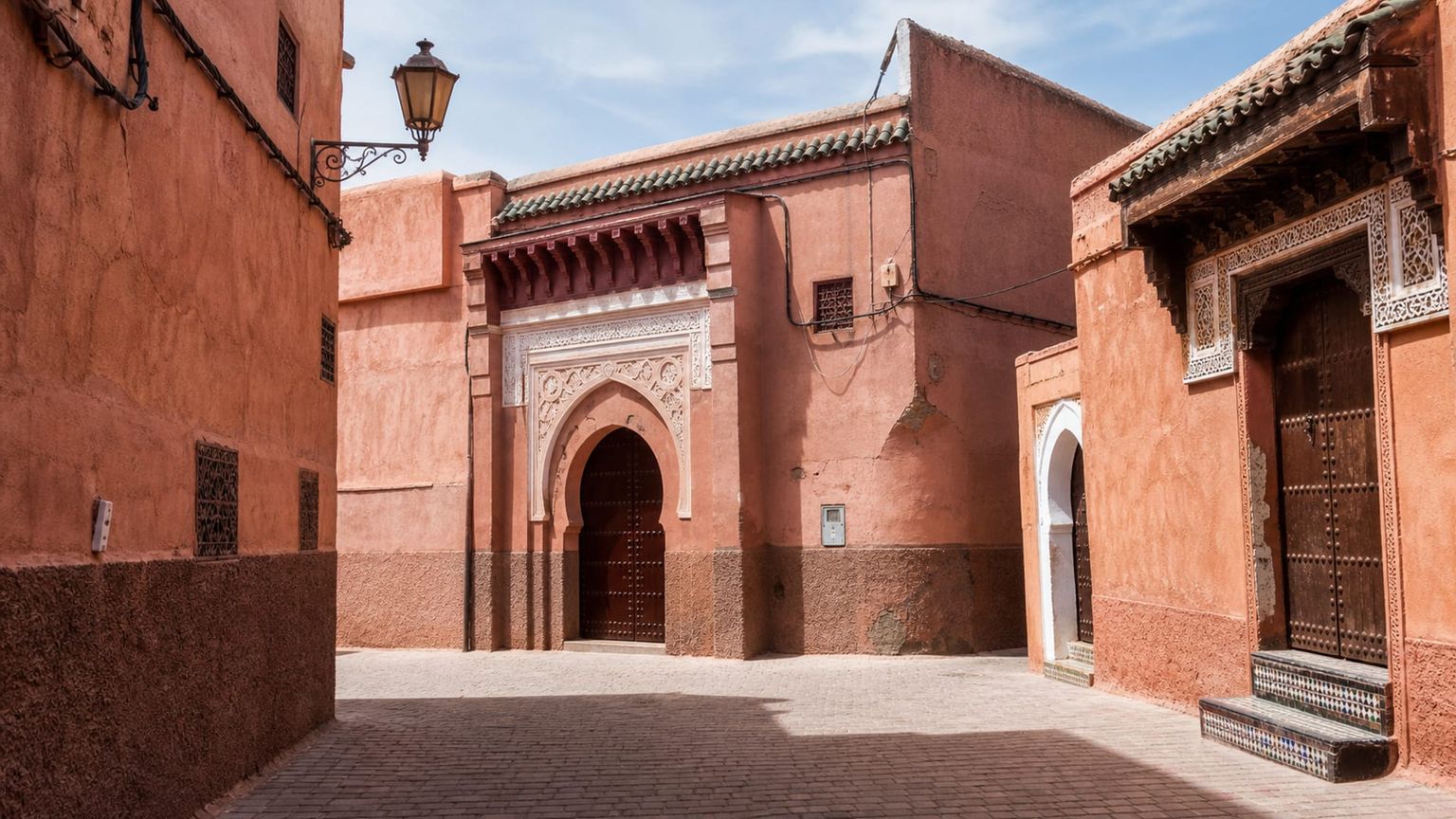
Start at Bahia Palace when it opens, then walk about 10 to 15 minutes to Dar Si Said Museum for a compact look at Moroccan crafts and carved interiors. From there, continue about 10 minutes on foot into the Medina for lunch and a slow pass through the nearby souks, where you can browse without trying to cover every lane. End the afternoon at Jemaa el-Fnaa, which is about a 10-minute walk from the palace area, then return to the square after sunset if you want the full food-stall and music scene.
Begin early at the Secret Garden, where the quieter paths and upper terrace reward a morning visit, then walk about 10 minutes to the Koutoubia Mosque gardens for the city’s best-known minaret from the outside. After that, spend the middle of the day in the Medina, moving on foot between the main market lanes and a lunch stop near Jemaa el-Fnaa, which sits roughly 5 to 10 minutes from the Koutoubia area. In the late afternoon, circle back for another look at the square, since the atmosphere changes once the food stalls and performers fill in.
Head to the Mellah in the morning for a quieter palace-focused day, starting with Bahia Palace if you want a second visit in better light or a slower look at its courtyards. From there, walk about 15 minutes to the El Badi Palace area to pair the ruins with the quarter’s spice-market streets, then continue to nearby cafés for lunch before returning through the Medina on foot or by taxi. If you prefer a shorter stop instead of lingering in the souks, trade the extra market time for one last hour at Dar Si Said Museum, which sits close enough to fit cleanly into the route.
Close the trip with a final easy circuit rather than a packed schedule: start with one last museum stop if you missed Dar Si Said Museum, then head to Gueliz for shopping in its wider streets and fixed-price stores. After that, settle into a café in Hivernage or Gueliz for mint tea, coffee, or a late brunch before your airport transfer. A taxi back to Marrakesh Menara Airport (RAK) usually takes about 15 to 20 minutes, though you should allow extra time if you are leaving during the evening rush.
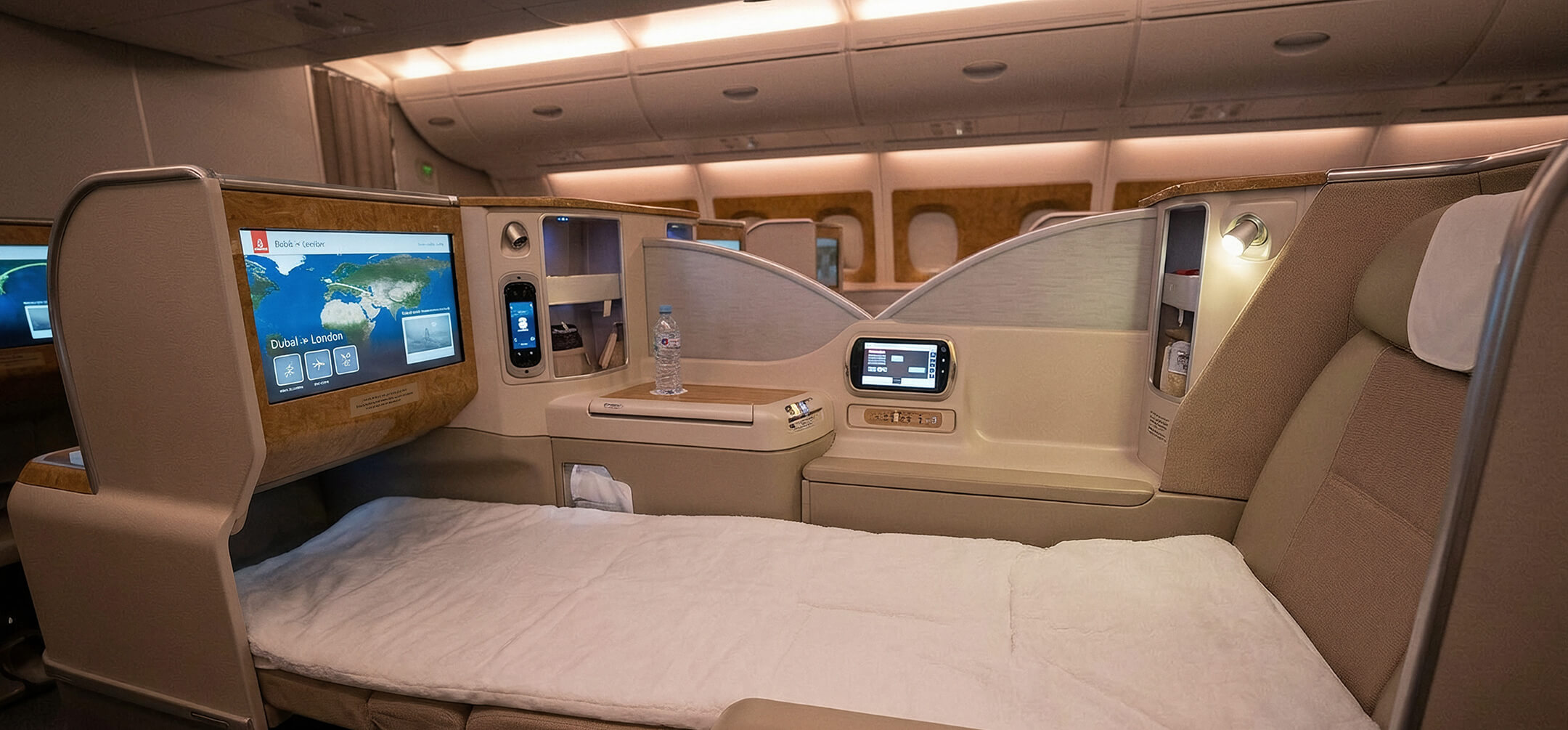
Business-class flights from the US to Marrakesh
Flight options into Marrakesh usually hinge on one-stop connections, with the best fares often tracking through a few major European and North African hubs. The examples below focus on premium itineraries from New York and Los Angeles.
From New York, Royal Air Maroc, Air France, Iberia, TAP Air Portugal, Turkish Airlines, and Delta Air Lines are common choices. Nonstop travel is not available, and one-stop trips usually connect through Casablanca (CMN), Paris (CDG), Madrid (MAD), Lisbon (LIS), or Istanbul (IST), with typical total travel times of about 11 to 16 hours. Round-trip fares usually start at about $2,800 and can climb to $6,500.
Los Angeles travelers usually fly with Royal Air Maroc, Air France, Iberia, Lufthansa, or Turkish Airlines, and the trip often runs about 14 to 21 hours with one stop. Common connection points include Casablanca (CMN), Paris (CDG), Madrid (MAD), Frankfurt (FRA), and Istanbul (IST). Round-trip fares often run $3,400 to $7,200; if you do not mind a layover, common routings via Paris (CDG), Madrid (MAD), or Casablanca (CMN) can cut the price noticeably.
Marrakesh feels different when you slow down
A deliberate Marrakesh trip gives each district a clear role, the Medina for mornings in the souks, the Mellah for palace visits, Hivernage for easier taxi access, and Gueliz for a quieter last afternoon. Add the bus, short walks, and a few well-timed returns to Jemaa el-Fnaa, and the city becomes easier to read day by day. If you want to shape that kind of route, the AranGrant experts can help you plan it around the sights and neighborhoods that matter most