

Chapters:

Need help with your trip?
Our support team is available 24/7. Request a callback or call us directly at (833) 619-0908
Panama City trips often start with Casco Viejo, a canal visit, and one long meal, then leave little room for the city’s other districts or the time it takes to cross them.
That works poorly here because traffic can stretch short rides, dining clusters sit far apart, and a rushed schedule makes it easy to miss the Causeway, El Cangrejo, and the quieter museum stops.
This guide separates the city into clear days, so you can move with purpose, match sights to the right part of town, and avoid packing the busiest areas into one day.
Useful things to know

Main language(s): Spanish
Hola (OH-lah) – Hello
Por favor (por fah-VOR) – Please
Gracias (GRAH-syahs) – Thank you
¿Habla inglés? (AH-blah een-GLAYS) – Do you speak English?
¿Cuánto cuesta? (KWAHN-toh KWEHS-tah) – How much does it cost?

Currency: The local currency is the Panamanian balboa (PAB, B/).

Cash and cards: Cards and contactless are widely accepted; carry about $20 to $40 in cash for taxis, markets, and small purchases.

Tipping: Round up small bills; in restaurants, leave about 10% for good service.

Traditional food: Sancocho, ceviche, carimañolas, patacones

Water and coffee costs: Water about $1 ($1), bar espresso about $2 ($2.50).

Taxis and ride apps: Uber and inDrive operate here; confirm the plate before you get in.

Plug and voltage: Type A/B socket, 110V

Dining and shop opening hours: Breakfast is about 07:00-10:00, lunch 12:00-15:00, and dinner 18:00-22:00. Many kitchens close between meal periods, and some places stop earlier on Sunday.

Emergency number: 911 for police, fire, and ambulance.
Where to stay in Panama City
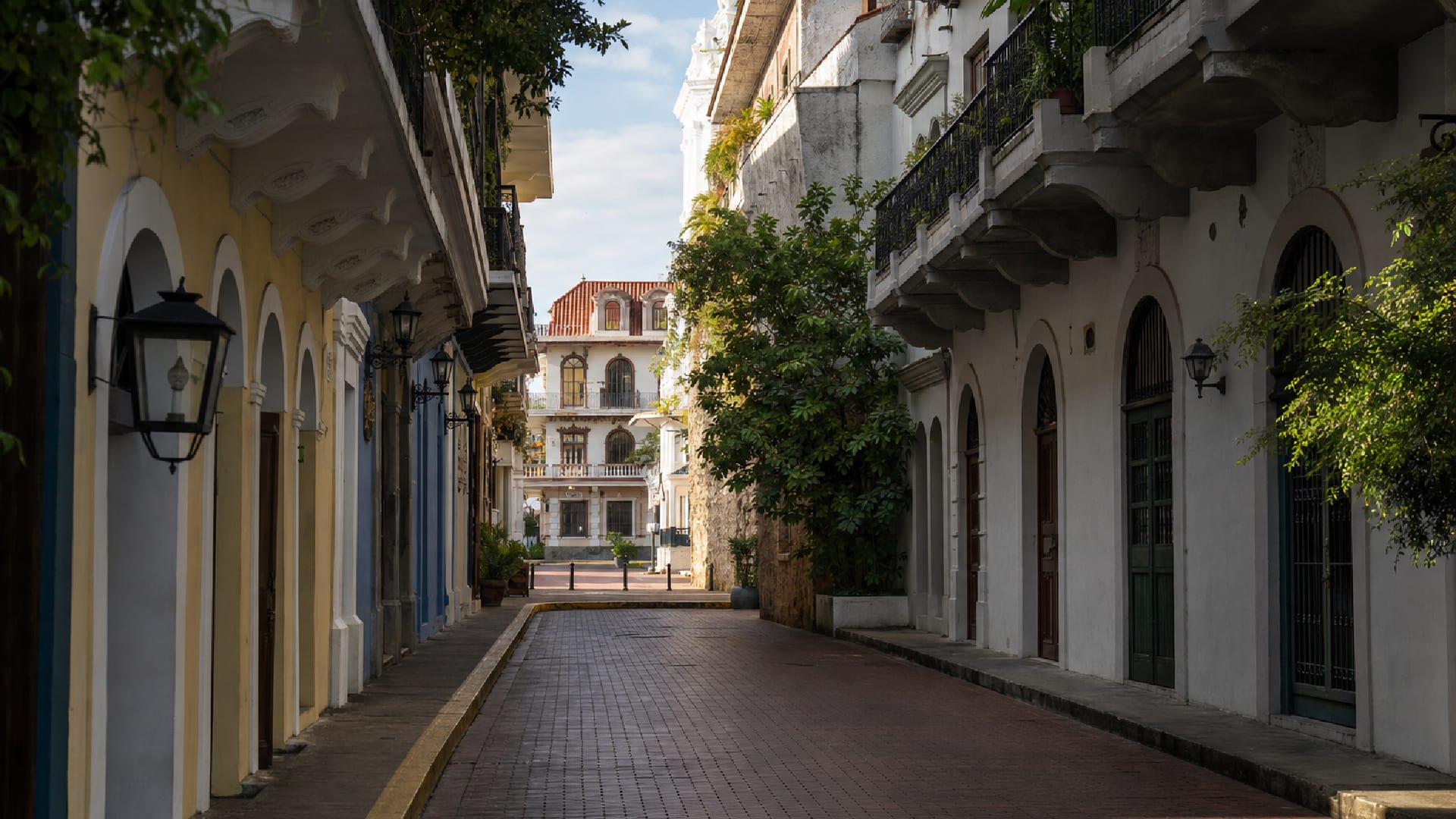
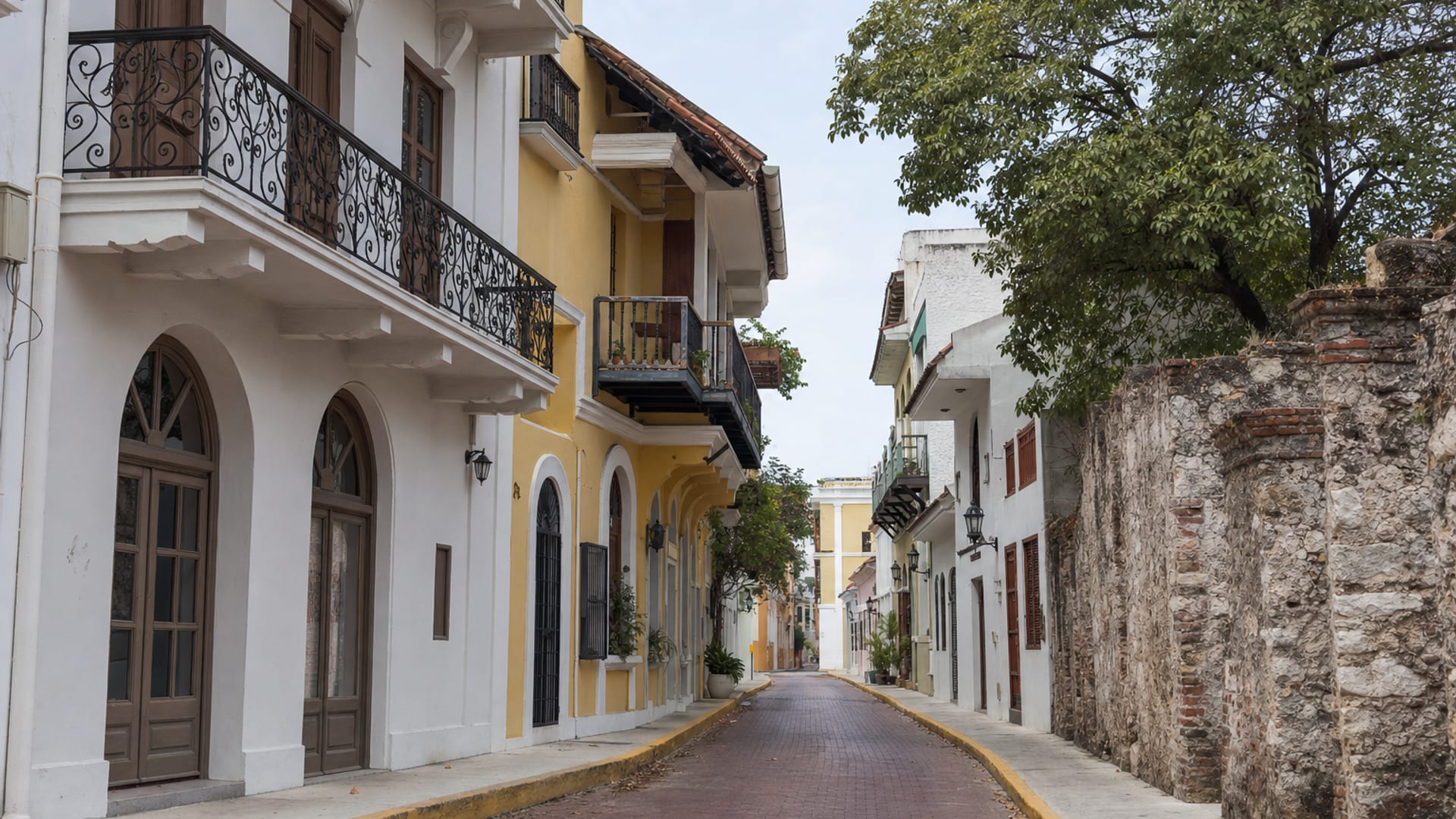
Panama City’s historic quarter pairs restored colonial streets with waterfront plazas, churches, and a dense run of restaurants and rooftop bars. It matters because it puts the city’s main sights, evening dining, and guided walking tours in one compact base.
Best for: Sightseeing, dining, and travelers who want a walkable historic base
What to expect: Narrow streets, steady tourist traffic, and lively evenings near the main squares.
Hotel prices: Usually about $120 to $300 per night for well-rated stays
Distance to major sights: 5 to 15 minutes on foot to the Canal Museum and Plaza de Francia; about 15 to 25 minutes by taxi to the Panama Canal Administration Building
Quietness: Busy by day, especially on weekends; evenings can be loud near bars and rooftop venues.
Main trade-off: Rooms often cost more here, and late-night noise can carry into side streets.
Good to know: Book a higher-floor room or a courtyard-facing one if you want to sleep before midnight.
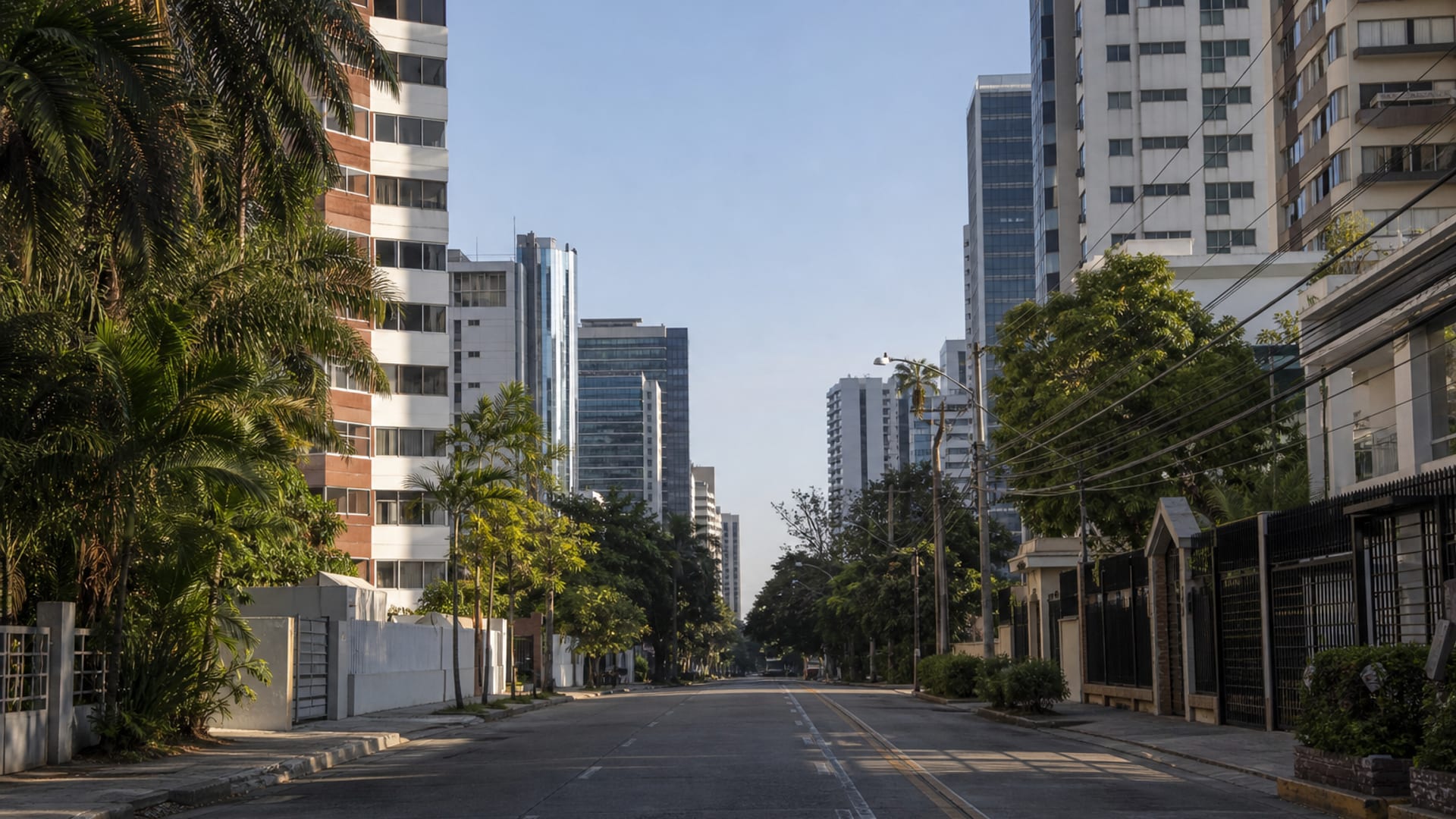
El Cangrejo is a central residential district with apartment towers, small hotels, cafes, and a wide choice of casual restaurants. It matters because you get a practical midcity base with easy taxi and metro access without staying in the busiest tourist blocks.
Best for: Midrange stays, restaurants, and travelers who want central access without constant tourist traffic
What to expect: Busy sidewalks, local diners, and a strong everyday feel around Via Argentina and nearby streets.
Hotel prices: Usually about $70 to $180 per night for well-rated stays
Distance to major sights: About 10 minutes by taxi to Casco Viejo and 15 to 20 minutes by taxi to the Amador Causeway
Quietness: Active in the day and early evening; some blocks are quieter late at night than the restaurant strips.
Main trade-off: You trade waterfront scenery for a more inland location and less historic character.
Good to know: Check whether your hotel sits near Via Argentina or a quieter side street, since block-by-block noise changes a lot.
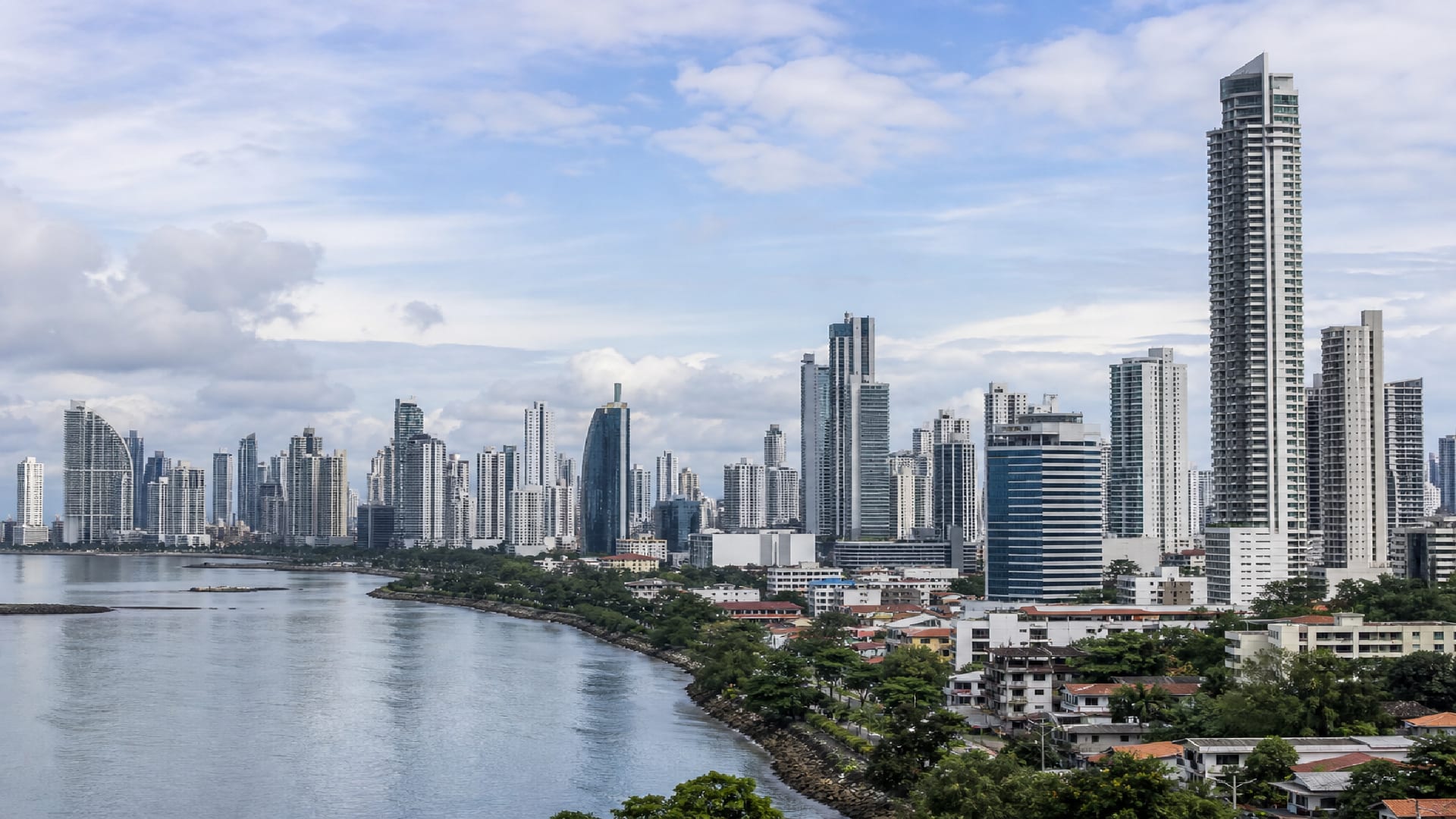
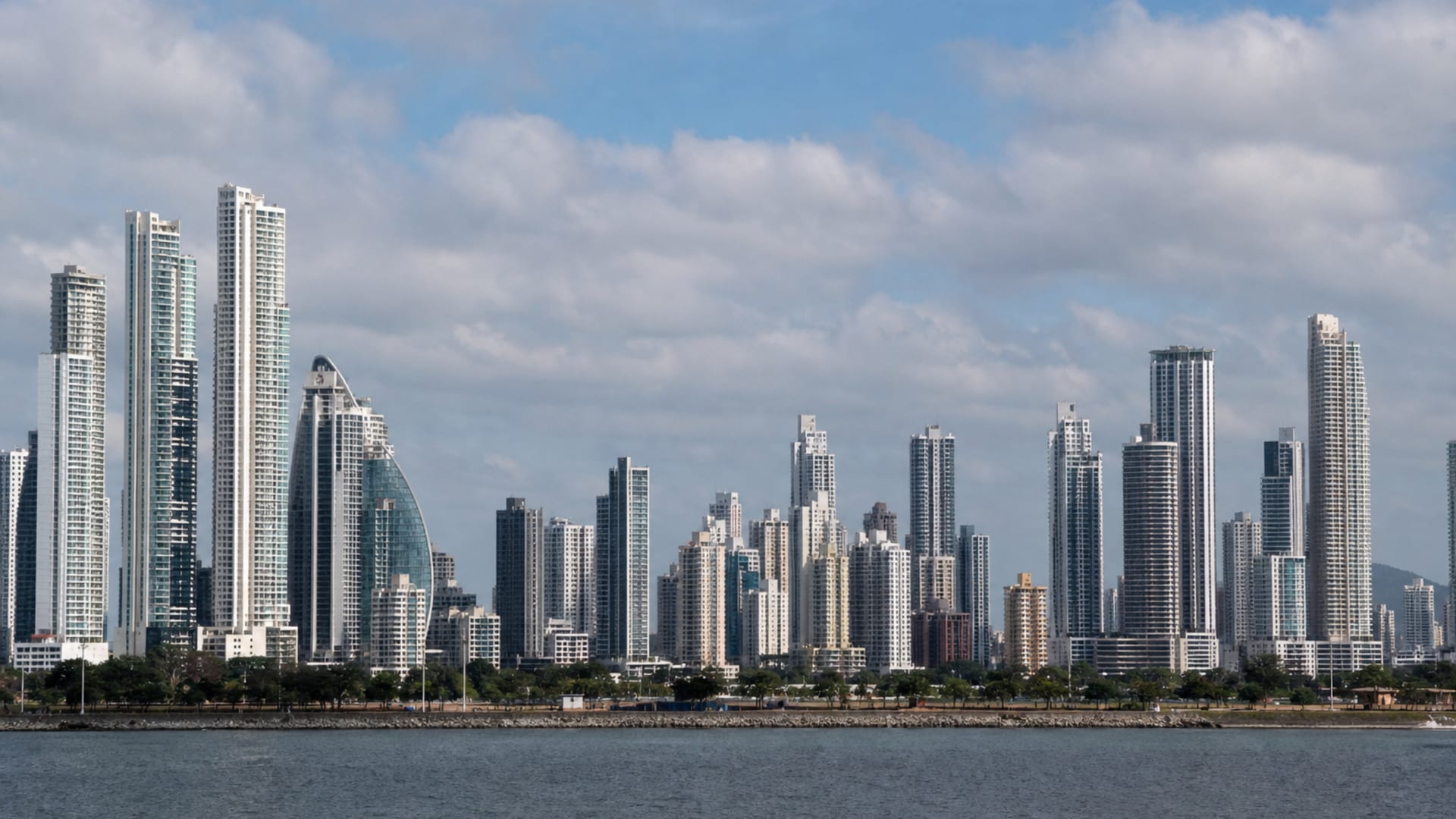
Punta Paitilla is an upscale waterfront peninsula with high-rise hotels, condos, and wide sea views over Panama Bay. It matters for travelers who want newer lodging, quick access to central Panama City, and an easy ride to shopping and dining in nearby districts.
Best for: Upscale stays, bay views, and travelers who prefer newer hotels
What to expect: Wide avenues, hotel traffic, and a quieter residential feel than the denser downtown core.
Hotel prices: Usually about $110 to $280 per night for well-rated stays
Distance to major sights: About 10 to 20 minutes by taxi to Casco Viejo and 15 to 25 minutes by taxi to the Panama Canal Museum
Quietness: Generally quiet at night, with more road noise along the main coastal roads during the day.
Main trade-off: It sits farther from the historic center, so most sightseeing requires a taxi or ride-hailing app.
Good to know: If you plan late dinners in Casco Viejo, budget for extra ride time both ways.
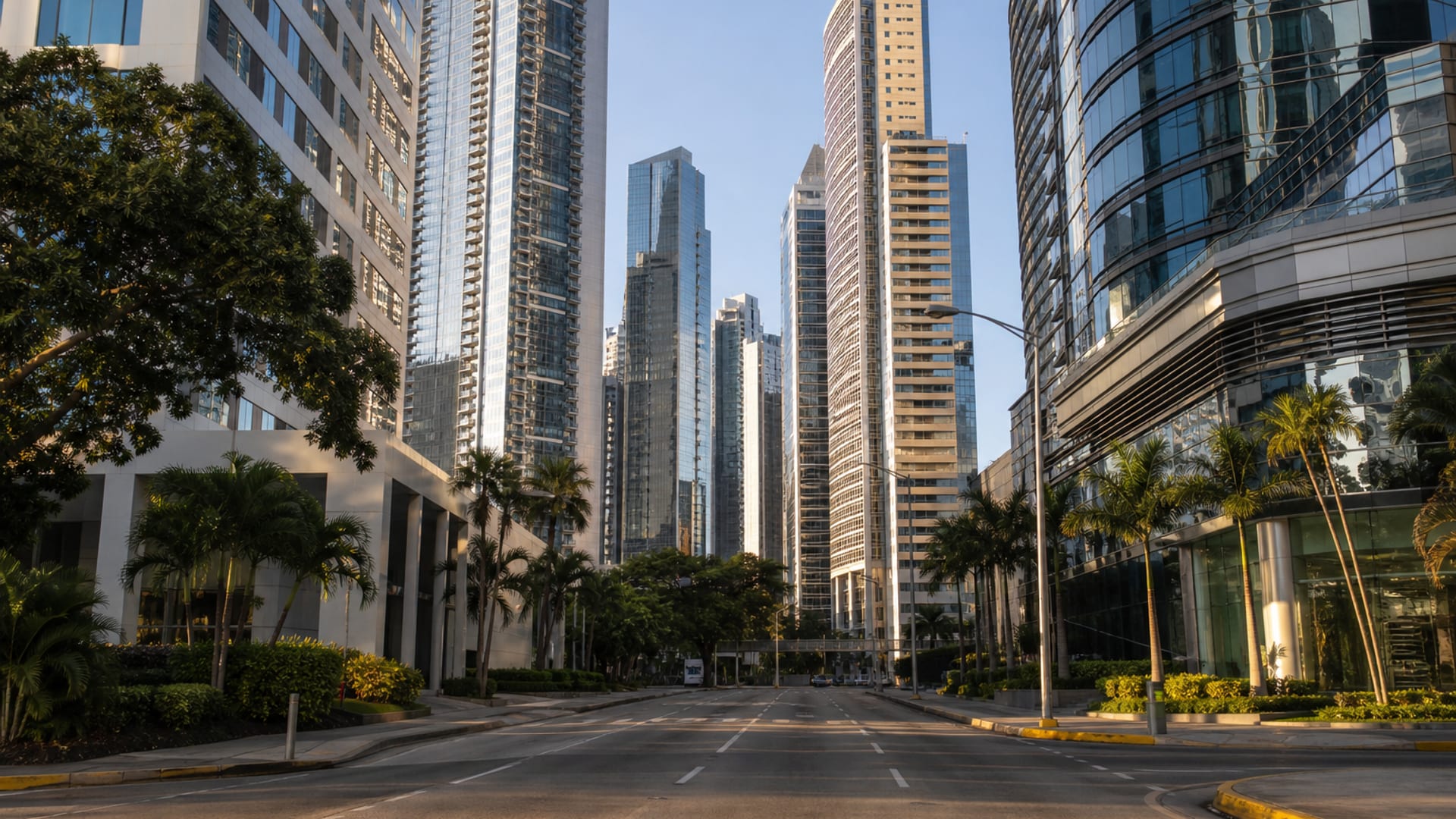
Obarrio sits in the financial core, with office towers, chain hotels, malls, and many restaurants within a compact grid. It matters because business travelers and short-stay visitors can reach major boulevards, shopping, and transit with minimal cross-town movement.
Best for: Business trips, shopping, and travelers who want a central commercial base
What to expect: Weekday office traffic, lunch crowds, and a busy restaurant scene after work.
Hotel prices: Usually about $80 to $220 per night for well-rated stays
Distance to major sights: About 15 to 20 minutes by taxi to Casco Viejo and 10 to 15 minutes by taxi to the Panama Canal Administration Building
Quietness: Busy on weekdays, then quieter late at night once the office crowd clears.
Main trade-off: The area is convenient, but it lacks the character and sea views of the older and waterfront districts.
Good to know: Look closely at the exact block, because towers on main avenues can be noisier than nearby side streets.
Travelers usually avoid staying in Panama City’s eastern suburban districts such as Tocumen, Pacora, and 24 de Diciembre because they sit far from Casco Viejo, the waterfront, and the main visitor districts, with few hotel options and limited amenities for short stays. Pedregal and Las Mañanitas are also less convenient for most visitors, since they are primarily residential or airport-adjacent areas and often require longer taxi or rideshare trips for evening dining and sightseeing.
Hotel deals
How to get around Panama City efficiently
Panama City’s Metrobus and taxi network makes more sense when you treat the airport, canal zone, and historic center as separate hops rather than one linked corridor.

Metro
for longer distances
Panama City does not have a metro at PTY, so there is no subway option from the airport area; the closest rail link is the Panama Metro, which starts in the city and runs on a separate urban network, not from Tocumen. For airport trips, use the Metrobus or a taxi instead.

Metrobus
for convenience
Metrobus routes serve Tocumen Airport, with the 2B route linking PTY to central Panama City and the Albrook transport hub. Fares are about $0.25, paid with a reloadable Metrobus card that you tap on boarding; expect roughly 40 to 60 minutes to central stops, depending on traffic.

Taxi and ride apps
for convenience or late hours
Licensed taxis at PTY use fixed airport fares rather than meters, and drivers usually quote the price before departure. A ride to central Panama City typically costs about $30 to $35, while longer cross-city trips can run about $35 to $45, and cash is the norm, though some drivers accept cards by prior agreement.
*Prices are based on rates updated as of June 2026 and may change at the time of travel.
Use taxis or ride-hailing for cross-town days, Metrobus for low-cost airport transfers, and walking once you are already in Casco Viejo or around Santa Ana.
Iconic landmarks
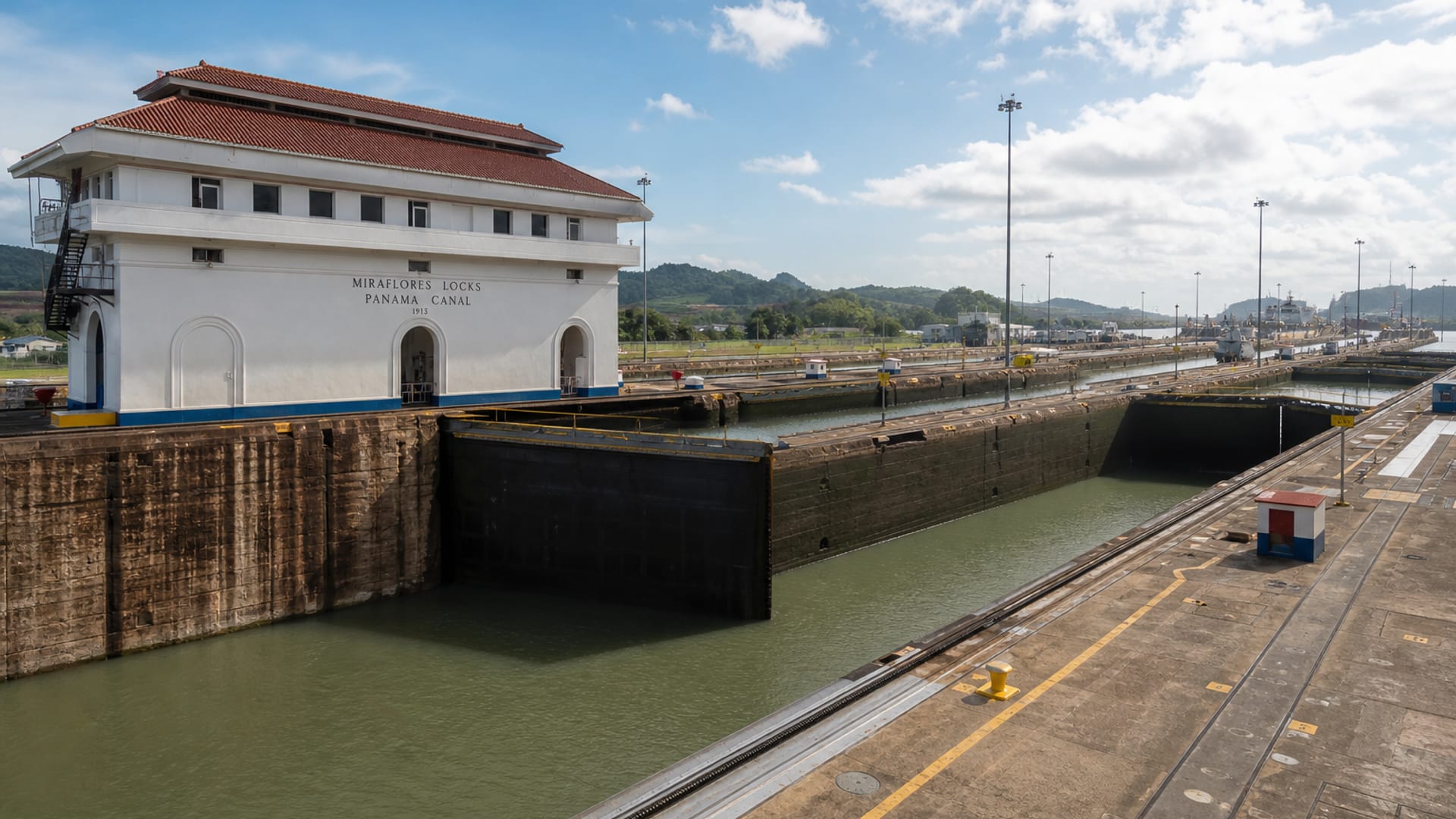
Panama Canal, Miraflores Locks
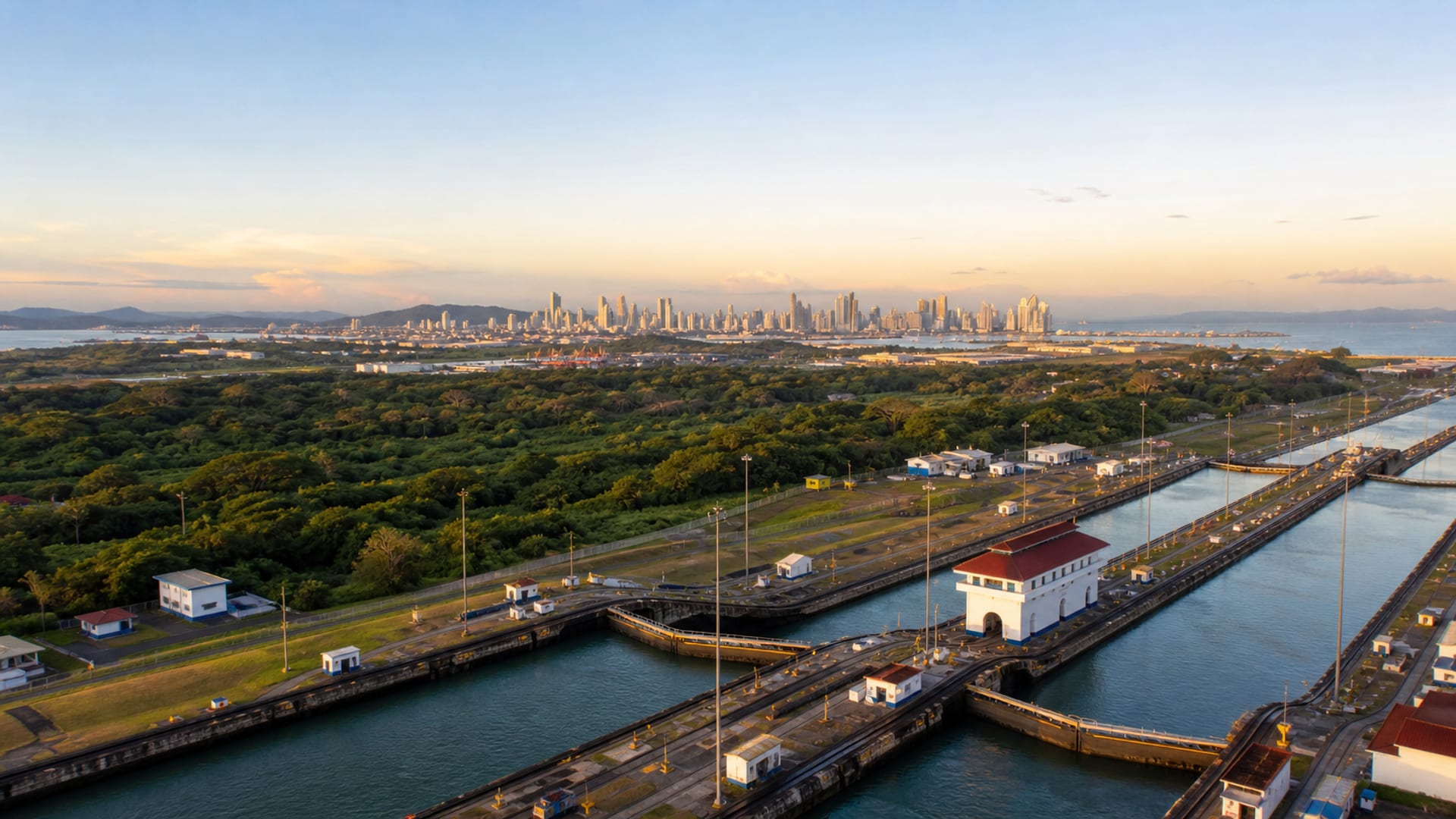
Watch oceangoing ships rise and lower through the Pacific-side locks, then step into the museum for canal history, engineering models, and a viewing terrace over the lock chambers. It sits in Panama City’s Miraflores district, about 10 km from the center.
Time needed: About 2 to 3 hours
Entry: Standard admission costs $17.22 ($17.22) for adults, $7.22 ($7.22) for children ages 6 to 12, and is free for children under 6 Visit the official site for details.
Tip: Arrive late morning or early afternoon, when ship traffic and terrace visibility often line up.
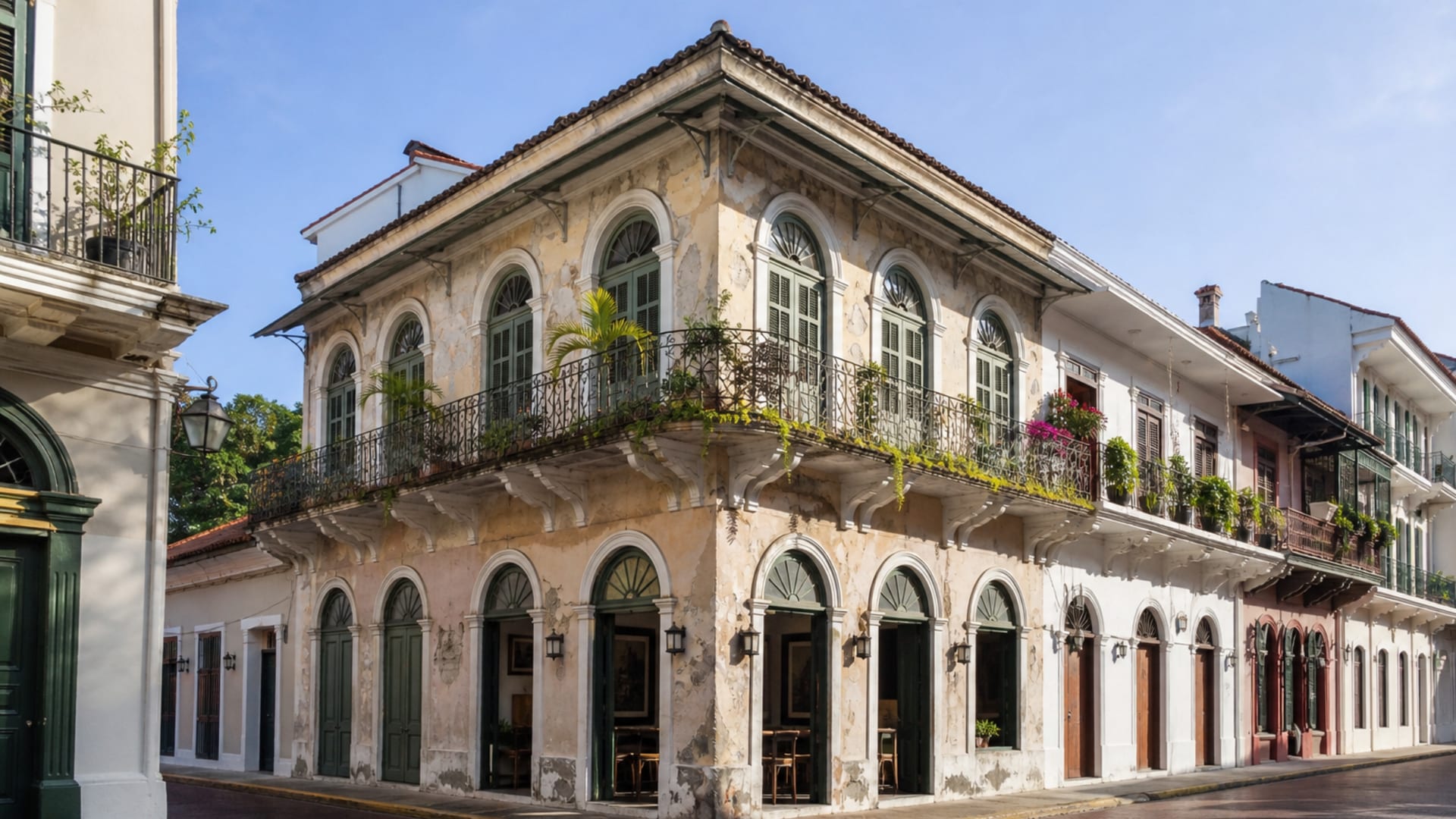
Casco Viejo
Walk the restored colonial core for tiled plazas, stone churches, and mansions with balconies, plus the Cathedral Basilica, Plaza Bolívar, and the waterfront edge near the Cinta Costera. It sits in central Panama City, about 3 km from downtown.
Time needed: About 2 to 4 hours
Entry: Free to access; individual churches, museums, and rooftop venues inside the district charge separately, and some have posted opening hours.
Tip: Go in the late afternoon, then stay for sunset light on the facades and plaza stone.
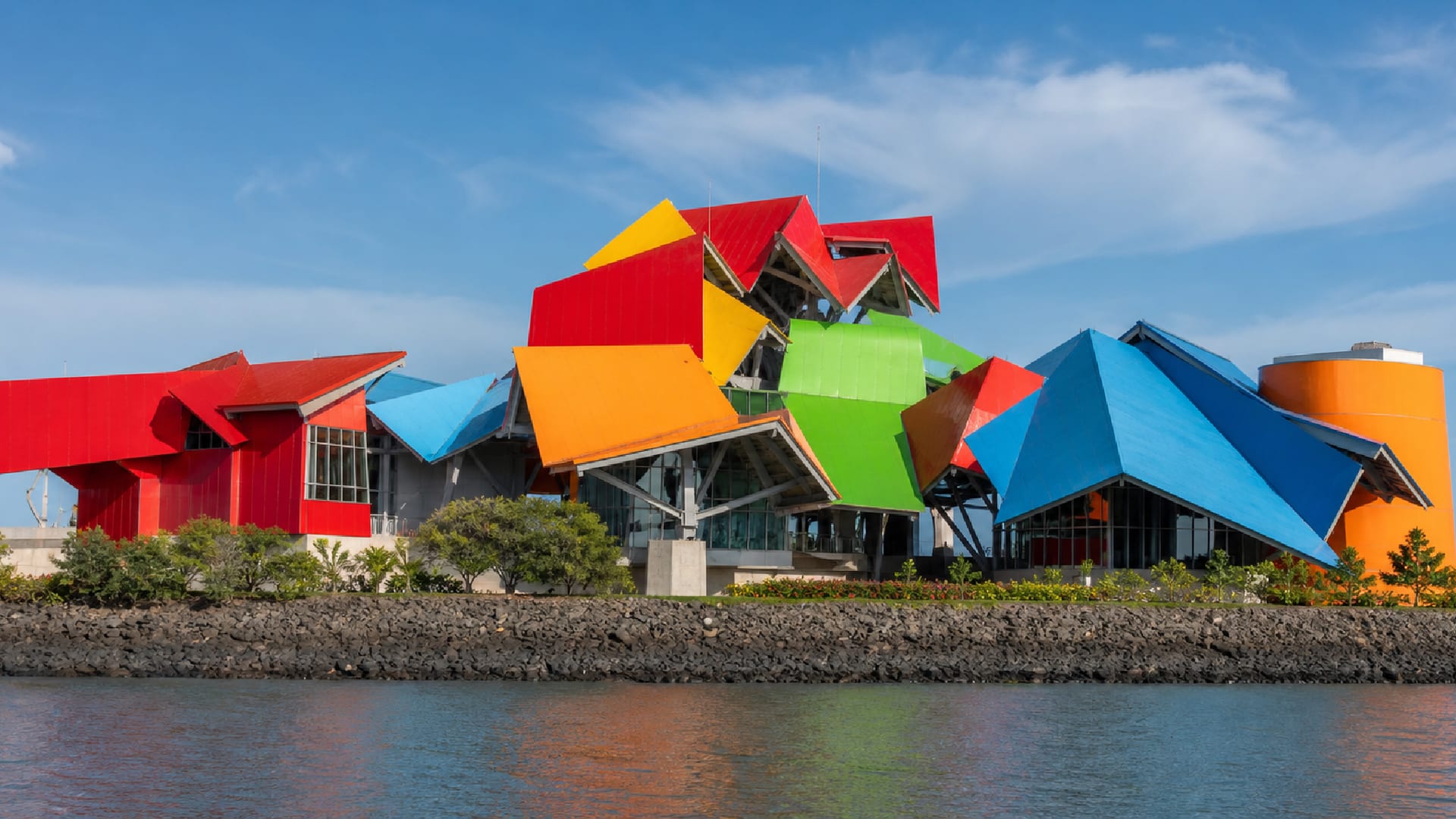
Biomuseo
Frank Gehry’s color-splashed museum explains Panama’s role as a land bridge through eight galleries on biodiversity, geology, and the canal’s environmental impact. It stands on Amador Causeway, about 6 km from the city center.
Time needed: About 1.5 to 2.5 hours
Entry: General admission costs $18 ($18) for adults, $9 ($9) for students, and $6 ($6) for children ages 5 to 17 Visit the official site for details.
Tip: Visit on a clear morning, when the bright exterior and bay views photograph best.
Overlooked sites worth visiting

Punta Culebra Nature Center
This waterfront nature center mixes short trails, tide pools, and open sea views. It suits a slow visit, with outdoor exhibits, small aquariums, and regular sloth sightings in the forested grounds.
Time needed: About 1 to 2 hours
Entry: Admission costs $8 for adults ($8), $5 for children ages 5 to 17 ($5), and $4 for seniors ($4). Children under 5 enter free. The site opens Tuesday through Sunday, and hours change on holidays Visit the official site for details.
Tip: Go early for cooler paths and better wildlife activity.

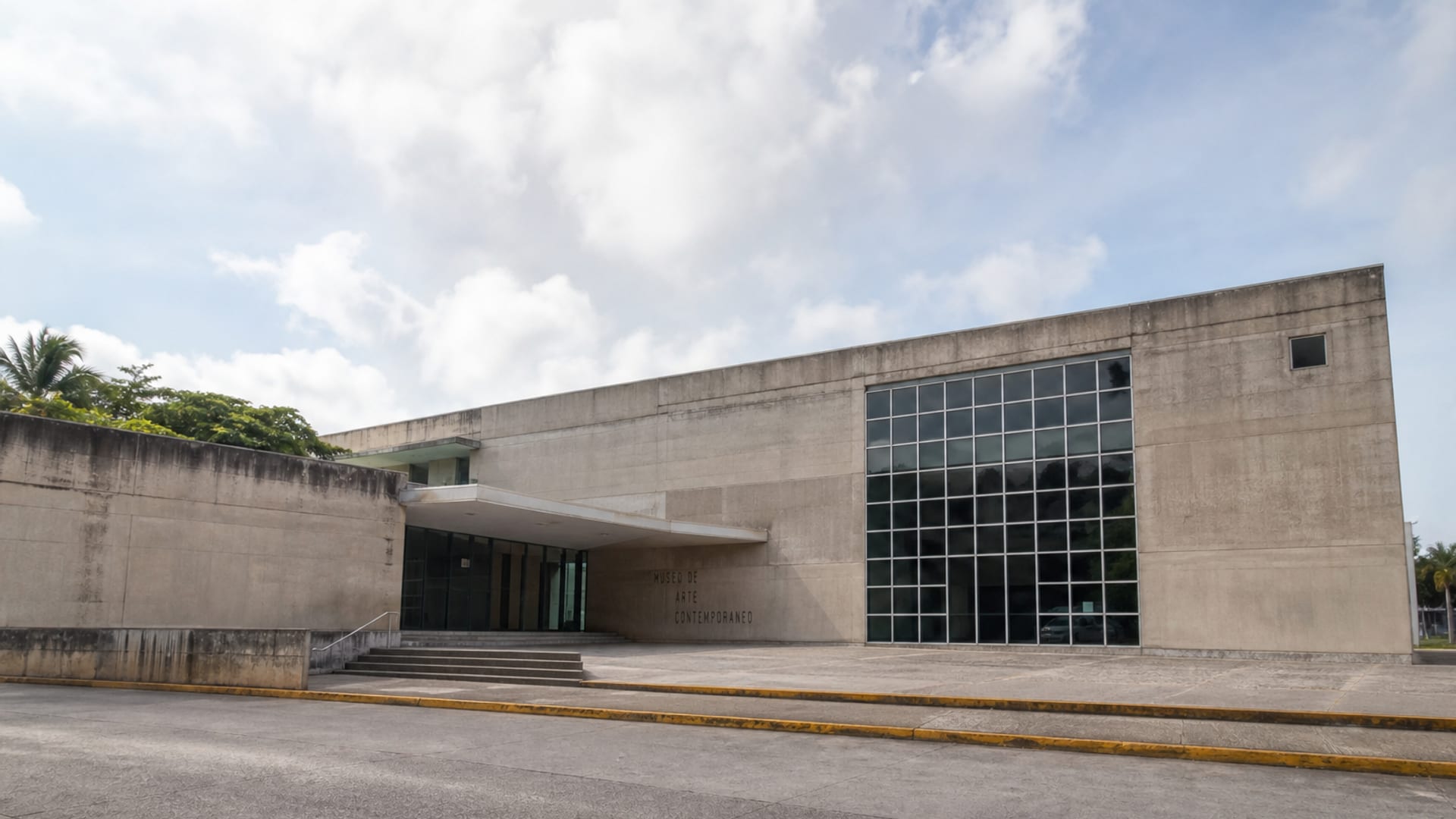
Museum of Contemporary Art, Panama
Housed in a former public bathhouse, this compact museum shows Panamanian and regional art in a small downtown setting. Its size makes it easy to pair with a brief stop in nearby Santa Ana.
Time needed: About 45 minutes to 1 hour
Entry: General admission costs $5 ($5). Students and seniors pay $3 ($3) with valid ID. The museum typically opens Tuesday through Sunday, and special exhibitions may carry separate pricing Visit the official site for details.
Tip: Check the current exhibit list before you go.
Traditional food
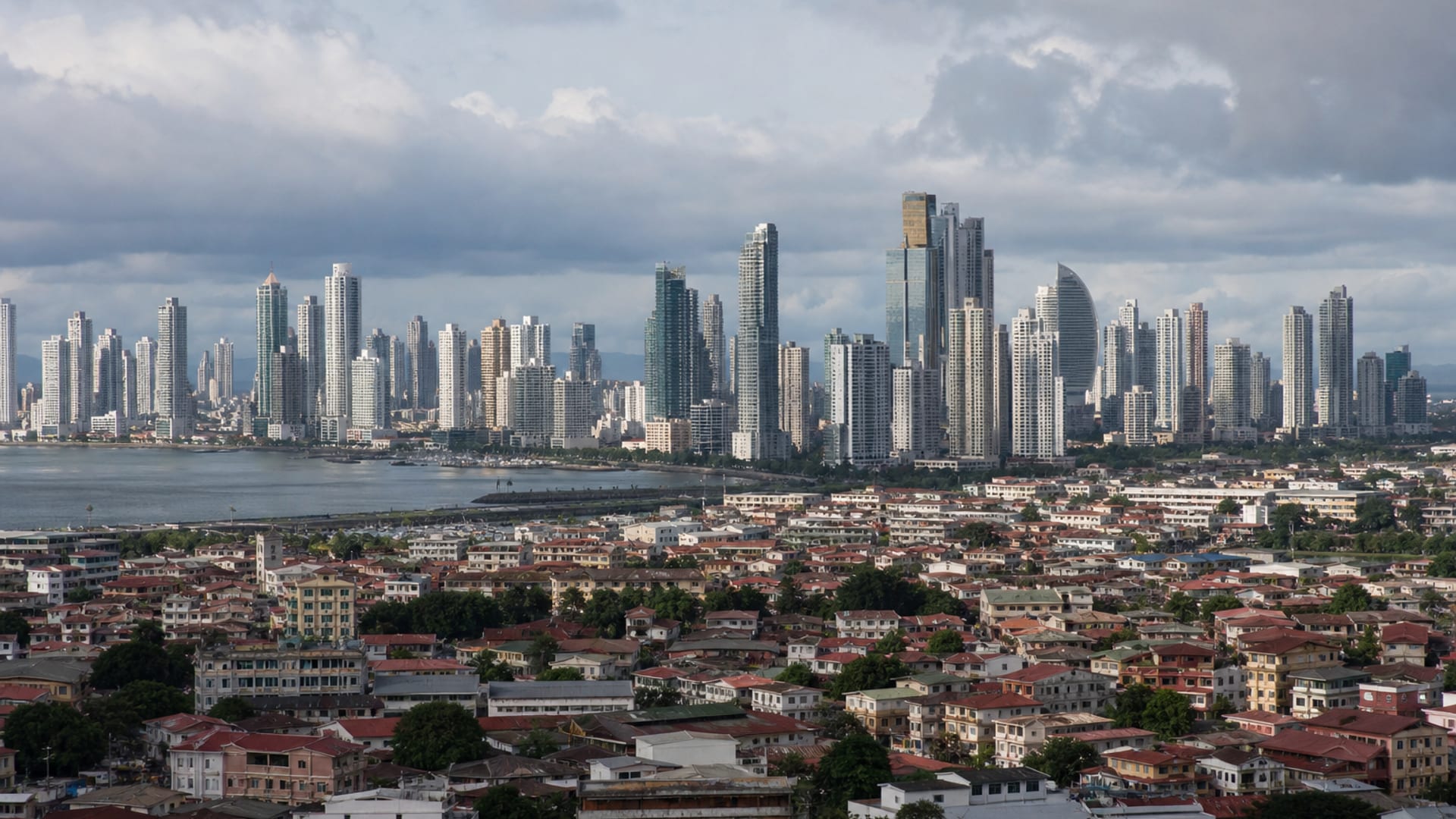
Panamanian cooking leans on rice, corn, plantains, seafood, and slow-cooked broths such as sancocho, with bright ceviche and fried snacks filling many lunch counters and casual dinners.
Sancocho
This chicken and root-vegetable soup is one of Panama’s signature comfort dishes, often finished with culantro and served with rice. At Casa Negrita in Panama City, it fits the menu’s home-style focus.
Ceviche
Panamanian ceviche usually comes bright with lime, onion, and cilantro, and it works best as a cold start before lunch or a late-afternoon snack. Mercado de Mariscos is the classic Panama City stop for it.
Carimañolas
These yucca fritters are stuffed with meat or cheese, then fried until crisp and best eaten hot. El Trapiche in Panama City serves a well-known version alongside other local staples.
Patacones
Fried green plantains appear as a side dish, snack, or base for toppings, and they show up across the city’s casual dining scene. Riesen in Panama City is a dependable place to order them with a meal.
Best time to visit Panama City
Panama City runs warm and humid year-round, but the drier months make canal viewing and neighborhood walks more comfortable than the rainy season.
Best for: Best for drier days, canal visits, and long walks in Casco Viejo
What you get: About 75 to 88°F (24 to 31°C), with lighter rain and higher visitor numbers during holidays
Trade-offs: Hotel rates and popular sights can be busier near Christmas and Carnival
Best for: Best for warm weather before the heaviest rains
What you get: About 77 to 90°F (25 to 32°C), with more humidity and fewer crowds than peak holiday periods
Trade-offs: Afternoon showers become more common as the wet season builds
Best for: Best for museum time, indoor meals, and lower-season planning
What you get: About 76 to 88°F (24 to 31°C), with frequent rain and lighter tourist traffic on many weekdays
Trade-offs: Showers can interrupt outdoor plans and make late afternoons less predictable
Best for: Best for travelers who do not mind rain and want calmer sightseeing
What you get: About 75 to 87°F (24 to 31°C), with the wettest stretch of the year and thinner crowds
Trade-offs: Heavy rain can slow taxis and make waterfront time harder to plan
A realistic 5-day plan in Panama City
Five days gives Panama City enough room to separate the historic core, the canal, the waterfront, and the inner neighborhoods without turning the trip into a string of rushed transfers.
Land at Panama City (PTY), then take a taxi or ride-hailing car into Casco Viejo, roughly 25 to 35 minutes and about $25 to $35. If you prefer a quieter base, Punta Paitilla is similar in price and usually about 10 to 20 minutes by taxi from the historic center, while El Cangrejo and Obarrio often cut hotel costs and put you closer to the metro and everyday dining. For the first evening, keep dinner near your hotel, hydrate well, and choose an early meal in Casco Viejo or El Cangrejo so you can turn in before the traffic and late-night noise build.
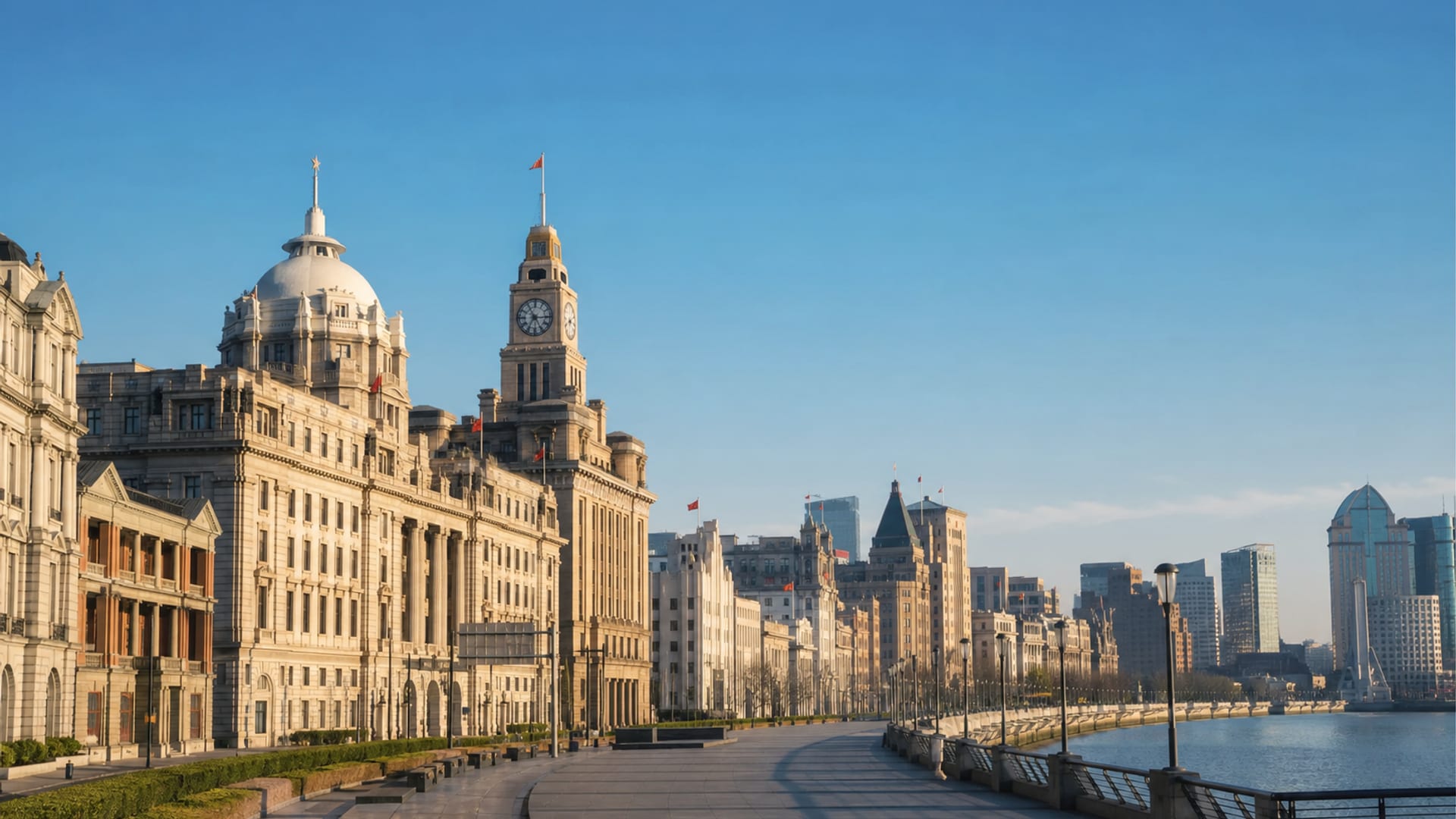
Start at Casco Viejo in the late morning, then spend about 2 to 4 hours walking the restored streets, Cathedral Basilica, Plaza Bolívar, and the waterfront edge near the Cinta Costera. From there, ride about 15 to 25 minutes by taxi to the Panama Canal, Miraflores Locks, where ship traffic is often best in the early afternoon; plan 2 to 3 hours for the museum, terrace, and lock chambers. Finish with dinner back in Casco Viejo, where the restaurant and rooftop scene makes an easy return after a day on foot.
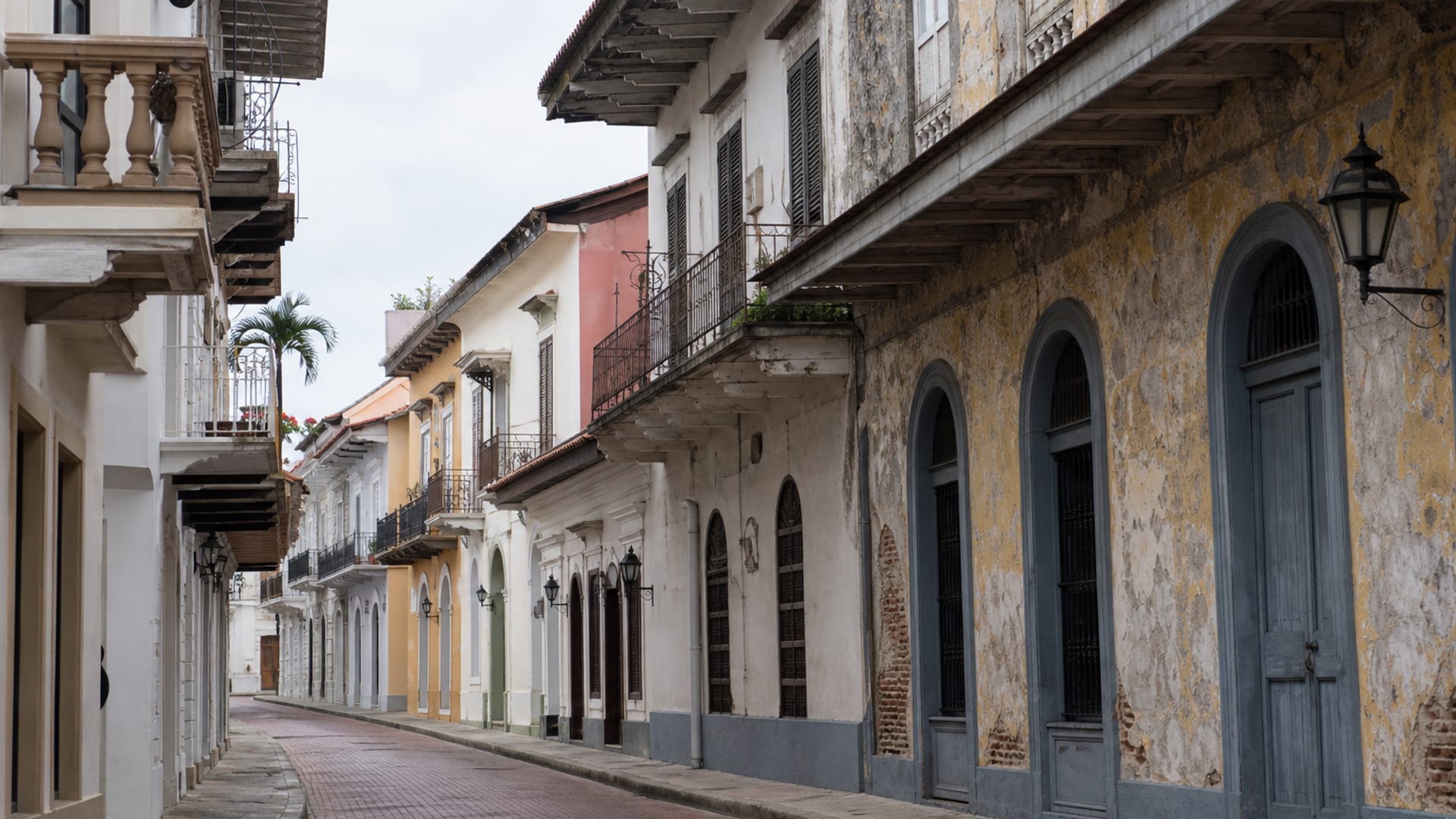
Begin with the Biomuseo on Amador Causeway in clear morning light, then spend about 1.5 to 2.5 hours on the galleries and the bay-facing exterior. After that, continue to Punta Culebra Nature Center, which is about 10 to 15 minutes away by taxi or ride-hailing car, and allow 1 to 2 hours for the short trails, tide pools, and waterfront views. End the day with a relaxed meal on the Causeway or back in Punta Paitilla, which keeps the return ride short and avoids a late cross-city transfer.
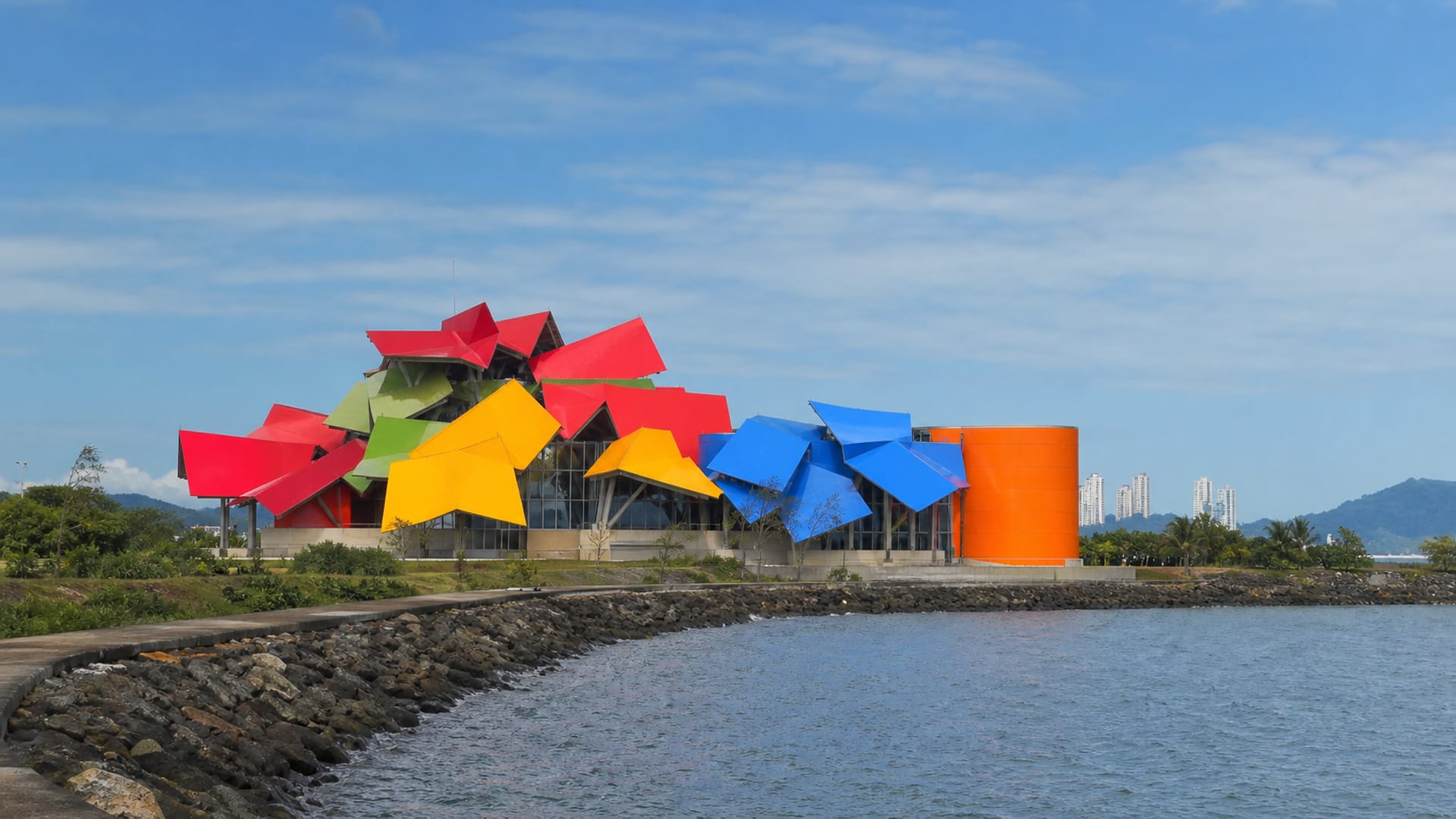
Set aside the morning for the Museum of Contemporary Art, Panama, then pair it with Santa Ana, which is nearby enough for a short walk and a quick look at the neighborhood streets. After lunch, head to El Cangrejo or Obarrio, where taxis between the two usually take about 10 minutes, and split the afternoon between cafe stops, bookshops, or a longer sit-down meal. If you want one more historic look, return to Casco Viejo in the early evening, when the plazas and churches are still active but the heat has eased.
A final morning works well for one last museum stop or a slow walk through Casco Viejo before checkout, then shift to shopping in Obarrio, where malls and office-district stores make an easy last errand. If you want a quieter goodbye, settle into a cafe in El Cangrejo, especially near Via Argentina, and linger over coffee before heading to the airport. Build in extra time for the ride to Panama City (PTY), since cross-town traffic can change quickly near the end of the day.
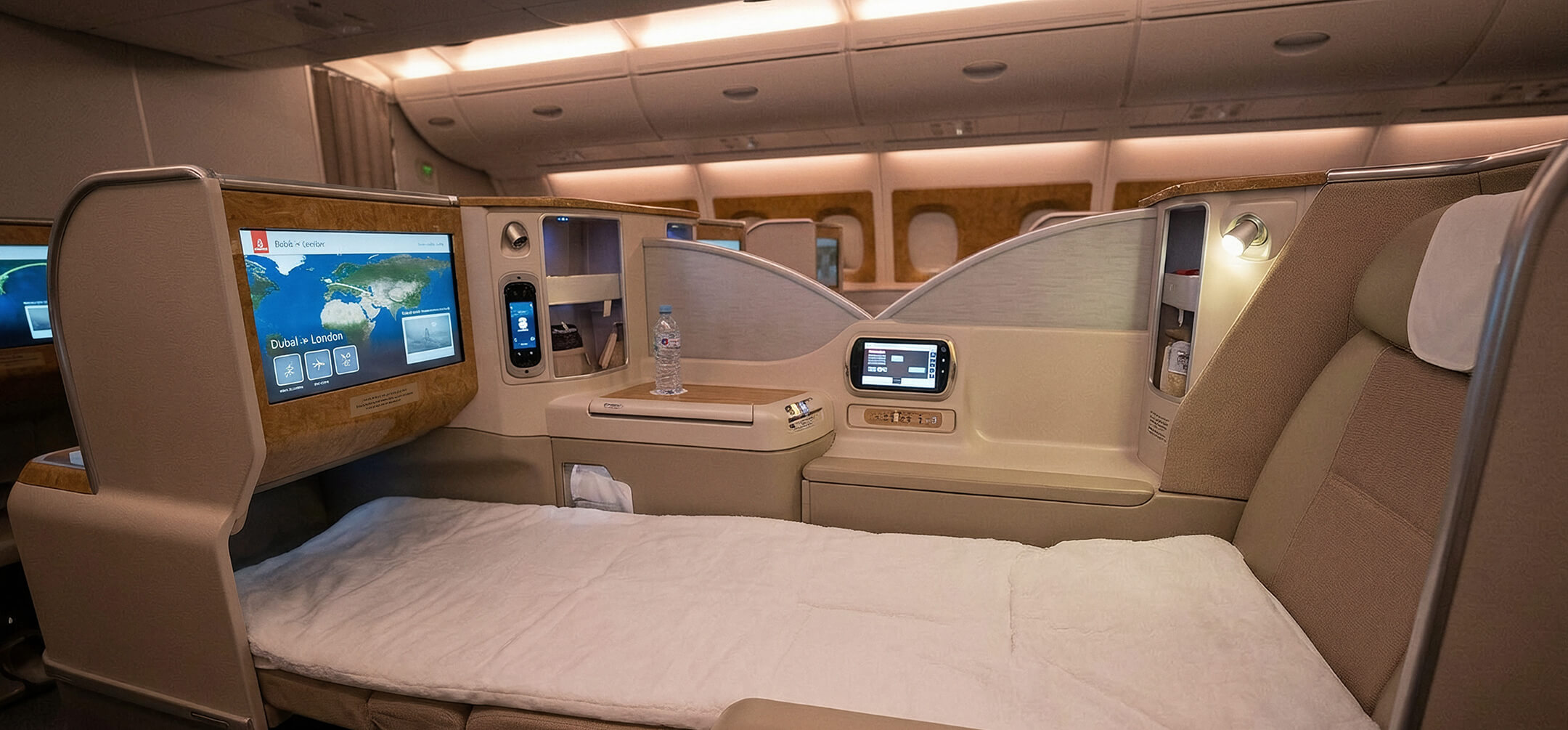
Business-class flights from the US to Panama City
From both coasts, the clearest flight options usually run through a small set of hubs or go nonstop on a few major carriers. The best choice depends on whether you value fewer stops or a lower fare band.
From New York, Copa Airlines, American Airlines, United Airlines, Avianca, and Delta Air Lines serve Panama City, with the fastest nonstop trips taking about 5 to 6 hours. One-stop itineraries often connect through BOG, MIA, PTY, MEX, or FLL, and layover trips usually run about 7 to 12 hours total. Business-class fares usually run from $1,200 to $2,400 round-trip, with the best nonstop prices usually on Copa Airlines and United Airlines.
Los Angeles travelers usually see Copa Airlines, American Airlines, United Airlines, Avianca, and Aeromexico on the board, and nonstop flying takes about 7 to 8 hours. When a connection makes more sense, the common hubs are BOG, MEX, LAX, SFO, and DFW, with total travel time generally landing between 9 and 15 hours. From $1,100 to $2,300 round-trip, the fare band often sits close to the nonstop market.
Panama City feels different when you slow down
A deliberate Panama City trip gives each district its own time, from Casco Viejo’s plazas to Miraflores Locks, the Biomuseo, and the cafes of El Cangrejo. Taxis and Metrobus keep the days moving, while walking works best once you are already inside the old quarter or Santa Ana. If you want a trip shaped around those neighborhoods and their transit links, the AranGrant experts can help you build it with care