

Chapters:

Need help with your trip?
Our support team is available 24/7. Request a callback or call us directly at (833) 619-0908
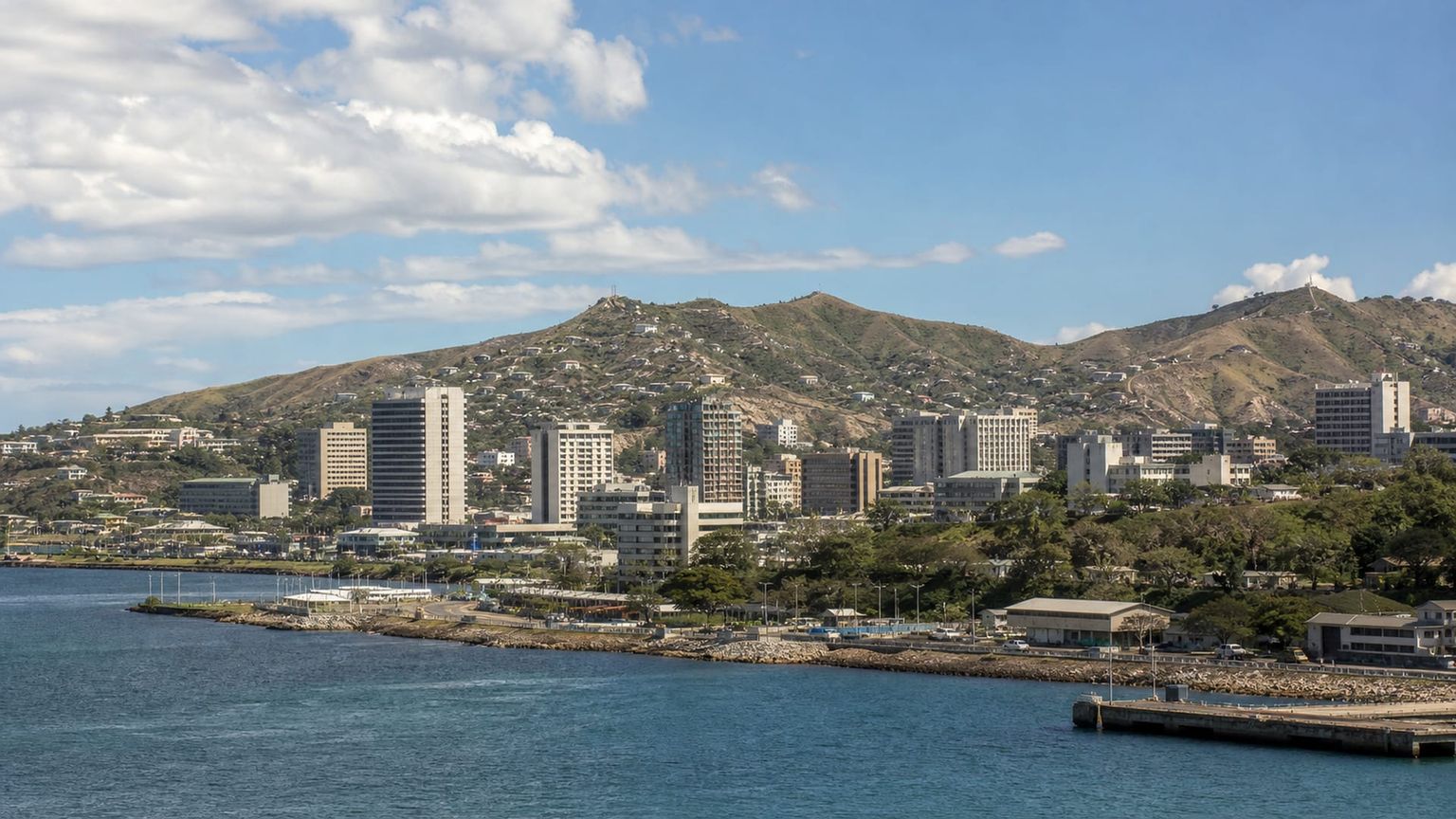
Port Moresby trips often orbit the same few stops, a waterfront hotel, a museum visit, and one formal landmark, while the city’s distances and check points get little attention. Many travelers also miss how quickly dining choices narrow after dark.
That habit makes the city feel more spread out than it looks on a map, with daytime traffic, limited walkability outside a few corridors, and taxis doing most of the work between districts. A loose plan can waste time in the car.
This guide sets out the city in a clearer order, with neighborhoods, transit, food, weather, and five days arranged to match how Port Moresby actually works.
Useful things to know

Main language(s): English

Currency: The local currency is the Papua New Guinean kina (PGK, K).

Cash and cards: Cards are accepted at larger hotels and shops, but carry about PGK 200 to 400 ($53 to $106) in cash for taxis and smaller purchases.

Tipping: Tip 5 to 10% at nicer restaurants; round up small bills and leave change for taxis.

Traditional food: mumu, sago pudding, kokoda, taro leaves

Water and coffee costs: Water about PGK 3 to 5 ($0.80 to $1.30), bar espresso about PGK 8 to 12 ($2.10 to $3.20).

Taxis and ride apps: No major ride-hailing apps operate widely; use hotel cars or licensed taxis.

Plug and voltage: Type I socket, 240V

Dining and shop opening hours: Breakfast is roughly 06:30-09:00, lunch 12:00-14:00, and dinner 18:00-21:00. Many places close early outside the weekday lunch and dinner rush.

Emergency number: 112 for police, fire, and ambulance.
Where to stay in Port Moresby
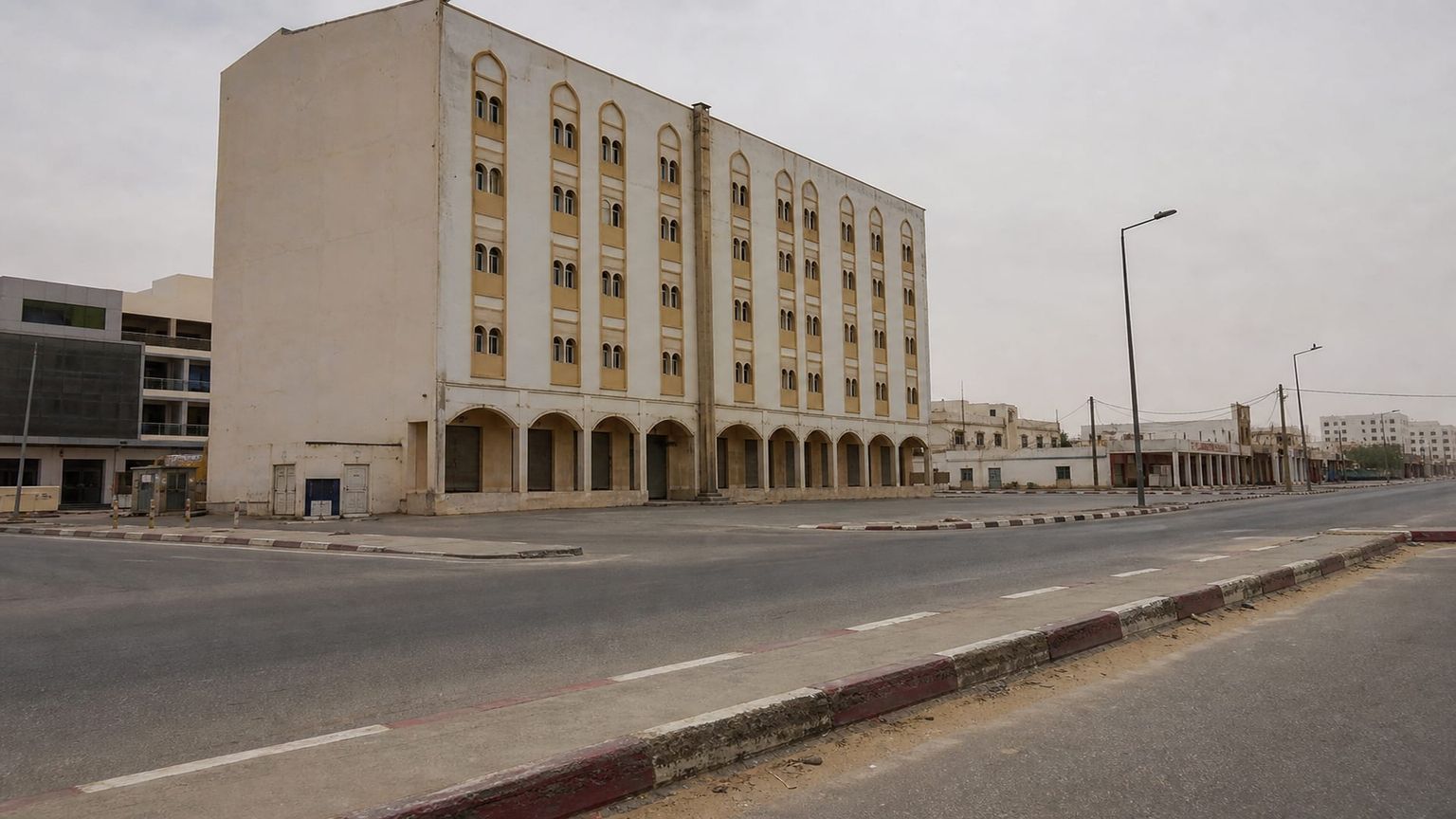
Port Moresby’s government and business district, Waigani clusters hotels, offices, embassies, and the National Parliament area. It suits visitors who want to stay near major institutions, shopping, and the main road network without relying on a long cross-city trip.
Best for: Business trips, embassy visits, and travelers who want central access to offices and shopping
What to expect: Wide roads, large compounds, and steady daytime movement, with most activity tied to work hours and hotel dining.
Hotel prices: Usually about $120 to $250 per night for well-rated stays
Distance to major sights: 10 to 15 minutes by car to the National Parliament and about 20 minutes to Ela Beach
Quietness: Busy in the day, calmer in the evening once offices close and traffic thins.
Main trade-off: You will pay more for larger hotels, and many evening dining choices require a car.
Good to know: Evenings are limited, so plan on using taxis or hotel transport after dinner if you stay here.
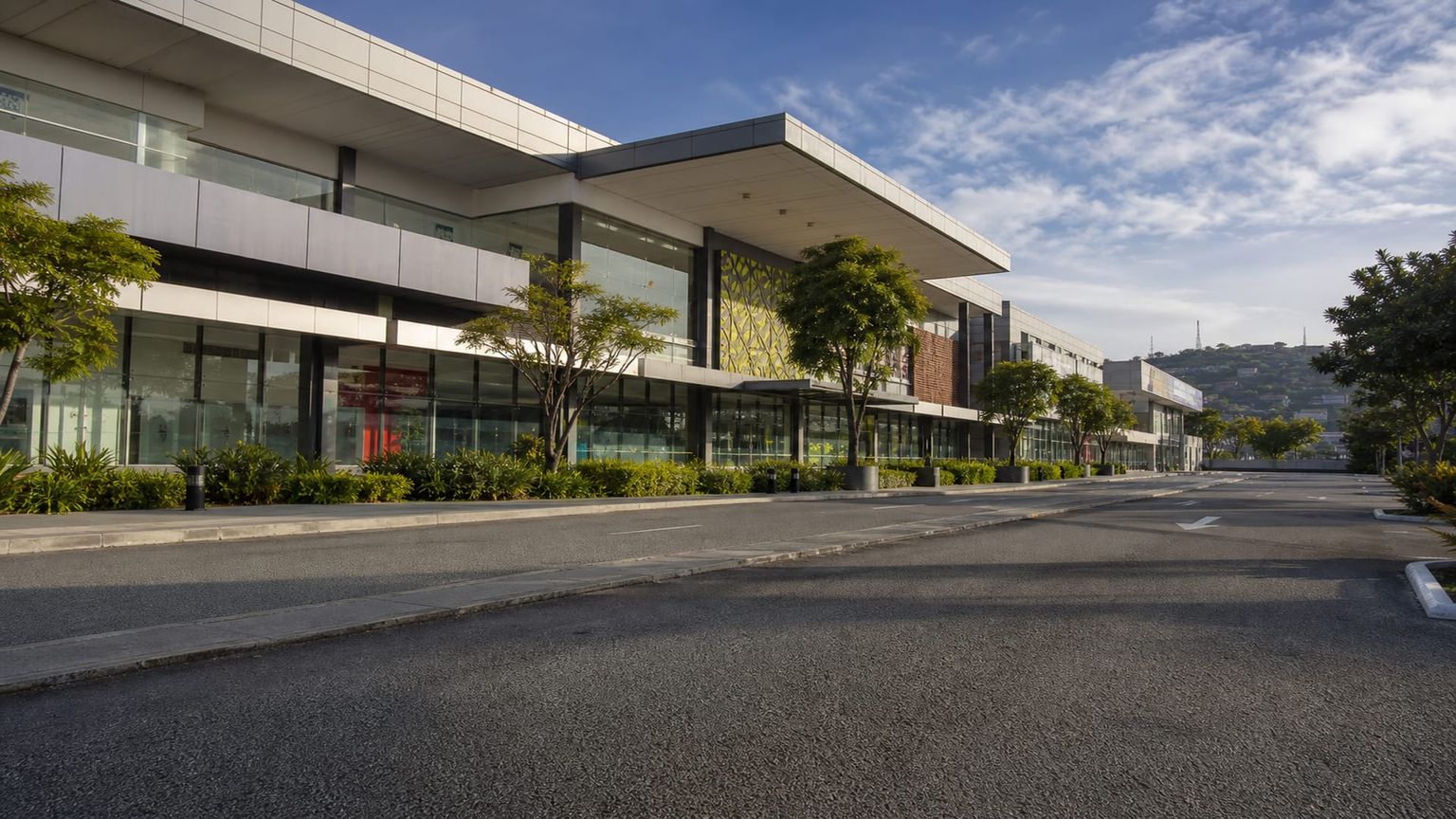
The central waterfront and commercial core sit close to the harbor, markets, and the main retail strip. It works for visitors who want the shortest access to downtown errands, daylight business, and a more urban setting than the suburban districts.
Best for: Short business stays, shopping, and travelers who want to be near downtown services
What to expect: Dense traffic by day, with vendors, offices, and shoppers concentrated along the main streets and market edges.
Hotel prices: Usually about $100 to $220 per night for well-rated stays
Distance to major sights: 5 to 10 minutes on foot to the Port Moresby market area and about 10 minutes by car to Ela Beach
Quietness: Lively and noisy by day, with noticeably less street activity after business hours.
Main trade-off: The central location brings convenience, but some blocks feel less comfortable walking after dark.
Good to know: Pick a hotel with strong security and a fixed evening transport plan if you expect to move around after sunset.
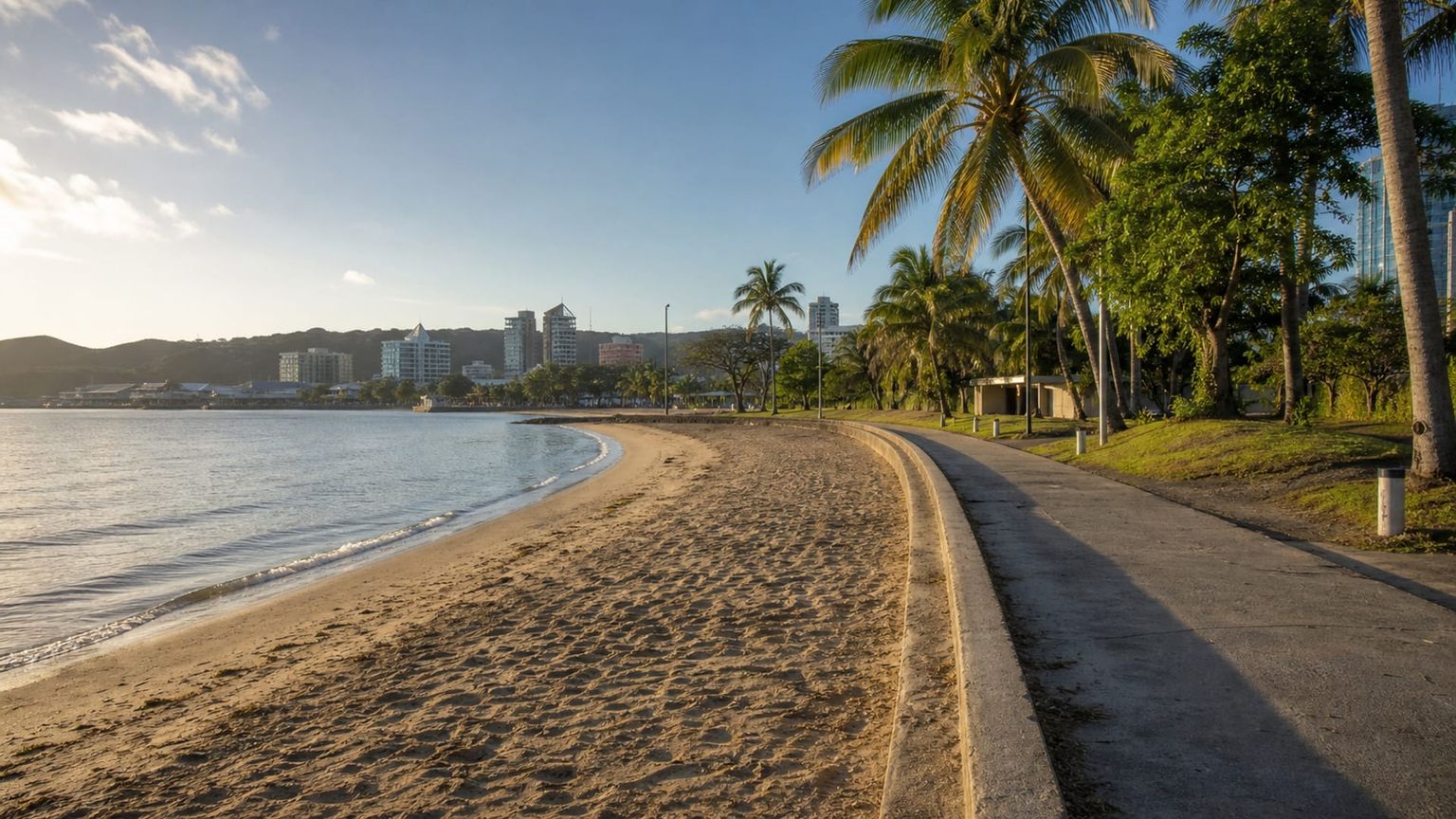
Ela Beach lines the waterfront south of the central business district and gives easy access to the promenade, sea views, and several city hotels. It is one of the few parts of Port Moresby where a visitor can combine a beachside setting with a short ride to downtown.
Best for: Waterfront stays, evening walks, and travelers who want a quieter base near the sea
What to expect: A coastal strip with hotel compounds, a promenade, and more visitor traffic near the beach than on nearby inland streets.
Hotel prices: Usually about $140 to $280 per night for well-rated stays
Distance to major sights: About 5 minutes by car to downtown and 15 to 20 minutes by car to Waigani
Quietness: Brighter and busier near the promenade in the day, calmer after sunset except near hotels and event spaces.
Main trade-off: You trade centrality for a more limited restaurant scene and higher prices in the better waterfront properties.
Good to know: Bring a transport plan for late dinners, since choices thin out once you move away from the beachfront hotels.
Travelers usually avoid staying in Gerehu, Hohola, Waigani outskirts, and parts of Seven Mile, because they sit farther from the main visitor areas, with fewer hotel options and limited dining and shopping within easy walking distance. Waterfront and downtown are more convenient for access to the Parliament Precinct, National Museum and Art Gallery, and central business addresses, while evening travel from outer districts can be cumbersome.
Hotel deals
How to get around Port Moresby efficiently
Port Moresby has no rail network, so the city depends on taxis, PMV minibuses, and hotel cars, with most visitor trips staying on the road for short hops between waterfront, Waigani, and downtown.

Metro
for longer distances
Port Moresby has no metro or suburban rail network, so visitors depend on road transport for trips between the airport, central business areas, and waterfront hotels. Plan on road travel times of about 15 to 30 minutes for short city journeys, longer at peak periods.

Bus and tram
for convenience
PMV buses, the city’s privately run public minibuses, cover the main corridors, but routes are informal and often not labeled in a way visitors can easily follow. Fares are low, usually about $0.30 to $1, paid in cash, and you should ask the driver or a local which vehicle goes to your stop before boarding; services are best for daytime trips on main roads rather than point-to-point sightseeing.

Taxi
for convenience or late hours
Licensed taxis in Port Moresby are usually metered or quote a fixed fare before departure, with airport and hotel trips commonly falling in the $5 to $15 range inside the city and about $10 to $25 for longer cross-town rides. Confirm the price first, carry cash in small bills, and ask your hotel to call a licensed cab if you are traveling after dark or from the airport.
*Prices are based on rates updated as of June 2026 and may change at the time of travel.
Use taxis or hotel cars for airport runs and after dark, PMVs for low-cost daytime travel on main roads, and walking only where your destination cluster is compact, such as the waterfront or central core.
Iconic landmarks
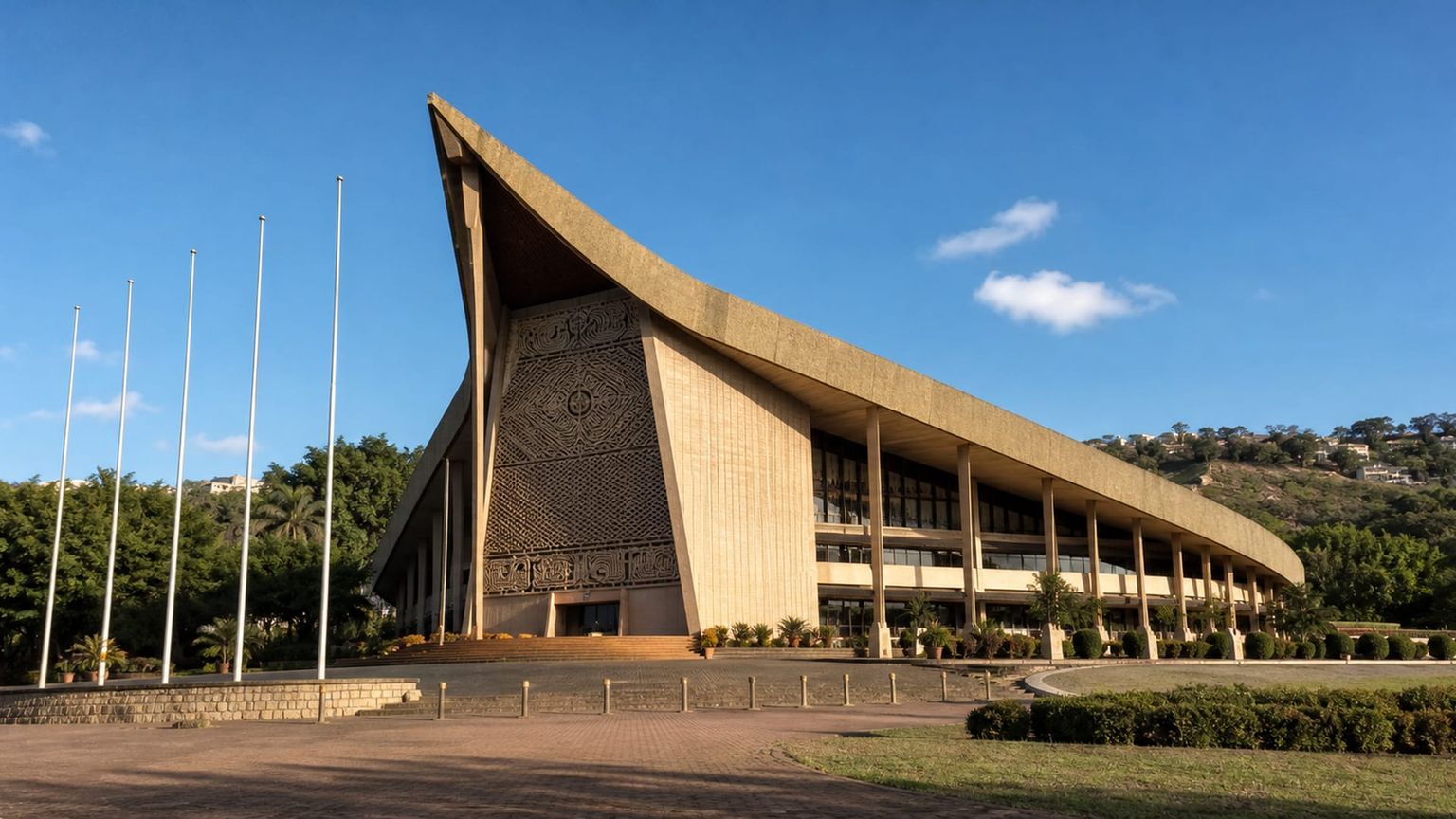
National Parliament House
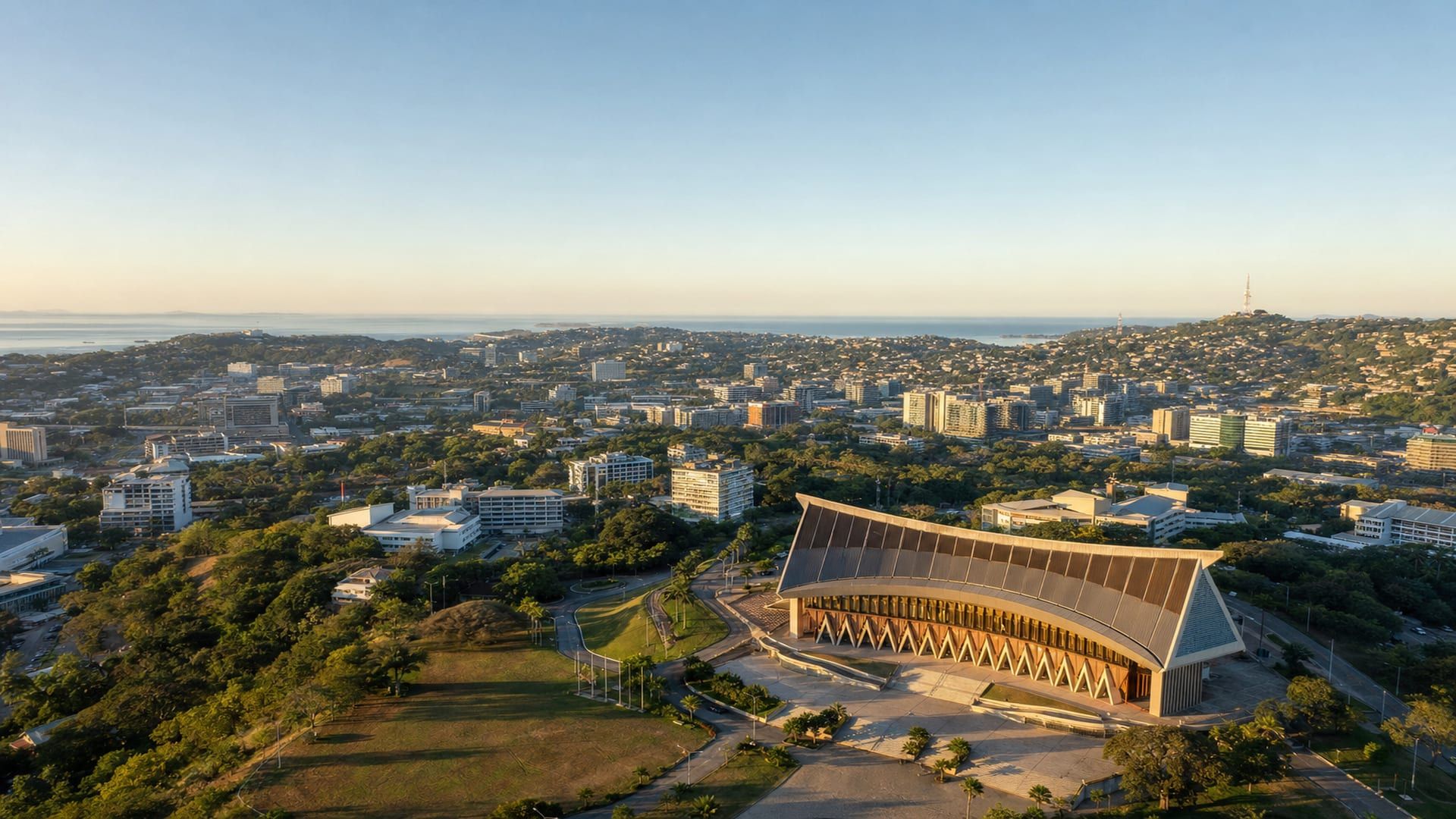
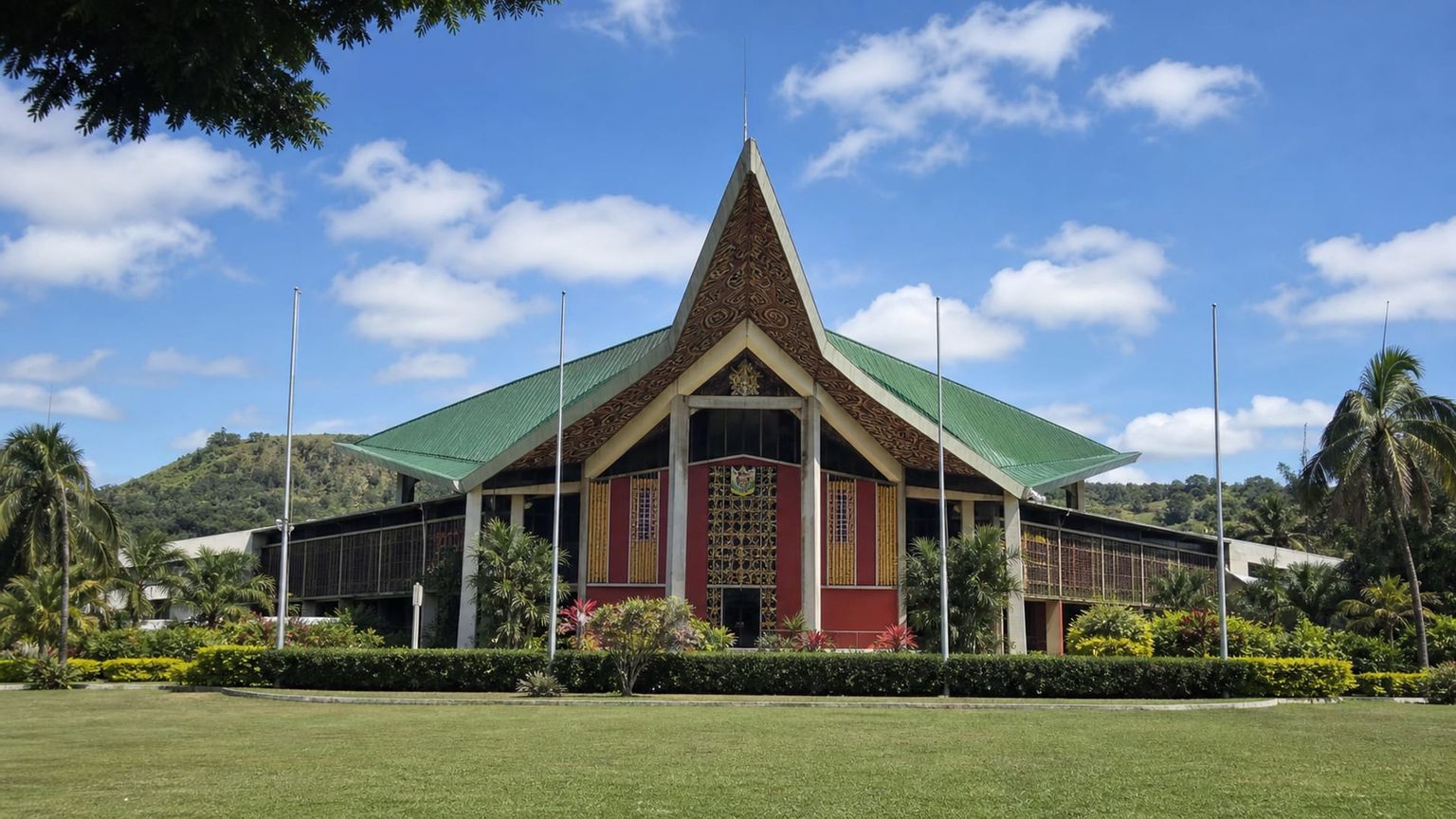
Papua New Guinea’s Parliament House, opened in 1984, sits on Independence Drive and pairs modern civic architecture with Haus Tambaran motifs. Visit to see the chamber, the public forecourt, and the large national flag plaza.
Time needed: About 1 to 2 hours
Entry: Free to access; public entry depends on parliamentary sittings, security checks, and any access limits set by staff. Visit the official site for details.
Tip: Go on a weekday morning for the best chance of a quieter, less restricted visit.
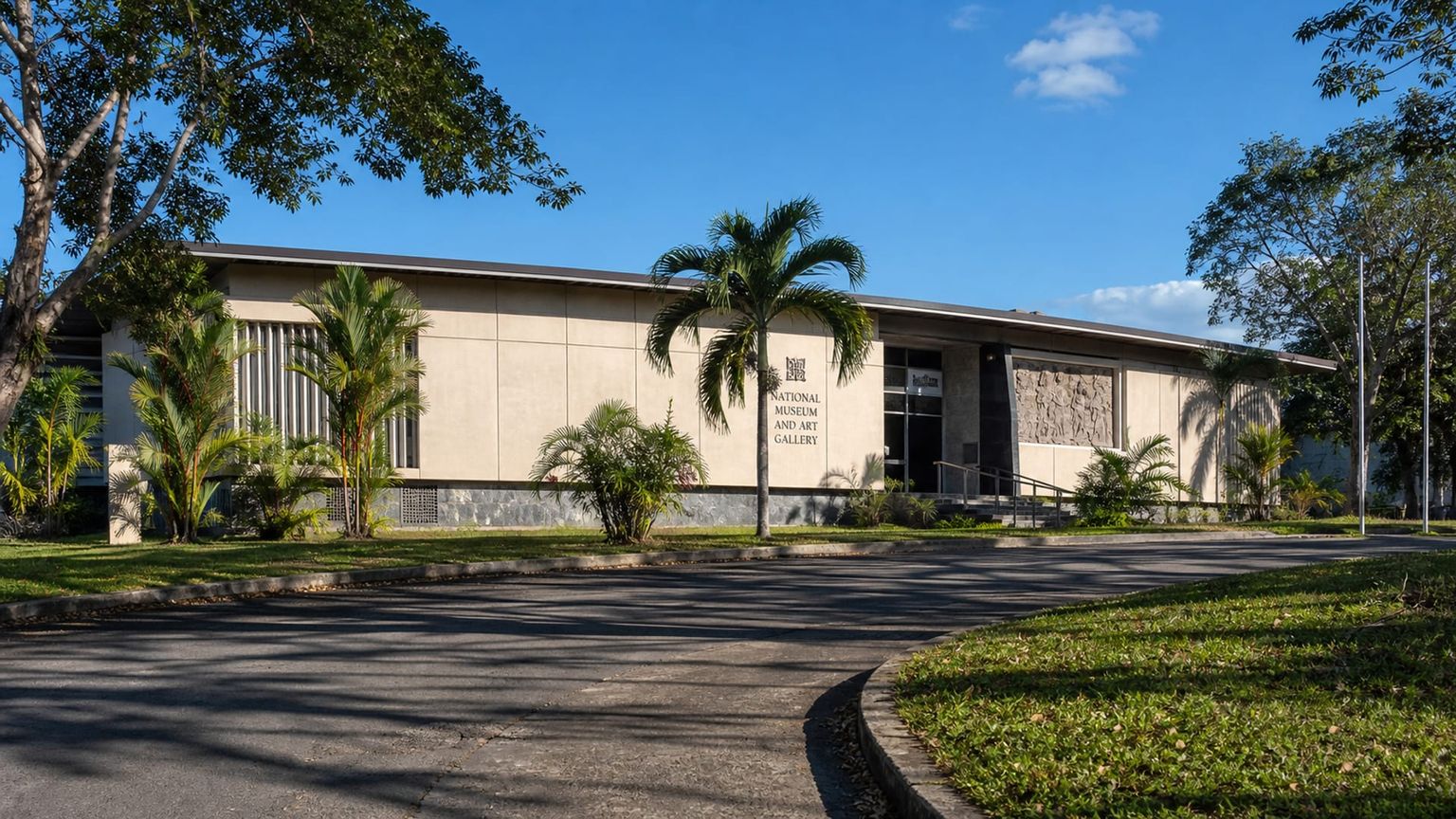
National Museum and Art Gallery
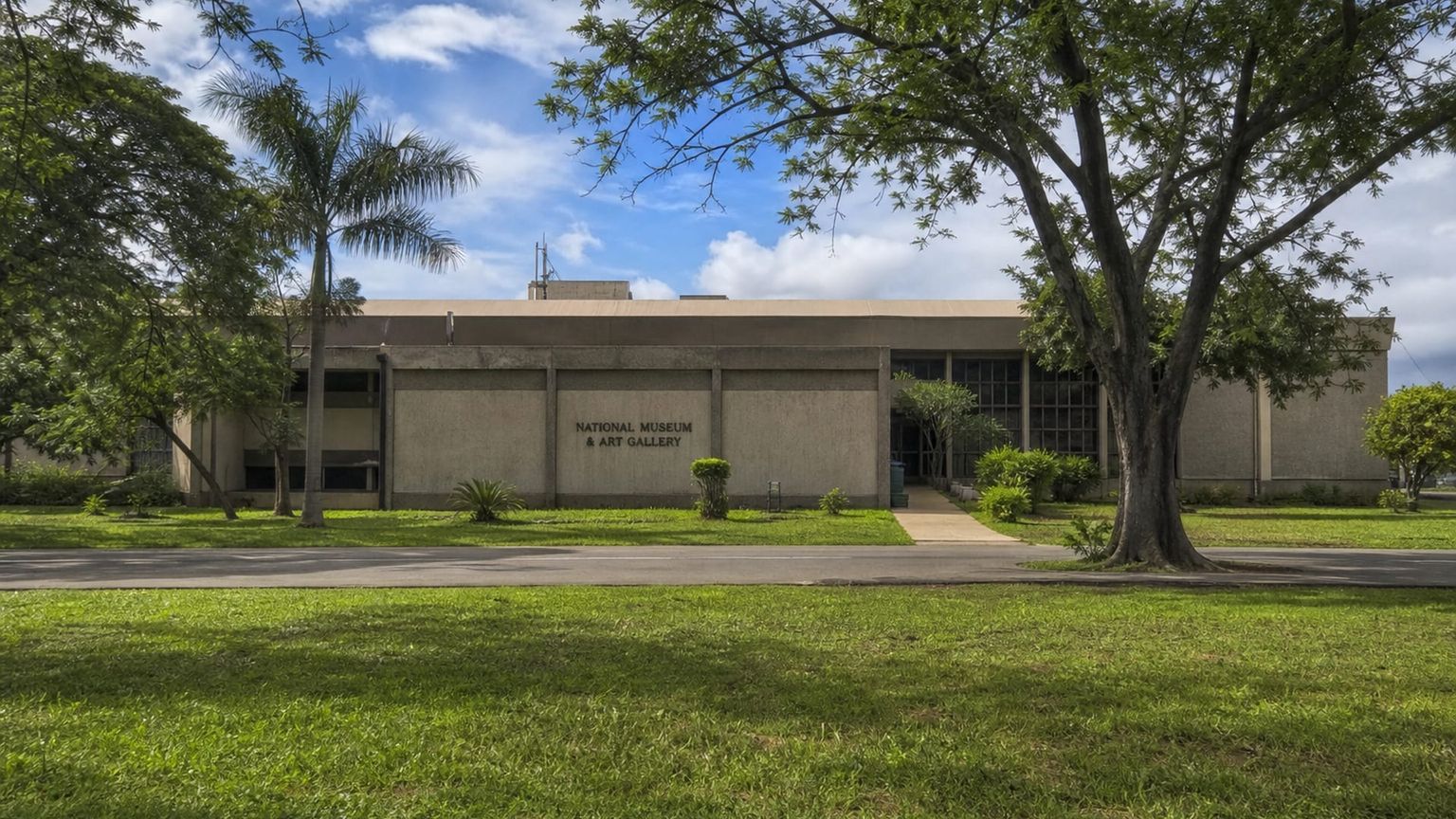
This museum in Waigani holds Papua New Guinea’s main national collections, from carved shields and masks to historic photographs and contemporary art. The galleries give a focused view of the country’s diverse cultures in one stop.
Time needed: About 2 to 3 hours
Entry: Tickets usually cost about $5 to $15 ($5 to 15 kina), with prices varying by gallery access, exhibitions, and any special programs. Visit the official site for details.
Tip: Allow extra time for the outdoor sculptures and the changing exhibition rooms.
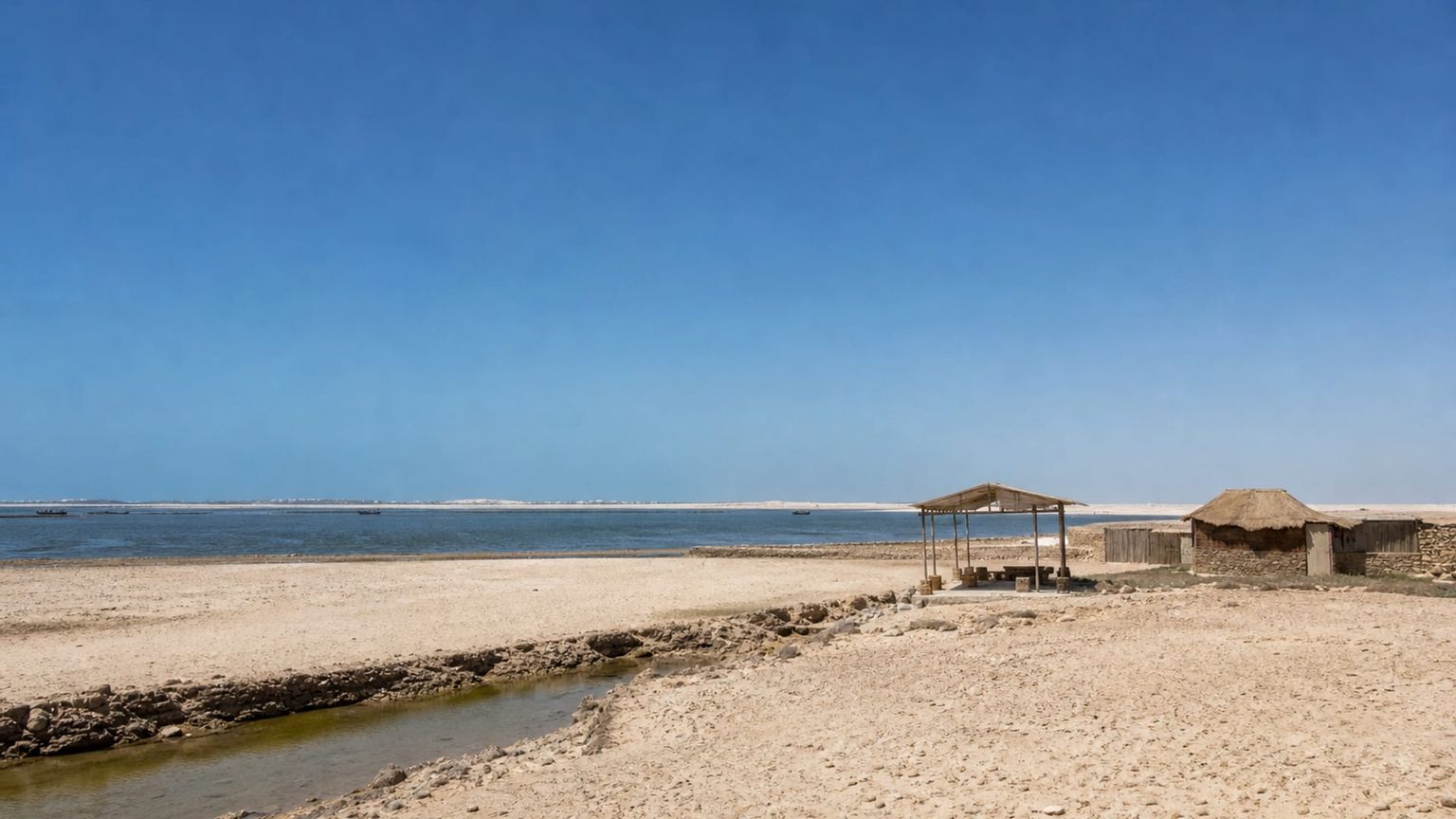
Ela Beach
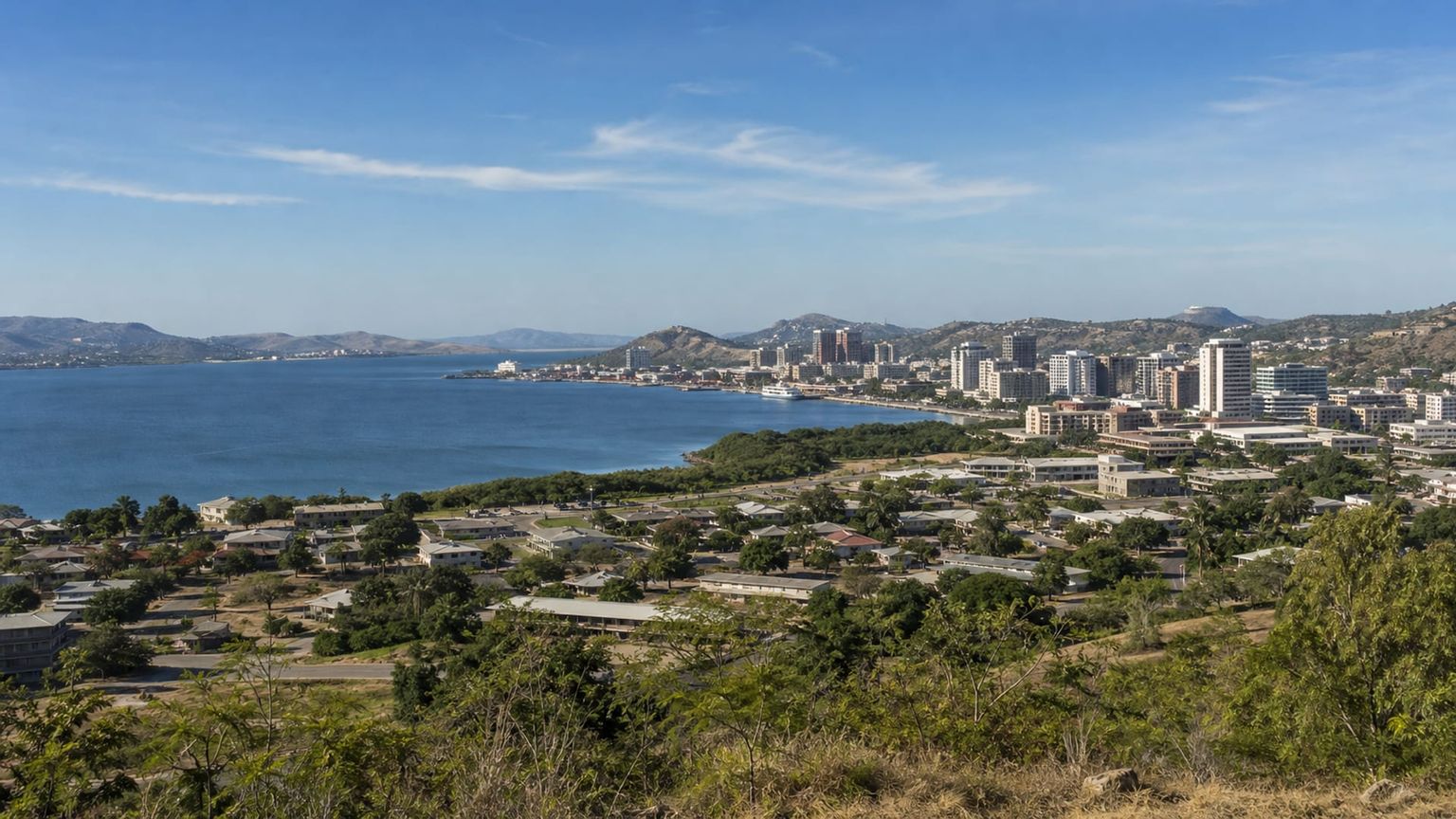
Ela Beach stretches along Port Moresby’s waterfront and draws people for sea views, sunset walks, and weekend gatherings. It also gives an easy look at the city’s shoreline, with the harbor and nearby headlands visible on clear days.
Time needed: About 1 to 2 hours
Entry: Free to access; no ticket is required, though some nearby facilities and events may charge separate fees or restrict use.
Tip: Visit late afternoon for cooler air and better light on the harbor.
Overlooked sites worth visiting

National Parliament House grounds
The lawns and ceremonial approach sit below the hilltop parliament building, with city views and wide open space for a quiet walk. Visit on a weekday to see the grounds without the heavier visitor traffic.
Time needed: About 45 minutes to 1 hour
Entry: Free to access. The grounds are open to the public during daylight hours, with no ticket needed for exterior viewing; access can be limited during official events, parliamentary sittings, or security checks at the gate.
Tip: Go early for cooler air and clearer harbor views.

National Museum and Art Gallery
This compact museum mixes carved masks, bark paintings, and historical displays, so you can see Papua New Guinean art in one stop. It suits a short visit before heading back into the city.
Time needed: About 1 to 1.5 hours
Entry: Admission typically costs about $4 to $8 (PGK 15 to PGK 30) for adults, with lower rates for students and children. Expect to pay on arrival at the museum counter; special exhibitions or guided visits may cost extra when offered.
Tip: Allow extra time for the gallery rooms on the upper level.
Traditional food
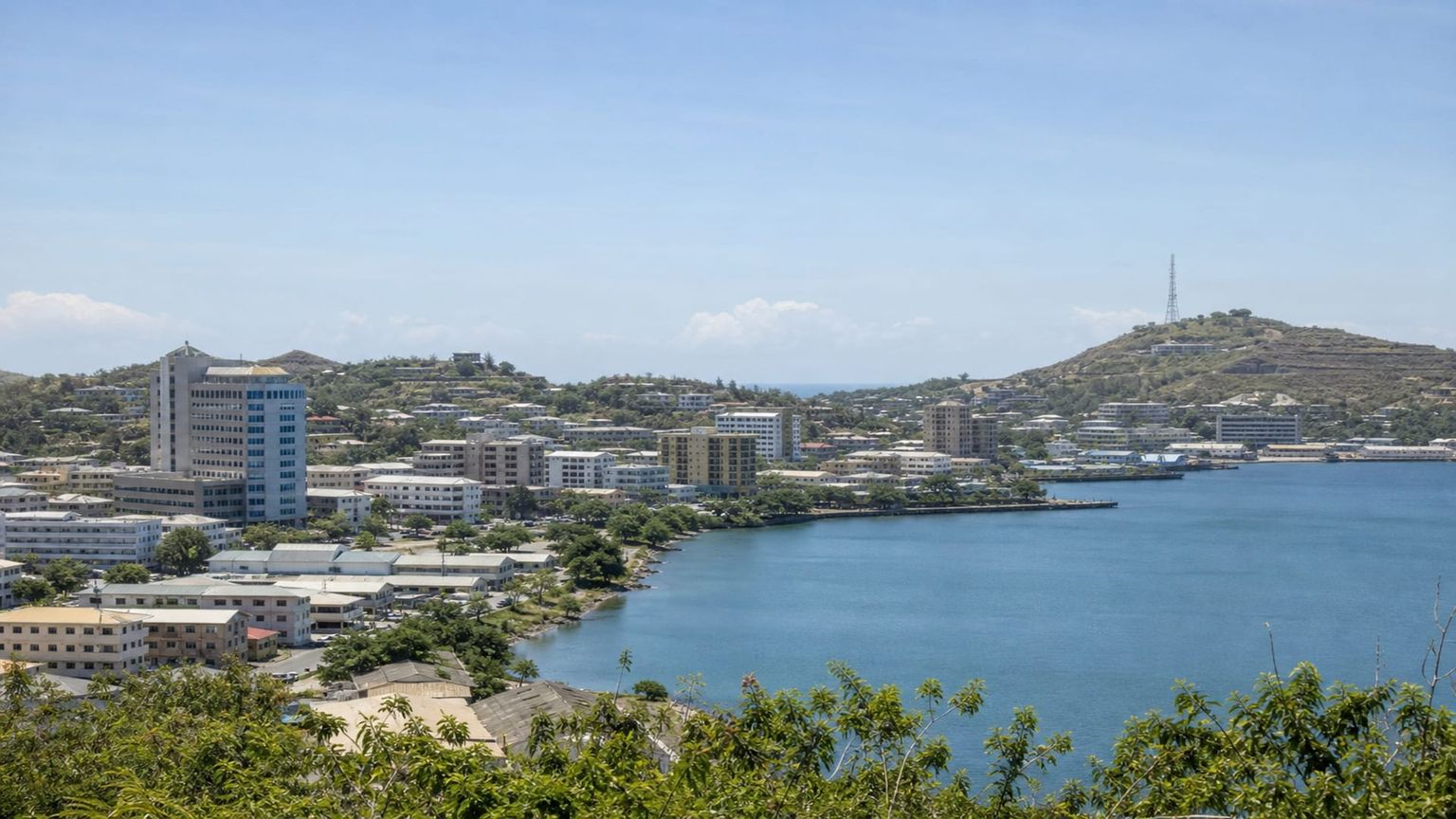
Port Moresby’s food centers on seafood, root crops, coconut, and slow-cooked dishes such as mumu and kokoda. Lunch crowds matter more than long dinner sessions, and hotel restaurants often anchor the city’s dining scene.
Kokoda
This citrus-cured fish dish is a Port Moresby staple, bright with coconut and usually served chilled. Try it at Rapala Restaurant, where it fits the waterfront setting and the seafood-heavy menu.
Mumu
Mumu is the classic slow-cooked feast of meat, greens, and starches wrapped for an earth-oven finish. Holiday Inn Port Moresby often features it in buffet service and private dining menus.
Sago pudding
Sago pudding brings a soft, lightly sweet finish to a meal and appears in local and hotel-style buffets across the city. Lamana Hotel is a common place to find it alongside other Papua New Guinean dishes.
Taro leaves
Taro leaves are cooked down into a rich, savory side that pairs well with fish or meat. The Beachside Brasserie at Ela Beach Hotel offers a dependable setting for trying it in central Port Moresby.
Best time to visit Port Moresby
Port Moresby stays warm through the year, but the driest months make road travel and outdoor sightseeing easier, while the wetter season brings heavier afternoon showers and more humid days.
Best for: Beach time and shorter city walks in the cooler early morning
What you get: About 75-88°F (24-31°C), with humid afternoons and lighter tourist traffic
Trade-offs: Afternoon rain can interrupt outdoor plans and some roads slow after showers
Best for: Museums, Parliament visits, and waterfront walks with fewer weather interruptions
What you get: About 74-87°F (23-31°C), with warm days and moderate visitor numbers
Trade-offs: You may still get sharp showers, especially later in the afternoon
Best for: The most comfortable window for sightseeing and cross-city taxi trips
What you get: About 72-85°F (22-29°C), with drier air and steady daytime movement
Trade-offs: This is the busiest stretch for hotels and organized visits
Best for: Flexible city days before the wetter months build
What you get: About 74-88°F (23-31°C), with rising humidity and moderate crowds
Trade-offs: Heat and showers become more frequent as the season progresses
A realistic 5-day plan in Port Moresby
The five-day plan follows a simple city pattern: arrival, civic sights, waterfront time, a second museum-and-market day, then an easy exit with one last look at the center before departure.
Land at Port Moresby (POM) and take a metered taxi or prearranged hotel car to Ela Beach or Waigani, which usually takes about 10 to 20 minutes and costs roughly $8 to $20, depending on traffic and the exact hotel. Settle in near the waterfront if you want an easy evening walk, or choose Waigani if your plans lean toward offices and embassy visits. Drink plenty of water, then keep dinner close to your hotel, since late-night options thin out once you move away from the main strips.
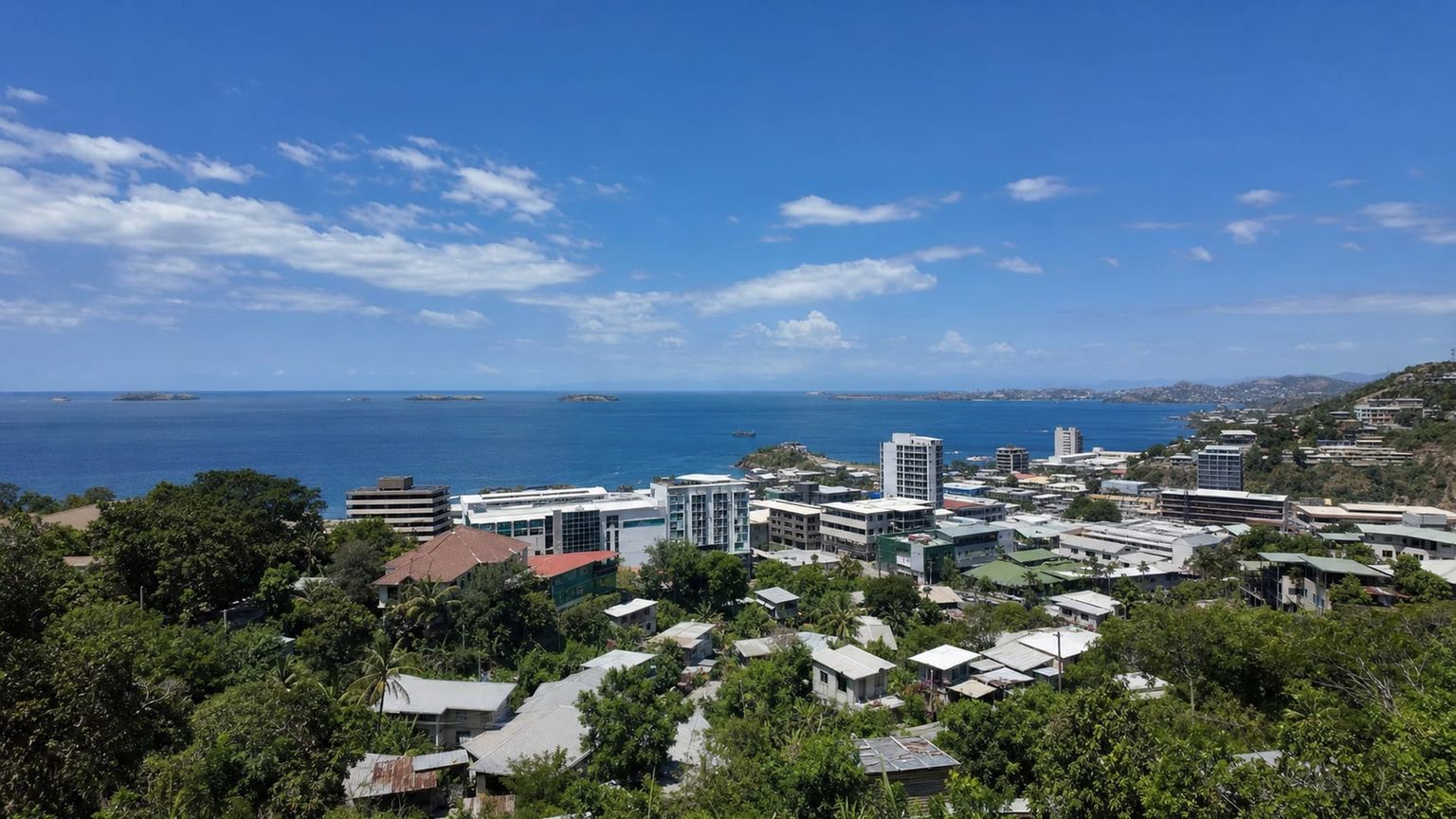
Start with the National Museum and Art Gallery in Waigani, where the galleries and outdoor sculptures usually take about 2 to 3 hours. From there, it is about a 10-minute taxi ride to the National Parliament House grounds, where you can walk the lawns and ceremonial approach for 45 minutes to 1 hour, then continue into the building exterior area if staff allow access that day. End with a late-afternoon stop at Ela Beach, about 15 to 20 minutes by car from Waigani, for the harbor light and a sunset walk along the promenade.
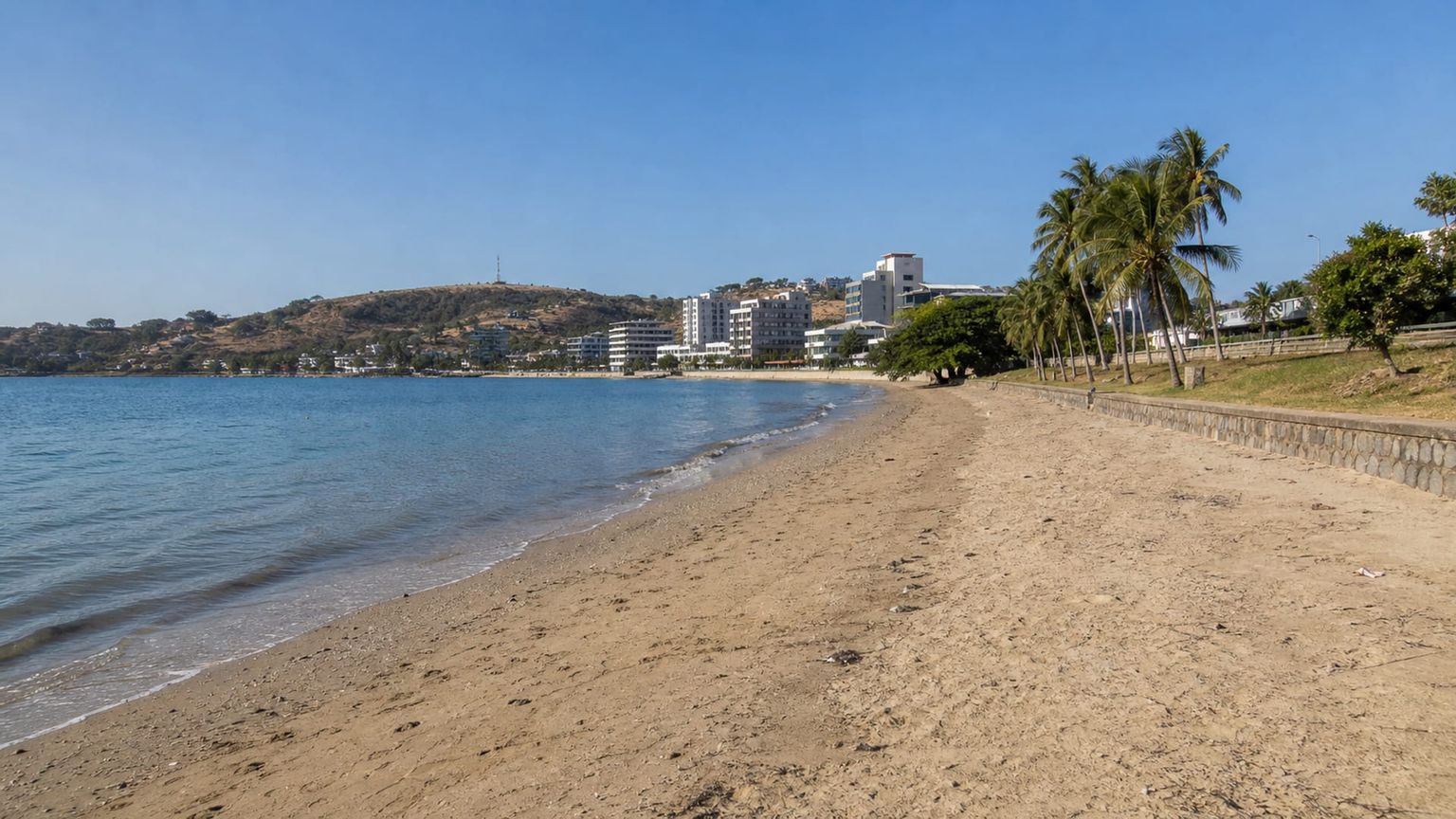
Begin at the National Parliament House on Independence Drive, aiming for a weekday morning when security checks are often lighter and the public forecourt is easier to visit. The Parliament House grounds sit right below it, so you can pair the building with a 45-minute walk on the lawns and ceremonial approach before heading back into the city. From there, take a taxi to Ela Beach in about 15 minutes, then stay for an hour or two along the waterfront, where the promenade gives you the clearest view of the shoreline and the harbor.
A morning at the National Museum and Art Gallery works well before the day warms up, and the compact layout makes it easy to spend about 1 to 1.5 hours there if you move at a steady pace. Afterward, transfer by taxi to Port Moresby Central in about 10 minutes for a look at the harbor edge, the market area, and the main retail strip, then continue on foot for a short circuit through the commercial core if daylight and traffic allow. Finish with a waterfront dinner near Ela Beach, about 10 minutes away by car, so you do not need to cross the city after dark.
Before heading to Port Moresby (POM), fit in one last stop at the National Museum and Art Gallery if you missed any rooms earlier in the trip, or return for a shorter second visit of about an hour. Then spend the rest of the day in Port Moresby Central, where you can browse the market edges and retail streets, and pause for coffee in Waigani before your transfer. If your flight leaves later, an early dinner near Ela Beach keeps the final hours close to your hotel and away from long cross-town rides.
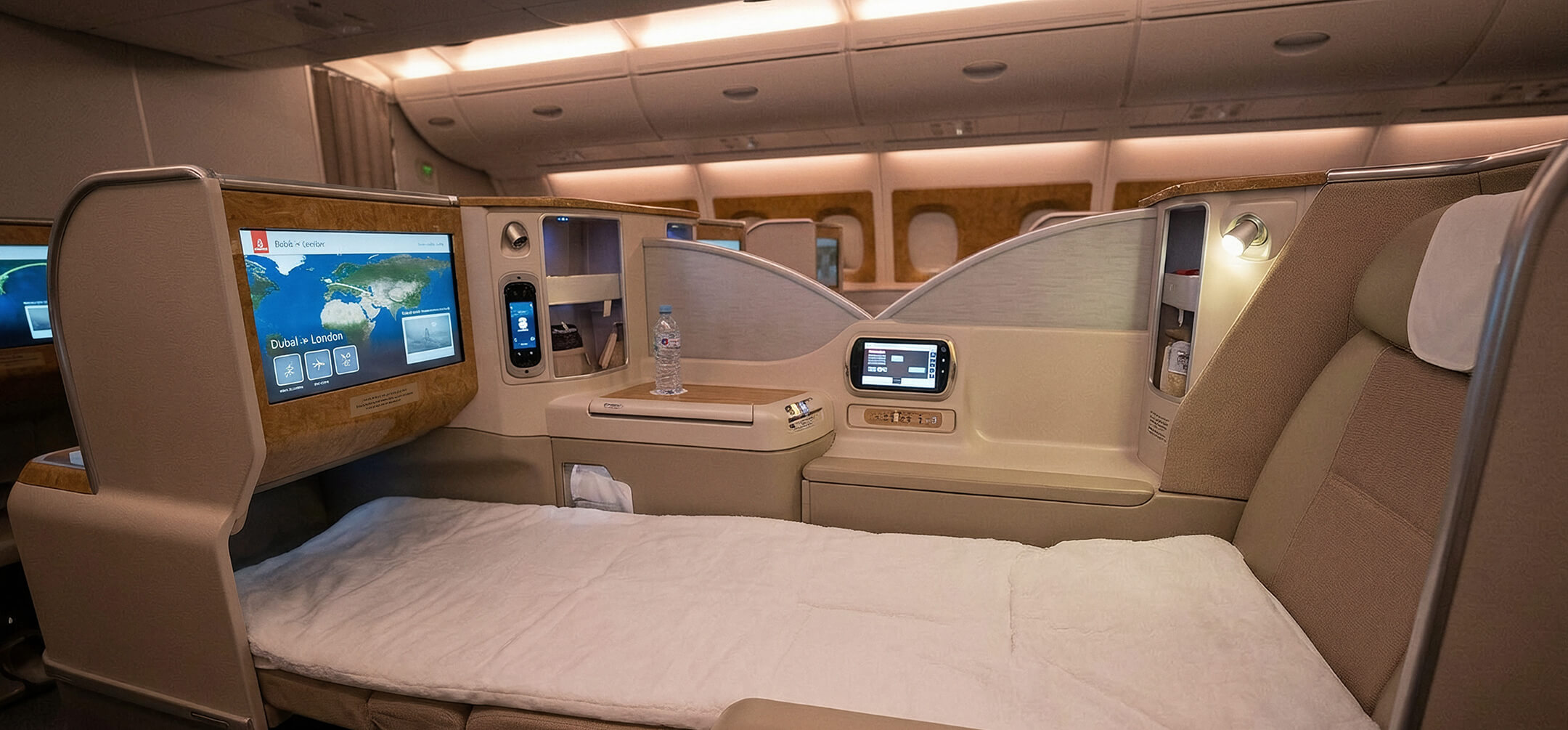
Business-class flights from the US to Port Moresby
Long-haul flights to Port Moresby usually connect through one of a few regional hubs, so the trip often matters more for routing than for distance alone. The East Coast and West Coast examples below show how the same destination can produce very different journey times and fare bands.
From New York, carriers such as Qantas, Singapore Airlines, Air Niugini, Cathay Pacific, and Fiji Airways usually connect through BNE, SIN, HKG, NAN, or BKK, with total travel times of about 22 to 30 hours. Round-trip fares from New York to Port Moresby usually start from $5,500 and can reach $10,500.
Los Angeles itineraries are shorter, with Qantas, Singapore Airlines, Air Niugini, Fiji Airways, and Cathay Pacific routing via BNE, SIN, HKG, NAN, or BKK. Round-trip fares from Los Angeles to Port Moresby usually start from $4,800 and can reach $9,200, and the total journey often runs about 18 to 26 hours.
Port Moresby feels different when you slow down
A deliberate Port Moresby trip keeps its days anchored to places that fit together, Waigani for Parliament and the museum, Ela Beach for the harbor edge, and Port Moresby Central for daytime errands and market views. Taxis and hotel cars do most of the linking, while evenings work best when they stay close to your base. For a trip that matches the city’s layout, speak with AranGrant experts and build your stay around one of these corridors