

Chapters:

Need help with your trip?
Our support team is available 24/7. Request a callback or call us directly at (833) 619-0908
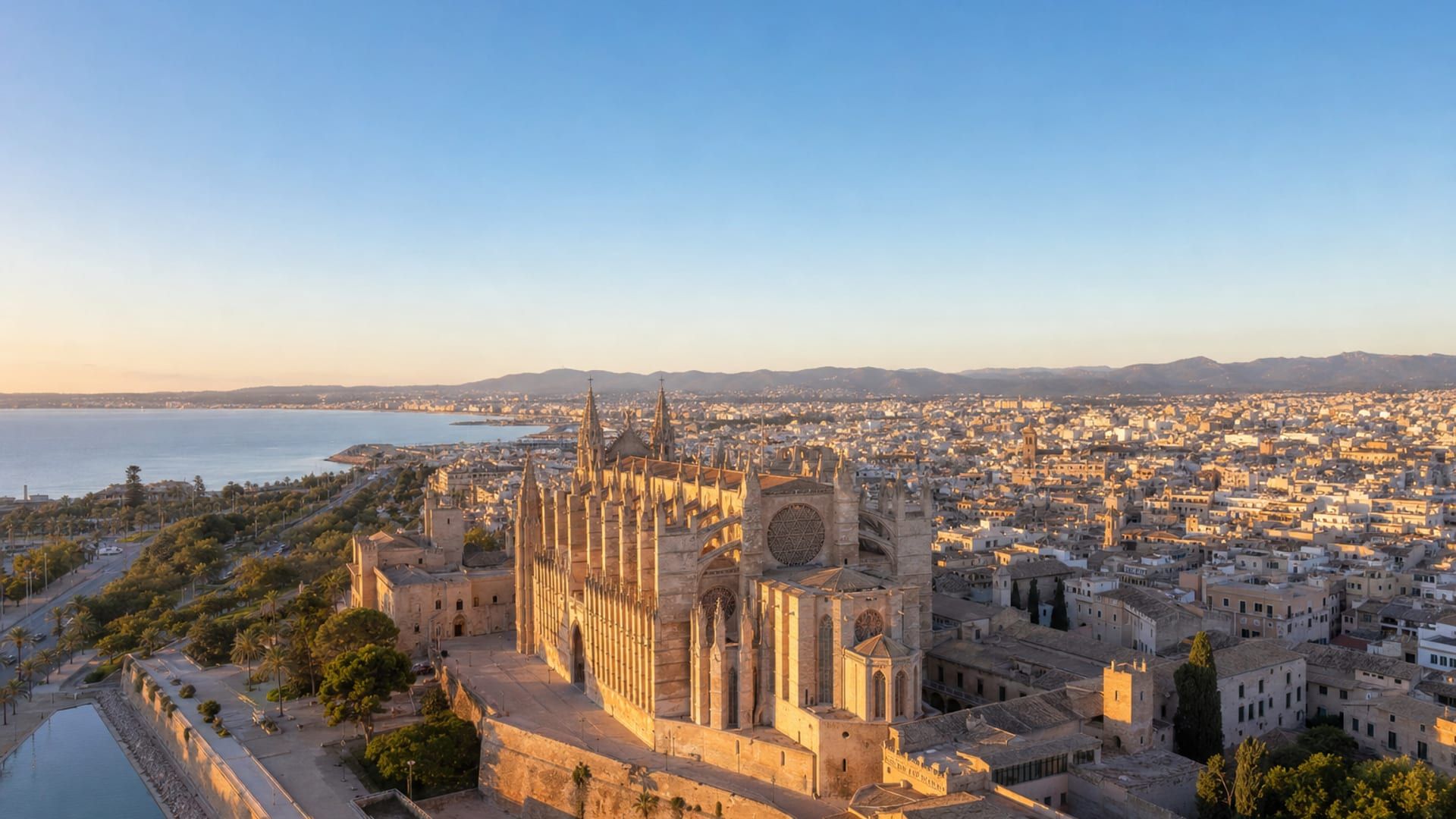
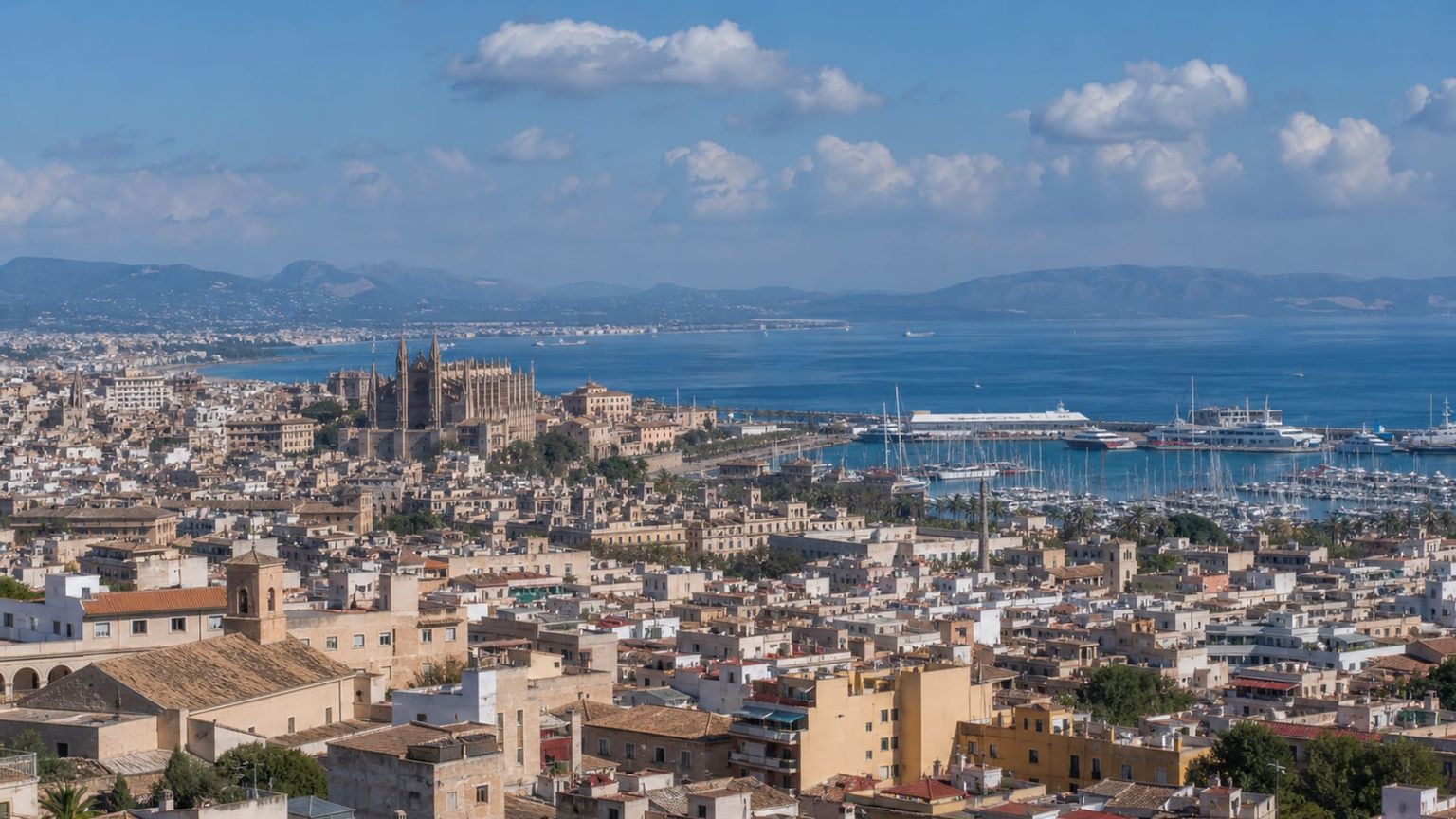
Palma often starts with the same outline: a flight in, an Old Town hotel, then the cathedral, a terrace meal, and a harbor walk before departure. What many travelers miss is how much the city changes once they step beyond the postcard route.
The distances are short, but the timing is not. Crowds gather fast near La Seu, lunch hours split the day, and Bellver or Santa Catalina can feel distant if you plan them without a map and a clock.
This guide breaks the stay into clear blocks, so you can pair the center, the waterfront, and the hillside in a sequence that matches how Palma actually works.
Useful things to know

Main language(s): Spanish, Catalan
Hola (OH-lah) – Hello
Por favor (por fah-VOR) – Please
Gracias (GRAH-see-ahs) – Thank you
¿Habla inglés? (AH-blah een-GLAYS) – Do you speak English?
¿Cuánto cuesta? (KWAHN-toh KWEHS-tah) – How much does it cost?

Currency: The local currency is the euro (EUR, €).

Cash and cards: Cards and contactless are widely accepted; carry about €20 to €40 ($22 to $43) in cash for small purchases.

Tipping: Round up small bills; leave about 5-10% in restaurants if service is good.

Traditional food: ensaimada, sobrasada, tumbet, frito mallorquín

Water and coffee costs: Water ~€2 ($2), bar espresso ~€2.50 ($3).

Taxis and ride apps: Uber and Free Now operate here; airport pickup rules can limit curbside pickup.

Plug and voltage: Type C/F socket, 230V

Dining and shop opening hours: Breakfast is about 8:00-10:30 am, lunch 1:30-3:30 pm, and dinner 8:00-10:30 pm. Many restaurants close between lunch and dinner.

Emergency number: 112 for police, fire, and medical emergencies.
Where to stay in Palma
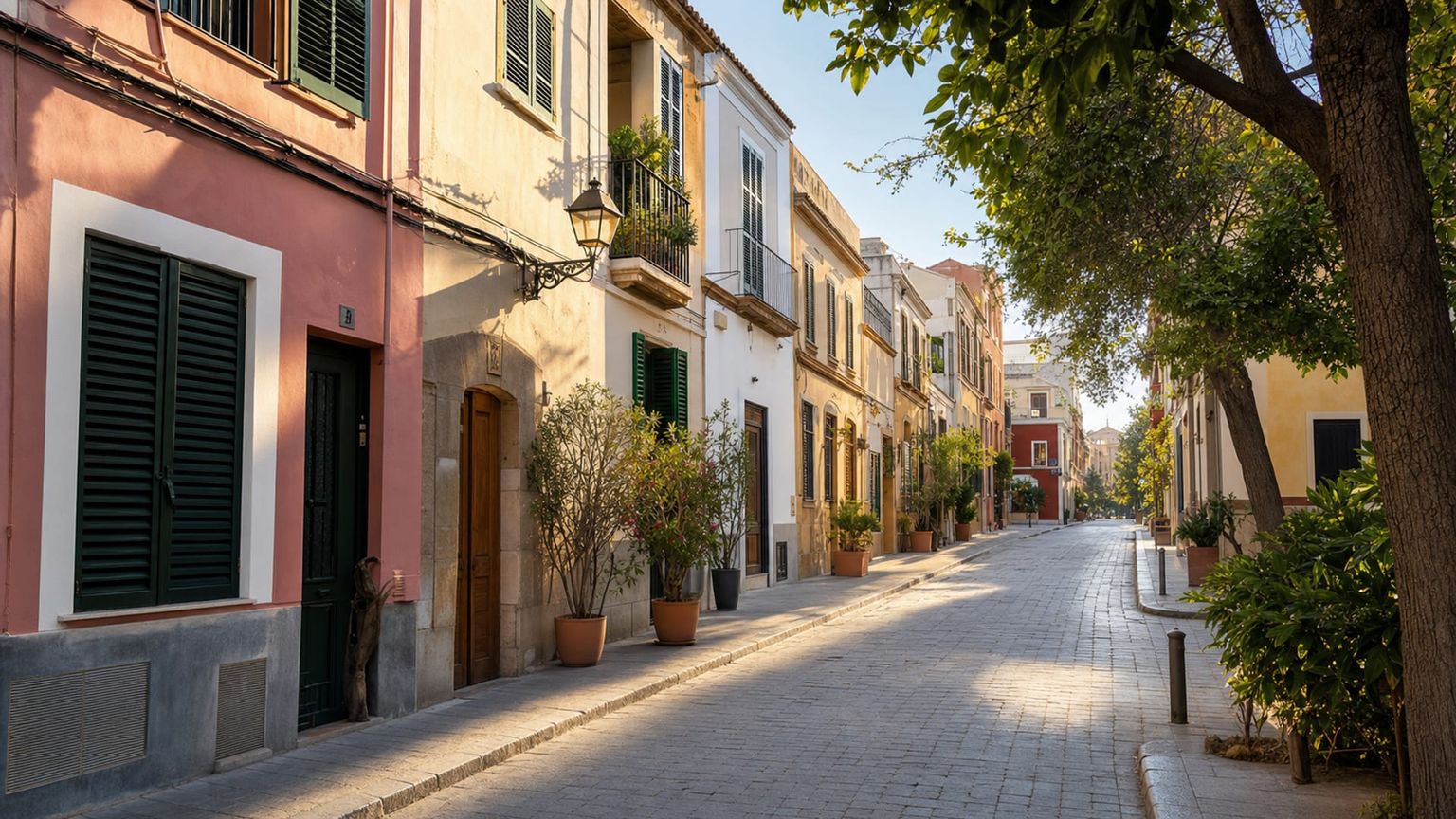
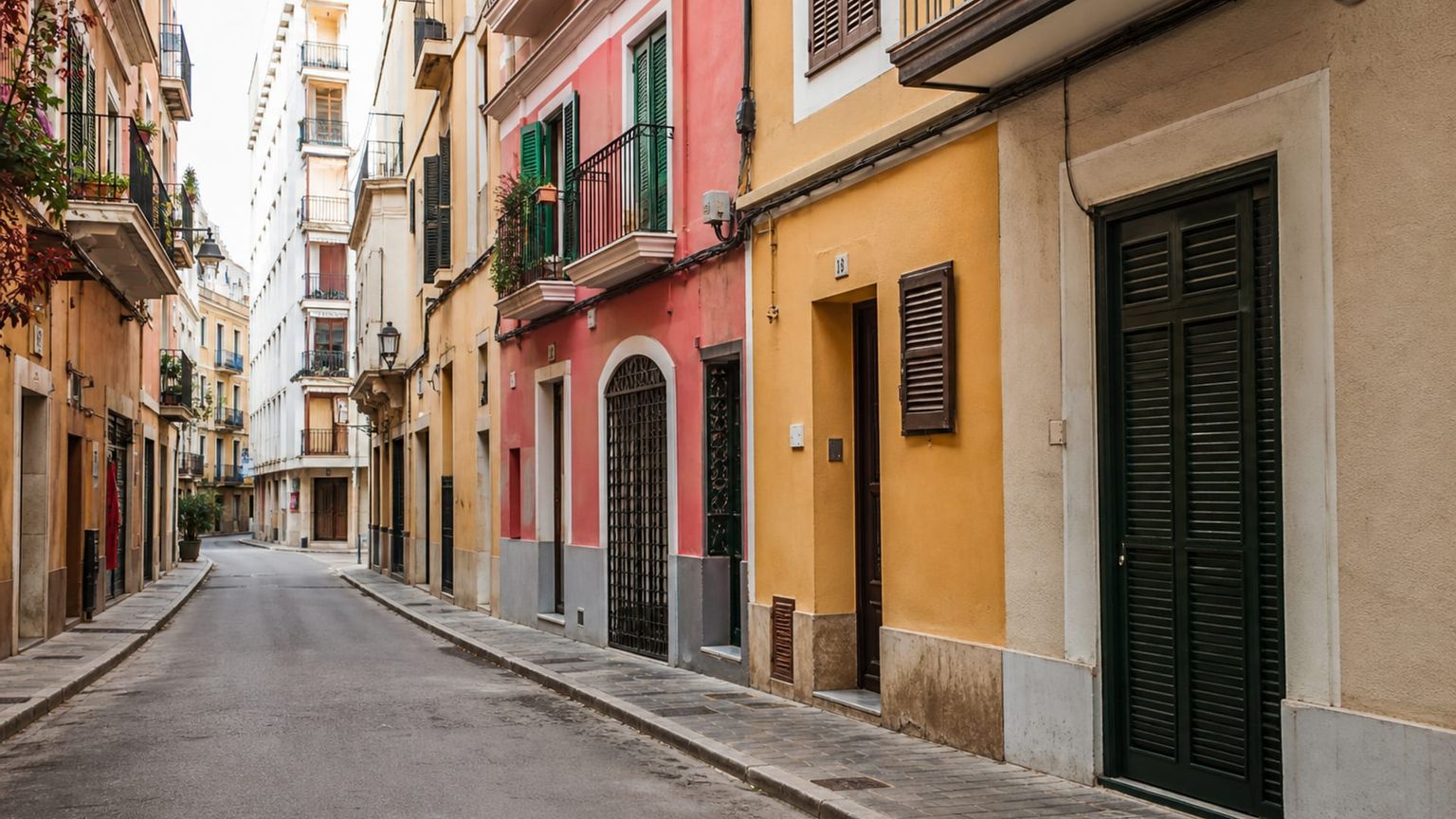
Palma’s historic core wraps around the cathedral, narrow lanes, and plazas such as Plaça Major and Plaça de Cort. It places museums, tapas bars, and the waterfront within an easy walk, so short stays can cover the city’s main sights without much transit.
Best for: First-time visits, sightseeing, and travelers who want to walk to major landmarks
What to expect: Cobblestone streets, busy restaurant terraces, and steady foot traffic from morning through late evening.
Hotel prices: Usually about 180€ to 320€ (~$198 to ~$352) per night for well-rated stays
Distance to major sights: 5 to 10 minutes on foot to Palma Cathedral and the waterfront, about 15 minutes on foot to the main museum cluster
Quietness: Busy in the day and lively at night, with the noisiest streets near bars and squares.
Main trade-off: Rooms can cost more here, and street noise is common on weekends and near popular dining streets.
Good to know: Choose a room on an upper floor or away from the main squares if you plan to sleep early.
Santa Catalina sits just west of the old town and centers on the market, independent restaurants, and a dense bar scene. It works well if you want a neighborhood base with easy access to both the harbor and the city center.
Best for: Dining, nightlife, and travelers who want a lively neighborhood with quick access to the center
What to expect: Busy sidewalks, packed terraces, and late activity near the market and bar streets.
Hotel prices: Usually about 150€ to 280€ (~$165 to ~$308) per night for well-rated stays
Distance to major sights: 10 to 15 minutes on foot to Palma Cathedral, about 10 minutes on foot to the waterfront
Quietness: Calmer in the morning, then notably louder after dinner and into the late evening.
Main trade-off: You get plenty of dining choice, but the busiest blocks can feel noisy well past midnight.
Good to know: If light matters, avoid rooms facing the main nightlife streets or the market area.
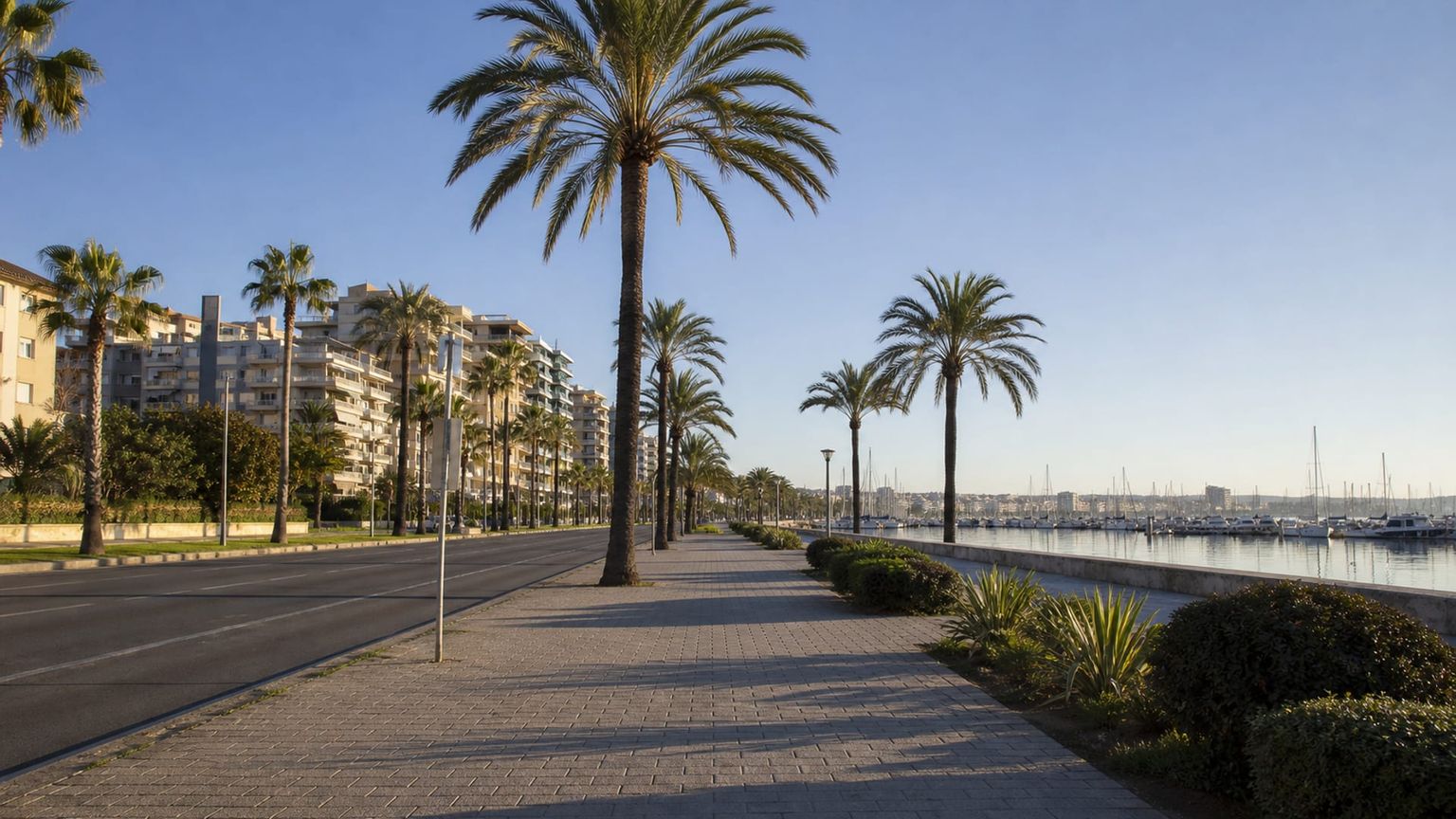
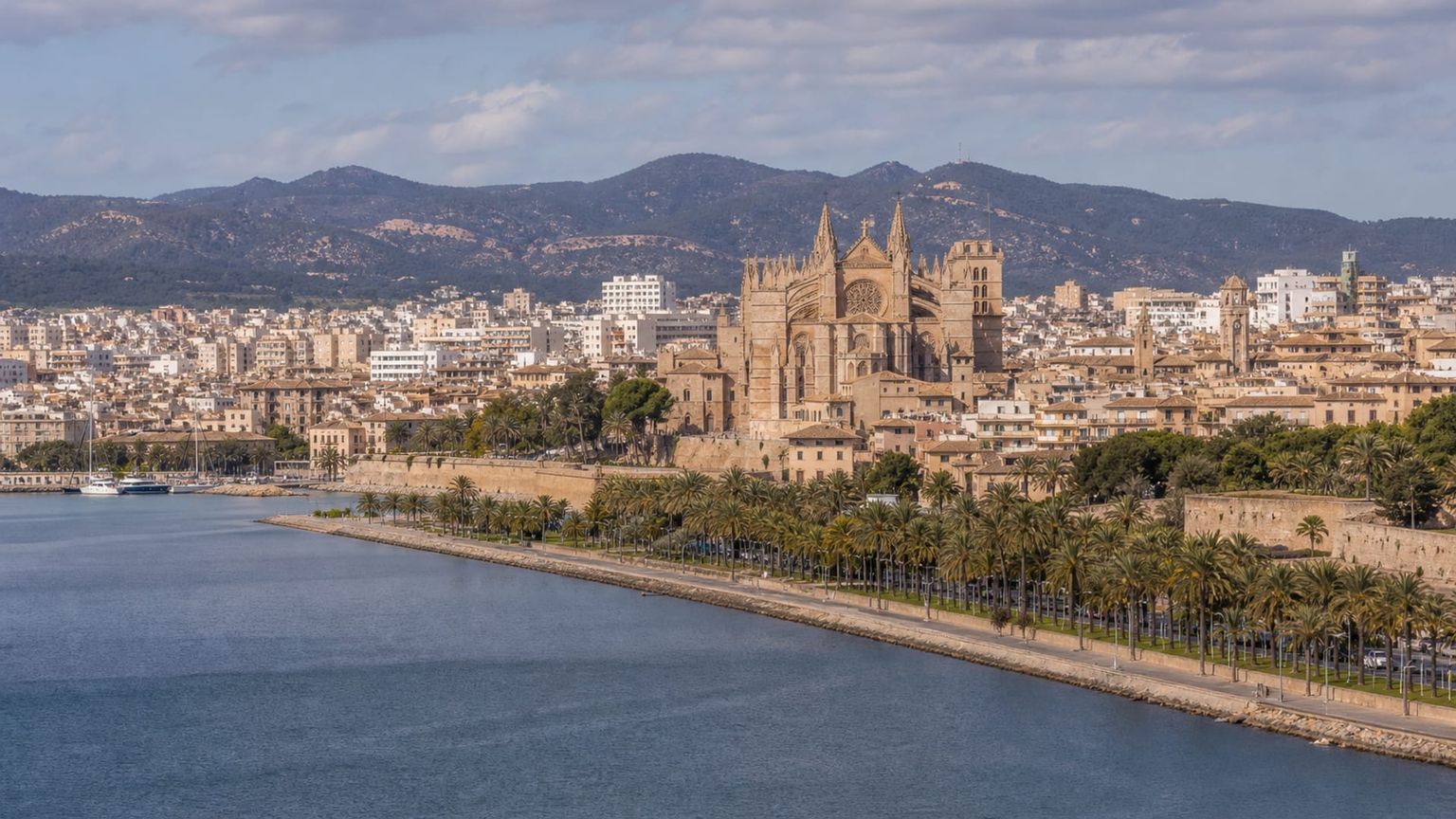
Paseo Marítimo lines Palma’s waterfront boulevard beside the marina and cruise port. It suits visitors who want sea views, long walks, and quick taxi or bus links into the old town.
Best for: Harbor views, waterfront walks, and travelers who do not mind a longer stroll to the historic center
What to expect: Wide sidewalks, traffic along the boulevard, and steady activity from marina visitors and hotel guests.
Hotel prices: Usually about 140€ to 260€ (~$154 to ~$286) per night for well-rated stays
Distance to major sights: 20 to 25 minutes on foot to Palma Cathedral, about 10 minutes by taxi to the old town
Quietness: Active during the day and early evening, then quieter late at night away from the marina bars.
Main trade-off: The setting is open and scenic, but you will need transit or a longer walk for the cathedral and old-town sights.
Good to know: Pick this area if you want waterfront evenings, not if you plan to step out into the historic core several times a day.
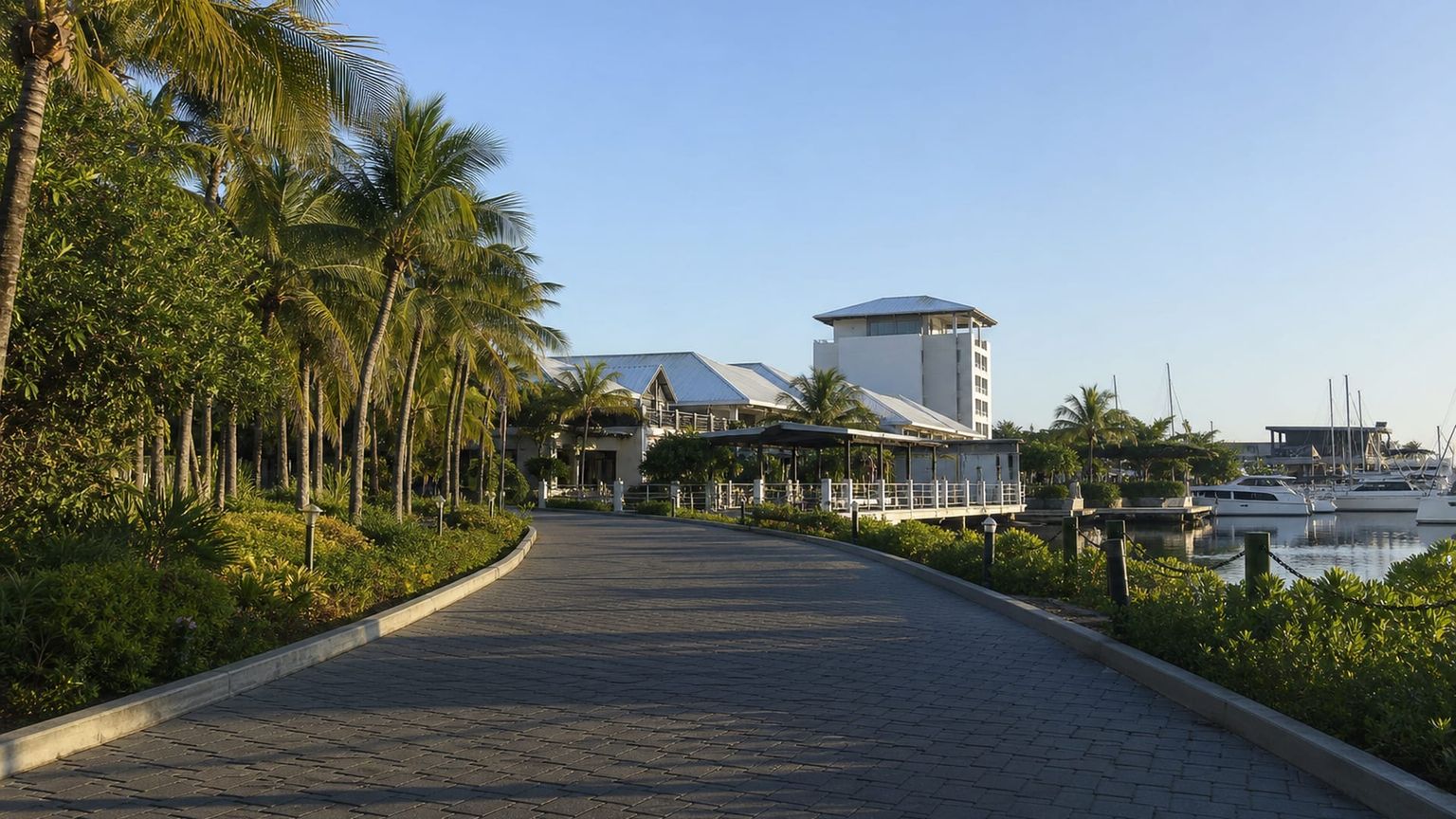
Portixol and Molinar stretch east of Palma along the seafront, with a local residential feel, beach access, and a bike path into town. They suit travelers who want a more relaxed coastal base without leaving the city.
Best for: Beach access, cycling, and travelers who prefer a residential waterfront base
What to expect: Morning walkers, cyclists, neighborhood cafes, and a quieter seafront than the central marina zone.
Hotel prices: Usually about 130€ to 240€ (~$143 to ~$264) per night for well-rated stays
Distance to major sights: 20 to 30 minutes on foot to Palma Cathedral, about 10 minutes by taxi to the center
Quietness: Generally calm in the day and quieter at night than central Palma, with only local restaurant noise on the seafront.
Main trade-off: You gain sea access and more space, but dining and late-night choices are thinner than in the center.
Good to know: Check bus schedules or plan for taxis after dinner, because late-night returns take longer than from the old town.
Travelers usually avoid Son Ferriol, Sa Indioteria, and Marratxí for a hotel base because they sit well outside Palma’s main sights and have limited visitor amenities, so evenings often require a bus, taxi, or car. Portopí and the outskirts near Palma Airport are also less convenient for a stay centered on the historic center, since they are farther from the old town, Cathedral, and seafront promenade, and they offer fewer walkable dining options.
Hotel deals
How to get around Palma efficiently
Palma’s bus network connects the airport, the center, and the beach zones, while taxis cover the short gaps that matter when you are carrying luggage or heading uphill.

Metro
for longer distances
Palma has no metro service at the airport, so the closest equivalent is the EMT bus network and intercity coaches. If you need to reach central Palma, the airport-to-city buses usually take about 20 to 30 minutes, and day tickets or single rides are sold by the operator rather than by a metro network.

Bus and tram
for convenience
EMT Palma buses 1 and 21 connect Palma Airport (PMI) with the city center and the beach area; bus 1 usually takes about 30 minutes to Plaça d’Espanya, and bus 21 serves the summer coastal zone. A single ticket costs about $7 (€6), and tickets are valid for one ride; airport buses run more frequently in daylight than late at night.

Taxi
for convenience or late hours
Licensed taxis queue outside Palma Airport (PMI) and use metered fares, with a small airport supplement plus luggage or night surcharges where applicable. A ride into central Palma usually costs about $25 to $35 (€23 to €32) and takes roughly 15 to 20 minutes, while trips to nearby resort areas often run about $35 to $60 (€32 to €55). Most taxis accept card payment, but it is smart to confirm before you get in.
*Prices are based on rates updated as of June 2026 and may change at the time of travel.
Walk Old Town and the waterfront when your plans stay central, use the bus for airport or beach connections, and take a taxi for Bellver, late dinners, or any arrival with bags.
Iconic landmarks
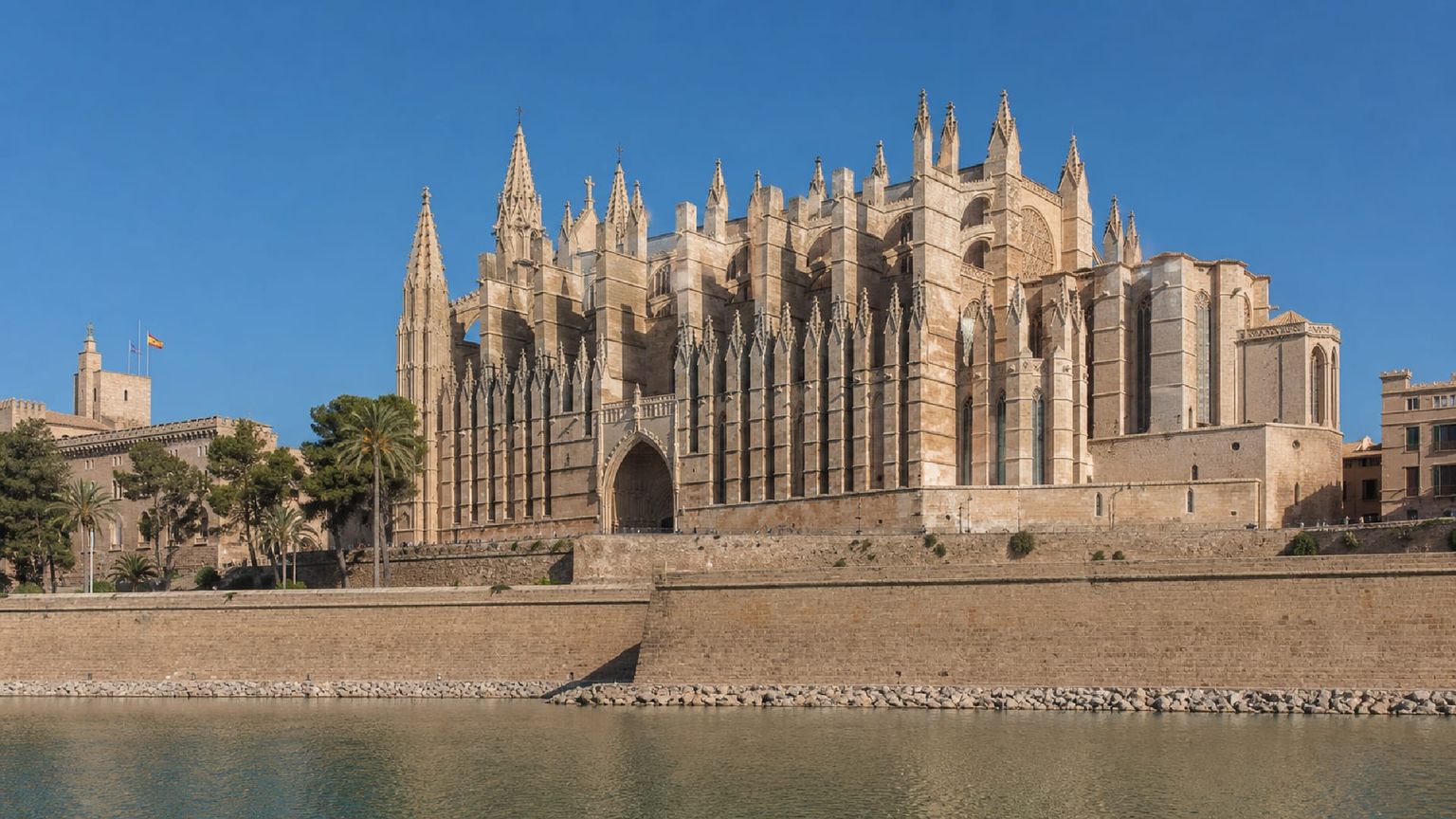
La Seu Cathedral
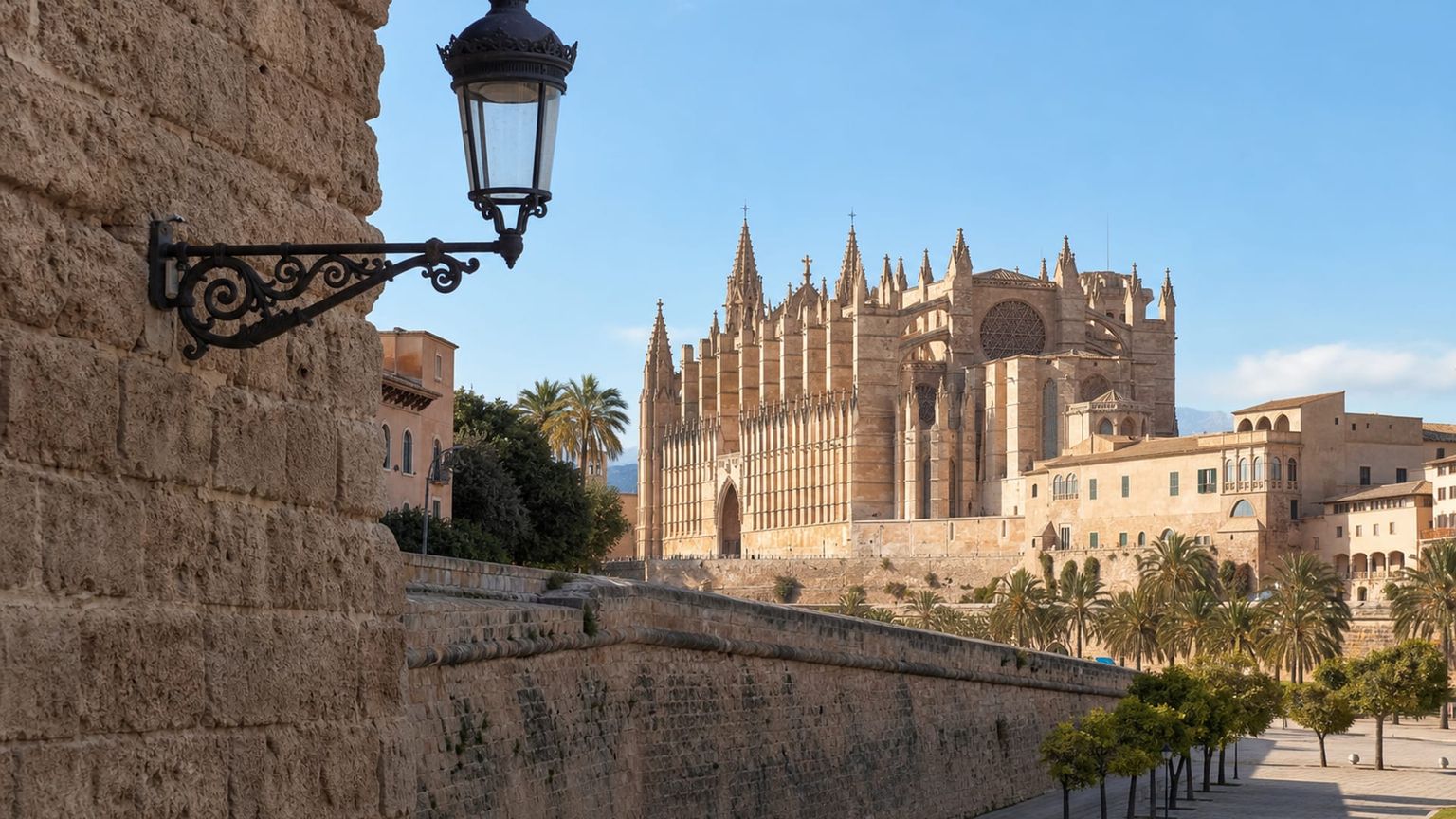
Palma’s Gothic cathedral crowns the old harbor wall, with a huge rose window and Gaudí’s restored canopy inside. The terraces open broad views over the bay and the historic center.
Time needed: About 1 to 2 hours
Entry: Standard admission costs about $11 ($10), with terrace access priced separately and reduced rates for children, students, and some residents Visit the official site for details.
Tip: Visit early for quieter nave time, then climb the terraces before afternoon heat builds.
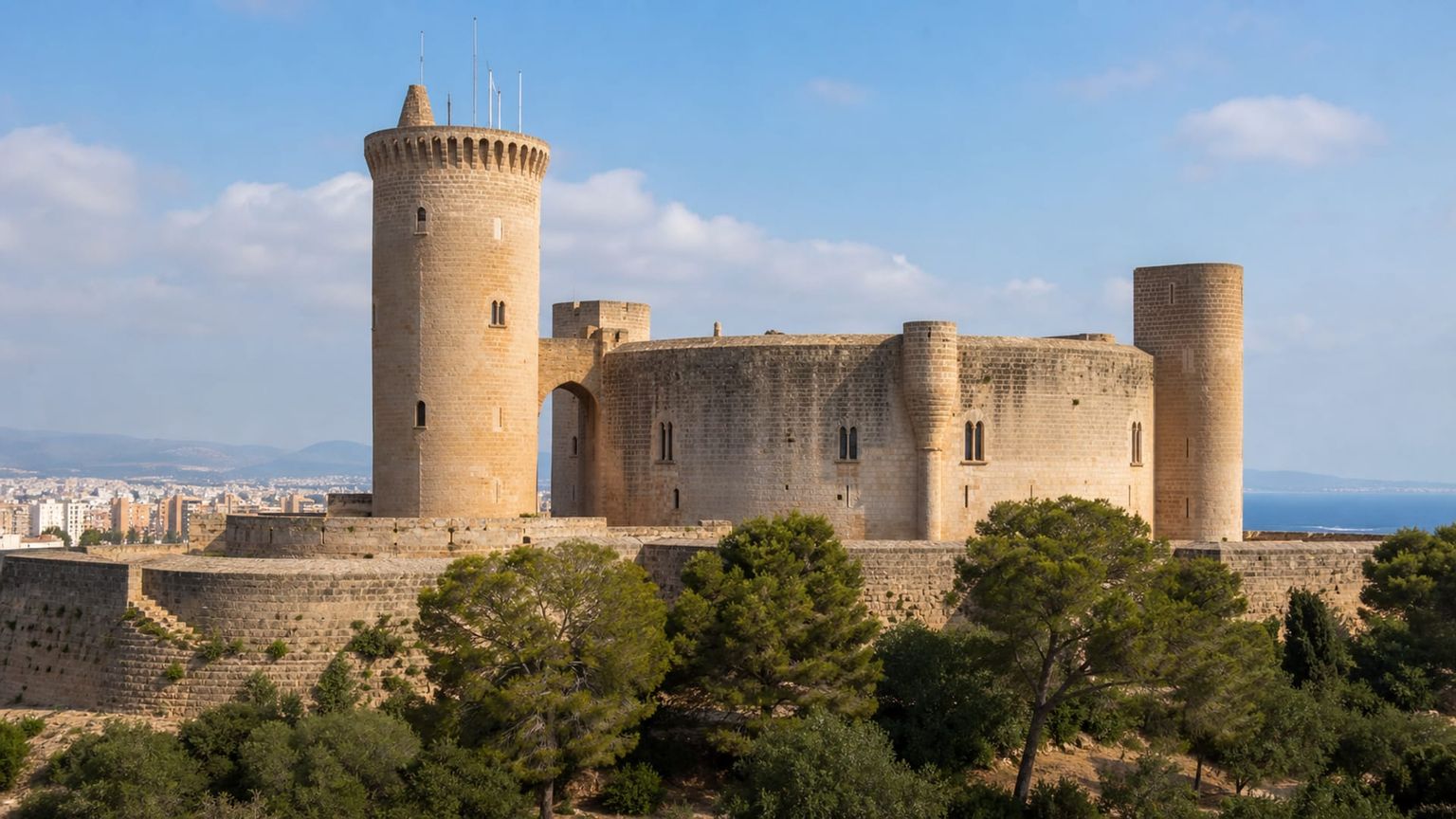
Bellver Castle
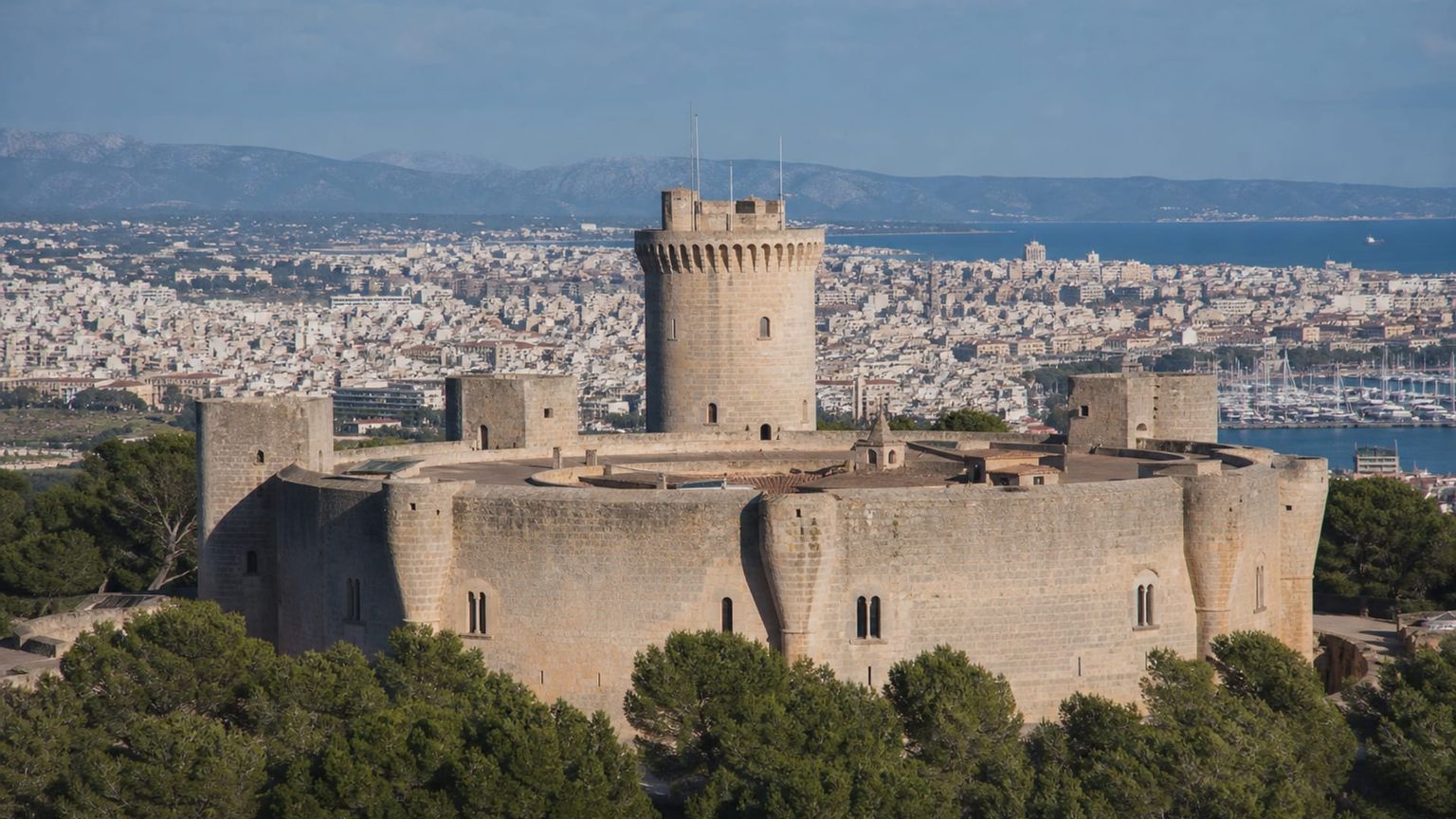
This 14th-century circular fortress stands on a pine-covered hill west of the center, with a moat, towers, and a museum on site. Its ramparts frame wide views over Palma, the port, and the Tramuntana foothills.
Time needed: About 1 to 2 hours
Entry: Admission costs about $5 ($4), with reduced prices for students and children; some Sundays and public holidays offer free entry Visit the official site for details.
Tip: Late afternoon light suits the walls well, and the uphill walk is cooler after midday shade.
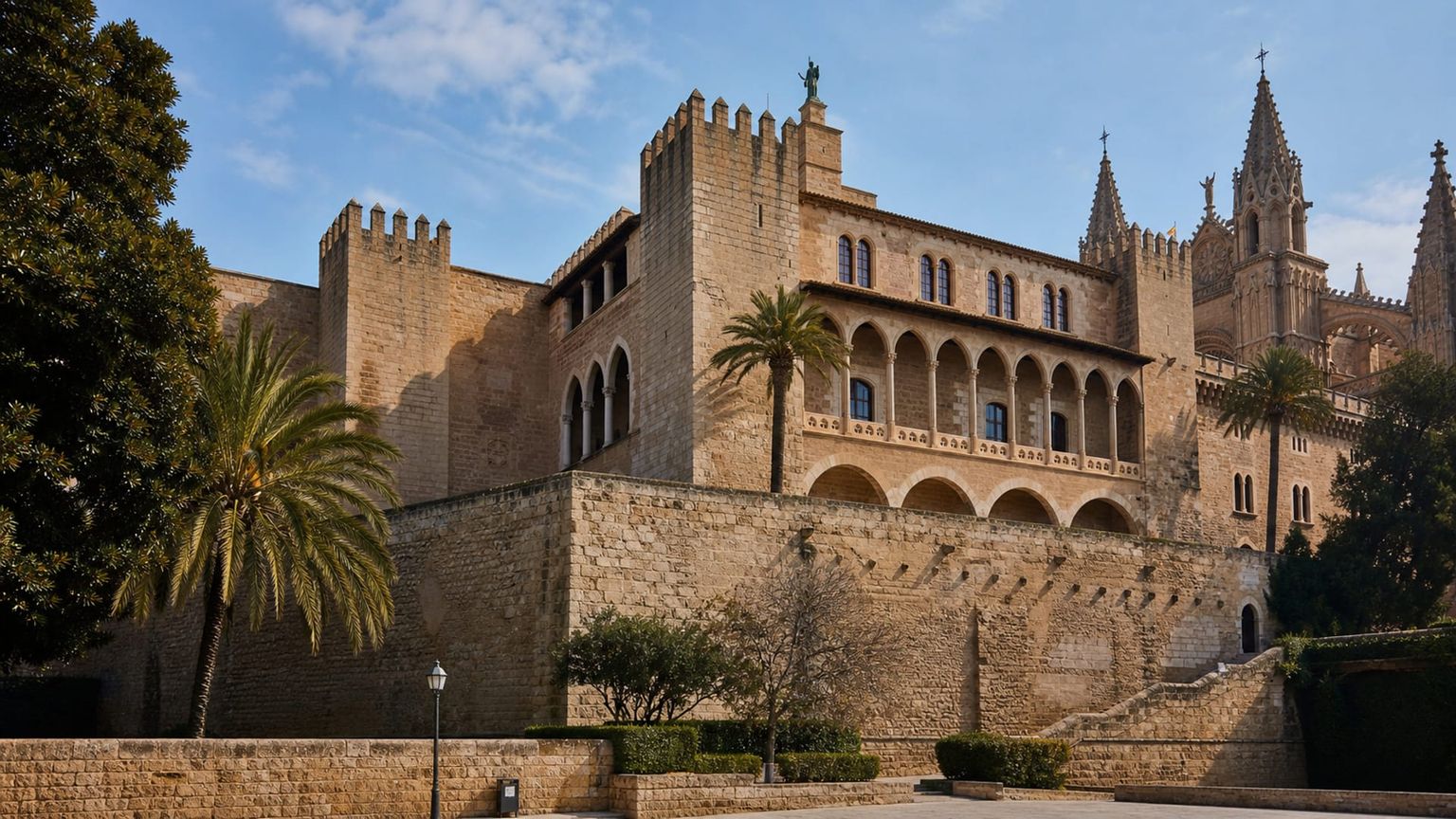
Royal Palace of La Almudaina
Facing the cathedral, this former Moorish alcázar and later royal residence shows layered Islamic and Gothic architecture. Inside, the throne room, chapel, and courtyards link Palma’s medieval past to its still-used state rooms.
Time needed: About 1 hour
Entry: Standard tickets cost about $8 ($7), with reduced admission for eligible visitors and free entry on some weekdays for residents Visit the official site for details.
Tip: Go just after opening to see the courtyards before the tour groups thicken the rooms.
Overlooked sites worth visiting

Es Baluard Museum of Modern and Contemporary Art
Set inside a restored fortress bastion above Palma’s harbor, this museum pairs modern art with terraces and city views. The courtyard, ramparts, and changing shows make it quieter than the cathedral zone.
Time needed: About 1 to 2 hours
Entry: Standard tickets cost about $10 ($9) for adults, with reduced rates for students and seniors. Temporary exhibitions may be included or priced separately, and admission is free on some public holidays; check the museum calendar before you go Visit the official site for details.
Tip: Go late afternoon for cooler terrace time and softer harbor light.

Arab Baths (Banys Àrabs)
This compact 10th-century bathhouse sits in a tucked-away garden near Palma’s old quarter. Its horseshoe arches and brick dome offer a rare look at the city’s Islamic past without a long visit.
Time needed: About 30 to 45 minutes
Entry: Standard tickets cost about $3 ($2.70) for adults, with discounts for children, students, and older visitors. Opening hours vary by season, and the site uses a timed entry window on busy days; check current hours before you visit.
Tip: Visit in the morning, when the garden is quieter and the light is best.
Traditional food
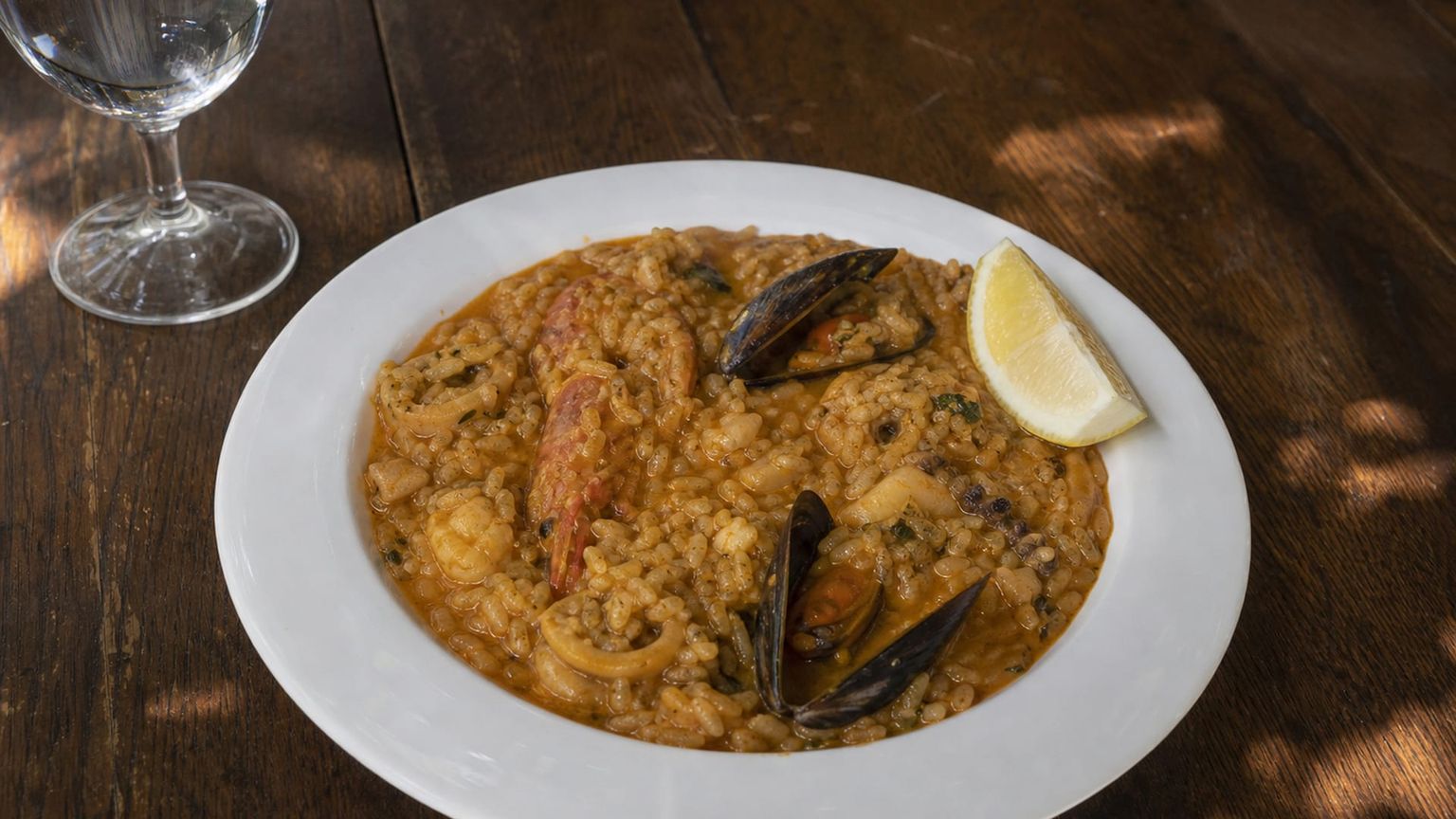
Palma’s table leans on olive oil, pork, vegetables, and almond sweets, with sobrassada, tumbet, and frito mallorquín anchoring many menus. Meals follow local hours, so lunch and dinner often arrive later than visitors expect.
Ensaimada
This spiral pastry is light, slightly sweet, and part of Palma’s daily bakery culture. For a classic stop, Fornet de la Soca makes a strong version in the city center.
Sobrassada
Soft cured pork spread with paprika, sobrassada appears in tapas, sandwiches, and baked dishes across Palma. Celler Sa Premsa serves a dependable version in a traditional setting.
Tumbet
This baked vegetable dish layers potatoes, eggplant, peppers, and tomato, then lets the vegetables take the lead. Marc Fosh often places it within a more modern kitchen context.
Frito Mallorquín
A hearty mix of meat, vegetables, and potatoes, frito mallorquín brings the island’s home cooking into restaurant form. Ca n’Eduardo, near the harbor, is a good place to try it.
Best time to visit Palma
Palma shifts more by season than by month, with mild shoulder seasons, a lively summer coastline, and a quieter winter pace around the old center.
Best for: Walks through Old Town, terrace lunches, and early cathedral visits
What you get: About 57-72°F (14-22°C), with moderate crowds and rising demand around Easter
Trade-offs: Rain can still interrupt a day, and popular restaurants fill early
Best for: Harbor evenings, beach time, and long daylight hours
What you get: About 72-88°F (22-31°C), with the largest crowds and the busiest waterfront
Trade-offs: Heat and peak-season pricing make midday sightseeing less comfortable
Best for: Museum time, food-focused trips, and easier table reservations
What you get: About 61-79°F (16-26°C), with lighter crowds after early September
Trade-offs: Shorter days and occasional rain can trim outdoor plans
Best for: Quiet cathedral visits, cafés, and unhurried neighborhood walks
What you get: About 48-61°F (9-16°C), with the smallest crowds and the calmest hotel market
Trade-offs: Some beach facilities close, and evenings feel much cooler
A realistic 5-day plan in Palma
Five days in Palma works best when you separate the core from the hillside and the waterfront, then give Santa Catalina space for dinner and a final market stop. The outline below keeps the city in a manageable order.
Land at Palma de Mallorca Airport (PMI), then take a taxi into Old Town in about 15 to 20 minutes for roughly $20 to $25. If you are staying in Santa Catalina, the ride usually takes about 15 minutes and costs about the same. Check in, drink some water, and keep dinner close to your base, with an easy first meal in Old Town or on the waterfront at Passeig Marítim, where you can sit down without a long walk back. If your arrival is late, a short promenade along the harbor is enough before an early night.
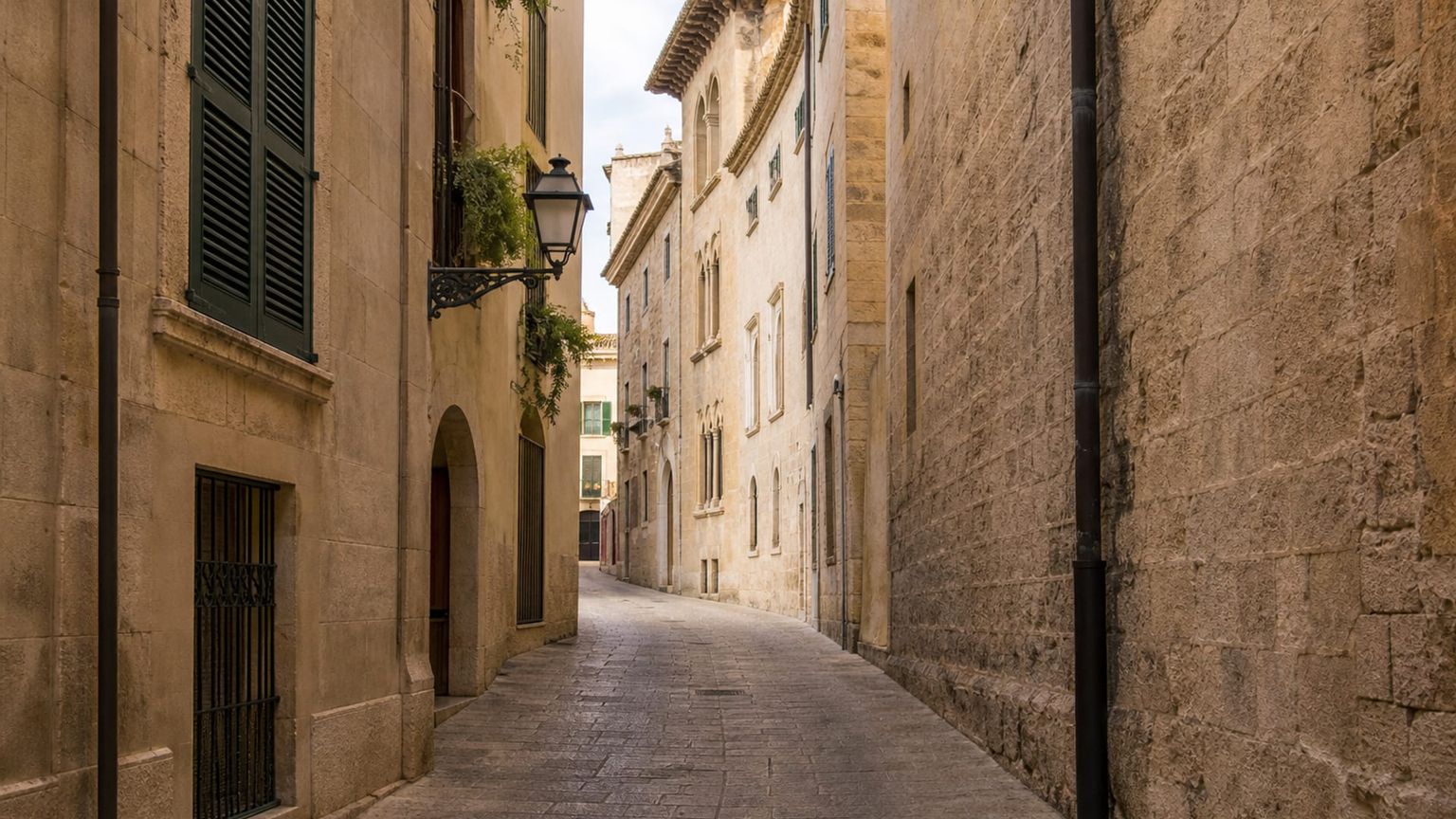
Start at La Seu Cathedral when it opens, then spend about 1 to 2 hours inside and on the terraces. From there, walk about 5 minutes to the Royal Palace of La Almudaina for about 1 hour, then continue on foot to the nearby old-quarter lanes for a slow lunch near Plaça Major or Plaça de Cort. In the afternoon, head about 10 minutes on foot to the Arab Baths for a 30 to 45 minute visit, then finish with a late walk back toward the cathedral and waterfront as the square lights come on.
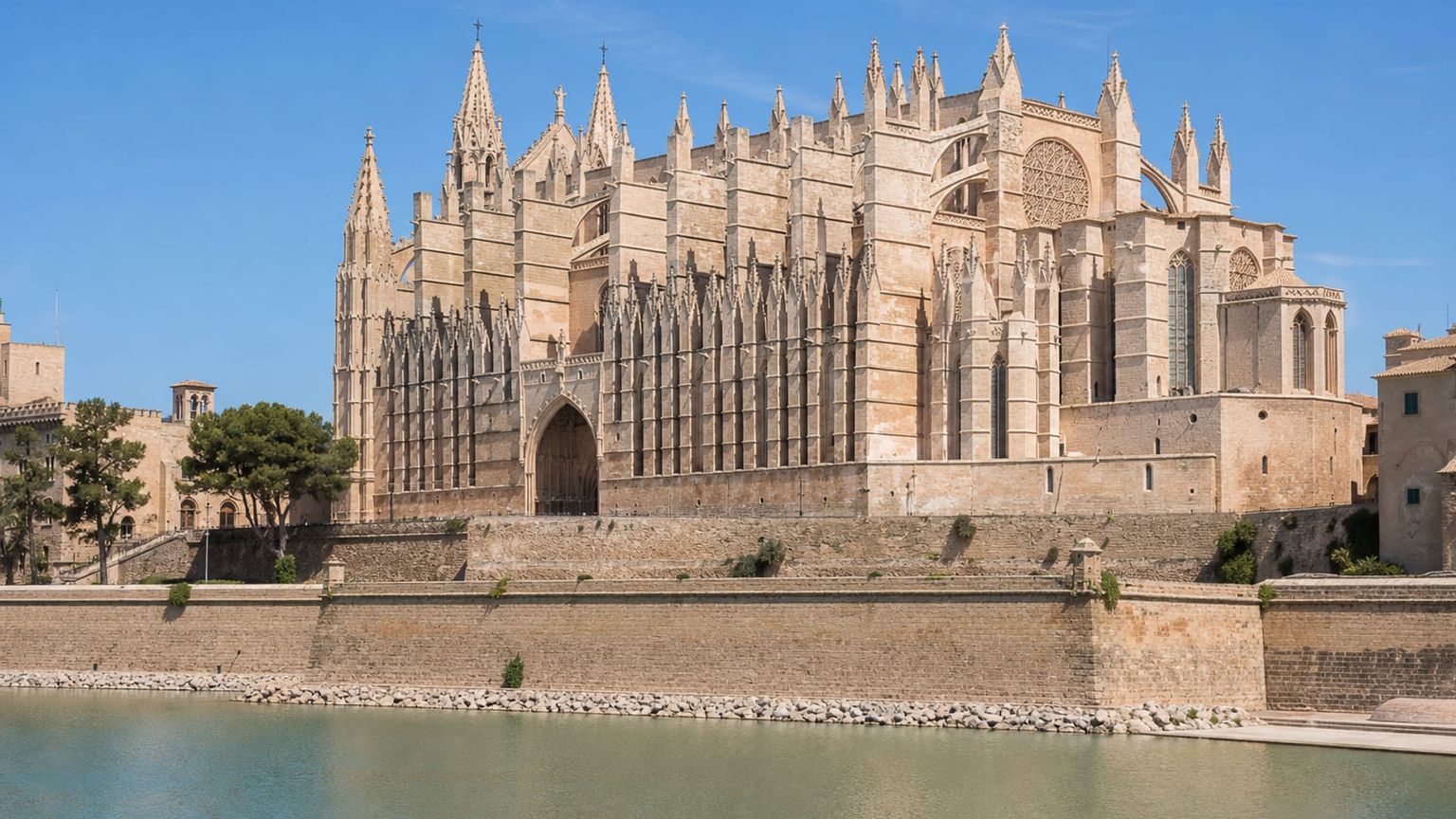
Bellver Castle makes the best first stop today, especially if you arrive in the late afternoon, because the climb from the center takes about 25 to 30 minutes by taxi or a longer uphill walk. Spend about 1 to 2 hours on the ramparts, museum, and pine-covered hill, then ride or walk back toward the center for Es Baluard Museum of Modern and Contemporary Art, about 10 to 15 minutes from Old Town depending on your route. Leave time for the terraces above the harbor, then cross into Santa Catalina for dinner near the market or the bar streets, which are about 10 minutes on foot from Es Baluard.
Begin with a harbor-side morning in Paseo Marítimo, where the waterfront walk gives you an easy transition into the day. From there, it is about 20 to 25 minutes on foot, or a short taxi ride, back to the historic core for a second look at the cathedral area, then a relaxed circuit through Old Town streets you may have skipped earlier. If you want a quieter final stop before lunch, return to Es Baluard for another look at the terrace views, then cross to Santa Catalina, about 10 minutes away, for a market lunch and an afternoon café stop.
A final slow morning works well in Santa Catalina, where the market and nearby streets make an easy last stop for coffee before departure. If your flight leaves later, fit in one last visit to Es Baluard, about 10 minutes on foot from the neighborhood, or spend an hour browsing the shops and galleries in Old Town before heading back to your hotel. Finish with a light lunch near Plaça de Cort or the harbor, then take a taxi to Palma de Mallorca Airport (PMI) in about 15 to 20 minutes from the center.
Business-class flights from the US to Palma
Reaching Palma from New York or Los Angeles usually means a one-stop itinerary, and the fare spread changes with the hub you choose. The examples below show how route length and layover city affect both time and price.
From New York, airlines such as Iberia, Lufthansa, British Airways, Air Europa, Air France, and TAP Air Portugal typically price round trips from about $2,100 to $5,800. Nonstop time sits at about 7 to 8 hours, while common layovers via Madrid, London, Frankfurt, Paris, or Lisbon can bring the fare down to roughly $1,300 to $2,200 if you are open to a longer trip.
Los Angeles itineraries usually come with Iberia, Lufthansa, British Airways, Air France, KLM, or TAP Air Portugal, and round-trip fares start at $2,800 before rising to about $6,500 on peak dates. Expect about 13 to 14 hours nonstop, or roughly 15 to 20 hours with a stop through Madrid, London, Frankfurt, Paris, or Amsterdam.
Palma feels different when you slow down
A good Palma trip gives each part of the city its own place: the cathedral and royal palace in one block, Bellver on a hill, Es Baluard above the harbor, and a meal in Santa Catalina when the day winds down. Use the bus for the airport, taxis for uphill or late returns, and walking when the old streets are the point. If you want help shaping that sequence, contact the AranGrant experts for a Palma plan built around the neighborhoods and days you have in hand







