

Chapters:

Need help with your trip?
Our support team is available 24/7. Request a callback or call us directly at (833) 619-0908
Piura trips often start with Plaza de Armas, a museum, and a quick taxi back to the hotel, while the city’s quieter edges and midday closures get little attention. Visitors who rush between sights often miss how much the day changes once the heat builds and the historic core empties.
That pattern leaves gaps. Piura’s key stops sit close together in the center, but meals, taxis, and afternoon pacing still need planning, and outer districts can add extra transit at the wrong hour.
This guide maps the city by neighborhood, meal window, and transfer time, so each day has a clear purpose rather than a long list of stops.
Useful things to know
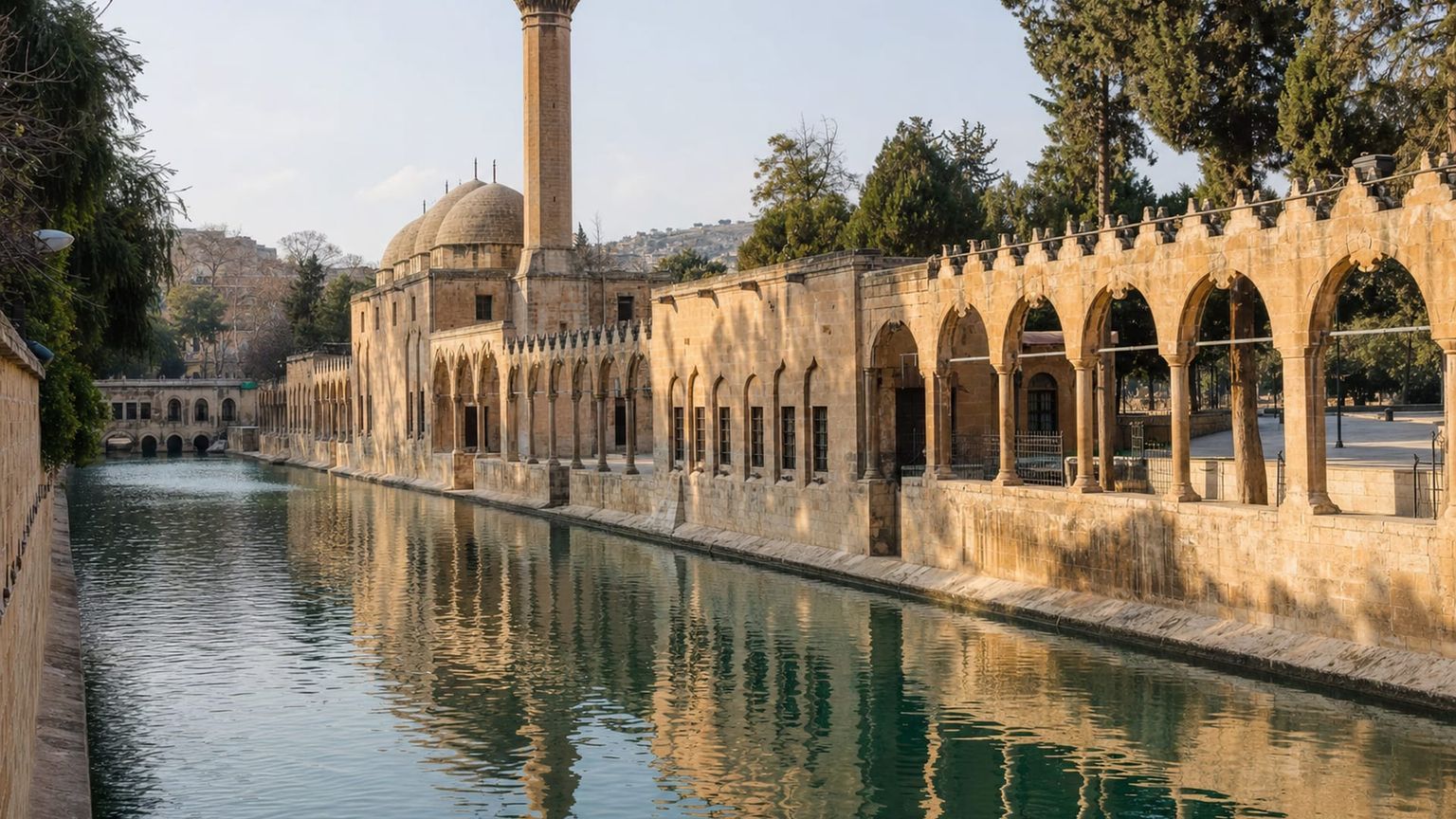

Main language(s): Spanish
Hola (OH-lah) – Hello
Por favor (por fah-VOR) – Please
Gracias (GRAH-see-ahs) – Thank you
¿Habla inglés? (AH-blah een-GLAYS) – Do you speak English?
¿Cuánto cuesta? (KWAN-toh KWEHS-tah) – How much does it cost?

Currency: The local currency is the Peruvian sol (PEN, S/).

Cash and cards: Cards and contactless are accepted at many hotels and larger shops, but carry about S/80 to S/150 ($22 to $40) in cash.

Tipping: Round up small bills; leave about 5-10% in nicer restaurants if service is good.

Traditional food: Seco de chavelo, Majado de yuca, Ceviche de mero, Sudado de cabrilla

Water and coffee costs: Water ~S/3 to S/5 ($1 to $1.50), bar espresso ~S/6 to S/10 ($2 to $3).

Taxis and ride apps: InDrive and Uber operate here; confirm the fare before you book.

Plug and voltage: Type A/C socket, 220V

Dining and shop opening hours: Breakfast is about 07:00-09:00, lunch 13:00-15:00, and dinner 20:00-22:00. Many restaurants close midafternoon.

Emergency number: 911 for police, fire, and medical emergencies.
Where to stay in Piura
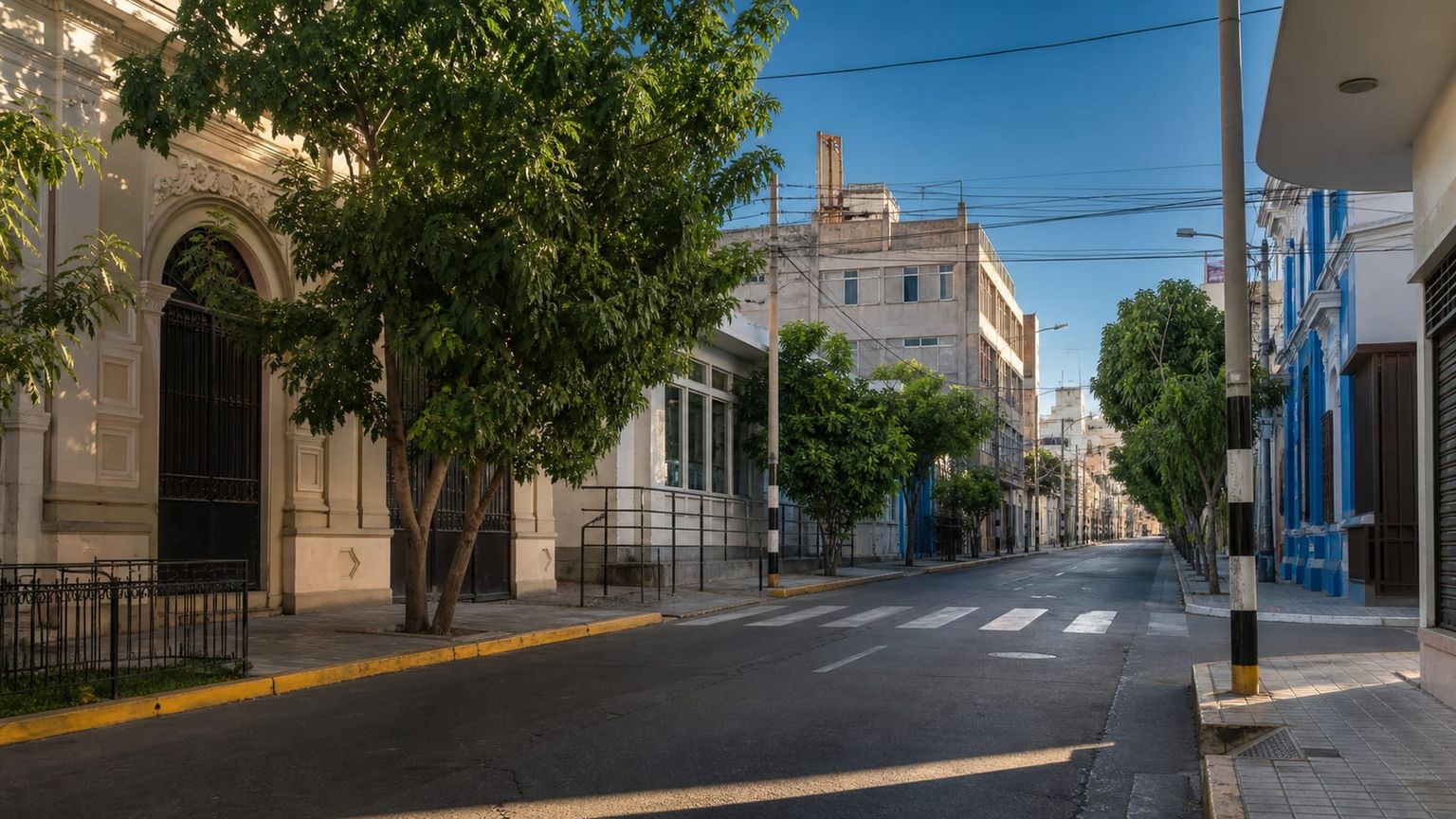
The historic center puts you near Piura’s main square, cathedral, markets, and the city’s densest cluster of shops and banks. It works well if you want to walk to daytime errands, administrative offices, and the most central dining options.
Best for: First-time visits, short stays, and easy access to downtown errands
What to expect: Busy sidewalks, taxis, and local commerce through the day, with a quieter pace after office hours.
Hotel prices: Usually about $35 to $90 per night for well-rated stays
Distance to major sights: 5 to 10 minutes on foot to Plaza de Armas, 10 to 15 minutes on foot to Piura Cathedral
Quietness: Livelier in the day, calmer late at night once shops close.
Main trade-off: You will hear more traffic and foot activity than in outer districts, and some blocks feel worn rather than scenic.
Good to know: If you plan to rely on taxis after dark, choose a hotel on a better-lit main street rather than a side lane.
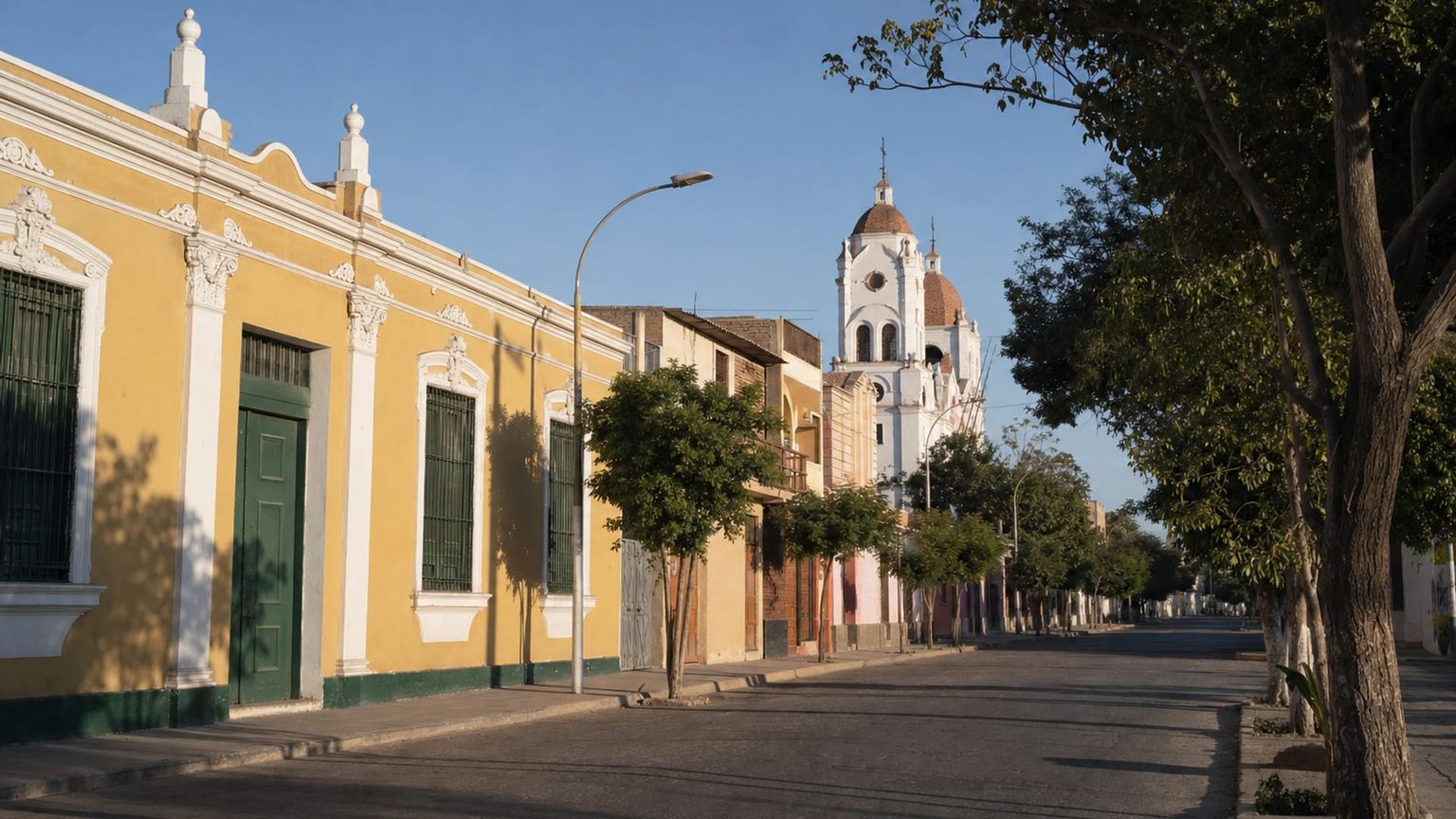
This northern edge of the center blends residential streets with small hotels, clinics, and neighborhood commerce. It keeps you close to the core while putting you slightly away from the busiest plaza blocks and their constant traffic.
Best for: Travelers who want central access with a bit more breathing room
What to expect: Moderate street activity, local shops, and everyday traffic, with fewer late-night diners than in the center.
Hotel prices: Usually about $30 to $75 per night for well-rated stays
Distance to major sights: 10 to 15 minutes on foot to Plaza de Armas, about 15 minutes by transit to Piura Cathedral
Quietness: Quieter than the main center in the evening, though traffic still passes on main avenues.
Main trade-off: You gain a slightly calmer base, but you may need a short taxi ride for the most animated restaurant streets.
Good to know: Check whether your hotel sits on a main avenue, since interior streets can feel much quieter and less convenient for pickup cars.
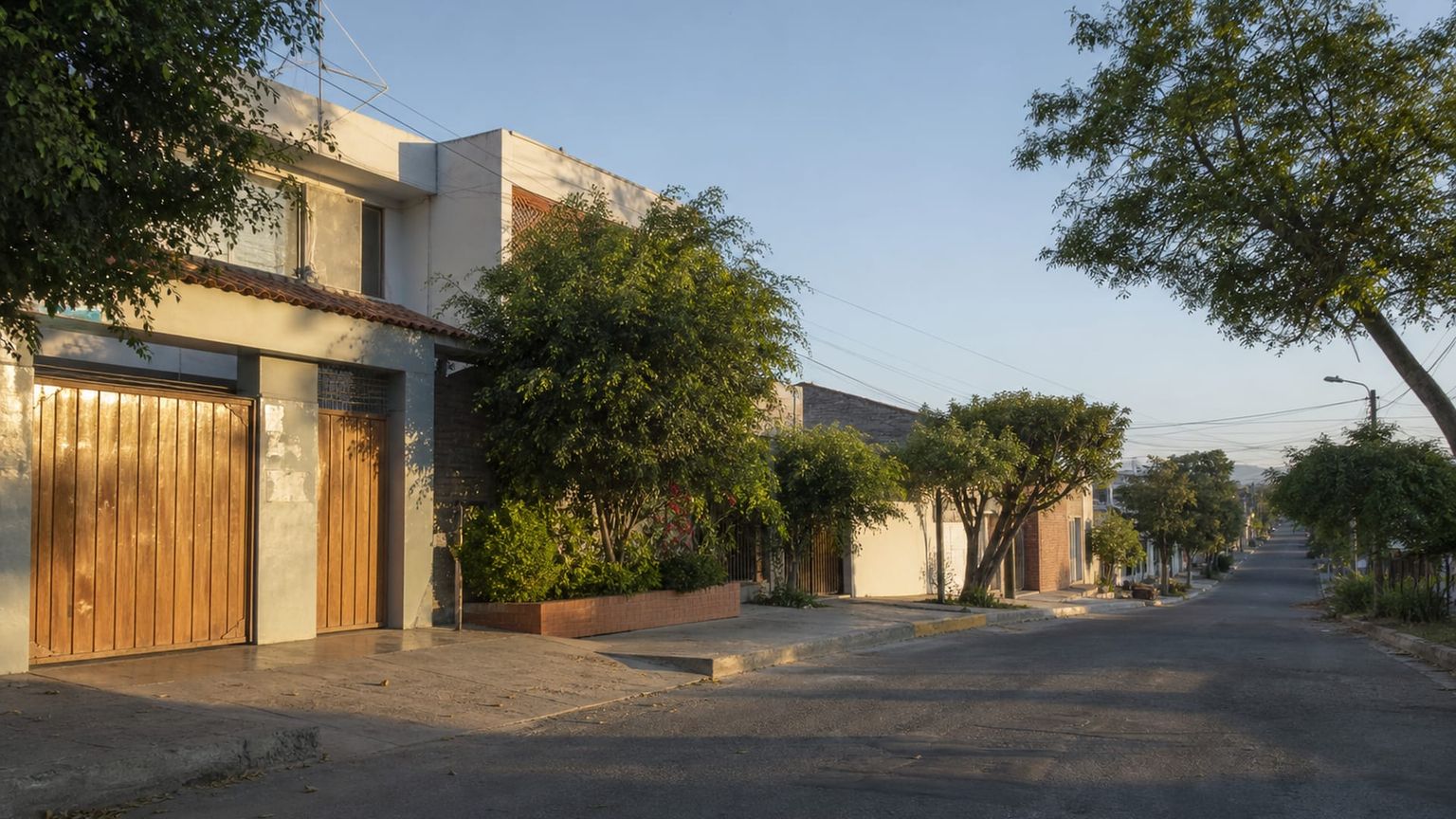
Miraflores is a residential district east of the center with supermarkets, midrange hotels, and local eateries spread along its main roads. It suits travelers who prefer a more residential base and do not mind using taxis for most outings.
Best for: Longer stays, business trips, and travelers who prefer residential streets
What to expect: Local traffic, neighborhood restaurants, and fewer visitors than in the center, especially after office hours.
Hotel prices: Usually about $28 to $70 per night for well-rated stays
Distance to major sights: About 15 minutes by transit to Plaza de Armas, about 20 minutes by transit to Piura Cathedral
Quietness: Generally quieter than downtown both day and evening, with some activity on the main roads.
Main trade-off: You will spend more on taxis and lose walkability to the historic core, especially if you stay off the main avenues.
Good to know: Evenings are simpler if your hotel has its own restaurant or sits near a main road, since side streets have fewer open options.
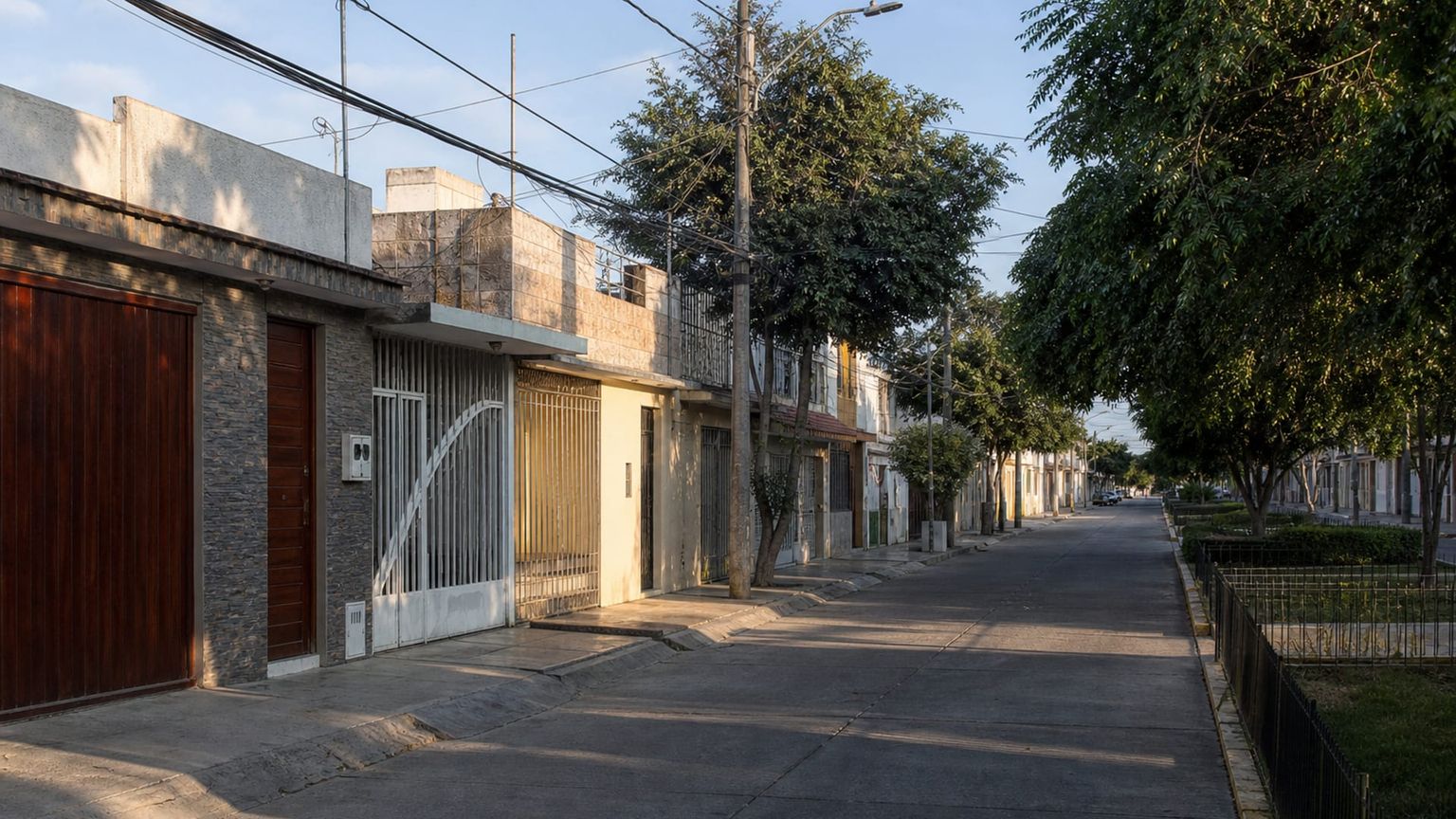
San Eduardo is a newer residential zone with apartment buildings, gated homes, and several modern hotels near the eastern side of Piura. It matters for travelers who want a newer-feeling area and do not need to walk to the historic center.
Best for: Quiet overnight stays, family trips, and travelers with a car or taxi budget
What to expect: Residential streets, limited foot traffic, and a more subdued evening scene than downtown.
Hotel prices: Usually about $35 to $85 per night for well-rated stays
Distance to major sights: About 15 to 20 minutes by transit to Plaza de Armas, about 20 minutes by transit to Piura Cathedral
Quietness: Calmer than central Piura during the day and notably quieter at night.
Main trade-off: The area is convenient for sleep, but you will depend on taxis for dinner, shopping, and most sightseeing.
Good to know: Confirm late-arrival access before booking, since some smaller properties in this zone do not keep a full front desk schedule.
Travelers usually avoid staying in Castilla’s outer edges, which sit farther from Piura’s main plazas and dining streets and can mean longer evening taxi rides. San Martín, San José, and parts of the airport corridor are less convenient, since they are set away from the historic center and have fewer visitor-oriented amenities than central Piura.
Hotel deals
How to get around Piura efficiently
Piura has no metro or suburban rail, so most visitors move between the center, museums, and residential districts by taxi or bus.

Metro
for longer distances
Piura has no metro or suburban rail, so there is no rail option to use from Piura Airport (PIU). For cross-town trips, rely on buses or taxis instead, since most journeys in the city center take about 15 to 30 minutes by road.

Bus and tram
for convenience
City buses and combis cover Piura’s main avenues, though they can be crowded and stop frequently. Fares usually run about $0.30 to $0.60 (roughly 1 to 2 soles), and tickets are not time-based, so you pay per ride. Ask for the destination before boarding, because routes are often marked by neighborhoods rather than by a full map, and allow about 20 to 40 minutes for trips across the urban area.

Taxi
for convenience or late hours
Licensed taxis in Piura usually charge set fares rather than using a meter, and airport trips from Piura Airport (PIU) to central Piura often cost about $5 to $8, while longer city rides are roughly $2 to $5. Confirm the price before getting in, since fares can vary by time of day and by whether you book through a hotel, an app, or a street pickup; cash in soles is most common, though some drivers accept cards through apps or card readers.
*Prices are based on rates updated as of June 2026 and may change at the time of travel.
Use taxis for timed cross-town rides, buses or combis for low-cost daytime trips, and walking for the compact historic center.
Iconic landmarks
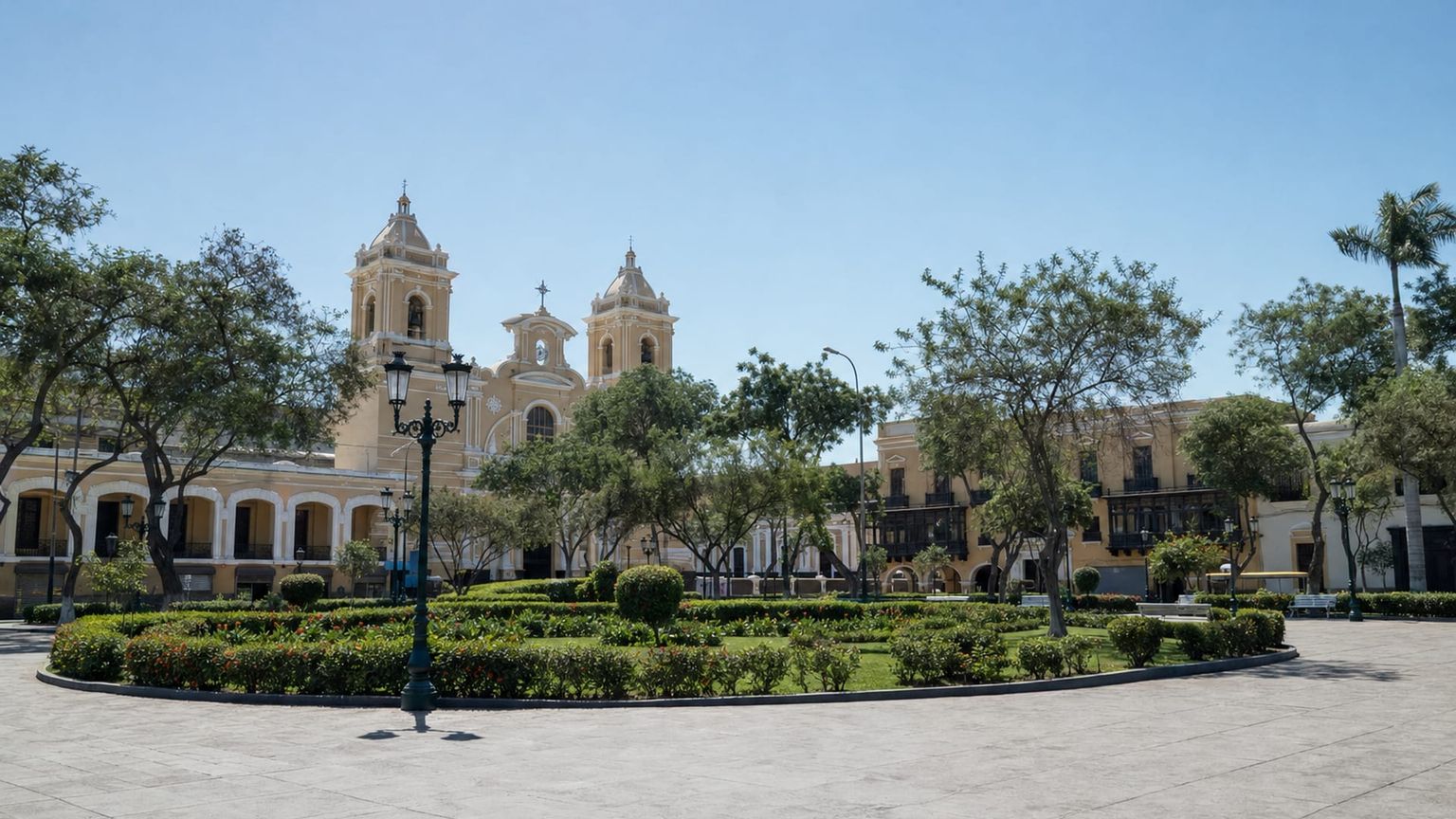
Plaza de Armas de Piura
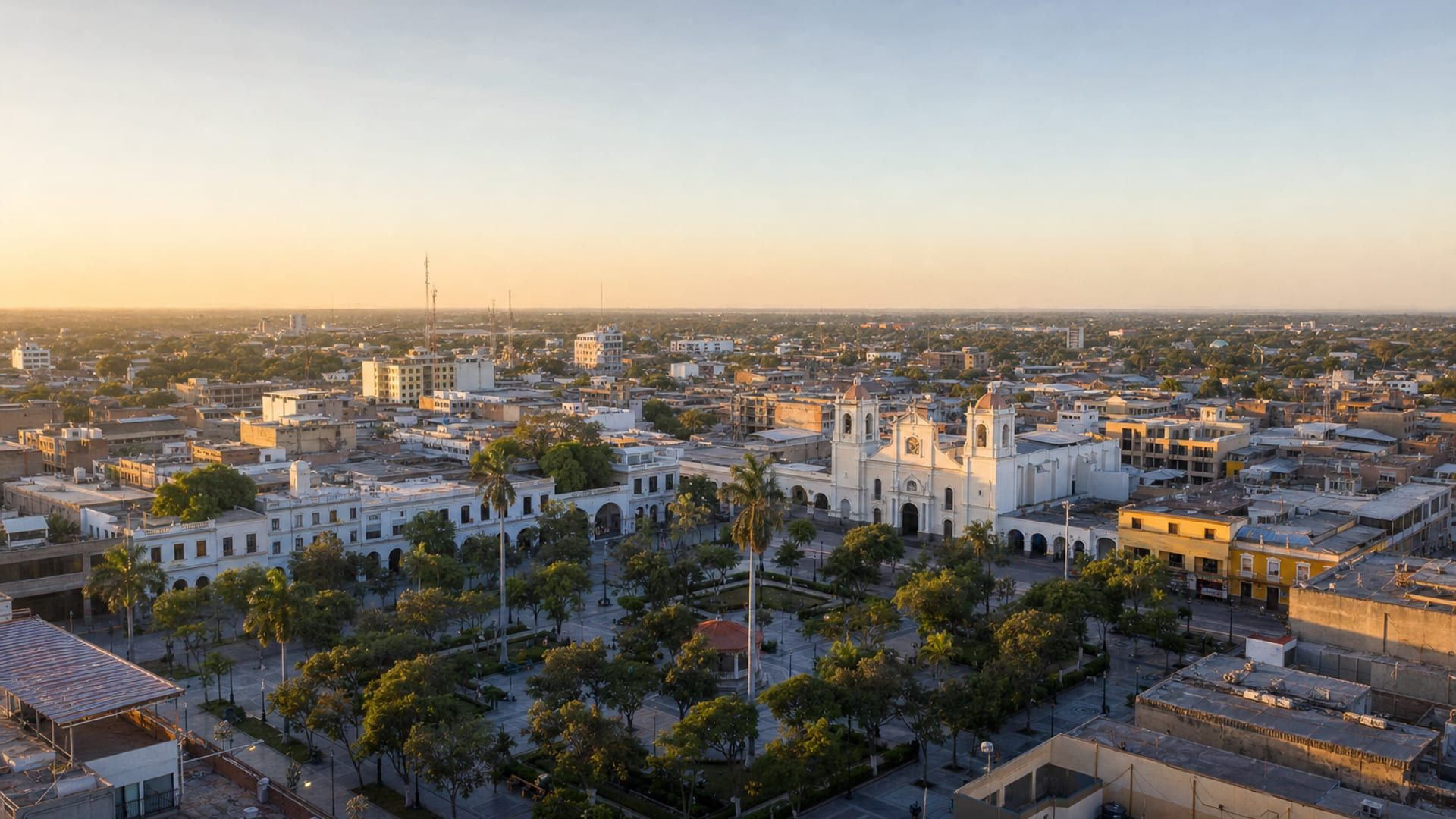
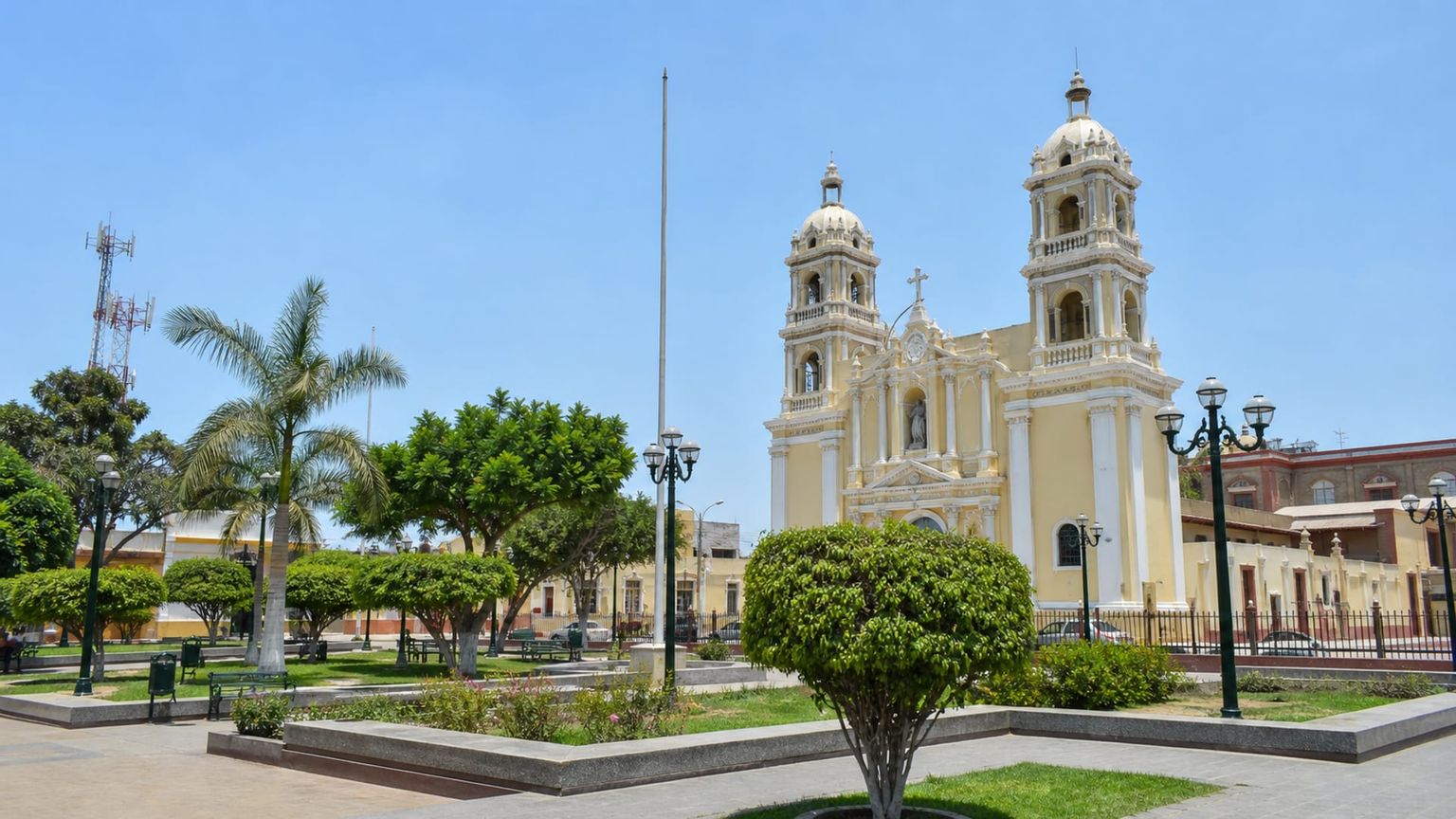
Piura’s main square anchors the historic center with the Cathedral of Piura, palm trees, and arcaded edges. It gives a clear first look at the city’s colonial core and sits within easy walking distance of nearby museums and streets.
Time needed: About 30 to 45 minutes
Entry: Free to access, with no ticket required for the square itself; nearby cathedral visits may have separate donation requests or opening-hour limits.
Tip: Visit early morning or late afternoon for softer light and cooler sidewalks.
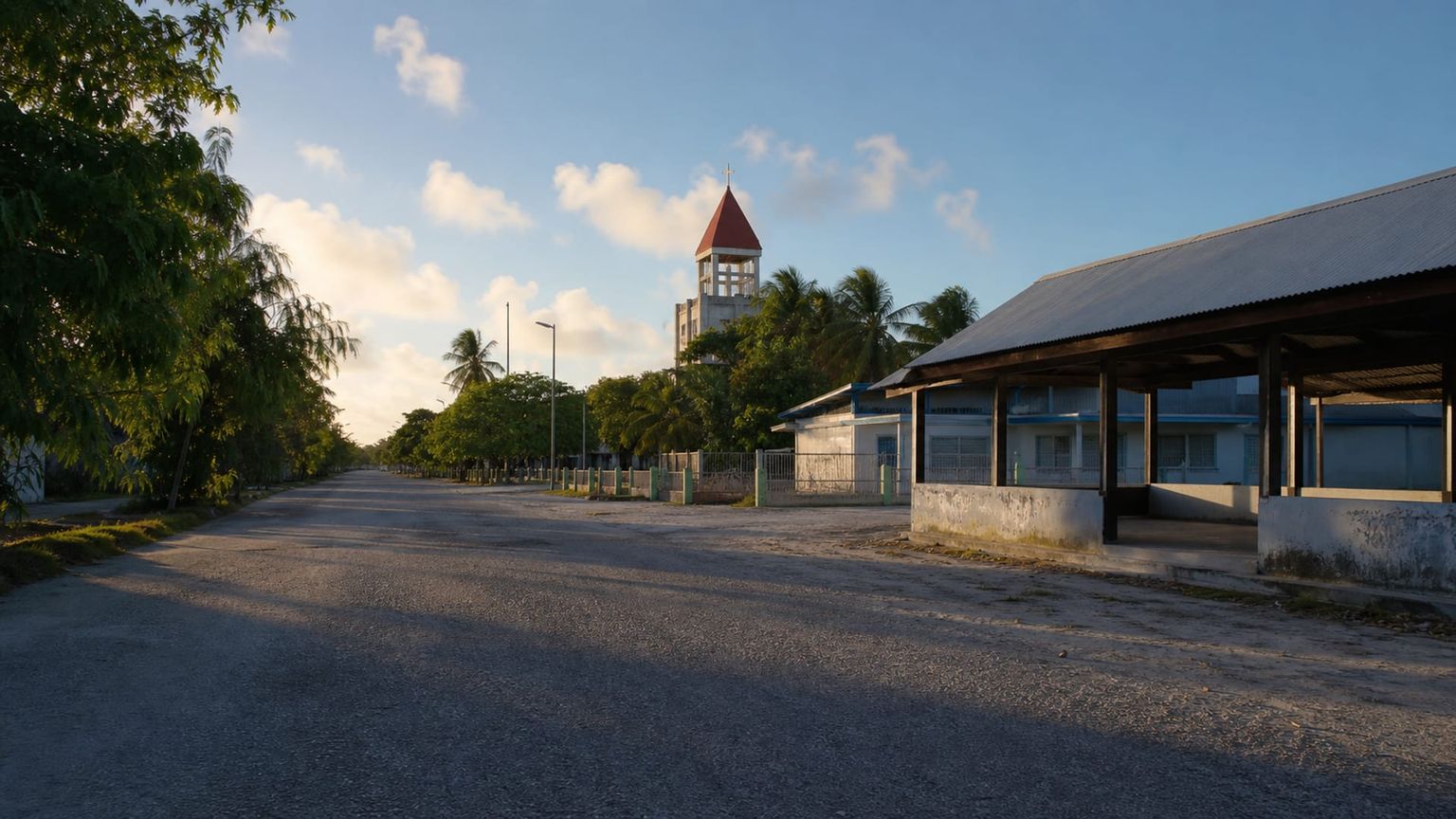
Cathedral of Piura
The Cathedral of Piura faces the main plaza and is one of the city’s most visible landmarks. Its white facade and simple interior make it a quick but worthwhile stop for anyone tracing Piura’s colonial history.
Time needed: About 20 to 30 minutes
Entry: Free to enter, though donations are welcome; access may be limited during Mass, religious events, and some holiday observances.
Tip: Check service times before you go, since worship takes priority over sightseeing.
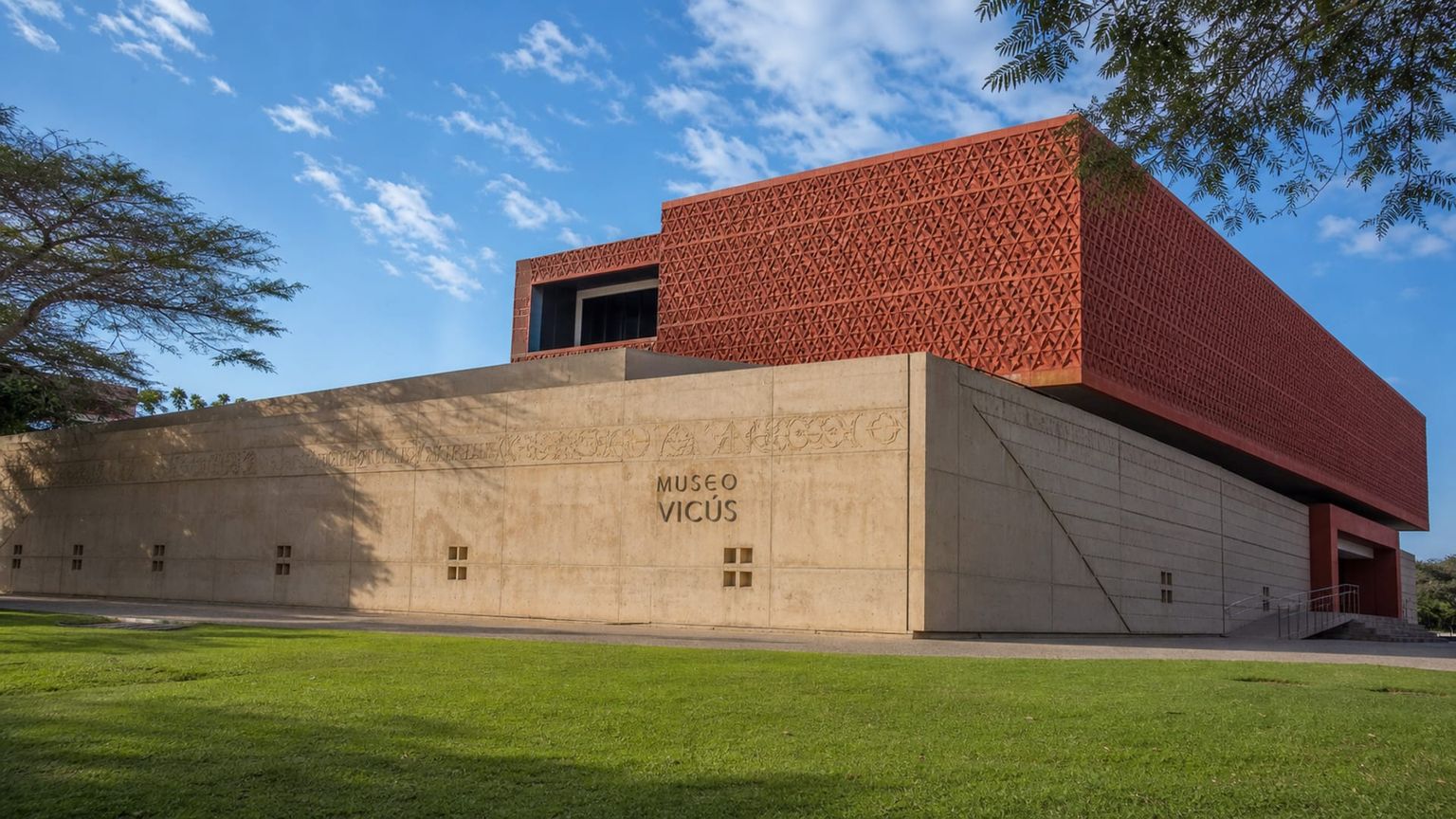
Museo Vicús
Museo Vicús highlights the pre-Hispanic cultures of northern Peru, especially the Vicús tradition linked to the Piura region. Its pottery, metalwork, and burial pieces add useful depth to a city visit.
Time needed: About 1 to 2 hours
Entry: Admission is usually free or low-cost, with occasional temporary exhibition fees; opening days and hours can change without much notice.
Tip: Go earlier in the day, because posted hours can shift during holidays and exhibit changes.
Overlooked sites worth visiting

Municipal Ecological Park Kurt Beer
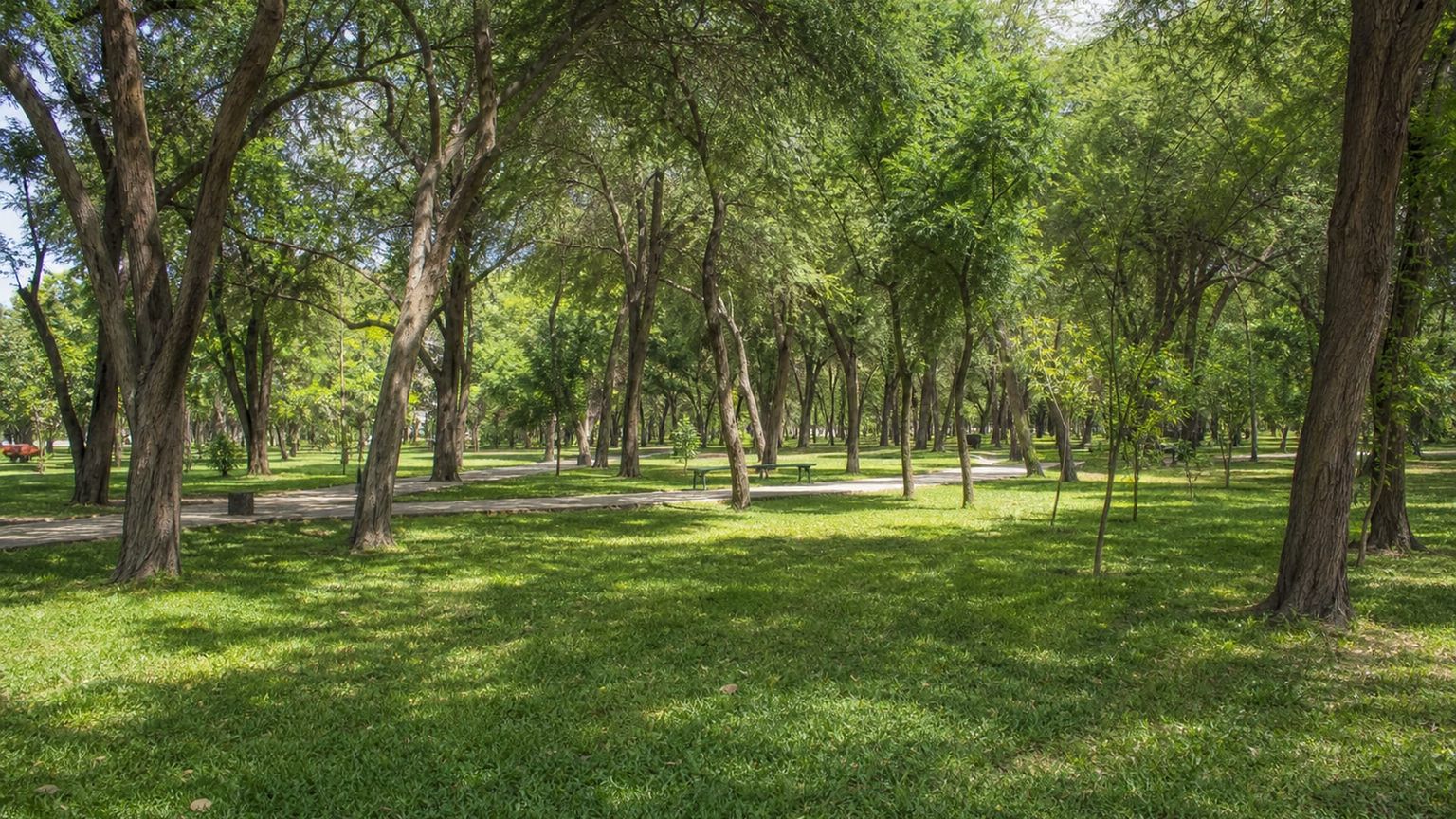
This tree-shaded park in northeastern Piura has walking paths, native plants, and a small zoo section with local species. It works well for a low-key hour outdoors away from the city center.
Time needed: About 1 to 2 hours
Entry: Admission is typically free or low-cost; donations may be requested for some activities. Check locally for current access rules, since parts of the grounds can open on limited schedules and small fees may apply for special exhibits.
Tip: Go in the morning for cooler paths and more active animals.

Miguel Grau House Museum
The former home of Admiral Miguel Grau presents photographs, documents, and period rooms tied to Piura’s most famous naval figure. Its small scale makes it an easy cultural stop in the historic center.
Time needed: About 45 minutes to 1 hour
Entry: Entry usually costs about $1 to $3 ($3 to S/11) per person, depending on the exhibit or local municipal schedule. Bring small bills, since the ticket desk may not accept cards for such a modest admission.
Tip: Visit before lunch, when the rooms are quieter and easier to view.
Traditional food
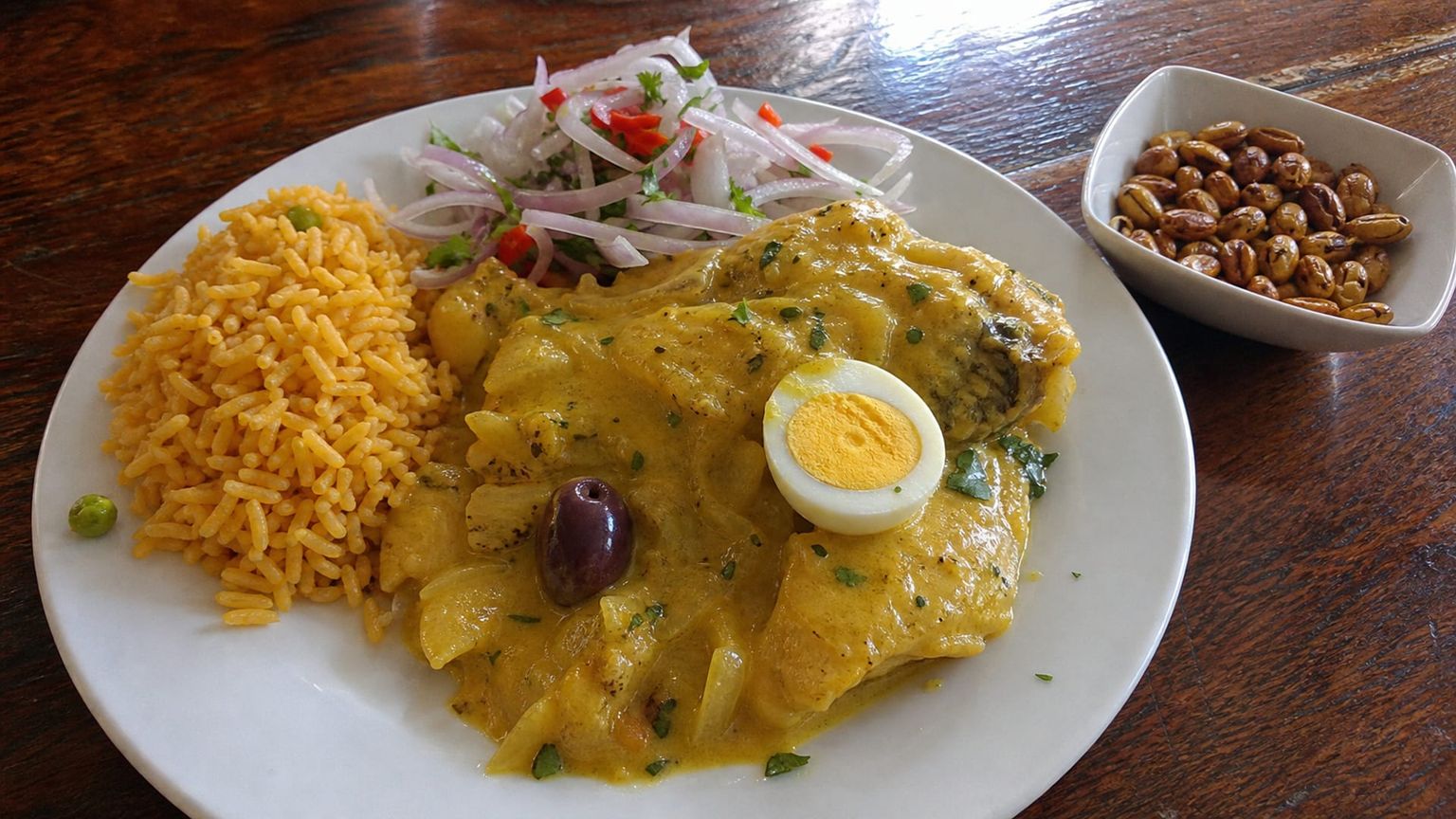
Piura’s table leans on coastal seafood, yuca, and slow-cooked meat, with ceviche, seco de chavelo, and majado appearing beside simple lunch plates and late dinners. Many places pause in the afternoon, so meal timing matters as much as the dish.
Seco de chavelo
This Piura staple blends beef, ripe plantain, yuca, and seasoning into a rich regional plate. La Tomasita in Piura Centro is a strong place to order it.
Majado de yuca
Mashed yuca usually comes with pork, plantain, and a bright, savory sauce that suits a midday meal. El Chalán Piura serves a well-known version in the city.
Ceviche de mero
Local ceviche uses firm grouper for a clean, sea-forward plate with lime, onion, and chili. Restaurant Negritos in Piura is a dependable stop for it.
Sudado de cabrilla
This fish stew brings cabrilla, tomatoes, and broth to the table in a dish that works well at lunch. La Bernardina in Piura is a fitting restaurant for it.
Best time to visit Piura
Piura stays hot most of the year, but the dry season brings easier sightseeing while the wetter months add more humidity and occasional heavy showers.
Best for: Early museum visits and shaded lunch plans
What you get: Roughly 75-95°F (24-35°C), with lighter visitor flow but intense midday heat
Trade-offs: Afternoons can feel draining, and a sudden shower may interrupt outdoor plans
Best for: Balanced city walks and easier taxi movement
What you get: About 72-91°F (22-33°C), with moderate crowds and manageable daytime heat
Trade-offs: Humidity can still build by late morning
Best for: Plaza time, museums, and longer walks downtown
What you get: Approximately 67-86°F (19-30°C), with the driest air and the most comfortable sightseeing window
Trade-offs: Popular hours around the center can feel busier at lunch
Best for: Neighborhood visits and flexible half-day outings
What you get: About 72-93°F (22-34°C), with lighter crowds and rising heat toward noon
Trade-offs: Temperatures climb quickly after breakfast
A realistic 5-day plan in Piura
The five-day plan keeps Piura centered on short transfers and sensible timing. It starts with the historic square, then adds museums, a park, and neighborhood time so you can see more than the main plaza without spending the whole trip in transit.
Land at Piura (PIU), then take a taxi into Piura Centro, usually about 15 to 20 minutes and roughly $4 to $8. If your hotel sits near Plaza de Armas, you can settle in quickly, drink water, and take an easy first walk only to the main square for a brief look at the cathedral frontage and the arcades before dinner. Keep supper simple on the central streets, where you can find a light plate and avoid a late cross-city ride.
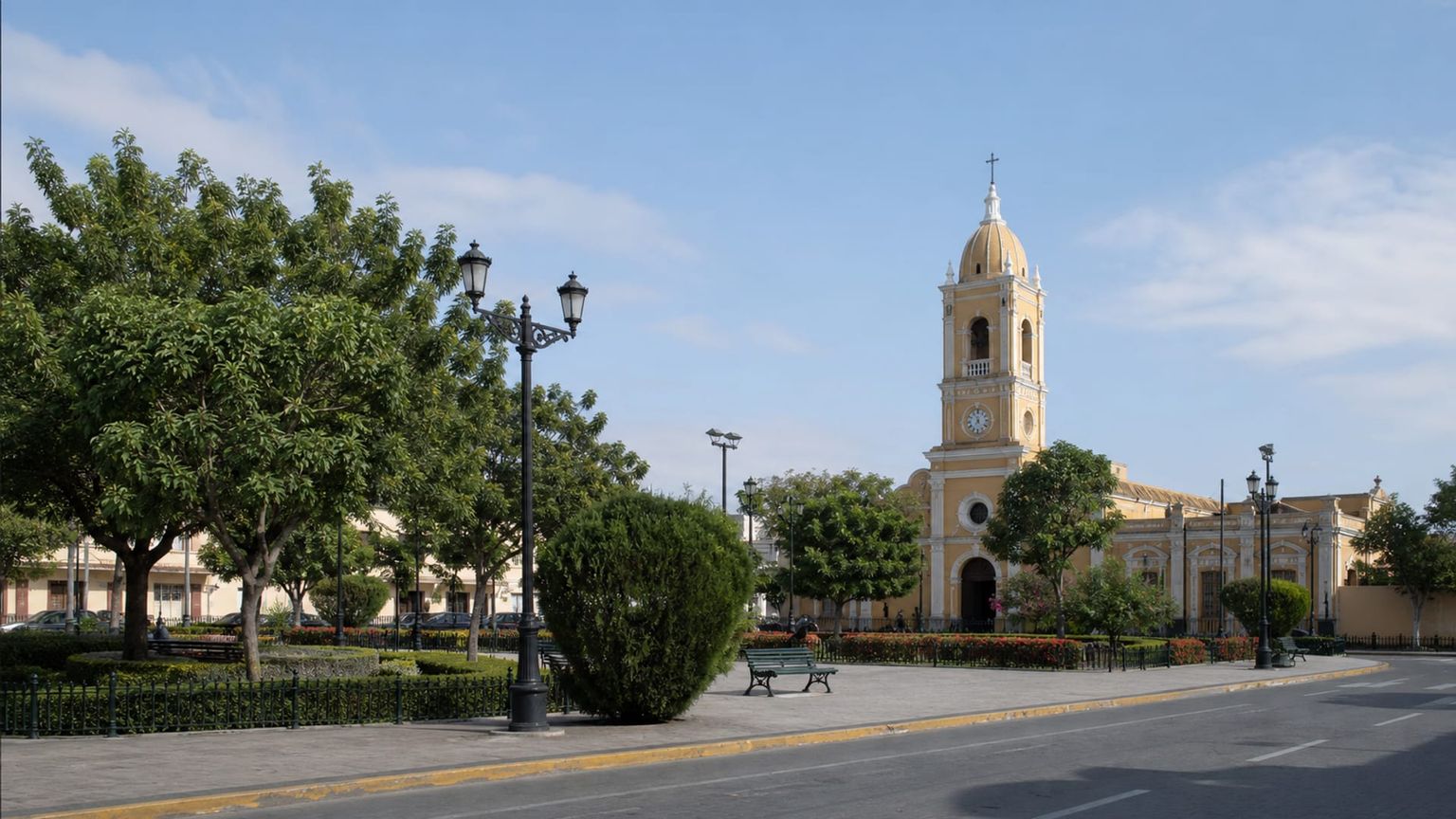
Start at Plaza de Armas de Piura, then walk about 3 to 5 minutes to the Cathedral of Piura for a short visit before the midday heat builds. From there, continue about 10 to 12 minutes on foot to Museo Vicús, where the pre-Hispanic galleries give the day more depth without requiring much transit. Plan lunch back in Piura Centro, then finish with a slow loop through the surrounding historic streets, which keeps the whole day compact and walkable.
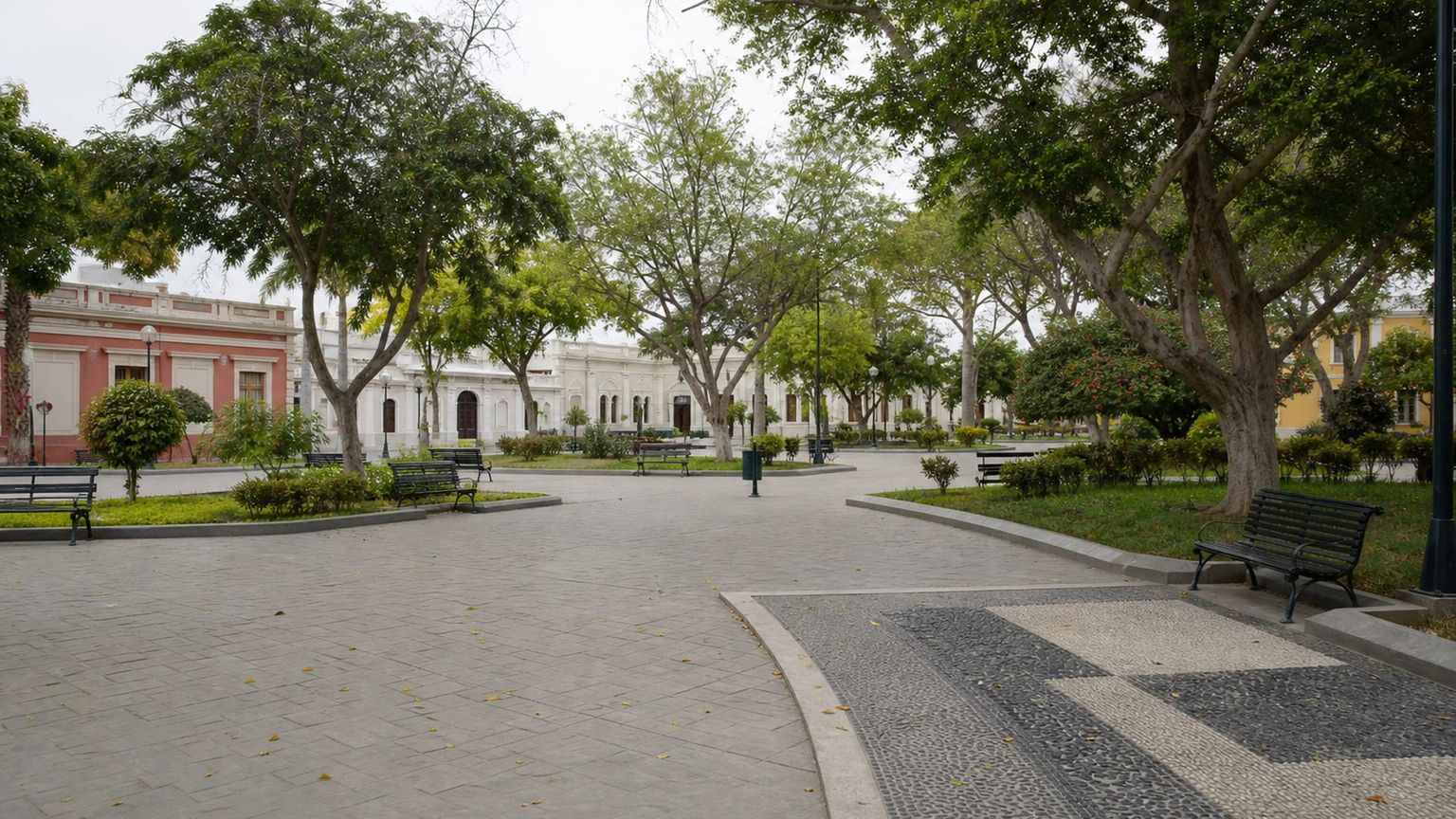
Head east in the morning to the Miguel Grau House Museum, about 10 to 15 minutes by taxi from Piura Centro, and spend roughly an hour with the photographs and period rooms. Next, continue to the Municipal Ecological Park Kurt Beer, which takes about 15 to 20 minutes by taxi from the museum, for shaded paths and a longer outdoor break. Return toward the center before dinner, since the park sits away from the main restaurant cluster and works best as a daytime outing.
Begin in Cercado de Piura Norte, then make your way to the historic core, about 10 to 15 minutes on foot to Plaza de Armas if you are staying in the area. Visit the cathedral again if you want a second, quieter look, then walk about 5 to 10 minutes to nearby central cafés or market streets for a late breakfast and a slow lunch. In the afternoon, shift back toward Miraflores or San Eduardo by taxi for an easier dinner close to your hotel, since those districts have more neighborhood dining along the main roads than on side streets.
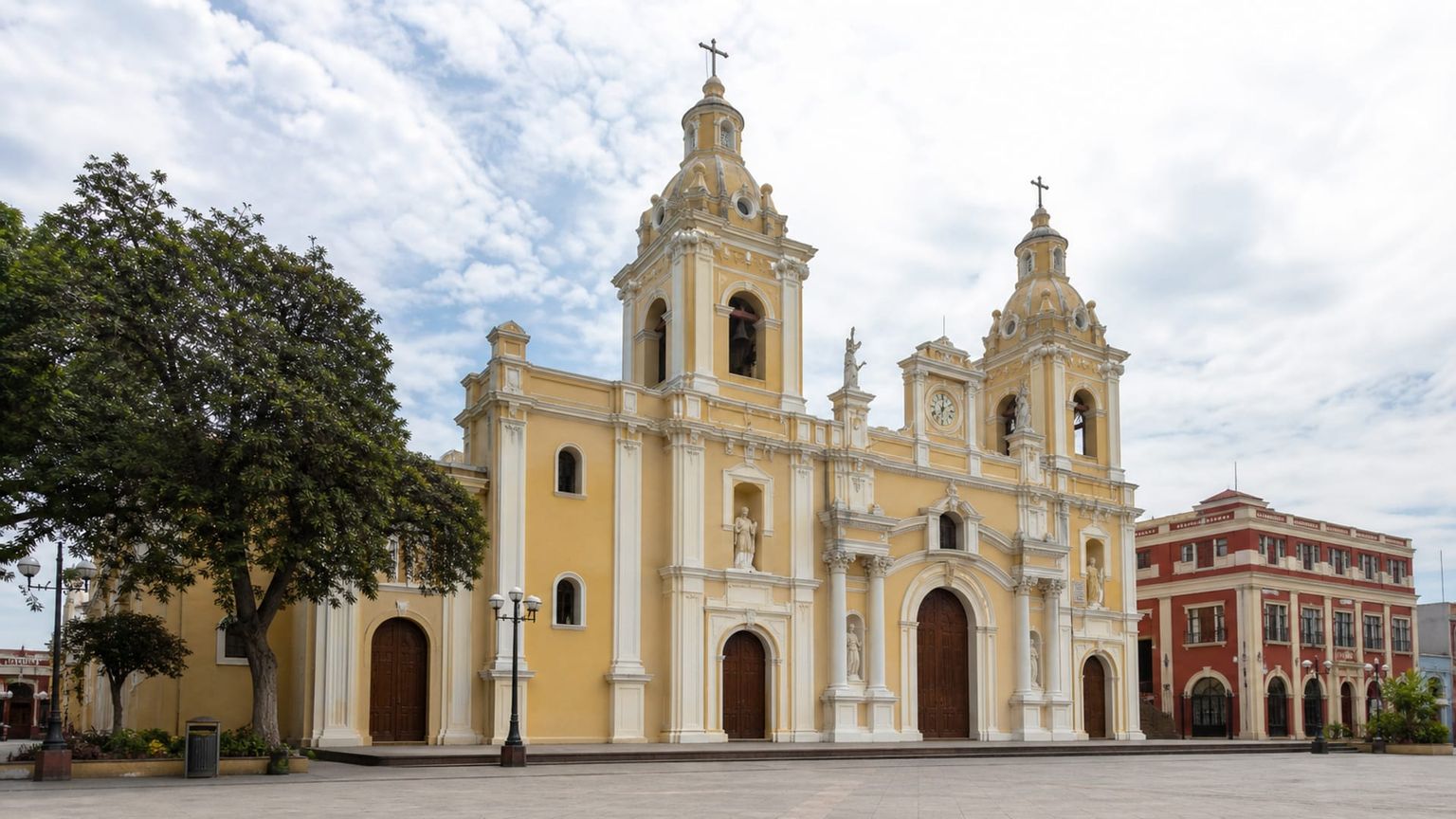
One last morning in Piura works best around a short museum stop and a low-key neighborhood finish: return to Museo Vicús if you missed anything, then spend the rest of the day in Miraflores, where supermarkets, local eateries, and a few cafés give you simple options before departure. If your flight leaves later, have coffee near your hotel and pick up any last purchases in Piura Centro, then take a taxi to Piura (PIU) with enough margin for traffic.
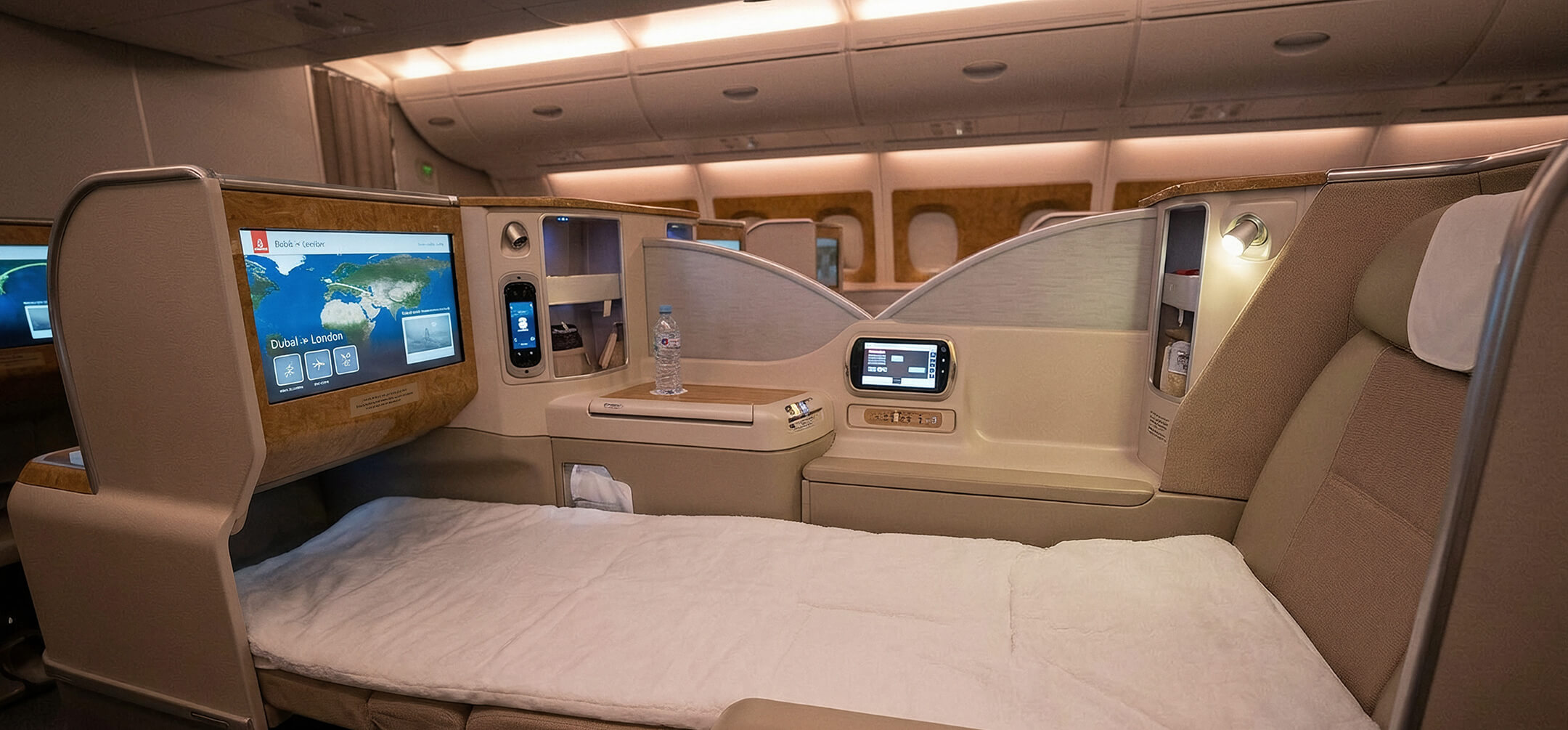
Business-class flights from the US to Piura
Reaching Piura from the United States usually means a one-stop itinerary, and the route choice matters more than the airline logo. From both coasts, the most common connections funnel through a few major hubs.
From New York, LATAM Airlines, Avianca, Copa Airlines, Delta Air Lines, and American Airlines all appear on common itineraries. Expect about 10 to 15 hours overall, with connections often routed through Lima (LIM) or Panama City (PTY); if you do not mind a layover, those routings via Lima (LIM) or Panama City (PTY) often cut the fare. Prices start from $1,300 to $2,600, and the faster options usually track closer to the shorter end of that range.
Los Angeles travelers usually see LATAM Airlines, American Airlines, Delta Air Lines, Copa Airlines, and Avianca on the booking screen. Typical total travel time runs about 8 to 13 hours, and the most common hubs are LIM, BOG, PTY, MIA, and MAD. Prices run about $1,000 to $2,200 round-trip, with one-stop itineraries usually priced below nonstop-adjacent options.
Piura feels different when you slow down
A deliberate Piura trip works best when you match the city’s heat and distance patterns, starting in Piura Centro, then moving to Museo Vicús, Kurt Beer, or the Miguel Grau House Museum only when the timing fits. Taxis make the cross-town pieces easier, while the plaza and cathedral reward slow walking in the morning or late afternoon. For hotel choices, meals, and flight planning, use the details here with AranGrant experts and shape the trip around the center rather than fighting it