

Chapters:

Need help with your trip?
Our support team is available 24/7. Request a callback or call us directly at (833) 619-0908
New York City trips often start with the same list, Times Square, a skyline deck, and one downtown landmark, then leave little room for the neighborhoods in between. Travelers usually miss how much time the city asks for between stops, even on a short stay.
Distances across Manhattan add up, crowds slow landmark visits, and cross-town transfers can turn a full day into a rushed one. Without a clear order, even good plans can waste hours on repeat rides and backtracking.
This guide separates arrival, downtown, park time, and west-side sightseeing into a five-day structure that keeps movement intentional and the pace realistic.
Useful things to know

Main language(s): English

Currency: The local currency is the US dollar (USD, $).

Cash and cards: Cards and contactless are widely accepted; keep about $20 to $40 in cash for small purchases and tips.

Tipping: Tip 15-20% in restaurants, and round up small fares and drinks.

Traditional food: New York-style pizza, bagels with lox, pastrami on rye, cheesecake

Water and coffee costs: Water ~€? ($?); bar espresso ~€? ($?).

Taxis and ride apps: Uber and Lyft operate here; confirm pickup zones at the airport.

Plug and voltage: Type A/B socket, 120V

Dining and shop opening hours: Breakfast is about 07:00-10:00, lunch 12:00-14:30, and dinner 18:00-22:00. Many kitchens stay open late, especially in Manhattan.

Emergency number: 911 for police, fire, and medical emergencies.
Where to stay in New York City
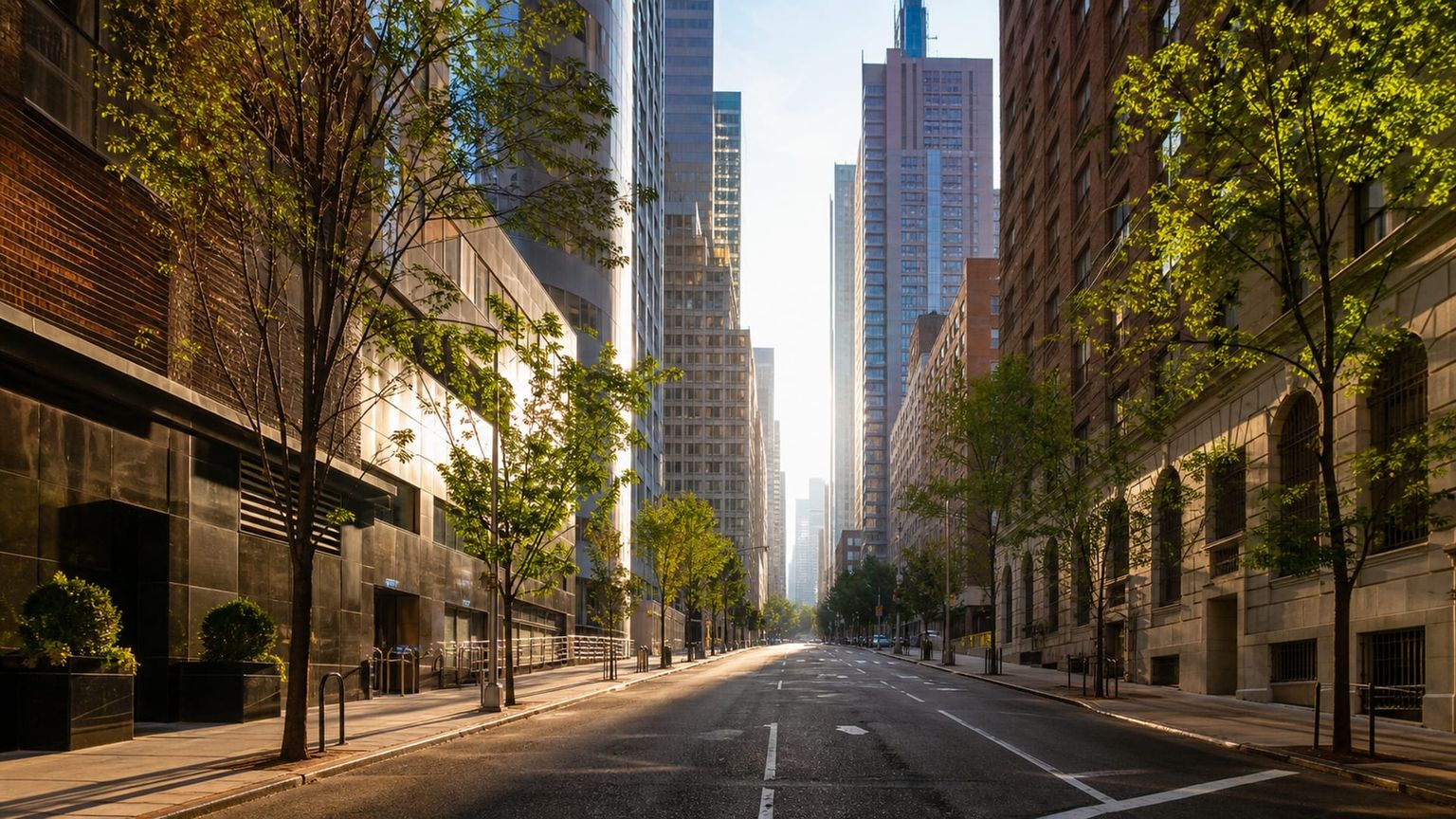
Midtown West puts you beside Times Square, the Theater District, and major transit hubs, so it suits visitors who want to pack sightseeing, Broadway, and late dinners into short hops. The blocks are busy, but the location cuts cross-town travel time.
Best for: Broadway, first-time visits, and travelers who want quick access to central sights
What to expect: Heavy foot traffic, constant cabs, and bright sidewalks from morning through late night.
Hotel prices: Usually about $250 to $500 per night for well-rated stays
Distance to major sights: 5 to 15 minutes on foot to Times Square; about 15 minutes on foot to Bryant Park
Quietness: Daytime is busy and noisy, while evenings stay lively with theater crowds and late diners.
Main trade-off: Hotel rates often climb here, and some streets feel commercial rather than residential.
Good to know: Choose a room on a higher floor if street noise matters, especially on weekends and show nights.
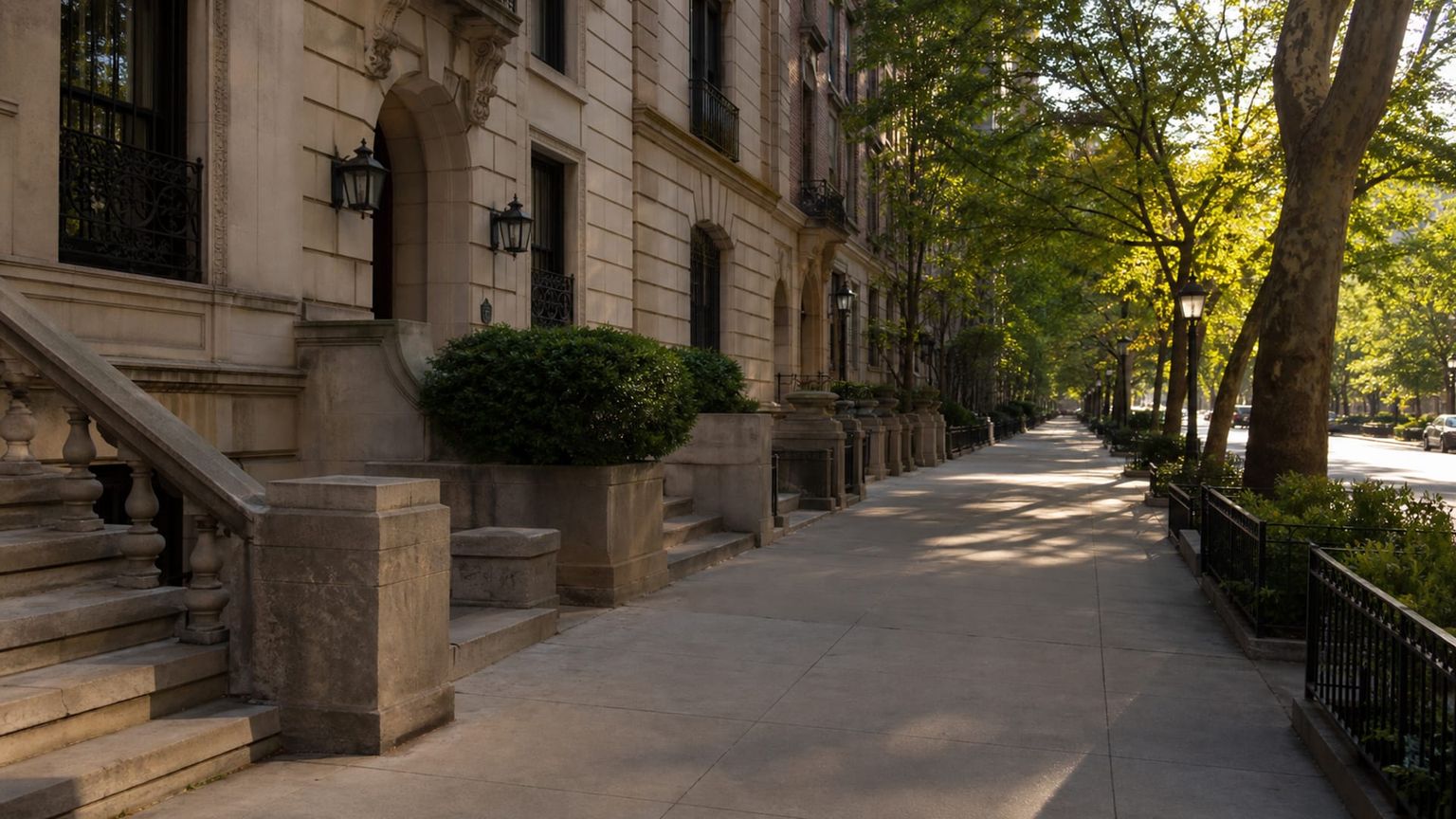
The Upper West Side stretches along Central Park and Riverside Park, with classic apartment blocks, local restaurants, and easy subway links downtown. It suits travelers who want a residential base with fast access to museums and park walks.
Best for: Museum visits, park time, and travelers who prefer a residential base
What to expect: Sidewalk cafes, grocery stores, families, and a steady local pace rather than tourist-heavy blocks.
Hotel prices: Usually about $220 to $420 per night for well-rated stays
Distance to major sights: 10 to 20 minutes by subway to the Museum of Modern Art; about 15 minutes on foot to Central Park
Quietness: Quieter at night than Midtown, though avenues still carry traffic and some restaurant noise.
Main trade-off: You will ride the subway for many Downtown and Brooklyn plans, so evening transit time adds up.
Good to know: Look near the 1, 2, or 3 lines if you plan to move around the city every day.
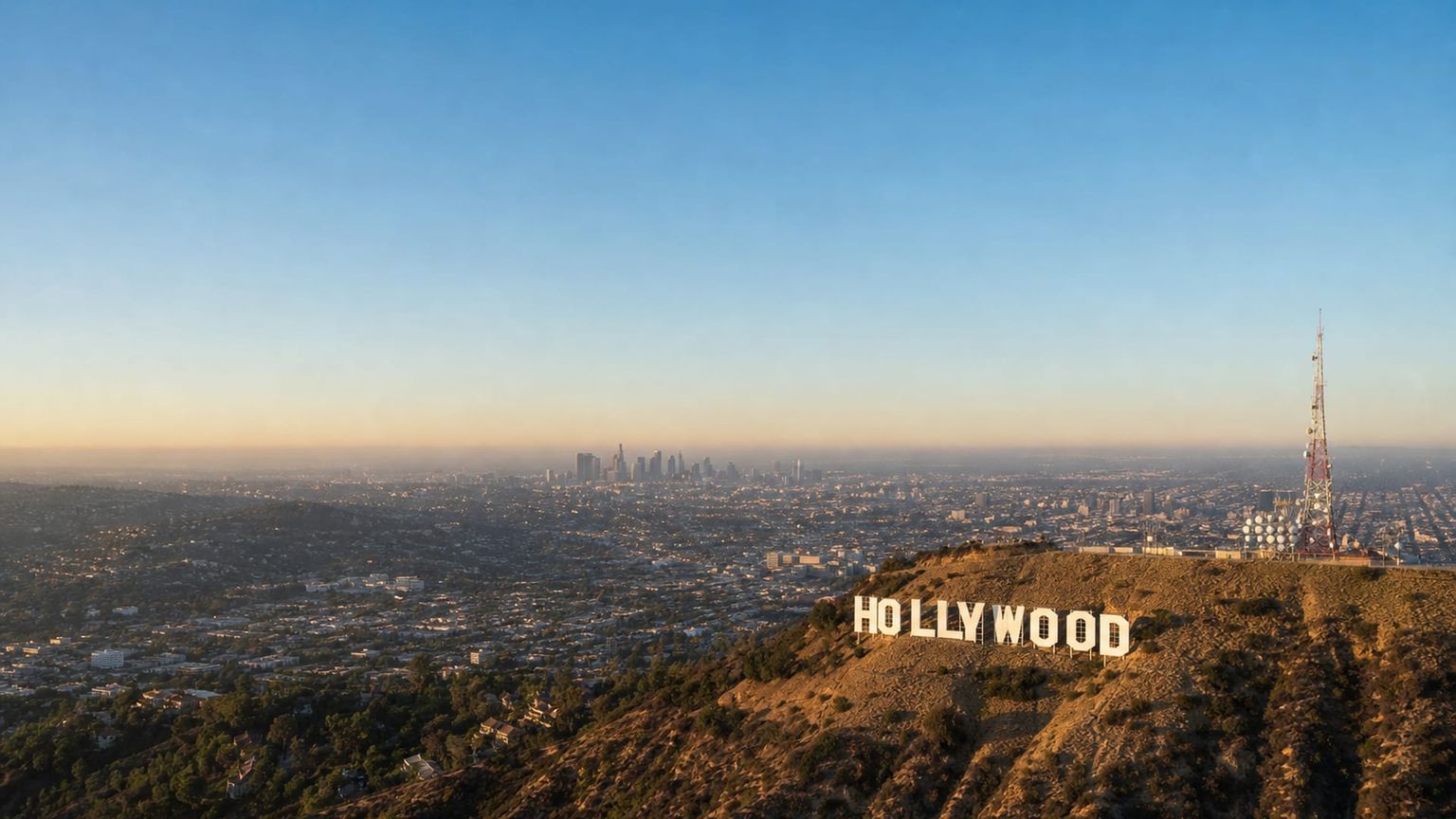
Chelsea sits between Midtown and the West Village, with art galleries, the High Line, and easy access to Penn Station and the Hudson River waterfront. It works well for visitors who want a central base with a mix of dining, galleries, and walkable attractions.
Best for: Gallery visits, the High Line, and central access to both Midtown and Downtown
What to expect: Mixed-use blocks, steady restaurant traffic, and a good amount of walking between sights.
Hotel prices: Usually about $240 to $480 per night for well-rated stays
Distance to major sights: 10 to 15 minutes on foot to the High Line; about 15 minutes by subway to Times Square
Quietness: Quieter on side streets, while major avenues and late-night dining spots stay active into the evening.
Main trade-off: Well-located hotels can cost more here, and some blocks feel stretched out between subway stops.
Good to know: If you want to use Penn Station often, pick a stay west of Seventh Avenue to trim daily walking.
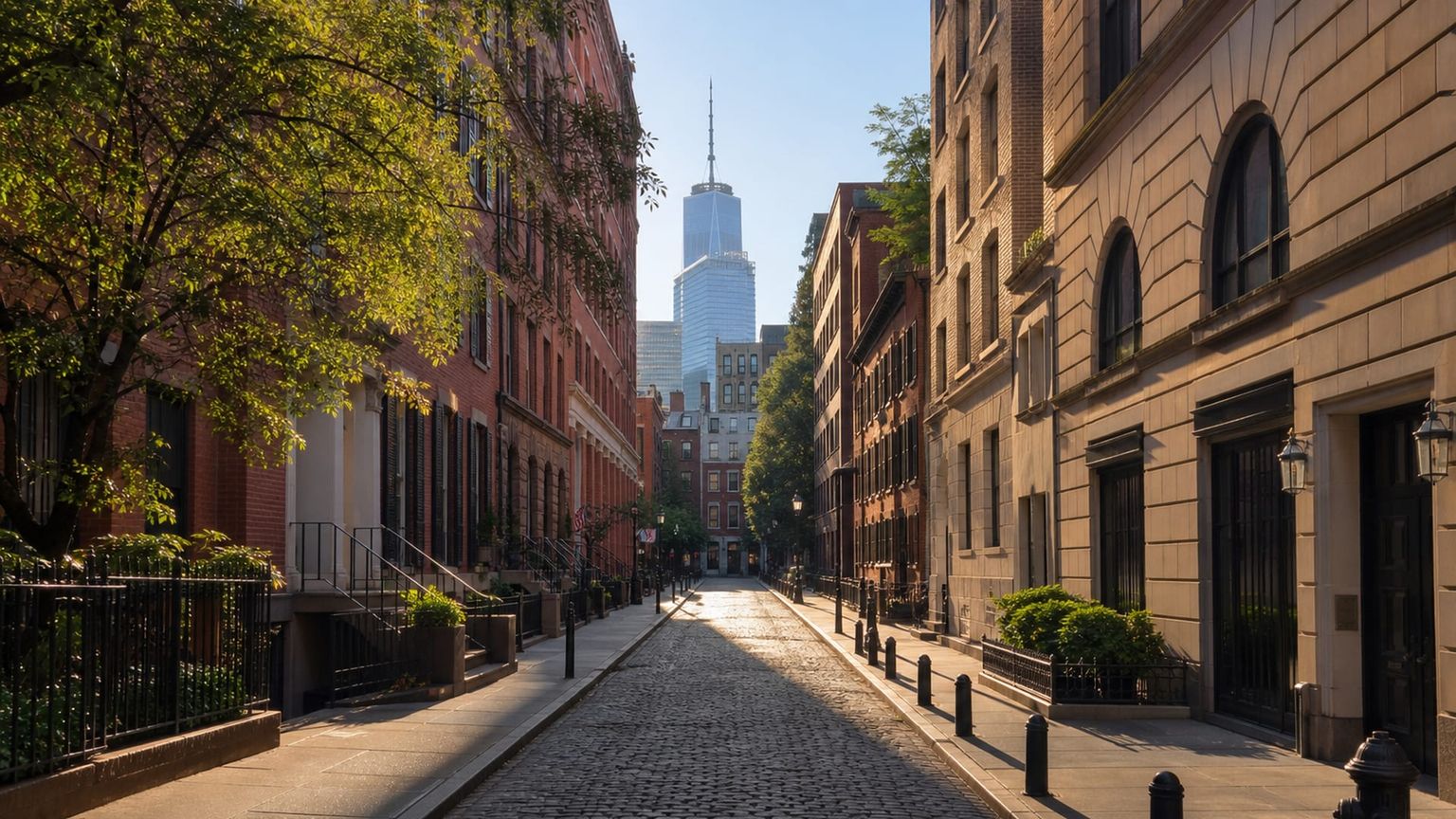
Lower Manhattan covers the Financial District, Battery Park City, and nearby Civic Center blocks, putting you close to the Statue of Liberty ferries, the 9/11 Memorial, and subway lines in every direction. It is a strong base for downtown sightseeing and early departures.
Best for: Downtown sightseeing, ferry access, and travelers with early departures
What to expect: Office towers, tourist clusters near major landmarks, and a busier weekday feel than late-night neighborhood life.
Hotel prices: Usually about $220 to $450 per night for well-rated stays
Distance to major sights: 5 to 15 minutes on foot to the 9/11 Memorial; about 20 minutes by subway to Midtown
Quietness: Softer at night than Midtown after the offices empty, but weekday mornings and tourist zones can still be crowded.
Main trade-off: Dinner choices thin out after office hours, and many streets feel quieter once the workday ends.
Good to know: If you want nightlife, plan to head elsewhere, since most late venues sit north or across the river.
Travelers usually avoid the far eastern edges of Queens, including Jamaica and Far Rockaway, because they sit far from Manhattan sights and have fewer visitor-focused hotel options. Parts of Upper Manhattan above Harlem, especially Washington Heights and Inwood, are less convenient for first-time stays since they are a long trip from most major attractions and have fewer late-night dining and shopping choices. Travelers also tend to skip the outer sections of Brooklyn, such as East New York and Canarsie, because they are far from the main sightseeing areas and require longer evening transfers back from dinner or shows.
Hotel deals
How to get around New York City efficiently
New York City’s subway runs all night, and that matters more than any single route, since it keeps Manhattan, Brooklyn, Queens, and the Bronx connected when roads slow down.

Metro
for longer distances
New York City’s subway runs 24/7, with a single-ride fare of $2.90, and 7-day unlimited rides cost $34; tap OMNY or use a MetroCard. It covers Manhattan, the Bronx, Brooklyn, and Queens, with trains often faster than road traffic for cross-town or airport-linked trips, though local and express patterns vary by line and time of day.

Bus and tram
for convenience
MTA buses fill the gaps the subway leaves, especially for crosstown Manhattan rides, outer-borough neighborhoods, and airport connections; the fare is $2.90, with free transfers for up to 2 hours when you use the same payment method. Limited-stop, Select Bus Service, and local routes all share the same base fare, and you board at the front, then pay at the kiosk or tap at the door on SBS routes.

Taxi
for convenience or late hours
Yellow taxis can be hailed on the street in Manhattan and at taxi stands, while green cabs mainly serve the outer boroughs and Upper Manhattan. Trips are metered, with a base fare of $3.00 plus time and distance, a $1.00 improvement surcharge, and common extras for tolls and peak periods; airport trips from New York (JFK), New York (LGA), and Newark (EWR) have flat fares or regulated tariffs depending on the airport, and most cabs take cards as well as cash.
*Prices are based on rates updated as of July 2026 and may change at the time of travel.
Use the subway for most cross-town and downtown trips, buses for crosstown gaps and airport-linked stretches, and taxis when you want point-to-point travel late at night or with luggage.
Iconic landmarks
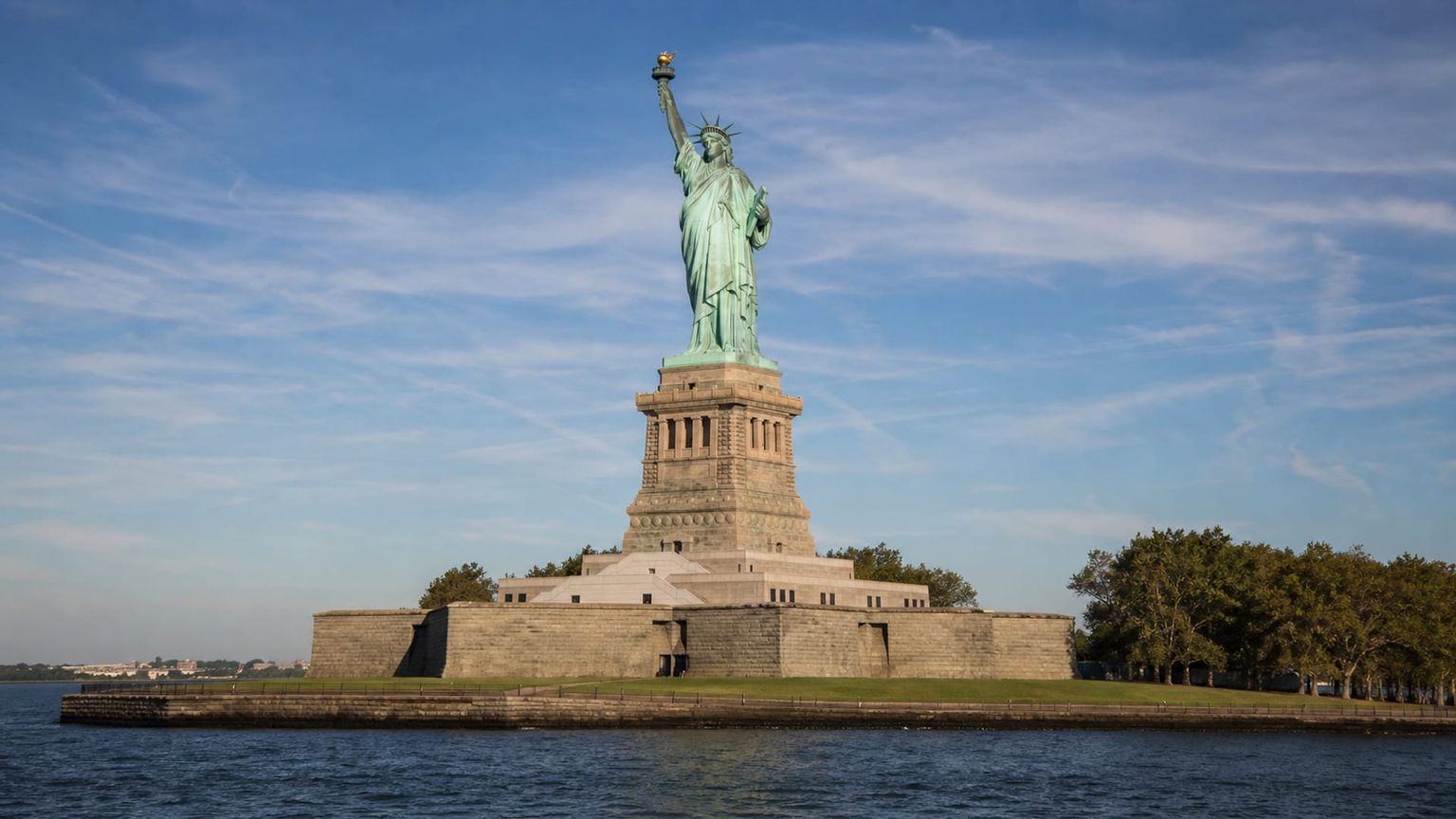
Statue of Liberty National Monument
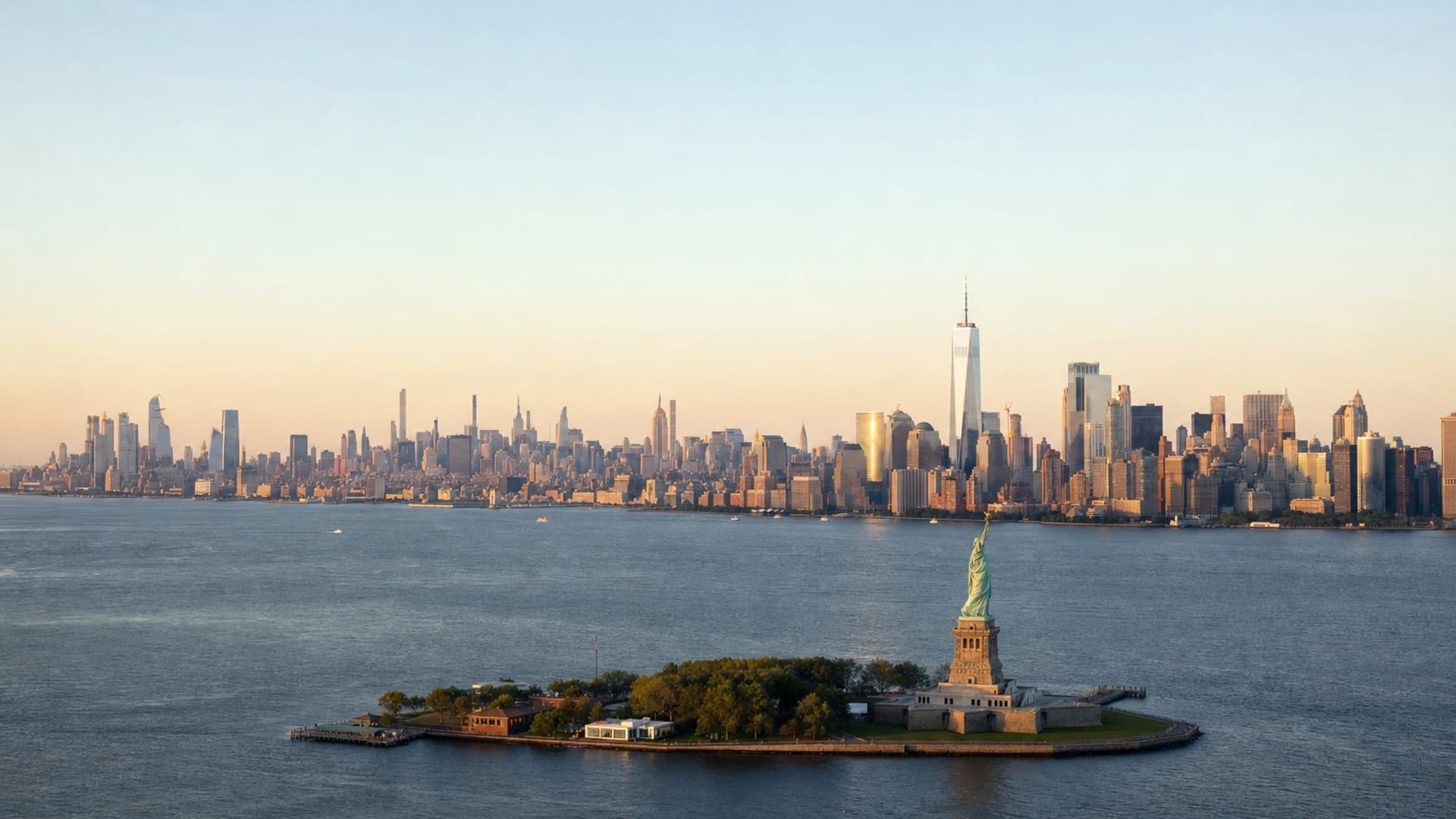
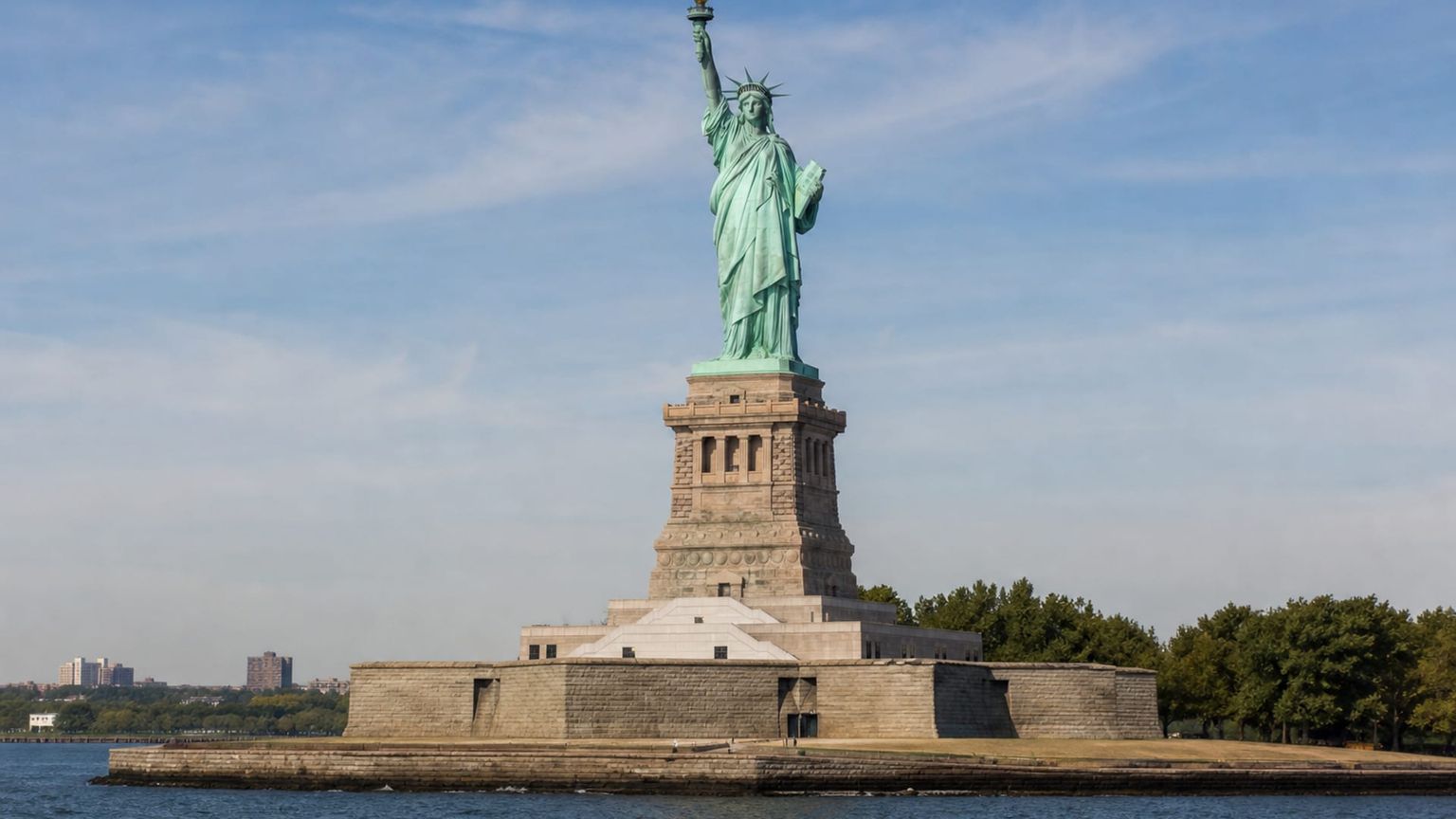
Lady Liberty stands on Liberty Island in New York Harbor, reachable by ferry from Lower Manhattan. The monument pairs the harbor walk, museum, and skyline views, with extra depth if you add the pedestal or crown access.
Time needed: About 2 to 3 hours
Entry: Ferry access costs $25.50 to $25.80 ($25.50 to €23.80), with pedestal and crown access priced higher on selected tickets. Visit the official site for details.
Tip: Take the first ferry for shorter lines and clearer harbor light on the return.

Central Park
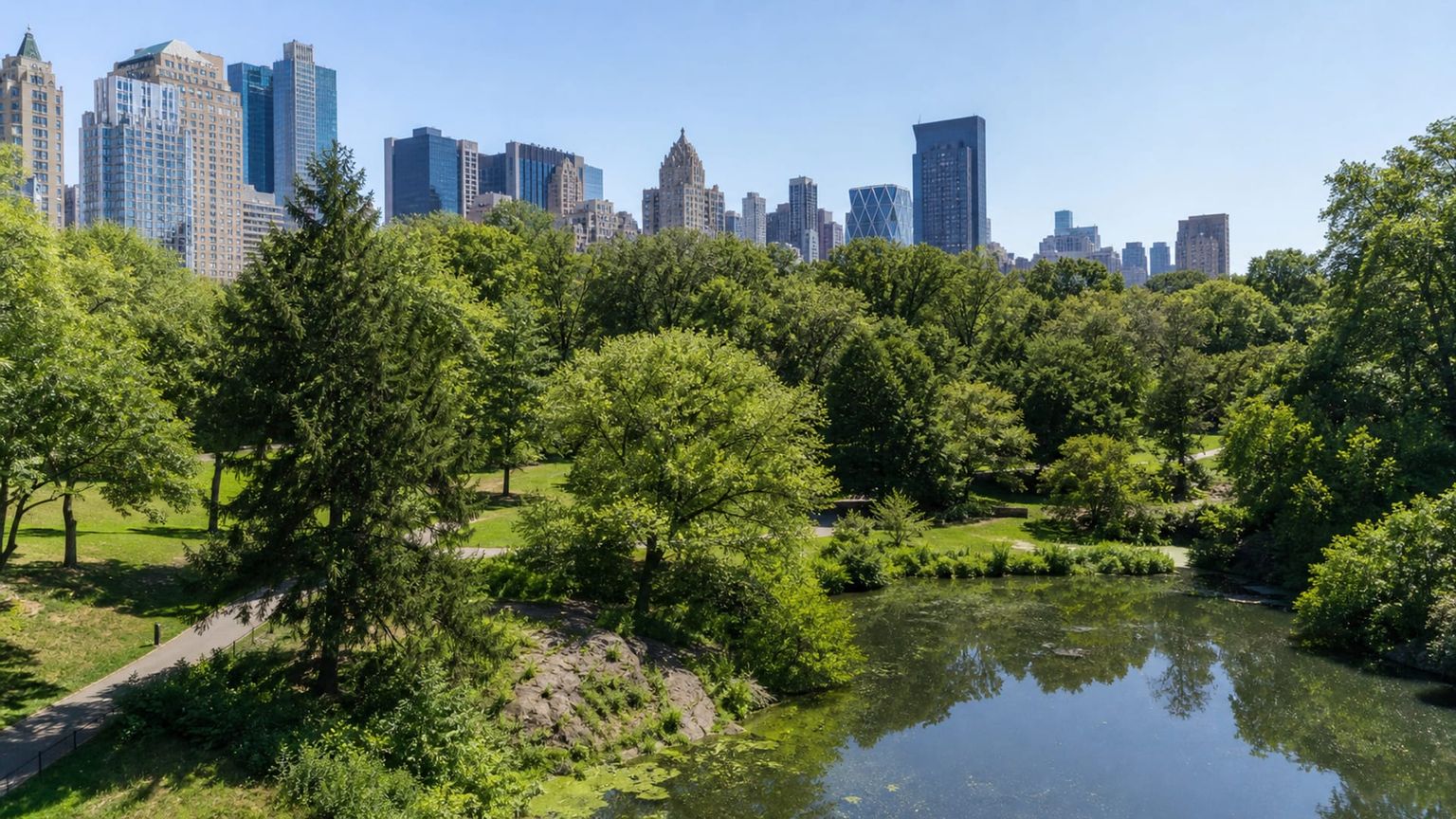
Central Park stretches through Midtown and the Upper West and East Sides, with bridges, lawns, and landmark stops like Bethesda Terrace, Bow Bridge, and the Ramble. It gives you a wide cross-section of Manhattan in one visit.
Time needed: About 2 to 4 hours
Entry: Free to access; optional paid activities such as carriage rides, boat rentals, and the zoo vary by operator and season. Visit the official site for details.
Tip: Go early morning for quieter paths and softer light across the main bridges.
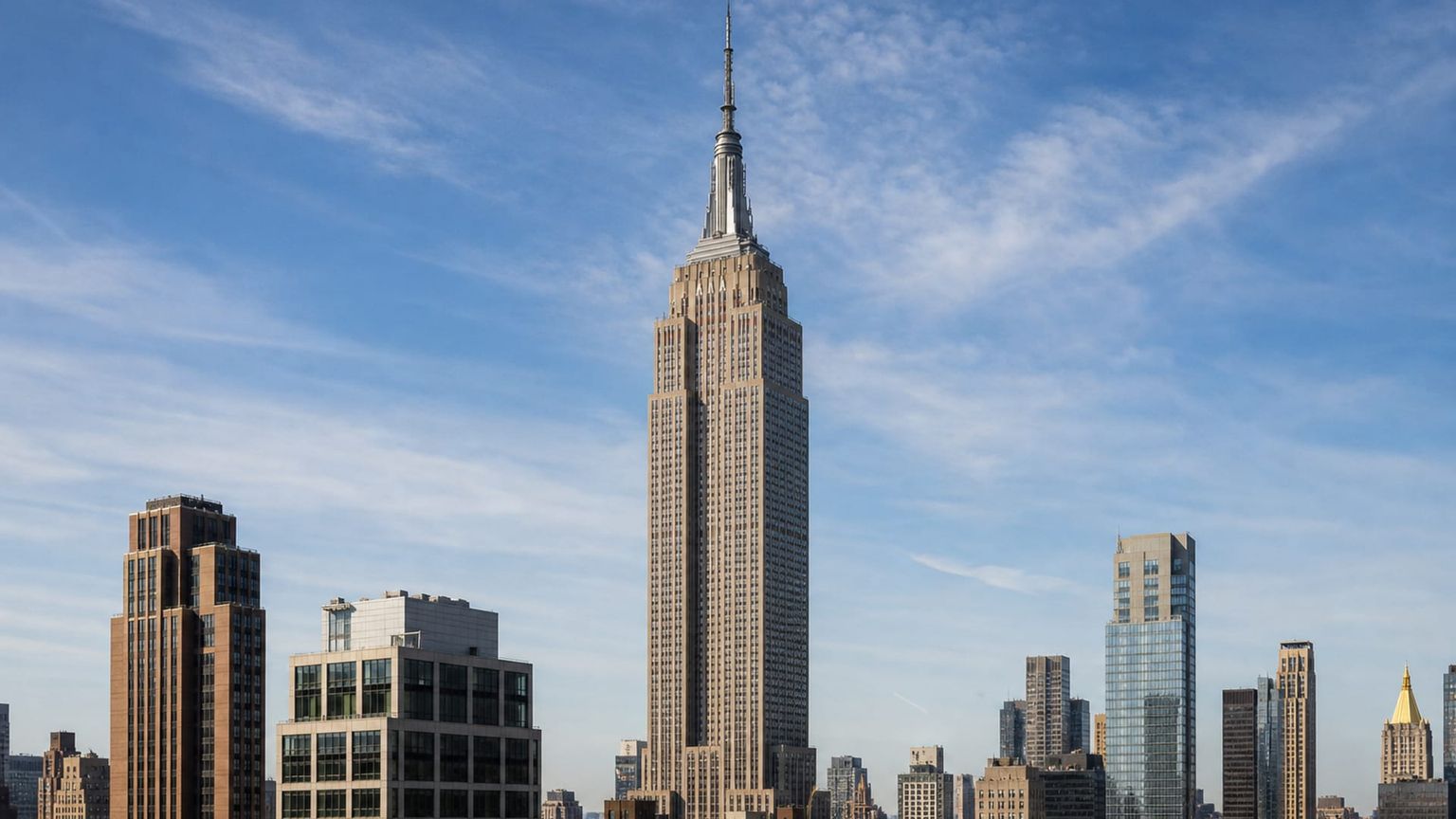
Empire State Building
The Empire State Building rises in Midtown Manhattan, with observatories on the 86th and 102nd floors and clear sightlines to the Hudson, East River, and Central Park. Its Art Deco lobby adds a historic stop before the elevators.
Time needed: About 1 to 2 hours
Entry: Standard tickets cost $44 to $79 ($44 to €72), depending on the observatory level, time of day, and whether you add skip-the-line access. Visit the official site for details.
Tip: Late afternoon gives you daylight views, then city lights after sunset.
Overlooked sites worth visiting

The elevated Acre at the High Line
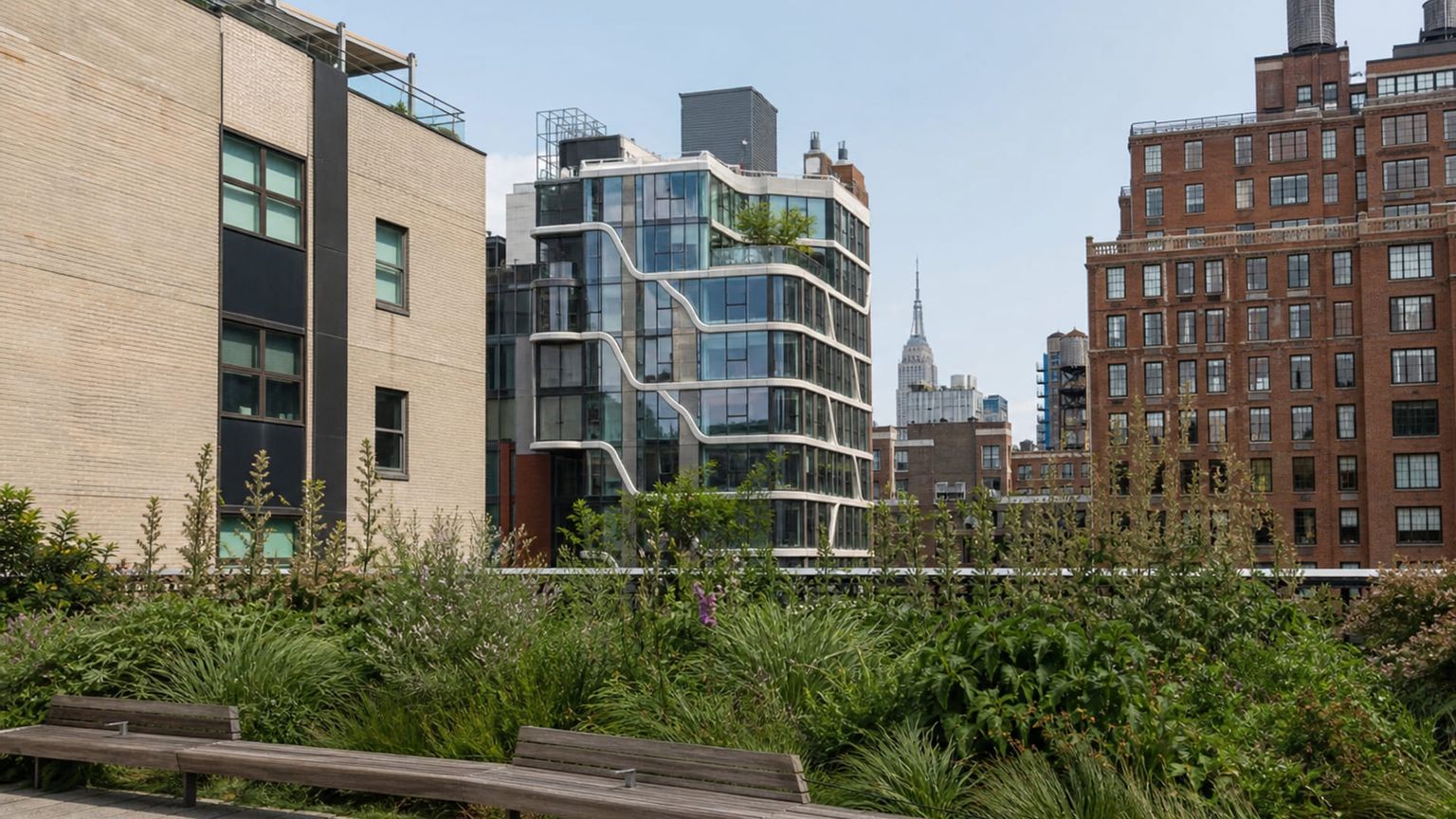
A short stretch above Chelsea’s galleries, this planted rail line offers river views, public art, and quiet benches between 14th and 30th Streets. Visit early for fewer crowds.
Time needed: About 1 hour
Entry: Free to access, with timed entry occasionally used for special programs or ticketed events. There is no standard admission fee for general walking access, but some nearby exhibitions and performances on the line may carry separate charges. Visit the official site for details.
Tip: Go at sunrise for open sightlines and softer light.

Morbid Anatomy Museum at Green-Wood Cemetery
Inside Green-Wood Cemetery, this small museum spotlights death culture, curiosities, and historical objects in a single room of exhibits. Pair it with a calm walk past the cemetery’s hills and monuments.
Time needed: About 1 to 2 hours
Entry: Admission varies by exhibition and event, typically about $10 to $20 ($10 to $20). Some talks, tours, or special programs cost more, and tickets may be sold separately from general entry depending on the calendar. Visit the official site for details.
Tip: Combine it with a late-afternoon cemetery walk.
Traditional food
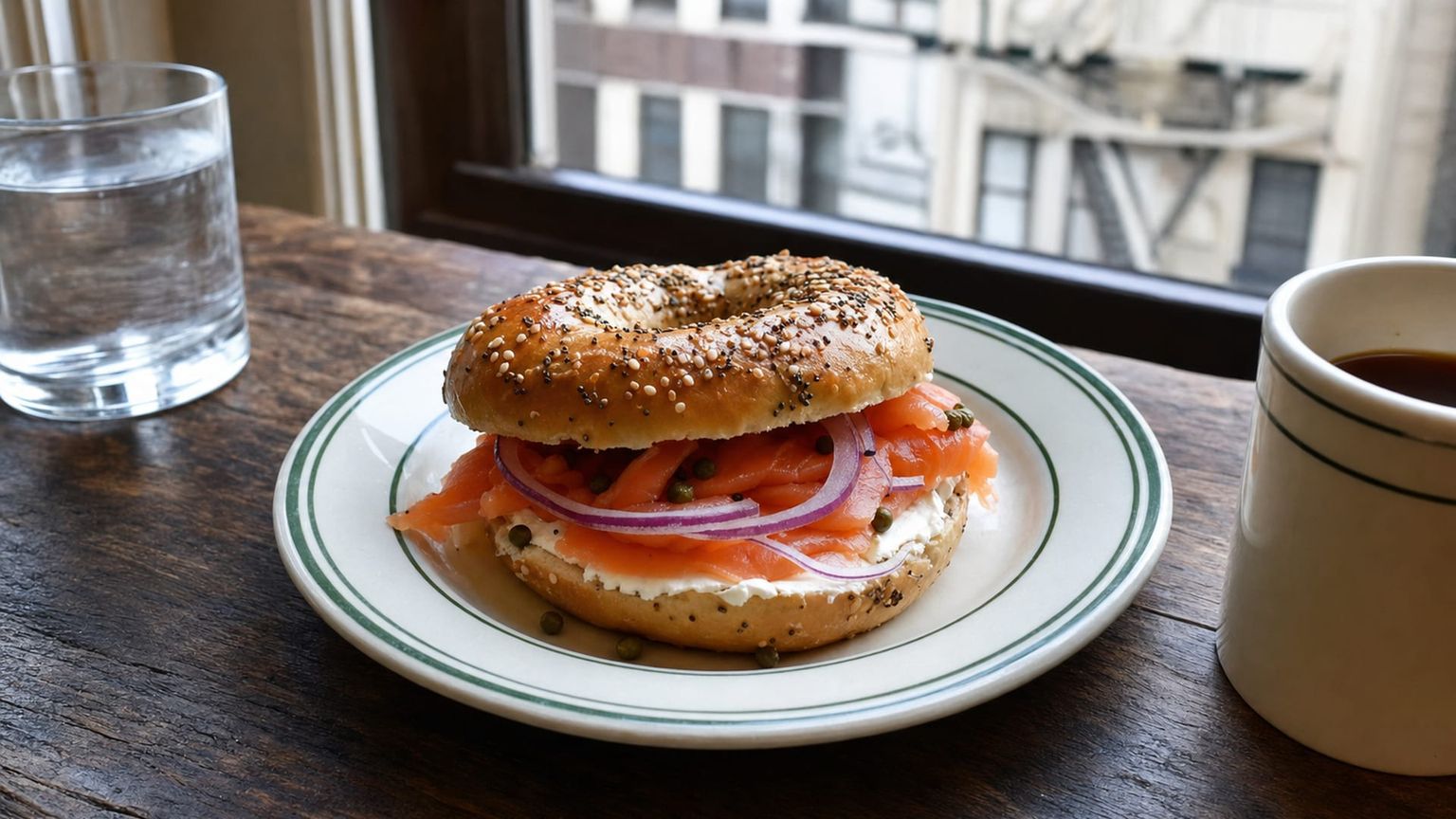
New York’s food scene leans on bagels, pizza, rye bread, smoked fish, and rich desserts, with late dining built into the city’s pace. Portions are generous, flavors are direct, and neighborhood institutions matter as much as trends.
New York-style pizza
Thin, foldable slices define the city’s best-known food, with a crisp edge and a sauce-forward bite. Joe’s Pizza in Greenwich Village is one of the classic stops for a first slice in New York City.
Bagels with lox
A proper New York bagel should have chew, a glossy crust, and enough structure to hold cream cheese and smoked salmon. Ess-a-Bagel is a long-running Manhattan name for this order.
Pastrami on rye
This deli staple layers hot pastrami on rye with mustard, often in a sandwich big enough for a slow lunch. Katz’s Delicatessen remains the city’s reference point for the dish.
Cheesecake
New York cheesecake is dense, smooth, and rich, usually served in generous slices. Junior’s in Brooklyn is the best-known destination for the classic version.
Best time to visit New York City
New York works in every season, but the balance between walking comfort, park time, and crowd levels changes quickly from winter to summer.
Best for: Park walks, rooftop views, and long sightseeing days
What you get: Temperatures usually range from about 45 to 70°F (7 to 21°C), with moderate crowds and a steady rise in outdoor activity
Trade-offs: Rain can interrupt plans, and April weekends draw more visitors
Best for: Late nights, waterfront walks, and outdoor events
What you get: Temperatures often sit between about 70 and 88°F (21 to 31°C), with the heaviest crowds at major sights and on transit
Trade-offs: Humidity and heat make midday walking tiring
Best for: Clear light, park color, and museum days
What you get: Temperatures typically fall between about 50 and 72°F (10 to 22°C), with comfortable walking weather and strong demand around October
Trade-offs: Hotel rates often rise during peak foliage and event weekends
Best for: Museums, indoor dining, and holiday windows
What you get: Temperatures usually range from about 28 to 44°F (-2 to 7°C), with lighter crowds after the holiday period
Trade-offs: Cold wind and snow can slow outdoor sightseeing
A realistic 5-day plan in New York City
Five days in New York work best when you group neighborhoods instead of chasing landmarks in a single sweep. This plan starts with arrival and Midtown, then moves through Central Park, Lower Manhattan, the west side, and one final day for shopping or a last museum stop.
Land at New York (JFK), then take the AirTrain and subway into Midtown West, which usually costs about $11.40 and takes roughly 60 to 75 minutes door to door, or book a taxi for a flat fare of about $70 plus tolls and tip if you want a simpler arrival. Check into a room near Times Square or the Theater District, drink water before heading out, and keep dinner close by with a light meal in Midtown West so you are not crossing the city on your first night.
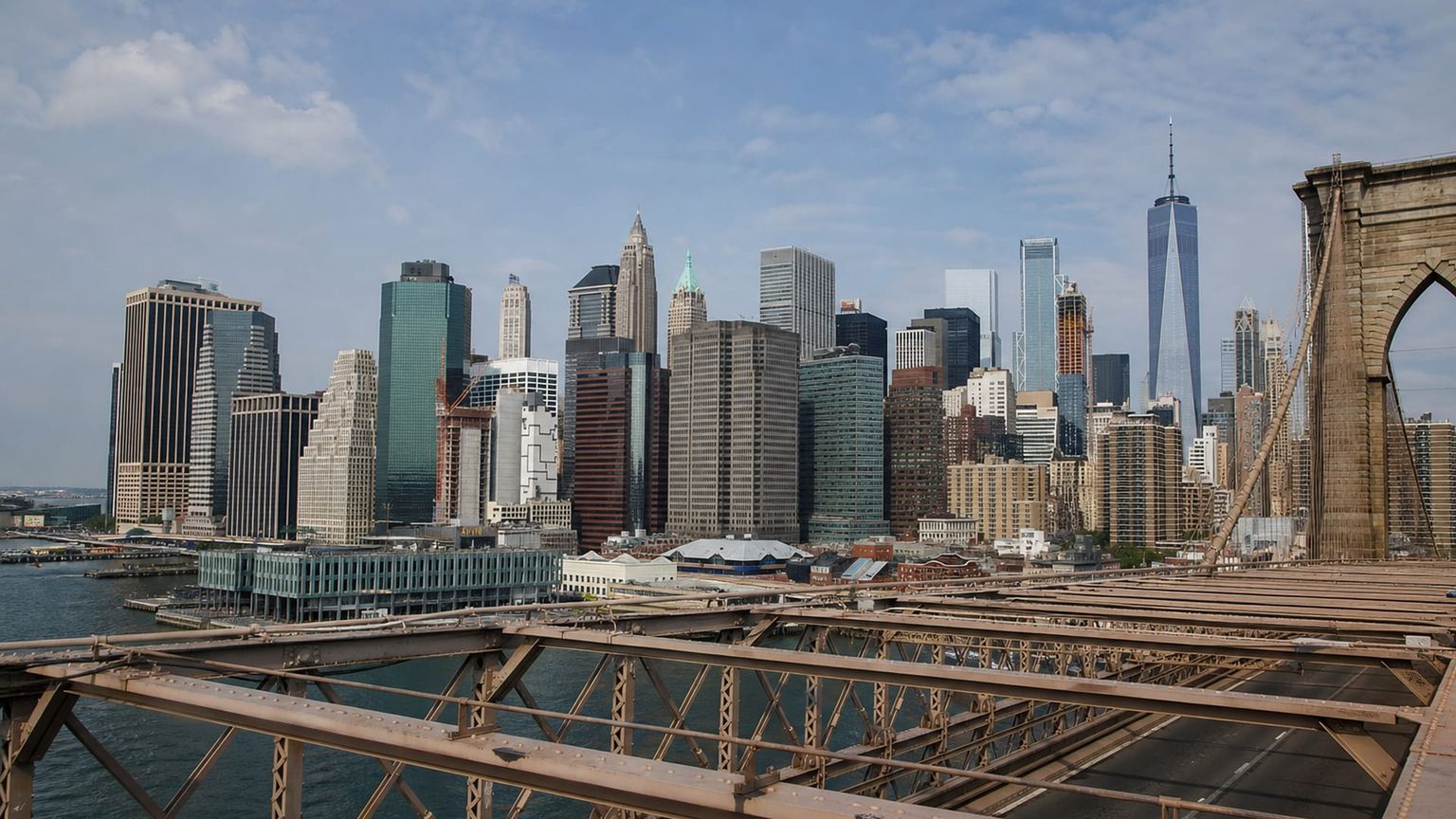
Start early in Central Park, entering from the Upper West Side for quieter paths, then spend about 2 to 4 hours moving past Bethesda Terrace, Bow Bridge, and the Ramble. From there, ride the subway about 15 minutes to the Empire State Building, where the observatory takes about 1 to 2 hours and the late-afternoon light works well for skyline views. Finish with dinner in Chelsea, about 10 to 15 minutes away by subway, so you can stay within a compact stretch of Manhattan.
Begin in Lower Manhattan with the 9/11 Memorial, then walk about 10 minutes to the ferry terminal for the Statue of Liberty National Monument, where the round trip and island visit take about 2 to 3 hours. Return to shore and spend the afternoon in Battery Park City or the Financial District, where the waterfront paths give you room to slow down between stops. End the day back downtown for an early dinner, since the area quiets after office hours.
Head to Chelsea first and walk the elevated Acre at the High Line in the early morning, when the planted walkway has fewer crowds and open Hudson River views. After about 1 hour there, continue on foot into the surrounding gallery blocks, then ride about 15 minutes to the Upper West Side for a museum visit or an easy park-side break near Central Park. That pairing keeps the day centered on west-side neighborhoods, with short rides instead of long cross-town transfers.
Start with one final museum stop on the Upper West Side or in Midtown West, then move to SoHo or Chelsea for shopping, where you can browse boutiques and design stores without rushing between far-flung neighborhoods. Close the trip with coffee and a late breakfast at a neighborhood cafe in Chelsea or the Upper West Side, then head back to your hotel and onward to New York (JFK), Newark (EWR), or LaGuardia (LGA) based on your departure time.
Business-class flights from the US to New York City
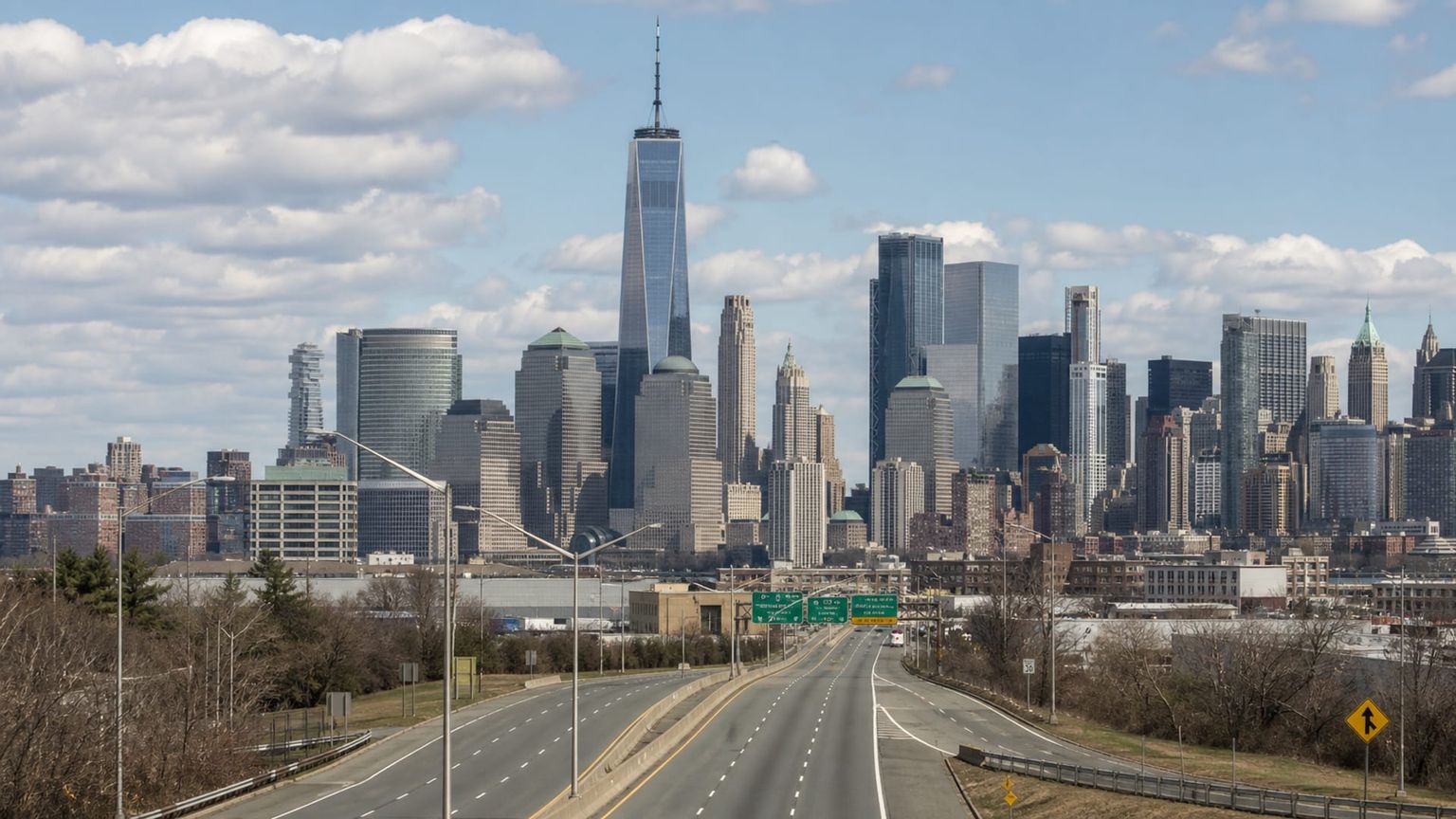
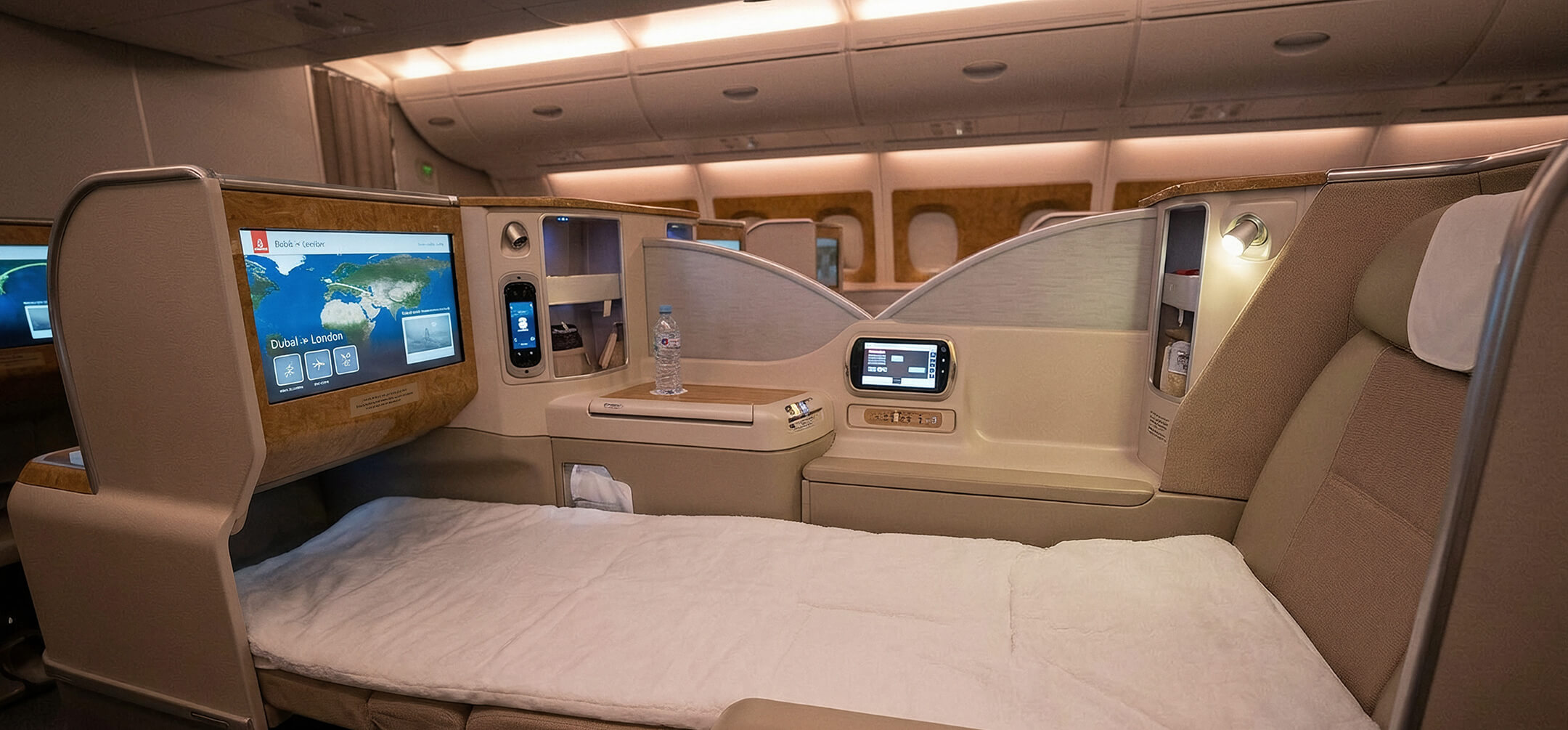
For a long-haul trip into New York, the most useful comparisons are the nonstop options and the one-stop fares that trade time for price. From both coasts, the route list is broad, so the best choice depends on how much time you want to save.
From New York, direct options on Emirates, Qatar Airways, Turkish Airlines, Air France, British Airways, and Lufthansa usually take about 12 to 14 hours. If you accept a connection, common stops through Doha (DOH), Dubai (DXB), Istanbul (IST), Paris (CDG), or London (LHR) can lower fares to roughly $4,200 to $7,500.
From Los Angeles, nonstop flying usually takes about 13 to 15 hours, with Emirates, Qatar Airways, Turkish Airlines, Singapore Airlines, Air France, and British Airways on the route list. If you do not mind a layover, common routings via Doha (DOH), Dubai (DXB), or Istanbul (IST) can bring fares down to roughly $3,800 to $6,800.
New York City feels different when you slow down
A well-paced New York City trip works best when it respects the distance between Midtown West, the Upper West Side, Chelsea, and Lower Manhattan. The city rewards days built around subway lines, ferry rides, and one clear neighborhood at a time, not a scramble across every famous block. If you want help matching flights, hotels, and a day plan to that structure, the AranGrant experts can narrow the options for your dates and route