

Chapters:

Need help with your trip?
Our support team is available 24/7. Request a callback or call us directly at (833) 619-0908
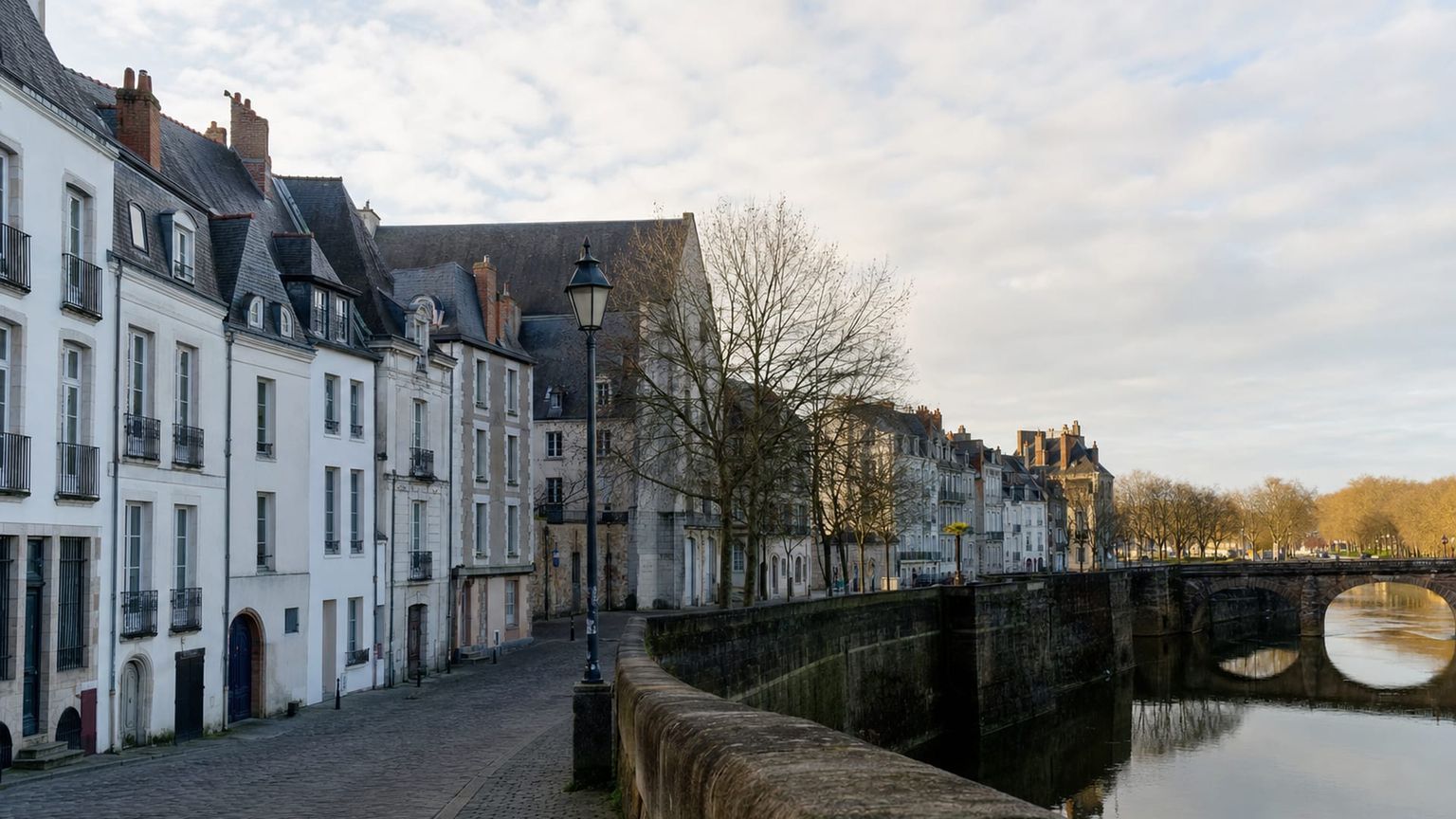
Nantes trips often start with the castle, the arcade, and a lunch near the center, then stop before travelers reach the river islands or the quieter neighborhoods. That plan covers the headline sights, but it often misses how spread out the city can be.
The center rewards walking, yet a few key stops sit farther apart than they first look, and tram connections matter once you move beyond the old streets. Without a plan, easy detours can turn into extra backtracking, crowded lunch hours, or rushed museum visits.
This guide keeps the core sights in sequence, adds time for the Erdre, Île de Nantes, and Talensac, and gives each day a clear pace. The result is a trip that stays close to the city’s layout instead of forcing everything into one narrow loop.
Useful things to know

Main language(s): French
Bonjour (bohn-zhoor) – Hello/good morning
S'il vous plaît (seel voo pleh) – Please
Merci (mehr-see) – Thank you
Parlez-vous anglais ? (par-lay voo ahn-gleh) – Do you speak English?
Combien ça coûte ? (kohm-byen sah koot) – How much does it cost?

Currency: The local currency is the euro (EUR, €).

Cash and cards: Cards and contactless are widely accepted; carry about €20 to €40 ($22 to $43) in cash for small purchases.

Tipping: Round up small bills; leave about 5% to 10% for good restaurant service.

Traditional food: Galette saucisse, beurre blanc, petits beurres, gâteau nantais

Water and coffee costs: Water ~€2 ($2), bar espresso ~€2.50 ($3).

Taxis and ride apps: Uber and Bolt operate here; taxis are also easy to find.

Plug and voltage: Type E socket, 230V

Dining and shop opening hours: Breakfast is about 7:00-9:30, lunch 12:00-14:00, and dinner 19:00-22:00. Many kitchens close between lunch and dinner, and some restaurants shut on Sunday night.

Emergency number: 112 for all emergencies, including police, fire, and medical.
Where to stay in Nantes
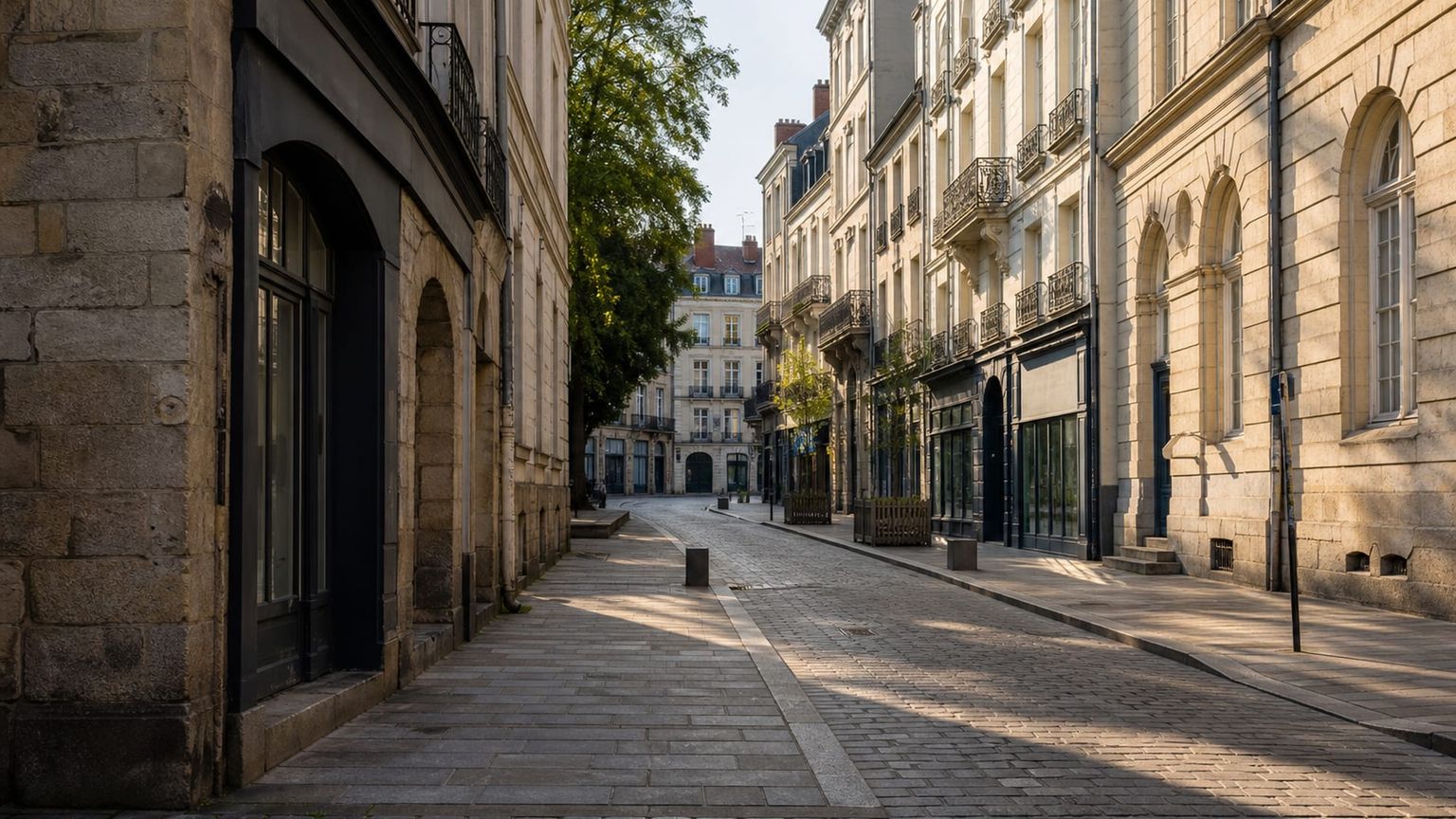
Nantes’s central district puts the Château des Ducs de Bretagne, shops, restaurants, and tram links within a short walk. It suits visitors who want to spend more time sightseeing than commuting, with the Loire and main museums close by.
Best for: First-time visits, museum trips, and staying close to the main sights
What to expect: Busy daytime streets, steady restaurant traffic, and the most footfall after work and on weekends.
Hotel prices: Usually about 120€ to 220€ (~$132 to ~$242) per night for well-rated stays
Distance to major sights: About 5 minutes on foot to the Château des Ducs de Bretagne, roughly 10 minutes by tram to the Cathedral of St. Peter and St. Paul
Quietness: Lively in the day, with more noise from late diners and traffic in the evening.
Main trade-off: Central addresses cost more than outer districts, and some streets near bars stay active late.
Good to know: Book a room facing an inner courtyard or side street if you want to avoid tram and bar noise.
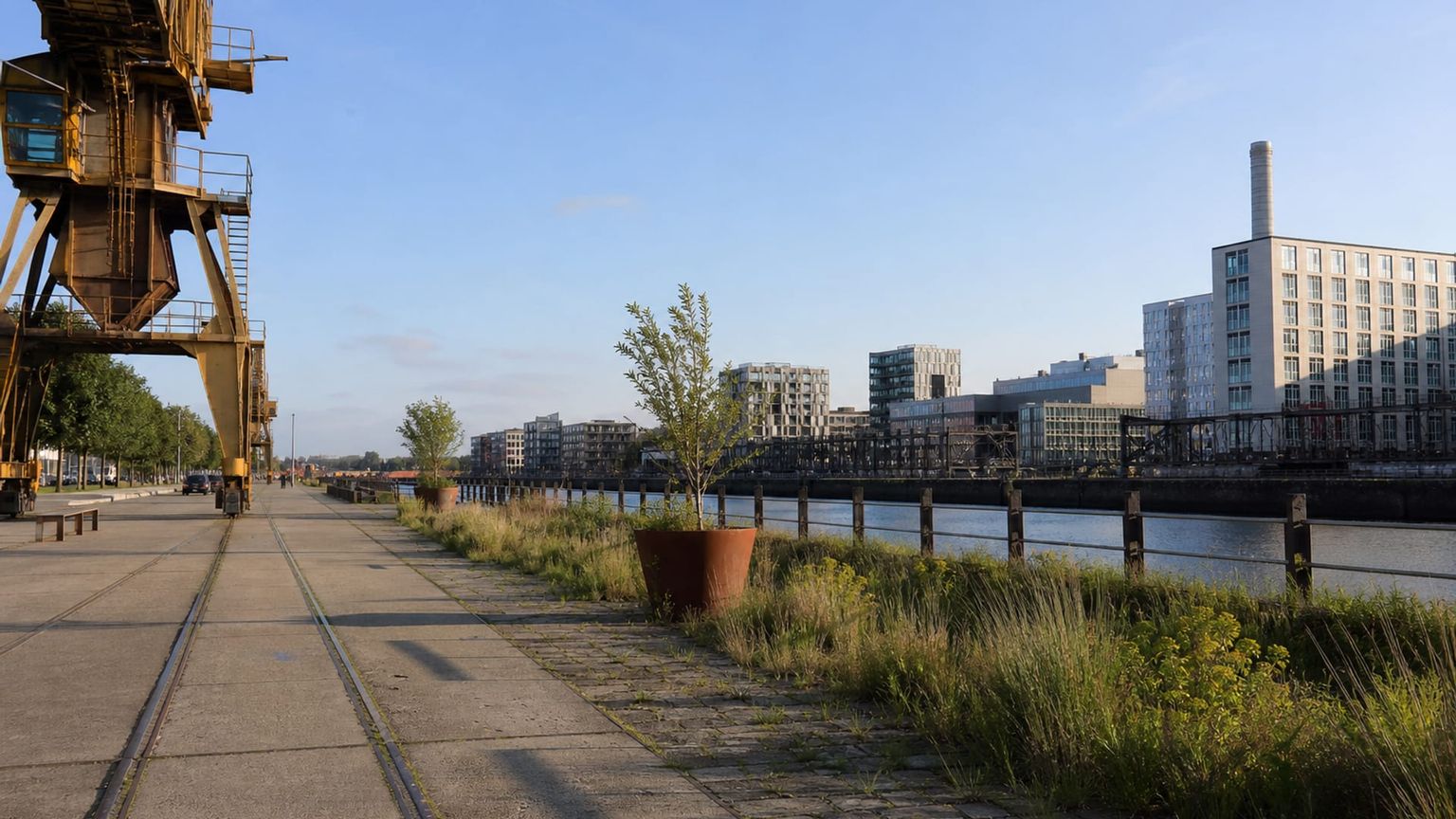
Île de Nantes sits south of the historic center on the river, with modern apartments, art spaces, and the Machines of the Isle nearby. It works well for travelers who want newer lodging and easy tram access without leaving the inner city.
Best for: Modern hotels, river walks, and travelers who want a newer base
What to expect: Wide streets, newer housing, and a mix of local residents, students, and visitors around the major attractions.
Hotel prices: Usually about 100€ to 180€ (~$110 to ~$198) per night for well-rated stays
Distance to major sights: About 10 minutes on foot to the Machines of the Isle, roughly 15 minutes by tram to the Château des Ducs de Bretagne
Quietness: Calmer at night than the center, though event venues and riverfront paths can stay active.
Main trade-off: You will spend a little longer reaching the oldest streets, and the area has fewer classic café-lined blocks.
Good to know: Check tram stops before booking, since some streets sit closer to the river than to the main lines.
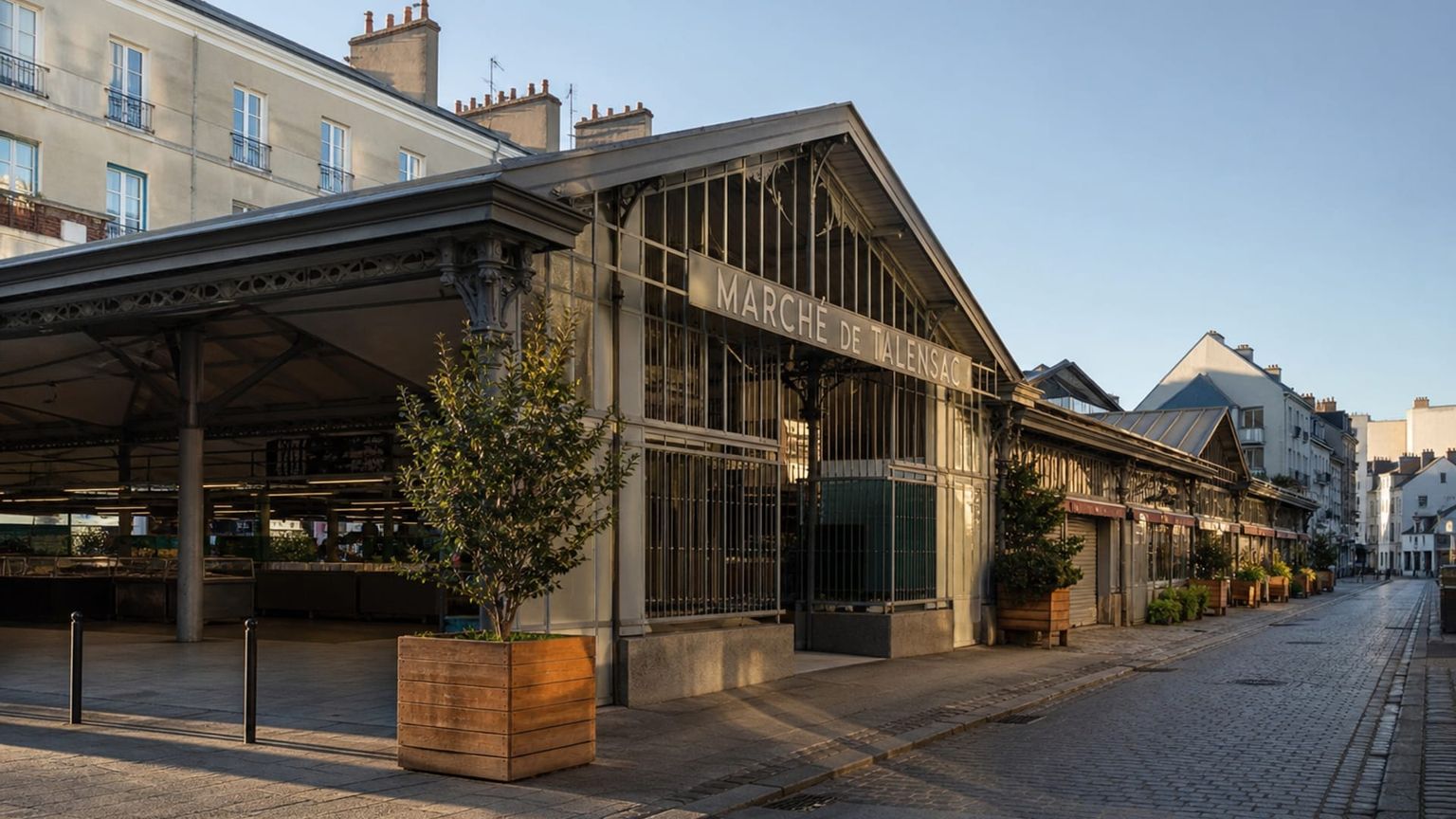
Talensac lies just north of the center, anchored by Nantes’s famous market and a dense grid of local streets. It gives you a neighborhood feel with easy walks into the old town and good morning food options.
Best for: Food-focused stays, local markets, and walking access to the center
What to expect: Morning market activity, neighborhood cafés, and a resident-heavy feel that quiets after dinner.
Hotel prices: Usually about 90€ to 160€ (~$99 to ~$176) per night for well-rated stays
Distance to major sights: About 10 minutes on foot to the Château des Ducs de Bretagne, roughly 12 minutes on foot to the Cathedral of St. Peter and St. Paul
Quietness: Active early in the day, then notably calmer in the late evening.
Main trade-off: You trade some hotel choice for a smaller, more residential lodging stock.
Good to know: If you like starting the day with fresh produce, the market can shape your schedule more than dinner plans.
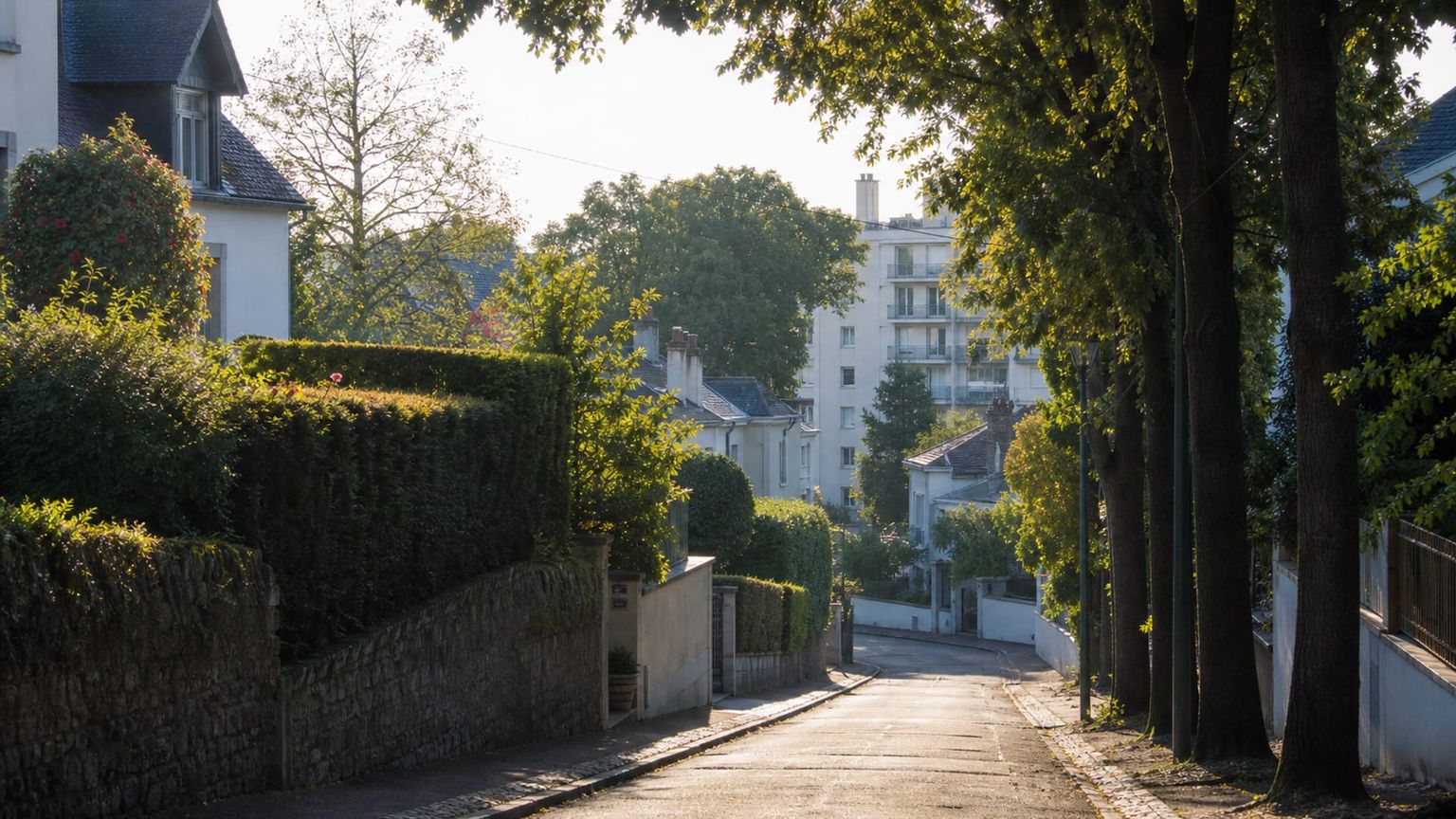
Procé is a western residential quarter built around Parc de Procé and tree-lined streets. It suits visitors who want a quieter base with green space, while still reaching the center by tram or taxi in a short ride.
Best for: Longer stays, quieter evenings, and access to green space
What to expect: Low-key residential streets, joggers in the park, and fewer tourists than in the center.
Hotel prices: Usually about 80€ to 140€ (~$88 to ~$154) per night for well-rated stays
Distance to major sights: About 15 minutes by tram to the Château des Ducs de Bretagne, roughly 20 minutes by tram to the Cathedral of St. Peter and St. Paul
Quietness: Quiet through most of the day and evening, with the park drawing local activity in daylight.
Main trade-off: You will rely more on transit or taxis, and dining choices are thinner than downtown.
Good to know: Choose this area if you are comfortable planning meals around a short ride back from the center.
Travelers usually avoid Doulon-Bottière, because it sits east of the center with fewer visitor-oriented hotels and restaurants, and evening trips back from the center take longer by tram or bus. Nantes Erdre and the outer edge of Chantrerie are also less convenient, since they are far from the main sights around the Château des Ducs de Bretagne and Graslin, with limited dining and late-night options nearby.
Hotel deals
How to get around Nantes efficiently
Nantes works best with walking for the center, then tram lines 1, 2, and 3 for longer cross-town hops, with taxis filling the gaps when you are arriving late or crossing the city with luggage.

Metro
for longer distances
Nantes has no metro, so visitors use the TAN tram and bus network instead; tram lines 1, 2, and 3 connect the center with key districts, and a single ticket costs about $2.20 (€1.80), valid for 1 hour across tram, bus, and Navibus.

Bus and tram
for convenience
Trams and buses cover the city well, with Tram 1 linking the station, the center, and the Île de Nantes, while buses reach farther suburbs and the airport bus runs between Nantes Atlantique Airport (NTE) and the center in roughly 20 to 30 minutes; tickets are about $2.20 (€1.80) for 1 hour, and day passes suit several rides.

Taxi
for convenience or late hours
Licensed taxis wait at ranks and can be booked by phone or app, metered fares apply, and a transfer from Nantes Atlantique Airport (NTE) to the center usually costs about $35 to $45 (€30 to €39) in daytime traffic, a little more at night or on Sundays; cards are widely accepted, though it helps to confirm before departure.
*Prices are based on rates updated as of June 2026 and may change at the time of travel.
Use the tram for most daytime movement, take a taxi for airport transfers or late evenings, and rely on walking whenever your plans stay inside Centre-ville or along the river.
Iconic landmarks
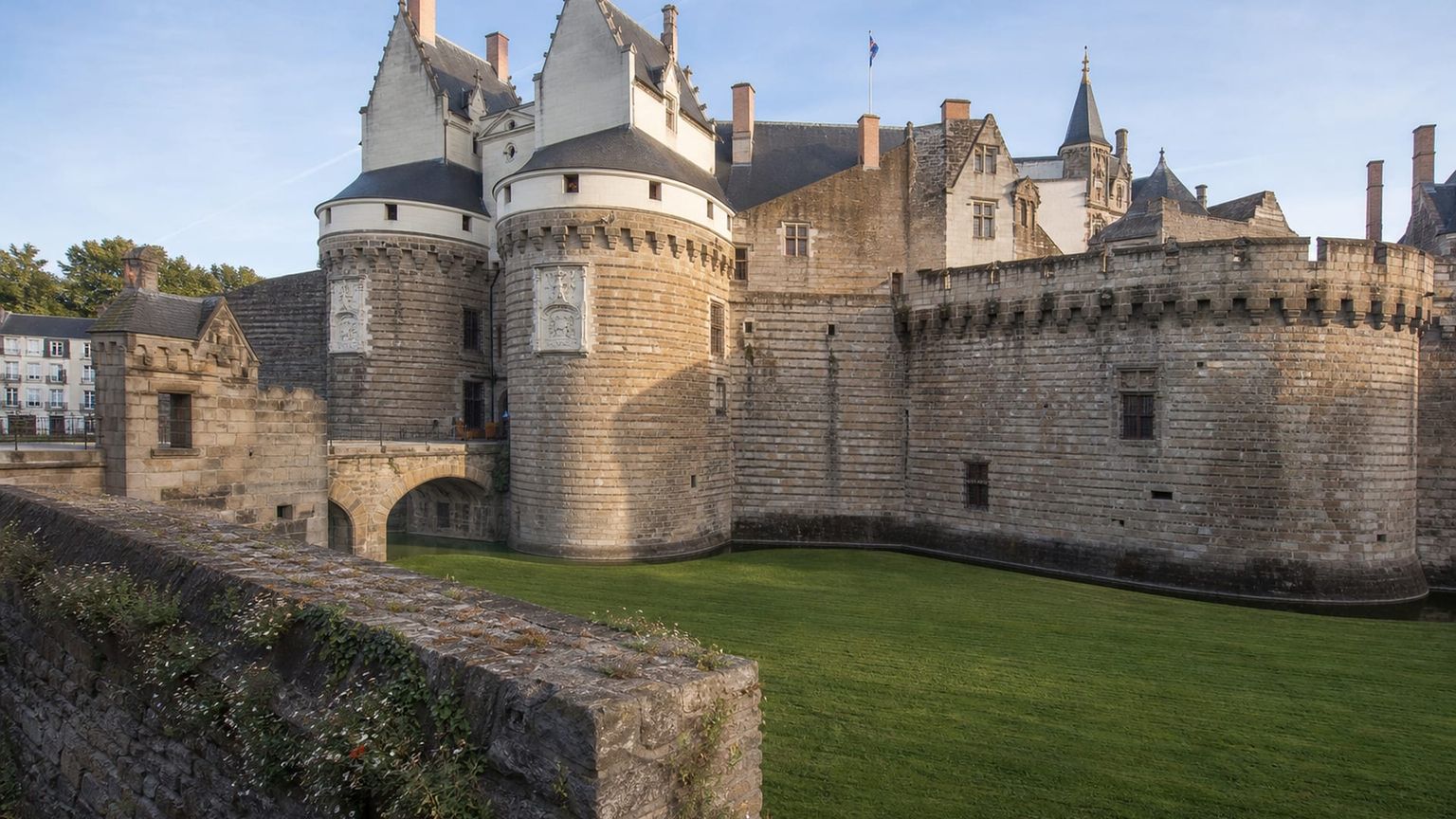
Château des Ducs de Bretagne
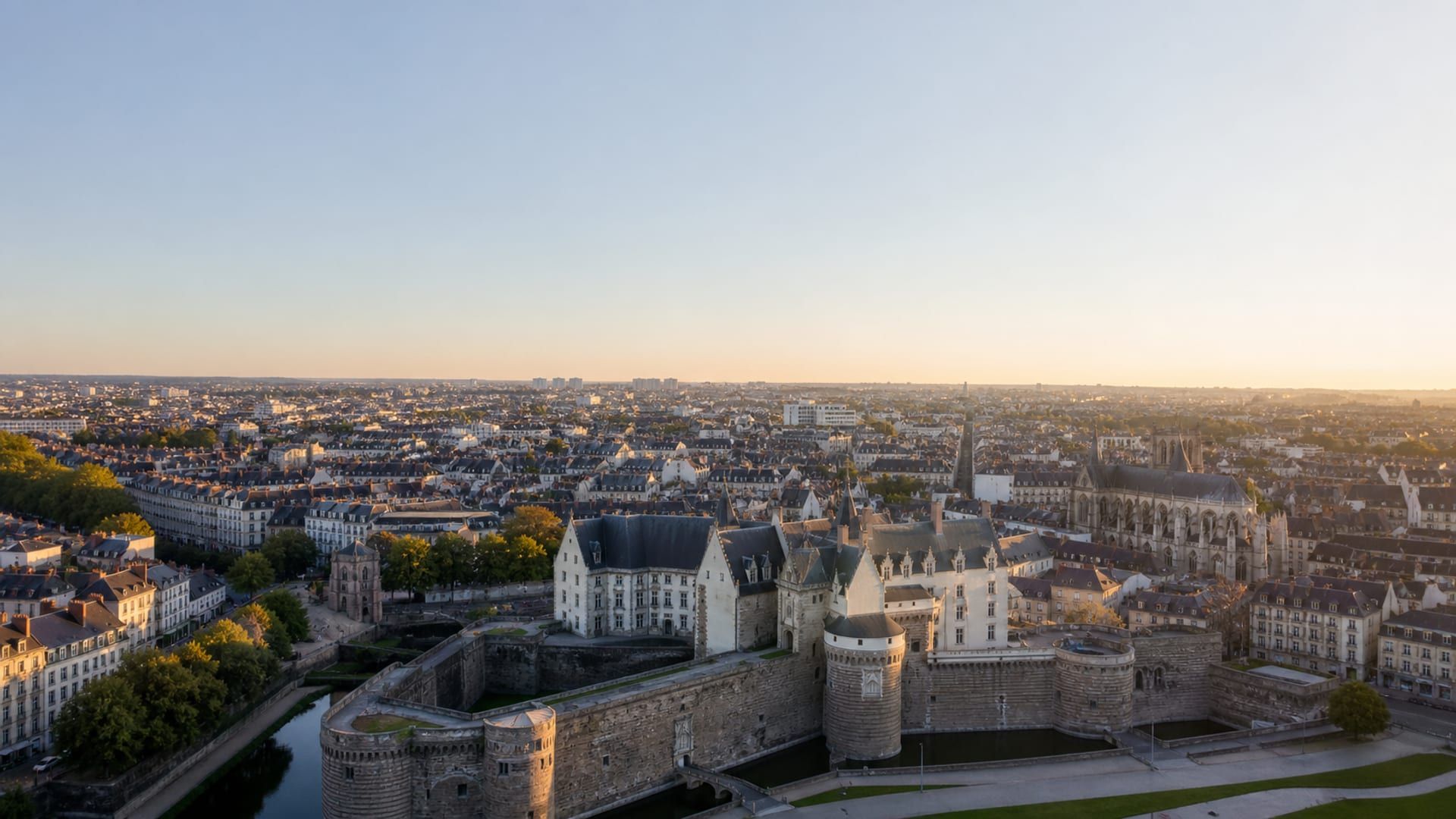
Nantes’ ducal fortress anchors the old town with stone ramparts, a moat, and the Nantes History Museum inside. Walk the walls for views of the city center, then cross into the courtyard to see the preserved Renaissance residence.
Time needed: About 2 to 3 hours
Entry: Standard admission costs $13 ($12) for the castle and history museum; the ramparts are included with museum access, with reduced rates for eligible visitors. Visit the official site for details.
Tip: Visit late afternoon for softer light on the walls and fewer people on the ramparts.
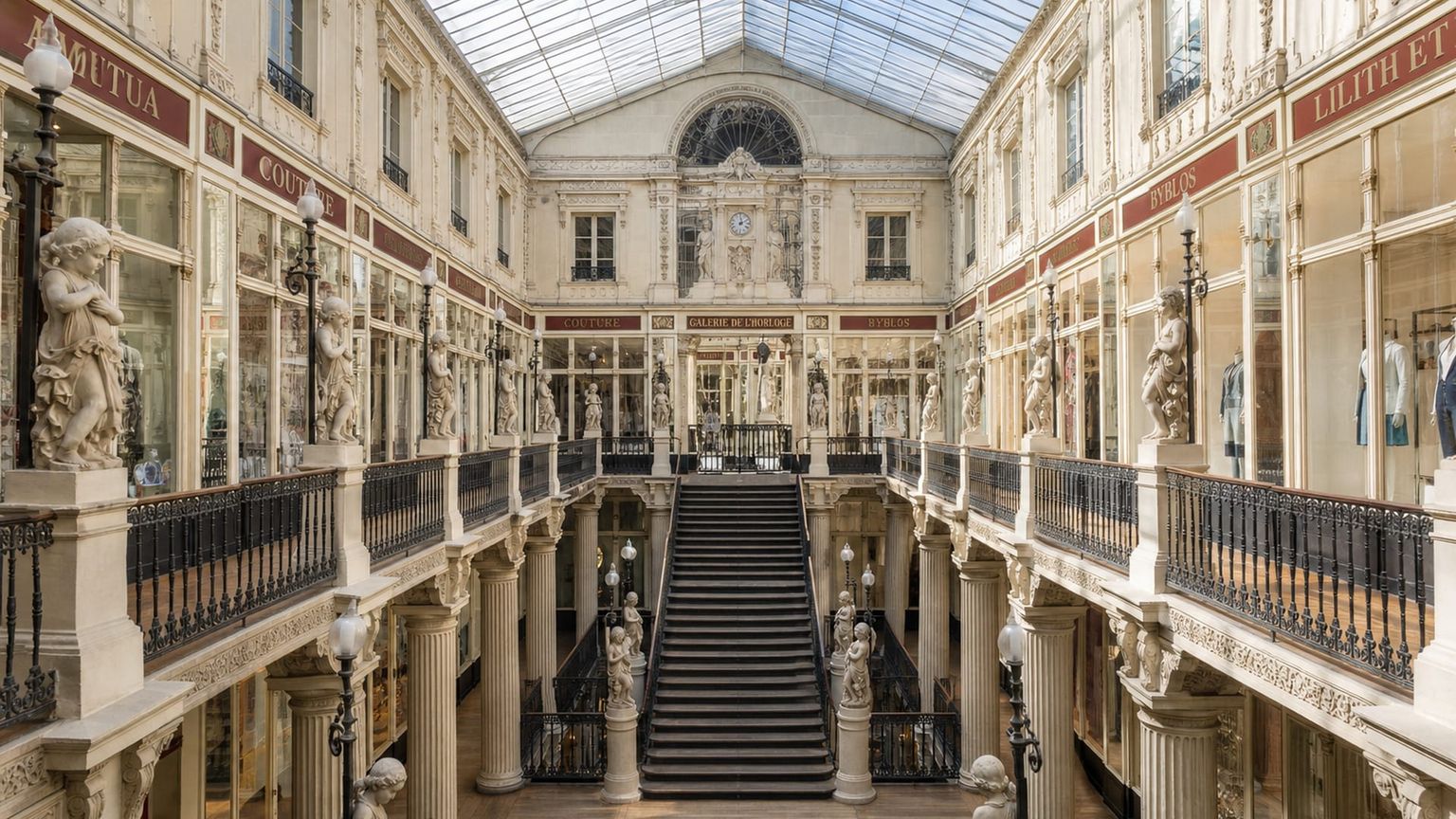
Passage Pommeraye
This 19th-century covered arcade links Rue de la Fosse and Rue Santeuil with three levels of staircases, ironwork, and shopfronts. It is one of Nantes’ most photographed interiors, especially when light reaches the central atrium.
Time needed: About 30 to 45 minutes
Entry: Free to enter and no timed ticket is required, though individual shops and cafés set their own opening hours within the arcade.
Tip: Go on a weekday morning, when the atrium is quieter and the staircases are easier to photograph.

Machines of the Isle of Nantes
On the former shipyard island, giant mechanical animals and the Grand Elephant turn engineering into a working attraction. The galleries show prototypes and moving machines, while the Elephant ride gives wide views across the Loire district.
Time needed: About 2 to 4 hours
Entry: Entry ranges from $12 ($11) to $25 ($23), depending on galleries and rides; the Grand Elephant and some workshops sell separate tickets. Visit the official site for details.
Tip: Plan extra time for the elephant ride, because the departure queue can lengthen after lunch.
Overlooked sites worth visiting

Île de Versailles
A compact Japanese-style island garden on the Erdre, with footbridges, bamboo, rockwork, and a small teahouse. It works well for a short riverside pause, with easy paths and water views.
Time needed: About 45 minutes to 1 hour
Entry: Free to access; the island garden and paths are open at no charge. The teahouse is separate, so any tea or snack purchase is paid on site if you choose to stop there.
Tip: Visit on a weekday morning for quieter paths and softer light.

Musée Jules Verne
A small museum on a hillside in the Chantenay district, focused on Nantes-born writer Jules Verne. Original editions, models, and manuscripts fill a compact house with wide views nearby.
Time needed: About 1 hour
Entry: Standard admission is typically about $6 to $9 (€5 to €8) for adults, with reduced rates for students, seniors, and children; temporary exhibitions may have separate pricing, so check current rates before you go. Visit the official site for details.
Tip: Combine it with a walk to the nearby Butte Sainte-Anne viewpoint.
Traditional food
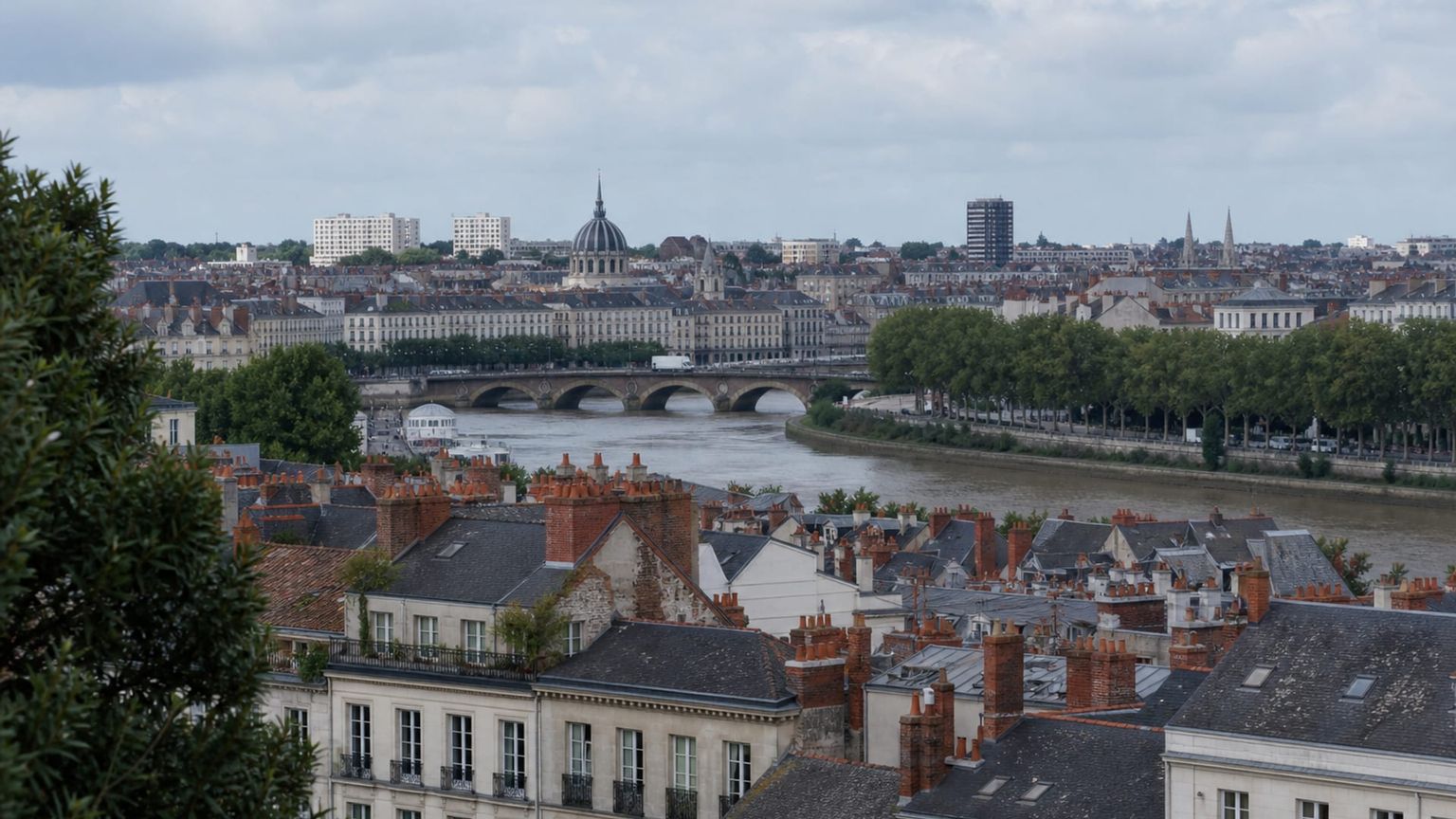
Nantes leans into Atlantic seafood, butter-rich sauces, buckwheat galettes, and the city’s own sweets, with galette saucisse, beurre blanc, petits beurres, and gâteau nantais showing up across menus and markets.
Galette saucisse
A buckwheat galette wrapped around a grilled sausage, often eaten casually at markets or before a match. La Cigale serves a refined Nantes setting for classic regional dishes, though many visitors seek the dish at crêperies and market stalls.
Beurre blanc
This butter-and-white-wine sauce defines many Loire fish dishes and shows the city’s taste for rich, bright seafood flavors. La Poissonnerie de l’Atlantique uses it well with market-fresh fish and seafood plates.
Petit beurre
The crisp biscuit is a Nantes staple, simple enough for a coffee break and familiar enough to work as a souvenir. L’Atelier du Petit Beurre is the most direct stop for tasting and buying the city’s signature biscuit.
Gâteau nantais
A rum-scented almond cake with a glossy glaze, it is one of the city’s most recognizable desserts. La Maison du Gâteau Nantais is the canonical place to look for a classic version in Nantes.
Best time to visit Nantes
Nantes stays workable in most seasons, but spring and early autumn give you the best mix of mild weather, open-air walking, and manageable crowds.
Best for: River walks, garden visits, and long sightseeing days
What you get: About 50 to 66°F (10 to 19°C), with moderate crowds and changeable rain
Trade-offs: Showers can interrupt outdoor plans
Best for: Outdoor cafés, late light, and day-long exploration
What you get: About 61 to 79°F (16 to 26°C), with the heaviest visitor traffic in the center
Trade-offs: Popular sights and terraces get busy
Best for: Clear walks, museum stops, and market days
What you get: About 48 to 68°F (9 to 20°C), with lighter crowds after the school holidays
Trade-offs: Rain becomes more common in late autumn
Best for: Low-key museum time and café breaks
What you get: About 39 to 50°F (4 to 10°C), with the smallest crowds and shorter daylight
Trade-offs: Wet weather and shorter days limit outdoor time
A realistic 5-day plan in Nantes
The five-day plan follows the city’s geography rather than forcing every stop into the historic center. You begin with the main landmarks, then move to the islands, the river, and the market districts, which keeps each day tied to a clear part of Nantes.
Land at Nantes (NTE) and take a taxi or Tram 1 into the center, which usually takes about 20 to 30 minutes and costs roughly $25 to $40 (€23 to €37). If you arrive earlier in the day, stay near Centre-ville for the shortest walk to the Château des Ducs de Bretagne and Passage Pommeraye, then keep dinner simple with a crêperie or bistro near Rue de la Fosse before an early night.
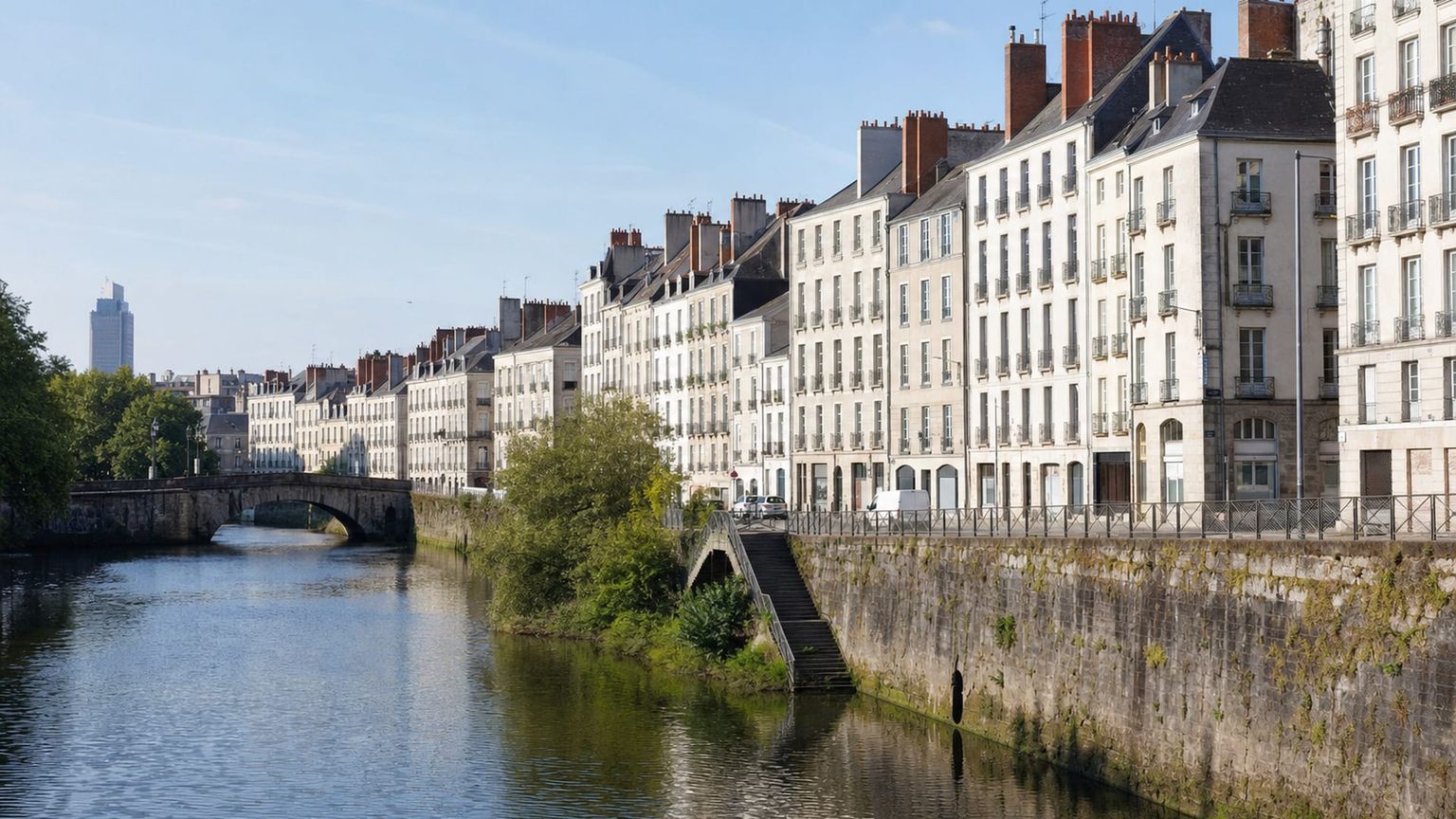
Start with the Château des Ducs de Bretagne in late morning, when the ramparts and courtyard are easy to take in, then walk about 10 minutes to Passage Pommeraye for its staircases and ironwork. From there, continue roughly 15 minutes on foot to the cathedral area for a broader look at the old town, and finish with a café stop back in Centre-ville so you can stay close to your hotel.
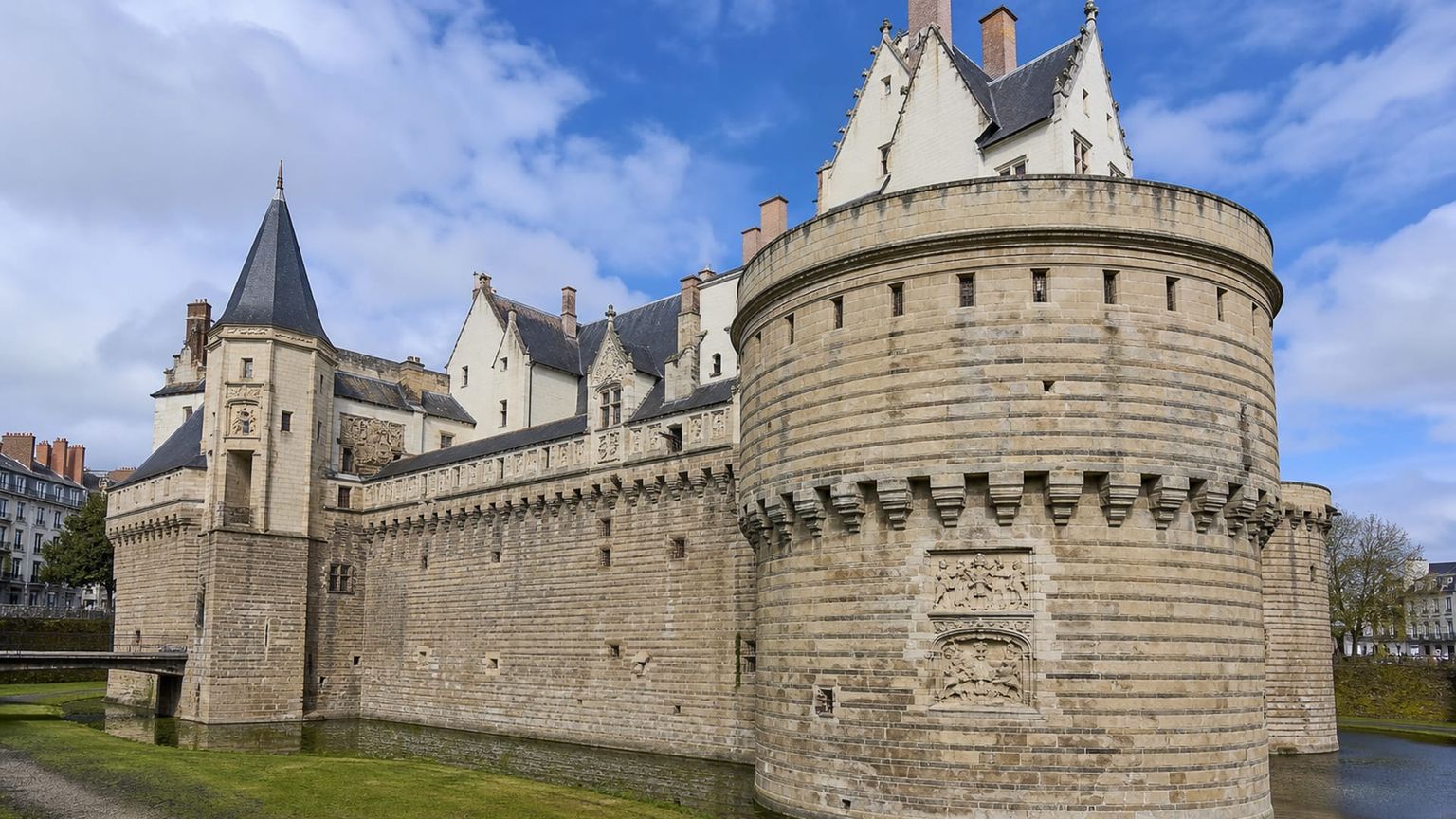
Begin on Île de Nantes at the Machines of the Isle of Nantes, where the galleries and the Grand Elephant can take about 2 to 4 hours. After lunch, ride or walk about 15 minutes toward the riverfront for a slower loop through the island, then cross back toward the historic center for an easy dinner in Centre-ville, where the tram links make the return simple.

A morning on the Erdre gives the day a quieter start, with Île de Versailles offering footbridges, bamboo, and a compact garden visit that takes about 45 minutes to 1 hour. From there, continue to Talensac for lunch or market browsing, then head west by tram to the Musée Jules Verne, which pairs well with the Butte Sainte-Anne viewpoint and adds a clear change of scale before dinner.
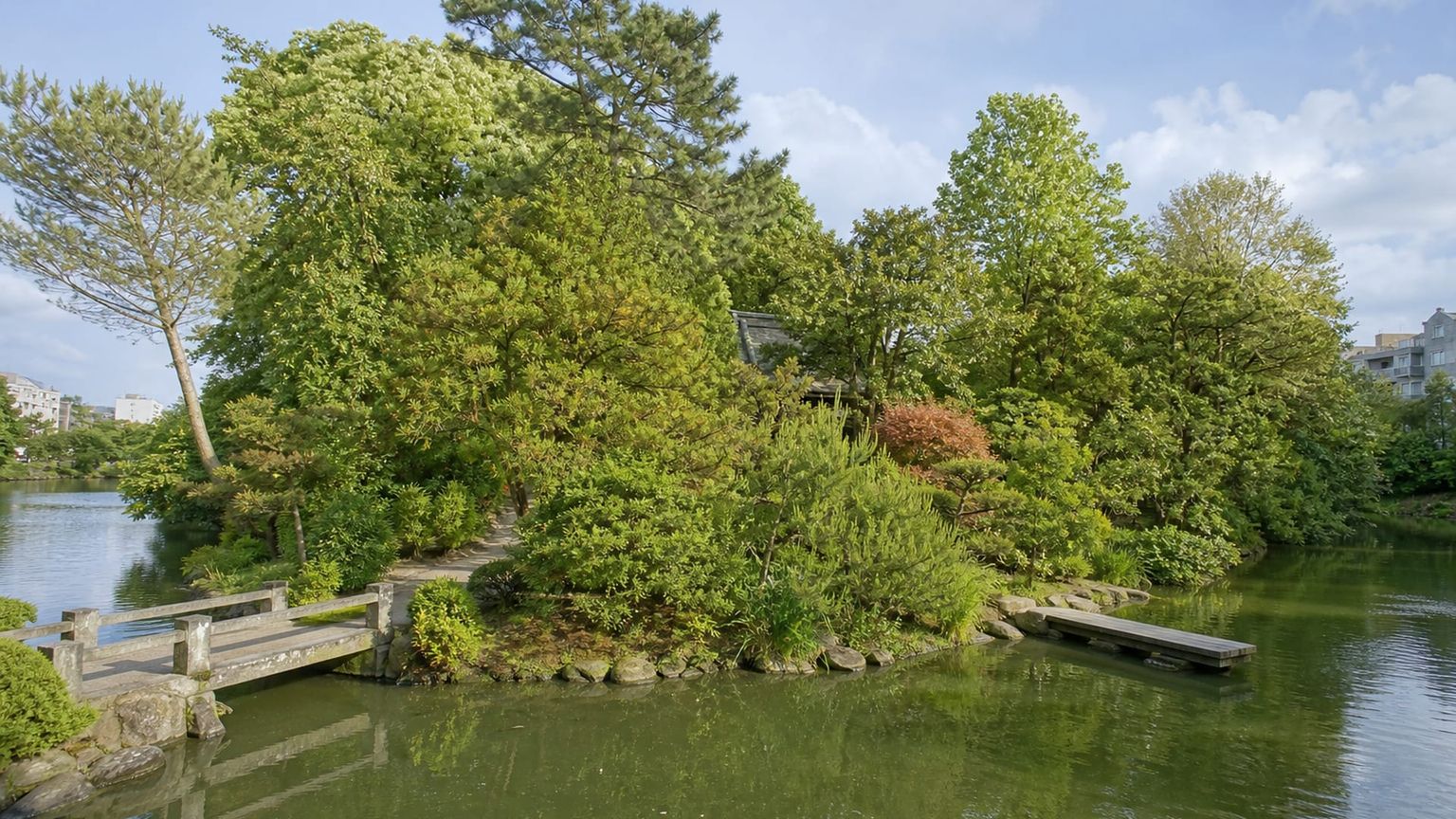
For the last day, keep the pace unhurried in Talensac or Centre-ville, where you can fit in a final museum stop, a little shopping, and one more café break without crossing the city. If you have a later departure, linger in Passage Pommeraye for gift buying, then settle into a nearby terrace for coffee before heading back to Nantes (NTE).
Business-class flights from the US to Nantes
Most itineraries to Nantes connect through a major European hub, so the useful comparison is often how long the layover lasts and which airlines keep the trip tidy. From New York and Los Angeles, the published fare bands also vary enough to shape the route choice.
From New York, Air France, Delta Air Lines, KLM, Lufthansa, British Airways, and Iberia all appear on the market. Nonstop flying time runs about 6 to 7 hours, while one-stop options often connect through CDG, AMS, LHR, FRA, or MAD; if you do not mind a layover, common routings via CDG, AMS, or FRA can bring fares down to roughly $1,000 to $1,800, compared with round-trip prices that start at about $2,400 and often reach $5,500.
Los Angeles itineraries usually run through CDG, AMS, LHR, FRA, or MAD, with Air France, Delta Air Lines, KLM, Lufthansa, and British Airways on the schedule. The quoted round-trip range is about $2,800 to $6,200, and one-stop itineraries price higher when they connect through Europe; the layover window usually lands about 15 to 19 hours.
Nantes feels different when you slow down
A good Nantes trip stays close to the city’s shape: Centre-ville for the castle and Passage Pommeraye, Île de Nantes for the Machines, and Talensac for market mornings before a tram ride back. That mix gives the trip clear edges, with time for a café stop and an unhurried dinner. If you want help shaping those days into a booking plan, the AranGrant experts can map the neighborhood choice to your flight timing and season







