

Chapters:

Need help with your trip?
Our support team is available 24/7. Request a callback or call us directly at (833) 619-0908
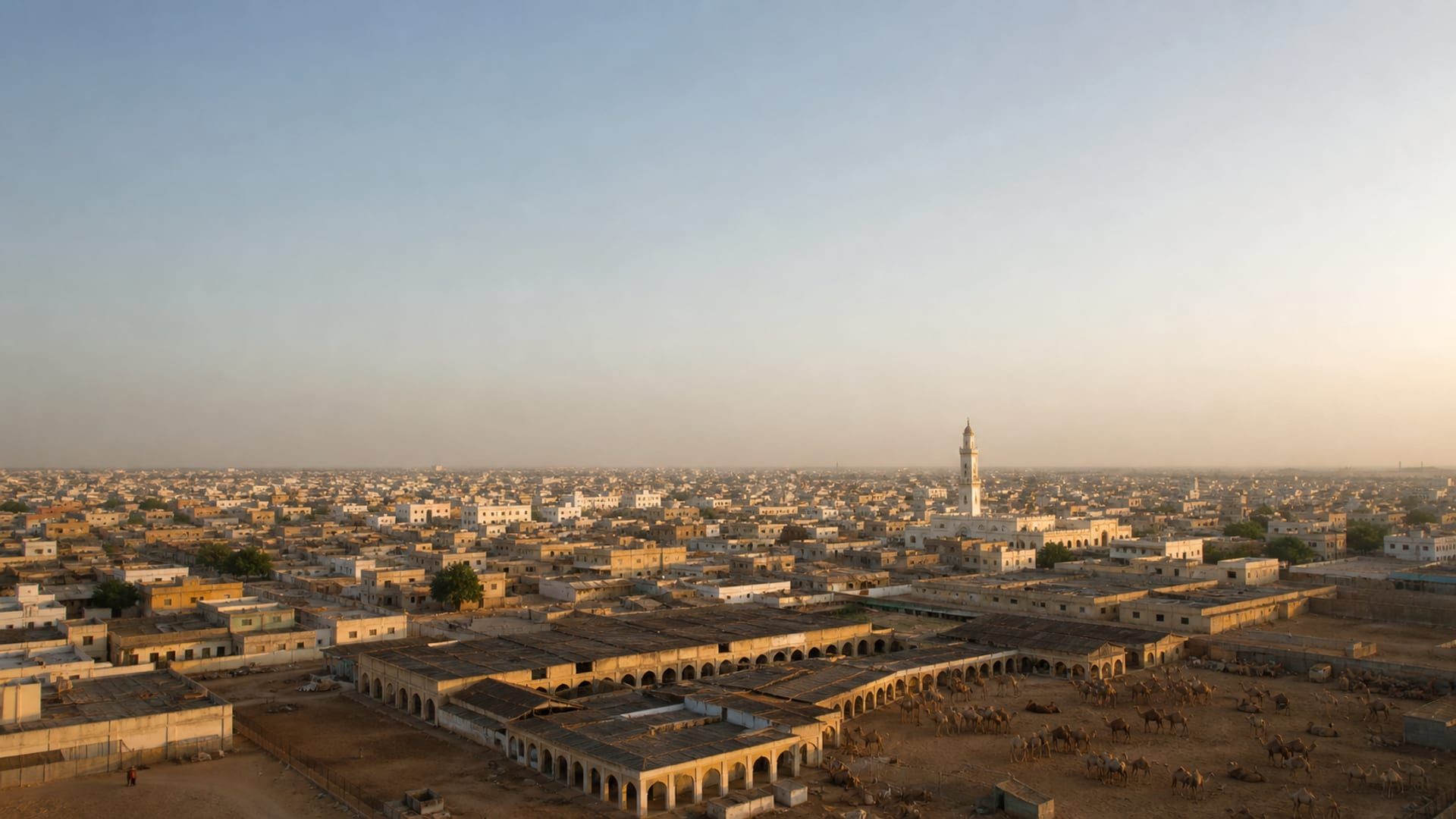
Many visits to Nouakchott start with a hotel in Tevragh-Zeina, a taxi from Nouakchott (NKC), and one or two headline sights before departure. Travelers often miss how much the city stretches toward the coast and the working edges.
That pattern can turn into long taxi hops, rushed meals, and little sense of how Ksar, the fish market, and the museum fit together. Distances are real, and the heat rewards a slower schedule.
This guide builds the trip in a clearer order, with neighborhood choices, transit notes, food stops, and five days that match Nouakchott’s actual geography.
Useful things to know
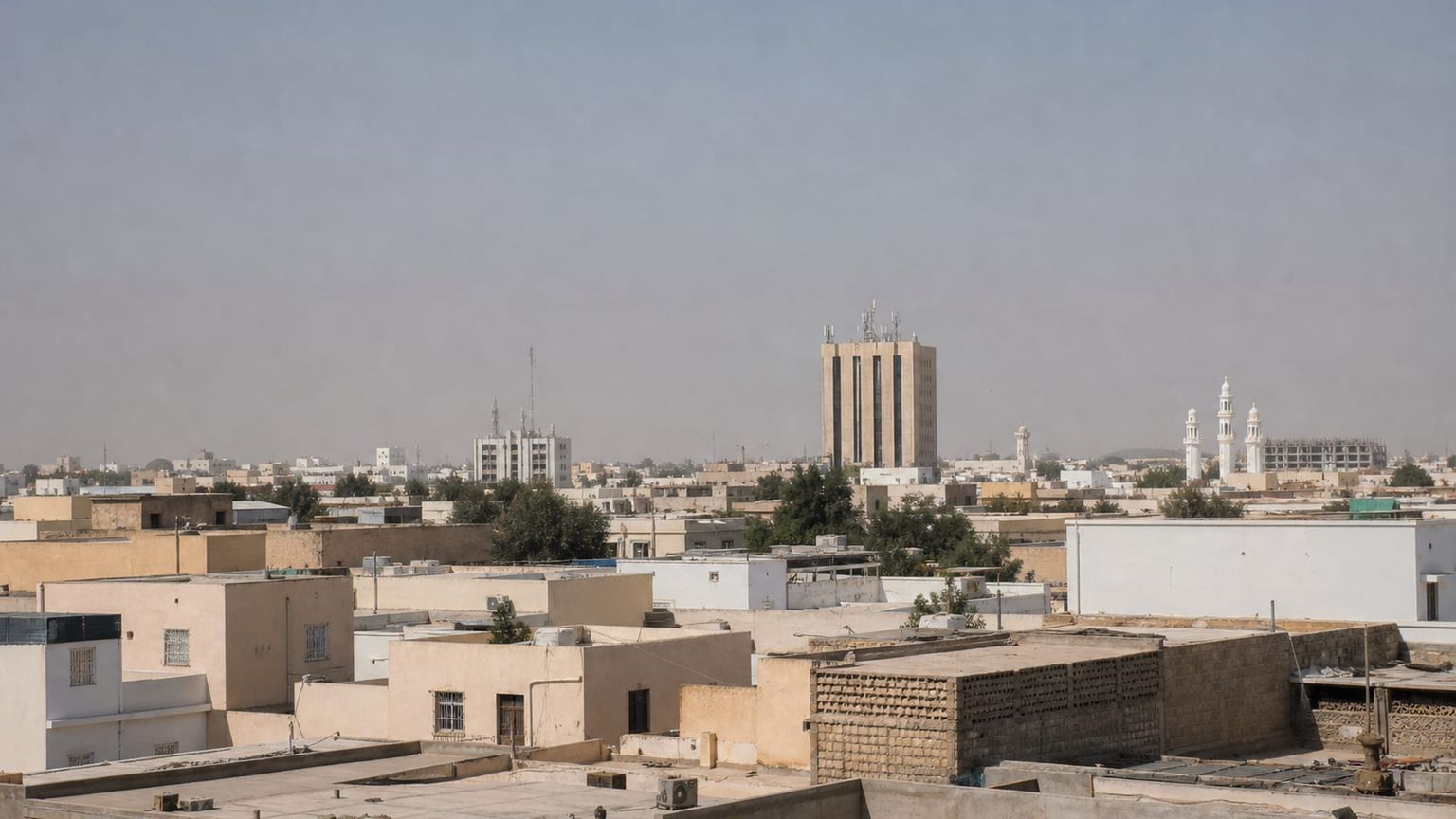

Main language(s): Arabic
Marhaban (mar-ha-ban) – Hello
Min fadlak (min fad-lak) – Please
Shukran (shook-ran) – Thank you
Hal tatakallam al-ingleeziya? (hal ta-ta-kal-lam al-in-glee-zi-ya) – Do you speak English?
Kam al-thaman? (kam al-tha-man) – How much does it cost?

Currency: The local currency is the Mauritanian ouguiya (MRU, UM).

Cash and cards: Cards and contactless are limited, so carry about 2,000 to 5,000 MRU ($50 to $125) in cash.

Tipping: Round up small bills; a 5 to 10 percent tip is appreciated in restaurants if service is good.

Traditional food: Thieboudienne, couscous, grilled fish, méchoui

Water and coffee costs: Water ~50 MRU ($1.25), bar espresso ~100 MRU ($2.50).

Taxis and ride apps: Yango operates here; confirm the fare in advance and use licensed drivers.

Plug and voltage: Type C/D socket, 220V

Dining and shop opening hours: Breakfast is roughly 07:00-09:00, lunch 12:00-14:30, and dinner 20:00-23:00. Many places close during Friday prayer and reopen later in the afternoon.

Emergency number: Police 17, fire 18, ambulance 15.
Where to stay in Nouakchott
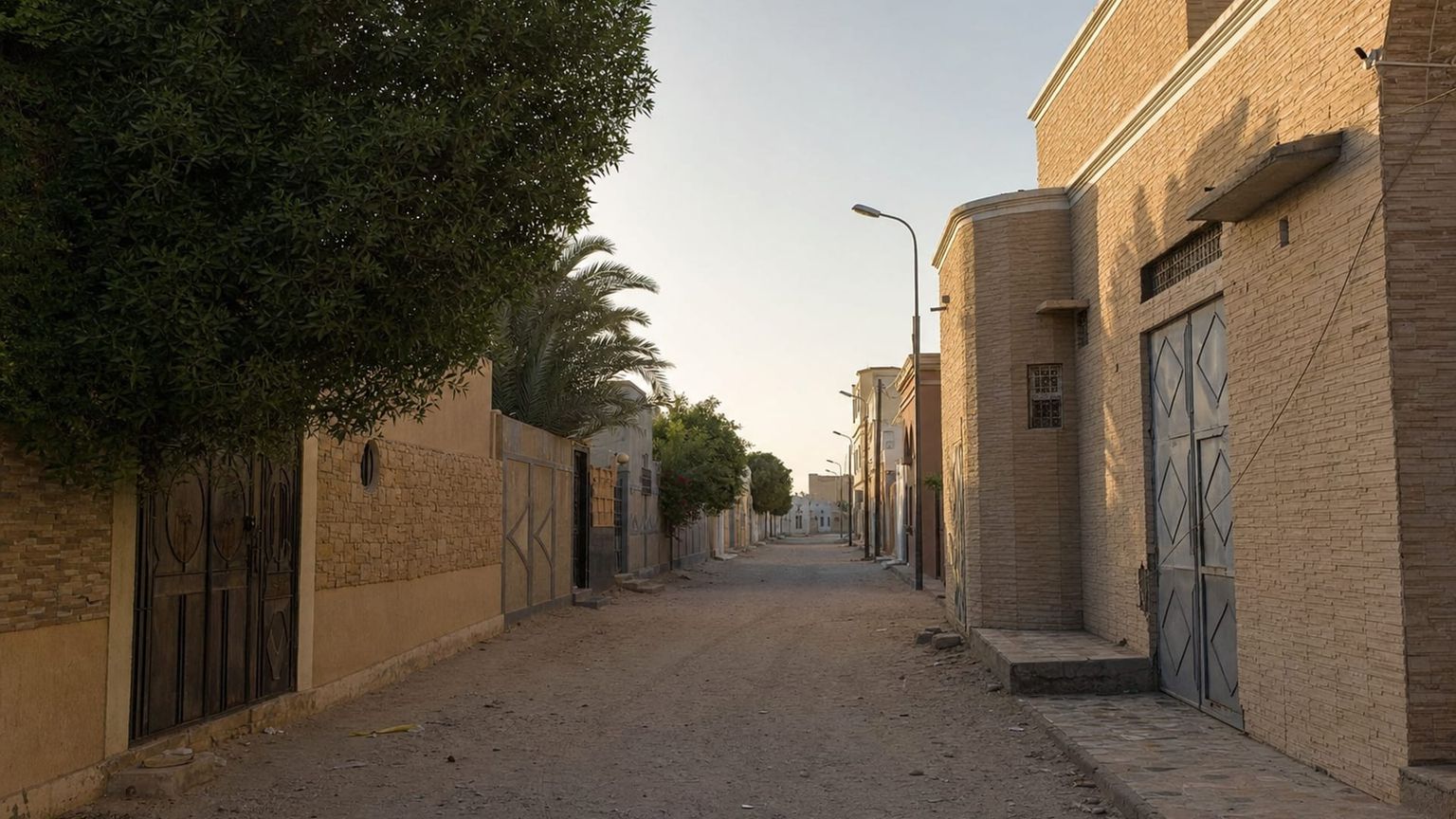
Nouakchott’s main residential and commercial district, Tevragh-Zeina holds many embassies, offices, and midrange to upscale hotels. It matters because you get the city’s best concentration of dining, errands, and taxi access without being far from the center.
Best for: Business travelers, restaurant access, and visitors who want the widest choice of hotels
What to expect: Broad avenues, embassies, and hotel traffic, with more activity on main roads than side streets.
Hotel prices: Usually about $80 to $180 per night for well-rated stays
Distance to major sights: About 10 to 15 minutes by taxi to the National Museum of Mauritania
Quietness: Quieter at night on residential streets, busier by day near offices and restaurants.
Main trade-off: Rates run higher than in outer districts, and traffic can slow cross-town trips during the day.
Good to know: If you plan to make several taxi trips, this area cuts down on crossing the city for meals, errands, and meetings.
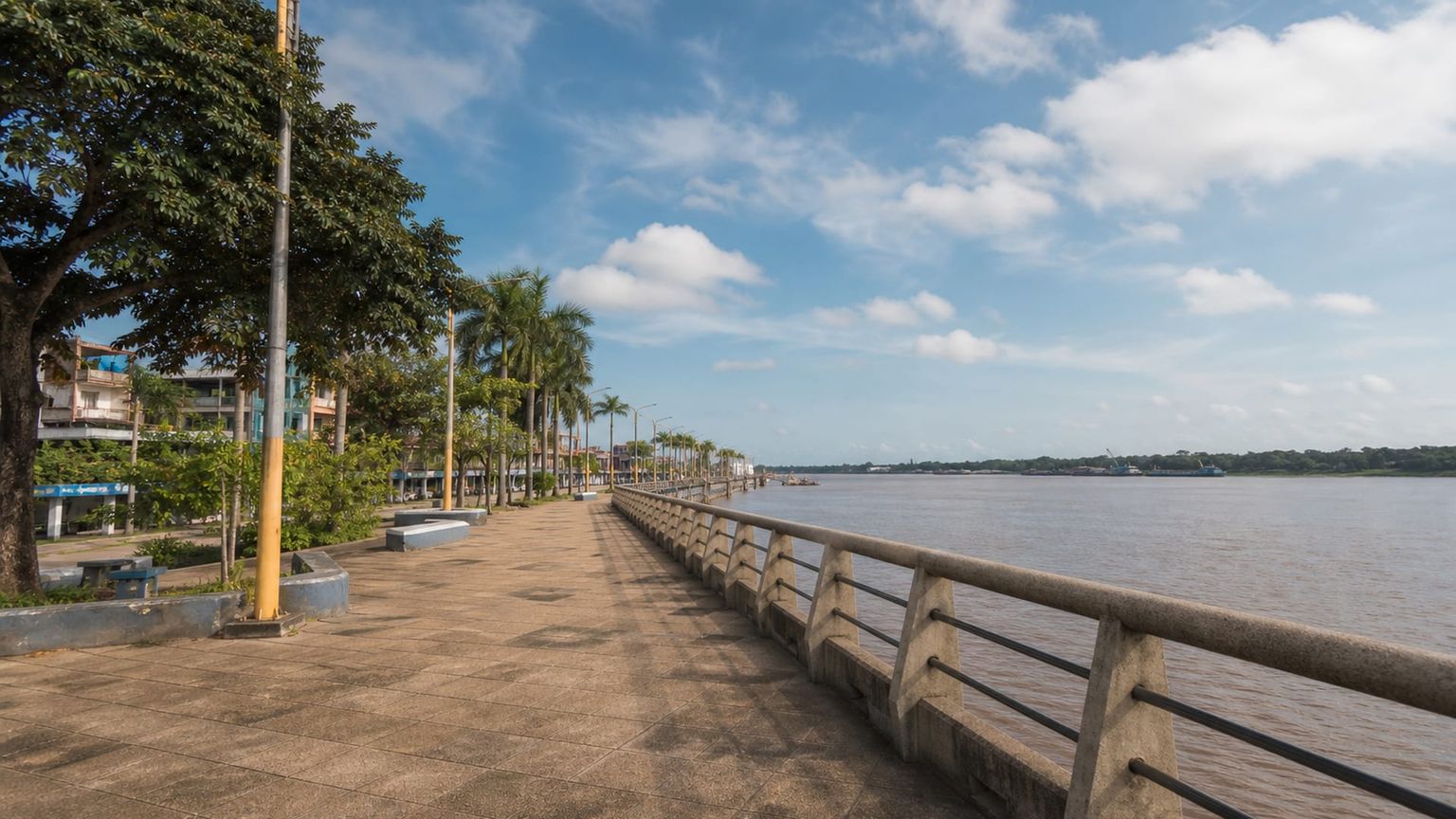
Ksar is one of Nouakchott’s older, busier districts, with markets, small shops, and local businesses that give the area a more lived-in edge. It matters for travelers who want daily city life close at hand and do not mind more street noise.
Best for: Market access, local atmosphere, and travelers who want a lower-key hotel base
What to expect: Busy roads, informal commerce, and steady daytime activity around shops and transport stops.
Hotel prices: Usually about $45 to $110 per night for well-rated stays
Distance to major sights: About 10 to 20 minutes by taxi to the National Museum of Mauritania
Quietness: Noisier during the day, with a calmer pace after shops close.
Main trade-off: Lodging choice is narrower than in Tevragh-Zeina, and some streets feel less orderly at peak hours.
Good to know: Choose a place on a main road if you want easier taxi pickup, because side streets can be harder to navigate after dark.
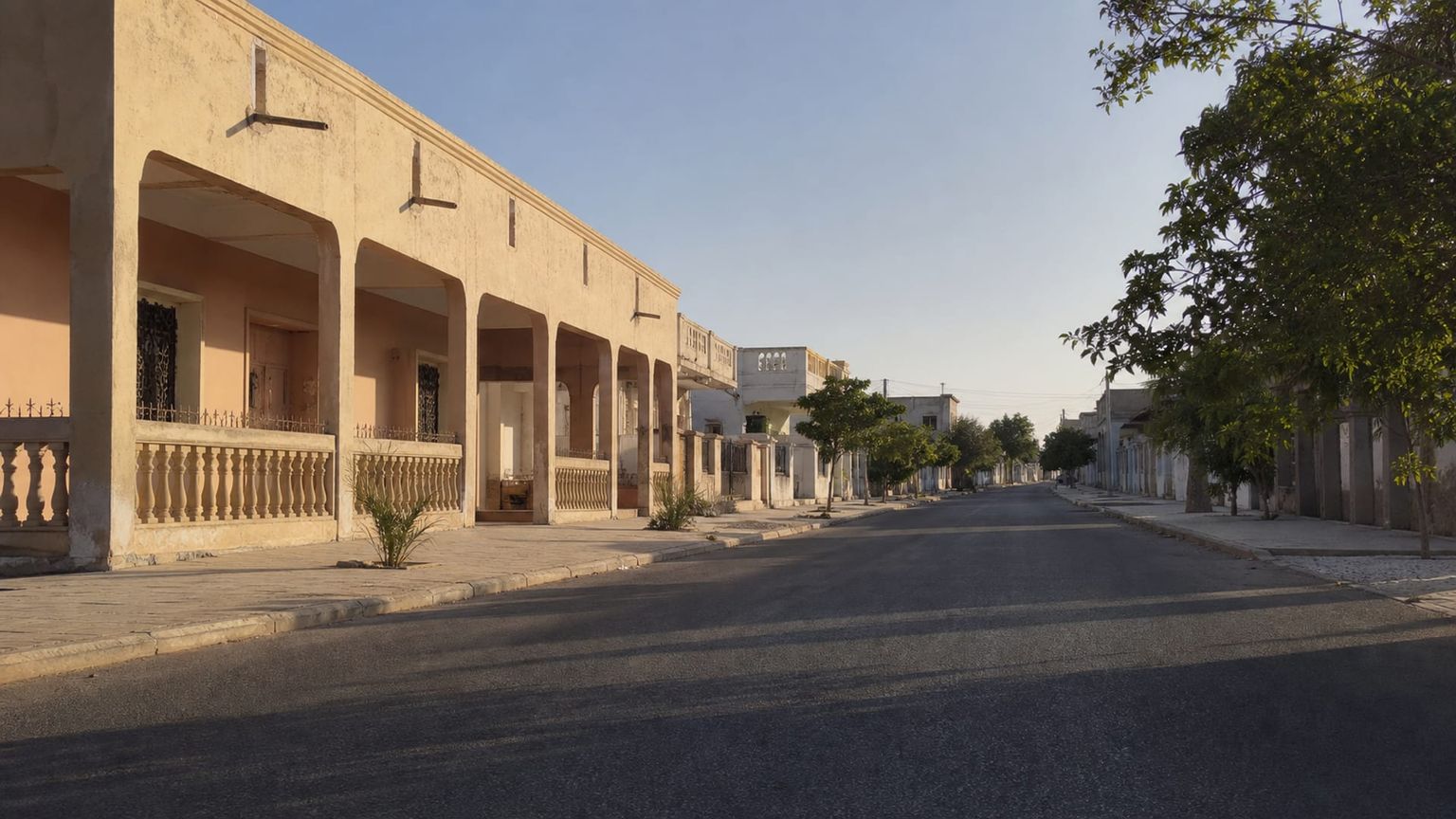
Arafat sits farther from Nouakchott’s central hotel strip and has a denser, more local feel than the western districts. It matters if you want a cheaper base and do not mind trading convenience for lower room rates and a longer ride into the center.
Best for: Lower-cost stays, local neighborhoods, and longer visits with fewer sightseeing plans
What to expect: Heavy local street activity, small businesses, and less hotel-oriented infrastructure than the central districts.
Hotel prices: Usually about $30 to $80 per night for well-rated stays
Distance to major sights: About 20 to 30 minutes by taxi to the National Museum of Mauritania
Quietness: Active and noisy during the day, then noticeably calmer late evening.
Main trade-off: You save on room rates, but you will spend more time and money getting to central restaurants, offices, and landmarks.
Good to know: Check recent taxi availability before booking, since late returns can take longer from this side of the city.
Travelers usually avoid staying in El Mina, Dar Naïm, Teyarett, and Riyad if they want to be near Nouakchott’s main visitor areas, since these districts sit far from the city center and the beachfront strip, with fewer hotel choices and fewer visitor amenities. A location deep in the northern or eastern suburbs can also make evening taxi rides to central restaurants and the coastal areas more inconvenient.
Hotel deals
How to get around Nouakchott efficiently
Nouakchott has no metro or suburban rail, so taxis and shared road transport do the work across a spread-out city.

Metro
for longer distances
Nouakchott has no metro or suburban rail, so visitors rely on road transport for all cross-city trips; for airport-area stays near Nouakchott (NKC), plan on taxis or private transfers rather than a rail link.

Bus and tram
for convenience
Nouakchott has no tram network and only limited public bus coverage, with shared minibuses and informal buses serving main roads and neighborhood corridors. Fares are typically about $0.20 to $0.50, paid in cash on boarding, and rides can take 20 to 45 minutes across central areas depending on traffic and stops.

Taxi
for convenience or late hours
Licensed taxis in Nouakchott usually use set fares rather than meters, and you should agree on the price before departure. Short city trips often cost about $2 to $5, trips across town about $5 to $10, and airport-area rides from Nouakchott (NKC) commonly run about $10 to $20 depending on time of day and your destination; cash in Mauritanian ouguiya is standard, though some drivers will accept U.S. dollars.
*Prices are based on rates updated as of June 2026 and may change at the time of travel.
Use taxis for airport runs and cross-town hops, minibuses for cheap short rides on main corridors, and walking only in the immediate area around your hotel or a single market block.
Iconic landmarks
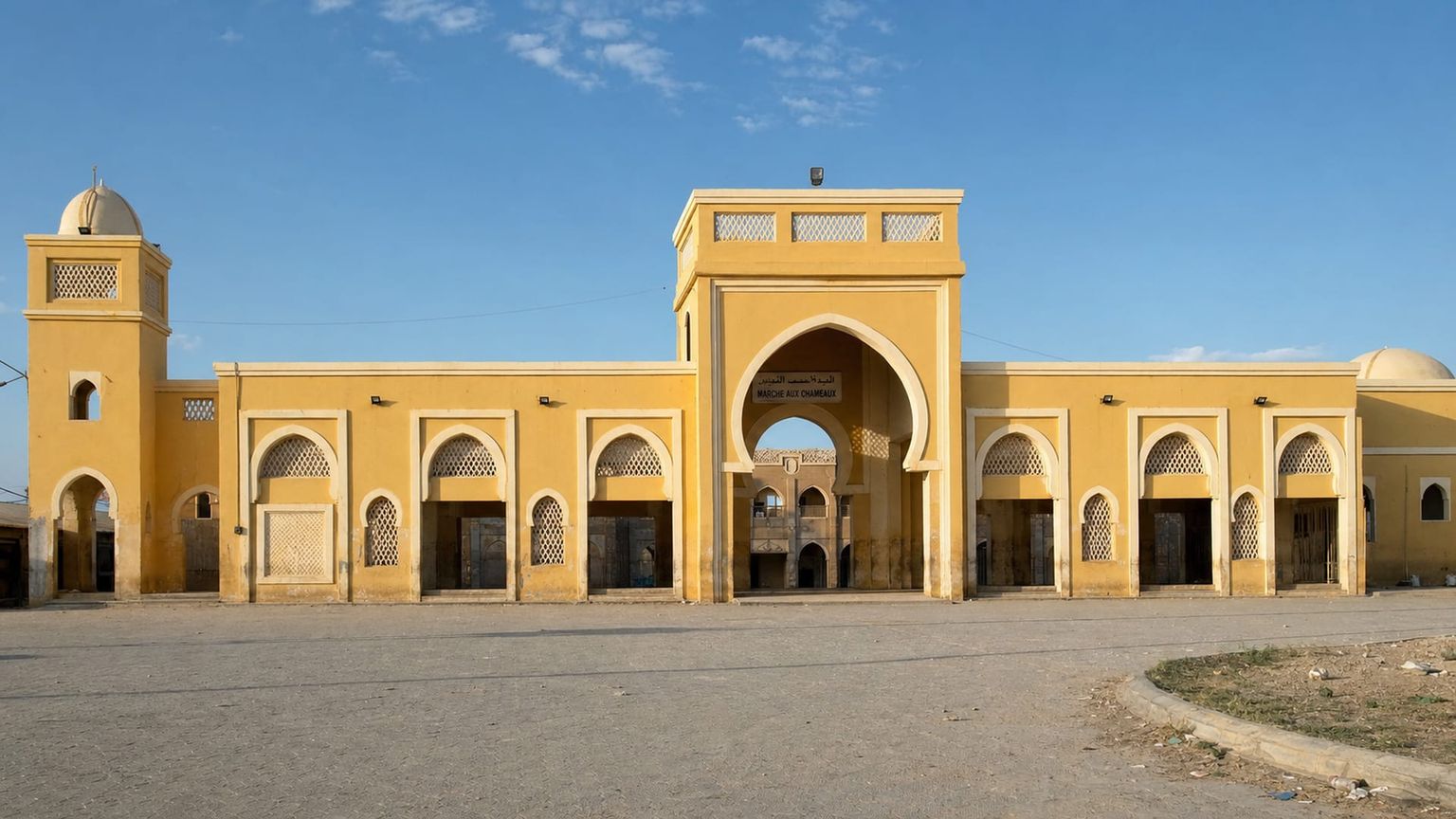
Nouakchott Camel Market
A working camel market on the city’s edge, this is where traders buy and sell camels alongside tack, feed, and simple livestock gear. Visit for a direct look at daily Saharan trade, not a staged market scene.
Time needed: About 1 to 2 hours
Entry: Free to access, with no ticketed entry and no timed admission; expect to pay only if you buy from traders or hire a local guide on site.
Tip: Go early in the morning, when the market is busiest and temperatures are lower.
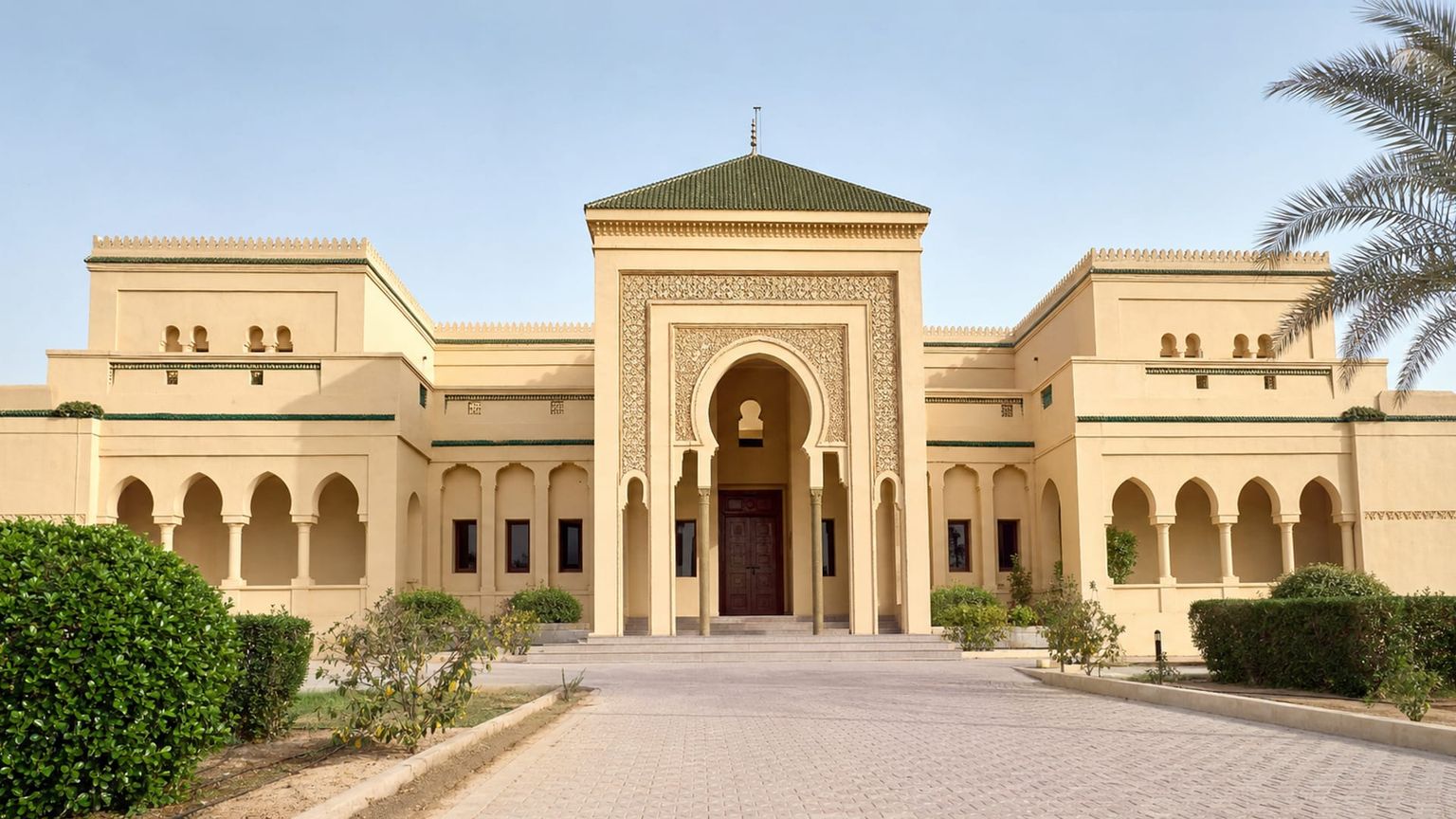
National Museum of Mauritania
This national museum presents Mauritanian history through archaeology, textiles, manuscripts, and objects tied to desert life. The collection is small, but it gives a clear overview of the country’s cultural layers in one stop.
Time needed: About 1 to 2 hours
Entry: Admission usually costs about $2 to $4 (approximately 100 to 200 MRU) for adults; children and students may pay less at the desk.
Tip: Visit in the morning, when the galleries are quieter and the heat is less intense.
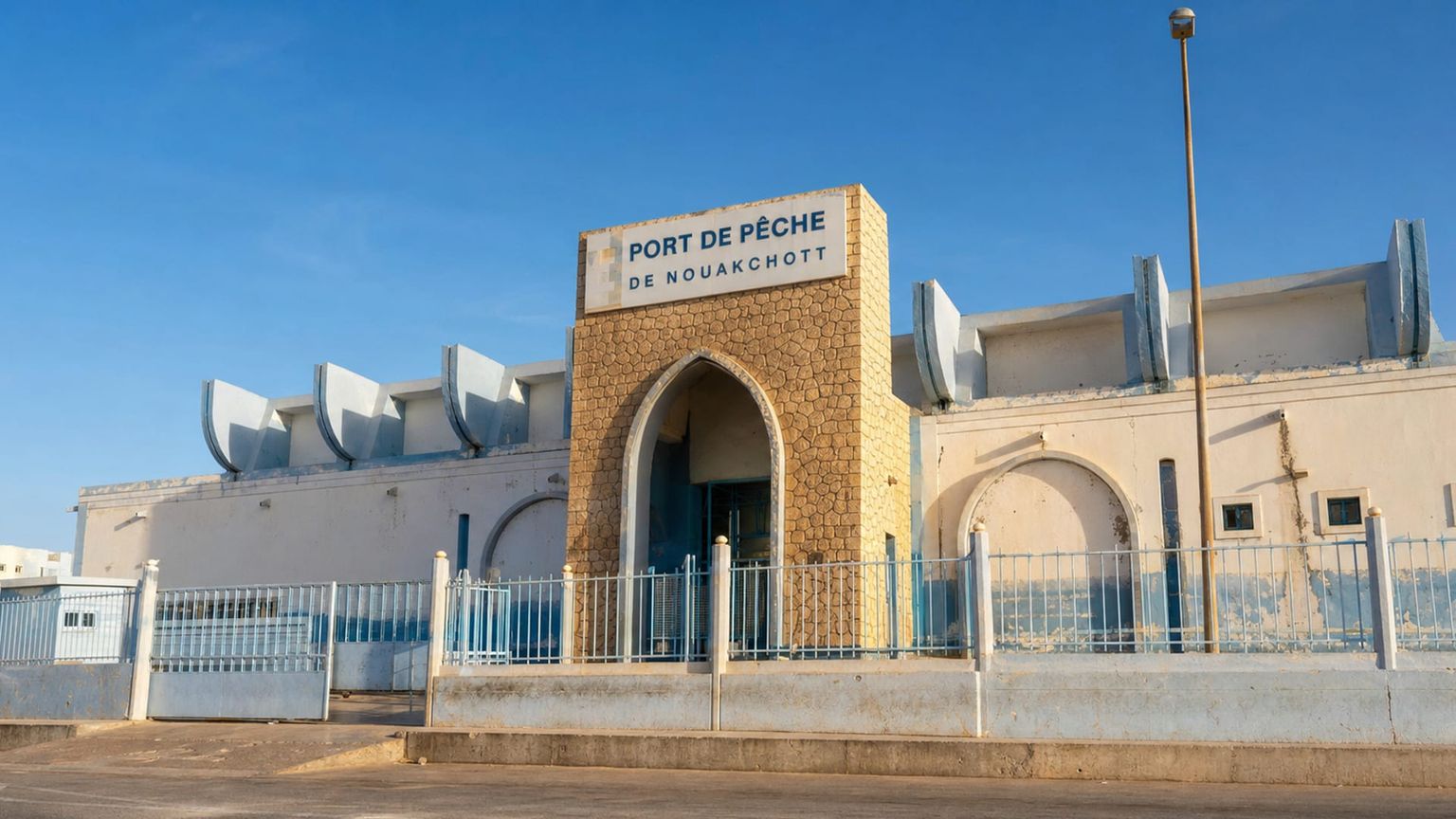
Port de Pêche fish market
Nouakchott’s port fish market is a busy working waterfront where pirogues land the catch and vendors sort fish on the sand. It is one of the city’s most active public scenes, with strong color, movement, and local trade.
Time needed: About 1 to 2 hours
Entry: Free to access, with no ticketed entry and no timed admission; bring small cash if you want to buy fish or pay for a short harbor boat view.
Tip: Arrive near sunrise for the best light and the busiest unloading activity.
Overlooked sites worth visiting

National Museum of Mauritania
Small but rich in precolonial and colonial artifacts, with carved wood, ceramics, and textiles that map Mauritania’s desert trade history. Its compact galleries make a good stop between other city visits.
Time needed: About 1 hour
Entry: Admission is typically about $2 to $4 (1,000 to 2,000 MRU), paid at the door. Hours can vary by day, and the museum may close for midday breaks or holidays, so check locally before you go.
Tip: Go in the morning, when the rooms are quieter and cooler.

Banc d'Arguin National Park visitor area
This coastal reserve north of the city draws birdlife, working fishing camps, and wide tidal flats rather than resort crowds. Even a short stop gives a clear look at the Atlantic edge and the Moors’ maritime world.
Time needed: About 2 to 3 hours
Entry: Park entry is usually about $5 to $10 (2,500 to 5,000 MRU) per person, though fees and access points can change by sector and season. Expect separate costs for guides or boat trips if you add them. Visit the official site for details.
Tip: Visit at low tide for the broadest view of the flats.
Traditional food
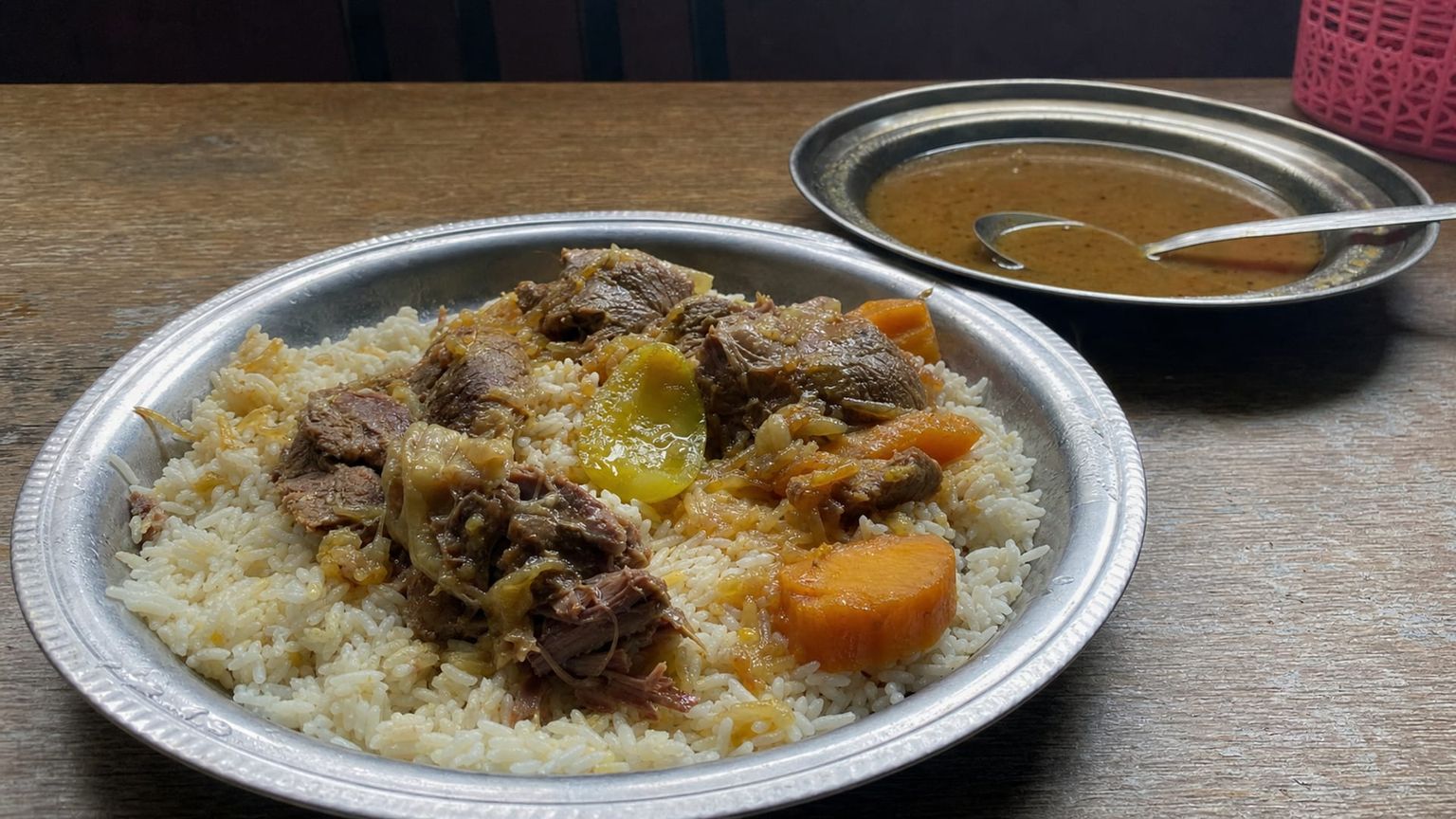
Nouakchott’s table leans on fish, couscous, rice, and grilled meat, with thieboudienne setting the pace for a meal built on fresh catch and gentle spice. Lunch and dinner are the anchor moments, often in simple rooms near main roads.
Thieboudienne
Mauritania’s signature rice dish layers fish, vegetables, and a savory tomato base. In Nouakchott, Nomade serves a dependable version that matches the city’s coastal pantry.
Couscous with lamb
Fluffy couscous with tender lamb appears often at larger local restaurants and family-style tables. Le Petit Jardin in Tevragh-Zeina is a good place to look for a well-made plate.
Grilled fish
Fish grilled over open heat suits Nouakchott’s harbor-minded dining scene, especially after a morning at the Port de Pêche. La Taverne du Chef is a solid city pick for a simple seafood meal.
Méchoui
Slow-roasted lamb or goat brings a richer, more festive note to the menu. Chez Mami, a long-running local restaurant, is a familiar address for this style of cooking.
Best time to visit Nouakchott
Nouakchott stays warm year-round, but wind, heat, and coastal haze shift the city’s pace enough to change which months work best.
Best for: Best overall weather for city sightseeing and longer outdoor stops
What you get: Roughly 63 to 79°F (17 to 26°C), with lighter heat and steadier comfort for market visits and taxi-linked sightseeing; this is the busiest stretch for travelers
Trade-offs: Dust and harmattan winds can still cut visibility on some days
Best for: Good for travelers who can handle rising warmth before summer peaks
What you get: About 68 to 89°F (20 to 32°C), with fewer visitors than winter and manageable mornings if you start early
Trade-offs: Afternoons get hot fast, so midday plans narrow
Best for: Best for flexible travelers who plan around early starts and indoor breaks
What you get: Roughly 76 to 97°F (24 to 36°C), with lighter tourist numbers and more demand for shade, water, and taxis
Trade-offs: Heat and humidity make long outdoor stretches tiring
Best for: A strong shoulder season for balanced heat and lighter crowds
What you get: About 72 to 90°F (22 to 32°C), with improving comfort after the hottest months and room to fit in market time and coastal outings
Trade-offs: Conditions can still feel hot by late afternoon
A realistic 5-day plan in Nouakchott
Five days in Nouakchott work best when you separate the waterfront, the museums, the camel yards, and the final shopping stops instead of stacking them into one long loop. The plan below does that and keeps taxi times realistic.
Land at Nouakchott (NKC) and take a taxi into Tevragh-Zeina, roughly 20 to 30 minutes depending on traffic and your hotel’s exact location; budget about $8 to $15 for the ride. Tevragh-Zeina gives you the best chance of settling near restaurants and embassies without another cross-city trip. After check-in, keep dinner close by, with a simple meal on a main road in Tevragh-Zeina, then drink plenty of water and turn in early.
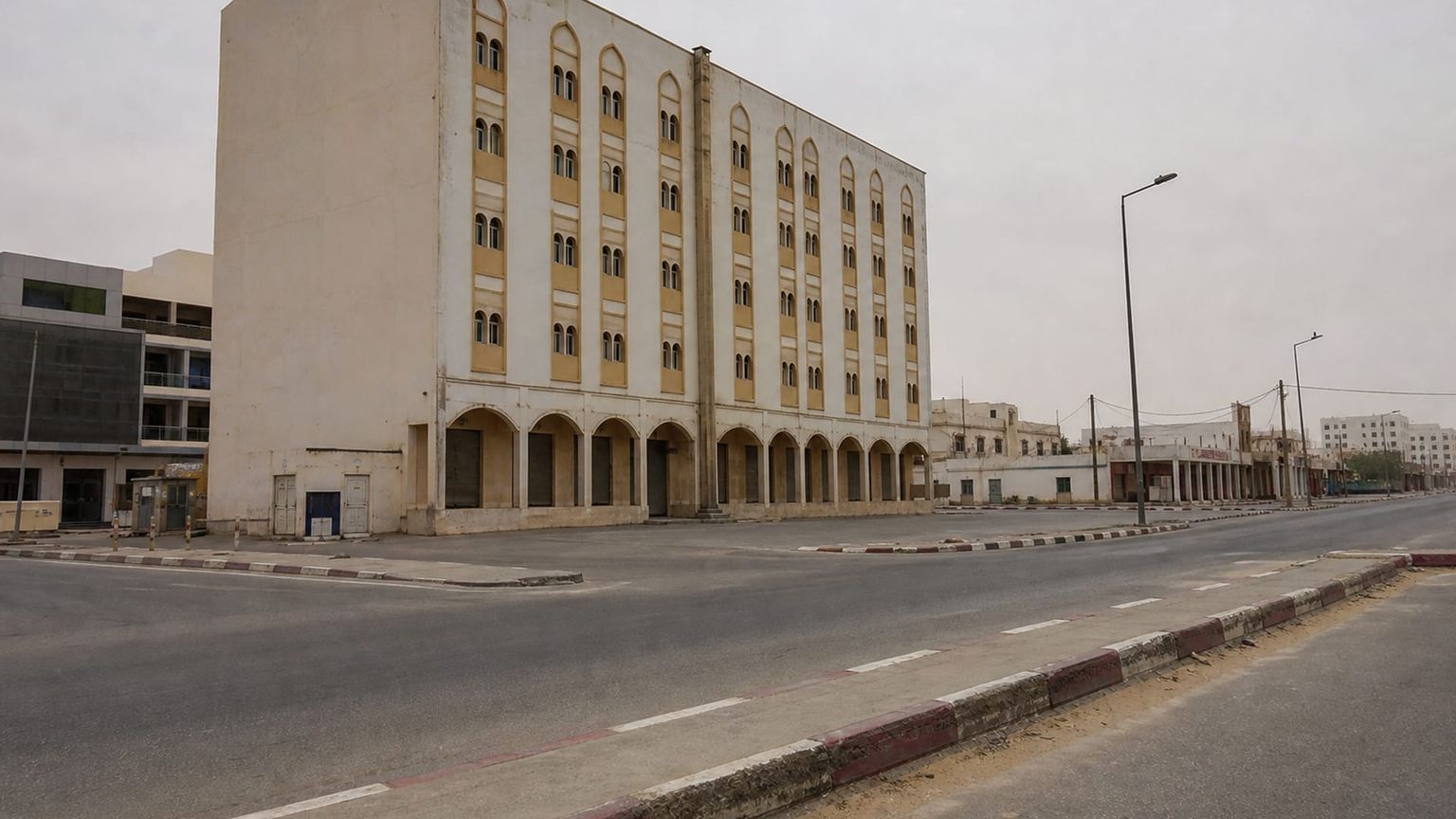
Start early at the Port de Pêche fish market, about 20 to 30 minutes by taxi from Tevragh-Zeina, so you catch the busiest unloading before the heat builds. From there, continue about 15 minutes by taxi to the National Museum of Mauritania for a compact, clear look at archaeology, textiles, manuscripts, and desert-life objects, with about 1 hour inside. End the afternoon back in Tevragh-Zeina or nearby Ksar, where a taxi ride usually takes about 10 to 15 minutes, for an unhurried dinner after the day’s busiest scenes.
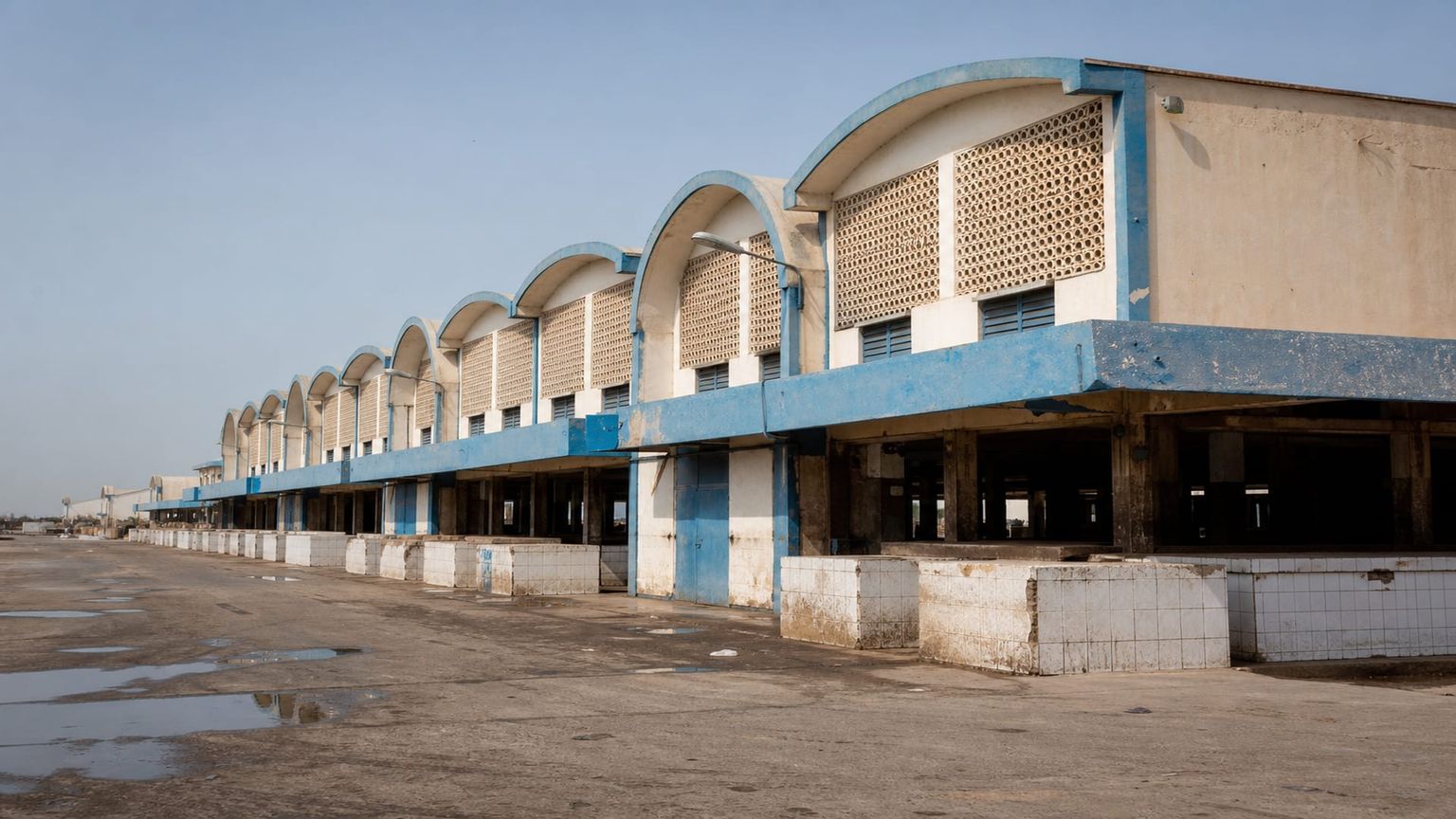
Begin at the Nouakchott Camel Market, reaching it by taxi in roughly 20 to 30 minutes from Tevragh-Zeina or Ksar, and plan for about 1 to 2 hours among the trading yards. Afterward, return toward the center for a second museum stop at the National Museum of Mauritania if you want more time with the collection, about 15 to 20 minutes by taxi from the camel market and about 1 hour inside. Finish with an easy evening in Ksar, where the streets stay active enough for a casual meal without a long transfer.
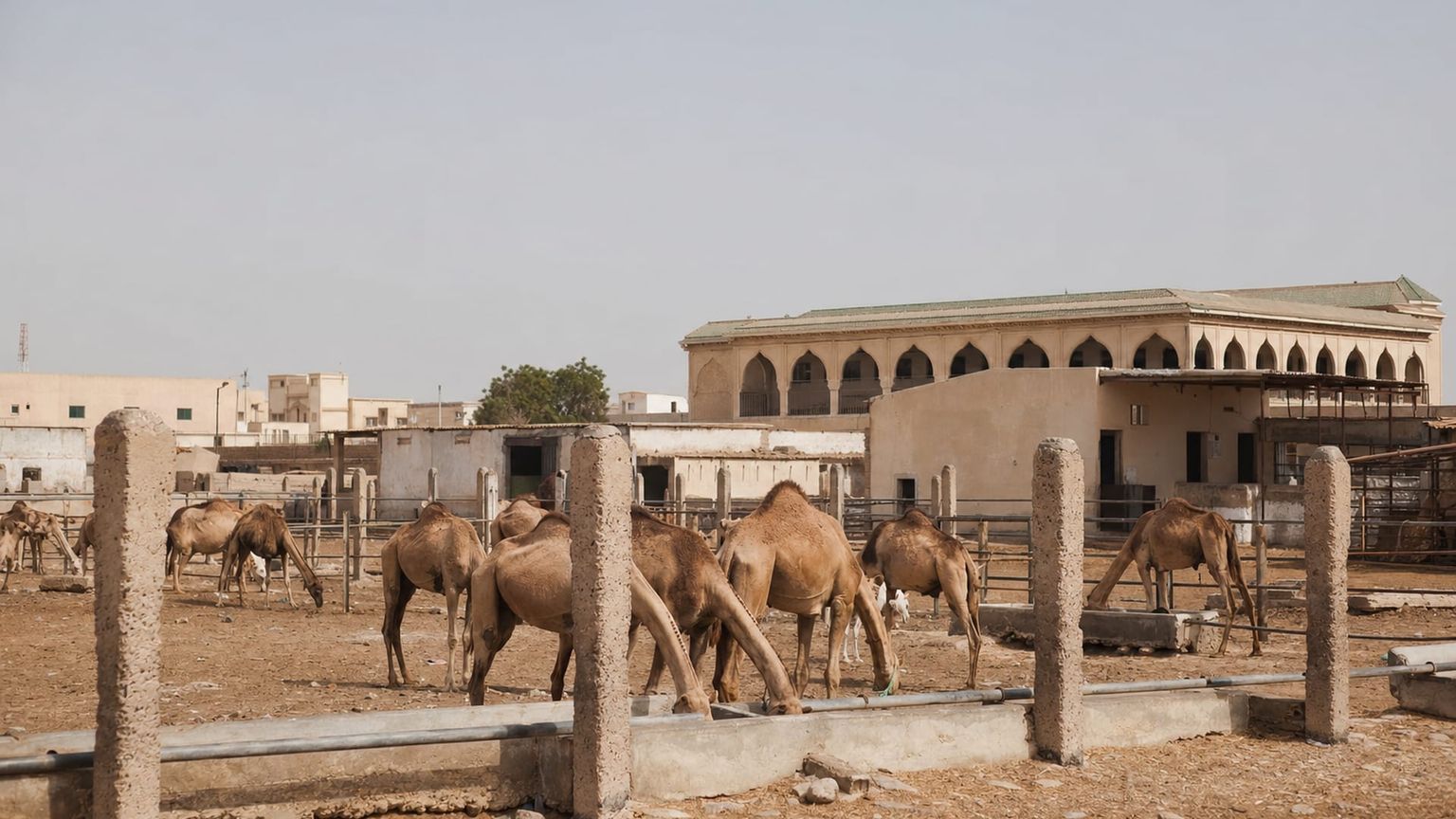
Head north from the city for the Banc d’Arguin National Park visitor area, usually a drive of about 1.5 to 2.5 hours each way depending on the access point and road conditions, and expect about 2 to 3 hours on site. Aim for low tide if possible, since the flats open up more fully and the fishing camps are easier to see. Back in Nouakchott, keep dinner in Tevragh-Zeina, where the taxi ride from the coast often takes about 2 hours or more with the return drive.
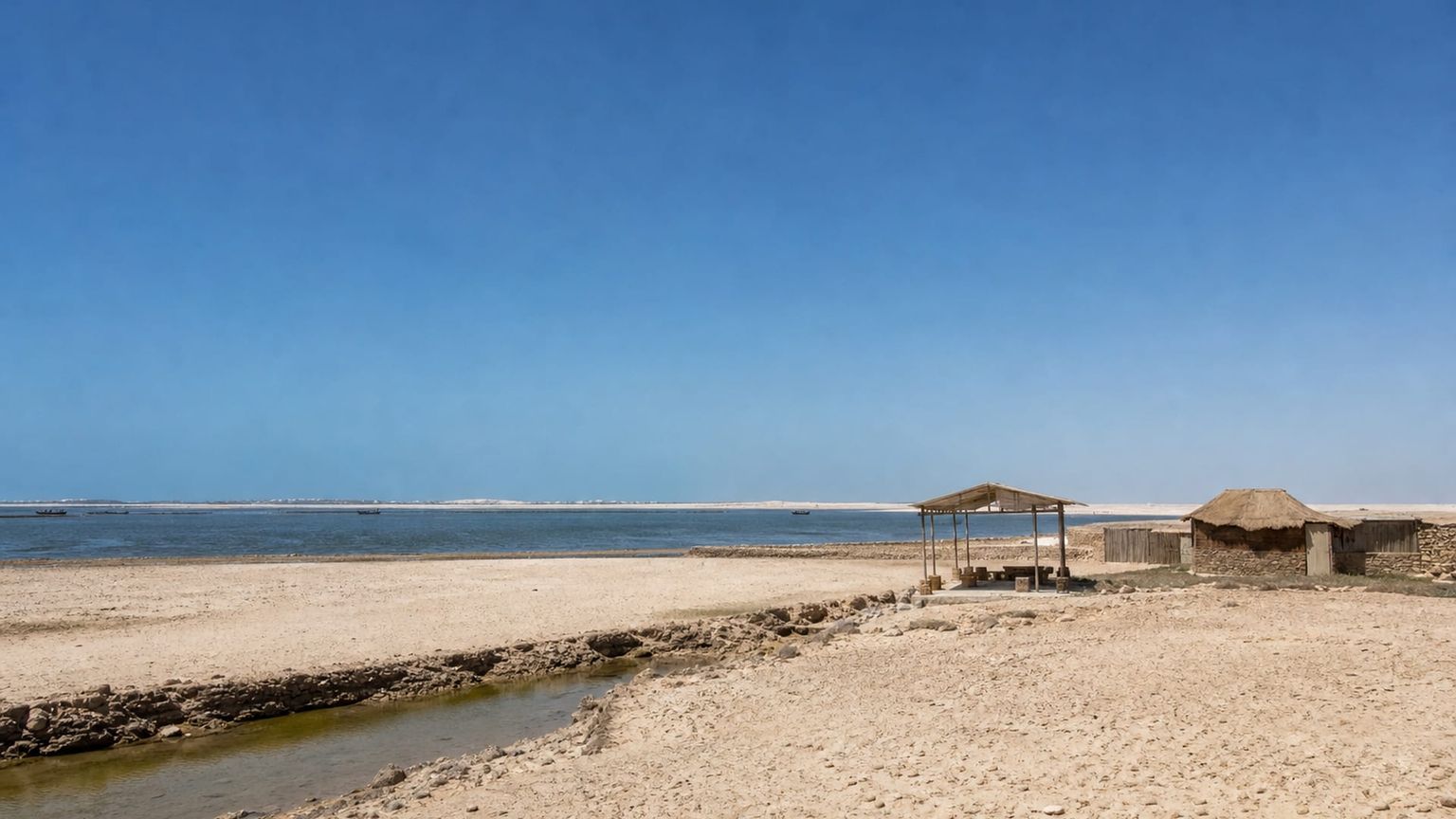
For a final morning, return to the National Museum of Mauritania if you want one last short museum stop, then spend the rest of the day in Ksar browsing shops and market streets before a café break in Tevragh-Zeina. Taxi rides between Ksar and Tevragh-Zeina usually take about 10 to 15 minutes, so you can move between errands, lunch, and a late coffee without rushing. Schedule your airport transfer from Nouakchott (NKC) with extra time, since city traffic can slow the trip back to the terminal.
Business-class flights from the US to Nouakchott
Reaching Nouakchott from the United States usually means one-stop pricing and a transfer through a major European or Gulf hub. The examples below show how that looks from New York and Los Angeles.
From New York, carriers such as Royal Air Maroc, Air France, Turkish Airlines, Qatar Airways, and Emirates sell itineraries to Nouakchott, with total travel times of about 14 to 20 hours when a connection is involved. Common layover hubs include CMN, CDG, IST, DOH, and DXB, and round-trip fares usually start at $3,500 and can reach $6,500.
From Los Angeles, Royal Air Maroc, Air France, Turkish Airlines, Qatar Airways, and Emirates also cover the route, and the journey usually takes about 16 to 22 hours with one connection. The same hub list, CMN, CDG, IST, DOH, and DXB, often appears on these tickets, and round-trip fares in business class usually start at $4,200 and can reach $7,200.
Nouakchott feels different when you slow down
A deliberate Nouakchott trip has a clear map: Tevragh-Zeina for lodging and dinner, Ksar for market streets, the Port de Pêche at sunrise, and the museum when the heat rises. Add Banc d’Arguin if you want the coast to shape the trip, then leave enough time for NKC traffic on the way out. If you want help building that version of the city, AranGrant experts can tailor it to your dates and flight plans







