

Chapters:

Need help with your trip?
Our support team is available 24/7. Request a callback or call us directly at (833) 619-0908
Many first trips to Matsuyama follow the same loop, Dogo Onsen, Matsuyama Castle, a temple stop, then a quick airport transfer. That sequence works, but it can leave little room for the city’s quieter links between tram stops, back streets, and bath-town routines.
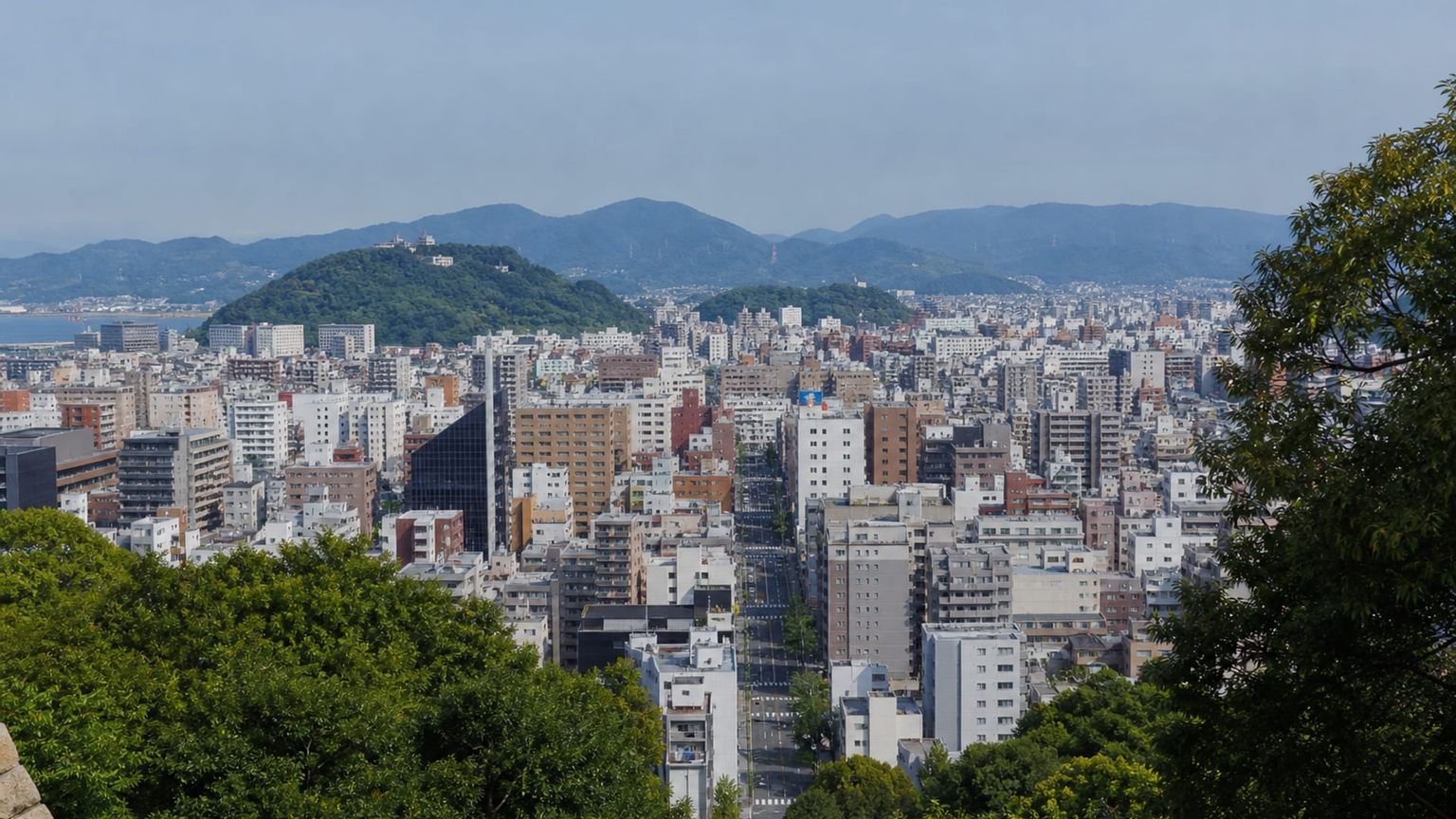
The usual rush also misses how the city is laid out. Castle slopes, the Okaido shopping streets, and Dogo’s hot-spring district sit close on a map, yet they still take planning if you want to avoid extra backtracking and crowded entry times.
This guide separates arrival, sightseeing, food, and departure into manageable days, so each stop has room to breathe without turning the itinerary into a chain of transfers.
Useful things to know
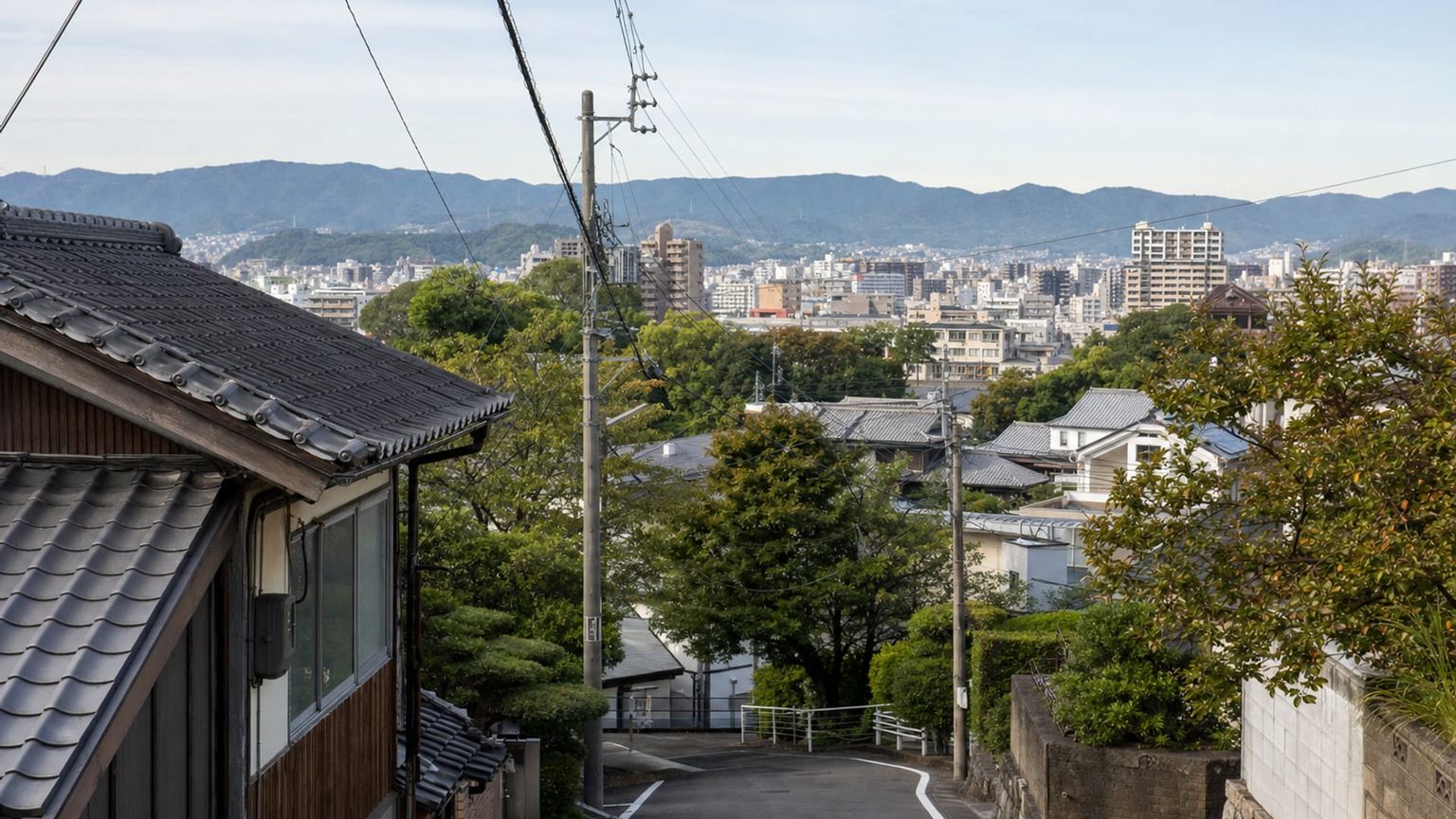

Main language(s): Japanese
Konnichiwa (koh-nee-chee-wah) – Hello / good afternoon
Onegaishimasu (oh-neh-guy-shee-mass) – Please
Arigatou gozaimasu (ah-ree-gah-toh goh-zai-mass) – Thank you
Eigo o hanasemasu ka? (ay-go o hah-nah-seh-mass kah) – Do you speak English?
Ikura desu ka? (ee-koo-rah dess kah) – How much does it cost?

Currency: The local currency is the Japanese yen (JPY, ¥).

Cash and cards: Cards and contactless are accepted in many hotels, shops, and trains; carry about ¥5,000 to ¥10,000 ($35 to $70) in cash.

Tipping: No tipping; rounding up is uncommon, and service charges may already be included.

Traditional food: tai meshi, jakoten, botchan dango, jakoten udon

Water and coffee costs: Water about ¥120 ($1), bar espresso about ¥500 ($3.50).

Taxis and ride apps: Uber and JapanTaxi operate; availability can be limited outside the center.

Plug and voltage: Type A/B socket, 100V

Dining and shop opening hours: Breakfast is about 7:00-9:00, lunch 11:30-14:00, and dinner 18:00-21:00. Many restaurants close one day a week, often Monday.

Emergency number: 110 police, 119 fire and ambulance.
Where to stay in Matsuyama
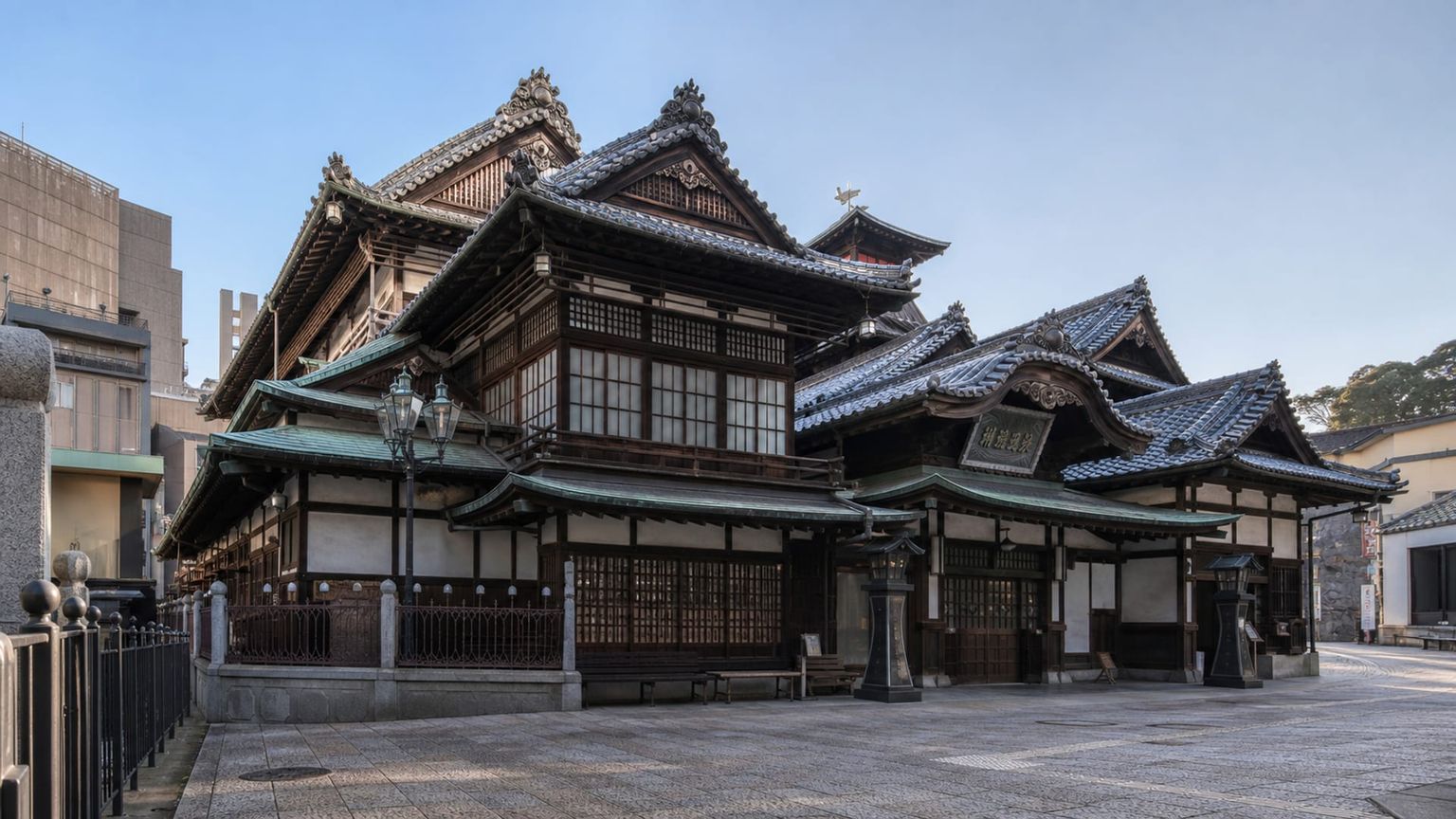
Matsuyama’s most iconic hot-spring district centers on Dogo Onsen and the old arcade that leads to it. Stay here for easy access to baths, souvenir shops, and a classic sightseeing base with tram links into the rest of the city.
Best for: Bathing, strolling, and travelers who want a historic base near one of Matsuyama’s top sights
What to expect: A lively tourist area with steady foot traffic, souvenir stalls, and plenty of visitors during bath hours and early evening.
Hotel prices: Usually about ¥10,000 to ¥20,000 (~$65 to ~USD130) per night for well-rated stays
Distance to major sights: 5 minutes on foot to Dogo Onsen Main Building; about 15 minutes by tram to Matsuyama Castle ropeway station
Quietness: Busier in the daytime and around bath closing time, then calmer late at night once the day visitors leave.
Main trade-off: Hotel rates can run higher here, and the immediate area caters to visitors rather than locals.
Good to know: If you plan to visit the bath more than once, staying nearby saves time because queues and opening hours shape the day.
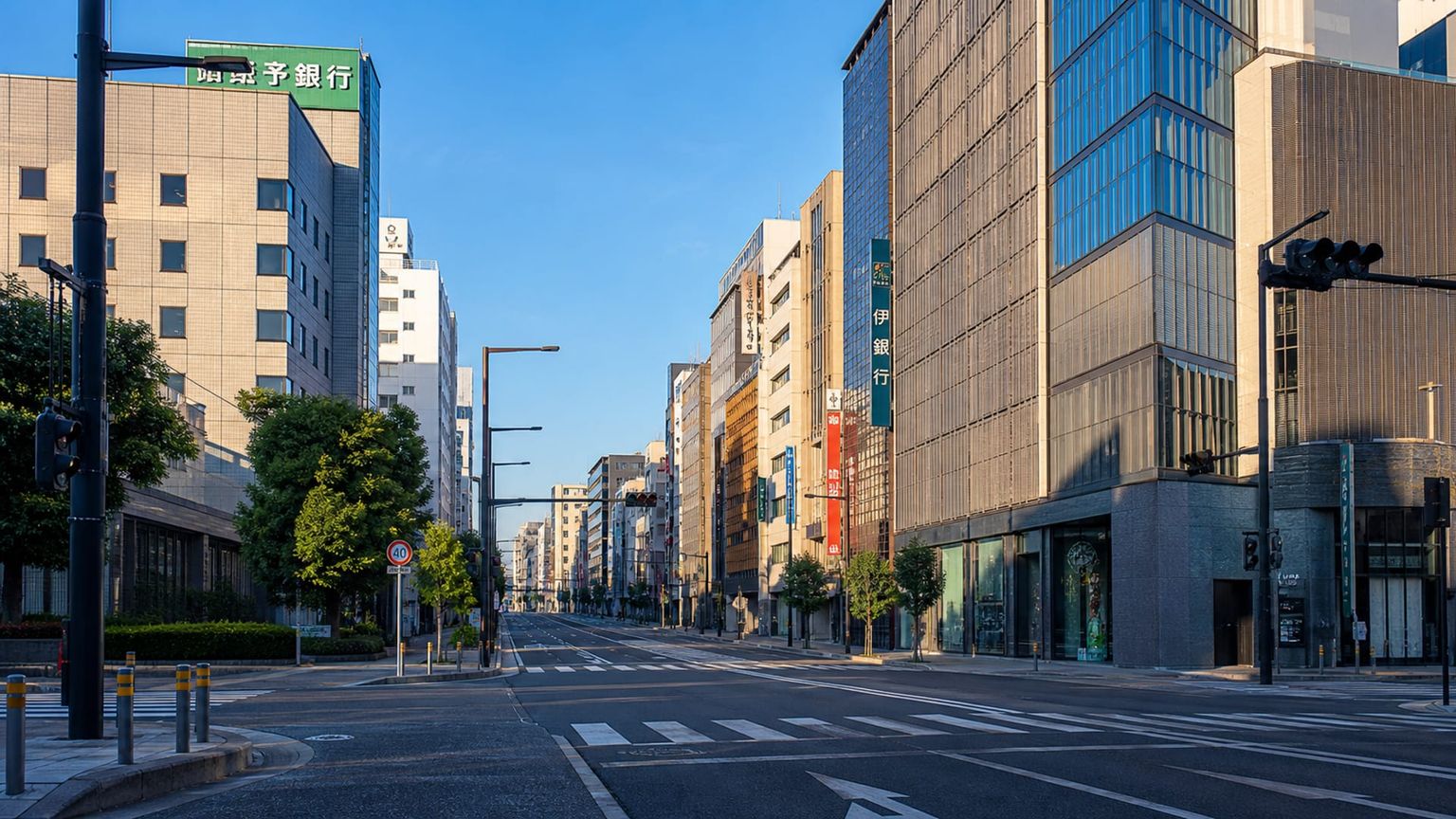
The city center around Matsuyama City Station and Okaido gives you the widest mix of shops, restaurants, and tram connections. It works well if you want an easy base for moving between Dogo Onsen, the castle area, and the main commercial streets.
Best for: Shopping, dining, tram access, and travelers who want to move easily between the city’s main sights
What to expect: Busy sidewalks, department stores, covered shopping streets, and the most everyday city activity after work and on weekends.
Hotel prices: Usually about ¥8,000 to ¥18,000 (~$52 to ~USD117) per night for well-rated stays
Distance to major sights: 10 minutes by tram to Matsuyama Castle ropeway station; about 20 minutes by tram to Dogo Onsen
Quietness: Lively through the day and into the evening, with more street noise near the main shopping blocks.
Main trade-off: You will be farther from the hot-spring atmosphere, and rooms near the busiest streets can pick up noise.
Good to know: If you rely on transit, this is the easiest place to base yourself because several tram lines and the airport bus converge nearby.
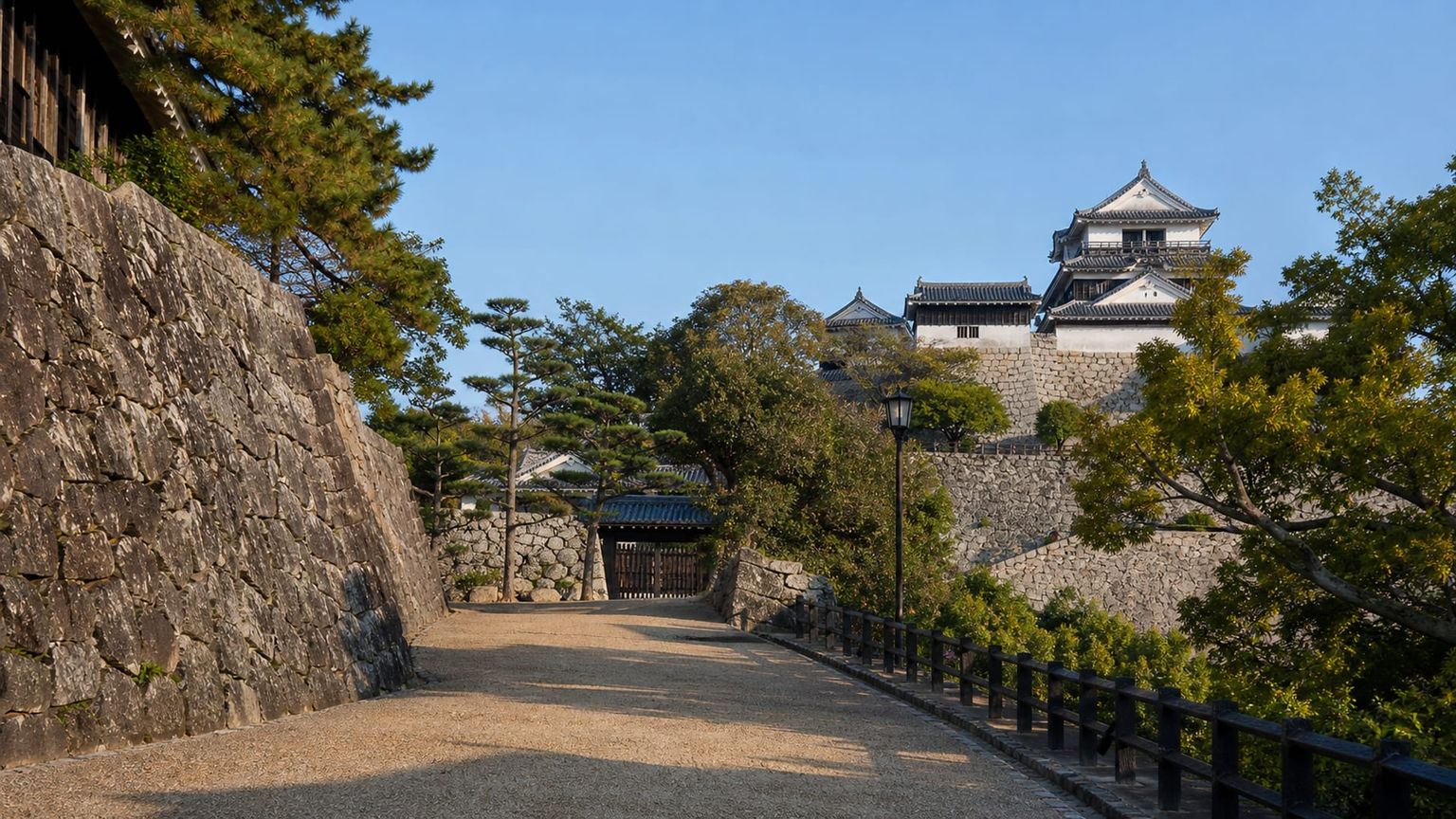
The streets below Matsuyama Castle sit between the park slopes and the central business district, so you stay close to the city’s best-known landmark. The area suits visitors who want short walks to the ropeway, the castle grounds, and downtown dining.
Best for: Castle visits, short walks, and travelers who want to stay near the city’s main historic landmark
What to expect: A mix of office streets, hotels, and visitor traffic, with a calmer pace once day trippers leave the castle grounds.
Hotel prices: Usually about ¥9,000 to ¥18,000 (~$58 to ~USD117) per night for well-rated stays
Distance to major sights: 10 minutes on foot to Matsuyama Castle ropeway station; about 15 minutes by tram to Dogo Onsen
Quietness: Calmer than the shopping core during the day, then relatively quiet at night except near larger roads.
Main trade-off: The immediate block choice matters, because some streets are close to sights but thin on dining after dark.
Good to know: Choose a hotel near a tram stop if you expect to go out for dinner often, since the castle slope is less convenient on foot after hours.
Travelers usually avoid Ishitegawa River’s outer residential stretches, they sit away from Matsuyama Castle, Dogo Onsen, and the main tram corridors, so evening movement takes longer. Yamanishicho and Ichibancho’s blocks far from the tram stops are less convenient for visitors, since they have fewer hotel choices and weaker late-night dining and shopping access than the central station and Dogo areas.
Hotel deals
How to get around Matsuyama efficiently
Matsuyama’s tram network, airport buses, and taxis each solve a different part of the city, since the main sights cluster around Dogo, the castle area, and the central shopping streets.

Metro
for longer distances
Matsuyama has no metro or suburban rail link from Matsuyama Airport (MYJ), so visitors usually use the Iyotetsu tram, bus, or taxi once in the city. If you are heading downtown after landing, plan on roughly 30 to 40 minutes by road or tram-linked transfer, depending on traffic and your stop.

Bus and tram
for convenience
Iyotetsu operates the core tram and bus network, with the city loop lines reaching central stops, Matsuyama Castle, Dogo Onsen, and the main rail station. Tram rides are a simple tap-in, tap-out affair at the front or rear door, and short urban fares are about $1 to $2, with day passes available for longer sightseeing hops; airport buses link Matsuyama Airport (MYJ) to the city in about 15 to 30 minutes.

Taxi
for convenience or late hours
Licensed taxis use metered fares rather than fixed airport pricing, and the airport to central Matsuyama ride usually lands at about $25 to $40, rising at night or in heavier traffic. Cars queue outside Matsuyama Airport (MYJ), and drivers generally accept cash, while some also take major cards or transport IC cards, so confirm payment before you set off.
*Prices are based on rates updated as of June 2026 and may change at the time of travel.
Use trams for central sightseeing, the airport bus for the cheapest city transfer, and taxis when you want to shorten the last stretch to a hotel or dinner reservation.
Iconic landmarks
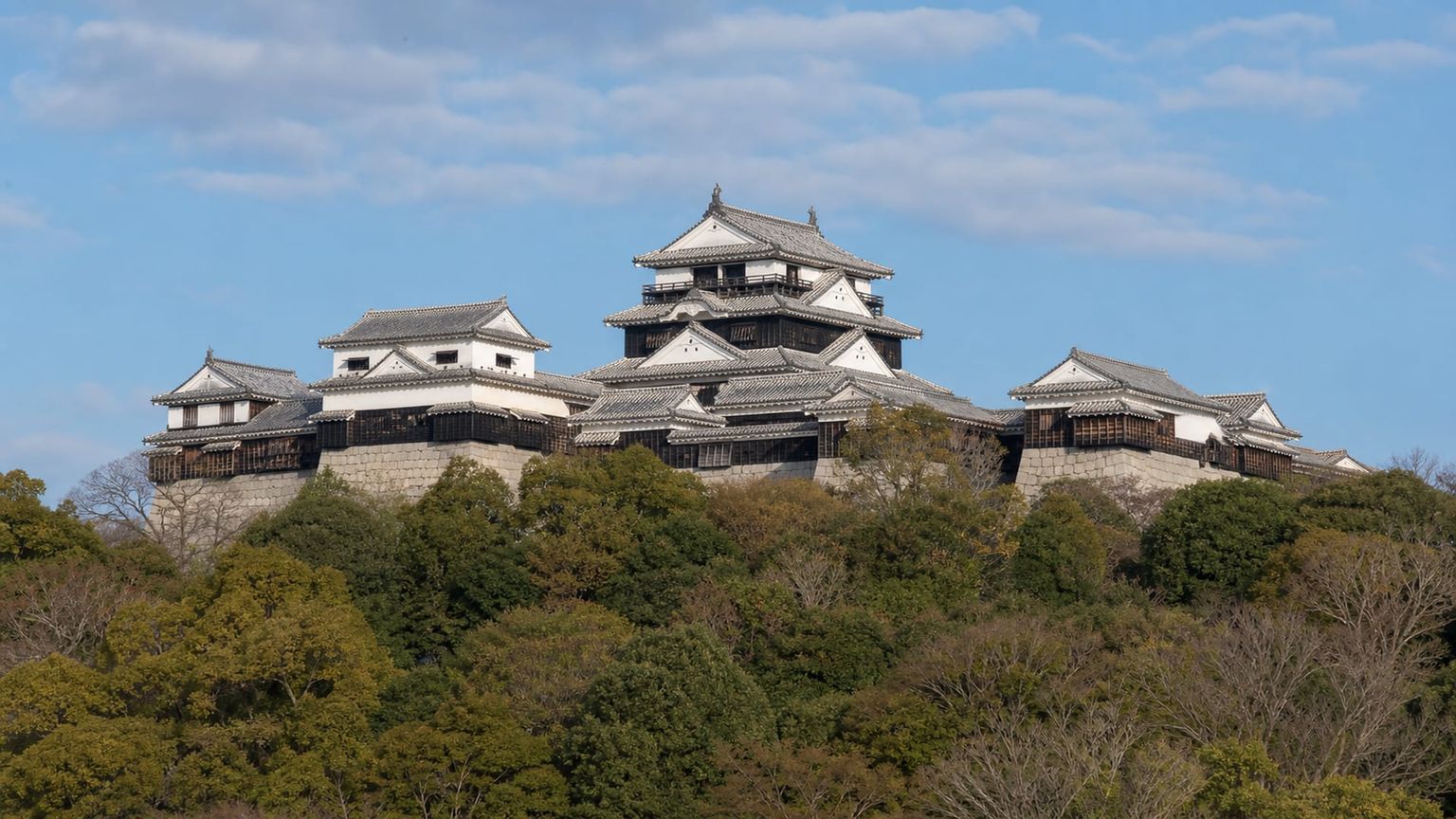
Matsuyama Castle
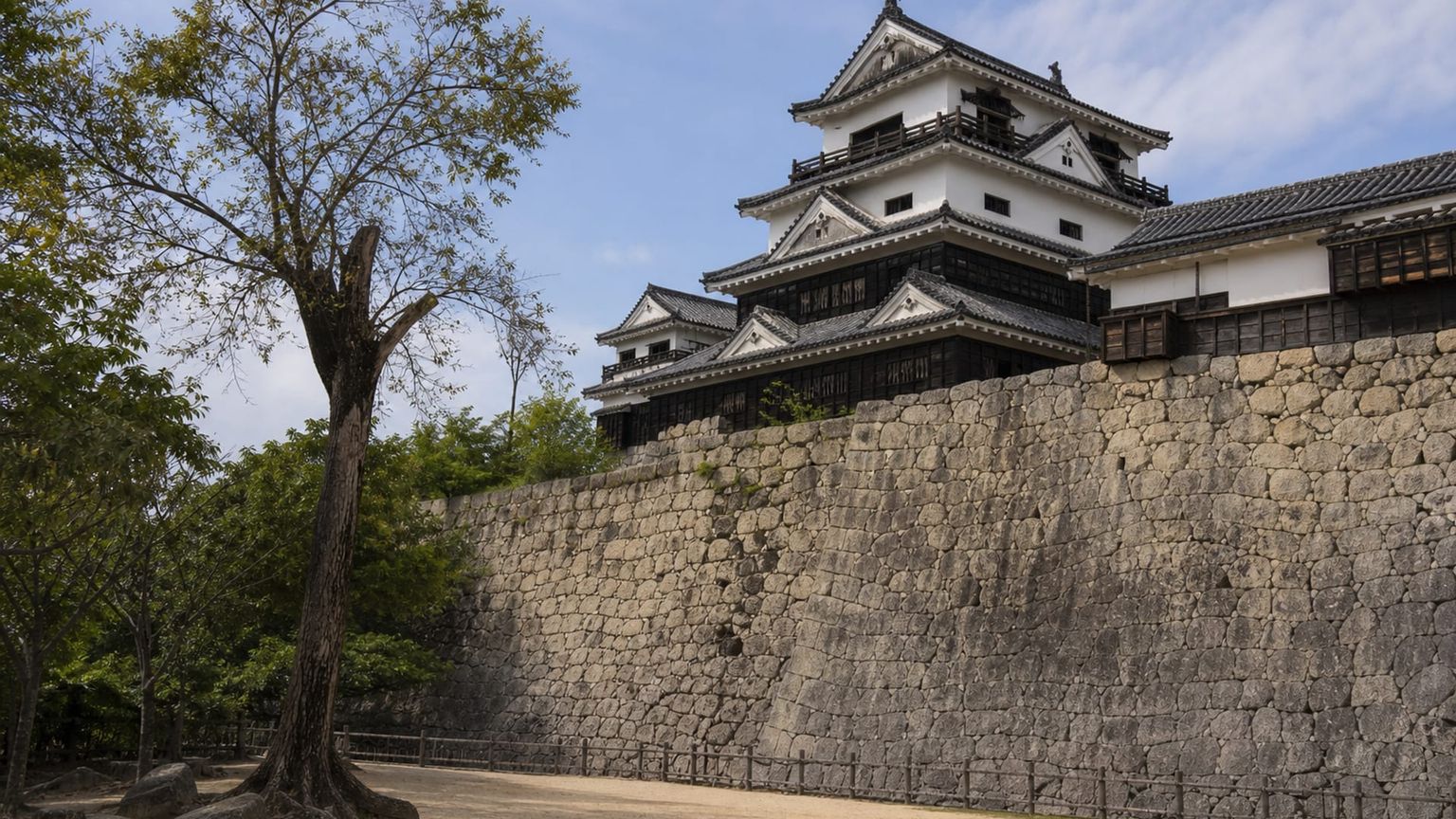
This hilltop castle crowns Katsuyama Hill and preserves one of Japan’s best surviving castle complexes, with the keep, gates, and walls spread across a wooded park. The ropeway or chairlift shortens the climb to the main keep.
Time needed: About 2 to 3 hours
Entry: Adult admission is about $4 ($640) for the keep; the ropeway or chairlift costs extra, about $3 ($510) each way. Visit the official site for details.
Tip: Ride up, then walk down through the grounds for better light and fewer stairs.
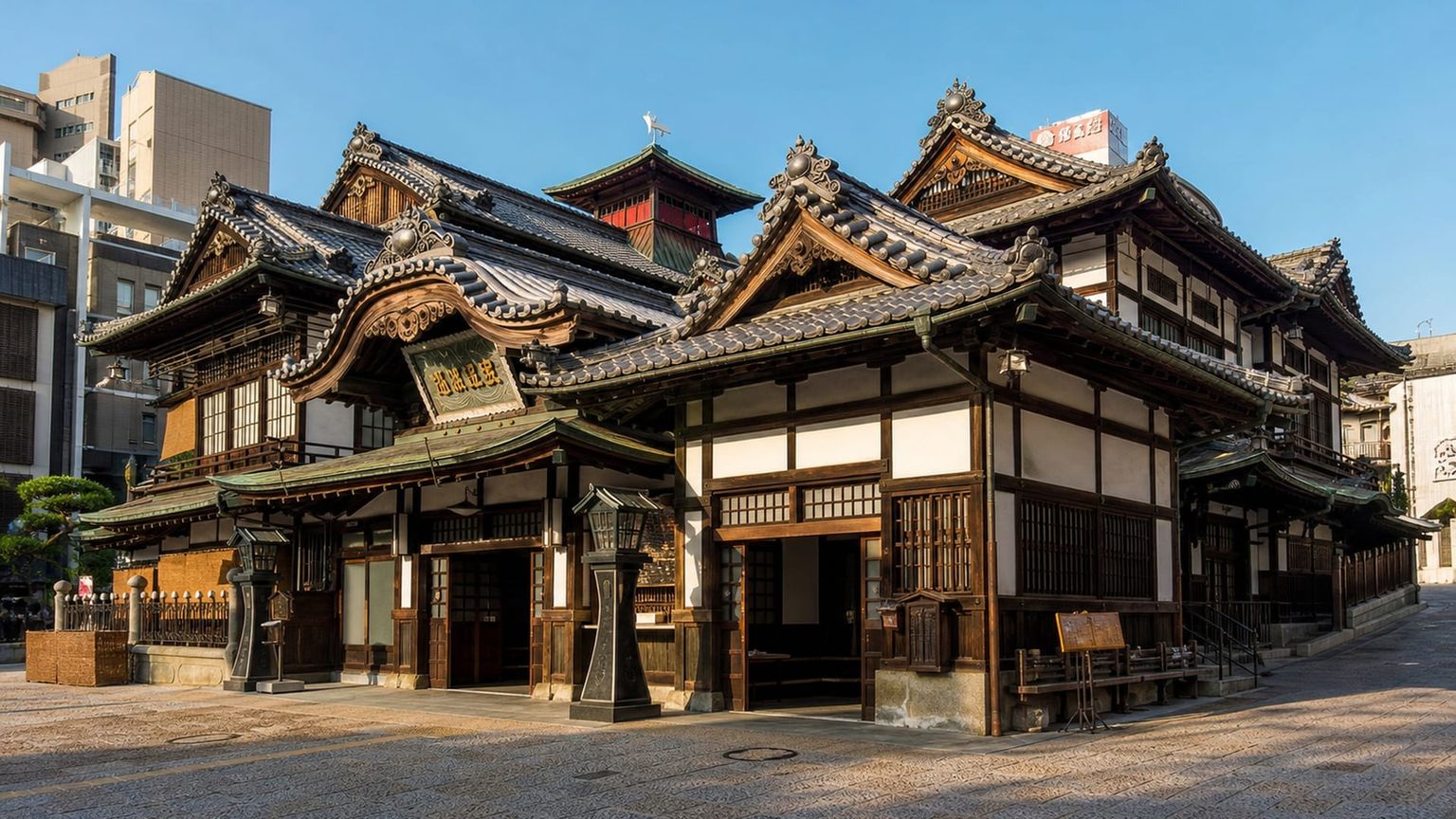
Dogo Onsen Main Building
This Meiji-era public bathhouse in Dogo Onsen district has long drawn visitors for its wooden architecture, layered bathing rooms, and literary links. The building sits beside a busy bath town street lined with footbaths, inns, and small shops.
Time needed: About 1 to 2 hours
Entry: Public bathing fees start at about $4 ($610), with higher tiers priced by room and bath access; towel rentals cost extra. Visit the official site for details.
Tip: Go early in the morning or after dinner to avoid the longest bathhouse lines.
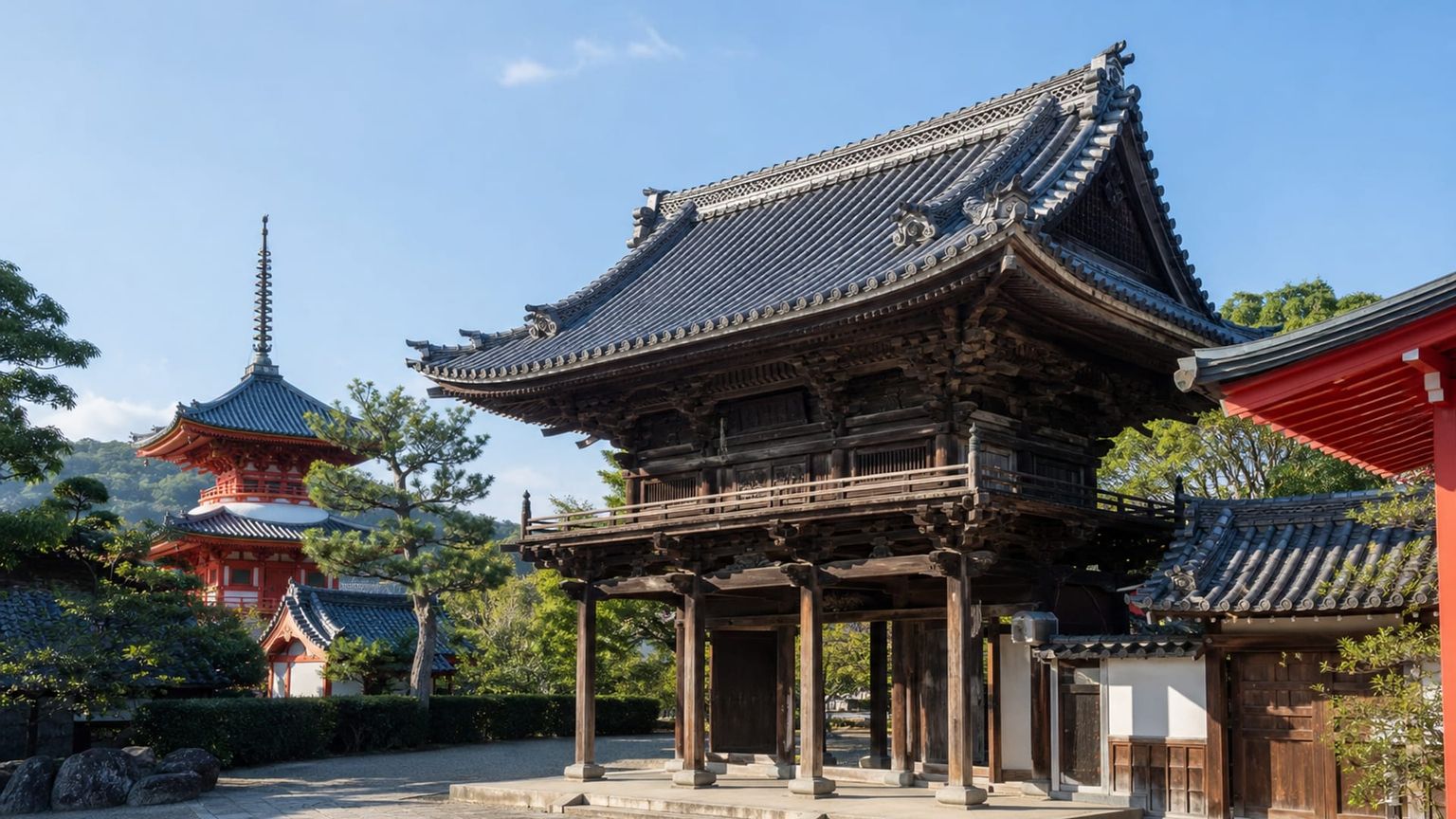
Ishite-ji
Ishite-ji is Temple 51 on the Shikoku Pilgrimage, known for its imposing temple gate, multi-story pagoda, and cave passage linked to the main hall. Its temple grounds hold important cultural properties and a clear sense of pilgrimage history.
Time needed: About 1 to 2 hours
Entry: Grounds are free to enter; donation boxes are set at some halls, and small fees may apply for select inner areas or services. Visit the official site for details.
Tip: Wear shoes that are easy to remove, since some halls require indoor entry.
Overlooked sites worth visiting

Ishiteji Temple
A hillside temple complex with the 12th-century Pagoda and a cave of 88 stone Buddhas. The climb adds a quiet sequence of gates, halls, and mossy paths just outside central Matsuyama.
Time needed: About 1 to 2 hours
Entry: Entry is about $4 ($600); the cave and main grounds are included in the standard temple admission, with extra charges for some amulets and memorial services sold on site. Visit the official site for details.
Tip: Go early for softer light on the stone pagodas.

Dogo Park
This compact park surrounds the ruins of Yuzuki Castle, with earthworks, a small museum, and views over the old hot-spring district. It suits a short walk between tram stops and nearby baths.
Time needed: About 45 minutes to 1.5 hours
Entry: Free to access; the park grounds and castle ruins have no admission fee, while the Yuzuki Castle Ruins Museum inside the grounds charges about $2 ($300) for adults and less for school-age visitors.
Tip: Walk the ramparts at sunset for clear views over Dogo.
Traditional food
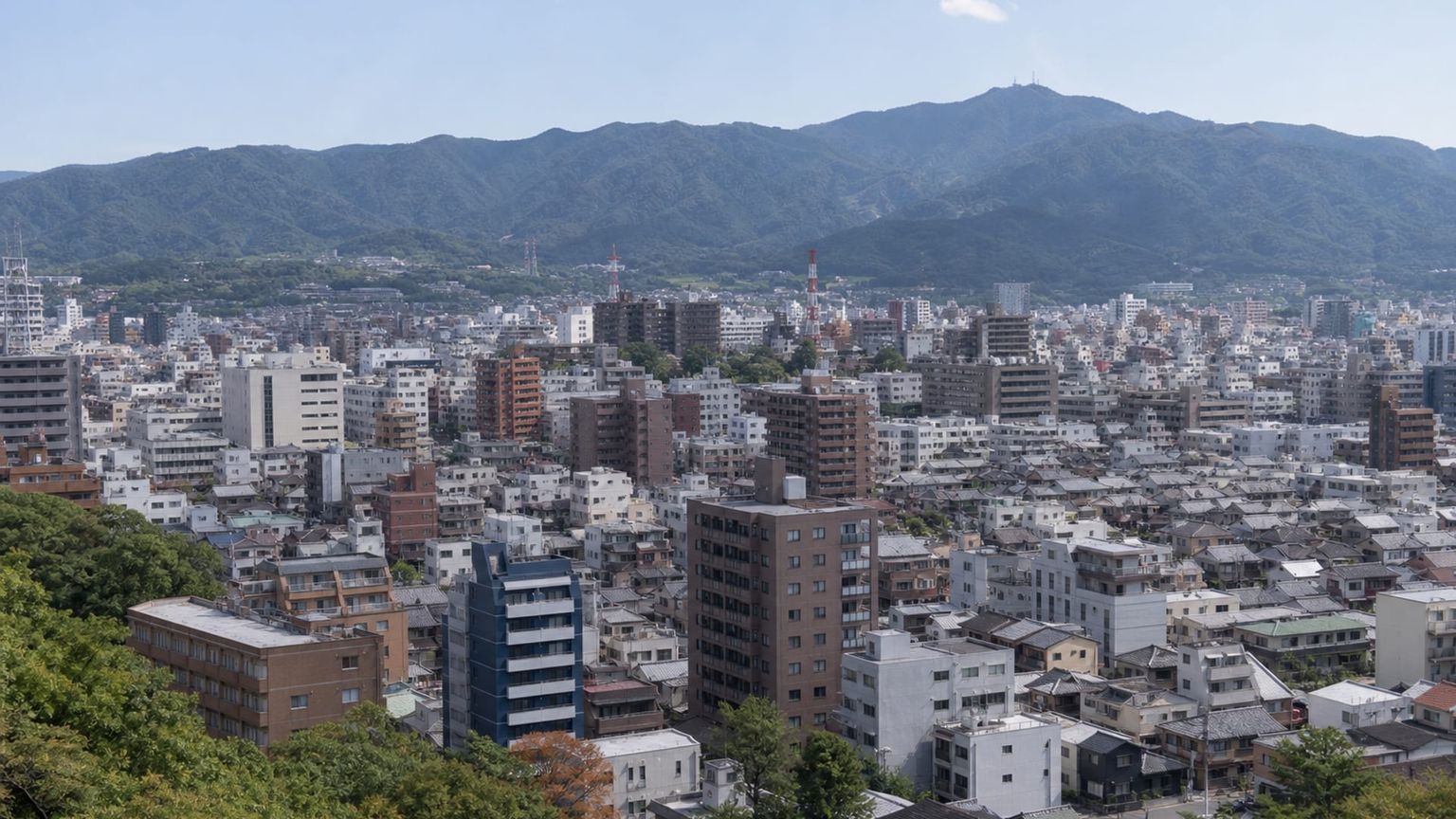
Matsuyama cooking leans on sea bream, fried horse mackerel cakes, sweet rice dumplings, and broth-driven noodle bowls, with many specialties served at counter seats, small lunch rooms, or long-running neighborhood shops.
Tai meshi
This sea bream rice arrives with regional seasoning and a clean, savory finish. Gokoku Jaya in the Dogo area is a classic stop for it and fits the dish’s local style well.
Jakoten
These crisp fried fish cakes bring a salty edge that works as a snack or a side dish. Kadoya inside Matsuyama City Station offers a dependable version in an easy central location.
Botchan dango
Tri-colored rice dumplings make a light sweet finish after a bath or a temple visit. Dogo Haikara Dori’s sweet shops serve versions that match the district’s souvenir culture.
Jakoten udon
This bowl combines the city’s fried fish cake with hot udon noodles and a clear broth. Udon Dining Tsurukawa near the central shopping district is a strong everyday choice for it.
Best time to visit Matsuyama
Matsuyama shifts with the seasons, from hot-spring strolling weather in spring and autumn to humid summers and mild winters that keep the city open year-round.
Best for: Castle walks, tram rides, and bath-town strolls
What you get: About 45 to 73°F (7 to 23°C), with moderate crowds outside Golden Week and comfortable conditions for walking
Trade-offs: Late April and early May bring holiday crowds and higher hotel rates
Best for: Evening baths, shaded temple visits, and late dinners
What you get: About 73 to 91°F (23 to 33°C), with heavier humidity and lighter crowds outside festival days
Trade-offs: Heat and rain make midday sightseeing slower
Best for: Castle foliage, food stops, and longer city walks
What you get: About 55 to 79°F (13 to 26°C), with steady visitor flow and some weekend peaks
Trade-offs: Typhoon remnants can interrupt early autumn plans
Best for: Onsen visits, clear views, and quieter museum time
What you get: About 36 to 52°F (2 to 11°C), with low crowd levels except around New Year
Trade-offs: Short days make late-afternoon sightseeing feel compressed
A realistic 5-day plan in Matsuyama
The five-day route below starts with arrival and then builds through the castle, the temple corridor, and the bath district before ending with an easy departure day. That order keeps the city’s tram links and neighborhood clusters working in your favor.
Land at Matsuyama Airport (MYJ), then take the airport limousine bus into the city center, roughly 25 to 35 minutes depending on traffic, for about $4 to $5. If you are staying near Dogo Onsen, the same bus or a short tram ride will put you close to the bath district without much effort, while Matsuyama City Center gives you the easiest link to dinner and late check-in. After settling in, keep plans modest, drink water, and head to an early dinner on Okaido or the arcade by Dogo Onsen Main Building, where you can eat well without overextending the first evening.
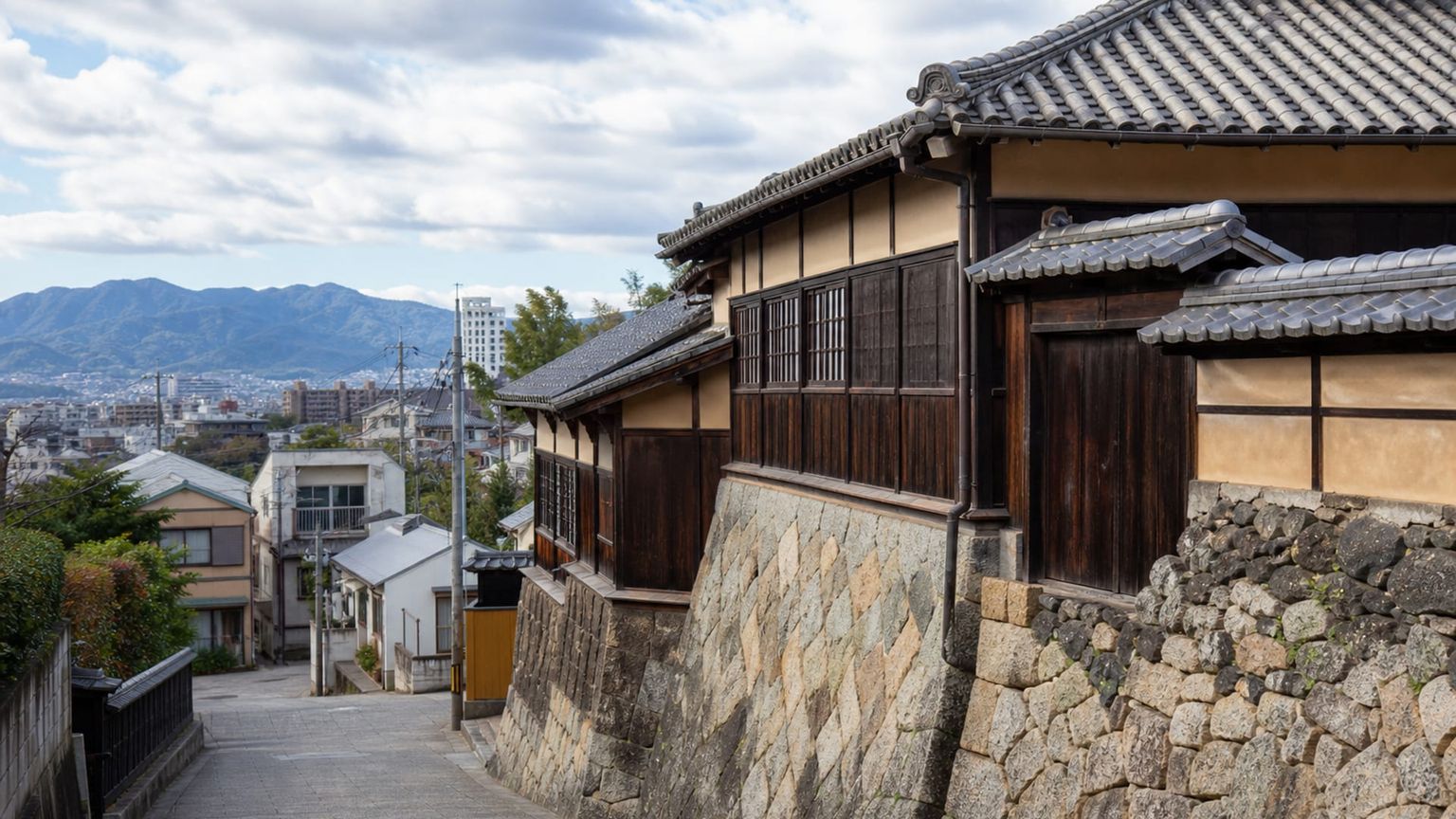
Start at Matsuyama Castle, riding the ropeway or chairlift up from the base and then walking back down through the grounds, a visit that usually takes about 2 to 3 hours. From the castle area, return by tram or on foot to Dogo Park in about 15 to 20 minutes, where the former Yuzuki Castle ruins and museum add a second layer of history in about 45 minutes to 1.5 hours. Finish in Dogo Onsen district, then spend the evening at Dogo Onsen Main Building, which pairs well with a relaxed soak before dinner nearby.
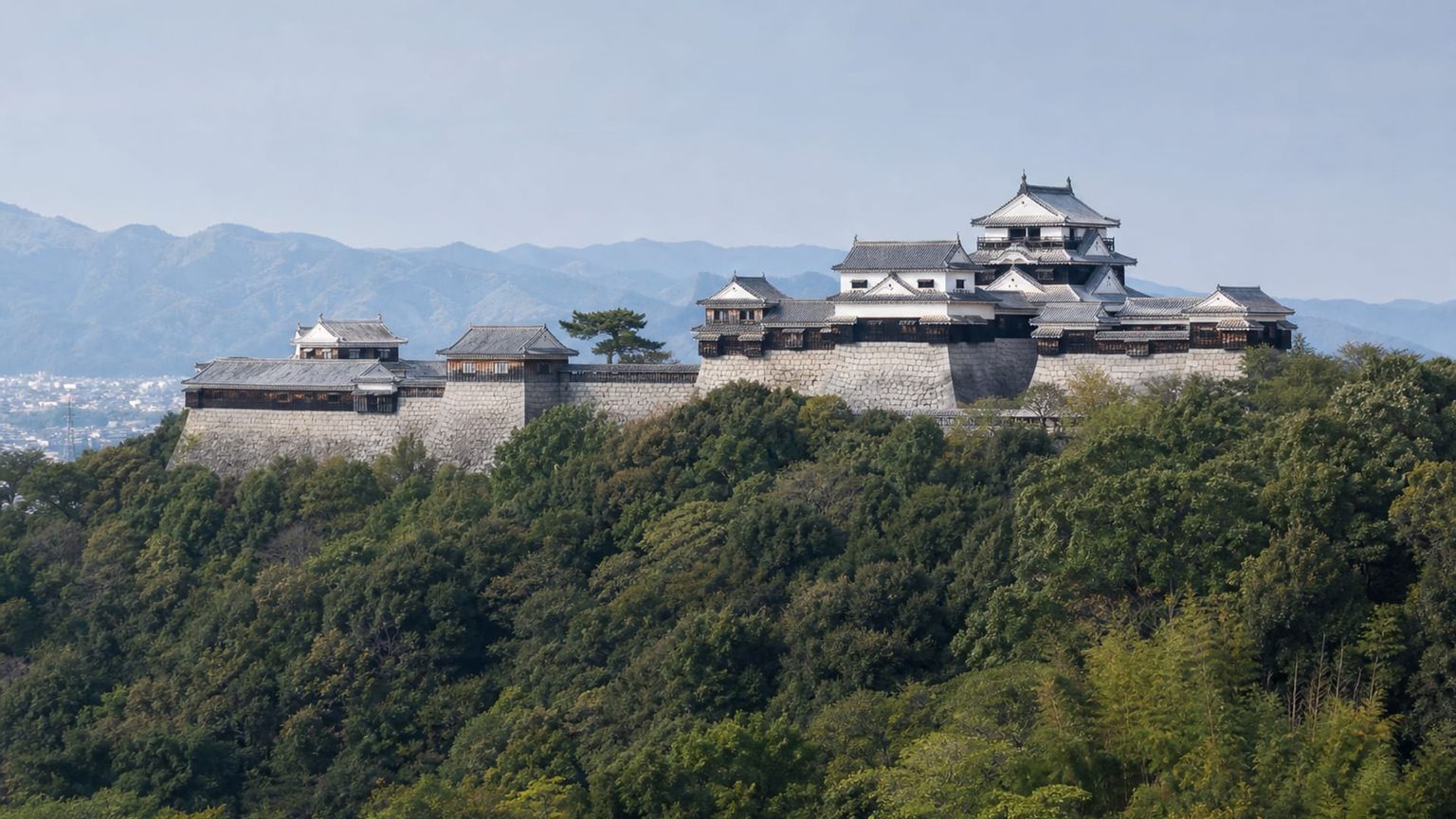
Begin with Ishite-ji, arriving early if you want quieter grounds and softer light on the stone pagodas. The temple visit usually takes about 1 to 2 hours, and the cave of 88 stone Buddhas gives the site a stronger sense of pilgrimage history than many city stops. From there, ride back toward Dogo Onsen in about 10 to 15 minutes by tram or taxi, then settle into the hot-spring district for a late lunch, a footbath stop, and an unhurried walk through the arcade before dinner.
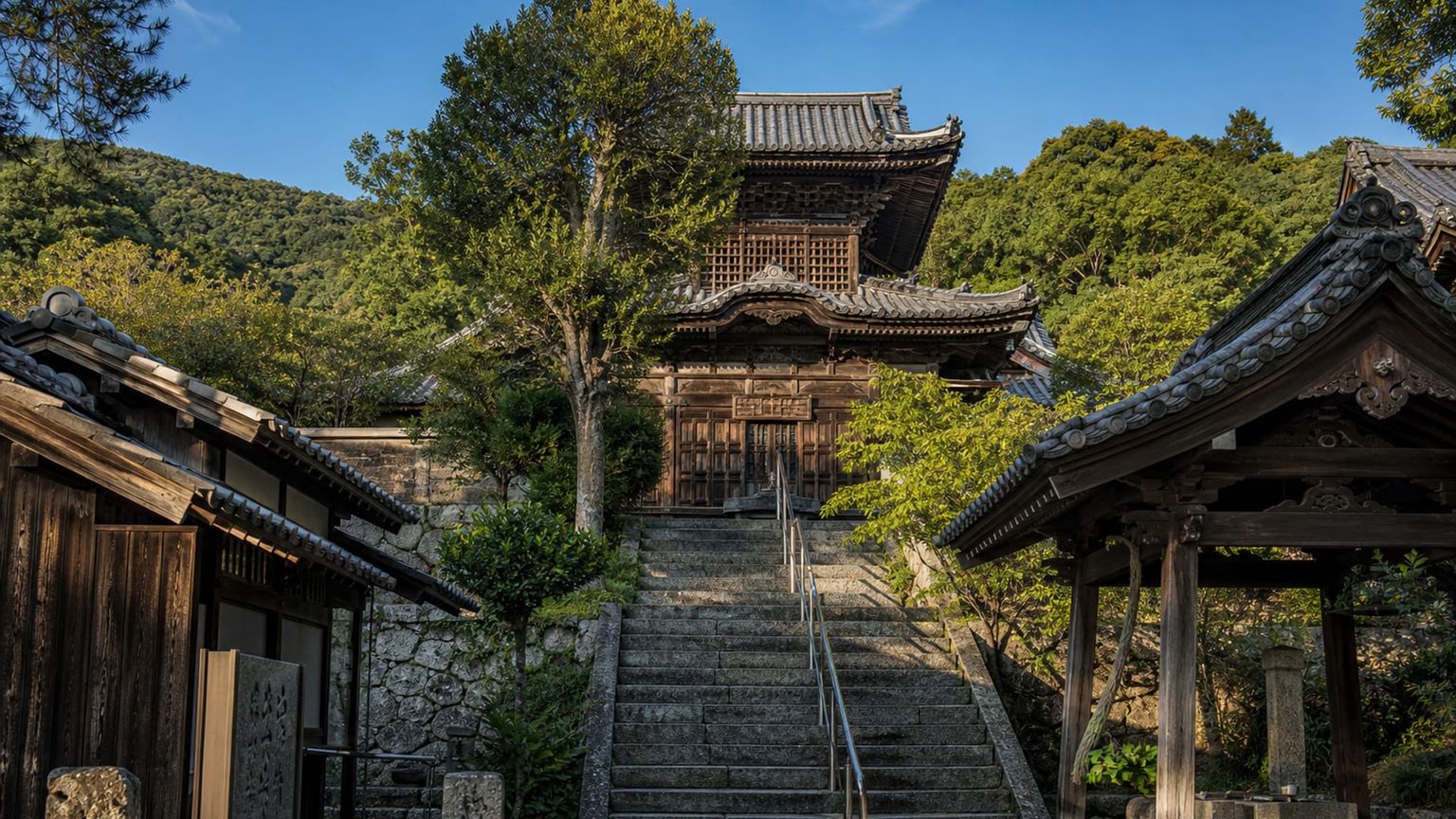
Set out for a second look at Dogo Onsen Main Building in the morning, then walk the district around it for souvenir shops, side streets, and the compact bath-town core. After that, continue to Dogo Park in roughly 5 to 10 minutes on foot, where the ramparts and open grounds give you a clear outdoor pause between indoor visits. In the afternoon, move to Matsuyama City Center by tram in about 15 to 20 minutes for shopping and an easy dinner near Okaido, so you finish the day with the city’s busiest commercial streets rather than another uphill climb.
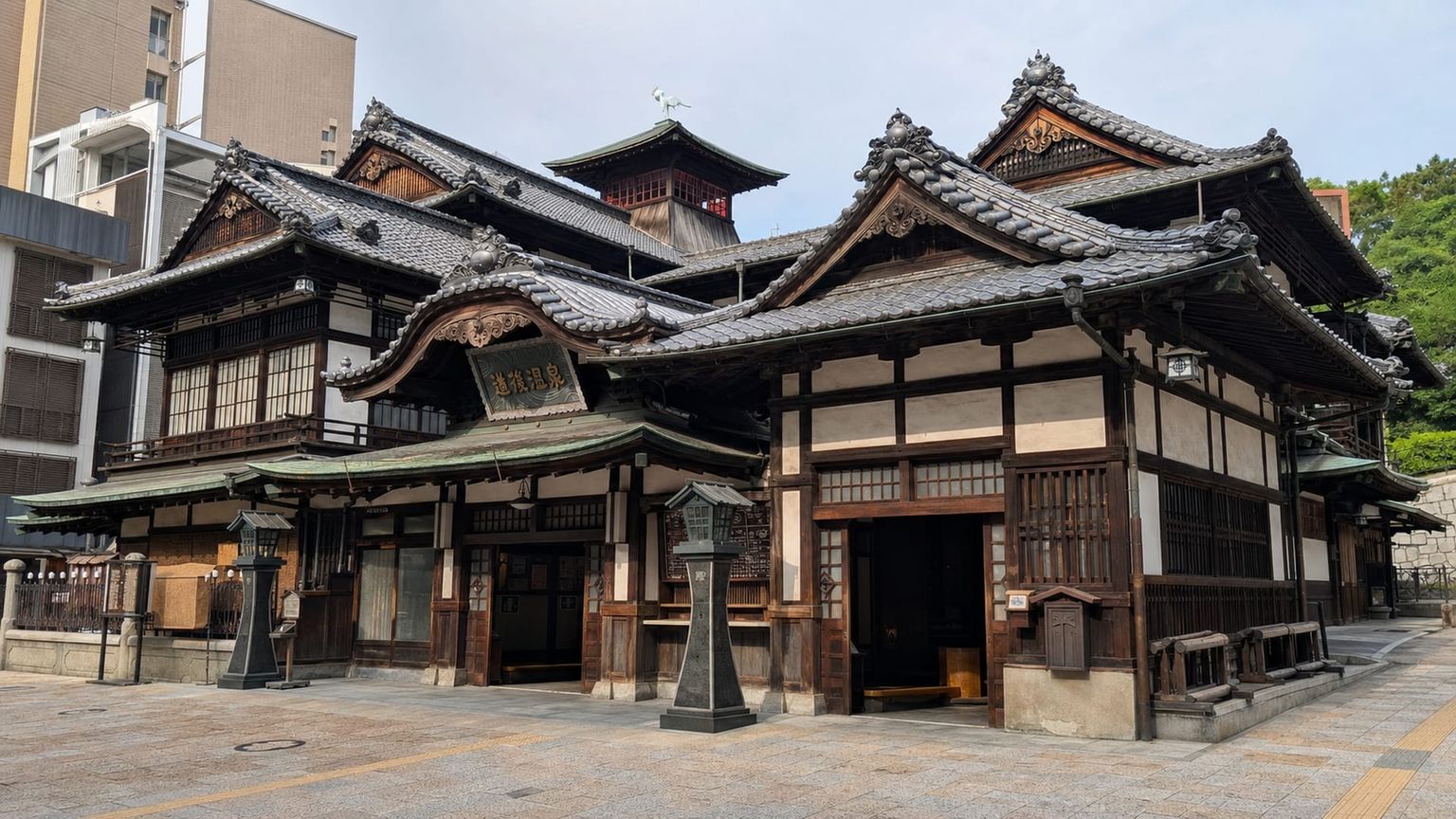
A late departure day works best with one final stop at Ishiteji Temple if you want a quiet morning, or a short return to Dogo Park if you prefer an easier walk before checking out. For shopping, head to Matsuyama City Center and the Okaido area, where department stores and covered arcades make it simple to pick up local snacks or gifts. If time allows, sit down for coffee in Dogo Onsen district or near Matsuyama City Station, then head back to Matsuyama Airport (MYJ), which is about 25 to 35 minutes from the center by airport bus.
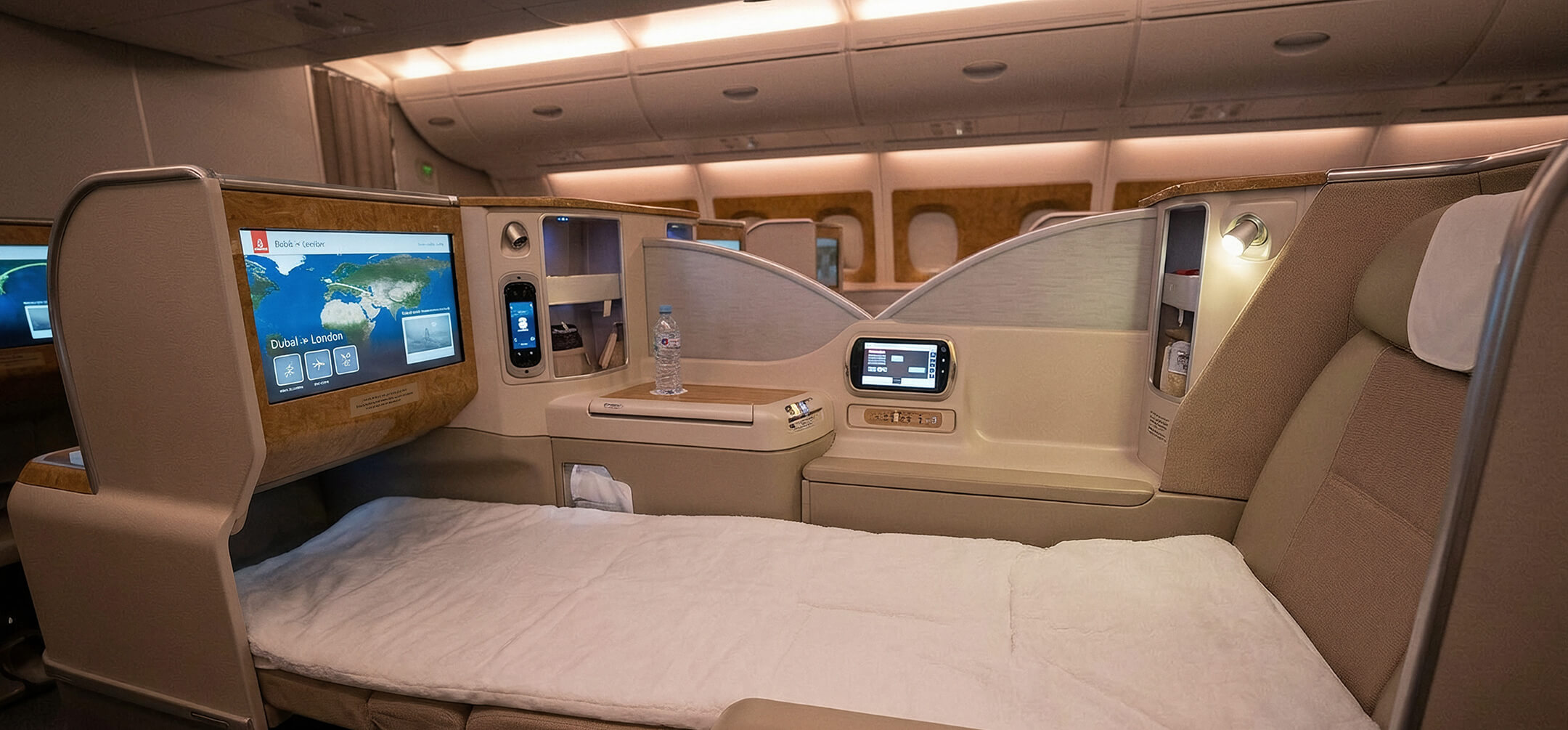
Business-class flights from the US to Matsuyama
Flights to Matsuyama usually connect through larger Asian hubs, so the key choice is whether you want a shorter connection or a lower fare band. The examples below show how New York and Los Angeles itineraries typically route.
From New York, Japan Airlines, All Nippon Airways, Korean Air, Asiana Airlines, Cathay Pacific, and China Airlines all appear on common itineraries to Matsuyama, with total travel times of roughly 19 to 30 hours. Hubs such as HND, NRT, ICN, HKG, and TPE often shape the connection pattern, and round-trip fares usually start from $5,200 and can reach $9,500.
Los Angeles itineraries usually run through Japan Airlines, All Nippon Airways, Korean Air, China Airlines, or Cathay Pacific, and the total trip often lands in the 14 to 24 hour range. Hubs such as HND, NRT, ICN, TPE, and HKG commonly appear on these routes, while round-trip fares from about $4,400 can climb to $7,800.
Matsuyama feels different when you slow down
A deliberate Matsuyama stay gives you time to connect the city’s core pieces, the Dogo bath district, the castle slopes, Ishite-ji, and the Okaido shopping streets, with trams doing most of the work between them. You can keep mornings for temples or the castle, then end the day with an onsen visit and dinner nearby instead of rushing back across town. If you want help shaping that kind of route, the AranGrant experts can turn it into a tighter plan around Dogo or Matsuyama City Center