

Chapters:

Need help with your trip?
Our support team is available 24/7. Request a callback or call us directly at (833) 619-0908
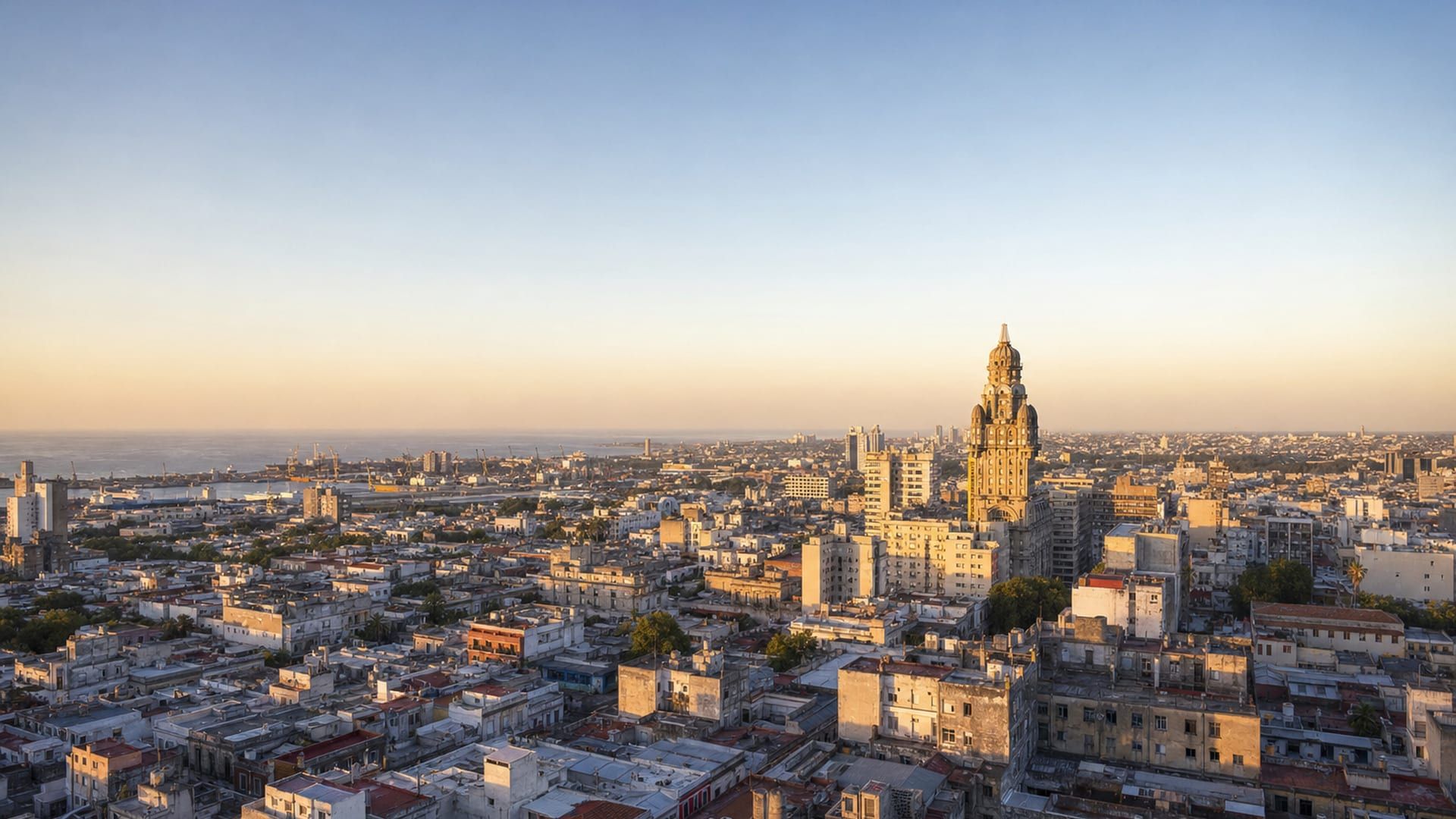
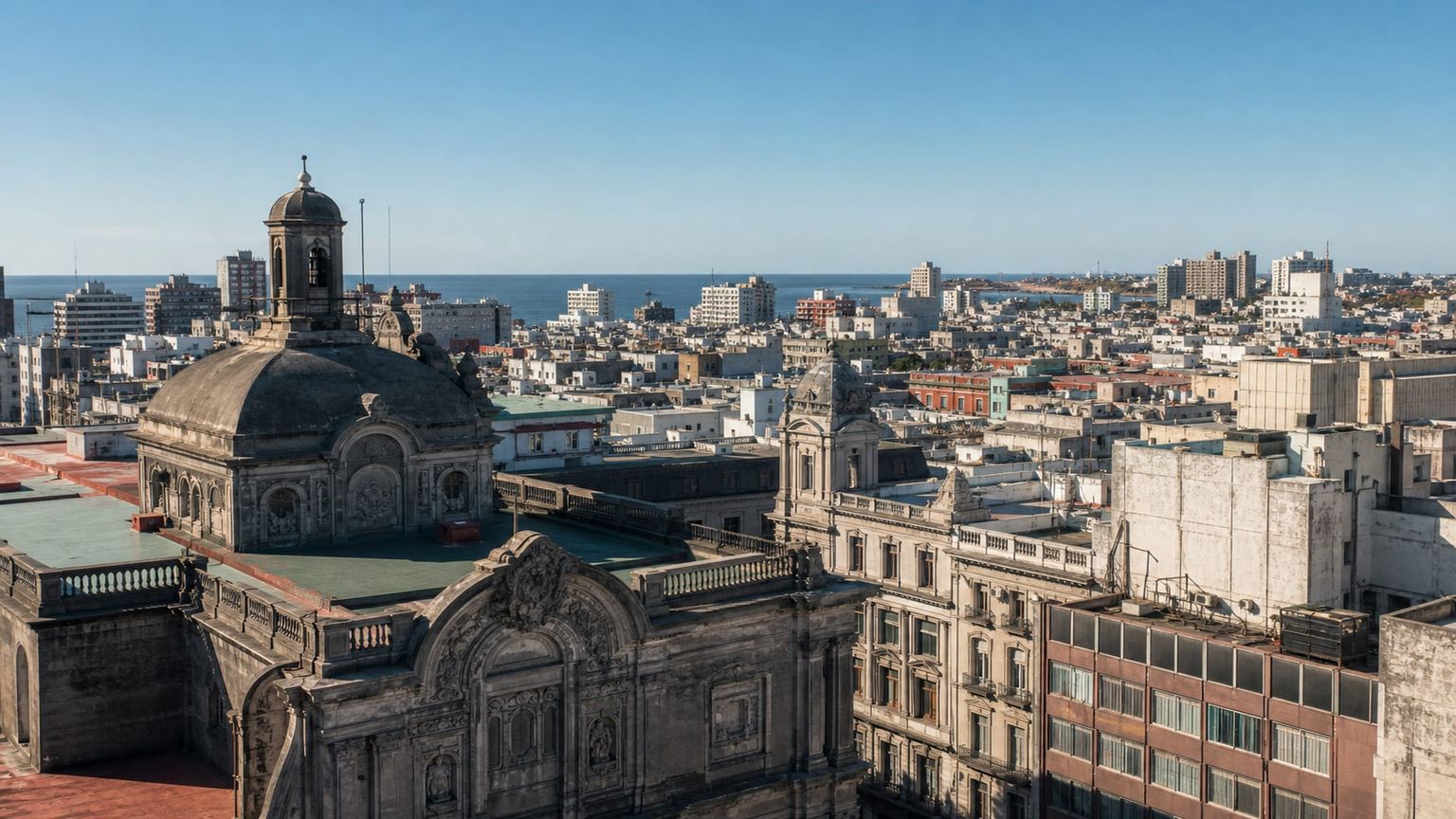
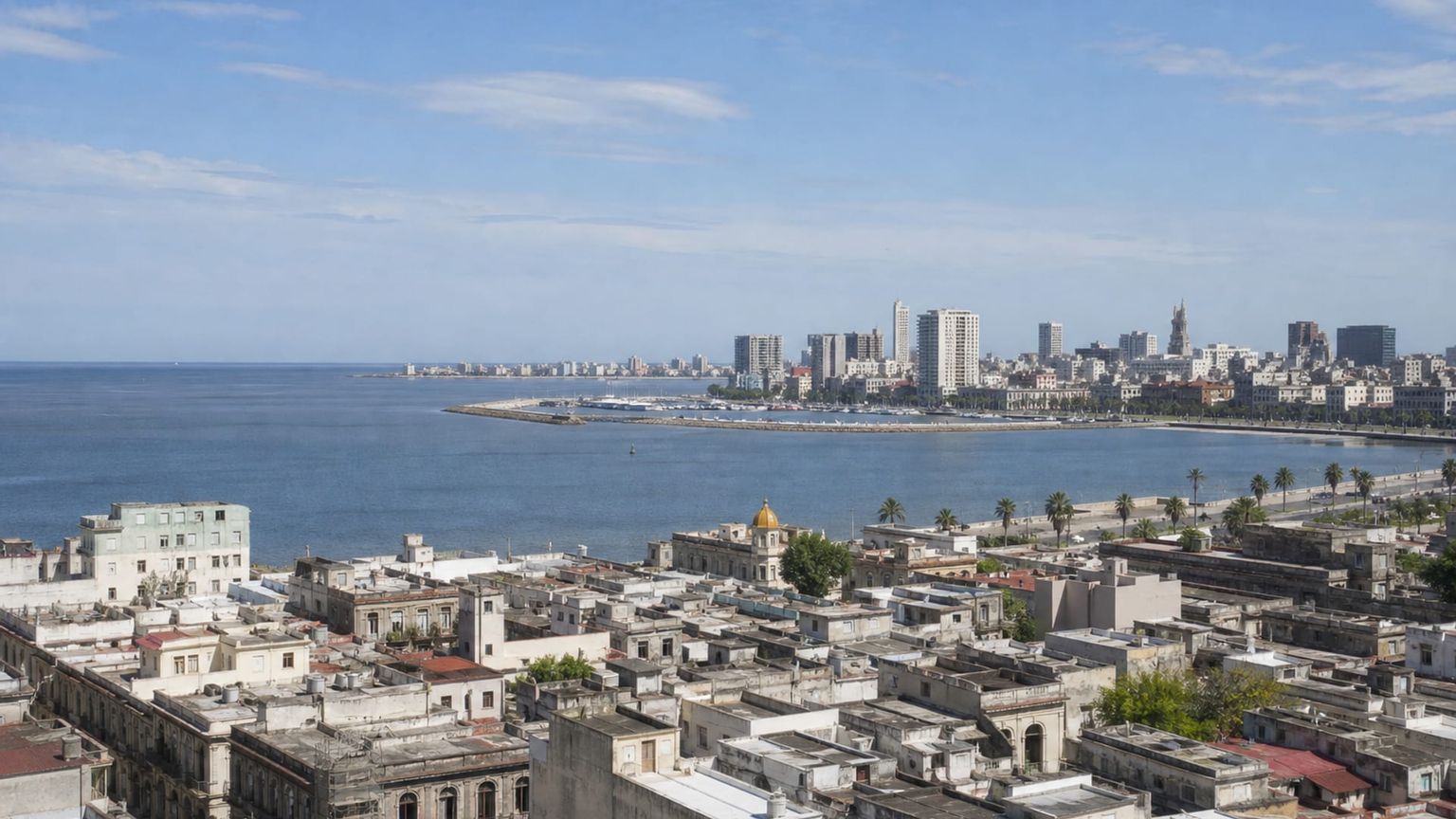
Montevideo often gets treated as a quick stop, with travelers splitting their time between Ciudad Vieja, a waterfront walk, and a long lunch. What slips by is how much the city changes between its old streets, coastal avenues, and residential districts.
That pattern can leave too much ground between sights and too many cross-town trips by bus or taxi. It also compresses meals into odd hours, when kitchens may close between lunch and dinner and the best restaurants are not open on every corner.
This guide slows the pace down, groups neighborhoods by function, and builds the days so you can move with fewer backtracks while still making room for food, the rambla, and one or two worthwhile detours.
Useful things to know

Main language(s): Spanish
Hola (OH-lah) – Hello
Por favor (por fah-VOR) – Please
Gracias (GRAH-see-ahs) – Thank you
¿Habla inglés? (AH-blah een-GLAYS) – Do you speak English?
¿Cuánto cuesta? (KWAHN-toh KWES-tah) – How much does it cost?

Currency: The local currency is the Uruguayan peso (UYU, $).

Cash and cards: Cards and contactless are widely accepted; keep about UYU 500 to UYU 1,000 ($13 to $26) in cash for small buys.

Tipping: Round up small bills; leave 5-10% in restaurants if service is good.

Traditional food: Chivito, Milanesa napolitana, Asado, Tortas fritas

Water and coffee costs: Water ~UYU 80 ($2), bar espresso ~UYU 120 ($3).

Taxis and ride apps: Uber and Cabify operate here; confirm the plate before boarding.

Plug and voltage: Type C/L socket, 230V

Dining and shop opening hours: Breakfast is about 07:00-10:00, lunch 12:30-15:00, and dinner 20:00-23:00. Many kitchens close between lunch and dinner, and some keep later hours on weekends.

Emergency number: Call 911 for police, fire, and medical emergencies.
Where to stay in Montevideo
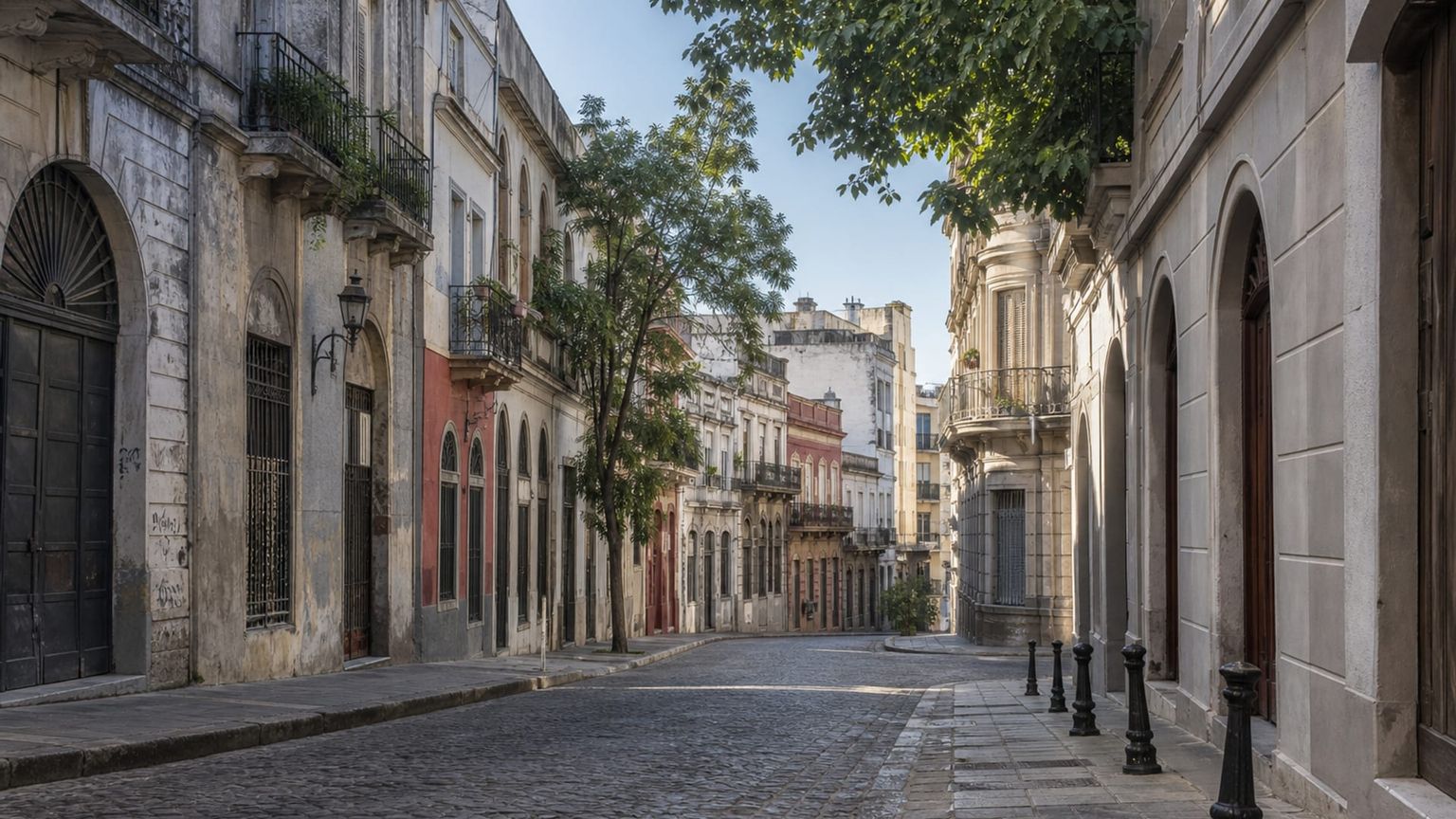
Montevideo’s historic core, with colonial-era streets, major museums, and the city’s densest cluster of cafes and restaurants. It suits visitors who want architecture, waterfront walks, and easy access to the port area and central sights.
Best for: Sightseeing, architecture, museums, and dining within walking distance
What to expect: Daytime brings steady foot traffic, office workers, and visitors; evenings concentrate around restaurant blocks and a few busy corners.
Hotel prices: Usually about $70 to $140 per night for well-rated stays
Distance to major sights: 5 to 15 minutes on foot to Plaza Independencia and Teatro Solís
Quietness: Busier and noisier by day, with quieter side streets after dinner; weekends can be lively near main restaurant strips.
Main trade-off: The oldest streets can feel sparse late at night, and some blocks empty out after office hours.
Good to know: If you plan late dinners, choose a room away from the main nightlife streets, since street noise can carry on weekends.
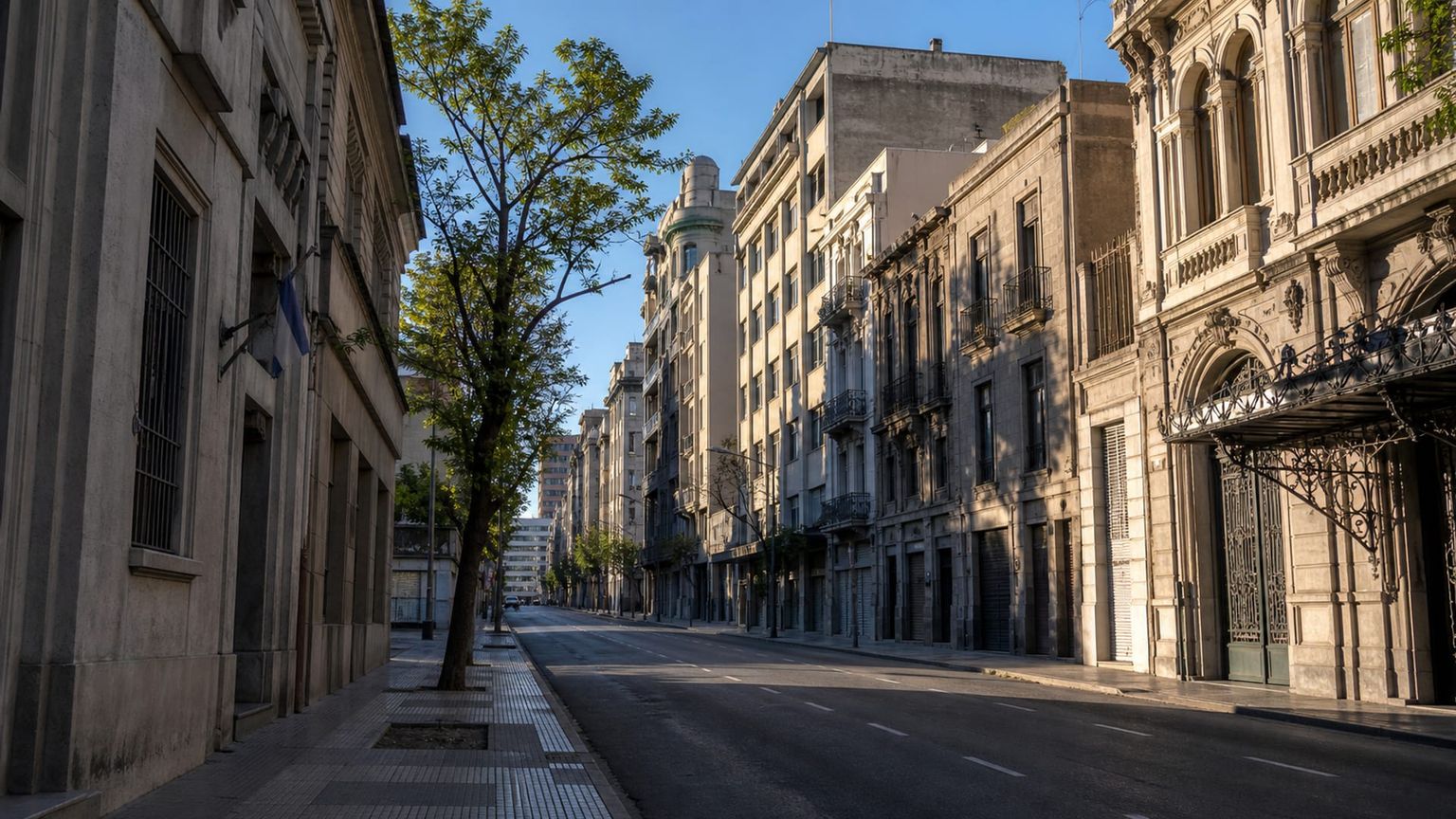
The central business district sits just east of Ciudad Vieja and gives you fast access to transit, banks, and everyday services. It works well as a base when you want to move easily across the city without staying in the most tourist-heavy streets.
Best for: Transit access, short stays, and travelers who prefer a central, everyday city setting
What to expect: Expect office traffic, busy avenues, lunch crowds, and a practical mix of shops, cafes, and apartment buildings.
Hotel prices: Usually about $60 to $120 per night for well-rated stays
Distance to major sights: 10 to 20 minutes on foot to Plaza Independencia and 15 to 25 minutes by bus to Parque Rodó
Quietness: Noisy during business hours, then calmer in the evening except along main boulevards and hotel streets.
Main trade-off: You trade atmosphere for convenience, and some blocks feel less appealing for evening strolls than the waterfront districts.
Good to know: Pick a place close to a main avenue if you plan to rely on buses, because some side streets see fewer late-night passersby.
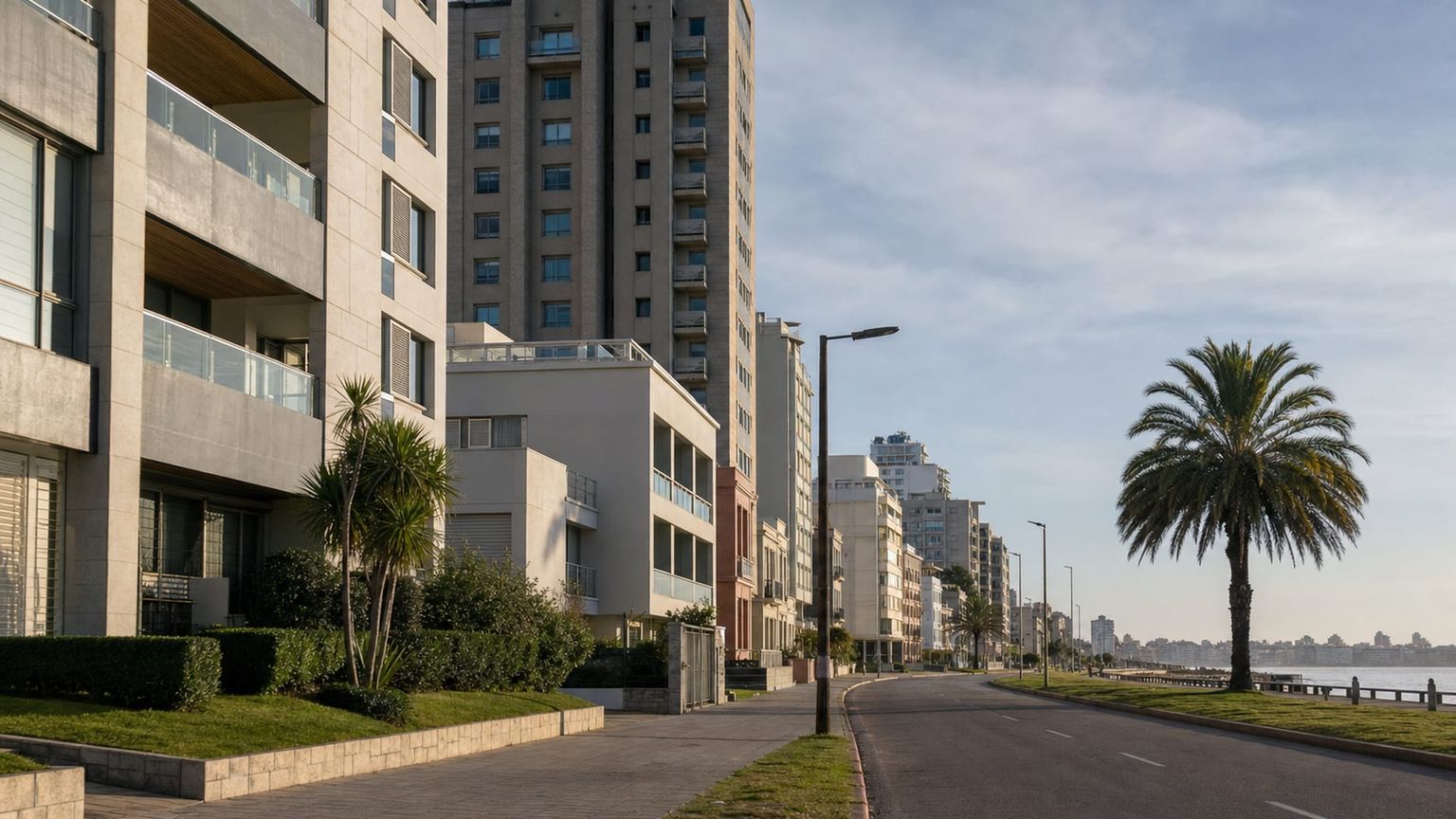
A waterfront neighborhood south of the center, Punta Carretas pairs shopping, restaurants, and easy access to the rambla with a more residential setting. It suits travelers who want a polished base near parks, the coast, and one of the city’s best-known malls.
Best for: Waterfront walks, shopping, dining, and a quieter residential base
What to expect: Tree-lined streets, steady pedestrian traffic around the mall and restaurants, and a calmer pace away from the coast road.
Hotel prices: Usually about $90 to $180 per night for well-rated stays
Distance to major sights: 15 to 20 minutes by taxi to Plaza Independencia, about 10 minutes on foot to the rambla
Quietness: Quieter than the center in the evening, though restaurant streets and mall areas stay active later.
Main trade-off: Rates run higher here, and you will still need transport for the historic core and some museum visits.
Good to know: For a beach-adjacent stay, check how far the hotel sits from the rambla, since blocks farther inland lose the main waterfront advantage.
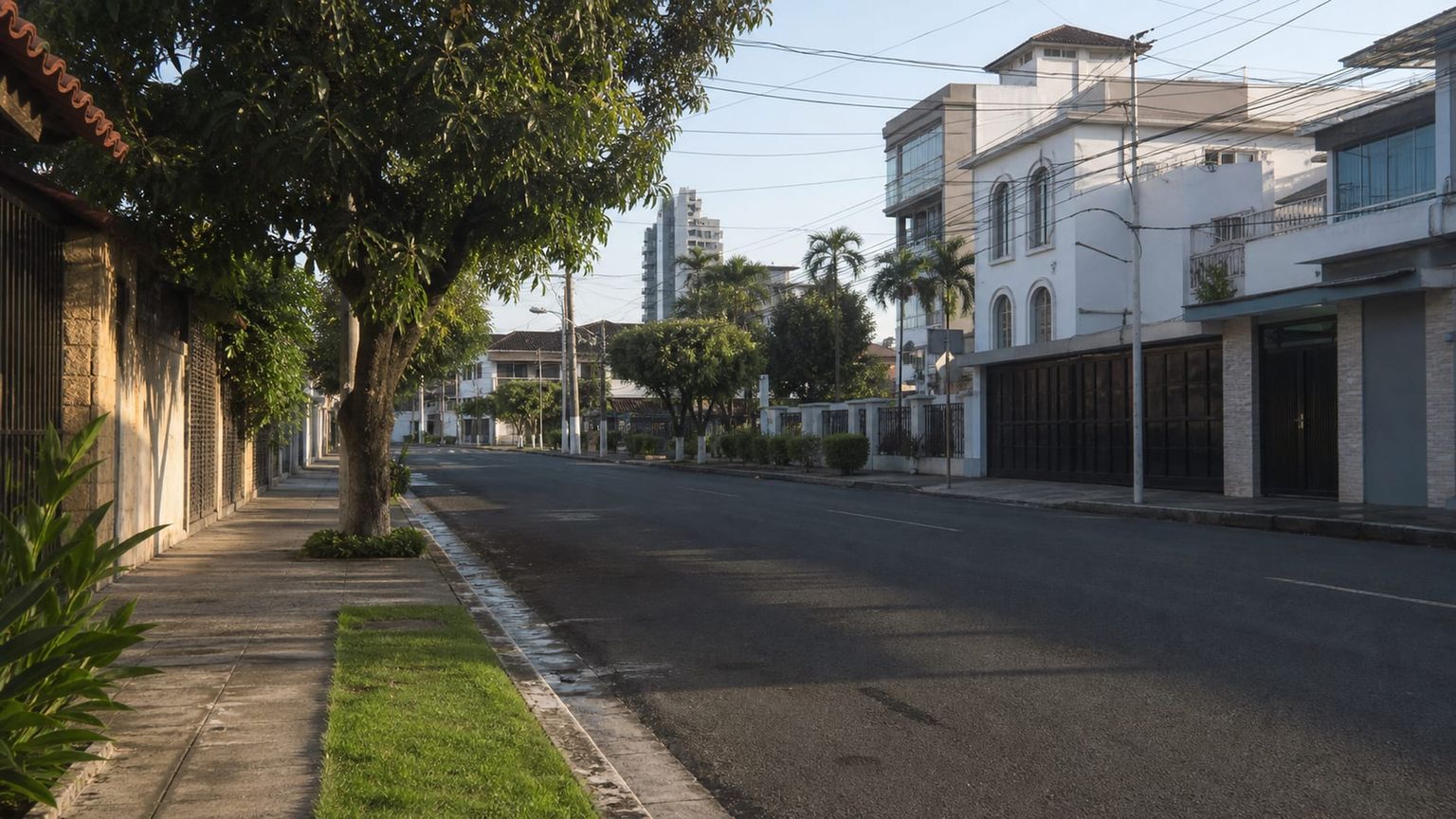
Pocitos is one of Montevideo’s best-known residential and beach districts, with apartment towers, cafes, and a long stretch of urban shoreline. It matters for travelers who want a neighborhood feel, seaside walks, and plenty of local dining options.
Best for: Beach access, longer stays, and travelers who want a local residential district
What to expect: Expect busy sidewalks near Avenida Brasil and the beach, joggers on the rambla, and a younger crowd around cafes and bars.
Hotel prices: Usually about $80 to $170 per night for well-rated stays
Distance to major sights: 20 to 30 minutes by bus to Ciudad Vieja, about 5 minutes on foot to Pocitos beach
Quietness: Active by day and evening near the rambla, then quieter on interior residential streets.
Main trade-off: You will spend more time reaching the historic center, especially if you plan repeated museum or old-town visits.
Good to know: If you want easy sunset walks, look for a stay within a few blocks of the coast, since inland addresses add an extra walk to the beach.
Travelers usually avoid staying in Cerro, La Teja, and Nuevo París, since they sit well west of the main sightseeing areas in Ciudad Vieja, Centro, and Pocitos, and they have fewer visitor amenities. Punta Carretas north of the shopping and hotel strip is also less convenient for visitors who plan to walk to the Rambla, the old town, or major museums, because evening travel back from those districts takes more time by taxi or bus.
Hotel deals
How to get around Montevideo efficiently
Montevideo has no metro, so most visitors move between the Rambla, Ciudad Vieja, and outlying neighborhoods by bus, taxi, ride-hailing, or walking short blocks between them.

Metro
for longer distances
Montevideo has no metro or subway, so the closest equivalent is the suburban rail network, which is limited for visitors and does not cover the main sightseeing areas. Use buses or taxis for most trips within the city; if you do ride rail, check schedules in advance because frequency is sparse.

Bus and tram
for convenience
City buses cover Montevideo well, with dense service through Centro, Ciudad Vieja, Pocitos, and Carrasco, and many routes converge on Plaza Independencia or run along Avenida 18 de Julio and the Rambla. A ride typically costs about $1 to $1.50 ($40 to $60 UYU), and a contactless card or prepaid system is usually required; expect roughly 10 to 30 minutes for central cross-town trips, longer in traffic.

Taxi
for convenience or late hours
Licensed taxis use metered fares, not fixed citywide prices, and rides are usually easy to find at hotels, main squares, and the airport, Montevideo (MVD). From the airport to central Montevideo, expect roughly $35 to $50, while short inner-city trips often cost about $6 to $15; most cabs take cash and many accept cards, but confirm before you set off.
*Prices are based on rates updated as of June 2026 and may change at the time of travel.
Use buses for cheap cross-town trips, taxis or Uber for quicker point-to-point rides, and walking when your day stays within Ciudad Vieja, Centro, or along the waterfront.
Iconic landmarks
Old Town
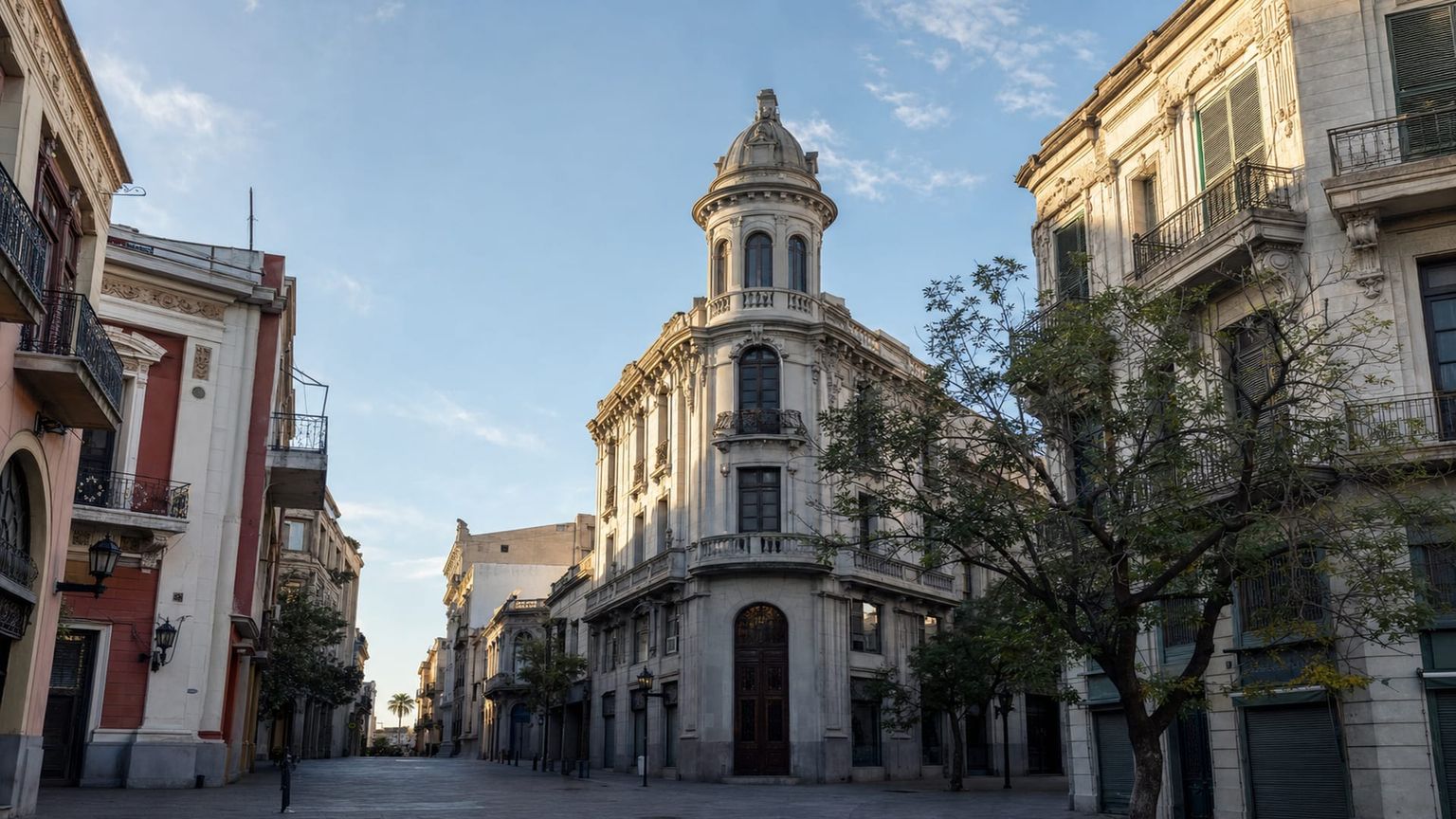
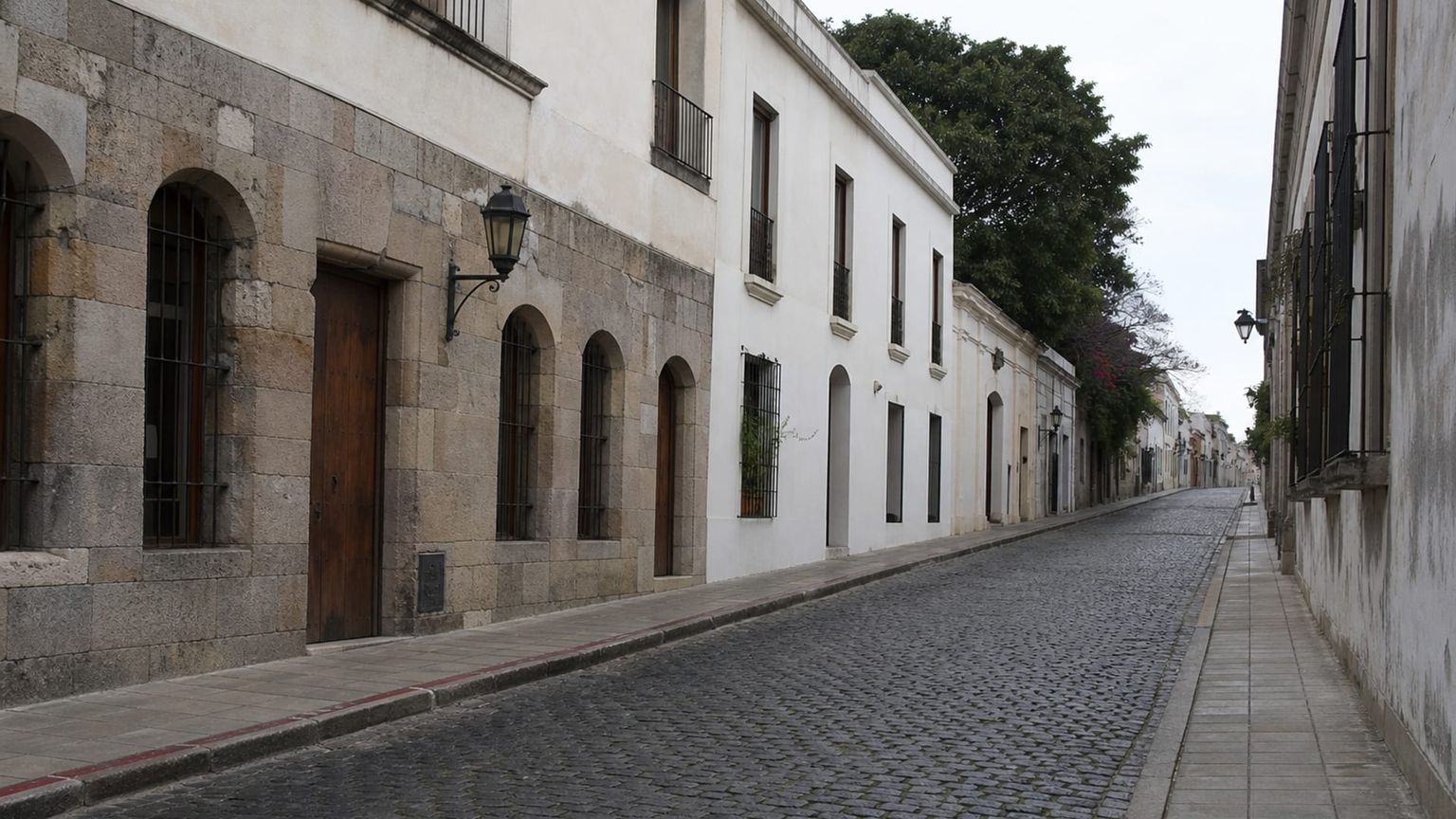
Montevideo’s oldest district centers on Plaza Constitución, the cathedral, and 18th-century streets laid out by the Spanish. Its mix of neoclassical facades, museums, and cafes gives a clear read on the city’s colonial core.
Time needed: About 2 to 3 hours
Entry: Free to walk through the district; museums, churches, and guided entries charge separately where applicable.
Tip: Go in the late morning for open doors and better light on the facades.
Solís Theatre
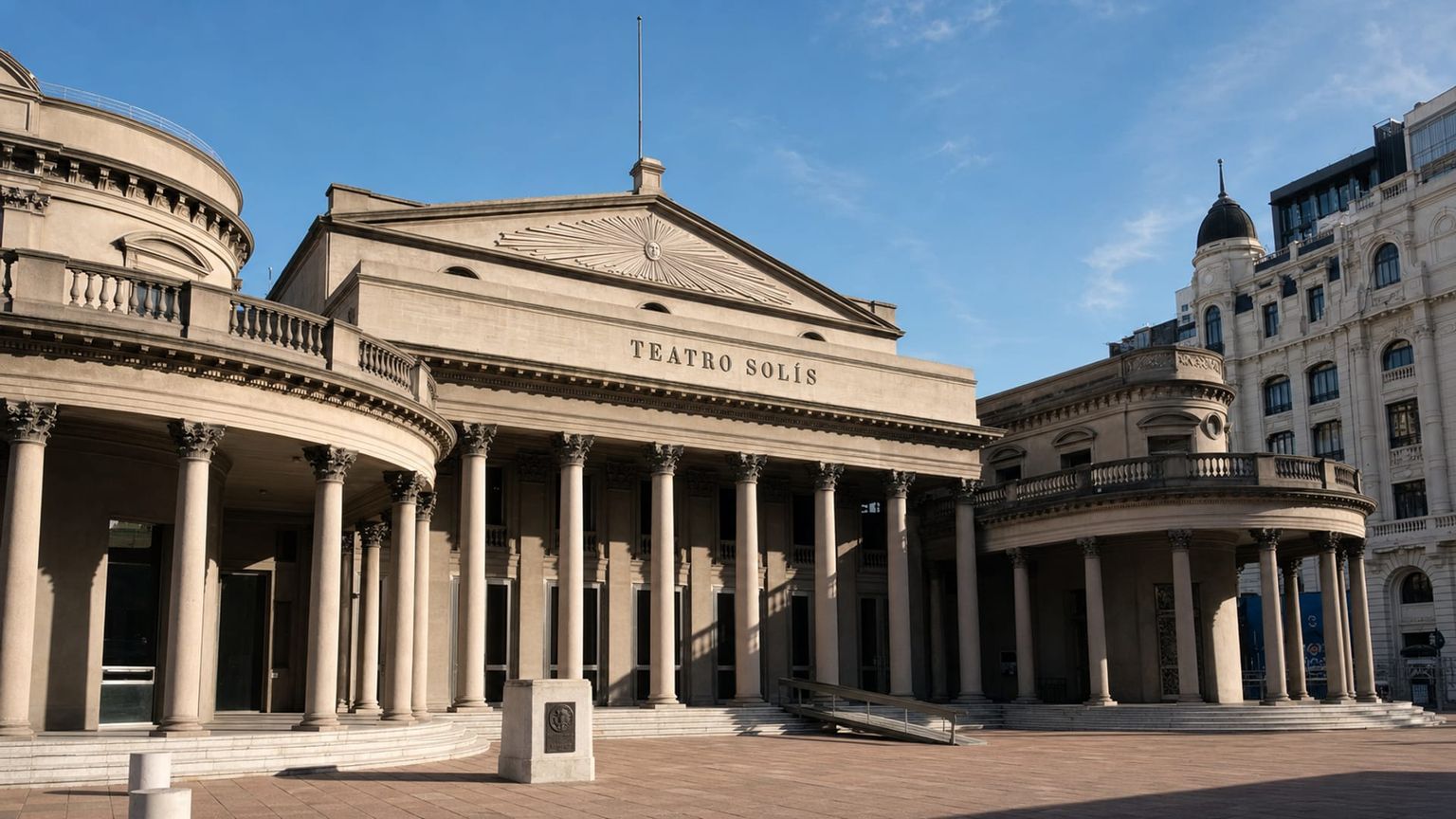
Opened in 1856, Solís Theatre is Uruguay’s flagship performing arts venue, with a neoclassical hall and restored interiors on Plaza Independencia. Guided visits show the auditorium, foyer, and stage machinery when no performance is underway.
Time needed: About 1 to 2 hours
Entry: Guided tour tickets cost about $8 ($320 UYU) to $12 ($480 UYU), depending on the visit format and current schedule. Visit the official site for details.
Tip: Tours run at set times, so check the day’s schedule before you walk over.
Rambla of Montevideo
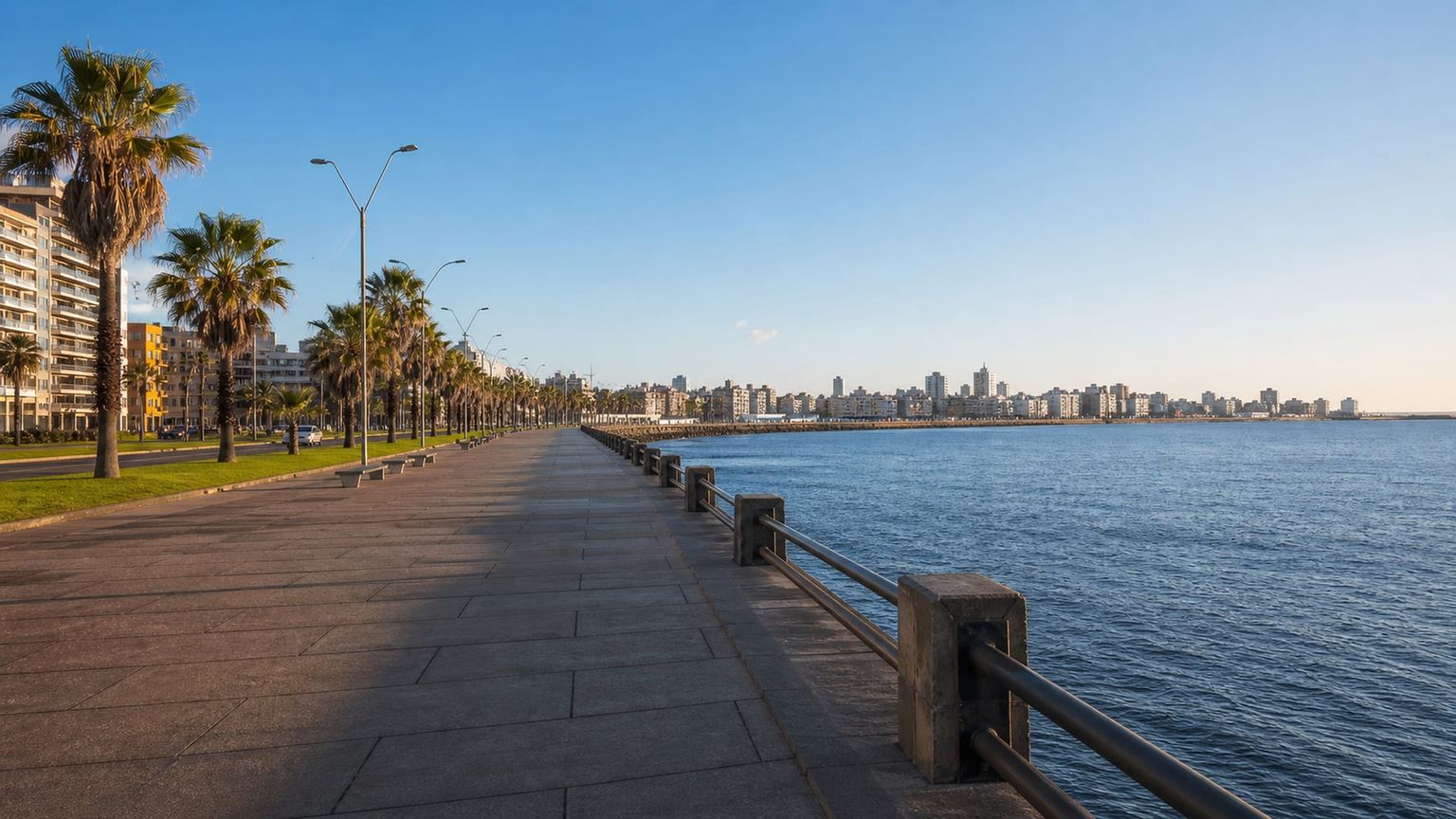
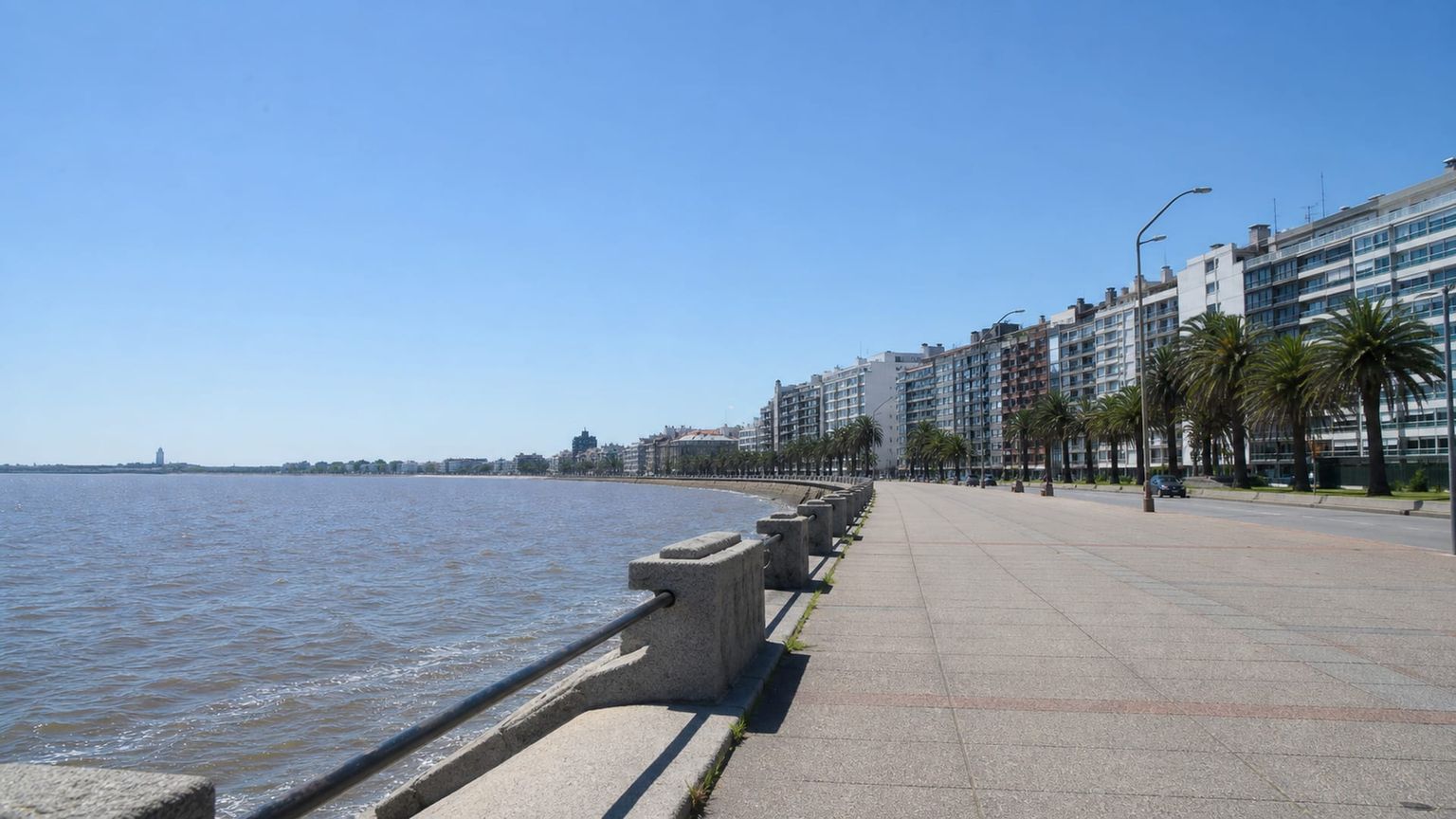
The Rambla traces the Rio de la Plata for more than 13 km, linking beaches, parks, and neighborhood promenades from Ciudad Vieja to the east side. Locals use it for walking, cycling, and sunset views over the water.
Time needed: About 2 to 4 hours
Entry: Free to access along the public waterfront; bike rental, cafes, and beach facilities cost extra if you use them.
Tip: Visit near sunset for the widest water views and lighter traffic on the promenade.
Overlooked sites worth visiting

Punta Brava Lighthouse
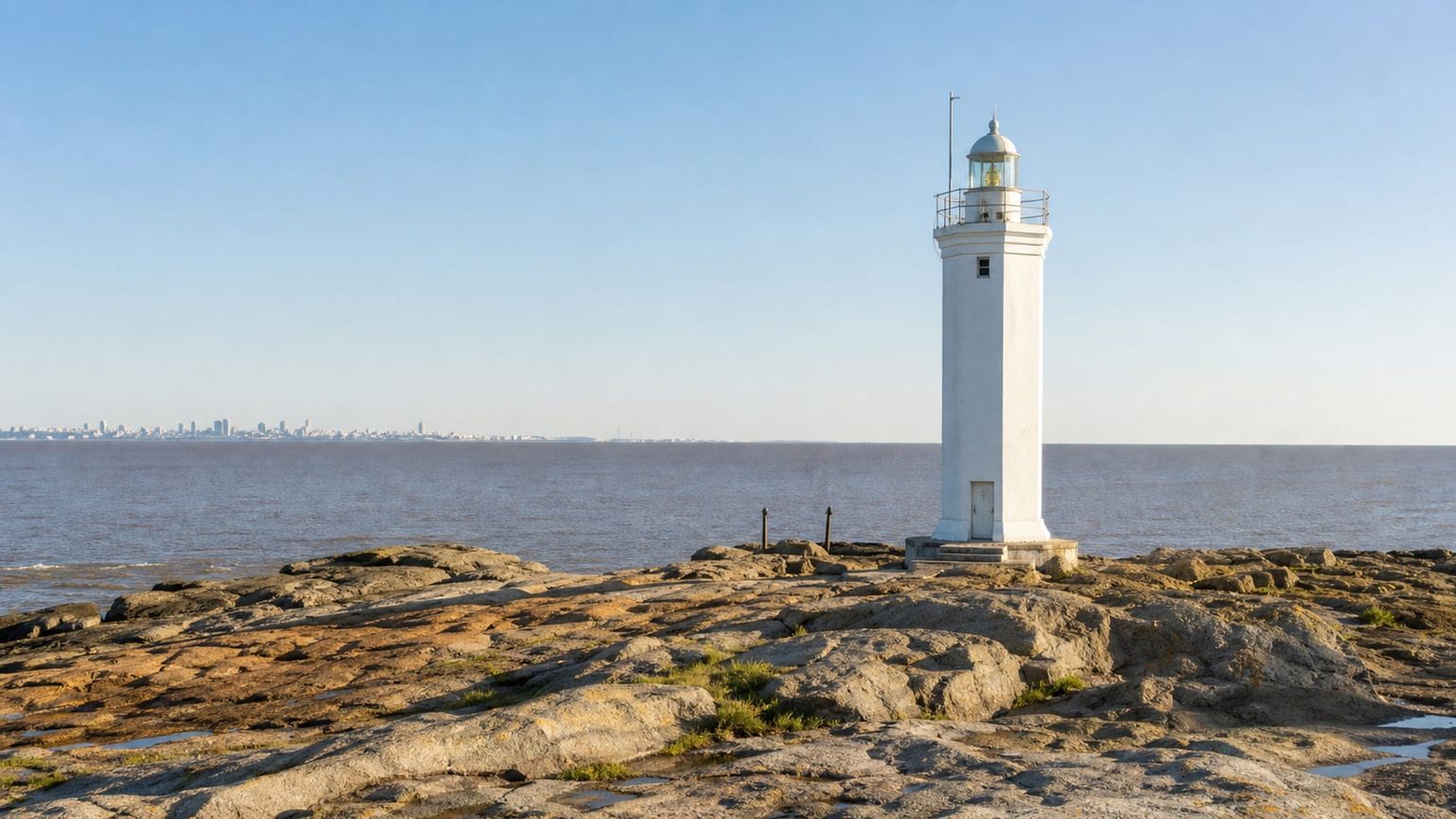
A small working lighthouse at the end of the Punta Carretas headland, with open views over the Río de la Plata. Come for a short waterfront walk and sunset light on the coast.
Time needed: About 30 to 45 minutes
Entry: Free to access
Tip: Visit near sunset for the clearest river views.

Museo del Carnaval
This compact museum traces Montevideo’s carnival with costumes, posters, masks, and candombe materials. Its small galleries make an easy stop near the port, with enough detail to reward a quick visit.
Time needed: About 1 hour
Entry: Standard tickets cost $4 to $6 (about UYU 160 to UYU 240) Visit the official site for details.
Tip: Check opening days before you cross the port area.
Traditional food
Montevideo’s table leans on beef, fried dough, and late meals, with chivito, milanesa napolitana, asado, and tortas fritas showing up in cafes and parrillas. Portions are generous, seasoning stays direct, and dinner often starts later than visitors expect.
Chivito
Montevideo’s signature sandwich stacks beef, ham, cheese, egg, and vegetables into a dense meal that works for lunch or a late dinner. For a classic city version, head to La Pasiva, a long-running local chain with multiple Montevideo branches.
Milanesa napolitana
This breaded cutlet comes topped with tomato sauce, ham, and melted cheese, usually with fries or salad. Café Brasilero in Ciudad Vieja is a solid place to order it in a traditional downtown setting.
Asado
Uruguayan grill culture centers on slow-cooked beef and mixed cuts from the parrilla, often served with salad and bread. El Palenque in Mercado del Puerto is one of the city’s best-known places to order it.
Tortas fritas
These fried dough rounds appear especially after rain, though many cafes serve them year-round with tea or coffee. Abarcá in Montevideo is a good stop for a local-style pastry break.
Best time to visit Montevideo
Montevideo works in every season, but the coast, wind, and daylight shape how long you want to stay outside and where you spend the day.
Best for: Rambla walks, outdoor cafes, and mild sightseeing days
What you get: About 54 to 72°F (12 to 22°C), with moderate visitor numbers and changeable coastal weather
Trade-offs: Wind and brief showers can interrupt long walks
Best for: Beach time, late sunsets, and long evenings by the water
What you get: About 66 to 86°F (19 to 30°C), with the busiest waterfront stretches and more local vacation traffic
Trade-offs: Heat and sun make midday sightseeing feel long
Best for: Museum visits, neighborhood wandering, and relaxed dining
What you get: About 57 to 76°F (14 to 24°C), with lighter crowds and comfortable walking conditions
Trade-offs: Days shorten steadily toward late May
Best for: Indoor culture, quieter streets, and slower cafe days
What you get: About 45 to 61°F (7 to 16°C), with lower visitor numbers and brisk coastal air
Trade-offs: Wind off the river can make the rambla feel cold
A realistic 5-day plan in Montevideo
Five days in Montevideo work best when you separate the old town, the waterfront, and the residential districts instead of jumping between them each hour. This plan does that, while keeping room for meals and a few slower stops.
Land at Montevideo (MVD) and take a taxi or app ride into Punta Carretas, Pocitos, or Centro, which usually takes about 25 to 40 minutes and costs roughly $25 to $35. If you prefer the airport bus, budget more time and a lower fare, then settle into a room near the rambla or a main avenue so dinner and an early walk stay easy. Keep the first evening simple, drink water after the flight, and head to a nearby cafe or parrilla in Punta Carretas or Pocitos for an early meal.
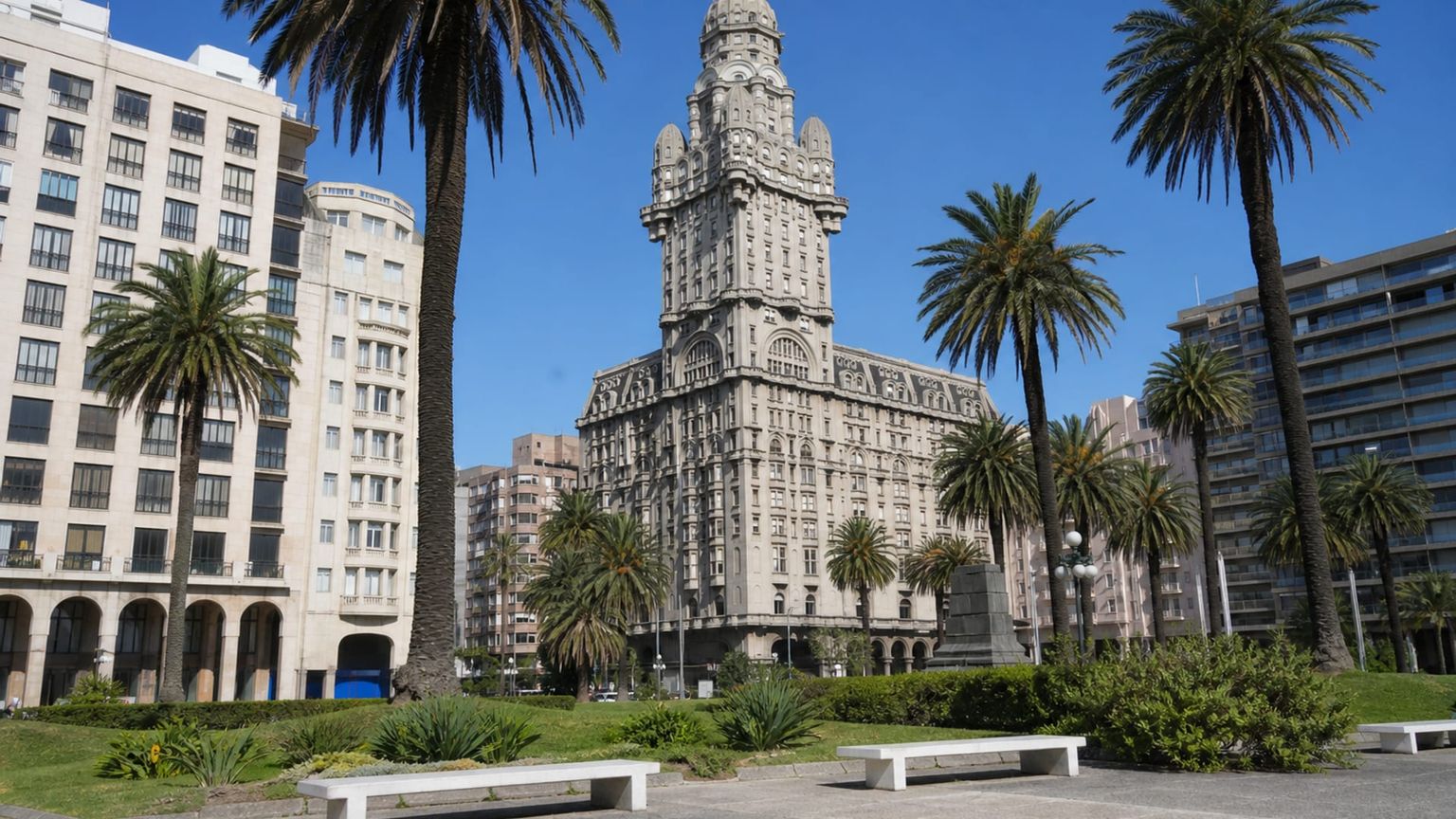
Start in Old Town, where Plaza Constitución, the cathedral, and the colonial streets are best explored in the late morning, and expect about 2 to 3 hours on foot. From there, walk about 10 minutes to Solís Theatre for a guided visit, which usually takes about 1 to 2 hours and costs about $8 ($320 UYU) to $12 ($480 UYU). Finish with the Rambla of Montevideo, about a 10-minute walk from Plaza Independencia, then stay along the waterfront for sunset and an easy dinner back in Ciudad Vieja.
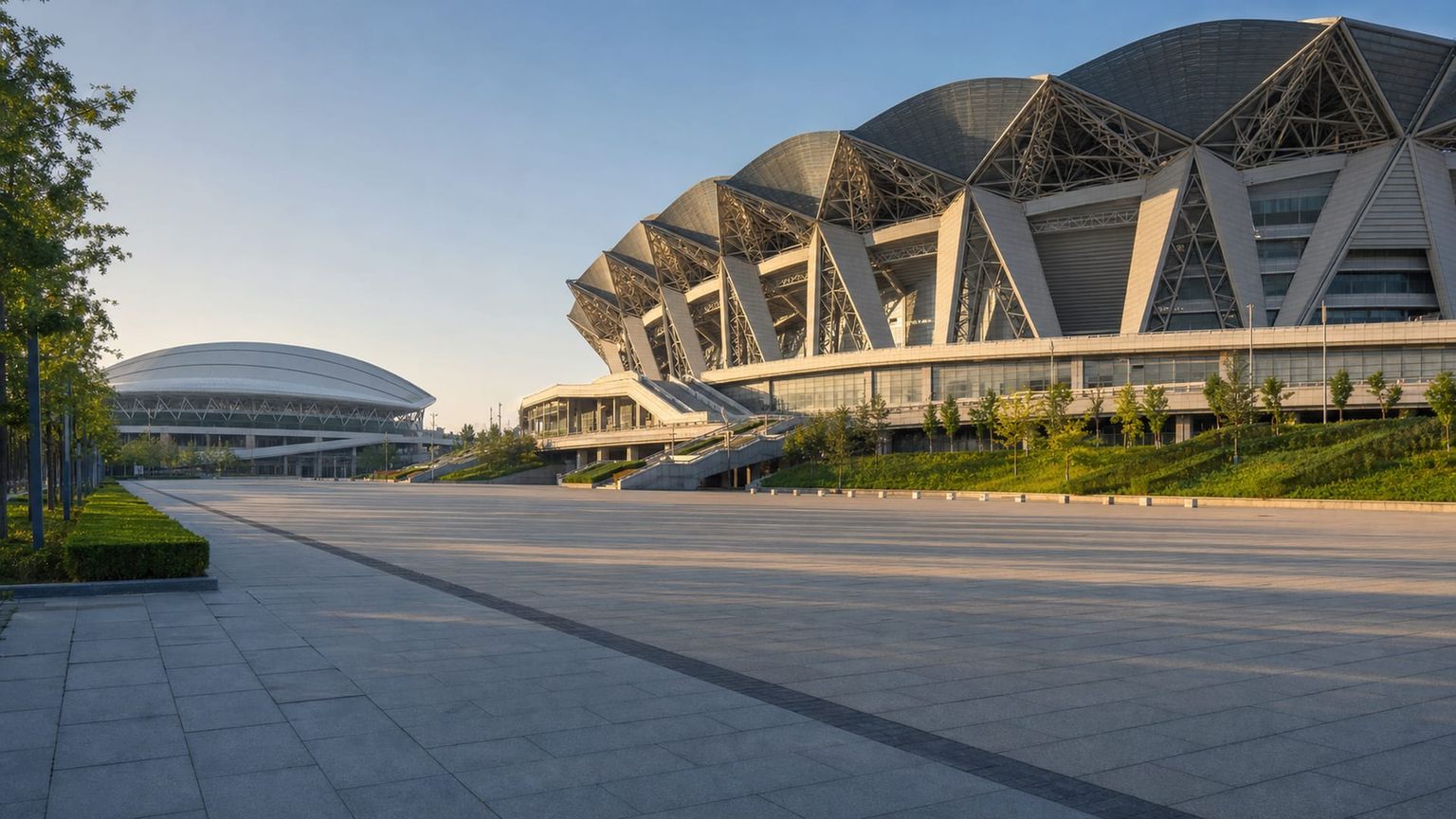
Begin along the Rambla of Montevideo in Punta Carretas or Pocitos, where a morning walk or bike ride gives you long views over the Río de la Plata, then continue about 15 minutes on foot to Punta Brava Lighthouse for the headland views. After that, cross into Museo del Carnaval, which takes about 1 hour and charges $4 to $6 (about UYU 160 to UYU 240), then finish with a late lunch or coffee in Punta Carretas, about 10 to 15 minutes away by taxi from the lighthouse area.
Spend the morning in Centro for a different city angle, starting with the avenue blocks and transit-heavy streets near the main business district, then move about 15 to 20 minutes on foot toward Ciudad Vieja for another pass through the historic core. If you want a second look at the waterfront, return to the Rambla of Montevideo in the afternoon for a longer stretch of walking, cycling, or a cafe stop by the coast. End the day with dinner in Punta Carretas, where the restaurant streets stay active later than the center.
A final half-day works well around one last museum stop, a little shopping, and an unhurried cafe break in a neighborhood with easy access to the riverfront. Return to Punta Carretas for mall shopping and a last coffee, or stay in Pocitos if you want a coastal walk before heading out, then leave enough time to reach Montevideo (MVD) without rushing. If your flight is later, the historic center also gives you one more chance to browse a few shops and have a last lunch near Plaza Independencia.
Business-class flights from the US to Montevideo
From the East Coast and the West Coast, the main questions are usually whether to accept a connection and how much time you want to spend in transit. The fares below show the kind of one-stop or nonstop options travelers typically compare for Montevideo.
From New York, American Airlines, Delta Air Lines, LATAM Airlines, Copa Airlines, and Air Canada are the names most travelers compare. Nonstop travel takes about 10 to 11 hours, while one-stop trips through Panama City, São Paulo, GIG, Lima, or MIA usually run about 13 to 17 hours. Business fares usually run from $2,400 to $5,500 round-trip.
Los Angeles travelers usually see LATAM Airlines, American Airlines, Delta Air Lines, Copa Airlines, and Avianca in the mix. If you do not mind a layover, common connections via Lima, São Paulo, Panama City, MIA, or SCL can trim the fare to about $1,100 to $1,900; the trip itself generally takes about 15 to 20 hours, and fares start from $2,700 round-trip.
Montevideo feels different when you slow down
A good Montevideo trip gives each district a clear role, Ciudad Vieja for stone facades and Solís Theatre, the Rambla for long walks and sunset air, Punta Carretas or Pocitos for dinners that run later, and Centro for the practical cross-town links in between. Keep the days grouped, use the bus when the route makes sense, and save taxis for the longer hops. If you want help shaping the trip further, talk with AranGrant experts and build your stay around the waterfront or the old town