

Chapters:

Need help with your trip?
Our support team is available 24/7. Request a callback or call us directly at (833) 619-0908
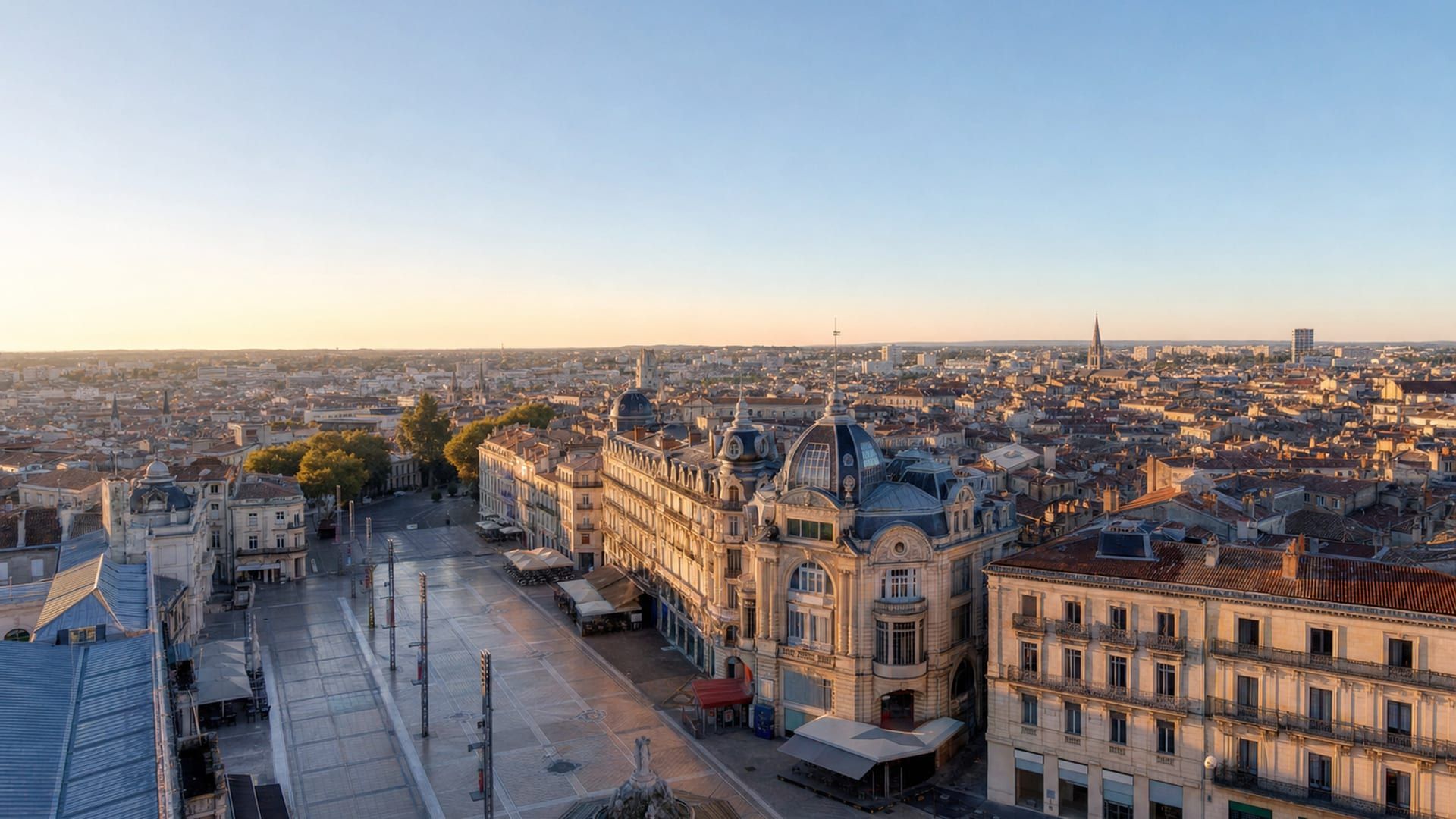
Montpellier rewards travelers who know the city is compact in the center but not flat in its experience. Many visitors see Place de la Comédie, the cathedral, and the tram map, then miss the quieter museums, terraces, and views just a short walk away.
That quick approach can leave the old town feeling crowded and the newer quarters feeling disconnected. Distances are short, yet the pace shifts block by block, and a poorly timed lunch break or tram change can cut into a day.
This guide sets out the city in a cleaner sequence, from arrival and neighborhoods to food, seasons, and flights, so each stop fits the one before it without wasting time on guesswork.
Useful things to know

Main language(s): French
Bonjour (bohn-ZHOOHR) – Hello / good morning
S'il vous plaît (seel voo pleh) – Please
Merci (mehr-SEE) – Thank you
Parlez-vous anglais ? (par-lay voo ahn-GLAY) – Do you speak English?
C'est combien ? (say kohm-BYAHN) – How much does it cost?

Currency: The local currency is the euro (EUR, €).

Cash and cards: Cards and contactless are widely accepted; carry about €20 to €40 ($22 to $44) in cash for small shops and markets.

Tipping: Round up small bills; leave 5-10% in nicer restaurants if service is good.

Traditional food: Tielle sétoise, brandade de morue, bourride, petits pâtés de Pézenas

Water and coffee costs: Water about €2 ($2), bar espresso about €2.50 ($3).

Taxis and ride apps: Uber and Bolt operate here; local taxis are also easy to find.

Plug and voltage: Type C/F socket, 230V

Dining and shop opening hours: Breakfast is about 7:00-10:00 am, lunch 12:00-2:00 pm, and dinner 7:00-10:00 pm. Many shops close for a midday break.

Emergency number: Call 112 for all emergencies; 15 for medical, 17 for police, 18 for firefighters.
Where to stay in Montpellier
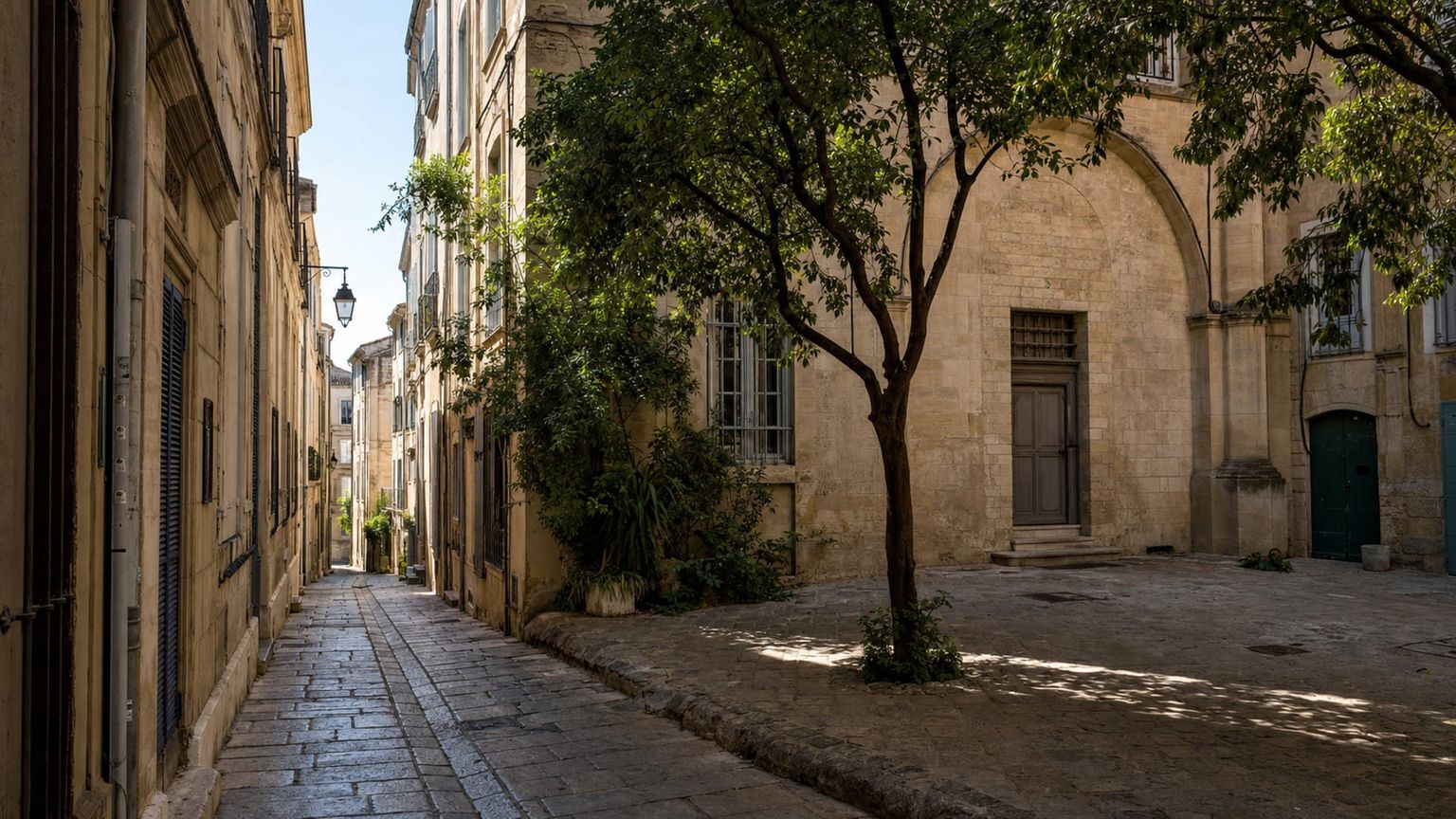
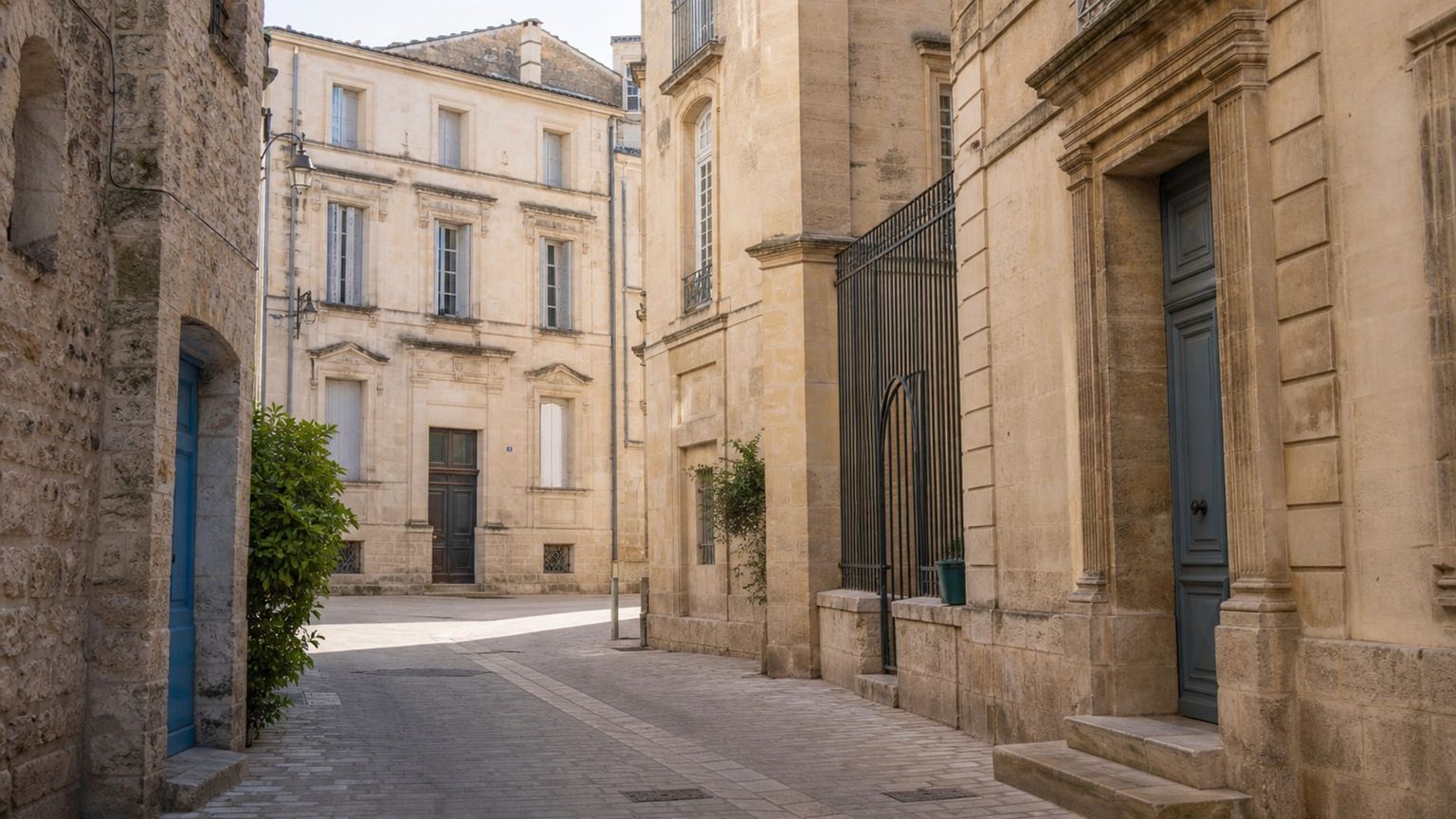
Montpellier’s old center wraps narrow pedestrian lanes, small squares, and the main historic sights in one walkable core. It suits travelers who want cafés, museums, and late-evening dining close to Place de la Comédie and the tram network.
Best for: First-time visits, sightseeing, and travelers who want to walk to major sights
What to expect: Busy pedestrian streets by day, lively terraces at night, and the city’s densest flow of visitors and locals
Hotel prices: Usually about 110€ to 220€ (~$120 to ~$240) per night for well-rated stays
Distance to major sights: 5 to 10 minutes on foot to Place de la Comédie; about 10 to 15 minutes on foot to Montpellier Cathedral
Quietness: Lively from morning through late evening, then quieter on side streets after midnight
Main trade-off: The most central streets can run noisy, and the oldest buildings often have smaller rooms and fewer elevators
Good to know: Reserve early if you want a good room type, because the best-located places sell out quickly in peak months
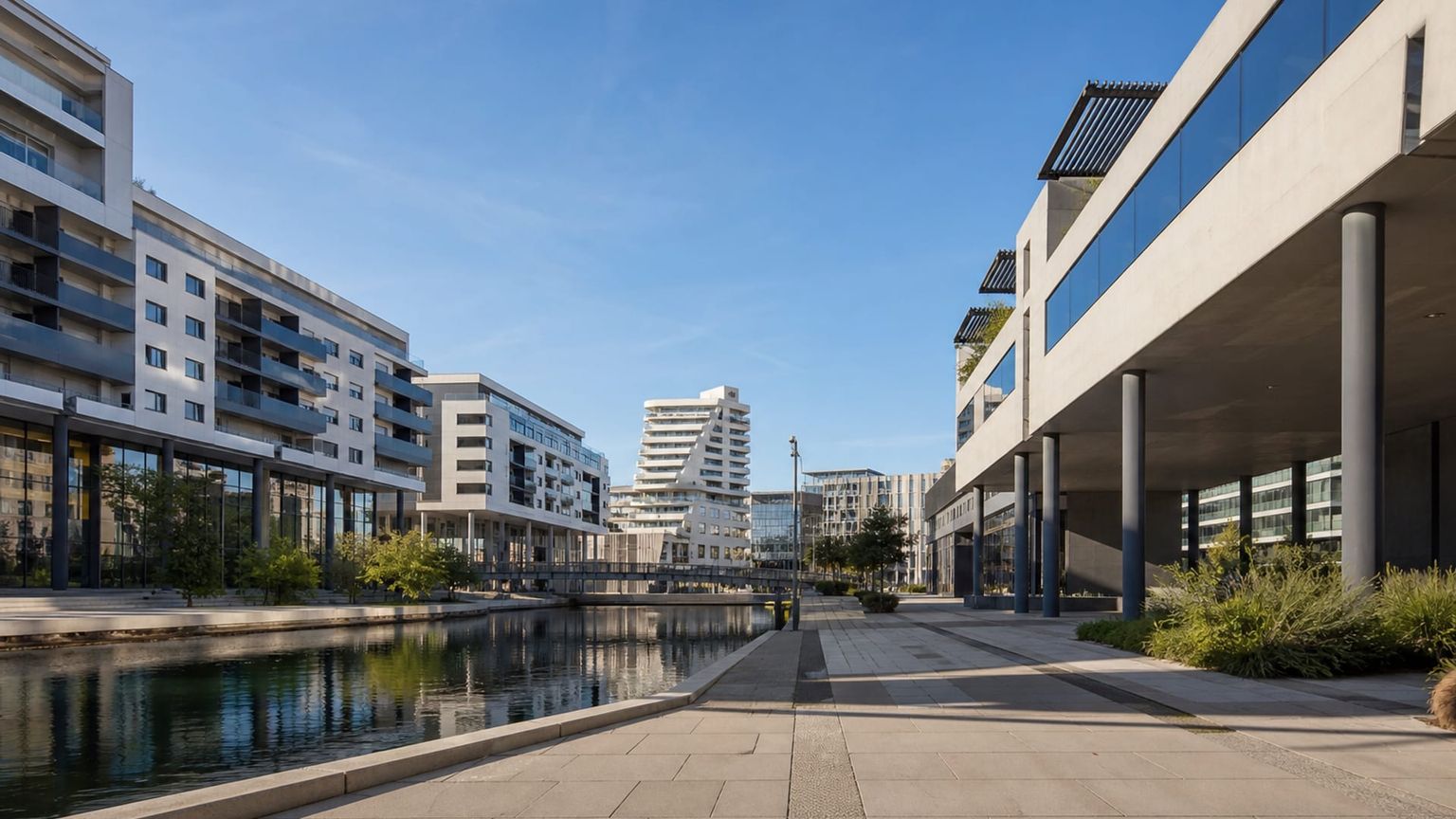
Port Marianne is Montpellier’s newer eastern quarter, with modern apartment blocks, canals, parks, and broad avenues. It matters for visitors who want newer hotels, easy tram access, and a quicker route to business districts and the riverfront.
Best for: Modern hotels, tram access, and travelers who prefer newer buildings
What to expect: Wide streets, office traffic by day, and a calmer residential feel in the evening than the historic core
Hotel prices: Usually about 100€ to 190€ (~$110 to ~$210) per night for well-rated stays
Distance to major sights: About 15 minutes by tram to Place de la Comédie; roughly 20 minutes by tram to Montpellier Cathedral
Quietness: Brisk during office hours, then noticeably quieter after dinner with fewer late-night crowds
Main trade-off: You give up some old-town atmosphere, and most landmark visits require a tram ride instead of a walk
Good to know: Some restaurants close earlier than in Écusson, so check dinner hours if you plan to return late
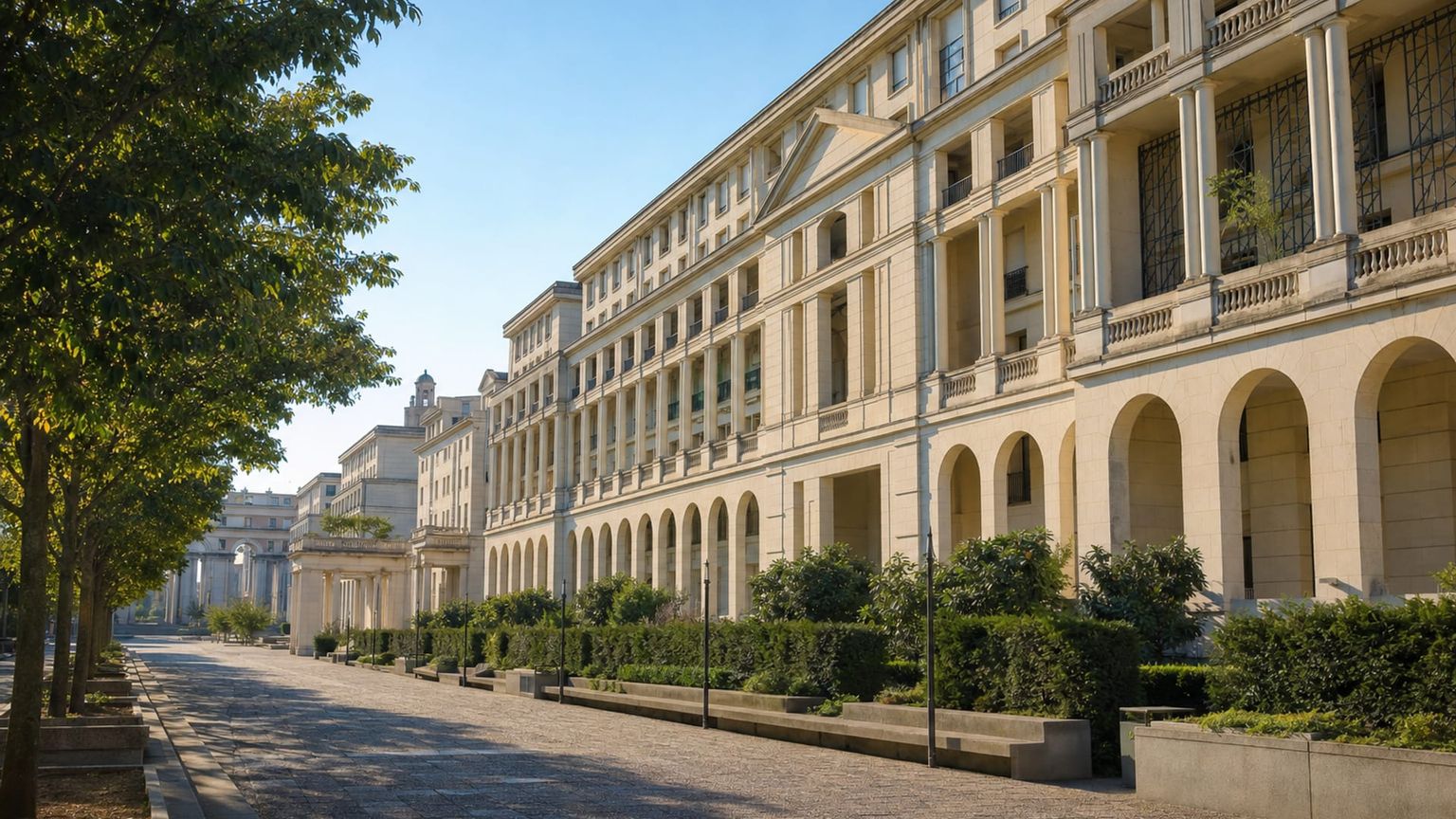
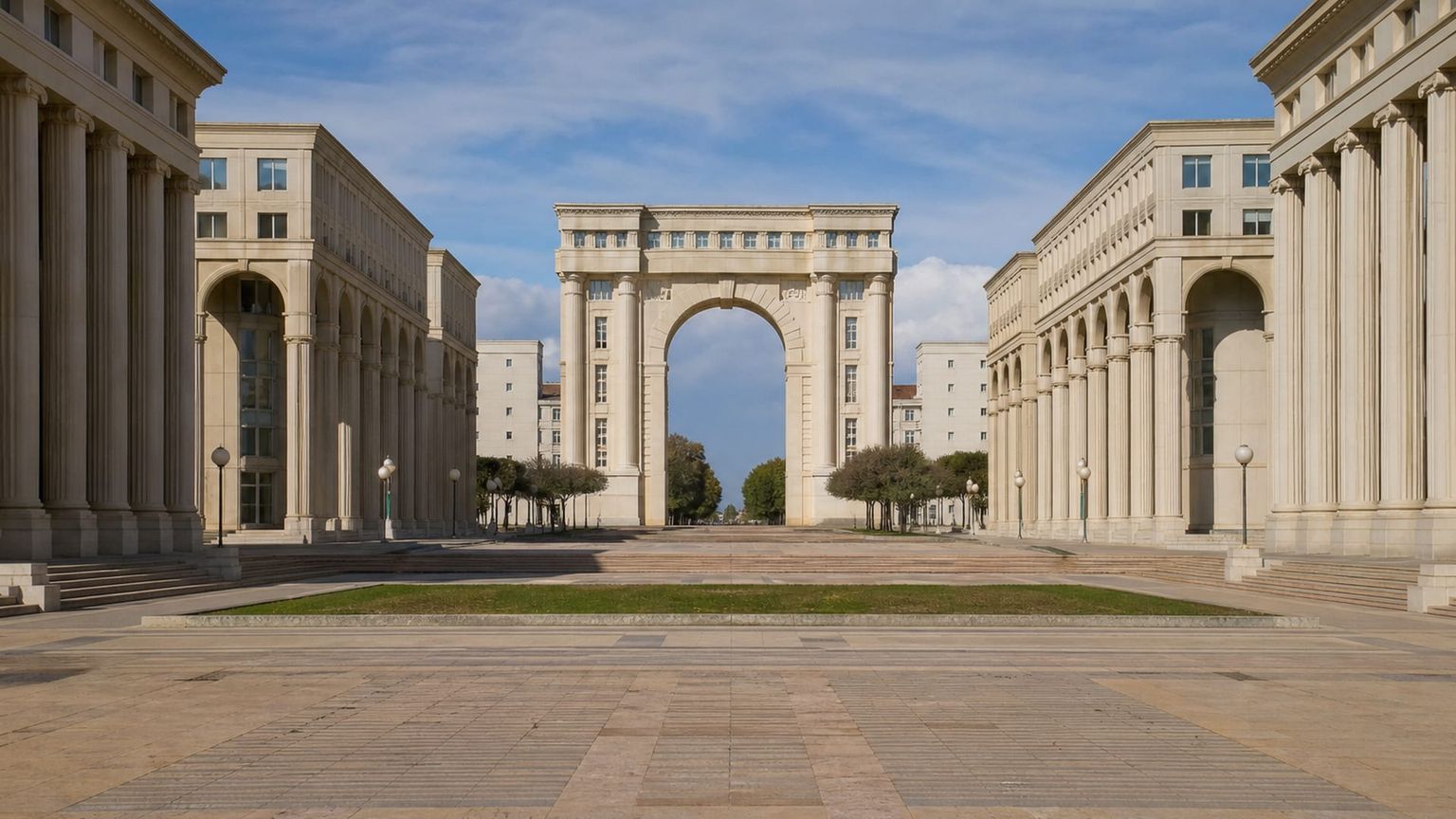
Antigone sits east of the center, with neoclassical facades, wide pedestrian paths, and a direct line to the river and tram stops. It is a good fit for visitors who want central access without staying in the narrowest old streets.
Best for: Central access, easy tram use, and travelers who want wide streets
What to expect: Open boulevards, steady daytime foot traffic, and a mix of local residents, students, and business travelers
Hotel prices: Usually about 95€ to 170€ (~$105 to ~$185) per night for well-rated stays
Distance to major sights: About 10 minutes on foot to Place de la Comédie; about 15 minutes on foot to Montpellier Cathedral
Quietness: Busy near tram stops in daytime, then calmer in the evening once offices and shops wind down
Main trade-off: The area is convenient, but the architecture and restaurant scene feel less atmospheric than the old center
Good to know: If you plan to move around by tram, this area cuts down on transfers and keeps arrivals simple
Travelers usually avoid Port Marianne if they want the historic center on foot, because it sits east of the core and the walk to Place de la Comédie and the old town is long. Odysseum is less convenient for a sightseeing stay, since it is focused on retail and leisure rather than major sights, while La Paillade and Mosson are far from the center and have fewer visitor amenities for an evening out. Some visitors also skip the airport and Parc Expo area near Montpellier (MPL), since it suits car access and event stays better than a base for restaurants and central attractions.
Hotel deals
How to get around Montpellier efficiently
Montpellier’s four-line tram network, line 620 airport shuttle, and short taxi hops cover the city well, which keeps the center within easy reach even if you stay outside Écusson.

Metro
for longer distances
Montpellier has no metro, so tram and bus do the work instead: the four-line tram network links Montpellier Saint-Roch, Place de l’Europe, Odysseum, the university quarter, and other central districts, with most daytime frequencies every 5 to 10 minutes. A single ticket costs about $1.80 (€1.60) and stays valid for 1 hour, while day and multi-day passes are available for longer stays.

Bus and tram
for convenience
Line 620 connects Montpellier Méditerranée Airport to Place de l’Europe in about 25 to 30 minutes, then tram lines 1, 2, 3, and 4 cover the center, the train station, Antigone, and nearby neighborhoods. Tickets are valid for 1 hour, and the same fare structure applies on buses and trams, about $1.80 (€1.60) for a single ride, with regional buses extending to the coast and nearby towns.

Taxi
for convenience or late hours
Licensed taxis use meters for most city trips, while airport trips often have fixed fares from Montpellier Méditerranée Airport, usually about $30 to $40 (€28 to €37) to the center depending on the destination and time of day. From the rank outside the terminal, the ride to central Montpellier takes about 15 to 20 minutes in normal traffic; most taxis take cards, though it is worth confirming before departure.
*Prices are based on rates updated as of June 2026 and may change at the time of travel.
Use the tram for central moves, the airport shuttle for the cheapest transfer, and taxis or ride apps when you are crossing the city after dinner or carrying luggage.
Iconic landmarks
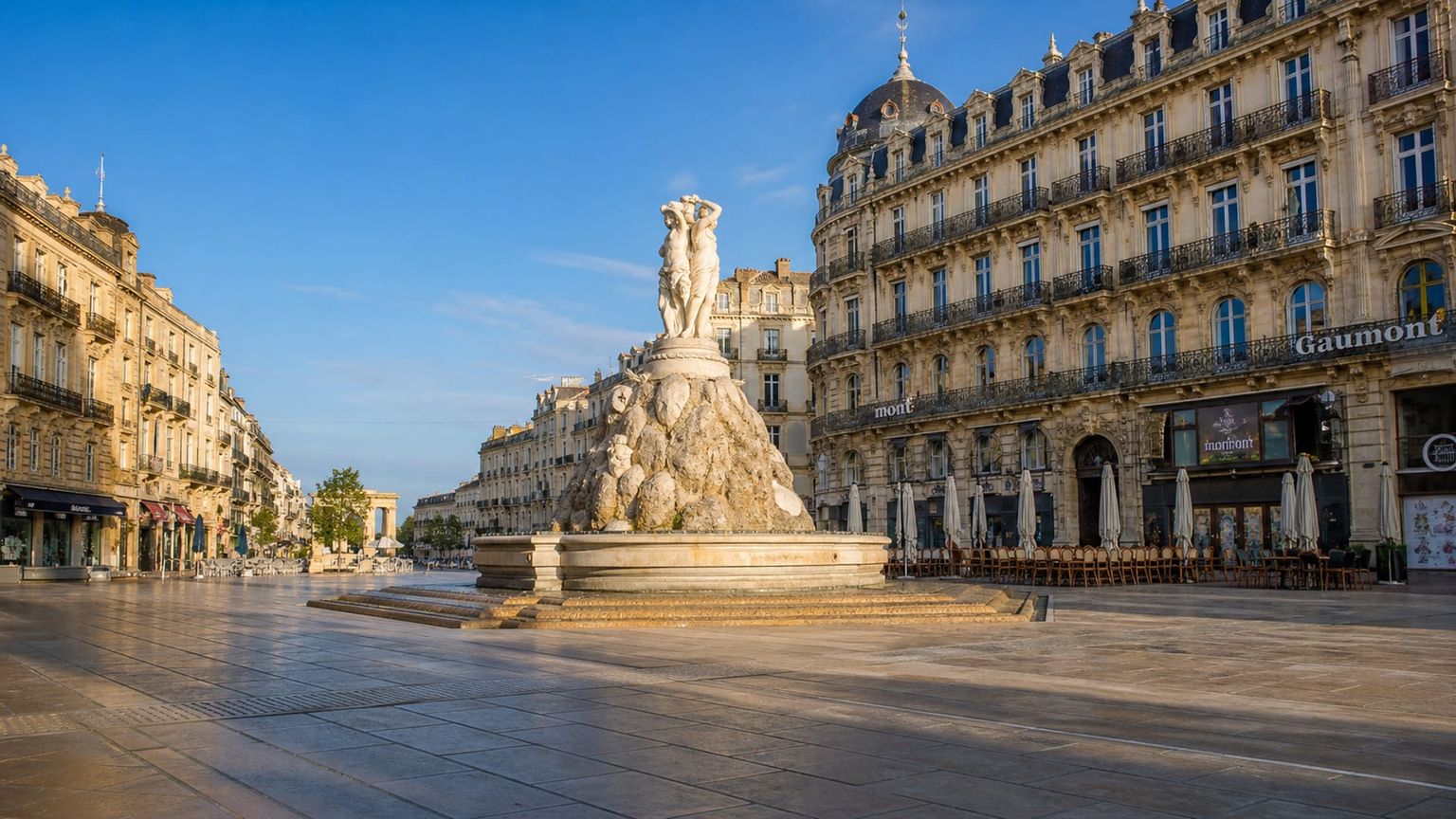
Place de la Comédie
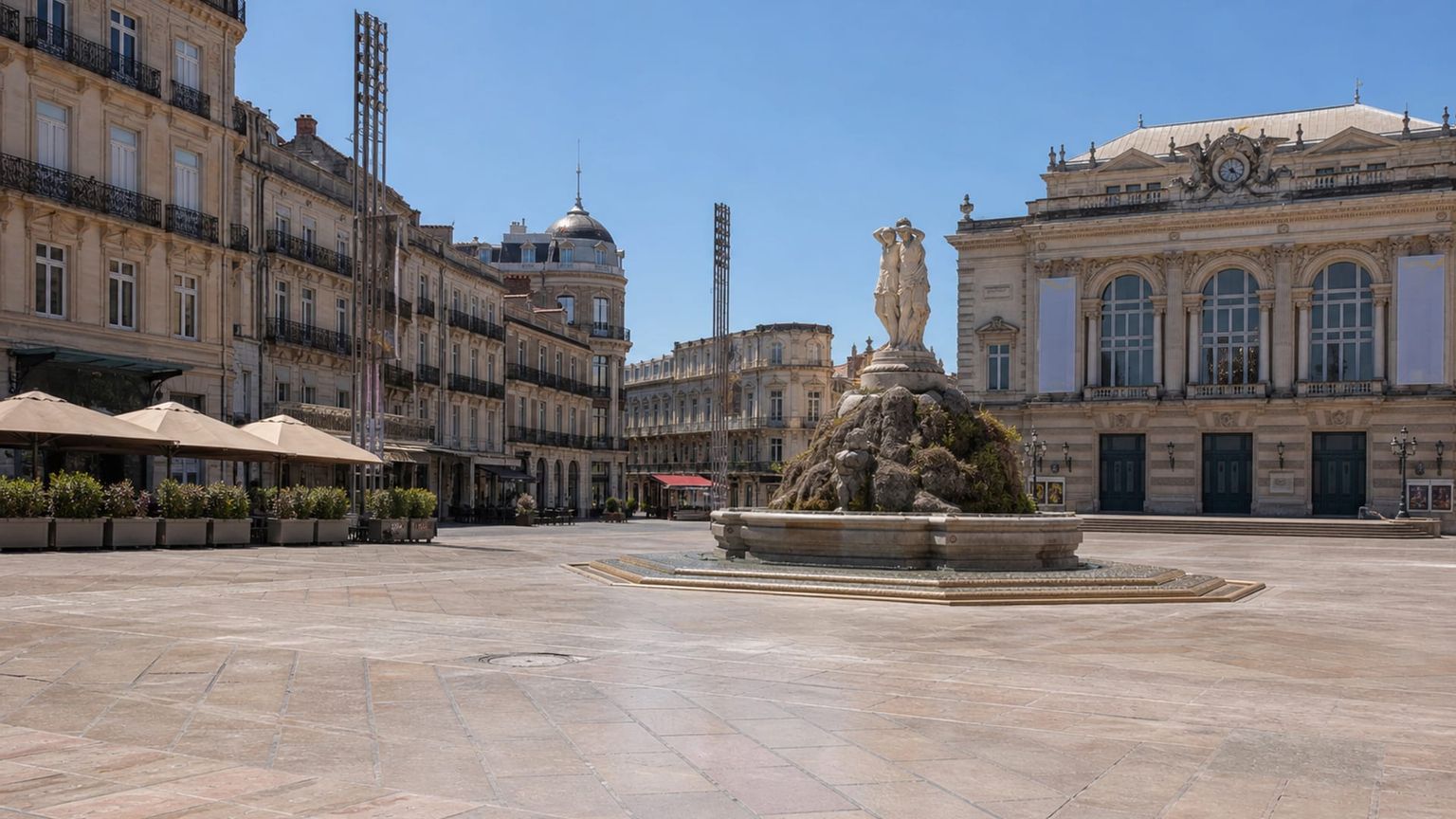
Montpellier’s main square centers the old town, with the Opéra Comédie, cafés, and the Three Graces fountain. It is the clearest place to start before walking into the pedestrian streets and arcade-lined lanes nearby.
Time needed: About 1 to 2 hours
Entry: Free to access; cafés, museums, and performances nearby charge separately
Tip: Visit at dusk, when the façades light up and street life is busiest.

Montpellier Cathedral
Saint Peter’s Cathedral dates to the 14th century and stands out for its fortress-like porch, pointed towers, and heavy stone mass. It sits beside the medical faculty in the historic center, a short walk from Place de la Comédie.
Time needed: About 45 minutes to 1 hour
Entry: Free to access; donations are welcome, and tower or cloister visits may cost extra when offered Visit the official site for details.
Tip: Go early, since the courtyard is quieter before class schedules and lunch breaks.
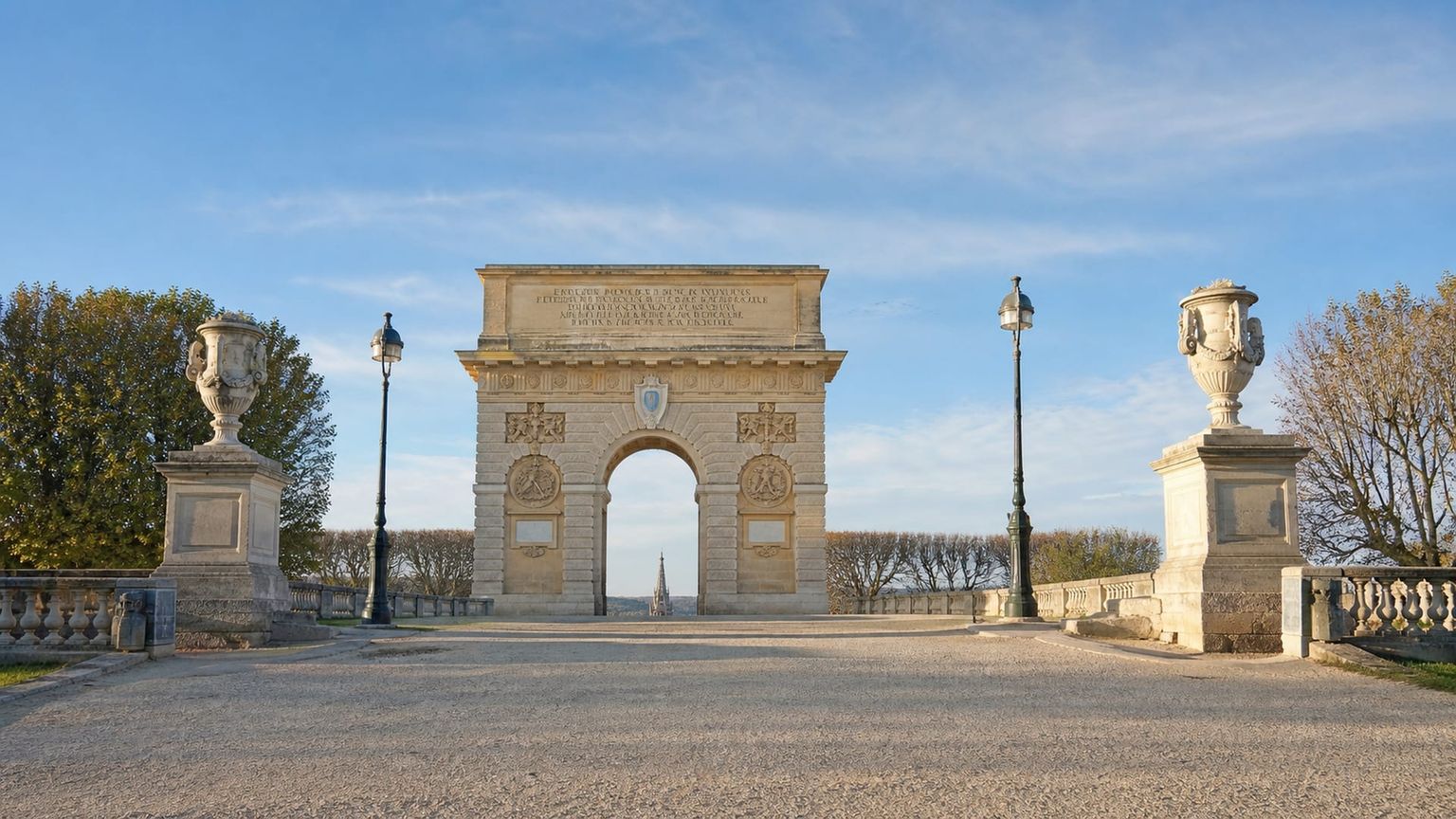
Promenade du Peyrou
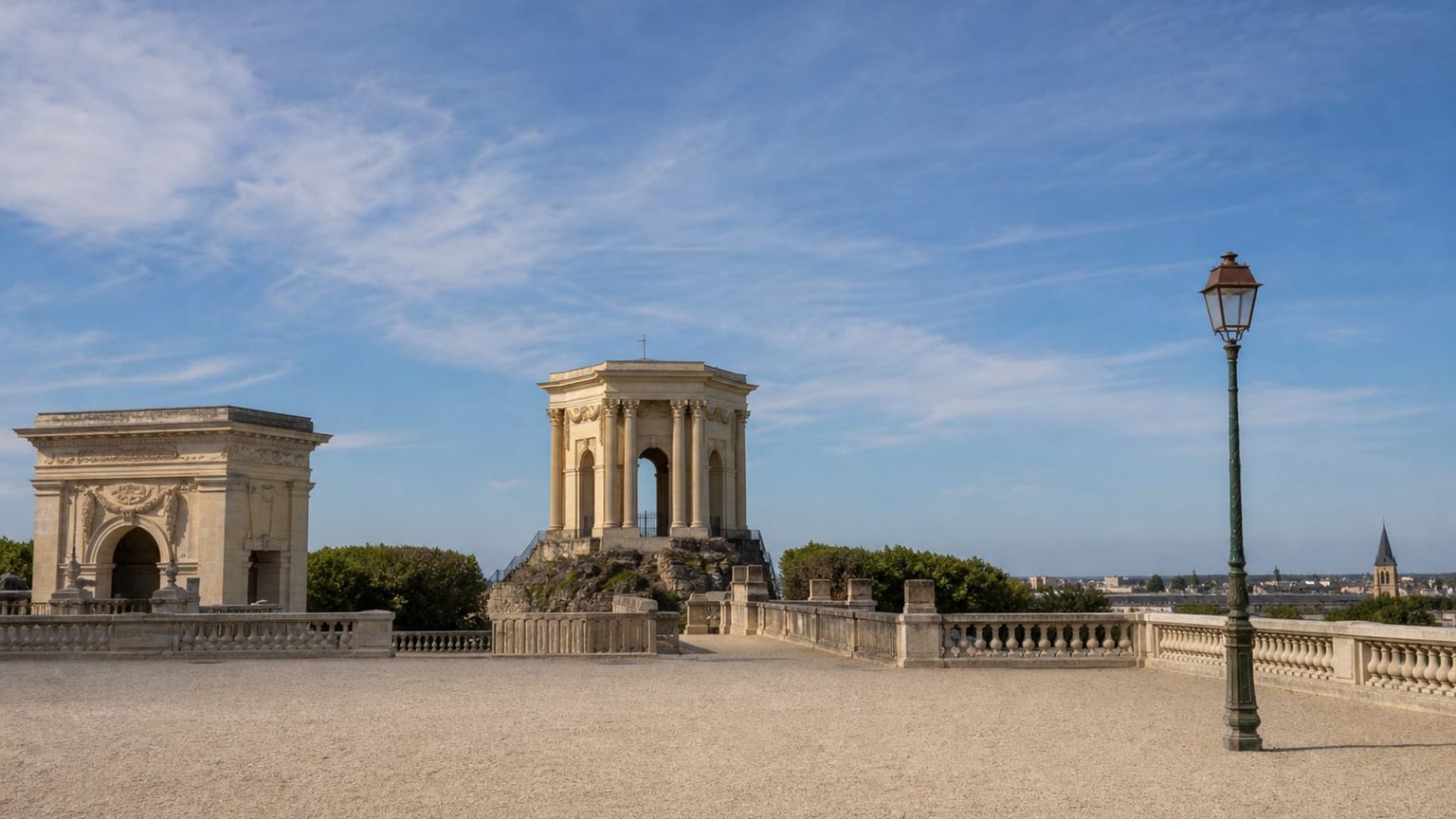
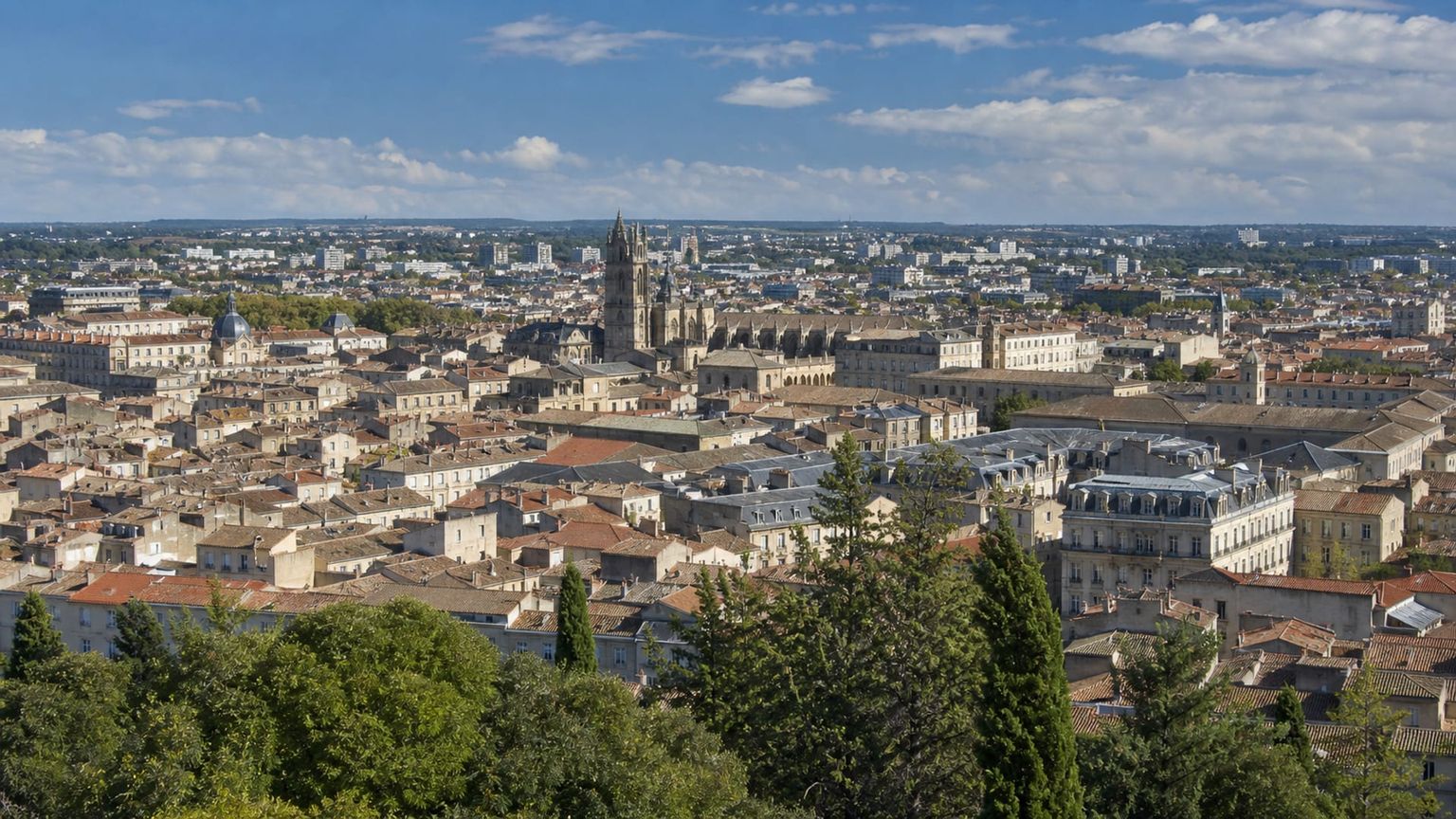
The Promenade du Peyrou is Montpellier’s 17th-century grand terrace, with a horse-riding statue of Louis XIV, an aqueduct view, and wide open paths. It lies west of the center and gives one of the city’s best skyline outlooks.
Time needed: About 1 to 1.5 hours
Entry: Free to access; the royal square, arcades, and water basin do not require a ticket
Tip: Come in late afternoon for clear views and softer light on the stone terrace.
Overlooked sites worth visiting

Peyrou Promenade and Aqueduct
A broad 17th-century promenade above the old town, with formal gardens, a Louis XIV equestrian statue, and long views toward the Aqueduct of Saint-Clément. Come at sunset for softer light.
Time needed: About 1 hour
Entry: Free to access. The promenade, lawns, statue, and aqueduct viewpoints cost nothing to enter, and you can visit on foot at any hour. Paid access may apply only for special events, but everyday sightseeing is free and unticketed.
Tip: Visit late afternoon for long views and cooler temperatures.

Musée Atger
Inside the Faculty of Medicine, this compact drawing museum displays old master prints and sketches by Rubens, Raphael, and others. The rooms are small, quiet, and easy to cover in one short visit.
Time needed: About 45 minutes
Entry: Admission is usually free or by very small donation, depending on opening conditions and staffing. The museum sits inside the historic Faculty of Medicine, so access can be limited to set visiting hours rather than daily walk-in entry. Visit the official site for details.
Tip: Check opening hours before you cross the old town.
Traditional food
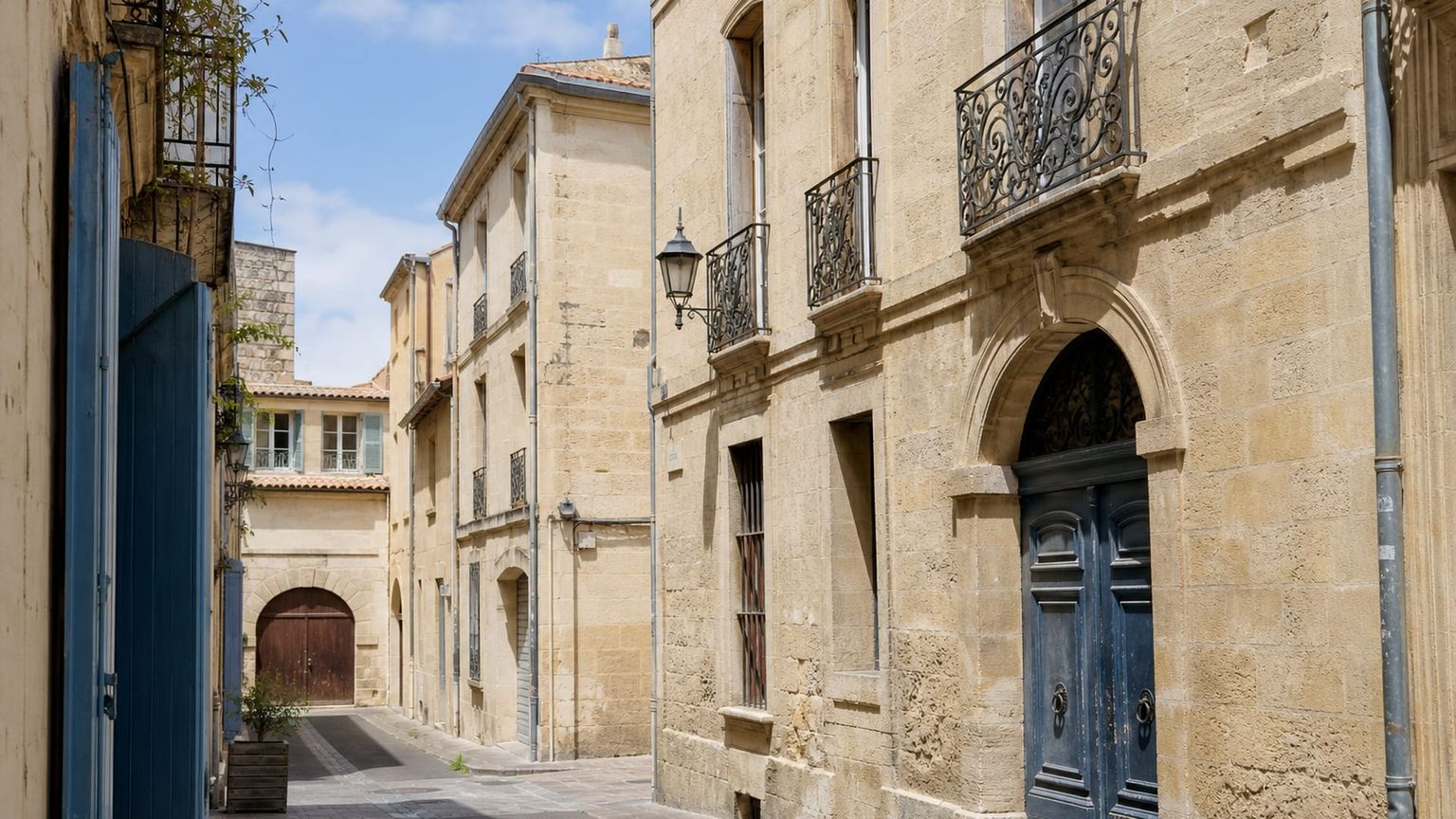
Montpellier’s table leans toward Mediterranean produce, seafood, garlic, and olive oil, with dishes such as tielle sétoise, brandade de morue, bourride, and petits pâtés de Pézenas showing the coastal link and the taste for hearty regional cooking.
Tielle sétoise
This octopus pie from the Sète coast brings tomato, spice, and a crisp crust, making it a smart first bite in the region. La Réserve Rimbaud is a strong Montpellier address for trying it in a setting that suits the dish.
Brandade de morue
Salt cod whipped with olive oil and garlic turns up as a creamy, savory specialty that fits Montpellier’s regional cooking well. Leclere, Cuisine d’Arrivage often serves it with the kind of precise plating that keeps the flavor front and center.
Bourride
This fisherman-style white fish stew usually arrives with garlic mayonnaise and a broth that tastes of the coast. It is a natural order at La Canourgue, where the menu regularly leans into local seafood cooking.
Petits pâtés de Pézenas
These small sweet-savory meat pies from nearby Pézenas make an excellent snack or starter, with a spiced filling inside a golden shell. Le Parfum offers a credible place to look for regional dishes with a polished bistro setting.
Best time to visit Montpellier
Montpellier shifts with the seasons, but spring and early autumn usually give the best balance of warm days, lighter crowds, and enough daylight for long walks through the center.
Best for: Squares, terraces, and long sightseeing days
What you get: About 54 to 72°F (12 to 22°C), with moderate crowds and comfortable walking weather
Trade-offs: Rain can interrupt a day, especially in April
Best for: Evening dining, festivals, and late light over the old town
What you get: About 66 to 88°F (19 to 31°C), with the heaviest crowds and busy restaurant tables
Trade-offs: Midday heat can make uphill walking tiring
Best for: Museums, café stops, and clear city walks
What you get: About 55 to 76°F (13 to 24°C), with lighter crowds after the summer peak
Trade-offs: Shorter days arrive quickly by late October
Best for: Low-key museum time and quieter streets
What you get: About 39 to 56°F (4 to 13°C), with the smallest crowds and easier reservations
Trade-offs: Some outdoor visits feel brief in cold, damp weather
A realistic 5-day plan in Montpellier
A five-day stay in Montpellier works best when you separate the old center, the grand terrace, and the newer eastern districts instead of trying to stack everything into one long loop. The plan below keeps each day anchored to a few connected stops and a sensible meal break.
Land at Montpellier (MPL), then take a taxi or rideshare into Écusson, about 20 to 25 minutes and roughly $35 to $45, or the tram if your timing lines up and you do not mind a slower ride. Check into a place near Place de la Comédie or in Antigone, then keep the rest of the afternoon low-key with water, a short walk through the square, and an early dinner on the terrace side of Écusson, where you can stay close to your room without losing time to transit.
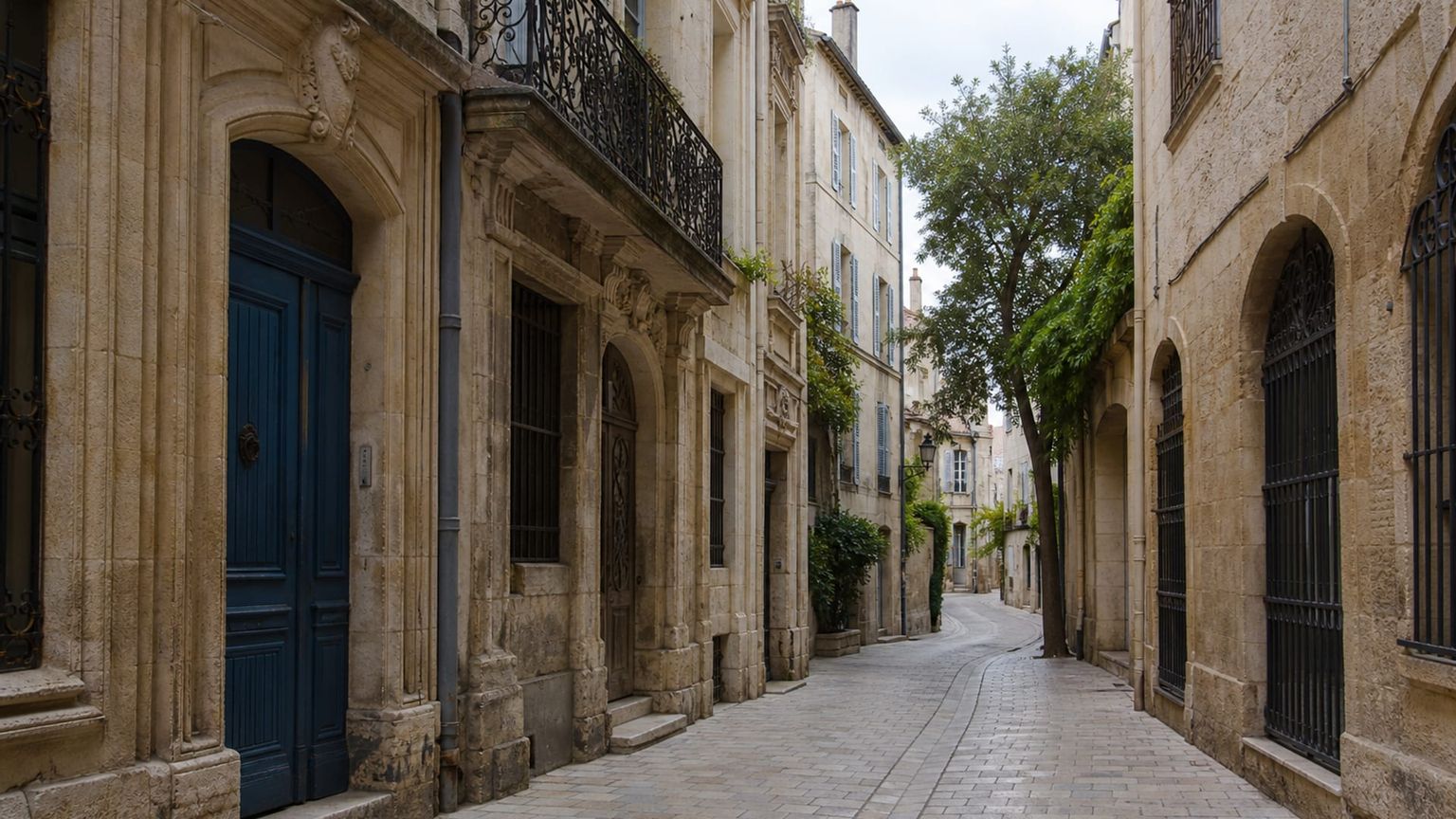
Start with Place de la Comédie at dusk or late morning, then walk about 10 minutes to Montpellier Cathedral for a look at the fortress-like porch and the old medical quarter beside it. From there, continue roughly 10 minutes on foot to the Musée Atger if the opening hours work, then finish with an unhurried climb to the Promenade du Peyrou, about 15 minutes away, for broad views over the old center and a dinner nearby in Écusson.
Begin in the Promenade du Peyrou area, then walk to Peyrou Promenade and Aqueduct for the open terrace and the Saint-Clément water line, a visit that pairs well with the late light. After about 15 minutes on foot, return toward the Faculty of Medicine for the Musée Atger, keeping the day compact with one museum stop and a café break in the historic center before dinner in Écusson.
Antigone makes a good starting point for a day that stays easy on transit, with broad avenues and direct tram links back to the center. Spend the morning moving between Antigone and Place de la Comédie, about 10 minutes apart on foot, then take about 15 minutes to reach Port Marianne by tram for a look at Montpellier’s newer quarter and canal-side streets, returning to Écusson for an evening walk and dinner.
For a final half day, begin with one last pass through Place de la Comédie, then choose either a brief revisit to the Promenade du Peyrou or a final stop at the Musée Atger if you missed it earlier. After that, spend time in Écusson for shopping in the pedestrian lanes, then settle into a café in the old center or Antigone for coffee before heading back to Montpellier (MPL).
Business-class flights from the US to Montpellier
Business-class trips to Montpellier usually route through one major European hub, so the main choice is how much time you want to spend in transit versus how much you want to pay. The east and west coast examples differ mainly in layover length and total fare.
From New York, Air France, Delta Air Lines, KLM, Lufthansa, TAP Air Portugal, and United Airlines are the main names to watch. Nonstop travel takes about 7 to 8 hours, while common one-stop options via Paris (CDG), Amsterdam (AMS), Frankfurt (FRA), Lisbon (LIS), or London (LHR) usually take 10 to 15 hours and often lower the fare. Round-trip prices start at about $2,400 and can reach roughly $5,500.
From Los Angeles, Air France, Delta Air Lines, KLM, Lufthansa, and United Airlines are the key carriers. One-stop itineraries through Paris (CDG), Amsterdam (AMS), Frankfurt (FRA), London (LHR), or Madrid (MAD) often price below nonstop options, and the total journey usually runs about 15 to 20 hours. Round-trip fares usually begin near $2,700 and can climb to about $6,000.
Montpellier feels different when you slow down
A deliberate Montpellier stay gives you time for the old center, not just the famous square. You can start at Place de la Comédie, climb to the Promenade du Peyrou, then return through Écusson for dinner, using trams or short walks instead of crossing the city twice in one afternoon. If that is the trip you want, the AranGrant experts can help you shape dates, flights, and hotel choices around Montpellier’s center and its easiest connections







