

Chapters:

Need help with your trip?
Our support team is available 24/7. Request a callback or call us directly at (833) 619-0908
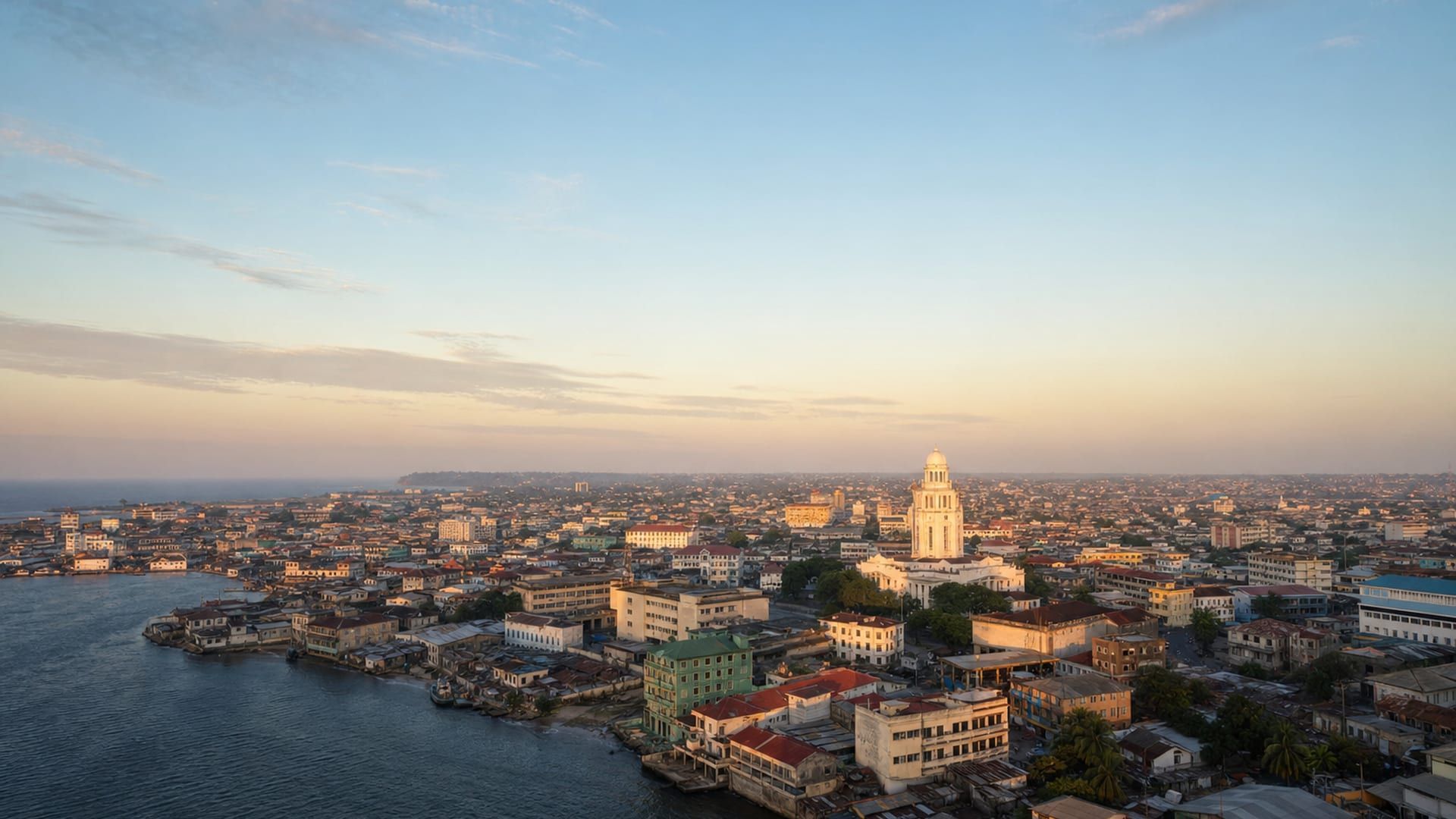
Monrovia usually rewards travelers who separate the city’s coastal side from its downtown core, yet many visitors try to pack both into a single rushed loop and miss how much time the roads take. They also skip the smaller museum stop that gives the clearest view of the capital’s history.
Distances are modest on a map, but traffic, ferry access, and uneven night movement make cross-town hops take longer than expected. That matters most when dinner plans sit on one side of town and your hotel on the other.
This guide builds the trip in a slower order, so you can match the coast, the center, and the hilltop views without spending each day in transit.
Useful things to know
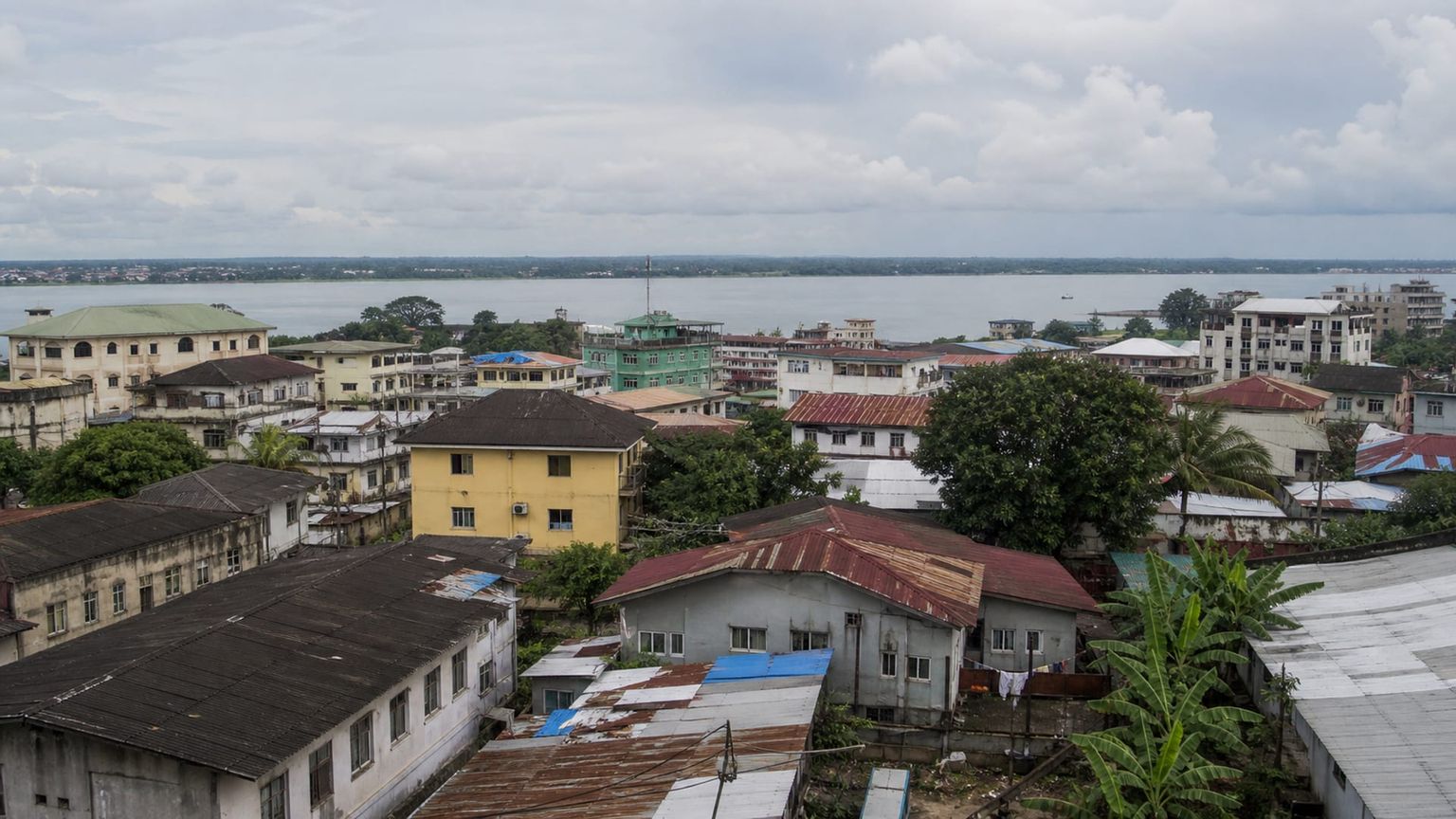

Main language(s): English

Currency: The local currency is the Liberian dollar (LRD, $).

Cash and cards: Cards are accepted at some hotels and larger restaurants, but cash is best, carry about LRD 5,000 to 10,000 ($25 to $50).

Tipping: Round up small bills and leave 5-10% at restaurants if service is good.

Traditional food: Cassava leaf, jollof rice, palm butter, pepper soup

Water and coffee costs: Water about LRD 150 ($1), bar espresso about LRD 400 ($2).

Taxis and ride apps: Uber and Bolt are not widely available; use hotel cars or local taxis.

Plug and voltage: Type A/B socket, 120V

Dining and shop opening hours: Breakfast is about 07:00-10:00, lunch 12:00-14:30, and dinner 18:00-22:00. Many spots close early on Sundays.

Emergency number: 911 for police, fire, and ambulance.
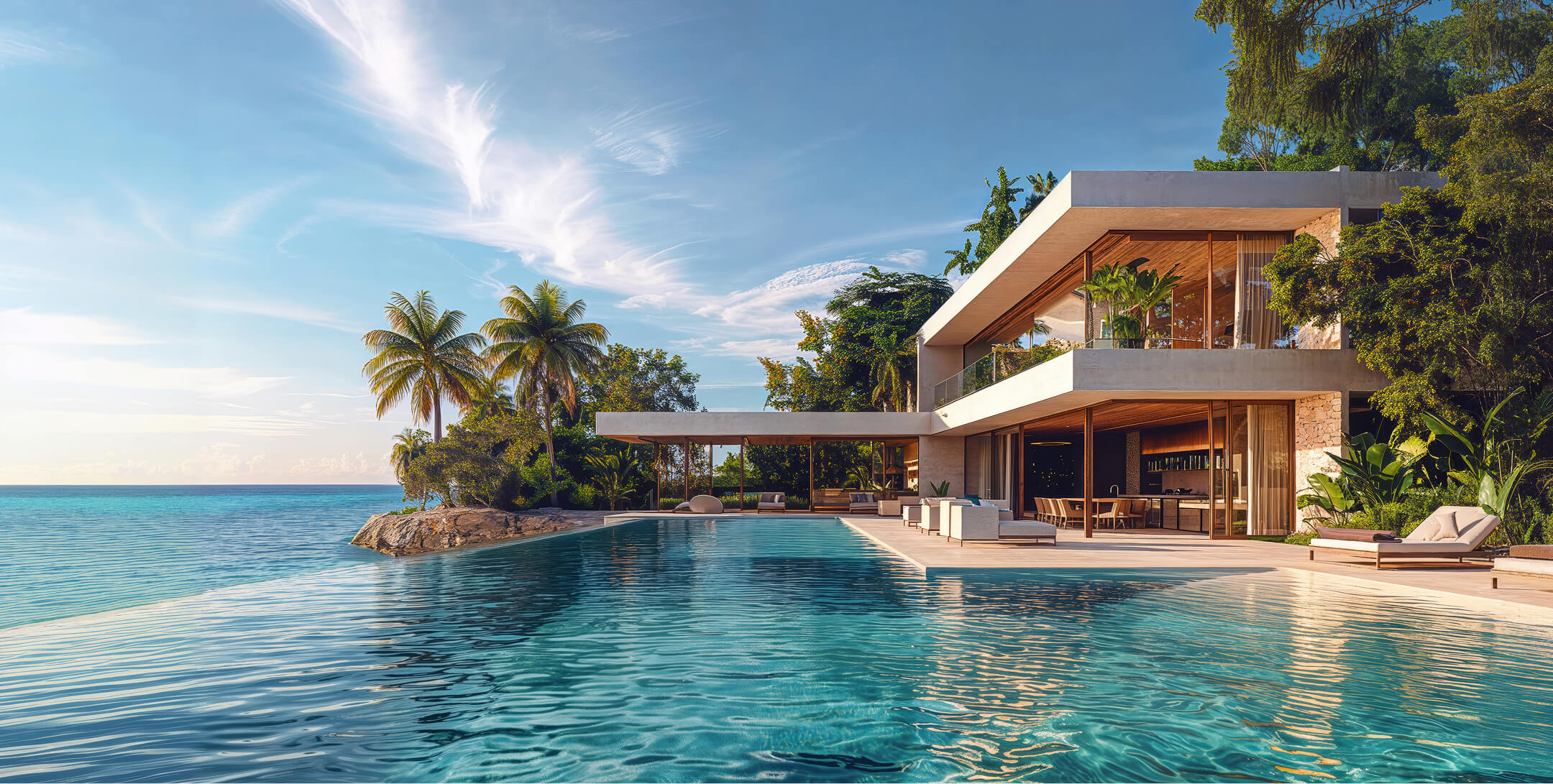
Where to stay in Monrovia
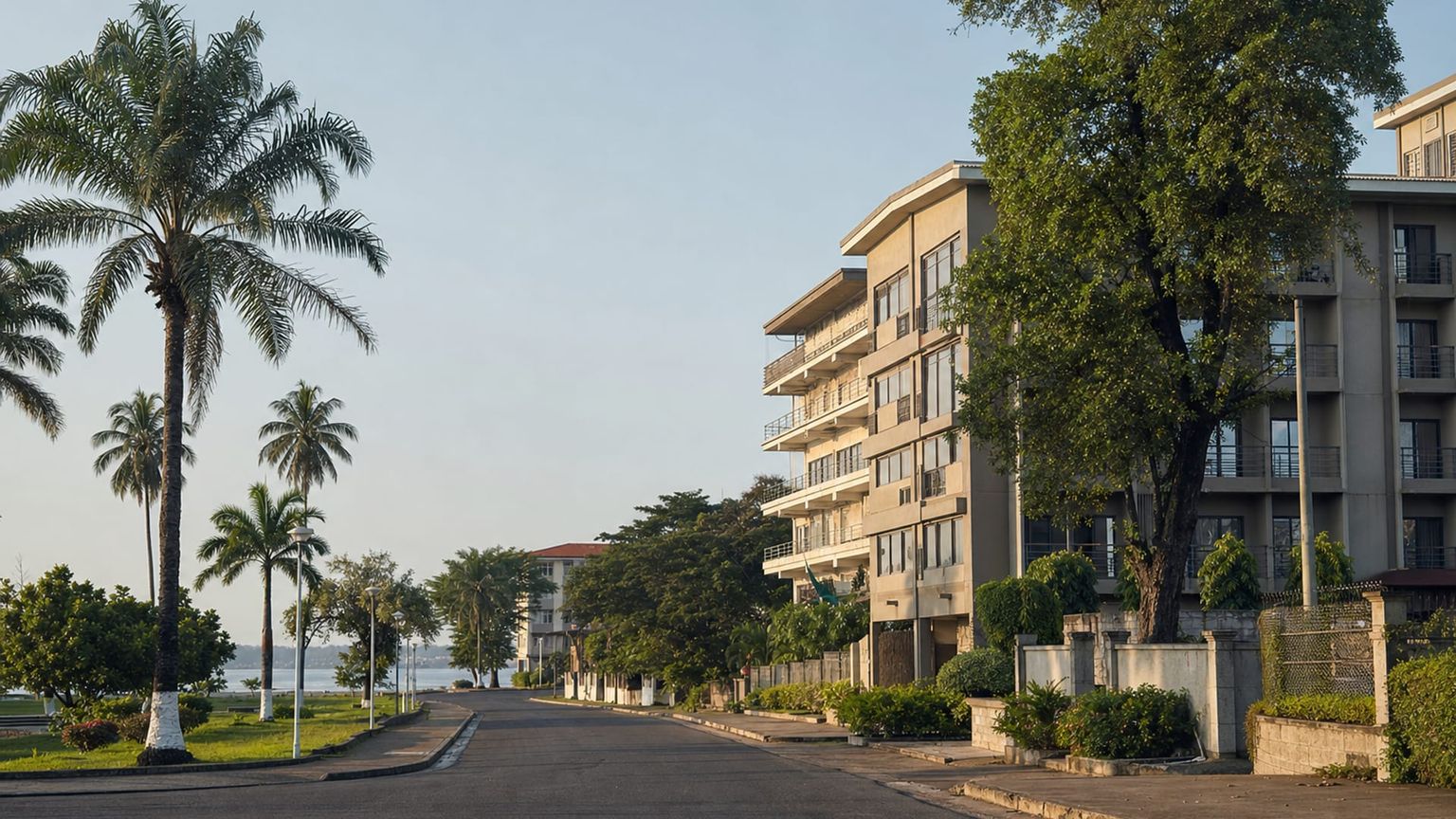
Mamba Point sits on Monrovia’s Atlantic edge, close to foreign missions, beach hotels, and several of the city’s better-known restaurants. It suits travelers who want one of the easiest bases for central Monrovia and the coast in the same stay.
Best for: Embassy visits, dining, and travelers who want a coastal base near central Monrovia
What to expect: Expect villa-lined streets, hotel traffic, and a steady flow of expats, diplomats, and restaurant guests.
Hotel prices: Usually about $140 to $300 per night for well-rated stays
Distance to major sights: About 10 to 15 minutes by car to the National Museum of Liberia
Quietness: Quieter in the morning and late evening, with more traffic and restaurant activity in the late afternoon and at night.
Main trade-off: You pay more here than in inland neighborhoods, and beach access comes with occasional traffic on the main approaches.
Good to know: Many of the better dining options cluster here, so staying elsewhere can mean more car time after dinner.
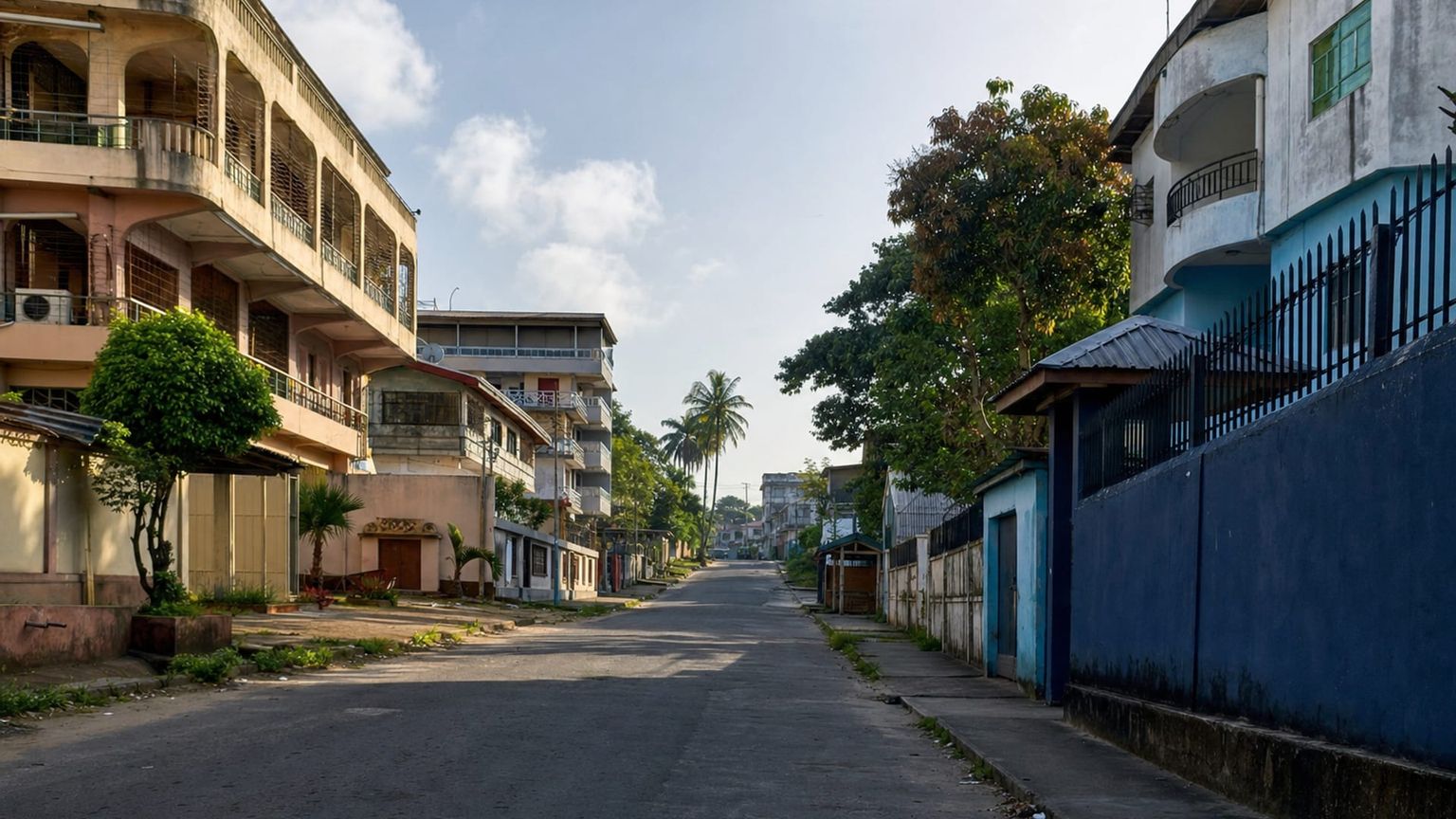
Sinkor runs along Monrovia’s main coastal spine and mixes hotels, apartments, offices, and everyday shops. It gives visitors a central base with easy access to the city center, beach strip, and several practical dining options.
Best for: Central positioning, longer stays, and travelers who want shops and restaurants nearby
What to expect: Expect busy roads, frequent taxis, and a neighborhood that stays active well into the evening.
Hotel prices: Usually about $90 to $220 per night for well-rated stays
Distance to major sights: About 10 minutes by car to the National Museum of Liberia and about 15 minutes to Mamba Point
Quietness: Busier by day and evening, with traffic and street activity tapering late at night.
Main trade-off: It is less scenic than the coastal hotel strip, and the main roads can be noisy at rush hour.
Good to know: If you need to move across town often, this location cuts some car time, but the busiest blocks can be loud after sunset.
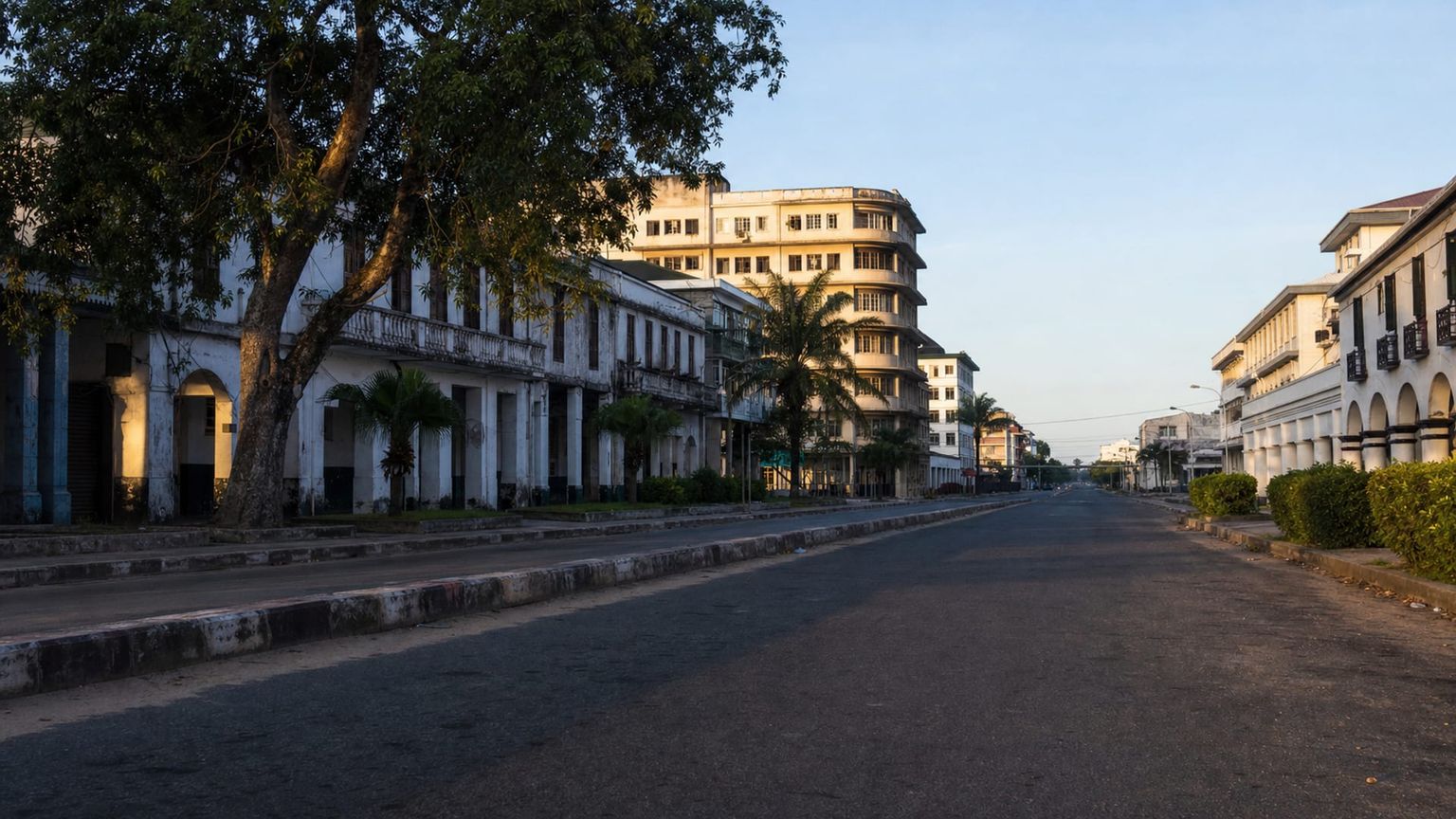
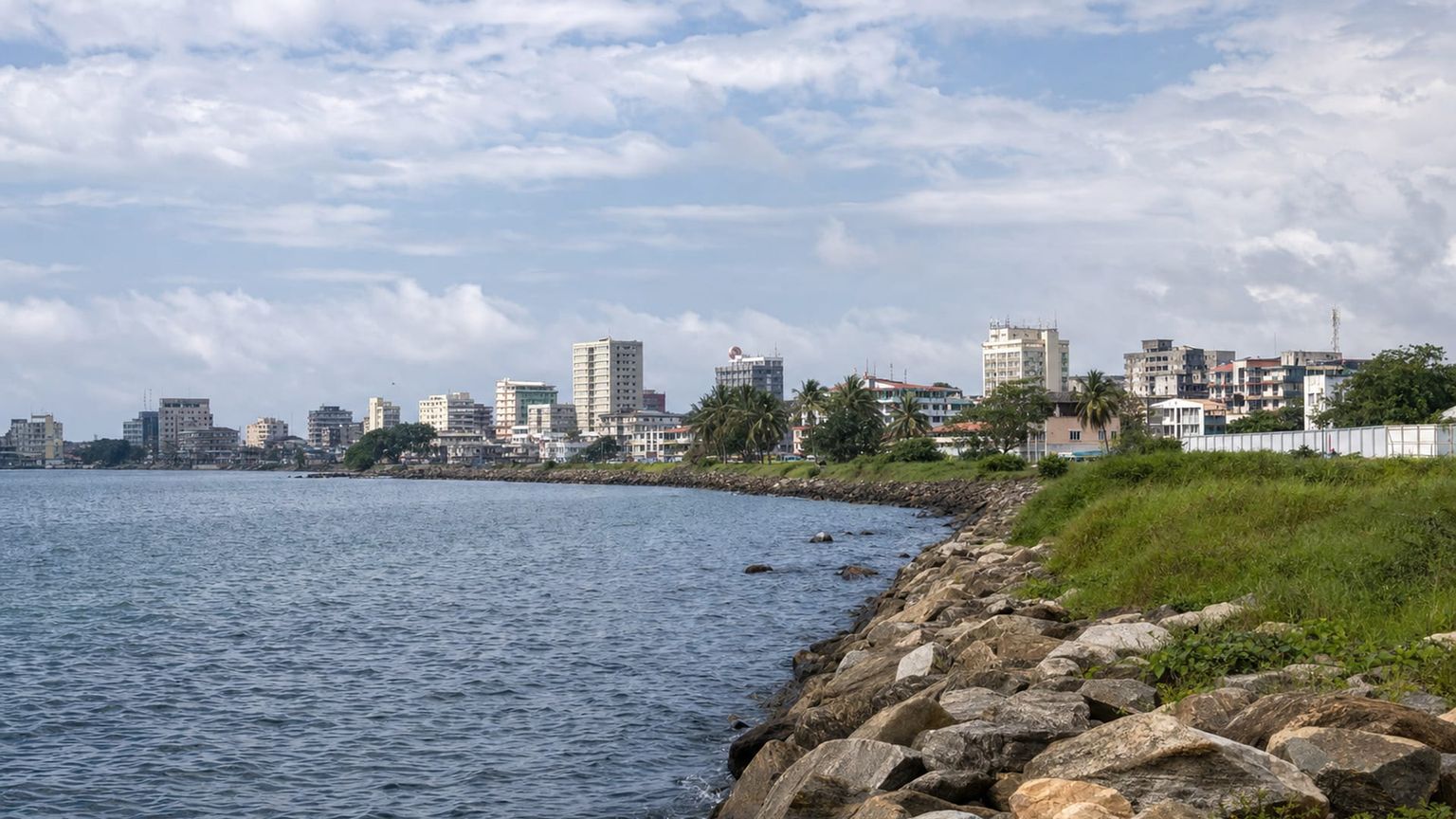
Broad Street is Monrovia’s downtown core, where offices, markets, banks, and older commercial buildings cluster near the waterfront. It matters because it puts you close to the city’s formal center and many daytime errands.
Best for: Business trips, daytime errands, and travelers who want to be near the central district
What to expect: Expect heavy daytime movement, street vendors, and a more functional than scenic urban setting.
Hotel prices: Usually about $70 to $180 per night for well-rated stays
Distance to major sights: About 5 to 10 minutes on foot to Waterside Market and about 10 minutes by car to the National Museum of Liberia
Quietness: Active from morning through late afternoon, then noticeably quieter after office hours.
Main trade-off: This is the least relaxed-feeling option, and some blocks empty out after business hours.
Good to know: Plan dinners before dark if you want the easiest evening movement, since the area becomes less lively after offices close.
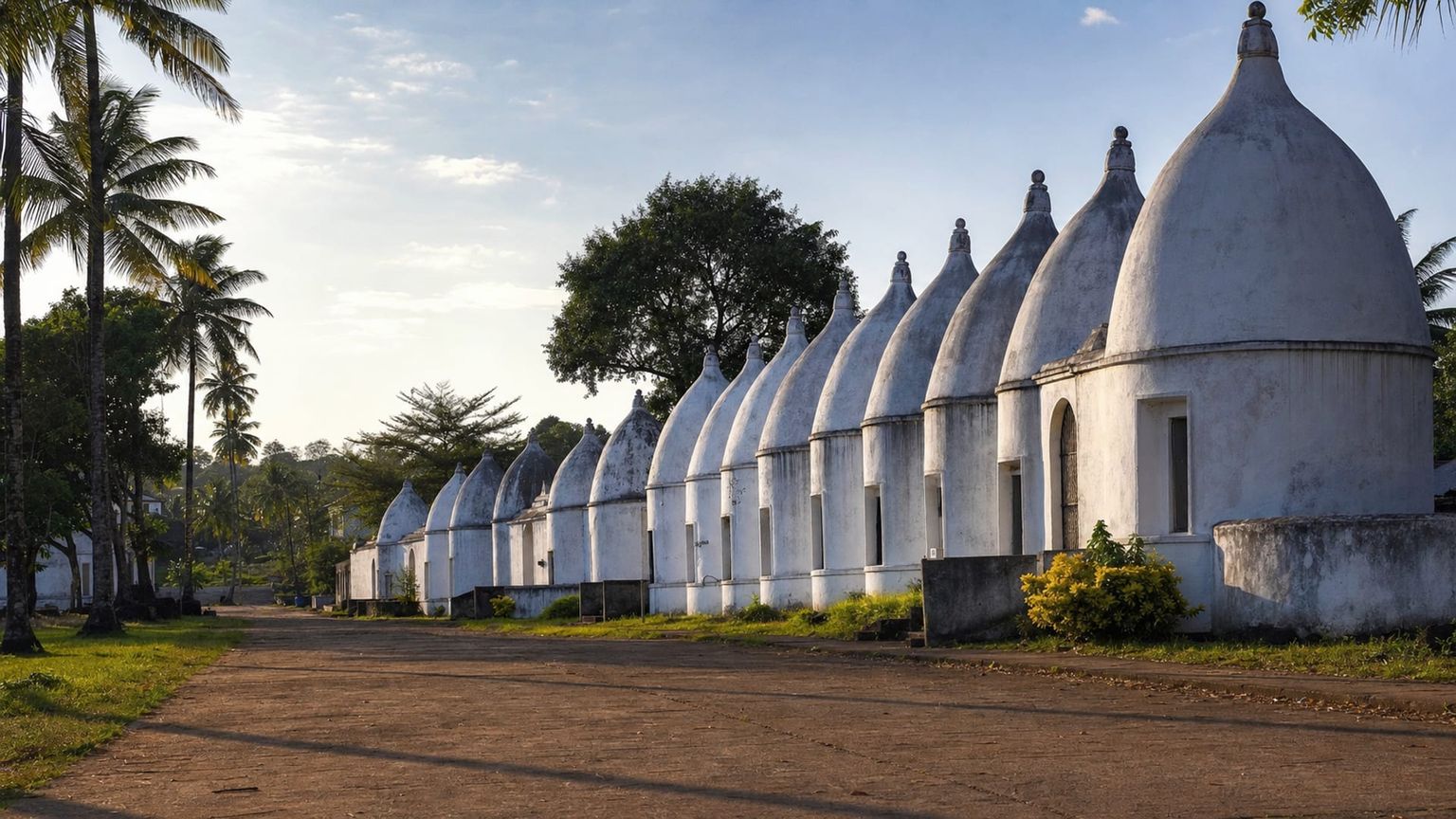
Thinkers Village lies east of central Monrovia in the Paynesville area, with newer housing, supermarkets, and a more residential street pattern. It works best for visitors who prefer a lower-key base and do not mind commuting into the center.
Best for: Longer stays, apartment-style lodging, and travelers who prefer a residential base
What to expect: Expect wider streets, local shops, and less foot traffic than in the central districts.
Hotel prices: Usually about $60 to $150 per night for well-rated stays
Distance to major sights: About 25 to 35 minutes by car to the National Museum of Liberia
Quietness: Quieter in the evening than central Monrovia, with modest daytime activity around local shops.
Main trade-off: You trade easy walkability for more time in traffic when heading to the coast or downtown.
Good to know: Choose this only if you are comfortable relying on cars, since sightseeing and beach time both require longer transfers.
Travelers usually avoid staying in Mamba Point if they want a broad hotel choice at lower rates, because it is mainly a diplomatic and residential district with limited budget options and fewer everyday amenities. Sinkor can also be less convenient for first-time visitors because the useful sights are spread out, and Mamba Point, West Point, and Bushrod Island add longer evening rides back from central Monrovia and the waterfront.
Hotel deals
How to get around Monrovia efficiently
Monrovia has no metro or rail network, so most visitors move by taxi, shared minibus, or hotel car, with road times shaped more by traffic than by distance.

Metro
for longer distances
Monrovia has no metro or suburban rail network, so visitors rely on road transport for airport transfers and cross-town trips. For movement from the MLW airport area into central Monrovia, allow roughly 20 to 45 minutes by road depending on traffic.

Bus and tram
for convenience
The main public option is the informal shared bus and minibus network, which links central Monrovia with nearby districts and the airport corridor in a patchy way. Fares are usually about $0.50 to $2.00, paid in cash on board, and vehicles fill quickly, so expect variable departures and longer waits outside peak hours.

Taxi
for convenience or late hours
Licensed taxis in Monrovia usually quote set fares rather than using meters, and drivers often ask for the price before departure. A short city trip typically costs about $5 to $10, while airport runs can be roughly $15 to $25, with payment in cash in U.S. dollars most common and nighttime or heavy-traffic trips priced higher.
*Prices are based on rates updated as of June 2026 and may change at the time of travel.
Taxis work best for point-to-point trips, minibuses suit short budget hops, and hotel cars make evening returns easier when you are crossing between the coast, downtown, and the airport road.
Iconic landmarks
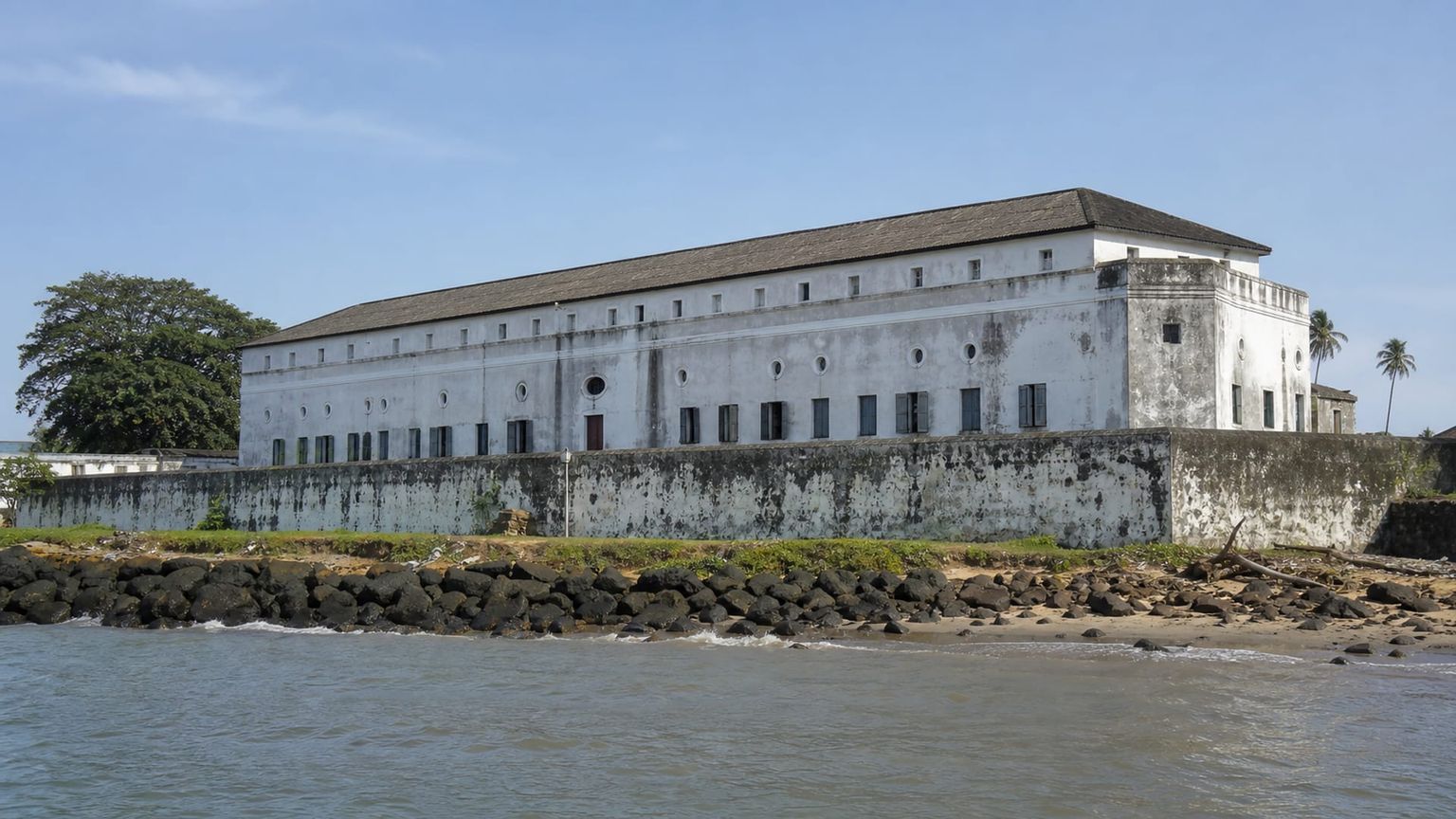
Providence Island
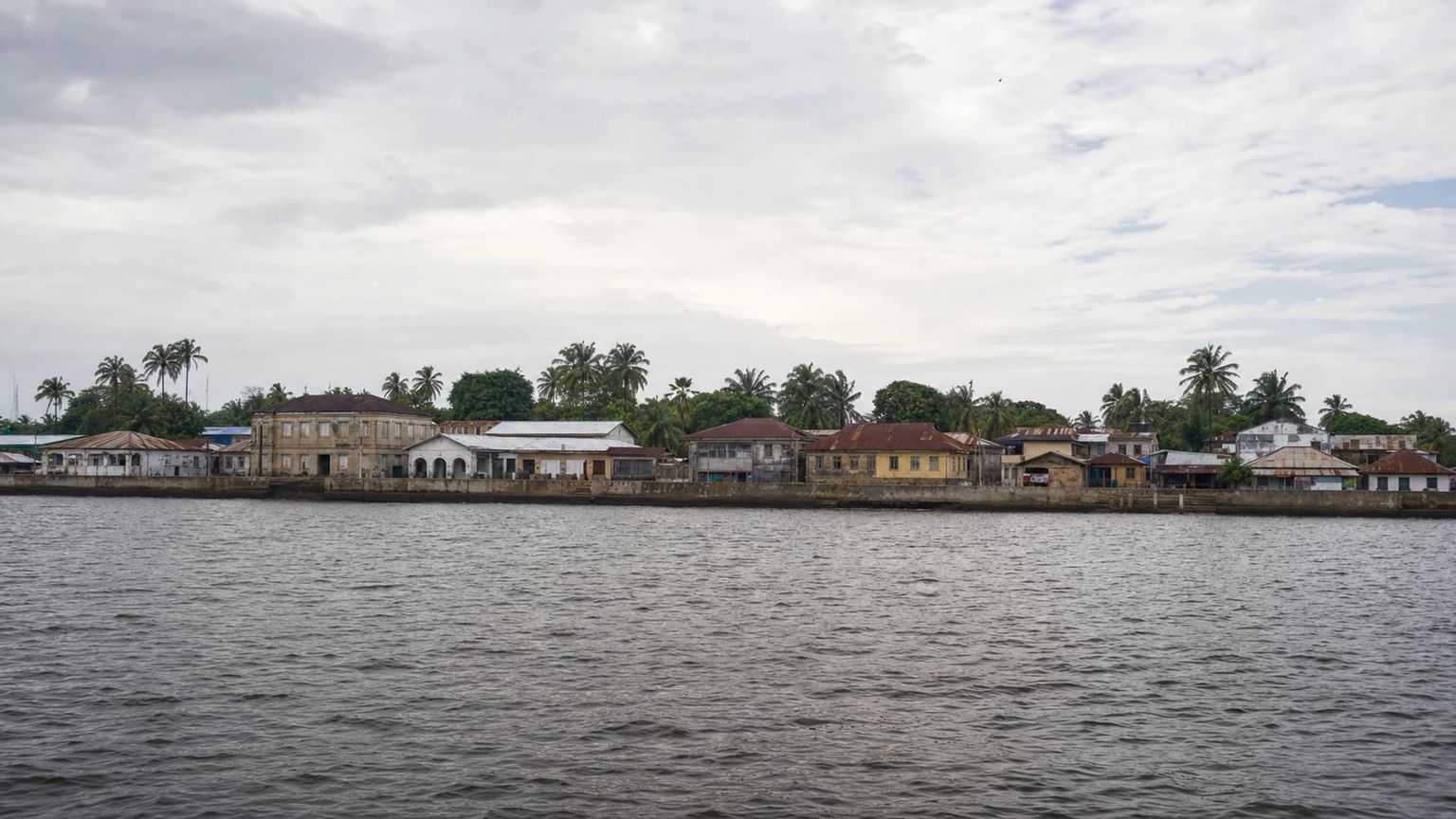
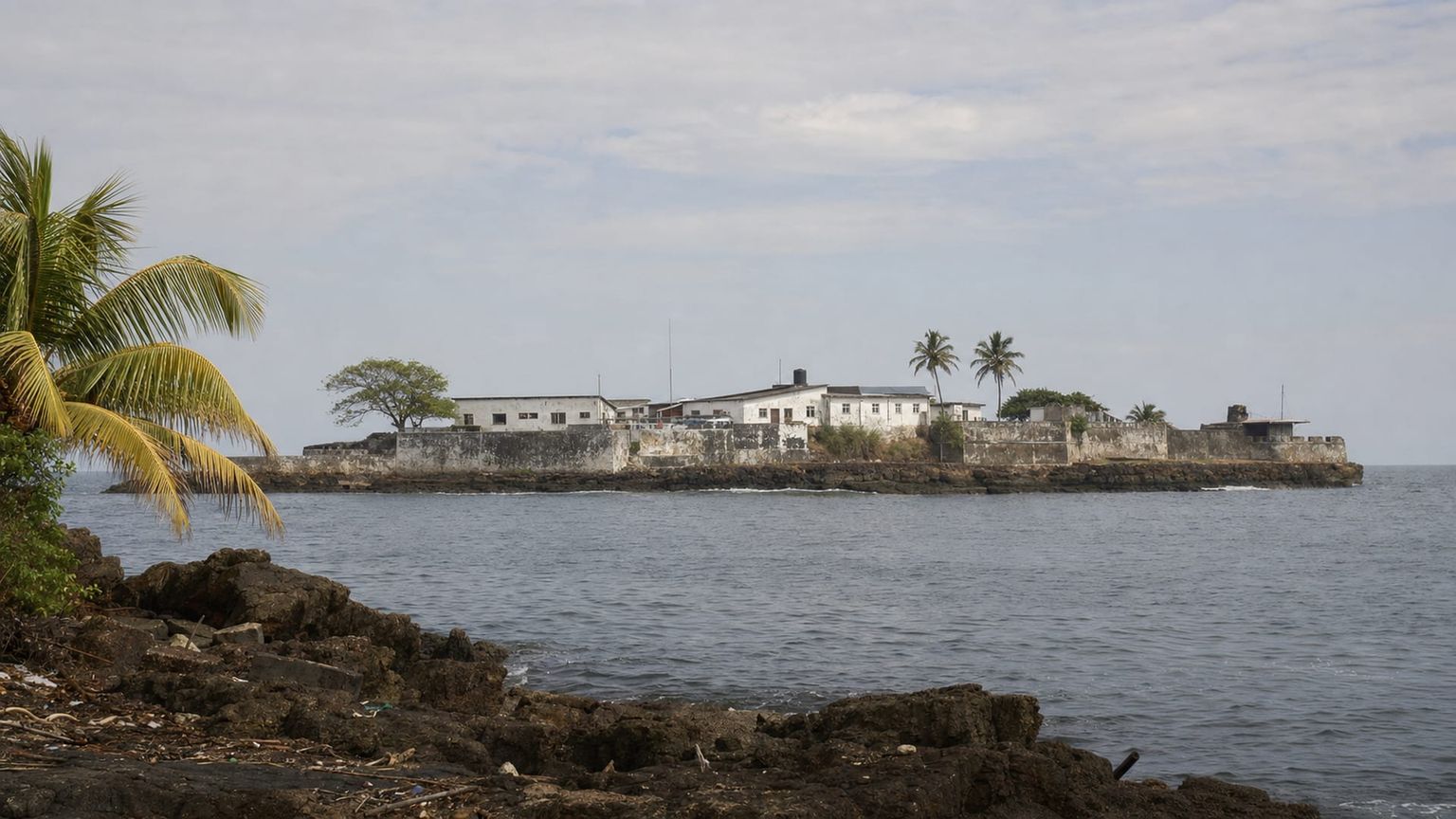
This Atlantic island off Monrovia holds the site where freed African Americans and Caribbean settlers first landed in the 1820s. A short ferry ride brings you to a compact historic stop with memorial markers and water views over the harbor.
Time needed: About 1 to 2 hours
Entry: Ferry access and island entry are usually free, with separate boat fares from Monrovia docks starting at about $2 to $5 (about 40 to 100 LRD).
Tip: Go in the morning for calmer water and clearer views of the harbor approach.
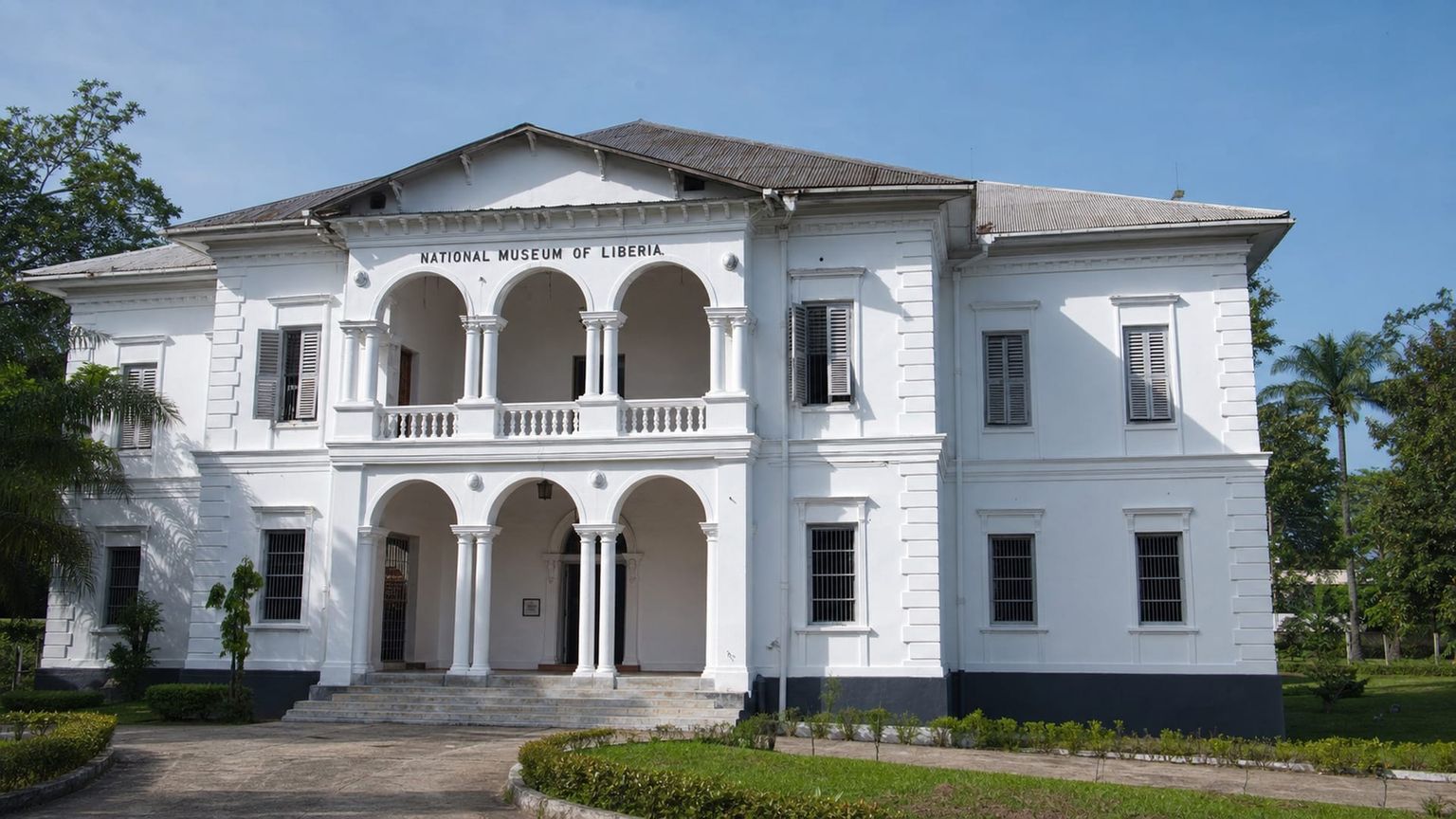
National Museum of Liberia
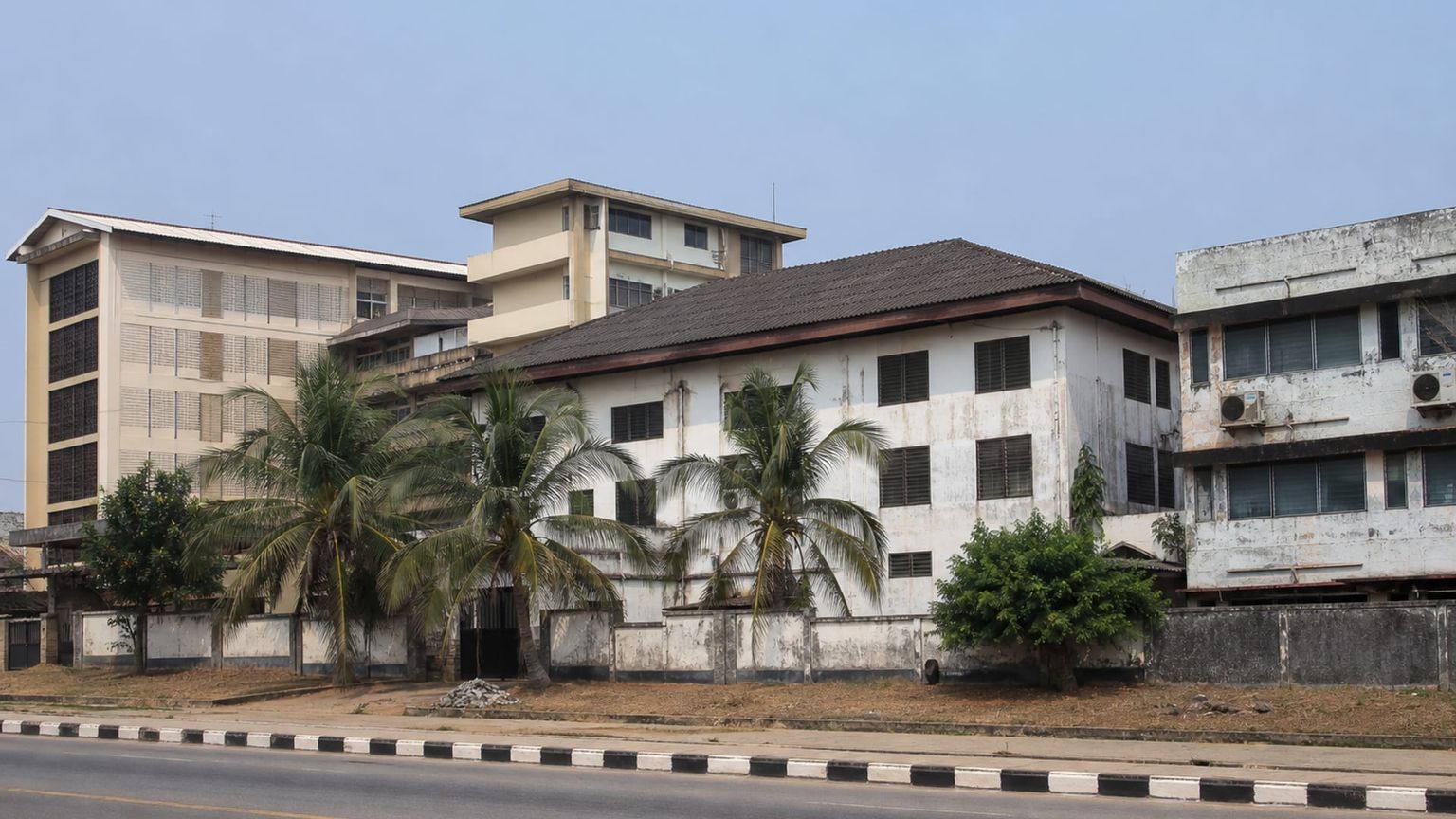
Set in downtown Monrovia, the National Museum of Liberia displays masks, carvings, photographs, and documents that trace the country’s political and cultural history. The collection gives the clearest single-stop overview of Liberia’s past in the capital.
Time needed: About 1 to 2 hours
Entry: Admission is usually about $5 to $10 (about 1,000 to 2,000 LRD) for adults, with lower prices for students and children when available.
Tip: Visit in the morning, when galleries are quieter and the heat is lower outside.
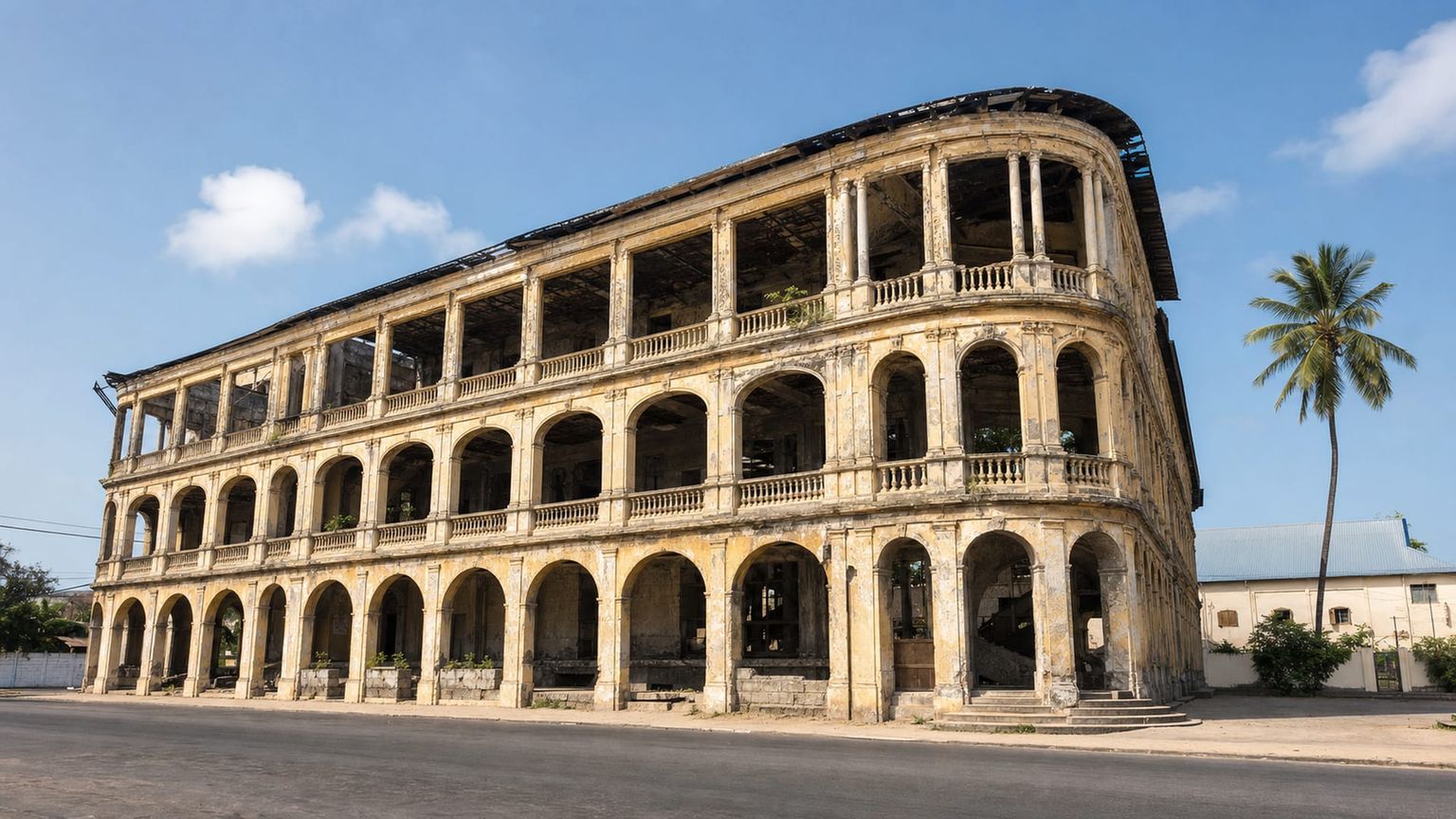
Ducor Palace Hotel site
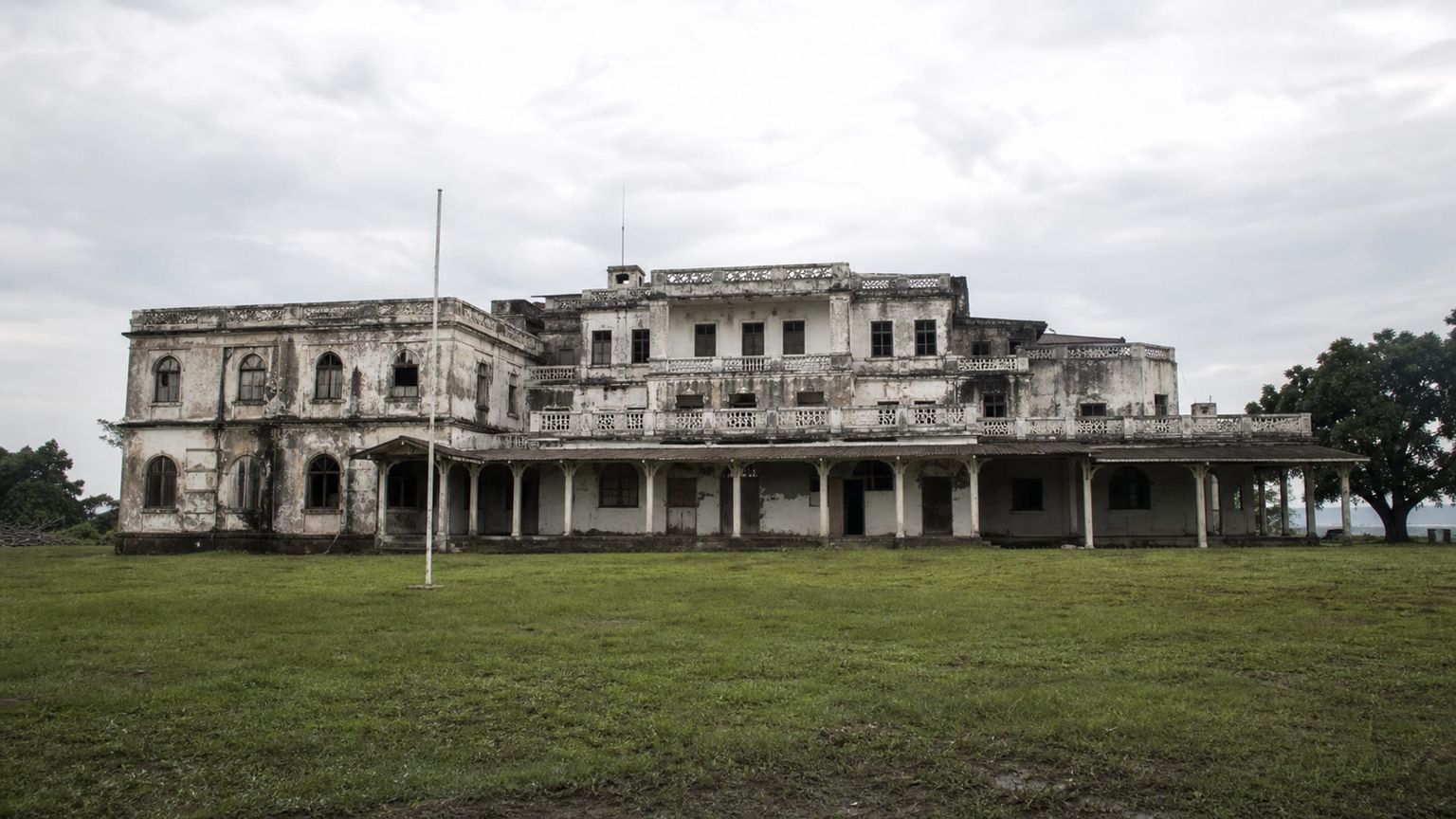
On Ducor Hill, the former Ducor Palace Hotel site overlooks Monrovia, the coastline, and the Atlantic. The ruined complex draws visitors for its Cold War-era history and the wide city panorama, best at sunset when the light hits the bay.
Time needed: About 45 minutes to 1 hour
Entry: Access is usually free, though local guides may ask for about $3 to $5 (about 600 to 1,000 LRD) for escorted entry or context.
Tip: Arrive before sunset, then leave before dark because the hill has limited lighting.
Overlooked sites worth visiting

Providence Island
A small island in the Mesurado estuary, Providence Island marks the 1822 landing site of the first American Colonization Society settlers. Visit for river views, mangroves, and a quiet shoreline close to central Monrovia.
Time needed: About 1 hour
Entry: Free to access, with no ticket booth or timed admission. Expect only informal access via local boats or a shoreline approach, so bring small cash if you plan to arrange transport from the waterfront.
Tip: Go in late afternoon for softer light and calmer water.

Liberian National Museum
Housed in a former government building downtown, the Liberian National Museum presents artifacts, portraits, and documents from the country’s political and cultural history. Its compact galleries make it a good short stop near the center.
Time needed: About 45 minutes to 1 hour
Entry: Admission typically costs about $2 ($2) for adults, though rates can change. Expect a modest ticket desk on site and occasional closures on public holidays, so check opening hours before you go if you need a same-day visit.
Tip: Visit in the morning, when the rooms are cooler and quieter.
Traditional food
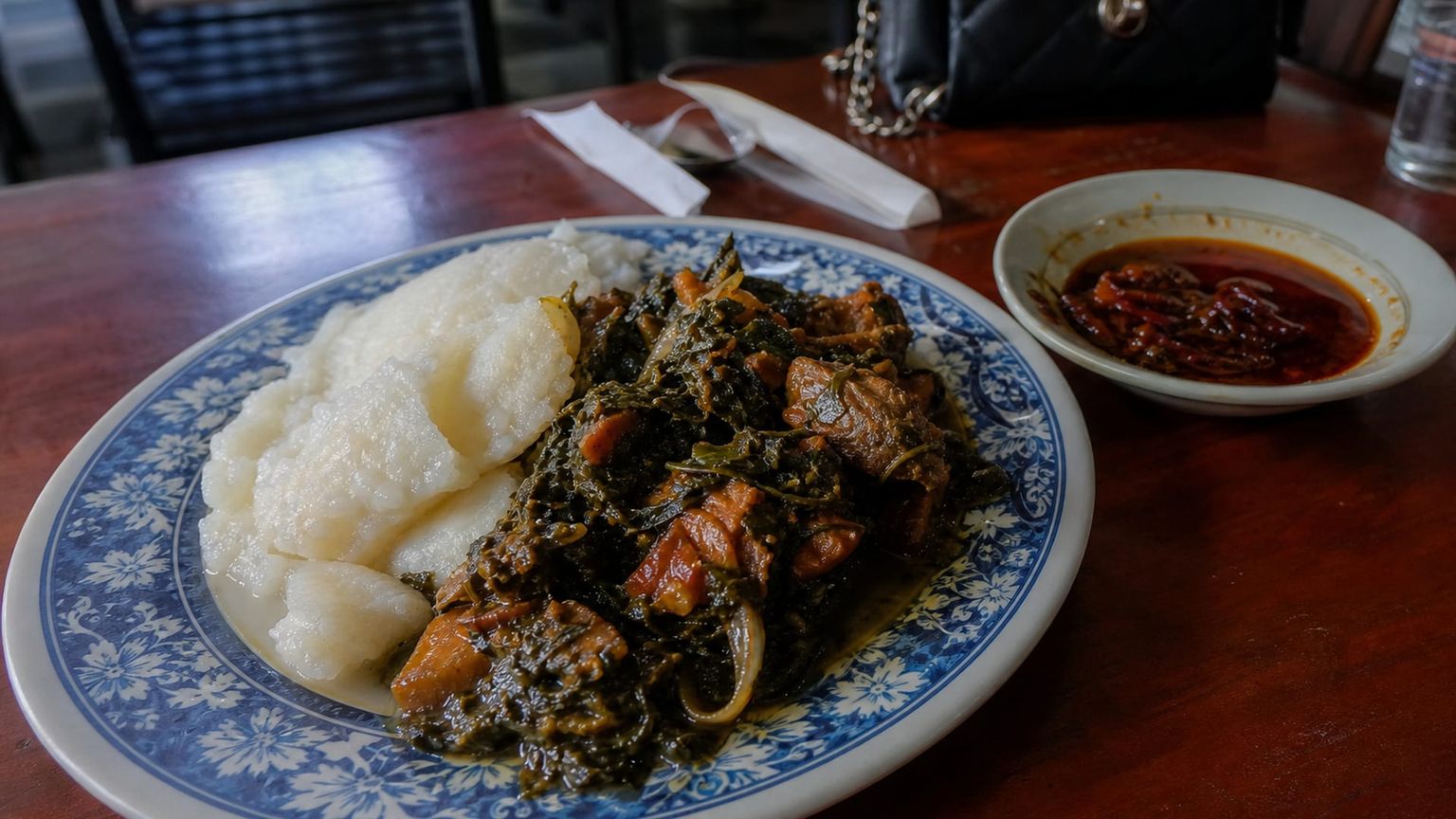
Monrovia’s cooking leans on cassava leaf, jollof rice, palm butter, and pepper soup, with bold heat, rich sauces, and simple plated meals that suit hotel restaurants and neighborhood spots alike.
Cassava leaf
A signature Liberian stew built on cassava leaves, palm oil, and meat or fish, served with rice. Gloria’s Place is a strong Monrovia choice for a homestyle version.
Jollof rice
Tomato-scented rice with spice, often served with chicken or fish. The dining room at Mamba Point Hotel is a canonical place to order it in Monrovia.
Palm butter
A rich sauce made from palm fruit, usually paired with rice, chicken, or fish. Palm Springs Restaurant in Monrovia is known for offering it in a straightforward local meal setting.
Pepper soup
A light, fiery broth often finished with fish or goat, and a useful choice when you want something warming without a heavy plate. The Royal Grand Hotel serves a dependable version in central Monrovia.
Best time to visit Monrovia
Monrovia stays warm year-round, but rain, humidity, and road conditions shift enough by season to change how comfortable the coast, downtown, and hillside stops feel.
Best for: Dry roads, easier beach time, and cleaner views from Ducor Hill
What you get: About 77°F to 90°F (25°C to 32°C), with lighter rain and steadier sightseeing conditions
Trade-offs: Dust and heat can build by midday
Best for: Museum visits and shorter city loops before the rains deepen
What you get: About 77°F to 88°F (25°C to 31°C), with rising humidity and fewer dry days
Trade-offs: Afternoon showers can slow cross-town travel
Best for: Indoor time, longer lunches, and slower-paced planning
What you get: About 75°F to 85°F (24°C to 29°C), with frequent rain and softer crowds at some sights
Trade-offs: Heavy rainfall can affect road times and outdoor comfort
Best for: Balanced weather for Providence Island and downtown sightseeing
What you get: About 77°F to 88°F (25°C to 31°C), with rain easing in late season and visitor levels staying moderate
Trade-offs: Early autumn can still bring strong showers
A realistic 5-day plan in Monrovia
The five-day plan moves from arrival and a simple first evening into downtown history, then to the hilltop ruins and a final pass through the center before departure. It keeps transfers realistic and leaves room for Monrovia’s roads to set the pace.
Land at Monrovia Roberts International Airport, then take a taxi or prearranged car into Mamba Point or Sinkor, about 45 to 60 minutes depending on traffic, for roughly $25 to $40. Staying near Mamba Point keeps you closest to the coast and several of the city’s better restaurants, while Sinkor shortens cross-town rides if you plan to move around more during the trip. Keep the first evening simple: drink water, settle in, and head to a nearby hotel restaurant or a low-key spot along the coastal road for an early dinner before the roads grow busier.
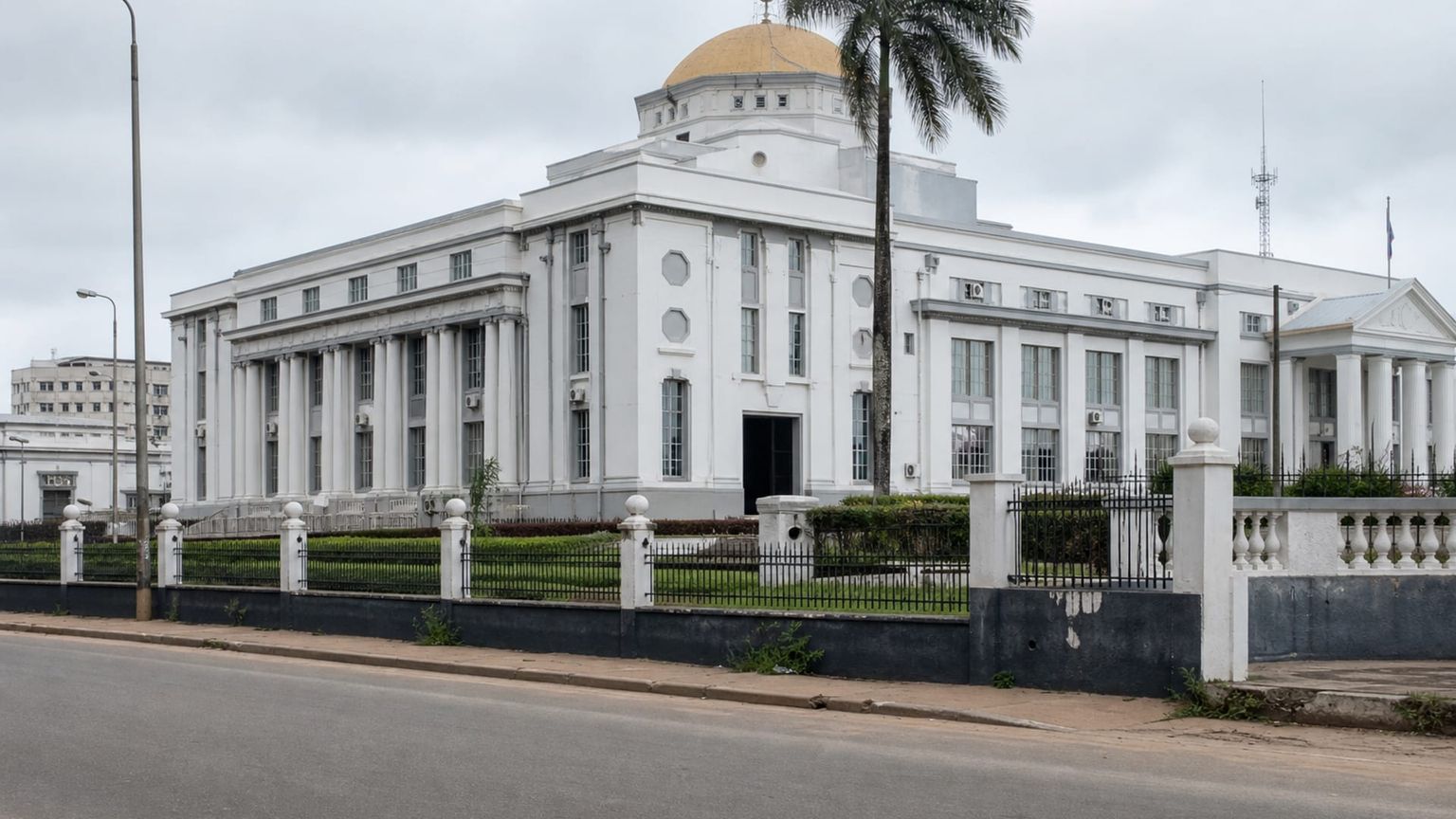
Begin downtown at the National Museum of Liberia, then walk or ride about 10 minutes to Broad Street and Waterside Market for a look at the city’s busiest commercial corridor. From there, continue by taxi to Providence Island, which usually takes about 15 to 20 minutes from the center including the ferry access area, and plan about 1 to 2 hours for the island itself. End the afternoon back in Mamba Point for dinner, since that area has the best concentration of restaurant options and keeps the evening transfer short.
Start with the Ducor Palace Hotel site, where the hilltop setting gives you a wide view over Monrovia and the Atlantic, then budget about 20 to 30 minutes by car from central neighborhoods and roughly 45 minutes to 1 hour on site. After that, go down to the National Museum of Liberia if you did not visit it on day 2, or return to it for a longer look at the galleries if you want a second pass through the collection. Finish with a sunset dinner in Mamba Point, about 10 to 15 minutes by car from the hill, so you can avoid the more complicated night movement farther inland.
Spend the morning on Providence Island if you want a calmer shoreline visit, since the water and harbor views are better early and the boats from downtown take only a short hop across the estuary. After lunch, head back toward Sinkor, then continue along the coastal strip to the National Museum of Liberia or nearby downtown streets if you want one more museum stop without a long transfer, about 10 minutes by car from Sinkor. If you prefer a slower pace, stay in Sinkor for a late-afternoon café break before dinner, since the neighborhood offers the easiest mix of hotels, casual meals, and street activity.
For a last day in Monrovia, pair a final museum stop with a little shopping and coffee rather than a full sightseeing loop. Begin in Broad Street for any last purchases or errands, then move to a café in Mamba Point for a late breakfast or early lunch, and, if time allows, make one more short stop at the National Museum of Liberia before heading back to the airport. Leave enough margin for the drive to Monrovia Roberts International Airport, since the trip can take about 45 to 60 minutes once traffic builds.
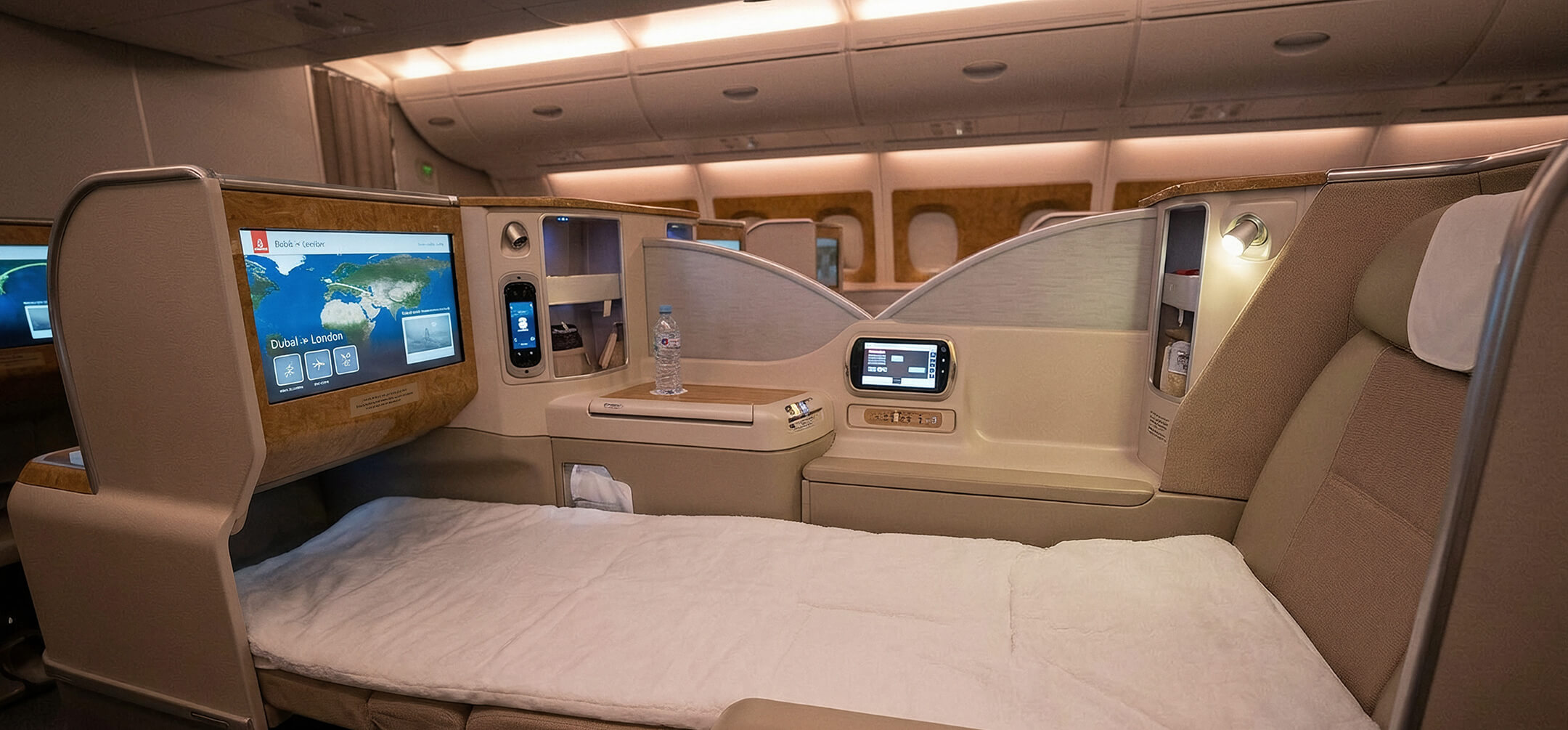
Business-class flights from the US to Monrovia
Reaching Monrovia usually means a one-stop itinerary, and the route you choose often depends more on where you start than on fare alone. The East Coast and West Coast examples each route through a familiar set of major hubs.
From New York, Royal Air Maroc, TAP Air Portugal, Turkish Airlines, Air France, and Delta Air Lines all appear on one-stop options, with common layovers through CMN, LIS, IST, CDG, or AMS. The trip usually takes about 14 to 20 hours with connections, and round-trip fares from New York usually start at $3,200 and can climb to $6,000.
Los Angeles travelers usually see Royal Air Maroc, TAP Air Portugal, Turkish Airlines, Air France, and Ethiopian Airlines on one-stop itineraries via CMN, LIS, IST, CDG, or ADD. Total travel time often runs about 18 to 26 hours, and round-trip fares from Los Angeles often run from $3,400 to $6,500.
Monrovia feels different when you slow down
A good Monrovia trip gives each district a clear job, Mamba Point for dinner and the coast, Broad Street for errands and the museum, Providence Island for the harbor story, and Ducor Hill for the wide view before sunset. Add taxis for point-to-point movement and keep the evenings close to your hotel. If you want help shaping that route, the AranGrant experts can match your stay and flights to the part of Monrovia you want to see most