

Chapters:

Need help with your trip?
Our support team is available 24/7. Request a callback or call us directly at (833) 619-0908
Malta trips often begin with Valletta, a couple of headline churches, and one beach day squeezed between transfers. Travelers then miss how much time the island can lose in short hops, especially once they start crossing between the capital, the coast, and Mdina.
That pattern is not wrong, but it can leave the south, harbor crossings, and the smaller museum stops feeling tacked on. Bus timing, taxi fares, and afternoon crowds also shape the day more than many first itineraries allow.
This guide spaces the island out more deliberately, starting with the capital, then moving to the temples, the fort, and Mdina before finishing with an easy departure day.
Useful things to know

Main language(s): Maltese, English
Bongu (bon-joo) – Hello/good morning
Jekk jogħġbok (yek yohjbok) – Please
Grazzi (grat-see) – Thank you
Titkellem bl-Ingliż? (teet-kell-em bel-ing-leez) – Do you speak English?
Kemm jiswa? (kem yees-wa) – How much does it cost?

Currency: The local currency is the euro (EUR, €).

Cash and cards: Cards and contactless are widely accepted; carry about €20 to €40 ($22 to $43) for small shops, buses, and tips.

Tipping: Round up small bills and leave about 5 to 10% for good restaurant service.

Traditional food: Fenek stew, pastizzi, rabbit pasta, lampuki pie

Water and coffee costs: Water about €1.50 ($2), bar espresso about €2 ($2).

Taxis and ride apps: Bolt and eCabs operate here; wait times can stretch late at night.

Plug and voltage: Type G socket, 230V

Dining and shop opening hours: Breakfast is roughly 07:00-09:00, lunch 12:00-14:00, and dinner 19:00-22:00. Many restaurants close between lunch and dinner.

Emergency number: Dial 112 for police, fire, or medical emergencies.
Where to stay in Malta
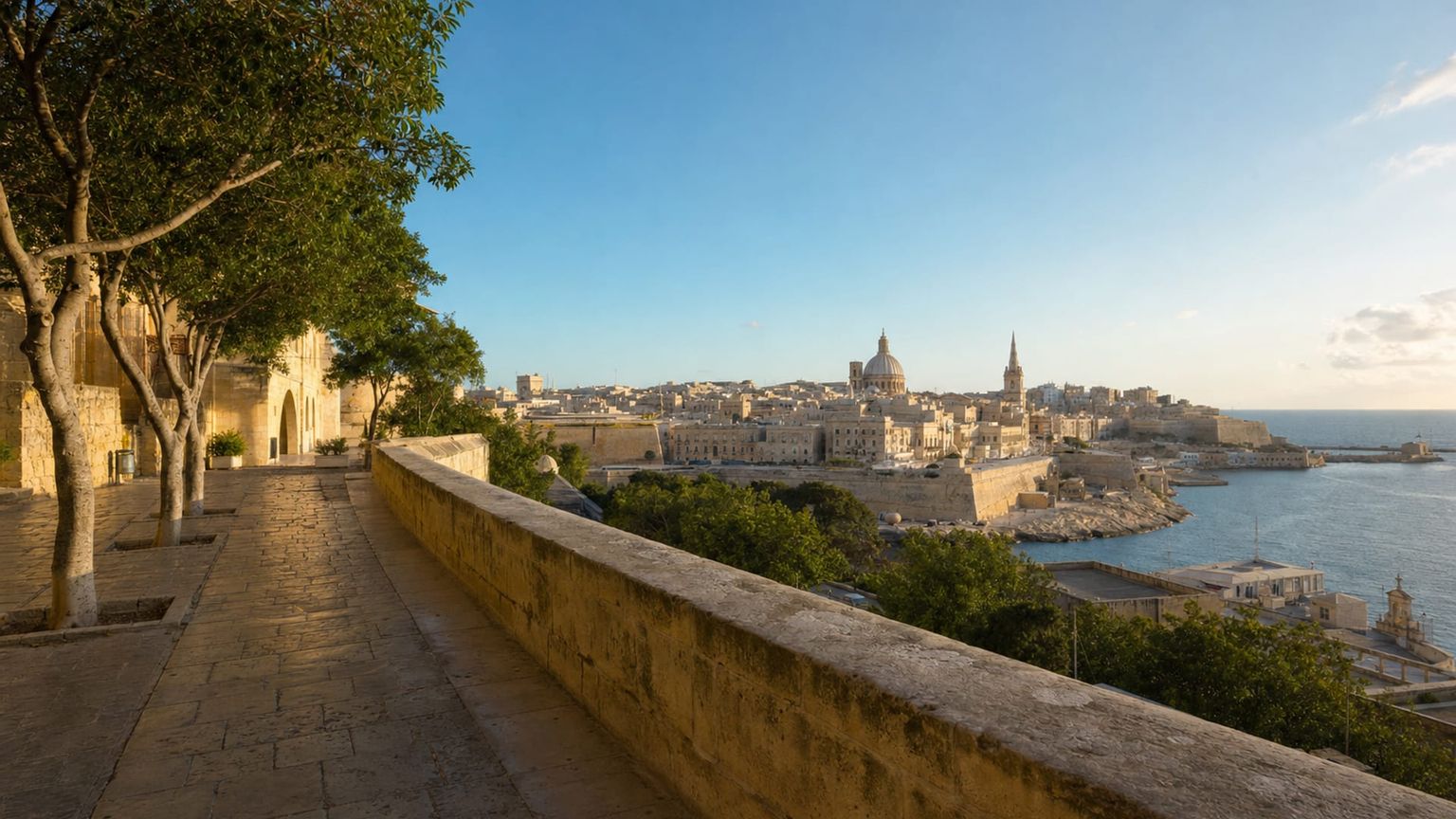
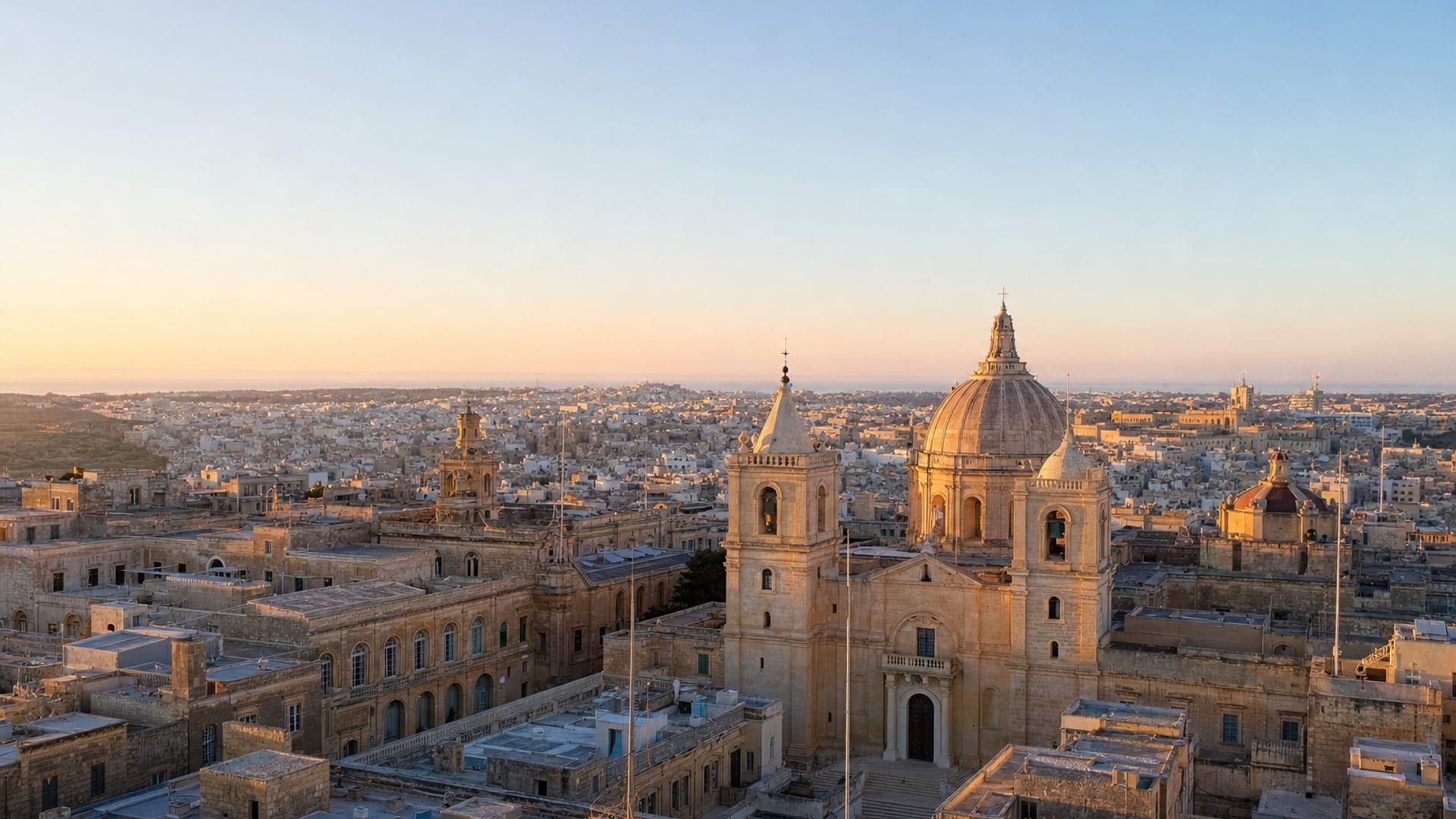
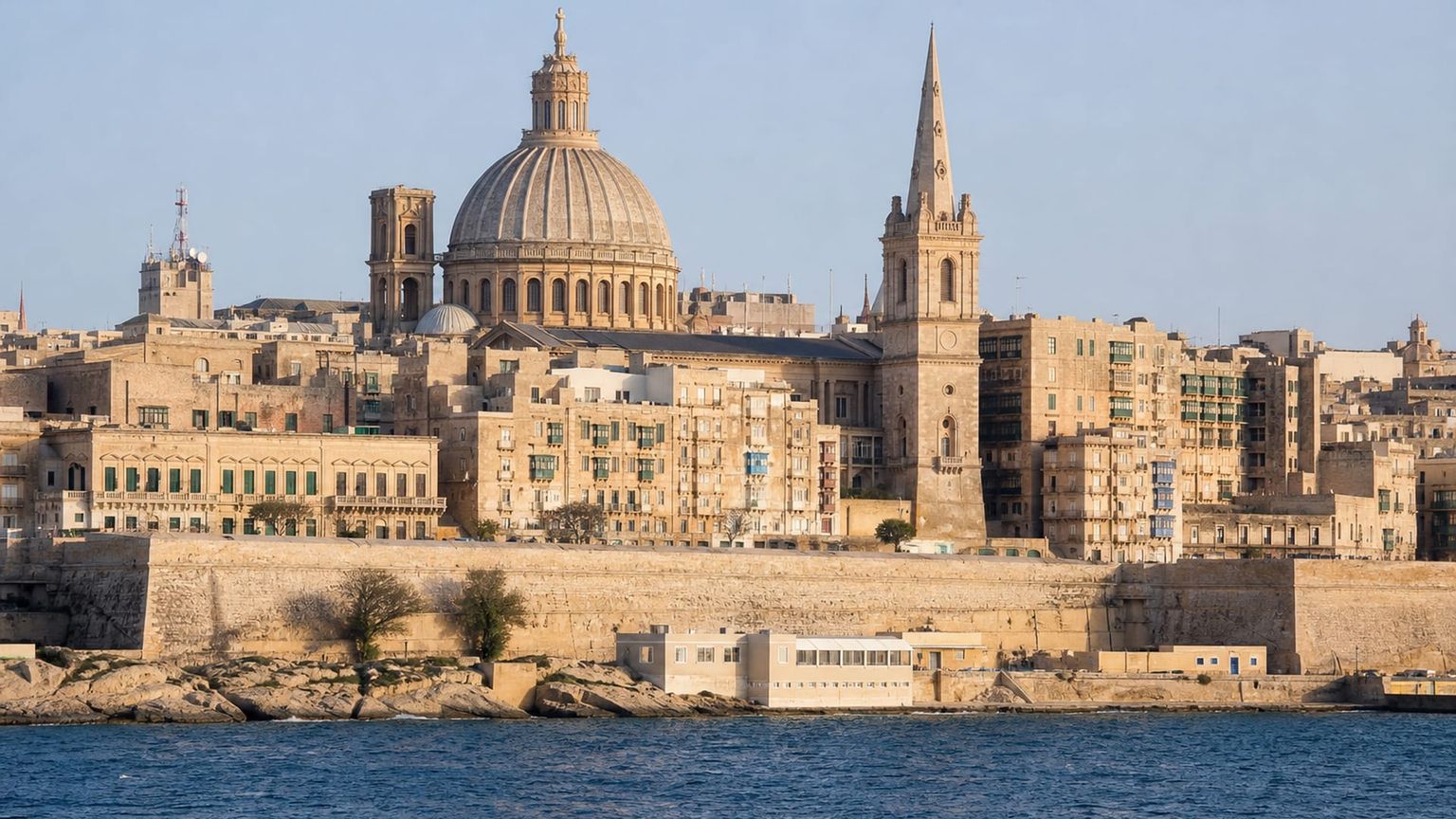
Malta’s compact capital packs Baroque streets, museums, and the main ferry links into one hilltop grid. It suits travelers who want walkable sightseeing, harbor views, and easy access to major monuments without relying on long transfers.
Best for: First-time visits, museum days, and travelers who want to walk to major sights
What to expect: Busy daytime streets, many cafes, and a steady flow of visitors, then quieter lanes after dinner.
Hotel prices: Usually about €180 to €320 (~$200 to ~$350) per night for well-rated stays
Distance to major sights: 0 to 10 minutes on foot to St. John’s Co-Cathedral and the Upper Barrakka Gardens
Quietness: Busy by day, much calmer in the evening once day-trippers leave.
Main trade-off: Rooms often cost more than in nearby towns, and some streets have stairs or steep climbs.
Good to know: Parking is limited and often expensive, so this works best if you plan to rely on walking, taxis, or the ferry network.
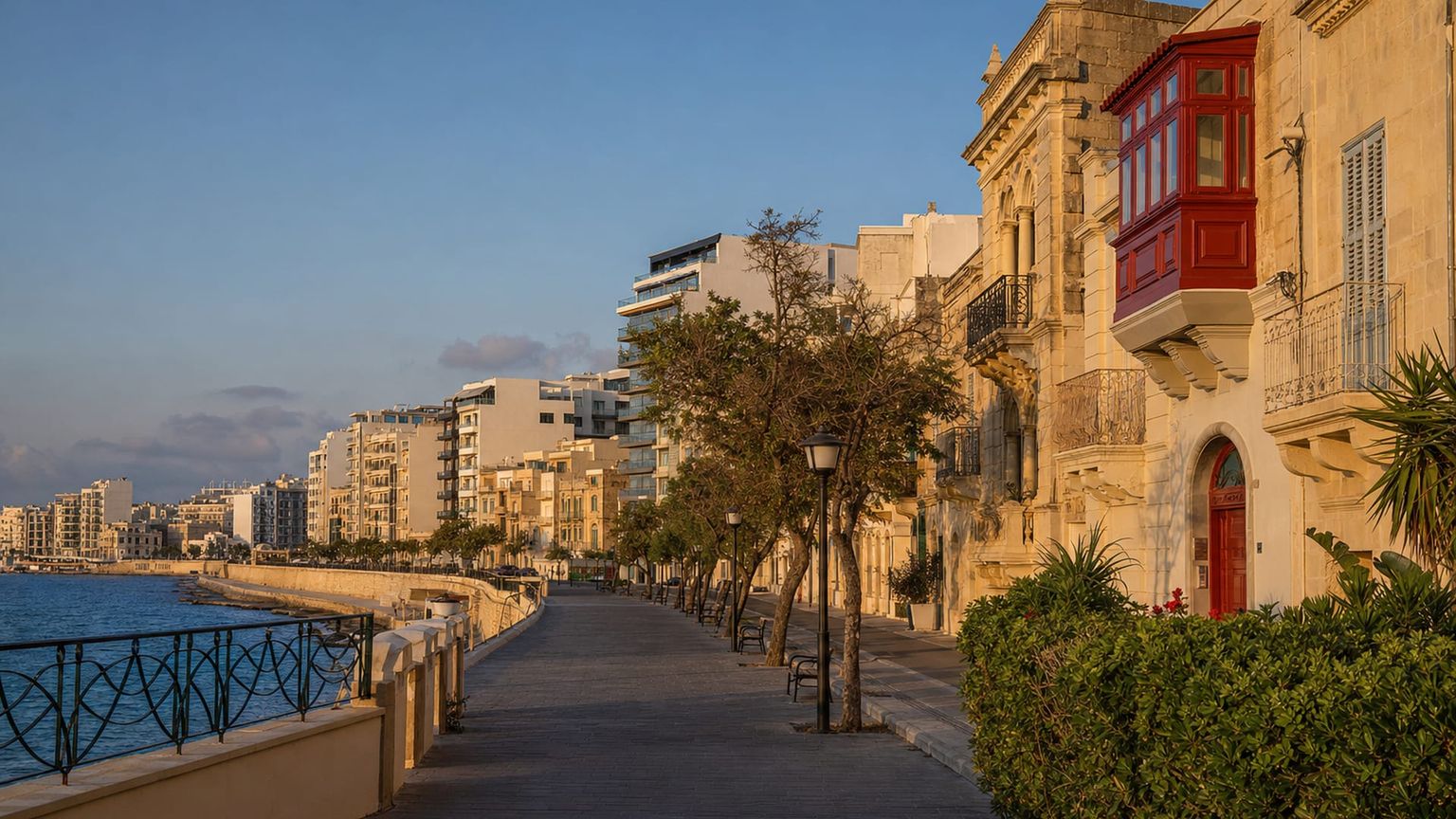
Sliema lines the northeast coast with promenades, apartment blocks, shopping streets, and constant ferry access across the harbor. It matters for travelers who want more dining and retail choice than Valletta, plus easy connections to the capital.
Best for: Waterfront walks, dining, shopping, and frequent ferry access to Valletta
What to expect: Lively promenades, regular traffic, and plenty of people out for meals, errands, and evening walks.
Hotel prices: Usually about €130 to €240 (~$145 to ~$265) per night for well-rated stays
Distance to major sights: About 10 to 20 minutes by ferry or taxi to Valletta and the Upper Barrakka Gardens
Quietness: Livelier along the seafront, with more noise in the evening near restaurants and main roads.
Main trade-off: You trade some old-town character and a shorter walk to monuments for more modern stays and broader dining options.
Good to know: The ferry is useful, but late-night returns can be slower than a taxi if you stay far from the waterfront.
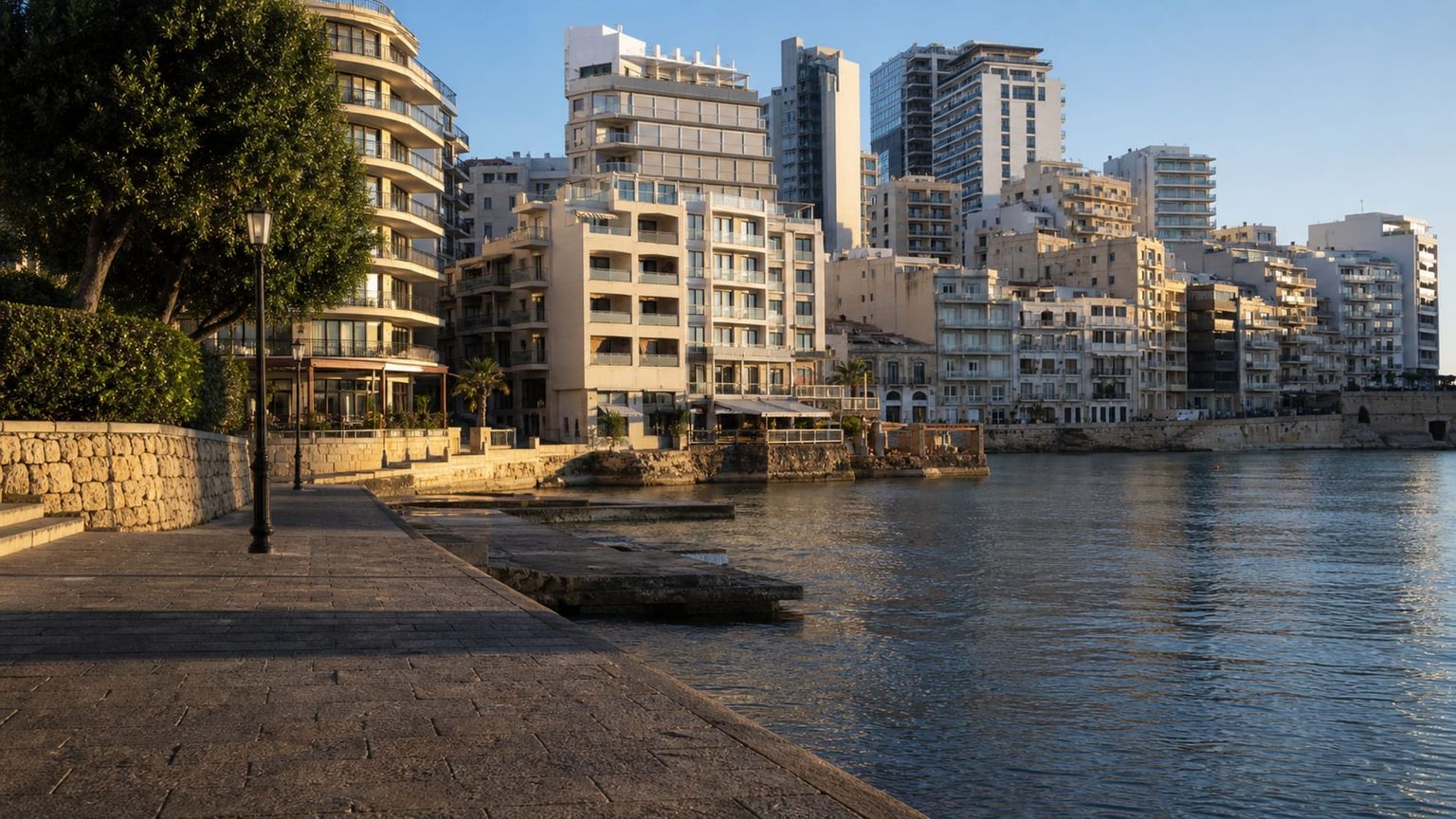
St. Julian’s clusters hotels, nightlife, and restaurants around Spinola Bay, Paceville, and the main coastal roads. It matters if you want late dining, bars, and a dense hotel supply within reach of the island’s busiest entertainment zone.
Best for: Nightlife, restaurant-heavy trips, and travelers who want a large hotel selection
What to expect: Crowded streets at night, active bar scenes, and a constant stream of taxis and ride-hailing cars.
Hotel prices: Usually about €120 to €260 (~$130 to ~$285) per night for well-rated stays
Distance to major sights: About 20 to 30 minutes by bus or taxi to Valletta and about 15 minutes to Sliema
Quietness: Noisy near Paceville and along the main roads, with a quieter edge near the bay.
Main trade-off: The area can be loud at night, and some of the busiest blocks are not ideal for light sleepers.
Good to know: If you need early mornings, choose a room away from Paceville, because the late-night scene can run past midnight.
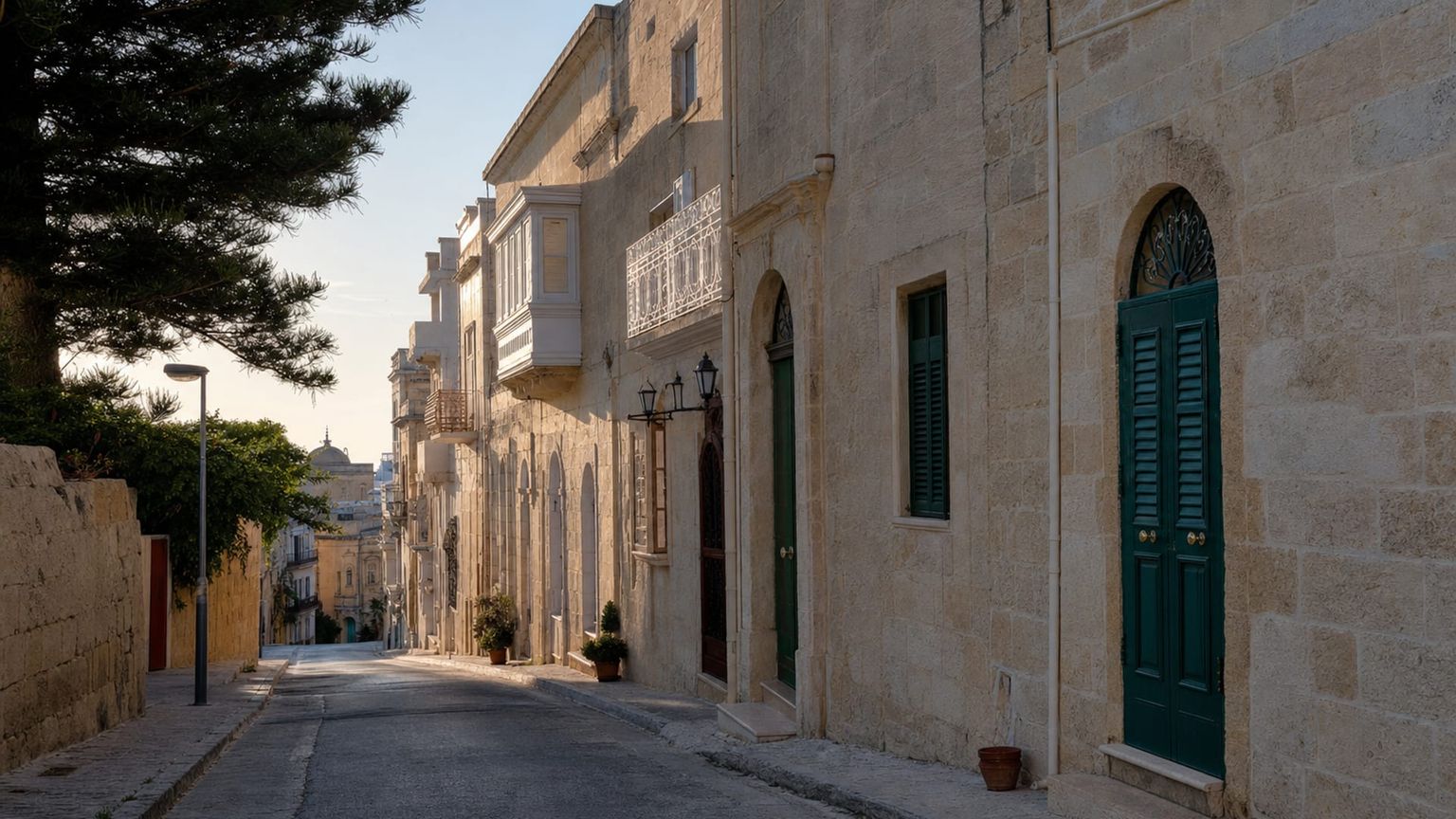
Mellieħa sits on Malta’s northern hills above beaches, a village center, and access roads for the ferry to Gozo. It matters for travelers who want a resort-leaning base with wider beaches and an easier pace than the main urban strip.
Best for: Beach time, quieter evenings, and travelers planning a northern Malta stay
What to expect: A mix of village streets, resort hotels, and beach traffic, with more space than in the central districts.
Hotel prices: Usually about €100 to €220 (~$110 to ~$240) per night for well-rated stays
Distance to major sights: About 25 to 35 minutes by bus or taxi to Valletta, and roughly 10 minutes by car to Mellieħa Bay
Quietness: Calmer than the main coastal party zones by day and generally quiet at night outside hotel clusters.
Main trade-off: You will spend more time on buses or taxis if most of your plans are in Valletta or the south.
Good to know: Beach access is good here, but you will want transport plans in place because the area sits far from the capital and central nightlife.
Travelers usually avoid staying in Marsaskala, Birżebbuġa, and Mellieħa if they want easy access to Valletta, Sliema, and Mdina, because these areas sit farther from the main sights and often require longer bus or taxi rides. St. Paul’s Bay and Qawra are also less convenient for a short stay, since they are heavily resort-oriented, have fewer everyday visitor amenities away from the waterfront, and make evening travel to central Malta slower.
Hotel deals
How to get around Malta efficiently
Malta has no metro, so most days work best with a mix of walking, buses, ferries, taxis, and ride-hailing, depending on whether you are moving within Valletta or crossing the island.

Metro
for longer distances
Malta has no metro or subway, so visitors rely on buses, taxis, and, for some longer trips, ferry links and car hire. From Malta (MLA), the fastest airport transfer into Valletta or Sliema is by taxi, while buses cover the wider island and usually take longer than a private car.

Bus and tram
for convenience
Bus lines form the main public network, with Malta Public Transport running routes across Valletta, Sliema, St. Julian’s, Mdina, Rabat, and the airport. Single rides usually cost about $2.30 ($2.00) in winter and $3.50 ($3.00) in summer, with 2-hour validity; day and multi-day passes are also sold. Expect airport-to-Valletta rides of about 25 to 35 minutes, and allow more time at peak hours.

Taxi
for convenience or late hours
Licensed taxis are metered in most street-hail cases, while airport taxis use fixed fares from Malta (MLA) to main destinations, such as roughly $18 to $25 ($16 to €22) to Valletta and about $23 to $34 ($20 to €30) to Sliema or St. Julian’s. White cabs can be hailed on the street or booked by phone or app, and many accept cards, though cash is still common. At night and for outer-town trips, expect metered totals to rise above airport flat rates.
*Prices are based on rates updated as of June 2026 and may change at the time of travel.
Walk in Valletta, use ferries for quick harbor crossings, choose buses for wider island hops, and take taxis or ride-hailing when you need to save time or move after dinner.
Iconic landmarks
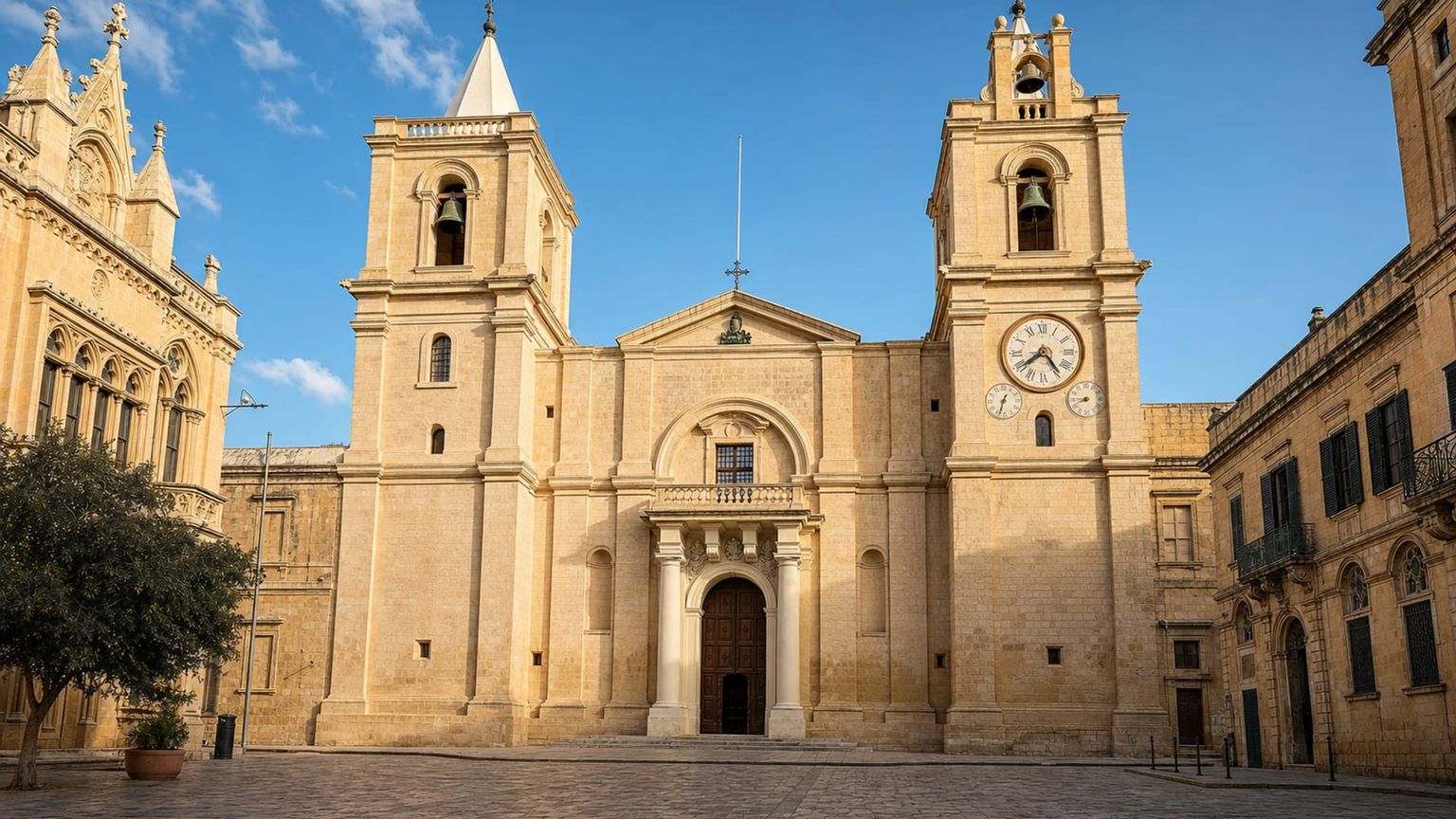
St. John's Co-Cathedral
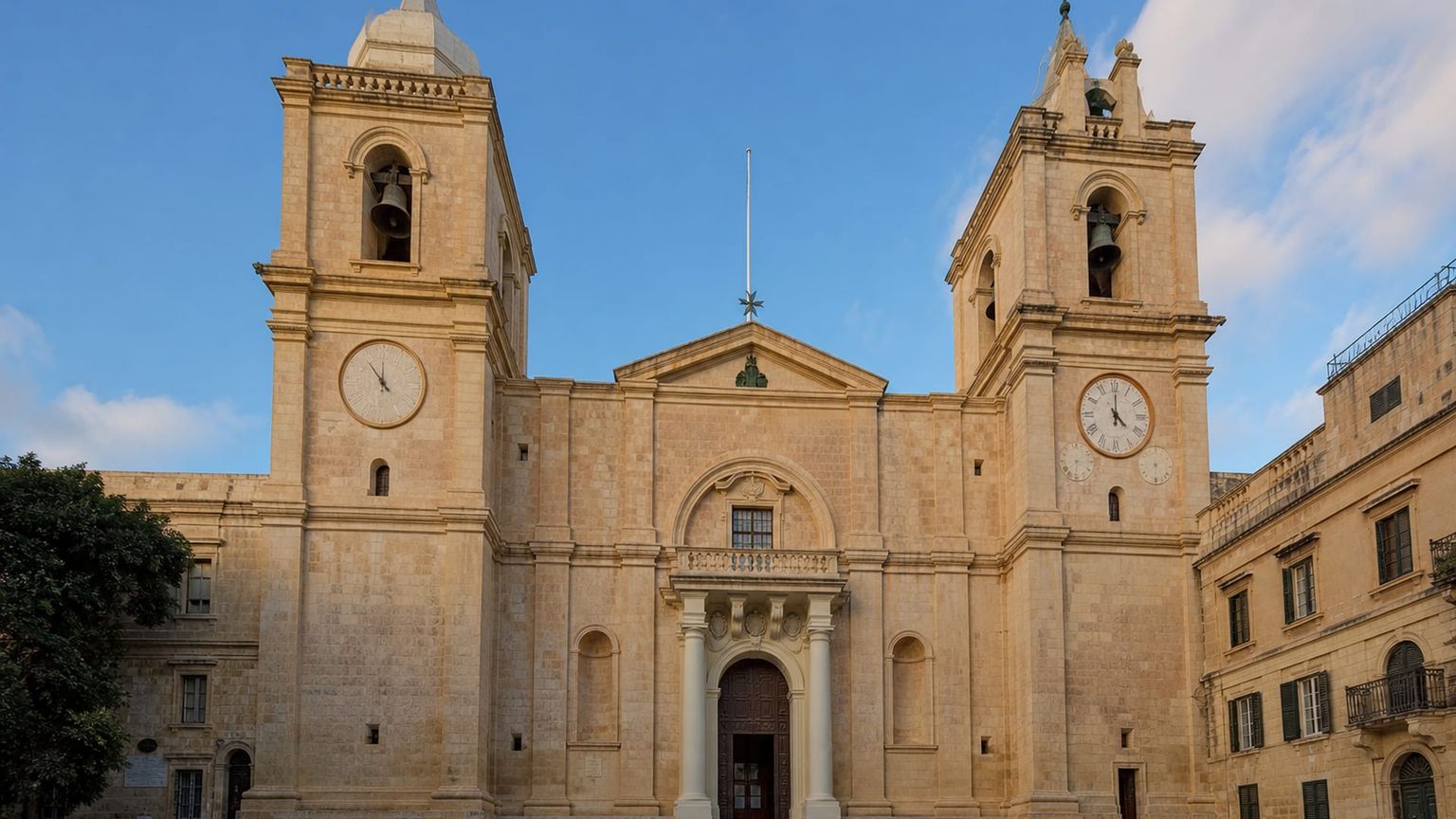
Baroque exterior, a vaulted nave, and Caravaggio’s The Beheading of Saint John the Baptist anchor Valletta’s most famous church. The marble floor memorials and gilded side chapels reward a slow circuit.
Time needed: About 1 to 2 hours
Entry: Admission costs $17 (€15) for adults, with reduced rates of $15 (€13) for seniors and students; audio guides cost extra. Visit the official site for details.
Tip: Go early for lighter crowds and better light on the gilded chapels and floor tombs.
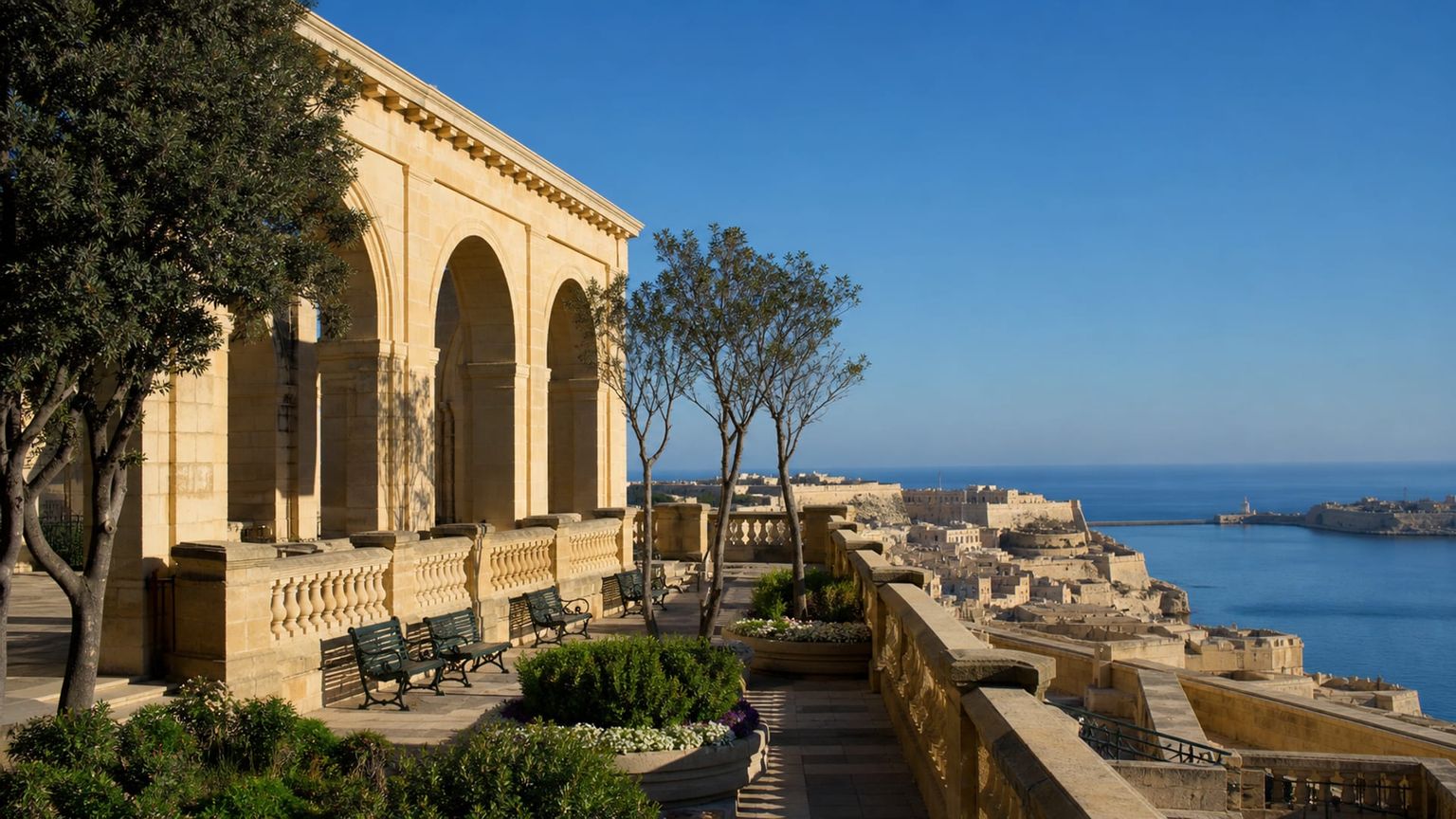
Upper Barrakka Gardens
Set on Valletta’s city ramparts, these gardens look over the Grand Harbour and the Three Cities. The Saluting Battery below fires daily at noon and 4:00 pm, adding a clear historic marker to the visit.
Time needed: About 30 to 45 minutes
Entry: Free to access, and there is no timed ticket required for the gardens or the upper terrace paths.
Tip: Arrive a little before noon if you want to watch the Saluting Battery from above.
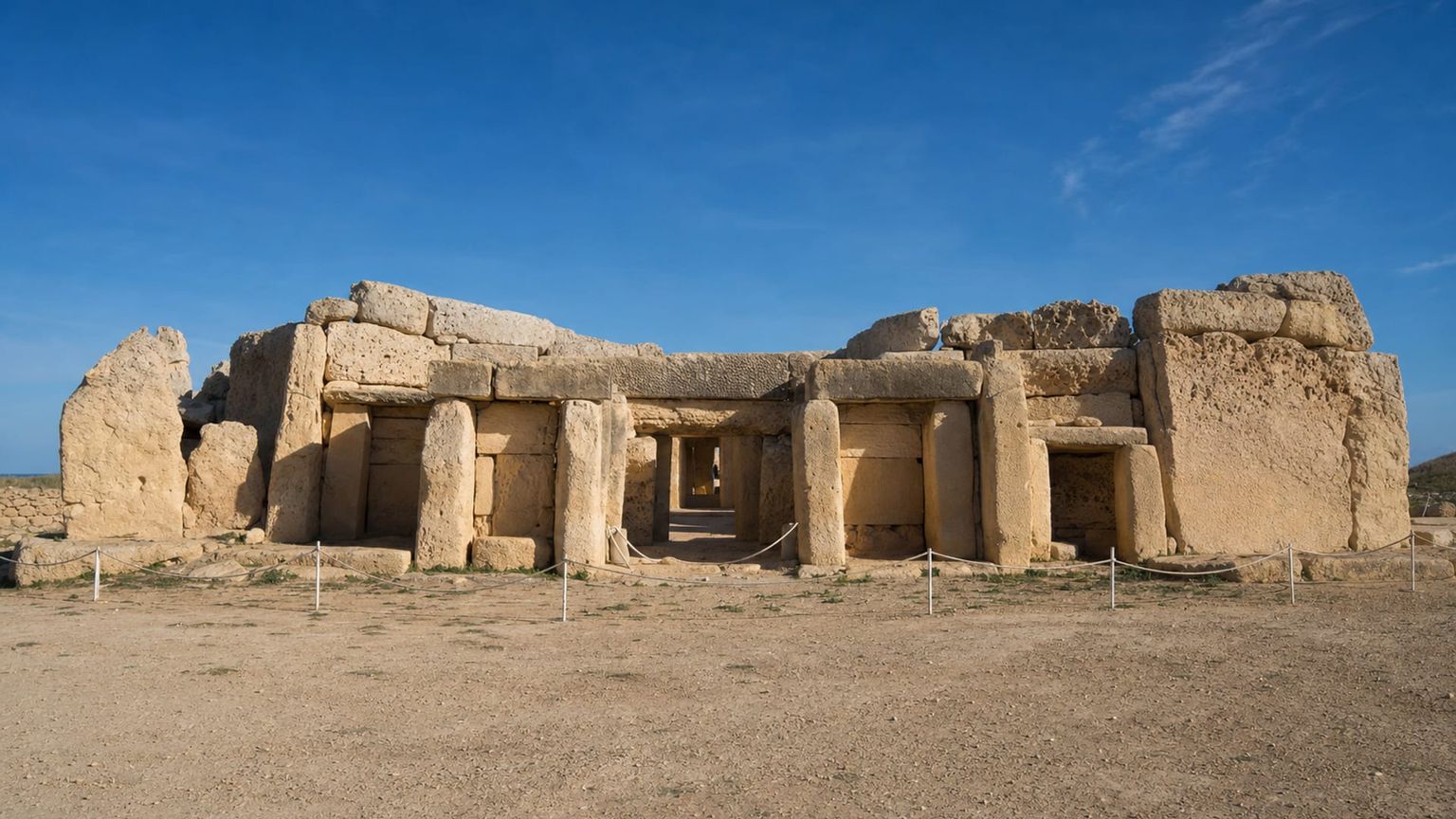
Ħaġar Qim and Mnajdra Temples
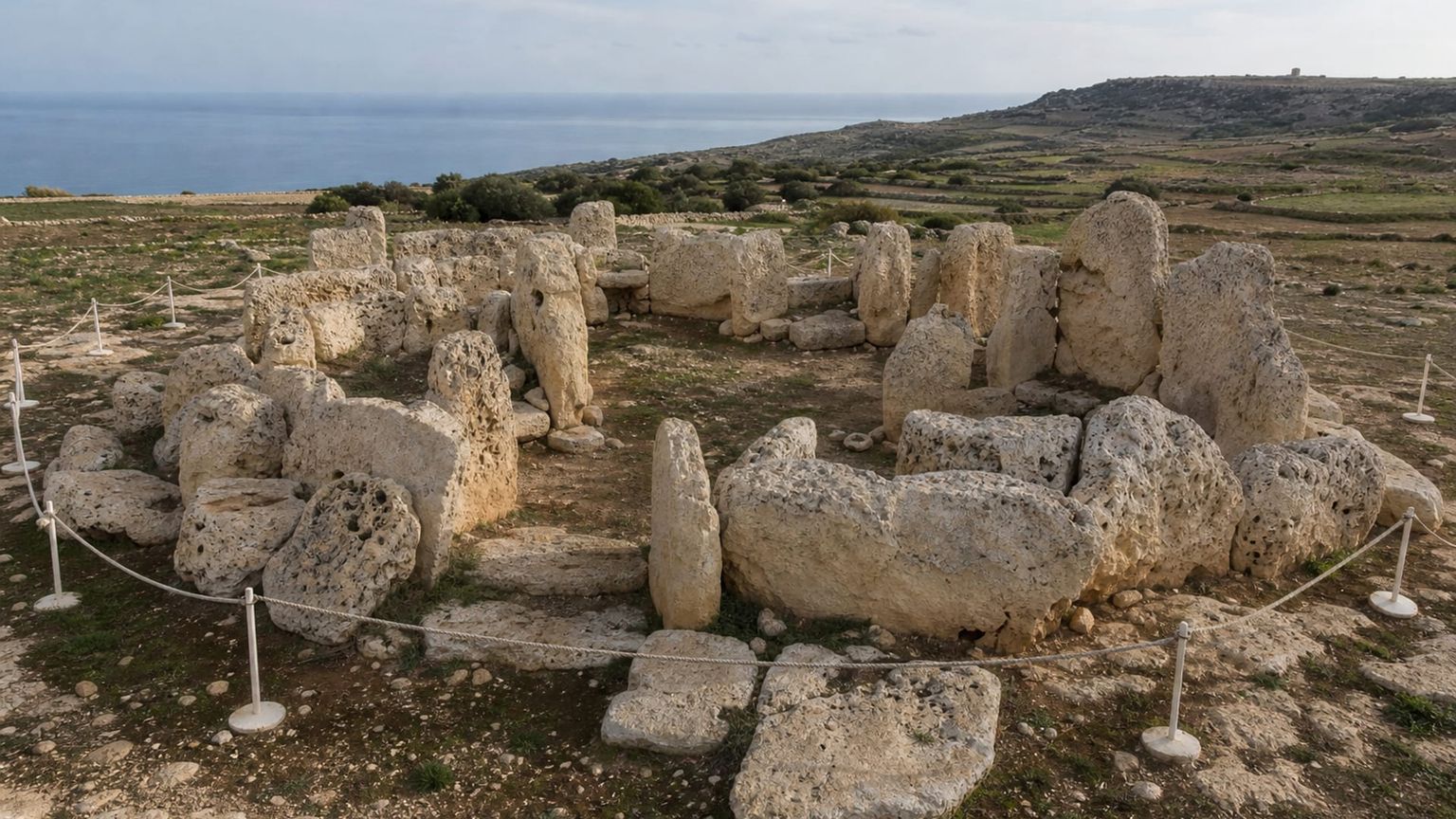
These UNESCO-listed megalithic temples sit on a ridge about 15 km southwest of Valletta, with aligned stone chambers and prehistoric carvings. The nearby Visitor Centre explains the site before you walk to the shelters.
Time needed: About 2 to 3 hours
Entry: Admission costs $12 (€10) for adults, with discounted rates of $9 (€7.50) for students and seniors; children under 12 enter free. Visit the official site for details.
Tip: Visit in the morning, before heat builds on the exposed hillside approach.
Overlooked sites worth visiting

Fort Rinella
A Victorian artillery fort with the Armstrong 100-ton gun, daily cannon-firing demos, and restored barracks. It sits on the Kalkara waterfront, with harbor views and a compact museum.
Time needed: About 1.5 to 2 hours
Entry: Adult tickets cost about $16 (€15); reduced rates are about $10 (€9) for children, students, and seniors. Family tickets are also sold on site, and guided access to the gun and museum spaces is included in the admission price. Visit the official site for details.
Tip: Visit for the firing demo, then walk the quay at sunset.

Domvs Romana
This small Roman townhouse in Mdina preserves fine floor mosaics, a peristyle layout, and a well-curated museum of sculpture and coins. It gives a close look at elite domestic life in Roman Malta.
Time needed: About 45 minutes to 1 hour
Entry: Standard admission costs about $7 (€6); reduced admission for students and seniors is about $5 (€4). Children under 6 enter free, and tickets are sold at the museum rather than through a timed-entry system.
Tip: Pair it with Mdina early in the day, before coach tours arrive.
Traditional food
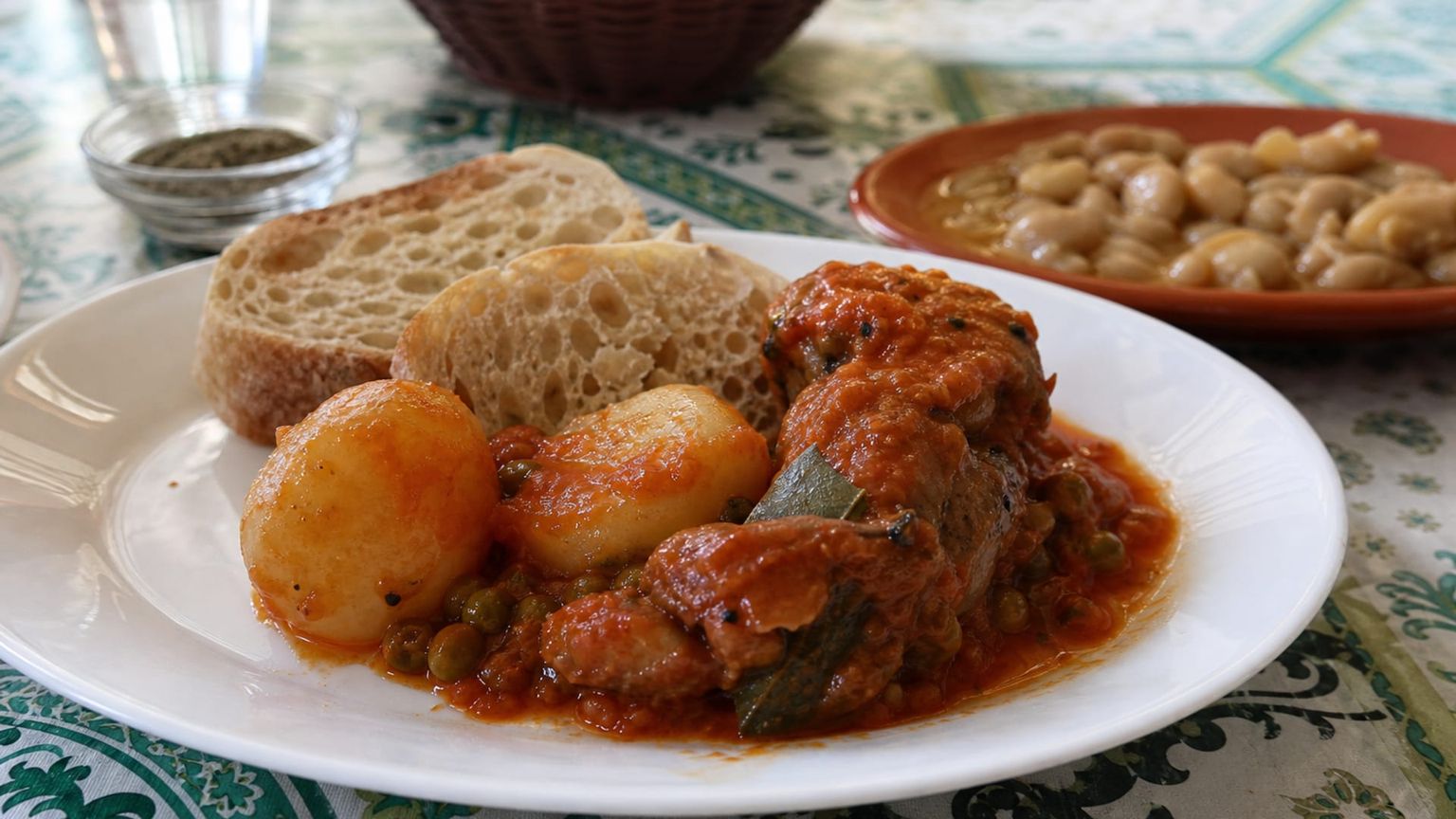
Maltese cooking leans on rabbit, fish, capers, tomato, garlic, and pastry, with hearty stews and savory snacks that fit the island’s long lunch hours and late dinners.
Pastizzi
These flaky, savory pastries usually come filled with ricotta or peas and work as a quick snack any time of day. Caffe Cordina in Valletta is a classic place to pair them with coffee in the capital.
Fenek stew
Rabbit stew is one of the country’s most recognizable dishes, usually cooked with wine, garlic, and herbs until the meat turns tender. Ta’ Kris in Sliema is a strong choice for a traditional plate in a neighborhood setting.
Rabbit pasta
This pasta version uses Malta’s signature rabbit in a rich sauce, often with tomatoes and wine. Nenu the Artisan Baker in Valletta serves a well-known take that fits a long lunch in the capital.
Lampuki pie
Made with seasonal dolphinfish, greens, olives, and capers, this pie shows how Maltese cooking balances sea flavors with a sturdy crust. Gululu in St. Julian’s is a dependable place to try it near Spinola Bay.
Best time to visit Malta
Malta works well across much of the year, but spring and autumn give you the most comfortable temperatures for walking Valletta, the temples, and Mdina without the strongest heat.
Best for: Temple visits, harbor walks, and longer sightseeing days
What you get: About 60 to 78°F (16 to 26°C), with moderate crowds and good light for outdoor sites
Trade-offs: Easter periods and school breaks can push up hotel demand
Best for: Beach time, boat trips, and long evenings in Sliema or St. Julian’s
What you get: About 75 to 90°F (24 to 32°C), with the busiest beaches, ferries, and restaurants
Trade-offs: Midday heat and stronger sun make exposed sites harder to enjoy
Best for: Balanced sightseeing, swimming early in the season, and easier restaurant bookings
What you get: About 65 to 84°F (18 to 29°C), with thinner crowds after summer and comfortable walking weather
Trade-offs: Occasional rain can interrupt outdoor plans later in the season
Best for: Museum time, city walks, and lower-season hotel rates
What you get: About 50 to 64°F (10 to 18°C), with lighter crowds and shorter lines at major sights
Trade-offs: Wind and rain can make ferry crossings and coastal walks less appealing
A realistic 5-day plan in Malta
Five days is enough for Malta if you group the island by geography rather than chasing sights one by one. This plan starts in Valletta, then moves south for the temples, east for Fort Rinella, and west to Mdina before a gentler last day.
Land at Malta (MLA), then take a taxi or prebooked transfer into Valletta, which usually takes about 15 to 25 minutes and costs roughly $20 to $35 (€18 to €32), depending on traffic and pickup point. If you prefer to settle somewhere with easier evening dining, Sliema and St. Julian’s both work well, with ferries and taxis making the harbor crossing simple later in the trip. Settle in, drink plenty of water after the flight, and keep dinner close to your room, such as a low-key waterfront meal in Sliema or Spinola Bay, so you can turn in early.
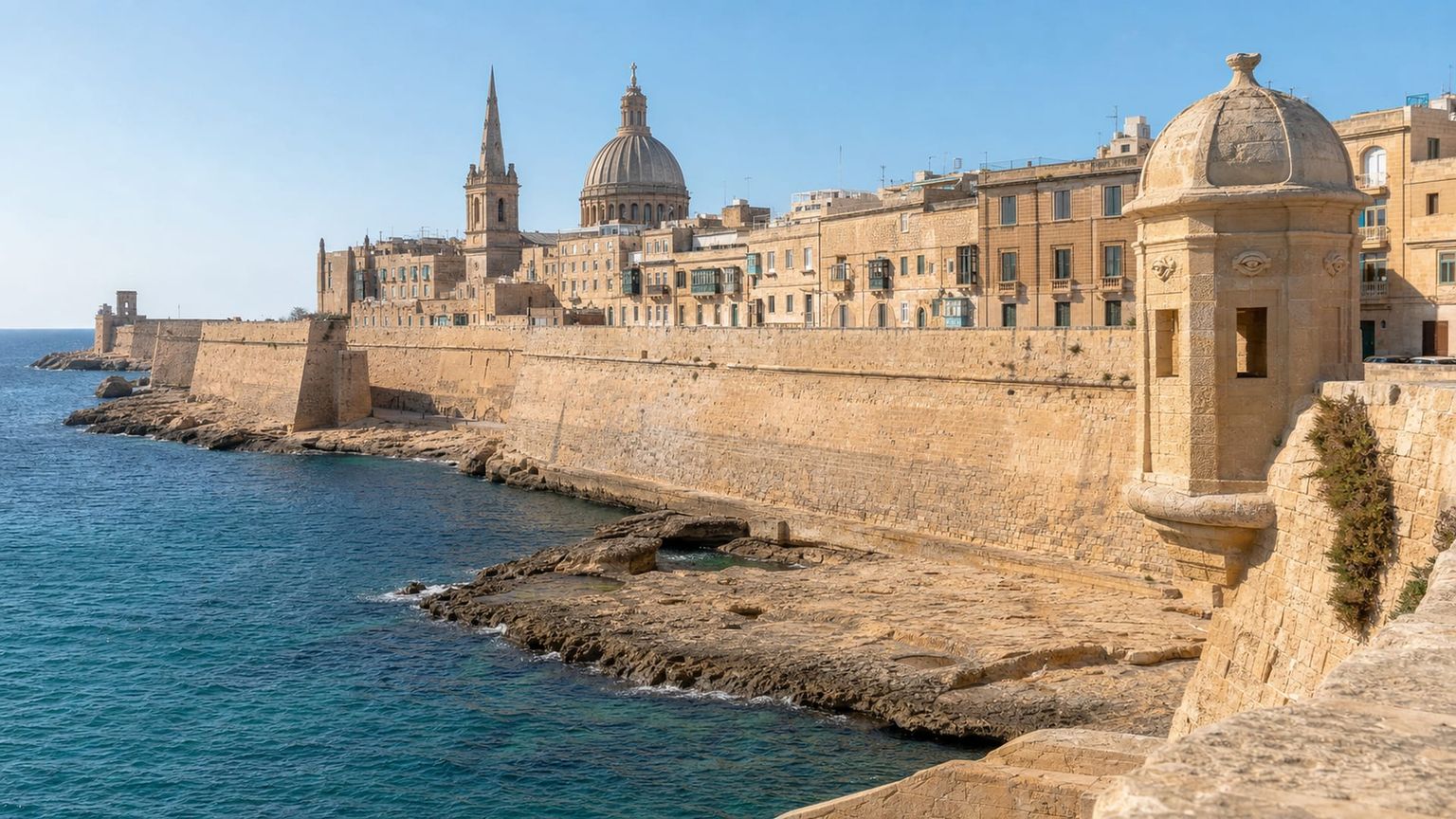
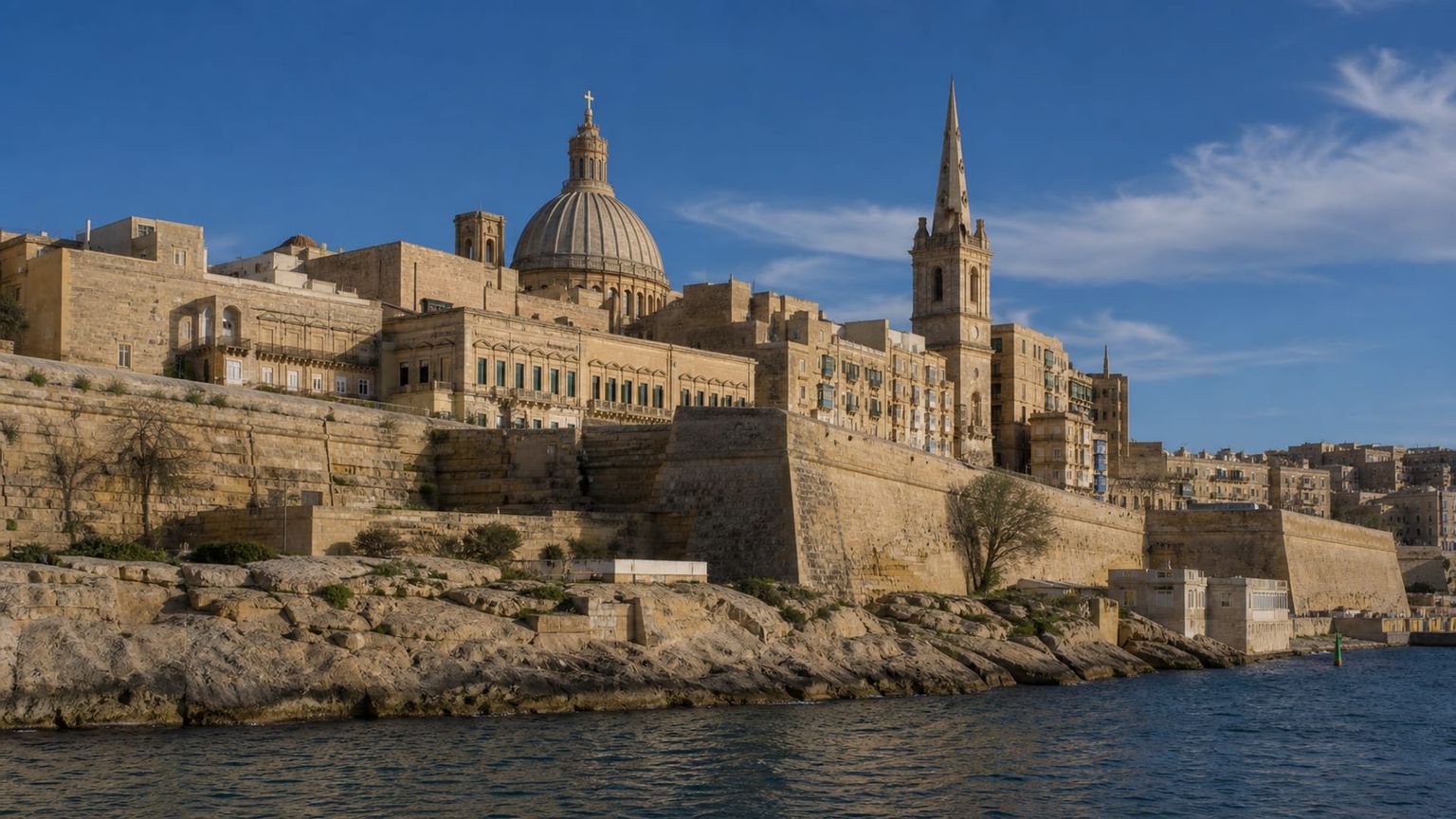
Start with St. John’s Co-Cathedral in Valletta, then walk about 5 minutes to the Upper Barrakka Gardens for harbor views and, if timing lines up, the noon cannon firing below. After lunch, stay on foot in Valletta for the afternoon, since the cathedral and gardens sit close together and the old streets make a compact loop. Finish with an early dinner in the capital, then head back through the quieter lanes once the day-trippers leave.
A morning drive to Ħaġar Qim and Mnajdra Temples takes about 25 to 35 minutes from Valletta, and the exposed ridge is best before the heat builds. Plan roughly 2 to 3 hours on site, including the Visitor Centre, then return toward the capital for lunch. In the afternoon, cross the harbor to Kalkara for Fort Rinella, which is about 20 minutes by taxi from Valletta, and stay for the cannon-firing demo before walking the quay at sunset.
Begin in Mdina, where Domvs Romana adds a focused Roman stop about 10 to 15 minutes away on foot from the old city core, depending on your route. Spend the morning on the museum and nearby lanes, then head about 30 to 40 minutes by taxi or bus back toward the northeast coast. End with a waterfront evening in St. Julian’s or Sliema, where restaurant choices are broader and the harbor side stays active after dark.
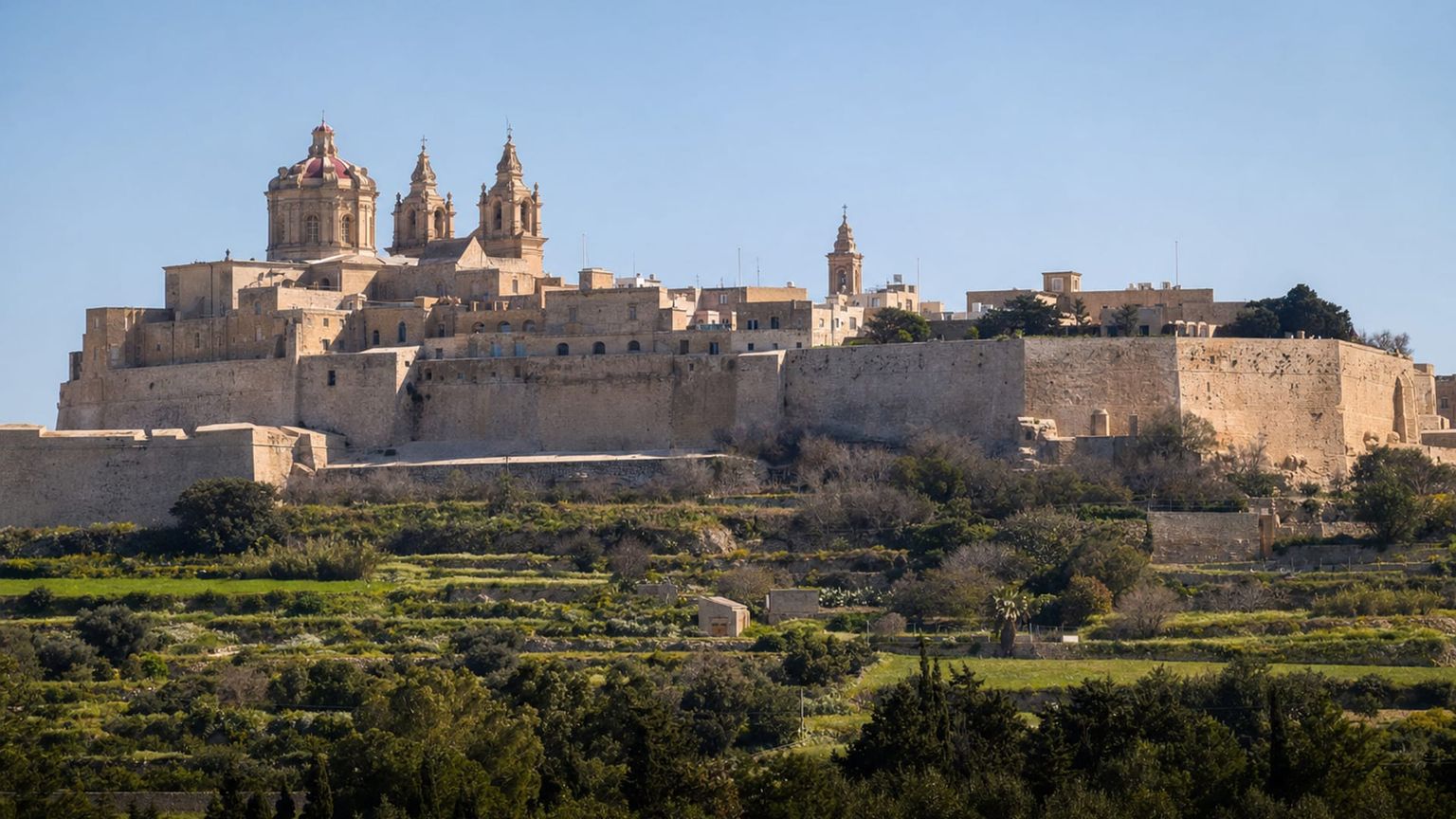
For a final slow day, pair one last museum stop with easy shopping and a café break rather than another full transfer. Valletta works best for that plan, since you can browse the pedestrian streets, revisit a gallery or church near the center, and then sit down for coffee in the capital before your airport transfer. If you are staying in Sliema or St. Julian’s, build in time for a last promenade along the seafront and a relaxed lunch near the bay before heading to Malta (MLA).
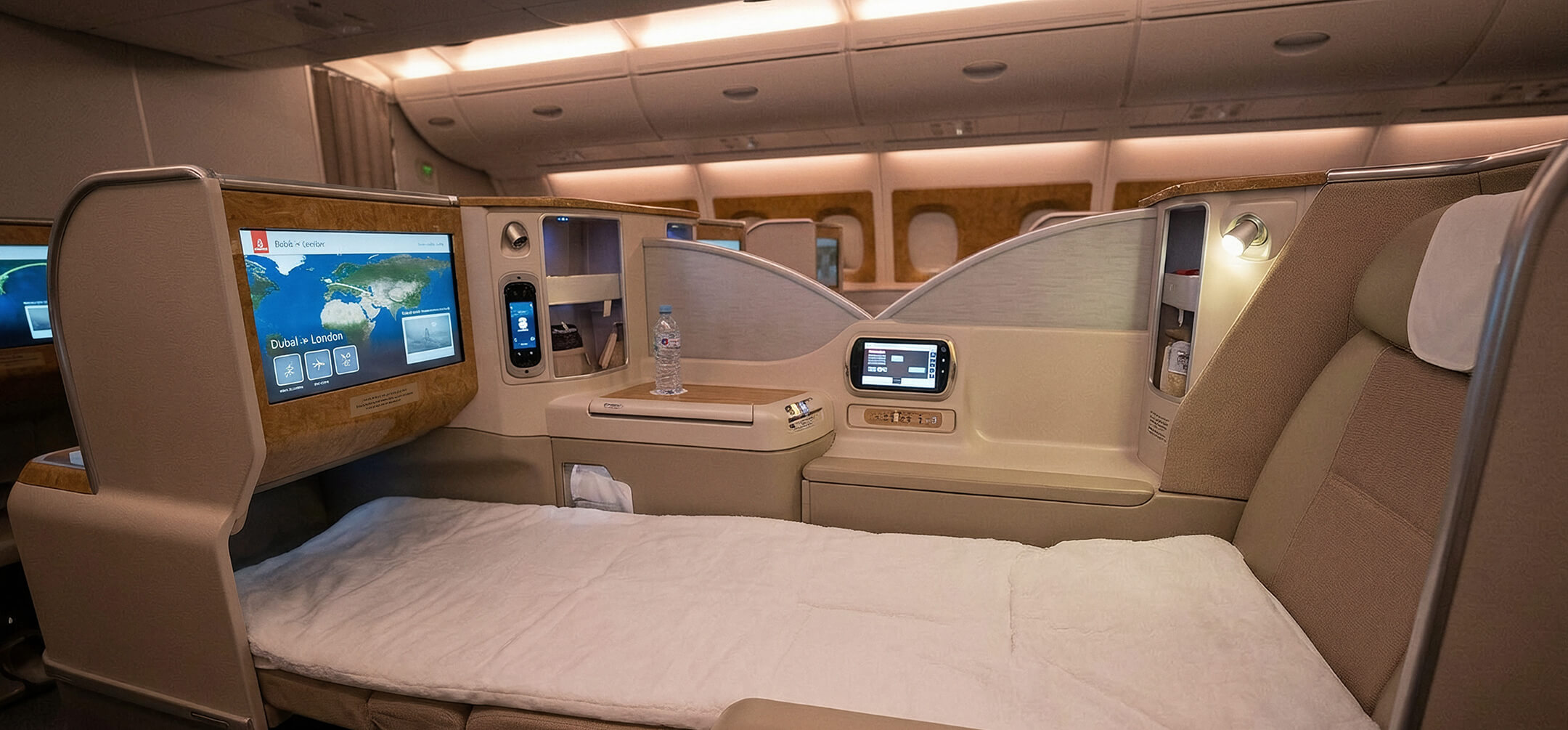
Business-class flights from the US to Malta

From New York and Los Angeles, Malta usually means one stop, often through a major European hub. The timing can vary a lot, so the best fare is not always the best connection.
Air France, British Airways, Lufthansa, Turkish Airlines, ITA Airways, and Emirates all appear on New York itineraries, with total travel time often landing in the 12 to 16 hour range. One-stop options via CDG, LHR, FRA, IST, or FCO can trim fares to roughly $2,300 to $3,800, while round-trip prices from New York usually start at about $3,200 and can reach $6,500.
Turkish Airlines, Lufthansa, British Airways, Emirates, Air France, and ITA Airways serve Los Angeles itineraries to Malta, and total journey time often runs about 15 to 19 hours. Round-trip fares from Los Angeles usually run from $3,400 to $7,200, with common connections through IST, FRA, LHR, CDG, or FCO.
Malta feels different when you slow down
A good Malta trip keeps the movement clear, Valletta on foot, ferries across the harbor, taxis for Mdina and the south, and enough time for St. John’s Co-Cathedral, the Upper Barrakka Gardens, and one unhurried meal. That kind of plan leaves room for the island’s scale without turning every transfer into a project. If you want help shaping dates, hotel choice, or flight timing, the AranGrant experts can build your Malta route around the season and the neighborhoods you want most