

Chapters:

Need help with your trip?
Our support team is available 24/7. Request a callback or call us directly at (833) 619-0908
Medina trips often begin and end with the Prophet’s Mosque, then leave little room for the neighborhoods and museums that give the city context. Travelers also underestimate prayer-time timing, midday heat, and how quickly short taxi rides become necessary once they move beyond the central mosque zone.
That narrow approach can lead to long waits, repeated crossings of busy corridors, and rushed visits to Quba Mosque, Qiblatain Mosque, and Al-Madina Museum. Even in a compact city center, the distances, security checks, and daily pauses around worship shape how much you can see in one stretch.
This guide organizes Medina by area, time of day, and transit choice, so each day has a clear purpose. It keeps the focus on central walks, short rides, and realistic pacing, with enough structure to fit religious sites, local meals, and a calm departure day.
Useful things to know
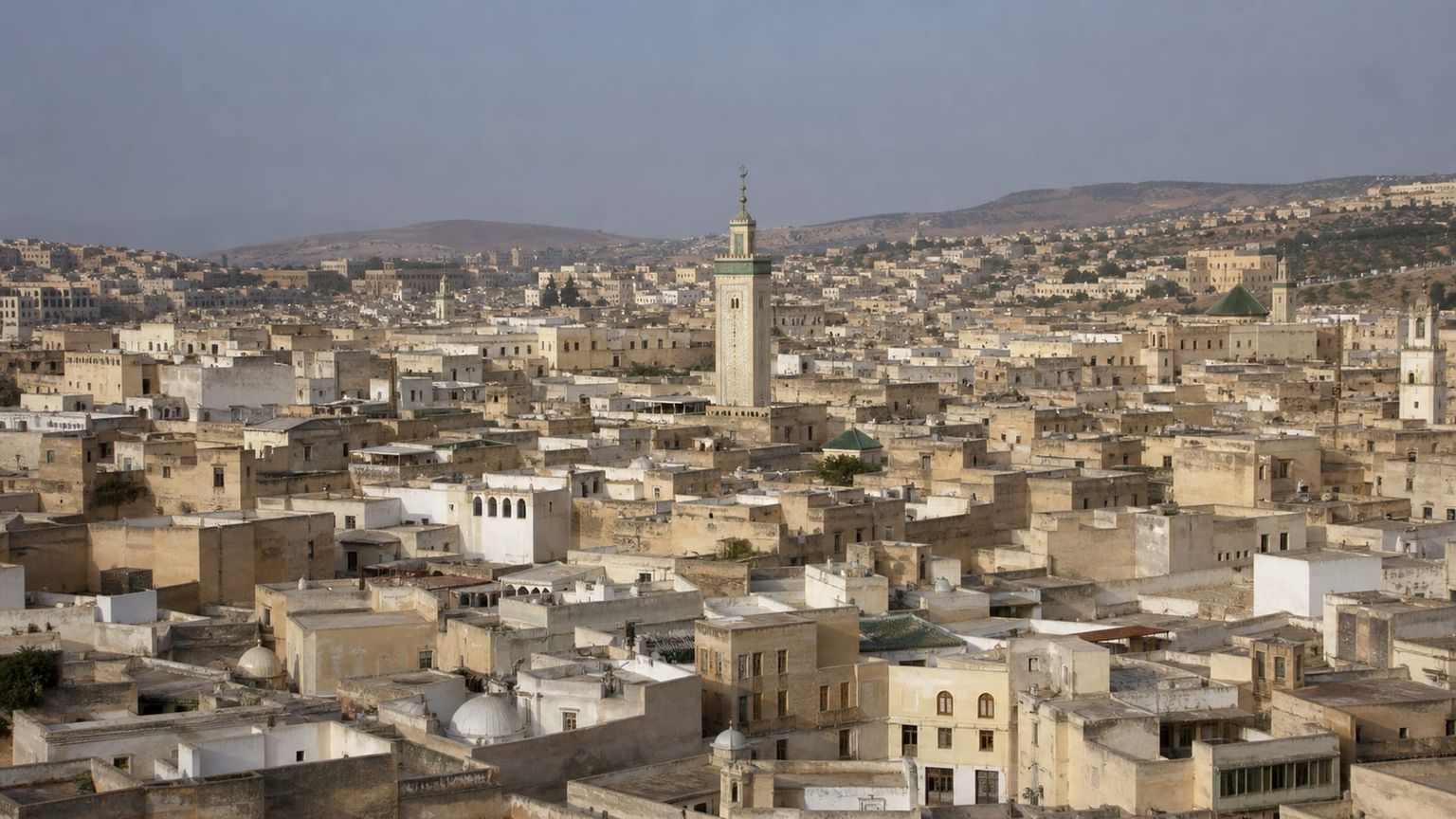

Main language(s): Arabic
مرحبا (marhaban) – Hello
من فضلك (min fadlik) – Please
شكرا (shukran) – Thank you
هل تتحدث الإنجليزية؟ (hal tatakallam al-ingliziya?) – Do you speak English?
بكم هذا؟ (bikam hatha?) – How much does it cost?

Currency: The local currency is the Saudi riyal (SAR, ر.س).

Cash and cards: Cards and contactless are widely accepted, but carry about 50 to 100 SAR ($13 to $27) for small shops and taxis.

Tipping: Tip modestly, about 5-10% in restaurants if no service charge is added.

Traditional food: Kabsa, mutabbaq, mandi, jareesh

Water and coffee costs: Water ~5 SAR ($1.30), bar espresso ~12 SAR ($3.20).

Taxis and ride apps: Uber and Bolt operate here; check pickup points at the airport.

Plug and voltage: Type G socket, 230V

Dining and shop opening hours: Breakfast is about 6:30-9:30, lunch 12:30-3:00, and dinner 8:00-11:00 pm. Many restaurants close briefly after lunch and reopen in the evening.

Emergency number: 999 for police, ambulance, and fire; 911 also works in some areas.
Where to stay in Medina
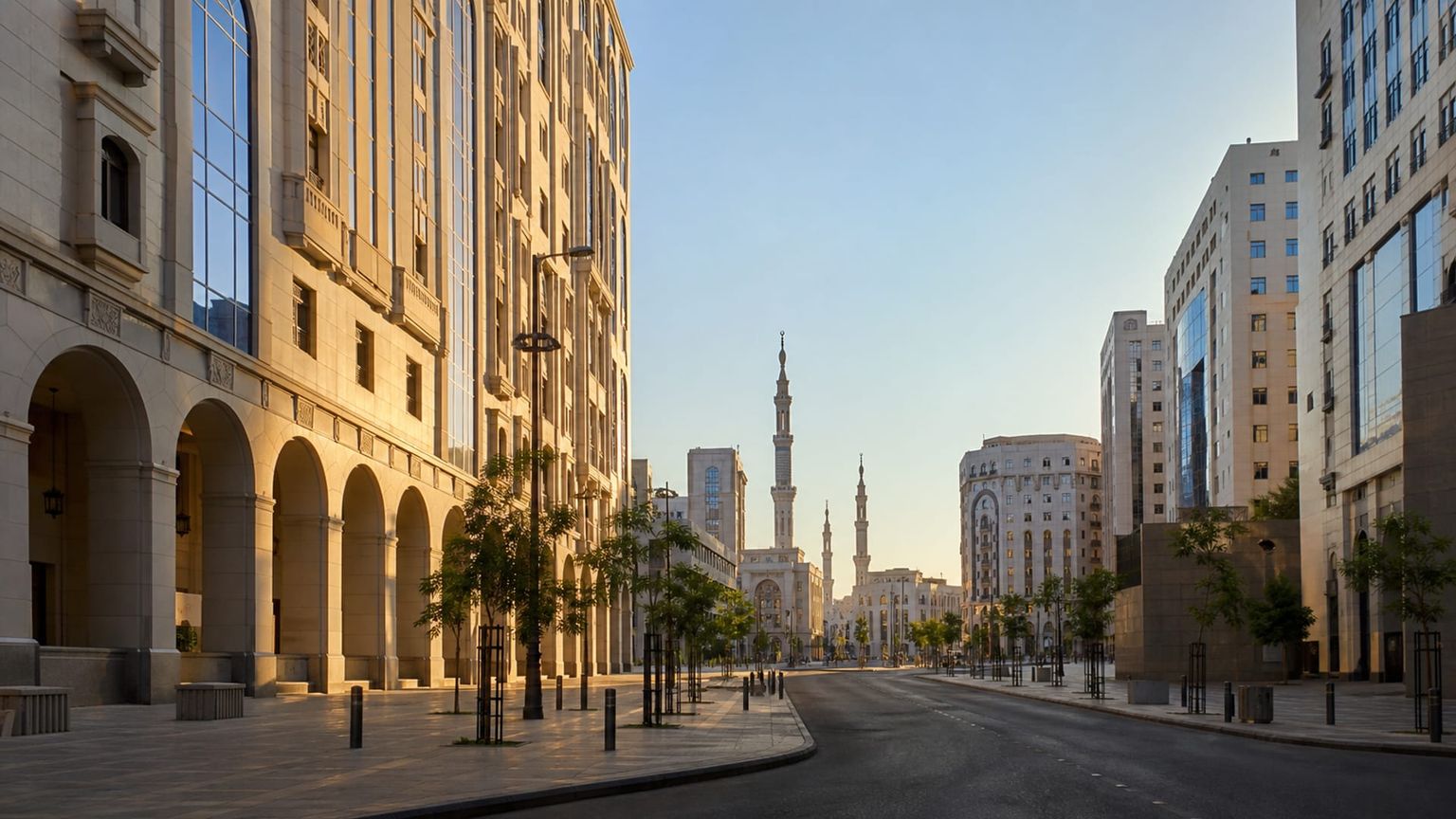
This is the core hotel zone around the Prophet’s Mosque, with the highest concentration of pilgrimage lodging, prayer access, and guided transport. It puts major religious visits within easy reach, though the area stays busy through most of the day and evening.
Best for: Pilgrimage stays, short visits, and travelers who want the Prophet’s Mosque within easy reach
What to expect: Dense hotel towers, heavy pedestrian traffic, and a steady flow of worshippers, especially near prayer times.
Hotel prices: Usually about SAR 400 to SAR 1,200 (~$107 to ~$320) per night for well-rated stays
Distance to major sights: 0 to 10 minutes on foot to Al-Masjid an-Nabawi
Quietness: Daytime is very busy, and evenings stay active near the mosque and main hotel streets.
Main trade-off: You pay more for proximity, and room choices tighten during peak pilgrimage periods.
Good to know: Book as early as possible if you need a room close to prayer times, since the nearest hotels sell out first.
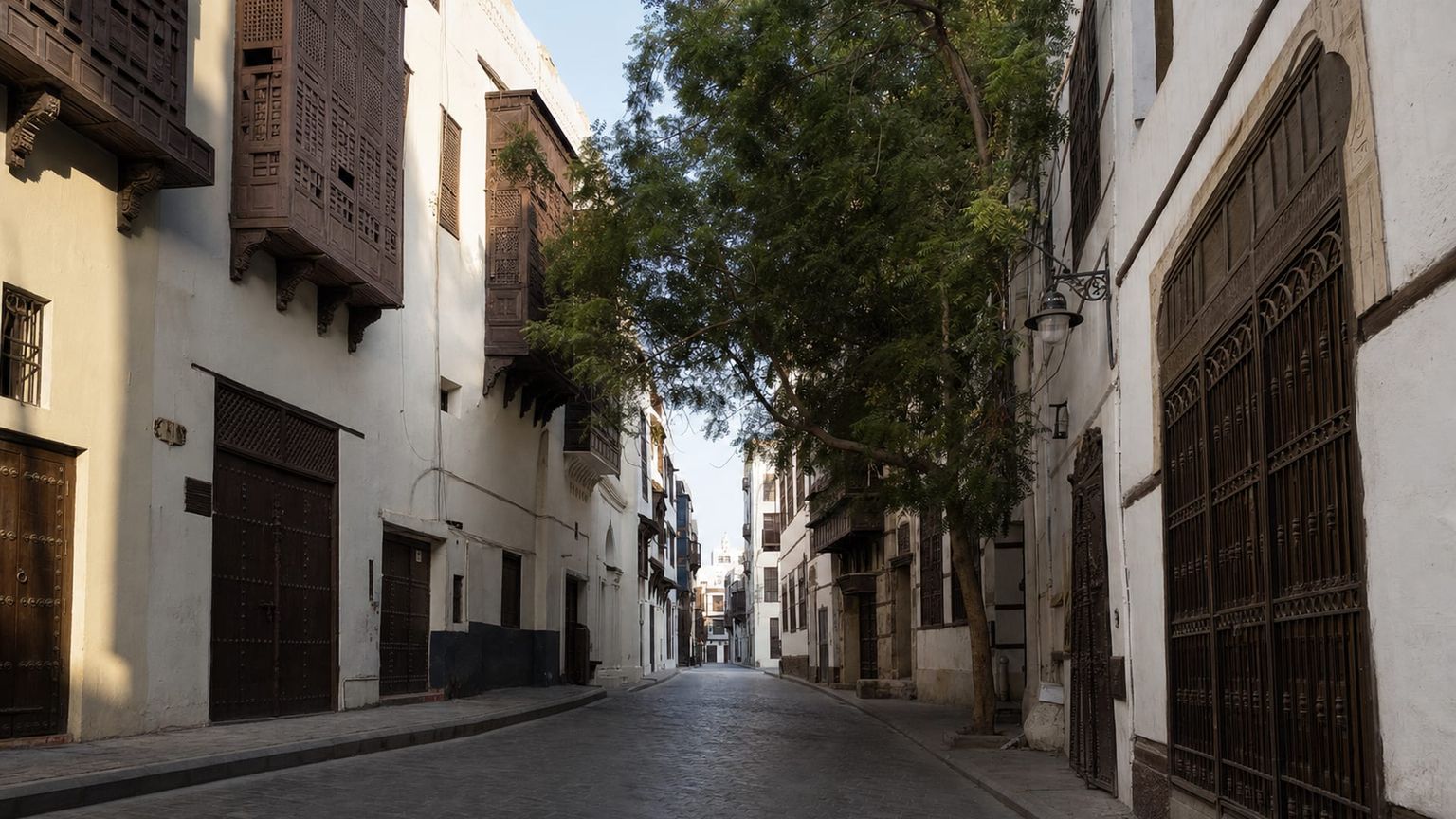
Sultana Street is a major commercial corridor south of the Haram area, lined with shops, casual dining, and midrange hotels. It works well for visitors who want more choice for meals and lower rates while staying within a short ride of the mosque.
Best for: Midrange stays, dining access, and travelers who want more hotel choice than the Haram zone
What to expect: Active traffic, storefronts, and a constant local flow, with the busiest stretch around shopping hours and dinner.
Hotel prices: Usually about SAR 250 to SAR 700 (~$67 to ~$187) per night for well-rated stays
Distance to major sights: 10 to 20 minutes by taxi to Al-Masjid an-Nabawi
Quietness: Days are lively and evenings stay active, though residential side streets calm down after shops close.
Main trade-off: You will spend time on short taxi rides, and traffic can slow the return after evening prayer.
Good to know: Choose a hotel with parking or a clear ride-hailing pickup point, because curbside stops can be crowded.
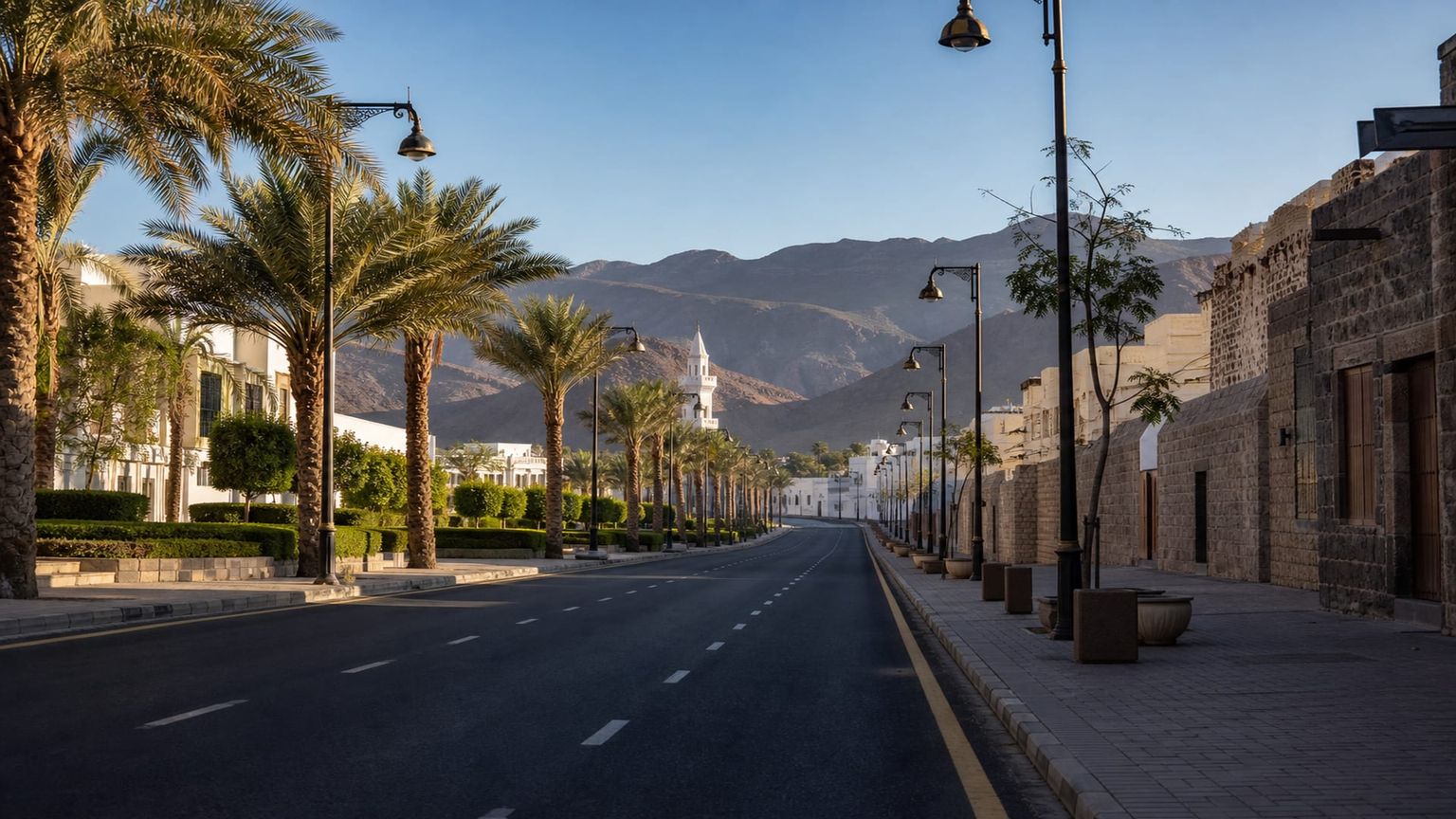
Quba Road runs toward the historic Quba Mosque and connects several residential and hotel clusters with the old-city core. It suits travelers who want access to a major mosque visit, local eateries, and a base that is slightly removed from the most concentrated hotel blocks.
Best for: Visitors planning Quba Mosque visits, longer stays, and travelers who prefer a less concentrated hotel strip
What to expect: Broad roads, moderate traffic, and a mix of local movement and hotel arrivals rather than constant pedestrian crowds.
Hotel prices: Usually about SAR 220 to SAR 600 (~$59 to ~$160) per night for well-rated stays
Distance to major sights: 15 to 25 minutes by taxi to Al-Masjid an-Nabawi, about 10 to 15 minutes by taxi to Quba Mosque
Quietness: Daytime traffic is noticeable, while evenings are quieter once shop traffic drops.
Main trade-off: You gain better access to some lower-priced stays, but you will need taxis for most central mosque visits.
Good to know: Check the exact hotel location before booking, because the road covers both convenient stretches and sections that are less walkable.
Travelers usually avoid staying in the far southern and eastern outskirts of Medina, including areas beyond the Harat Al Manakhah and central Old City zone, because they sit far from the Prophet’s Mosque and have fewer visitor amenities. Industrial districts and outlying residential neighborhoods near the airport side are also less convenient, since evening travel back to the center takes longer and dining options are thinner.
Hotel deals
How to get around Medina efficiently
Medina has no metro, so the city runs on walking in the mosque district, taxis for cross-town hops, and limited buses for longer regional trips.

Metro
for longer distances
Medina has no metro, so visitors rely on buses, taxis, or walking for the core area. For rail-style city travel, the closest equivalent is the Haramain High Speed Rail station in Medina, which links to Jeddah and Makkah rather than serving local stops.

Bus and tram
for convenience
Route coverage is limited compared with bigger Saudi cities, and most visitors use buses mainly for longer cross-city or regional trips, with little need to depend on them inside the central hotel and mosque zone. Fares are usually low, often about $1 to $3 depending on distance, and tickets or cards may be sold through the local operator or on board when available; check departure times in advance because frequency can be sparse outside peak periods.

Taxi
for convenience or late hours
Licensed taxis in Medina usually use metered fares rather than fixed citywide set fares, with short rides often costing about $5 to $10 and longer airport or interdistrict trips roughly $15 to $35 depending on traffic and time of day. You can hail them at hotels, taxi ranks, or book through ride-hailing apps, and cash is still common, though many drivers also accept cards or app payment.
*Prices are based on rates updated as of June 2026 and may change at the time of travel.
Walk in Central Medina, use taxis for the mosque-to-museum connections, and leave buses for longer trips when you do not need to move on a tight schedule.
Iconic landmarks
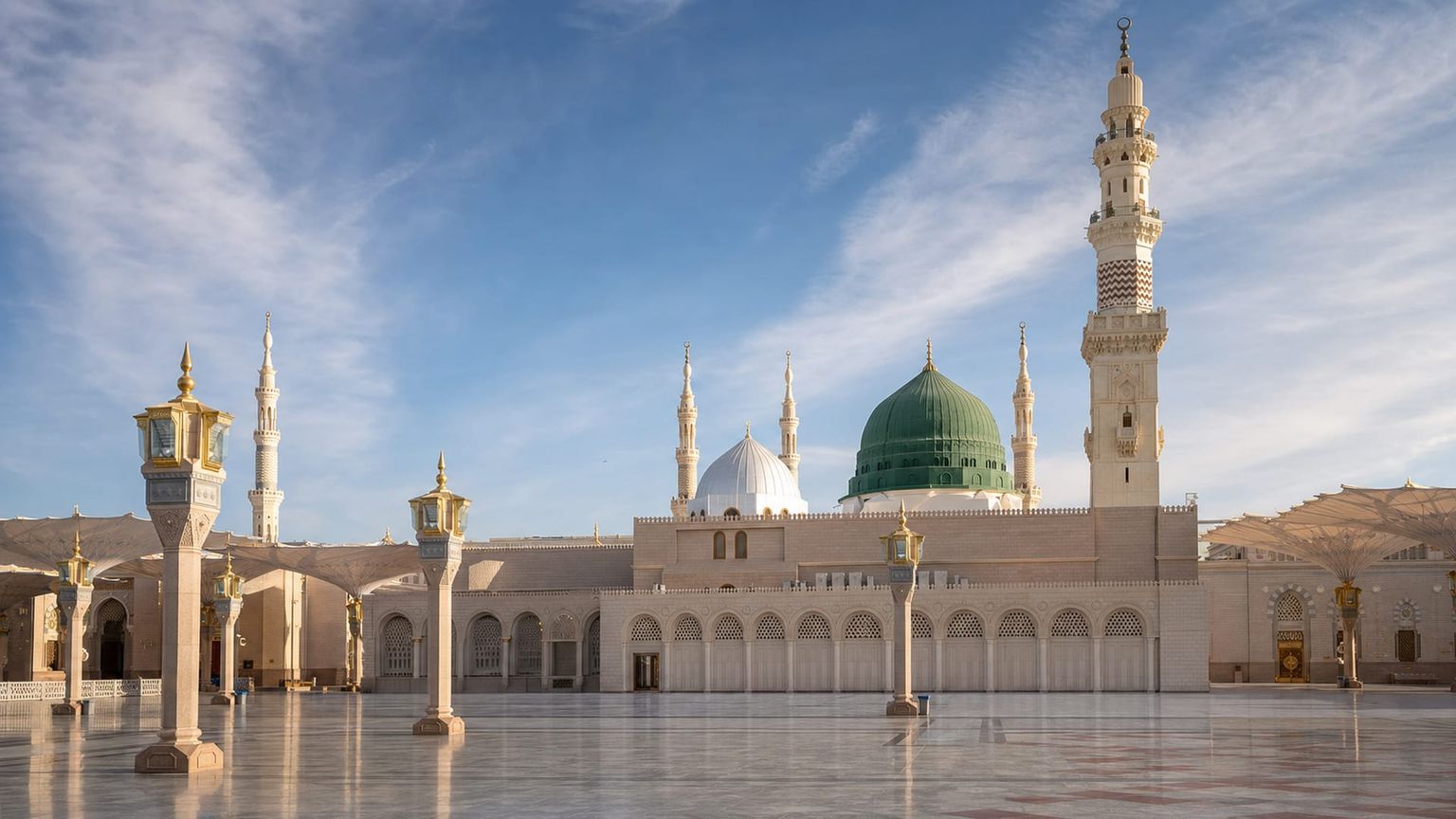
Al-Masjid an-Nabawi
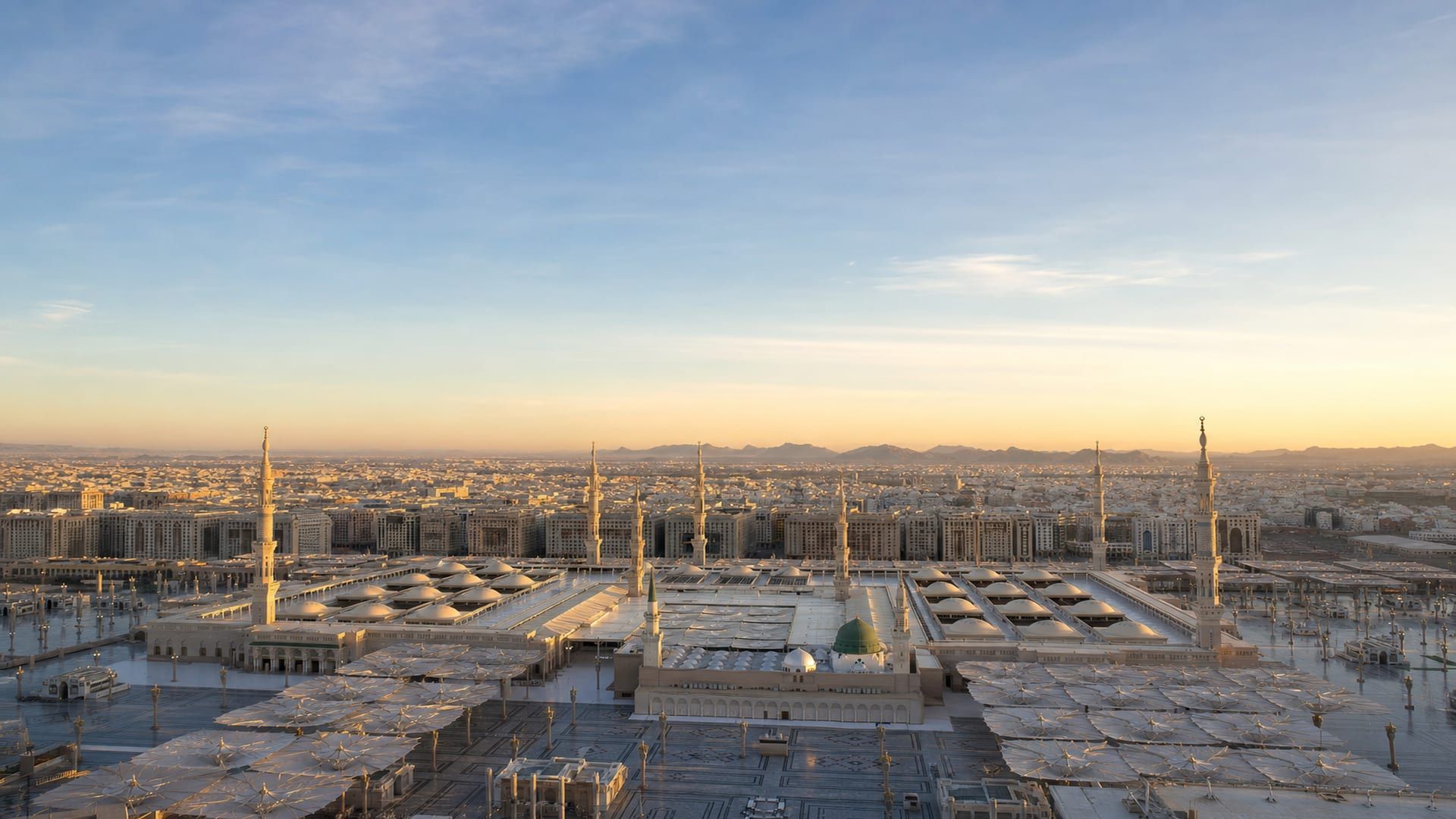
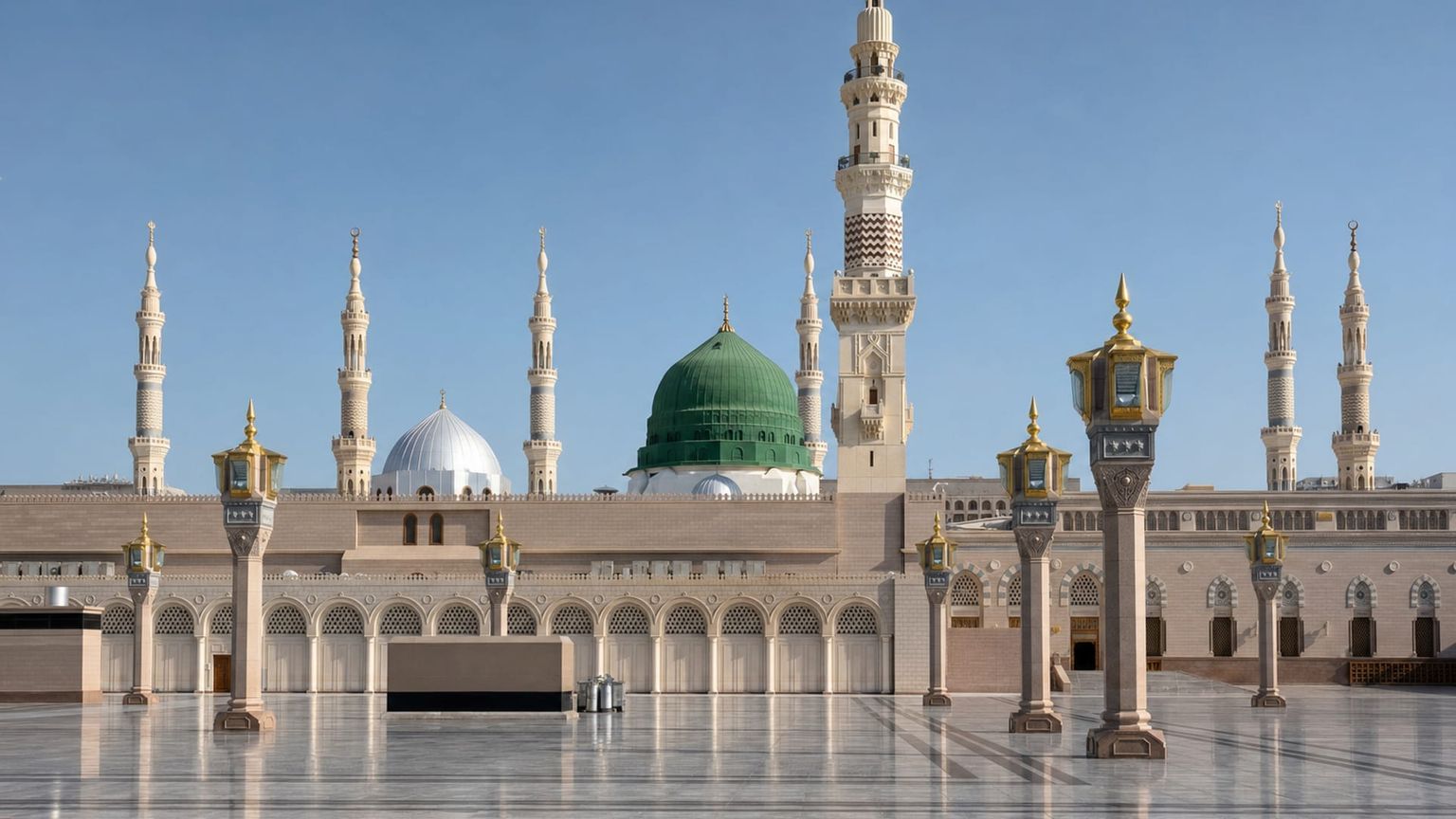
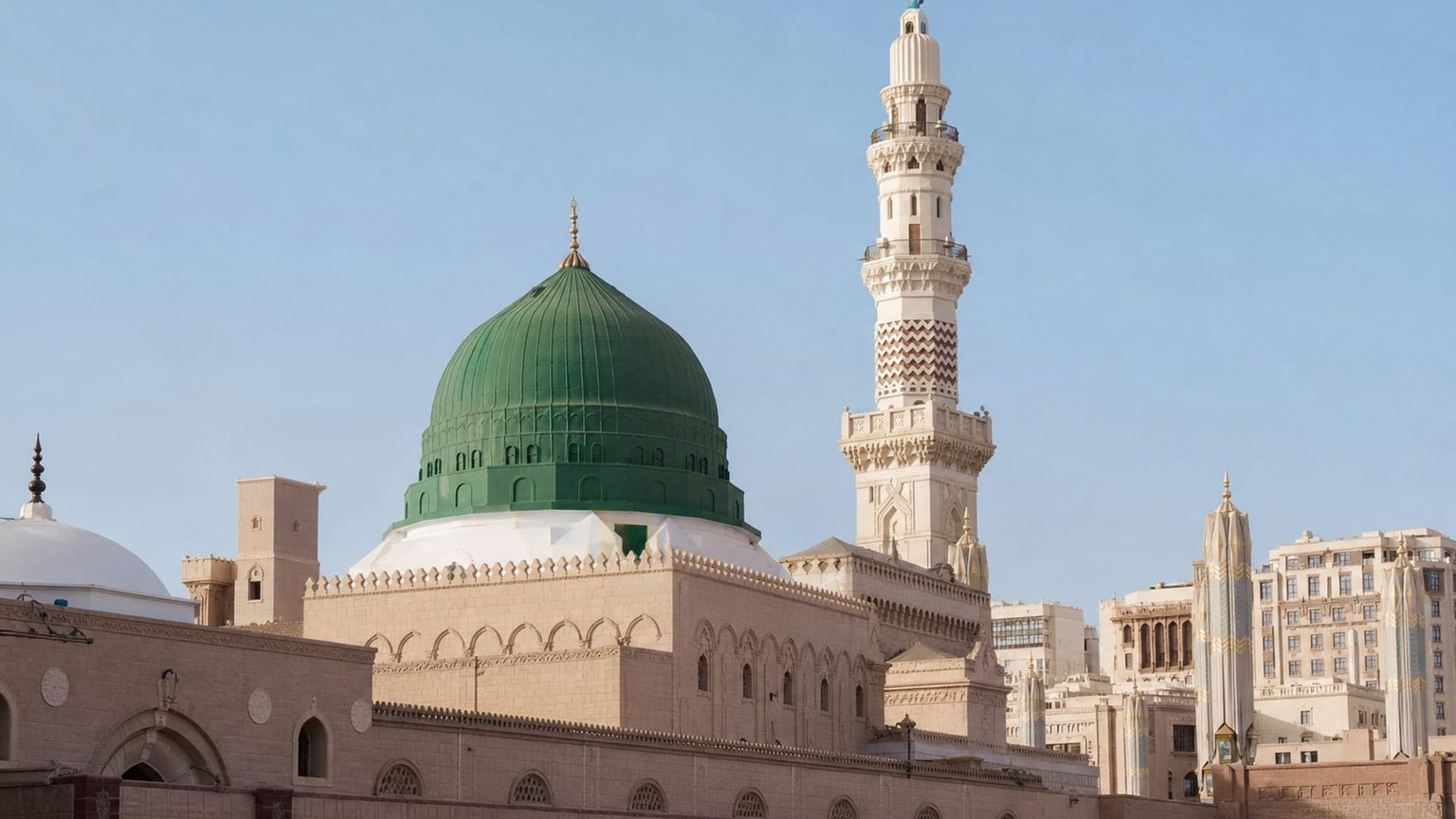
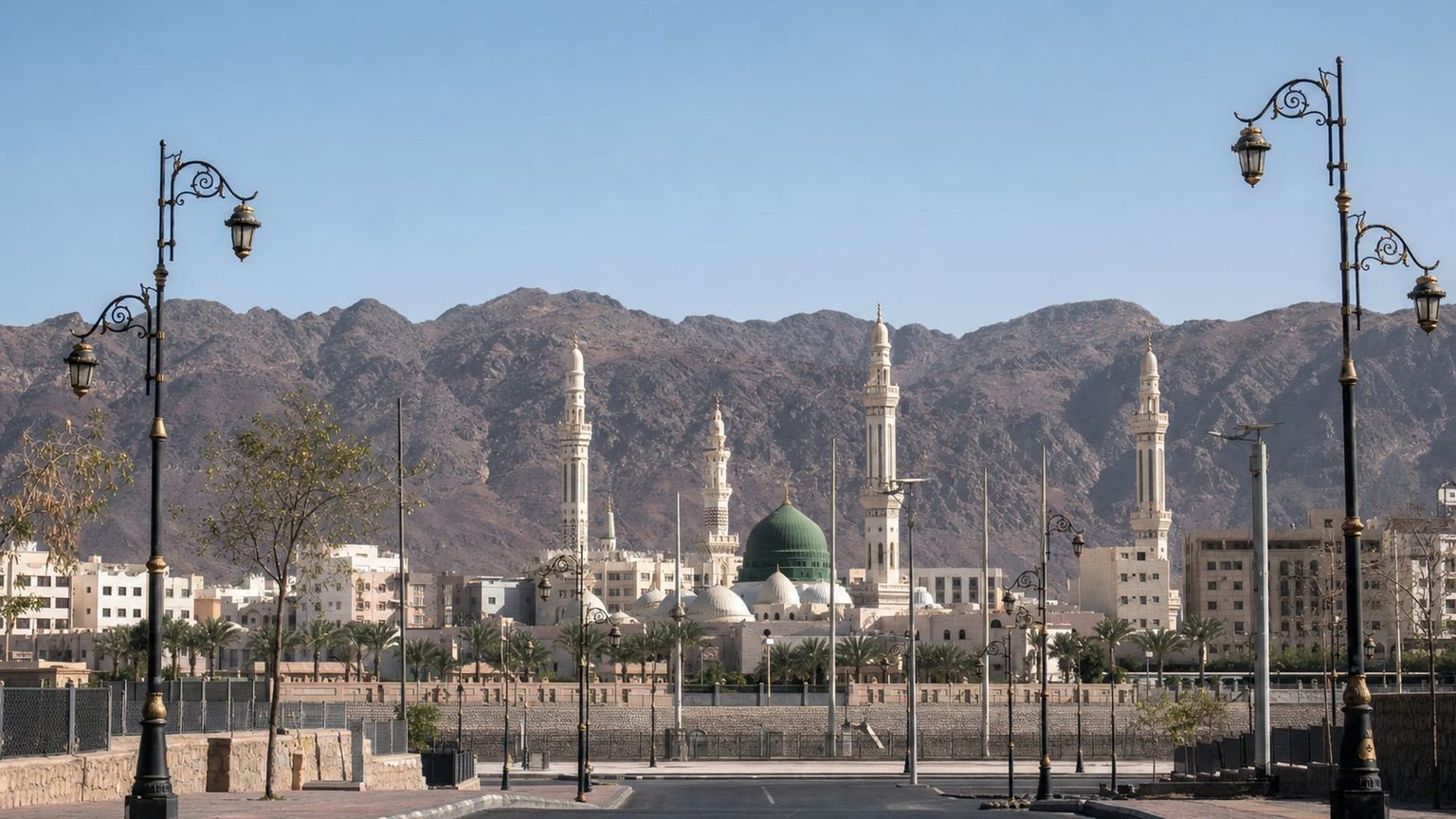
The Prophet’s Mosque anchors Medina’s old city and draws visitors for its vast courtyard, marble floors, and the Green Dome above the Prophet’s tomb. Non-Muslims cannot enter the prayer areas, but the exterior and surrounding district are a major landmark.
Time needed: About 1 to 2 hours
Entry: Free to access; prayer areas follow mosque rules, and non-Muslims may view only the exterior and perimeter areas. Visit the official site for details.
Tip: Visit after sunrise or after sunset, when the courtyard is cooler and easier to photograph.
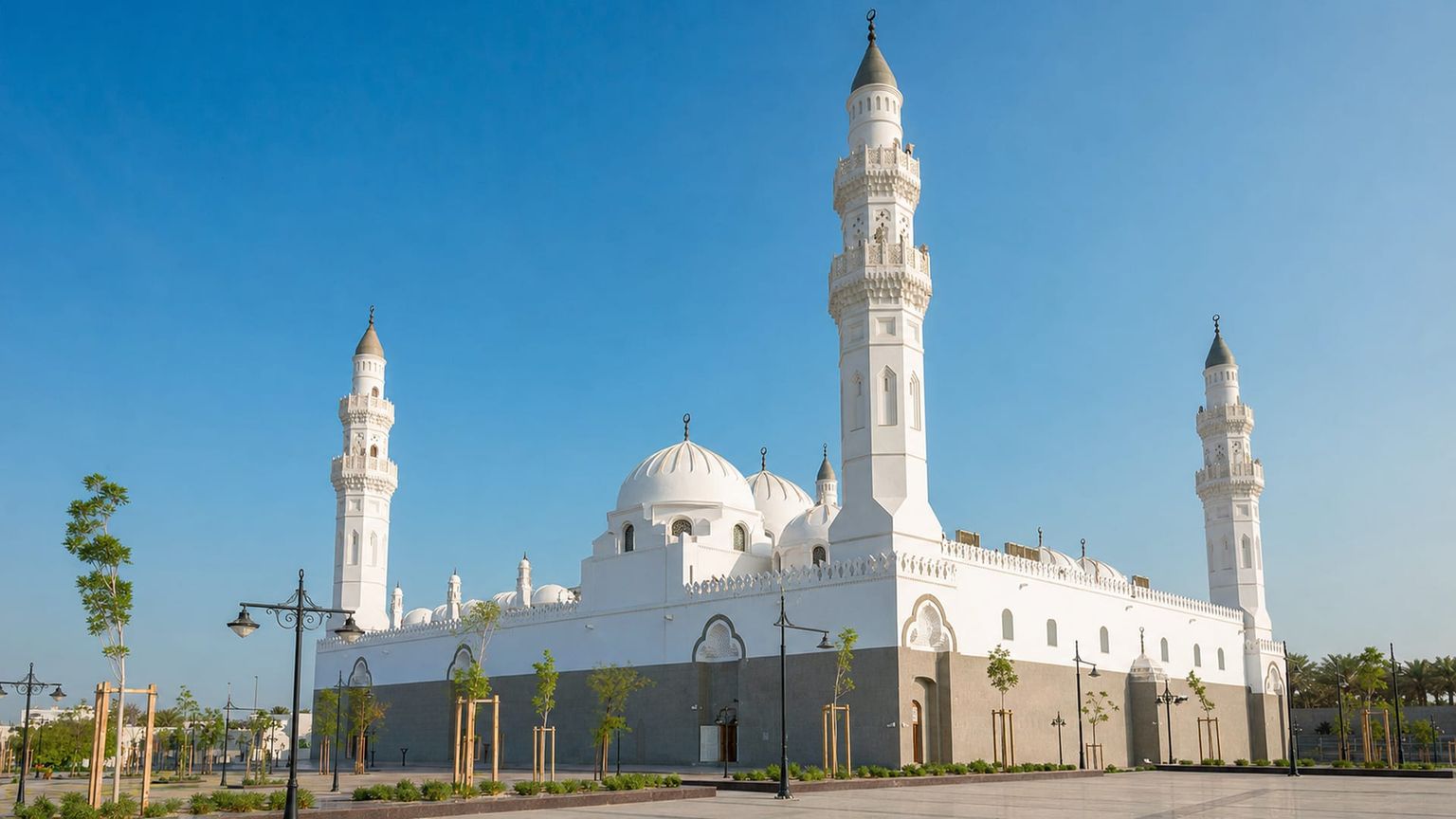
Quba Mosque
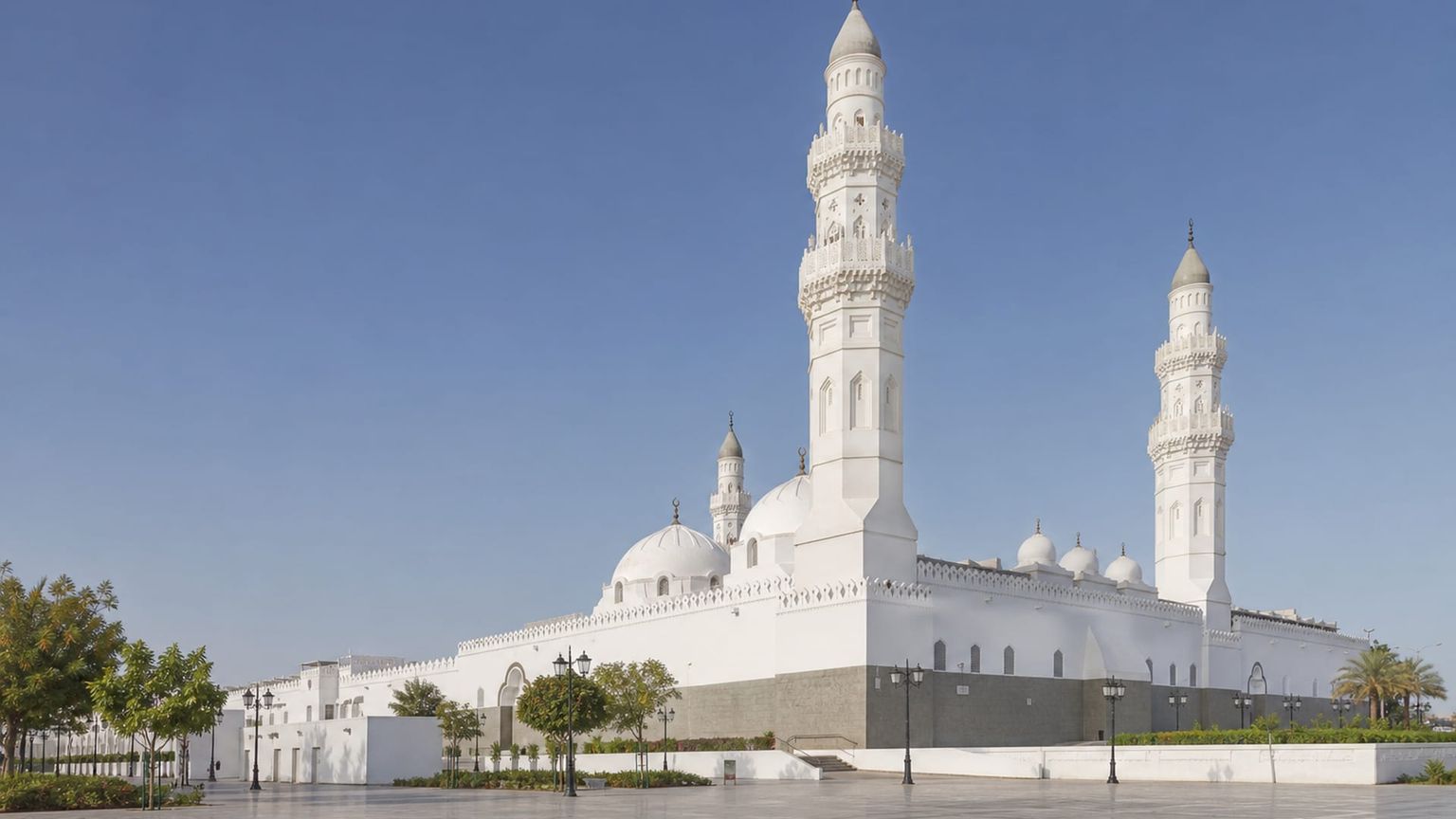
Quba Mosque, south of the center, is regarded as the first mosque built in Islam. Its white domes, minarets, and wide prayer hall draw pilgrims, and the site sits close enough to pair with other southern Medina stops.
Time needed: About 1 to 1.5 hours
Entry: Free to access; visitors should dress modestly, remove shoes, and follow mosque rules inside the prayer spaces. Visit the official site for details.
Tip: Go early in the day, when crowds are lighter and the marble forecourt is cooler.
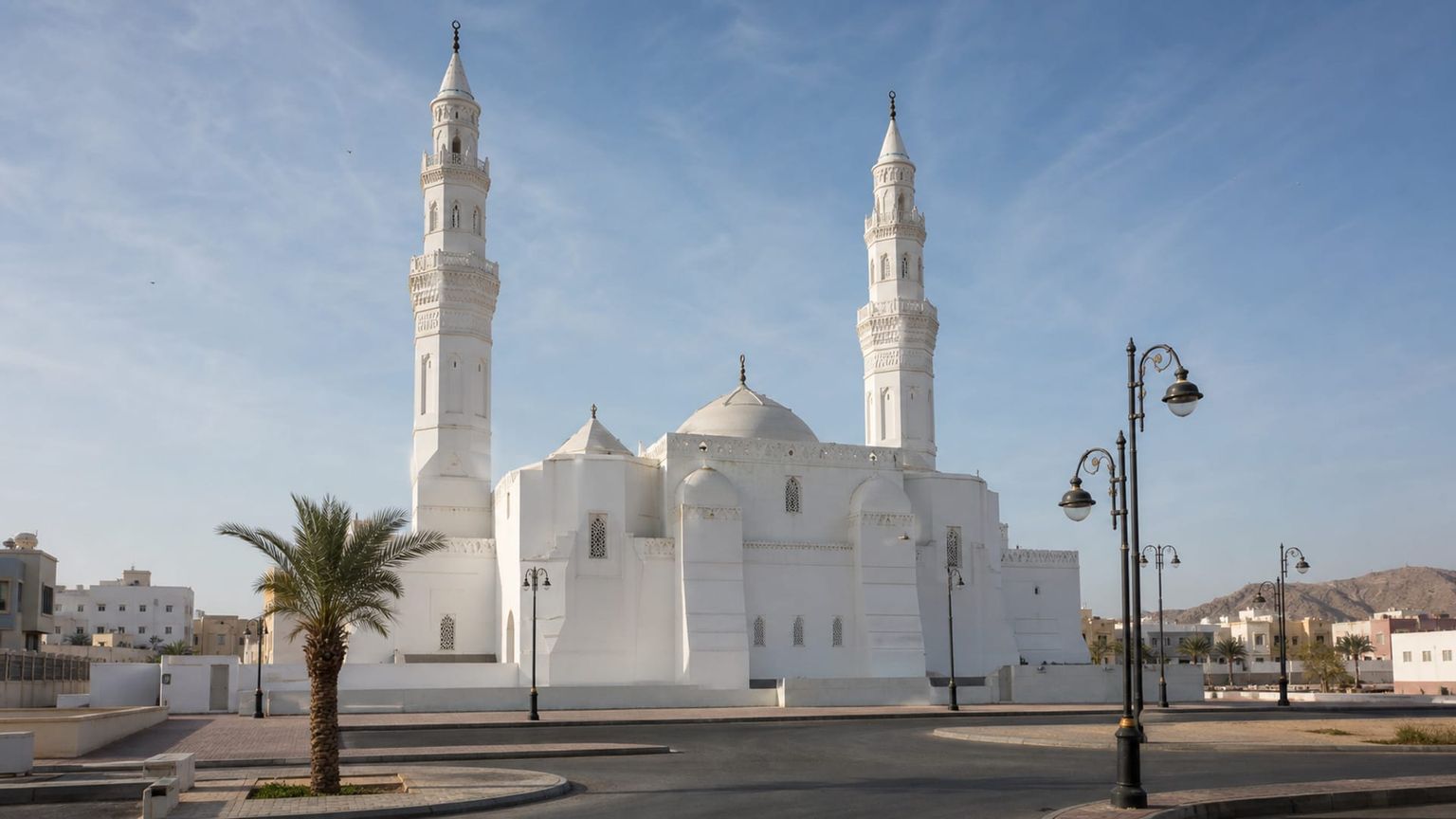
Qiblatain Mosque
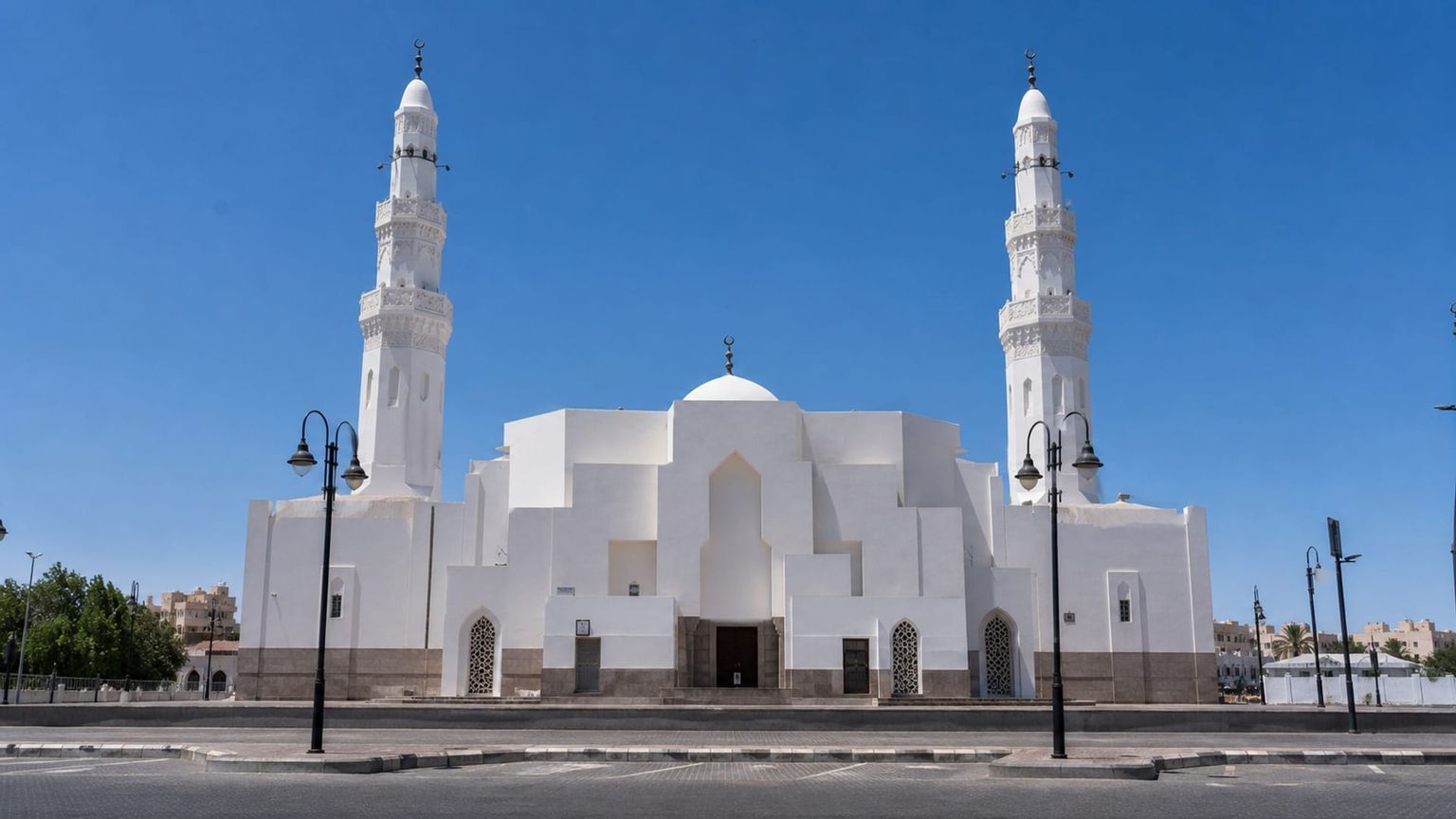
Qiblatain Mosque marks the moment of the prayer direction change from Jerusalem to Mecca, a defining event in Islamic history. The mosque sits northwest of the core and rewards a short stop for its twin-minaret facade and calm interior.
Time needed: About 45 minutes to 1 hour
Entry: Free to access; modest dress is required, and visitors should plan for security checks and prayer-time closures.
Tip: Check prayer times before you go, since access can pause briefly during worship.
Overlooked sites worth visiting

Quba Mosque
A compact early mosque complex in Medina, Quba Mosque draws visitors for its first-Islam history and shaded courtyard. It suits a short stop before or after nearby neighborhood walks.
Time needed: About 45 minutes to 1 hour
Entry: Entry is free for the mosque courtyard and prayer areas; no ticketed admission applies, but visitors should plan for modest dress and check prayer-time access limits before arriving.
Tip: Visit between prayers for easier courtyard access.

Al-Madina Museum
This small museum traces Medina’s urban and religious history through displays on city life, manuscripts, and local crafts. Its compact galleries work well for a focused hour indoors.
Time needed: About 1 hour to 1.5 hours
Entry: Admission typically costs about $5 to $8 (18 to 30 SAR) for adults, with lower prices for children and students; temporary exhibits or guided visits may add a small extra fee depending on the day.
Tip: Go early if you want quieter galleries.
Traditional food
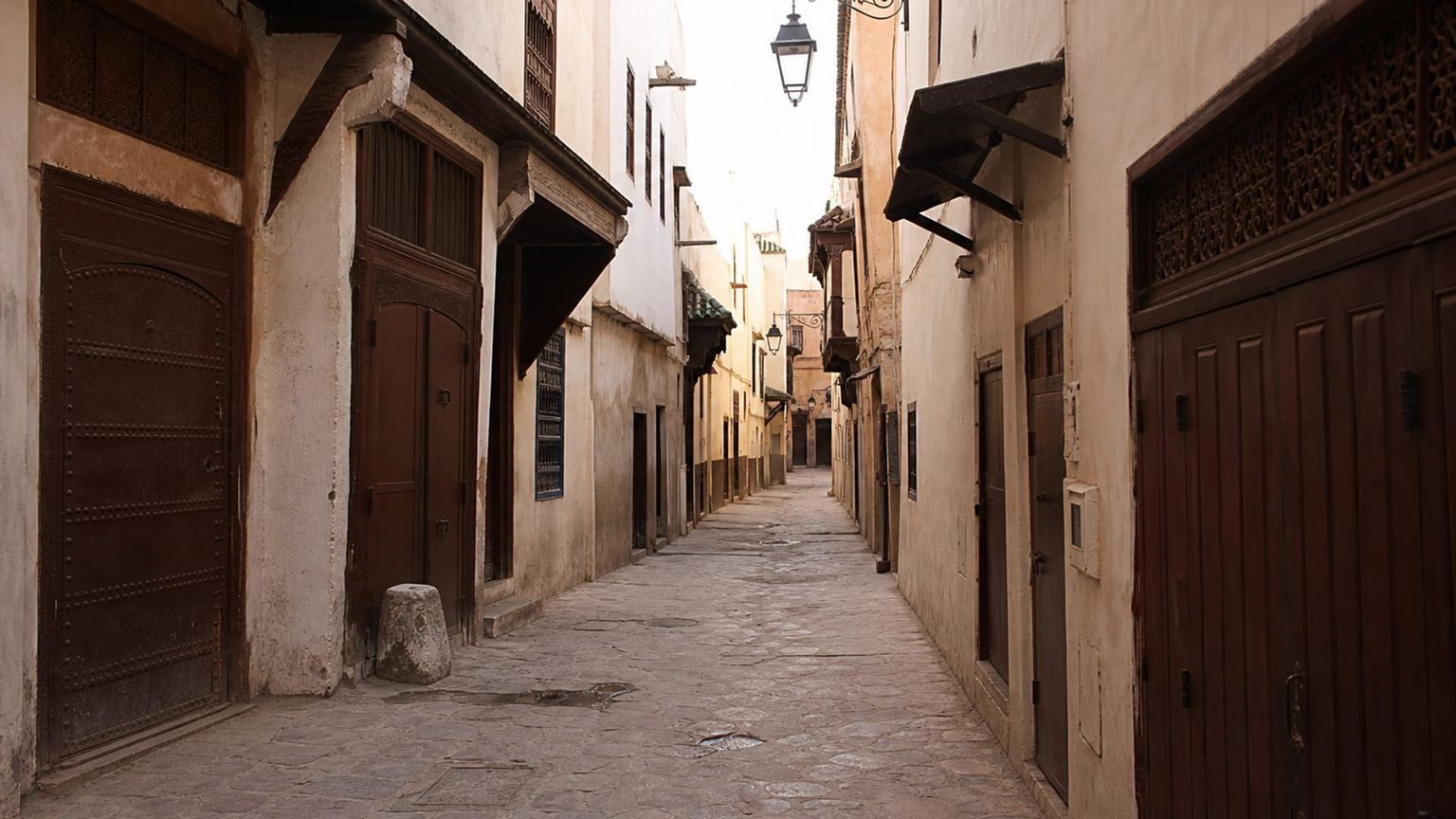
Medina’s table leans on rice, slow-cooked meat, and warm spices, with kabsa, mandi, mutabbaq, and jareesh appearing often. Meals tend to be simple, filling, and timed around prayer breaks and the city’s long lunch pause.
Kabsa
Kabsa pairs spiced rice with chicken or lamb, then finishes with a sauce that carries cumin, cardamom, and dried lime notes. Al Tazaj in Medina is a dependable canonical stop for it, especially if you want a simple, recognizable version.
Mutabbaq
Mutabbaq is a stuffed, pan-fried pastry that works as a snack or a light meal, often filled with meat, egg, and herbs. Al Romansiah in Medina is a strong canonical choice, with a menu that also covers other familiar Saudi dishes.
Mandi
Mandi brings fragrant rice together with tender meat cooked for depth rather than speed, usually served in generous portions. Al Soudah Restaurant in Medina is a good canonical stop when you want a focused mandi meal in a local setting.
Jareesh
Jareesh uses crushed wheat cooked until soft, then finished with yogurt, onions, or meat depending on the kitchen. Al Baik in Medina is better known for chicken, but for jareesh a more fitting canonical choice is Al Nakheel Restaurant, where traditional Saudi dishes anchor the menu.
Best time to visit Medina
Medina is hottest and busiest in the middle of the year, while winter brings the most comfortable walking weather and a stronger flow of visitors around the mosque district.
Best for: Best for courtyard walks, mosque visits, and longer time on foot
What you get: About 46 to 75°F (8 to 24°C), with the most comfortable crowds for sightseeing
Trade-offs: Peak visitor demand can make hotel rates and central rooms harder to secure
Best for: Best for balanced weather before the strongest heat arrives
What you get: About 65 to 99°F (18 to 37°C), with moderate crowds and manageable daytime movement
Trade-offs: Afternoons warm up quickly, so midday plans still need breaks
Best for: Best for travelers who plan around indoor time and short transfers
What you get: About 81 to 110°F (27 to 43°C), with fewer daytime walkers and more people moving after sunset
Trade-offs: The heat makes long outdoor stretches difficult
Best for: Best for steadier temperatures and flexible day planning
What you get: About 68 to 97°F (20 to 36°C), with improving conditions and a gradual rise in visitor numbers
Trade-offs: Late-autumn holiday demand can tighten hotel availability
A realistic 5-day plan in Medina
A five-day Medina stay works best when you group the mosque district, southern mosques, and museum time into separate blocks. That keeps rides short, reduces backtracking, and leaves room for prayer-time pauses and unhurried meals.
Land at Medina (MED), then take a taxi into Central Medina near Al-Masjid an-Nabawi, which is usually the best choice if you want to be within easy walking distance of the mosque. The transfer takes about 20 to 30 minutes in normal traffic and usually costs about $15 to $25. Settle in, drink plenty of water, and keep dinner close to your hotel, with simple options along the streets around the mosque or in the nearby hotel arcades. A short evening walk to the mosque perimeter gives you an immediate sense of the area without overextending the first night.
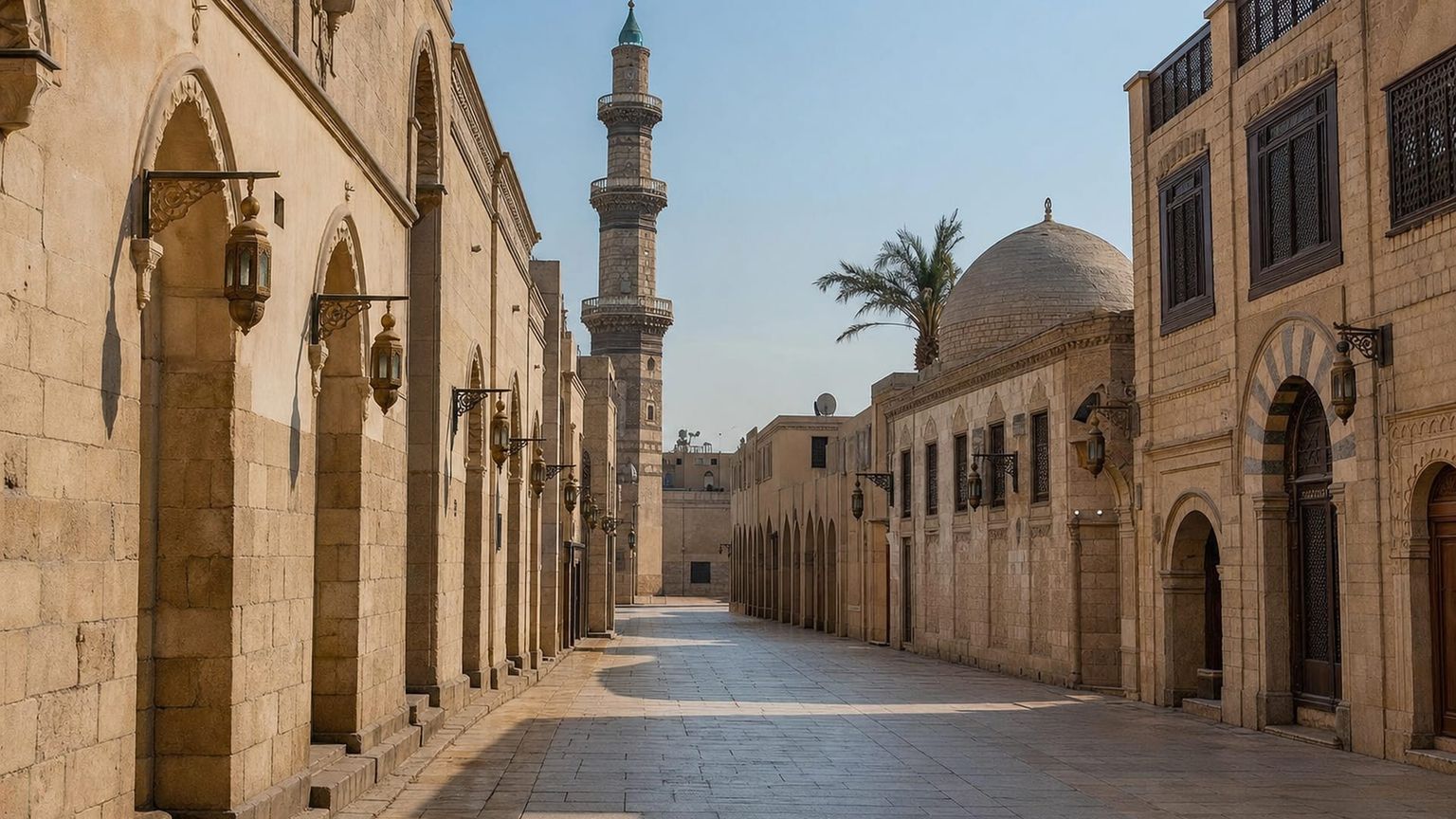
Start early at Al-Masjid an-Nabawi, where a morning visit works best before the courtyards heat up and crowds build. From most Central Medina hotels, it is a 5 to 10 minute walk to the mosque, and you can spend about 1 to 2 hours taking in the exterior, the courtyard, and the surrounding district. After that, ride about 15 to 20 minutes south to Quba Mosque, where the white domes and shaded courtyards make a strong second stop, and plan on about 1 to 1.5 hours there. Return to Sultana Street for an easy dinner, roughly 15 minutes by taxi from Quba Road, and choose a restaurant near your hotel to avoid a late cross-town ride.
Qiblatain Mosque makes a good first stop today, and from Central Medina it usually takes about 15 to 20 minutes by taxi to reach it. Allow about 45 minutes to 1 hour for the visit, then head about 20 minutes back toward the old city for Al-Madina Museum, where compact galleries on Medina’s history fit neatly into a 1 to 1.5 hour stop. If you are staying on Quba Road, both visits can be arranged with shorter rides, and you can break for lunch on the way back in the central area near the mosque district. Finish with an unhurried return to your hotel, since the afternoon traffic on the main corridors can slow down after prayer times.
Begin with a second, quieter look at Quba Mosque if you want a calmer hour between prayer waves, or go straight to Al-Madina Museum if you prefer an indoor start. From Sultana Street, both stops are usually about 15 to 25 minutes away by taxi, and it helps to schedule them before midday heat builds. After the museum, return to the central mosque district for lunch and a final walk through the streets near Al-Masjid an-Nabawi, where the pedestrian flow gives the city its busiest close-range view. An evening meal back on Sultana Street works well if you want more restaurant choice than the central hotel zone offers.
Before you head out, fit in one last calm stop at Al-Madina Museum if you missed it earlier, since the small galleries take only about 1 to 1.5 hours. Then spend the rest of the day on Sultana Street, where you can browse shops, pick up dates or prayer items, and have a relaxed lunch without moving far between stops. If your flight is later in the day, a café break in the hotel blocks near Central Medina gives you a final chance to sit near the mosque district before your taxi back to Medina (MED). Leave enough time for the ride to the airport and for traffic near the main corridors, especially after afternoon prayer.
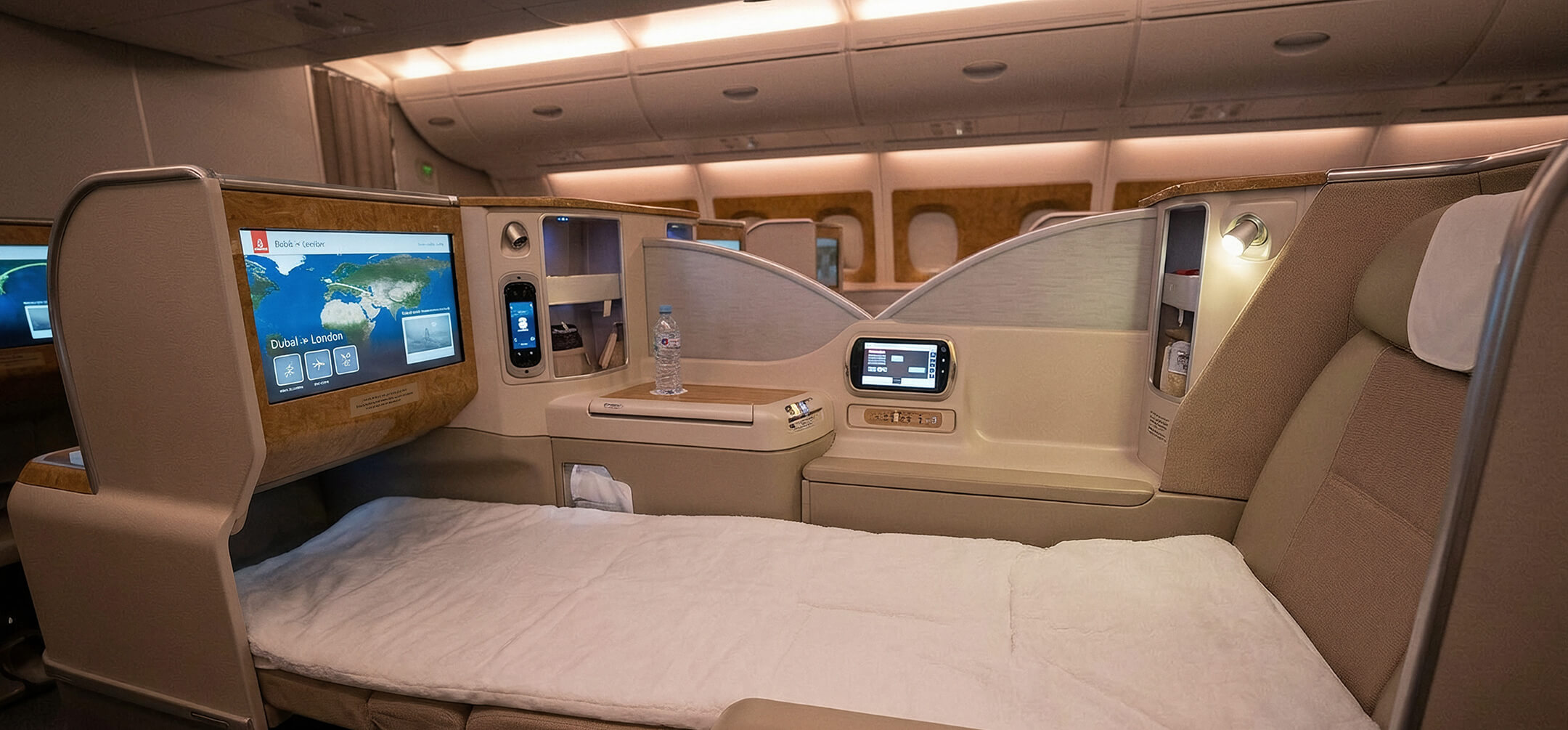
Business-class flights from the US to Medina
For long-haul arrivals, the most useful examples are the one-stop options from New York and Los Angeles. The best fares usually hinge on Middle East or Europe connections, so it pays to compare the layover city as well as the total fare.
From New York, Saudia, Qatar Airways, Turkish Airlines, Emirates, and Etihad Airways all price this route, with round-trip fares usually starting near $4,500 and rising to about $8,500 depending on dates and advance purchase. Typical itineraries run about 12 to 13 hours nonstop, or 15 to 20 hours with connections through Doha (DOH), Istanbul (IST), Dubai (DXB), Abu Dhabi (AUH), or Frankfurt (FRA).
Los Angeles itineraries are broader, with Saudia, Qatar Airways, Turkish Airlines, Emirates, Etihad Airways, and Air France all appearing in the market. Expect about 15 to 16 hours nonstop, or roughly 17 to 23 hours via Doha (DOH), Istanbul (IST), Dubai (DXB), Abu Dhabi (AUH), or Paris (CDG); round-trip fares usually range from $4,800 to $9,200.
Medina feels different when you slow down
A deliberate Medina trip follows the city’s actual shape, starting in Central Medina near Al-Masjid an-Nabawi, then stepping out to Quba Mosque, Qiblatain Mosque, and Al-Madina Museum by taxi when the timing makes sense. Meals fit around the long lunch pause, and evenings work best on Sultana Street or back near the mosque blocks. If you want help matching hotels, flights, and day order, AranGrant experts can build the trip around the part of Medina you plan to visit most