

Chapters:

Need help with your trip?
Our support team is available 24/7. Request a callback or call us directly at (833) 619-0908
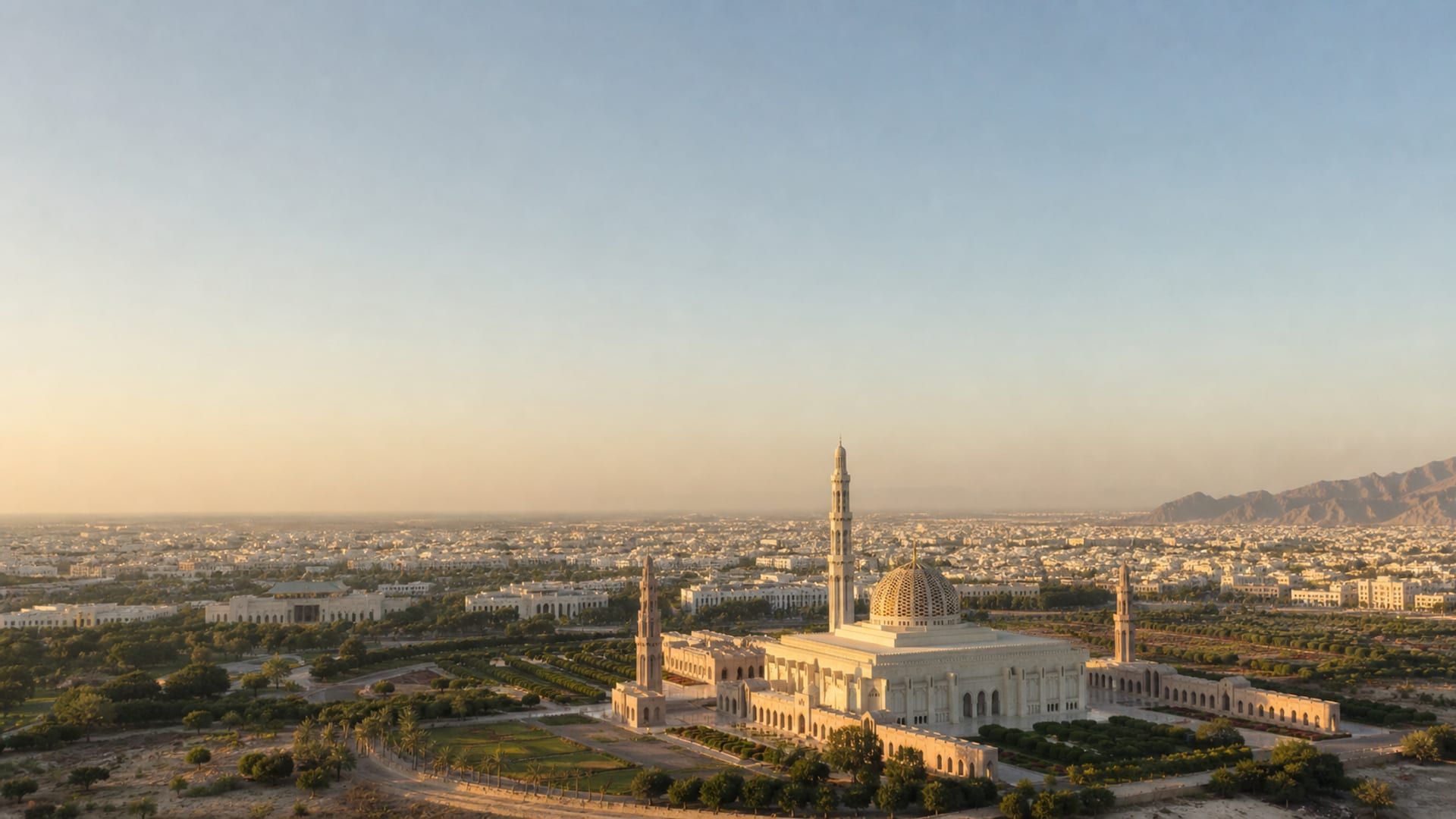
Muscat trips often begin with a beach hotel, a mosque visit, and one hurried loop through Mutrah, which can leave the city’s quieter museum stops and neighborhood differences out of view.
That pattern misses the geography that shapes daily movement here, because the coast, the historic harbor, and inland districts sit far enough apart that taxi time matters, and Friday schedules can change a meal plan or museum stop.
This guide pulls the city into five measured days, with stays, transit, food, weather, and flight options organized so each area and sight fits a workable route.
Useful things to know

Main language(s): Arabic
marhaban (mahr-hah-bahn) – hello
min fadlak (min fad-lak) – please
shukran (shook-ran) – thank you
hal tatakallam al-ingliziya? (hal ta-ta-kal-lam al-in-gli-zi-yah) – Do you speak English?
bikam haza? (bee-kam hah-zah) – How much does it cost?

Currency: The local currency is the Omani rial (OMR, ر.ع.).

Cash and cards: Cards and contactless are widely accepted; carry about OMR 10 to 20 ($26 to $52) in cash.

Tipping: Tipping is not expected, though rounding up or leaving about 5% is appreciated for good service.

Traditional food: Shuwa, majboos, harees, mashuai

Water and coffee costs: Water ~OMR 0.2 ($0.5), bar espresso ~OMR 1.5 ($4).

Taxis and ride apps: OTaxi and Uber operate here; confirm the fare before you start.

Plug and voltage: Type G socket, 240V

Dining and shop opening hours: Breakfast runs about 7:00-10:00 am, lunch 12:30-3:00 pm, and dinner 7:30-10:30 pm. Many restaurants close during Friday midday prayer and reopen later in the day.

Emergency number: 9999 for police, ambulance, and fire.
Where to stay in Muscat
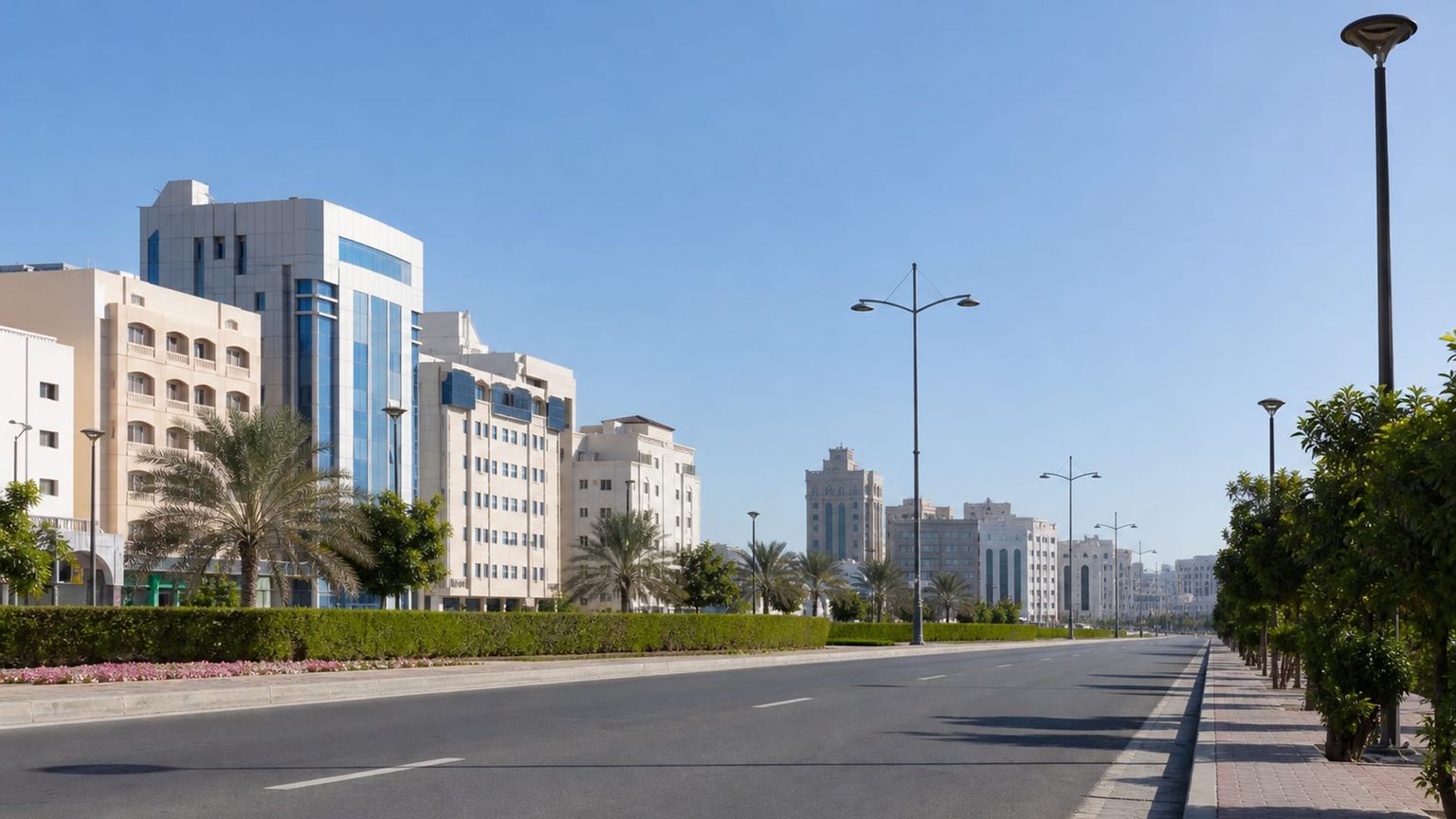
A central, mixed-use district west of downtown Muscat, Al Khuwair combines apartment blocks, offices, restaurants, and midrange hotels. It suits travelers who want many dining choices and easy road access without staying in the most ceremonial parts of the city.
Best for: Dining, business trips, and travelers who want a central base with easy road connections
What to expect: Busy main roads, frequent traffic, and a steady flow of residents, office workers, and hotel guests.
Hotel prices: Usually about $70 to $180 per night for well-rated stays
Distance to major sights: About 15 to 20 minutes by car to Mutrah Souq and the Corniche
Quietness: Quieter at night on side streets, though main roads stay active into the evening.
Main trade-off: You trade a more local, road-oriented setting for less immediate character than the waterfront districts.
Good to know: Choose a hotel on a side street if you want less traffic noise, because rooms fronting Sultan Qaboos Street can hear evening congestion.
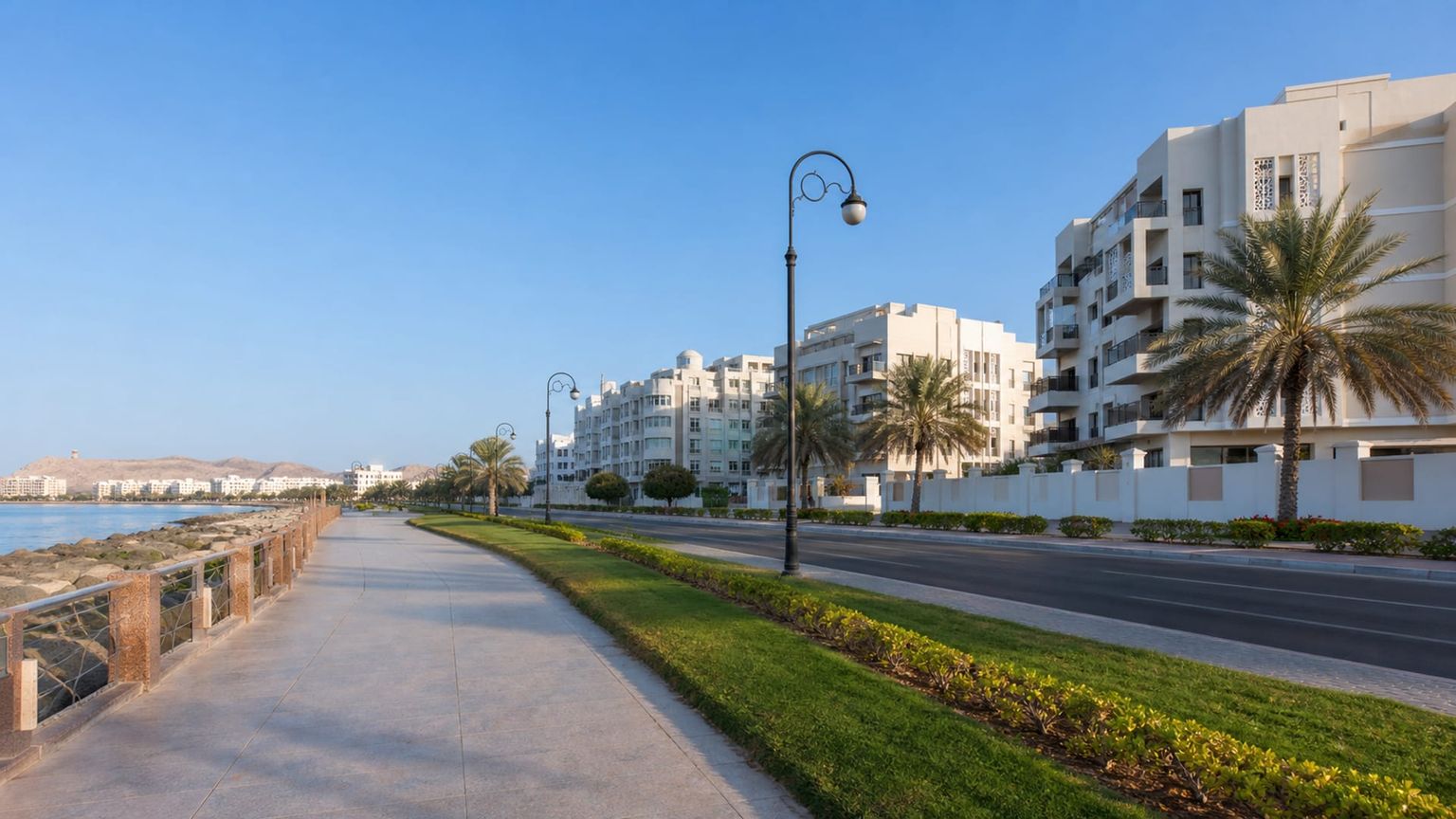
Shatti Al Qurum is Muscat’s beachside stretch of hotels, cafes, and embassies along the coast. It matters for visitors who want an easy seaside base with direct access to upscale hotels, the beach, and a short drive to the city’s main sightseeing areas.
Best for: Seaside stays, resort-style hotels, and travelers who want beaches near central Muscat
What to expect: Wide roads, polished hotel frontage, and a steady but not dense evening dining scene near the waterfront.
Hotel prices: Usually about $120 to $300 per night for well-rated stays
Distance to major sights: About 10 to 15 minutes by car to the Royal Opera House and 20 to 25 minutes to Mutrah Souq
Quietness: Calmer by day than downtown, with some evening activity near hotels and cafes.
Main trade-off: Rates can be higher than in inland districts, and you will still need a car or taxi for most sightseeing.
Good to know: Beach access is good here, but long walks to major attractions are limited, so plan to rely on taxis for most errands.
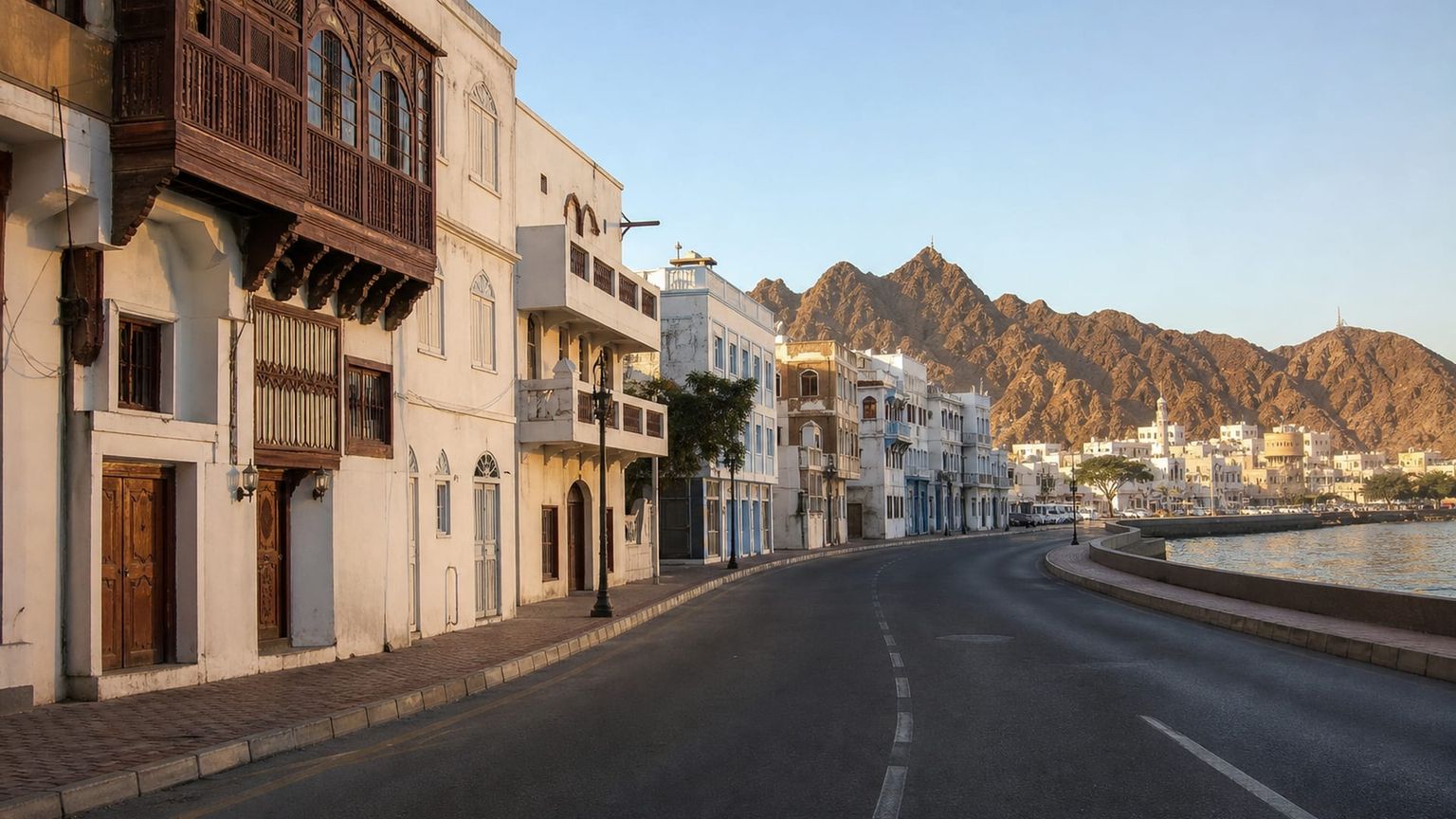
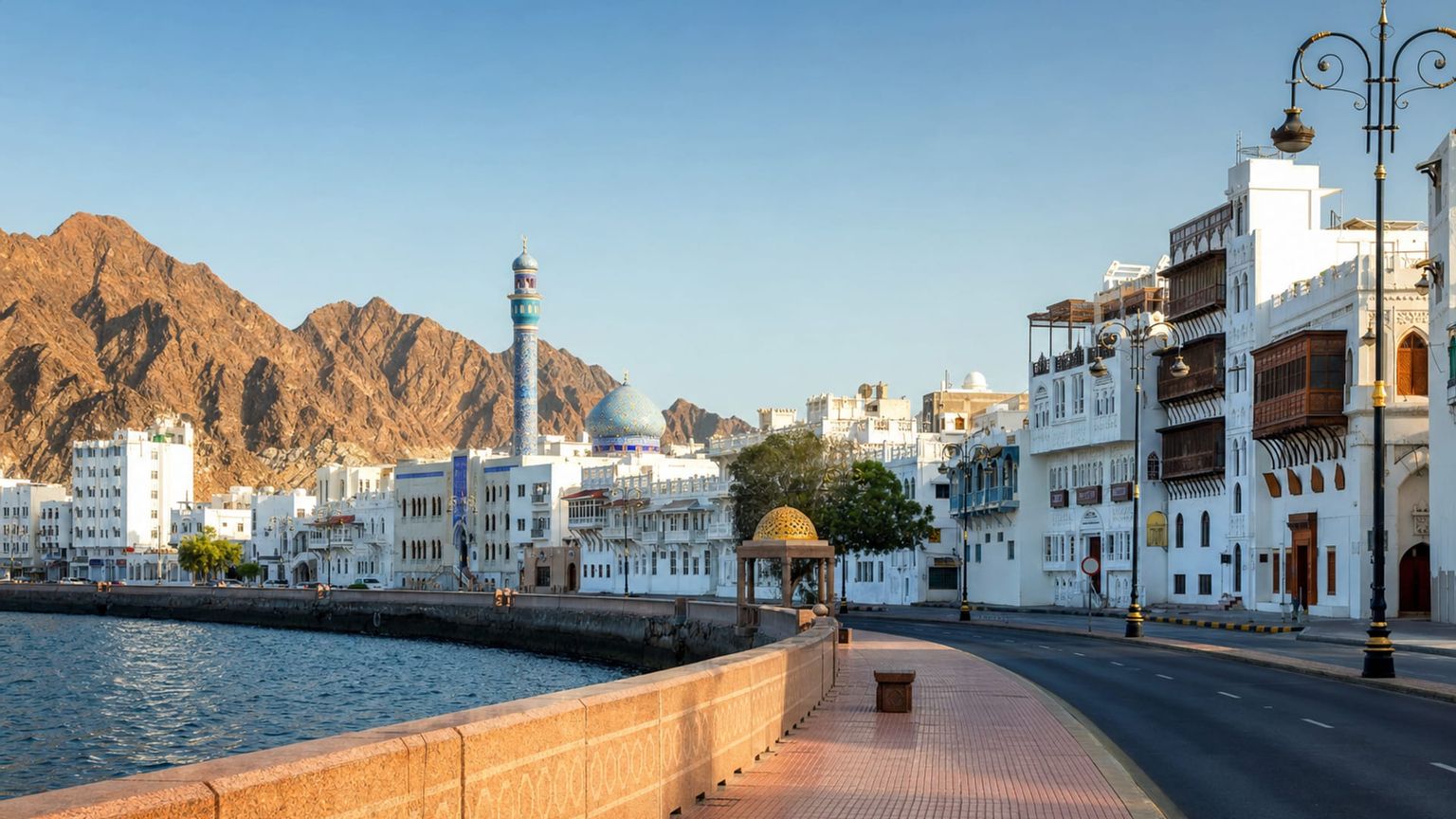
Mutrah is Muscat’s historic harbor district, home to the corniche, souq, and older waterfront streets. It is important for travelers who want the city’s most atmospheric core and easy access to the port side of the capital.
Best for: First-time sightseeing, harbor walks, and travelers who want historic atmosphere
What to expect: Busy daytime lanes, waterfront promenades, and a lively stream of shoppers, taxi traffic, and evening walkers.
Hotel prices: Usually about $60 to $160 per night for well-rated stays
Distance to major sights: On foot to Mutrah Souq and the Corniche; about 20 to 30 minutes by car to the Royal Opera House
Quietness: Active through the day and early evening, then much quieter late at night.
Main trade-off: You gain the easiest access to the souq and corniche, but lodging choices are narrower and some streets are hilly.
Good to know: If you plan early mornings or late dinners, confirm hotel parking or taxi access, because the old streets can slow curbside pick-ups.
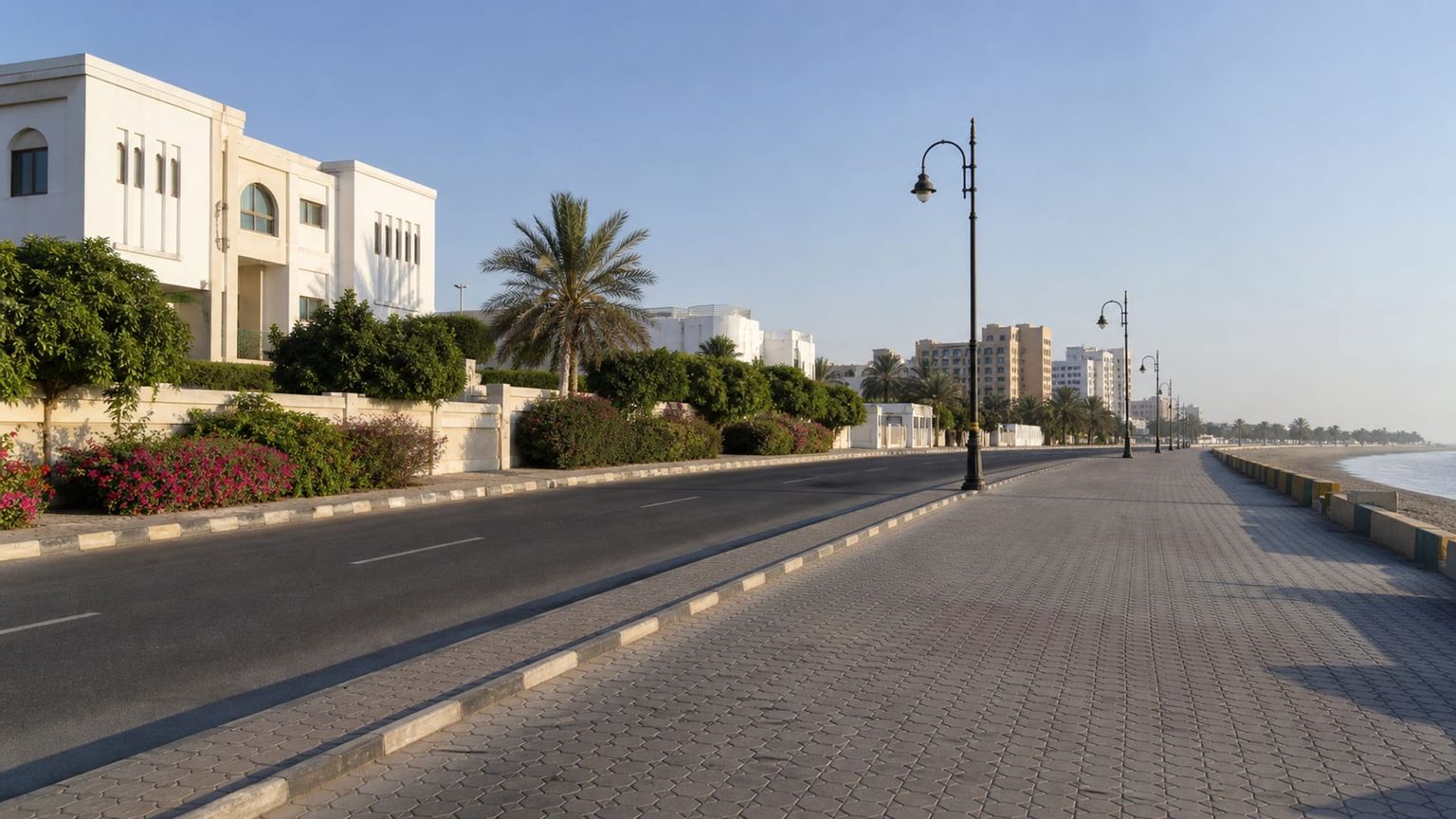
Qurum is a large residential and commercial district east of central Muscat, with malls, cafes, parks, and embassies. It works well for visitors who want a practical base with a broad choice of hotels and a position between downtown sights and the coast.
Best for: Families, longer stays, shopping, and travelers who want room to move between city areas
What to expect: Active main roads, neighborhood cafes, and a local daytime pace that quiets somewhat after dinner.
Hotel prices: Usually about $80 to $220 per night for well-rated stays
Distance to major sights: About 10 to 15 minutes by car to the Royal Opera House and 20 to 25 minutes to Mutrah Souq
Quietness: Busiest during the day near malls and offices, quieter in the late evening on residential streets.
Main trade-off: You will be close to many daily conveniences, but the district is spread out, so short trips often require a car.
Good to know: Pick a hotel near Qurum Beach or the main mall area if you want to reduce taxi use, because the district covers a wide area.
Travelers usually avoid staying in Ruwi, because it sits inland from the main beach and corniche areas and is better for business than sightseeing. They also tend to skip Seeb and Al Khuwair for short leisure stays, since both are farther from Muttrah and Old Muscat, and evening travel back from the city center can take time; Ghubra is less convenient for visitors who want to walk to major sights, and Qurum is mainly better when you want a beach area with more hotel choice than direct access to the historic core.
Hotel deals
How to get around Muscat efficiently
Muscat has no metro, so buses, taxis, and ride apps do most of the work, with Mwasalat connecting the airport and main districts while licensed taxis fill the gaps between neighborhoods.

Metro
for longer distances
Muscat has no metro, so visitors rely on roads, buses, and taxis instead.

Bus and tram
for convenience
Mwasalat buses link Muscat International Airport (MCT) with central Muscat, Muttrah, and other key districts, with fares that are typically about $1 to $3 (roughly 0.4 to 1.2 OMR). Tickets usually cover a single ride, and airport-to-city trips can take about 40 to 60 minutes, depending on traffic. Services are limited compared with larger capitals, so check the timetable before you go and expect longer waits in the evening and on Fridays.

Taxi
for convenience or late hours
Licensed orange-and-white taxis use metered fares in Muscat, and airport trips often start with a fixed airport pickup charge before the meter runs. A ride from Muscat International Airport (MCT) into central Muscat usually costs about $15 to $30 (roughly 6 to 12 OMR), while shorter cross-town trips often fall near $5 to $12 (roughly 2 to 5 OMR). Most taxis take cash, and some drivers accept card payments, although cash is safer to carry.
*Prices are based on rates updated as of June 2026 and may change at the time of travel.
Use buses for low-cost airport or cross-town rides, taxis for direct point-to-point trips, and walking mainly in Mutrah, where the Corniche and souq sit close together.
Iconic landmarks
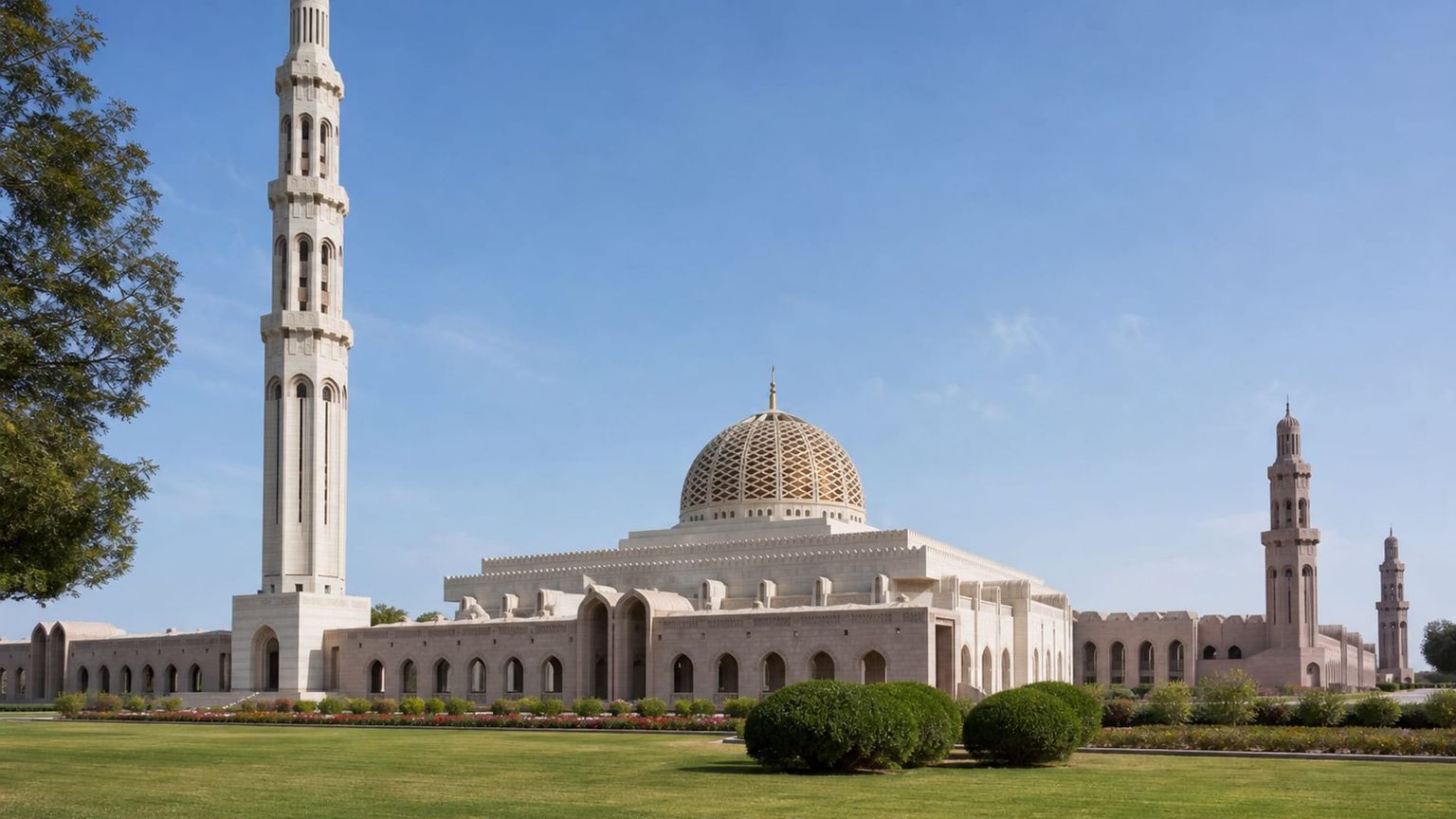
Sultan Qaboos Grand Mosque
Oman’s largest mosque opens its marble courtyards, prayer hall, and handwoven carpet to visitors outside prayer times. The main dome, carved prayer screens, and landscaped grounds make it one of Muscat’s defining landmarks.
Time needed: About 1 to 2 hours
Entry: Free to access; visitors outside worship hours can enter the mosque complex and main public areas without a ticket Visit the official site for details.
Tip: Visit early morning for cooler temperatures and quieter courtyards before tour groups arrive.
Royal Opera House Muscat
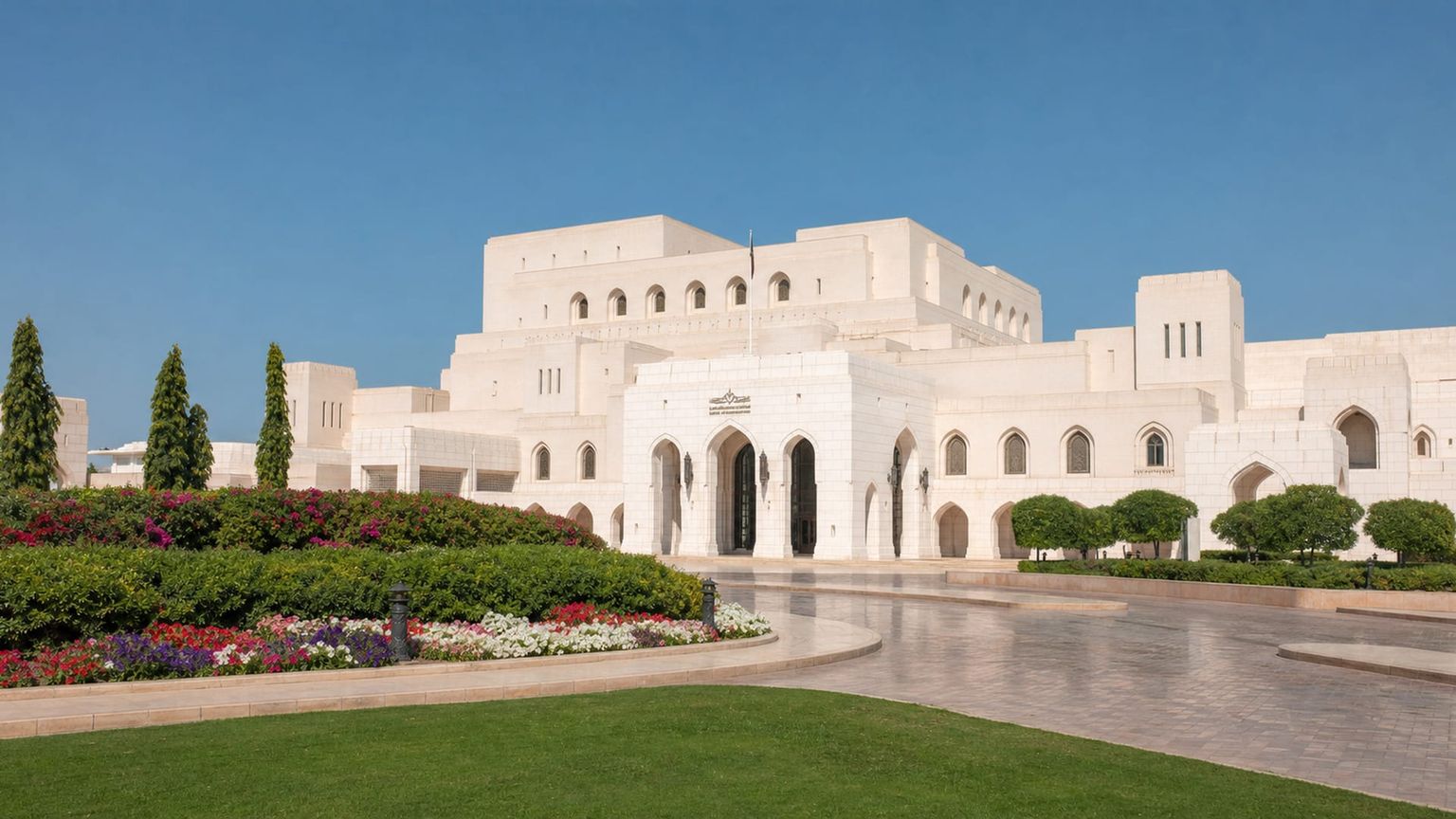
This modern opera house anchors Muscat’s cultural district with Omani stonework, carved cedar ceilings, and a concert hall that hosts opera, ballet, and orchestral performances. Guided visits reveal the lobby, auditorium, and music hall.
Time needed: About 1 to 2 hours
Entry: Guided tours and performance tickets typically cost $10 to $40 ($10 to 40 OMR), depending on the program and season Visit the official site for details.
Tip: Go in the late morning if you want a tour before evening performance crowds arrive.
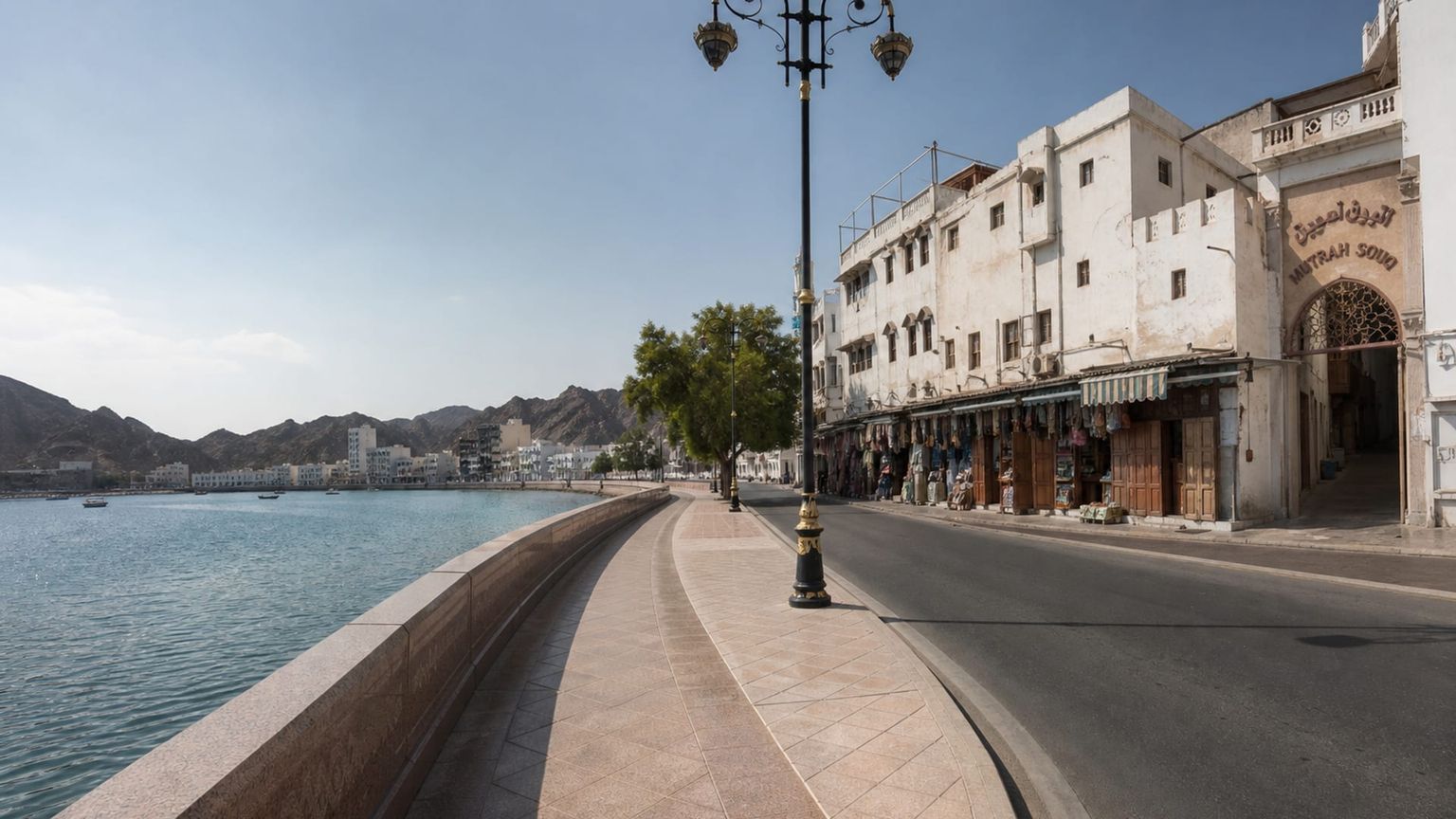
Mutrah Corniche and Mutrah Souq
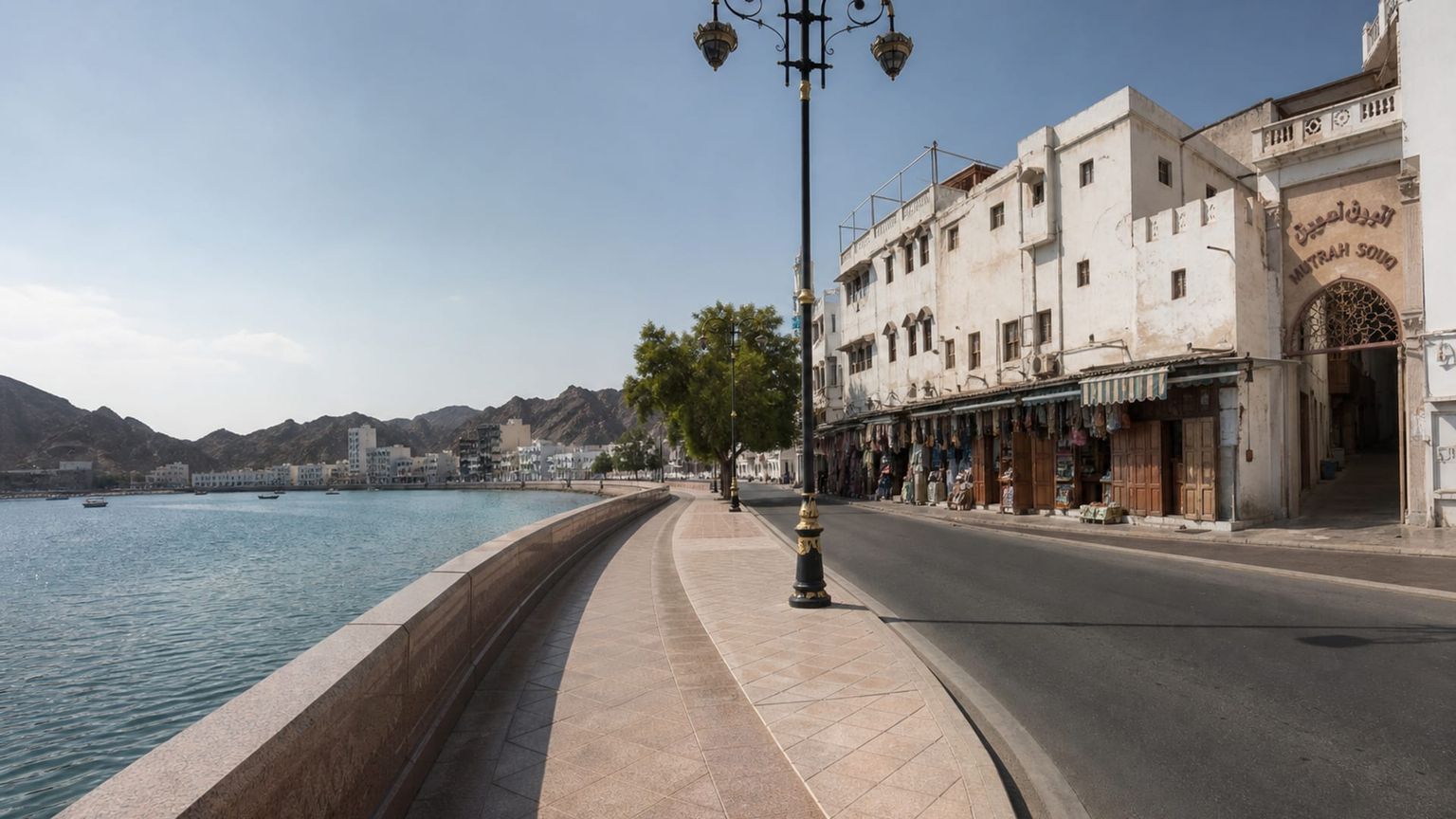
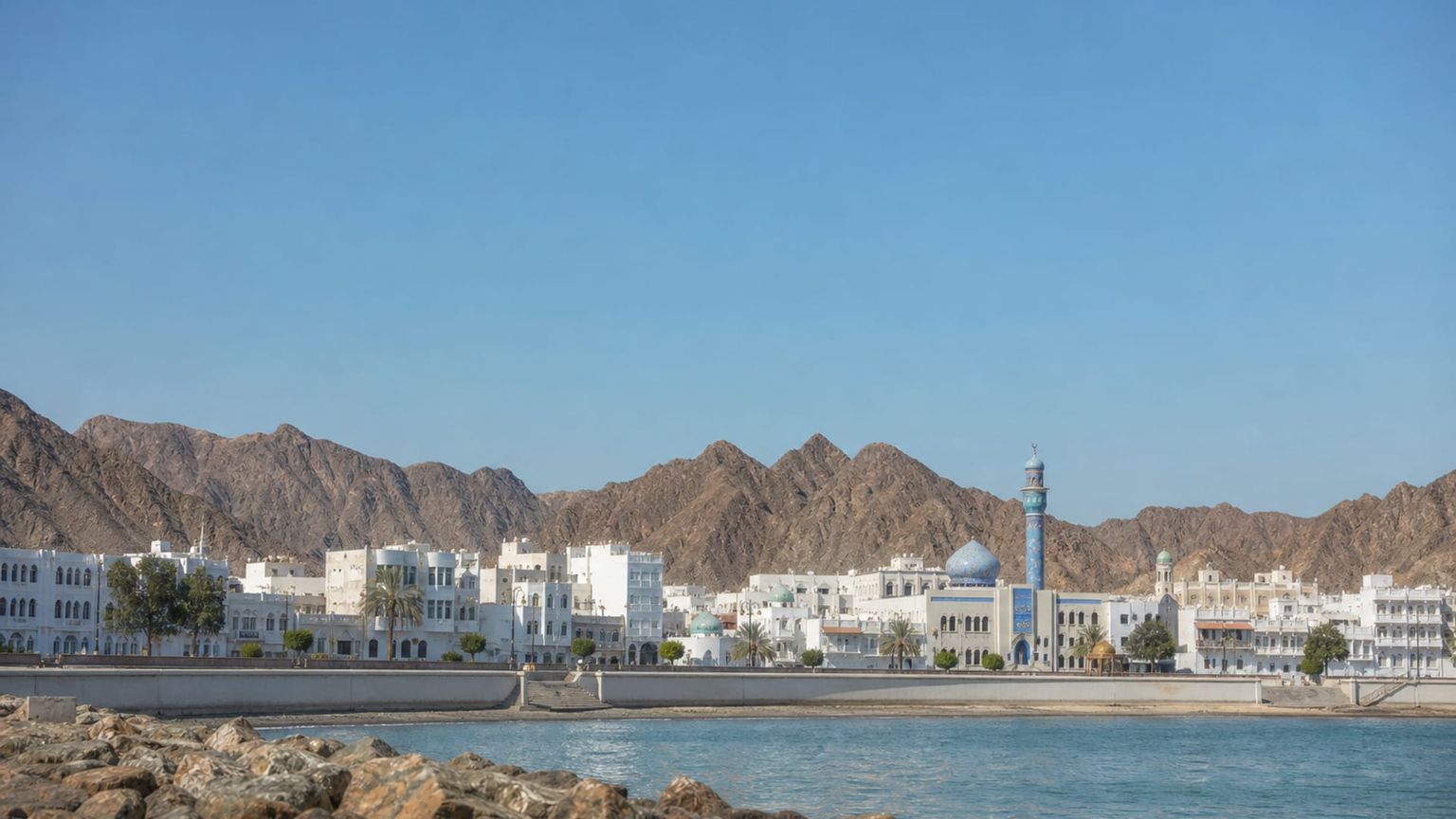
The waterfront promenade curves past old harbor views, whitewashed buildings, and the fish market, then leads into Mutrah Souq’s lanes of frankincense, silver, textiles, and spices. It is the city’s clearest blend of sea, trade, and everyday life.
Time needed: About 2 to 3 hours
Entry: Free to access; shopping costs vary, and parking near the corniche usually costs about $1 to $3 ($1 to 3 OMR)
Tip: Come near sunset, when the corniche light softens and the souq lanes stay active after the heat eases.
Overlooked sites worth visiting

Qurm Natural Park
This mangrove-fringed park on the Qurm waterfront has boardwalks, lawns, and birdwatching without heavy traffic. Go at low tide for better views across the creek and quieter paths.
Time needed: About 1 to 2 hours
Entry: Free to access; there is no admission fee for the park grounds, and you can visit the walking paths, picnic lawns, and creekside edges at no cost. Parking nearby may be metered in peak hours.
Tip: Visit near sunset for softer light on the creek.

Sultan's Armed Forces Museum
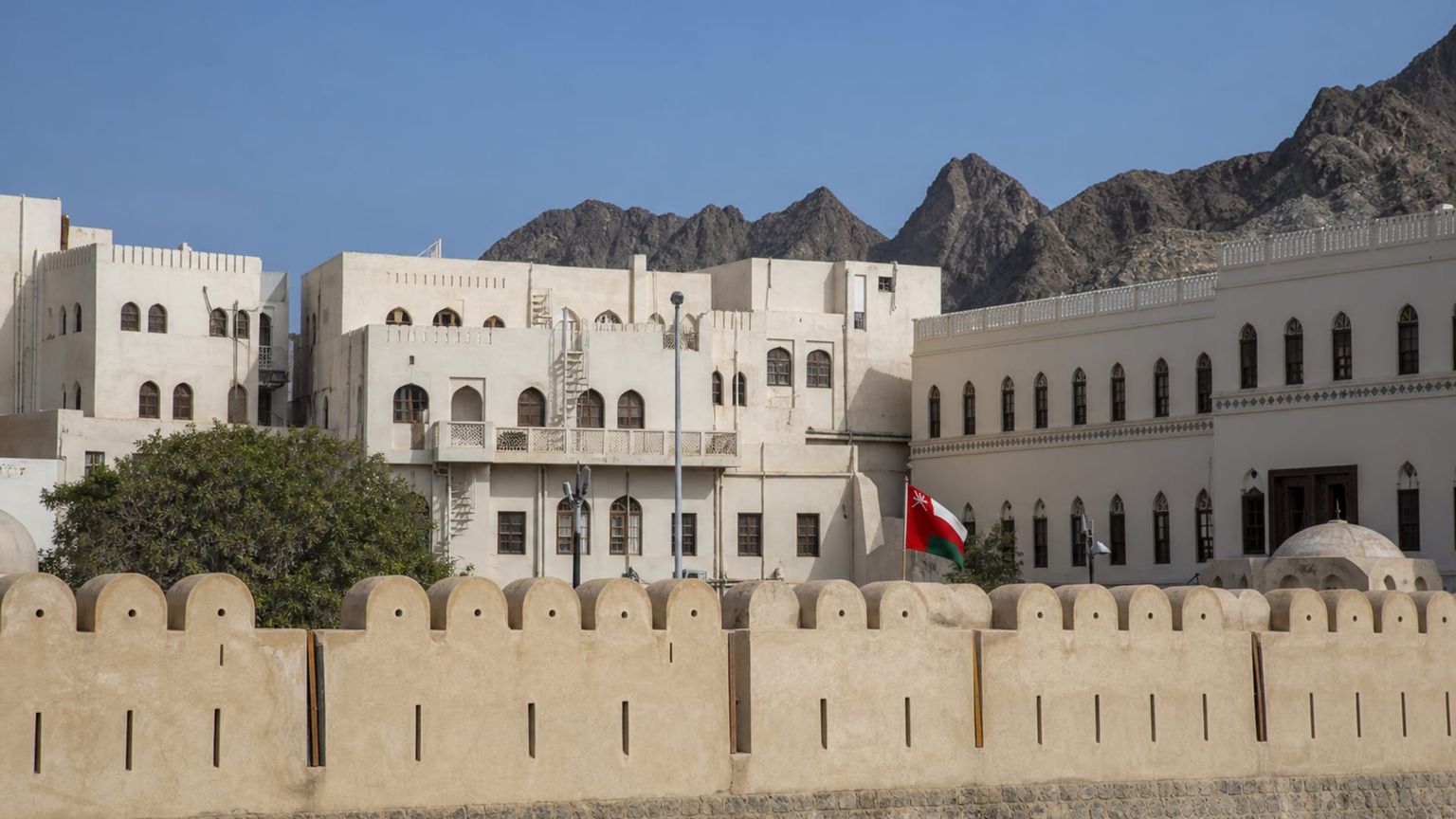
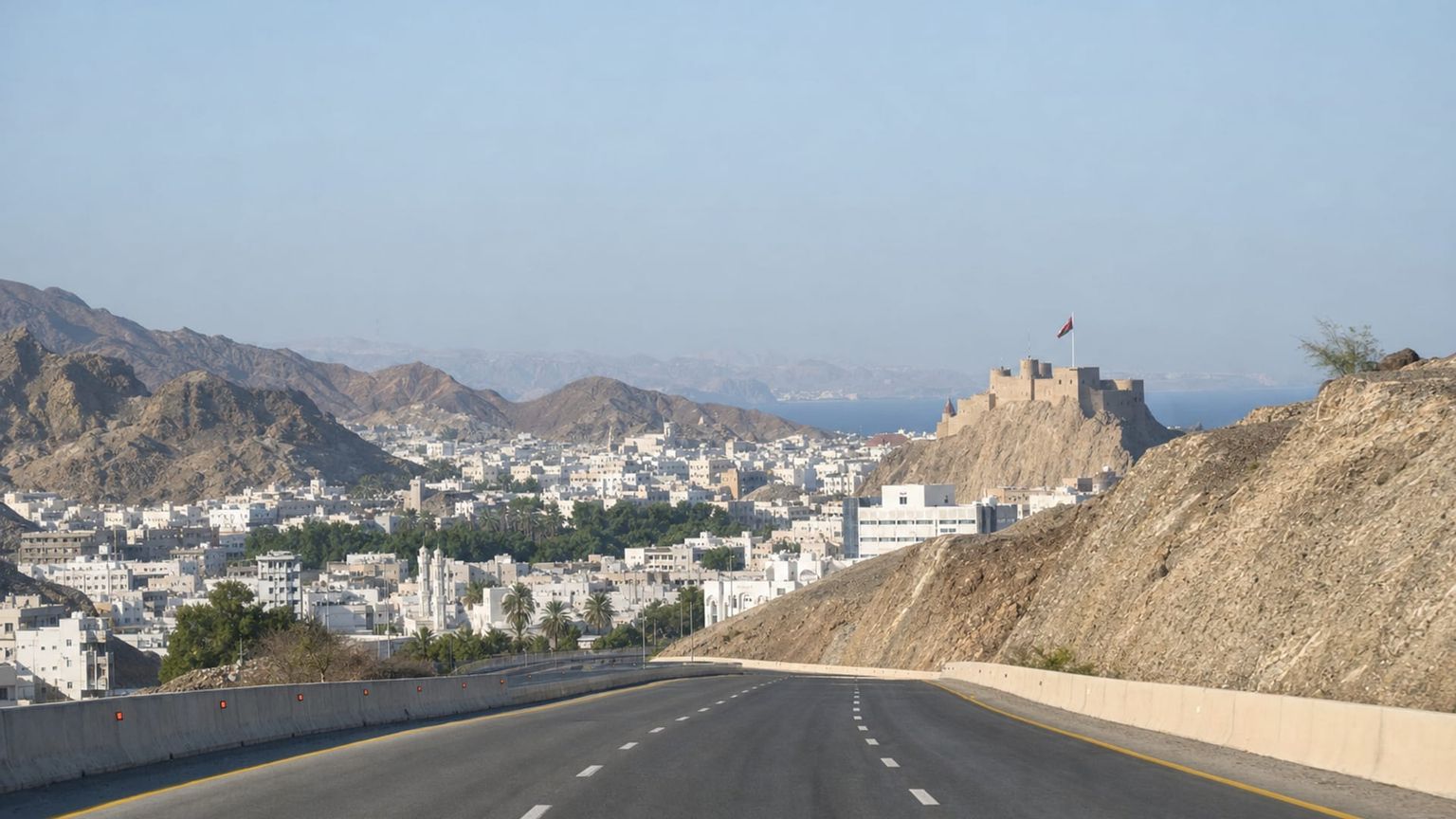
Housed in a 19th-century fort, this compact museum traces Oman’s military history through uniforms, weapons, and maps. The courtyard and stone rooms make it a quick cultural stop in central Muscat.
Time needed: About 45 minutes to 1 hour
Entry: Admission costs about $5 ($1.30 OMR) for adults, with lower rates for children and Omani nationals. Tickets are sold at the entrance, and the museum opens only during posted visiting hours. Visit the official site for details.
Tip: Check opening hours before you go, they can shift seasonally.
Traditional food
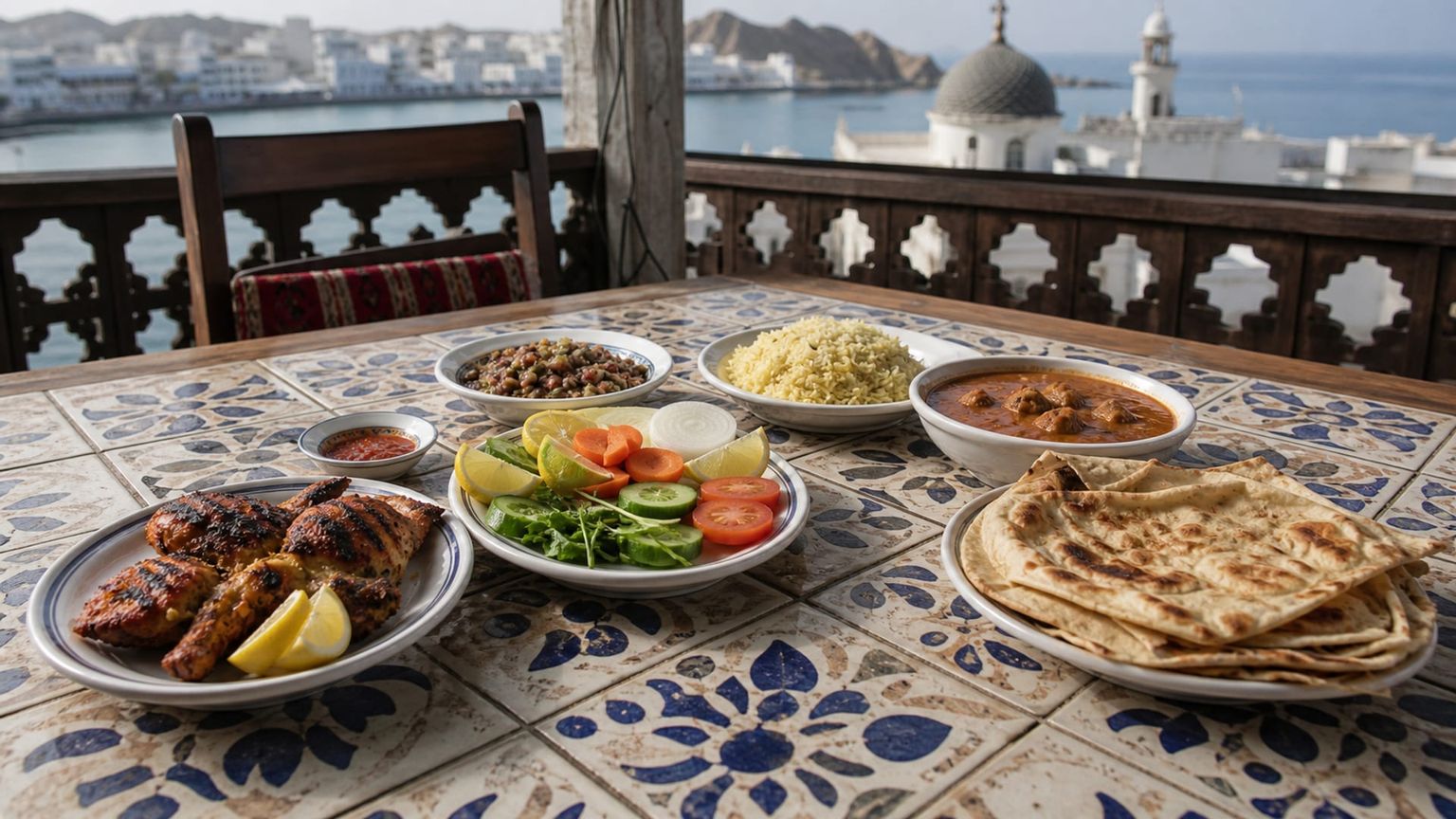
Muscat’s table leans on rice, lamb, seafood, and slow seasoning, so shuwa, majboos, harees, and mashuai appear in meals that favor spice, charcoal, and shared plates over elaborate presentation.
Shuwa
This slow-cooked lamb, wrapped and roasted until tender, is one of Oman’s defining dishes. For a canonical Muscat meal, try it at Al Angham in the Royal Opera House district, where the setting matches the dish’s ceremonial style.
Majboos
Majboos layers spiced rice with meat or fish, so the aroma carries much of the appeal. Bait Al Luban in Mutrah serves a well-known version in a harbor setting that suits the dish’s coastal, family-style roots.
Harees
Harees brings cracked wheat and meat together into a soft, substantial dish that often appears during cooler months and holiday meals. Kargeen Caffe in Qurum is a dependable place to try it in a relaxed garden setting.
Mashuai
Mashuai centers on grilled kingfish, usually with rice and lemon, and it shows how closely Muscat dining tracks the sea. The Beach Restaurant at Chedi Muscat is a strong choice for a refined version near the water.
Best time to visit Muscat
Muscat stays hot for much of the year, but winter brings the most comfortable walking weather, while summer shifts sightseeing toward early mornings, taxis, and longer indoor breaks.
Best for: Best for mosque visits, Mutrah walks, and outdoor time in the coolest weather
What you get: About 63 to 82°F (17 to 28°C), with the busiest sightseeing weeks and the easiest conditions for walking
Trade-offs: Hotel prices can rise, and popular sites draw more visitors
Best for: Best for balanced days that still suit early sightseeing and beach time
What you get: About 73 to 97°F (23 to 36°C), with moderate crowds before peak heat settles in
Trade-offs: Late spring heat arrives quickly, especially away from the coast
Best for: Best for lower hotel rates and indoor-focused plans
What you get: About 86 to 104°F (30 to 40°C), with lighter daytime crowds and more air-conditioned downtime
Trade-offs: Midday walking becomes difficult, and outdoor visits need careful timing
Best for: Best for easing back into outdoor sightseeing and harbor evenings
What you get: About 77 to 95°F (25 to 35°C), with improving conditions and a gradual return of visitors
Trade-offs: Heat can still linger into early autumn, especially in September
A realistic 5-day plan in Muscat
A five-day Muscat stay works well when you separate the city by corridor: first the arrival zone, then the east-side cultural stops, then Mutrah’s harbor and souq, followed by a park or museum pairing, and finally a departure day close to your hotel.
Land at Muscat (MCT) and arrange a taxi or hotel car to Al Khuwair, Qurum, or Shatti Al Qurum, depending on where you are staying, because the ride usually takes about 20 to 35 minutes and costs roughly $15 to $25. After check-in, keep the evening close to your hotel, drink plenty of water, and head to a simple dinner spot in Al Khuwair or a seaside restaurant in Shatti Al Qurum if you want an easy first meal without crossing town.
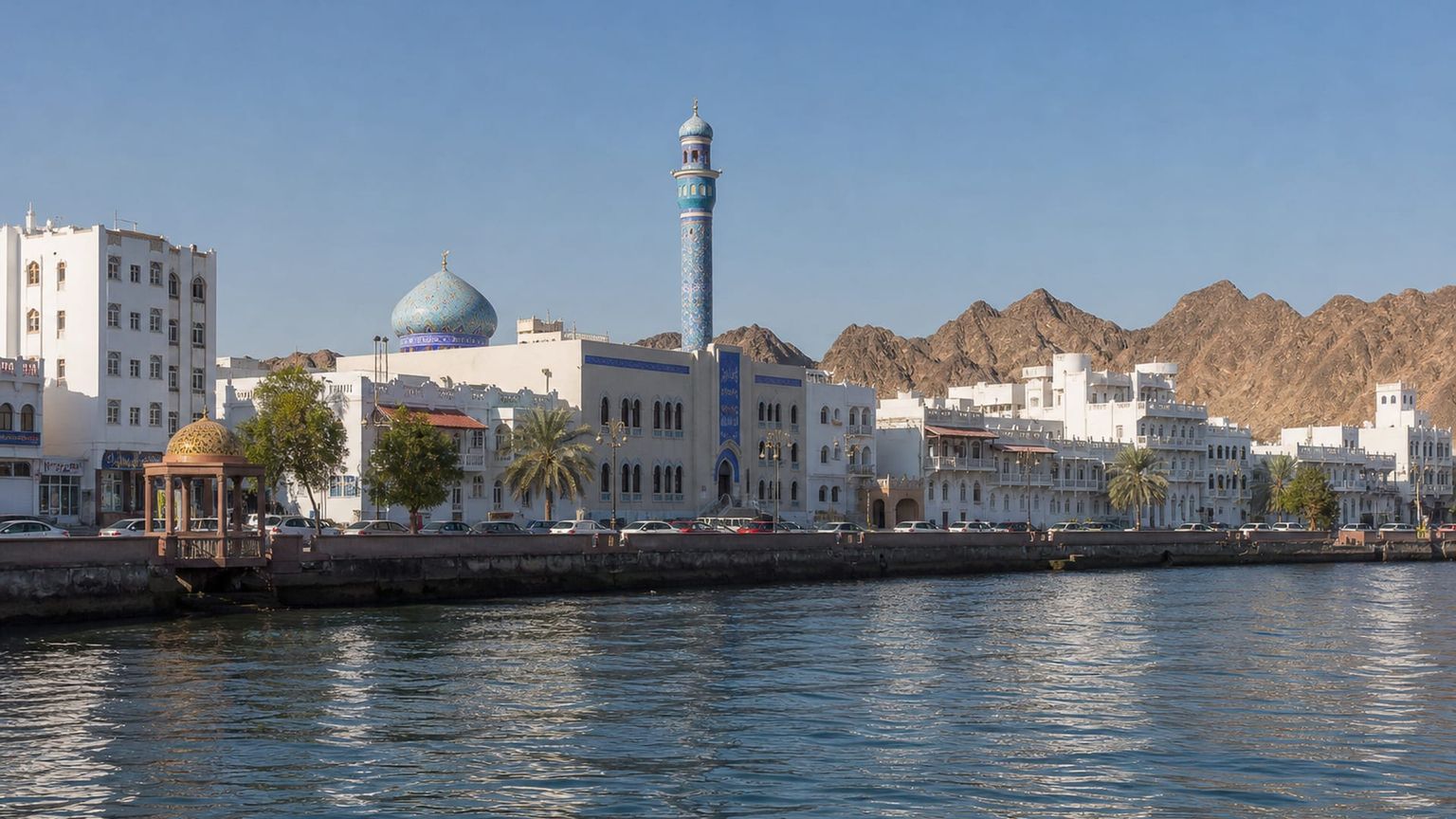
Begin at the Sultan Qaboos Grand Mosque in the early morning, when the courtyards are cooler and quieter, then take a taxi to the Royal Opera House Muscat, about 15 to 20 minutes away, for a guided visit or a late-morning stop. After that, continue by taxi to Qurum Natural Park in about 10 minutes for a shaded walk along the creek, then finish with dinner in Qurum or back in Shatti Al Qurum, where the coastal road keeps evening movement simple.
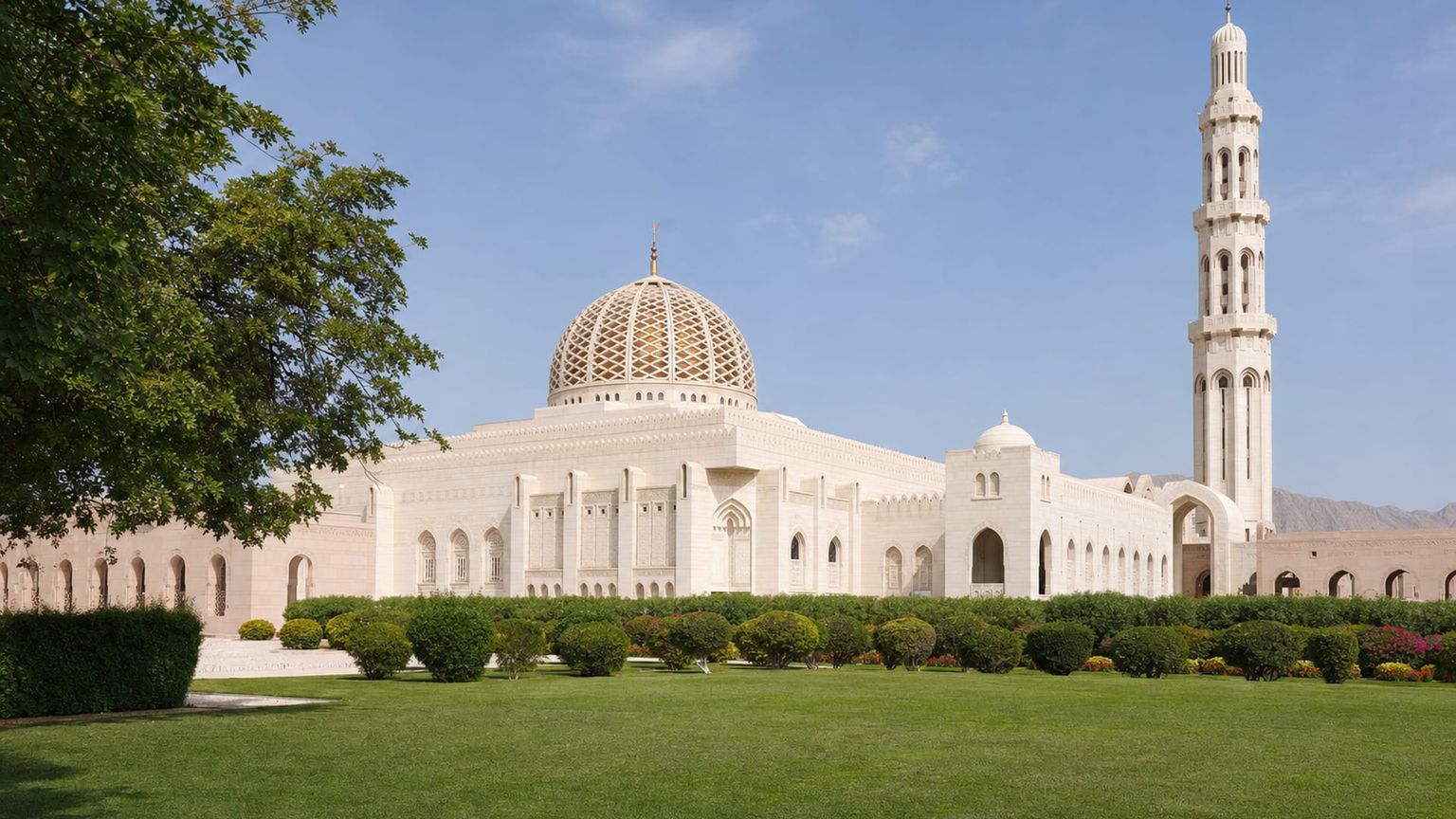
Start in Mutrah, where the Corniche and Mutrah Souq sit within walking distance of each other, so you can move from the waterfront to the market lanes without needing transport. Spend about 2 to 3 hours between the promenade, the harbor views, and the souq, then take a taxi about 15 to 20 minutes to the Sultan’s Armed Forces Museum for a short afternoon visit before returning to Mutrah for dinner near the waterfront.
A good fourth day pairs Muscat’s cultural district with a quieter park stop: begin at the Royal Opera House Muscat in the late morning, then take a taxi about 10 minutes to Qurm Natural Park for a slower walk on the boardwalks and creekside paths. From there, it is usually about 15 minutes by car to a hotel or dinner table in Qurum, which makes an easy finish after a day centered on the city’s east side.
Before you head to Muscat (MCT), fit in one last museum stop at the Sultan’s Armed Forces Museum if you want a compact cultural visit, then turn to shopping in Mutrah Souq for frankincense, silver, and textiles. If your flight leaves later in the day, end with coffee in Qurum or a beachfront cafe in Shatti Al Qurum, keeping the last hours near your hotel so your transfer to the airport stays simple.
Business-class flights from the US to Muscat
Long-haul flights to Muscat usually connect through Gulf or European hubs, so it helps to compare both nonstop times and the layover pattern before you choose a fare. The East Coast and West Coast examples below show how the route shape changes by origin.
From New York, Oman Air, Qatar Airways, Emirates, Turkish Airlines, Etihad Airways, and Lufthansa all appear on the route list, and nonstop flying takes about 13 to 14 hours. If you connect, common hubs include DOH, DXB, AUH, IST, FRA, and MUC, with total travel time often landing between 16 and 22 hours. Round-trip fares start at about $4,500 and can reach $8,500.
Los Angeles travelers usually see Qatar Airways, Emirates, Turkish Airlines, Etihad Airways, Lufthansa, and Oman Air on the route map, and the nonstop trip runs about 15 to 16 hours. Round-trip business fares from Los Angeles usually run from $4,800 to $9,000.
Muscat feels different when you slow down
A deliberate Muscat trip gives you time to move by district, not by checklist, so the Grand Mosque fits an early start, Mutrah rewards a late walk, and Qurum or Shatti Al Qurum gives you an easy place to end the day over dinner. Taxis do the heavy lifting, while short walks make sense in the harbor and along the Corniche. For a trip shaped this way, talk with AranGrant experts and line up the neighborhood that matches your pace







