

Chapters:

Need help with your trip?
Our support team is available 24/7. Request a callback or call us directly at (833) 619-0908
Longyearbyen trips often follow the same arc, land at LYR, check into the center, and squeeze in the museum and church before the next transfer. Many visitors still miss how much weather and daylight shape that plan.
The distances are short, but not casual. An uphill walk to Svalbard Church, a winter crossing to Nybyen, or a late return after dinner can take more time and planning than first impressions suggest, especially when roads are icy.
This guide orders the city by arrival, core sights, meals, seasons, and departure, so each day has a clear purpose and each transfer fits the town’s scale.
Useful things to know

Main language(s): Norwegian
hei (hi) – hello
vær så snill (vair soh shlill) – please
takk (tahk) – thank you
taler du engelsk? (tah-ler doo engelsk) – Do you speak English?
hvor mye koster det? (voor myeh kos-ter deh) – How much does it cost?

Currency: The local currency is the Norwegian krone (NOK, kr).

Cash and cards: Cards and contactless are widely accepted; carry about 100 to 200 NOK ($9 to $18) for small cash-only spots.

Tipping: Tipping is not expected; round up or leave about 5-10% for good restaurant service.

Traditional food: Reindeer stew, seal meat, smoked Arctic char, cloudberries

Water and coffee costs: Water about 30 to 40 NOK ($3 to $4), bar espresso about 40 to 55 NOK ($4 to $5).

Taxis and ride apps: No major ride-hail apps operate in Longyearbyen; use taxis or hotel transfers.

Plug and voltage: Type F socket, 230V

Dining and shop opening hours: Breakfast is about 07:00-10:00, lunch 12:00-14:00, and dinner 18:00-21:00. Many places close or cut back on Sundays and in the off-season.

Emergency number: Call 112 for police, 113 for ambulance, 110 for fire.
Where to stay in Longyearbyen
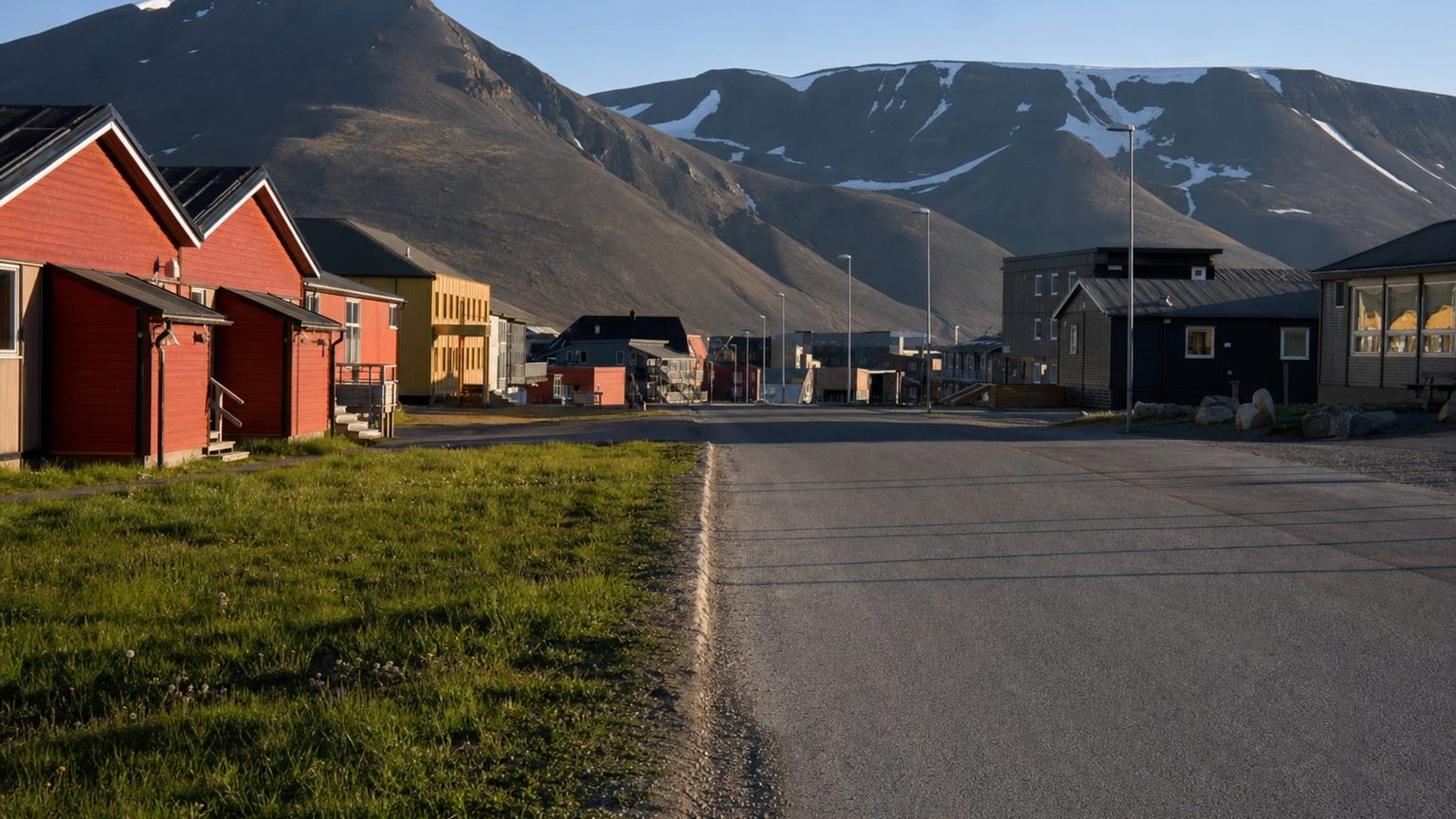
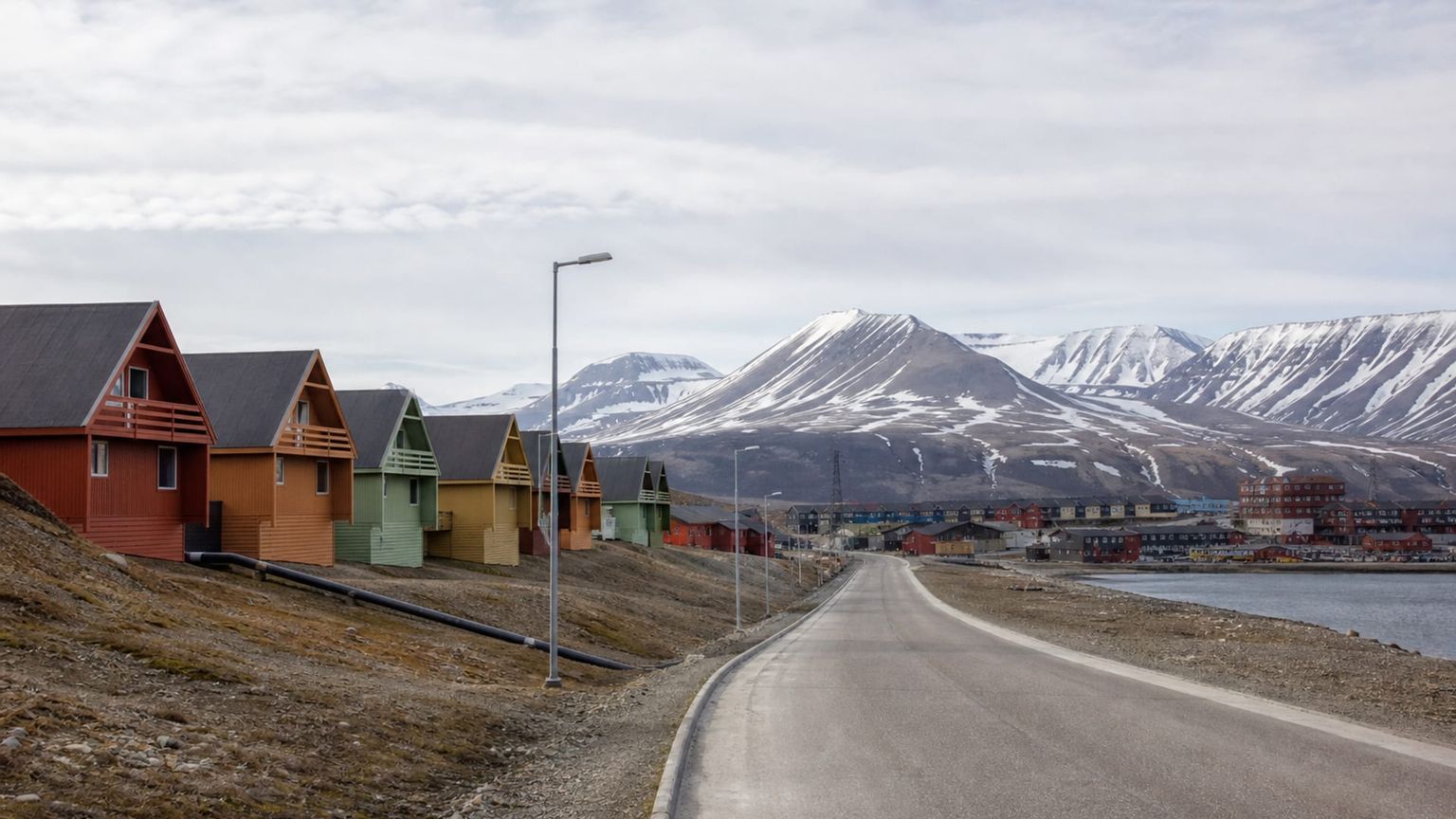
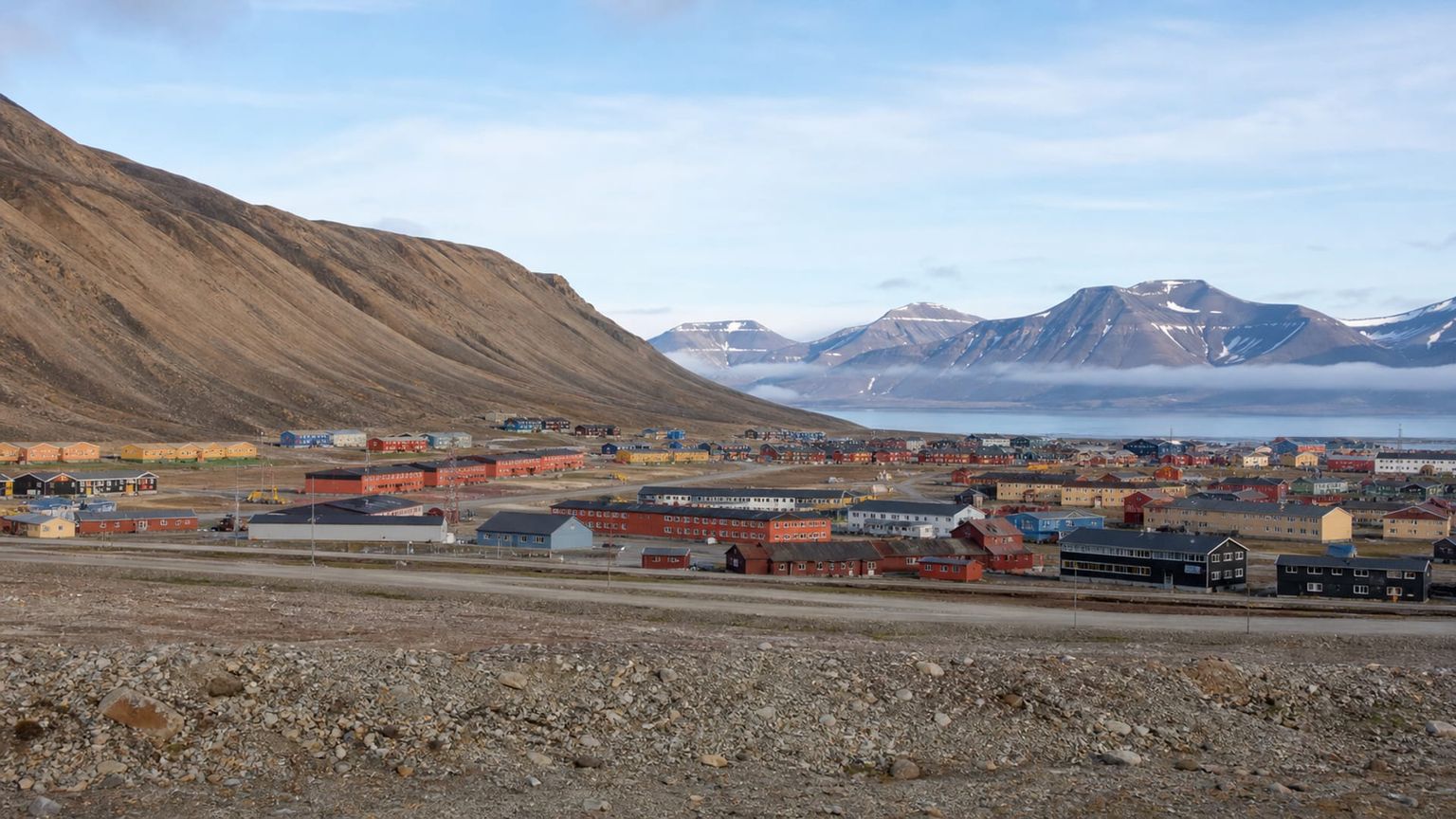
The main settlement core clusters around the harbor, the shops, museums, and most visitor facilities. Staying here puts you closest to buses, tours, and dining, which matters in a town where winter weather and short distances shape every outing.
Best for: First-time visits, dining, museums, and the easiest access to tour departures
What to expect: You will see the highest concentration of pedestrian activity in town, plus the most dining and tour traffic, especially around meal times and departure windows.
Hotel prices: Usually about $180 to $320 per night for well-rated stays
Distance to major sights: 5 to 15 minutes on foot to the Svalbard Museum and 10 to 20 minutes on foot to the waterfront
Quietness: Daytime is busy with visitors and tour pickups, while evenings settle down after restaurants close.
Main trade-off: Prices are the highest in town, and rooms can book out quickly in peak season.
Good to know: If you plan early starts or winter excursions, staying here reduces the need to move luggage in bad weather.
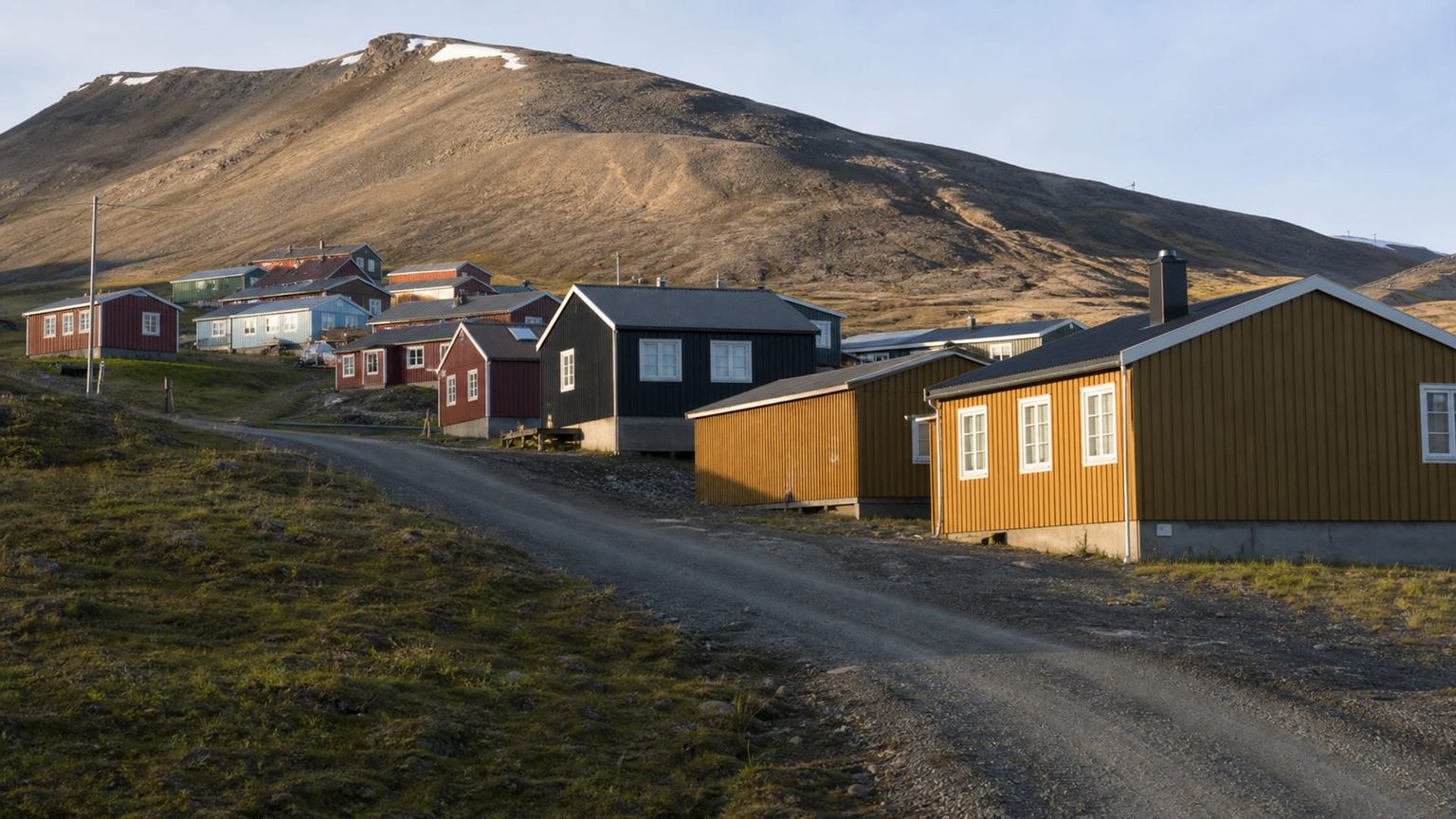
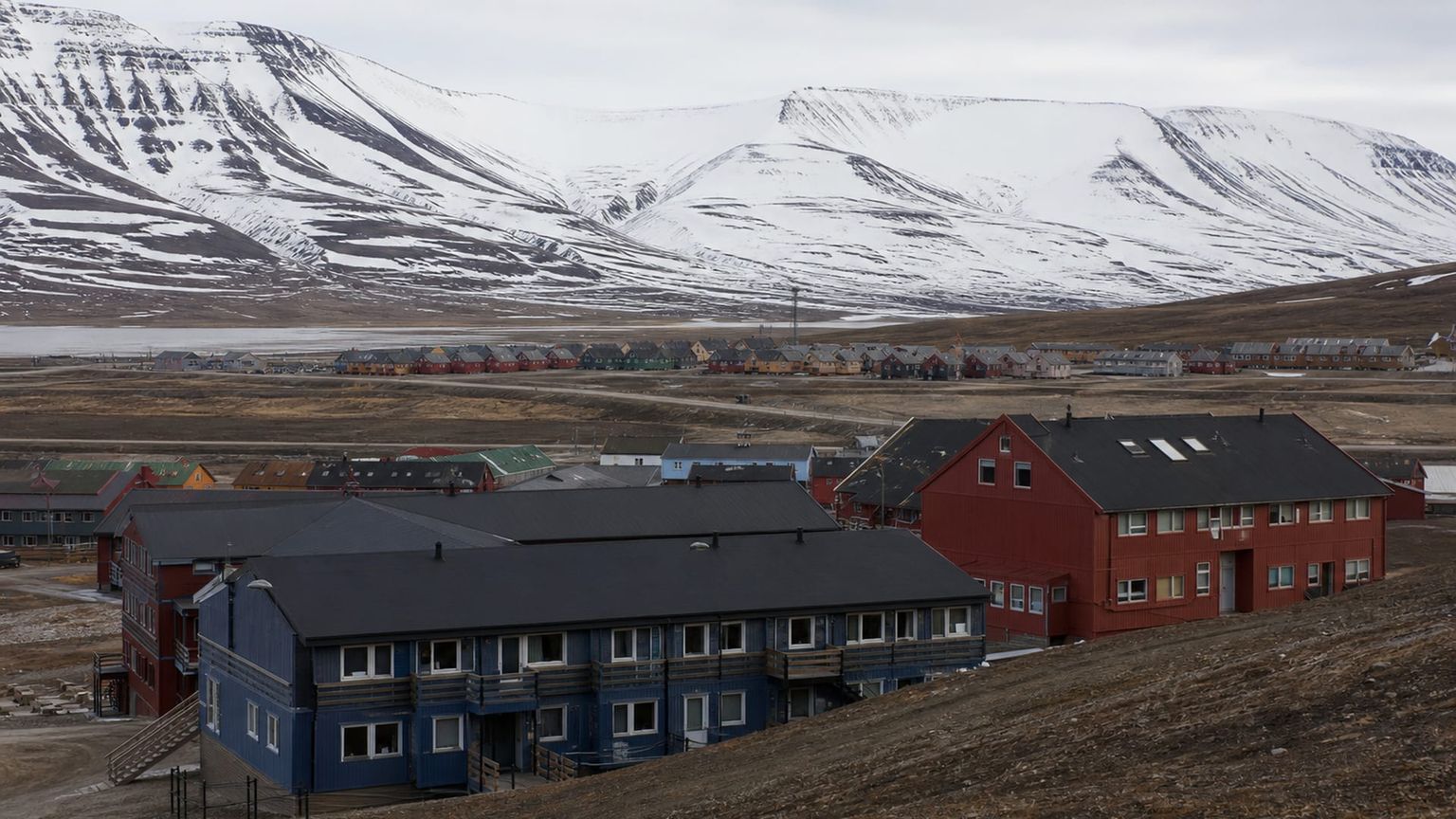
Nybyen sits above the center on the hillside and includes some of Longyearbyen’s most established lodging. It suits travelers who want a slightly removed base without leaving town, while still keeping the center close enough for meals and museums.
Best for: Travelers who want a quieter base, hillside views, and easy access to the town center
What to expect: Expect fewer pedestrians, more open space, and a residential feel, with occasional movement from guests heading to and from the center.
Hotel prices: Usually about $160 to $290 per night for well-rated stays
Distance to major sights: 15 to 25 minutes on foot to the Svalbard Museum and about 5 minutes by taxi to the center
Quietness: Daytime is calm with some guest movement, and evenings are notably quieter than the center.
Main trade-off: You will rely more on taxis or careful walking in winter, especially when roads are icy or dark.
Good to know: The uphill location can add effort after dinner, so check late-night transport before you book.
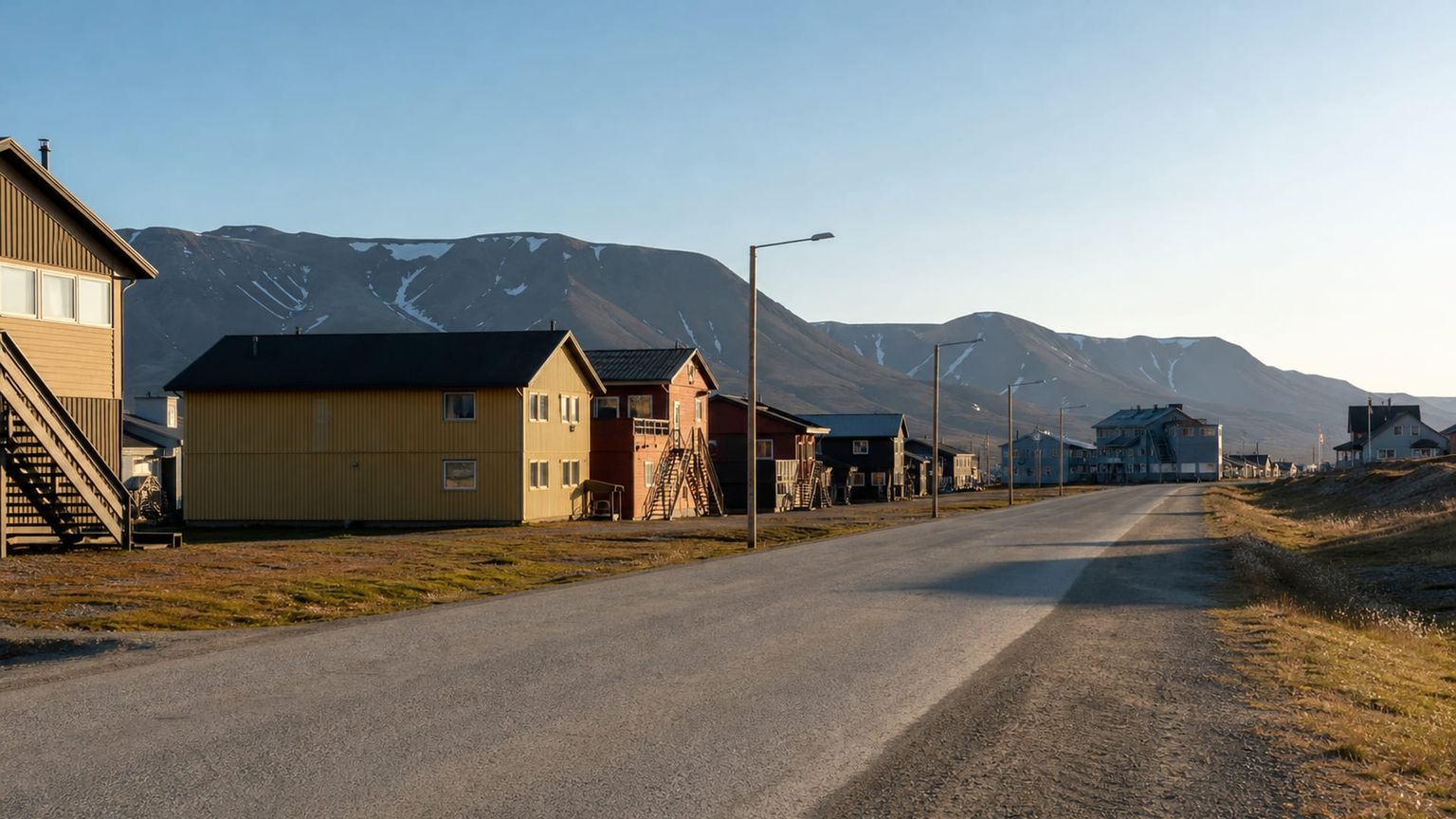
The east side of Longyearbyen holds residential streets and some guesthouses a short distance from the core. It works for travelers who want a local neighborhood setting while staying within easy reach of shops, the airport bus, and central dining.
Best for: Longer stays, travelers who prefer residential surroundings, and guests arriving by air
What to expect: Street activity is lighter than in the center, with mostly residents, guesthouses, and travelers moving between rooms and town.
Hotel prices: Usually about $150 to $260 per night for well-rated stays
Distance to major sights: 10 to 20 minutes on foot to the Svalbard Museum and about 5 to 10 minutes by taxi to the center
Quietness: Daytime is low-key, and evenings are quiet once people return indoors.
Main trade-off: Dining and nightlife sit farther away, so you may need to plan returns after dinner.
Good to know: Winter walks can feel exposed here, so a stay with arranged transfers is worth checking if you will arrive late.
Travelers usually avoid staying in Nybyen for a short visit, since it sits well south of central Longyearbyen and has fewer visitor amenities, which makes evening dining and errands less convenient. Bolterdalen is also less convenient because it lies far from the town center and major sights, while areas near Svalbard Airport (LYR) put you next to the runway rather than the main hotel cluster and restaurants.
Hotel deals
How to get around Longyearbyen efficiently
Longyearbyen has no metro or rail network, so your choices narrow to walking, airport buses, taxis, and the occasional arranged transfer.

Metro
for longer distances
Longyearbyen has no metro or suburban rail, so visitors move by walking, bus, and taxi instead. The airport lies about 3 miles from town, and the road corridor is short, with most trips taking just a few minutes by road.

Bus and tram
for convenience
Airport buses link Longyearbyen Airport (LYR) with central hotels and stops near the harbor, usually timed to scheduled arrivals and departures. Fares are roughly $10 to $15 (about NOK 110 to NOK 165), often valid for one trip only, and you should confirm the return timetable in advance because the network is limited.

Taxi
for convenience or late hours
Licensed taxis in Longyearbyen use metered fares, not fixed citywide flat rates, and the short airport ride typically costs about $25 to $40 (about NOK 275 to NOK 440), with late-night or extra luggage charges possible. You can call ahead or find cars near the airport and hotel areas, and most drivers accept cards as well as cash.
*Prices are based on rates updated as of June 2026 and may change at the time of travel.
Walk for the compact center, use the airport bus for the cheapest airport link, and choose a taxi when winter roads, luggage, or late hours make timing matter.
Iconic landmarks
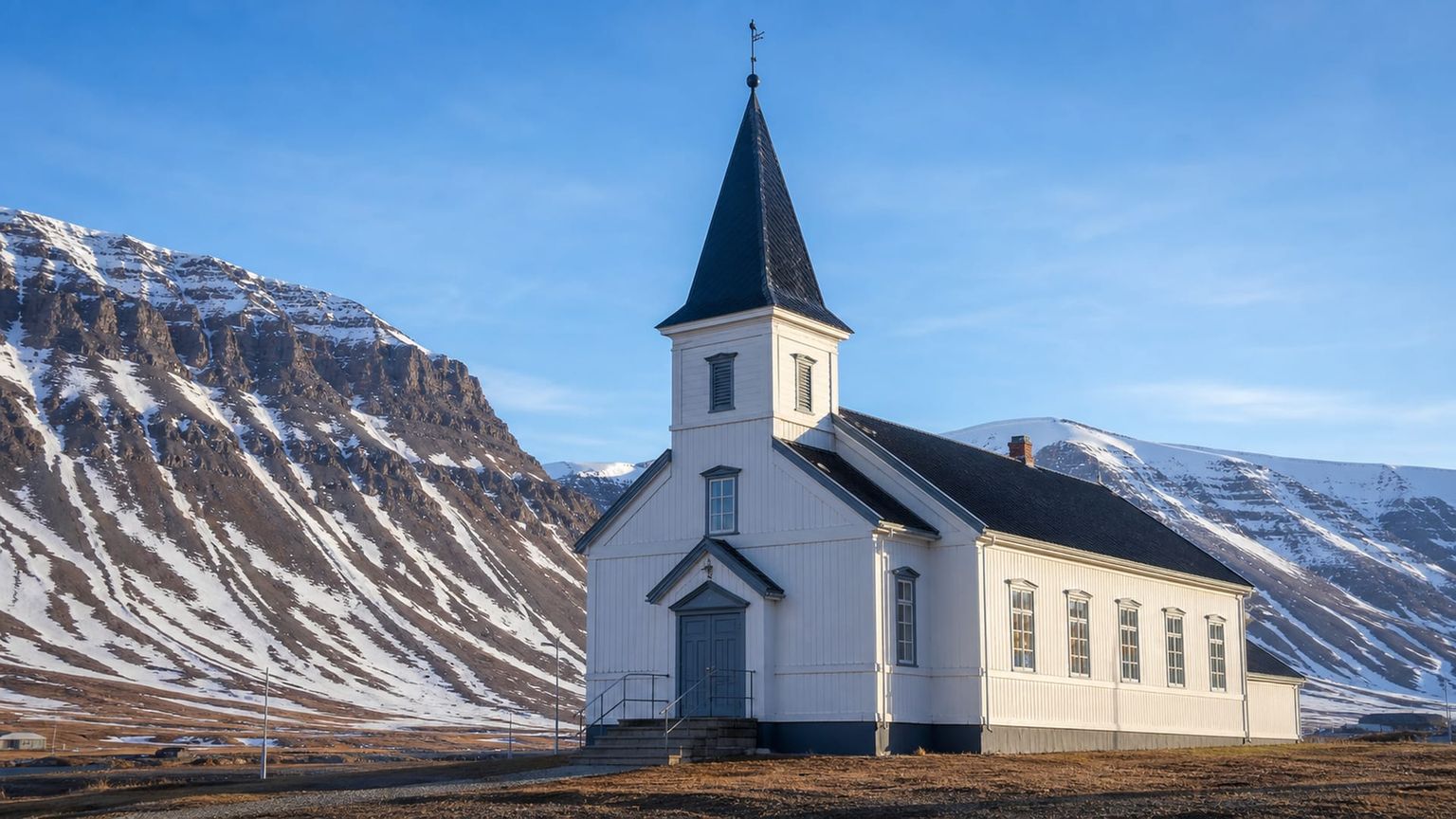
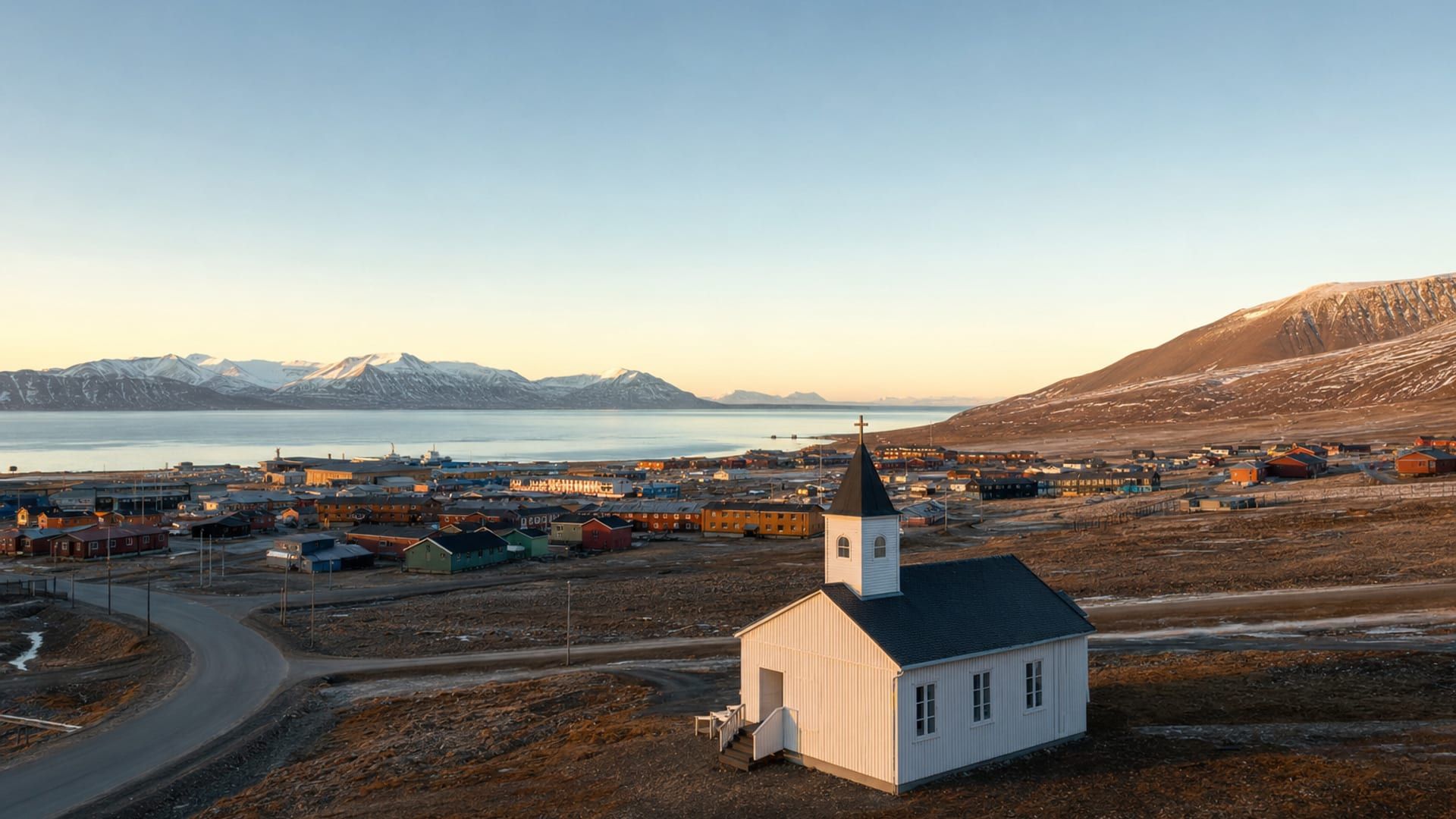
Svalbard Church
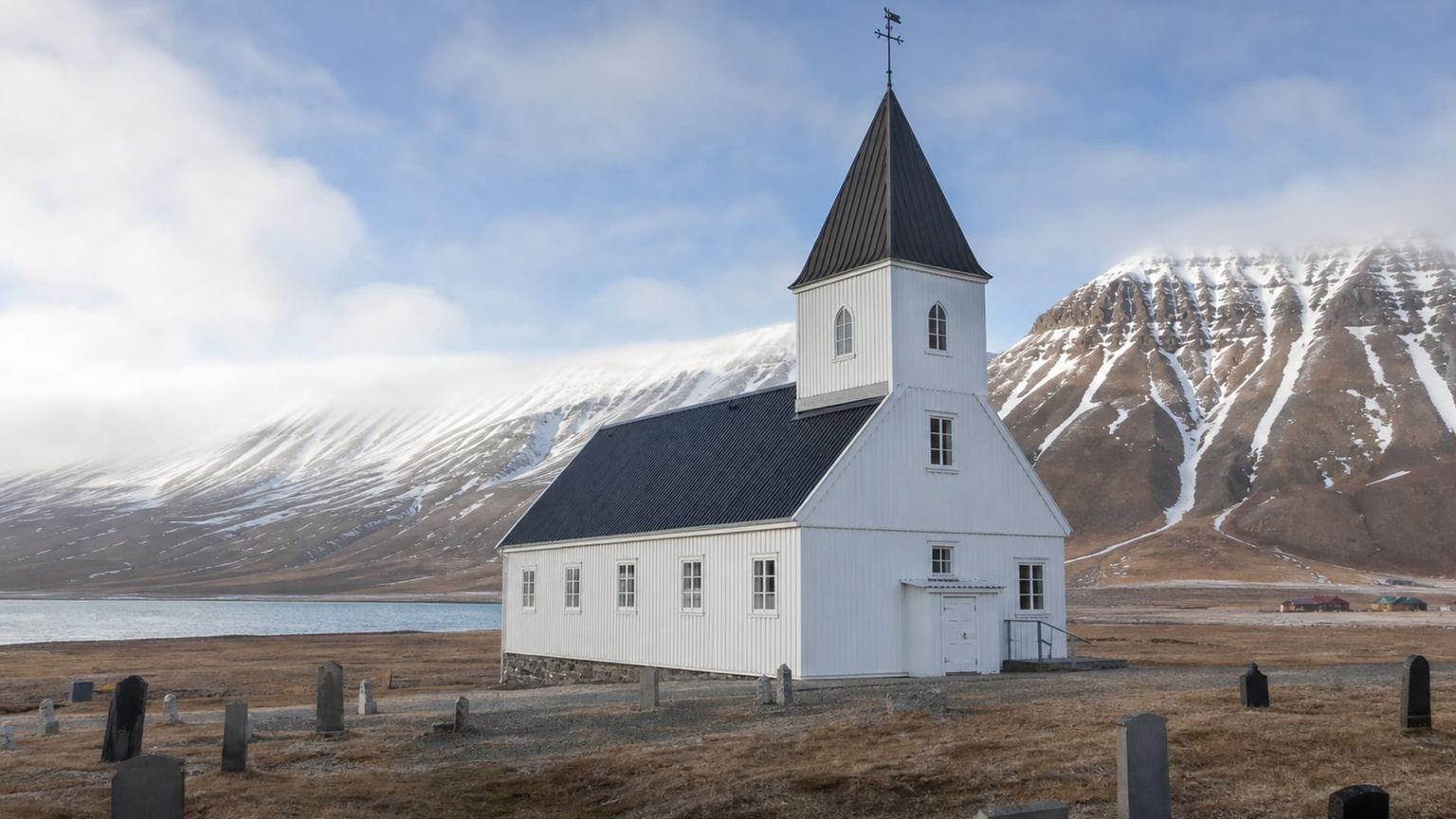
Longyearbyen’s red wooden church stands on the hillside above the center and still serves the local community. It anchors the small town’s history, with a plain interior, memorial objects, and views across Adventfjorden.
Time needed: About 30 to 45 minutes
Entry: Free to enter, donations are welcome, and visits follow posted opening hours plus any worship or event schedule. Visit the official site for details.
Tip: Go late in the day for soft light on the church and the hillside.
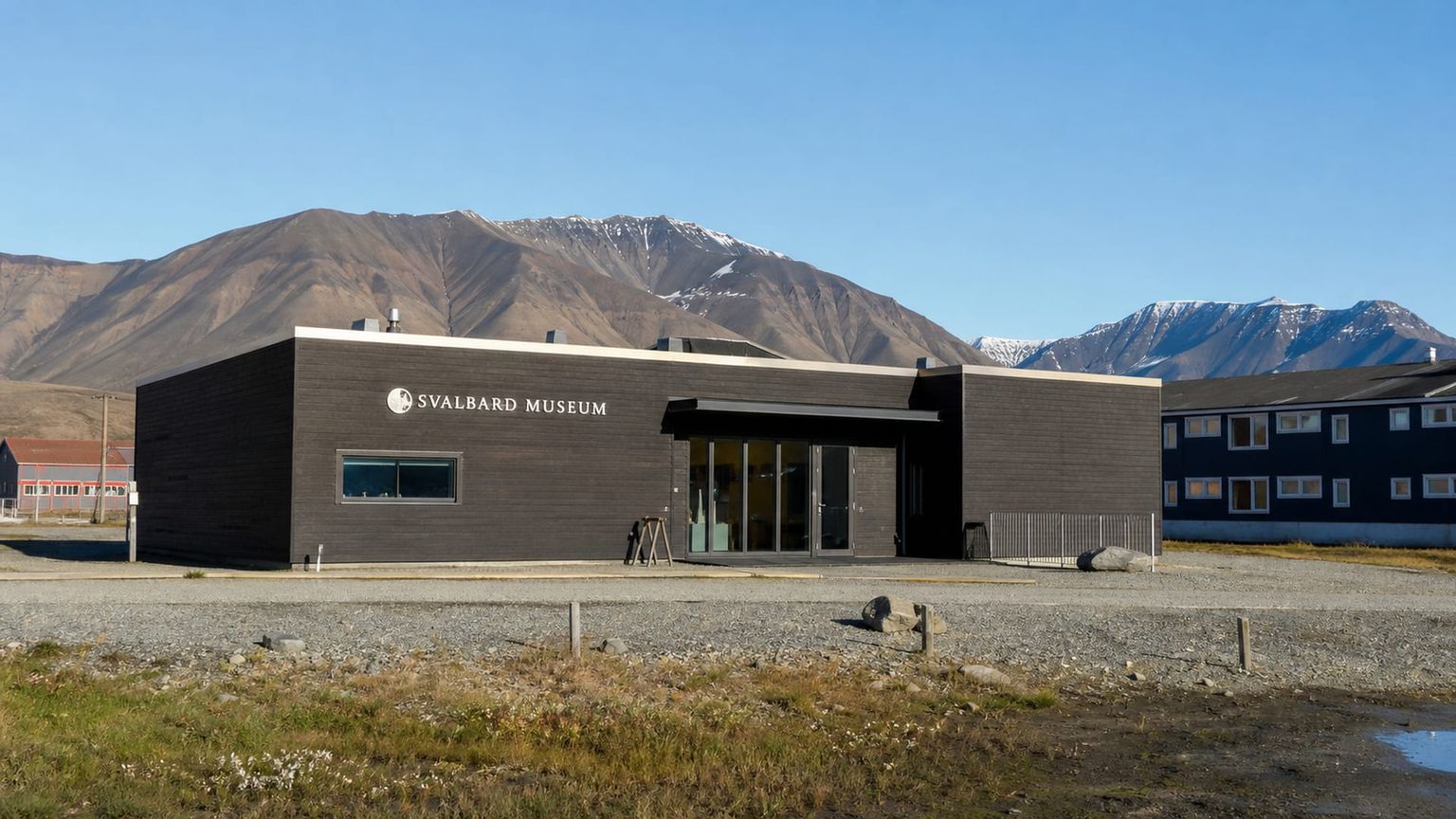
Svalbard Museum
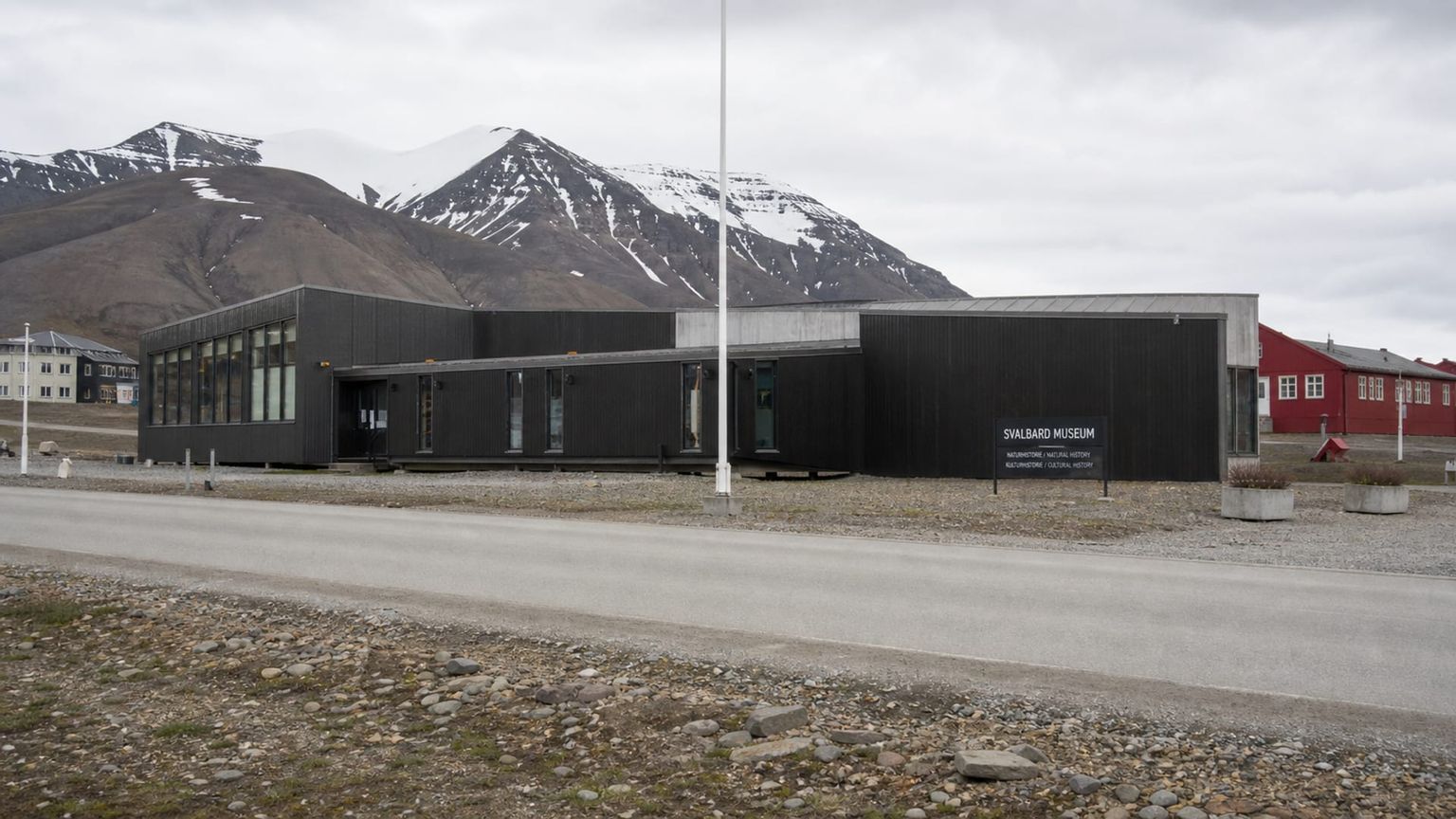
This museum covers Arctic settlement, mining, wildlife, and polar travel with well-labeled exhibits that fit Longyearbyen’s past and present. It gives the clearest overview of life at 78 degrees north.
Time needed: About 1 to 2 hours
Entry: Admission costs about $13 ($150 NOK) for adults, with reduced rates for children, students, and seniors. Visit the official site for details.
Tip: Visit earlier in the day, then pair it with a walk through the town center.
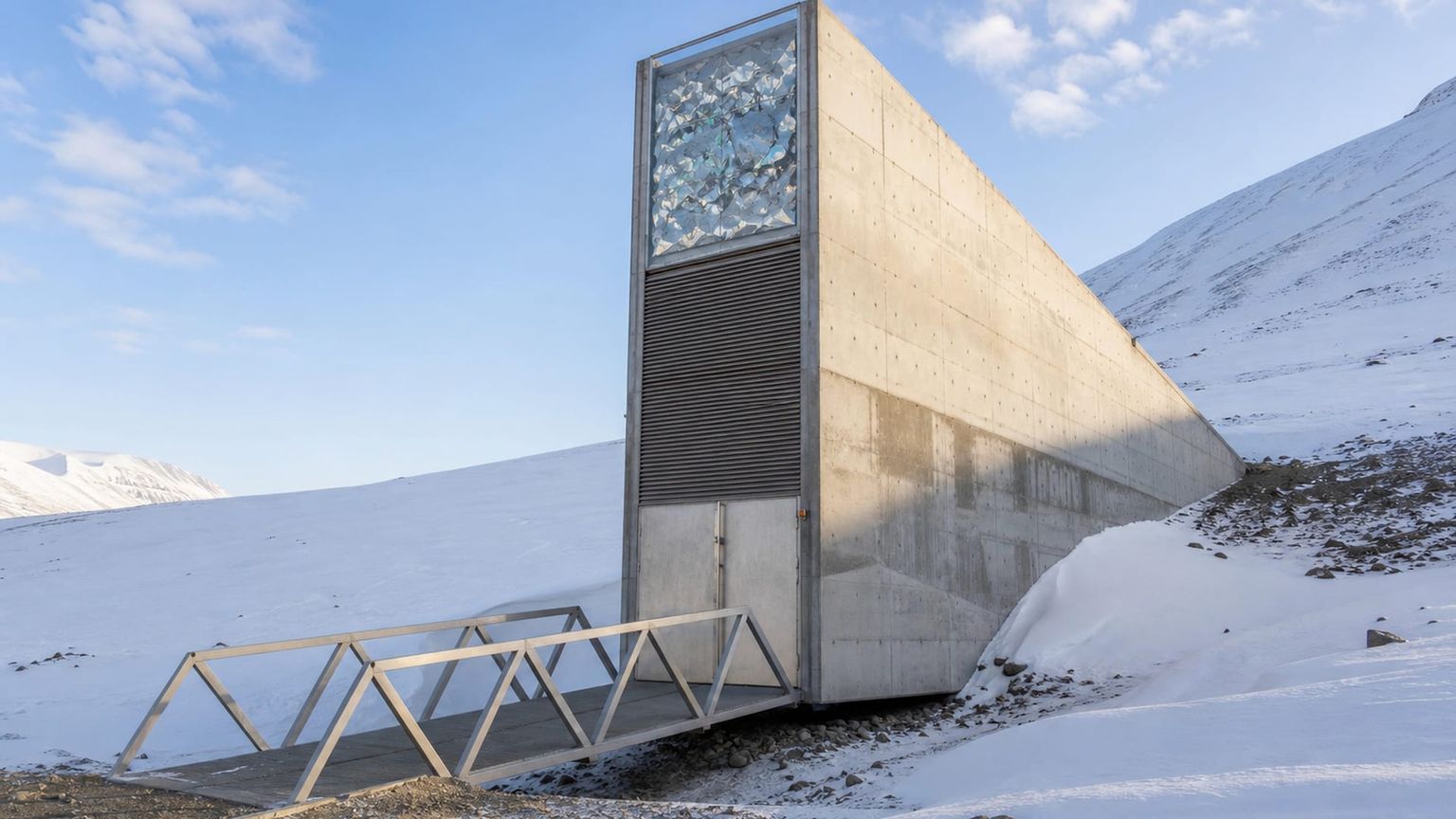
Global Seed Vault
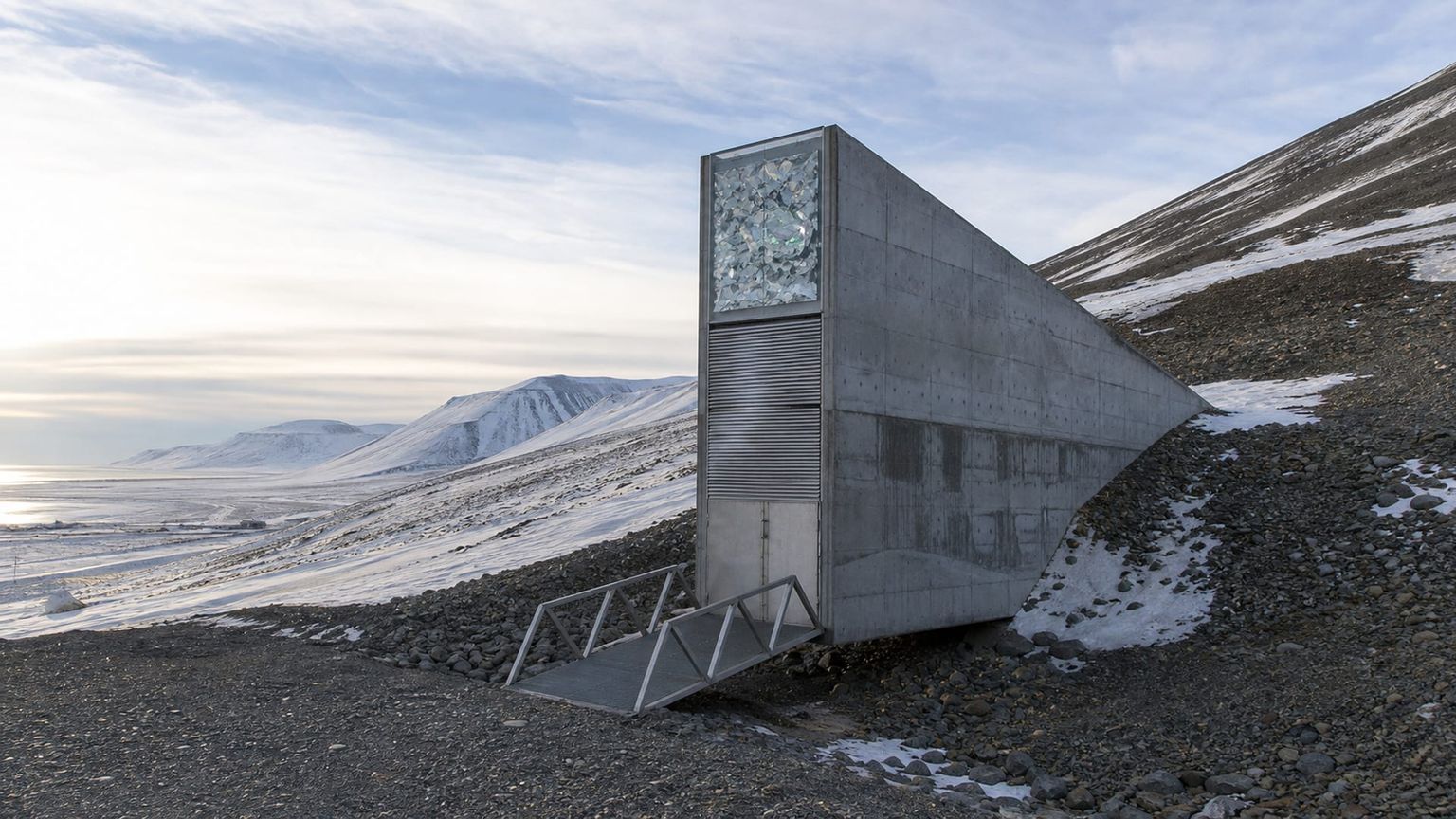
The entrance building sits on Platåberget above Longyearbyen, where the sealed seed vault is cut into the mountain. You cannot enter the vault, but the site marks one of the Arctic’s most recognized conservation projects.
Time needed: About 45 minutes to 1 hour
Entry: Free to access outdoors, and the vault itself is closed to visitors except for official events and limited arrangements.
Tip: Visit in clear weather, since fog and snow can hide the mountain entrance.
Overlooked sites worth visiting

Svalbard Church
A small red church on the hillside above town, with a simple wooden interior, local memorials, and regular services. It gives a clear read on Longyearbyen life without a long visit.
Time needed: About 30 to 45 minutes
Entry: Free to enter; donations are welcome. There is no standard admission fee, but check posted hours before visiting, since access can vary during services, holidays, and winter closures.
Tip: Visit in daylight, then walk downhill toward the center.

Svalbard Museum
This compact museum covers Arctic wildlife, mining, and polar history with photo exhibits and artifacts from Svalbard. It is small enough for an unhurried stop, yet dense with local context.
Time needed: About 1 to 1.5 hours
Entry: Standard tickets cost $14 ($150 NOK) for adults and $7 ($75 NOK) for children, with reduced rates for students and seniors. Check the museum’s current calendar for winter openings and holiday hours. Visit the official site for details.
Tip: Pair it with a late-afternoon walk along the waterfront.
Traditional food
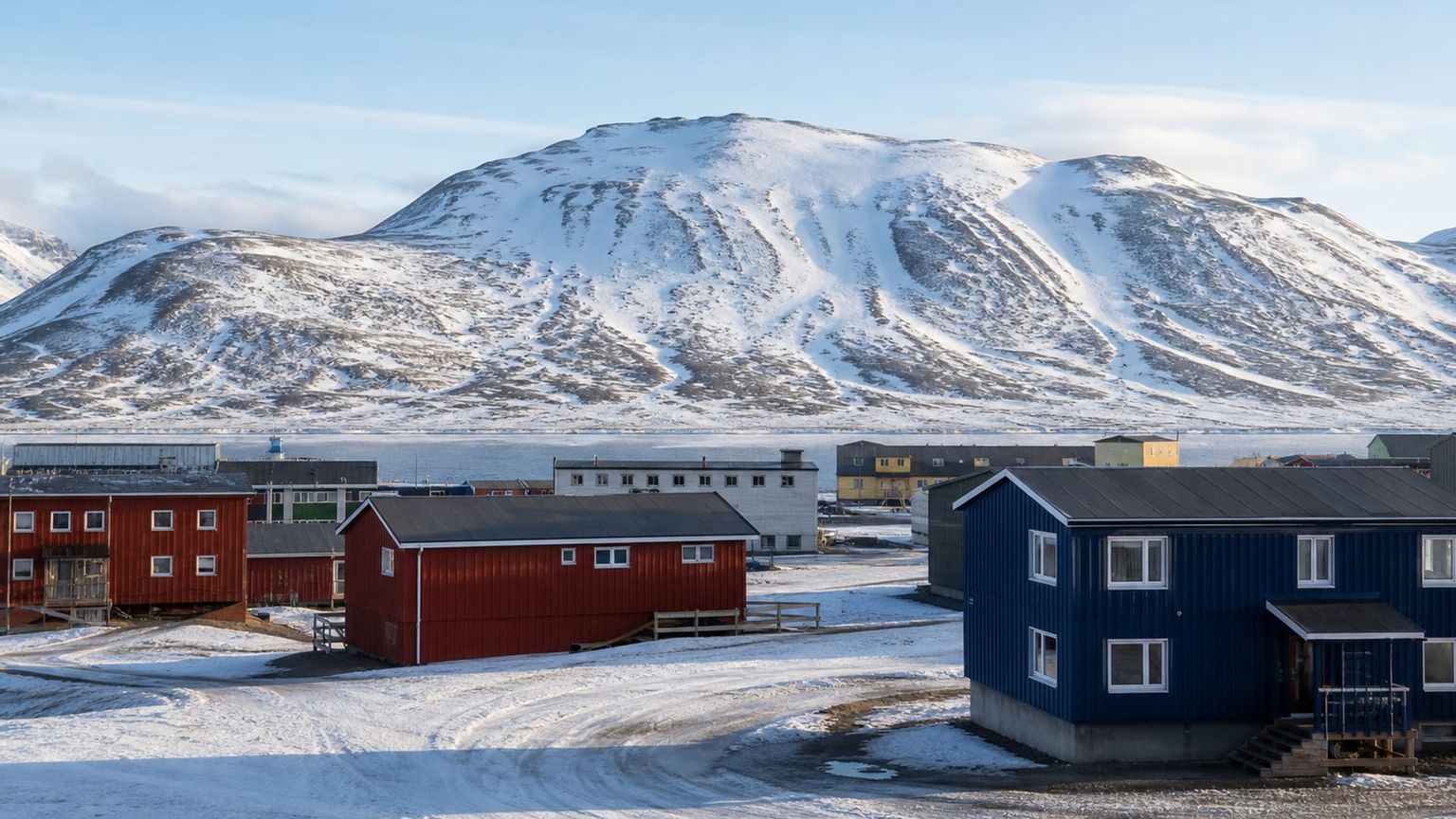
Longyearbyen tables lean on reindeer stew, seal meat, smoked Arctic char, and cloudberries, with short menus that match the town’s size and season. Dinner hours stay tight, and Sundays can be quiet.
Reindeer stew
Tender reindeer stew fits Longyearbyen’s Arctic table, often served with root vegetables and a rich sauce. For a dependable version in town, try the dish at Funktionærmessen Restaurant, which also matches the setting well.
Seal meat
Seal appears on a few local menus as a traditional Arctic protein with a deep, gamey flavor. Kroa in Longyearbyen is a strong canonical stop when you want to see how the town handles local game dishes.
Smoked Arctic char
Smoked Arctic char brings a cleaner, cooler flavor than the heavier meat dishes and often shows up as a starter or light main. Nansen Restaurant at Radisson Blu Polar Hotel is a good place to look for it.
Cloudberries with cream
Cloudberries add a bright finish to a meal, especially when served with cream or as part of a dessert plate. You can usually count on Huset for a refined version that highlights local ingredients.
Best time to visit Longyearbyen
Longyearbyen changes quickly with light and temperature, so the best season depends on whether you want milder walks, snow travel, or midnight sun.
Best for: Snowy walks, blue-hour light, and a true Arctic arrival
What you get: About 5°F to 23°F (-15°C to -5°C), with the quietest streets and the most weather-sensitive plans
Trade-offs: Ice, wind, and short daylight can limit how far you want to walk
Best for: Brightening days, stable snow, and easier museum-and-hill combinations
What you get: About 14°F to 34°F (-10°C to 1°C), with moderate visitor numbers and clearer movement around town
Trade-offs: Conditions can swing fast, especially early in the season
Best for: Midnight sun, harbor walks, and the widest choice of open facilities
What you get: About 37°F to 46°F (3°C to 8°C), with the highest visitor traffic and the fullest activity calendar
Trade-offs: This is the busiest stretch, so rooms and tours book faster
Best for: Quieter streets, crisp air, and the first returns of darker Arctic skies
What you get: About 19°F to 37°F (-7°C to 3°C), with fewer travelers and a more local pace in town
Trade-offs: Hours tighten, and weather can turn rough early
A realistic 5-day plan in Longyearbyen
Five days works well in Longyearbyen because the town is compact but weather-sensitive. The plan below starts with the easiest transfers, then layers in the museum, the church, the Seed Vault area, and final errands before departure.
Land at Longyearbyen Airport (LYR) and take the airport bus or a taxi into Longyearbyen center, which usually takes about 10 to 15 minutes and costs roughly $15 to $30 depending on the transfer and luggage. If you are staying in Nybyen, expect a taxi ride of about 5 to 10 minutes from the center, or a longer walk uphill in winter conditions. Check into a hotel near the harbor or the main street, drink water, and keep dinner close by at one of the restaurants in the center so you do not have to cross town after a long flight.
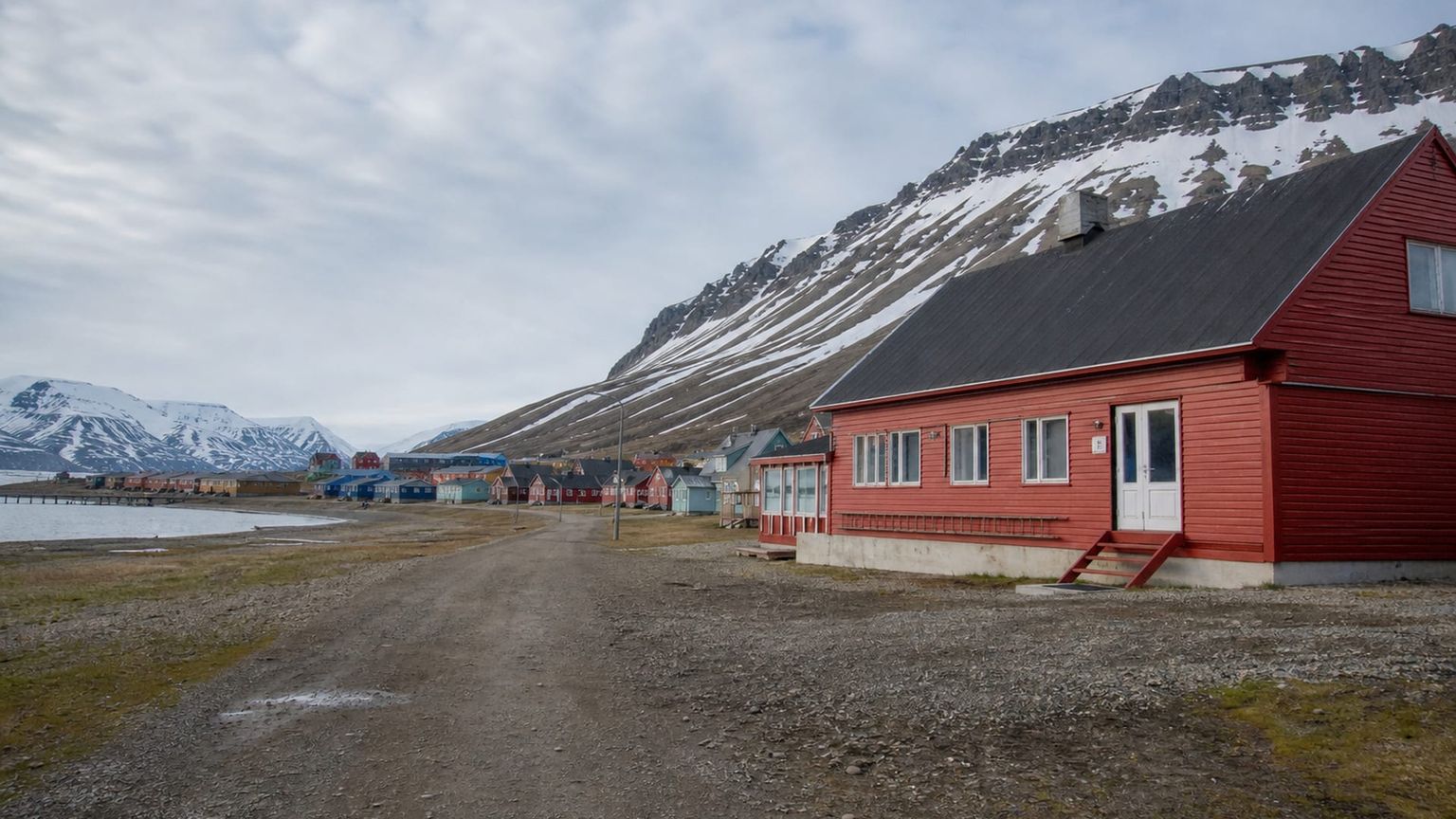
Start at the Svalbard Museum in Longyearbyen center, where a 1 to 2 hour visit gives you the clearest overview of settlement history, wildlife, and polar travel. From there, it is an easy 5 to 10 minute walk uphill to the Svalbard Church, where you can spend about 30 to 45 minutes and see the hillside setting above town. Return downhill to the center for coffee or an early dinner, then walk the waterfront for a short evening stretch before calling it a night.
Begin with the Global Seed Vault entrance on Platåberget, which takes about 45 minutes to 1 hour in clear weather and sits above town on a mountain route best handled by an arranged tour or guided transport. After that, head back toward Longyearbyen center for lunch, then continue to the Svalbard Museum if you want a second pass through the exhibits or missed sections, since the museum sits only a brief walk from the main hotel area. Finish with a slow loop through the center, where the harbor, shops, and low-rise wooden buildings give you the best sense of how compact the town is.
A hillside morning works well here, so go first to Svalbard Church and spend 30 to 45 minutes inside before walking about 10 to 15 minutes back into the center. From the church, continue to the museum district for a second visit or a deeper look at the exhibits, then build in time for a long lunch near the harbor. In the afternoon, stay in Longyearbyen center and browse the small shops and visitor facilities, because they cluster close together and make it easy to move between purchases, coffee, and a final harbor walk.
For a final day, begin with one last museum stop if you missed anything at Svalbard Museum, then move through Longyearbyen center for souvenirs and practical shopping near the harbor and main street. If you want a quieter pause before departure, settle into a café in the center or, if you are staying there, a café near Nybyen before returning for your bags. Plan to head for Longyearbyen Airport (LYR) with enough time for the airport bus or taxi transfer, since winter weather and check-in queues can slow the last leg of the trip.
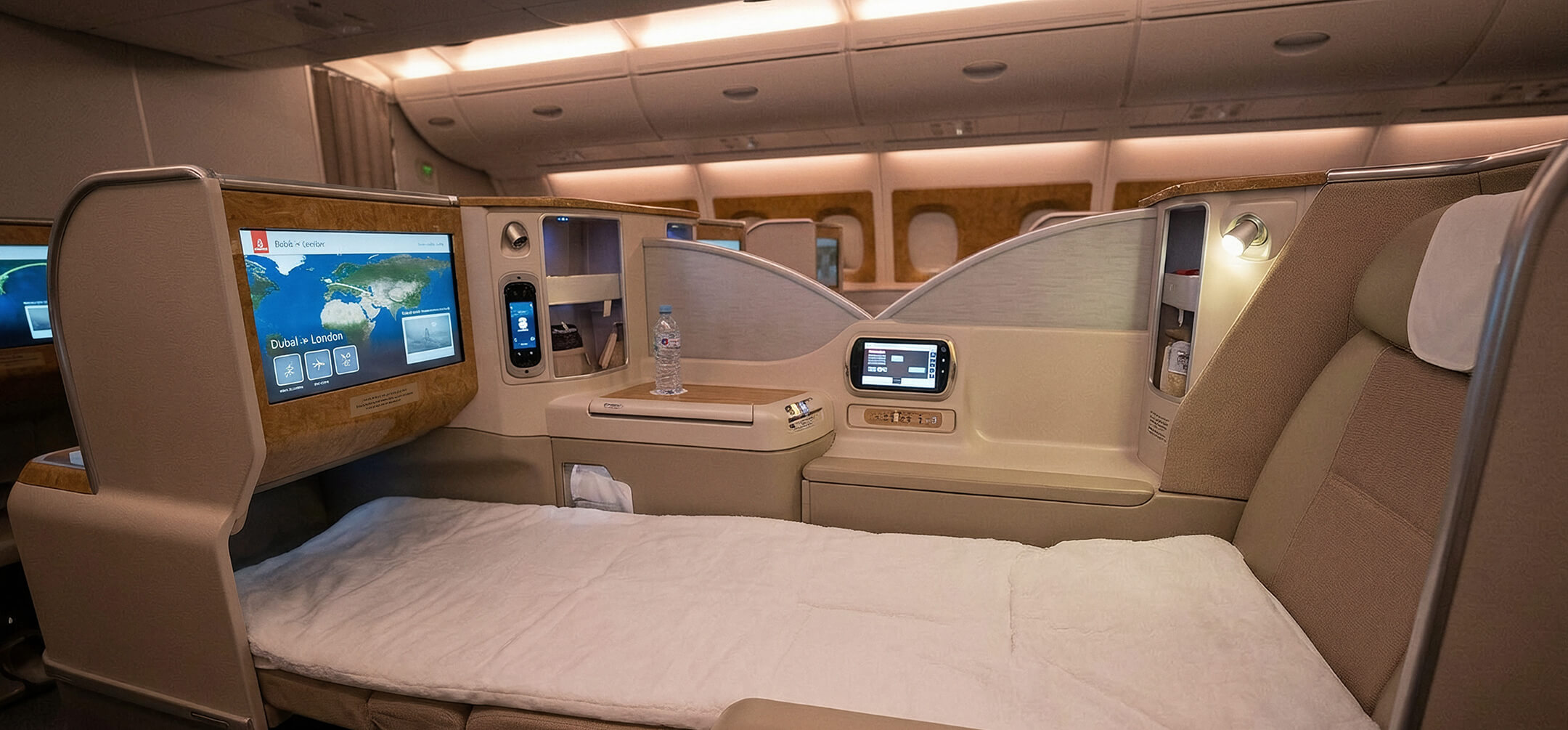
Business-class flights from the US to Longyearbyen
Trips from New York and Los Angeles usually connect through Nordic or central European hubs, so the route matters almost as much as the fare. The examples below show how the journey is typically built from each coast.
From New York, SAS, Norwegian Air Shuttle, Finnair, Lufthansa, Swiss International Air Lines, and Turkish Airlines all appear on plausible itineraries, with nonstop dates taking about 8 to 9 hours and one-stop trips often running 11 to 15 hours. When you do connect, common hubs include Oslo (OSL), Copenhagen (CPH), Frankfurt (FRA), Zurich (ZRH), and Istanbul (IST). Round-trip fares usually land from $2,500 to $4,500, with nonstop dates often on the higher end.
Los Angeles itineraries typically run through Lufthansa, SAS, Finnair, Swiss International Air Lines, Turkish Airlines, or Austrian Airlines, and the trip usually takes about 11 to 13 hours nonstop or 14 to 19 hours with a stop. That routing often shifts through Frankfurt (FRA), Munich (MUC), Copenhagen (CPH), Zurich (ZRH), or Istanbul (IST), and round-trip fares from $3,000 to $5,500 are common, with one-stop options sometimes trimming the total.
Longyearbyen feels different when you slow down
A well-planned Longyearbyen stay starts in the center, keeps transfers short, and leaves room for weather to shape the day. That means the museum before lunch, the church on a clear hillside walk, a taxi or bus back from the airport, and dinner booked before the evening closes in. If you want help matching flights, hotels, and timing around Nybyen or the harbor, the AranGrant experts can shape the trip around the season you choose