

Chapters:

Need help with your trip?
Our support team is available 24/7. Request a callback or call us directly at (833) 619-0908
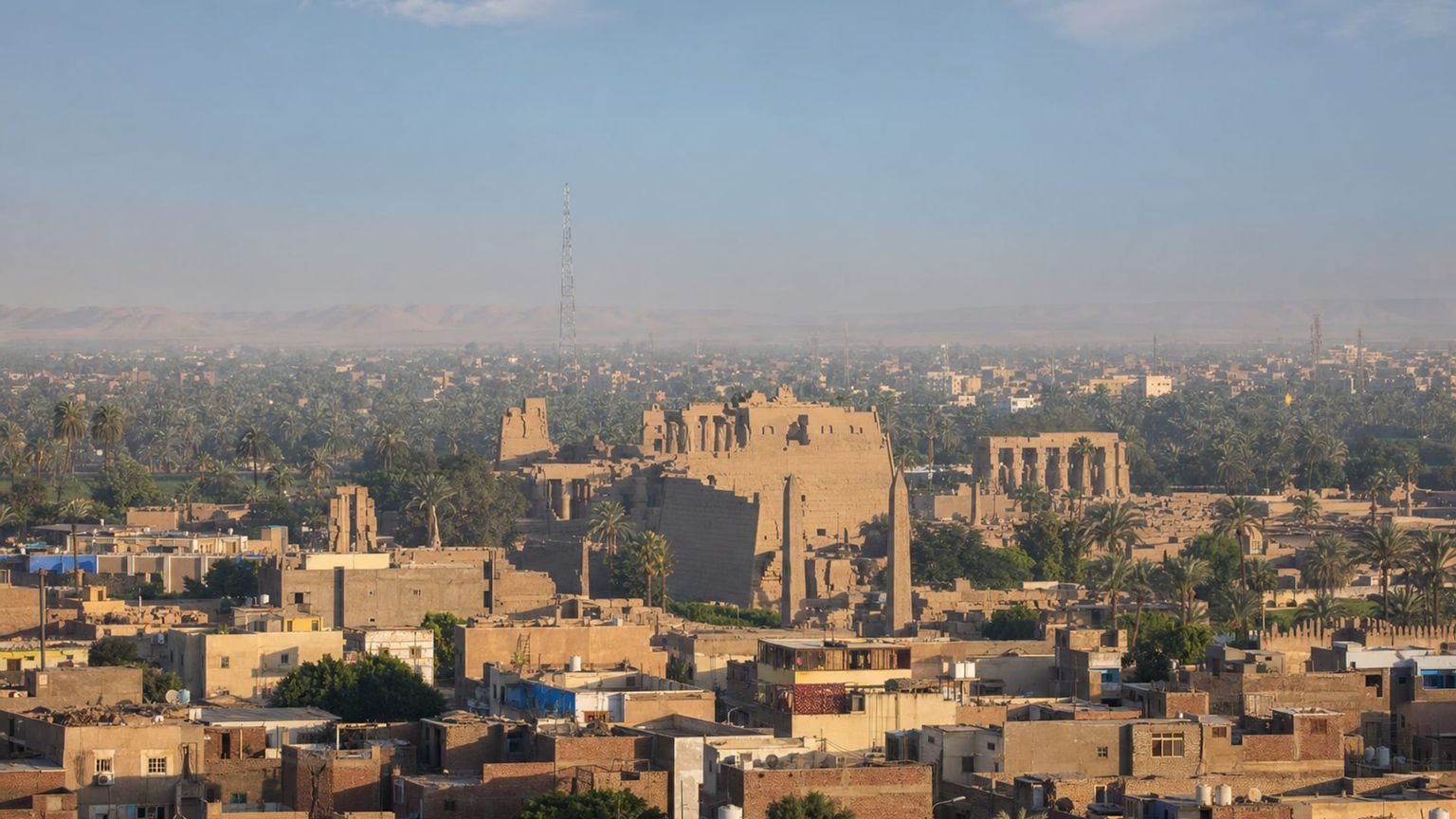
In Luxor, many trips start with Karnak at dawn, a sunset visit to Luxor Temple, and a west-bank tomb day in between. Travelers often fit the city into a checklist and miss how much time the crossings, taxi fares, and midday heat shape the pace.
That approach can waste energy because the main sights sit on opposite banks, roads are busy at peak hours, and some museums and cafés close or slow down during the hottest part of the day. Even short moves need timing.
This guide sequences the city by bank, clock, and temperature, so temple visits, tombs, meals, and transfers line up with the way Luxor actually works.
Useful things to know

Main language(s): Arabic
marhaban (mar-ha-ban) – hello/good morning
min fadlak (min fad-lak) – please
shukran (shook-ran) – thank you
hal tatakallam al-ingliziyya? (hal ta-ta-kal-lam al-in-gli-ziy-ya) – Do you speak English?
kam ath-thaman? (kam ath-tha-man) – How much does it cost?

Currency: The local currency is the Egyptian pound (EGP, E£).

Cash and cards: Cards work in larger hotels and shops, but carry about EGP 1,000 to 2,000 in cash for taxis, tips, and small buys.

Tipping: Round up small bills; add about 5-10% at restaurants if service is good.

Traditional food: koshari, ful medames, ta’ameya, mahshi

Water and coffee costs: Water about EGP 20 to 30 ($1), bar espresso about EGP 40 to 80 ($1.50 to $3).

Taxis and ride apps: Uber and Careem operate here; confirm the fare before you start the ride.

Plug and voltage: Type C/F socket, 220V

Dining and shop opening hours: Breakfast is about 7:00-10:00 am, lunch about 1:00-3:00 pm, and dinner about 7:00-11:00 pm. Many cafés close during the hottest afternoon hours.

Emergency number: Call 122 for police, 123 for ambulance, and 180 for civil defense.
Where to stay in Luxor
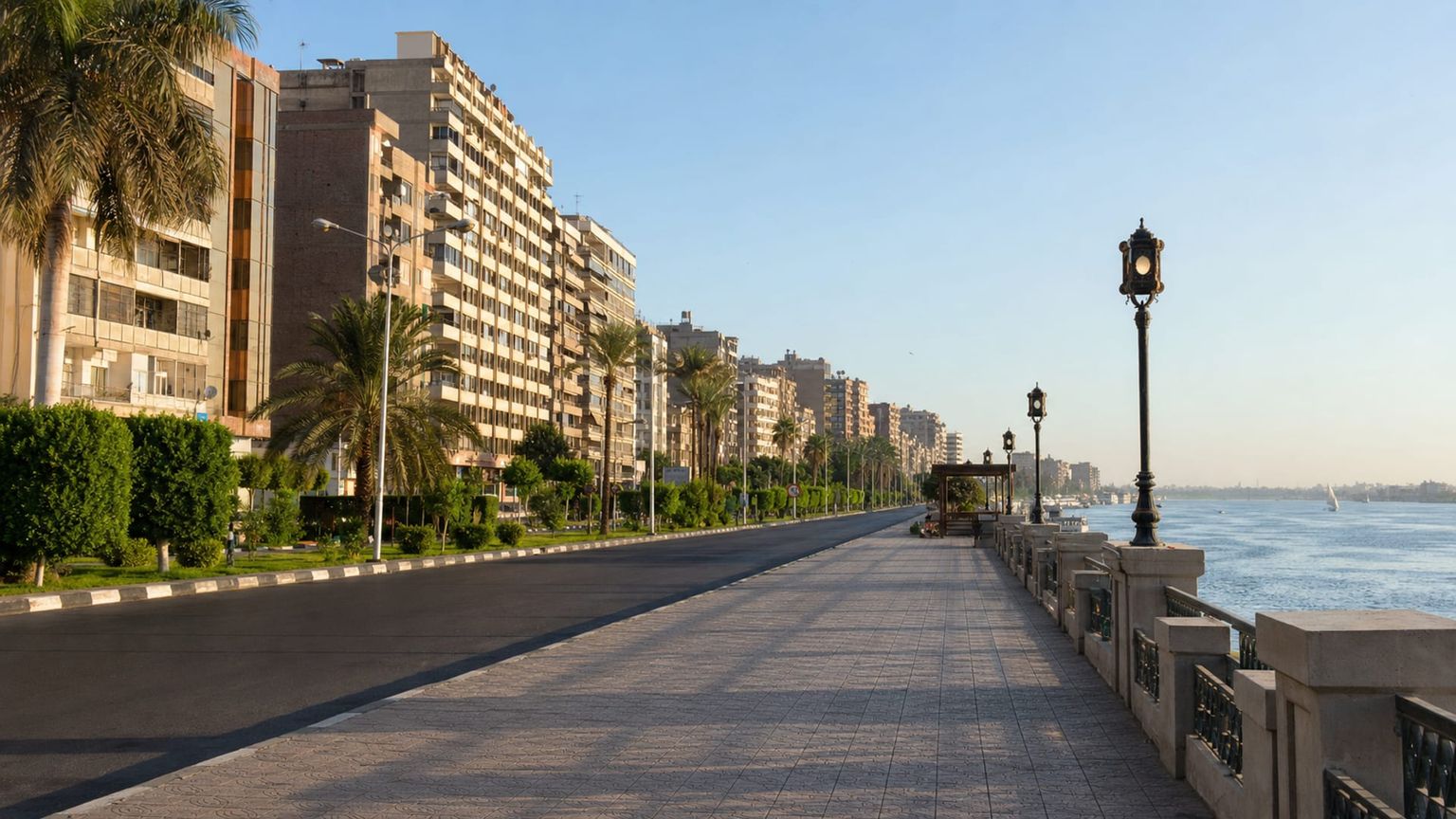
Luxor’s east-bank center follows the Nile Corniche near the ferry landing, Luxor Temple, and the main hotel strip. It matters because this is the city’s most convenient base for temple visits, river views, and easy access to taxis and boats.
Best for: Temple-hopping, Nile views, and travelers who want the most central base
What to expect: Busy sidewalks, hotel traffic, and steady movement along the riverfront, with more activity in the evening near cafés and the promenade.
Hotel prices: Usually about $60 to $180 per night for well-rated stays
Distance to major sights: 5 to 15 minutes on foot to Luxor Temple; about 10 minutes by taxi to the Luxor Museum
Quietness: Daytime is lively and traffic-heavy, while evenings are calmer away from the Corniche and main hotels.
Main trade-off: Centrality comes with more traffic noise and higher room rates than outer districts.
Good to know: Choose a room away from the Corniche if you sleep lightly, because riverside traffic and evening café noise carry into nearby blocks.
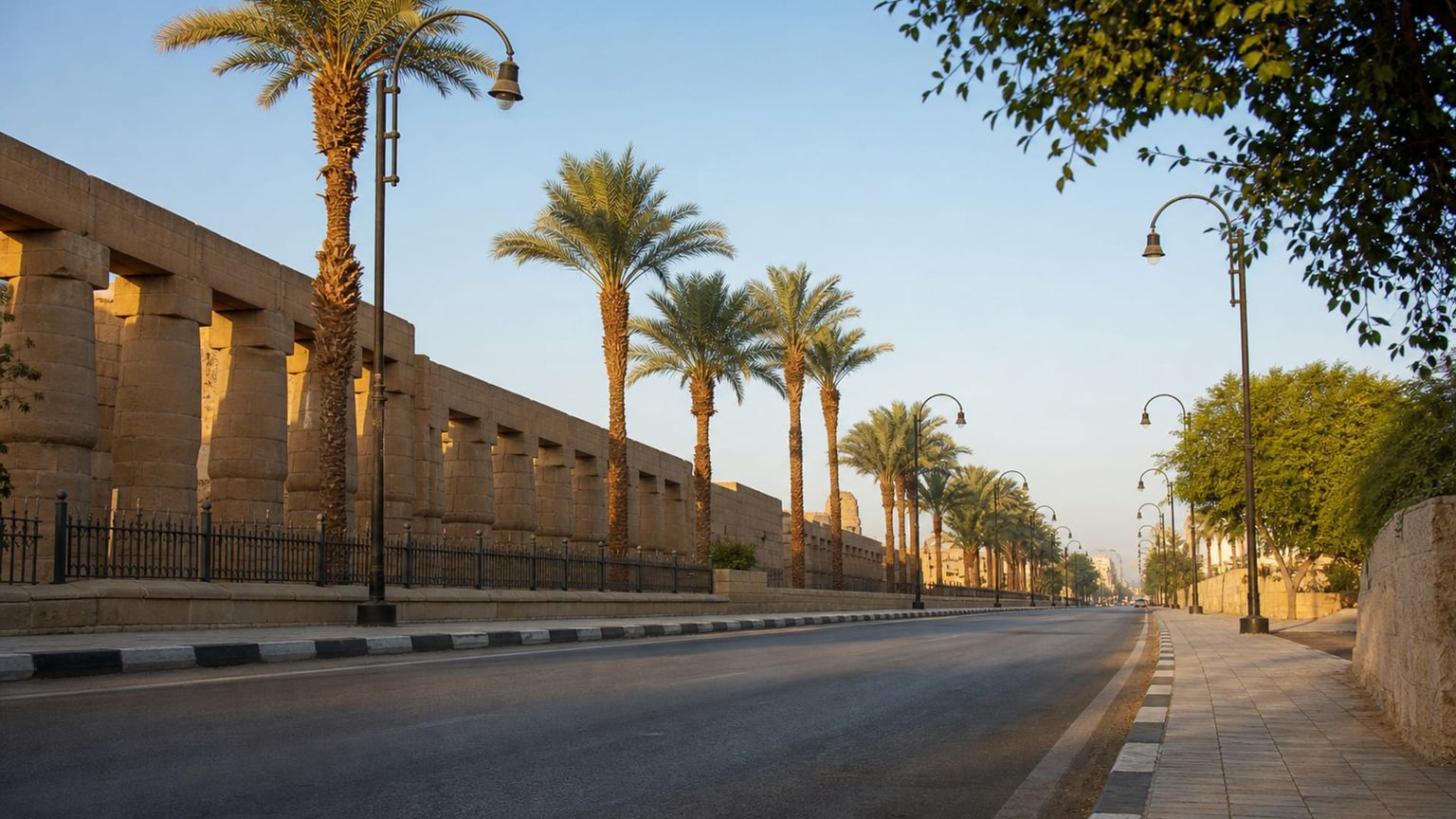
The Karnak Road corridor stretches north of the East Bank center toward Karnak Temple, with guesthouses, hotels, and quick road links back to the Corniche. It matters for visitors who want an easier start at Karnak and a slightly less crowded base than the immediate riverfront.
Best for: Karnak Temple access, midrange stays, and travelers who do not need to be on the riverfront
What to expect: A road-oriented area with hotel compounds, local shops, and traffic passing through rather than lingering street life.
Hotel prices: Usually about $40 to $120 per night for well-rated stays
Distance to major sights: About 5 to 10 minutes by taxi to Karnak Temple; about 15 to 20 minutes by taxi to Luxor Temple
Quietness: Quieter at night than the Corniche, though daytime traffic can be noticeable along the main road.
Main trade-off: You give up riverfront walks and some dining choice in exchange for better temple access and lower rates.
Good to know: If you plan an early visit to Karnak, this corridor cuts down on morning transfer time, which can matter before tour buses arrive.
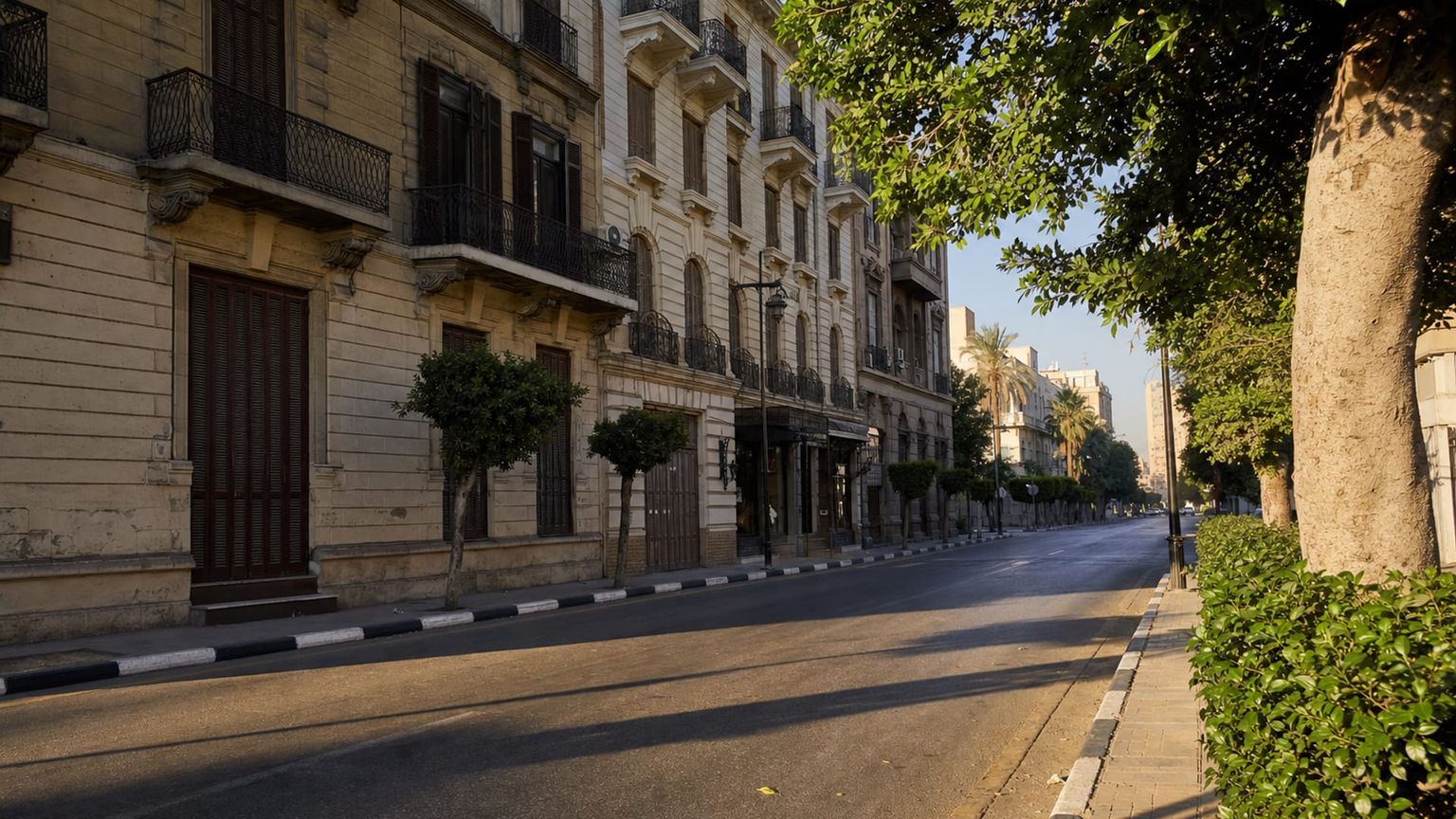
Raml Street and the nearby East Bank side streets sit just inland from the Corniche, close to shops, cafés, and small hotels without being on the main riverfront. They matter because they keep you near the center while avoiding some of the pricier and noisier waterfront blocks.
Best for: Travelers who want a central base with easier access to shops and restaurants
What to expect: Local traffic, small storefronts, and a mix of hotel guests and residents, with more everyday city movement than tourist spectacle.
Hotel prices: Usually about $35 to $110 per night for well-rated stays
Distance to major sights: About 10 to 15 minutes on foot to Luxor Temple; about 15 minutes by taxi to Karnak Temple
Quietness: Daytime is active with traffic and errands, while evenings are moderately quiet once shops close.
Main trade-off: You are a short walk from the river, but you will not have the same views or doorstep promenade access as Corniche hotels.
Good to know: Check exact street position before booking, because a room one block off the main road can be much quieter than one facing traffic.
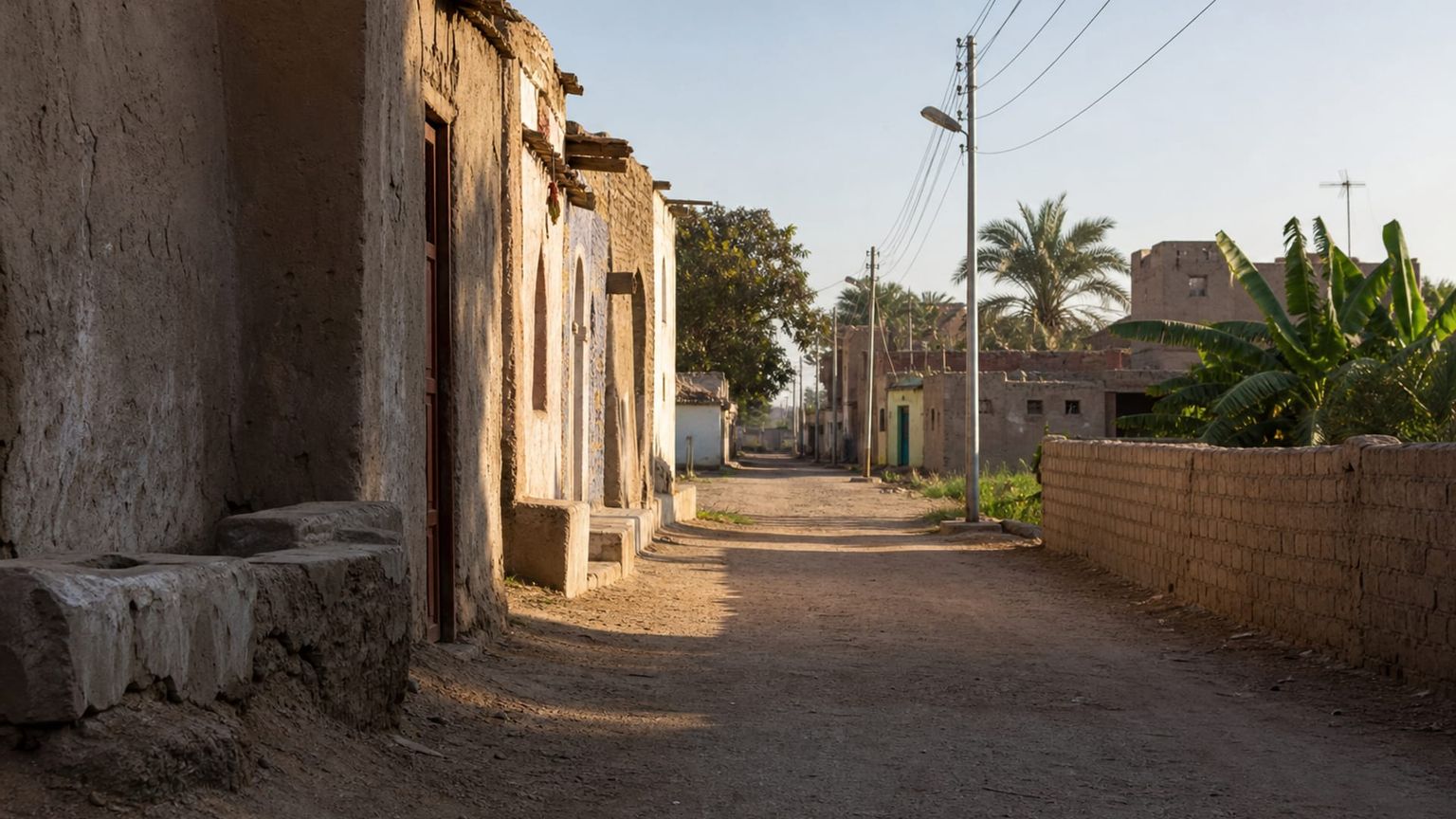
The West Bank village area includes the settled parts opposite Luxor on the Nile’s west side, with guesthouses, village streets, and easy access to the tombs side of the city. It matters for travelers who plan early archaeological starts and want a more residential base than the East Bank.
Best for: Early tomb visits, quieter evenings, and travelers who prefer a residential setting
What to expect: Village lanes, small guesthouses, and limited late-night activity, with most movement tied to taxis, boats, and day tours.
Hotel prices: Usually about $25 to $80 per night for well-rated stays
Distance to major sights: About 10 to 20 minutes by taxi to the Valley of the Kings ferry access points; about 20 to 30 minutes by boat and taxi to Luxor Temple
Quietness: Days are active around tour departures, while evenings are notably quiet after visitors head back across the river.
Main trade-off: You trade easy walkability to East Bank sights for a calmer setting and more dependence on boats or cars.
Good to know: Budget a little extra time for crossings, because your return trip can take longer once evening traffic builds near the ferry and landing points.
Travelers usually avoid the outer agricultural outskirts south and west of Luxor, including villages beyond Al Bayadiya and west-bank farmland areas, because they sit far from the Karnak and Luxor Temple corridor and have few visitor amenities. The same goes for remote stretches of the West Bank near Armant and the desert-edge areas toward the airport, which add taxi time for evening meals and late returns and offer limited walkable options.
Hotel deals
How to get around Luxor efficiently
Luxor has no metro, so most visitors rely on taxis, ferries, short walks, and the occasional bus between the Corniche, Karnak, and the West Bank.

Metro
for longer distances
Luxor has no metro, so the closest equivalent is the local train link, which serves longer intercity trips rather than getting you between sights in town.

Bus and tram
for convenience
Public buses in Luxor cover the city and the west bank at low fares, usually about $0.10 to $0.30 (roughly EGP 5 to EGP 15), but they can be hard to use if you do not read Arabic and routes are not always posted clearly. Ask your hotel or a local driver to point you to the right stop for the Corniche, Karnak, or the ferry landing, then allow extra time because departures are irregular and crowding is common.

Taxi
for convenience or late hours
Licensed taxis in Luxor usually use set fares rather than meters, so agree the price before you get in; short city trips often cost about $2 to $5 (roughly EGP 100 to EGP 250), while airport runs from Luxor (LXR) commonly fall near $5 to $10 (roughly EGP 250 to EGP 500) depending on the neighborhood and time of day. Many drivers accept cash only, though some will take US dollars if you confirm the rate first.
*Prices are based on rates updated as of June 2026 and may change at the time of travel.
Walk for the Corniche and central East Bank, use taxis for temple-to-temple hops, and cross by boat or ferry when the West Bank is part of the day.
Iconic landmarks
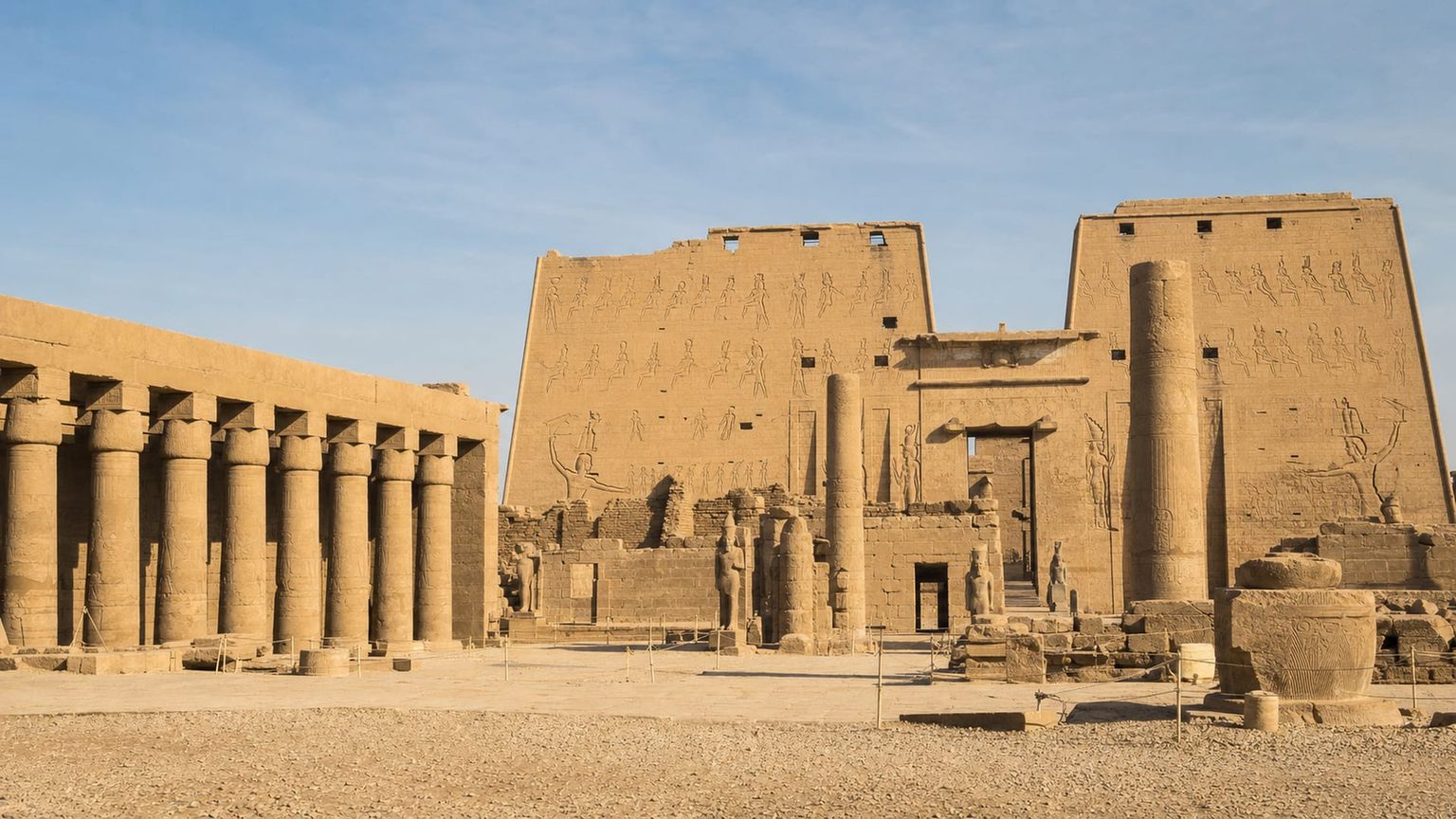
Karnak Temple Complex
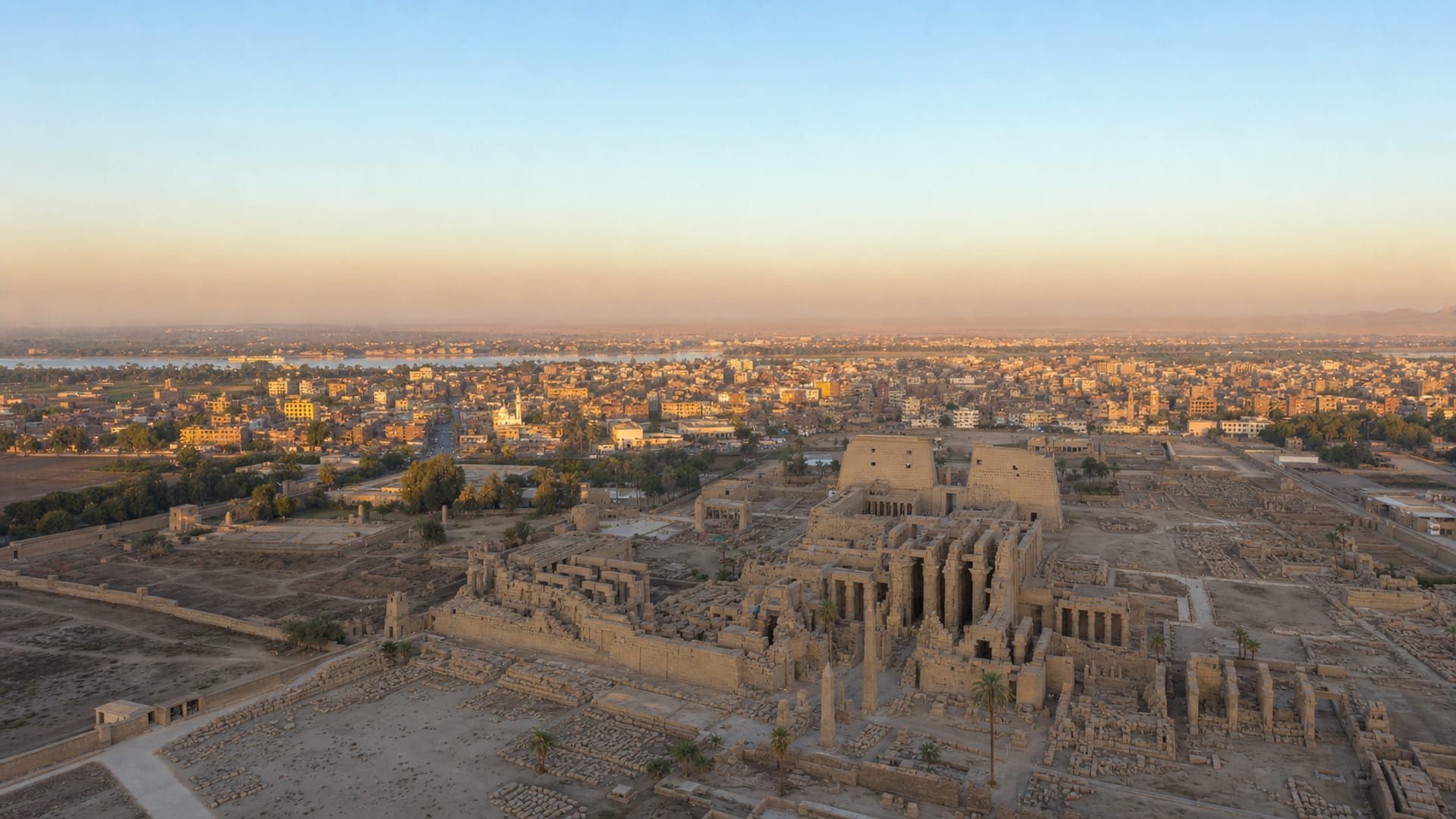
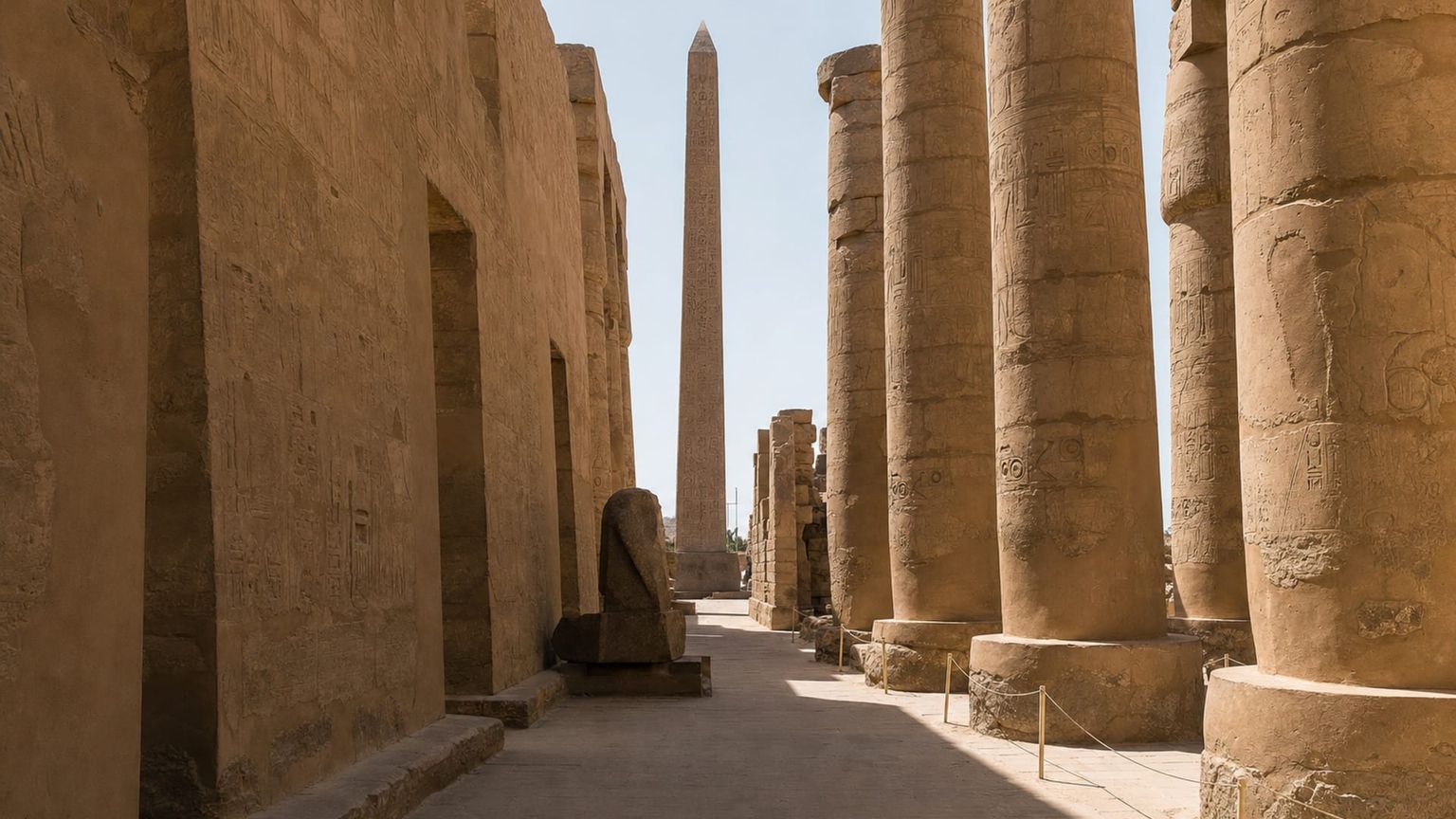
Luxor’s largest temple site pairs the Great Hypostyle Hall, Obelisks of Hatshepsut and Ramses II, and a long avenue of sphinxes. Most visitors focus on the main precinct, where carved columns and pylons still mark New Kingdom royal worship.
Time needed: About 2 to 3 hours
Entry: Standard tickets cost $15 ($15) for adults, with reduced rates for Egyptian students; add-on access may apply to special areas and evening events. Visit the official site for details.
Tip: Go early, before tour groups fill the Hypostyle Hall and outer courts.
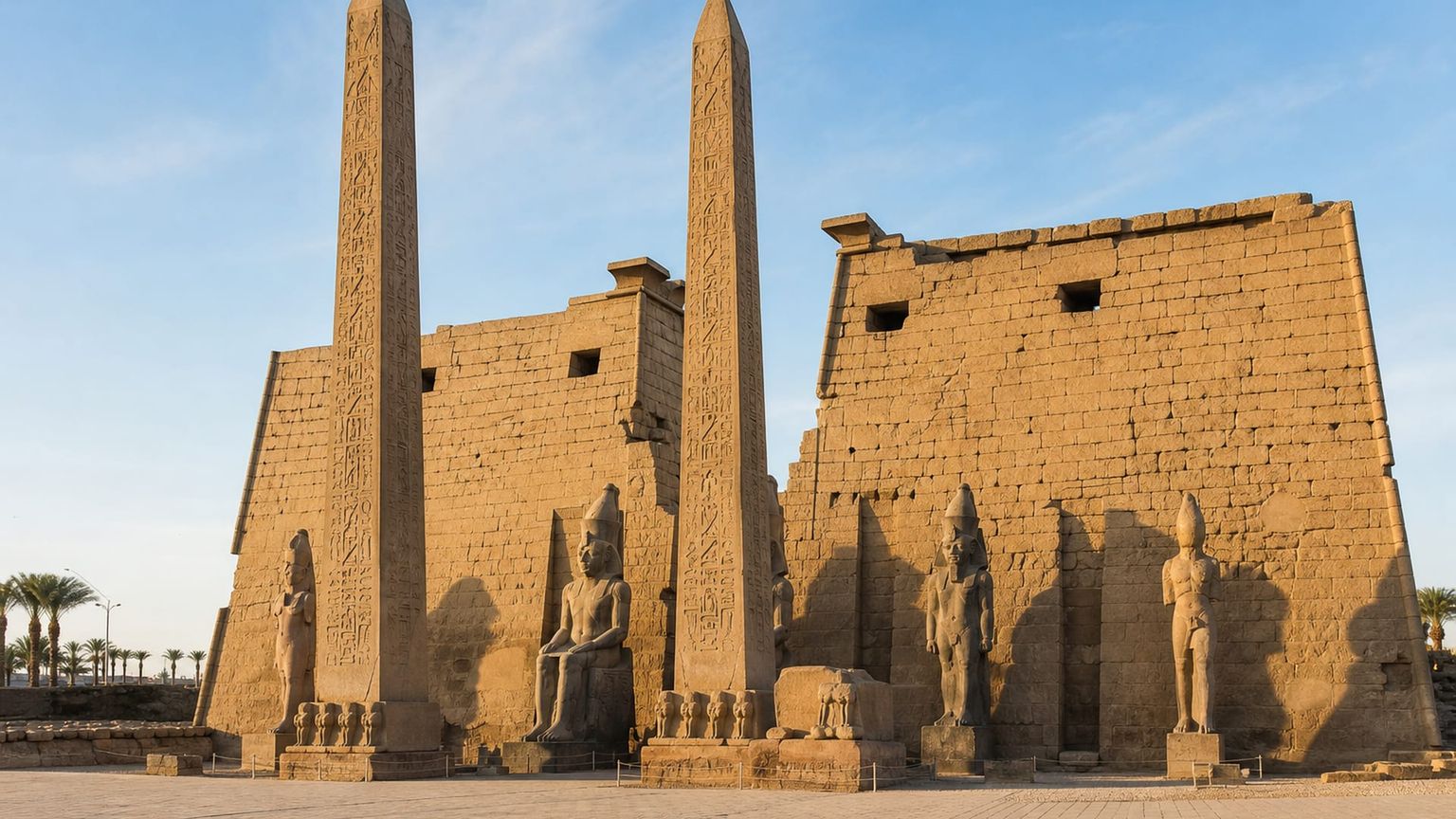
Luxor Temple
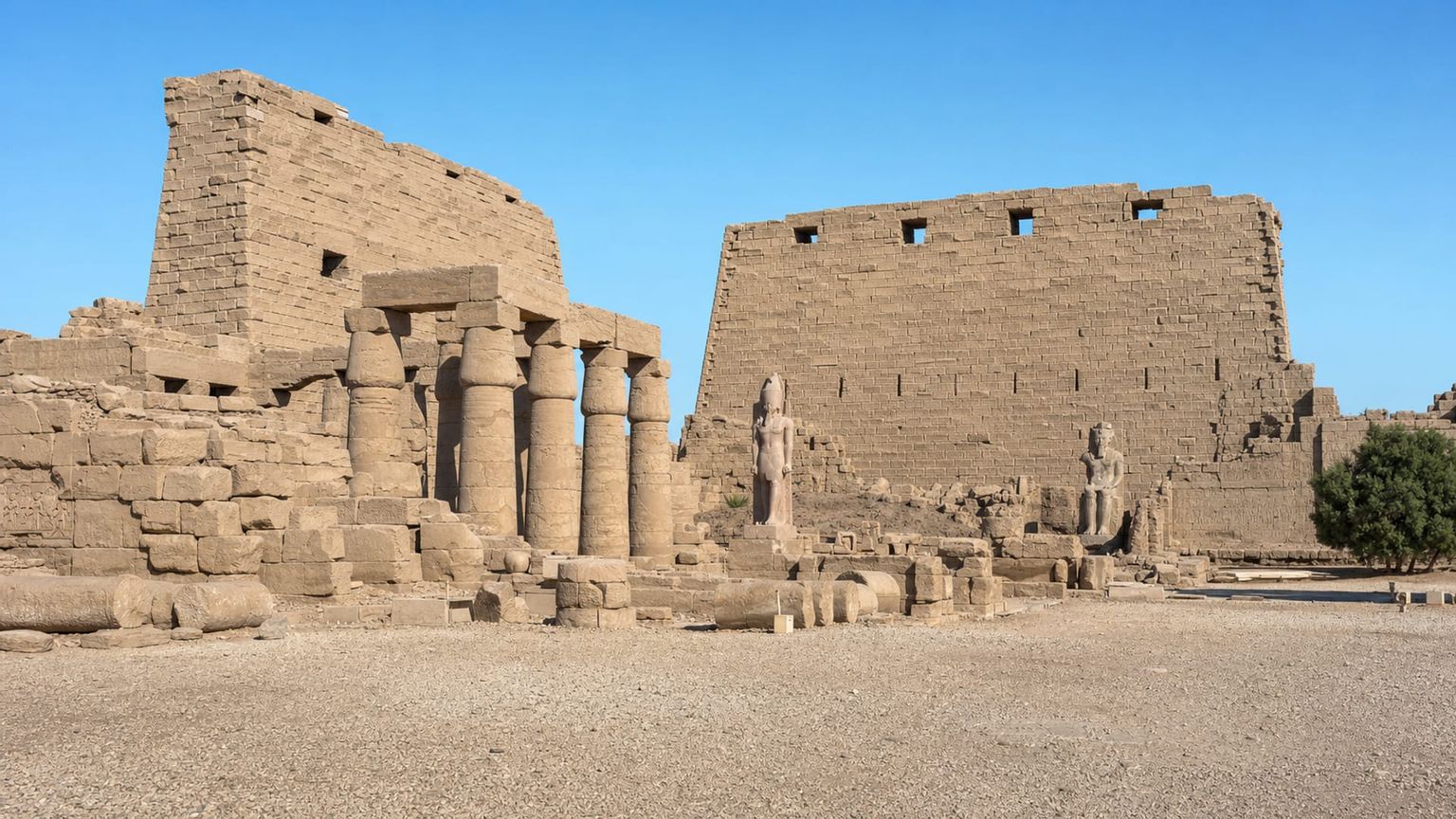
Built on the east bank, Luxor Temple links to Karnak by the Avenue of Sphinxes and preserves reliefs from Amenhotep III, Tutankhamun, and Ramesses II. Its columns and courtyard lighting make the evening visit especially clear.
Time needed: About 1 to 2 hours
Entry: Standard tickets cost $12 ($12) for adults, with reduced rates for Egyptian students; night access and special programs can cost extra. Visit the official site for details.
Tip: Visit near sunset, then stay a little later for the lit columns and reliefs.
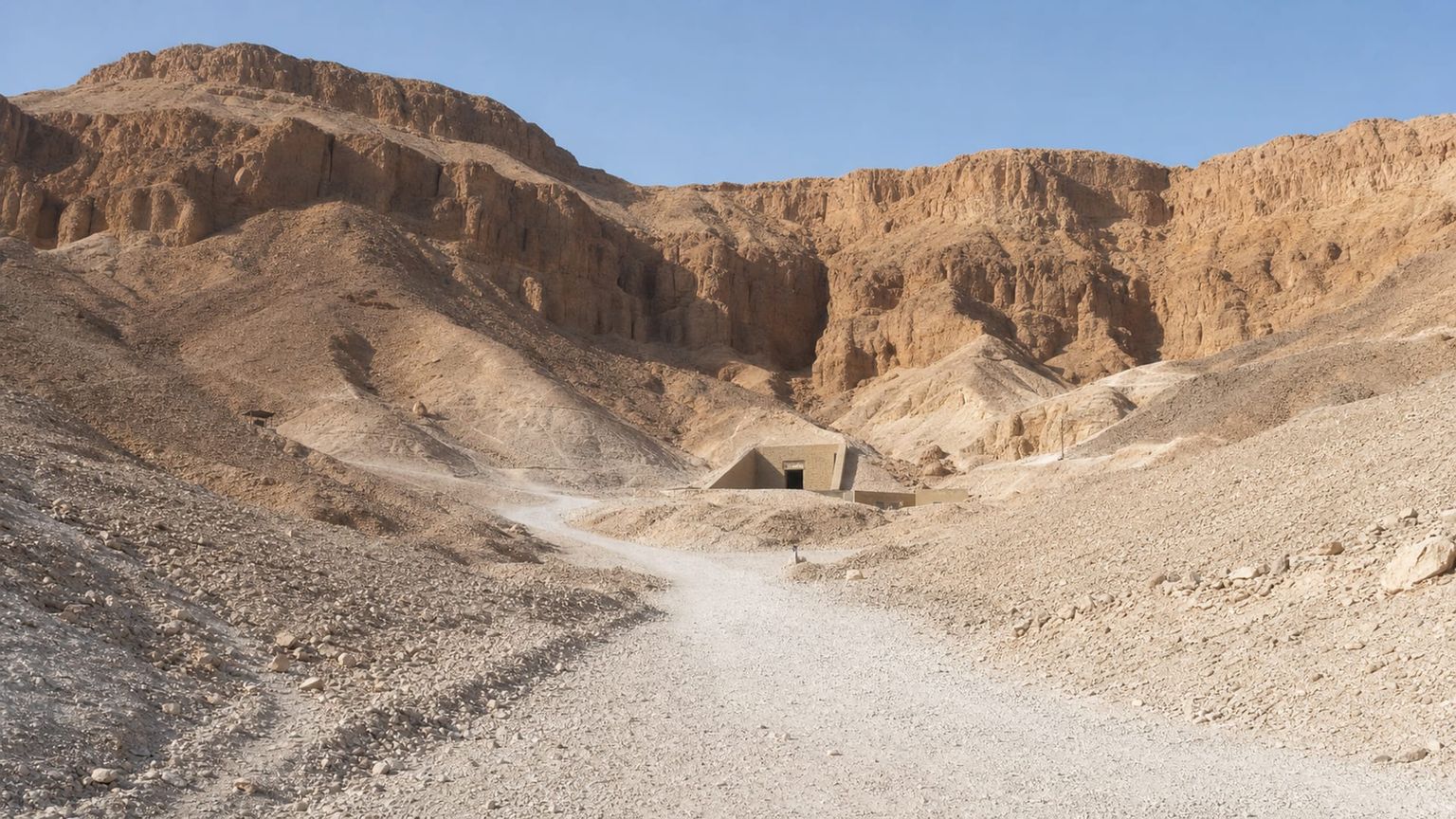
Valley of the Kings
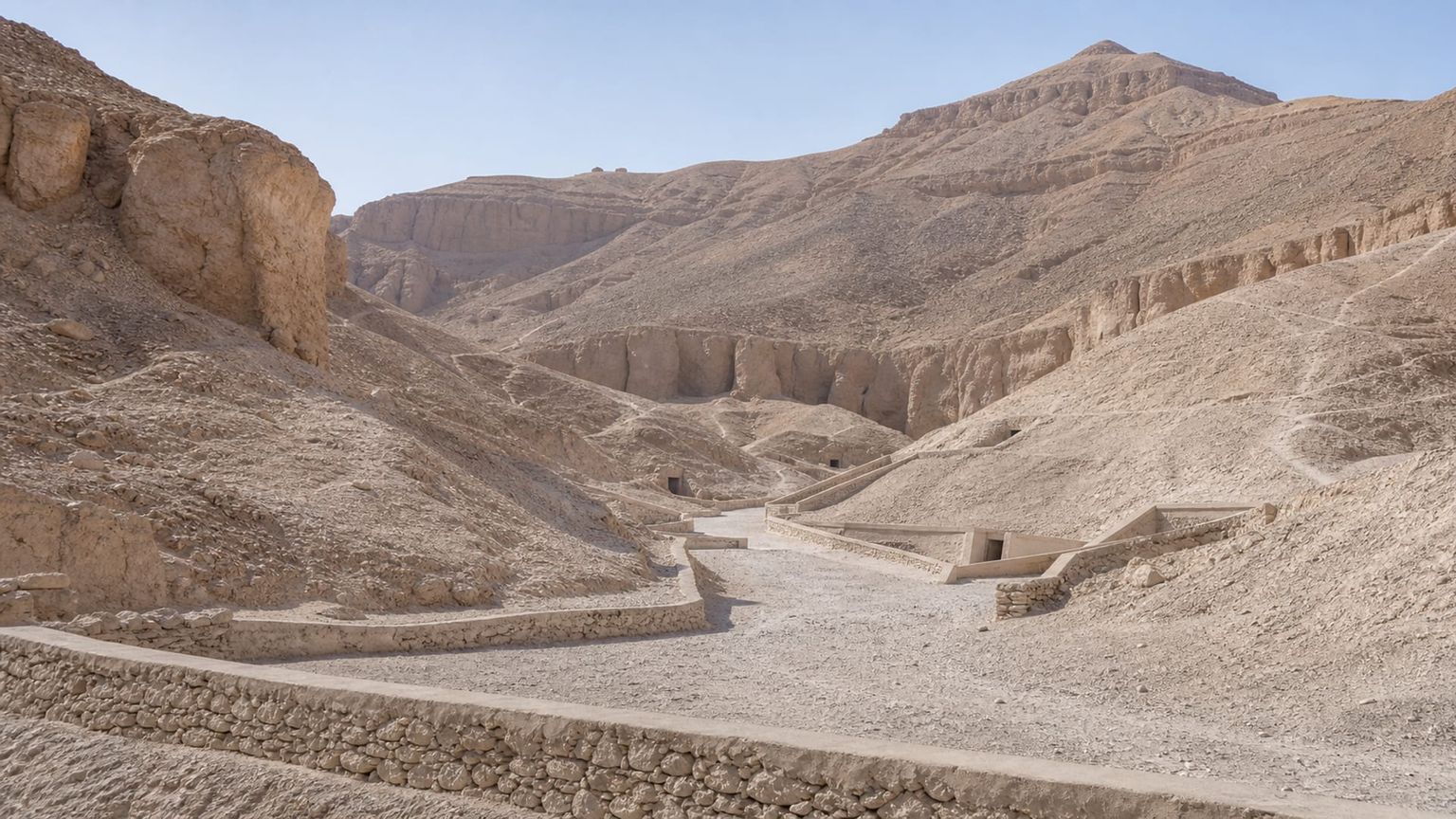
Across the Nile on the west bank, the Valley of the Kings holds painted royal tombs cut into limestone hills, including the tombs of Seti I, Ramesses V and VI, and Tutankhamun. The valley’s numbered tomb system makes each visit easy to plan.
Time needed: About 2 to 4 hours
Entry: Standard tickets cost $16 ($16) for the main valley, with extra tickets for select tombs such as Tutankhamun and Seti I. Visit the official site for details.
Tip: Start with the included tombs, then add one special tomb if your schedule allows.
Overlooked sites worth visiting

Howard Carter House
Carter lived here while he documented Tutankhamun’s tomb, and the small rooms still show his working setup, photographs, and notebooks. It is a quiet stop for anyone interested in archaeology.
Time needed: About 45 minutes to 1 hour
Entry: Admission is typically included with a West Bank site combo or sold as a separate modest ticket, often about $4 to $6 (approximately E£190 to E£290), with reduced rates for students when available.
Tip: Go early, before tour groups arrive.

Luxor Museum
This compact museum displays carefully chosen statues, stelae, and mummies from Thebes and nearby temples. Its clear layout makes it easy to focus on a few standout pieces without a long visit.
Time needed: About 1 to 1.5 hours
Entry: Adult admission is usually about $8 to $10 (approximately E£380 to E£480), with student discounts often available and occasional separate charges for special exhibitions or photography if offered. Visit the official site for details.
Tip: Visit after the midday heat for a cooler indoor stop.
Traditional food
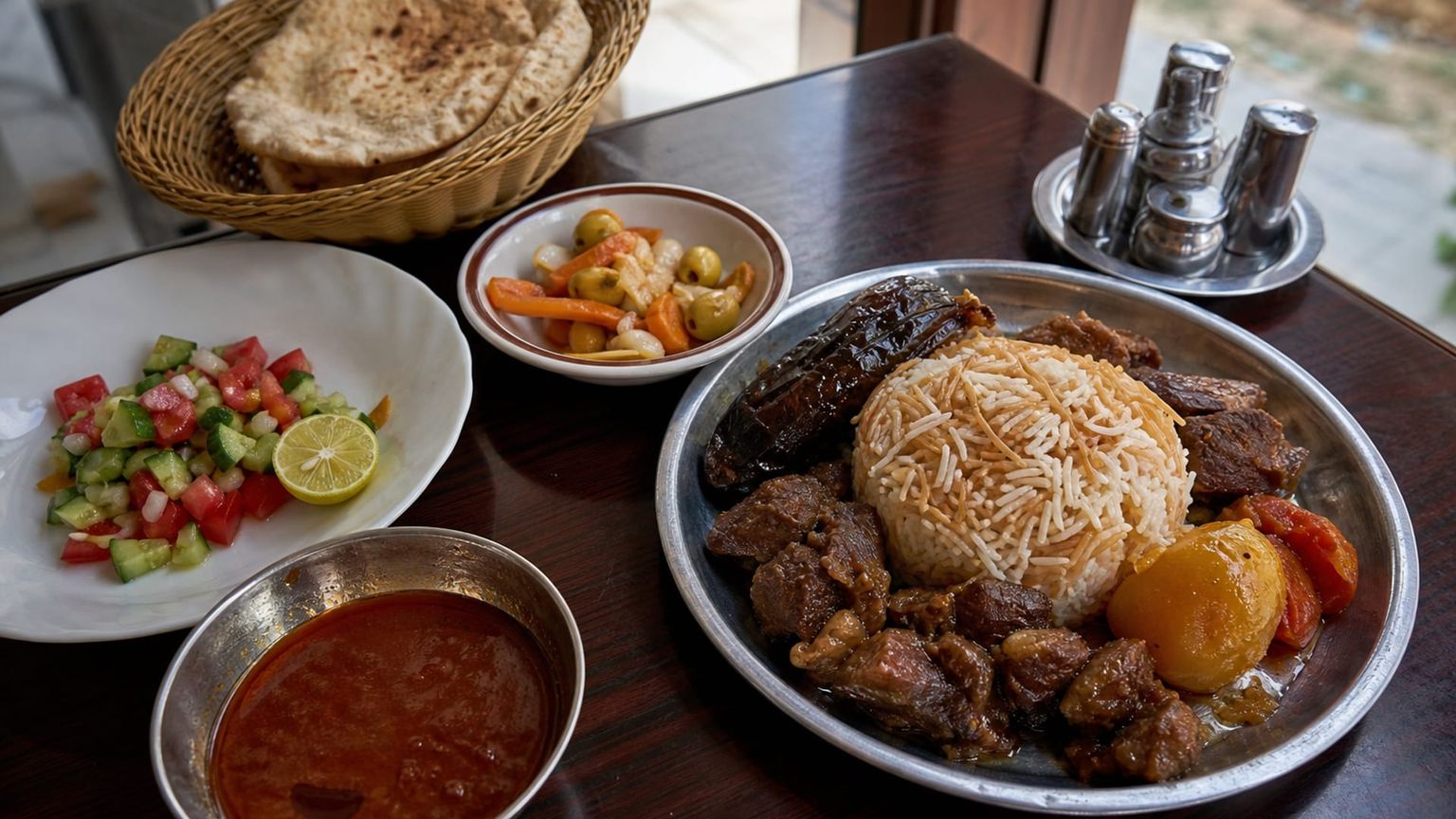
Luxor’s food leans on koshari, ful medames, ta’ameya, and mahshi, with garlic, cumin, lemon, and tomato carrying much of the flavor. Cafés serve early breakfasts and late dinners, while the hottest hours often slow the lunch scene.
Koshari
Egypt’s layered mix of rice, lentils, pasta, chickpeas, and spiced tomato sauce suits a city day built around temples and taxis. Aboudi Coffee Break in central Luxor is a dependable stop for it.
Ful medames
Slow-cooked fava beans, olive oil, lemon, and cumin make this a standard breakfast across Luxor. El Zaeem Restaurant is a good canonical stop for a morning plate before an early site visit.
Ta'ameya
Egyptian falafel made with fava beans gives you a crisp, herb-heavy breakfast or lunch option. Al Sahaby Lane Restaurant, near Luxor Temple, is a well-known place to order it.
Mahshi
Stuffed vegetables baked with rice, herbs, and tomato bring a slower, home-style dish to the table. Sofra Restaurant in Luxor is the clear canonical choice for a fuller meal.
Best time to visit Luxor
Luxor shifts sharply by season: winter brings the easiest sightseeing, while summer demands early starts, long indoor breaks, and a more selective use of the West Bank.
Best for: Best overall for temple walks and tomb visits
What you get: About 57-77°F (14-25°C), with the highest visitor numbers and the most comfortable full-day touring
Trade-offs: Popular dates can push hotel prices up and add more people at the major sites
Best for: Best for clear mornings and active sightseeing
What you get: About 68-95°F (20-35°C), with moderate crowds early in the season and more heat by late spring
Trade-offs: Afternoon walks become harder as temperatures climb
Best for: Best for travelers who can start very early and rest at midday
What you get: About 77-106°F (25-41°C), with lighter daytime crowds but far less comfort in open sites
Trade-offs: The heat cuts into stamina, especially on the West Bank and at exposed monuments
Best for: Best for balanced weather and long site days
What you get: About 72-97°F (22-36°C), with improving comfort and a steady flow of visitors
Trade-offs: October and November can still feel warm by midday
A realistic 5-day plan in Luxor
This five-day plan keeps the city in a workable order. It starts on the East Bank, shifts to Karnak and Luxor Temple, spends a full day on the West Bank, then brings the pace back down with the museum and a final neighborhood morning.
Land at Luxor Airport (LXR) and take a taxi to the East Bank center, about 15 to 20 minutes and roughly $6 to $10 depending on traffic and time of day. Check into a room near the Corniche or Raml Street, then stay close to the river for an easy first evening, with a short walk to Luxor Temple or a quiet dinner at a café on the promenade. Drink plenty of water, skip a long excursion, and keep the night centered on an early meal and an unhurried look at the Nile after sunset.
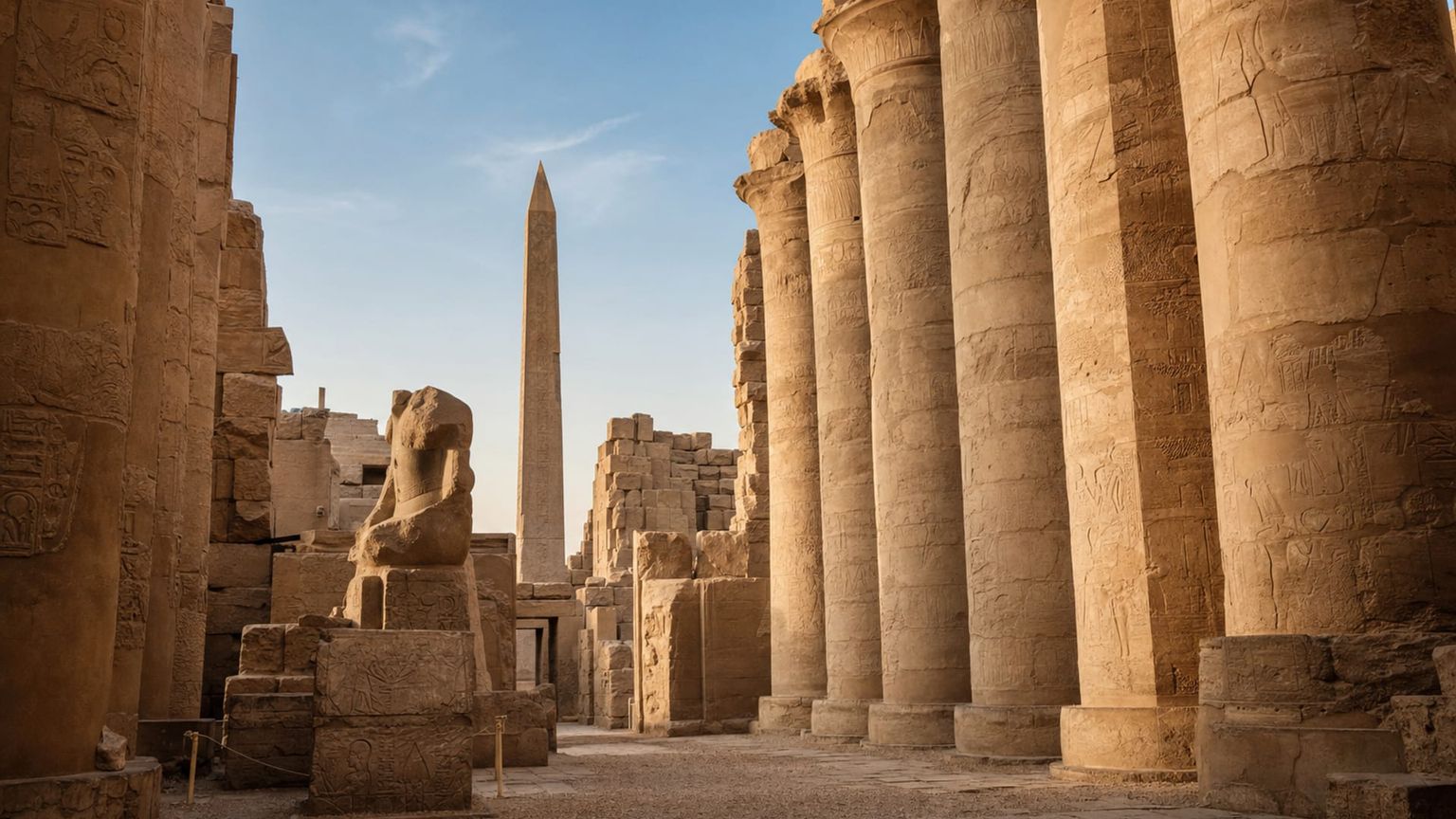
Start before 7:00 am for Karnak Temple Complex, about 10 to 15 minutes by taxi from the East Bank center, so you reach the outer courts before the heaviest tour bus wave. Give the site about 2 to 3 hours, then return to the Corniche for lunch and head to Luxor Temple in the late afternoon, roughly 5 to 10 minutes by taxi or about 20 minutes on foot from central East Bank hotels. Stay for the evening lighting, which makes the courtyard and columns stand out clearly, then finish with dinner near the river.
A west-bank morning works best here, with a boat or ferry crossing from the Corniche, then a taxi ride to the Valley of the Kings in about 20 to 30 minutes total from the East Bank. Spend 2 to 4 hours in the valley, adding one special tomb if the ticket line is short, then continue about 15 to 20 minutes by taxi to Howard Carter House for a quieter archaeological stop of about 45 minutes to 1 hour. Return across the Nile before late afternoon, because the crossing gets slower once day tours begin heading back.
For a culture-focused fourth day, begin at the Luxor Museum after breakfast, about 10 minutes by taxi from most East Bank hotels and roughly 5 to 10 minutes on foot from the Corniche if you stay centrally. Plan 1 to 1.5 hours inside, then move to Luxor Temple or Karnak Road for a slower lunch, followed by a second look at Karnak Temple Complex if you want more time among the Great Hypostyle Hall and sphinx-lined avenue, about 15 to 20 minutes by taxi from the museum area. Ending on the East Bank keeps the day compact, with the riverfront close by for an easy evening walk.

Finish with a low-key East Bank morning, starting at the Luxor Museum if you want one last indoor stop, then spending the rest of the day in the Raml Street and East Bank side streets district, where small shops and cafés sit a short walk inland from the Corniche. That puts you close to souvenir browsing, a late lunch, and a final coffee near the river without a long transfer. If your flight is late, stay near the East Bank center so the taxi to Luxor Airport (LXR) stays short and simple, about 15 to 20 minutes.
Business-class flights from the US to Luxor
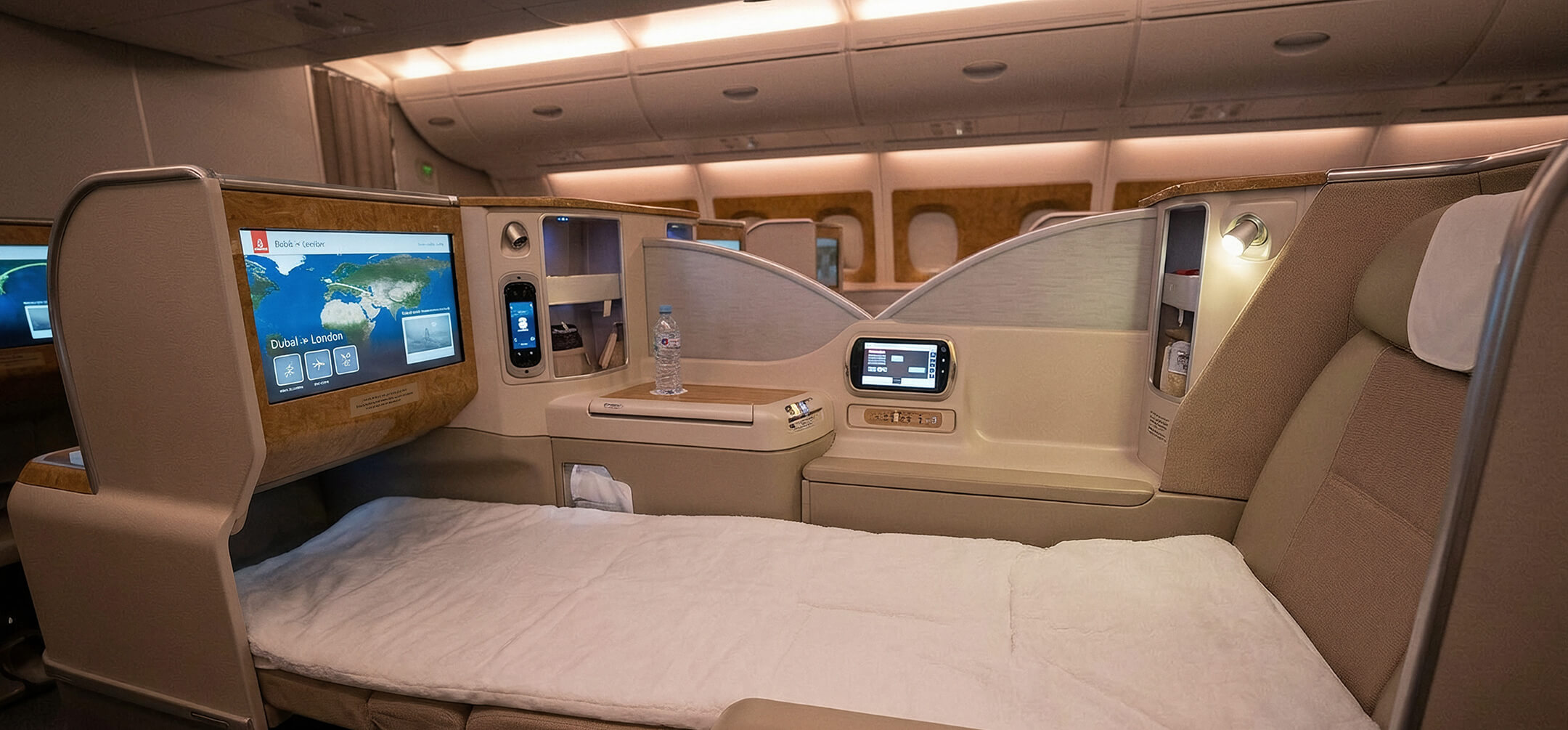
Reaching Luxor from either U.S. coast usually means a connection, and the useful comparison is not just price but how long the layover adds to the journey. Both East Coast and West Coast travelers will see the same main airline names, but the timing changes the trip a lot.
From New York, EgyptAir, Turkish Airlines, Lufthansa, Air France, and British Airways all appear on one-stop options, with total travel time usually about 16 to 23 hours. Common layover hubs include IST, CAI, FRA, CDG, and LHR, and round-trip fares usually start at $2,800 and can reach $5,500.
Los Angeles itineraries usually run about 19 to 27 hours overall, with EgyptAir, Turkish Airlines, Lufthansa, Air France, and British Airways among the common carriers. Typical connections route through IST, CAI, FRA, CDG, or LHR, and round-trip fares usually start at $2,900 and can reach $5,800.
Luxor feels different when you slow down
A good Luxor stay has a clear order to it, Corniche mornings, taxi rides timed before the heat, a ferry or boat crossing for the West Bank, and evenings that end near Luxor Temple or back along Raml Street. That kind of pacing leaves room for Karnak, the Valley of the Kings, and the museum without forcing the city into one rushed circuit. For a trip built around the right bank, the right hour, and the right transfer, speak with the AranGrant experts