

Chapters:

Need help with your trip?
Our support team is available 24/7. Request a callback or call us directly at (833) 619-0908
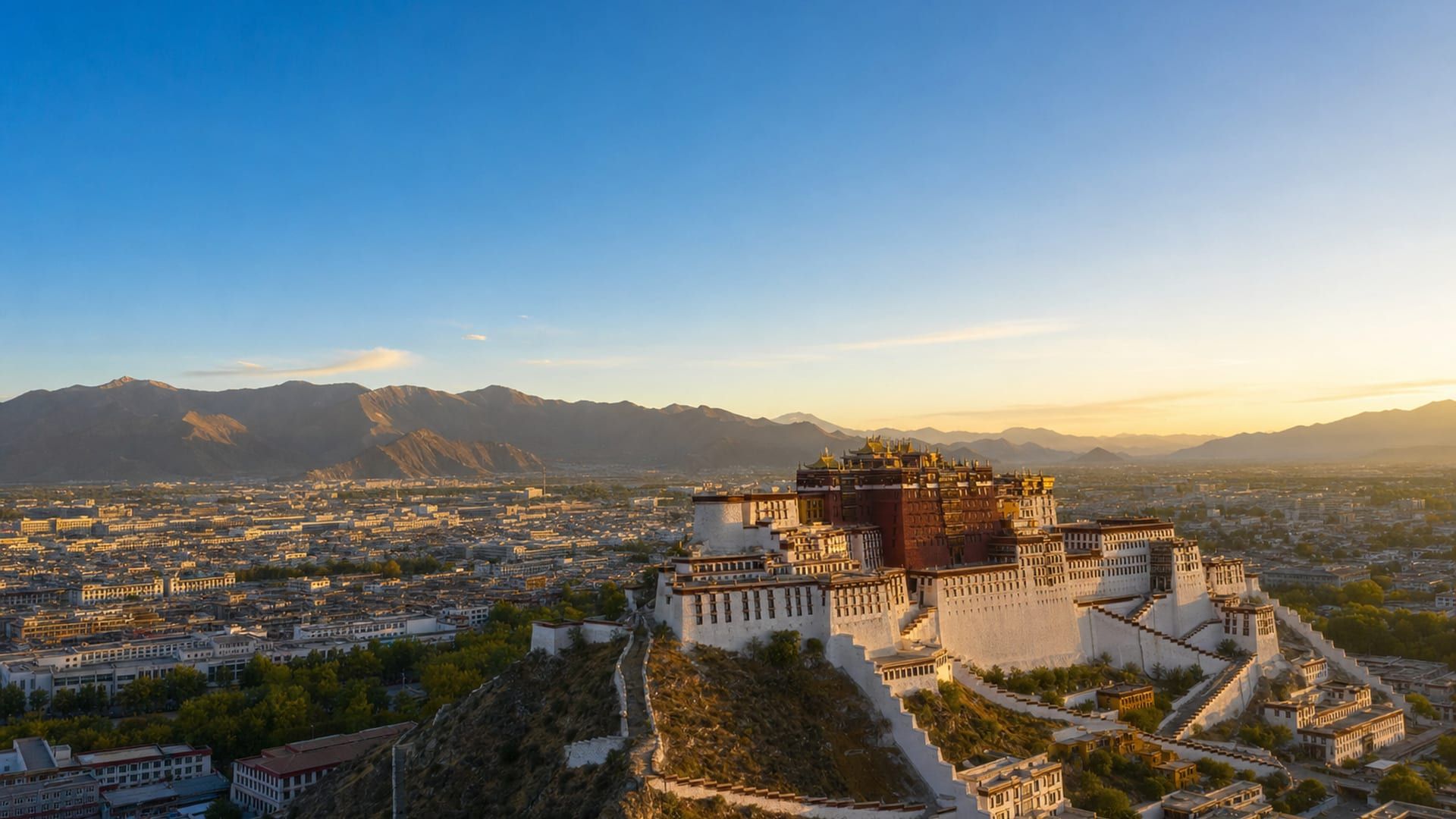
Lhasa trips often follow the same arc, a night near Barkhor, a quick pass at Potala Palace, then a shrine visit before the flight out. What visitors often miss is how much timing shapes the day, from prayer traffic to taxi windows and the way altitude slows the first 24 hours.
That habit can leave long cross-town rides and crowded lanes squeezed into the same tight schedule, with little room for Norbulingka, tea breaks, or a slower walk through the old city. Distances look short on a map, but they add time once you account for checks, elevation, and traffic.
This guide spaces the city out by neighborhood and by task, so each day has a clear purpose. You get the major sights, the food, the transit basics, and a five-day flow that fits Lhasa’s actual pace.
Useful things to know

Main language(s): Tibetan, Mandarin Chinese
བཀྲ་ཤིས་བདེ་ལེགས་ (Tashi delek) – Hello / good morning
ཁྱེད་རང་ལ་ཐུགས་རྗེ་ཆེ་ (khyed rang la thugs rje che) – Please
ཐུགས་རྗེ་ཆེ་ (thuk-je-che) – Thank you
ཁྱེད་རང་གིས་ཨིན་ཇི་སྐད་ཆ་ཤེས་སམ། (khyed rang gis inji skad cha shes sam) – Do you speak English?
འདི་ག་ཚོད་རེད། (di ga tsod red) – How much does it cost?

Currency: The local currency is the Chinese yuan (CNY, ¥).

Cash and cards: Cards and contactless are accepted in some hotels and larger shops, but carry about ¥200 to ¥500 ($30 to $70) in cash.

Tipping: Tip is not common; round up small bills or leave about 5% at nicer restaurants.

Traditional food: tsampa, yak momo, thukpa, butter tea

Water and coffee costs: Water about ¥3 to ¥6 ($0.40 to $0.85), bar espresso about ¥20 to ¥30 ($2.80 to $4.20).

Taxis and ride apps: Didi operates here; have your destination in Chinese, and expect limited driver availability.

Plug and voltage: Type A/C/I socket, 220V

Dining and shop opening hours: Breakfast is roughly 07:30-09:00, lunch 12:00-14:00, and dinner 18:00-21:00. Some restaurants close early outside the main season.

Emergency number: 110 police, 120 ambulance, 119 fire.
Where to stay in Lhasa
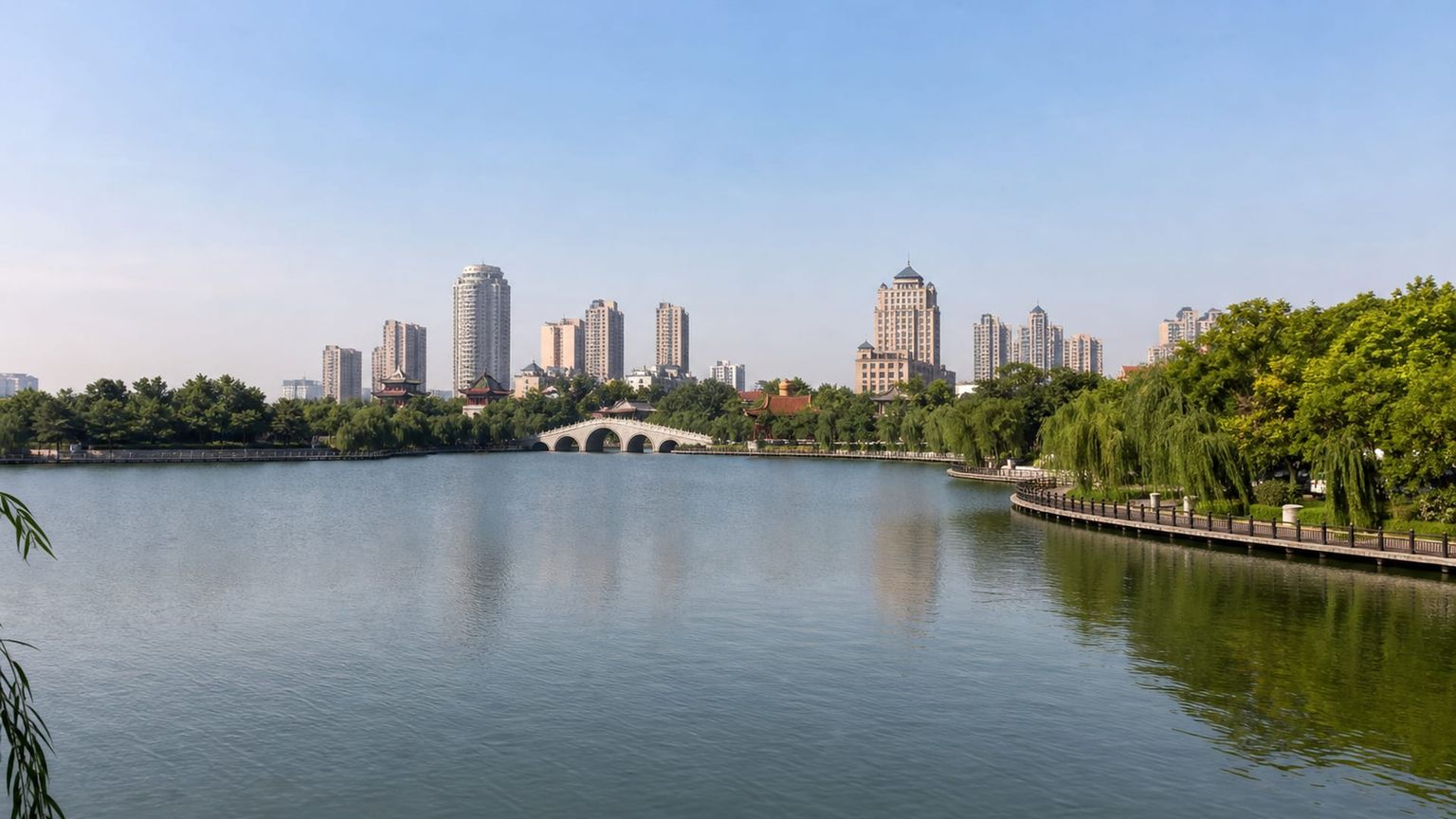
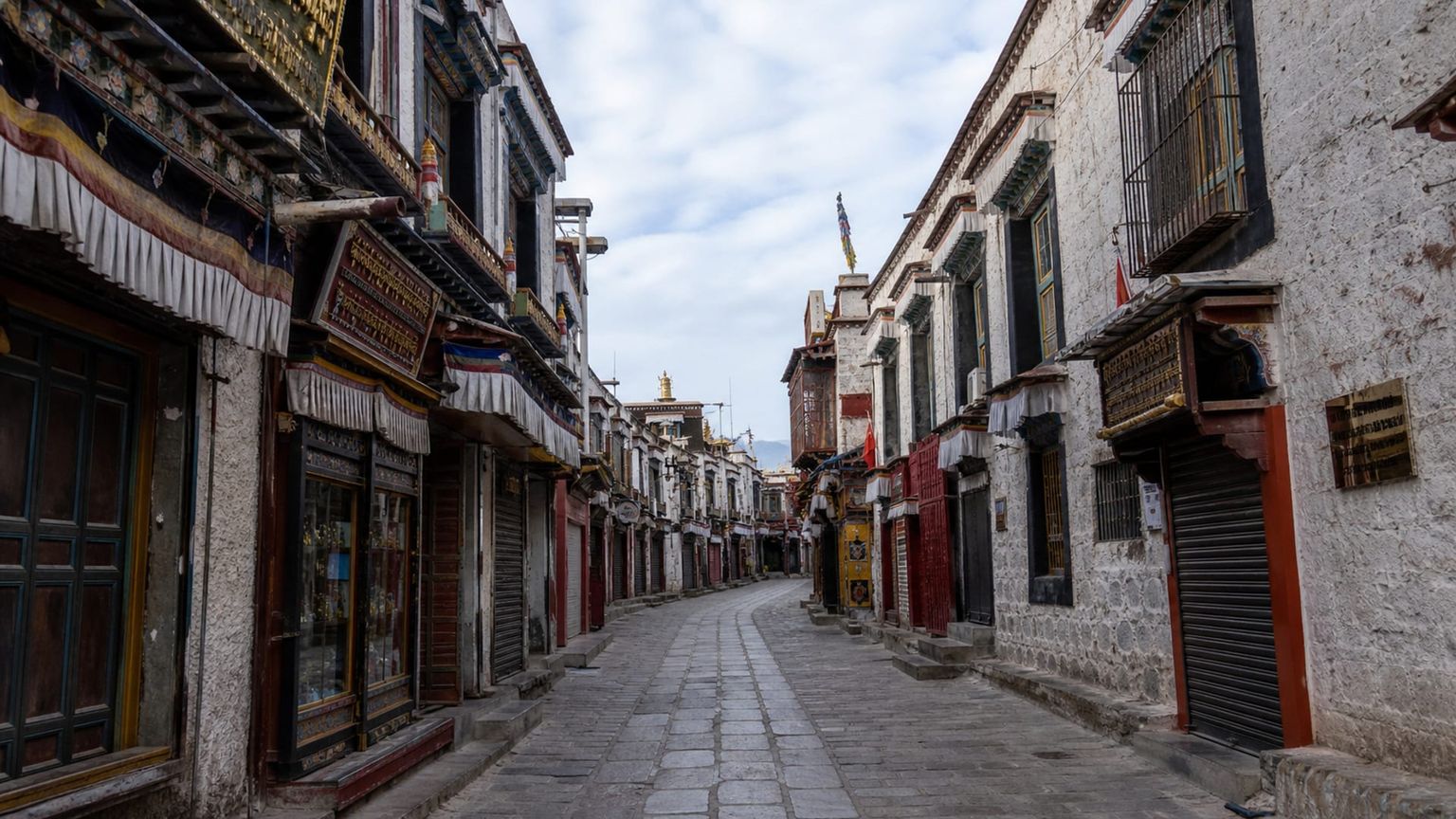
Lhasa’s historic heart centers on Jokhang Temple, Barkhor Street, and lanes filled with pilgrims, prayer wheels, and compact guesthouses. Staying here puts you closest to the city’s main sights and gives you the easiest access to early-morning temple visits and evening kora walks.
Best for: Temple access, first-time sightseeing, and travelers who want to stay inside the old city core
What to expect: Busy pedestrian lanes, pilgrimage traffic, souvenir stalls, and the most visitor-oriented street life in Lhasa.
Hotel prices: Usually about ¥500 to ¥1,200 (~$70 to ~$165) per night for well-rated stays
Distance to major sights: On foot to Jokhang Temple in about 5 minutes; about 10 to 15 minutes on foot to Potala Palace
Quietness: Lively during the day and early evening, then quieter after shop closures, though prayer activity can continue late
Main trade-off: Central locations bring higher prices, tighter streets, and more foot traffic than outer districts.
Good to know: Hotel stock is limited in the oldest lanes, so book early if you want a room with easy walk access to temple hours.
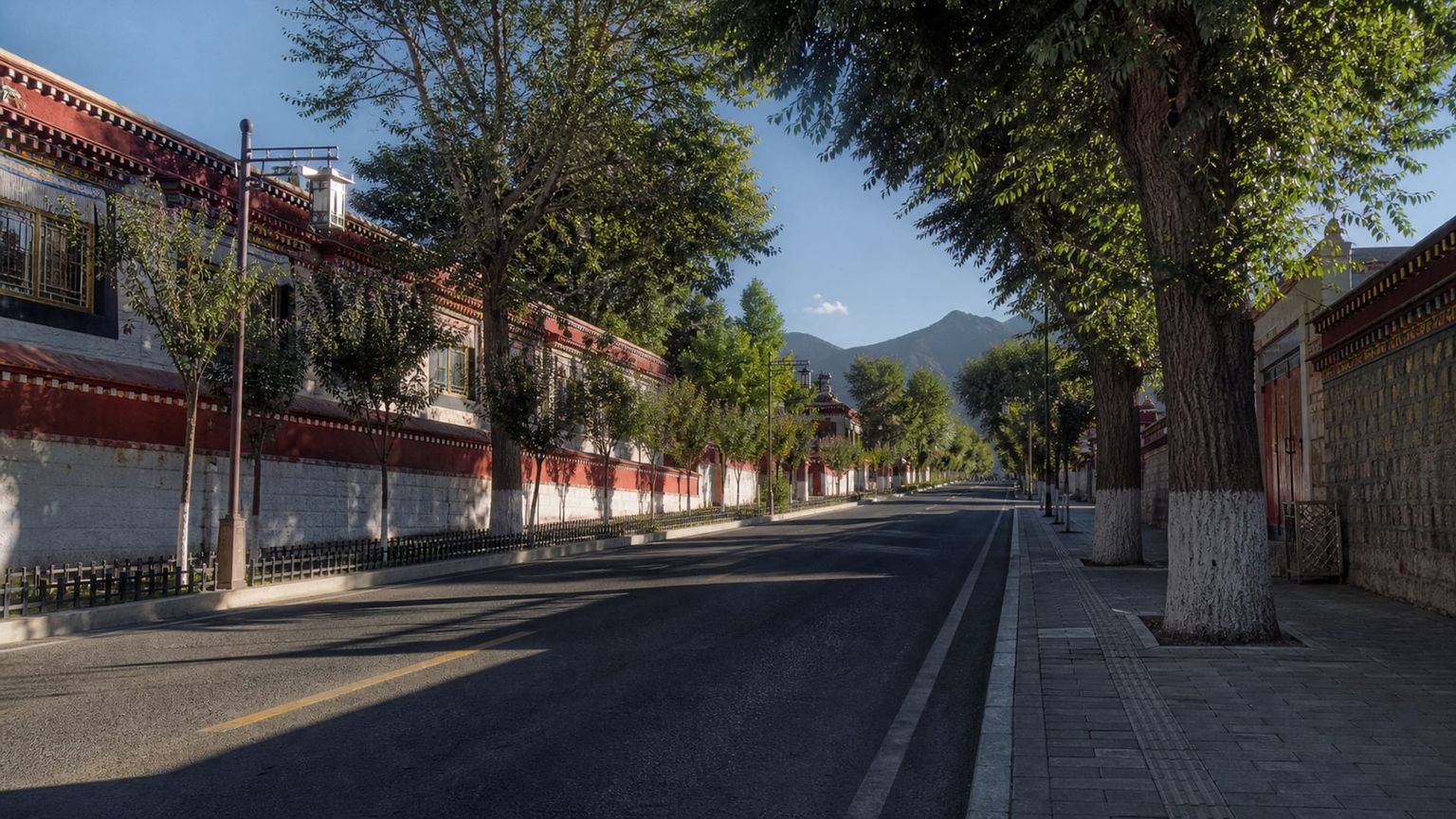
Beijing East Road is one of Lhasa’s main commercial corridors, with larger hotels, restaurants, and easier vehicle access than the old town streets. It works well if you want a busier but less compressed base with simple transit links toward the city’s main sights.
Best for: Midrange hotels, easier vehicle access, and travelers who prefer a more modern base
What to expect: Wide roads, hotel entrances, taxi movement, and steady daytime activity around shops and dining spots.
Hotel prices: Usually about ¥400 to ¥900 (~$55 to ~$125) per night for well-rated stays
Distance to major sights: About 10 to 20 minutes by taxi to Potala Palace; about 15 to 25 minutes by taxi to Jokhang Temple
Quietness: Busier in the day, then calmer at night once restaurants and shops close
Main trade-off: You gain larger room options, but you will usually depend on taxis for the old town and temple area.
Good to know: Choose this if you want simpler luggage handling, since many hotels here sit on wider roads with better vehicle access.
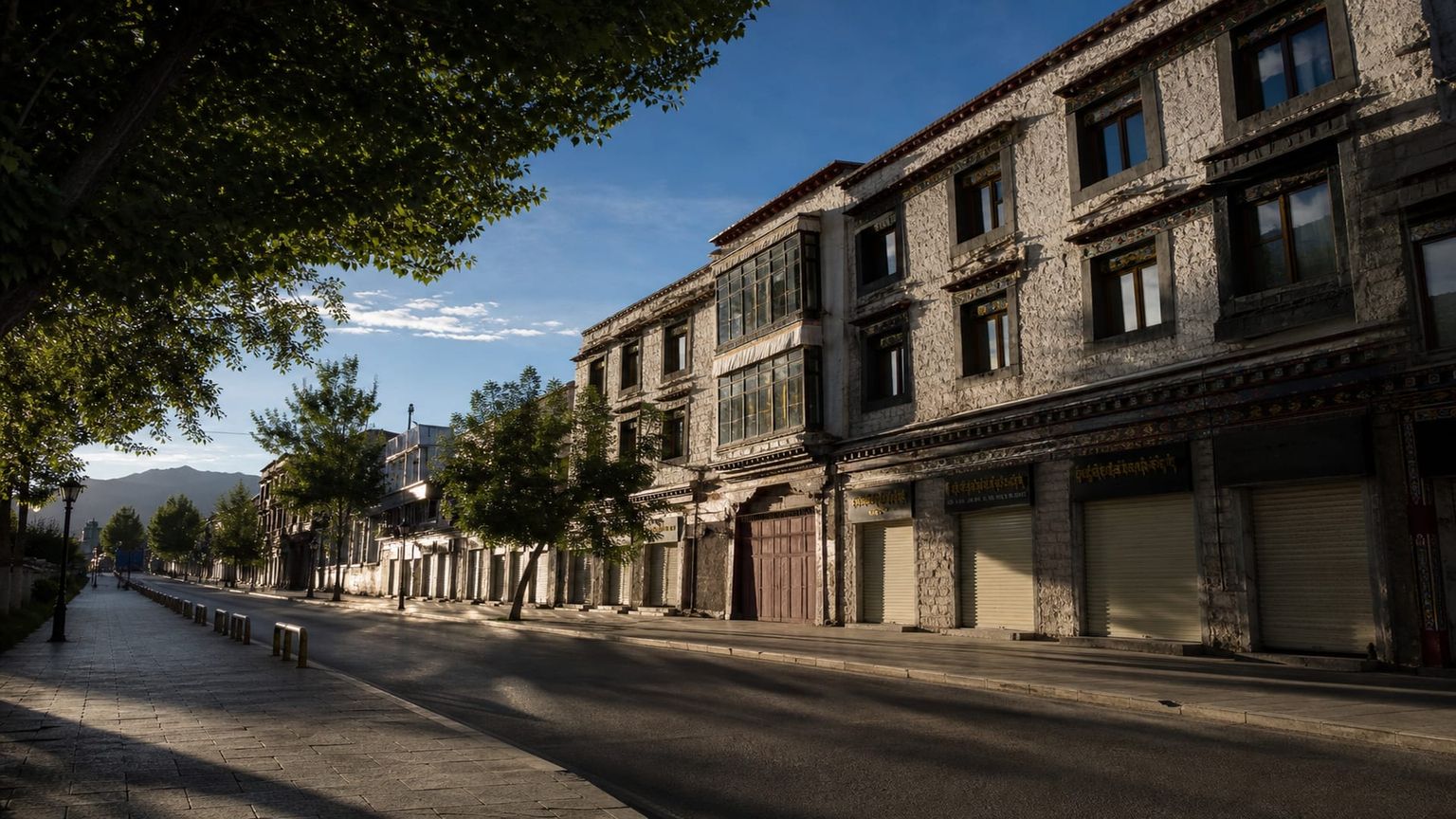
West Beijing Road sits closer to the Potala Palace side of central Lhasa, with government buildings, hotels, and broad streets that make taxi movement easier. It suits travelers who want a central base without staying inside the tightest old-city lanes.
Best for: Potala Palace access, business-style hotels, and visitors who want central positioning with easier road access
What to expect: A mix of hotels, offices, and traffic on wider avenues, with fewer pedestrian-only lanes than the old town.
Hotel prices: Usually about ¥450 to ¥1,000 (~$62 to ~$138) per night for well-rated stays
Distance to major sights: About 10 to 15 minutes by taxi to Potala Palace; about 15 to 20 minutes by taxi to Jokhang Temple
Quietness: Lively at rush hours and quieter late at night, especially away from the main intersections
Main trade-off: You stay close to the palace side of town, but the area has less of the old-market atmosphere than Barkhor.
Good to know: Rooms here often make loading and unloading bags easier than in the narrow lanes near Jokhang Temple.
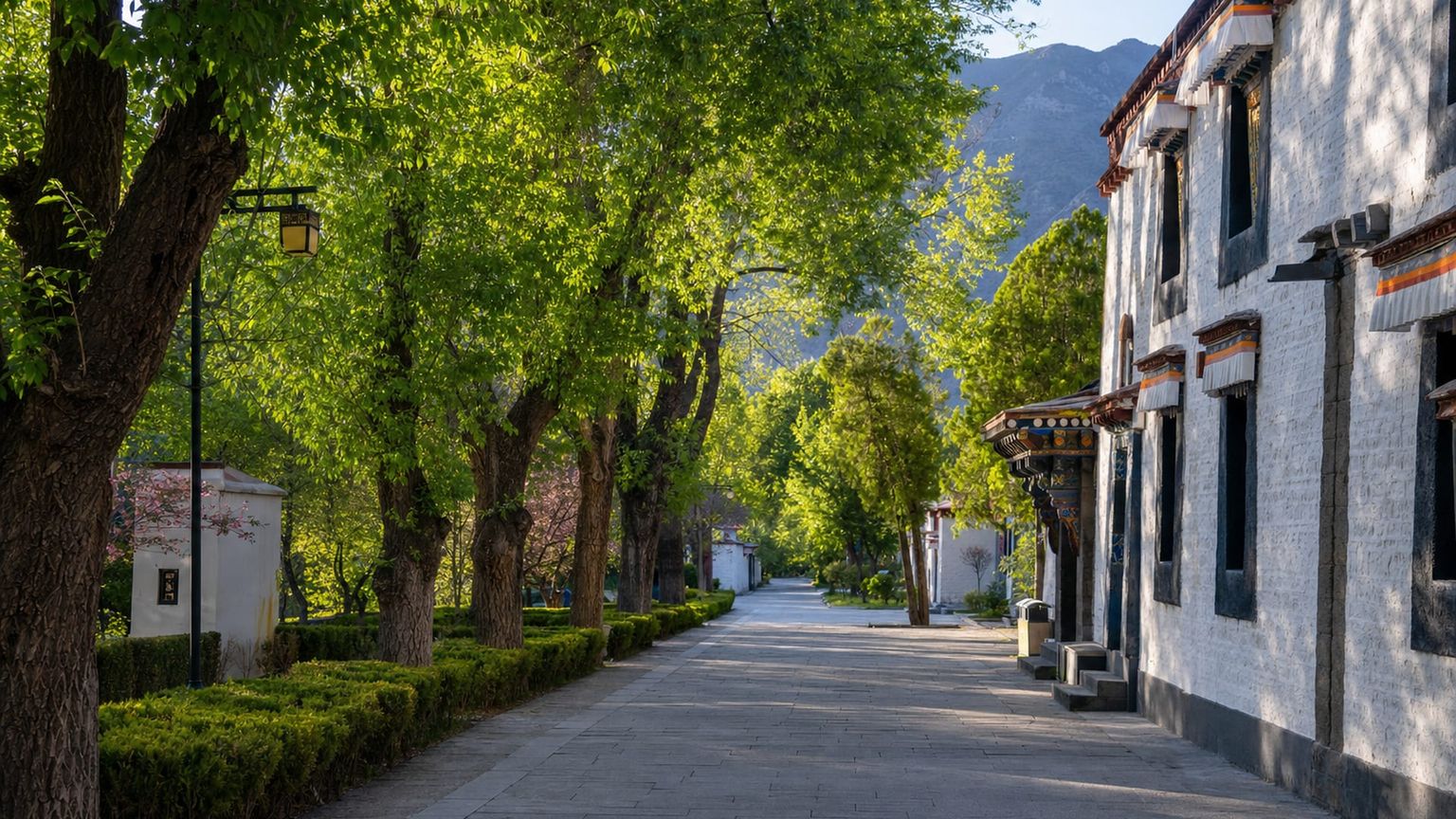
The Norbulingka area lies west of the center near the former summer palace and several cultural sites, with larger grounds and fewer tight market streets. It gives you a calmer setting while still keeping central Lhasa within a short taxi ride.
Best for: Quieter evenings, larger hotel compounds, and travelers who do not need to sleep inside the old town
What to expect: Broader roads, garden-like compounds, and lighter street activity than around Barkhor.
Hotel prices: Usually about ¥350 to ¥850 (~$48 to ~$117) per night for well-rated stays
Distance to major sights: About 10 to 20 minutes by taxi to Potala Palace; about 20 to 30 minutes by taxi to Jokhang Temple
Quietness: Quieter in the day and noticeably calmer after dark than central Lhasa
Main trade-off: You trade walking access to the old town for a setting that usually requires taxis for most sightseeing.
Good to know: This area suits travelers who prefer a room with more space, since many properties here sit in larger compounds rather than dense alley blocks.
Travelers usually avoid staying in Duilongdeqing District, about 20 to 30 minutes north of central Lhasa, because it sits far from Jokhang Temple, Barkhor Street, and the main hotel cluster, with fewer visitor amenities and more dependence on long taxi rides. Nyingchi Road and other outer eastern or northern suburbs are also less convenient, since they are well outside the compact center, offer fewer dining options, and make evening travel back from the historic core more time-consuming.
Hotel deals
How to get around Lhasa efficiently
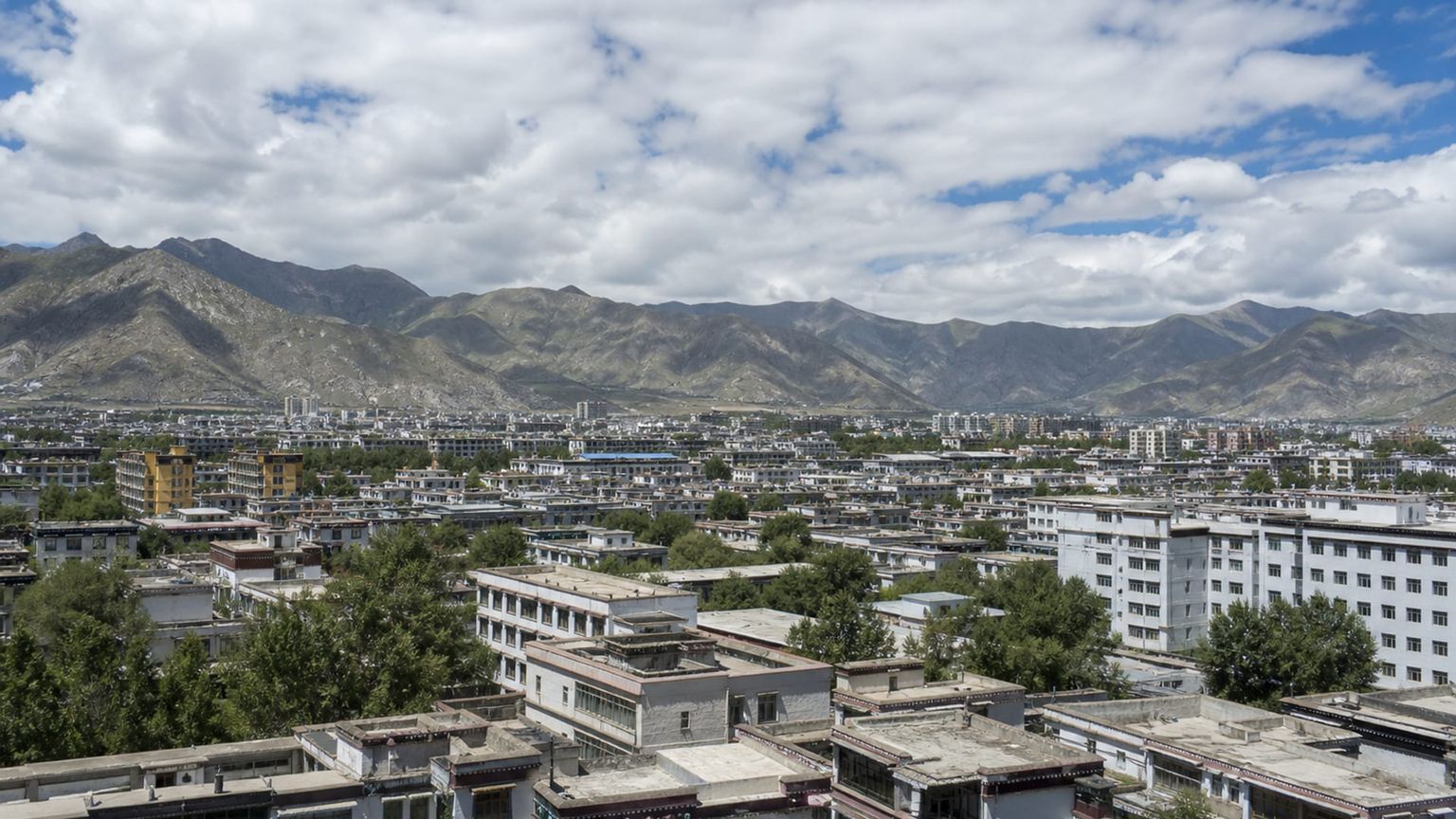
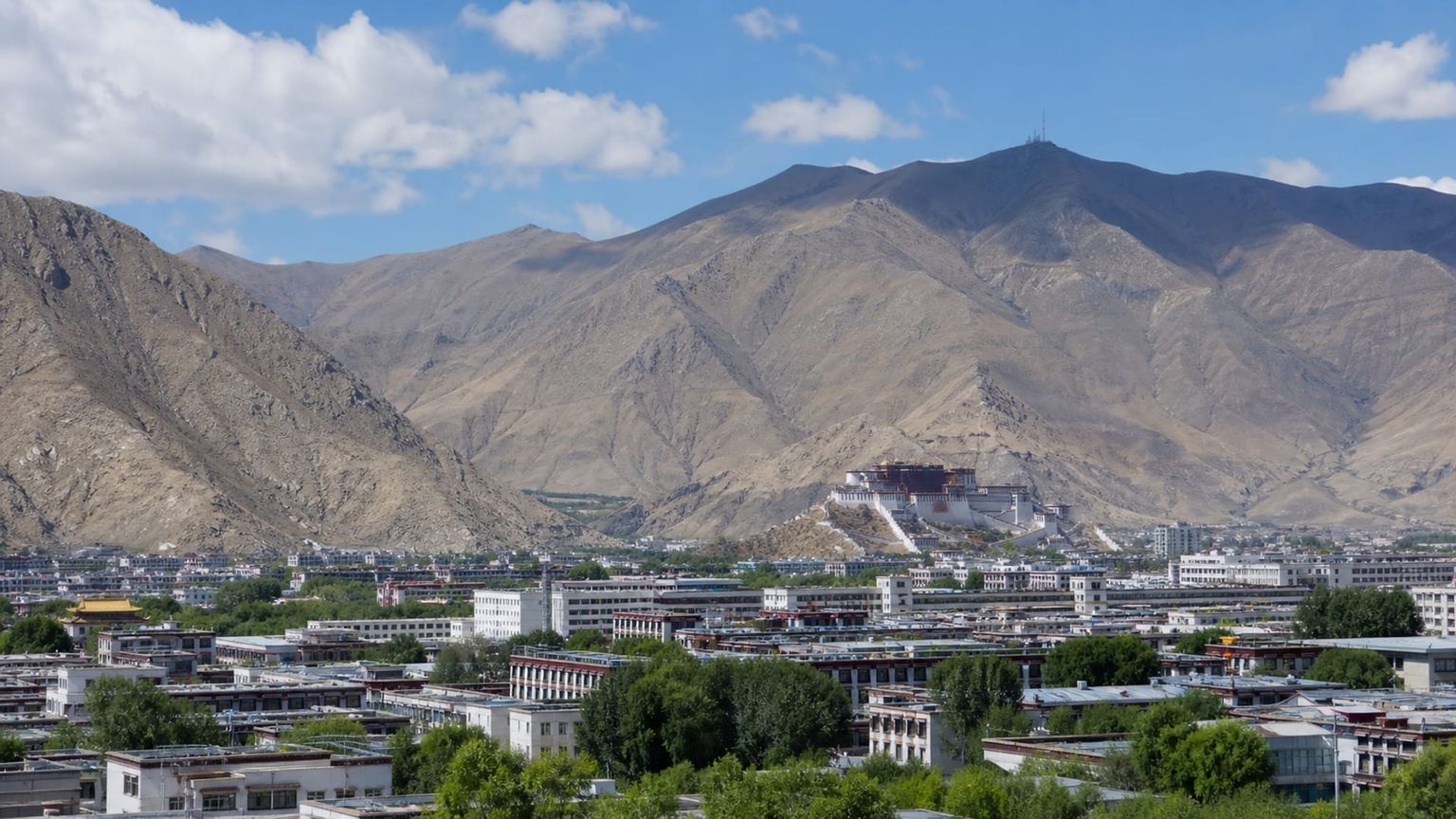
Lhasa has no metro, so getting between Barkhor, Potala Palace, and the western sites means mixing walking with buses, taxis, or Didi when traffic and altitude make longer moves less appealing.

Metro
for longer distances
Lhasa has no metro system, so visitors rely on road transport and, for longer regional trips, rail at Lhasa Railway Station. If you need the closest equivalent to urban rail, use the taxi or bus network for point-to-point travel instead.

Bus and tram
for convenience
Lhasa’s bus network covers the main urban corridor, including routes toward Barkhor, Potala Palace, and the railway station, with most city rides costing about $0.15 to $0.30 (about ¥1 to ¥2) and single-ride validity lasting for that trip only. Route signage can be sparse in English, so confirm the destination with the driver or another passenger before boarding.

Taxi
for convenience or late hours
Licensed taxis in Lhasa use metered fares, not fixed fares, with a typical daytime start of about $1.50 to $2.00 (about ¥10 to ¥14) and short urban trips often landing near $2.50 to $6 (about ¥18 to ¥42); airport trips usually cost about $8 to $15 (about ¥60 to ¥110) depending on traffic and pickup point. Hail taxis on the street or from marked ranks, and carry cash, because card payment is not standard.
*Prices are based on rates updated as of June 2026 and may change at the time of travel.
Use buses for cheap point-to-point city hops, taxis for the airport and time-sensitive cross-town trips, and walking for the old city, where the shortest route is often the one on foot.
Iconic landmarks
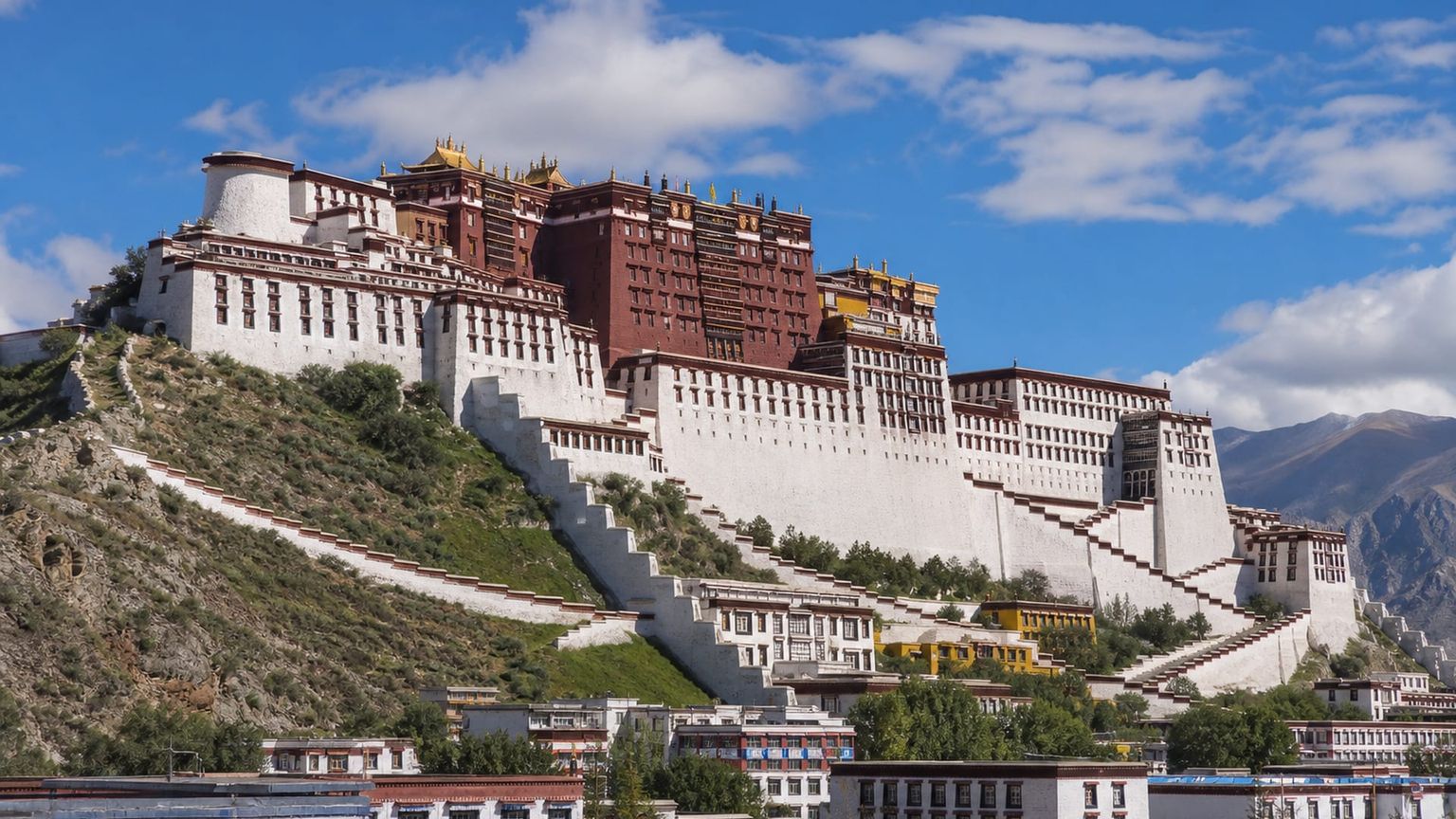
Potala Palace
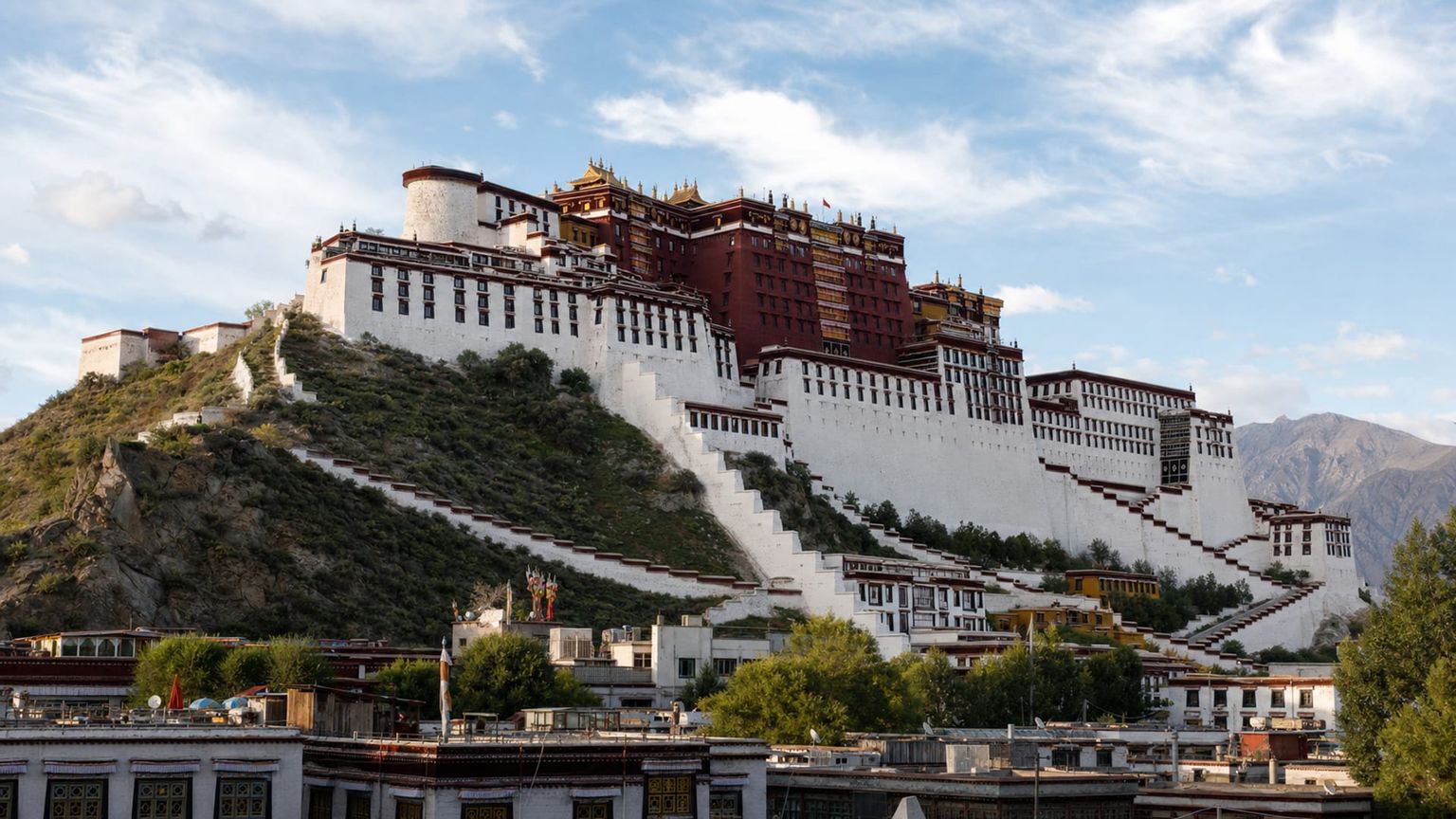
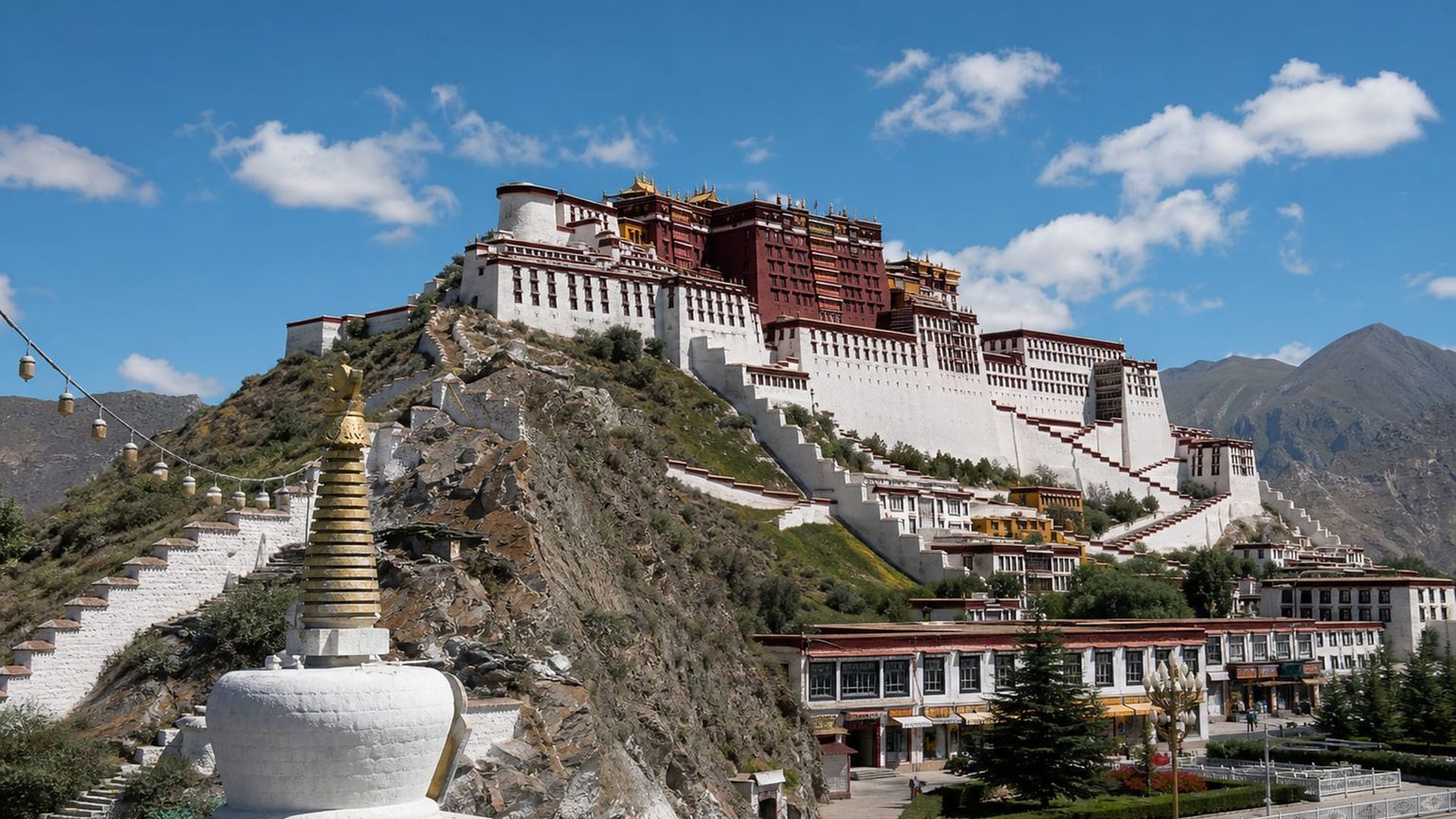
The winter palace of the Dalai Lamas rises above Lhasa on Marpo Ri, with gilded chapels, audience halls, and stupa tombs inside its red-and-white walls. The site anchors the city’s skyline and Tibetan Buddhist heritage.
Time needed: About 2 to 3 hours
Entry: Entry costs about $38 to $41 (¥270 to ¥290), with tickets tied to timed visitor windows and set palace routes. Visit the official site for details.
Tip: Go early for better light on the facade, then save your energy for the stair climb.
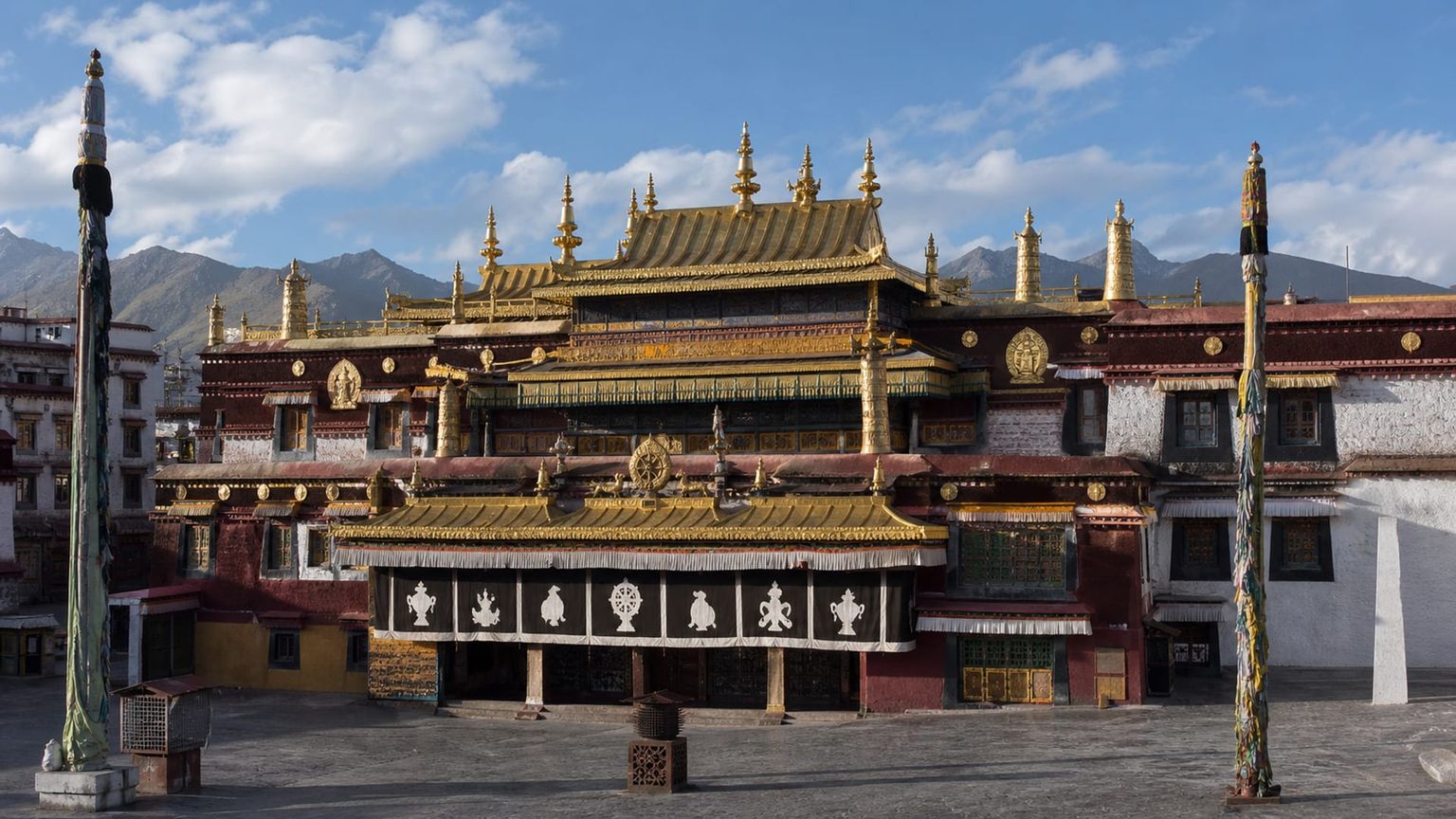
Jokhang Temple
Jokhang Temple sits at the heart of old Lhasa and draws pilgrims who circle the shrine on Barkhor streets. Inside, butter lamps, sacred images, and incense create the city’s most important devotional site.
Time needed: About 1 to 2 hours
Entry: Entry costs about $8 to $10 (¥58 to ¥70), with temple access controlled by opening hours and on-site checks.
Tip: Visit early, before the busiest pilgrim traffic builds on the Barkhor circuit.
Norbulingka
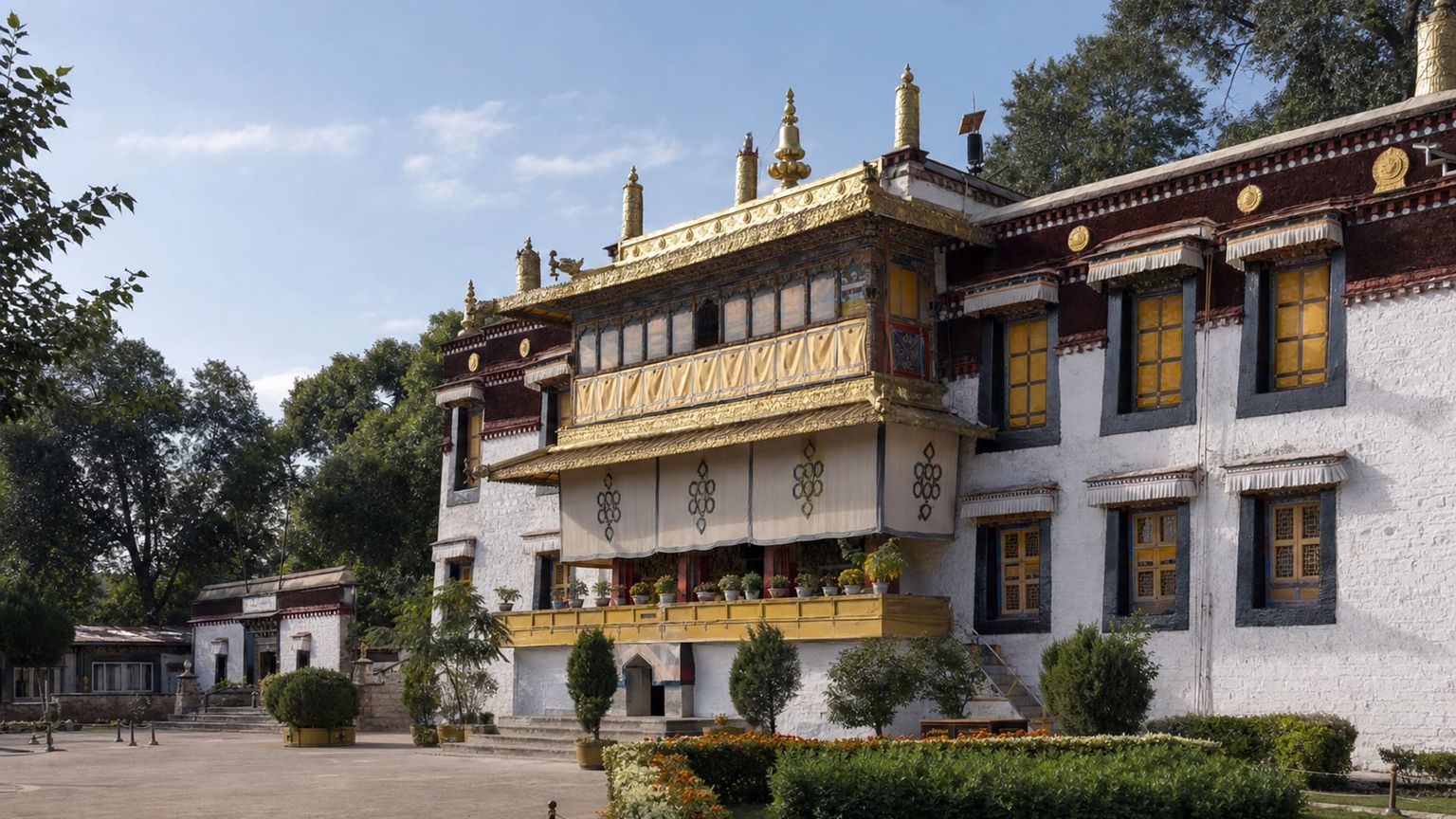
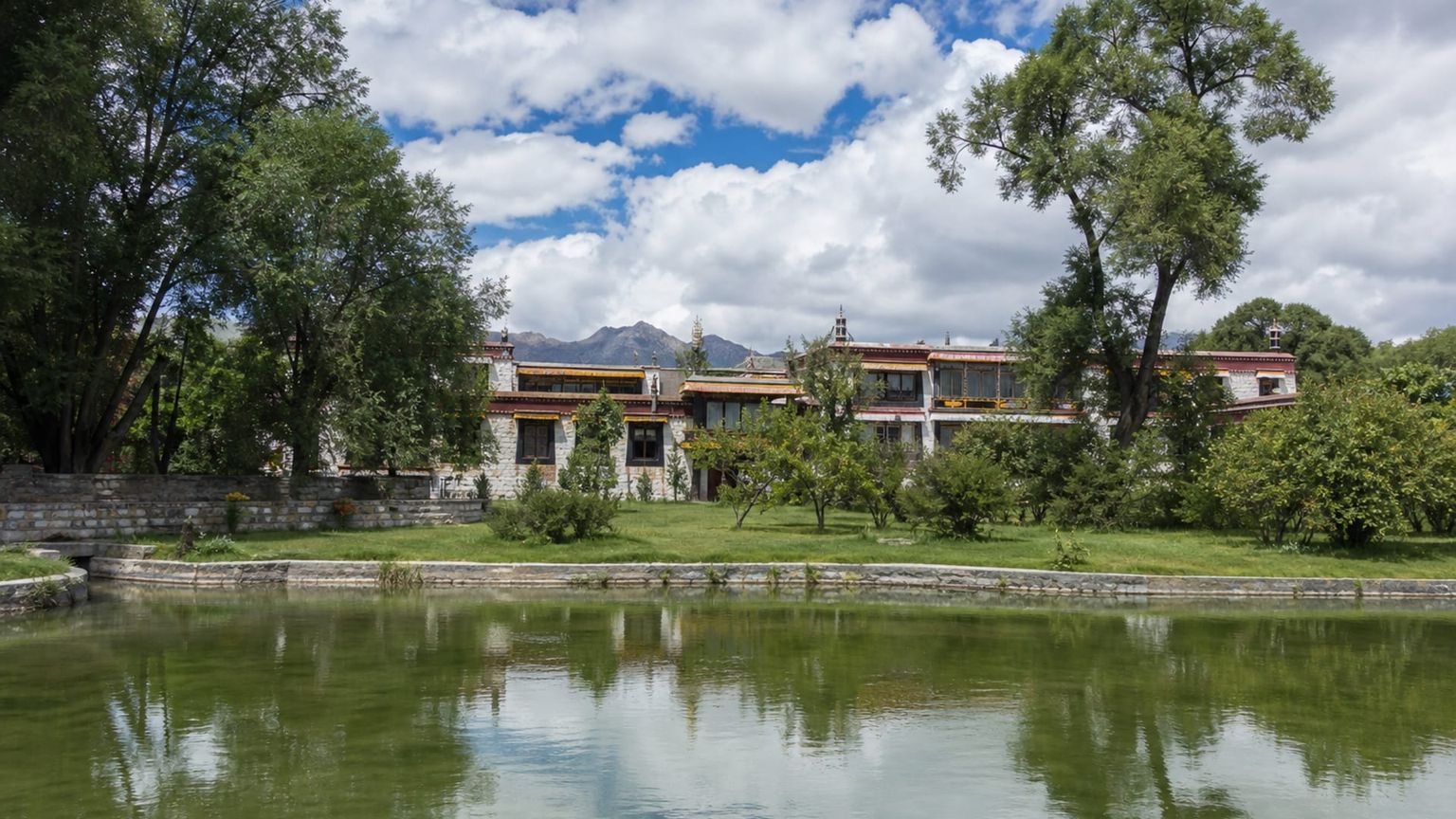
Norbulingka, the former summer palace of the Dalai Lamas, pairs broad gardens with low palace buildings and prayer spaces. Its trees, ponds, and courtyards offer a clear contrast to Lhasa’s dense historic center.
Time needed: About 2 to 3 hours
Entry: Entry costs about $6 to $8 (¥42 to ¥56), with park and palace access sold as a single admission.
Tip: Allow extra time in the afternoon, when the gardens are best for walking and photos.
Overlooked sites worth visiting

Norbulingka
The Dalai Lamas’ former summer palace in western Lhasa mixes pavilions, gardens, and lakeside paths. Visit for Tibetan murals and courtyards, then continue through the surrounding park at an easy pace.
Time needed: About 2 to 3 hours
Entry: Standard admission costs about $7 to $9 (¥50 to ¥65), with seasonal opening hours and on-site ticketing for the palace and park grounds. Special exhibitions may carry separate charges, so check the current notice board before entering.
Tip: Go early for calmer paths and better light on the murals.

Lhasa Mosque
Set near Barkhor, Lhasa Mosque offers a compact look at the city’s Muslim community, with a simple prayer hall and a small courtyard. It pairs easily with a short walk through nearby lanes.
Time needed: About 30 to 45 minutes
Entry: Free to visit outside prayer times, with no ticket required for the courtyard and exterior areas. Entry inside the prayer hall depends on worship schedules and local access rules, so visitors should expect brief security checks and respect posted guidance.
Tip: Visit between prayers and dress modestly.
Traditional food
Lhasa’s food leans on barley, yak dairy, noodles, and warming broth, with tsampa, yak momo, thukpa, and butter tea anchoring the table. Meals tend to be simple, filling, and best taken slowly at regular dining hours.
Tsampa
Roasted barley flour mixed with tea or butter tea, tsampa is the staple that grounds many Tibetan meals. Tibetan Family Kitchen is a good place in Lhasa to try it in a setting that also serves other regional dishes.
Yak momo
These dumplings use yak meat or a mixed filling and arrive steamed, with a richer flavor than standard dumplings. House of Shambhala in Lhasa is a strong place to order them alongside other Tibetan plates.
Thukpa
Thukpa is the bowl to choose when you want noodles in a hot broth after a day at altitude. Snowland Restaurant in Lhasa is a long-standing place to eat it with a mix of local and Himalayan dishes.
Butter tea
Butter tea combines tea, butter, and salt, and it shows up as both a drink and a daily habit. Makye Ame, near Jokhang Temple, is one of the most famous places in Lhasa to order it with a view of temple life.
Best time to visit Lhasa
Lhasa’s seasons swing between bright, dry travel weather and colder months that can make early mornings and evening walks less comfortable.
Best for: Clear light, temple visits, and first walks through the old city
What you get: About 34 to 66°F (1 to 19°C), with moderate crowds and improving road conditions
Trade-offs: Nights stay cold, and strong sun still calls for careful pacing
Best for: Garden visits, longer daylight, and the fullest city schedule
What you get: About 48 to 73°F (9 to 23°C), with the busiest visitor flow and more local activity
Trade-offs: Afternoon showers and peak-season crowds can narrow your timing
Best for: Stable skies, palace visits, and long city walks
What you get: About 28 to 68°F (-2 to 20°C), with lighter crowds after summer and crisp air
Trade-offs: Evenings cool quickly, especially once the sun drops behind the hills
Best for: Quiet temples and lower visitor numbers
What you get: About 14 to 49°F (-10 to 9°C), with the lightest crowds and the clearest sense of space
Trade-offs: Cold mornings and shorter days limit how much you can comfortably pack in
A realistic 5-day plan in Lhasa
Five days gives Lhasa enough room to open gradually. The city rewards that pace, since the main sights sit in different pockets of town and the altitude makes back-to-back marathons a poor trade.
Land at Lhasa Gonggar Airport (LXA) and take a taxi into town in about 45 to 60 minutes for roughly ¥250 to ¥300, or about $35 to $41. Base yourself near Barkhor and Old Town if you want to be close to Jokhang Temple for tomorrow, or choose West Beijing Road if you prefer easier vehicle access and a simpler hotel check-in after the drive. Hydrate well, keep dinner light, and stay near Barkhor Street for an easy first evening meal of Tibetan noodles or soup before an early night.
Start at Potala Palace, ideally in the early morning, then allow about 2 to 3 hours for the visit and roughly 20 to 25 minutes by taxi from Barkhor and Old Town. From there, continue to Jokhang Temple, which is about 10 to 15 minutes away by taxi or a short walk from many old-town stays, and spend about 1 to 2 hours inside before circling Barkhor Street on foot. Finish with a late lunch or tea in the lanes around the temple, where you can watch pilgrimage traffic and browse small shops without rushing between sights.
Begin with Norbulingka, where the park and palace grounds take about 2 to 3 hours and give you a quieter morning on the west side of town. After that, move to Lhasa Mosque, about 15 to 20 minutes by taxi from Norbulingka and about 30 to 45 minutes for a visit, so you can see the courtyard and prayer hall exterior when worship schedules allow. Wrap up the afternoon with a slower walk back toward central Lhasa, then have dinner near West Beijing Road if you want an easier taxi back to the hotel.
For a deeper old-city day, return to Barkhor and Old Town early, then spend time at Jokhang Temple if you want a second, less hurried look at the surrounding lanes and prayer circuit. Move across town to Potala Palace afterward, which is about 10 to 15 minutes by taxi from West Beijing Road and roughly 20 to 25 minutes from Barkhor, and revisit the exterior terraces or nearby viewpoints if you skipped them on day 2. End with an evening stroll through the temple area, where the streets thin out after shop hours but prayer activity can continue late.
Before you head to Lhasa Gonggar Airport (LXA), fit in one last stop at Norbulingka if you still want a final look at the gardens and palace grounds, or spend the morning in Beijing East Road for shopping, cafés, and easier luggage handling. If you prefer a slower departure day, sit down for coffee in West Beijing Road and keep the schedule close to your hotel so you can leave for the airport without a long cross-town transfer. That gives you one last, grounded look at the city before the drive out of town.
Business-class flights from the US to Lhasa
Reaching Lhasa usually means a one-stop itinerary, and the most useful comparisons are the East Coast and West Coast examples below. The right choice often comes down to layover city, total time, and how much connection padding you want at high altitude airports.
From New York, Air China, Cathay Pacific, Korean Air, Turkish Airlines, and Qatar Airways all appear on itineraries that usually run about 18 to 27 hours. Common connection points include PEK, PVG, HKG, ICN, DOH, and IST, and business-class fares from New York to Lhasa usually start at $4,500 and can reach $8,500.
From Los Angeles, Cathay Pacific, China Eastern Airlines, Air China, Korean Air, and Qatar Airways serve itineraries that typically take about 16 to 24 hours. HKG, PVG, PEK, ICN, and DOH are the usual connection cities, and fares generally run $4,200 to $8,000 for the same trip, with one-stop options often pricing lower than multi-stop itineraries.
Lhasa feels different when you slow down
A deliberate Lhasa trip gives each district a role: Barkhor and Old Town for early temple visits, West Beijing Road for easier taxis, and Norbulingka for a slower afternoon in the gardens. Taxis, buses, and short walks do the work here, but only if you leave room for altitude and prayer traffic. If you want to shape the trip around those details, the AranGrant experts can help you plan the route, the neighborhood, and the timing







