

Chapters:

Need help with your trip?
Our support team is available 24/7. Request a callback or call us directly at (833) 619-0908
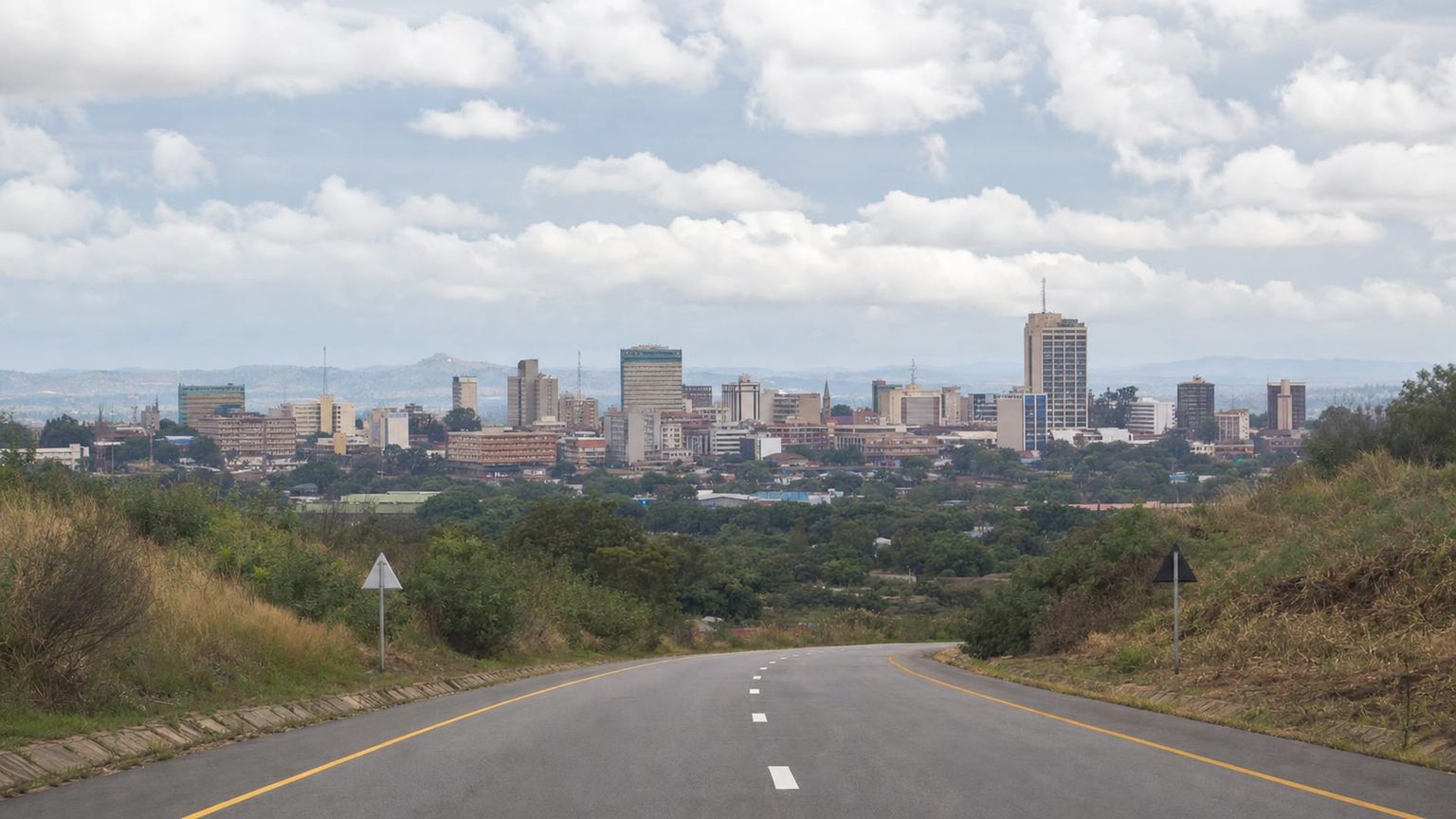
Lilongwe often gets treated as a transit stop, so travelers usually book one hotel, see one landmark, and miss how the city separates its government core from its quieter residential districts.
That split matters because distances are wider than they look on a map, taxis are the default between sights, and evening plans thin out fast once offices close.
This guide follows the city by neighborhood and by time of day, with a clearer order for where to stay, what to eat, and how to fit the main stops into five days.
Useful things to know

Main language(s): English

Currency: The local currency is the Malawian kwacha (MWK, MK).

Cash and cards: Cards work at larger hotels and shops, but carry about MWK 20,000 to 30,000 ($12 to $18) in cash.

Tipping: Round up small bills and leave 5-10% in nicer restaurants when service is good.

Traditional food: Nsima, chambo, goat stew, kondowole

Water and coffee costs: Water about MWK 1,000 ($1); bar espresso about MWK 4,000 ($2.50).

Taxis and ride apps: Uber and Bolt do not reliably operate here; use hotel taxis or local cabs instead.

Plug and voltage: Type G socket, 230V

Dining and shop opening hours: Breakfast is about 06:30-09:00, lunch 12:00-14:00, and dinner 18:00-21:00. Many restaurants close early on Sundays.

Emergency number: 999 for police, fire, and ambulance.
Where to stay in Lilongwe
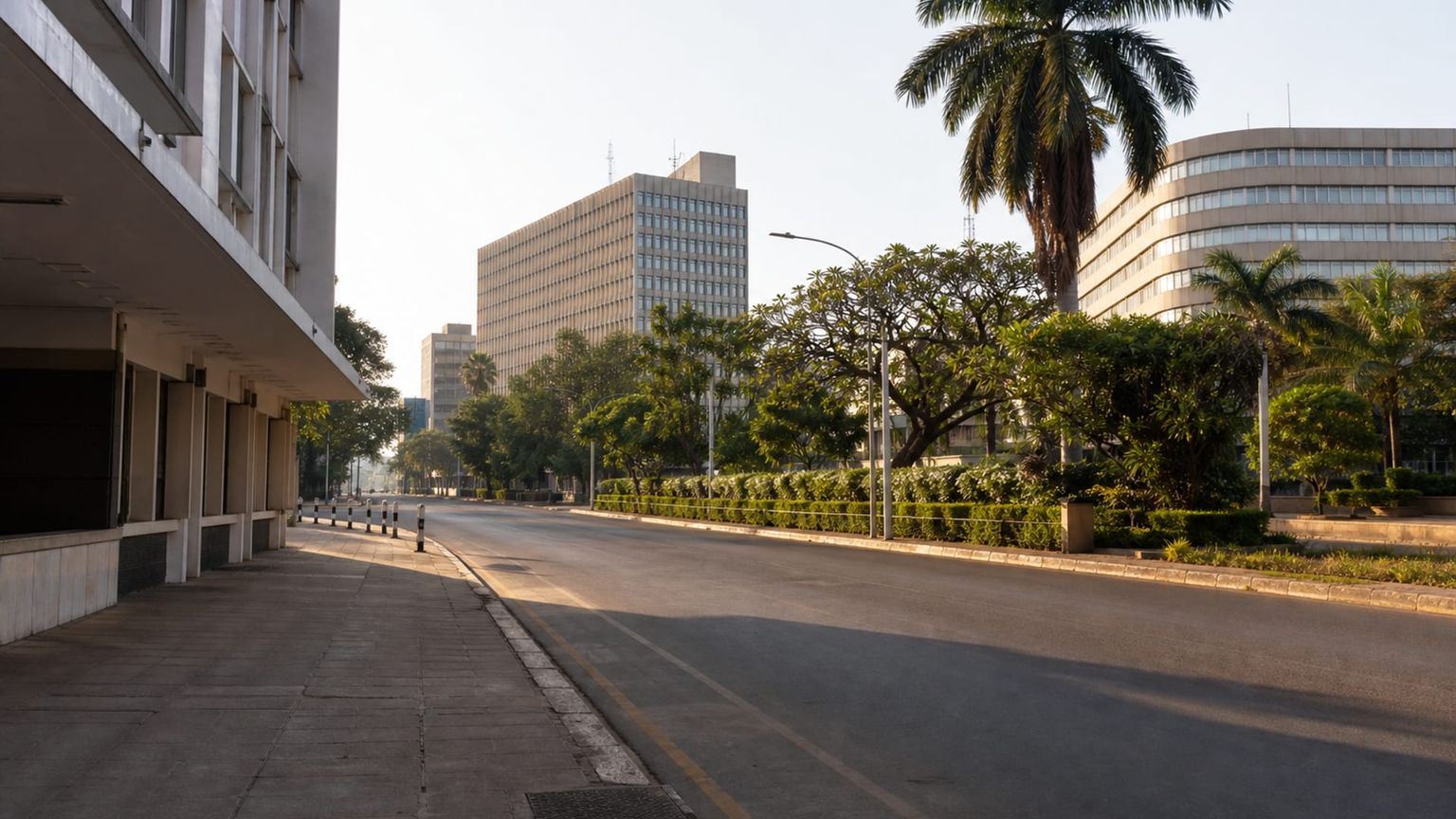
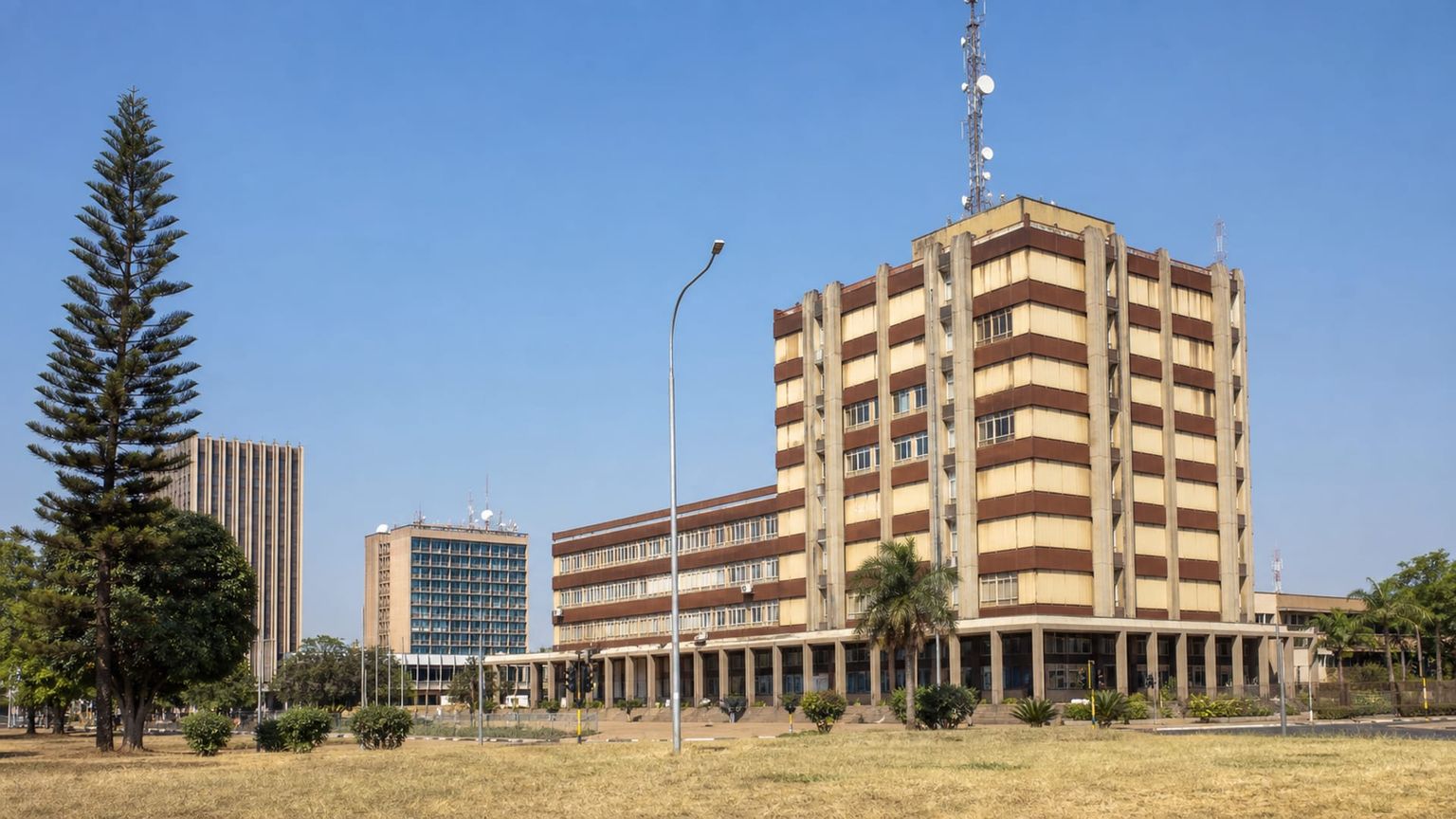
Lilongwe’s administrative and commercial core, with government offices, banks, restaurants, and many of the city’s business hotels. It suits travelers who want the shortest taxi rides to central errands and easy access to shops, though evenings are quieter than the daytime.
Best for: Business trips, short stays, and visitors who want close access to central errands
What to expect: Daytime brings office traffic and a steady flow of shoppers; after dark, the streets thin out quickly.
Hotel prices: Usually about $80 to $180 per night for well-rated stays
Distance to major sights: About 10 minutes by taxi to Parliament Building, about 15 minutes to Lilongwe Wildlife Centre
Quietness: Busy in the day, notably calmer in the evening
Main trade-off: You pay more for central location, and the area offers less evening dining and nightlife than the newer hotel districts.
Good to know: Choose a hotel with secure parking or an on-site restaurant, since you may rely on taxis once offices close.
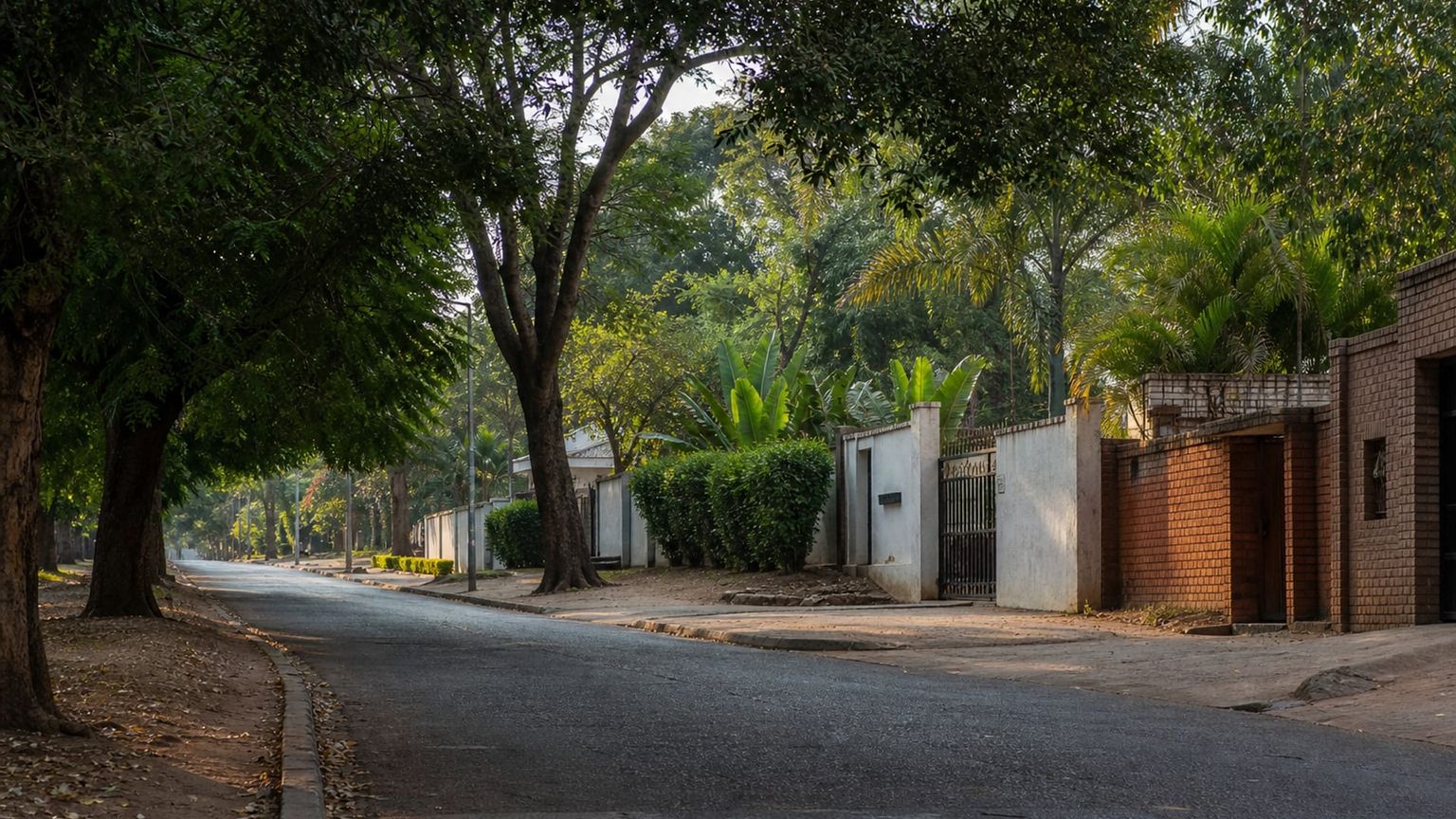
A residential and diplomatic part of Lilongwe that has many embassies, guesthouses, and midrange hotels. It works well for travelers who want a calmer base with easy rides to the city center and a strong concentration of places that cater to international visitors.
Best for: Embassy visits, longer stays, and travelers who want quieter evenings with central access
What to expect: Tree-lined streets, compound walls, and limited street activity shape the area, with most movement coming from cars rather than pedestrians.
Hotel prices: Usually about $70 to $160 per night for well-rated stays
Distance to major sights: About 10 to 15 minutes by taxi to the Old Town and about 20 minutes to the Kumbali Cultural Village area
Quietness: Calmer during the day, very quiet after dark
Main trade-off: You may need a taxi for most meals and errands, and prices tend to sit above those in more local neighborhoods.
Good to know: Some guesthouses sit inside gated compounds, so check whether breakfast and airport transfers are included before you book.
A practical residential district with a broad mix of apartments, guesthouses, and small hotels on Lilongwe’s northern side. It gives travelers more space than the inner city and sits within easy reach of shopping centers and the road toward the airport.
Best for: Longer stays, self-catering, and travelers with business on Lilongwe’s north side
What to expect: Traffic is moderate on main roads, while side streets stay largely residential and quiet for much of the day.
Hotel prices: Usually about $50 to $120 per night for well-rated stays
Distance to major sights: About 15 minutes by taxi to the City Centre and about 20 to 25 minutes to Kamuzu International Airport (LLW)
Quietness: Generally calm by day and quiet at night
Main trade-off: You will spend more time in taxis for central dining and sightseeing than you would in the City Centre or Area 47.
Good to know: Plan evening transport in advance, since ride-hailing options can thin out once the neighborhood gets quiet.
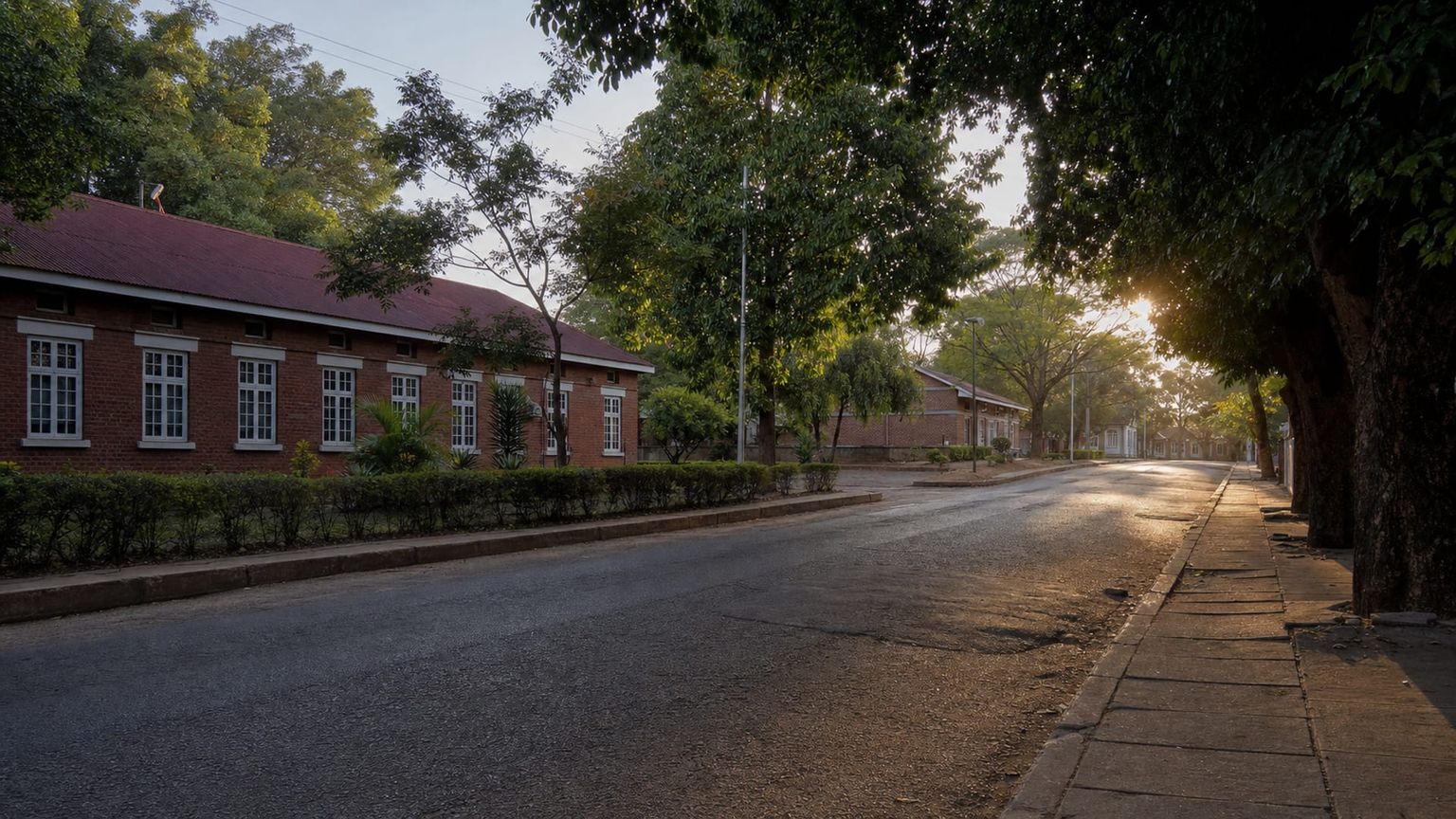
One of Lilongwe’s older commercial districts, with markets, smaller hotels, and easy access to everyday services. It appeals to travelers who want a more local street pattern and do not mind a livelier, less formal setting than the embassy belt.
Best for: Budget-minded stays, market access, and travelers who want a busier local base
What to expect: Expect active daytime foot traffic, minibuses, and market noise, with fewer people out late at night.
Hotel prices: Usually about $35 to $90 per night for well-rated stays
Distance to major sights: About 10 minutes by taxi to the City Centre and about 20 minutes to the Lilongwe Wildlife Centre
Quietness: Energetic in the day, quieter but less inviting after dark
Main trade-off: Rooms can cost less, but traffic, noise, and limited late-night dining are the tradeoff.
Good to know: If you plan to move around after sunset, confirm the hotel has secure entry and reliable taxi contacts.
Travelers usually avoid staying in Area 25, Area 47, and many parts of Mchesi, because they sit well away from the main sights and have fewer visitor amenities. Some hotels near the industrial fringe by Kanengo are also less convenient, since evening travel can be awkward and dining options are limited.
Hotel deals
How to get around Lilongwe efficiently
Lilongwe has no metro or rail network, so taxis and minibuses do the real work between the airport, the City Centre, and outer districts.

Metro
for longer distances
Lilongwe has no metro or suburban rail network, so visitors depend on road transport for trips between the airport area, the city center, and larger districts. For short hops, plan on taxis or minibuses rather than any rail option.

Bus and tram
for convenience
Minibuses form the main public network, with fares usually about $0.30 to $0.80 (roughly 500 to 1,400 MWK) per ride, paid in cash on board. They run on informal city routes and tend to wait until full, so they suit flexible schedules more than timed connections; for a fixed journey, ask the conductor to confirm the destination before boarding.

Taxi
for convenience or late hours
Licensed taxis usually charge set fares rather than using meters, and airport trips commonly cost about $15 to $25 ($25,000 to $42,000 MWK) depending on the time of day and the exact drop-off point. You can book one through a hotel, at the airport, or by phone from a stand, and cash in MWK or USD is the normal payment method.
*Prices are based on rates updated as of June 2026 and may change at the time of travel.
Use minibuses for low-cost cross-town trips when your schedule is flexible, and lean on taxis for airport transfers, evening rides, and any stop that needs a fixed arrival time.
Iconic landmarks
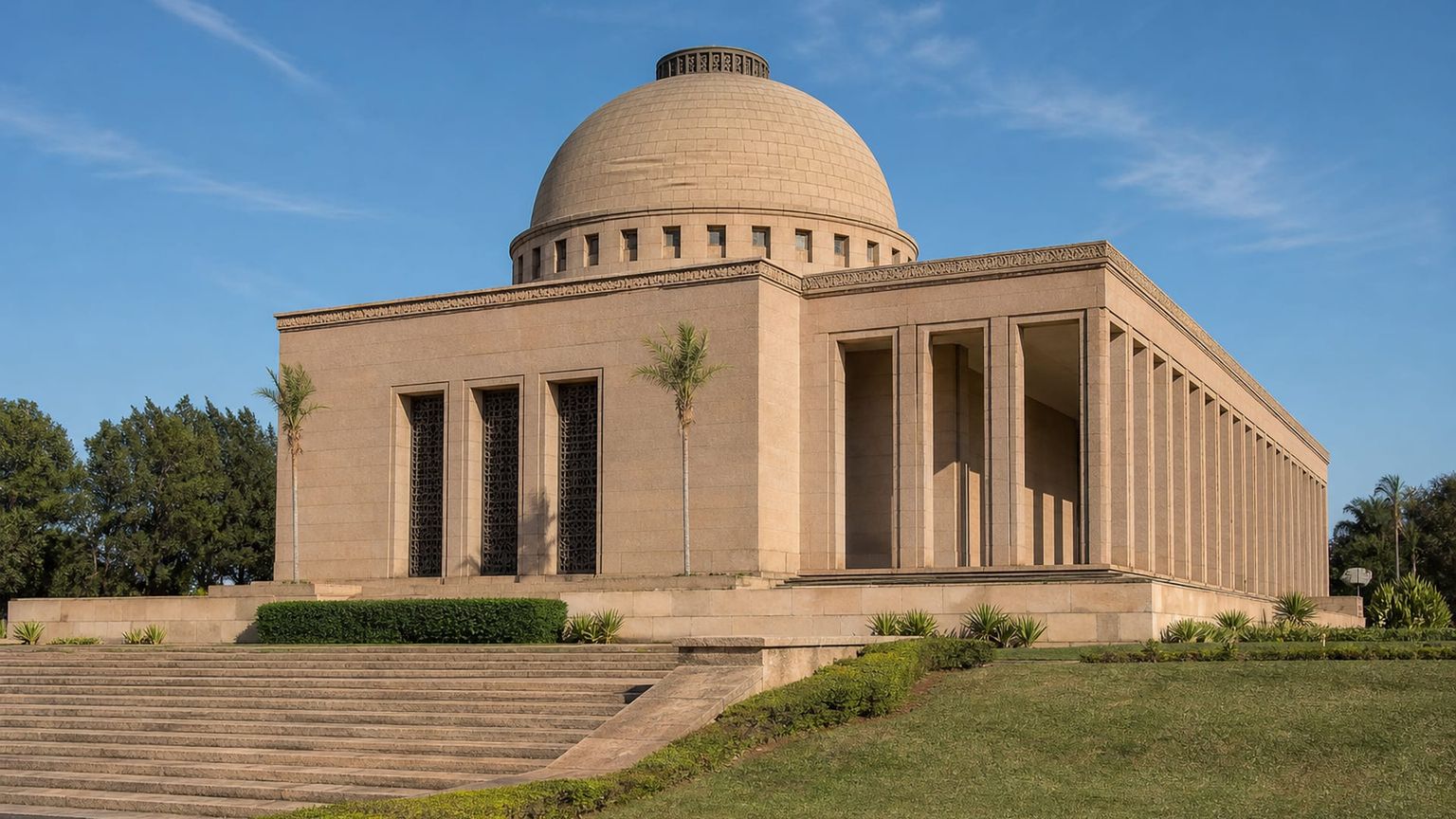
Kamuzu Mausoleum
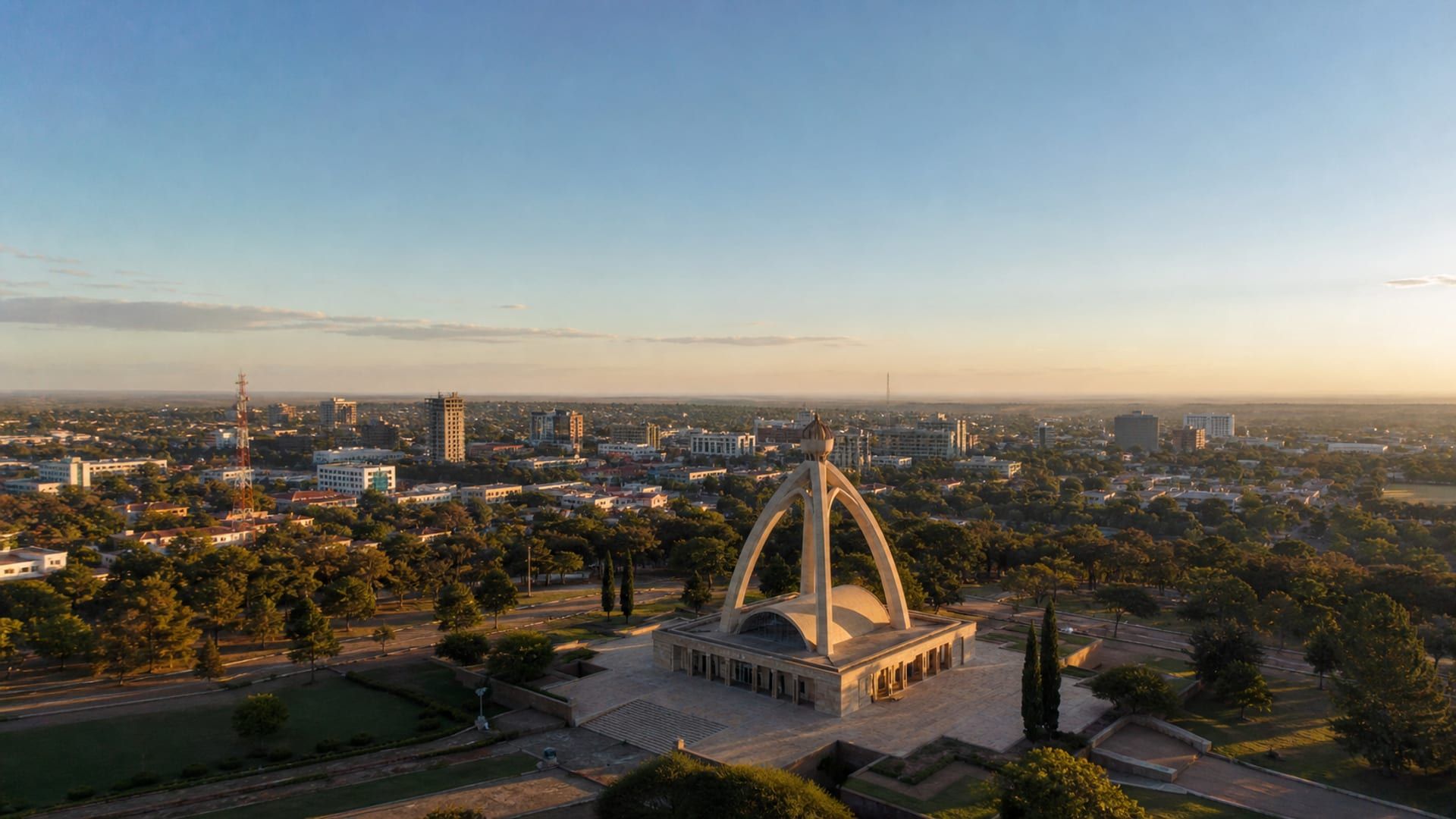
The mausoleum holds Hastings Kamuzu Banda’s remains in a marble hall beside a landscaped plaza, with a museum that covers Malawi’s independence era. It sits in central Lilongwe, close to the Civic and City Centers.
Time needed: About 1 hour
Entry: Admission is free, and the grounds and museum accept walk-in visits during posted opening hours without a timed ticket.
Tip: Visit in the morning for cooler temperatures and fewer tour groups on the plaza.
Lilongwe Wildlife Centre
This rescue and rehabilitation center shelters orphaned and injured wildlife in shaded forest along the Lilongwe River. Walking trails, viewing decks, and guided stops give a clear look at conservation work within the city.
Time needed: About 2 to 3 hours
Entry: Admission costs about $10 to $15 ($10,000 to MK15,000) for adults, with lower rates for children and Malawian residents. Visit the official site for details.
Tip: Go early, when animals are active and the forest paths stay cooler.
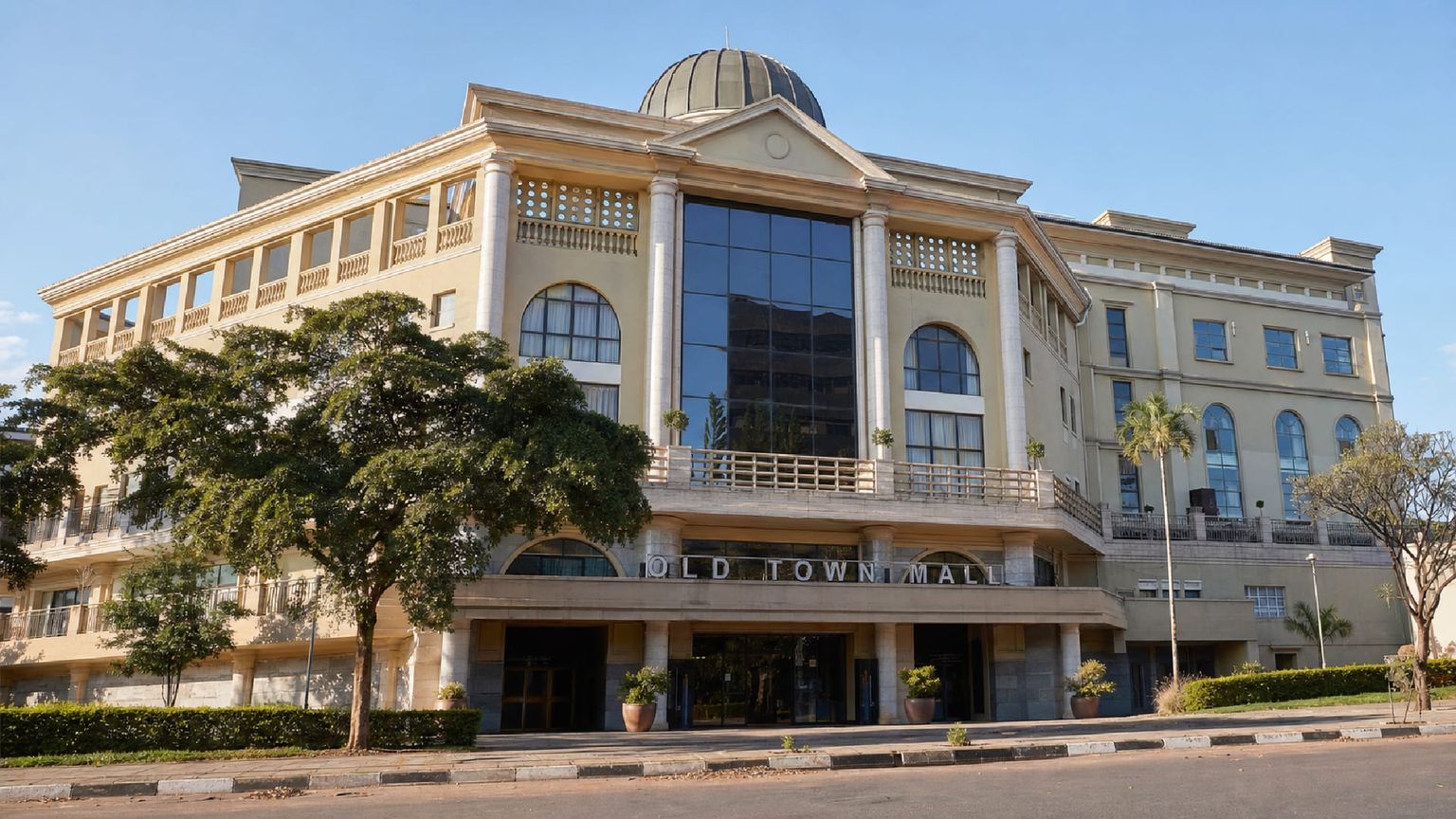
Old Town Mall
Old Town Mall is Lilongwe’s best-known market district, with dense rows of stalls, textile shops, produce sellers, and small cafés. It offers an everyday look at the city’s commercial life and works well as a half-day stop.
Time needed: About 1 to 2 hours
Entry: Admission is free, and you can enter during regular market hours without a ticket or timed entry.
Tip: Arrive before midday for the busiest trading and easier movement through the stalls.
Overlooked sites worth visiting

Kamuzu Procession Monument
This roadside memorial marks Malawi’s independence struggle with a tall stone plinth and plaques naming national figures. It sits in an open traffic circle, so most visits take only a quick stop.
Time needed: About 15 to 30 minutes
Entry: Free to access
Tip: Visit in daylight, the inscription is easier to read then.

Old Town Mall
A compact shopping arcade in central Lilongwe, Old Town Mall pairs small cafes, local shops, and government offices in one walkable block. It offers a clear look at everyday city life without a long outing.
Time needed: About 1 to 2 hours
Entry: Free to access; purchases at cafes and shops cost about $2 to $20 ($2 to MWK 34,000) depending on what you buy
Tip: Go midmorning for lighter foot traffic and more open storefronts.
Traditional food
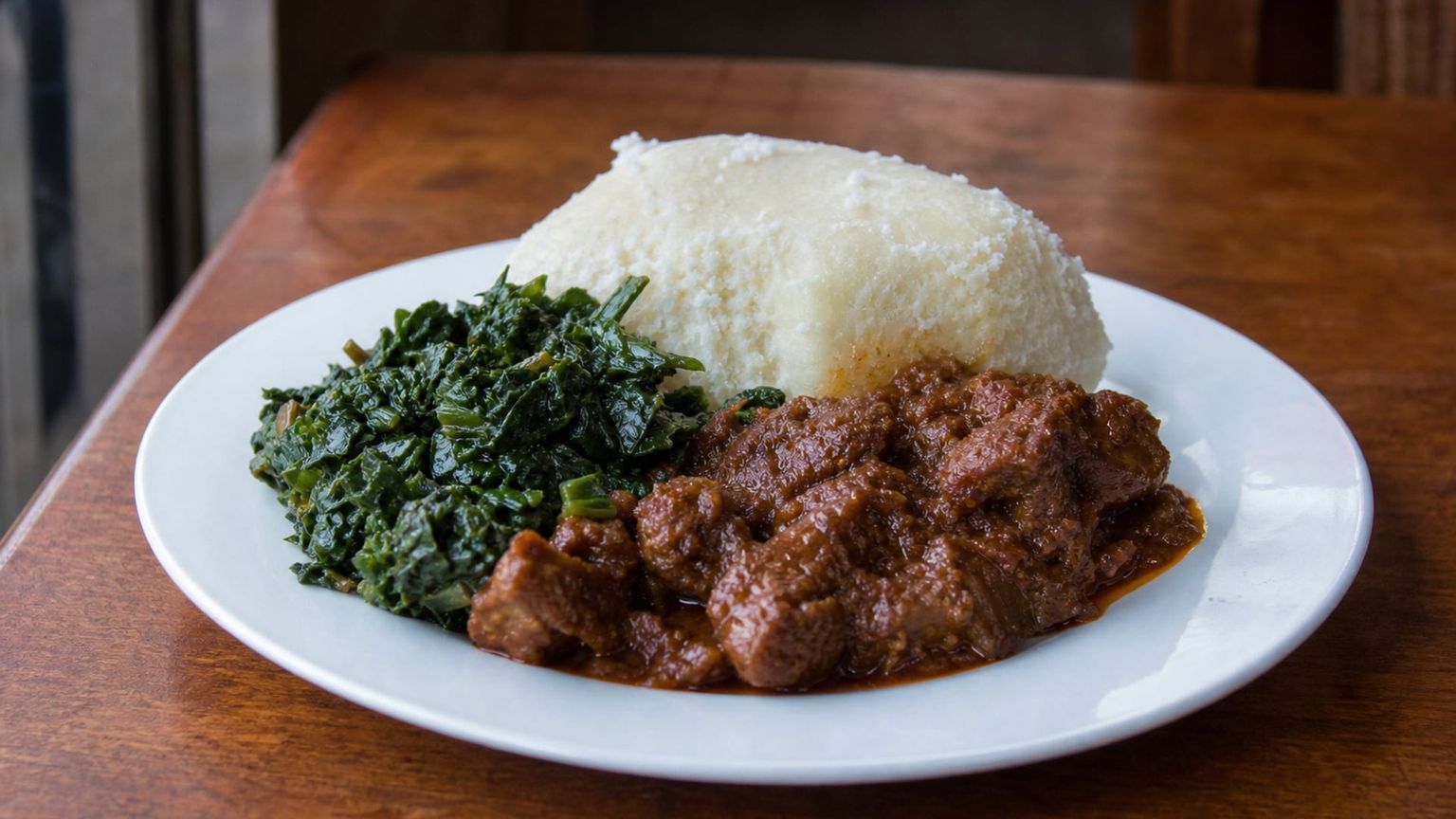
Lilongwe’s cooking leans on nsima, freshwater fish, goat, and greens, with smoky stews and maize dishes that anchor both everyday meals and sit-down dinners.
Nsima
This maize staple anchors most Malawian meals, usually paired with relish and greens. For a dependable central-city plate, try it at La Cantina Restaurant in Lilongwe.
Chambo
Lake Malawi fish often comes grilled or fried, with a clean flavor that suits a simple side of vegetables. The classic Lilongwe stop for it is Mamma Mia Restaurant.
Goat stew
Slow-cooked goat stew brings a rich, savory sauce that works well with nsima or rice. In Lilongwe, Golden Peacock Hotel Restaurant is a solid place to order it.
Kondowole
This firmer cassava dish has a dense texture and is often served with fish or stew. For a reliable city-center version, order it at The Deck Restaurant.
Best time to visit Lilongwe
Lilongwe is warm for much of the year, but the dry season makes city movement easier while the rains can turn short taxi rides into slower, wetter crossings.
Best for: Best for walking tours, wildlife visits, and long outdoor lunches
What you get: About 59 to 79°F (15 to 26°C), with dry air and lighter rain; visitor movement stays easier and the city feels less humid
Trade-offs: Nights can turn cool, so early mornings need a light layer
Best for: Best for clear skies, market browsing, and compact sightseeing days
What you get: About 68 to 86°F (20 to 30°C), with hot afternoons and modest crowds outside major holidays
Trade-offs: Heat builds by midday, so outdoor stops work best early
Best for: Best for lower room rates and greener city edges after rain
What you get: About 70 to 84°F (21 to 29°C), with heavier showers and fewer visitors on some days
Trade-offs: Rain can slow road travel and make schedules less predictable
Best for: Best for a quieter city break with improving weather after the rains
What you get: About 66 to 82°F (19 to 28°C), with fewer downpours and moderate visitor numbers
Trade-offs: Some roads still carry water after storms, especially in lower-lying areas
A realistic 5-day plan in Lilongwe
Five days give Lilongwe enough time for the city center, the wildlife reserve, and a slower look at its markets without rushing between districts. The plan below keeps the driving in short blocks and leaves room for early evenings.
Land at Kamuzu International Airport (LLW), then take a taxi into Area 47 or the City Centre, about 20 to 30 minutes depending on traffic and roughly $15 to $25. If you are staying in Area 47, the quieter streets make an easy first night base; if you prefer shorter taxi rides to dinner and errands, the City Centre keeps things close. Check in, drink plenty of water, and settle into a light dinner at your hotel or a nearby restaurant before turning in early.
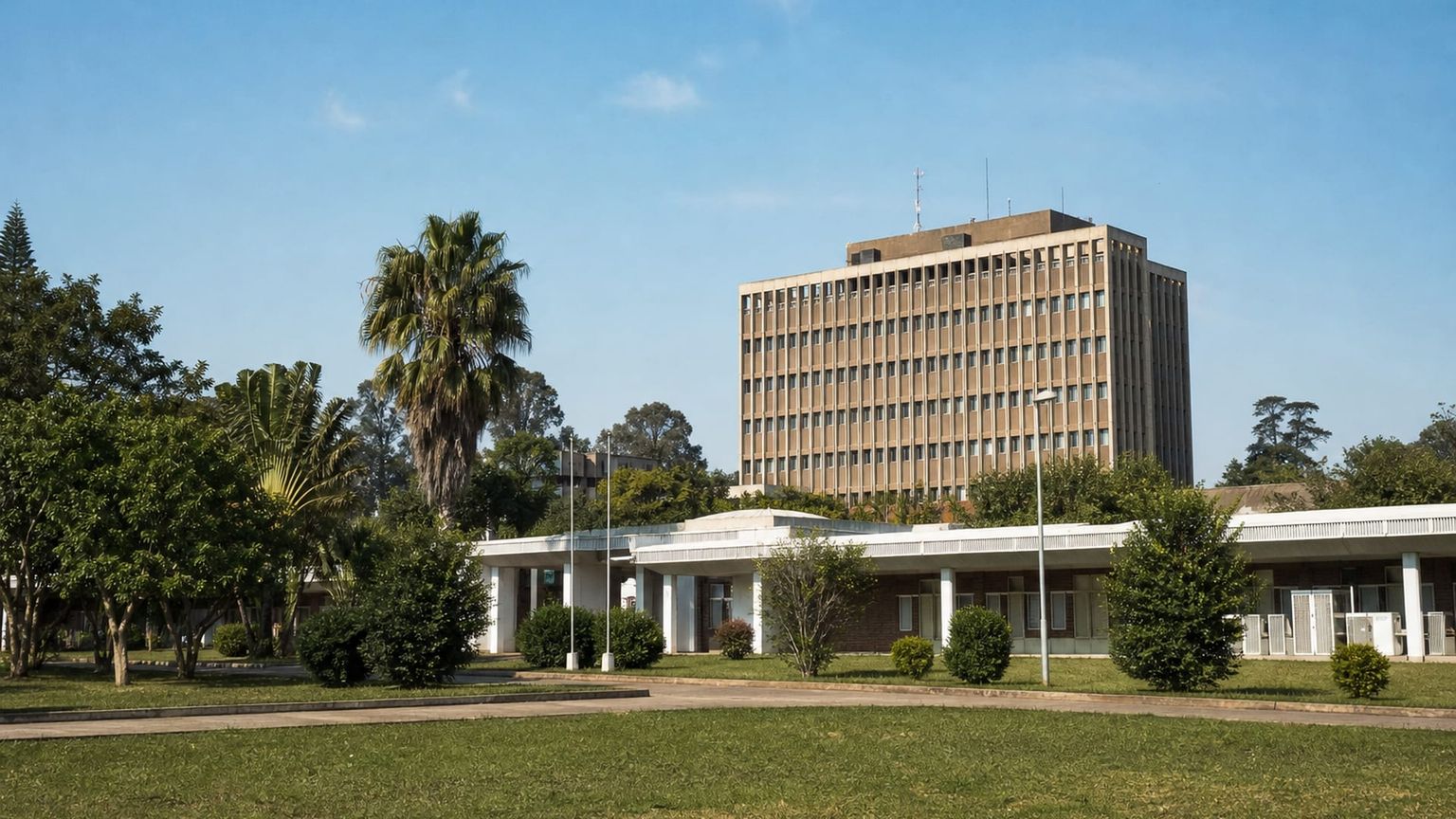
Start in the City Centre with the Kamuzu Mausoleum, which takes about 1 hour and sits roughly 10 minutes by taxi from most central hotels. From there, continue about 5 minutes by taxi to the Kamuzu Procession Monument for a quick stop, then move on to Old Town Mall, about 10 minutes away, for one to two hours among produce stalls, textile shops, and small cafés. If you are staying in the City Centre, you can return on foot for a short rest; from Area 47, plan about 15 minutes back by taxi.
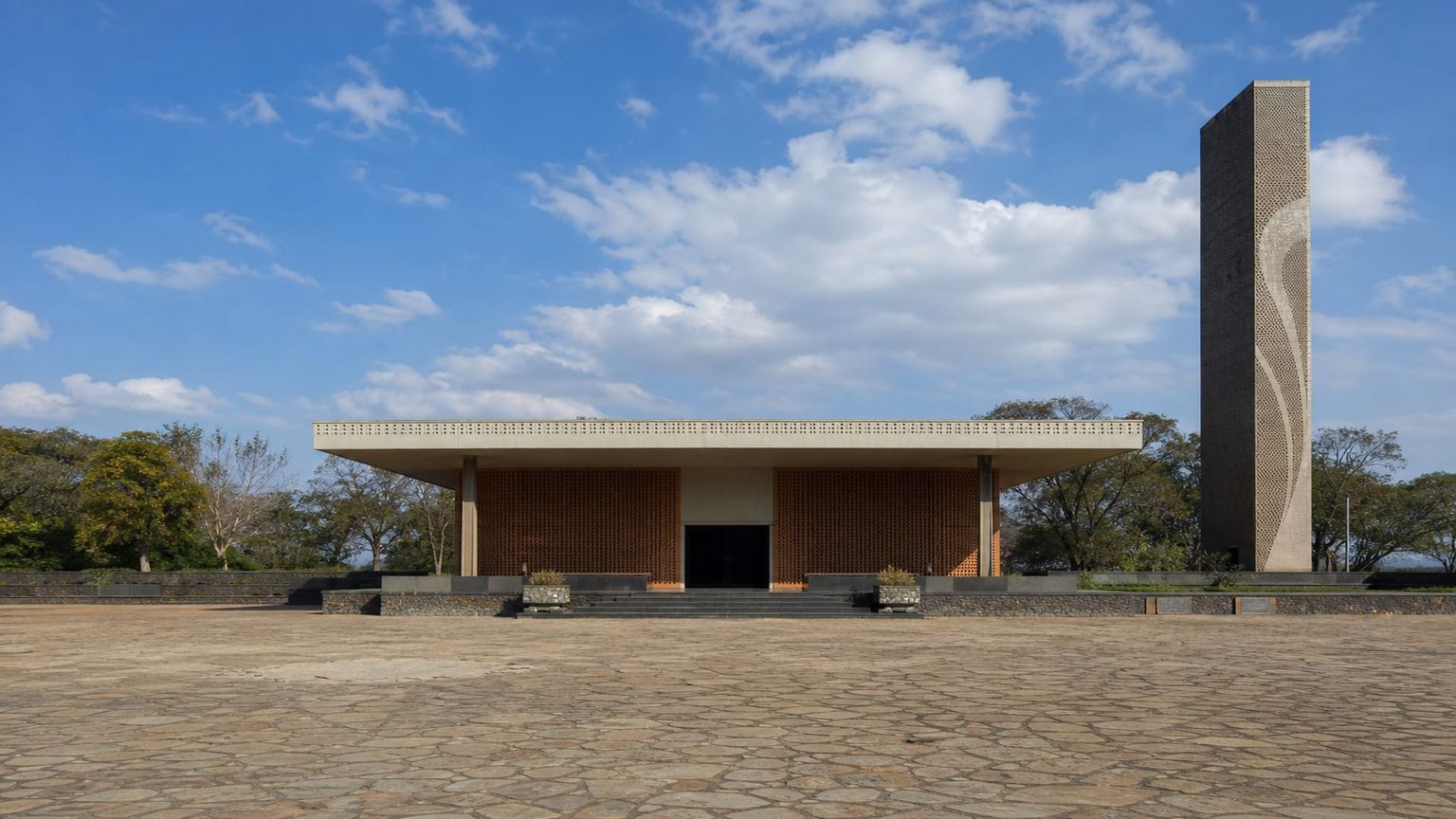
Begin early at the Lilongwe Wildlife Centre, where shaded paths and animal enclosures reward a cool morning visit and the drive from the City Centre takes about 15 minutes by taxi. Allow 2 to 3 hours here, then head to Old Town Mall, about 20 minutes away, for lunch and a slower look at the arcade’s shops and cafés. If you want an easy evening, return to Area 47 or the City Centre, where dinner options stay close and taxi rides stay short.
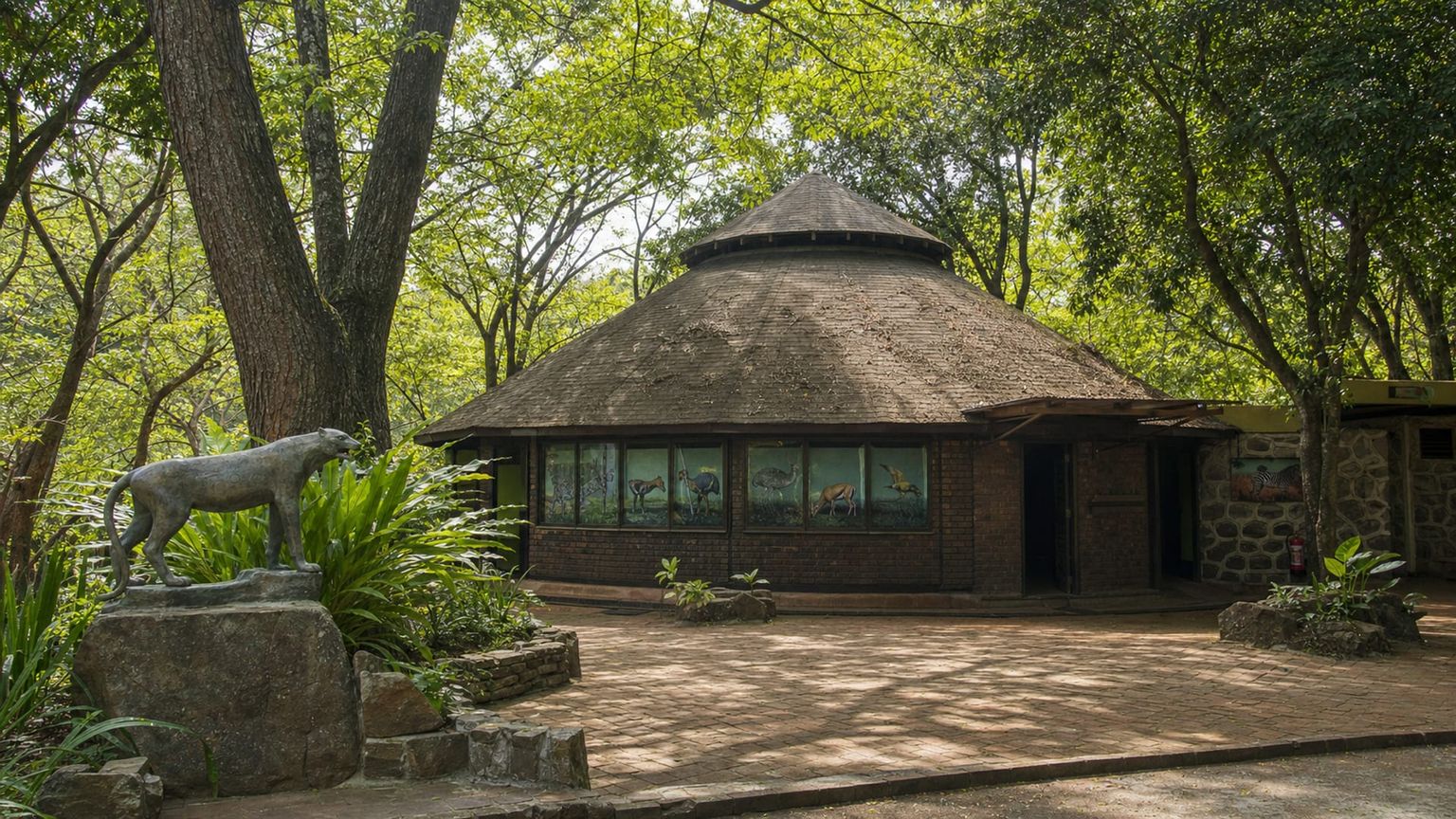
A half-day around the city’s history and local shopping works best today: start at the Kamuzu Mausoleum if you want another look at the museum, or begin with Old Town Mall if you missed it earlier, then continue to the Kamuzu Procession Monument for a brief stop. The rides between these central sights take about 5 to 10 minutes each by taxi, so you can fit them into one compact circuit. Finish with a late lunch or coffee in the City Centre, then head back before the streets empty out after dark.
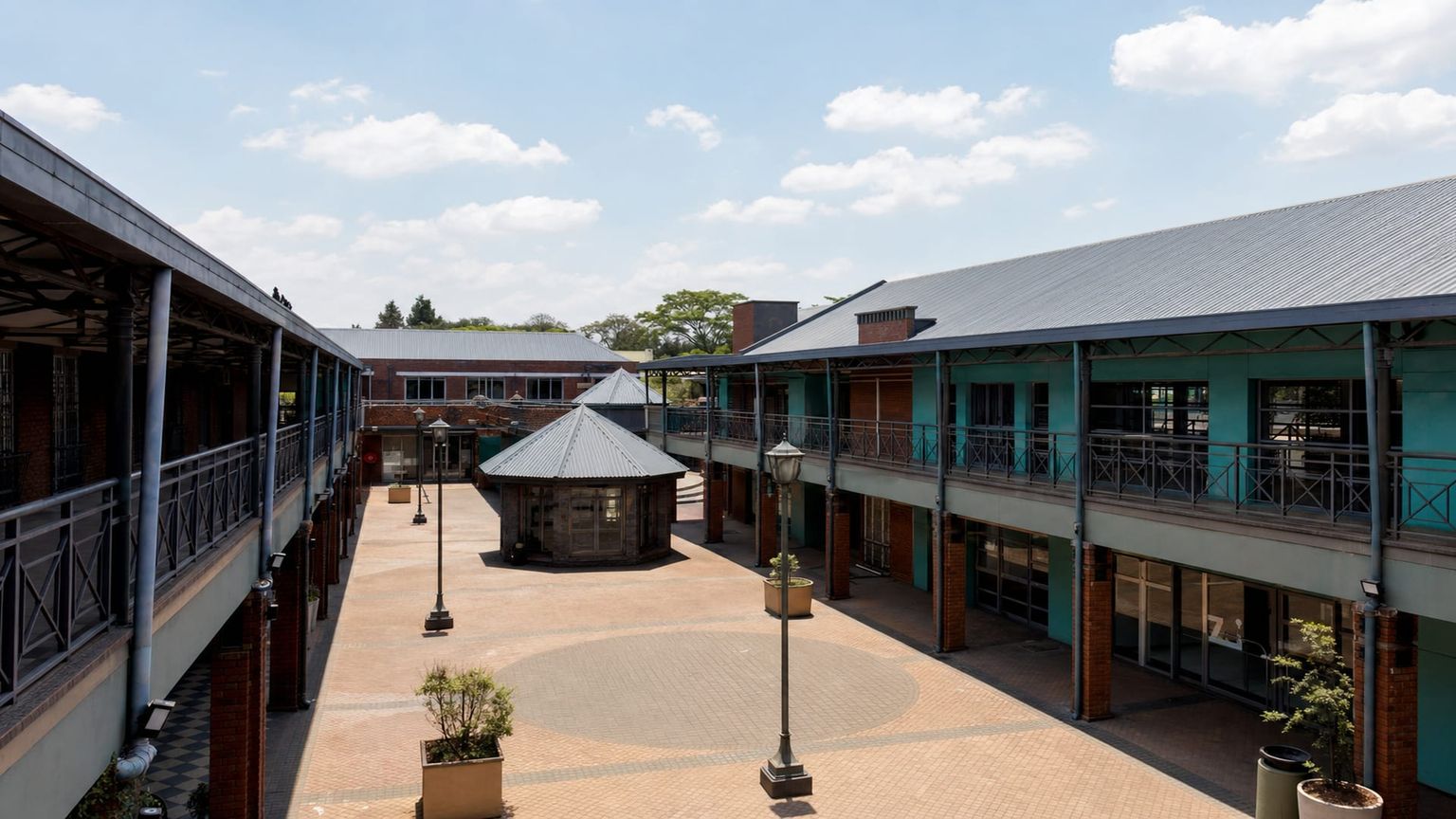
For a final morning, pair the Lilongwe Wildlife Centre with one last stop in Old Town Mall if your flight timing allows, or choose only one so you can keep the day unhurried. From Area 47, the wildlife centre takes about 20 minutes by taxi, and Old Town Mall sits about 10 to 15 minutes farther east, so the two can fit into a short loop if you start early. End with coffee or a light meal in the City Centre or back at your hotel, then allow extra time for a return taxi to Kamuzu International Airport (LLW).
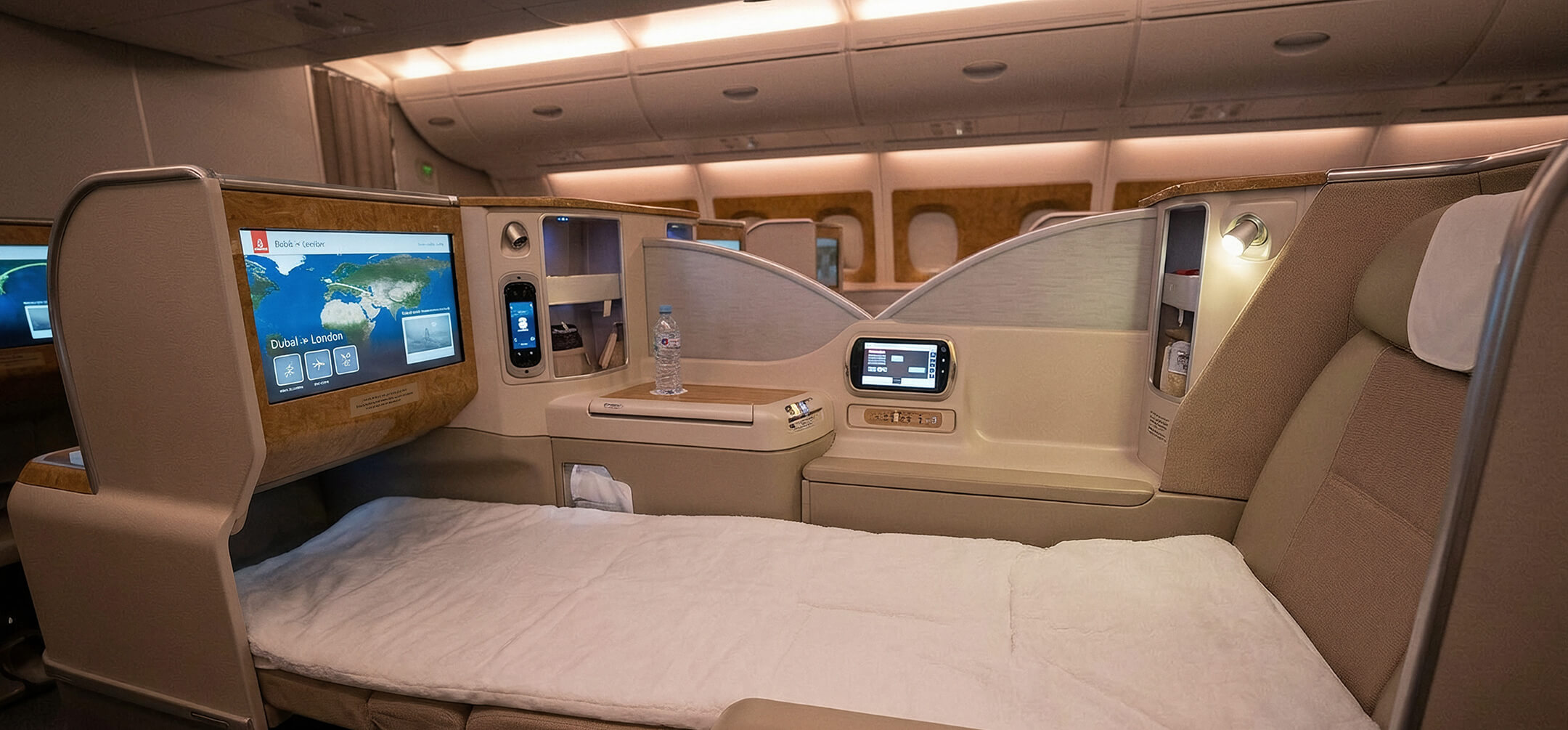
Business-class flights from the US to Lilongwe
Long-haul trips to Lilongwe usually connect through a Middle East, European, or East African hub, so timing matters as much as fare. The business-class examples below show how the route from each coast usually comes together.
From New York, Ethiopian Airlines, Emirates, Qatar Airways, Turkish Airlines, and Kenya Airways commonly appear on itineraries, with connections through Addis Ababa, Dubai, Doha, Istanbul, or Nairobi. The trip usually takes about 20 to 28 hours overall, and round-trip fares generally start at $4,200 and climb to about $7,500.
Los Angeles itineraries usually route on Qatar Airways, Emirates, Ethiopian Airlines, Turkish Airlines, or Lufthansa, with connections through Doha, Dubai, Addis Ababa, Istanbul, or Frankfurt. Expect about 22 to 30 hours door to door, and roughly $4,000 to $7,200 round-trip.
Lilongwe feels different when you slow down
A deliberate Lilongwe trip builds around the City Centre, Area 47, and a few clear daytime stops, then leaves space for taxis after dark. That means the Kamuzu Mausoleum in the morning, Old Town Mall at midday, and the Lilongwe Wildlife Centre when the weather is cooler. If you want help matching neighborhoods, dining hours, and airport timing, ask the AranGrant experts to shape the trip before you book