

Chapters:

Need help with your trip?
Our support team is available 24/7. Request a callback or call us directly at (833) 619-0908
Luanda trips often start with a hotel near the waterfront, a quick look at the Marginal, and a dinner on Ilha do Cabo. What many visitors miss is how much time the city can take to cross, even between places that look close on a map.
That matters because central traffic, hilltop approaches, and long southern runs to Talatona can stretch simple plans into long transfers. A rushed day also leaves little room for the fort, the slavery museum, or a proper sunset by the bay.
This guide keeps the pace measured, so each district gets the time it needs and the routes between them stay realistic. It pairs the main sights with the right part of the city and the best time of day for each stop.
Useful things to know

Main language(s): Portuguese
Olá (oh-LAH) – Hello
Por favor (pohr fah-VOR) – Please
Obrigado (oh-bree-GAH-doo) – Thank you
Fala inglês? (FAH-lah een-GLAYSH?) – Do you speak English?
Quanto custa? (KWAN-too KOOSH-tah) – How much does it cost?

Currency: The local currency is the Angolan kwanza (AOA, Kz).

Cash and cards: Cards and contactless work at larger hotels and malls, but carry about AOA 10,000 to 20,000 ($11 to $22) in cash.

Tipping: Round up small bills; add about 5-10% in restaurants if service is good.

Traditional food: Muamba de galinha, calulu, funge, moamba de peixe

Water and coffee costs: Water about AOA 250 to 500 ($0.30 to $0.55), bar espresso about AOA 500 to 1,000 ($0.55 to $1.10).

Taxis and ride apps: Yango and Heetch operate here; confirm the plate before boarding.

Plug and voltage: Type C/F socket, 220V

Dining and shop opening hours: Breakfast is about 07:00-10:00, lunch about 12:30-15:00, and dinner about 19:00-22:30. Many places close earlier outside central Luanda.

Emergency number: 112 for police, ambulance, and fire.
Where to stay in Luanda
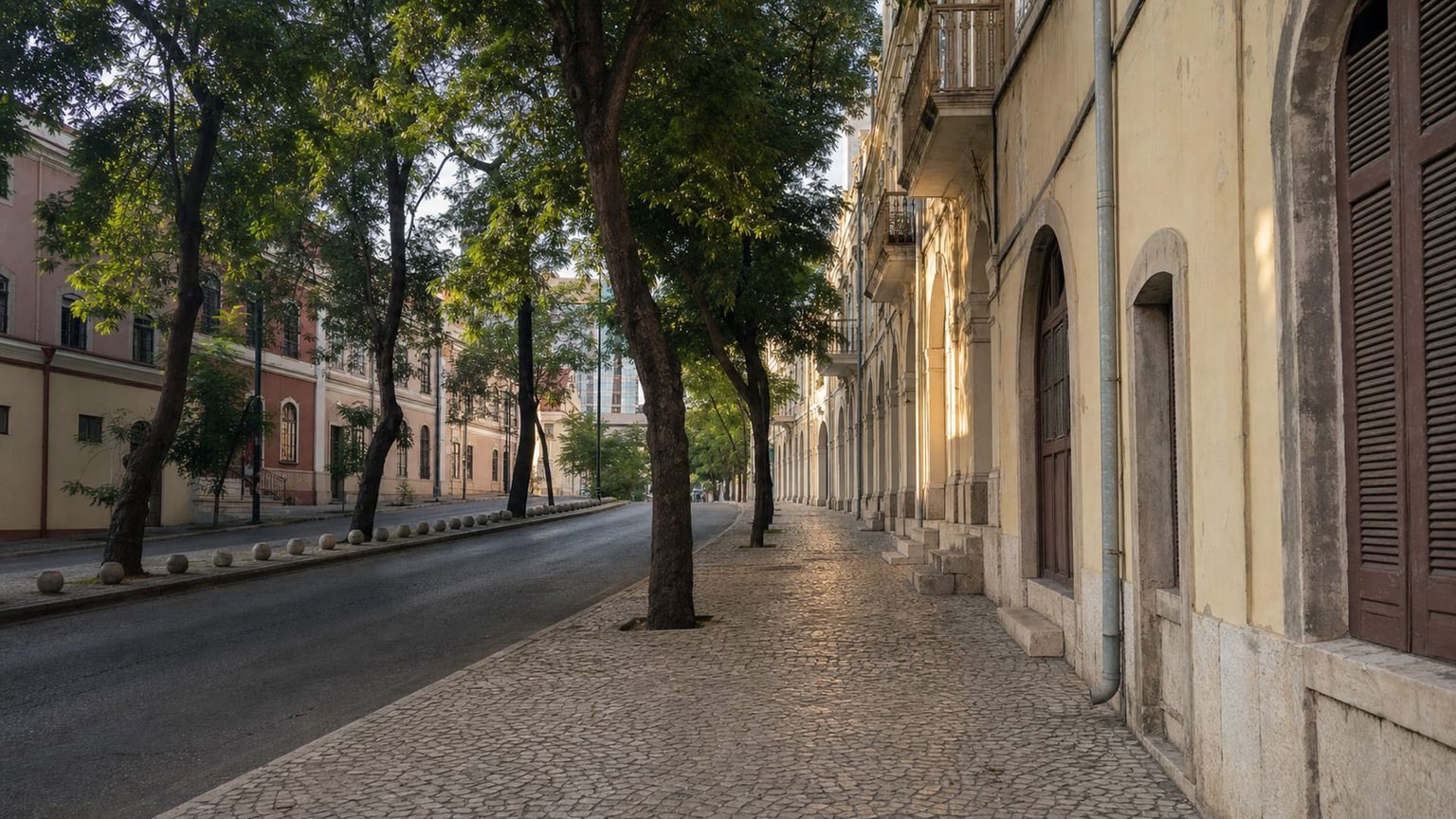
Luanda’s central waterfront district, Ingombota puts many government offices, hotels, and restaurants within easy reach of the bay. It works well for visitors who want the city’s main business and sightseeing zones close by.
Best for: Business trips, bay views, and first-time visitors who want central access
What to expect: Busy streets by day, hotel traffic at night, and some foot traffic near the waterfront.
Hotel prices: Usually about 150,000 Kz to 300,000 Kz (~165$ to ~330$) per night for well-rated stays
Distance to major sights: About 5 to 15 minutes by car to Fortaleza de São Miguel and the Marginal; about 10 to 20 minutes to Ilha do Cabo
Quietness: Daytime is active and traffic-heavy; evenings are calmer, with some hotel and restaurant activity.
Main trade-off: Central positioning comes with higher room rates and heavier traffic during business hours.
Good to know: Choose a higher-floor room if you want to reduce street noise, since the busiest blocks sit near major roads and office towers.
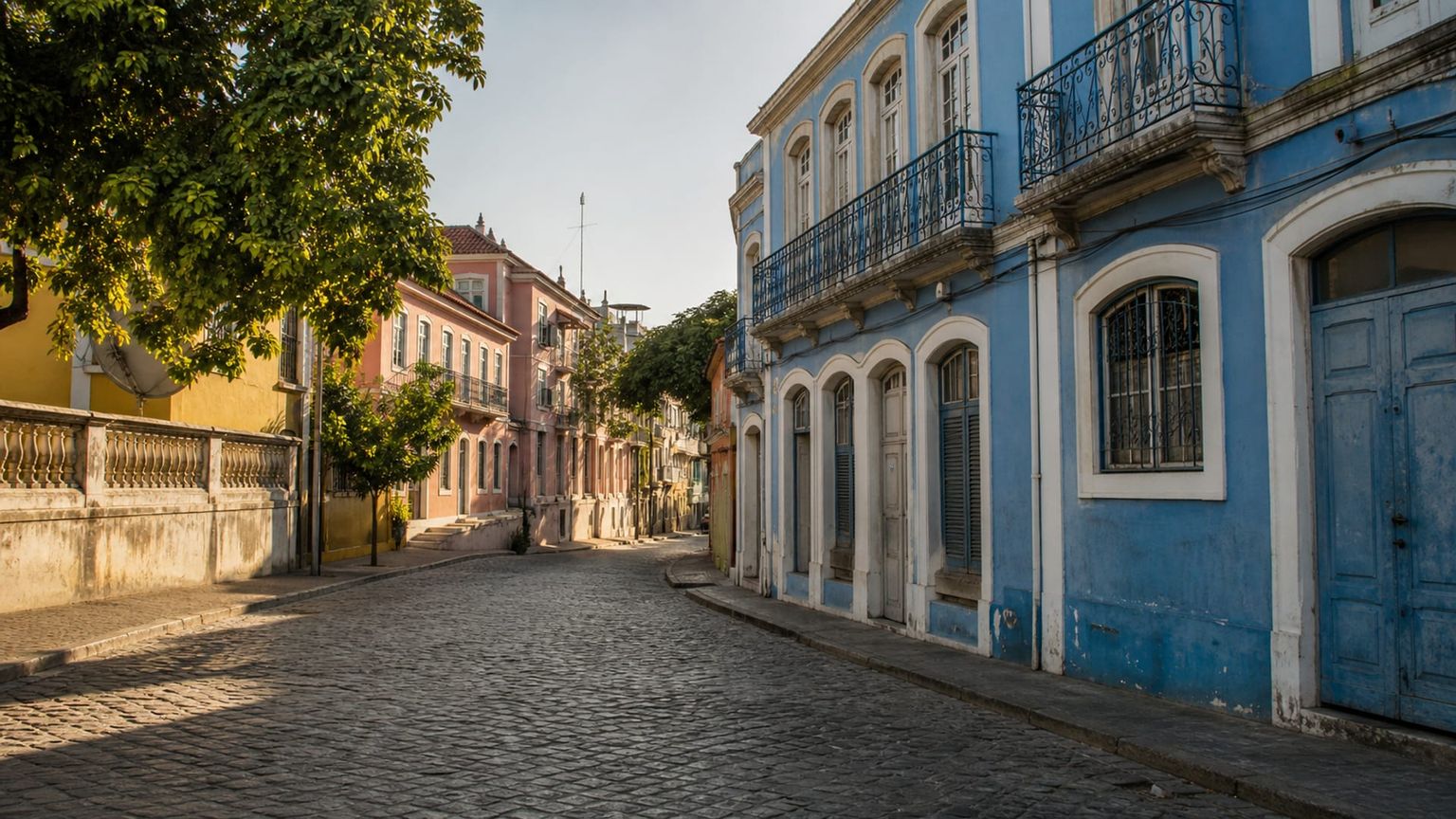
Ilha do Cabo, also called the Luanda Island peninsula, is the city’s main dining and seaside district. It matters because many of Luanda’s waterfront restaurants, bars, and sunset viewpoints cluster here.
Best for: Dining, nightlife, and travelers who want seaside access
What to expect: Lively evenings, beachside promenades, and more activity on weekends than weekdays.
Hotel prices: Usually about 180,000 Kz to 360,000 Kz (~198$ to ~396$) per night for well-rated stays
Distance to major sights: About 10 to 20 minutes by car to Ingombota and Fortaleza de São Miguel; about 25 to 35 minutes to Talatona
Quietness: Days are moderate and beach-oriented; nights get noisy near restaurants and bars.
Main trade-off: You pay for the waterfront setting, and late-night noise can be noticeable near the busiest stretches.
Good to know: If you plan late dinners, check whether the hotel sits away from the main restaurant strip, because weekend traffic can spill into nearby blocks.
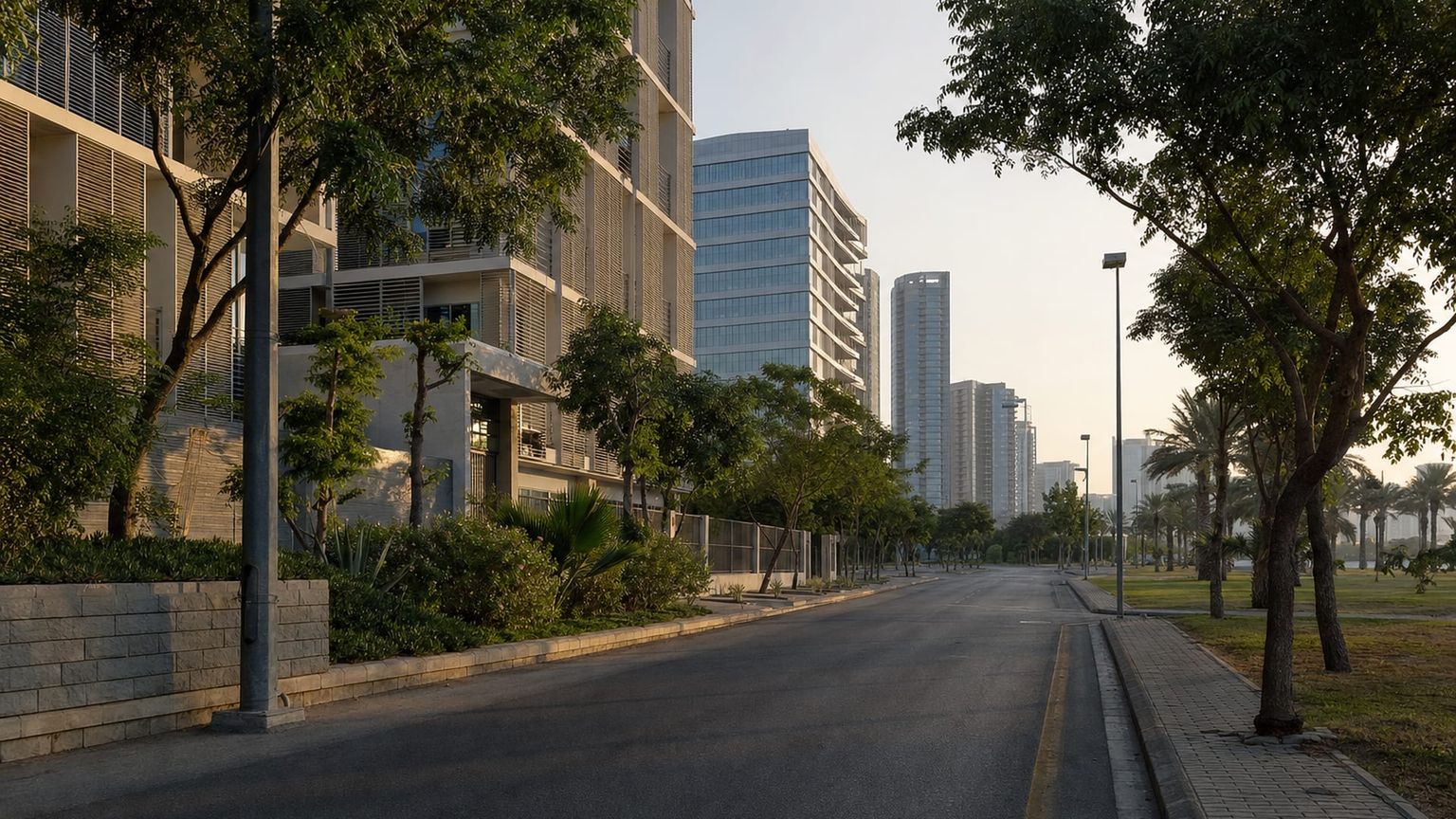
Talatona is a newer southern district with malls, office parks, and newer apartment hotels. It matters for travelers who prefer modern buildings and easy access to shopping and conference venues rather than the historic center.
Best for: Business travel, longer stays, and travelers who prefer newer hotels
What to expect: Wide roads, car-oriented development, and quieter streets than central Luanda.
Hotel prices: Usually about 140,000 Kz to 280,000 Kz (~154$ to ~308$) per night for well-rated stays
Distance to major sights: About 20 to 35 minutes by car to Ingombota and Fortaleza de São Miguel; about 15 to 25 minutes to the airport area
Quietness: Daytime is busy around malls and offices; evenings are quieter away from shopping centers.
Main trade-off: You gain newer lodging and easier parking, but you will spend more time reaching the waterfront and historic sights.
Good to know: Traffic can build on weekday mornings and late afternoons, so schedule museum or bay visits outside the commute window when possible.
Travelers usually avoid staying in Cacuaco, Viana, and Benfica if they want easy access to Luanda’s main sights, because these districts sit far from the central waterfront, museums, and most visitor hotels. Ilha do Cabo can also be less convenient for some stays, since nightlife can make evening travel slower, and Talatona is far south of the city center, with longer taxi rides to the main attractions.
Hotel deals
How to get around Luanda efficiently
Luanda has no metro, so most visitors move between Ingombota, Ilha do Cabo, and Talatona by taxi, ride-hailing apps, or the bus corridors that connect the main districts.

Metro
for longer distances
Luanda has no metro, so visitors rely on road transport and, for longer regional trips, the Luanda Railway rather than an urban subway. There is no underground network to plan around, and trips across central districts usually take about 20 to 45 minutes by car depending on traffic.

Bus and tram
for convenience
The public bus network covers key corridors, but stops and frequencies can be uneven, so most visitors use it for point-to-point trips rather than timed transfers. Fares are low, usually about $0.25 to $0.50 per ride, paid in cash or with a local transport card on some lines, and journeys within central Luanda can take roughly 20 to 60 minutes.

Taxi
for convenience or late hours
Licensed taxis in Luanda usually charge negotiated fares rather than meters, with short hops often costing about $5 to $10, airport trips about $15 to $30, and longer cross-city rides about $20 to $40 depending on traffic and time of day. Hail an official taxi from hotels, taxi stands, or by phone dispatch when possible, and confirm the price before you set off; many drivers prefer cash in kwanza, though some accept U.S. dollars for airport runs.
*Prices are based on rates updated as of June 2026 and may change at the time of travel.
Taxis work best for point-to-point hops, ride apps help with cleaner fare checks, and buses make sense only when you are not on a tight schedule.
Iconic landmarks
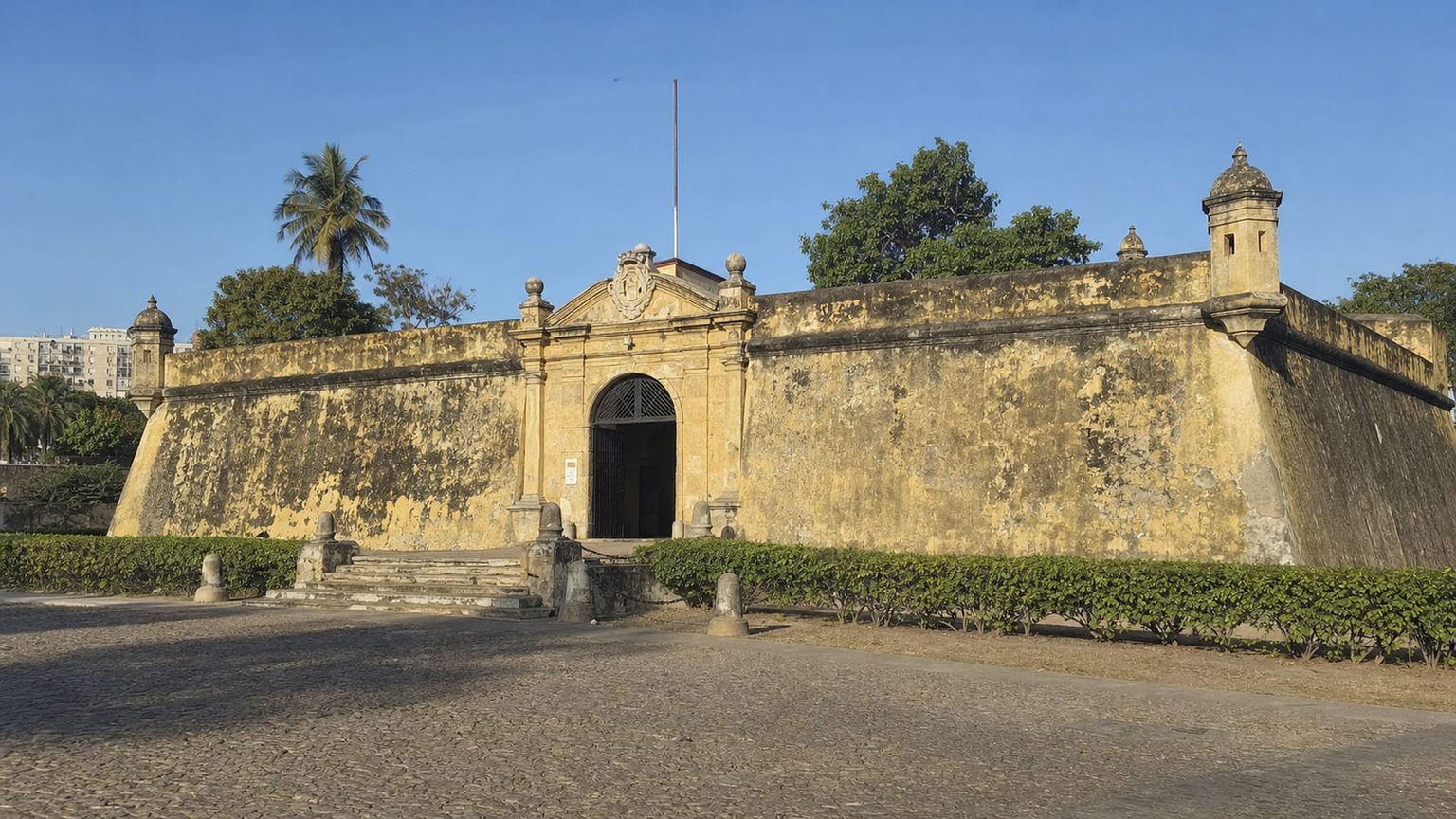
Fortaleza de São Miguel
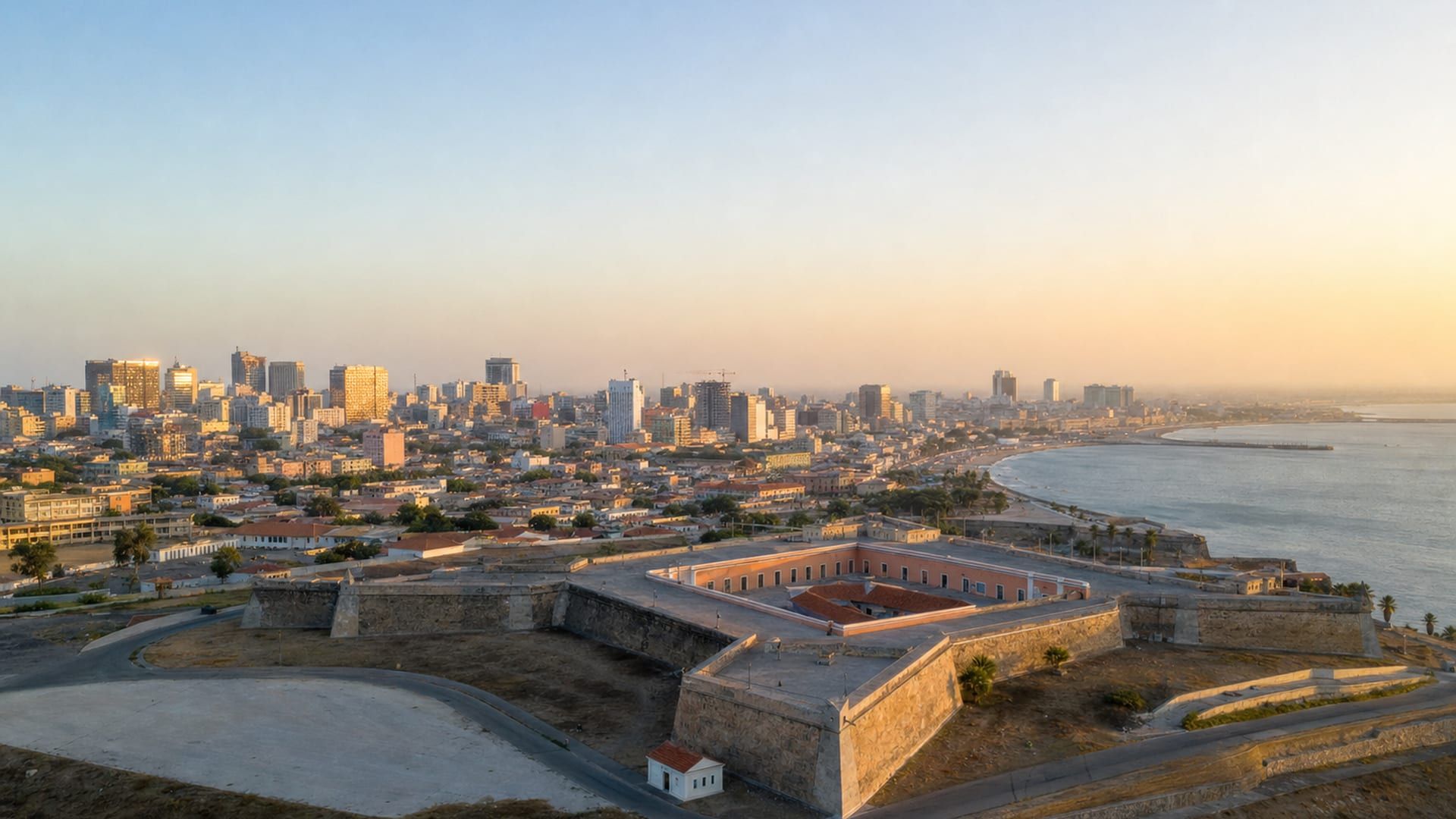
The 16th-century fortress crowns a hill above Luanda Bay and now houses the Museu das Forças Armadas. Its ramparts, cannons, and tiled walls frame wide views over the port and the city center.
Time needed: About 1 to 2 hours
Entry: Admission is about $2 ($1,000 Kz) for adults, with lower rates for children and students, depending on the museum desk policy.
Tip: Visit late afternoon for softer light over the bay and cooler air on the ramparts.
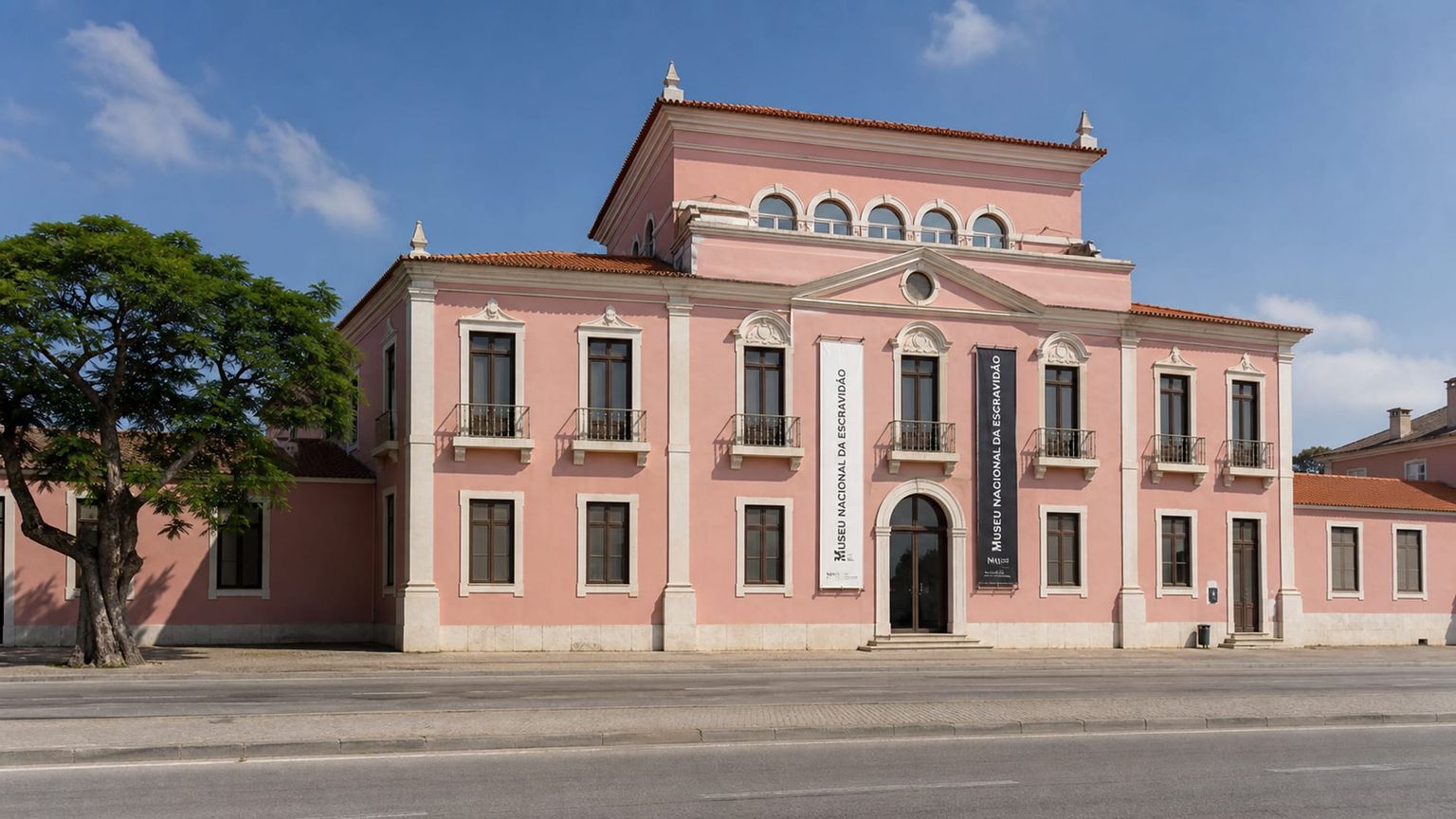
National Museum of Slavery
Set in a former chapel outside central Luanda, this museum traces the Atlantic slave trade through documents, shackles, and devotional objects. The compact galleries give clear historical context in a short visit.
Time needed: About 1 hour
Entry: Admission is about $1 ($500 Kz) per adult, with discounted entry for school groups and children at the ticket desk.
Tip: Go in the morning, when the small galleries are quieter and easier to read.
Ilha do Cabo
This narrow peninsula fronts Luanda Bay and the harbor, with beaches, waterfront restaurants, and long views back to the skyline. It works well for a walk, a sunset stop, or an easy meal by the water.
Time needed: About 2 to 3 hours
Entry: Free to access, while beach clubs, parking areas, and restaurants charge separately for umbrellas, seating, and meals.
Tip: Come near sunset, then stay after dark for the brightest waterfront views.
Overlooked sites worth visiting

Fortaleza de São Miguel
17th-century hilltop fort with ramparts, cannons, and views over Luanda Bay. Its museum rooms trace the city’s military past, and the compact layout suits a short, unhurried visit.
Time needed: About 1 to 2 hours
Entry: Admission is about $3 to $5 (about 250 Kz to 420 Kz), with lower rates for children and students when offered. Tickets are sold at the gate, and the fort opens mainly in daytime hours; check locally for holiday closures.
Tip: Go late afternoon for cooler air and clearer bay views.

National Museum of Slavery
Small museum in a former chapel that documents the slave trade through ship models, maps, and religious objects. It gives a focused look at Luanda’s coastal history in a compact setting.
Time needed: About 45 minutes to 1 hour
Entry: Admission is usually about $2 to $4 (about 170 Kz to 330 Kz) for adults, with modest discounts for students or children when available. Expect a small cash-only ticket desk, limited displays, and opening hours that can change on public holidays.
Tip: Visit earlier in the day, before tour groups arrive.
Traditional food
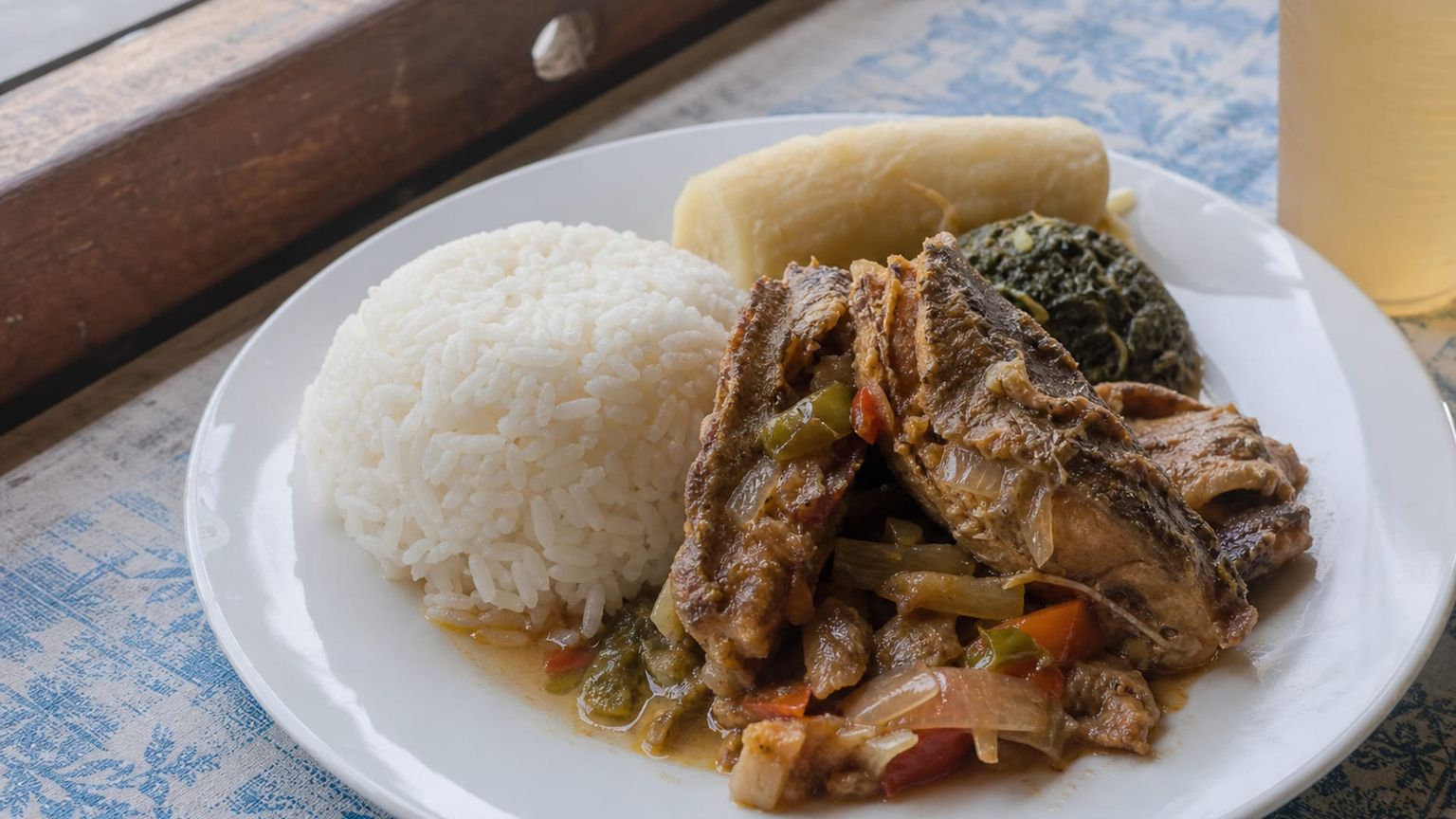
Luanda’s table leans on cassava, palm oil, seafood, and slow-cooked sauces, with muamba de galinha, calulu, funge, and moamba de peixe anchoring the meal pattern. Lunches tend to run long, and dinners often center on shared plates and grilled fish.
Muamba de galinha
Chicken stewed with palm oil, okra, and spices, usually served with funge. Cais de Quatro on Ilha do Cabo is a strong Luanda pick for a classic version by the water.
Calulu
A slow-cooked fish or meat dish with vegetables and dried ingredients that lands somewhere between stew and braise. Restaurante Kifuka in Ingombota is a well-known place to try it.
Funge
A soft cassava or corn porridge that anchors many Angolan meals and soaks up sauces well. Churrasqueira Kipipa in Talatona serves it alongside grilled plates and stews.
Moamba de peixe
Fish in a rich palm-oil sauce, often paired with rice or funge. Restaurante Veneza in Talatona is a dependable stop for a composed local lunch.
Best time to visit Luanda
Luanda stays warm all year, but the dry months give clearer skies and better bay views, while the wet season brings heavier showers and more humidity.
Best for: Beach time on Ilha do Cabo and long evenings by the bay
What you get: About 81 to 90°F (27 to 32°C), with humid air and lighter crowds on some weekdays
Trade-offs: Afternoon showers can interrupt plans
Best for: Fortaleza visits and city touring with fewer weather disruptions
What you get: About 77 to 88°F (25 to 31°C), with moderate crowds and a mix of dry and rainy days
Trade-offs: Rain can still arrive without much warning
Best for: Clearer waterfront views and the most comfortable walking weather
What you get: About 70 to 82°F (21 to 28°C), with the driest conditions and steady visitor flow
Trade-offs: Morning haze can linger near the coast
Best for: Balanced conditions for combining Ingombota, Ilha do Cabo, and Talatona
What you get: About 75 to 88°F (24 to 31°C), with rising humidity and manageable crowds
Trade-offs: Heat builds again before the rains
A realistic 5-day plan in Luanda
A five-day Luanda stay works best when the waterfront, the hilltop fort, and the southern business districts each get their own block of time. The sequence below keeps transfers realistic and leaves room for meals, light breaks, and the city’s stronger sunset hours.
Land at Luanda (LAD) and take a taxi or hotel car to Ingombota, which usually takes about 15 to 25 minutes and costs roughly $20 to $35, depending on traffic and the vehicle arranged. Check into a hotel near the waterfront, then keep the rest of the evening close by with a short walk along the Marginal and a light dinner in Ingombota, where the bay side restaurants make an easy first stop. Drink plenty of water after the flight, especially if you arrive in the afternoon heat.
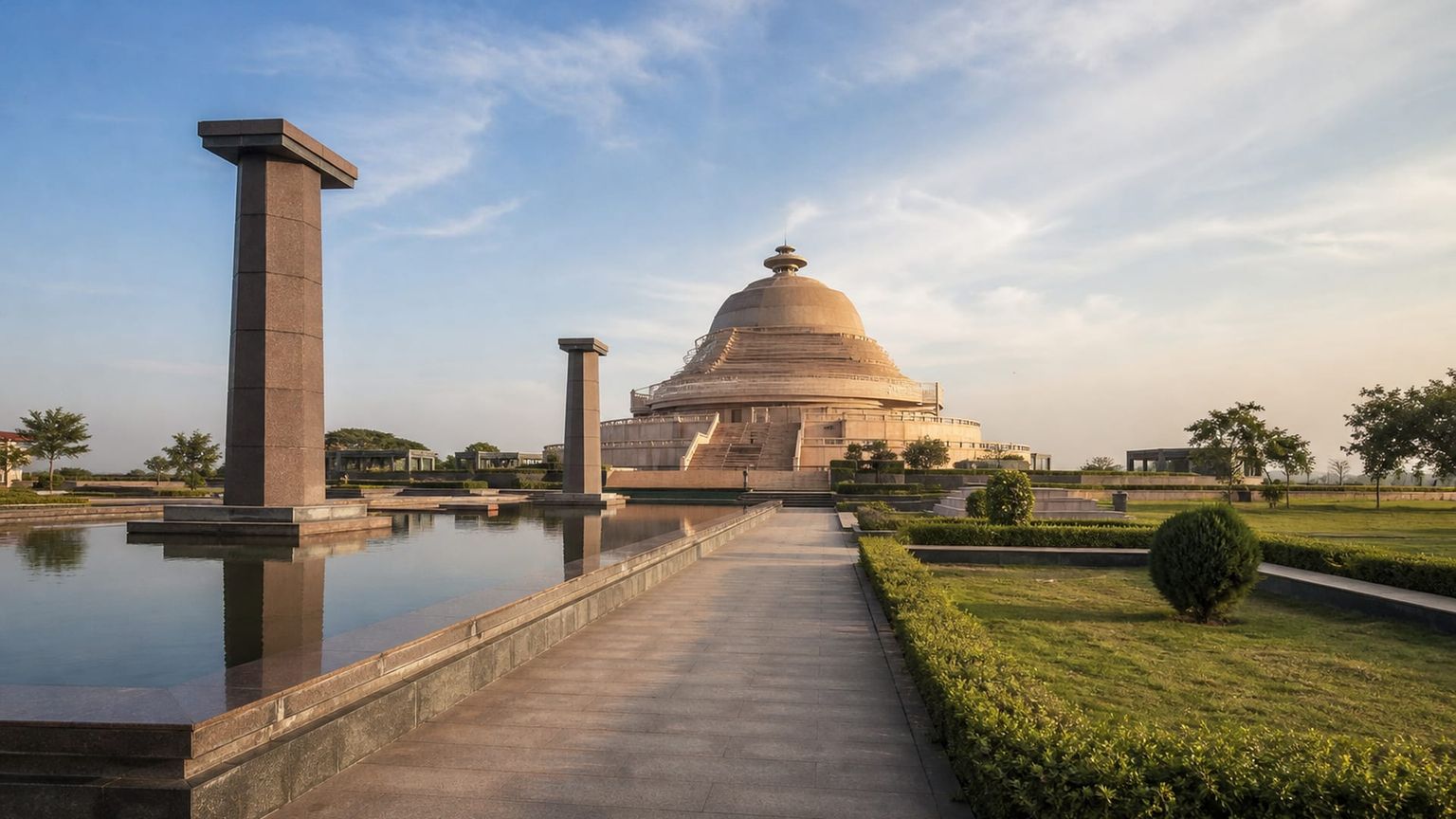
Start with Fortaleza de São Miguel in the late morning, about 10 to 15 minutes by car from Ingombota, then plan 1 to 2 hours for the ramparts, museum rooms, and bay views. From the fort, drive 15 to 20 minutes to the National Museum of Slavery for a focused hour in the former chapel, then finish the afternoon back on the waterfront, where a dinner on Ilha do Cabo is about 15 to 20 minutes away by car and gives you an easy first sunset over the bay.
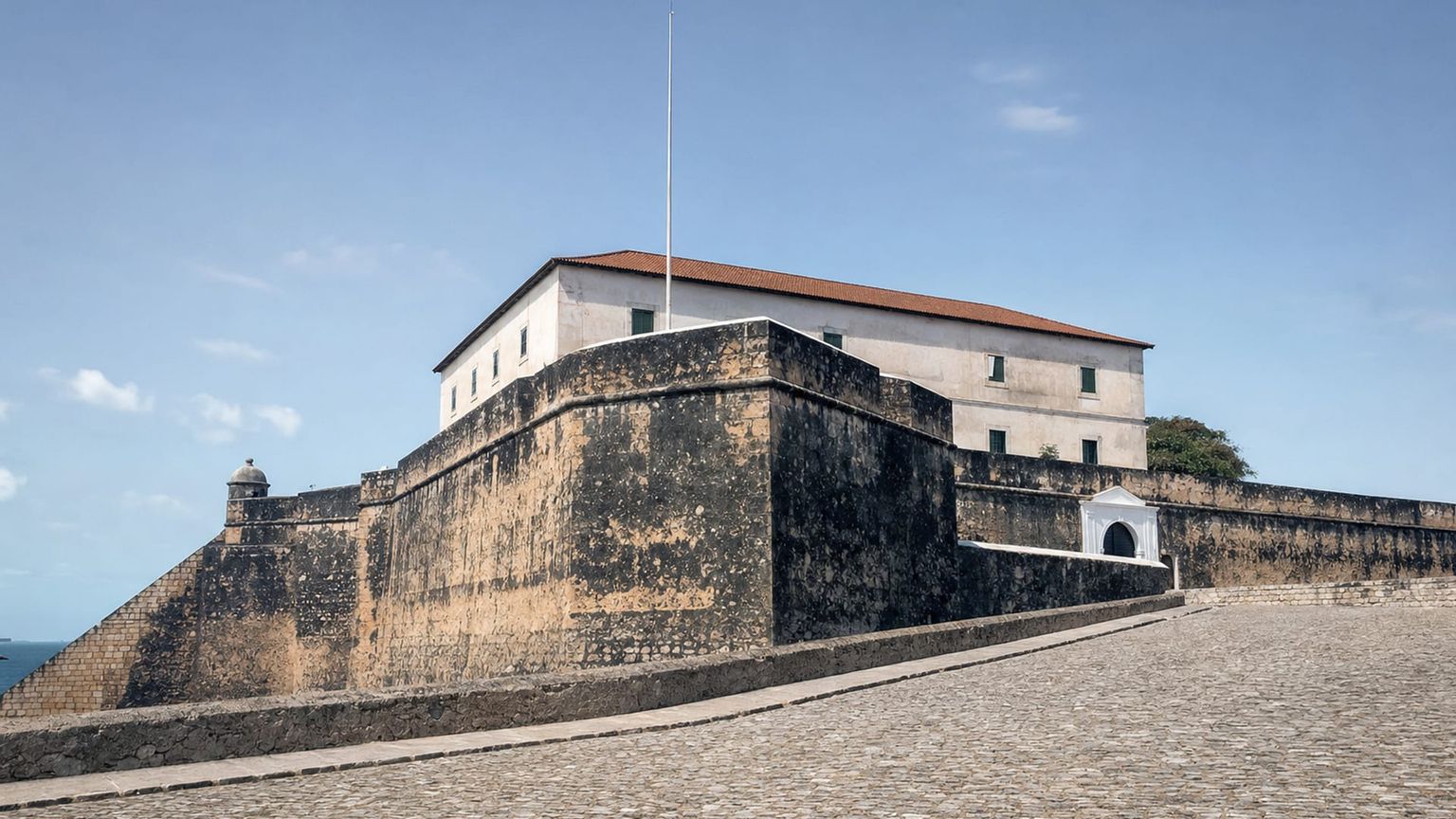
Begin on Ilha do Cabo with a shoreline walk and an unhurried lunch, then stay for the skyline views and beach frontage that make the peninsula the city’s strongest evening setting. After lunch, head to Fortaleza de São Miguel in about 15 to 20 minutes by car if you want a second look at the hilltop setting from a different light, or return to Ingombota for a bayfront coffee and a slower midafternoon break. End with dinner back on Ilha do Cabo, where the restaurant strip is busiest after dark.
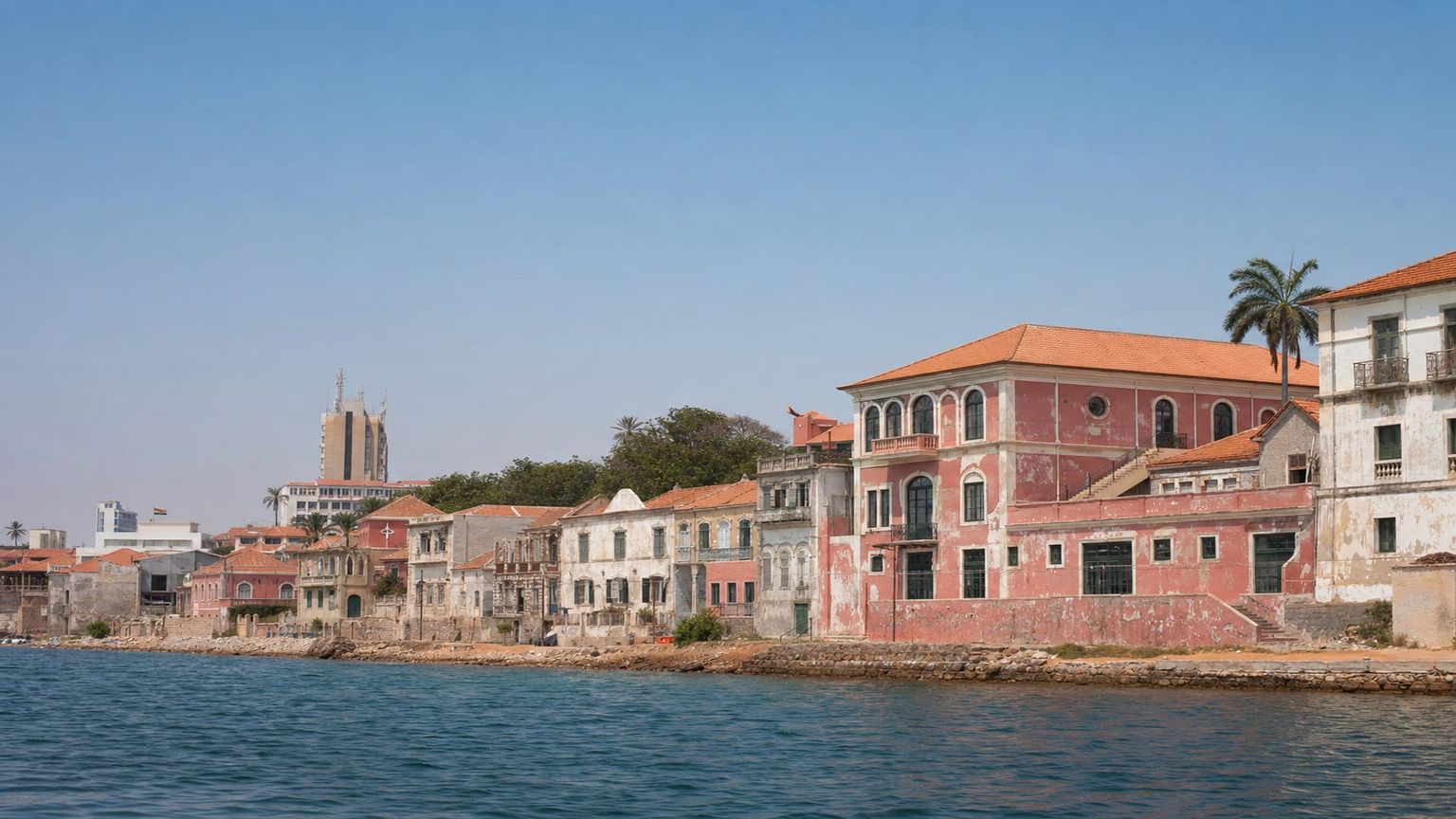
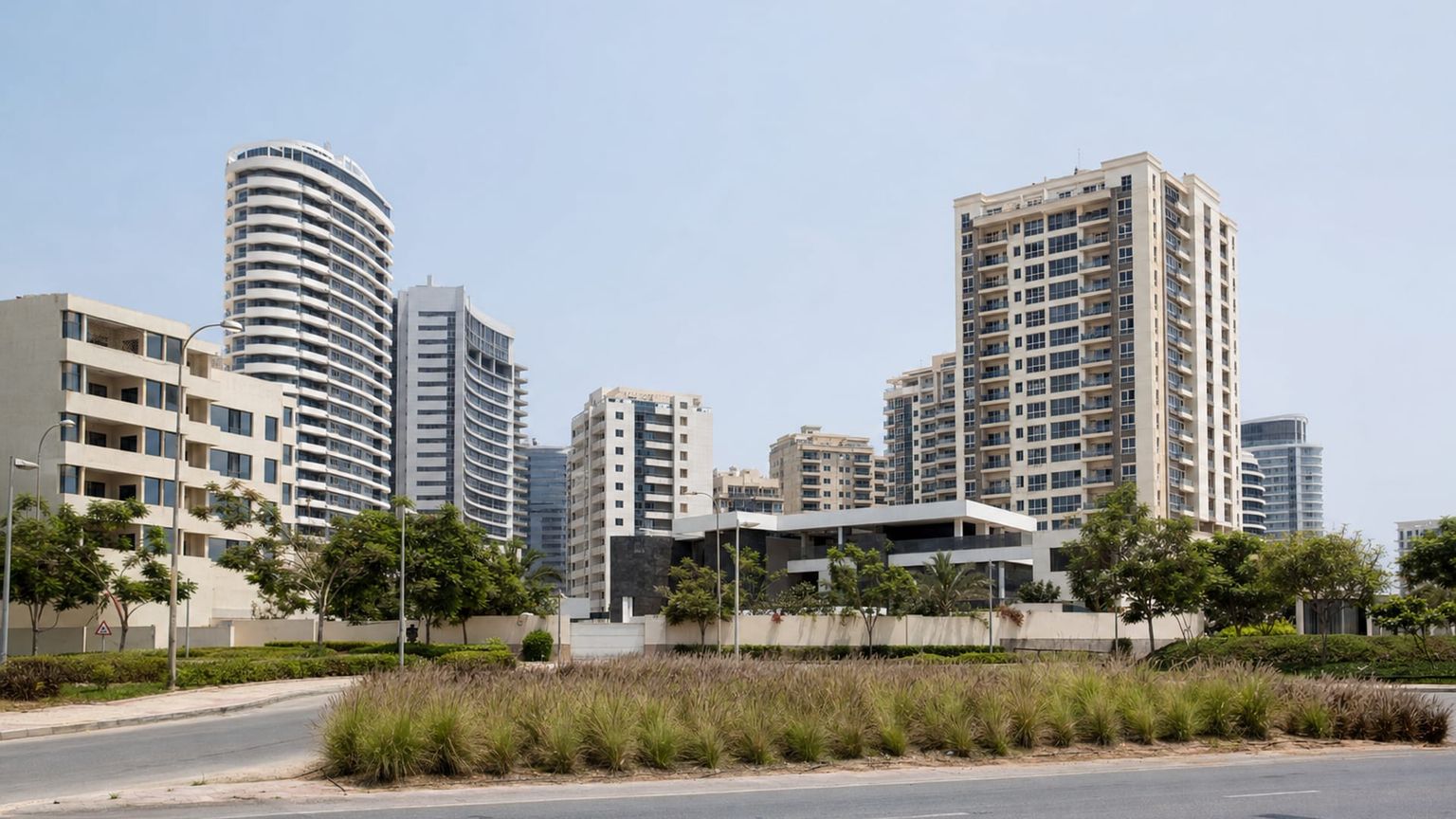
A day in Talatona gives you a different Luanda pace, starting with the malls and office parks that define the district and then a relaxed lunch nearby. From Talatona, it takes roughly 20 to 35 minutes by car to Ingombota, so an afternoon transfer back toward the center works well if you want one last pass along the Marginal or a repeat visit to Fortaleza de São Miguel. Finish with dinner in Talatona, where parking is easier than in the waterfront districts.
One last morning fits neatly with a final museum stop at the National Museum of Slavery, which takes about 45 minutes to 1 hour and sits close enough to central Luanda for an easy taxi ride from Ingombota. Afterward, head to Talatona for shopping in its malls, or stay in Ingombota if you want a last café stop near the bay before heading to Luanda (LAD). Build in extra time for the airport transfer, since weekday traffic can slow the trip from the center.
Business-class flights from the US to Luanda
Long-haul flights to Luanda usually connect through Europe, the Gulf, or Addis Ababa, so the route often matters as much as the fare. From New York and Los Angeles, the best options usually trade nonstop convenience for one well-timed stop.
From New York, TAP Air Portugal, Turkish Airlines, Air France, Lufthansa, and Ethiopian Airlines are the main names to compare, and trips typically take 15 to 21 hours with a stop in Lisbon, Istanbul, Paris, Frankfurt, or Addis Ababa. Round-trip fares from New York start at about $3,800 and can reach $6,500.
Los Angeles travelers usually look at Turkish Airlines, Air France, Lufthansa, Emirates, and Qatar Airways, with common layovers in Istanbul, Paris, Frankfurt, Dubai, or Doha. Round-trip fares usually begin near $4,200 and climb to roughly $7,000.
Luanda feels different when you slow down
A good Luanda trip gives each district a clear role: Ingombota for the first night near the bay, Fortaleza de São Miguel for history and views, Ilha do Cabo for sunset meals, and Talatona for newer hotels and easier parking. Taxis and ride apps make the city manageable when you keep transfers short and leave room for traffic. If you want help shaping the route, the AranGrant experts can build a Luanda plan around the neighborhoods and day parts that fit your pace







