

Chapters:

Need help with your trip?
Our support team is available 24/7. Request a callback or call us directly at (833) 619-0908
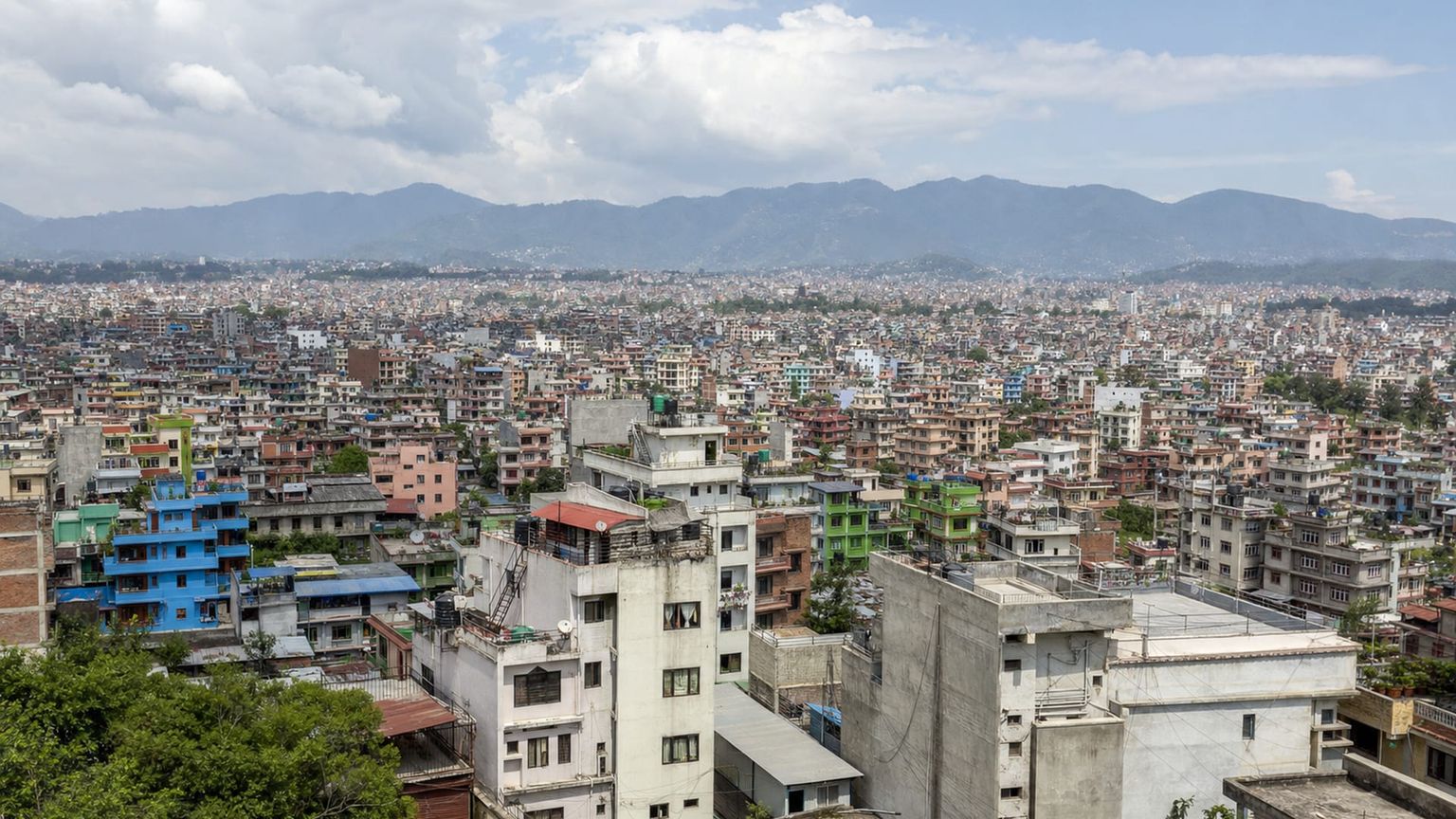
Kathmandu often starts the same way: a landing at Tribhuvan, a room in Thamel, and a first day spent sorting jet lag before anyone sees much of the city. What many visitors miss is how quickly the valley changes once you move beyond that first block of guesthouses and shops.
The distances are short on a map, but traffic, narrow streets, and hillside climbs can stretch simple plans into long half-days. If you treat every sight as a quick stop, the old palace core, the hilltop stupas, and the riverfront temples start to feel rushed.
This guide slows the trip down with a five-day order that groups nearby sights, builds in transfer time, and leaves room for meals and early evenings. The result is a clearer way to move through Kathmandu without trying to do everything at once.
Useful things to know

Main language(s): Nepali
Namaste (nah-mah-steh) – Hello / good morning
Kripaya (kree-pah-yah) – Please
Dhanyabad (dhan-ya-baad) – Thank you
Tapai angreji bolnuhunchha? (tah-pie un-greh-jee bol-noo-hun-chha) – Do you speak English?
Yo kati ho? (yo ka-tee ho) – How much does it cost?

Currency: The local currency is the Nepalese rupee (NPR, Rs).

Cash and cards: Cards are accepted at many hotels and larger restaurants, but carry about NPR 2,000 to 3,000 ($15 to $23) in cash.

Tipping: Round up small bills; add 5-10% in restaurants if service is good.

Traditional food: momo, dal bhat, sel roti, chatamari

Water and coffee costs: Water about NPR 30 to 80 ($0.25 to $0.60), bar espresso about NPR 250 to 400 ($2 to $3).

Taxis and ride apps: Pathao and inDrive operate here; confirm the fare before you start.

Plug and voltage: Type C/D/M socket, 230V

Dining and shop opening hours: Breakfast is roughly 7:00-9:00 am, lunch 12:00-2:00 pm, and dinner 7:00-9:00 pm. Many restaurants close earlier outside tourist areas.

Emergency number: Dial 100 for police, 102 for ambulance, 101 for fire.
Where to stay in Kathmandu
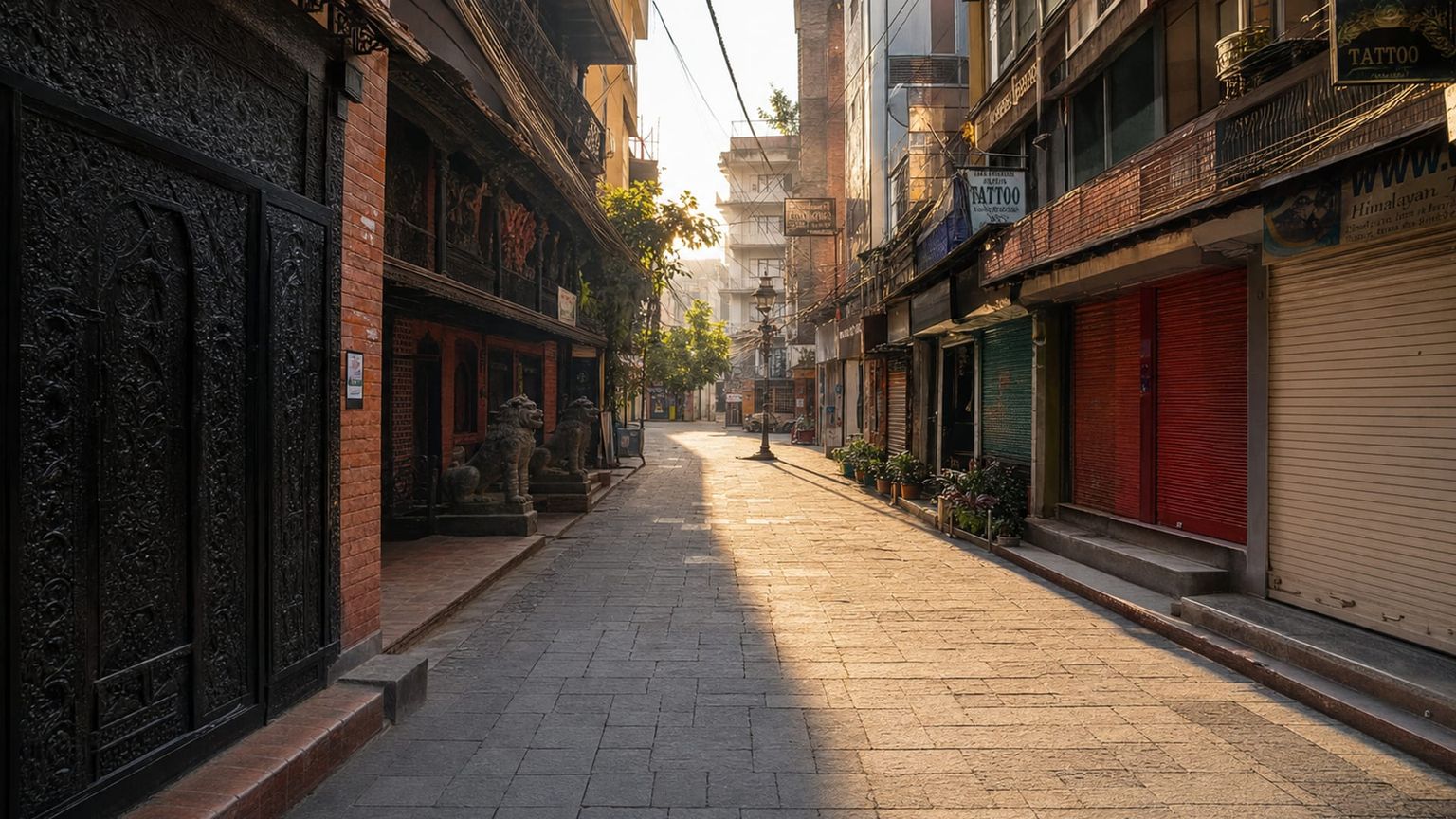
Kathmandu’s busiest lodging district sits just north of the old palace core, with dense guesthouses, gear shops, cafes, and tour desks. It matters because many visitors use it as a launch point for Durbar Square, museum visits, and airport transfers.
Best for: First-time visits, nightlife, dining, and easy access to tours
What to expect: Narrow streets, heavy foot traffic, persistent sales pitches, and late evening activity, with the busiest blocks around restaurants and trekking shops.
Hotel prices: Usually about $30 to $120 per night for well-rated stays
Distance to major sights: About 20 to 25 minutes on foot to Kathmandu Durbar Square; about 25 to 35 minutes by car to Swayambhunath
Quietness: Busy all day and lively into the evening; quieter side lanes thin out after restaurant hours.
Main trade-off: You get the most choice for hotels and restaurants, but traffic, nightlife noise, and constant crowds can wear on light sleepers.
Good to know: Book a room on an upper floor or in a side lane if you want to cut down on street noise.
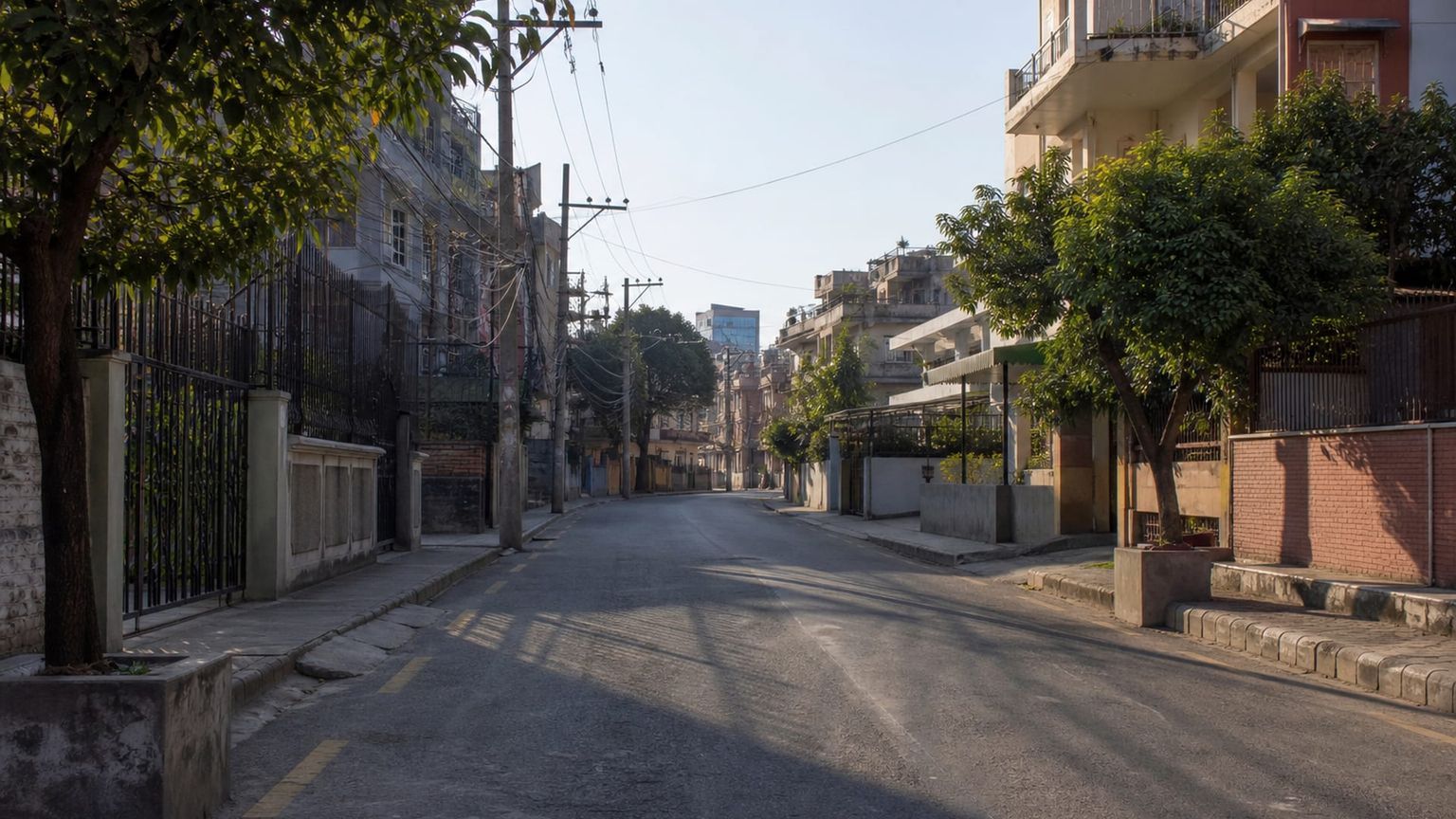
Jhamsikhel is a residential and dining district in Lalitpur, south of the Bagmati River, with tree-lined streets, cafes, and midrange hotels. It matters because it offers a calmer stay than central Kathmandu while still putting Patan’s temples and craft galleries within easy reach.
Best for: Dining, longer stays, and visitors who want a quieter base near Patan
What to expect: Mixed residential streets, local restaurants, and a steady but not overwhelming flow of diners and neighborhood traffic.
Hotel prices: Usually about $40 to $140 per night for well-rated stays
Distance to major sights: About 15 to 20 minutes by car to Patan Durbar Square; about 30 to 40 minutes by car to Kathmandu Durbar Square
Quietness: Quieter than central Kathmandu during the day and noticeably calmer after dinner, though main restaurant streets stay active at night.
Main trade-off: You will spend more time crossing the river for central sightseeing, and the best hotel options sit farther from the old city.
Good to know: Evenings are easiest here if you want to eat close to your hotel, since late-night choices thin out outside the main restaurant strip.
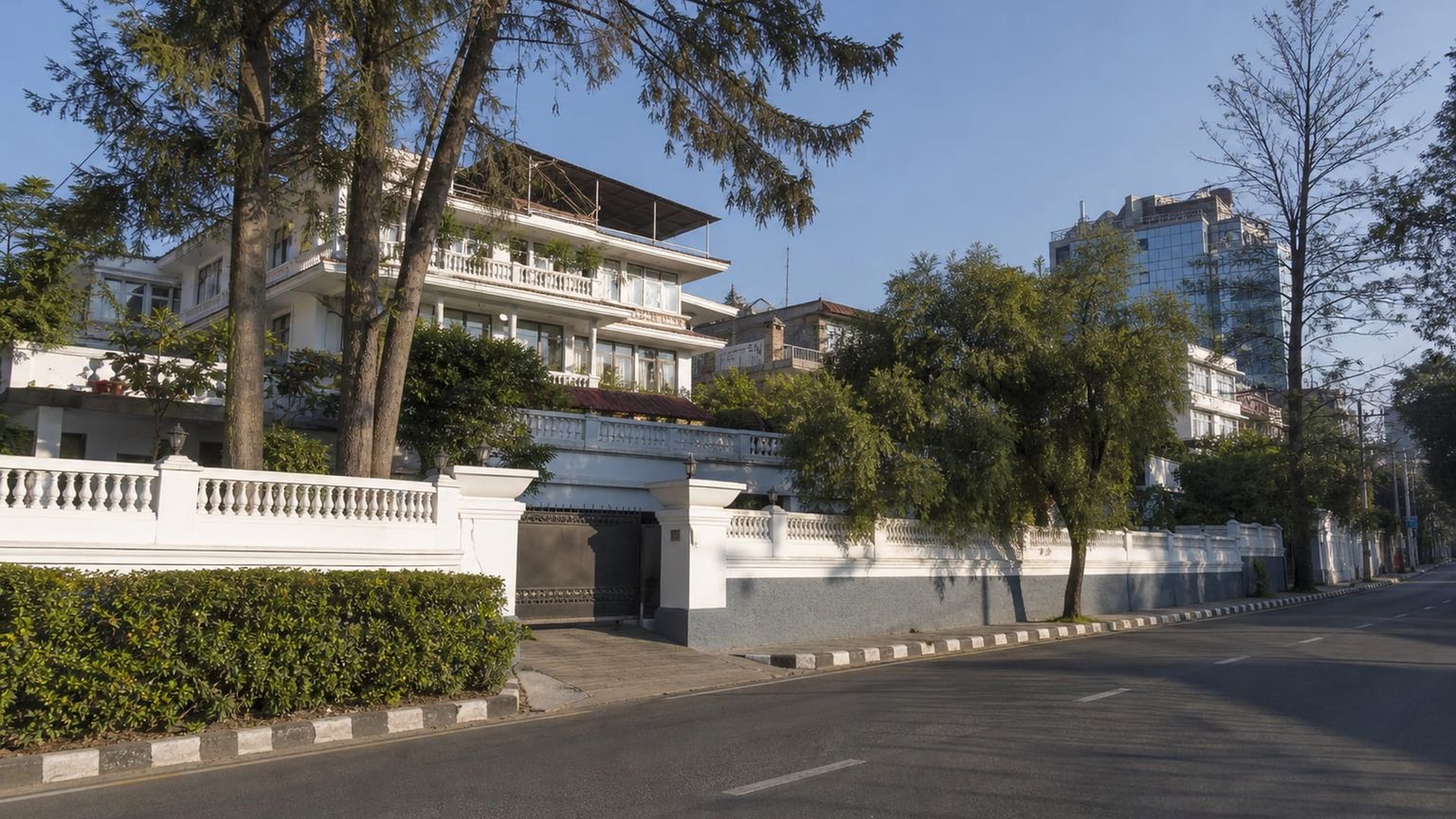
Lazimpat runs north of central Kathmandu and mixes embassies, small hotels, and upscale restaurants along one of the city’s main north-south corridors. It matters because it puts you close to central sights without staying in Thamel’s busiest lanes.
Best for: Business travel, embassy access, and travelers who want a central but calmer base
What to expect: Broad roads, steady traffic, and a more composed hotel strip than Thamel, with restaurant activity concentrated near the main junctions.
Hotel prices: Usually about $50 to $180 per night for well-rated stays
Distance to major sights: About 10 to 15 minutes by car to Kathmandu Durbar Square; about 20 to 30 minutes by car to Swayambhunath
Quietness: Quieter in the day than the tourist core, but traffic can build in the evening along the main road.
Main trade-off: You trade walkable nightlife for easier access to reliable taxis and a less chaotic street scene.
Good to know: Some blocks sit on a busy arterial road, so ask for a room away from the street if traffic sound matters.
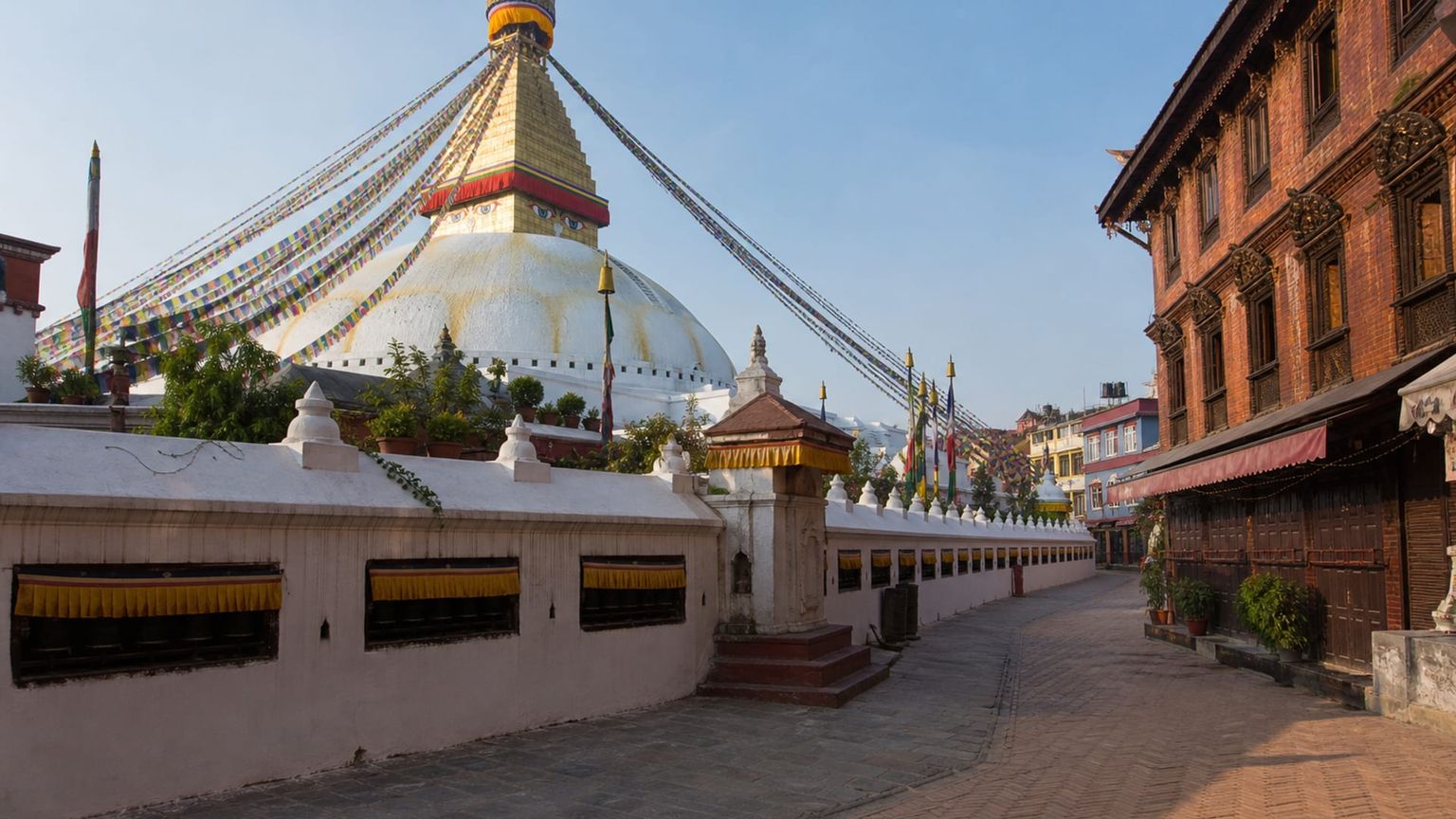
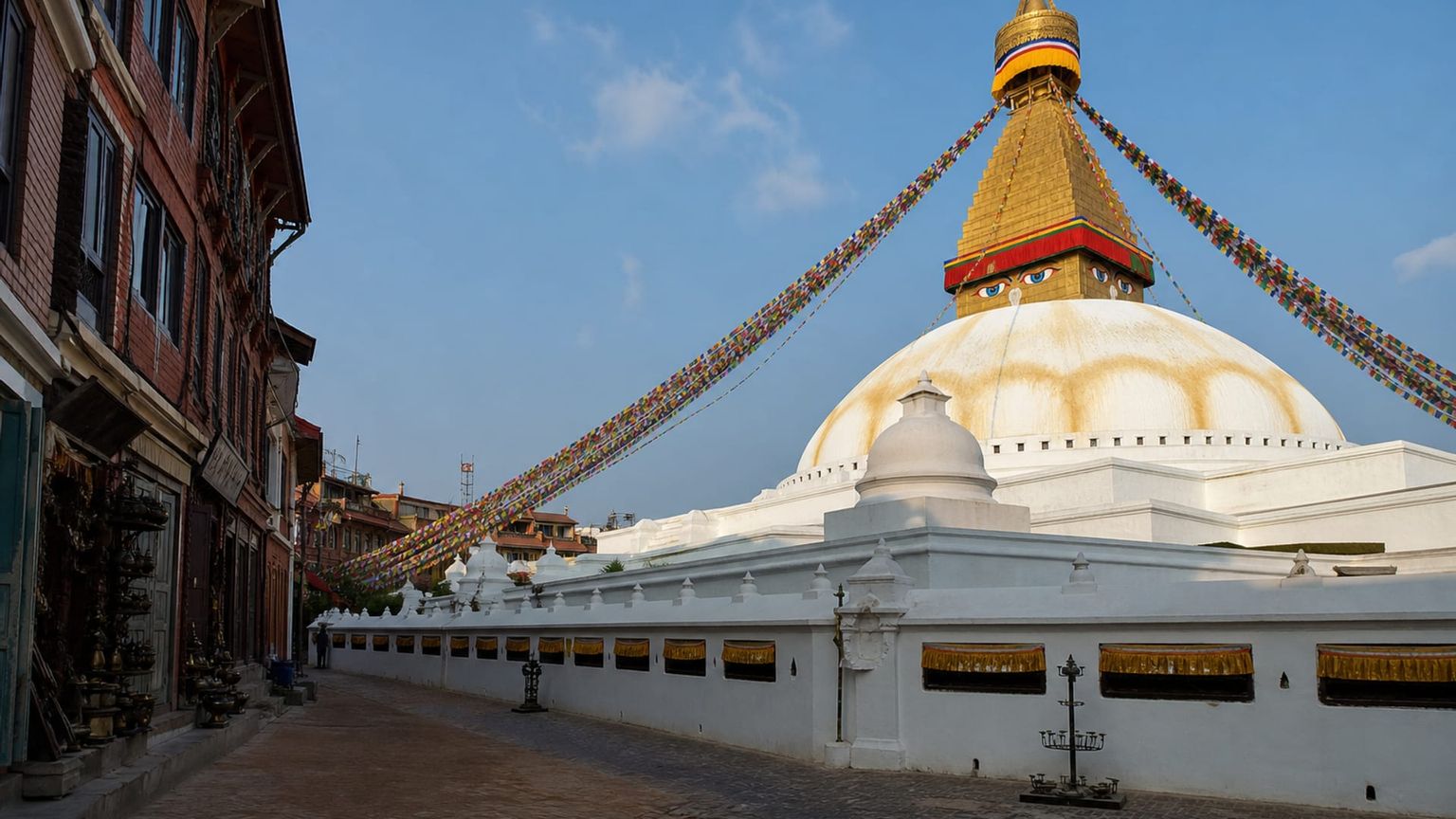
Boudha centers on the great stupa and a ring of monasteries, guesthouses, and Tibetan restaurants in northeastern Kathmandu. It matters because the area gives you direct access to one of the city’s most important religious sites and a strong early-morning and evening circuit for walking.
Best for: Monastery visits, contemplative walks, Tibetan food, and longer stays
What to expect: Pilgrims, monks, incense, prayer wheels, and a steady loop of visitors circling the stupa, with calmer side streets beyond the main ring road.
Hotel prices: Usually about $35 to $130 per night for well-rated stays
Distance to major sights: At the stupa itself; about 20 to 30 minutes by car to Kathmandu Durbar Square
Quietness: Calmer than central Kathmandu during the day, with gentle evening activity near the stupa and quieter lanes nearby after dark.
Main trade-off: It sits farther from the old city, so central sightseeing takes longer and traffic can be slow on cross-town trips.
Good to know: Plan taxi time carefully in the morning, since the main roads can move slowly when you leave for central sights.
In Kathmandu, travelers usually avoid staying in Gaushala, New Baneshwor, and Gongabu, because they sit away from the main sightseeing base in Thamel and the central heritage district, with fewer visitor-oriented amenities nearby. Balaju and the outer edge of Bhaktapur are also less convenient for most first-time visitors, since evening travel back from central restaurants, shops, and temples can take longer and local hotel choice is thinner.
Hotel deals
How to get around Kathmandu efficiently
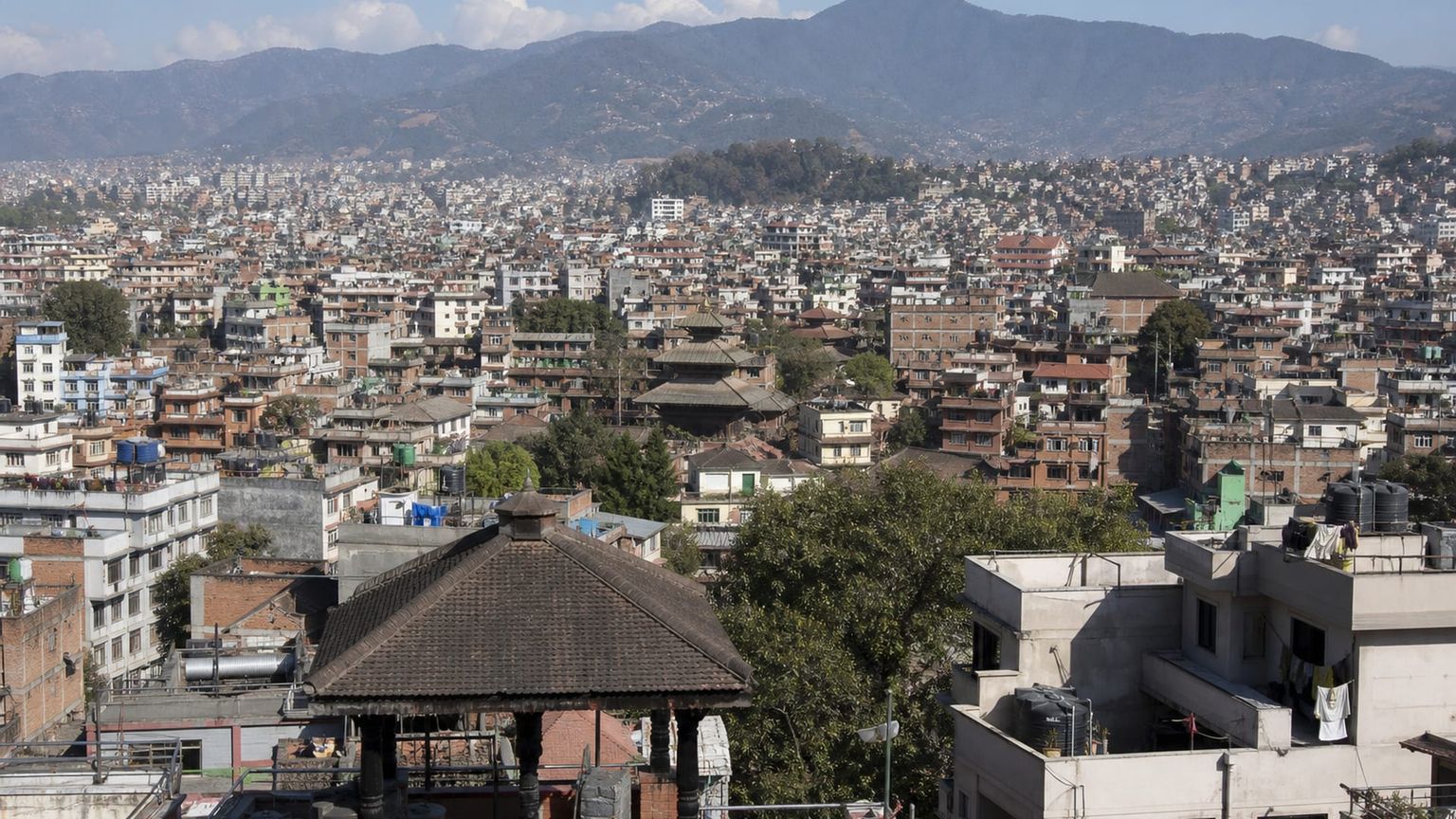
Kathmandu has no metro, so most visitors move between neighborhoods by taxi, bus, or on foot, with the old city and Thamel close enough for short walks on calmer streets.

Metro
for longer distances
Kathmandu has no metro system, so your closest rail option is the suburban line to nearby towns rather than an urban subway. Most visitors rely on road transport for the airport, Thamel, the Durbar Squares, and Patan; journeys that cross the core city usually take about 20 to 45 minutes, depending on traffic.

Bus and tram
for convenience
City buses and microbuses cover the widest ground, and they are the cheapest way to move between Kathmandu, Patan, Bhaktapur, and outlying neighborhoods. Fares are usually about $0.25 to $1.00, paid onboard in cash, with crowded vehicles stopping on request rather than at formal stations; routes can take 30 minutes to well over an hour, depending on the corridor and congestion. There is no tram network.

Taxi
for convenience or late hours
Licensed taxis use meter fares when the driver agrees to turn the meter on, but many rides are quoted as fixed prices, especially for the airport and tourist areas. Expect about $4 to $8 for short city trips, roughly $8 to $15 from Tribhuvan International Airport (KTM) to central Kathmandu, and about $15 to $25 for longer cross-city rides; late-night trips cost more. Carry small bills, confirm the price before you get in if the meter is off, and pay in cash, since cards are rarely accepted.
*Prices are based on rates updated as of June 2026 and may change at the time of travel.
Walk for the old core and nearby cafes, use taxis for cross-town hops and airport runs, and take buses or microbuses when cost matters more than timing.
Iconic landmarks
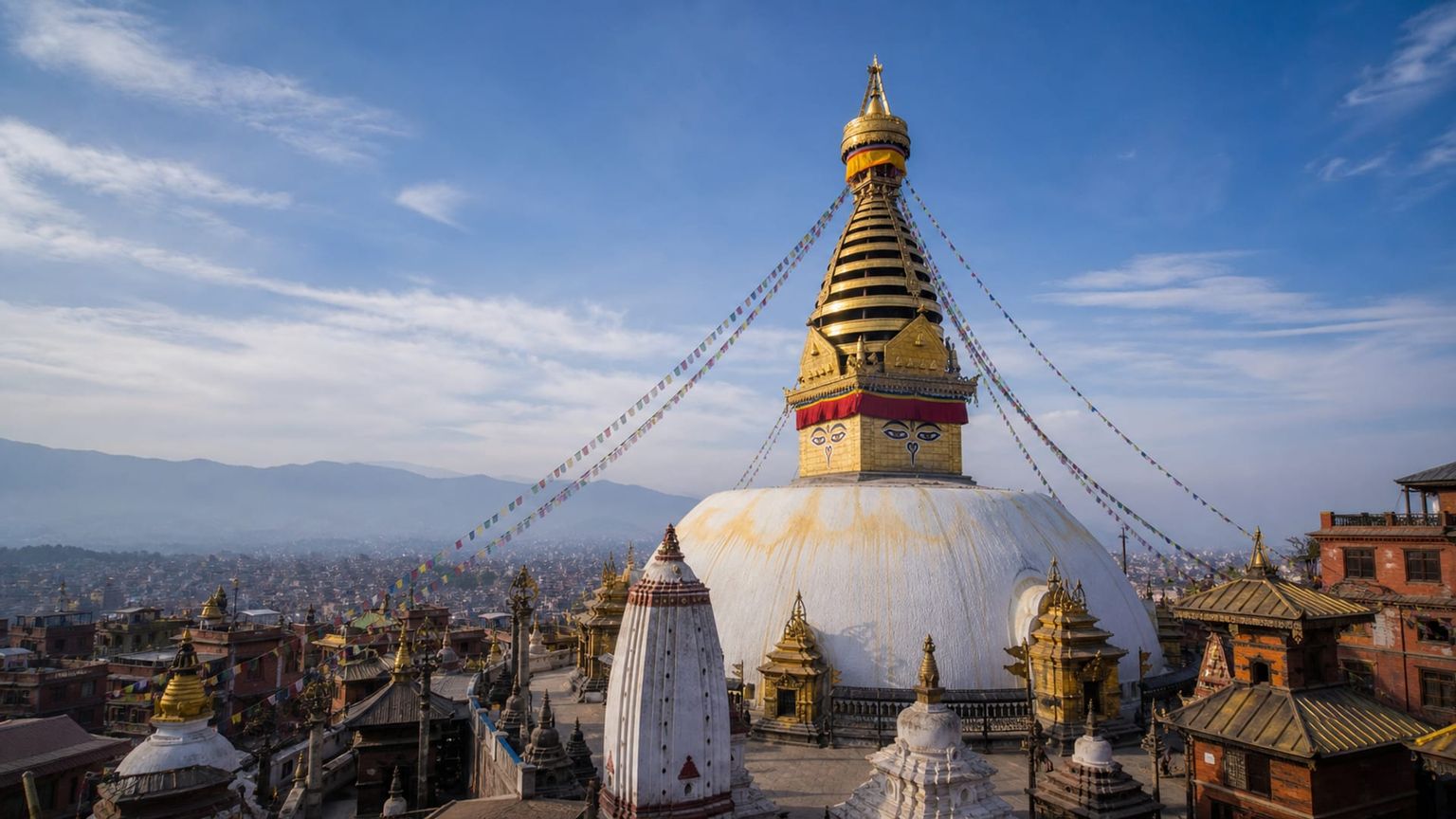
Swayambhunath Stupa
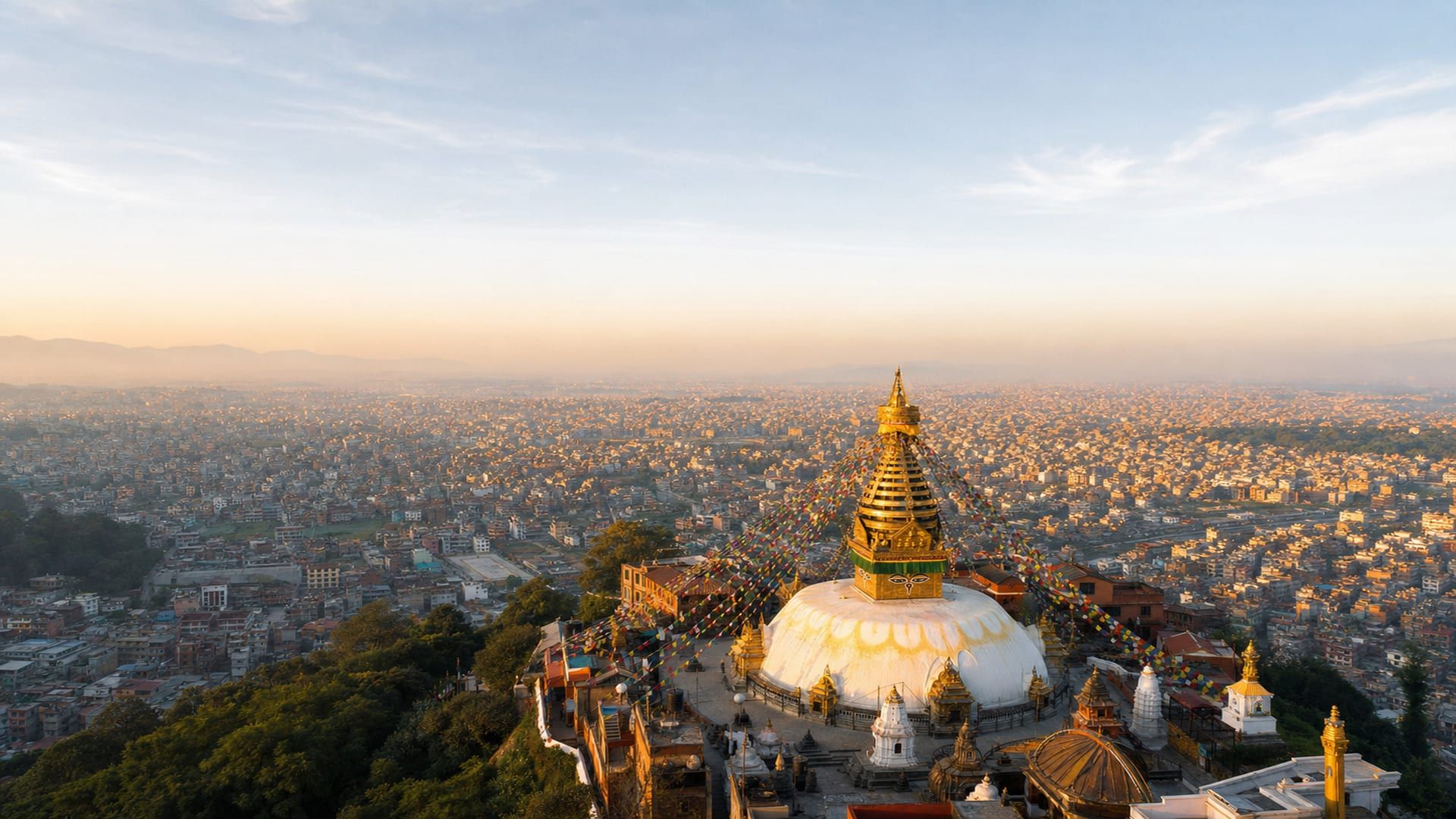
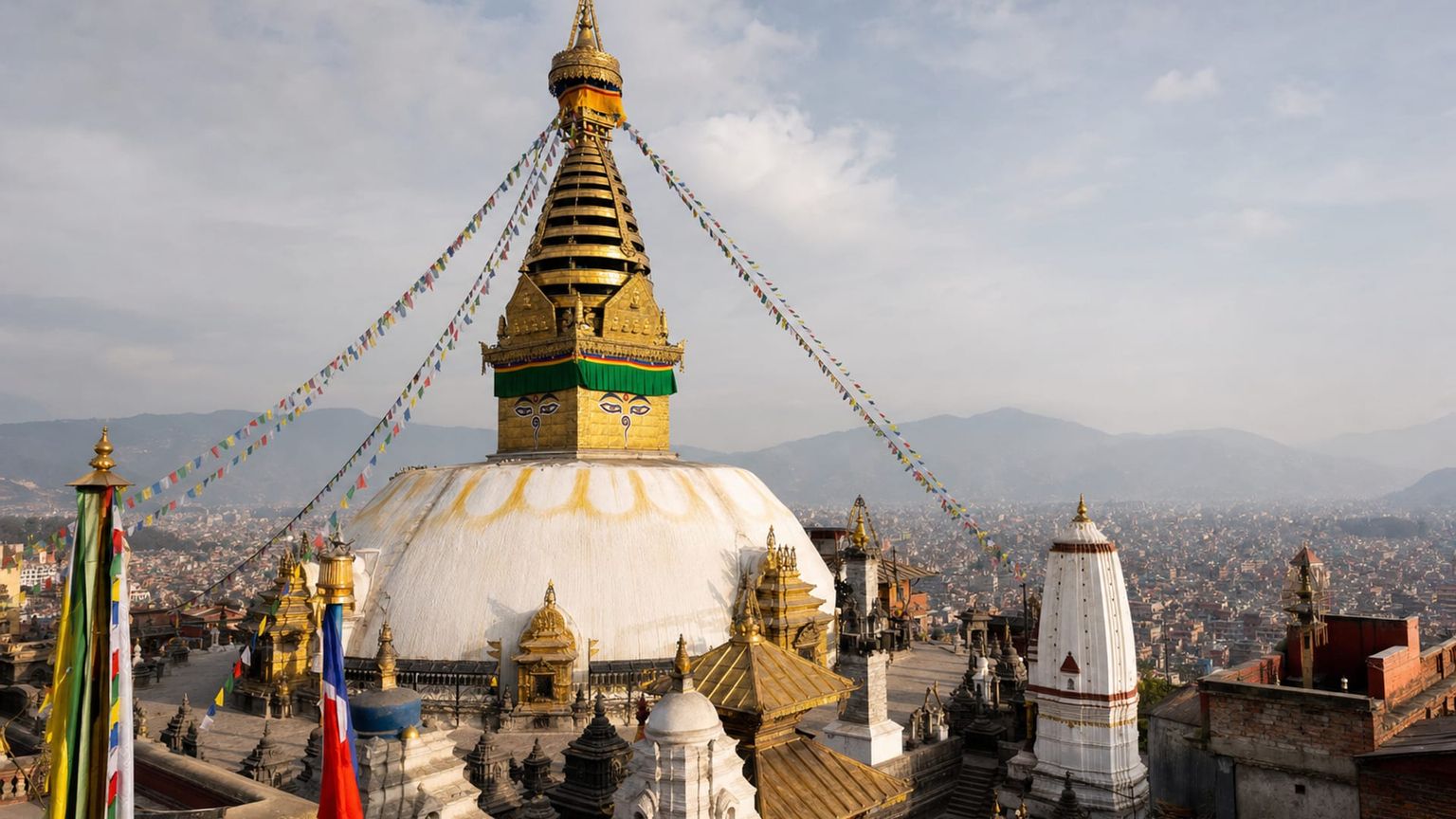
Hilltop Swayambhunath combines a white dome, painted prayer flags, and a ring of shrines with wide views over Kathmandu Valley. Monkeys roam the stairways, and the site is one of the city’s oldest Buddhist landmarks.
Time needed: About 1 to 2 hours
Entry: Foreign visitors pay about $2 ($200 NPR) at the main gate; Nepali citizens and SAARC nationals pay less, and children under 10 enter free.
Tip: Go early for cooler air and clearer views; the stone steps feel steep in midday heat.
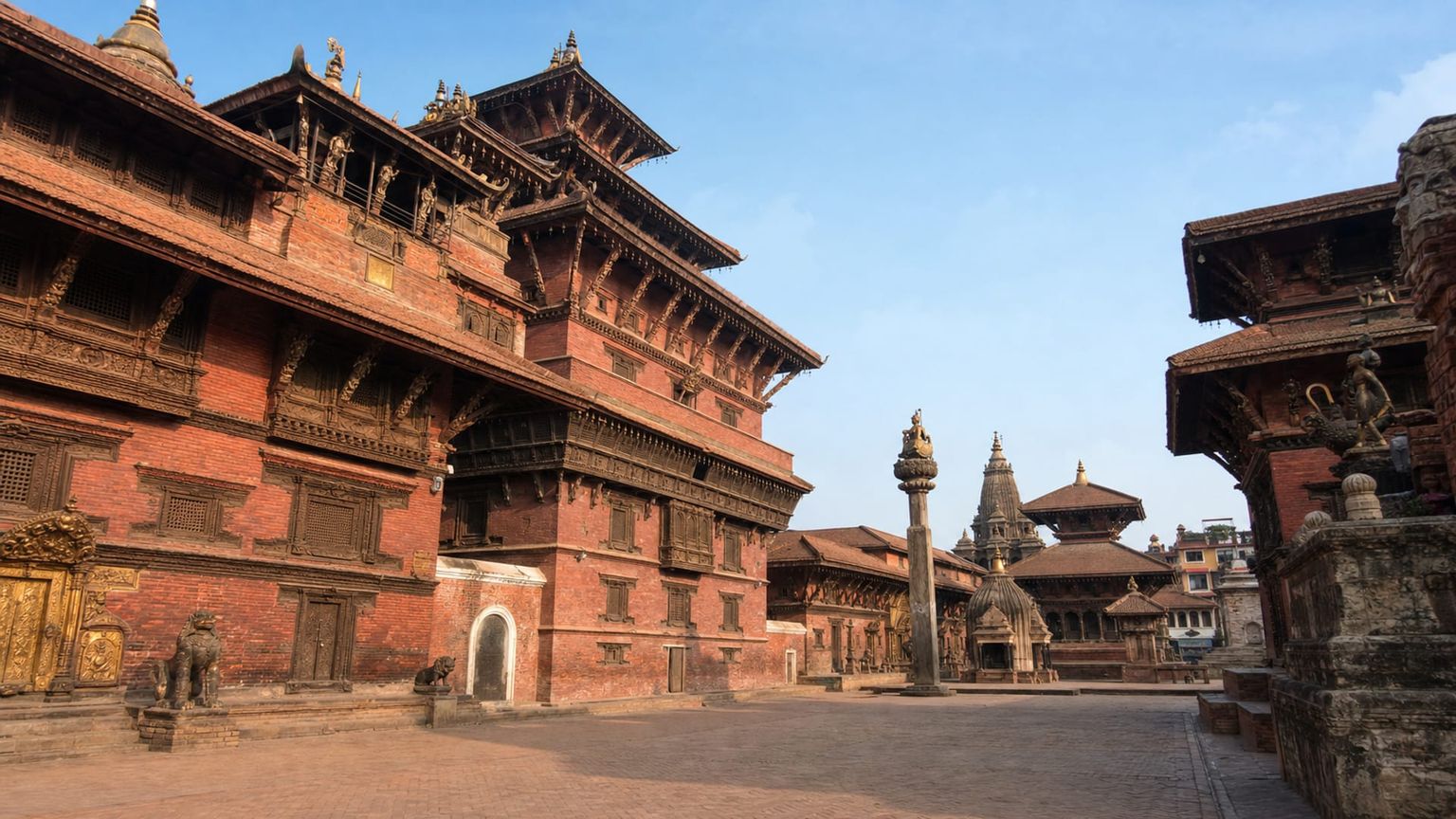
Kathmandu Durbar Square
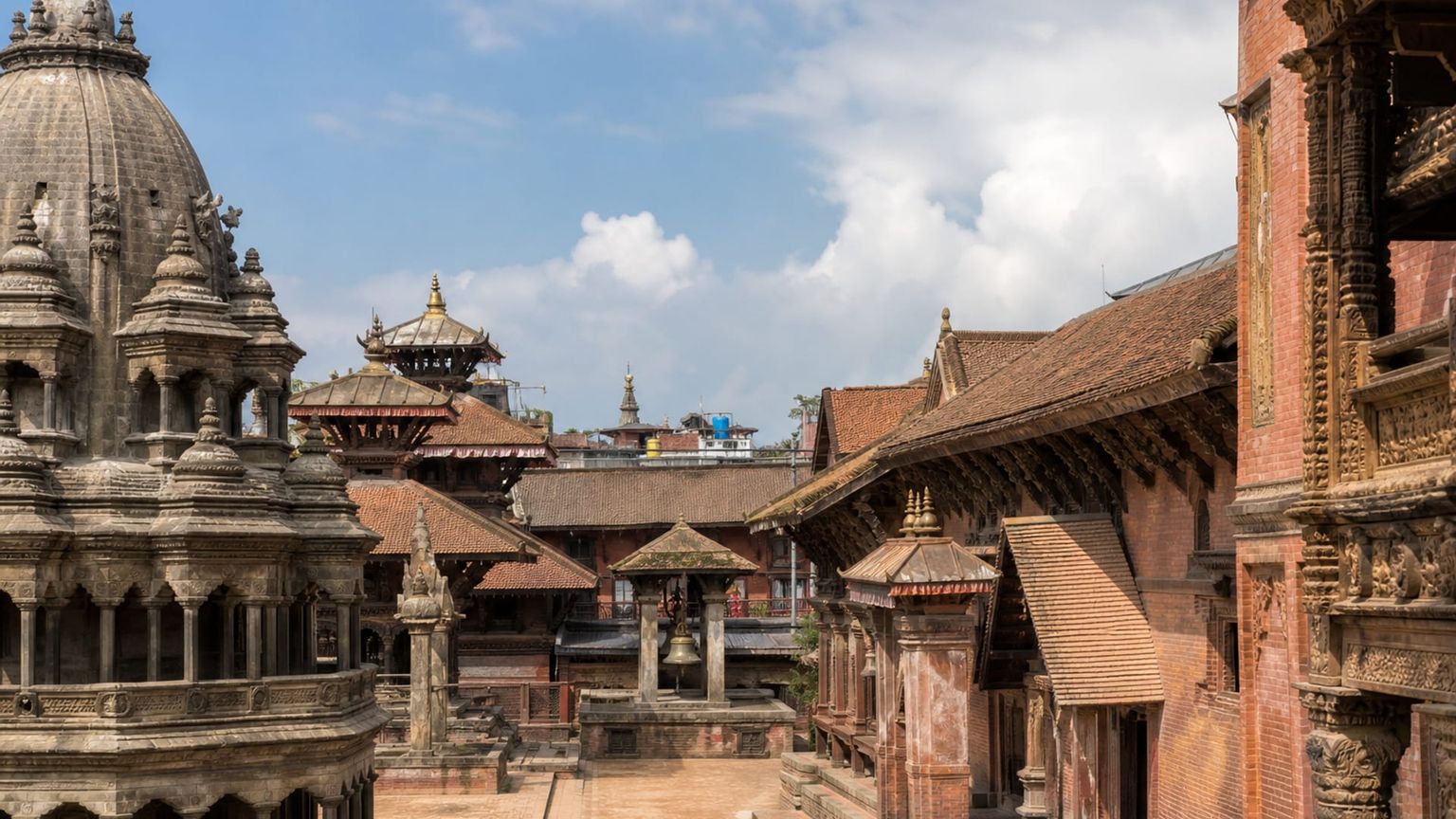
This central royal square brings together Malla-era palaces, carved temples, and courtyards that still anchor old Kathmandu. The Hanuman Dhoka palace complex and Kumari Ghar make it the city’s strongest historic core.
Time needed: About 2 to 3 hours
Entry: Foreign visitors pay about $10 ($1,000 NPR) for the durbar square area; Nepali citizens and SAARC nationals pay lower rates at the gate.
Tip: Visit before late afternoon to catch better light on the temple carvings and palace facades.
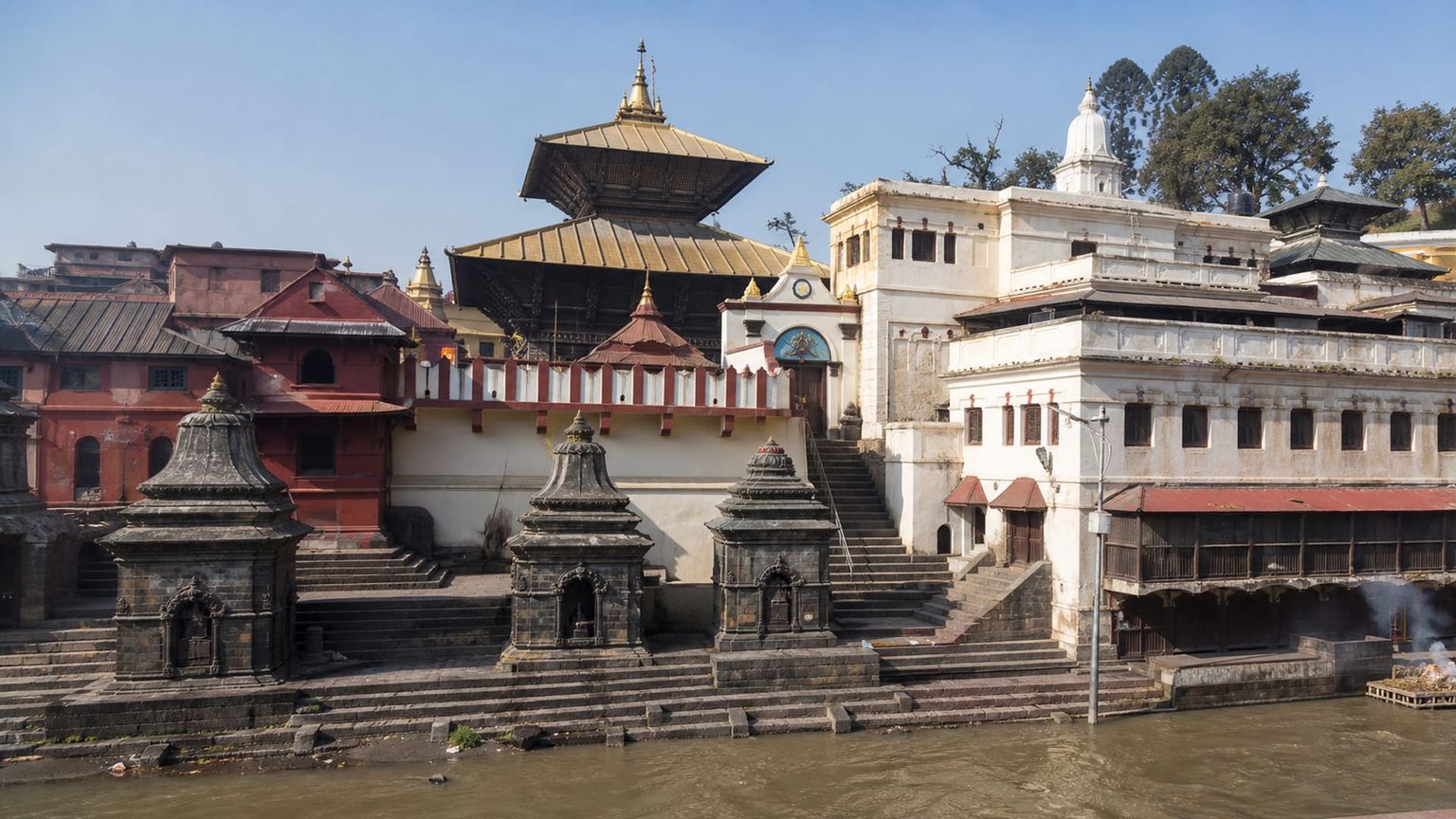
Pashupatinath Temple
Pashupatinath is Kathmandu’s most important Hindu temple complex, set on the Bagmati River with gilded roofs, cremation ghats, and riverside shrines. Non-Hindus cannot enter the main sanctum, but the wider complex offers close views of ritual life.
Time needed: About 1 to 2 hours
Entry: Foreign visitors pay about $10 ($1,000 NPR) for the temple complex; the main shrine stays closed to non-Hindus, and photography rules apply in some zones Visit the official site for details.
Tip: Arrive in the late afternoon to see rituals along the river and softer light on the temples.
Overlooked sites worth visiting

Garden of Dreams
A compact neo-classical garden near Kaiser Mahal, with pavilions, ponds, and shaded paths. It suits a quiet pause between Thamel and Durbar Marg, with benches, water features, and formal landscaping.
Time needed: About 1 hour
Entry: Admission costs $5 (NPR 665) for foreign visitors, $1.50 (NPR 200) for Nepali citizens, and is free for children under 10. Tickets cover the garden only, and opening hours vary by season and may change for events.
Tip: Go early for softer light and fewer visitors.

Boudha Stupa viewing circuit
The lanes just outside Boudhanath Stupa offer a slower walk than the main circle, with rooftop cafés, monasteries, and side shrines. It is best for watching evening kora without the densest crowd.
Time needed: About 1 to 2 hours
Entry: Free to access. You can walk the outer lanes without charge, while cafés, rooftop seats, and monastery courtyards set their own prices if you choose to stop. No ticket is needed for the public walking route.
Tip: Visit near sunset, then stay for the lamps after dusk.
Traditional food
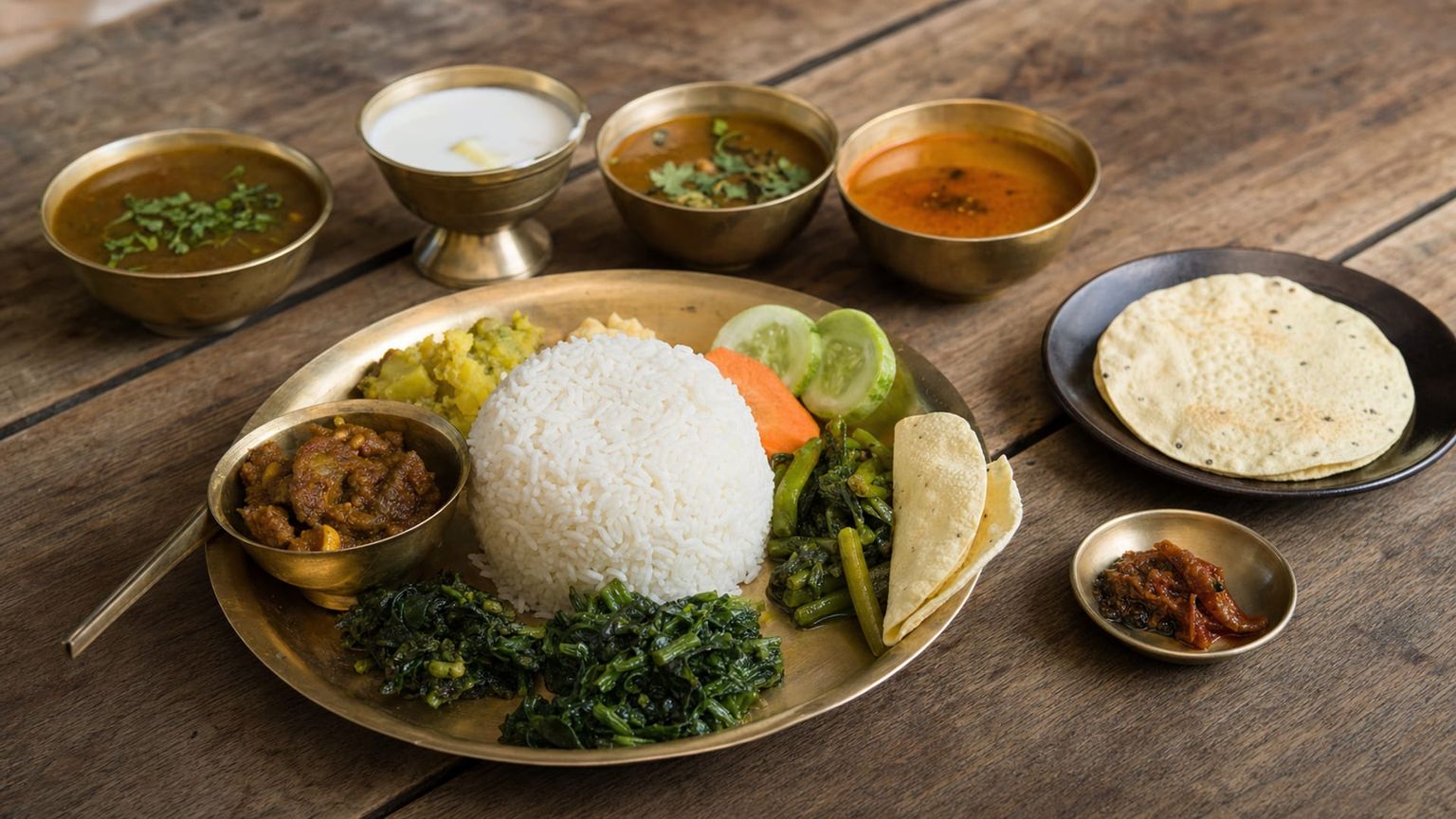
Kathmandu’s food leans on rice, lentils, dumplings, sesame, and heat from chilies and spices. Momo, dal bhat, sel roti, and chatamari anchor meals from simple tea shops to long restaurant dinners.
Momo
These steamed or fried dumplings arrive with a tomato-based dipping sauce and often become the default first meal in Kathmandu. For a canonical stop, try Thamel House Restaurant, which serves a dependable version in the tourist core.
Dal bhat
Rice, lentil soup, vegetables, and pickles make up the city’s daily staple, usually served in generous portions. Yangling Tibetan Restaurant in Thamel is a well-known place to order it alongside other Nepali dishes.
Sel roti
This ring-shaped rice bread comes lightly sweet, crisp at the edge, and best with tea or yogurt. Baithak Restaurant in Thamel is a solid city-center address for trying it with a Nepali meal.
Chatamari
Often called Nepali pizza, this thin rice-flour crepe carries toppings such as egg, meat, or vegetables and works well as a snack or light meal. New Orleans Cafe in Thamel has a known take on it for travelers in the center.
Best time to visit Kathmandu
Kathmandu shifts more with rain and haze than with temperature alone, so the best weeks reward clear mountain views, while the wet months make temple walks slower and greener.
Best for: Clear mornings, blooming gardens, and comfortable sightseeing days
What you get: Roughly 59 to 81°F (15 to 27°C), with moderate crowds and busy festival periods
Trade-offs: Afternoons can warm up and dust levels can rise before the monsoon
Best for: Lush hills, quieter heritage sites, and lower hotel demand
What you get: Roughly 68 to 82°F (20 to 28°C), with lighter crowds but frequent rain and humidity
Trade-offs: Downpours can slow road travel and reduce visibility over the valley
Best for: The clearest mountain views and the strongest temple-hopping weather
What you get: Roughly 57 to 77°F (14 to 25°C), with the highest visitor numbers and lively festival traffic
Trade-offs: This is the busiest stretch, so popular hotels and flights book early
Best for: Dry air, bright mornings, and quieter sightseeing in the city core
What you get: Roughly 43 to 68°F (6 to 20°C), with lighter crowds and cool evenings
Trade-offs: Nights can feel cold indoors, and early mornings need extra layers
A realistic 5-day plan in Kathmandu
Five days in Kathmandu works best when you separate the palace core, the hilltop shrines, the riverfront temples, and the quieter eastern circles. That keeps travel times visible and gives each area enough time to breathe.
A taxi from Kathmandu (KTM) to Thamel usually takes about 20 to 35 minutes and costs roughly $6 to $12, depending on traffic and whether you book through your hotel. Settle into a guesthouse on a side lane or an upper floor, then take a short walk for water, a light Nepali or Tibetan dinner in Thamel, and an early night after the flight.
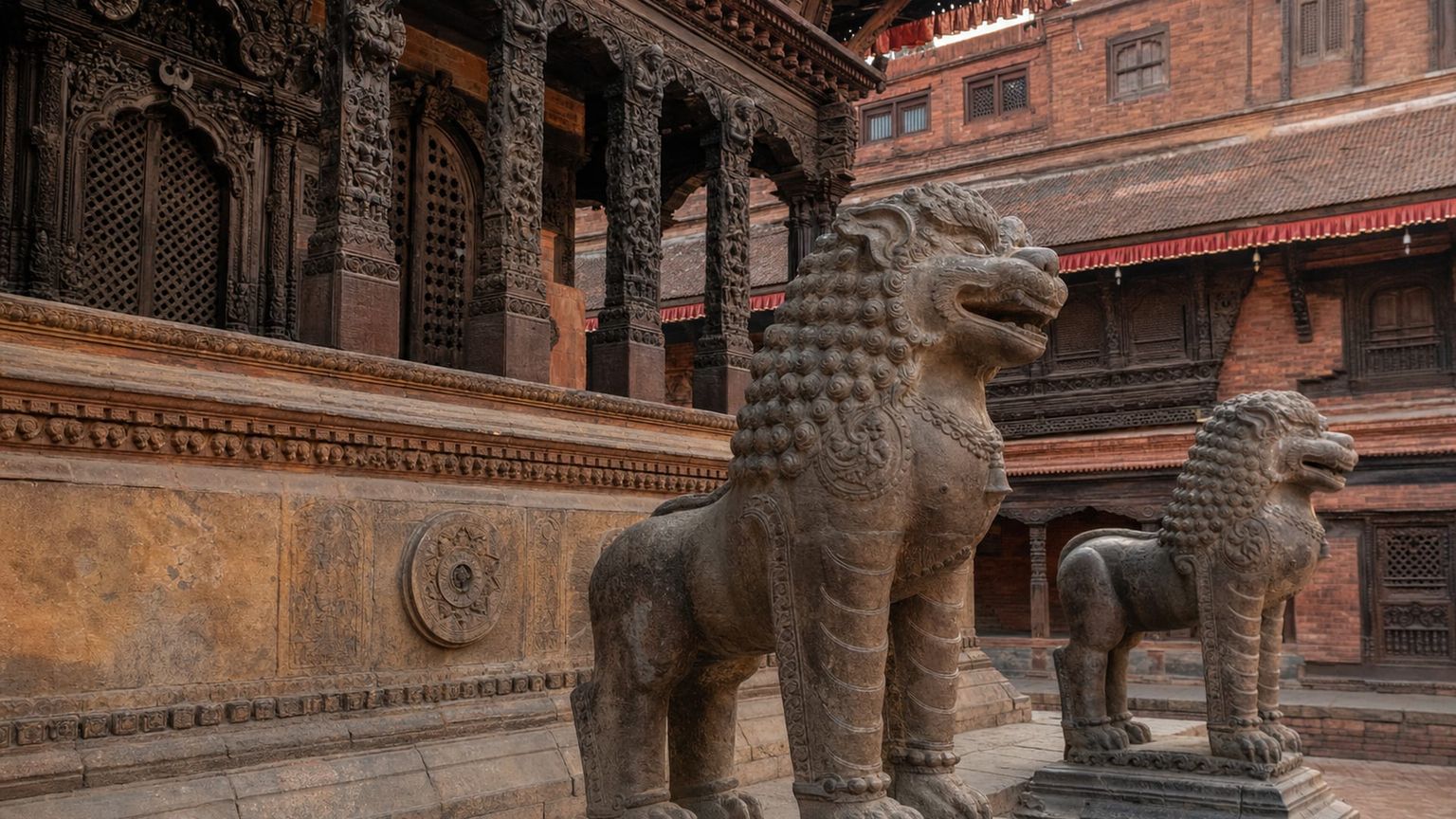
Start early at Kathmandu Durbar Square, then walk there from Thamel in about 20 to 25 minutes, or take a taxi in roughly 10 minutes if you want to save energy for the climb later. Spend about 2 to 3 hours among the palace courtyards, carved temples, and Kumari Ghar, then head to the Garden of Dreams, about 10 minutes away on foot, for a quieter hour in the pavilions and shaded paths. Finish with dinner back in Thamel, where you can return on foot in about 15 minutes.
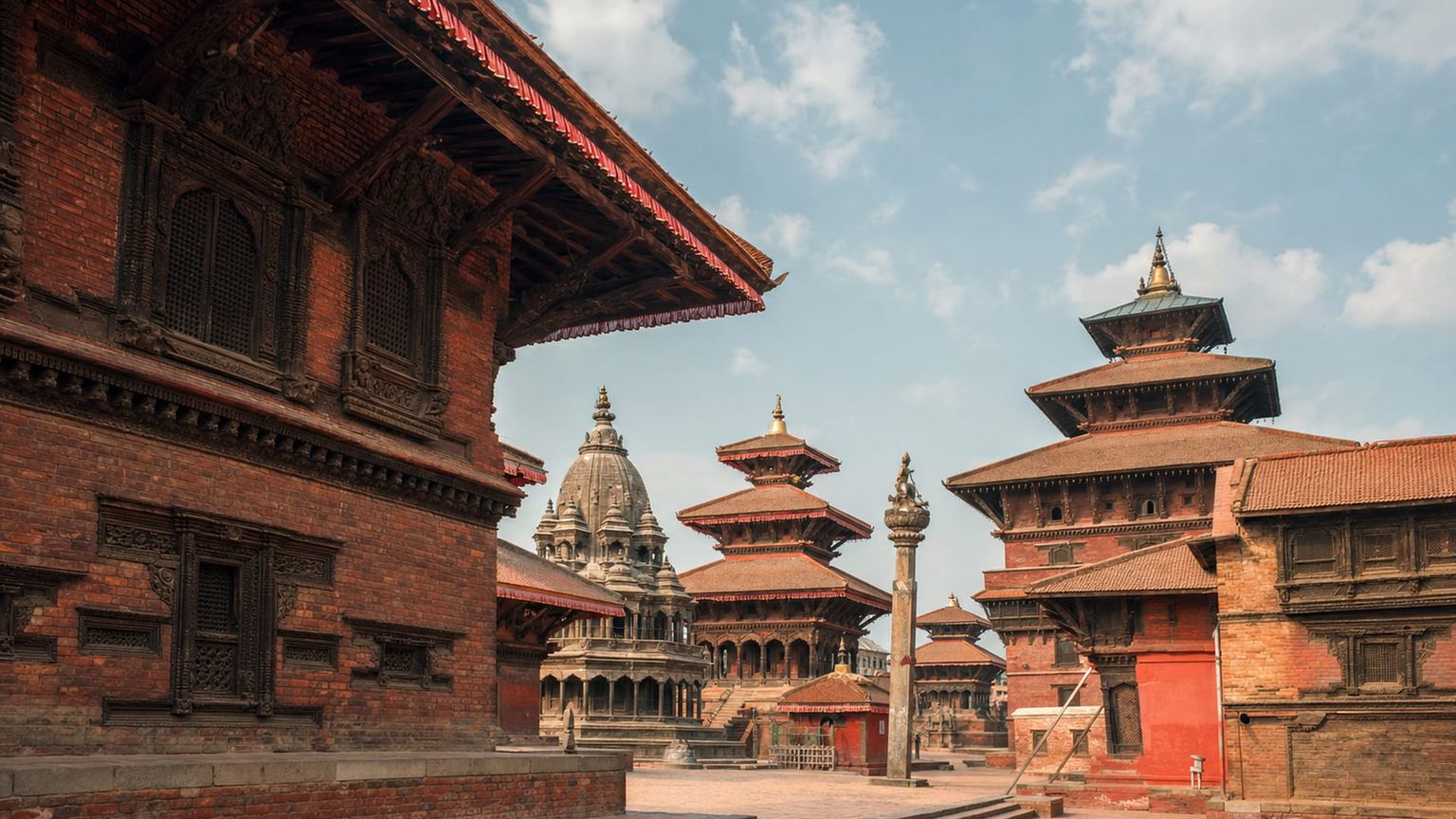
Begin in Swayambhunath Stupa after a taxi from Thamel of about 25 to 35 minutes, or plan about 1 hour on foot if you are staying in a lower central area and want a longer start to the day. Allow 1 to 2 hours for the stair climb, the shrines, and the valley views, then ride east to Pashupatinath Temple in roughly 25 to 35 minutes for the late-afternoon circuit along the Bagmati River. Stay about 1 to 2 hours at Pashupatinath, where the riverfront, temples, and cremation ghats give the day a strong final stop before dinner in Lazimpat, about 10 to 15 minutes away by car.
Boudha works well as a slower day, with the stupa itself at the center and the outer lanes just a few minutes apart on foot. Spend the morning at the main stupa, then walk the Boudha Stupa viewing circuit for 1 to 2 hours, stopping at rooftop cafés or monastery edges if you want a pause outside the densest crowd. From Thamel, the taxi ride usually takes about 25 to 40 minutes, and from Boudha you can return to Thamel in about the same time or stay for Tibetan food nearby as evening lamps come on.
A final morning at the Garden of Dreams takes about an hour, and it pairs well with a calm breakfast nearby before you pack. From there, walk or take a short taxi to Durbar Marg for last-day shopping, where bookshops, clothing stores, and gift boutiques cluster within a compact stretch about 10 minutes from Thamel by car. If your flight leaves later, end with coffee in Lazimpat, where the cafe strip gives you an easy place to sit before the trip to Kathmandu (KTM).
Business-class flights from the US to Kathmandu
Flights into Kathmandu usually arrive on one-stop itineraries, so the route matters as much as the airline. From both coasts, the best fares tend to come through major Gulf or Asian hubs.
From New York (JFK), Qatar Airways, Emirates, Turkish Airlines, Cathay Pacific, Japan Airlines, and Korean Air are common choices, and the trip usually takes about 18 to 24 hours with one stop. Fares often start at about $3,200 to $5,800, while routes via Doha (DOH), Dubai (DXB), or Istanbul (IST) can bring prices down to roughly $1,500 to $2,800.
Los Angeles (LAX) travelers usually fly with Qatar Airways, Emirates, Turkish Airlines, Cathay Pacific, Korean Air, or Singapore Airlines, and itineraries typically run about 19 to 27 hours. Round trips usually fall in the $3,000 to $5,500 range in business-class, with higher prices during peak holiday periods.
Kathmandu feels different when you slow down
A good Kathmandu trip keeps the old palace core, the hilltop steps at Swayambhunath, and the riverfront at Pashupatinath in a sequence that matches the city’s traffic instead of fighting it. Thamel works for arrival, Lazimpat for quieter dinners, and Boudha for slower evenings after the main sites. If you want AranGrant experts to shape a route around these neighborhoods and temple timings, start with Kathmandu and build from there







